Ancient Artifacts and Fragments

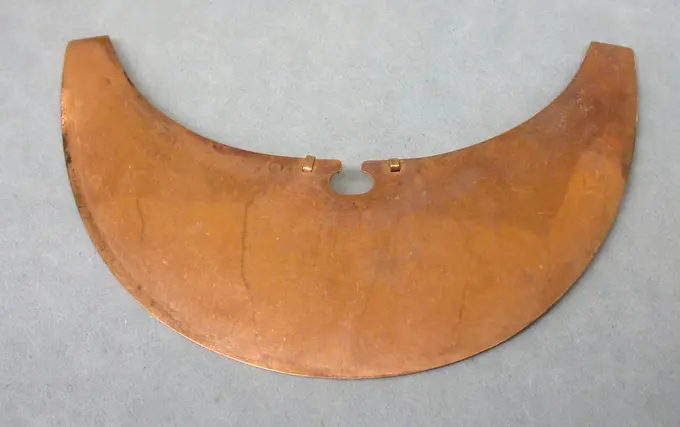
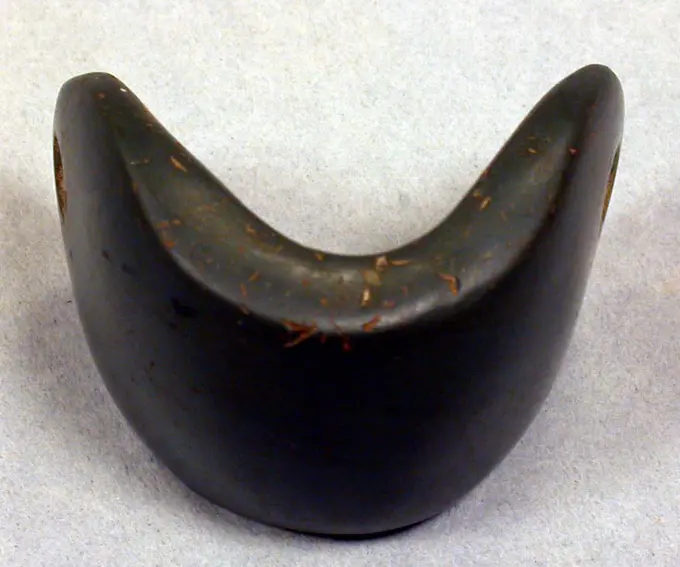
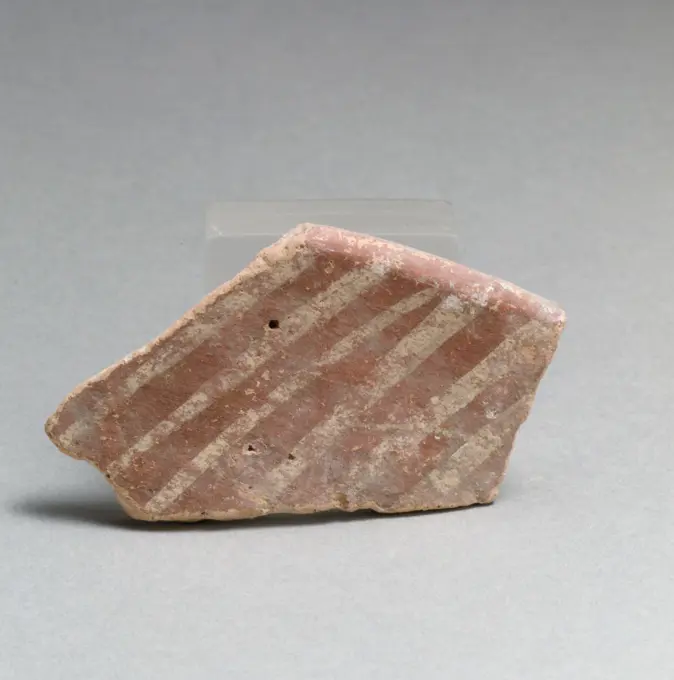
A collection of ancient pottery pieces, including a turtle palette, vase fragments, and an oil lamp, showcasing historical ceramic craftsmanship.

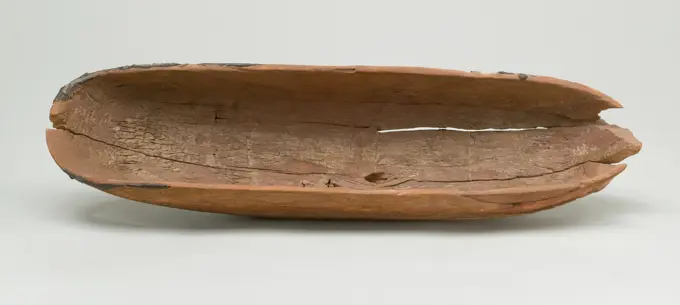
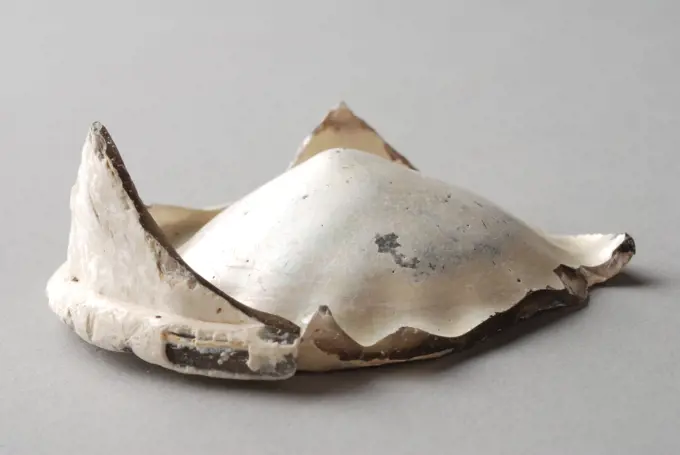
Fragment earthenware dish with nubs in the rim, biscuit, without glaze, plate dish crockery holder soil find ceramic earthenware biscuit, w 12.3 hand-turned fried Fragment earthenware dish with studs in the edge biscuit without glaze Misbaksel; one baked dish orange yellow shard on stand During or after baking broken or deformed and then rejected for further processing and discarded archeology City Triangle Rotterdam Town Hall indigenous pottery craft steward Bakery soil finding: probably found around the Town Hall in Rotterdam 1916 - 1917.
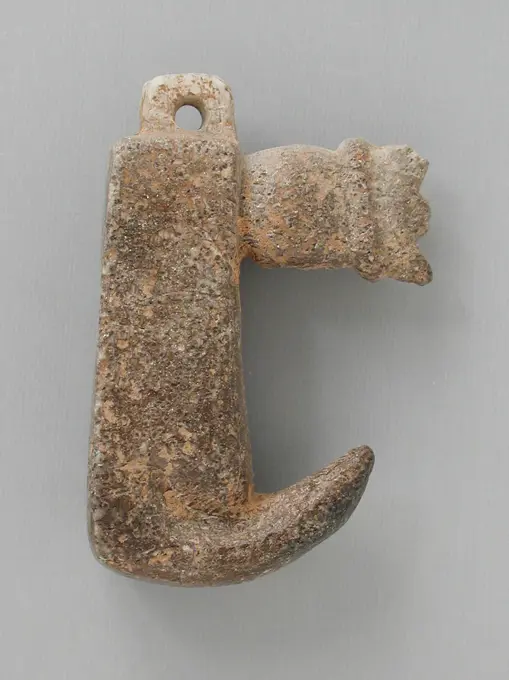
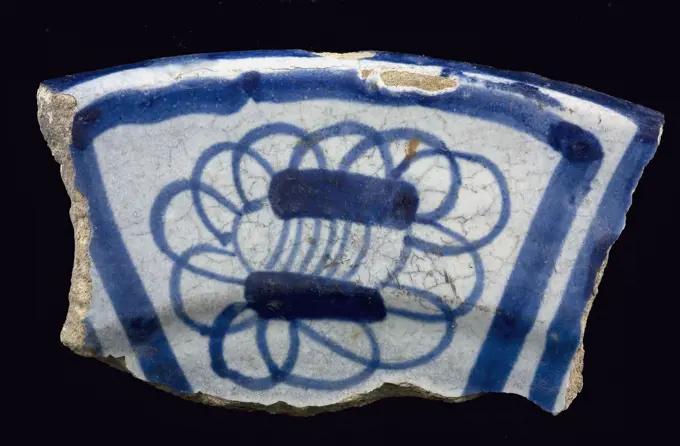
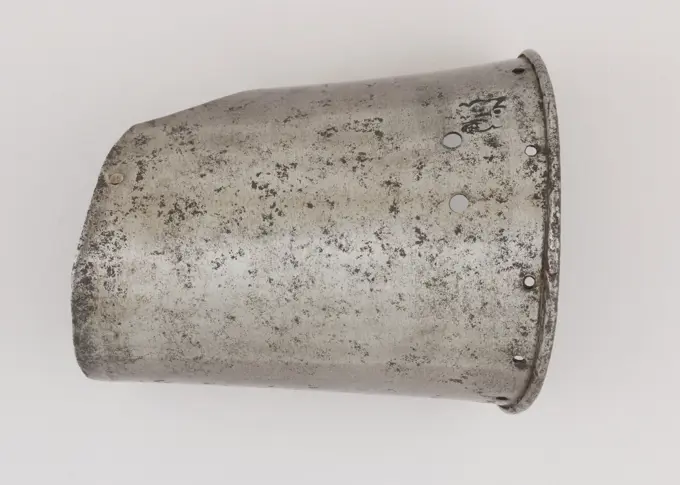
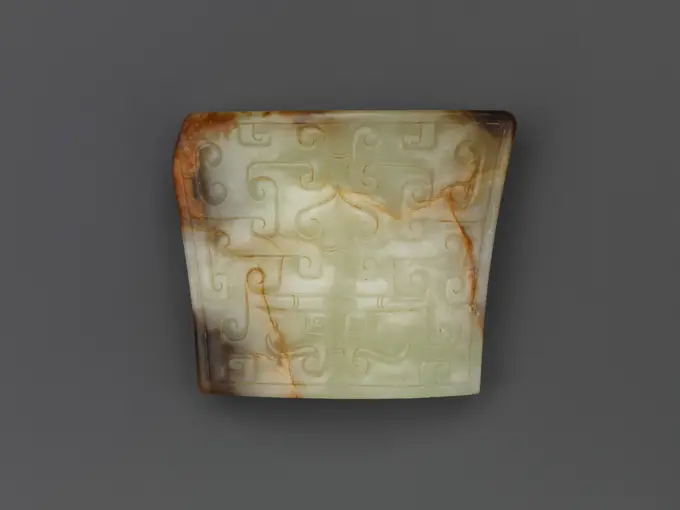
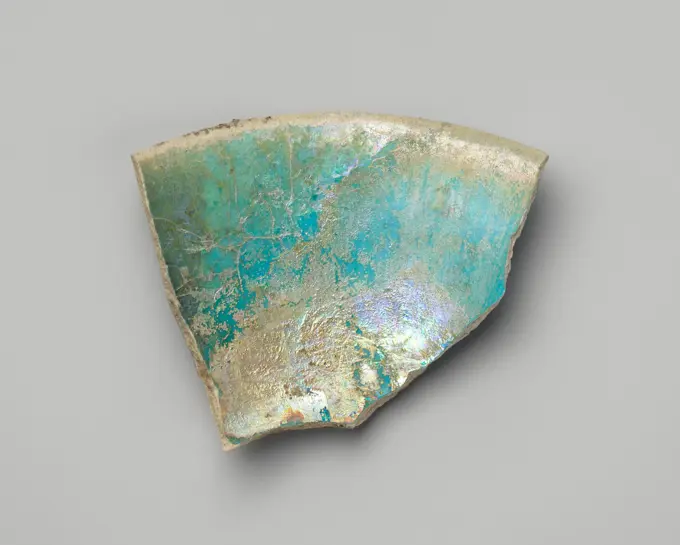
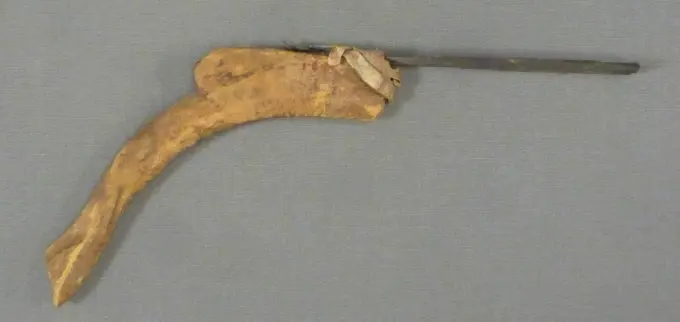
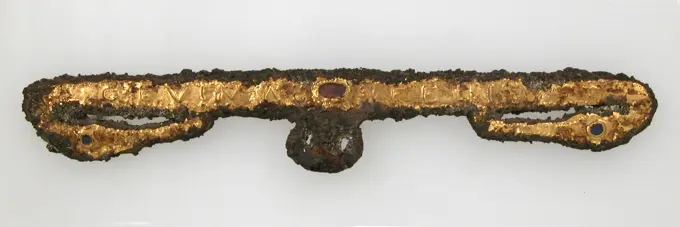
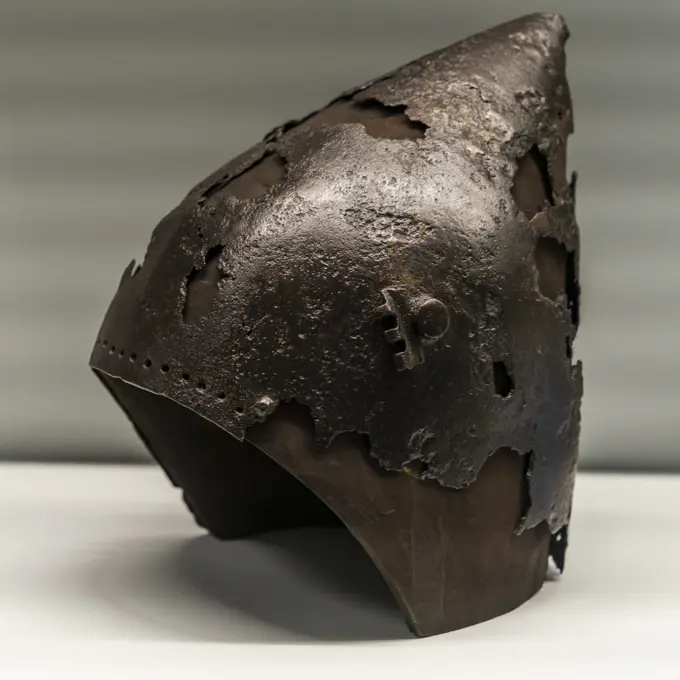
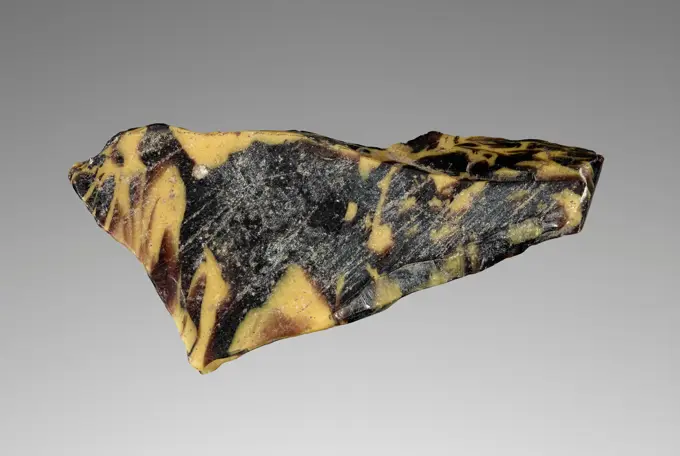
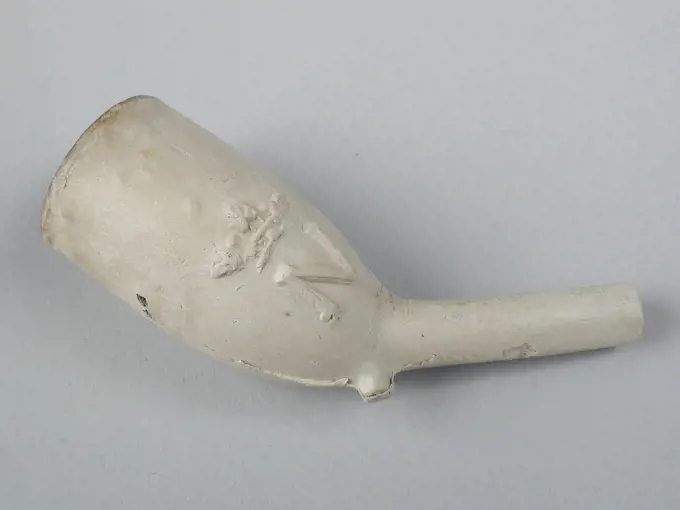
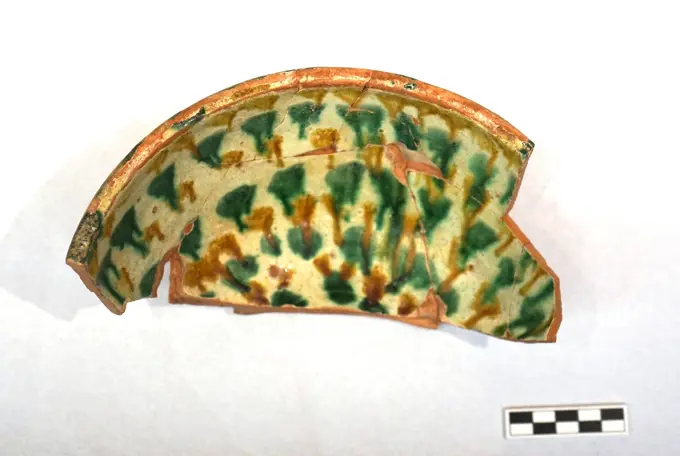
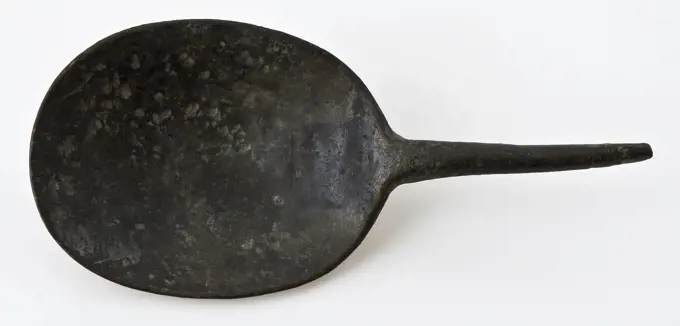
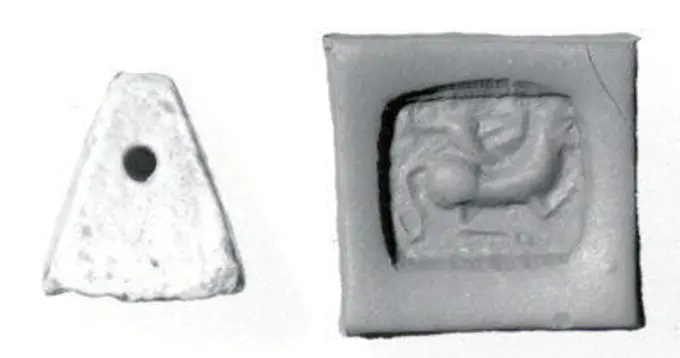
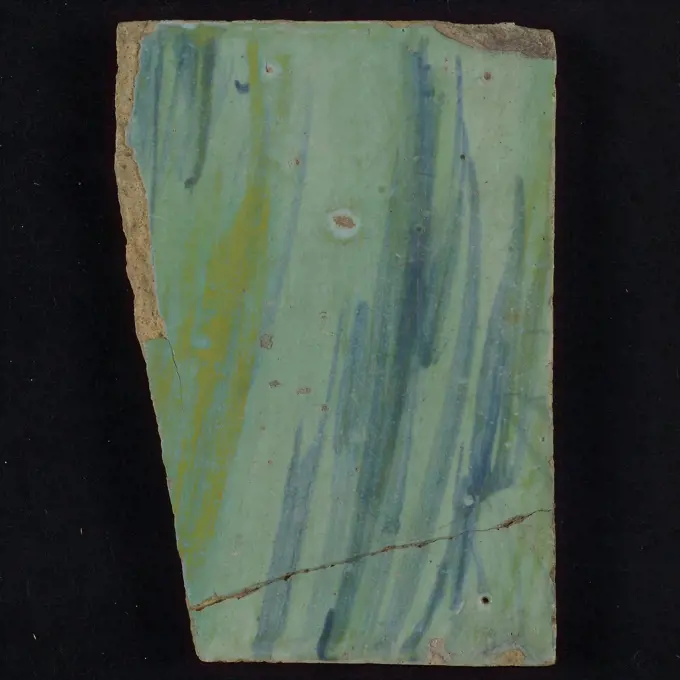
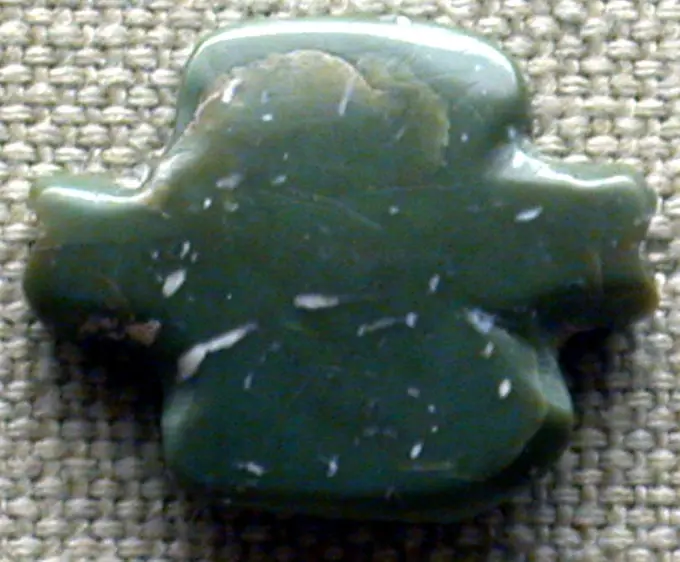
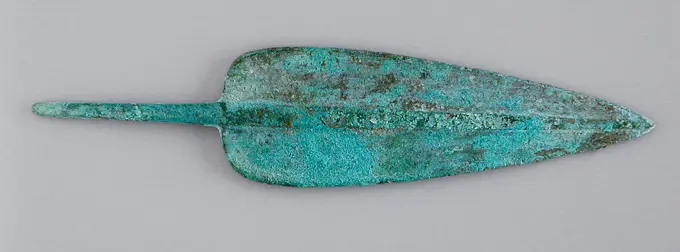
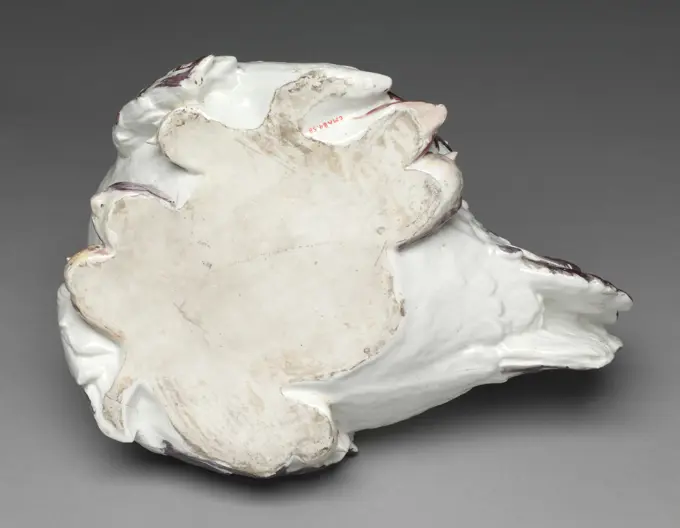
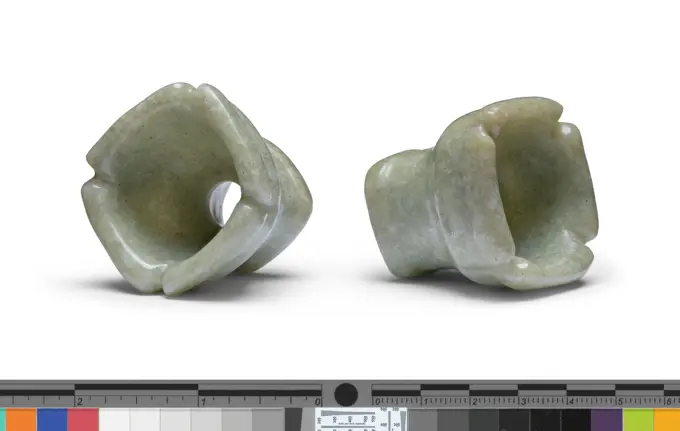
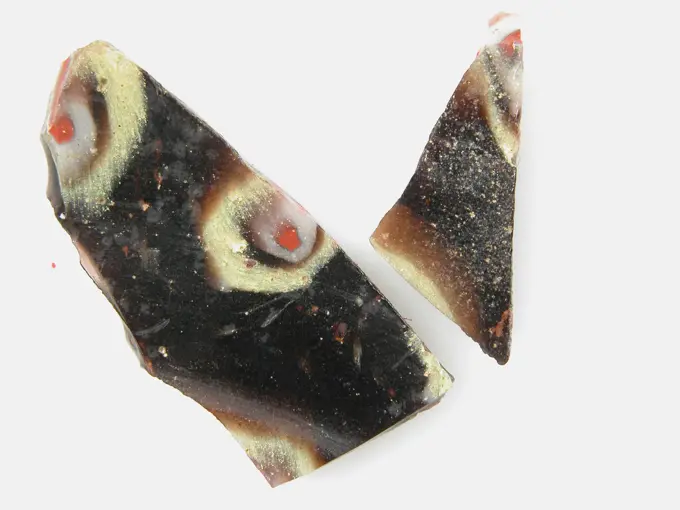
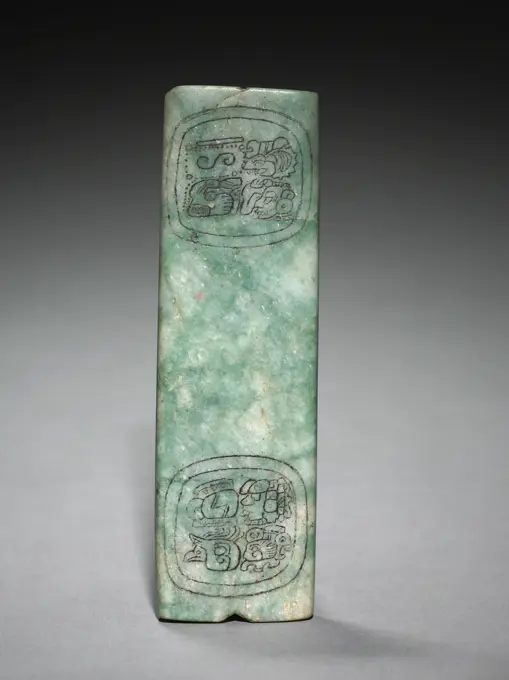
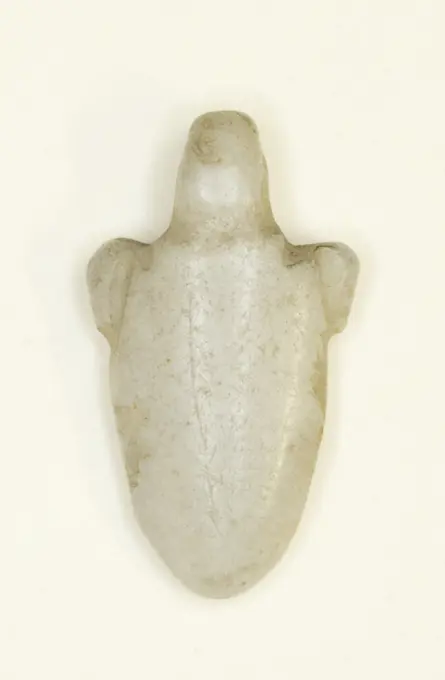
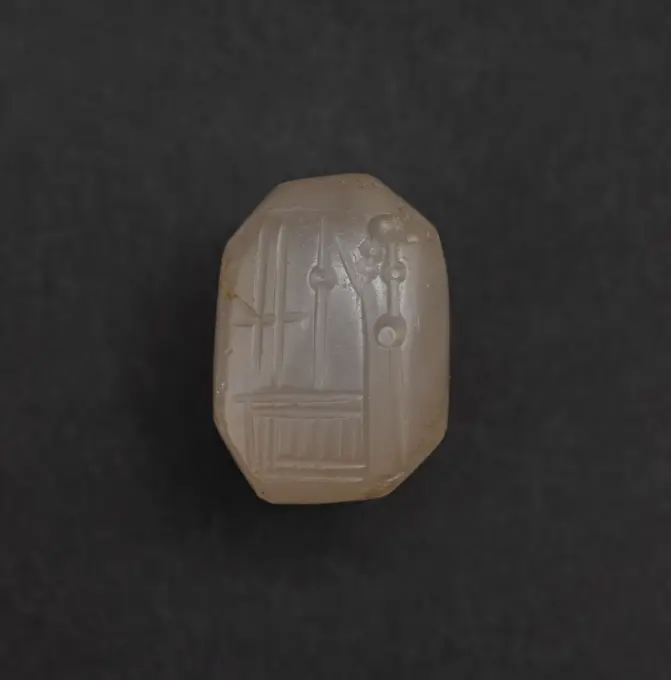
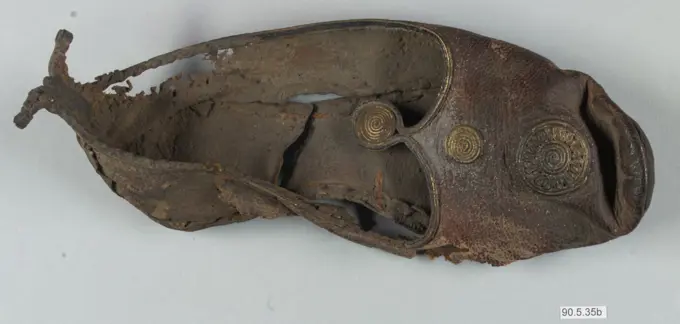
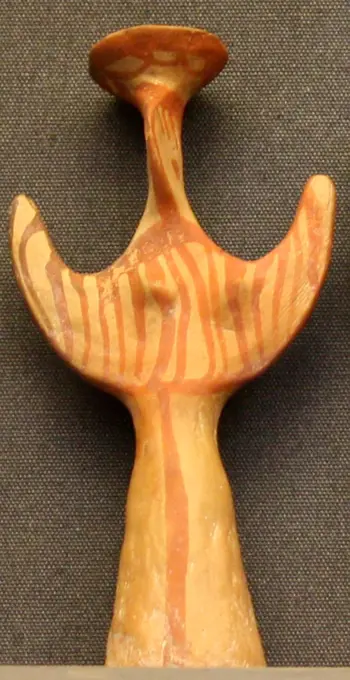
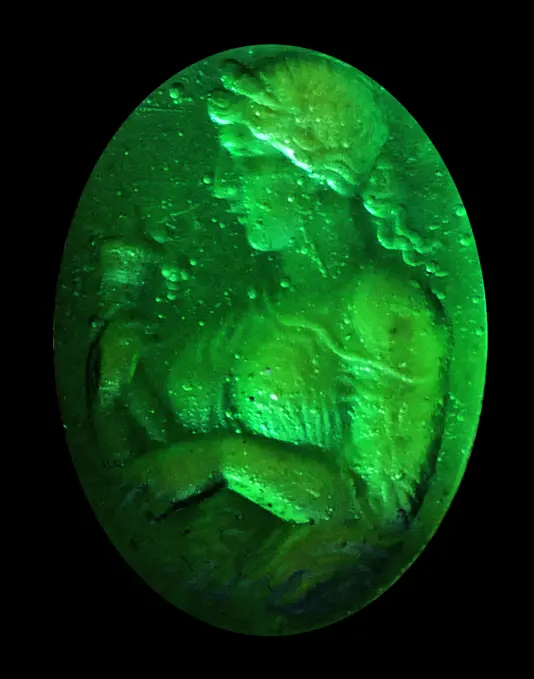
Stone Pendant 9th-15th century Costa Rica. Stone Pendant 315814Table offerings Roman Cakes and fruit.. Table offerings. Roman. Lead. Miscellaneous-LeadFragment 14th-15th century. Fragment 446356Umbo of shield. Cernuschi Museum, Asia Museum of Asia in the city of Paris.Cylinder Seal. Mesopotamia, 7th-6th century B.C.. Tools and Equipment; seals. StoneExcerpt (foot) with gray -yellow shard, on dark green glaze in black a drawing of an angel's head with wings (one visible) and ranks, anonymous, 1200 - 1899  Italy earthenware  Italy earthenwareDetailed but simple image of tea bagBrooch 1847 American. Brooch 124242Fish Ornament 11th-12th century Peru; central coast (). Fish Ornament 308808Rim sherd ca. 7th-6th century B.C. Iran These sherds were once part of the rim of a pottery vessel with a loop handle. They are made of gray clay which has been burnished. They were excavated at Tepe Nush-i Jan, an Iron Age hilltop site about 60 km sound of Hamadan in western Iran. Nush-i Jan was occupied in the 7th and 6th centuries B.C., and its occupants are generally thought to be the Medes, an Iranian people known from Assyrian, Achaemenid and Biblical sources. Though the textual sources portray them as a powerful empire, archaeological evidence for the Medes has yet to sustain this impression. Rather, they seem to have lived in scattered fortified sites in western and central Iran, without any clear capital. Nush-i Jan, one of the best known of these sites, features two temples, a columned hall, and a fort, where these sherds were found. Given their fragmentary state, it is difficult to say anything about how the vessel they came from was used.Gray pottery of this sort is first aFragment of a Jar 9th century. Fragment of a Jar 451129Green Jasper Scarab. Egypt, 12th - 26th Dynasty (1991 - 525 BCE). Sculpture. Green jasperAmulet Seal. Eastern Anatolia, 4th-3rd millenium B.C.. Jewelry and Adornments; amulets. StoneFragment 3rd-7th century. Fragment 448828Dagger. Iran, Luristan, circa 750 B.C.. Arms and Armor; daggers. BronzeEdge fragment majolica dish, blue on white, Chinese tape band in Wanli style, dish tableware holder soil find ceramics pottery glaze, Monochrome decor in wanli style archeology food decorate serving ChinaWinged ScarabUpper Arm Defense (Rerebrace) ca. 1430-40 Italian This is part of a large find of medieval armor discovered in 1840 in the ruins of the fortress of Chalcis, on the Greek island of Euboea (then a Venetian colony called Negroponte). The fortress had been captured and destroyed by the Turks in 1470. Now divided largely between the Ethnological Museum, Athens, and The Metropolitan Museum of Art, the Chalcis hoard contains many rare and unusual elements of fourteenth- and fifteenth-century armor. Of particular importance are the variety of headpieces and the many fragments of brigandines (armor for the torso constructed of small plates riveted to layers of fabric), some of which retain portions of their original velvet covering. The Chalcis armor provides a unique picture of the armament used in the Aegean, one of the easternmost military outposts of the Venetian empire.. Upper Arm Defense (Rerebrace) 23127Scabbard chape 3rd century B.C. China. Scabbard chape 74525Vase fragment ca. 1981-1640 B.C. Middle Kingdom. Vase fragment 560902Ritual Spoon before 16th century Olmec. Ritual Spoon 317383Amulet, Ptah-seker. Amulet, Ptah-seker. Clay, glazed. Gold and SilverFragment of a Bowl or Cup 13th-16th century. Fragment of a Bowl or Cup 452455Statuette of a Lepidotus Fish 664 BCE-332 BCE Egypt. Bronze . Ancient EgyptianRelief fragment, tomb of Meketre ca. 1981-1975 B.C. Middle Kingdom. Relief fragment, tomb of Meketre 562123Fragment of a Bowl 11th-12th century This bowl was unearthed at Nishapur in excavations carried out by the MET in the 1930s and 1940s and was acquired by the Museum through a division of finds with the Iranian government at the time. It is very thinly potted and displays a finely tapered rim. The transparent turquoise glaze appears iridescent due to decay in the soil.This object was most probably made in the 11th or 12th century, at a time when potters were experimenting with new technologies such as stonepaste. Early stonepaste vessels were mostly monochrome-glazed, in turquoise, purple, white, blue, with the occasional splash of a different color. They were thinly-potted, such as in this example. West of Nishapur, in central Iran, vessels displayed a range of scalloped, lobed, and variably decorated rims, suggesting that the development of the medium followed slightly different paths in the two regions.. Fragment of a Bowl. 11th-12th century. Stonepaste; glazed. Excavated in Iran, NiModel Adze ca. 1479-1458 B.C. New Kingdom. Model Adze. ca. 1479-1458 B.C.. Bronze or copper alloy, wood, leather. New Kingdom. From Egypt, Upper Egypt, Thebes, Valley of the Kings, Tomb of Hatshepsut (KV 20), Foundation deposit, Davis/Carter excavations, 1903-04. Dynasty 18Fermoir last half of 5th century Frankish. Fermoir 465350 Frankish, Fermoir, last half of 5th century, Iron, coated with gold foil, glass, Overall: 5 1/2 x 7/8 x 3/16 in. (14 x 2.3 x 0.5 cm). The Metropolitan Museum of Art, New York. Gift of J. Pierpont Morgan, 1917 (17.192.43)Spindle Whorl 10th-16th century () Peruvian. Spindle Whorl 318613conical iron basin, 14th century, Spanish, Álava Armory Museum, Vitoria, Basque Country, SpainFragment of a Mosaic Glass Vessel. Unknown 1st century A.D.Dagger-Blade (ge) Made 1200 BCE-771 BCE China. Jade .Bead in the Shape of a Frog, c. 6th-8th century, 5/16 x 5/8 x 9/16 in. (0.8 x 1.6 x 1.4 cm), Stone, Myanmar (Burma), 5th-9th centuryNose ornament 6th-7th century Moche (Loma Negra). Nose ornament 310688Conical Game Piece. Dimensions: H. 2.8 cm (1 1/8 in.); Diam. 2.1 cm (13/16 in.). Dynasty: Dynasty 18, early. Reign: reign of Thutmose I-early sole Thutmose III. Date: ca. 1504-1447 B.C..The first room that the Museum's excavators cleared in the family tomb of Neferkhawet was the east chamber. In the northwest corner of this room they found a mis-matched partial set of gaming pieces. The two types, conical and spool-shaped, are common components of the board games senet and 20-squares which were usually combined in a single game box with the game boards on opposite sides, and a drawer for the gaming pieces and the throw sticks or knuckle bones that were used like dice to determine how the pieces were moved on the boards. The eight gameing pieces, five conical and three spool-shaped, were lying on their sides next to the outlined remains of an insect-eaten game box. Museum: Metropolitan Museum of Art, New York, USA.Clay pipe with mark, crowned N, clay pipe smoking equipment smoke floor pottery ceramics pottery, pressed finished baked Clay pipe with mark in relief on kettle: crowned letter N Small heel without stamping plate mark: N under crown archeology Rotterdam Oude Plantage indigenous earthenware smoking tobacco Soil discovery Old Plantation 1956.Impression Of Seal Cylinder; 1902-20-23Bird Plaque Ornament 3rd century B.C.-A.D. 2nd century Vicús. Bird Plaque Ornament 315467Eye of Horus (Wedjat) Finger Ring 1325 BCE Egypt. Faience . Ancient EgyptianVessel with Splashed Decoration 10th century Two techniques of decoration were used on this bowl excavated from Nishapur in eastern Iran. In a technique known as sgraffito, a festoon and leaf-like motifs were etched into a white slip that had been applied to the earthenware body and allowed to dry. The etching reveals the body of the bowl, in this case an earthy red fabric, which then stands out in contrast to the white slip to showcase the motif. Next, blobs of green, brown and yellow glazes were applied to the surface with a thin coating of transparent glaze. When the bowl was fired, these colored glazes were allowed to run down the sides of the bowl in the kiln, producing dramatic streaks on the steep exterior sides of the bowl. The combination of the sgraffito and splashing techniques was very popular in the medieval Islamic lands and examples have been attributed to production centers in Syria, Iraq, and Iran.. Vessel with Splashed Decoration. 10th century. Earthenware; white slipMetal knot, semi-circular and undecorated, knot clothing accessory clothing soil find copper brass tin metal, cast Half round knot with fixed loop as eye on the back. Smooth and undecorated archeology dress adorn closeFragment. Culture: European or Middle Eastern. Dimensions: L. 1 5/16 in. (3.3 cm). Date: ca. 1150-ca. 1250. Museum: Metropolitan Museum of Art, New York, USA.Spoon with shallow oval bowl and thin round stem, spoon cutlery soil find copper metal, Copper spoon with short handle. Oval scoop. Steel striker ending archeologyStamp seal 1st millennium B.C.. Stamp seal. 1st millennium B.C.. Dolomitic limestone. Central AsiaBird Pendant. China. Date: 1300 BC-1000 BC. Dimensions: 1 1/8 × 11/16 × 1/8 in. Jade. Origin: China. Museum: The Chicago Art Institute, Chicago, USA.Bowl Containing Resin and Butter ca. 1479-1458 B.C. New Kingdom. Bowl Containing Resin and Butter. ca. 1479-1458 B.C.. Pottery. New Kingdom. From Egypt, Upper Egypt, Thebes, Deir el-Bahri, Temple of Hatshepsut, Foundation Deposit 7, 8, 9 (G, H, I), MMA excavations, 1926-27. Dynasty 18Clay object Conical, shaped like a hat with high crown and rolled brim-stopper.. Clay object. Clay. Miscellaneous-ClayRound Plaque. Culture: Vicús. Dimensions: Diam. 3 3/16 in. (8.1 cm). Date: 3rd century B.C.-A.D. 2nd century. Museum: Metropolitan Museum of Art, New York, USA.Stone Chisel before 16th century Mexico (). Stone Chisel 317240Bronze figure of a recumbent lion ca. 550-500 B.C. Italic, Etruscan The lion figure is sensitively executed and likely adorned a larger object, perhaps a cauldron or a brazier, a low cylindrical vessel that was associated with ritual offerings and banqueting and frequently found in Etruscan tombs.. Bronze figure of a recumbent lion 330028Animal Ornament 6th-7th century Moche (Loma Negra). Animal Ornament 315179Tile of tableau (green, blue), tile picture footage fragment ceramics pottery glaze, Seven multi-colored tiles of tableau (-G). Especially green blue and yellow.Amulet  HatchesDragon Plaque 410 BCE-290 BCE China. Jade .Fragment. Culture: European or Middle Eastern. Dimensions: L. 1 3/8 in. (3.5 cm). Date: ca. 1150-ca. 1250. Museum: Metropolitan Museum of Art, New York, USA.Volute-krater fragment late 6th century B.C. Greek, Attic Black glaze around the neck with meander at top of shoulder.. Volute-krater fragment 252817 Greek, Attic, Volute-krater fragment, late 6th century B.C., Terracotta, Overall: 1 15/16 x 1in. (5 x 2.5cm). The Metropolitan Museum of Art, New York. Gift of The American Society for the Excavation of Sardis, 1926 (26.199.252)European flint , Archaeological assemblages, Charles F. Walcott Archaleogical CollectionBead ca. late 8th millennium B.C.. Bead 327153Section of lute instrument ca. 1550-1295 B.C. Early New Kingdom-Ramesside Period. Section of lute instrument. ca. 1550-1295 B.C.. Wood. Early New Kingdom-Ramesside Period. From Egypt, Upper Egypt, Thebes, Dra Abu el-Naga, Carnarvon/Carter excavationsFragment ca. 1150-ca. 1250 European or Middle Eastern. Fragment 696581Nose Ornament 1st-3rd century Moche. Nose Ornament 317800Temple Model 1st-8th century Mezcala. Temple Model 318656Spear Point. Western Iran, circa 1000-825 B.C.. Arms and Armor; spears. BronzeFinger Grip before 16th century Colima (). Finger Grip 317418Vase fragment Minoan. Vase fragment 247849Hen and Chicks Tureen, c. 1755. Chelsea Porcelain Factory (Britain, London, 1745-84). Porcelain; overall: 24.8 x 34.9 x 25.7 cm (9 3/4 x 13 3/4 x 10 1/8 in.). The ceramic factory at Chelsea, located along the river Thames in western London, was Britains most renowned factory of decorative porcelain in the mid-1700s. Large tureens in the form of chickens or rabbits appealed to wealthy aristocrats, who took great care in developing specimen animal and poultry breeds on their country estates. The design for this particular tureen was taken from a popular seventeenth-century print by Francis Barlow depicting a farmyard.Round Plaque. Culture: Vicús. Dimensions: Diam. 2 1/4 in. (5.7 cm). Date: 3rd century B.C.-A.D. 2nd century. Museum: Metropolitan Museum of Art, New York, USA.Weighing down device (fish net sinker) ca. 1295-1070 B.C. New Kingdom, Ramesside. Weighing down device (fish net sinker). ca. 1295-1070 B.C.. Limestone. New Kingdom, Ramesside. From Egypt, Memphite Region, Lisht North, Cemetery, MMA excavations, 1913-14. Dynasty 19-20Gambling Dice, before 1917. California, Tulare, Unassigned. Hollow shell, resin, glass beads, mica/seashell fragment; overall: 1.5 x 2 cm (9/16 x 13/16 in.).Europe, Former Yugoslavia. Illyrian Treasure. 6 - 5thC BC.Sidewall - fragment, Block-printed on handmade paper, Rosettes linked by lines forming diamonds, which are filled with irregular honeycomb pattern. Black and white printed on a gray ground., USA, 1795-1805, Wallcoverings, Sidewall - fragmentCollar amulet 664-380 B.C. Late Period. Collar amulet 561544Excerpt (foot) with soft pink shard, in covered blue glaze a building, anonymous, 1200 - 1899  Italy earthenware  Italy earthenwareFragment of a Dish 13th-14th century. Fragment of a Dish 446369Fragments of a Bead 8th-13th century The dot-in-circle motif recalls designs presumed to be of magical significance, most likely an abstract eye to ward off the evil-eye, which serves an apotropaic function. Easily reproduced with a tool and visible in many cultures and times, this symbol may have lost its meaning, and become simply a decorative pattern, or may have one that we have not yet discovered.. Fragments of a Bead 450894Pair of Earspools. Guatemala/Honduras, Maya, 300-900 CE. Stone. GreenstoneFragment ca. 1150-ca. 1250 European or Middle Eastern. Fragment. European or Middle Eastern. ca. 1150-ca. 1250. Glass, ceramic. Glass-VesselsGlass Fragments from a Vessel 4th-early 5th century Coptic. Glass Fragments from a Vessel 477141Fragment of soil, stand ring and wall of (waffle) Cup, drinking glass drinking utensils tableware holder soil find glass, free blown and shaped into blown Fragment of bottom stand ring and wall of (waffle) Cup in clear colorless glass Under raised bottom pontilemark of which underneath in star shape 16 imposed and fused glass wires traversed to wall Placed smooth convex glass wire as stand ring of which about half is missing. Wall rises almost vertically and has waffle pattern of imposed and blown out glass threads of which one remains archaeological metropolis Rotterdam City Triangle Groenendaal archaeological find in the soil Metrotunnelbouw Groenendaal.Bronze spoon, China. Chinese Civilisation, Western Zhou Dynasty, 11th-9th centuries.Lamp 5th century B.C. Greek, Attic. Lamp. Greek, Attic. 5th century B.C.. Terracotta; black-glaze. ClassicalBar Bead, 250-550. Mexico or Central America, Maya style (250-900). Jadeite-albitite, modern black pigment; overall: 4.6 cm (1 13/16 in.).Fragment first half 17th century Mexican. Fragment 211514Fragment of a Bowl 15th century. Fragment of a Bowl 446349Amulet of a Heart 1069 BCE-525 BCE Egypt. Stone . Ancient EgyptianOrnament, Christmas Tree (USA); doughPendant 7th-8th century. Pendant 447031Stamp, in the shape of a duck. Assyria, Neo-Assyrian (style), late 8th-7th century B.C.. Tools and Equipment; stamps. Colorless chalcedonyStampSconce Stromy 5 team (Żygulska, Żątowska, Karbowska)Fragment ca. 1150-ca. 1250 European or Middle Eastern. Fragment 695148Tile Fragment 9th century. Tile Fragment 455176Amulet  HatchesLeather Shoe with Gilded Medallions 2nd-9th century Many types of footwear existed in the Byzantine world. Boots were worn by soldiers and laborers, slippers by monks and clergy, and sandals by government officials; the poor would have gone barefoot.. Leather Shoe with Gilded Medallions 443618Round Plaque 3rd century B.C.-A.D. 2nd century Vicús. Round Plaque 315519Fragment. Culture: European or Middle Eastern. Dimensions: L. 1 3/4 in. (4.5 cm). Date: ca. 1150-ca. 1250. Museum: Metropolitan Museum of Art, New York, USA.Stone Pulidor before 16th century Mexican. Stone Pulidor 317072Terracotta female figures wearing a long skirt and a flat head-dress (polos). Made during various times between 1350-1200 BC. Found in Athens and Melos.Roman glass gem depicting the goddess Fortuna. 1st century BCDishes of white -baking earthenware, at the front with leaves in green and yellow glaze on a blue surface, with blue glaze at the rear, anonymous, 1200 - 1899  Italy earthenware  Italy earthenware