Ancient Artifacts and Fragments

A collection of ancient pottery pieces, including a turtle palette, vase fragments, and an oil lamp, showcasing historical ceramic craftsmanship.

Fragment earthenware dish with nubs in the rim, biscuit, without glaze, plate dish crockery holder soil find ceramic earthenware biscuit, w 12.3 hand-turned fried Fragment earthenware dish with studs in the edge biscuit without glaze Misbaksel; one baked dish orange yellow shard on stand During or after baking broken or deformed and then rejected for further processing and discarded archeology City Triangle Rotterdam Town Hall indigenous pottery craft steward Bakery soil finding: probably found around the Town Hall in Rotterdam 1916 - 1917.
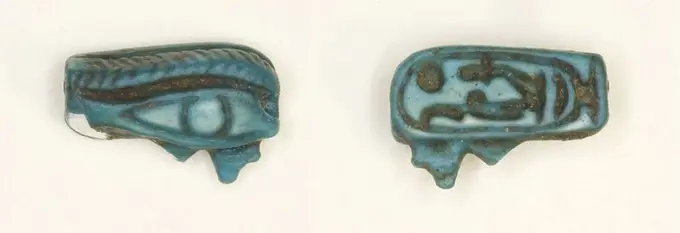
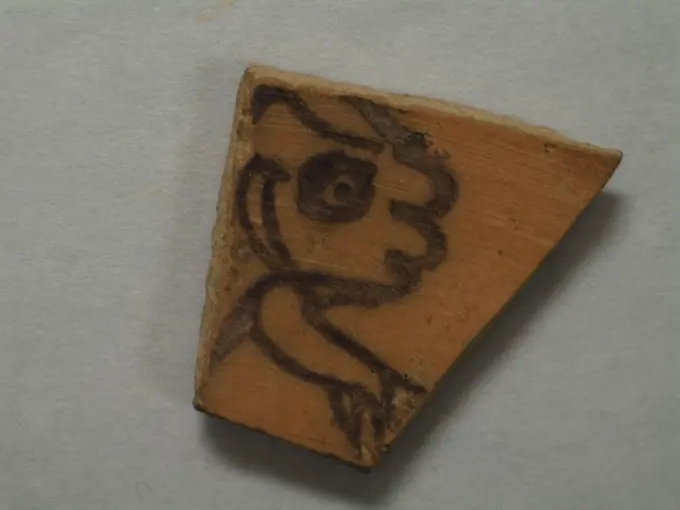
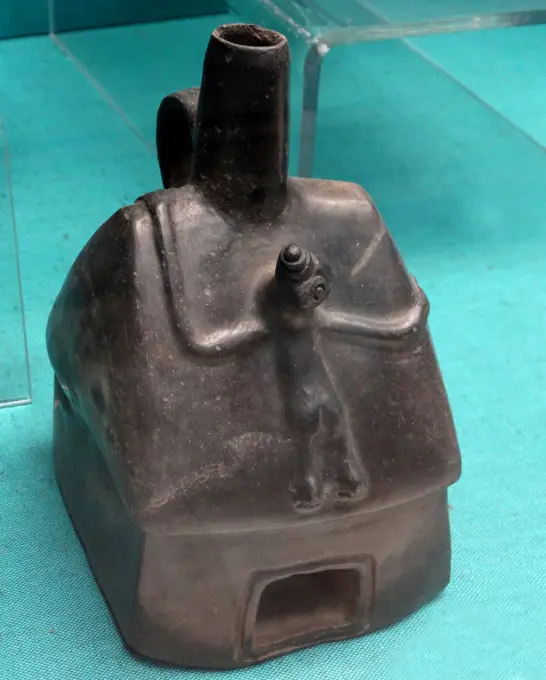
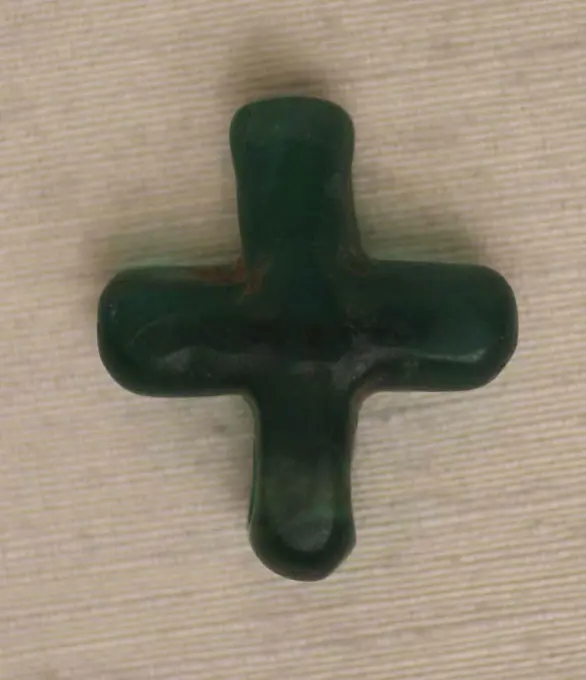
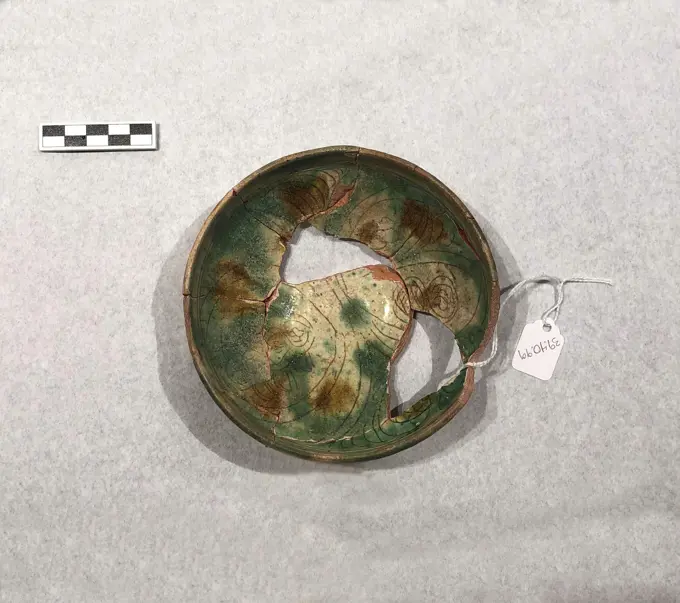
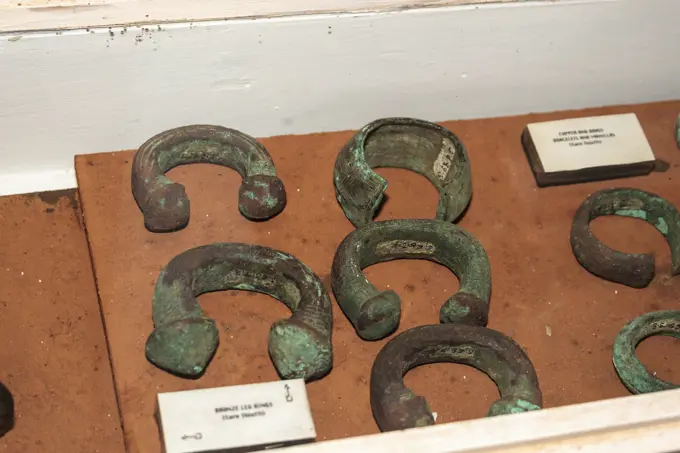
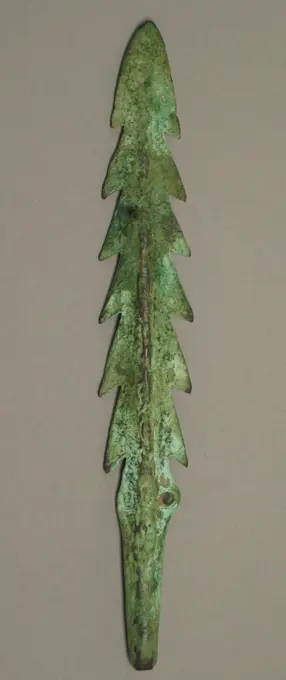
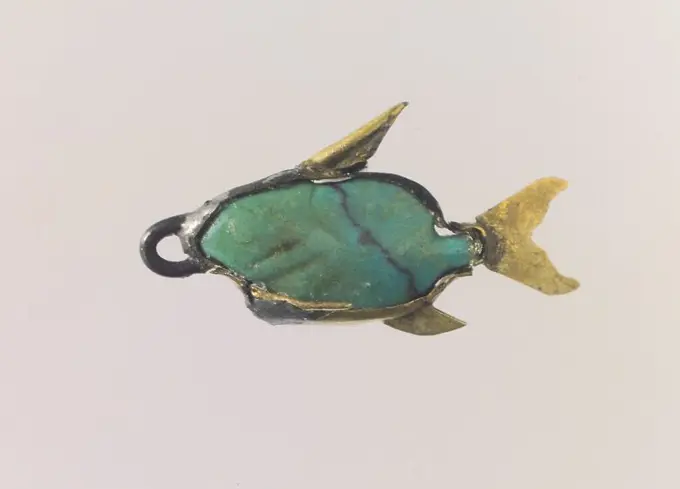
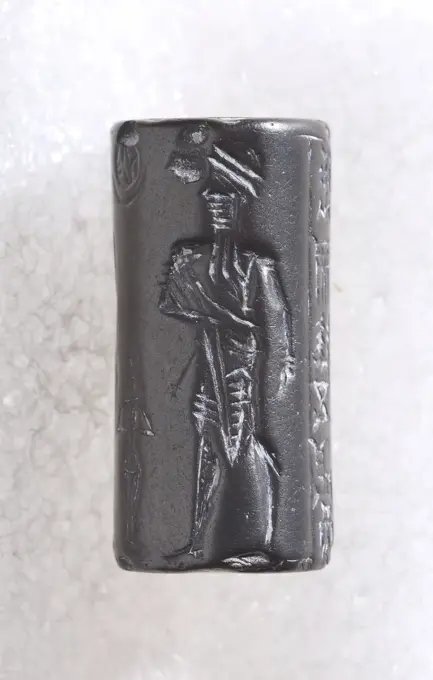
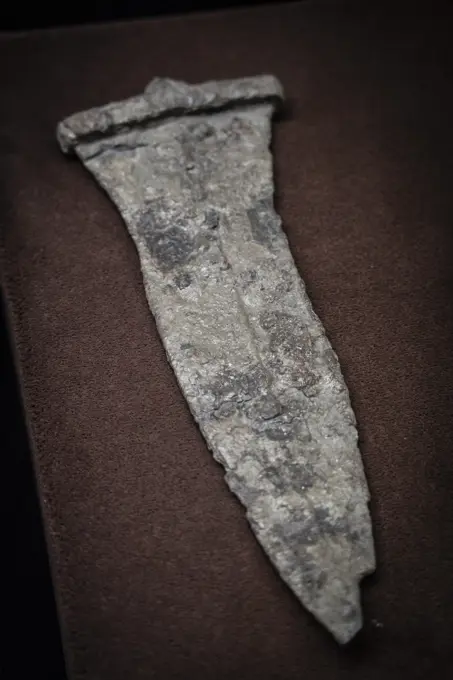
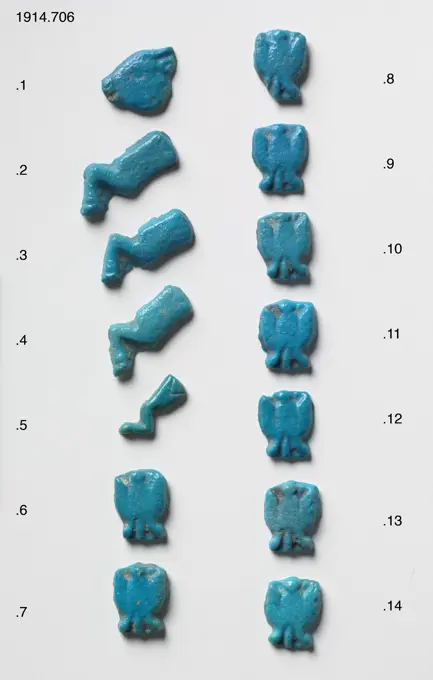
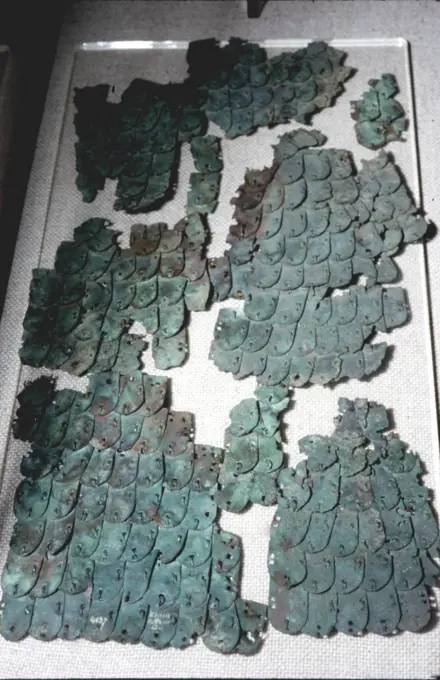
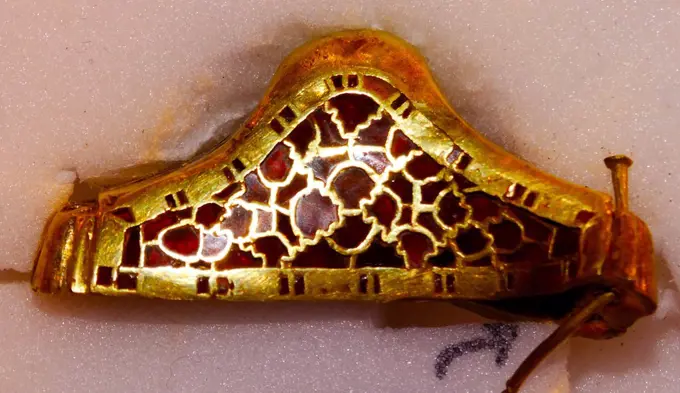
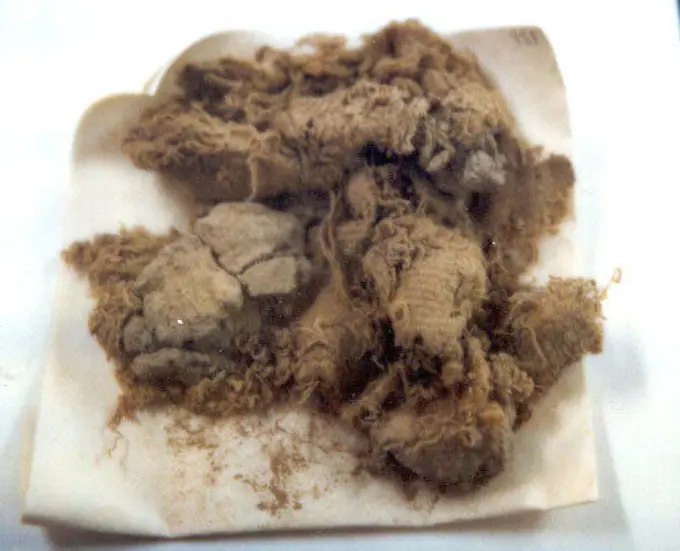
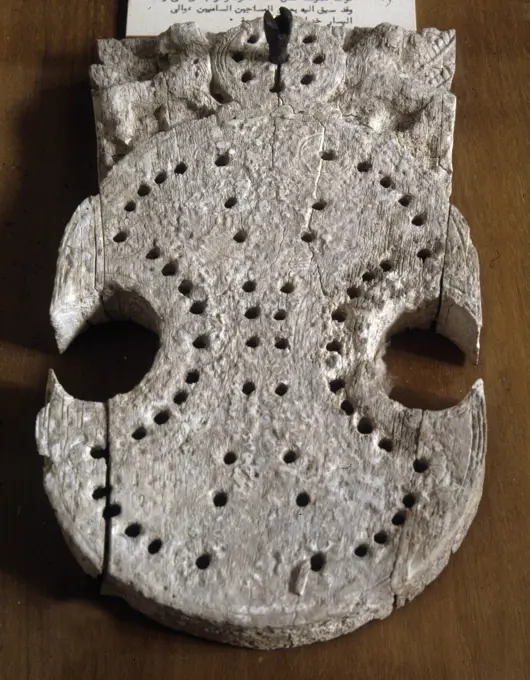
Ivory gaming board, 12th century BC, Megiddo, IsraelScarab: Uninscribed. Egyptian. Date: 1985 BC-525 BC. Dimensions: 1 × 2.5 × 1.6 cm (3/8 × 1 × 5/8 in.). Stone. Origin: Egypt. Museum: The Chicago Art Institute, Chicago, USA. Author: Ancient Egyptian.Dolphin and tridentGold Sheet Ornament A.D. 200-900 Peruvian. Gold Sheet Ornament 308895Amulet of the Eye of Horus. Egyptian. Date: 1390 BC-1352 BC. Dimensions: 1.1 × 0.8 × 0.5 cm (7/16 × 5/16 × 3/16 in.). Faience. Origin: Egypt. Museum: The Chicago Art Institute, Chicago, USA. Author: Ancient Egyptian.Miniature Vessel 1st-8th century Mezcala. Miniature Vessel 317388Carrying sign of the union of the non -commissioned officers of the militia in Amsterdam to exercise in the arms trade (v.o.s.a.), Anonymous, 1880 medal Silver carrier with eye, ring and ribbon, with a silver band around the ribbon on which engraved chairman.  penning: silver (metal). lint: textile materials. bandje: silver (metal)Shard: Head of Figure() ca. 4th-5th century Pakistan. Shard: Head of Figure(). Pakistan. ca. 4th-5th century. Painted terracotta. CeramicsJar in the form of a horse. Chimu, Peru. Dated 14th CenturyCross 3rd-12th century. Cross 444853Scarab: Uninscribed. Egyptian. Date: 1985 BC-525 BC. Dimensions: 1 × 2.2 × 1.6 cm (3/8 × 7/8 × 5/8 in.). Stone. Origin: Egypt. Museum: The Chicago Art Institute, Chicago, USA. Author: Ancient Egyptian.Bowl 9th-10th century. Bowl. 9th-10th century. Earthenware; white slip, incised and splashed with polychrome glazes under transparent glaze (sgraffito ware). Excavated in Iran, Nishapur. CeramicsAfrica, Gambia, Banjul. Copper and Bronze armlets used as currency.Harpoon 1500-1000 B.C. India These anthropomorphic figures, harpoons, ax blades (celts), and antennae swords were cast and hammered from unalloyed copper. They may be dated to 1500 to 1000 B.C. Given that pure copper is a relatively soft metal and most of the objects show little or no signs of wear, it seems likely that their function was largely dedicatory. Hoards of such objects have been found across north India, the greatest concentration being in Uttar Pradesh. The findspots suggest they were ritually deposited in rivers or marshes, though several related antennae swords were recorded in late Indus Valley civilization (ca. 1500 B.C.) burials at Sanauli.. Harpoon 56621Fish Pendant. Dimensions: L. 2.1 cm (13/16 in.); H. 1 cm (3/8 in.); Th. 0.4 cm (3/16 in.). Dynasty: late Dynasty 12-early Dynasty 13. Date: ca. 1878-1749 B.C..The loop for suspension at the mouth of the fish shows that it would have hung vertically as a pendant. Its overall shape with a sharp dorsal fin allows to determine that this is a Synodontis batensoda. More detailed pendants confirm this identification. This type of catfish often swims upside down very close to the surface and is hence also called the "upside-down catfish.". Museum: Metropolitan Museum of Art, New York, USA.Glass Fragments from a Vessel 4th-early 5th century Coptic. Glass Fragments from a Vessel 477134Cylinder seal, c. 1700-1600 BCE, various, Hematite, Mesopotamia, 17th-18th century BCEFragment of a Bowl 15th century. Fragment of a Bowl 445320Dolch Dolch Copyright: xZoonar.com/BartomeuxBalaguerxRotgerx 22568888Fragment 9th century. Fragment 451562Viking age. Beckets for securing the rope. Viking Ship Museum. Oslo. Norway.Fragment ca. 1150-ca. 1250 European or Middle Eastern. Fragment 694356Braided and Knotted Head Cord or Fillet 10th-15th century Peru; central coast (). Braided and Knotted Head Cord or Fillet 307822Food Model Amulets , 1295-1069 BC. Egypt, New Kingdom, Dynasties 19-20. Turquoise faience; overall: 3 cm (1 3/16 in.).Fragment ca. 1150-ca. 1250 European or Middle Eastern. Fragment 695350Knife Handle (Kozuka). Culture: Japanese. Dimensions: L. 3 13/16 in. (9.7 cm); W. 9/16 in. (1.4 cm); thickness 3/16 in. (0.5 cm); Wt. 1.2 oz. (34 g). Date: ca. 1615-1868. Museum: Metropolitan Museum of Art, New York, USA.Ananiah Gives Yehoishema a House Aramaic. Ananiah Gives Yehoishema a House, March 10, 402 B.C.E. Papyrus, ink, mud, linen, Glass: 15 3/8 x 19 1/2 in. (39.1 x 49.5 cm).   Egyptian, Classical, Ancient Near Eastern Art March 10, 402 B.C.E.Roman scale armour fragment.Artefact from the Staffordshire Hoard of Anglo-Saxon gold and silver metalwork. Discovered in a field near the village of Hammerwich, near Lichfield, in Staffordshire, England, on 5 July 2009, it consists of over 3,500 items from the Anglo-Saxon kingdom of Mercia.Arched pendant Made 1600 BCE-1045 BCE China. Jade .Textile fragment ca. 6th century A.D. Sasanian These textile fragments may be the remains of a piled carpet, though it is difficult to say given their present condition. They were excavated at Shahr-i Qumis in northern Iran, which has been identified as the ancient city of Hecatompylos, established by the Parthians as their capital by about 200 B.C. However, these fragments come from Room 23 at Site VI, which was seemingly converted into a burial chamber during the 6th century A.D., a date indicated by a coin of the Sasanian king Hormizd IV (reigned A.D. 579-590). The human remains discovered there consist of disarticulated bones, which is in keeping with Zoroastrian burial practice. Yet the bones appear to have been wrapped in leather and wool, which would be unusual for Zoroastrians, as is the inclusion of a coin with the body. Thus it is possible that in the 6th century Zoroastrian burial practices were still under development or that there were regional variations that are not recoMold and Impression for a Crouching Demon Dwarf 1st century B.C.-1st century A.D. India. Mold and Impression for a Crouching Demon Dwarf 38369Textile Ornament. Culture: Chimú. Dimensions: D. 2 1/4 in. (5.7 cm). Date: 14th-15th century. Museum: Metropolitan Museum of Art, New York, USA.Pin and Wire Fragments 4th-7th century Coptic. Pin and Wire Fragments 479221