Ancient Artifacts and Fragments

A collection of historical artifacts including pot fragments, stamp seals, and pipe remnants, showcasing ancient craftsmanship from various periods.
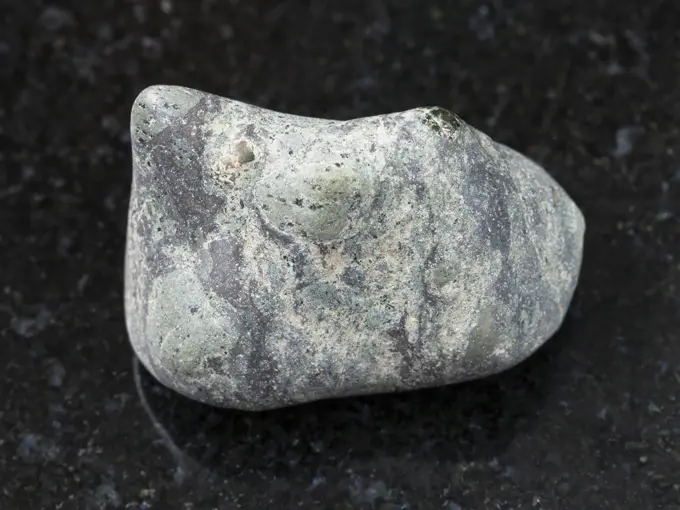
pebble of Suevite stone on dark background macro shooting of natural mineral rock specimen - pebble of Suevite stone on dark granite background from Karelia, Rissia Copyright: xZoonar.com/ValeryxVoennyyx 11391907
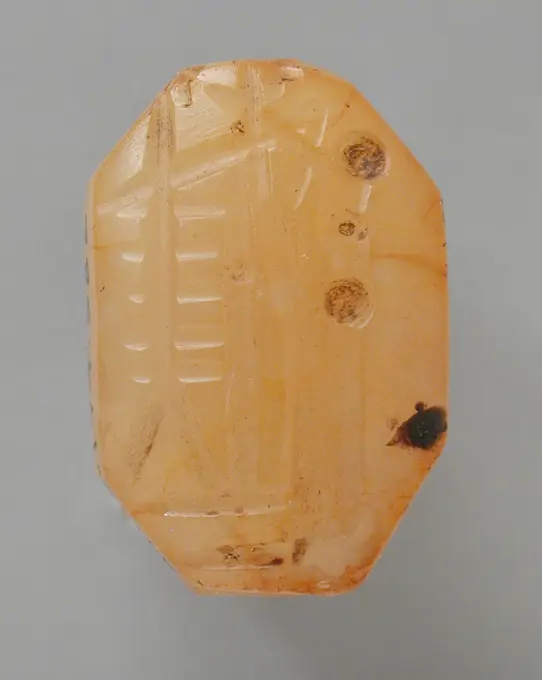
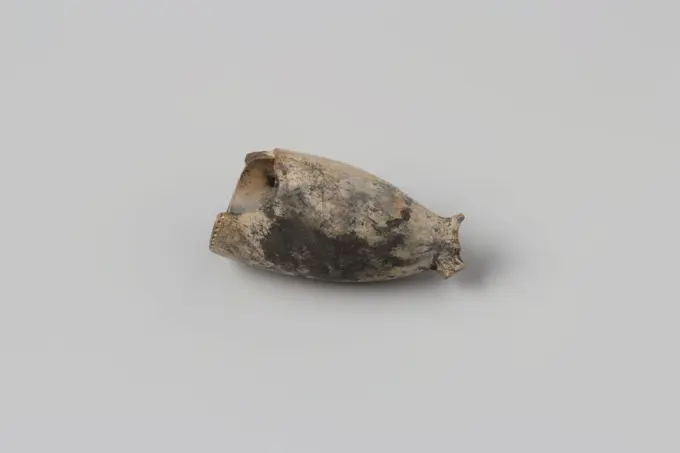
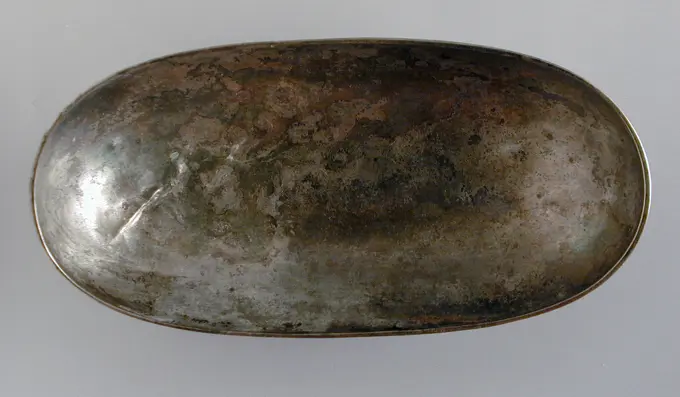
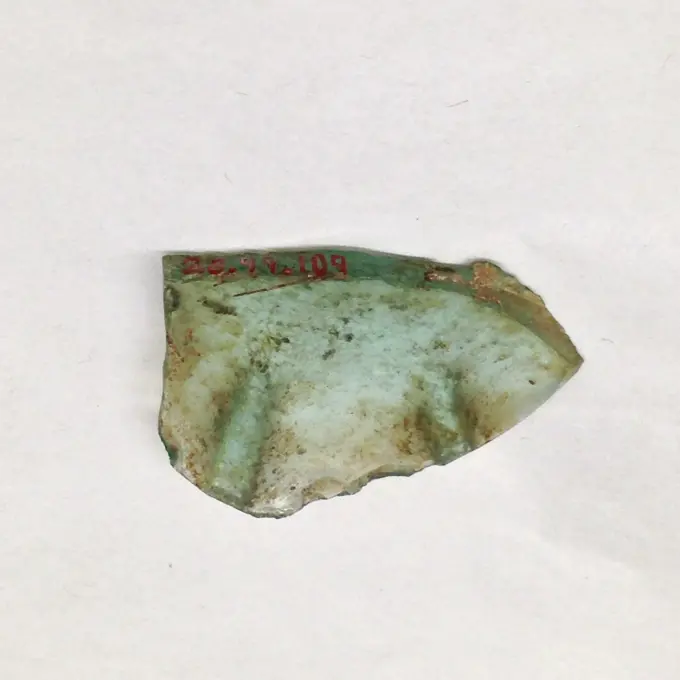
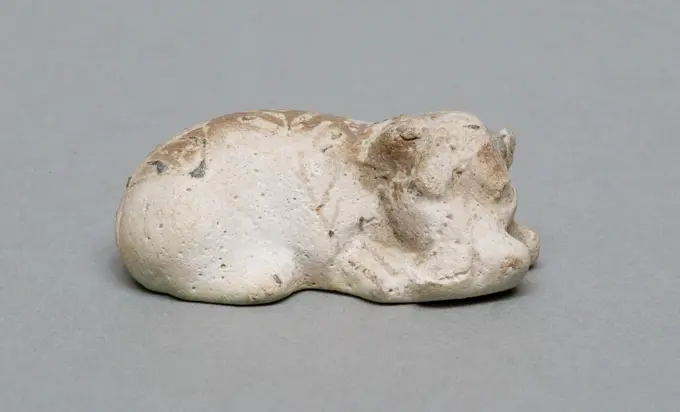
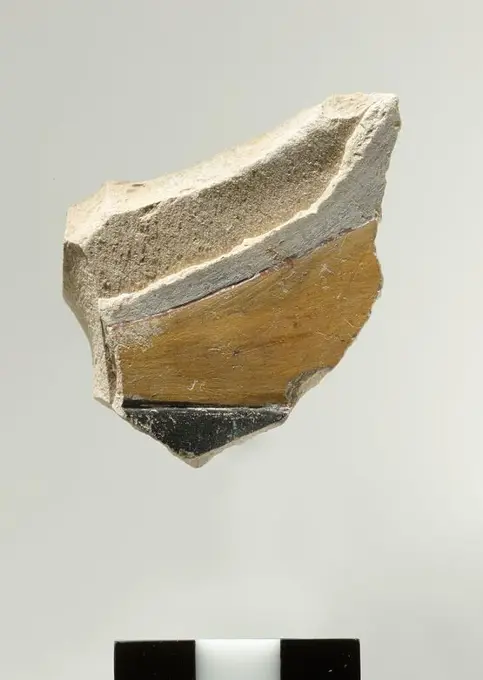
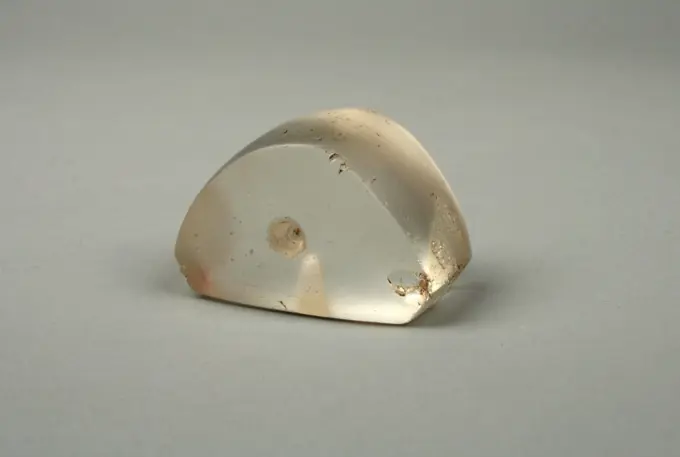
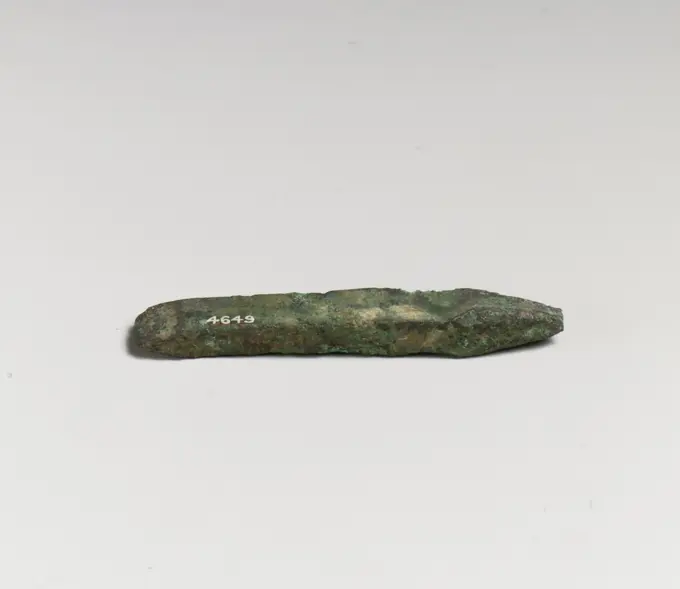
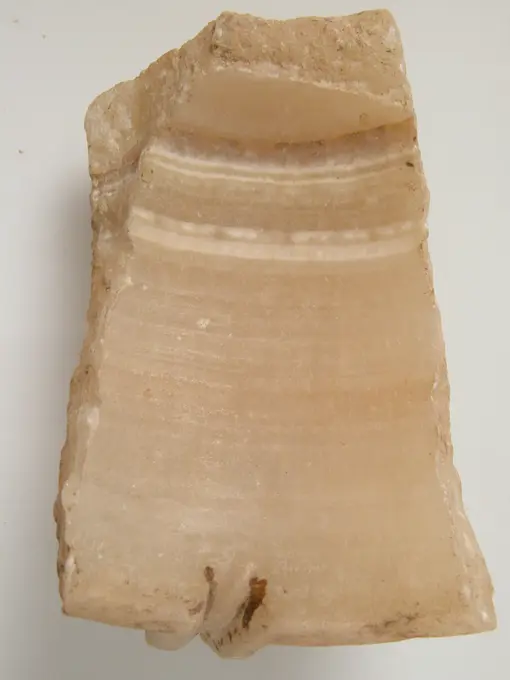
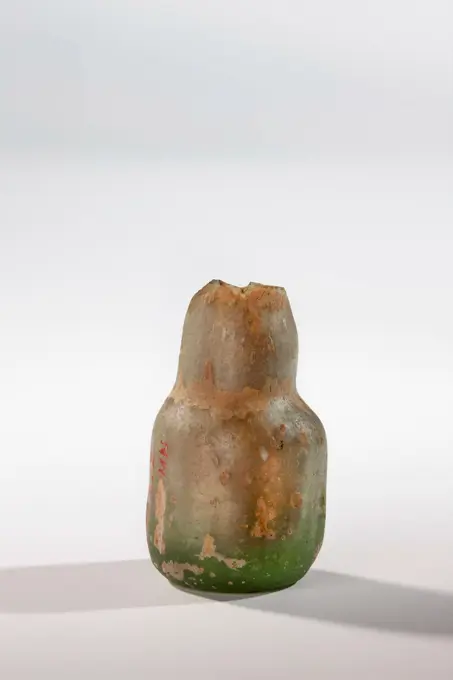
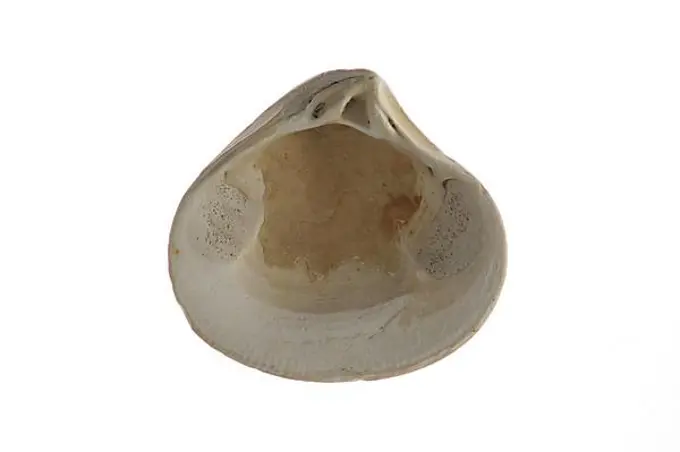
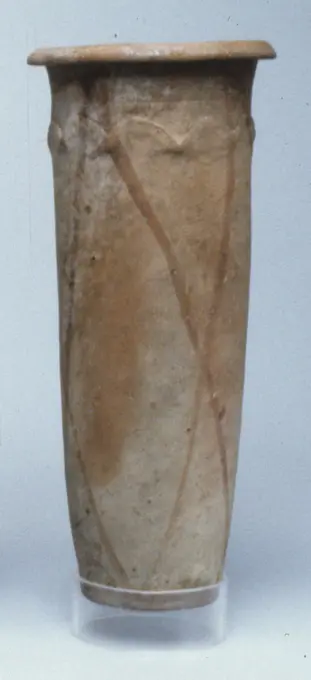
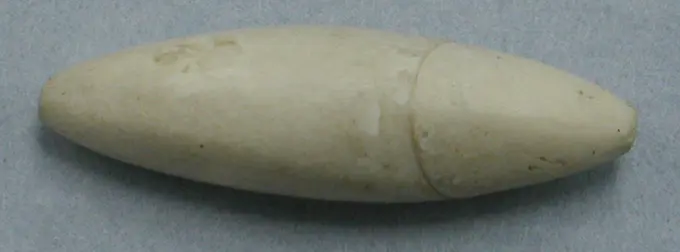
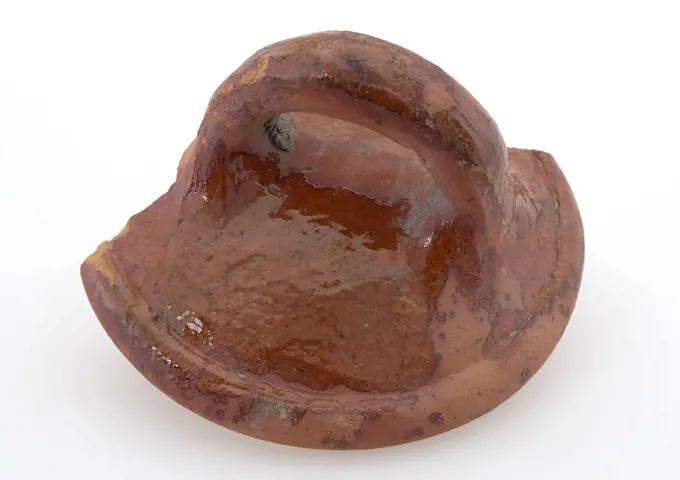
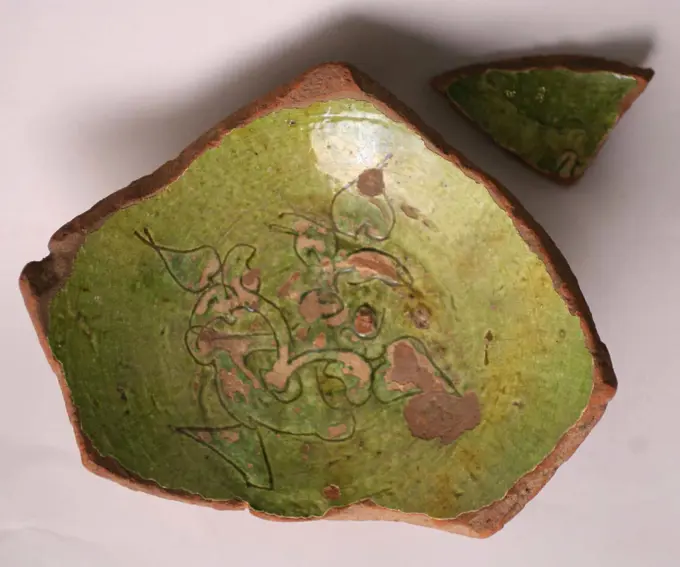
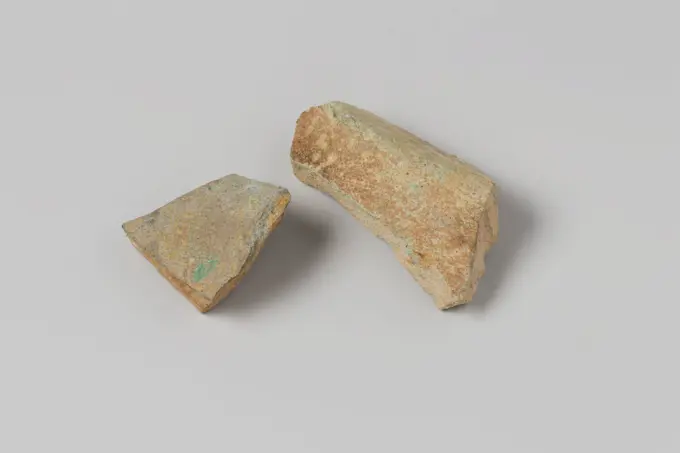
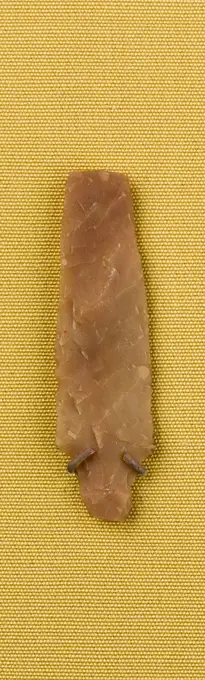
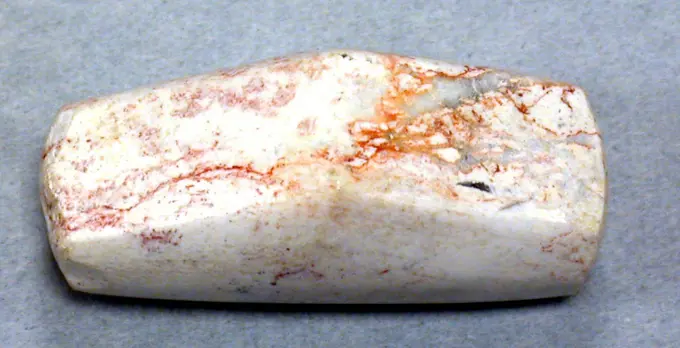
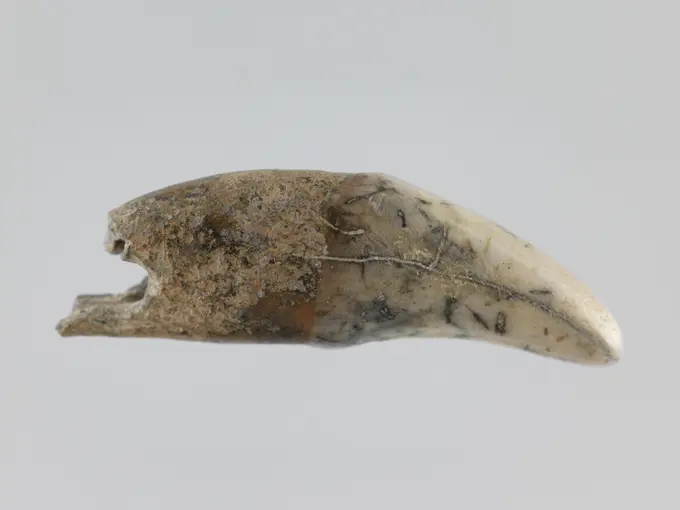
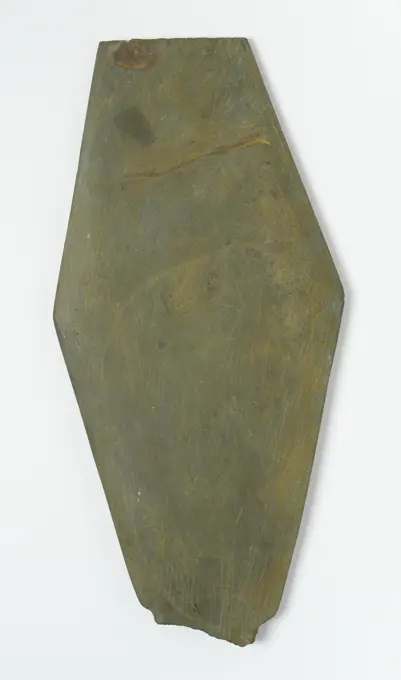
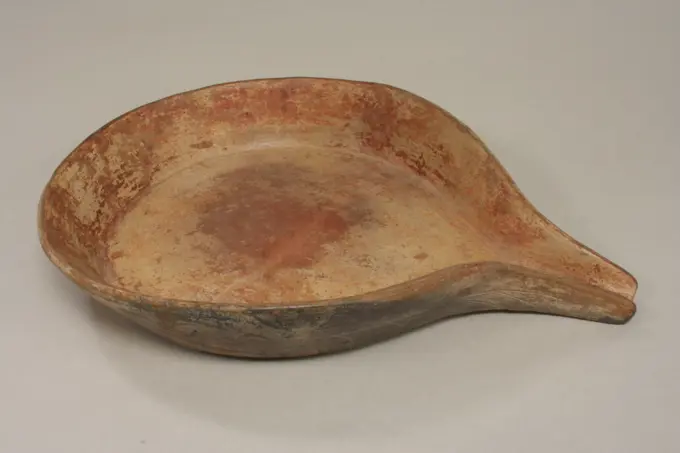
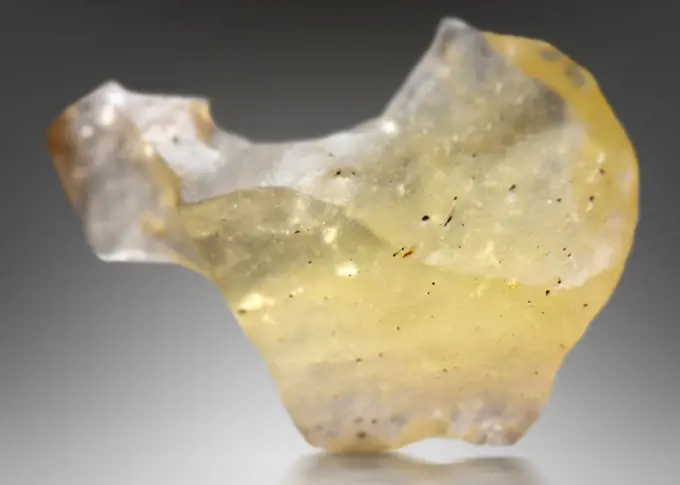
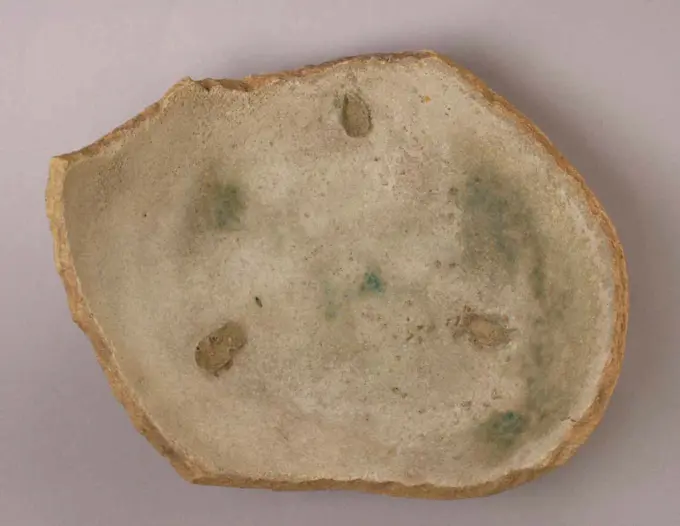
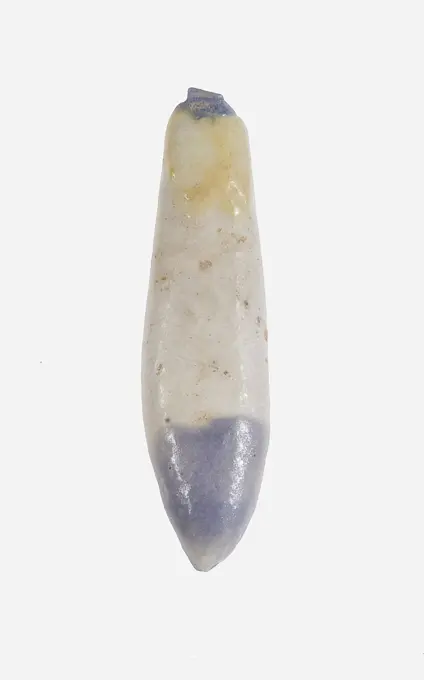
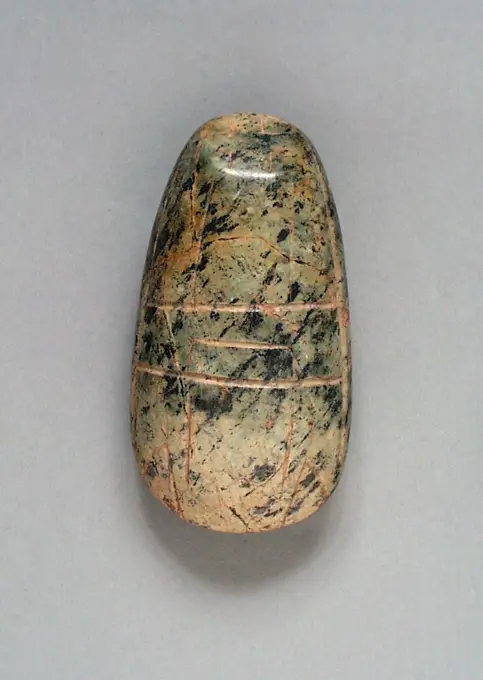
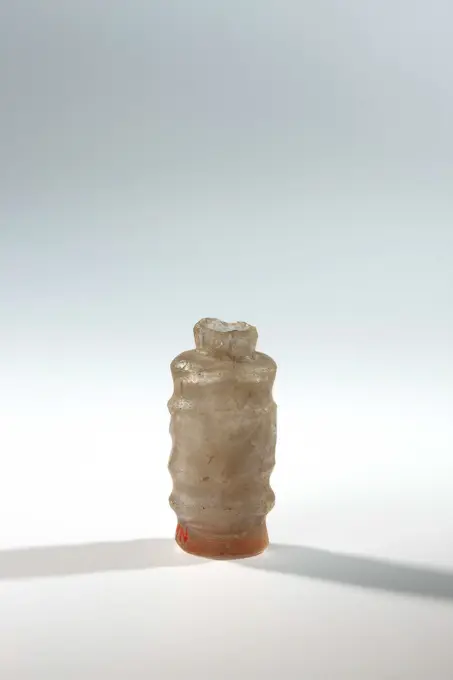
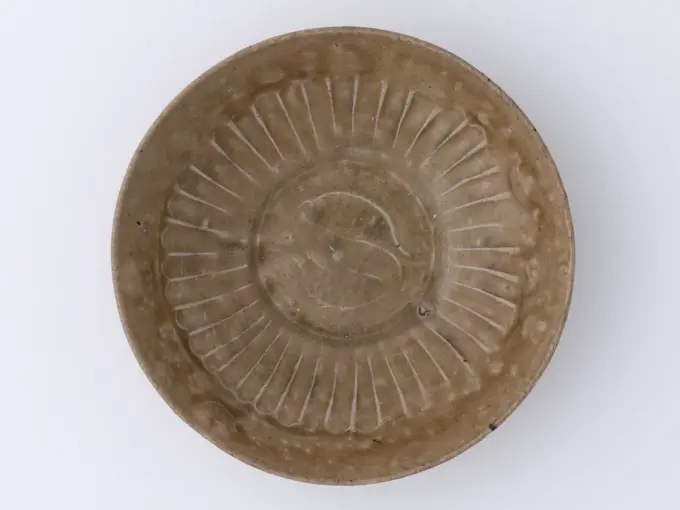
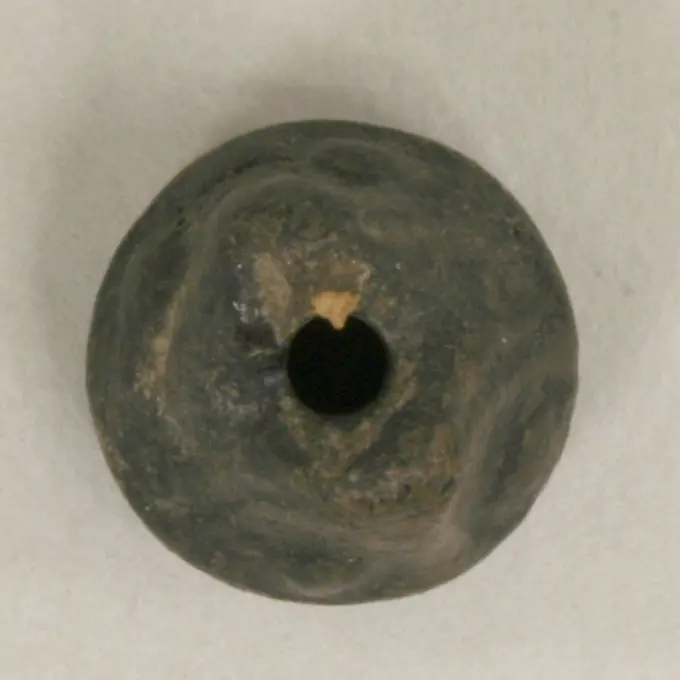
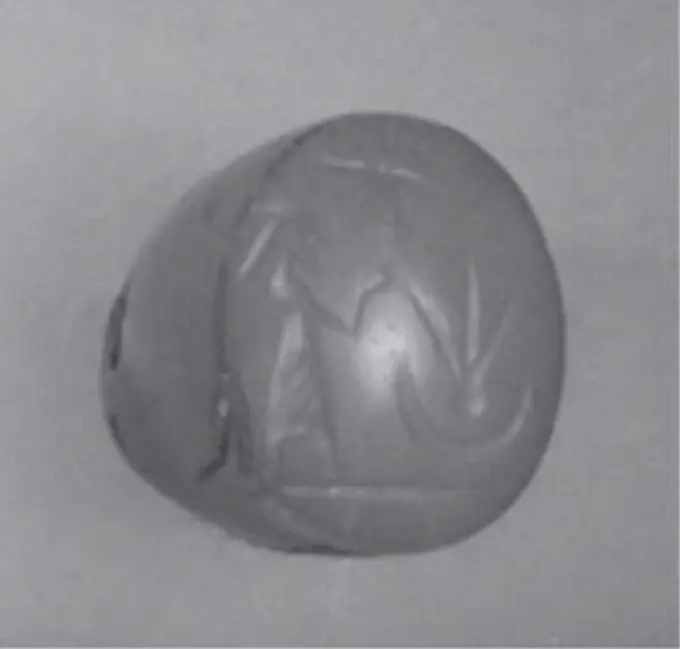
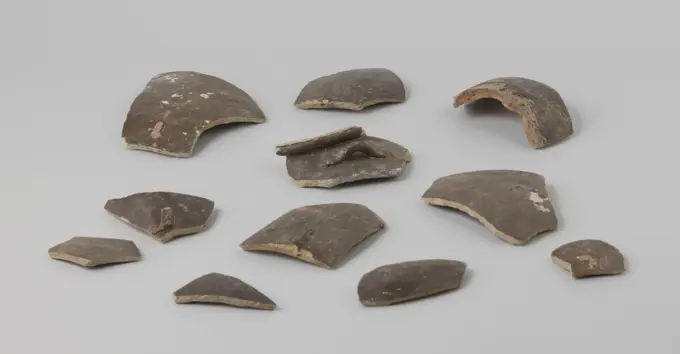
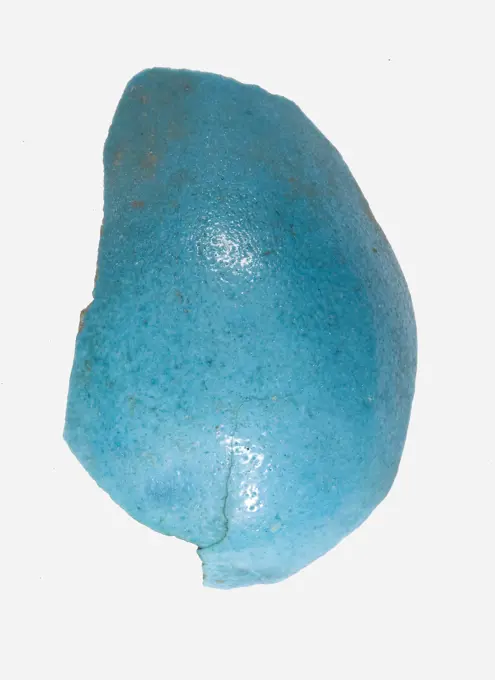
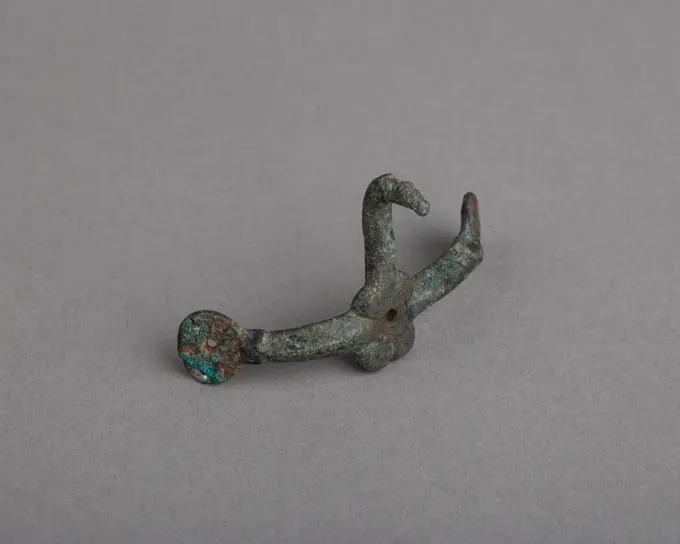
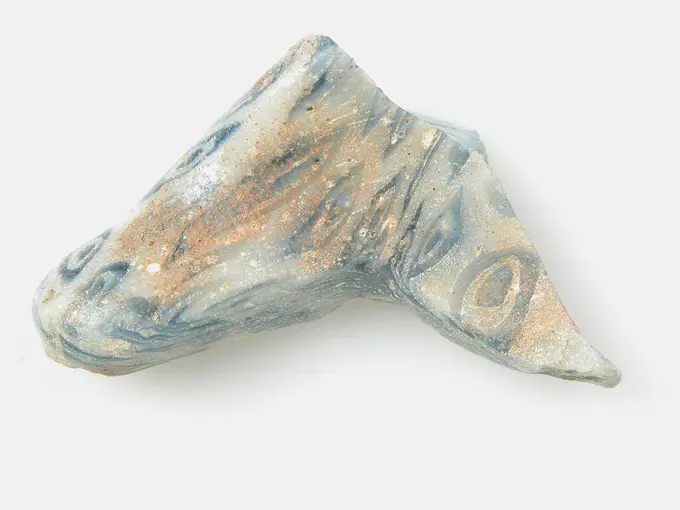
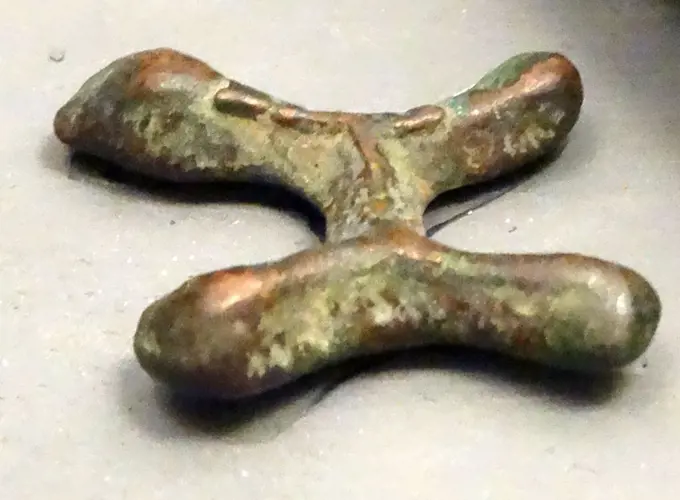
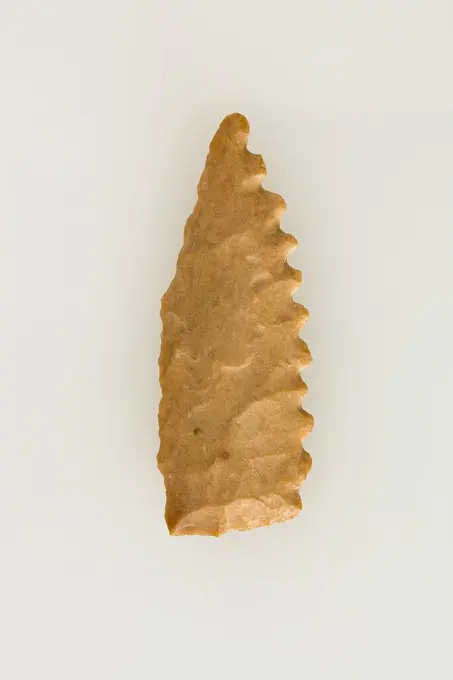
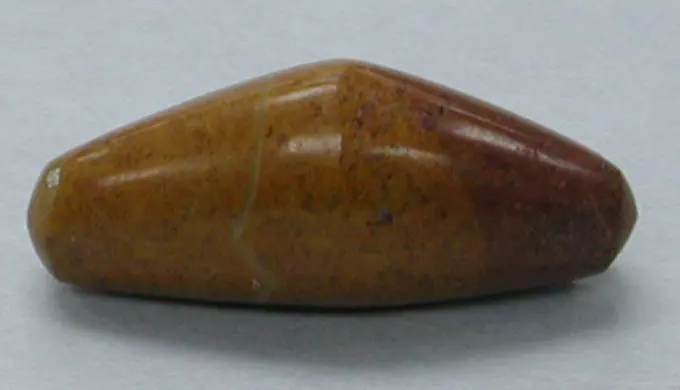
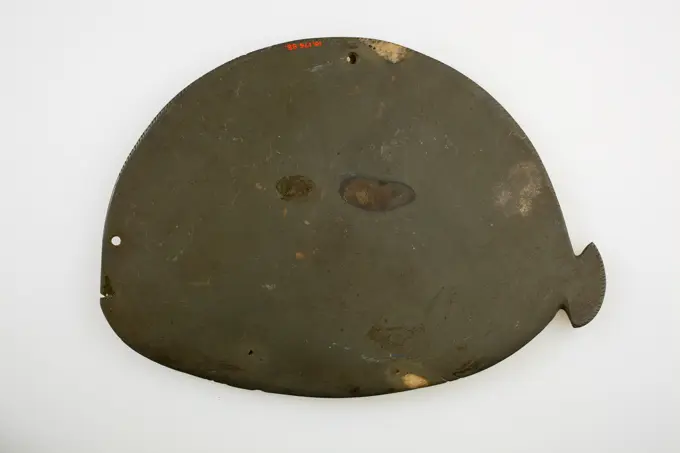
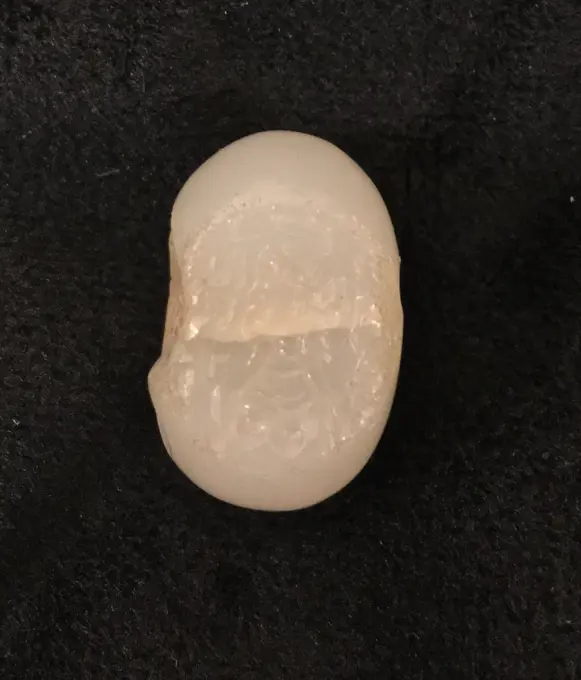
Pot Fragment 4th-7th century Coptic. Pot Fragment 478920Stamp Seal. Assyria or Mesopotamia, Neo-Assyrian or neo-Babylonian (style), late 7th-6th century B.C.. Tools and Equipment; seals. Yellow chalcedonyFragment Pijpenkop from the wreck of the East Indians Hollandia, Anonymous, 1700 - in Or Before 1743  Pipe, bowl, whole market; Fragm, 1hSM1. Netherlands pipe clay   SecondPijpenkop from the wreck of the East Indians Hollandia, Anonymous, 1700 - in Or Before 1743  Pipe, bowl, heelmark: crowned 57; 2hsm1,2. Netherlands pipe clay   SecondBowl. Iran, Sasanian period, circa 225-650 A.D.. Furnishings; Serviceware. Silver, hammeredFragment ca. 1150-ca. 1250 European or Middle Eastern. Fragment 694210Hippopotamus ca. 1850-1640 B.C. Middle Kingdom Hippopotami were associated with life, regeneration, and rebirth. When placed in tombs they were meant to supply the deceased with general regenerative power and to guarantee his or her rebirth. Hippopotamus statuettes made out of faience (a non-clay ceramic material) occur in four different positions: standing, walking, seated, and reclining. The faience glaze of this piece has discolored over time.. Hippopotamus. ca. 1850-1640 B.C.. Faience. Middle Kingdom. From Egypt, Memphite Region, Lisht North, Tomb of Nakht (493), brick building east, Pit 475, MMA excavations, 1913-14. Dynasty 12, late-early 13pebble of Suevite stone on dark background macro shooting of natural mineral rock specimen - pebble of Suevite stone on dark granite background from Karelia, Rissia Copyright: xZoonar.com/ValeryxVoennyyx 11391907Reliefs from the tomb of Meketre. Dimensions: H. 4.6 cm (1 13/16 in.); W. 4.1 cm (1 5/8 in.); D. 1.2 cm (1/2 in.). Dynasty: Dynasty 12. Reign: reign of Amenemhat I, early. Date: ca. 1981-1975 B.C.. Museum: Metropolitan Museum of Art, New York, USA.Astragalos. UnknownCoin Weight 11th century Muhammad al 'Audi. Coin Weight 453526Arm, forearm ca. 1353-1336 B.C. New Kingdom, Amarna Period. Arm, forearm 549810Spoon 3rd millennium B.C. Valdivia. Spoon 314207Globular bowl, 2nd century BCE - 3rd century CE, 3 1/4 x 3 1/4 in. (8.3 x 8.3 cm), Polychromed earthenware, Mexico, 2nd century BCE - 3rd century CEStone Pulidor before 16th century Mexican. Stone Pulidor 316345Ritual Stone (pulidor) 12th-8th century B.C. Olmec Small, rounded hard stones such as this example were mounted to a wooden handle and used to polish stone sculptures in ancient Mesoamerica.. Ritual Stone (pulidor) 316298Ax 500 B.C.-A.D. 300 Indonesia. Ax. Indonesia. 500 B.C.-A.D. 300. Bronze. Bronze and Iron Age period. MetalworkChisel. Chisel 244567Scherf of a wine bottle from the wreck of the East Indians Hollandia, Anonymous, 1700 - in Or Before 1743  Typologically not identifiable, belly, fragment. Netherlands .   SecondVessel Fragment 4th-7th century Coptic. Vessel Fragment. Coptic. 4th-7th century. Alabaster. Made in Kharga Oasis, Byzantine Egypt. Lapidary Work-AlabasterUninscribed Scarab ca. 1390-1353 B.C. New Kingdom This uninscribed scarab is similar to those found in Dynasty 12 of the Middle Kingdom and may be reused from that time.. Uninscribed Scarab. ca. 1390-1353 B.C.. Quartz. New Kingdom. From Egypt, Upper Egypt, Thebes, Malqata, Houses G-K, MMA excavations, 1910-11. Dynasty 18Bottle. unknown, craftsmanFragment ca. 1150-ca. 1250 European or Middle Eastern. Fragment 694378Stone Pulidor before 16th century Mexican. Stone Pulidor 317070Fossil shell Astarte basteroti on white backgroundSickle Blade, 1980-1801 BC. Egypt, Middle Kingdom, Dynasty 12. Flint; overall: 5 cm (1 15/16 in.).Fragment. Culture: European or Middle Eastern. Dimensions: L. 1 3/4 in. (4.5 cm). Date: ca. 1150-ca. 1250. Museum: Metropolitan Museum of Art, New York, USA.Wavy-handled jar with cross-hatched design ca. 3300-3100 B.C. Predynastic, Naqada III. Wavy-handled jar with cross-hatched design. ca. 3300-3100 B.C.. Pottery, paint. Predynastic, Naqada III. From Egypt, Southern Upper Egypt, Hierakonpolis (Nekhen), Fort Cemetery (Hk 27), Tomb 6, MMA excavations, 1934-35Gaming or Chess Piece, Possibly a Pawn 8th-11th century. Gaming or Chess Piece, Possibly a Pawn 452346Fragment ca. 1150-ca. 1250 European or Middle Eastern. Fragment 696574Beads 8th-13th century. Beads 456274Polishing Stone (pulidor) before 16th century Mexican. Polishing Stone (pulidor) 317013Lid of red earthenware, lying sausage ear, sparingly glazed, lid closure kitchen utensils earthenware ceramics earthenware glaze lead glaze, hand turned hand shaped glazed baked Two lids of red earthenware (-). Curved top. In the middle lying sausage ear Sparely glazed with lead glaze. Deep finger impressions at the bottom at the height of the attachment of the sausage ear archeology Rotterdam Stadscentrum Stadsdriehoek Mariniersweg Hoogstraat indigenous pottery close up archaeological find in the soil Hoogstraat Mariniersweg 1983.scheelite vein tungsten ore in raw stone macro shooting of natural mineral rock specimen - scheelite vein tungsten ore in raw stone on dark granite background Copyright: xZoonar.com/ValeryxVoennyyx 11380775Fragment of a Dish 14th-15th century. Fragment of a Dish 446333Shards of jugs from the wreck of the East Indians Hollandia, Anonymous, 1700 - in Or Before 1743  Stoneware, Rhenish, Frechen-ware, jug; fragm of base. Cologne stoneware   SecondAmulet. Egypt, New Kingdom (circa 1569 - 1081 BCE). Jewelry and Adornments; amulets. Blue faiencepolished Rhodochrosite gemstone on dark macro shooting of natural mineral rock specimen - polished Rhodochrosite gemstone on dark granite background Copyright: xZoonar.com/ValeryxVoennyyx 11380602Projectile Point ca. 3100-2900 B.C. Early Dynastic Period. Projectile Point. ca. 3100-2900 B.C.. Flint. Early Dynastic Period. From Egypt, Northern Upper Egypt, Abydos, Umm el-Qaab, Tomb of Djer, Egypt Exploration Fund excavations. Dynasty 1Stone Pulidor before 16th century Mexican. Stone Pulidor 317142Mirror Decoration 301 CE-700 CE Egypt. Glass . Ancient EgyptianPendant in the Form of a Reclining Cow, 206 BCE - 220 CE, 1 x 2 in. (2.54 x 5.08 cm), Blue-green jade, China, 3rd century BCE - 3rd century CEJewel, otter tooth pendant (common name). Attaled otter tooth. Carnavalet museum, history of Paris.Engraved bend stiver, 1000 - 2000   metal engraving   metal engravingSnail from v.o.c.-ship the 'white lion'. Shell from a snail from v.o.c.-ship the 'white lion'.Pendant. Culture: China. Dimensions: L. 1 1/2 in. (3.8 cm). Date: 18th century. Museum: Metropolitan Museum of Art, New York, USA.Large Rhomboidal Palette. Egypt, Naqada I Period (4000 - 3500 BCE). Tools and Equipment; palettes. SchistFragment ca. 1150-ca. 1250 European or Middle Eastern. Fragment 694329polished white Limestone gemstone on white macro shooting of natural mineral rock specimen - polished white Limestone gemstone on white marble background Copyright: xZoonar.com/ValeryxVoennyyx 11951358Spouted Bowl 12th-9th century B.C. Tlatilco. Spouted Bowl 310717Rubbing Stone () ca. 1479-1458 B.C. New Kingdom. Rubbing Stone (). ca. 1479-1458 B.C.. Gritstone. New Kingdom. From Egypt, Upper Egypt, Thebes, Deir el-Bahri, Tomb of Senenmut (TT 353), Foundation deposit 3-5a, MMA excavations, 1926-27. Dynasty 18mineral specimen stone rock geology gem crystalOracle bone fragment. Culture: China. Dimensions: 3 1/2 × 5 in. (8.9 × 12.7 cm). Museum: Metropolitan Museum of Art, New York, USA.Fragment 3rd-7th century. Fragment. 3rd-7th century. Earthenware; glazed. Found/excavated Iraq, Ctesiphon. CeramicsStone Pulidor before 16th century Mexican. Stone Pulidor 317209Fragment. Culture: European or Middle Eastern. Dimensions: L. 2 1/4 in. (5.7 cm). Date: ca. 1150-ca. 1250. Museum: Metropolitan Museum of Art, New York, USA.Bead in the Form of a Lotus Petal ca. 1390-1353 B.C. New Kingdom. Bead in the Form of a Lotus Petal. ca. 1390-1353 B.C.. Faience. New Kingdom. From Egypt, Upper Egypt, Thebes, Malqata, Palace of Amenhotep III, MMA excavations, 1911-12. Dynasty 18Celt with Maize KernelVial. unknown, craftsmanGrahal-Manzara. Carnavalet 2013-2016 collection sites. Numismatics.Fragment ca. 1150-ca. 1250 European or Middle Eastern. Fragment 696632polished Rhodochrosite gemstone on white macro shooting of natural mineral rock specimen - polished Rhodochrosite gemstone on white marble background Copyright: xZoonar.com/ValeryxVoennyyx 11951228Olivia elegans shell from the wreck of the Dutch East India ship Witte Leeuw, before 1613  Shell from V.O.C. ship the 'Witte Leeuw'.  .   Sint-HelenaFragment of Bowl 9th-10th century. Fragment of Bowl. 9th-10th century. Glass; cut. Excavated in Iran, Nishapur. GlassCut. Celadon covered ceramic. Vietnâm, Thanh-Hoa, Song Dynasty. Paris, Cernuschi museum. 53741-19 Celadon, Ceramic has covered, cut, Song Dynasty, VietnameseFragment ca. 1150-ca. 1250 European or Middle Eastern. Fragment 694224Spindle Whorl 10th-early 16th century Mexican. Spindle Whorl. Mexican. 10th-early 16th century. Ceramic. Mexico, Mesoamerica. Ceramics-ImplementsBeadGlass Fragment 13th century Crusader. Glass Fragment 729827Stamp seal ca. 1st century B.C. Parthian. Stamp seal. Parthian. ca. 1st century B.C.. Chalcedony, bluish. Parthian. IranStone Tripod Vessel 1st-8th century Mezcala. Stone Tripod Vessel 317584Shards of Martavanen from V.O.C. ship De 'Witte Leeuw', Anonymous, Before 1613  Shards of Martavanen from V.O.C. ship De 'Witte Leeuw'. southeast Asia porcelain. stoneware   Sint-HelenaArchitectural Inlay ca. 1390-1353 B.C. New Kingdom. Architectural Inlay. ca. 1390-1353 B.C.. Faience. New Kingdom. From Egypt, Upper Egypt, Thebes, Malqata, Palace of Amenhotep III, Harim, MMA excavations, 1910-11. Dynasty 18Necklace LinkEarplug, one of 15, 15th century, 1/2 x 1 1/2 in. (1.27 x 3.81 cm), Jade, Mexico, 15th centuryPrick Spur 2nd-4th century Gallo-Roman or British-Roman This small bronze spur was secured to the heel of the rider by means of a strap attached to two side buttons (now missing). An extra strap passed through the heels hook (shaped as a horses head) before going around the ankle, to be sure that it would not move. Evolved from Celtic and Roman types, this kind of spur is found in Roman Gaul in contexts dated between the 1st and the 3rd century A.D. In Britain, related indigenous examples can be dated from the 4th century, the horses head usually replaced by a simple hook.In high antiquity, spurs were not used in pairs, but rather as a single accessory attached to only one of the feet, usually on the left. The first pairs are recorded in some Greek regions in the late 2nd century B.C. They were used, as they are today, for directing a horse to move forwards. The prick spur was the first type of spur to be invented, and it consists of a goad or prick, more or less pointed, connected Limb with garment edge () or fringe () ca. 1353-1336 B.C. New Kingdom, Amarna Period. Limb with garment edge () or fringe () 549801Glass Fragment from a Vessel. Culture: Coptic. Dimensions: Overall: 1 3/16 x 1 1/16 x 1/4 in. (3 x 2.7 x 0.7 cm). Date: 4th-early 5th century. Museum: Metropolitan Museum of Art, New York, USA.Croisette, an x-shape piece of currency. Made from copper. From the Congo.Intaglio. Eastern Mediterranean, Roman, 332 B.C.-A.D.395. Tools and Equipment; seals. StoneFragment ca. 1150-ca. 1250 European or Middle Eastern. Fragment. European or Middle Eastern. ca. 1150-ca. 1250. Glass, ceramic. Glass-VesselsFragment ca. 1150-ca. 1250 European or Middle Eastern. Fragment. European or Middle Eastern. ca. 1150-ca. 1250. Glass, ceramic. Glass-VesselsFragment ca. 1150-ca. 1250 European or Middle Eastern. Fragment 694372Tool. Date: ca. 3850-2960 B.C.. Museum: Metropolitan Museum of Art, New York, USA.tumbled Rhodochrosite gemstone on dark macro shooting of natural mineral rock specimen - tumbled Rhodochrosite gemstone on dark granite background Copyright: xZoonar.com/ValeryxVoennyyx 11380361Stone Pulidor before 16th century Mexican. Stone Pulidor 317083Jar 14th century. Jar 451432Engraved Scaraboid with a Standing Warrior. UnknownOne purple Vitelotte potatoe. Isolated over white backgroundPalette ca. 3850-2960 B.C. Predynastic Period. Palette. ca. 3850-2960 B.C.. Greywacke. Predynastic Period. From Egyptbead from Serpentine gemstone on white marble macro shooting of natural mineral rock specimen - bead from Serpentine gemstone on white marble background Copyright: xZoonar.com/ValeryxVoennyyx 11947486Green tea, tea flowerBoletus in studio Studio shot of boletus isolated on white ,model released, Symbolfoto Copyright: xZoonar.com/AnnaxMaloverjanx 1963154 ,model released, Symbolfoto ,property releasedStamp seal ca. 4th-5th century A.D. Sasanian. Stamp seal. Sasanian. ca. 4th-5th century A.D.. Chalcedony, milky. Sasanian. Iran or MesopotamiaFragment. Culture: European or Middle Eastern. Dimensions: L. 1 1/4 in. (3.2 cm). Date: ca. 1150-ca. 1250. Museum: Metropolitan Museum of Art, New York, USA.Fragment ca. 1150-ca. 1250 European or Middle Eastern. Fragment 694190Pijpenkop from the wreck of the East Indians Hollandia, Anonymous, 1700 - in Or Before 1743  Pipe, bowl, heelmark: coat of arms of the province of Gelderland; fragm, no hsm. Netherlands pipe clay   SecondVase fragment Roman Fragment of a yellow glazed vase; rosette.. Vase fragment. Roman. Terracotta. VasesAmulet - FalconChess Piece 9th-11th century. Chess Piece 449181