Ancient Artifacts and Fragments

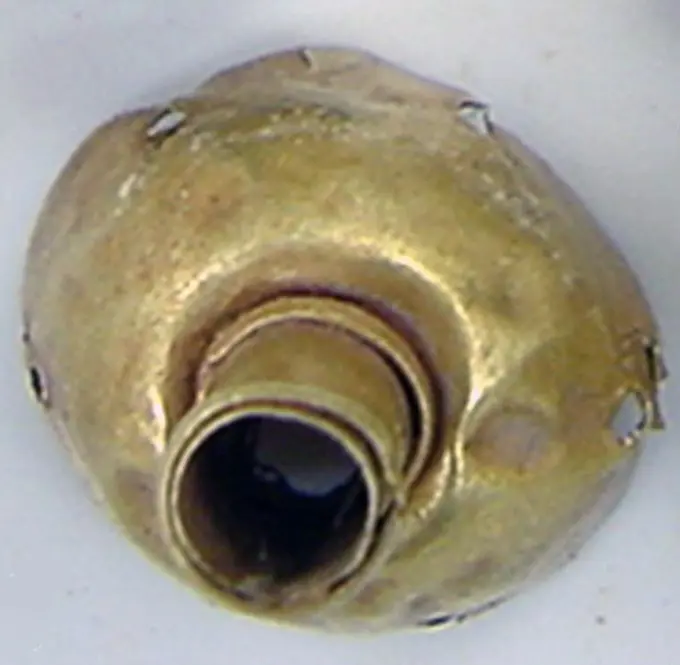
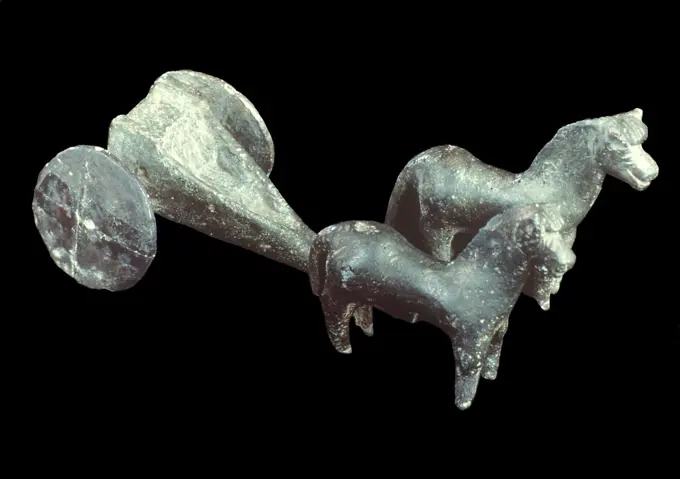
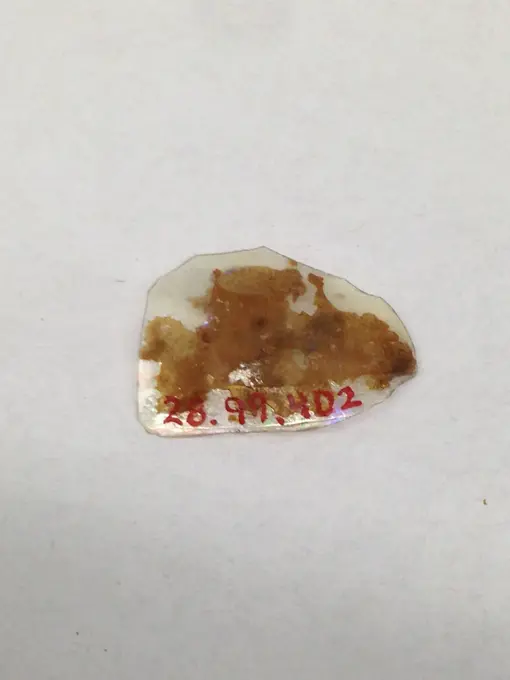
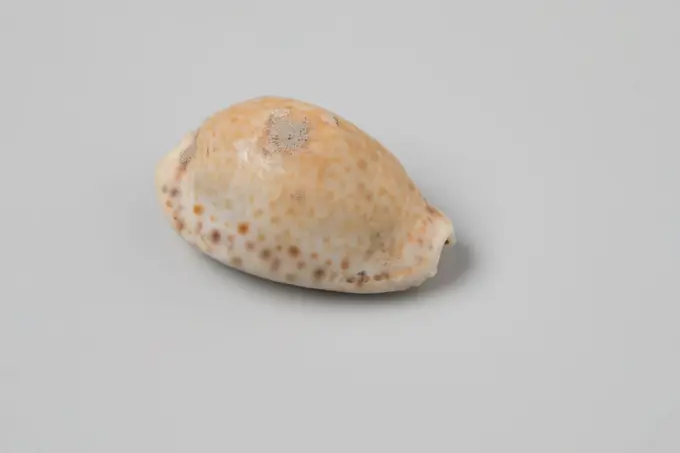
A collection of historical artifacts including pot fragments, stamp seals, and pipe remnants, showcasing ancient craftsmanship from various periods.
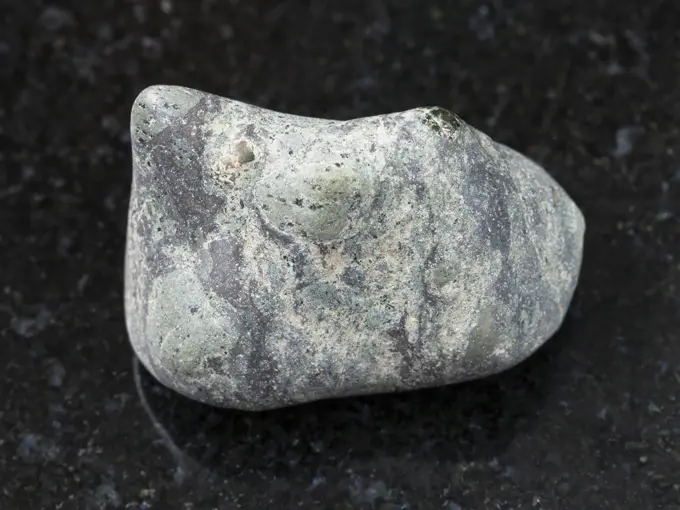
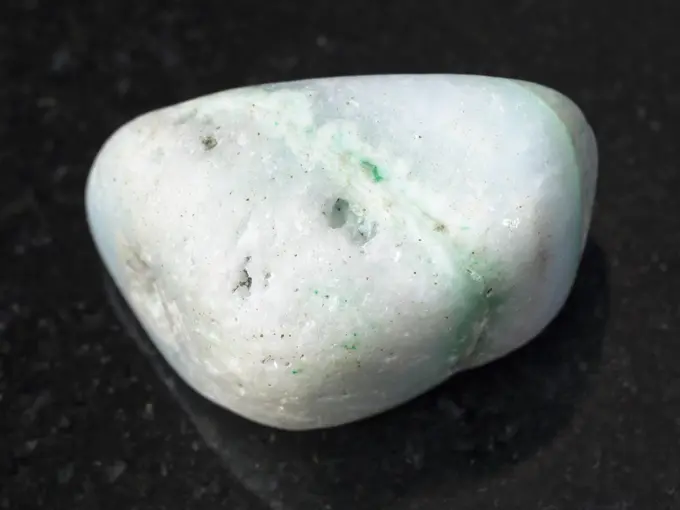
pebble of Suevite stone on dark background macro shooting of natural mineral rock specimen - pebble of Suevite stone on dark granite background from Karelia, Rissia Copyright: xZoonar.com/ValeryxVoennyyx 11391907
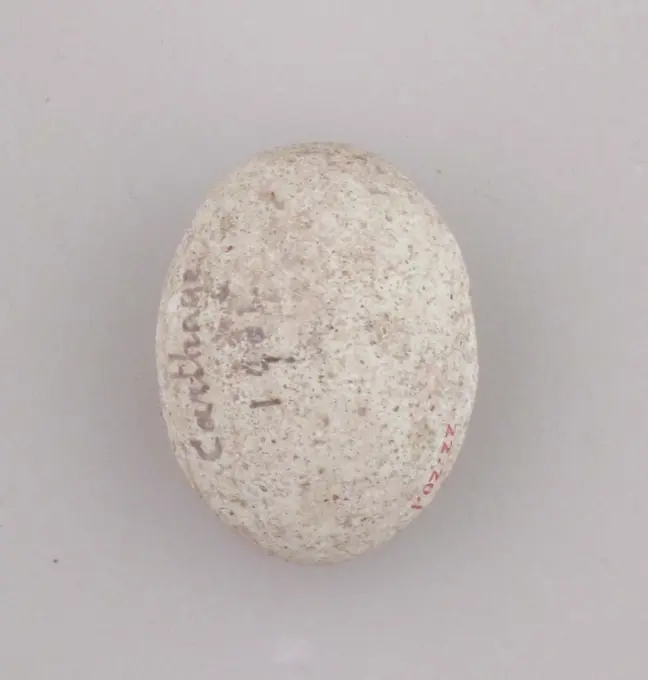
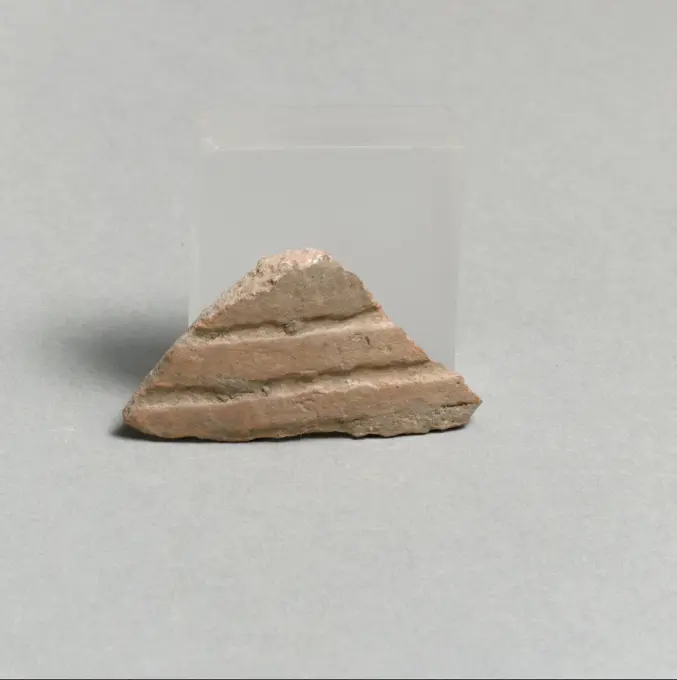
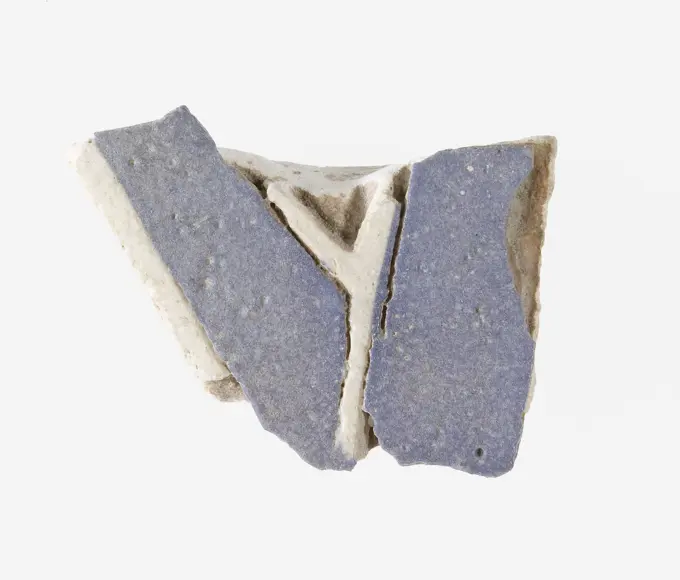
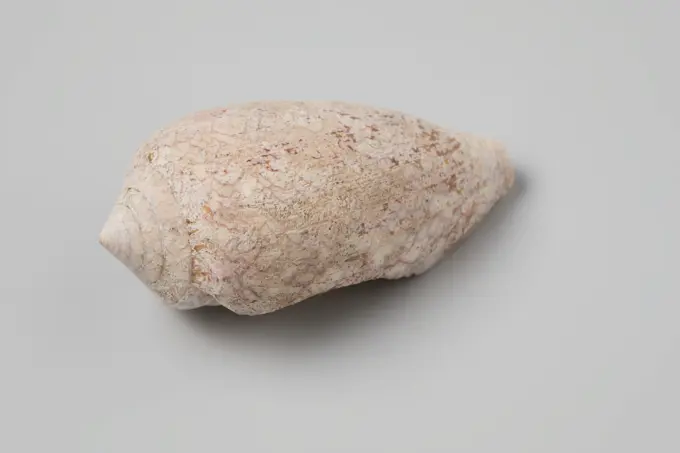
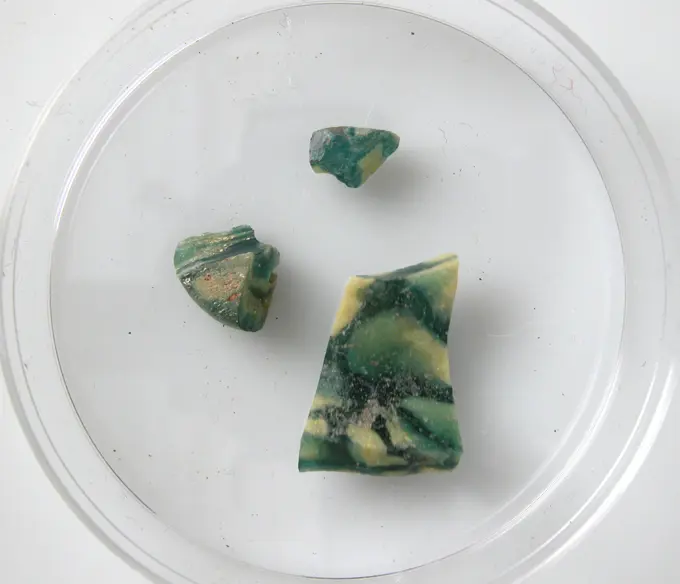
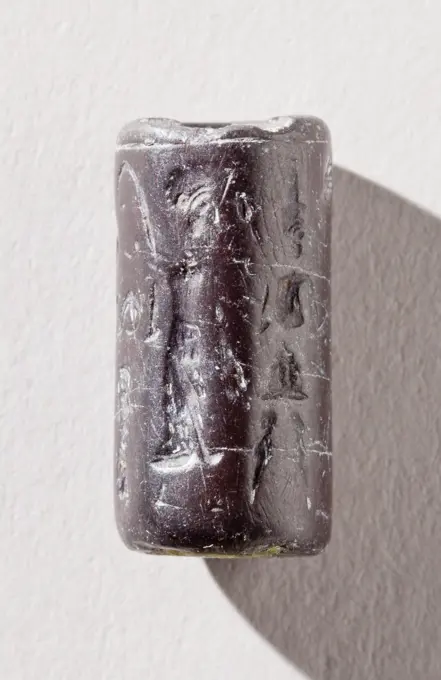
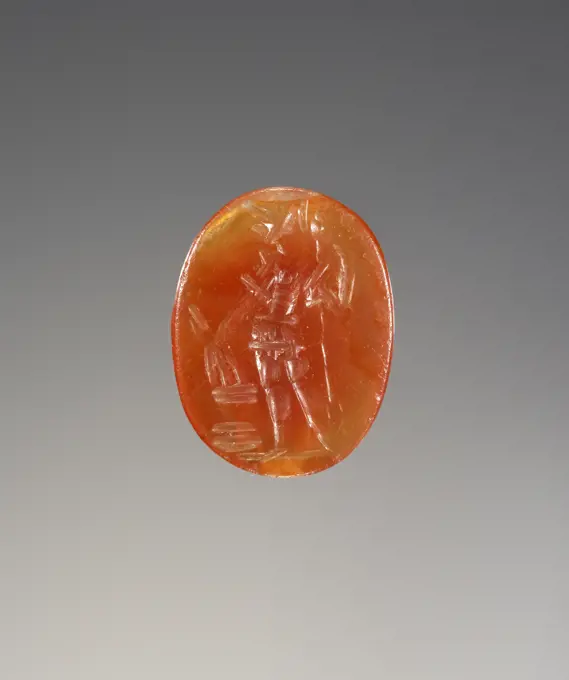
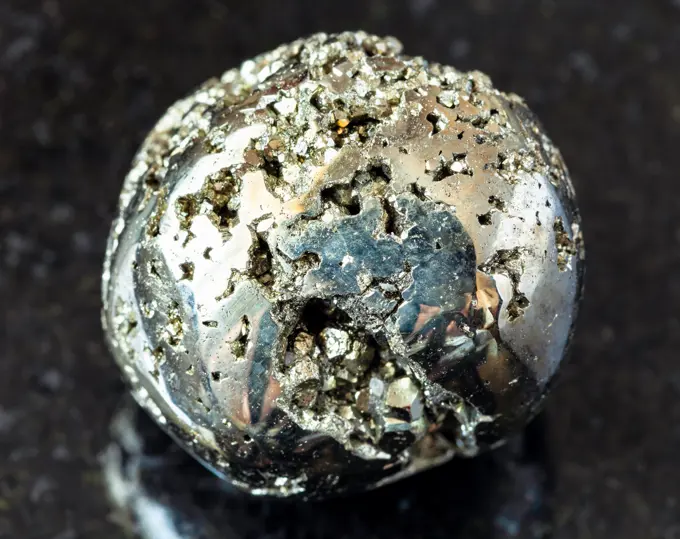
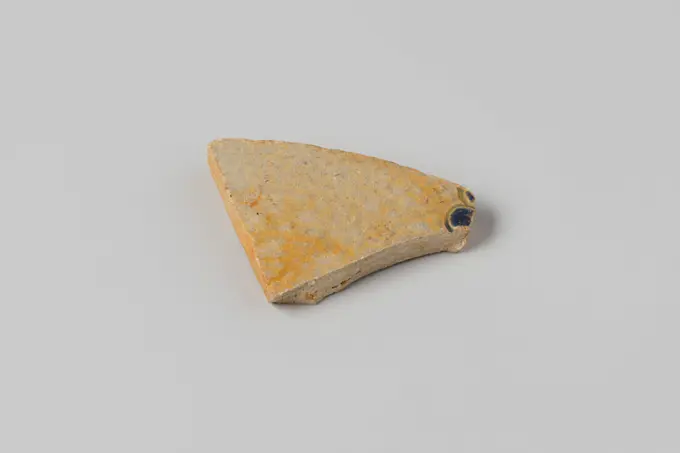
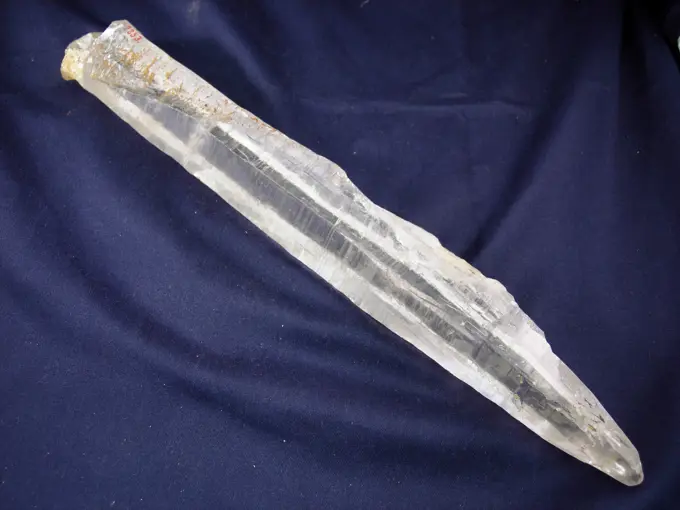
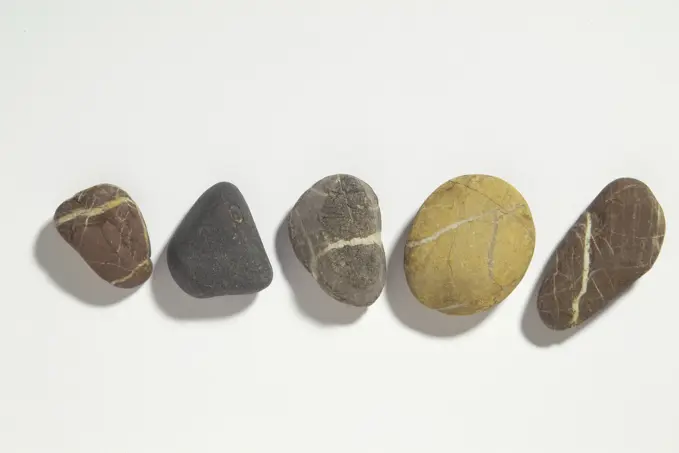
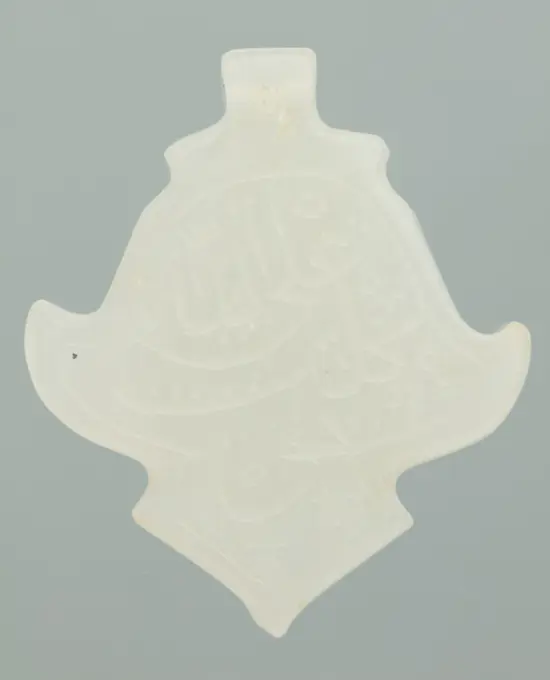
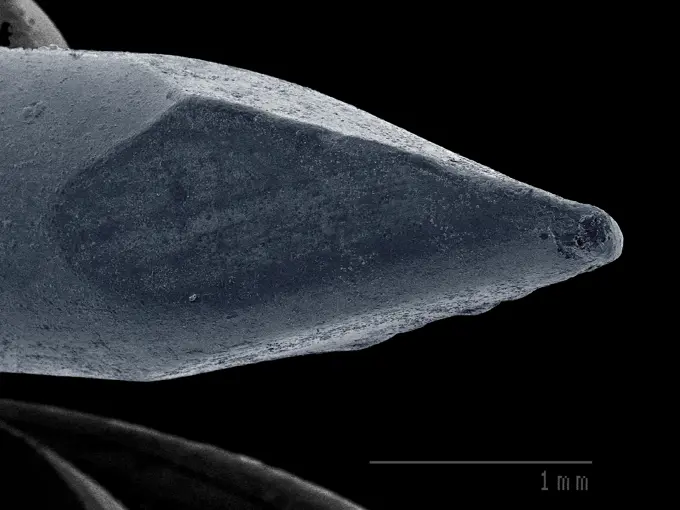
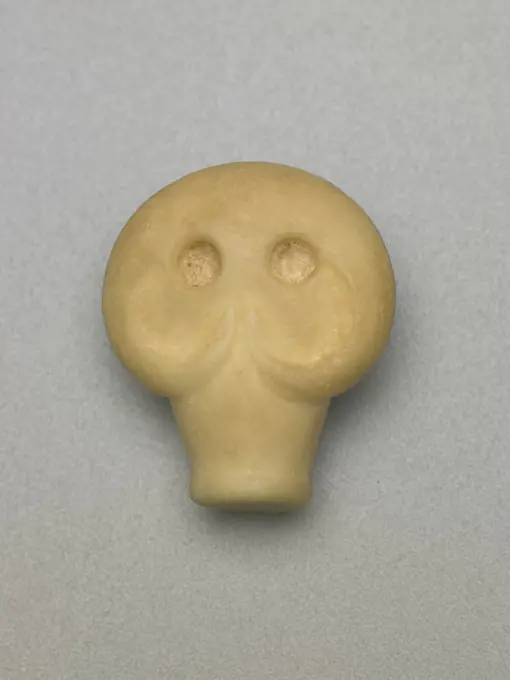
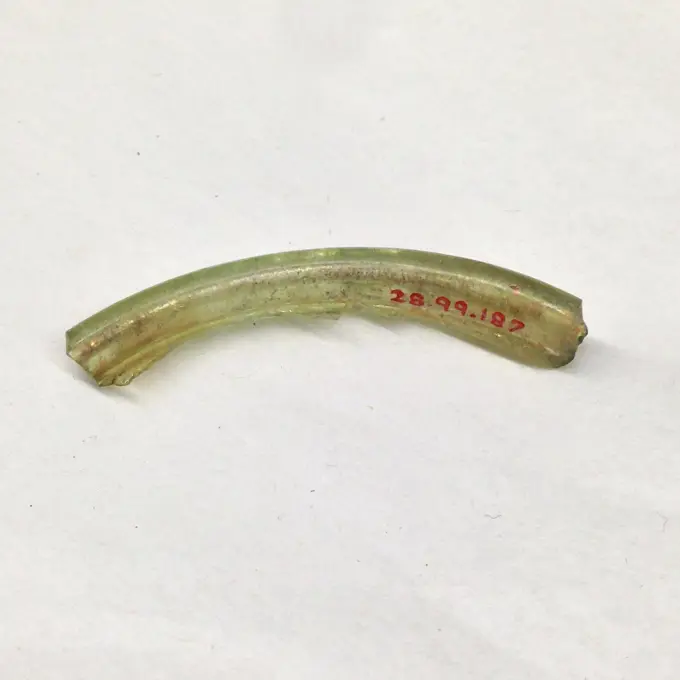
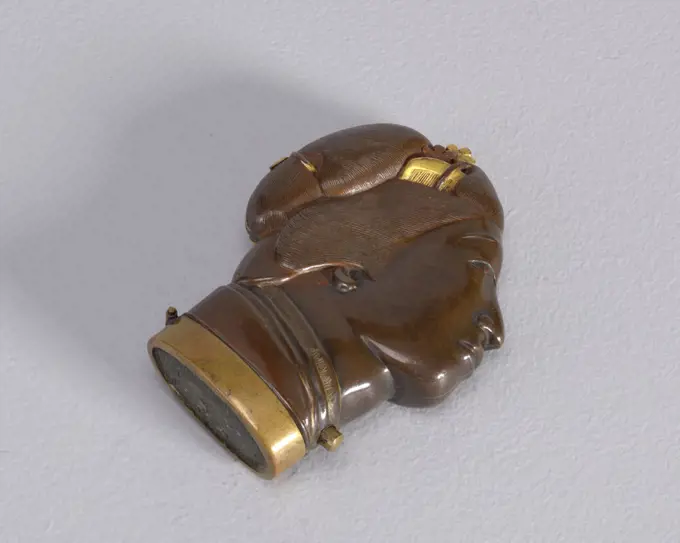
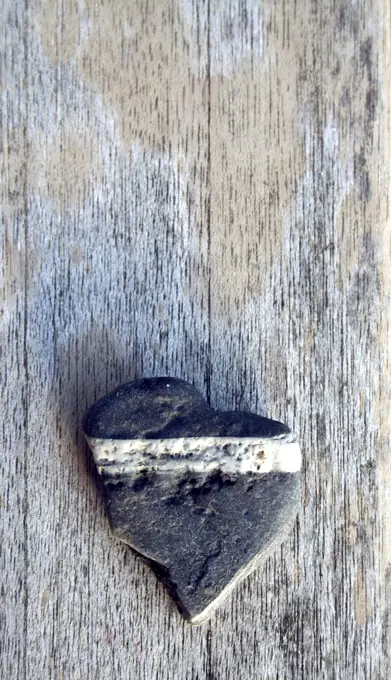
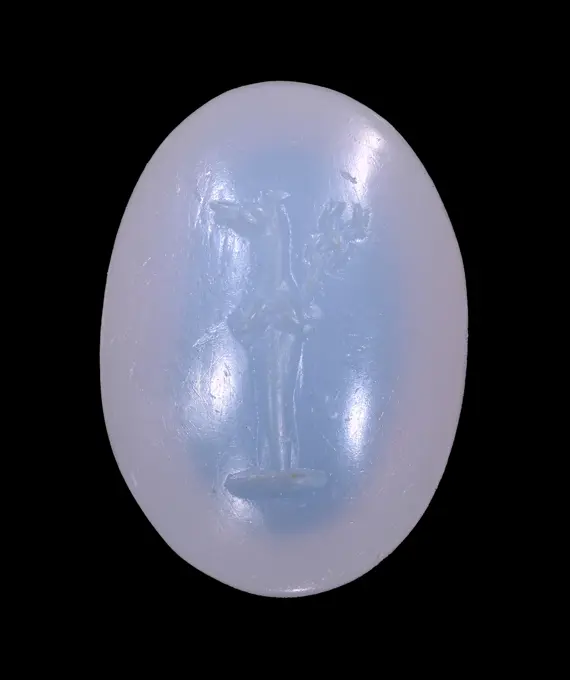
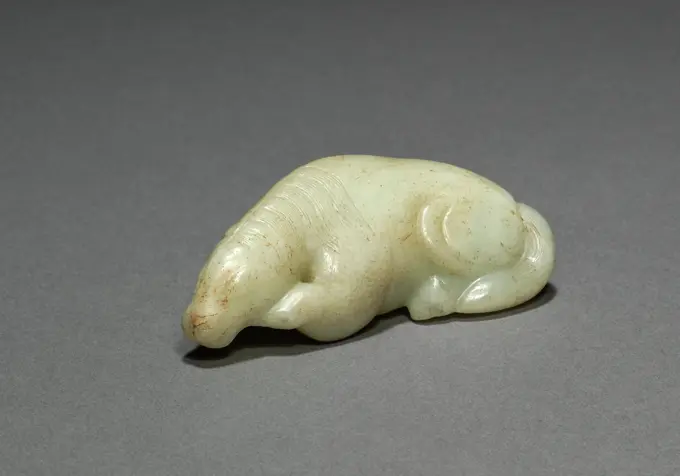
Persia Fruit Mold ca. 1390-1353 B.C. New Kingdom. Persia Fruit Mold 559129Ball, sling ca. 1st half of 2nd century BC Carthaginian. Ball, sling. Carthaginian. ca. 1st half of 2nd century BC. Clay. Punic. Miscellaneous-ClayVase fragment ca. 3000-2200 B.C.. Vase fragment 251314 Vase fragment, ca. 30002200 B.C., Terracotta, 1 7/8 x 15/16in. (4.7 x 2.4cm). The Metropolitan Museum of Art, New York. Gift of Gisela M. A. Richter, 1923 (23.121.14)Fragment of Lotus Collar Terminals ca. 1390-1353 B.C. New Kingdom. Fragment of Lotus Collar Terminals. ca. 1390-1353 B.C.. Faience. New Kingdom. From Egypt, Upper Egypt, Thebes, Malqata, Palace of Amenhotep III, MMA excavations, 1910-12. Dynasty 18Inlay ca. 8th-7th century B.C. Assyrian. Inlay 324792Cobra head ca. 1353-1336 B.C. New Kingdom, Amarna Period. Cobra head 550031Musketball from the wreck of the East India. The flying heart. Lead spherical bullet that was fired from a musket. The bullet is dark gray in color. The bullet has been immersed in beeswax for conservation. Identical to NG-1984-1 to 4. Musket Calibre.Conus textile shell from the wreck of the Dutch East India ship Witte Leeuw, before 1613  Shell from V.O.C. ship the 'Witte Leeuw'.  .   Sint-HelenaFragment. Culture: European or Middle Eastern. Dimensions: L. 1 5/8 in. (4.1 cm). Date: ca. 1150-ca. 1250. Museum: Metropolitan Museum of Art, New York, USA.Fragment. Culture: European or Middle Eastern. Dimensions: L. 1 1/8 in. (2.9 cm). Date: ca. 1150-ca. 1250. Museum: Metropolitan Museum of Art, New York, USA.polished Chrysoprase rock on black closeup of sample of natural mineral from geological collection - polished Chrysoprase rock on black granite background from Newman, Australia Copyright: xZoonar.com/ValeryxVoennyyx 15511820Umbel Pendant ca. 1390-1353 B.C. New Kingdom. Umbel Pendant. ca. 1390-1353 B.C.. Faience. New Kingdom. From Egypt, Upper Egypt, Thebes, Malqata, Palace of Amenhotep III, MMA excavations, 1910-11. Dynasty 18Eccentric Flint 100 CE-300 CE México. Flint . MayaCameo with Saint John The Baptist 15th century Italian. Cameo with Saint John The Baptist 467687polished hornfels mineral isolated on white close up of sample of natural stone from geological collection - polished hornfels mineral isolated on white background from Khakassia Copyright: xZoonar.com/ValeryxVoennyyx 21467394Fragment ca. 1150-ca. 1250 European or Middle Eastern. Fragment 694191Two Rabbits China. Two Rabbits. China. Jade. Tang dynasty (618-907). JadeGaming Piece possibly 8th-12th century The dot-in-circle motif recalls designs presumed to be of magical significance, most likely an abstract eye to ward off the evil-eye, which serves an apotropaic function. Easily reproduced with a tool and visible in many cultures and times, this symbol may have lost its meaning, and become simply a decorative pattern, or may have one that we have not yet discovered.. Gaming Piece 454686Fragment of a Bowl or Cup 13th-16th century. Fragment of a Bowl or Cup 452464Ritual Stone before 16th century Mexican. Ritual Stone 317392Fragment. Culture: European or Middle Eastern. Dimensions: L. 2 3/8 in. (6 cm). Date: ca. 1150-ca. 1250. Museum: Metropolitan Museum of Art, New York, USA.1/8 Tical of Fuang from Thailand, 1650-1850 ,, 1650 - 1850 coin Silver, grain -shaped mint. Equipped with one set of (KRA): Water Pot .  silver (metal) castingTools There are many references on craft activities 3-1. Millennium BC Whetstones and trailers Whetstones and pendants stone.Glass Fragments 4th-7th century Coptic. Glass Fragments 478810shell of cowry mollusc isolated on white shell of cowry mollusc isolated on white background Copyright: xZoonar.com/ValeryxVoennyyx 8554401Ornament ca. late 3rd millennium B.C.. Ornament. ca. late 3rd millennium B.C.. Faience. Early Bronze Age. Mesopotamia, Tell TayaSegment with a core of a salak pit (Salacca edulis), studio photography with black backgroundpebble of green Aragonite gemstone on dark macro shooting of natural mineral rock specimen - pebble of green Aragonite gemstone on dark granite background from Katanga mine, Congo Copyright: xZoonar.com/ValeryxVoennyyx 11392129Bead 30 B.C.-A.D. 364. Bead 444841Chess Piece 9th-12th century This object was excavated at Nishapur.Nishapur was a vital city in the early and middle Islamic periods, located along one of the main trajectories that connected Iran and West Asia Islamic lands with Central Asia and China. These itineraries are often referred to by the term Silk routes’ but were in fact crucial to the movement of constellations of materials and objects, as well as people and ideas. The diverse population of Nishapur and its surroundings, from the better-researched elite groups of merchants, land-owning aristocracy, and literates, to the less-known artisans, farmers, miners, and servants, were instrumental in adapting global cultural trends to create their own distinctive visual languages. This is seen in the material remains of everyday life in medieval Nishapur - from pots and pans to lighting devices, inkwells, textiles and trimmings, jewelry, games and toys, talismanic devices, weapons, coins, and architectural fragments.Nishapur lostVase fragment Greek, Lydian. Vase fragment 252766 Greek, Lydian, Vase fragment, Terracotta, Overall: 1 13/16 x 9/16in. (4.6 x 1.5cm). The Metropolitan Museum of Art, New York. Gift of The American Society for the Excavation of Sardis, 1926 (26.199.199)"Cairo 93" Matchsafe; patinated brassBox with lidFragment. Culture: European or Middle Eastern. Dimensions: L. 1 1/16 in. (2.7 cm). Date: ca. 1150-ca. 1250. Museum: Metropolitan Museum of Art, New York, USA.polished Ulexite TV rock stone on black closeup of sample of natural mineral from geological collection - polished Ulexite TV rock stone on black granite background from California, USA Copyright: xZoonar.com/ValeryxVoennyyx 15511805Pennant's top shells (Gibbula pennanti) sea snails on white backgroundOne of twenty-one seals, 800 BCE - 400 CE, various, Various semi-precious stones, Mesopotamia, 8th century BCE - 5th century CECylinder seal. Syria, circa 1820-1740 B.C.. Tools and Equipment; seals. HematiteScandinavia. Fishing. Sinkers, were usually of sopastone. Norway. Historical Museum. Oslo. Norway.PIRITA.Crown with disks ca. 1353-1336 B.C. New Kingdom, Amarna Period. Crown with disks 567623Engraved Gem; Rome, Lazio, Italy; about 17th - 18th century; Orange carnelian; 1.5 cm (9,16 in.)Hand holding pod, cone or capsule on backgroundtumbled Pyrite  fool s gold rock on black closeup of sample of natural mineral from geological collection - tumbled Pyrite iron pyrite, fool s gold rock on black granite background from Ancash, Bolognesi, Huallanca, Huanzala Mine in Peru Copyright: xZoonar.com/ValeryxVoennyyx 15511865Flower-Shaped Plaque mid-7th-9th century Northwest China/Eastern Central Asia. Flower-Shaped Plaque. Northwest China/Eastern Central Asia. mid-7th-9th century. Gold. period of Tibetan rule. MetalworkRing: Udjat Eye. Egyptian. Date: 1325 BC. Dimensions: W. 0.6 cm (1/4 in.); diam. 1.9 cm (3/4 in.). Faience. Origin: Egypt. Museum: The Chicago Art Institute, Chicago, USA. Author: Ancient Egyptian.CARRO VOTIVO DEL SANTUARIO DE COLLADO DE LOS JARDINES - SANTA ELENA (JAEN) - ARTE IBERICO. Location: MUSEO ARQUEOLOGICO NACIONAL-COLECCION. MADRID. SPAIN.Fragment ca. 1150-ca. 1250 European or Middle Eastern. Fragment 695345Fragment. Culture: European or Middle Eastern. Dimensions: L. 1 3/8 in. (3.5 cm). Date: ca. 1150-ca. 1250. Museum: Metropolitan Museum of Art, New York, USA.Plaque with Representation of God Khonsu 1550 BCE-664 BCE Egypt. Jasper . Ancient EgyptianDetail of a stone with a very nice orange mineral with a black background. Macro photographyAmulet - PtahFragment New Zealand. Fragment 43573Inlay ca. 8th-7th century B.C. Assyrian. Inlay 324790Erosaria spurca shell from the wreck of the Dutch East India ship Witte Leeuw, before 1613  Shell from V.O.C. ship the 'Witte Leeuw'.  .   Sint-HelenaShard of a pot from the wreck of the East India Hollandia.Stoneware, Rhenish, Westerwald, Pot; or Base and Body, SIM. NG 1980-27H2624R.date bones date bones isolated on white background Copyright: xZoonar.com/RuslanxNassyrovx 10644132Cup 18th century China. Cup 44144Quartz. minerals. Europe; Switzerlandfive pebbles - cut outCylinder Seal. Iran, Mesopotamia or Syria, about 3300-2900 B.C.. Tools and Equipment; seals. StonePiece of raw turkey on black backgroundZen pebbles. Stone spa and healthcare concept.Arched fibula;  IX-VIII century BC (-900-00-00--701-00-00);Rooftop Spa At 4 Seasons Hotel - Eric Parry Architects 2011-Art Work , London, United Kingdom, Architect UnknownLittle gold color stone on with a backgroundmacro shooting of natural mineral rock specimen - tumbled flint stone on dark granite backgroundFragment ca. 1150-ca. 1250 European or Middle Eastern. Fragment 694358Stone Pendant 9th-15th century Costa Rica. Stone Pendant 315812Amulet of a Human Face 2613 BCE-2055 BCE Egypt. Carnelian . Ancient EgyptianOld-fashioned pocket watch under flowing waterTalismanCloseup of a sharp pencil tip against a dark backgroundPeg. Peg. BoneMetate, 7 7/8 x 1 15/16 in. (20 x 4.92 cm) (a: )2 1/4 x 4 3/16 x 6 in. (5.72 x 10.64 x 15.24 cm) (b: ), Stone, Mexico or Costa RicaBead ca. 3rd-7th century A.D. Sasanian. Bead 323210Silkworm Pupa Pendant 1300 BCE-900 BCE China. Jade .tumbled Leopard Skin Jasper gemstone on dark macro shooting of natural mineral rock specimen - tumbled Leopard Skin Jasper gemstone on dark granite background Copyright: xZoonar.com/ValeryxVoennyyx 11380345Bowl Fragment 100 BCE-100 CE Roman Empire. In ancient Rome, there was a high demand for colorful glass that could dazzle banquet guests alongside the expensive silver and gold serving wares meant to impress. Fragments like this one would have once been a part of larger mosaic dishes. The ribbon pattern was made by bundling rows of parallel rods of glass, which were then fused to create swirling patterns. Glass, ribbon technique . Ancient RomanAmulet in the form of a bulls head, ca. 4000-3200 B.C., Calcite, 3.4 × 2.7 × 1.5 cm (1 5/16 × 1 1/16 × 9/16 in.), On view, Egyptian, Predynastic period, SculptureFragment ca. 1150-ca. 1250 European or Middle Eastern. Fragment 694342Stone Chisel before 16th century Mexican. Stone Chisel 317104natural mineral gem stone - two tiger eye’s stone gemstones isolated on white background close upSickle ca. 9th-10th century A.D. Islamic. Sickle 323255A cepSkaraboid - kauroid z imieniem Teje. unknown, authorGeisha's Head in Profile, Patinated brass, gilding, In the form of a geisha's head in profile, with finely rendered ceremonial hairdo that wraps from front to back, featuring an assortment of hair ornaments on top such as two gilded combs, two gilded and one ungilded flower, gilded string bow at back, gilded hair pin near bottom front. Release button on front of neck opens up brass rimmed bottom lid. Striker on underside of lid., Japan, late 19th century, containers, Decorative Arts, Matchsafe, MatchsafeFragments Pipes heads from the wreck of the East India Hollandia. Pipe, Bowl, Healmar: Coat of Arms of the City of Amsterdam; Fragm, 2HSM1.2.Fragment Pijpenkop from the wreck of the East Indians Hollandia, Anonymous, 1700 - in Or Before 1743  Pipe, bowl, heelmark: crowned 57; fragment, no hsm. Netherlands pipe clay   SecondHeart of stone heart on wooden undergroundEngraved Gem. UnknownFragment of a Frieze 11th century. Fragment of a Frieze 450325Thimble -Recumbent Horse, 960-1279. China, Song dynasty (960-1279). Light gray-green jade; overall: 2.8 cm (1 1/8 in.).Figure-top spoon late 18th century Dutch, Leeuwarden. Figure-top spoon 188318 Dutch, Leeuwarden, Figure-top spoon, late 18th century, Silver, 7 1/8 x 1 13/16 in. (18.1 x 4.6 cm). The Metropolitan Museum of Art, New York. Gift of Mrs. Samuel P. Avery, 1897 (97.2.295)Pale blue robin's egg in abstract painted nest colored rosy brown.Beads 8th-13th century. Beads. 8th-13th century. Glass; drilled. Excavated in Iran, Nishapur. GlassTwo snails crawling on the open hand of a biologist, exploring the natural worldParisite. minerals. South America; Colombia; Boyaca Department; Muzo Valley, New Granada