Ancient Artifacts and Fragments

A collection of historical artifacts including pot fragments, stamp seals, and pipe remnants, showcasing ancient craftsmanship from various periods.
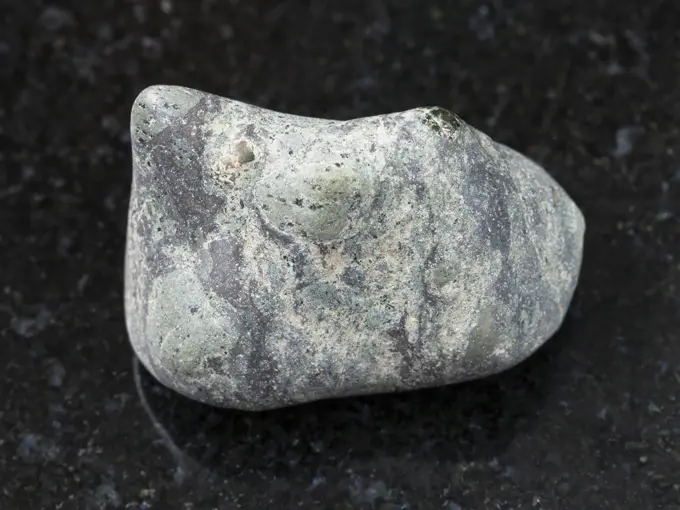
pebble of Suevite stone on dark background macro shooting of natural mineral rock specimen - pebble of Suevite stone on dark granite background from Karelia, Rissia Copyright: xZoonar.com/ValeryxVoennyyx 11391907
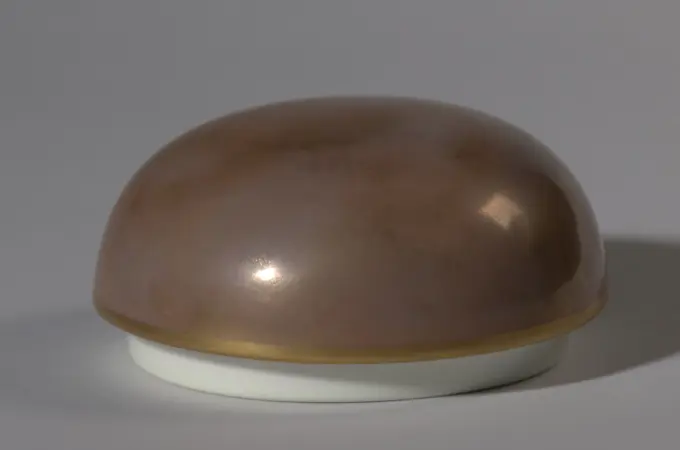
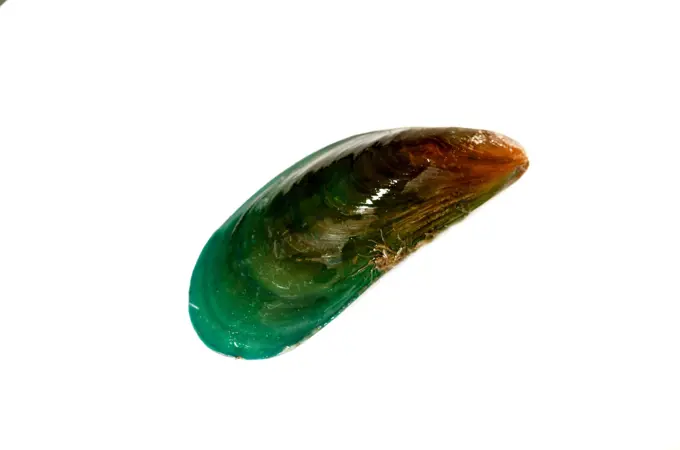
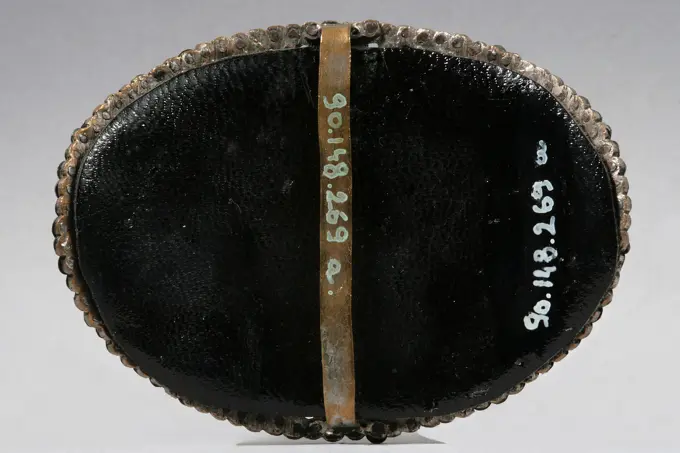
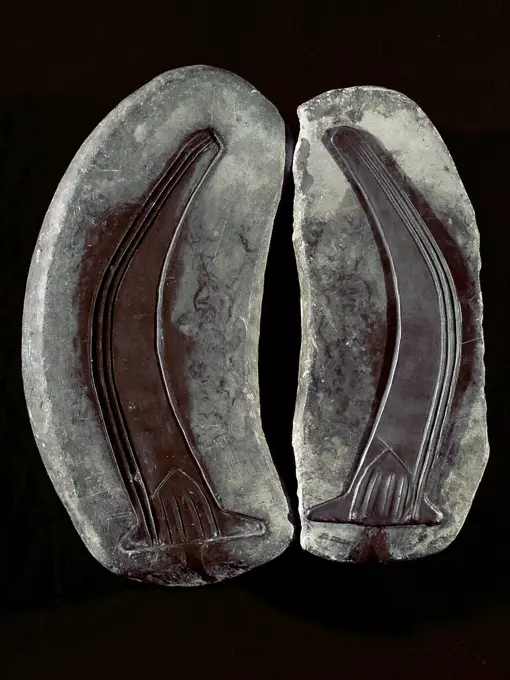
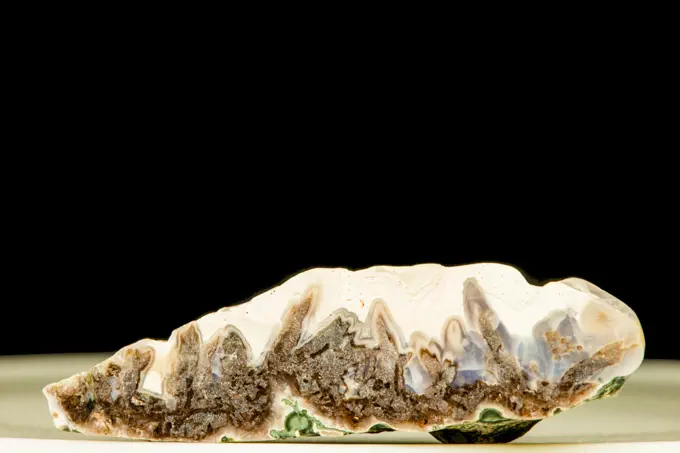
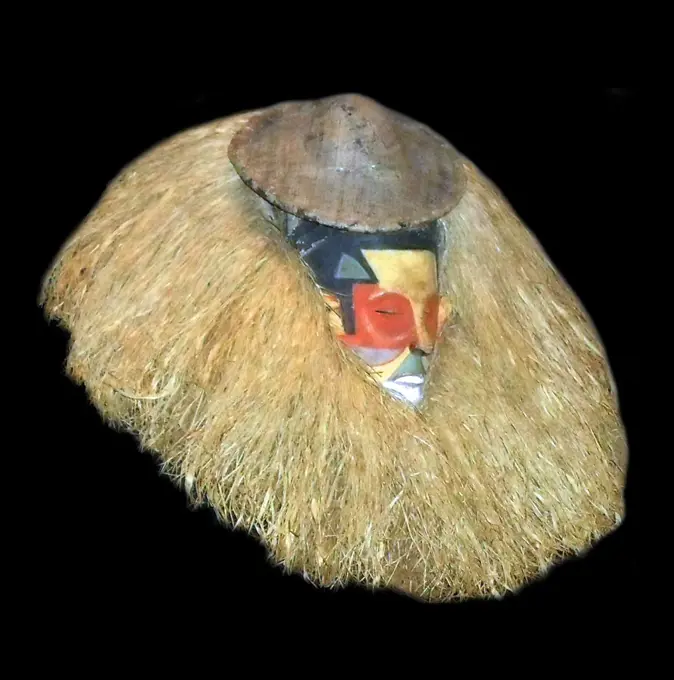
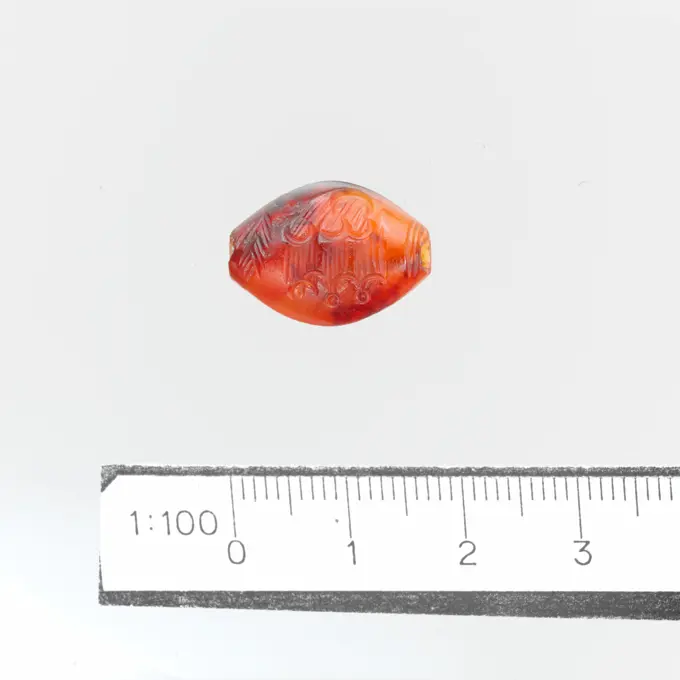
Beads 8th-13th century. Beads. 8th-13th century. Glass; drilled. Excavated in Iran, Nishapur. GlassLid for the Clochettes (Bells) and Mauves Covered Jar, 1931. Henri Rapin (French, 1873-1939), Agnes Moreau-Jouin (French, active 1922-36), Sèvres Porcelain Factory (French, est. 1756). Porcelain; diameter: 37.8 cm (14 7/8 in.); overall: 45.1 cm (17 3/4 in.). See cover record.Fossilized Eocene fish vertebra on sandy beach along the North Sea coastAmulet - Besgreen mussel isolated on the white.Agate Slice Slice of Agate showing the fantastic colours and patterns inside Copyright: xZoonar.com/StephenxFarhallx 9703581Arrowhead in cut stone with peduncle and wings. Neolithic period. North Africa. 2,1 cm.PESAS DE TELAR. EDAD DEL BRONCE CAMPOS DE URNAS S VII a.C. (DEPOSITO: MUSEO ARQUEOLOGICO NACIONAL).Ring probably 19th century Chinese This collection of largely ethnographic jewelry includes examples from cultures in South America, North America, Europe, Asia, and Africa and dates from the Pre-Columbian period to the twentieth century. Owned by renowned art collector and fashion enthusiast Muriel Kallis Newman, the collection represents her knowledge and appreciation of a wide range of jewelry design and making traditions. Numerous items in her collection are composite artifacts made from various cultures and time periods reappropriated as modern jewelry creations by or for Muriel. It is important to note that Newman wore many of the pieces in the collection, interpreting them to suit and express her own singular, often avant-garde style.. Ring 141628bone spatulas, Eras del Alcázar, Archeological Museum. Úbeda, Jaén province, Andalusia, Spain.Twin button mushrooms, champignons, on white backgroundLoop.MOLDE DE HOZ EN BRONCE ATLANTICO- CASTROPOL - EDAD DE BRONCE- II MILENIO a JC. Location: MUSEO ARQUEOLOGICO-COLECCION. Oviedo. ASTURIAS. SPAIN.master checks spessartine garnets with magnifier master checks spessartine garnets with magnifier on white background Copyright: xZoonar.com/ValeryxVoennyyx 11514936Mached tobacco pipe of pipe earth, damaged, anonymous, 1500 - 1799   pipe clay   pipe clayBliżej KulturyA sliced shiitake mushroom with a knife on a wooden surfaceMushroomPlaque. Egypt, Amarna, New Kingdom (circa 1569 - 1081 BCE). Sculpture. FaienceTiger's Eye, charmstoneAchat, closeup of the gemstoneSeeds of annual mallowMinerals - AmberInitiation mask from the Nzambo tribe in the Lower Congo Region in Angola, Africa. 19th CenturySeal, amygdaloid ca. 1650-1500 B.C. Minoan, Crete. Seal, amygdaloid 252160 Minoan, Crete, Seal, amygdaloid, ca. 16501500 B.C., Carnelian, Other: 1/2 x 11/16 x 5/16 in. (1.3 x 1.7 x 0.7 cm). The Metropolitan Museum of Art, New York. Bequest of Richard B. Seager, 1926 (26.31.209)Earrings 1875 American. Earrings 124282Sardonyx, three-colored agate, healting stone, cutsand bee in nesthand, fragment of marble statue, Roman period, Evora Museum, Evora, Alentejo, Portugal, Europe.Bliżej KulturyLettuce Monk Doll Lying on SandCarnelian ring stone. Culture: Roman. Dimensions: Length: 9/16 in. (1.4 cm). Date: 1st century B.C.-3rd century A.D..Bust of a Silenos wearing an ivy wreath. Museum: Metropolitan Museum of Art, New York, USA.Carnelian amygdaloid seal ca. 1700-1450 B.C. Minoan Flying bird; stylized bird.. Carnelian amygdaloid seal. Minoan. ca. 1700-1450 B.C.. Carnelian. Middle Minoan III-Late Minoan I. Gemshallucinogenic mushrooms on a scale close-up.Carnelian oval 2nd-1st century B.C. Greek woman leaning on a column holding a dove. Carnelian oval. Greek. 2nd-1st century B.C.. Carnelian. Hellenistic. GemsBarcelona, 10/14/2004. Interview with the writer and scientific popularizer Eduardo Punset. Photo: Elena Carreras ARCHDC.