Ancient Artifacts and Fragments

Relics and fragments from antiquity, showcasing decorative designs and materials from various historical periods and civilizations.
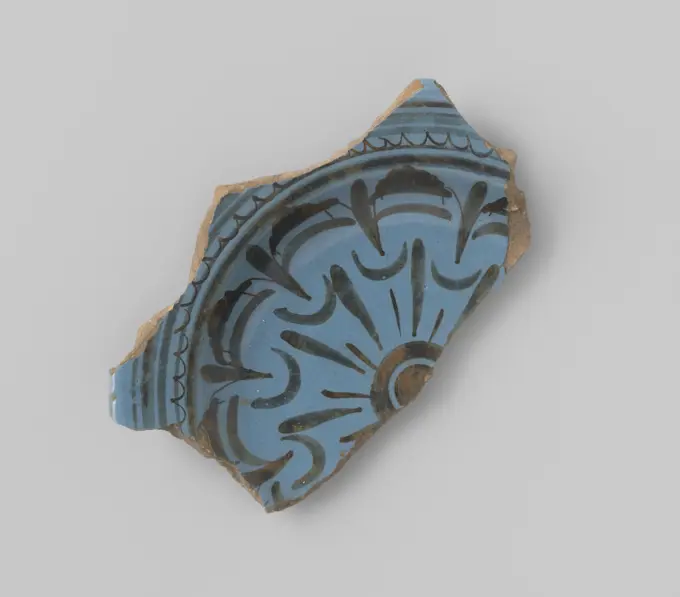
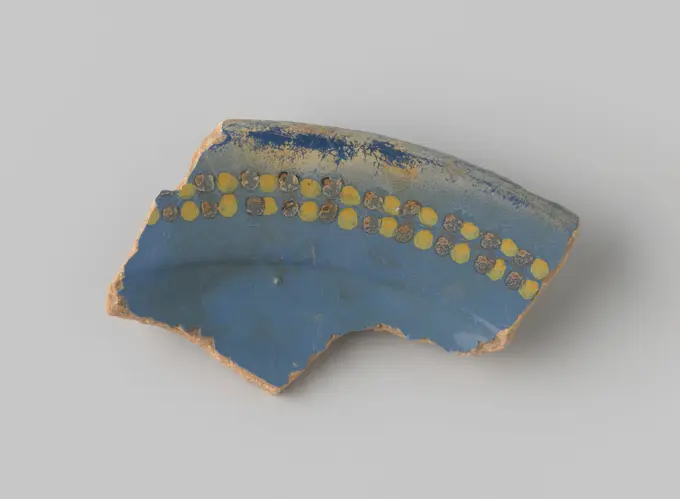
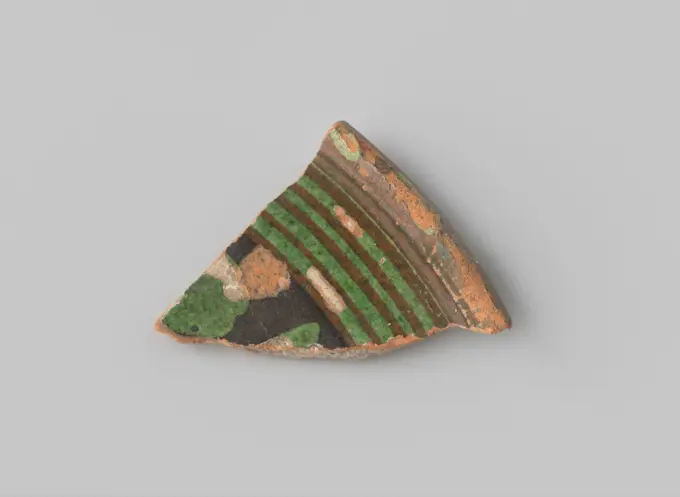
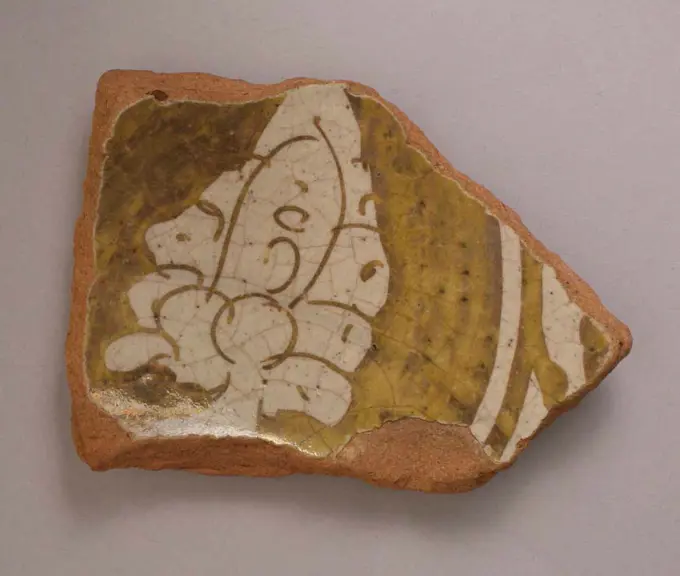
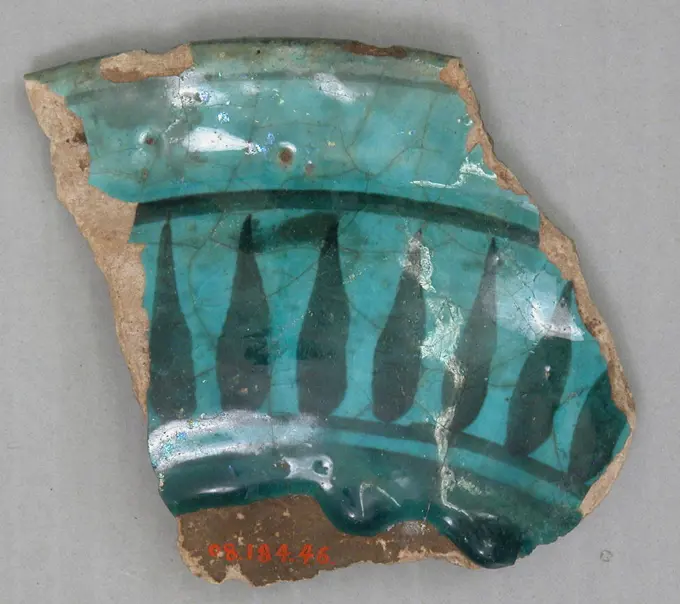
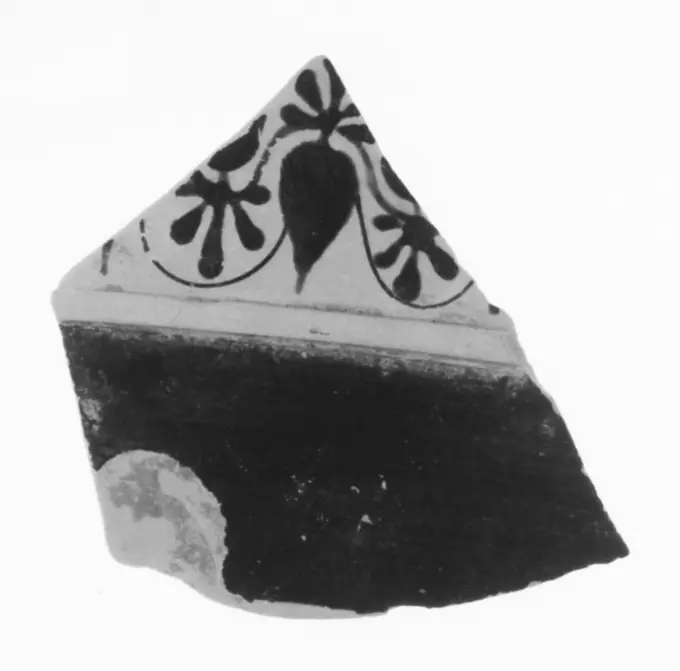
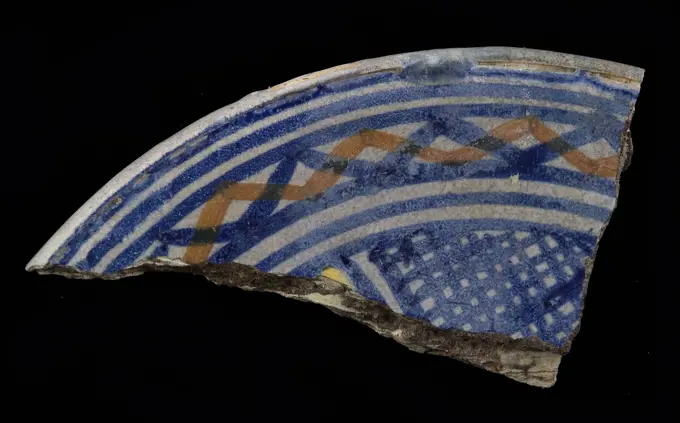
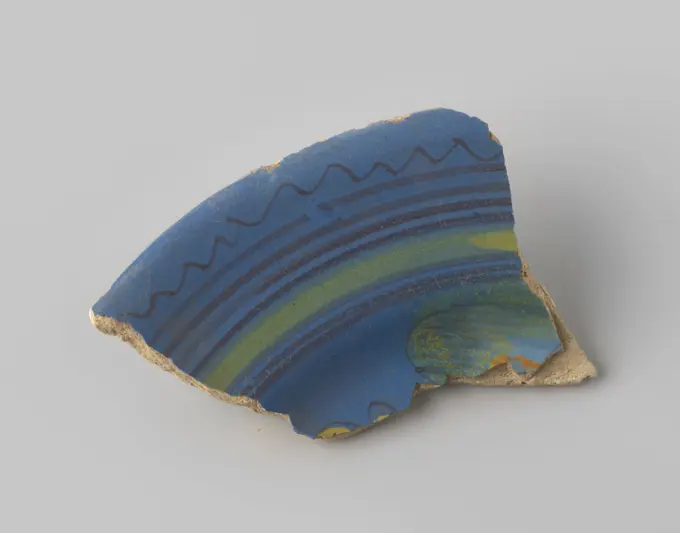
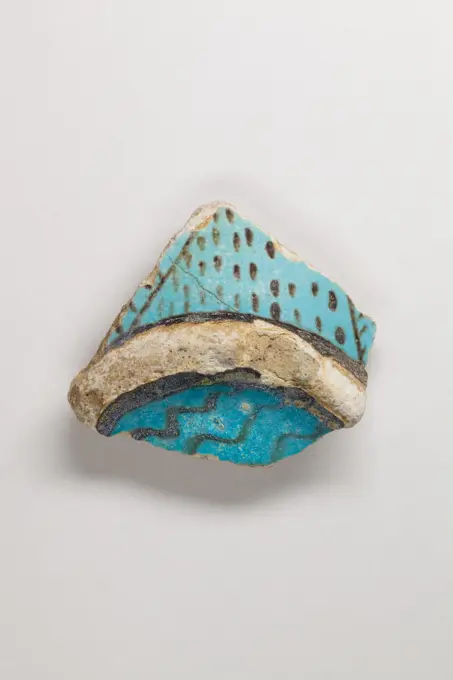
Dishes of yellow-baking earthenware, with blue glaze on the top and bottom, on which a painting of floral shapes on the flat and stripes and a corrugated line on the edge, and on the back a pattern of semi-circles in black, anonymous, C . 1500 - c. 1699 fragment   earthenware. glaze
Dishes of yellow-baking earthenware, with blue glaze on the top and bottom, on which a painting of floral shapes on the flat and stripes and a corrugated line on the edge, and on the back a pattern of semi-circles in black, anonymous, C . 1500 - c. 1699 fragment earthenware. glaze
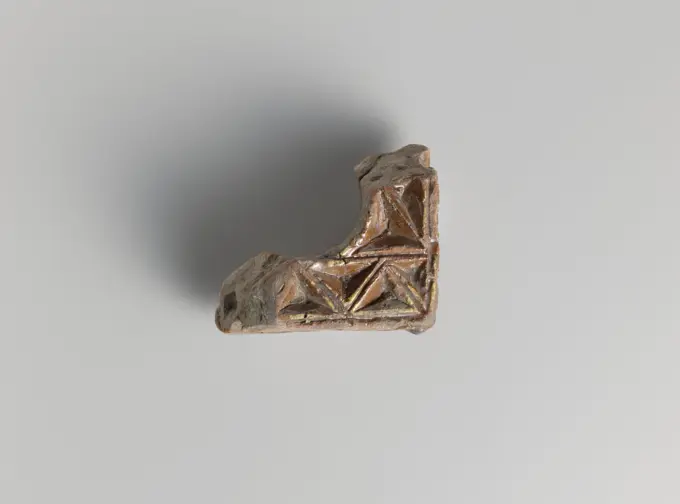
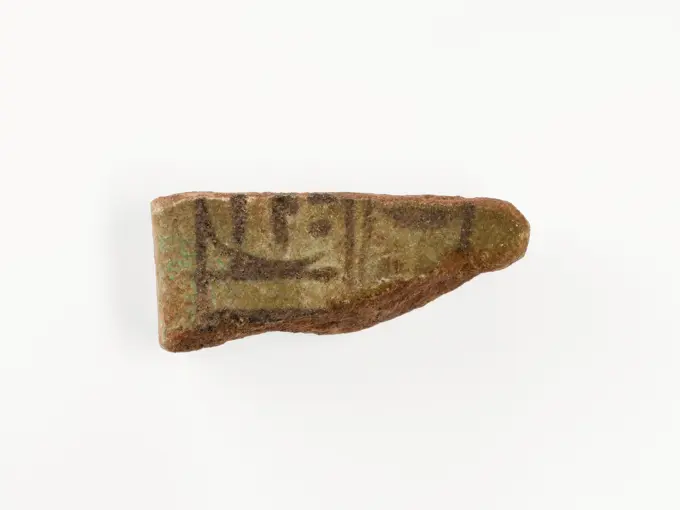
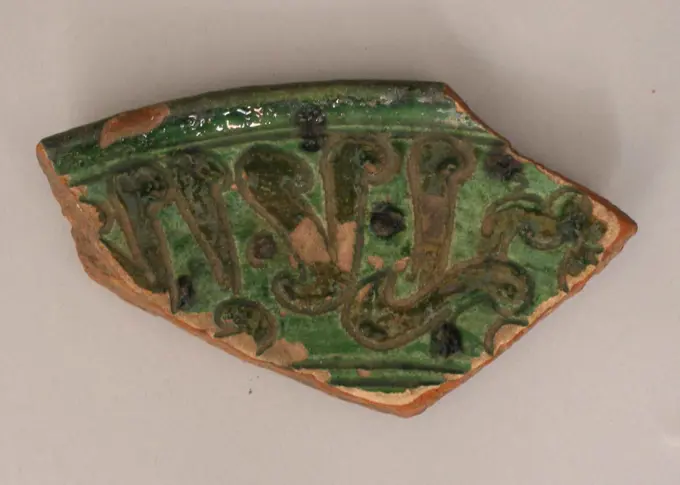
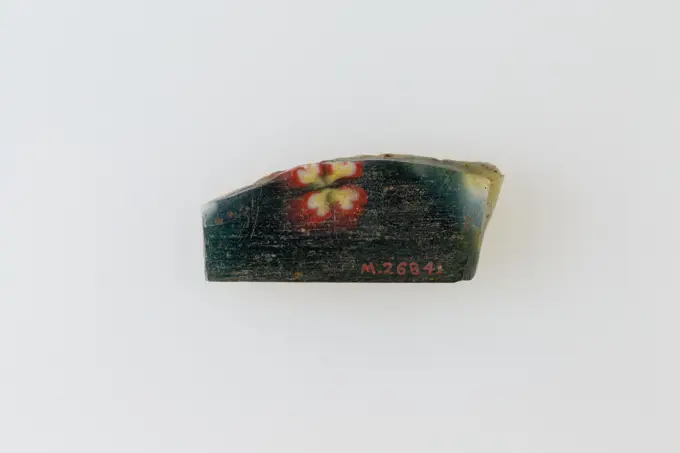
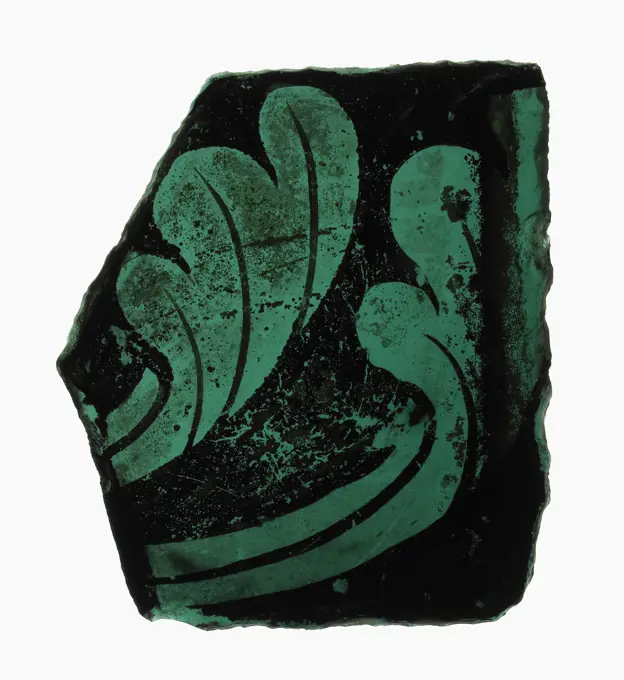
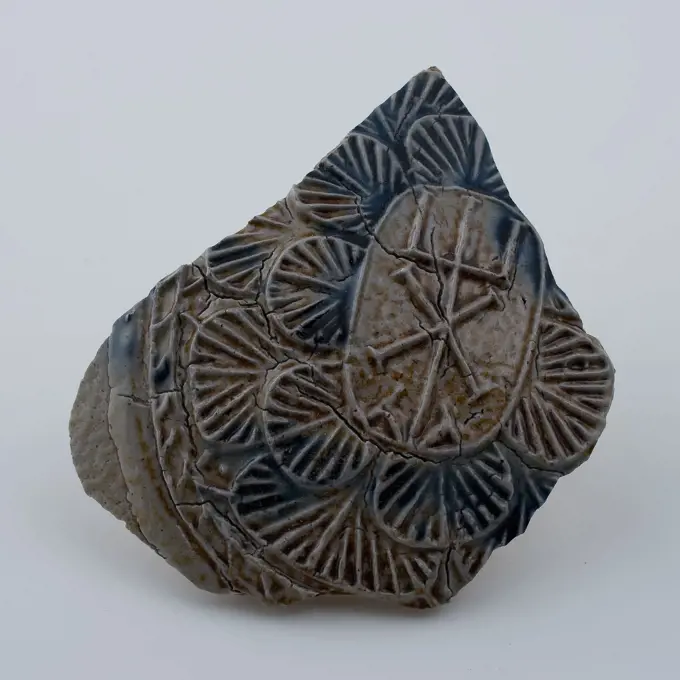
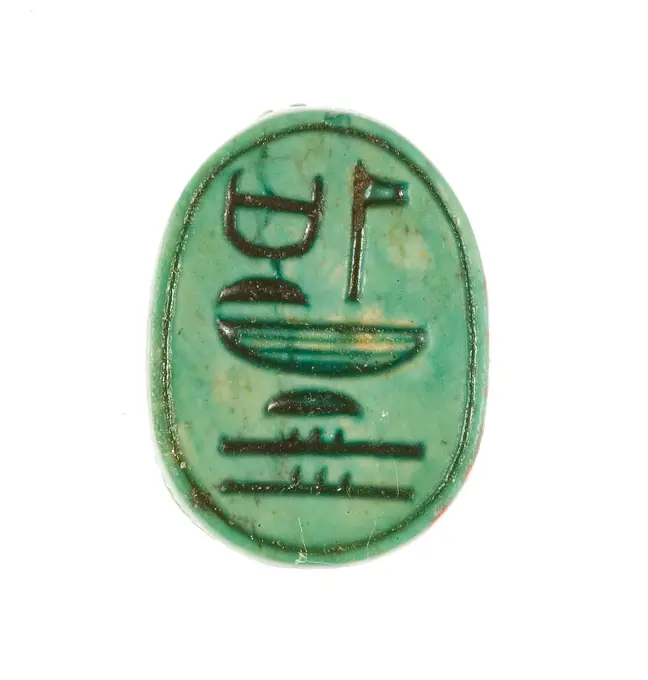
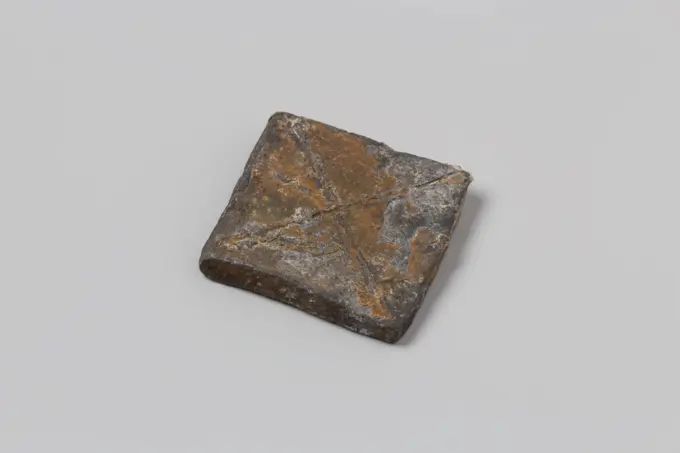
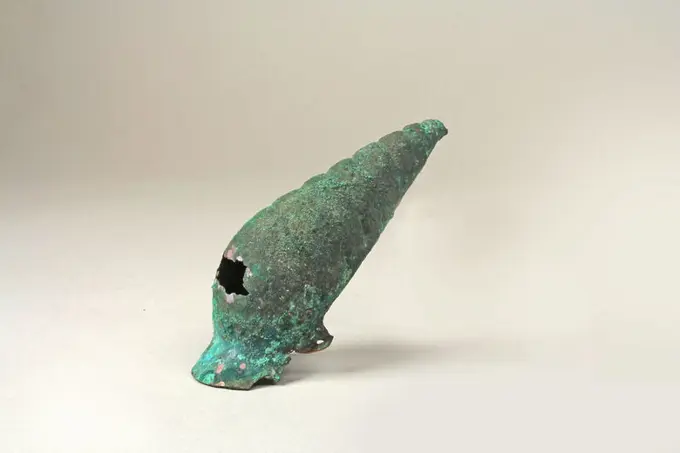
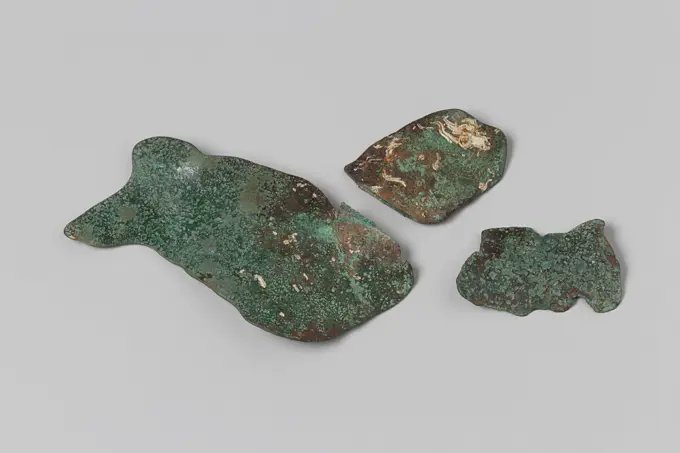
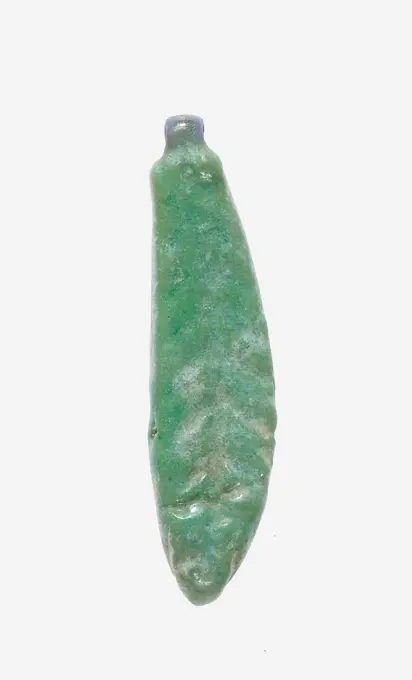
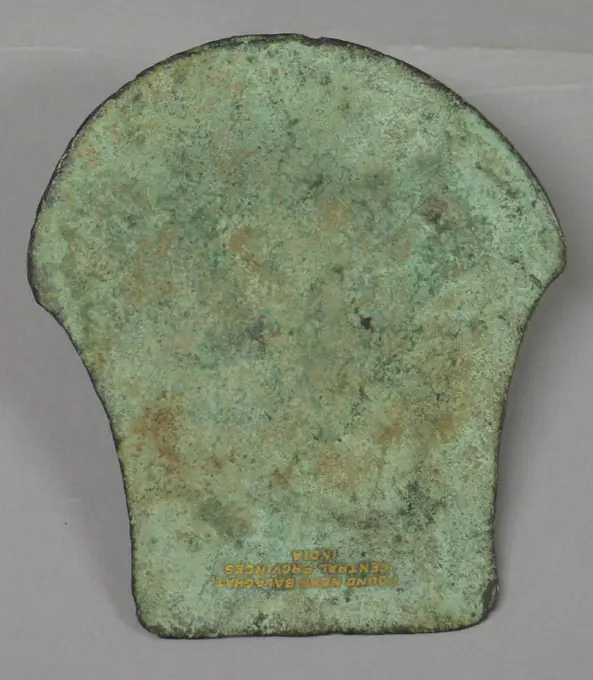
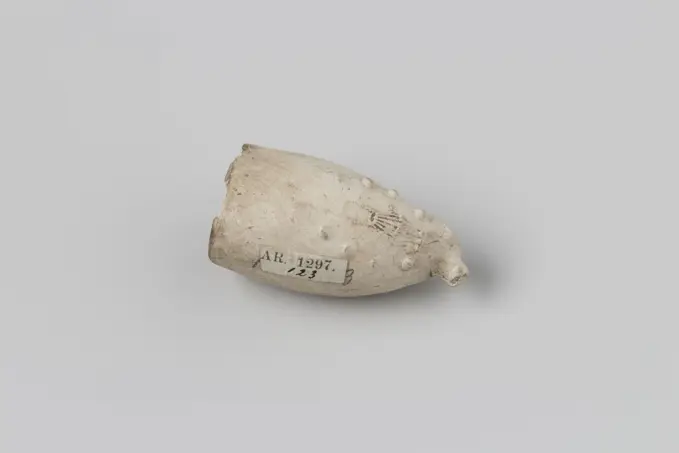
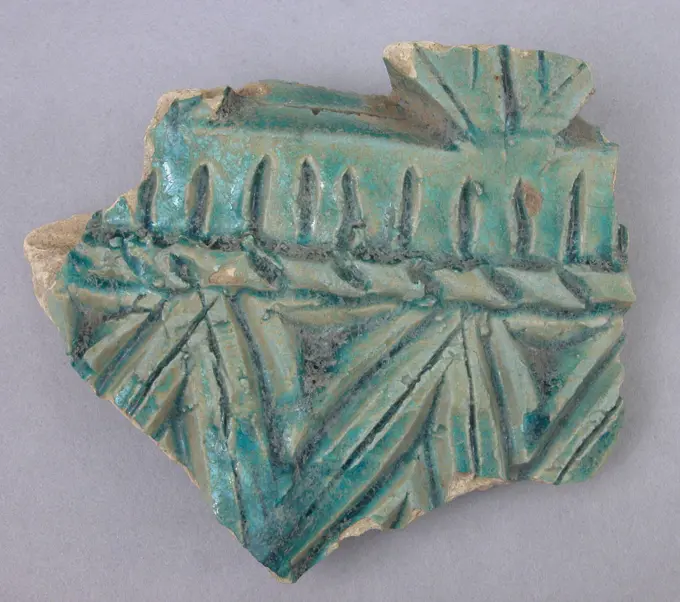
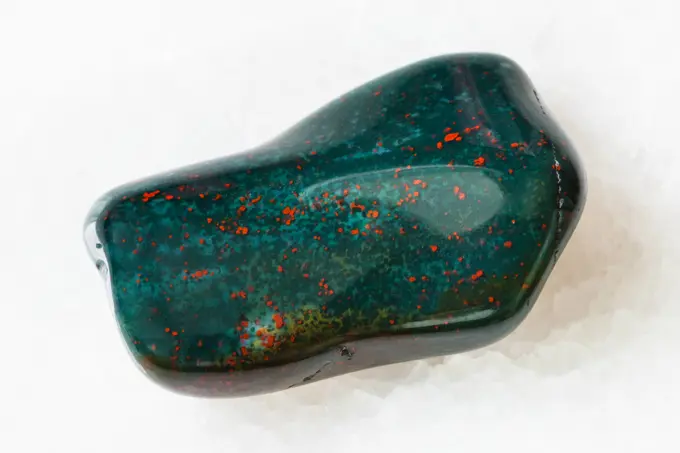
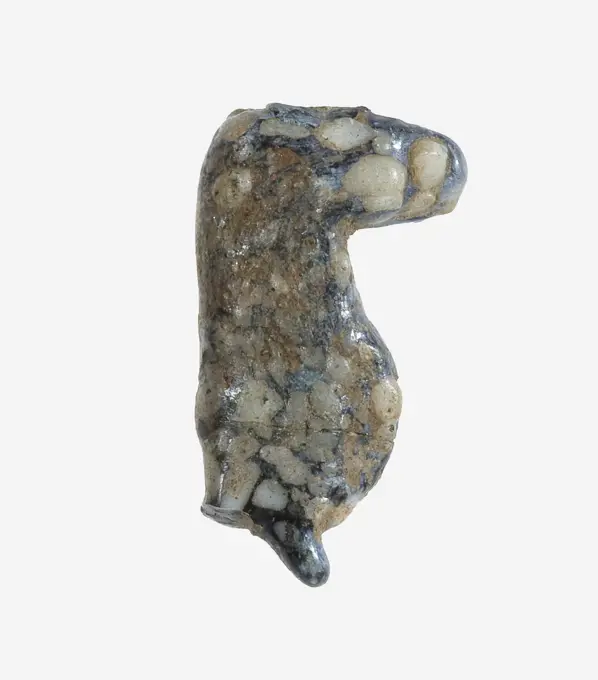
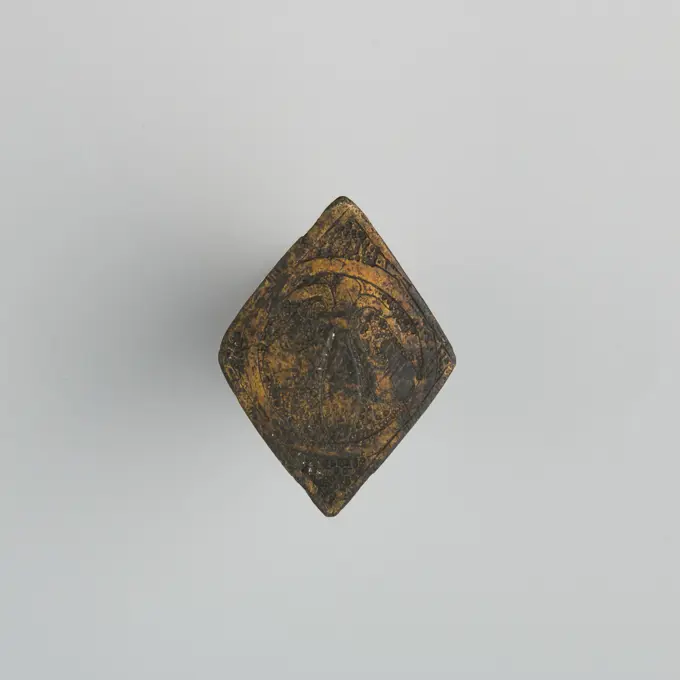
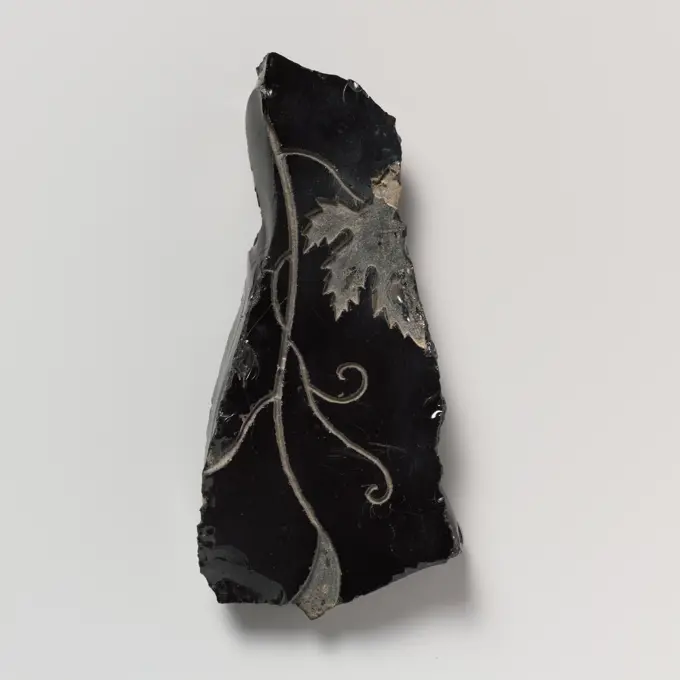
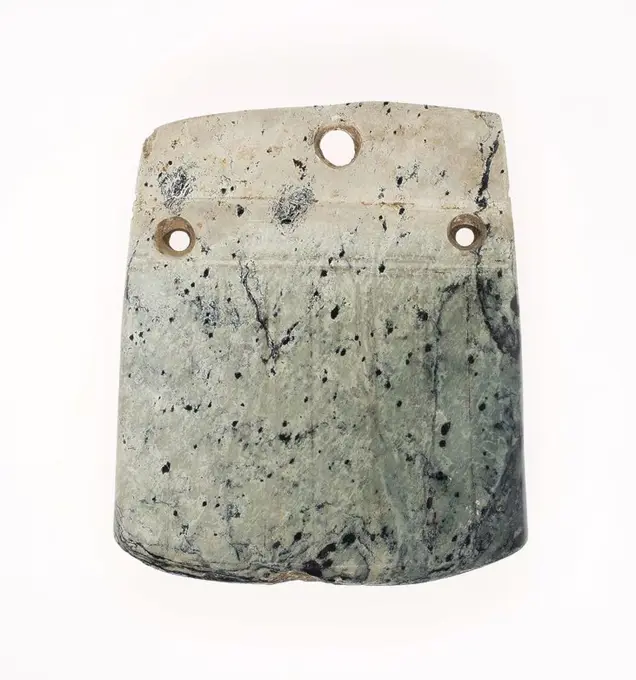
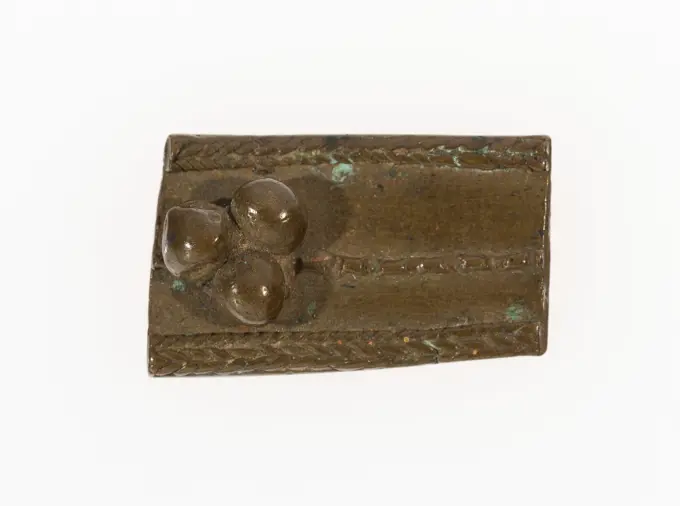
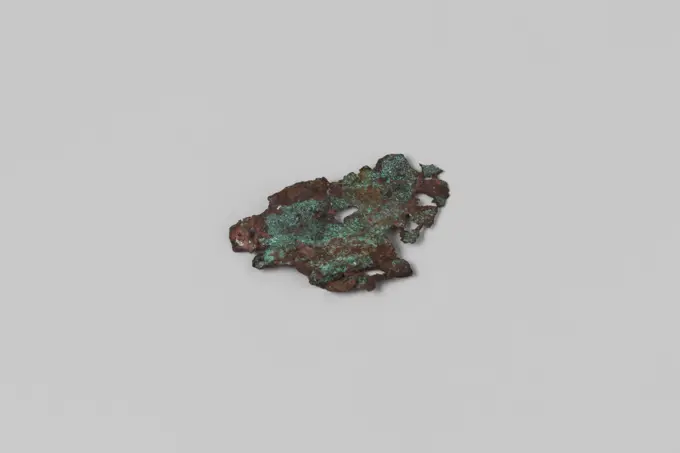
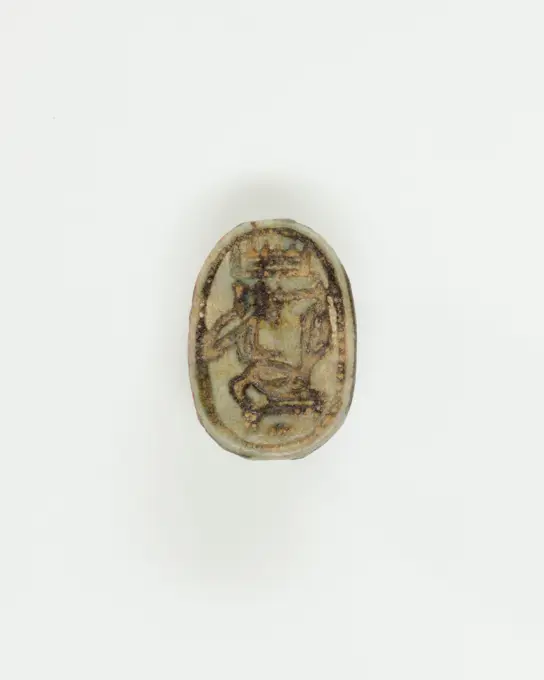
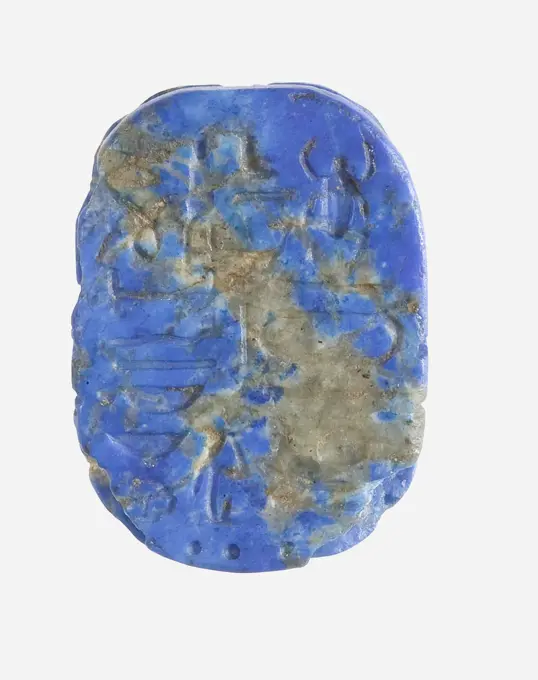
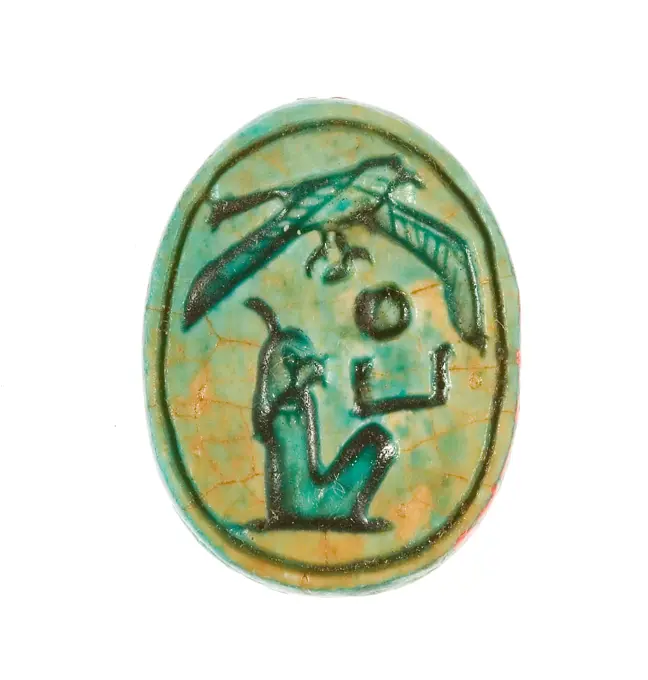
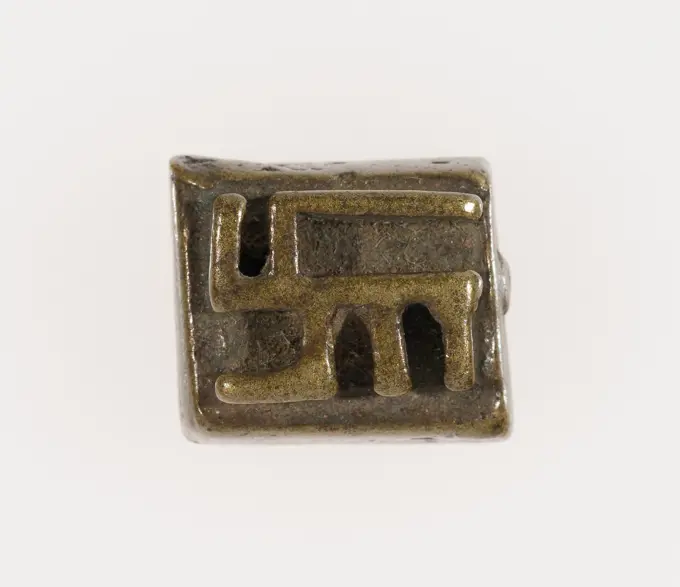
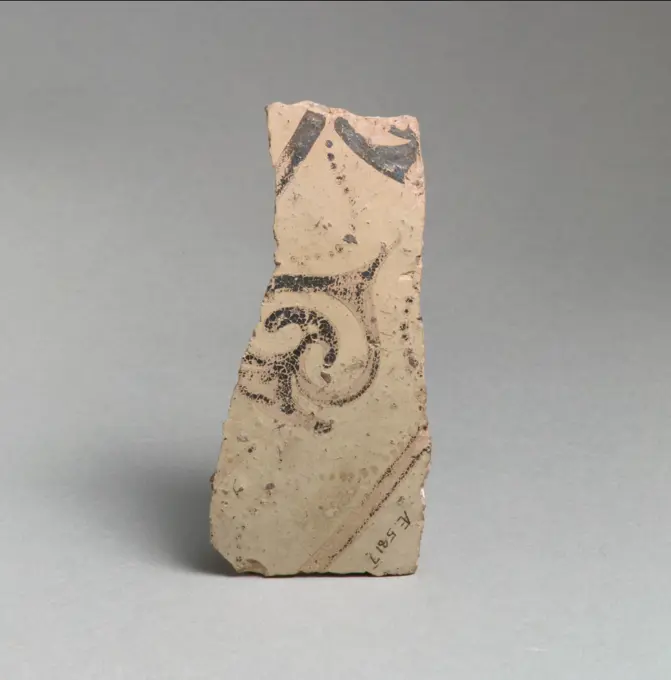
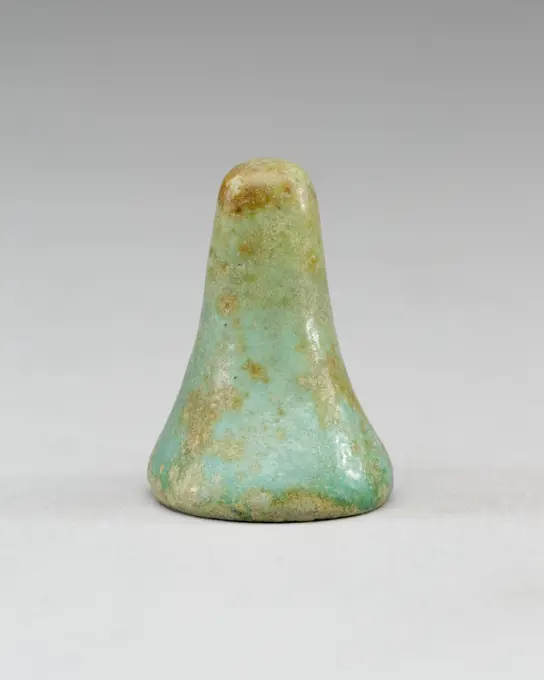
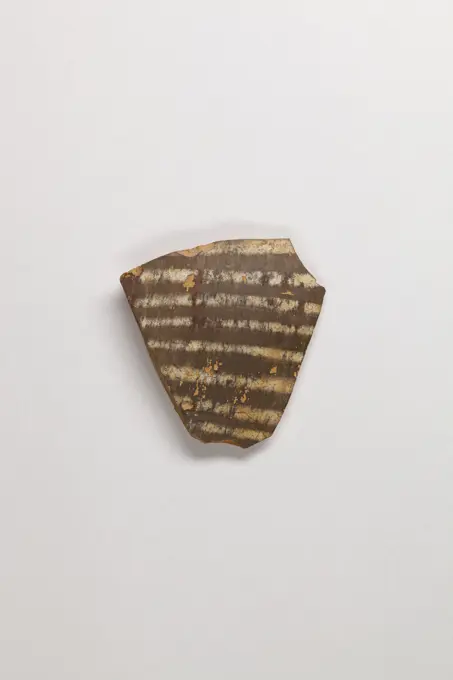
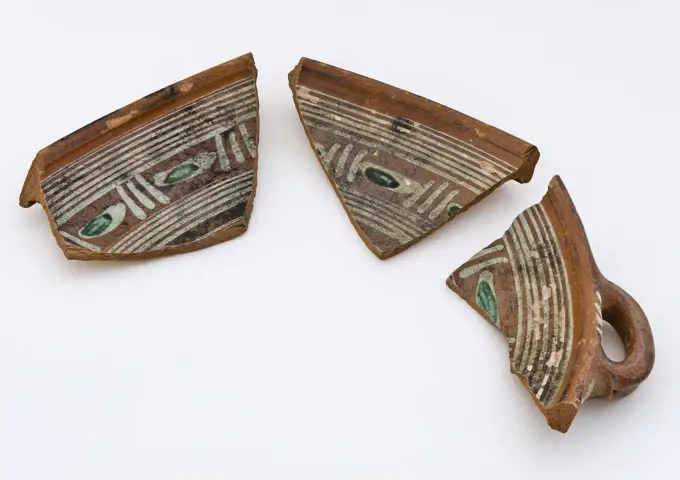
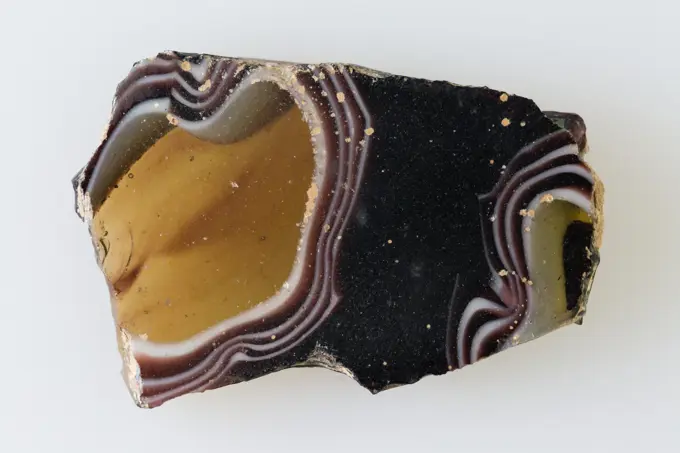
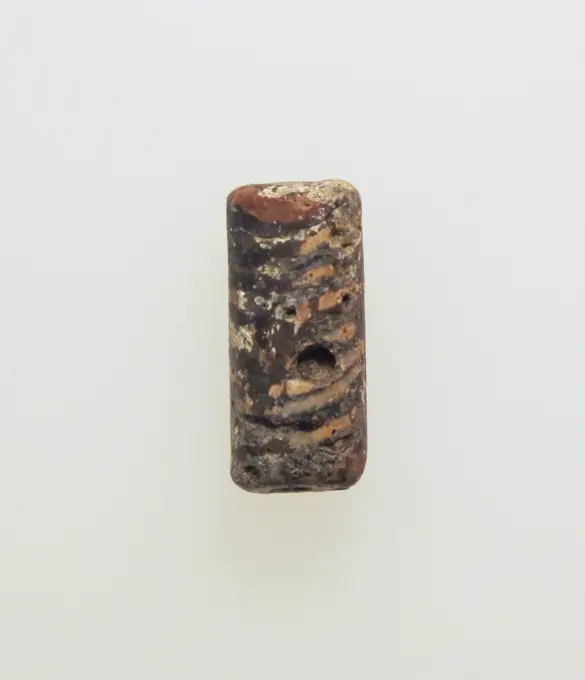
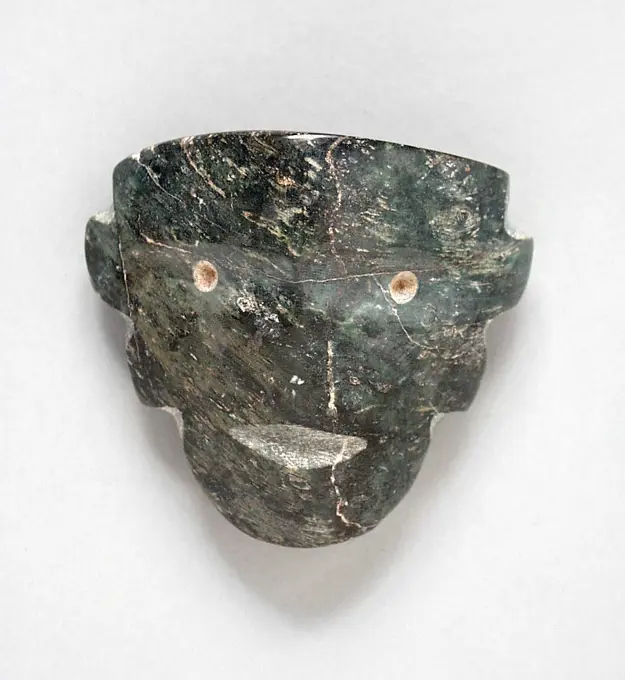
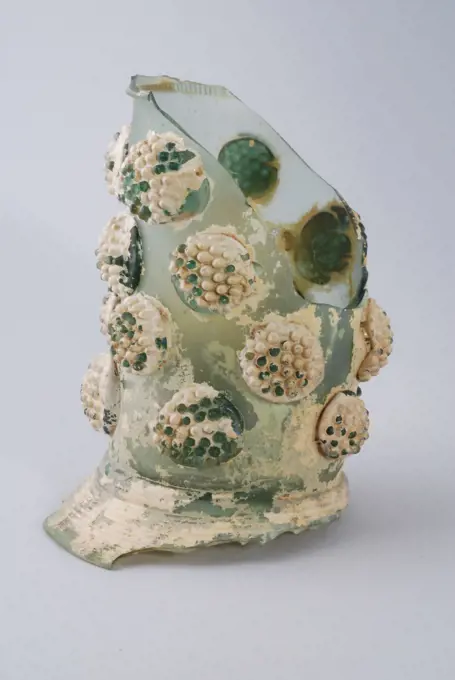
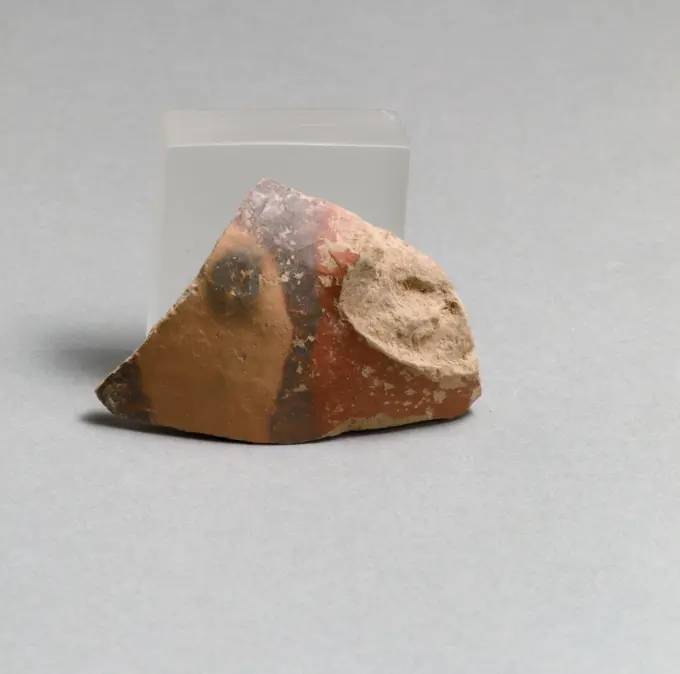
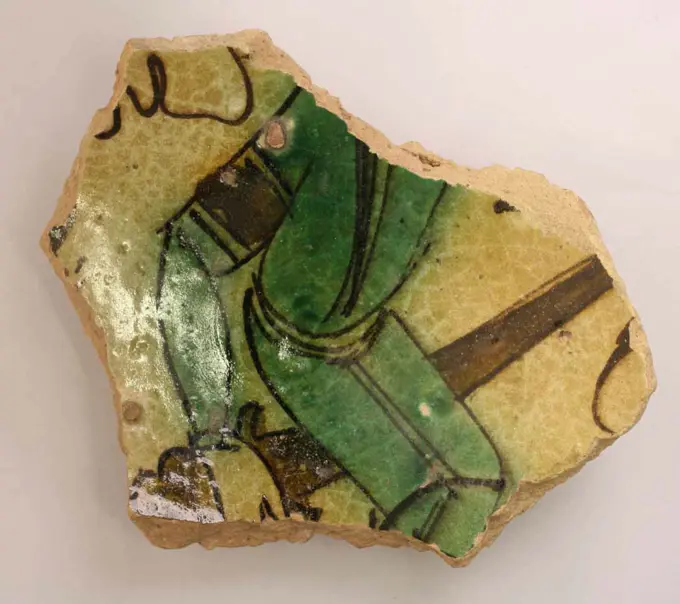
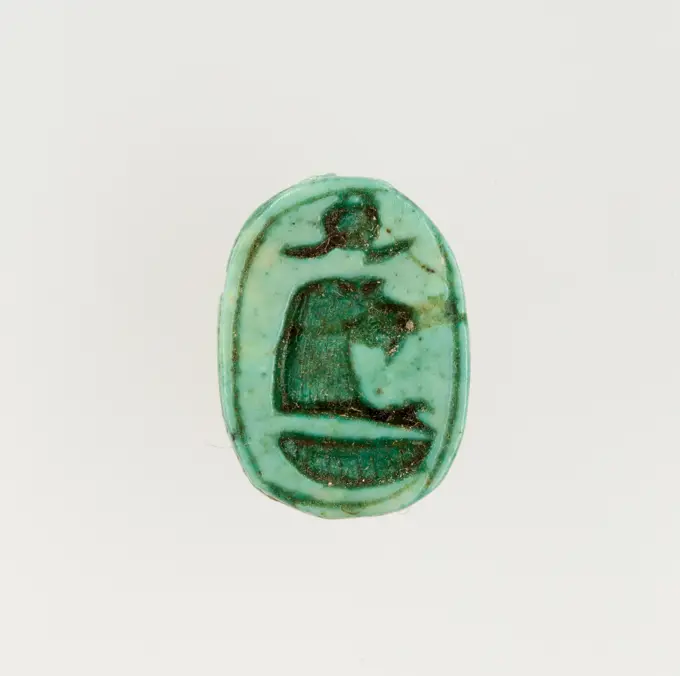
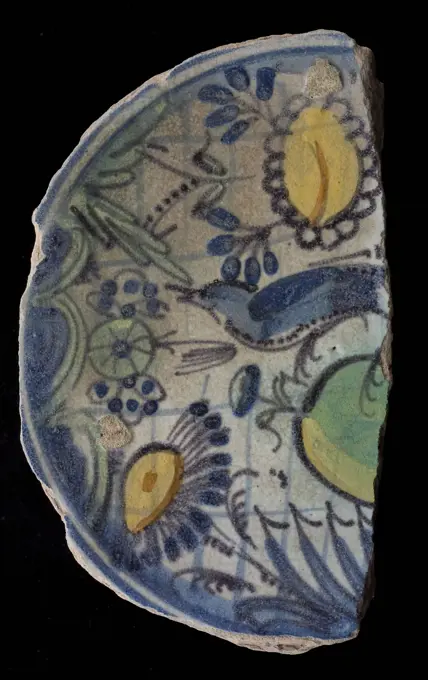
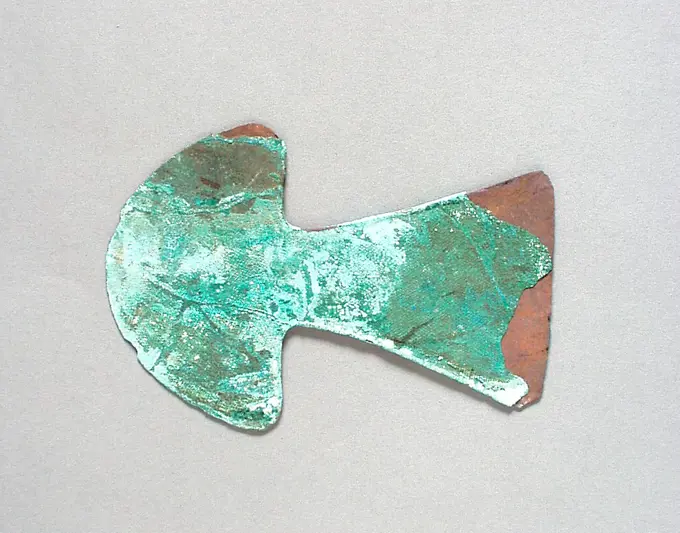
Relief fragments from tomb of Meketre. Dynasty: Dynasty 12. Reign: reign of Amenemhat I, early. Date: ca. 1981-1975 B.C.. Museum: Metropolitan Museum of Art, New York, USA.Fragment of a Magic Knife ca. 1550-1295 B.C. New Kingdom. Fragment of a Magic Knife 554621Fragment of buyer from the wreck of the East India Hollandia.parts or artifacts; eroded fragments: Materials; Copper.Building fragment, decorated with deepened triangles, anonymous, c. 1450 - c. 1550 A building fragment of baked pottery, decorated with a pattern of immersed triangles. Netherlands earthenware A building fragment of baked pottery, decorated with a pattern of immersed triangles. Netherlands earthenwareDishes of yellow-baking earthenware, with blue glaze on the top and bottom, on which a painting of floral shapes on the flat and stripes and a corrugated line on the edge, and on the back a pattern of semi-circles in black, anonymous, C . 1500 - c. 1699 fragment   earthenware. glazeSharf of ross -baking earthenware, with blue glaze at the top with a painting of a line with brown and yellow stippenes, anonymous, 1600 - 1650 on either side  Northern Netherlands earthenware. glaze majolica  Northern Netherlands earthenware. glaze majolicaSharf of ross -baking earthenware, with blue glaze on the front, with on either side of a line of yellow and orange dots, anonymous, 1600 - 1650  Northern Netherlands earthenware. glaze majolica  Northern Netherlands earthenware. glaze majolicaFragment of a votive tile with cartouche of Seti II ca. 1200-1194 B.C. New Kingdom, Ramesside During the winter of 1904-1905, archaeologist William Matthew Flinders Petrie undertook a survey of archaeological sites in the Sinai, including the Temple to Hathor as Mistress of the Turquoise Mines at Serabit el-Khadim. Covering the floor of the sanctuary and its portico, and extending several feet north, was a 2-3 inch thick layer of debris consisting of fragments of vessels, wands, sistra (sacred rattles), menats (sacred necklaces), animal figures, bracelets, and tiles. Made of faience, these objects were originally votive offerings to the goddess, placed in the temple by royal officials hoping to guarantee the success of their mining expeditions. Among the objects received by the Museum in return for its partial sponsorship of Petrie's expedition was a group of 36 bracelet and tile fragments, all bearing royal names or epithets. The cartouches here (see 09.182.19*) belong to Ramesside kiFragment 14th-15th century. Fragment 445339Bird Plaque Ornament. Culture: Vicús. Dimensions: H. 2 x W. 2 in. square (5 x 5 cm). Date: 3rd century B.C.-A.D. 2nd century. Museum: Metropolitan Museum of Art, New York, USA.Vase fragment Minoan. Vase fragment 247664Sharf multicolored majolica, anonymous, 1500 - 1699  Majolic screen. Northern Netherlands earthenware. glazeVase fragment Neolithic Fragment, traces of black glaze.. Vase fragment 251331 Neolithic, Vase fragment, Terracotta, 1 1/8  2 3/16  1/4 in. (2.8  5.6  0.7 cm). The Metropolitan Museum of Art, New York. Gift of Gisela M. A. Richter, 1923 (23.121.31)Fragment of a Bowl. Byzantine; Greece, Thessaloniki. Date: 1201-1400. Dimensions: 2.2 × 7 × 6 cm (7/8 × 2 3/4 × 2 3/8 in.). Ceramic. Origin: Istanbul. Museum: The Chicago Art Institute, Chicago, USA.Pot Fragment. Culture: Coptic. Dimensions: Overall: 1 5/8 x 2 11/16 in. (4.2 x 6.9 cm). Date: 4th-7th century. Museum: Metropolitan Museum of Art, New York, USA.Wall painting fragment 1st century A.D. Roman Floral decoration.. Wall painting fragment. Roman. 1st century A.D.. Fresco. Miscellaneous-PaintingsBird Plaque Ornament 3rd century B.C.-A.D. 2nd century Vicús. Bird Plaque Ornament 315391Portrait of a warriorFragment 11th century. Fragment 445581Plaque 8th-9th century Coptic. Plaque 465988Paper paper 'Papillon de Nuit'. Cube-shaped representation of green, violet and light gray p too far; Small particles molten gold leaf. Two violet night butterflies on the top.Floral plaque 100 BC-100 AD Ptolemaic Period-Roman Period This fragment was part of a glass floral plaque for wall or furniture inlay like 26.7.1249.. Floral plaque. 100 BC-100 AD. Glass. Ptolemaic Period-Roman Period. From EgyptReliefs from the tomb of Meketre. Dimensions: H. 13.8 cm (5 7/16 in.); W. 8.9 cm (3 1/2 in.); D. 5.6 cm (2 3/16 in.). Dynasty: Dynasty 12. Reign: reign of Amenemhat I, early. Date: ca. 1981-1975 B.C.. Museum: Metropolitan Museum of Art, New York, USA.Glass Fragment 14th century European. Glass Fragment. European. 14th century. Pot metal glass. Glass-StainedFragment frame of a tableware from the wreck of the East Indiesman Hollandia. Vessel Part, RIM; Fragment of curved, fold-over Outer Rim, convex, Stepped Inner Border, Hollow Core.Engraved Gem with a Lynx. UnknownVase fragment Minoan. Vase fragment 247817Fragment of an Inlay Depicting a Theater Mask 100 BCE-100 CE Italy. In ancient Rome, there was a high demand for colorful glass that could dazzle banquet guests alongside the expensive silver and gold serving wares meant to impress. Fragments like this one would have once been a part of larger mosaic dishes. The mosaic pattern was made by sagging molten glass into bowl-shaped molds, a technique used on many of these fragments is similar to millefiori, ìthousand flowersî in Italian, a modern glass-making method in which tiny rods of colored glass are bundled together, wrapped in a sheet of glass, fused, and then thinly sliced to reveal swirls of a flower-like patterns. They were arranged side by side, sometimes together with bits of colored glass, and fused together with heat.. Glass, mosaic glass technique . Ancient RomanFragment 14th-15th century. Fragment 445332Mosaic pavement fragment Roman. Mosaic pavement fragment. Roman. Tile, mortar. Miscellaneous-MosaicFragments of a Dish 11th-12th century. Fragments of a Dish 446495Excerpt with yellowish shard, with floral decoration in green, white and blue tones at the top, at the bottom of dark blue stripes on a blue surface, anonymous, 1200 - 1899  Italy earthenware  Italy earthenwareDish Angle of Red -made earthenware, with a corrugated edge on which stripes and windows are applied in Sgrafitto technology, and floral shapes on a flat part, with green and yellow glaze, anonymous, 1200 - 1899  Italy earthenware  Italy earthenwareFragment of a green glazed fire cloak with blackberry naps and a woman, anonymous, anonymous (rejected attribution), c. 1575 - c. 1625 Fragment of a green glazed fire cloak with a relief representation of a woman in the midst of Braamnoppen and small portrait busts. maker: West-FrieslandGermany (possibly) stoneware   West-Friesland Fragment of a green glazed fire cloak with a relief representation of a woman in the midst of Braamnoppen and small portrait busts. maker: West-FrieslandGermany (possibly) stoneware   West-FrieslandFragment of a Bowl 100 BCE-100 CE Roman Empire. In ancient Rome, there was a high demand for colorful glass that could dazzle banquet guests alongside the expensive silver and gold serving wares meant to impress. Fragments like this one would have once been a part of larger mosaic dishes. The mosaic pattern was made by sagging molten glass into bowl-shaped molds, a technique used on many of these fragments is similar to millefiori, ìthousand flowersî in Italian, a modern glass-making method in which tiny rods of colored glass are bundled together, wrapped in a sheet of glass, fused, and then thinly sliced to reveal swirls of a flower-like patterns. They were arranged side by side, sometimes together with bits of colored glass, and fused together with heat.. Glass, mosaic glass technique . Ancient RomanFragment blowjob from the wreck of the East Indieschief Hollandia. Pipe, bowl, healermark illegible; fragment.Cast pendant bead. UnknownShard of Bartmann jug, also called Bellarmine jug, appliqué with private label, beardmug tableware holder soil find ceramic stoneware glaze salt glaze, hand turned stamped glazed glazed baked Belly fragment of stoneware Bartmann jug. Appliqué consisting of an oval in which private label is depicted on background of leaves. The house brand consists of trident with letter X arrowheads or letter V on the end. Covered with polished mottled salt-glaze blue accents by taping with cobalt oxide archeology Rotterdam City Triangle underground pit Blaak indigenous pottery import packaging transporting donate storage brands Soil discovery metro works location Blaakstation Rotterdam Finds from the bottom of the chamber.Two Spade-shapedCoinsScarab Inscribed God's Wife, Lady of the Two Lands ca. 1479-1458 B.C. New Kingdom. Scarab Inscribed God's Wife, Lady of the Two Lands. ca. 1479-1458 B.C.. Steatite (glazed). New Kingdom. From Egypt, Upper Egypt, Thebes, Deir el-Bahri, Temple of Hatshepsut, Foundation Deposit 9 (I), MMA excavations, 1926-27. Dynasty 18, earlyExcerpt copper from the wreck of the East Indies Hollandia, 1700 - in or before 1743 fragment Parts of artefacts; eroded fragments: materials; copper. Netherlands copper (metal)   SecondPlay medal from the wreck of the East Indies Hollandia, Anonymous, 1700 - in Or Before 1743  Rectangular, square, flat, engraved diagonal cross on one side, game token. Netherlands lead (metal)   SecondGlass mosaic ribbed bowl fragment. Culture: Roman. Dimensions: 2 3/4 × 1 5/8 × 1/4 in. (7 × 4.1 × 0.7 cm)Estimated diameter 3 15/16 in. (10 cm). Date: late 1st century B.C.-early 1st century A.D..Rim fragment of deep ribbed bowl.Translucent purple appearing largely as honey brown and opaque white.Vertical, rounded rim; at top, straight side, then bulging outward with convex curving profile, turned in towards bottom.Spiral mosaic pattern formed from sections of a single cane in purple ground with irregular white threads in spiral lines; on exterior, parts of three vertical ribs, with flattened tops and rounded outer edges, tapering downward.Polished interior; pitting of surface bubbles on interior; pitting, dulling, and creamy iridescent weathering on exterior, rim, and some jagged edges. Museum: Metropolitan Museum of Art, New York, USA.Copper Knife 10th-16th century Peruvian. Copper Knife 315269Shell Ornaments. Culture: Moche (Loma Negra). Dimensions: H. 1 7/16 x W. 4 1/8 in. (3.7 x 10.5 cm). Date: 390-450. Museum: Metropolitan Museum of Art, New York, USA.Fragments from buyer from the wreck of the East India Hollandia.parts or artifacts; eroded fragments: Materials; Copper.Leaf Pendant ca. 1390-1353 B.C. New Kingdom. Leaf Pendant. ca. 1390-1353 B.C.. Faience. New Kingdom. From Egypt, Upper Egypt, Thebes, Malqata, Palace of Amenhotep III, MMA excavations, 1910-11. Dynasty 18Mordant 15th-17th century European. Mordant. European. 15th-17th century. Bronze. Miscellaneous-Buckles & OrnamentStylized Fly () Figurine. Egypt, New Kingdom - Ptolemaic Period (1569 - 30 BCE). Sculpture. BronzeAx Blade (Celt) 1500-1000 B.C. India These anthropomorphic figures, harpoons, ax blades (celts), and antennae swords were cast and hammered from unalloyed copper. They may be dated to 1500 to 1000 B.C. Given that pure copper is a relatively soft metal and most of the objects show little or no signs of wear, it seems likely that their function was largely dedicatory. Hoards of such objects have been found across north India, the greatest concentration being in Uttar Pradesh. The findspots suggest they were ritually deposited in rivers or marshes, though several related antennae swords were recorded in late Indus Valley civilization (ca. 1500 B.C.) burials at Sanauli.. Ax Blade (Celt) 50619Foundation Deposit: Bound Ox. Egyptian. Date: 1550 BC-1069 BC. Dimensions: 3.5 × 1.7 × 0.3 cm (1 3/8 × 11/16 × 1/8 in.). Faience. Origin: Egypt. Museum: The Chicago Art Institute, Chicago, USA. Author: Ancient Egyptian.Scarab with device of baboon and falcon on base ca. 1550-1458 B.C. New Kingdom. Scarab with device of baboon and falcon on base. ca. 1550-1458 B.C.. Green glazed steatite. New Kingdom. From Egypt, Memphite Region, Lisht South, debris, MMA excavations. early Dynasty 18Glass pendant in the form of a dolphin Roman Translucent blue green; trail in opaque yellow.Large hole horizontally through body from side to side, drawn out to form tail.Broken, missing lower part of body and head, restored with fill; dulling and faint weathering.. Glass pendant in the form of a dolphin. Roman. Glass; tooled and trailed. GlassFragment Pijpenkop, Anonymous, 1750 - 1800 Fragment pipe head with egg basket within eight dots. Of the excavations on the Hofstede Arentsburg 1827-1831 under the supervision of Professor Reuvens. Netherlands pipe clay Fragment pipe head with egg basket within eight dots. Of the excavations on the Hofstede Arentsburg 1827-1831 under the supervision of Professor Reuvens. Netherlands pipe clayLid from v.o.c.-ship the 'white lion'. Lid from v.o.c.-ship the 'white lion', 40%% present.Attic Black-Figure Nicosthenic Amphora Fragment. Unknowndupondius; Marek Aureliusz (121-180; Roman emperor 161-180); 176-177 (175-00-00-176-00-00);Bird Plaque Ornament 3rd century B.C.-A.D. 2nd century Vicús. Bird Plaque Ornament 315421Spear Point. Western Iran, circa 1000-825 B.C.. Arms and Armor; spears. BronzeScarab Inscribed with the Throne Name of Thutmose III ca. 1479-1458 B.C. New Kingdom. Scarab Inscribed with the Throne Name of Thutmose III. ca. 1479-1458 B.C.. Steatite (glazed). New Kingdom. From Egypt, Upper Egypt, Thebes, Deir el-Bahri, Temple of Hatshepsut, Foundation Deposit 7 (G), MMA excavations, 1926-27. Dynasty 18, earlyFragment with Excised Motif 7th-9th century This ceramic fragment was excavated in Ctesiphon, the Sasanian metropolis and administrative capital conquered by Arab Muslim armies in 637. The city was known in Arabic as al-Madain, or "the cities", for its extended area. Arab historians indulge in describing al-Madain/Ctesiphons grand monuments, which obsessed Muslim rulers and may have acquired a symbolic meaning related to its imperial past. This was the case of the Taq-i Kisra, an impressively-sized ivan (a vaulted hall with one side open) partially dismantled to reuse its bricks in caliphal buildings in the new capital Baghdad. Finds like this fragment, which was excavated at a site named Selman Pak II, attest to the patterns of continuity and change in material culture between the late Sasanian and the early Islamic period. The fragment may represent an evolution of deeply excised unglazed wares typical of the late Sasanian period. While the Sasanian ones were executed with high prpolished green Heliotrope gem stone on white macro shooting of natural mineral rock specimen - polished green Heliotrope bloodstone gem stone on white marble background from India Copyright: xZoonar.com/ValeryxVoennyyx 11949847Amulet: Taweret ca. 1390-1353 B.C. New Kingdom. Amulet: Taweret. ca. 1390-1353 B.C.. Mottled glass, blue and white. New Kingdom. From Egypt, Upper Egypt, Thebes, Malqata, Palace of Amenhotep III, MMA excavations, 1910-11. Dynasty 18Fragment majolica dish, yellow, orange and blue on white, cross shape with shaded areas in between, dish plate crockery holder soil find ceramic earthenware glaze tin glaze lead glaze, Two fragments of majolica dish: consists of five fragments is an edge fragment. Wide stand ring Backside gray-pink glazed except for the front gray glazed front stand on which dark blue orange yellow decoration imprints. Light yellow shard archeology Rotterdam railway tunnel serving Soil discovery: rail tunnel Rotterdam.Badge or Harness Pendant 14th century Spanish Heraldry, or coat-of-arms, were vitally important in Europe throughout the Middle Ages and the Renaissance. Heraldic emblems were used to identify noble families, cities, regions, and even countries. In addition to being displayed on shields and flags, heraldry was incorporated into architectural decoration on the interior and the exterior of buildings, on furniture, works of art, clothing, and horse equipment. Harness pendants, like this example, would have been attached to a headstall, bridle, or other straps making up the tack of a horse ridden by a nobleman or noblewoman, or a member of their household. Many harness pendants also have decoration that is simply ornamental, or have symbols that are not specifically heraldic in nature.. Badge or Harness Pendant. Spanish. 14th century. Copper. Miscellaneous-BadgesPottery Fragment. Culture: Coptic. Dimensions: Overall: 1 13/16 x 1 7/16 x 11/16 in. (4.6 x 3.6 x 1.8 cm). Date: 4th-7th century. Museum: Metropolitan Museum of Art, New York, USA.Sharp of red -baking earthenware, with blue glaze at the top with decoration of stripes and waves in brown and yellow, anonymous, 1600 - 1650  Northern Netherlands earthenware. glaze majolica  Northern Netherlands earthenware. glaze majolicaObsidian revetment slab fragment 1st century A.D. Roman Opaque black slab; pattern of ivy cut for inlay; architectural; cast and carved.. Obsidian revetment slab fragment. Roman. 1st century A.D.. Obsidian; cut. Early Imperial. GlassEight Conical Gaming Pieces ca. 1550-1295 B.C. New Kingdom See 01.4.1a. Eight Conical Gaming Pieces 590427Axe. China. Date: 1250 BC-1000 BC. Dimensions: 8.3 × 7.3 × 1 cm (3 1/4 × 2 7/8 × 3/8 in.). Jade. Origin: China. Museum: The Chicago Art Institute, Chicago, USA.Goldweight with a Geometric Design 1700-1899 Ghana. Copper alloy . AsanteFragment of a Bowl 15th century. Fragment of a Bowl 445336Excerpt of copper from the wreck of the East Indians Hollandia, 1700 - in or before 1743  Parts of artefacts; eroded fragments: materials; copper. Netherlands copper (metal)   SecondVase fragment ca. 1981-1640 B.C. Middle Kingdom. Vase fragment 560593Scarab of Amenemhat ca. 1981-1802 B.C. Middle Kingdom This scarab is inscribed with the name Amenemhat, which refers to a Dynasty 12 pharaoh or to a non-royal individual.. Scarab of Amenemhat. ca. 1981-1802 B.C.. Blue-green glazed steatite. Middle Kingdom. From Egypt, Memphite Region, Lisht North, Cemetery, debris, MMA excavations. Dynasty 12Fragment of an Inlay Depicting a Feather Pattern 100 BCE-100 CE Italy. In ancient Rome, there was a high demand for colorful glass that could dazzle banquet guests alongside the expensive silver and gold serving wares meant to impress. Fragments like this one would have once been a part of larger mosaic dishes. The mosaic pattern was made by sagging molten glass into bowl-shaped molds, a technique used on many of these fragments is similar to millefiori, ìthousand flowersî in Italian, a modern glass-making method in which tiny rods of colored glass are bundled together, wrapped in a sheet of glass, fused, and then thinly sliced to reveal swirls of a flower-like patterns. They were arranged side by side, sometimes together with bits of colored glass, and fused together with heat.. Glass, mosaic glass technique . Ancient RomanScarab 664-332 B.C. Late Period. Scarab. 664-332 B.C.. Lapis lazuli. Late Period. From Egypt. Dynasty 26-29Scarab Inscribed with the Name Maatkare (Hatshepsut) with a Falcon Above ca. 1479-1458 B.C. New Kingdom During the 1926-1927 excavation season, the Museum's Egyptian Expedition uncovered three foundation deposits along the eastern enclosure wall of Hatshepsut's funerary temple at Deir el-Bahri in Western Thebes. Among the contents were 299 scarabs and stamp-seals. Sixty-five of these are now in the Egyptian Museum, Cairo, and the rest were acquired by the Museum in the division of finds.Among the inscriptions on the bases of these scarabs and seals are examples of every title Hatshepsut held, from the time she was "king's daughter" during the reign of her father, Thutmose I; through the time she was queen of her half-brother, Thutmose II; and during her regency and co-reign with her nephew/step-son, Thutmose III.The base of this scarab is inscribed with Hatshepsut's throne name, Maatkare. Above, a falcon, with wings outstretched, symbolically protects the ruler. A similar inscription mFragment 14th-15th century. Fragment 445578Round Plaque 3rd century B.C.-A.D. 2nd century Vicús. Round Plaque 315548Goldweight with a Geometric Design 1700-1899 Ghana. Akan gold weights depict both figural and abstract forms. They were cast by the Akan and Akan-related people of Ghana and CÙte díIvoire and used for weighing gold dust from the 15th to the 19th centuries. The earliest formsólike this exampleówere based on abstract motifs, reflecting the Islamic influence on the gold trade prior to the arrival of the Portuguese in the 1470s.ñPermanent Collection Object Description. Copper alloy . AsanteTerracotta vessel fragment with ivy pattern ca. 1525-1450 B.C. Minoan From Phylakopi, MelosIvy pattern; dark-on-light ware.. Terracotta vessel fragment with ivy pattern 248553Conical Game Piece ca. 1504-1447 B.C. New Kingdom The first room that the Museum's excavators cleared in the family tomb of Neferkhawet was the lower east chamber. In the northwest corner of this room they found a mismatched partial set of gaming pieces. The two types, conical and spool-shaped, are common components of the board games senet and 20-squares which were usually combined in a single game box with the game boards on opposite sides, and a drawer for the gaming pieces and the throw sticks or knuckle bones that were used like dice to determine how the pieces were moved on the boards. The eight gaming pieces, five conical and three spool-shaped, were lying on their sides next to the outlined remains of an insect-eaten game box.. Conical Game Piece. ca. 1504-1447 B.C.. Faience. New Kingdom. From Egypt, Upper Egypt, Thebes, Asasif, Tomb of Neferkhawet (MMA 729), east chamber, northwest corner, MMA excavations, 1934-35. Dynasty 18, earlyMinoan body sherd ca. 1981-1640 B.C. Middle Kingdom. Minoan body sherd 556886Fragments of deep earthenware dish with lying ear, Werra, decorated in sludge technology, dish bowl bowl crockery holder soil find ceramic earthenware glaze lead glaze clay, w 8.9 hand-turned decorated glazed fried loin string Fragments of Werra dish. Red shard internal glazed Decorated in sludge technique ringeloor Decoration consists of diagonal lines on the outside of the edge internally from bands of lines interrupted by ovals and right-angled lines accented with green copper oxide Dark discolouration in the glaze layer by staying in the soil Deep dish with lying ears on the adjoining archeology Rotterdam IJsselmonde earthenware serve adornment serving food table Soil discovery: Castle IJsselmonde pit 1 Rotterdam 1972.Wall revetment, agate pattern 200 BC-100 AD Ptolemaic Period-Roman Period Glass plaques imitating expensive marble or stones were used as wall coverings.. Wall revetment, agate pattern. 200 BC-100 AD. Glass. Ptolemaic Period-Roman Period. From EgyptBead. Bead. Glass. GlassScarab Inscribed with a Hieroglyphic Motif ca. 1479-1458 B.C. New Kingdom. Scarab Inscribed with a Hieroglyphic Motif. ca. 1479-1458 B.C.. Steatite (glazed). New Kingdom. From Egypt, Upper Egypt, Thebes, Deir el-Bahri, Temple of Hatshepsut, Foundation Deposit 7 (G), MMA excavations, 1926-27. Dynasty 18, earlyMaskVotive Menat fragments ca. 1479-1458 B.C. New Kingdom. Votive Menat fragments. ca. 1479-1458 B.C.. Faience. New Kingdom. From Egypt, Upper Egypt, Thebes, Deir el-Bahri, Hatshepsut Hole, Hathor Shrine, MMA excavations, 1922-23. Dynasty 18Sealing pistonFragment of soil and stem of roemer, roemer wineglass drinking glass drinking utensils tableware holder soil find glass forest glass, free blown and formed glass application Fragment of foot bottom part of trunk and starter part chalice of roemer in clear light green glass (forest glass ) Upright foot of twelve round wound glass wire. Pontil mark under pointed soil (fracture across). Straight hollow stem (dm 6.0 cm) open to calyx with four rows of five prominent bramble buds, one of which is missing. Ribbed round wound glass wire at the transition of stem and calyx. Some incitement of chalice archeology drink show off festive mealWall painting fragment. Culture: Roman. Dimensions: Overall: 8 1/16 x 4 in. (20.4 x 10.2 cm). Date: 1st century A.D..Vine with grapes, and a flowing creeper. Museum: Metropolitan Museum of Art, New York, USA.Sharf of ross -baking earthenware, with blue glaze at the front, on which stripes and a bold border in yellow and black, anonymous, 1600 - 1650  Northern Netherlands earthenware. glaze majolica  Northern Netherlands earthenware. glaze majolicaVase fragment Minoan. Vase fragment. Minoan. Terracotta. Early Minoan II. VasesFragment of a Bowl with a Figure Holding a Sword 10th-12th century. Fragment of a Bowl with a Figure Holding a Sword 452707Scarab Inscribed with the Throne Name of Ahmose ca. 1550-1525 B.C. New Kingdom. Scarab Inscribed with the Throne Name of Ahmose. ca. 1550-1525 B.C.. Steatite, glazed. New Kingdom. From Egypt. Dynasty 18Fragment straight stem from glass from the wreck of the East India Hollandia. Glass, Voice Glass, votes, Plain; Fragm of Lower End, Solid, tapering, cf. NG 1980-27H1283.Fragment majolica dish, polychrome, bird in Chinese garden, dish plate crockery holder soil find ceramic earthenware glaze, Cooked on prunes. Polychrome underside greenish tinted lead glaze archeology decorate food ChinaCeremonial Knife (Tumi)