Ancient Artifacts and Fragments

Relics and fragments from antiquity, showcasing decorative designs and materials from various historical periods and civilizations.
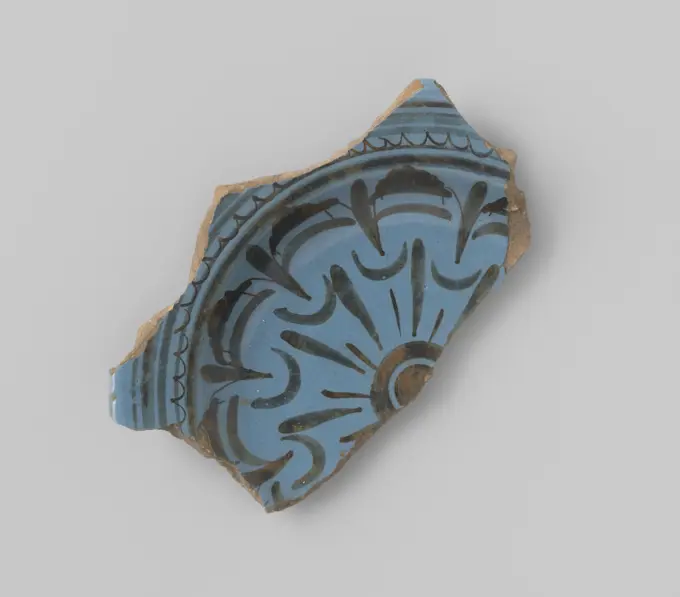
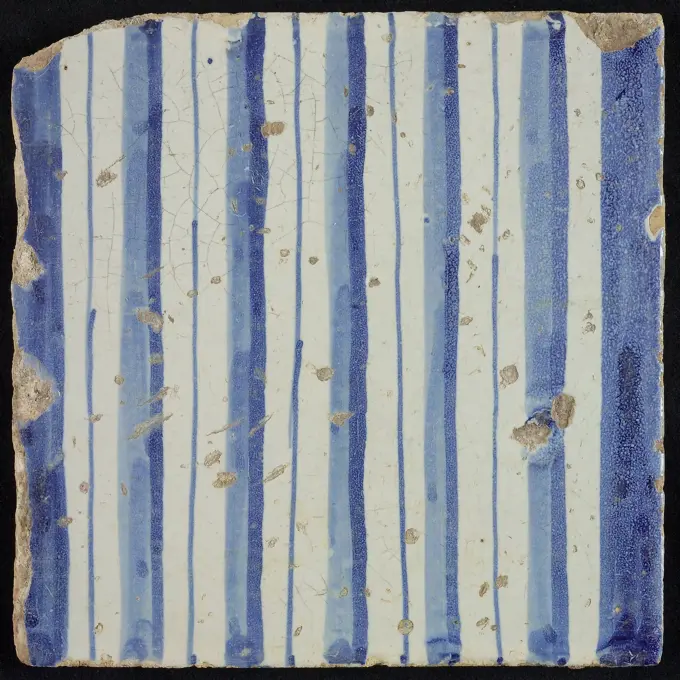
Dishes of yellow-baking earthenware, with blue glaze on the top and bottom, on which a painting of floral shapes on the flat and stripes and a corrugated line on the edge, and on the back a pattern of semi-circles in black, anonymous, C . 1500 - c. 1699 fragment   earthenware. glaze
Dishes of yellow-baking earthenware, with blue glaze on the top and bottom, on which a painting of floral shapes on the flat and stripes and a corrugated line on the edge, and on the back a pattern of semi-circles in black, anonymous, C . 1500 - c. 1699 fragment earthenware. glaze
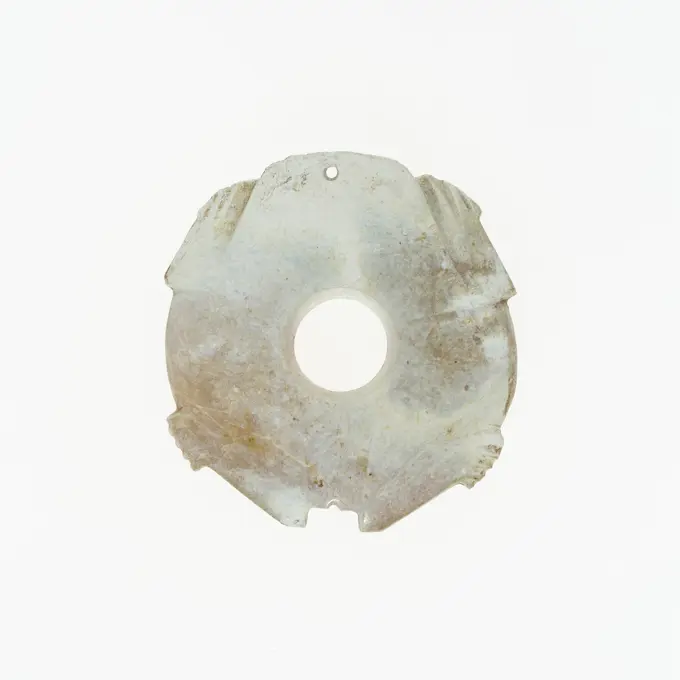
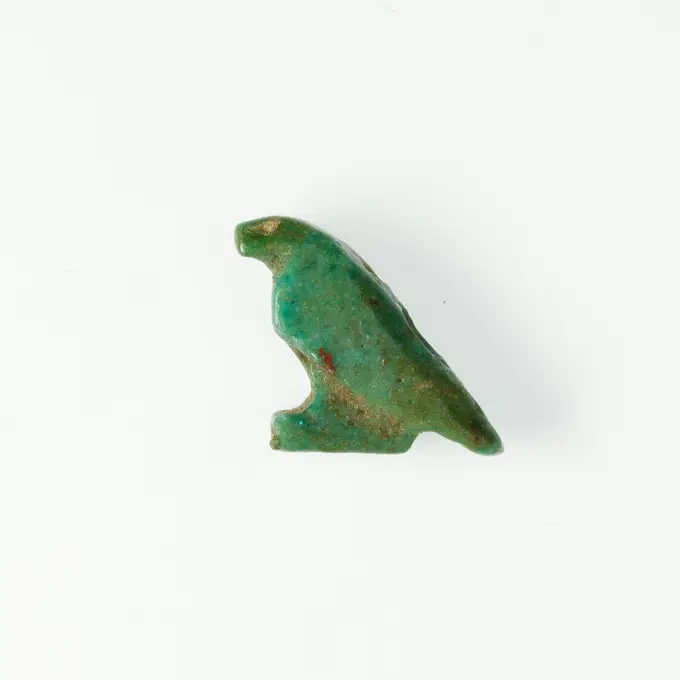
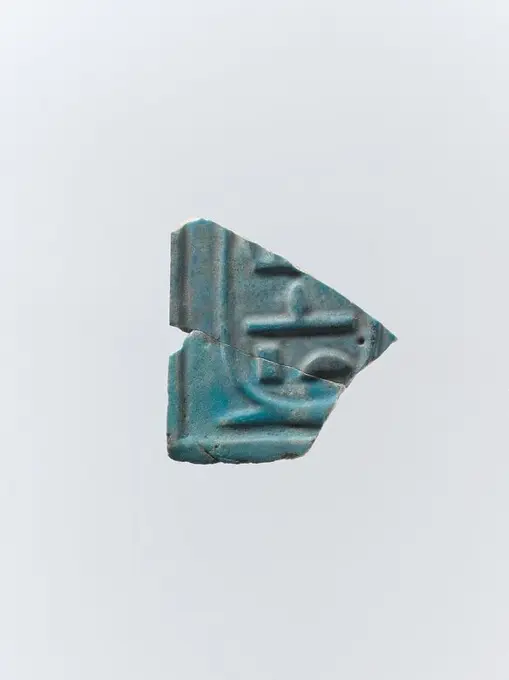
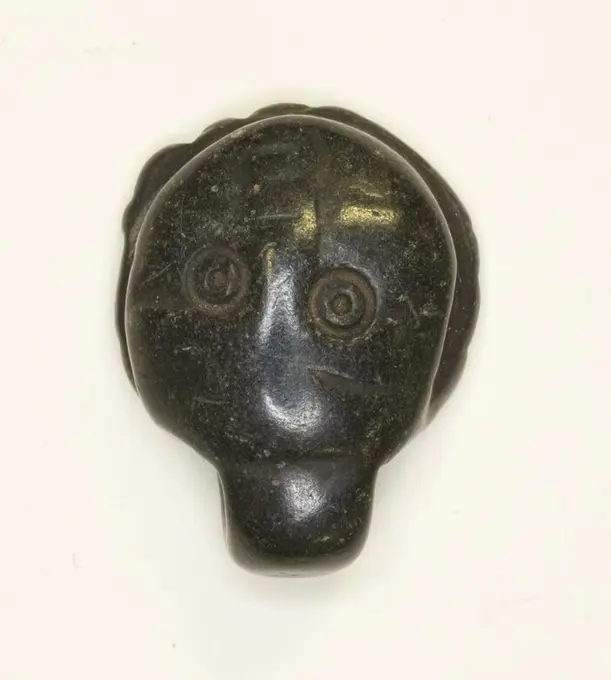
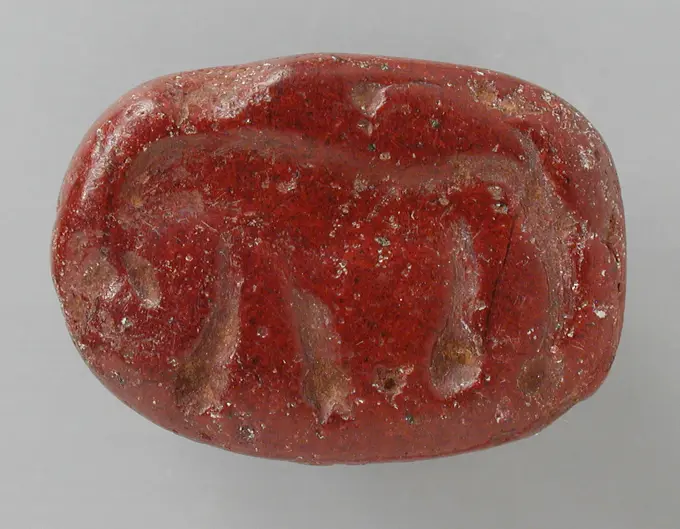
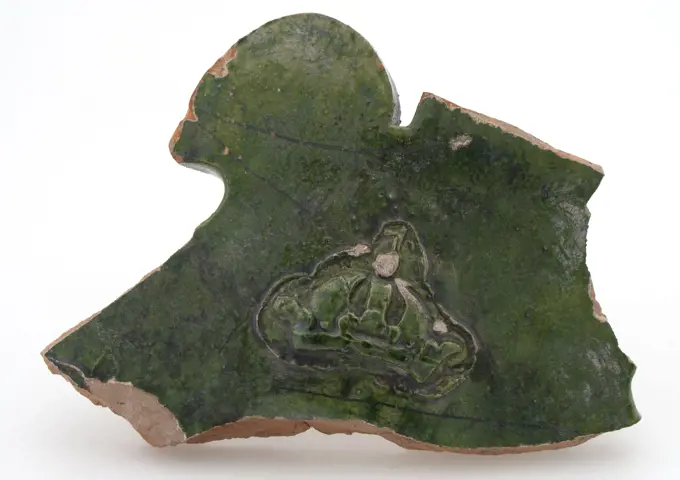
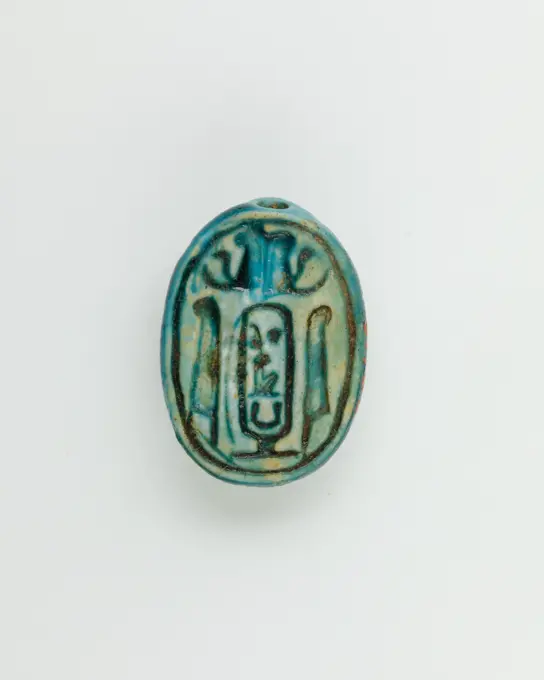
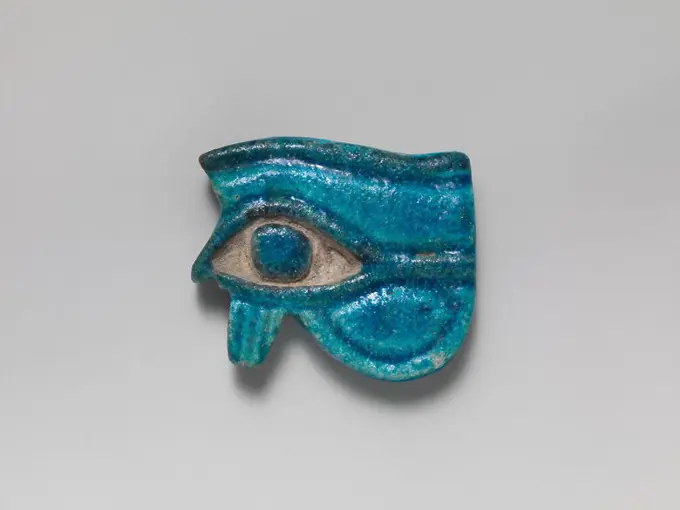
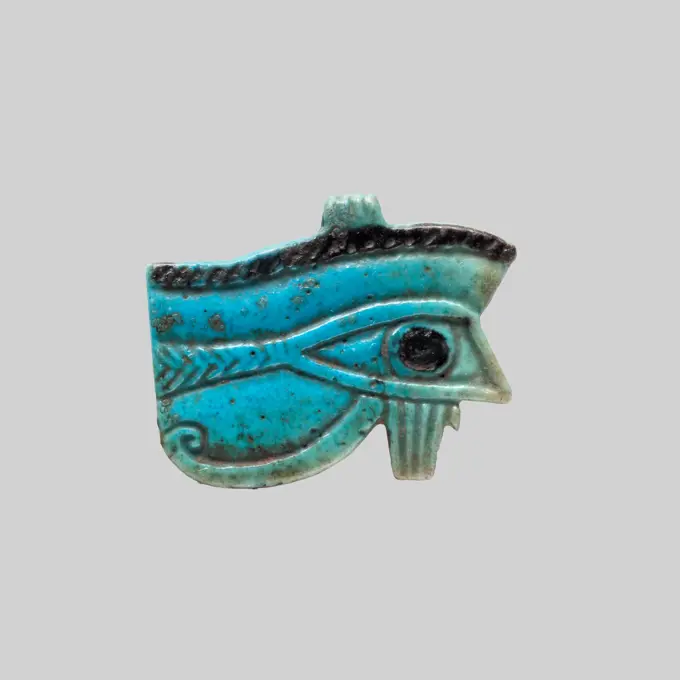
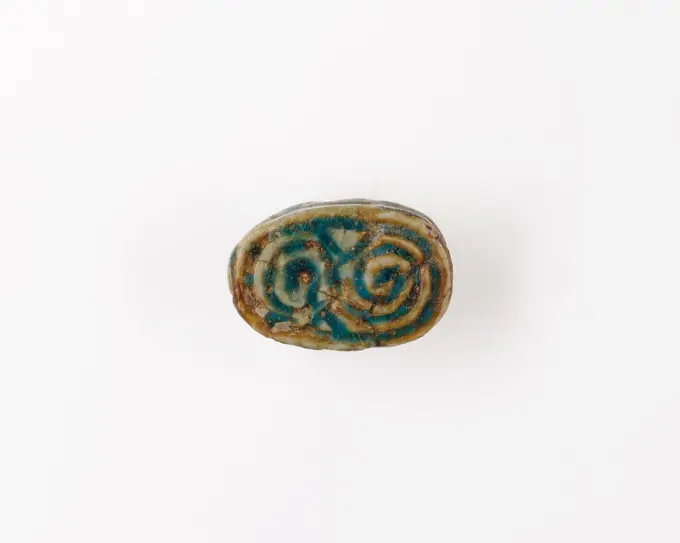
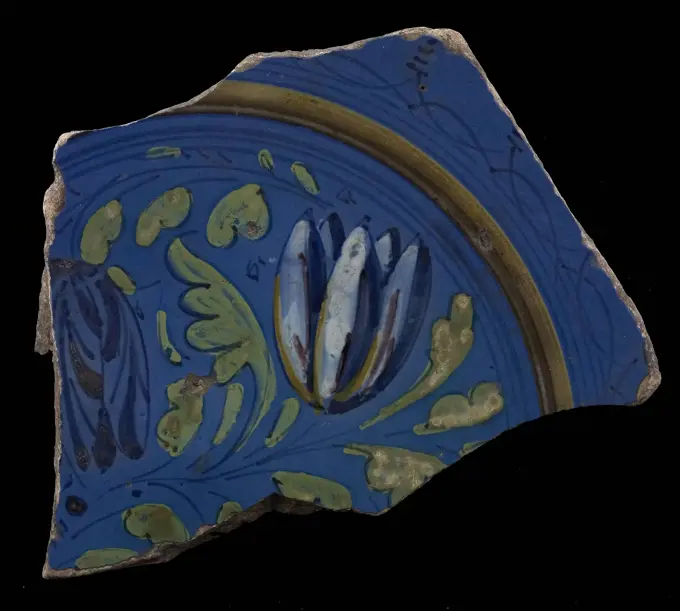
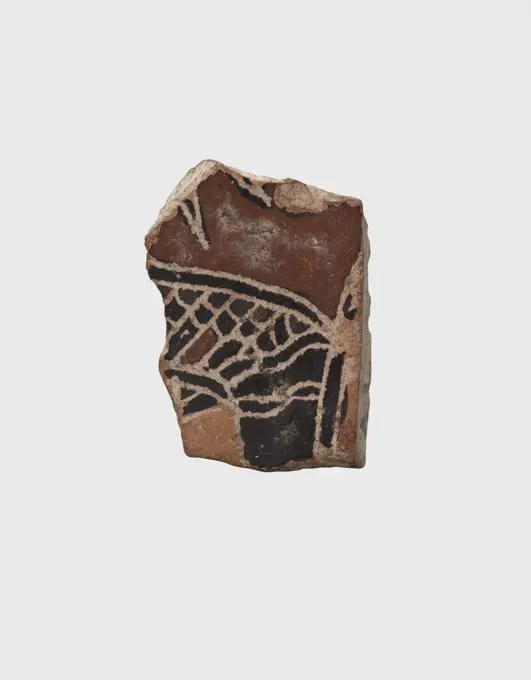
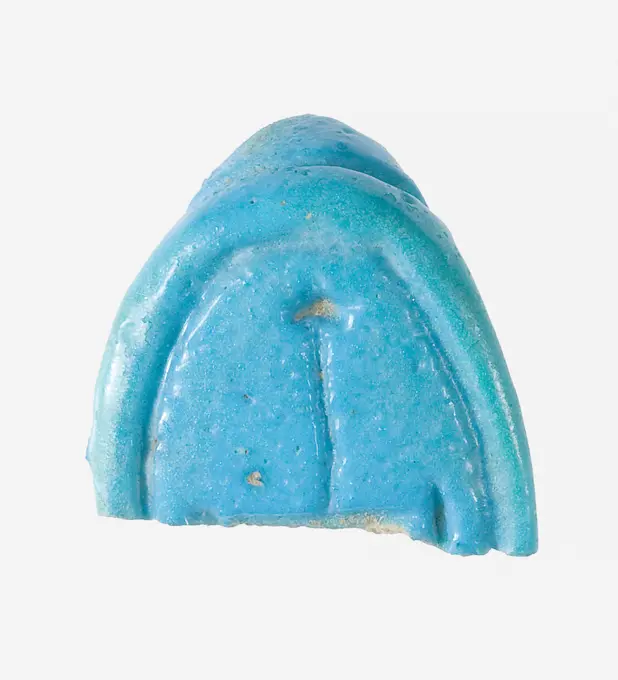
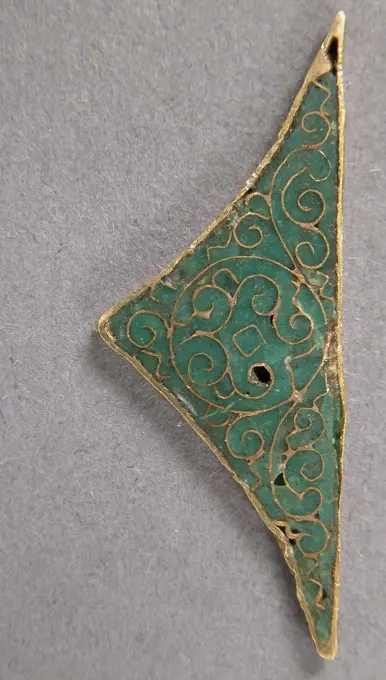
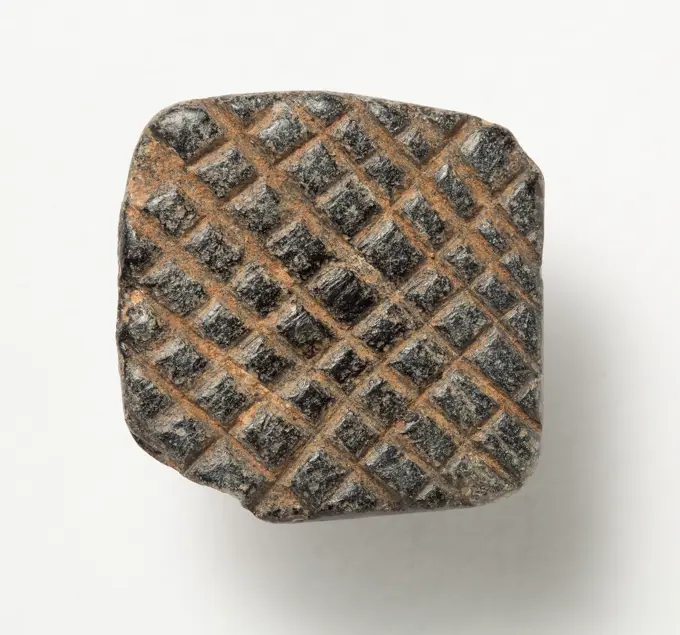
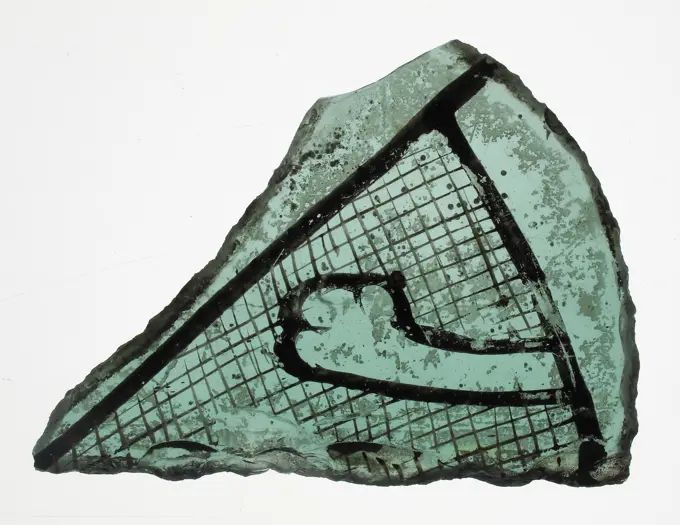
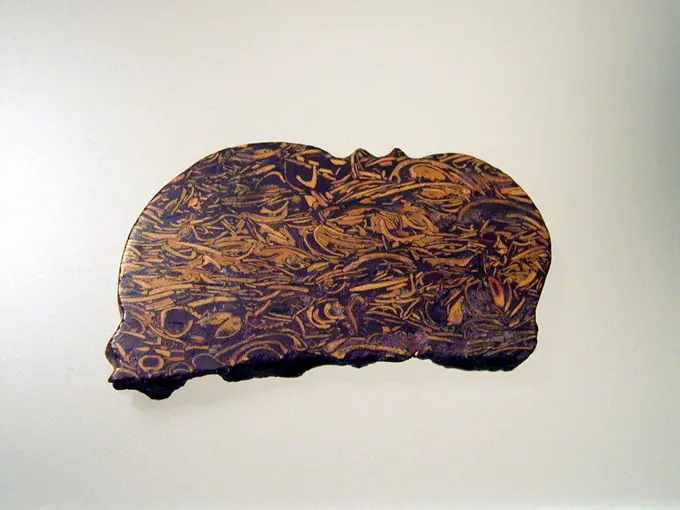
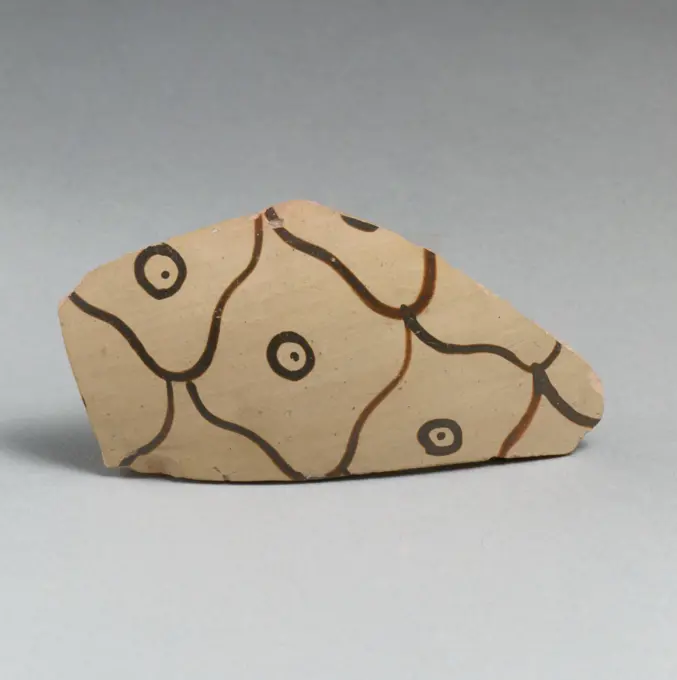
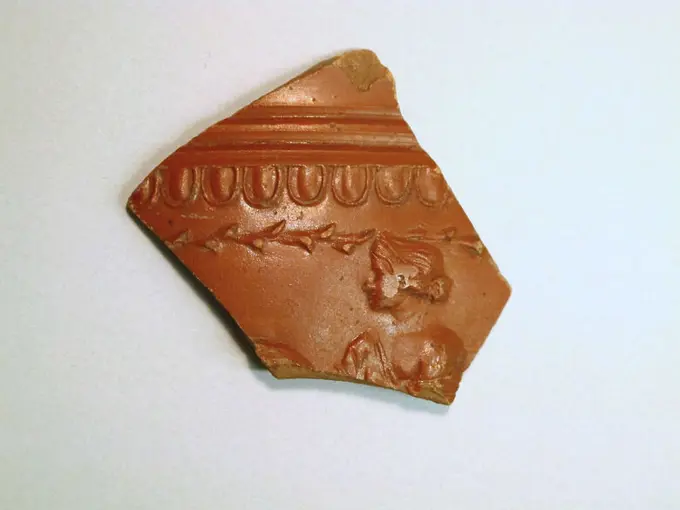
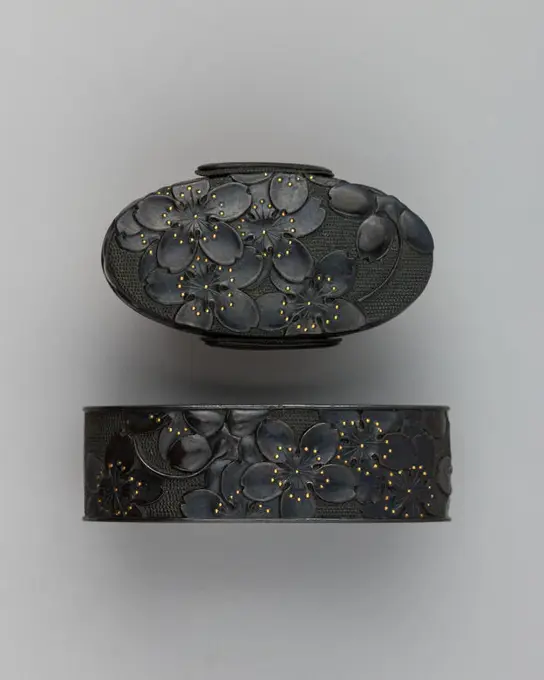
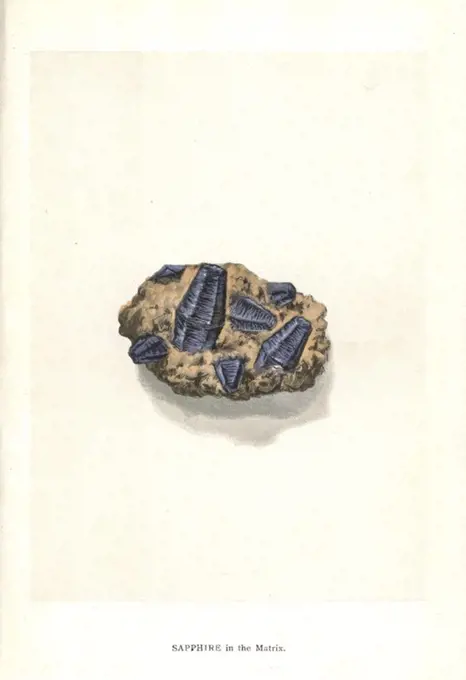
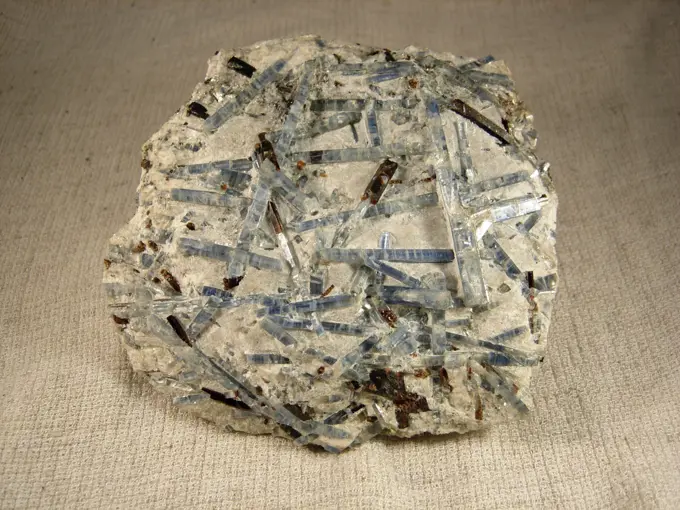
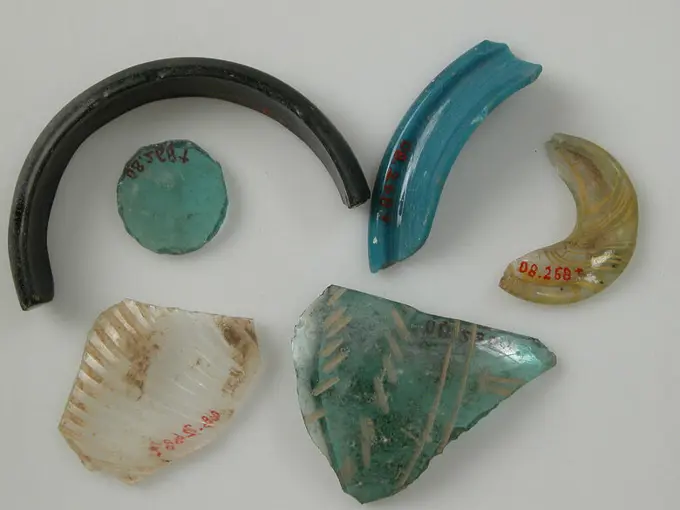
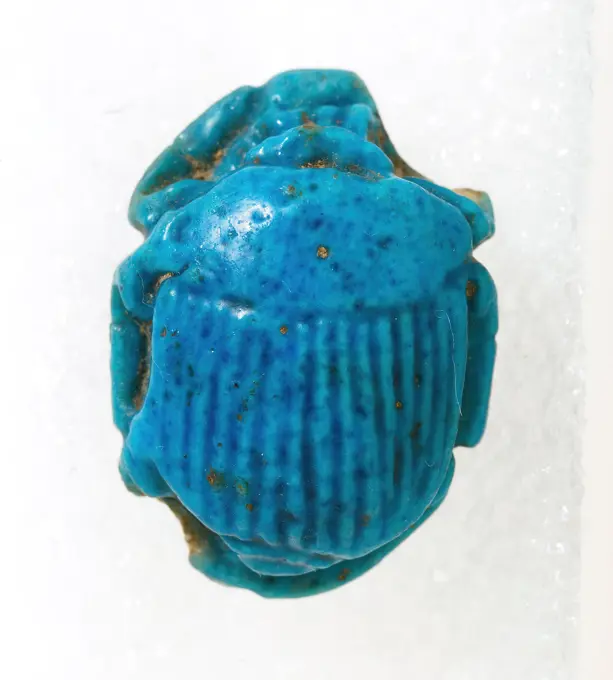
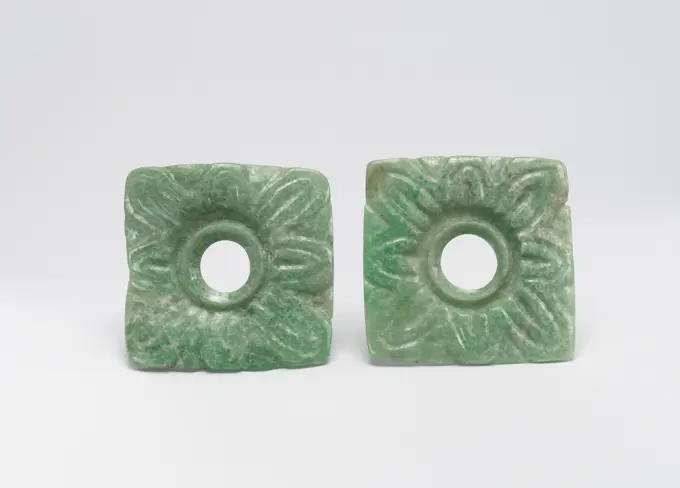
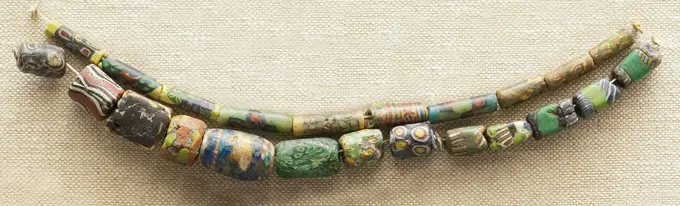
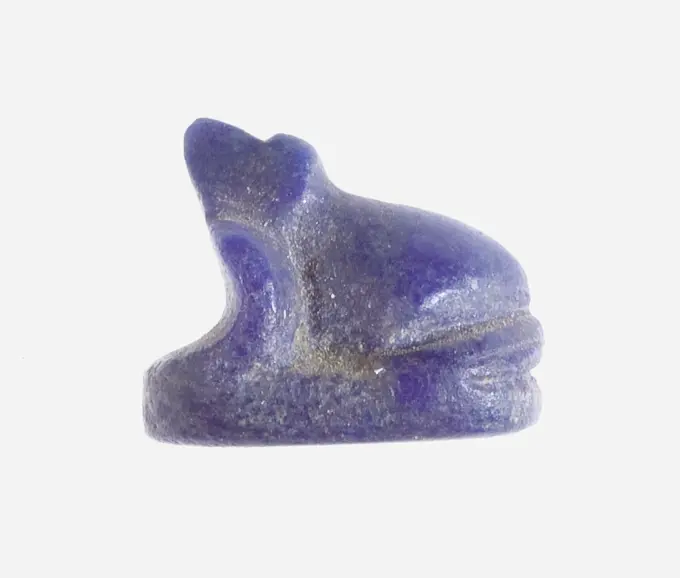
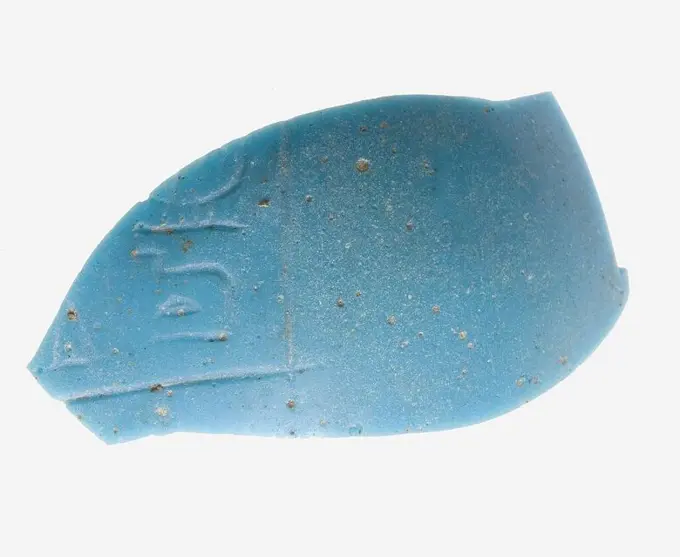
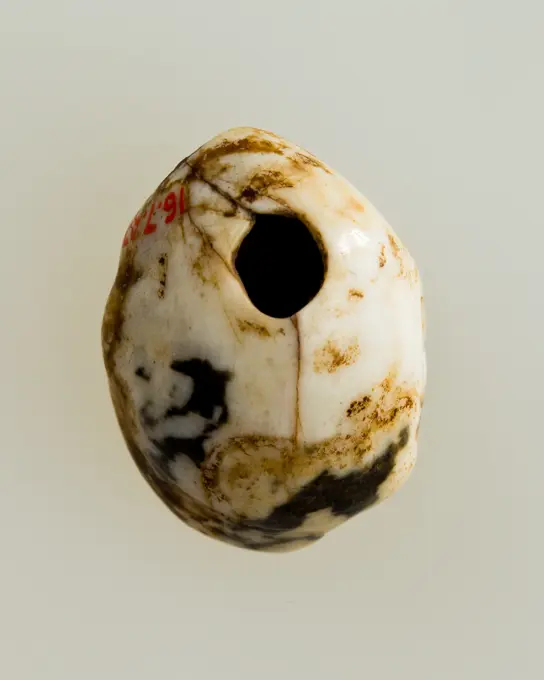
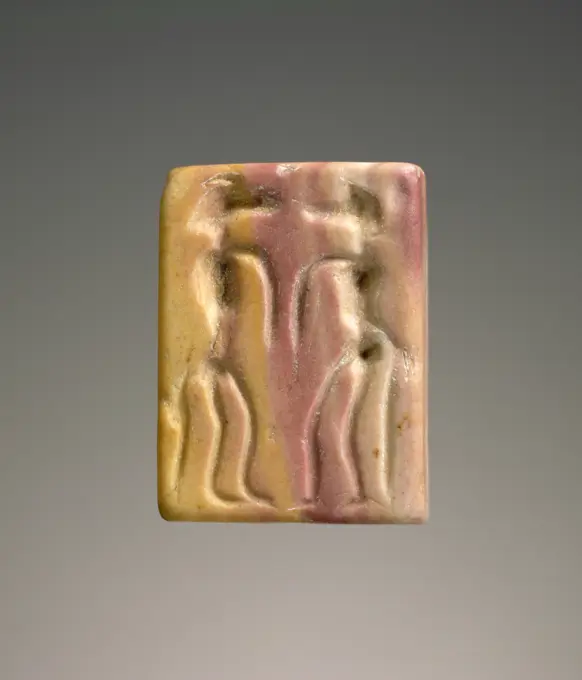
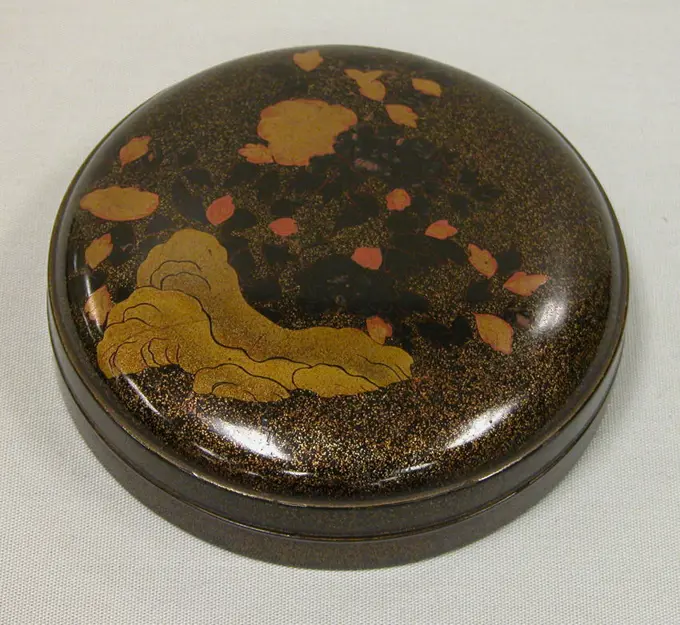
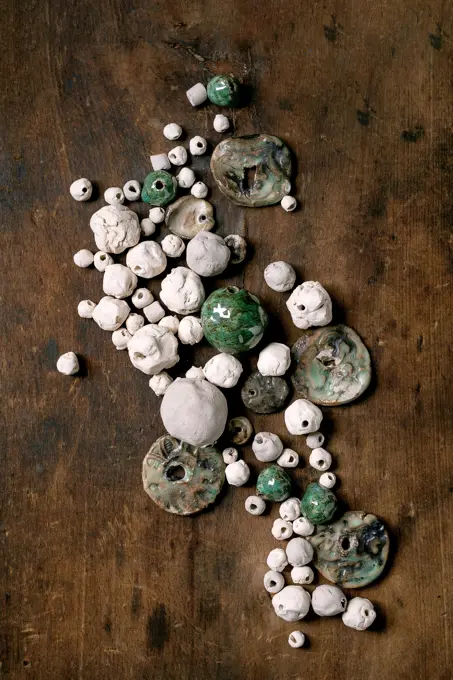
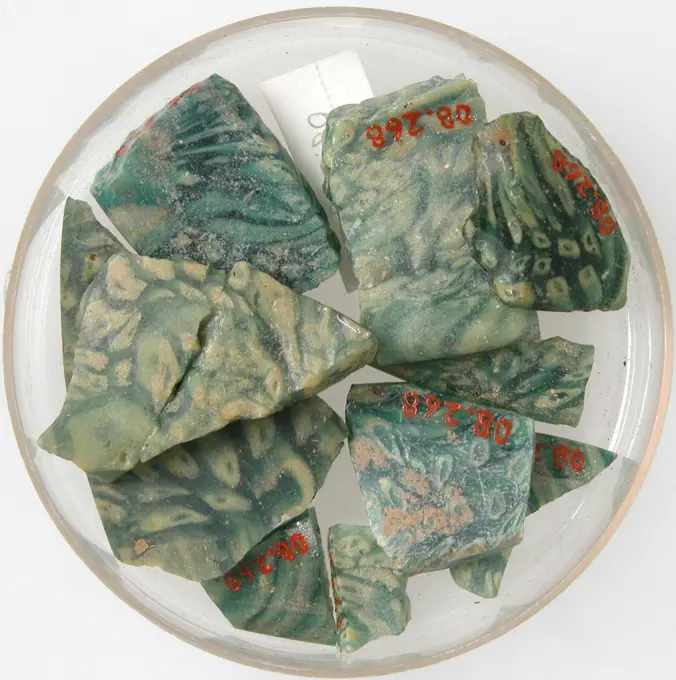
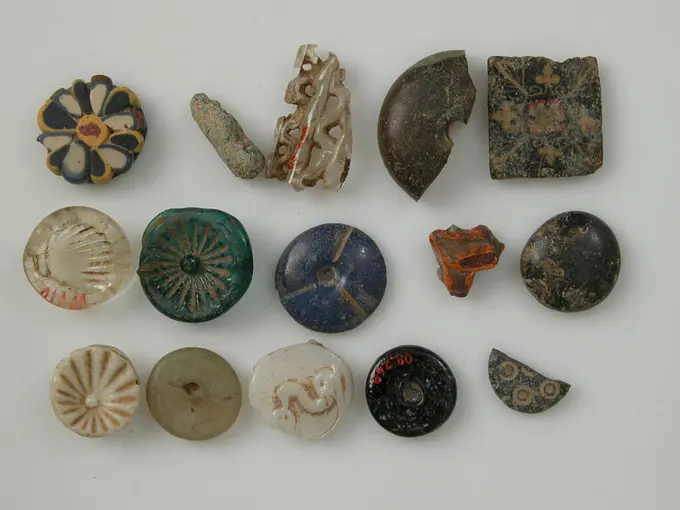
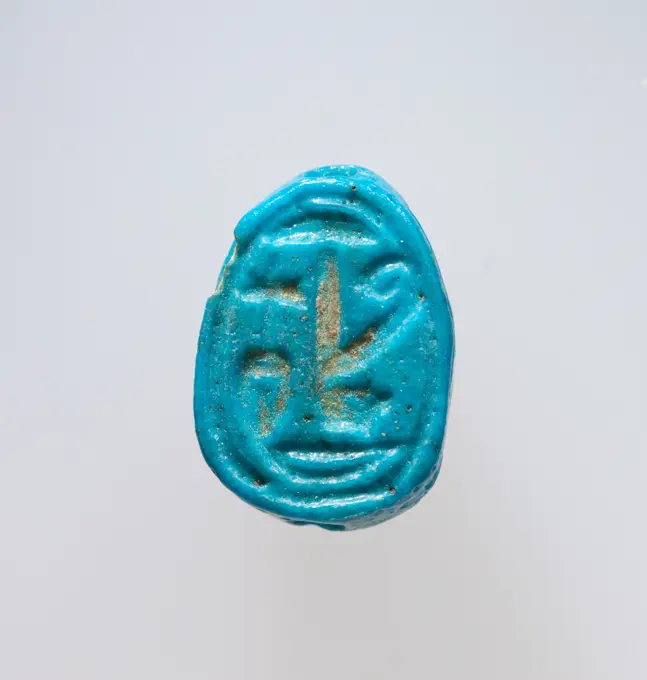
Mirror, 1185-1333. Japan, Kamakura period (1185-1333). Silvery bronze; diameter: 10.8 cm (4 1/4 in.).Fragment 14th-15th century. Fragment 445607Toad Pendant 1100 BCE-900 BCE China. Jade .String of 13 beads 30 B.C.-A.D. 364 Roman Period. String of 13 beads 570531Falcon amulet ca. 2040-1640 B.C. Middle Kingdom-Early New Kingdom. Falcon amulet 546900Glass Fragment 14th century European. Glass Fragment. European. 14th century. Pot metal glass. Glass-StainedGlass fragments of bowl decorated with mosaic fish. Culture: Roman. Dimensions: Overall (a): 1 3/4 x 1 3/16 in. (4.4 x 3 cm)Overall (b): 2 1/4 x 2 7/8 in. (5.7 x 7.3 cm)Overall (c): 1 5/8 x 1 5/8 in. (4.1 x 4.1 cm)Overall (d): 1 7/8 x 9/16 in. (4.8 x 1.4 cm). Date: 1st-3rd century A.D..The fragments depict life-like fish swimming in a river, lake, or pool, indicated by the blue glass background. It is uncertain whether they belong to a plate or a panel since they are now warped out of shape. Museum: Metropolitan Museum of Art, New York, USA.Ingot 4th-7th century Coptic. Ingot. Coptic. 4th-7th century. Copper alloy. Made in Kharga Oasis, Byzantine Egypt. Metalwork-Copper alloyEight Conical Gaming Pieces. Dimensions: Average height: 3.2 cm (1 1/4 in). Dynasty: Dynasty 18. Reign: reign of Thutmose III. Date: ca. 1550-1295 B.C..See 01.4.1a. Museum: Metropolitan Museum of Art, New York, USA.Cast pendant bead. UnknownHand Amulet, 715-332 BC. Egypt, Late Period. Light turquoise green faience; overall: 1.1 cm (7/16 in.).Tile inlay fragment. Dimensions: h. 4.7 cm (1 7/8 in); w. 4.3 cm (1 11/16 in). Dynasty: Dynasty 12-13. Date: ca. 1981-1640 B.C.. Museum: Metropolitan Museum of Art, New York, USA.Three porcelain shards of a bowl and cup, found at v.o.c. -ship Witte Leeuw, possibly from Zeelelie, 1725 - 1800 cup. bowl Three porcelain shards of a bowl and cup, made for export to Anglo-Saxi countries. This object is 18th century and cannot therefore be from the freight of the Witte Leeuw. It is unclear whether the object will come from the site or whether it was mixed later, possibly with material from the Zeelelie. Jingdezhen porcelain   Sint-HelenaDetailed and colorful image of red jasper mineralFish amulet ca. 1950-1804 B.C. Middle Kingdom. Fish amulet 557135Plate Fragment of a Belt Buckle. Culture: Frankish. Dimensions: Overall: 1 3/4 x 13/16 x 3/16 in. (4.4 x 2.1 x 0.5 cm). Date: 4th-7th century. Museum: Metropolitan Museum of Art, New York, USA.Face Amulet. Egyptian. Date: 301 AD-700 AD. Dimensions: 2.2 × 1.9 × 0.6 cm (7/8 × 3/4 × 1/4 in.). Stone. Origin: Egypt. Museum: The Chicago Art Institute, Chicago, USA. Author: Ancient Egyptian.Engraved Scaraboid with Head of a Woman. UnknownUninscribed Scarab Bead. Dimensions: L. 1 cm (3/8 in.); W. 0.7 cm (1/4 in.); H. 0.5 cm (3/16 in.). Dynasty: Dynasty 18, early. Reign: reign of Thutmose I-early sole Thutmose III. Date: ca. 1504-1447 B.C..This uninscribed scarab bead was found near the remains of a small basket inside the coffin of a man named Amenemhat. The basket had been placed near the head of Amenemhat's mummy and seems to have contained more some 400 mostly uninscribed scarabs and a variety of other beads. Museum: Metropolitan Museum of Art, New York, USA.Bottom of a Vessel 4th-early 5th century Coptic. Bottom of a Vessel. Coptic. 4th-early 5th century. Glass. Made in Kharga Oasis, Byzantine Egypt. Glass-VesselsStamp Seal, in the Shape of an Abbreviated Lion's Head (). Northern Syria, 10th-8th century B.C.. Tools and Equipment; seals. Soft red stoneGreen fragment of earthenware fire dome with crown in relief, firecock fireplaces earthenware ceramic pottery clay engobe glaze lead glaze lb 14.5, hand turned hand shaped cut out stamped glazed glazed baked Two fragments of firesticks with embossed relief Red earthenware. Cut out collar Green glazed Decorated with crown as appliqué (). Decorated with appliqué of pipe earth: lion used to the right Thick glazed with lead glaze, archeology Rotterdam City center Stadsdriehoek Mariniersweg Hoogstraat indigenous pottery heating fire prevention as fire extinguishing cover Soil discovery Hoogstraat Mariniersweg 1983.Wedjat-Eye Design Amulet Inscribed With the Cartouche Maatkare (Hatshepsut) ca. 1479-1458 B.C. New Kingdom This wedjat eye amulet is inscribed on the base with a cartouche encircling Hatshepsut's throne name, Maatkare. This is surmounted by an Atef-crown and flanked by two ostrich feathers.. Wedjat-Eye Design Amulet Inscribed With the Cartouche Maatkare (Hatshepsut). ca. 1479-1458 B.C.. Glazed steatite. New Kingdom. From Egypt, Upper Egypt, Thebes. Dynasty 18Faience Wedjat-eye amulet. Culture: Egyptian.. Dimensions: H.: 2 1/4 in. (5.7 cm). Date: ca. 1090-900 B.C..The Egyptian god Horus was usually depicted in human form but with the head of a falcon. His eye was taken to represent the sun, whose setting and rising symbolized loss and recovery--a fitting sign for an amulet. Museum: Metropolitan Museum of Art, New York, USA.Amulet - eye  around 945-656 BC ; 3rd transition period, 22-25 dynasty (-950-00-00--651-00-00);Louvre (Paris) - collection, scenes.gal.eg., Eyes pretenseScarab. Dimensions: l. 0.9 cm (3/8 in). Dynasty: Dynasty 12-18. Date: ca. 1981-1295 B.C.. Museum: Metropolitan Museum of Art, New York, USA.Fragment majolica dish, blue, yellow, green, white and purple on blue ground, foglie motif with tulips, dish plate crockery holder earth discovery ceramics pottery glaze, archeology decorate servingCh'in Sian 19th century Chinese. Ch'in Sian 500603Top of a Papyrus Stalk Mirror Handle. Dimensions: H. 4 cm (1 9/16 in), w. 6 cm (2 3/8 in). Dynasty: Dynasty 18. Reign: reign of Amenhotep III. Date: ca. 1390-1353 B.C.. Museum: Metropolitan Museum of Art, New York, USA.Fragment of a Bowl 15th century. Fragment of a Bowl 445380Attic sherd of part of a sphinxs wing.  Artist: Gorgon Painter, Greek, active ca. 600-ca. 580 B.C.Mirror 7th-8th century China. Mirror. China. 7th-8th century. Bronze. Tang dynasty (618-907). MirrorsShard of a white -baking earthenware, with decoration of geometric shapes in yellow, blue and orange, c. 1500 - c. 1899 fragment   earthenware. glazeRound Plaque 3rd century B.C.-A.D. 2nd century Vicús. Round Plaque 315553Ring Fragment with ankh ca. 1390-1353 B.C. New Kingdom. Ring Fragment with ankh. ca. 1390-1353 B.C.. Faience, blue. New Kingdom. From Egypt, Upper Egypt, Thebes, Malqata, Palace of Amenhotep III, MMA excavations, 1910-11. Dynasty 18Element of an Icon Frame 11th century Byzantine. Element of an Icon Frame 464522 Byzantine, Element of an Icon Frame, 11th century, Cloisonn enamel, gold, copper, Overall: 7/16 x 1 1/8 x 1/16 in. (1.1 x 2.9 x 0.2 cm). The Metropolitan Museum of Art, New York. Gift of J. Pierpont Morgan, 1917 (17.190.651)Round Plaque 3rd century B.C.-A.D. 2nd century Vicús. Round Plaque 315529Fragment of a Bowl 100 BCE-100 CE Roman Empire. In ancient Rome, there was a high demand for colorful glass that could dazzle banquet guests alongside the expensive silver and gold serving wares meant to impress. Fragments like this one would have once been a part of larger mosaic dishes. The mosaic pattern was made by sagging molten glass into bowl-shaped molds, a technique used on many of these fragments is similar to millefiori, ìthousand flowersî in Italian, a modern glass-making method in which tiny rods of colored glass are bundled together, wrapped in a sheet of glass, fused, and then thinly sliced to reveal swirls of a flower-like patterns. They were arranged side by side, sometimes together with bits of colored glass, and fused together with heat.. Glass, mosaic glass technique . Ancient RomanScarab Inscribed with a Hieroglyphic Motif ca. 1479-1458 B.C. New Kingdom. Scarab Inscribed with a Hieroglyphic Motif. ca. 1479-1458 B.C.. Steatite (glazed). New Kingdom. From Egypt, Upper Egypt, Thebes, Deir el-Bahri, Temple of Hatshepsut, Foundation Deposit 9 (I), MMA excavations, 1926-27. Dynasty 18, earlyStamp Seal. Northern Syria or southeast Anatolia, circa 6th-4th millennium B.C.. Tools and Equipment; seals. Black serpentineSword passer -by ornament. Jade, China, IV-Iie s. av. Paris, Cernuschi museum. Asian art, Chinese art, Asian civilization, Chinese civilization, JadeGlass Fragment 13th-14th century French or British. Glass Fragment. French or British. 13th-14th century. Colorless glass. Glass-StainedGlass mosaic fragment. Glass mosaic fragment 253129 Millefiori fragment, Glass. The Metropolitan Museum of Art, New York. Bequest of Theodore M. Davis, 1915 (30.115.82)Terracotta vessel fragment with net pattern and dots within circles ca. 1400 B.C. Mycenaean From MycenaeDark net pattern with dots within circles on light ground.. Terracotta vessel fragment with net pattern and dots within circles 252446 Mycenaean, Terracotta vessel fragment with net pattern and dots within circles, ca. 1400 B.C., Terracotta, 1 15/16  3 9/16  1/4 in. (5  9.1  0.6 cm). The Metropolitan Museum of Art, New York. Bequest of Richard B. Seager, 1926 (26.31.527)Vase fragment. Culture: Roman. Dimensions: 2 1/16 × 2 1/4 × 3/16 in. (5.2 × 5.7 × 0.5 cm). Date: 1st century B.C.-1st century A.D..Upper part of a woman. Museum: Metropolitan Museum of Art, New York, USA.Material sample -Nail 15th-16th century European. Nail. European. 15th-16th century. Iron. Metalwork-IronSword-Hilt Collar and Pommel (Fuchigashira). Culture: Japanese. Dimensions: Fuchi (a); H. 1 1/2 in. (3.8 cm); Wt. 0.7 oz. (19.8 g); kashira (b); H. 1 3/8 in. (3.5 cm); Wt. 0.4 oz. (11.3 g). Date: late 18th-early 19th century. Museum: Metropolitan Museum of Art, New York, USA.Come from v.o.c.-ship the 'white lion'. Come from v.o.c.-ship the 'white lion', 50% present. Come with 'Growths' from the seabed.Strip of needle side with curly tendrils and multifaceted flowers, anonymous, c. 1700 Strip of natural needle side, venise flat. Pattern with richly branched curly tendrils with small multifaceted flowers on an irregular open ground with one -sided potented bars. Volwerk with twisted feston stitches with various motifs in it through recesses. The top was originally trimmed with a border bobbin, due to damage this finish is missing. The underside is finished with a straight picot edge with arcs. Venice linen (material) flat Venetian (needle point) Strip of natural needle side, venise flat. Pattern with richly branched curly tendrils with small multifaceted flowers on an irregular open ground with one -sided potented bars. Volwerk with twisted feston stitches with various motifs in it through recesses. The top was originally trimmed with a border bobbin, due to damage this finish is missing. The underside is finished with a straight picot edge with arcs. Venice linen (material) flat VeneFragments of Polychrome Luster Vessels 9th century. Fragments of Polychrome Luster Vessels. 9th century. Earthenware; polychrome luster painted. Excavated in Iraq, Samarra. CeramicsRoast turkey. Turkey from metal, cave, with red-brown painted hull, the wings tied. The legs stick in the air.Fragments Wine bowls from V.O.C. ship De 'Witte Leeuw', Before 1613  In the centre of this winecup a thin line and a small blotch are drawn. On the inside a scroll of stylized flowers and stems is drawn. Around the lip-rim is a single band and around the footring a double band. There are about 15 such cups.  porcelain   Sint-HelenaEngageante consisting of two layers, scalloped, and embroidered with large flowers of wavy stems, c. 1700 - c. 1850  Engageante consisting of two layers, sculpted, and embroidered with large flowers of wavy stems. Netherlands linen (material) embroideringFragment of a vessel. A low curvature of the glass fragment allows the assignment to a vessel, possibly a shell. The fragment shows on light brown reason a geometric motif. Around yellow triangles is a white glass strip to recognize, to which similar triangles connect. On the surface, traces of corrosion or sinters can be seen. For the production, different colored glasses into tubes and rods were formed. These were compressed and heated, causing a long bar. The glass sliced now had different amorphous or floral patterns. Thereafter, several of these platelets were folded together, heated again and pressed into the vascular shape. Burry for the elaborate manufacturing process and its fragility was one of the luxury articles of antiquity.Double Scarab ca. 1492-1473 B.C. New Kingdom This tiny double scarab was found with twenty-three other scarabs and seal-amulets in the coffin of a young woman who was buried in Hatnefer's tomb (see 36.3.1 and 36.3 26). The base is inscribed with a pattern of incised lines.. Double Scarab 549037Fragment of Vase ca. 1390-1353 B.C. New Kingdom. Fragment of Vase. ca. 1390-1353 B.C.. Faience. New Kingdom. From Egypt, Upper Egypt, Thebes, Malqata, Palace of Amenhotep III, MMA excavations, 1910-12. Dynasty 18Sapphire in the matrix. Chromolithograph by an unknown artist from Edwin Streeter's "Precious Stones and Gems," London, George Bell & Sons, 1892. Streeter was a famous Victorian jeweller with a shop in London, and author of several books on precious stones.Kyanite. minerals. Europe; Switzerland; Ticino Canton; St. Gotthard; Pizzo FornoCylinder seal ca. 2345-2181 B.C. or later Old Kingdom. Cylinder seal. ca. 2345-2181 B.C. or later. chalcedony. Old Kingdom. From Egypt. Dynasty 6 or laterFragment of a Bowl 50 BCE-100 CE Roman Empire. In ancient Rome, there was a high demand for colorful glass that could dazzle banquet guests alongside the expensive silver and gold serving wares meant to impress. Fragments like this one would have once been a part of larger mosaic dishes. The mosaic pattern was made by sagging molten glass into bowl-shaped molds, a technique used on many of these fragments is similar to millefiori, ìthousand flowersî in Italian, a modern glass-making method in which tiny rods of colored glass are bundled together, wrapped in a sheet of glass, fused, and then thinly sliced to reveal swirls of a flower-like patterns. They were arranged side by side, sometimes together with bits of colored glass, and fused together with heat.. Glass, mosaic glass technique . Ancient RomanScallopGlass Fragments. Culture: Coptic. Dimensions: Storage (petri dish diam.): 3 7/16 in. (8.8 cm). Date: 4th-early 5th century. Museum: Metropolitan Museum of Art, New York, USA.Ring: Udjat Eye. Egyptian. Date: 1325 BC. Dimensions: W. 0.6 cm (1/4 in.); diam. 1.4 cm (9/16 in.). Faience. Origin: Egypt. Museum: The Chicago Art Institute, Chicago, USA. Author: Ancient Egyptian.Scarab, 945-930 BCE, 1/2 x 1 x 3/4 in. (1.3 x 2.5 x 1.9 cm), Faience, Egypt, 10th century BCEShards of plates or bowls from V.O.C. ship De 'Witte Leeuw', Before 1613 bowl. plate (dishes) Shards of plates or bowls from V.O.C. ship the 'Witte Leeuw'.  porcelain   Sint-Helenapolished marl shale mineral gem stone macro shooting of natural gemstone - polished marl shale marlstone, calcium carbonate mud, lime-rich mud, mudstone, Mudrock mineral gem stone isolated on white background Copyright: xZoonar.com/ValeryxVoennyyx 8877224Fragment of a Headdress 14th-15th century or earlier Mindanao. Fragment of a Headdress 317648Pair of Earflare Frontals 3rd-6th century Maya These beautifully carved jade ornaments are "earflare frontals." Set into a wide perforation in the wearers earlobe (as earspools are today), these ornaments would have been anchored in place in various ways. In some cases, a bead (or beads) were set into the front of the earflare, anchoring it with the help of a set of beaded counterweights that were threaded through the earflare and hung behind the earlobe. Another possibility is that an L-shaped plug (likely made of wood) was fitted through the earflares central opening, or stem, from the back, holding the entire assemblage in place, snug against the wearers ear (for examples, see the earflare assemblages worn by the figures on 1979.206.1047).The word "jade," when used in Mesoamerican contexts, refers specifically to jadeite. This mineral comes in a startling array of colors (from purple to green to cloudy white), though bright green and deep blue-green varieties were most prized by Fish Ornament 11th-12th century Peru; central coast (). Fish Ornament 308697Tile of chimney pilaster, blue on white, part of column with cannelure, chimney pilaster tile pilaster footage fragment ceramic pottery glaze, baked 2x glazed painted Tiles (-C) form part of single row chimney pilaster originally twelve high. Yellow shard square two small nail holes 1914 construction city hall Zandstraat Quarter Second World War war bombardment Rotterdam City Center Stadsdriehoek 1940 Renaissance Coming from debris after bombing of Rotterdam in May 1940.String of 8 Beads 30 B.C.-A.D. 364 Roman Period or later. String of 8 Beads. 30 B.C.-A.D. 364. Glass. Roman Period or later. From EgyptSeal, frog ca. 1295-1070 B.C. New Kingdom, Ramesside. Seal, frog. ca. 1295-1070 B.C.. Lapis lazuli. New Kingdom, Ramesside. From Egypt. Dynasty 19-20Papier -sherry dishwill with blue glaze and a multicolored decoration, anonymous, 1500 - 1799   earthenware. glaze   earthenware. glazeFragment majolica dish, yellow, orange, green and blue on white, decor with stylized leaf motifs, dish plate crockery holder earth discovery ceramics pottery glaze, archeology serving decorate foodCast Copper sewing ring, thimble sewing kit soil find copper metal, cast Cast Copper sewing ring from top to edge woadening with coarse pits archeology Rotterdam rail tunnel seamstress tailor sewing textile processing clothing needle and thread repair Soil discovery: rail tunnel Rotterdam.Socket Axe. Northeastern Thailand, Ban Chiang culture, 300 B.C.-A.D. 150. Tools and Equipment; axes. Copper alloyFragment faience bowl, blue on white, Chinese motif with birds, insects, bottom beacon, bowl plate crockery holder soil find ceramic earthenware glaze tin glaze, On the underside of the fragment inside the stand ring an image of an object can be seen blue on white. You can see mast or pole with cross on top of cross and halfway the pile on rope ball the foot of the pole or mast is difficult to see due to damage of the glaze. Cooked in archeologyFloral Plaque Fragment. Unknown 1st century B.C.Ring beads on original string. Dimensions: l. 32.6 cm (12 13/16 in). Dynasty: Dynasty 13-18, early. Date: ca. 1802-1450 B.C.. Museum: Metropolitan Museum of Art, New York, USA.Inscribed Fragment of Vase. Dimensions: H. 4.5 cm (1 3/4 cm), w. 3.3 cm (1 5/16 in). Dynasty: Dynasty 18. Reign: reign of Amenhotep III. Date: ca. 1390-1353 B.C.. Museum: Metropolitan Museum of Art, New York, USA.Shell pendant or bead ca. 3850-2960 B.C. Predynastic Period. Shell pendant or bead 571029Seal, 918-1392. Korea, Goryeo period (918-1392). Bronze; overall: 1.5 cm (9/16 in.); base: 1 x 1 cm (3/8 x 3/8 in.).Fragment 9th century. Fragment 451545Shards of signs from V.O.C. ship De 'Witte Leeuw', Anonymous, Before 1613 plate (dishes) Shards of signs from V.O.C. ship De 'Witte Leeuw'. Jingdezhen bone china (material)   Sint-HelenaBlock engraved seal. UnknownMosaic glass fragment. The small red glass fragment runs through an irregular white lattice. In Roman times, it used colored, ornamented glass for vessels, mosaics, wall decorations and furniture ornaments. For the production, different colored glasses were shaped to tubes and rods. These were compressed and heated, causing a long bar. The glass sliced now had a wide variety of amorphous or floral patterns.Ritualistic object from Mycenae gravesFragment of a Bowl or Cup 13th-16th century. Fragment of a Bowl or Cup 452429Fragment European or Middle Eastern ca. 1150-ca. 1250 View more. Fragment. European or Middle Eastern. ca. 1150-ca. 1250. Glass, ceramic. Glass-VesselsBox with cover late 18th century Japan. Box with cover 58364Cylinder seal ca. 3100-2900 B.C.. Cylinder seal 327212Various Shapes and Colors Handmade Ceramic Beads, Glazed and Unglazed, Hobby, Jewelry Assembly, Diy Jewelry, Workshop Idea, Dark Wooden Background, Top View, .Glass Fragments 4th-early 5th century Coptic. Glass Fragments 477090String of 7 Beads after 364 Byzantine-Islamic Period. String of 7 Beads. after 364. Glass. Byzantine-Islamic Period. From EgyptMosaic Glass Fragments. Culture: Coptic. Dimensions: Overall (08.268.22a): 1 x 15/16 x 3/16 in. (2.6 x 2.4 x 0.4 cm)Storage (petri dish diam.): 3 1/2 in. (8.9 cm). Date: 4th-early 5th century.Between 1907 and 1909, the Metropolitan Museum excavated at Ain et-Turba in the Kharga Oasis. Excavators found large numbers of glass fragments, many of high quality and expensive manufacture. Museum: Metropolitan Museum of Art, New York, USA.Scarab ca. 1479-1458 B.C. New Kingdom. Scarab. ca. 1479-1458 B.C.. Faience. New Kingdom. From Egypt, Upper Egypt, Thebes, Deir el-Bahri, Hatshepsut Hole, Hathor Shrine, MMA excavations, 1922-23. Dynasty 18