Ancient Artifacts and Idols

A collection of ancient artifacts including terracotta idols, amulets, and effigies, showcasing diverse shapes and designs representing historical cultures.

Human effigy bowl, 250 BCE - 300 CE, 3 1/2 x 2 3/4 x 2 3/4 in. (8.9 x 7.0 x 7.0 cm), Earthenware, Mexico, 3rd century BCE - 4th century CE
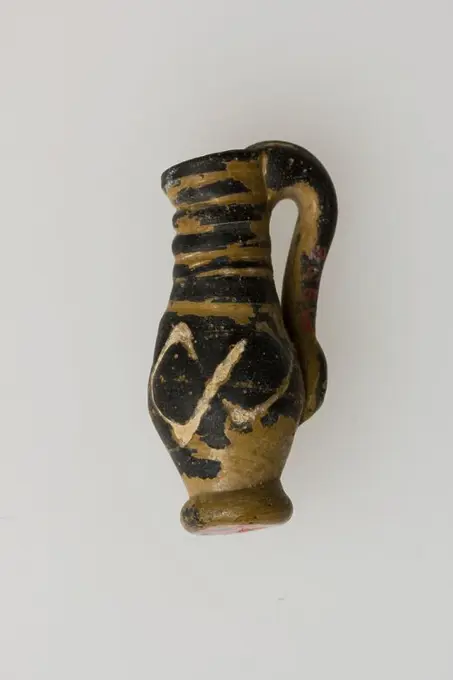
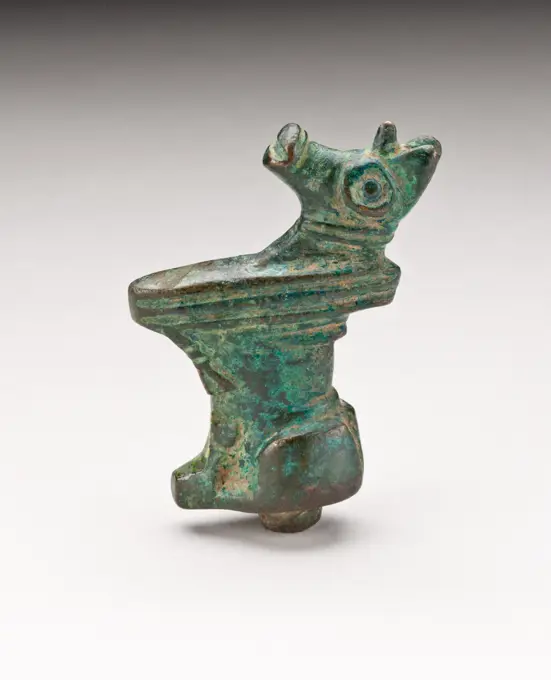
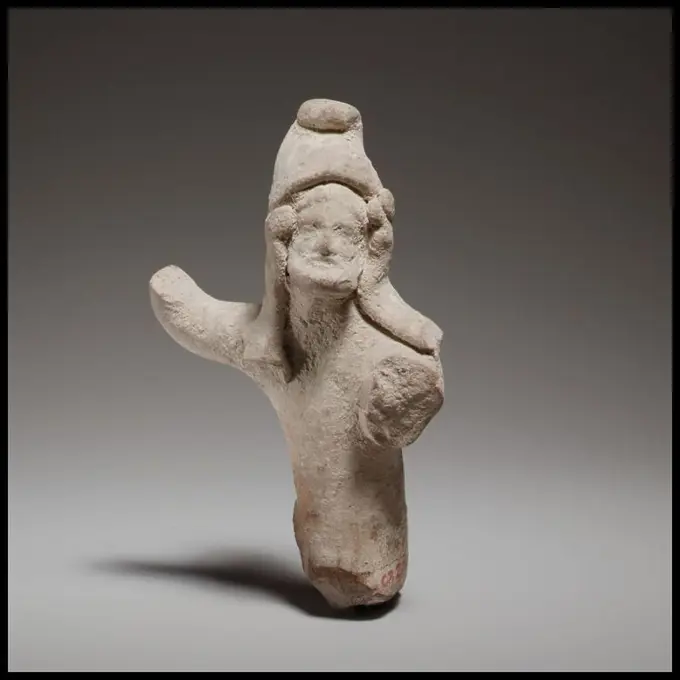
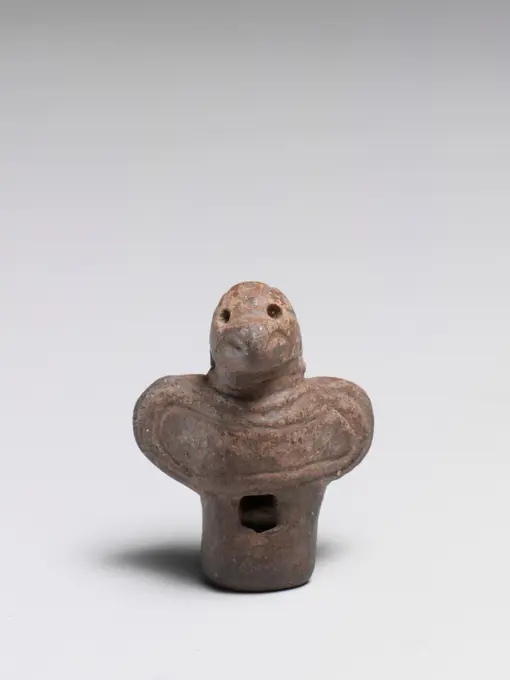
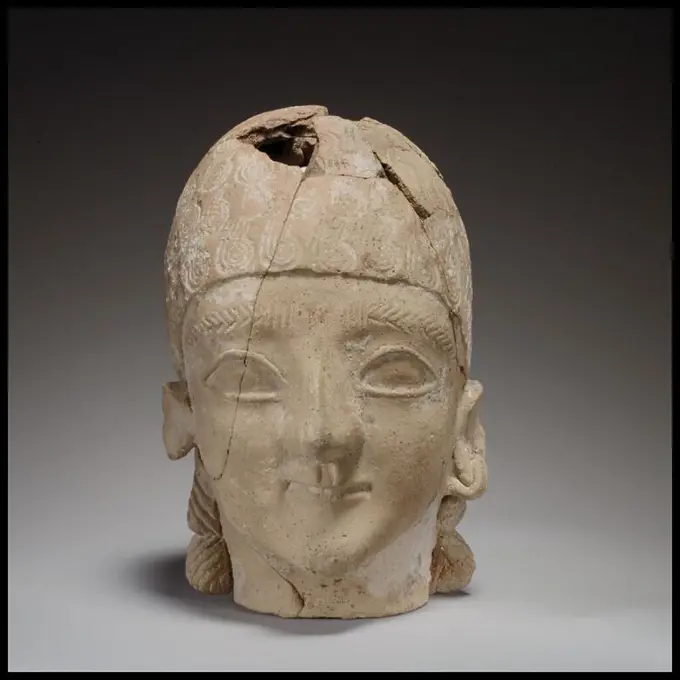
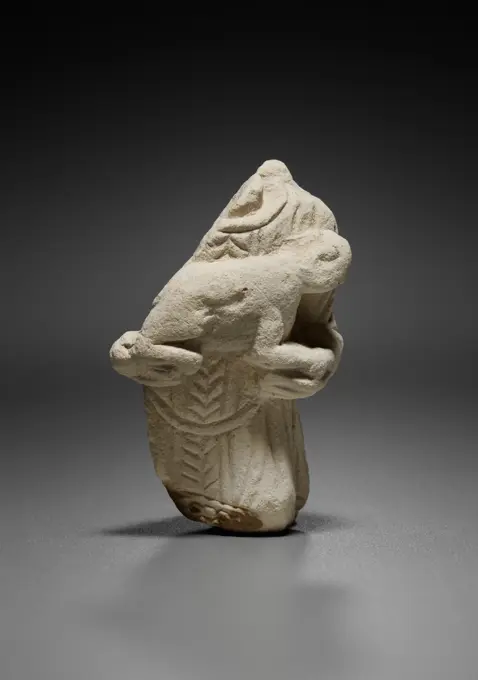
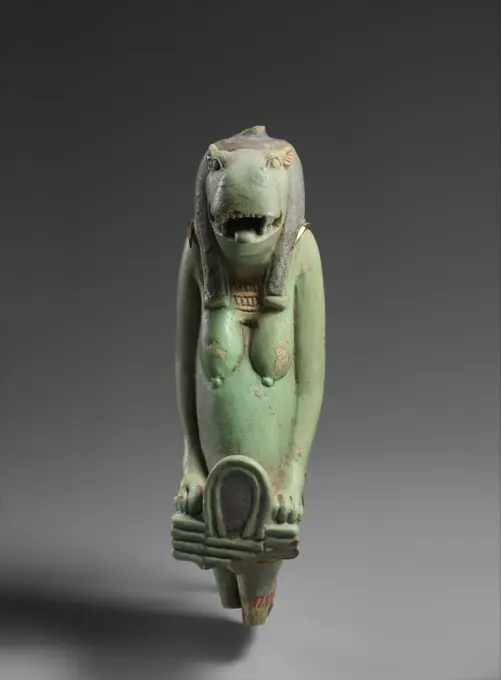
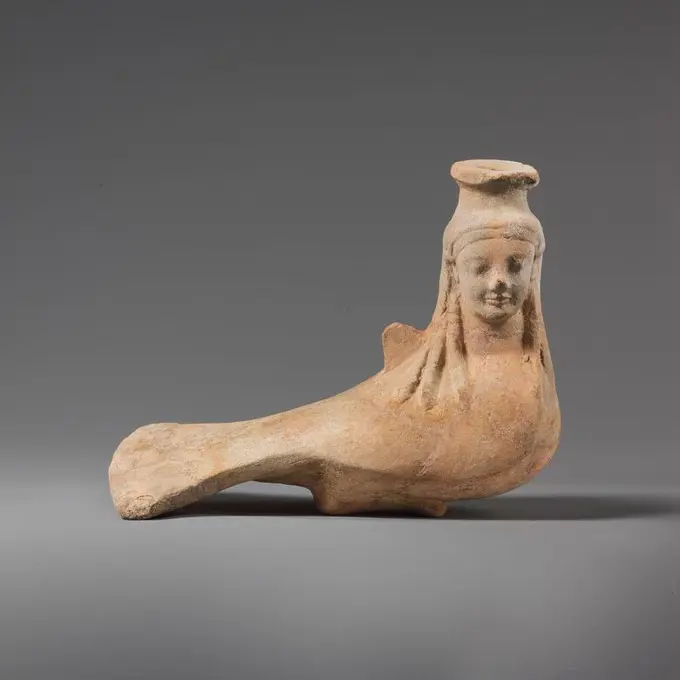
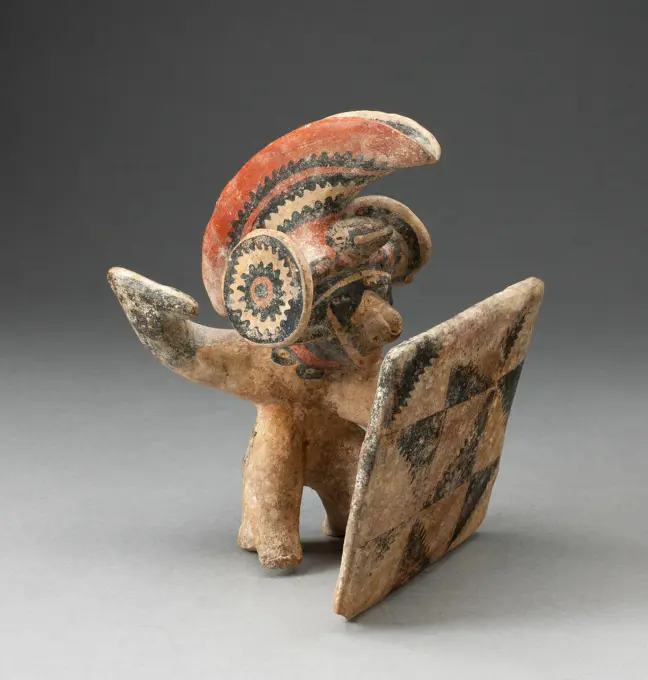
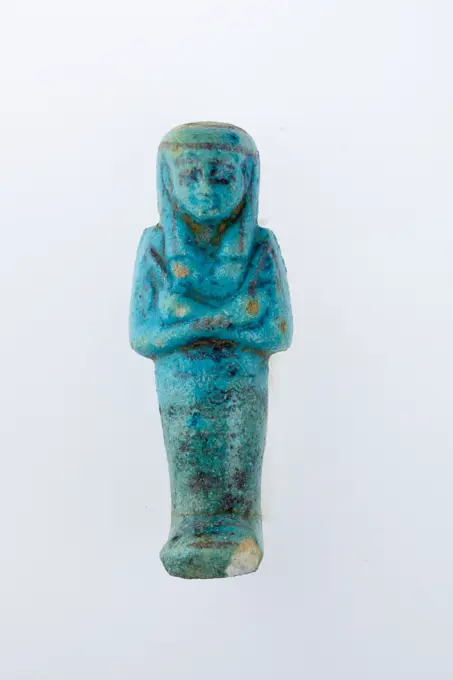
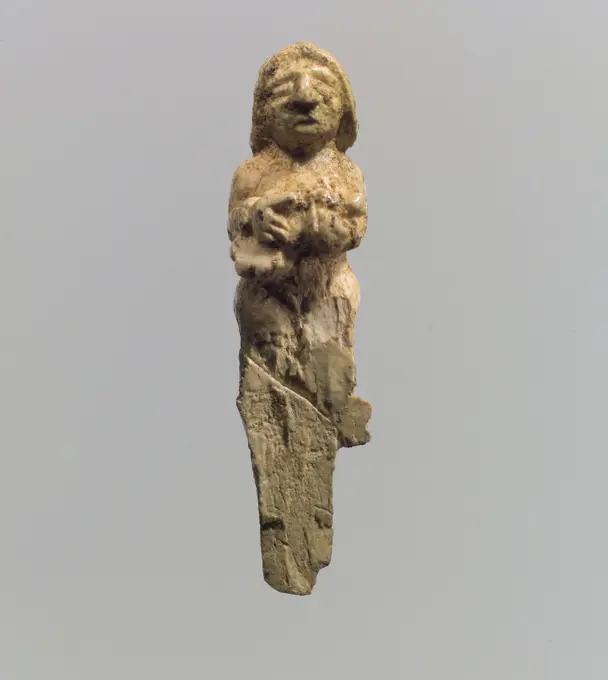
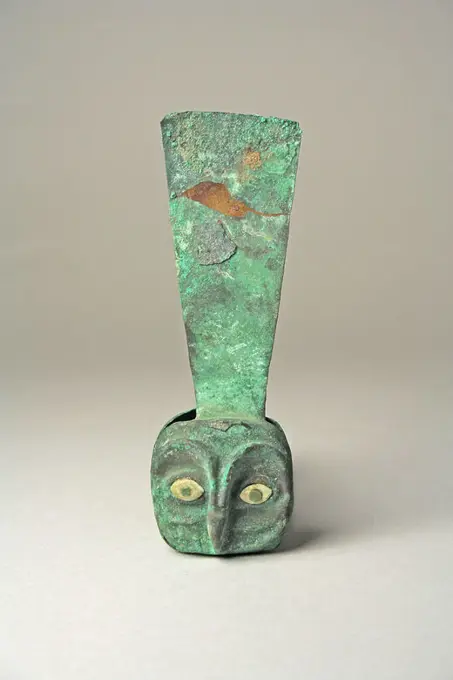
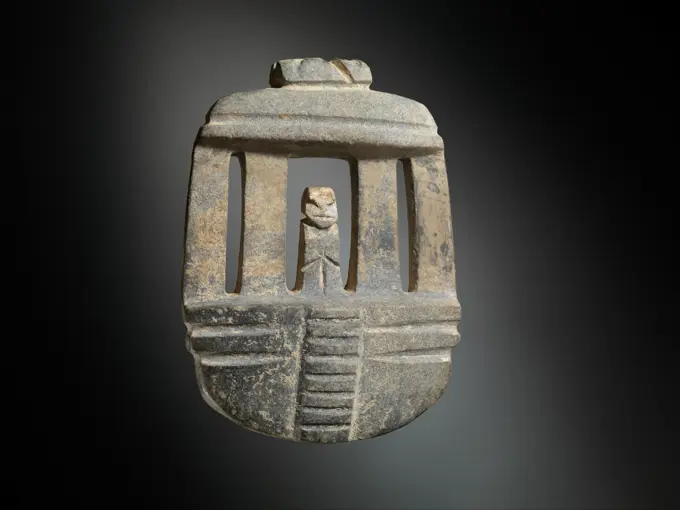
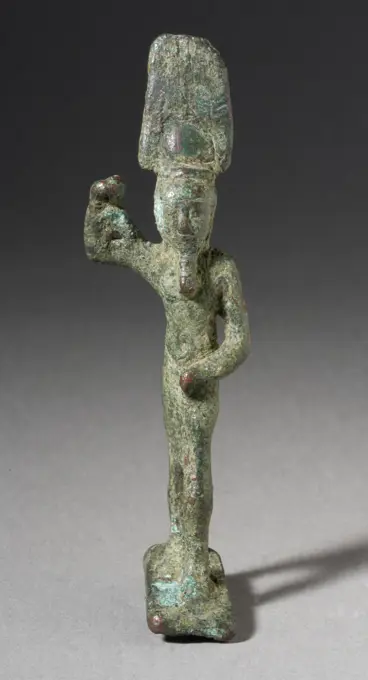
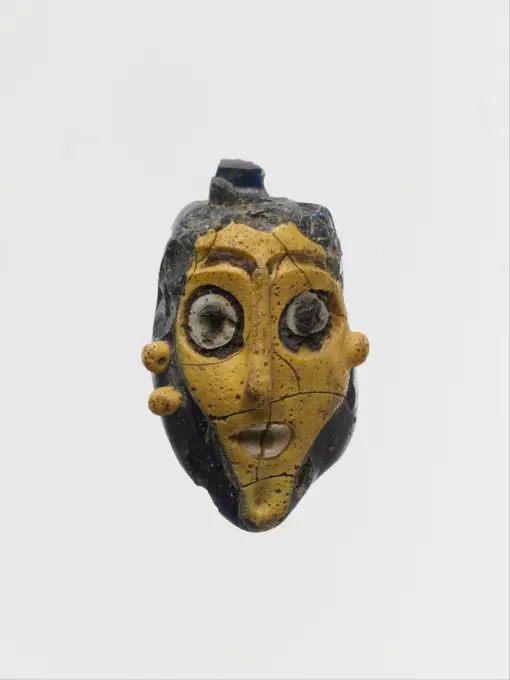
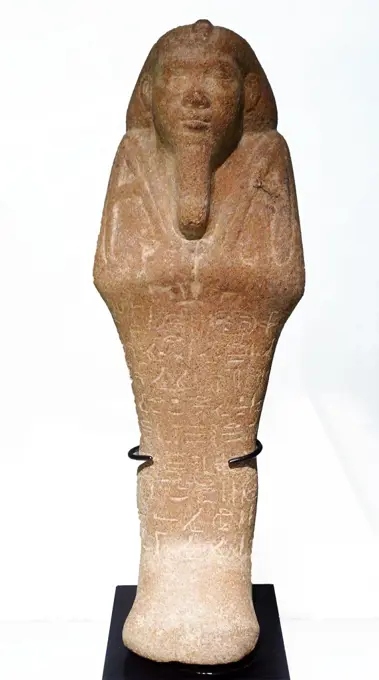
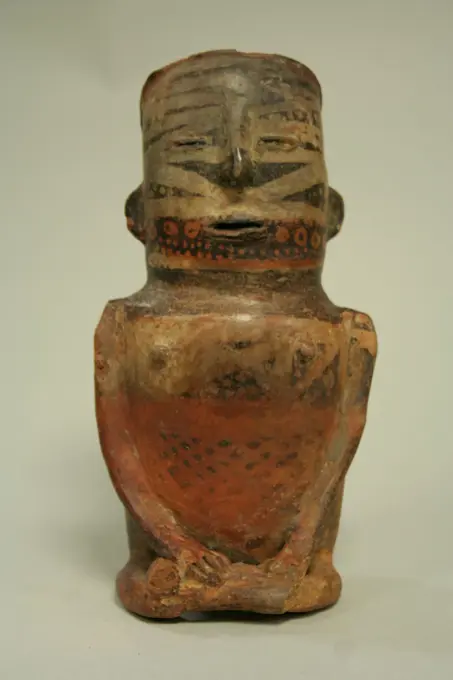
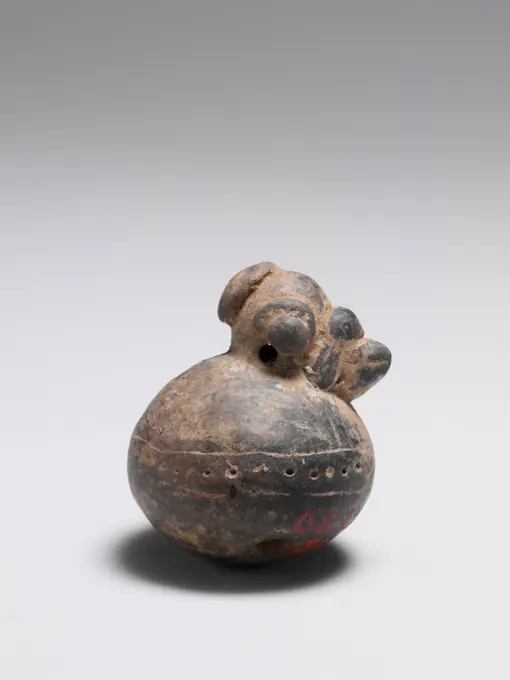
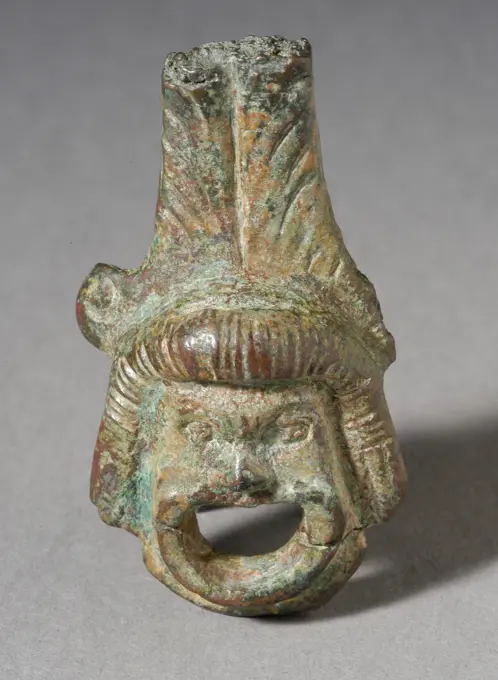
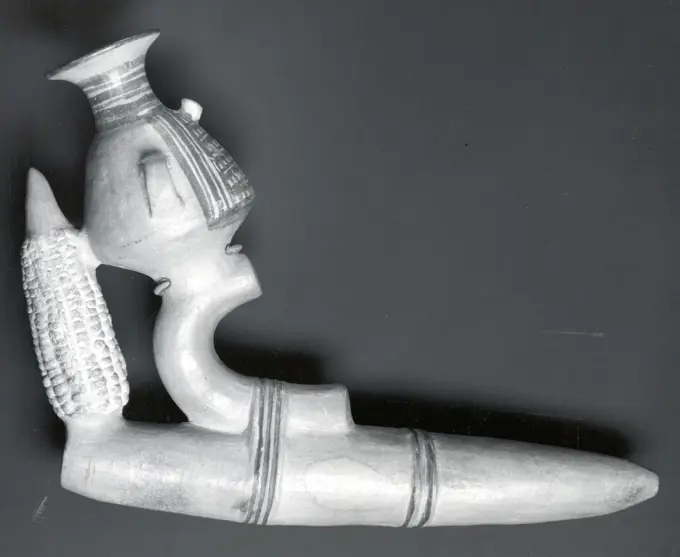
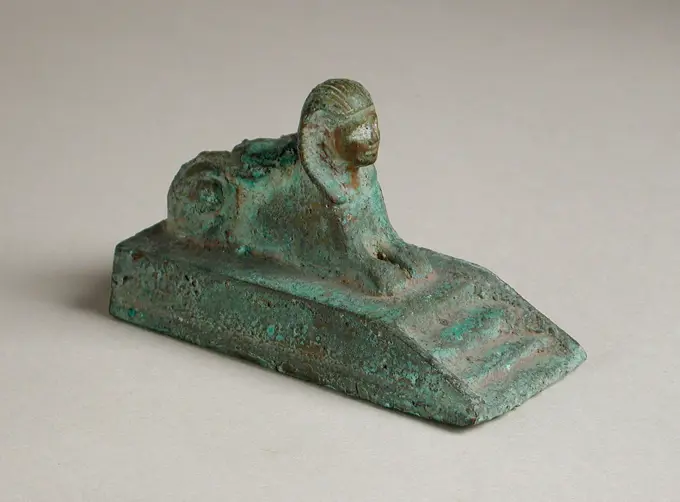
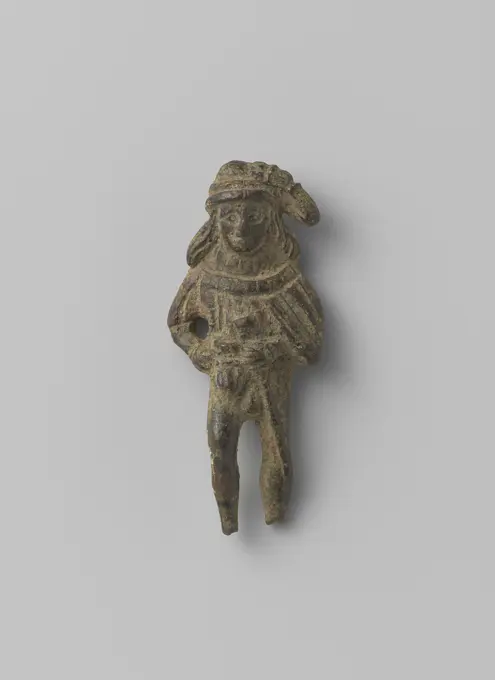
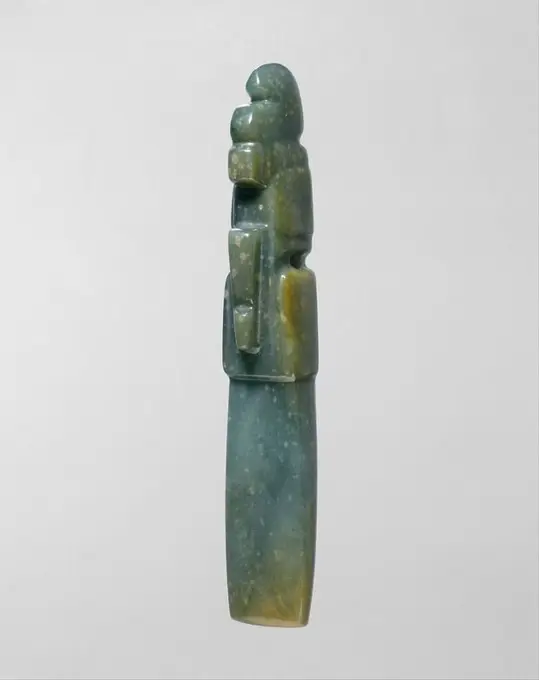
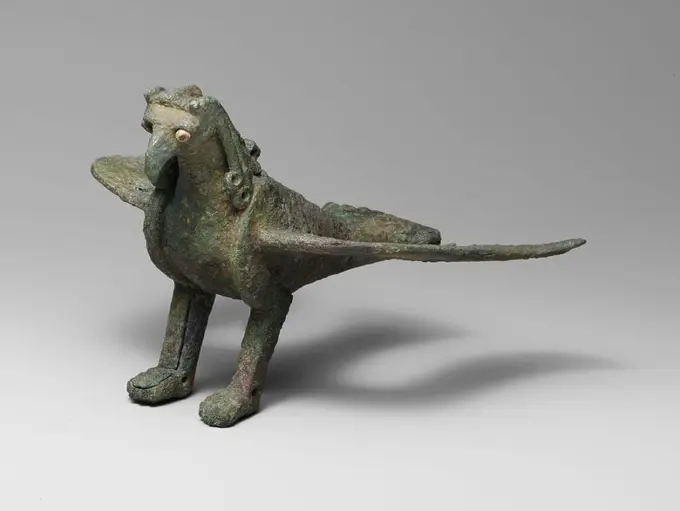
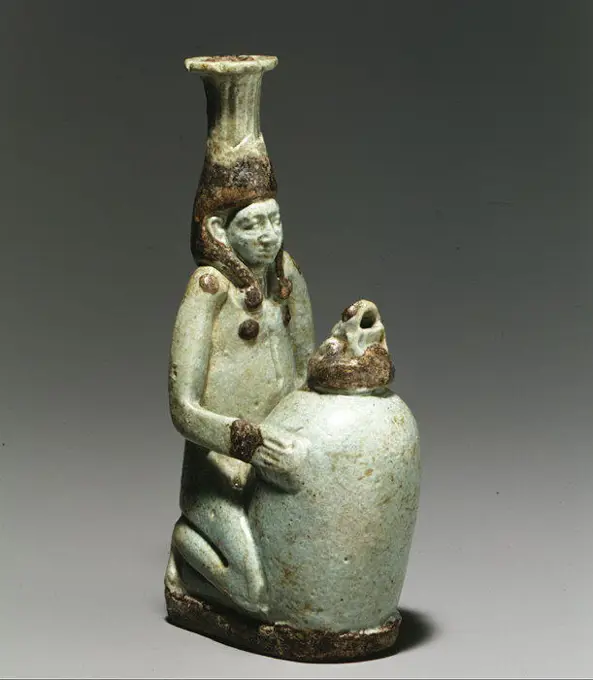
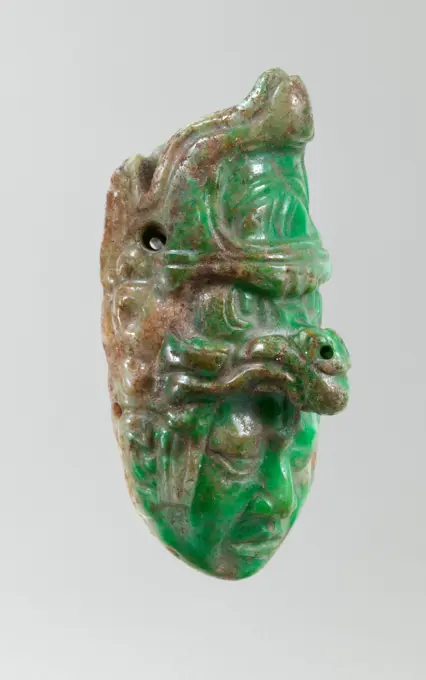
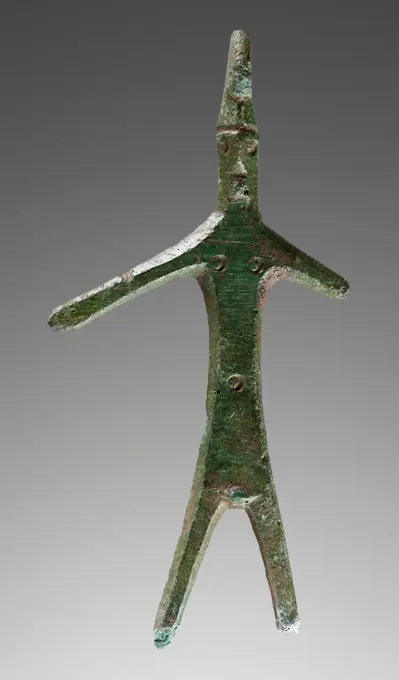
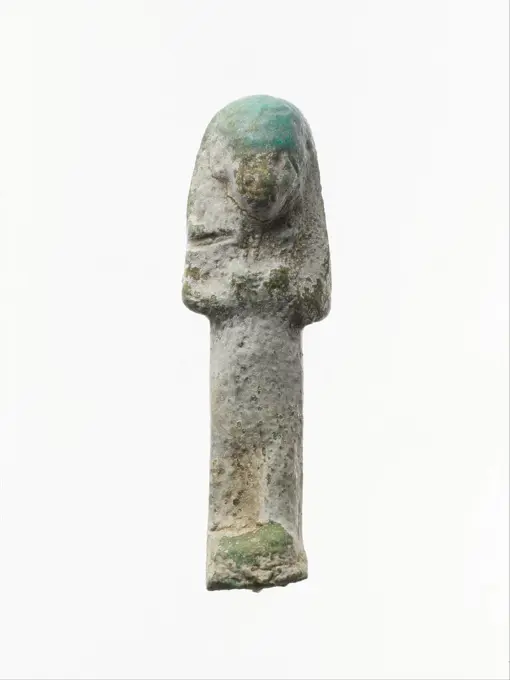
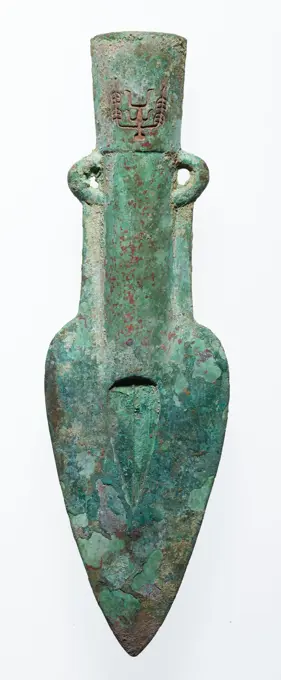
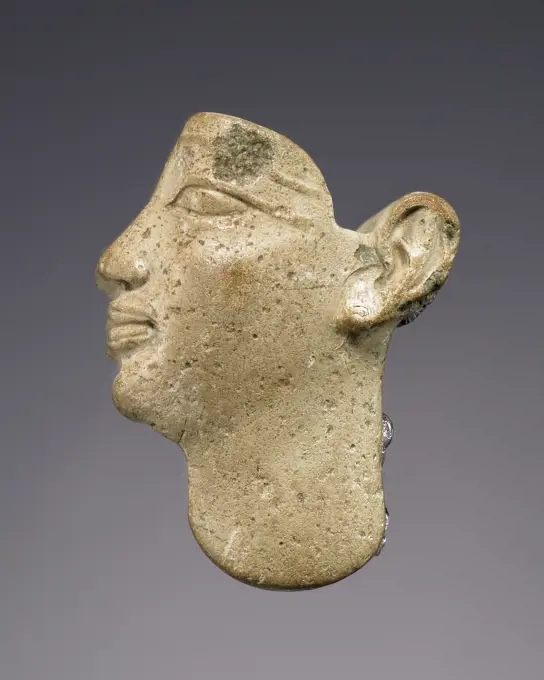
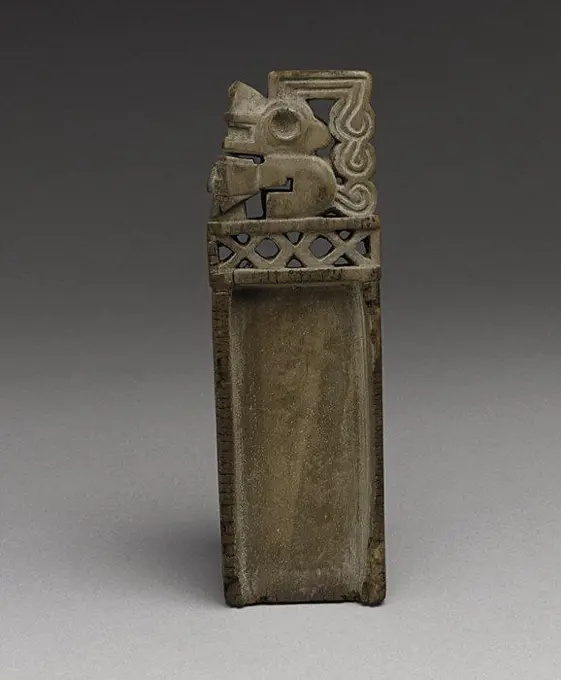
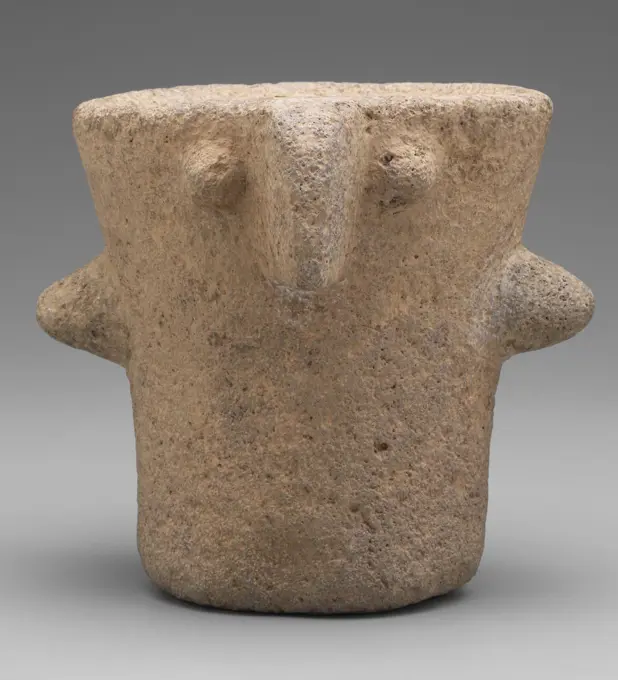
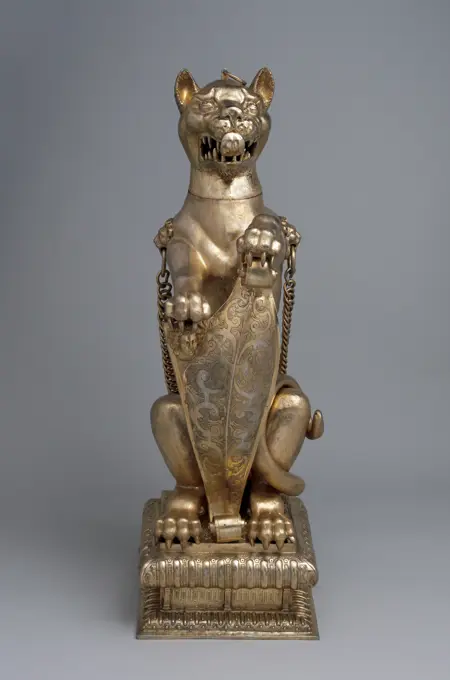
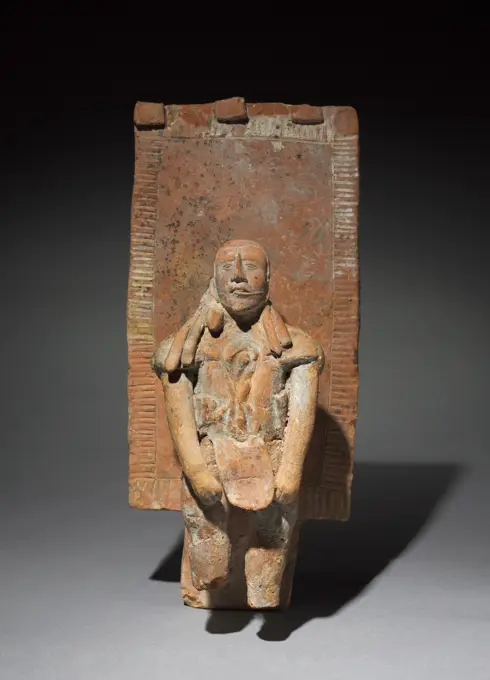
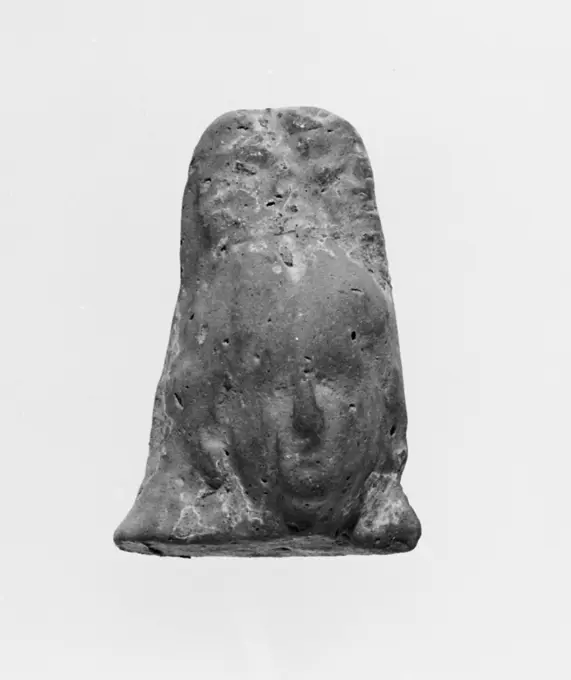
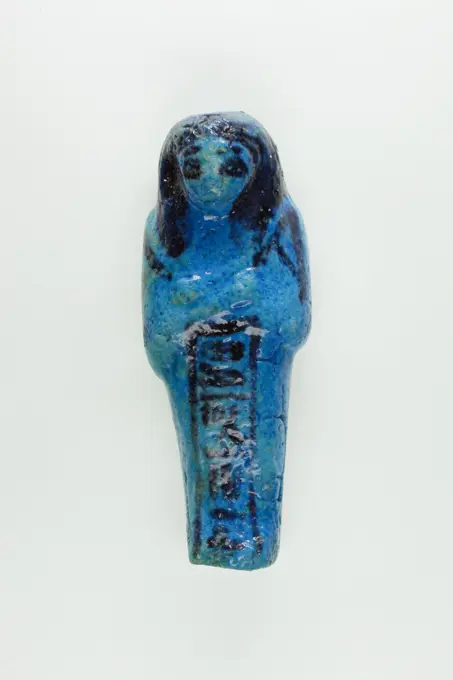
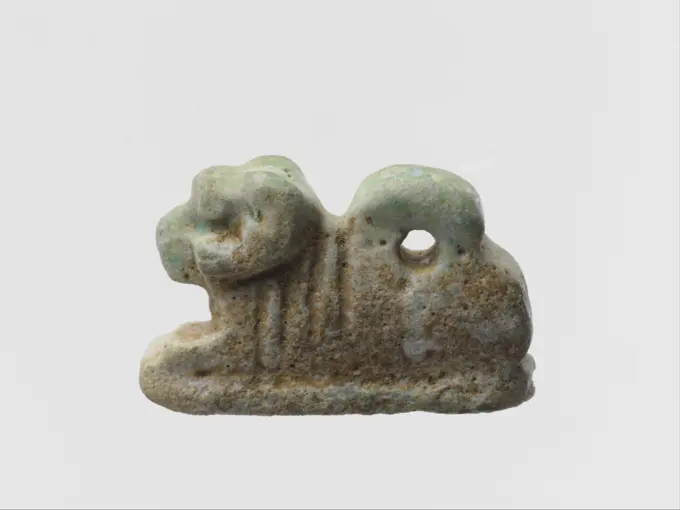
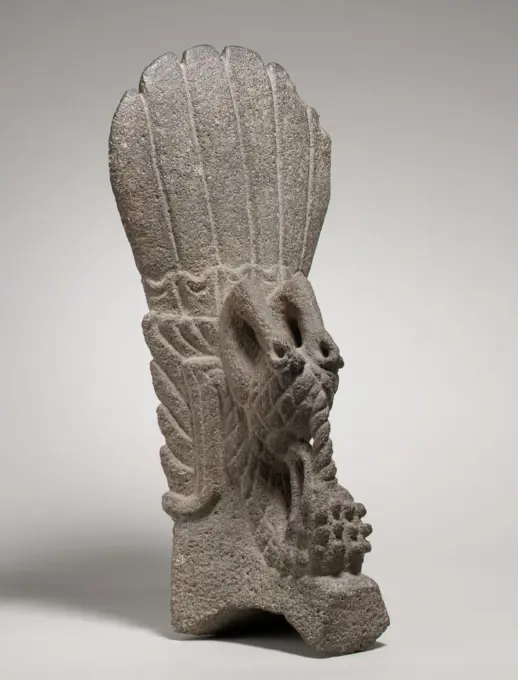
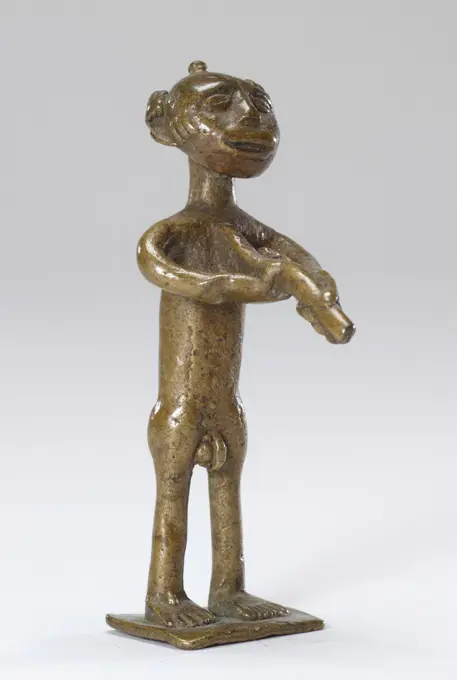
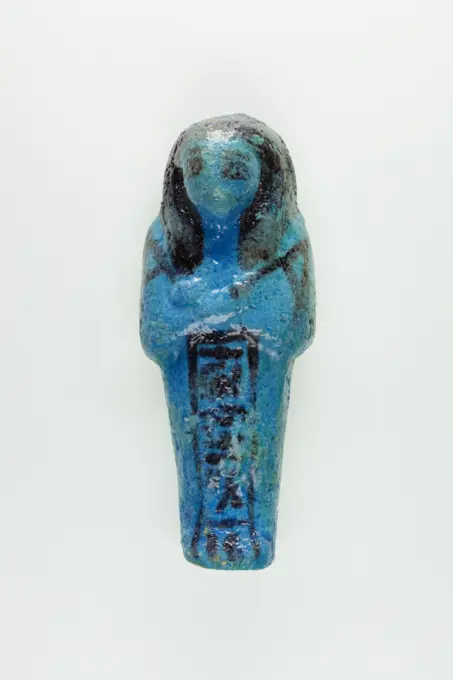
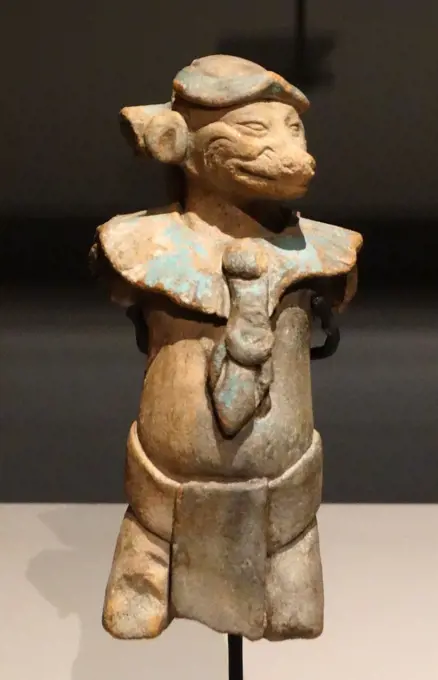
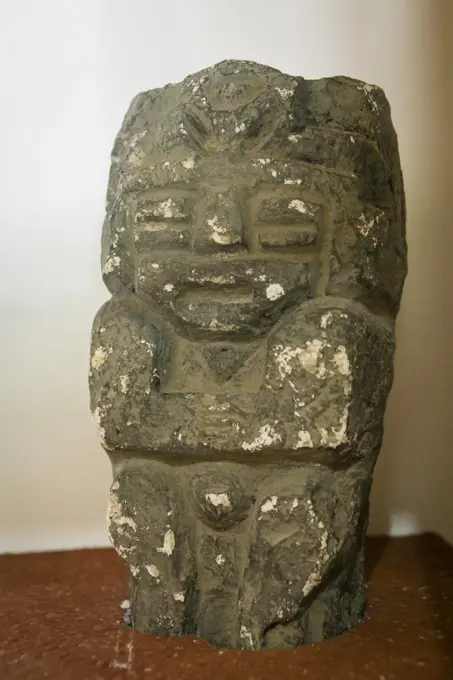
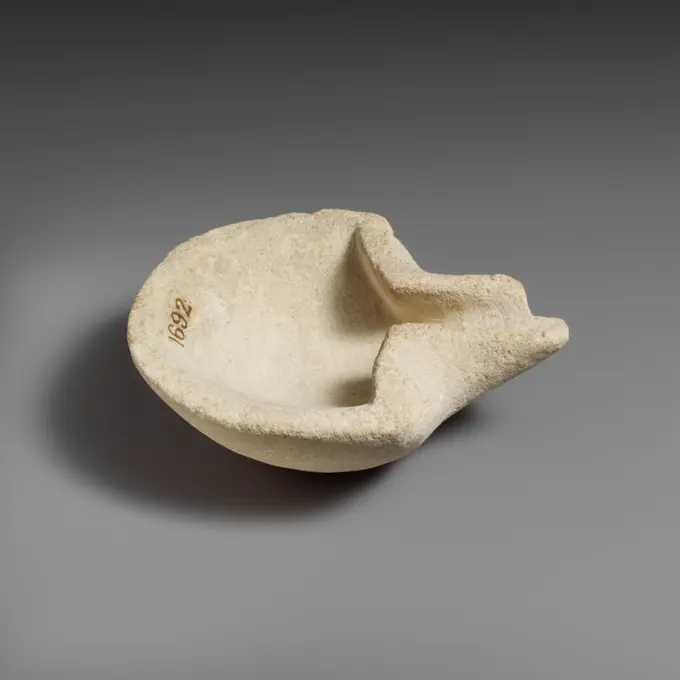
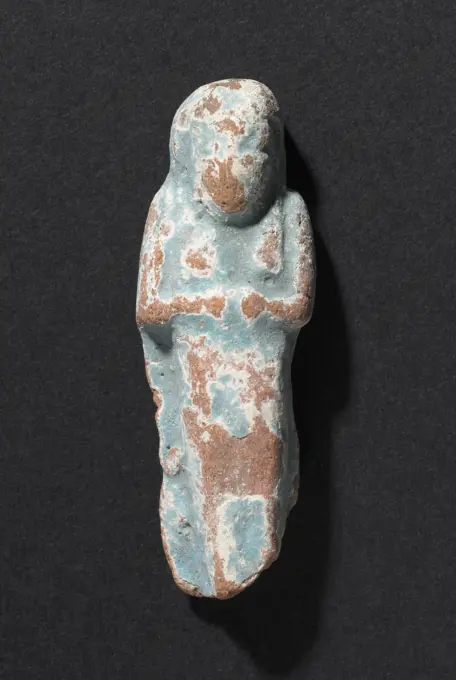
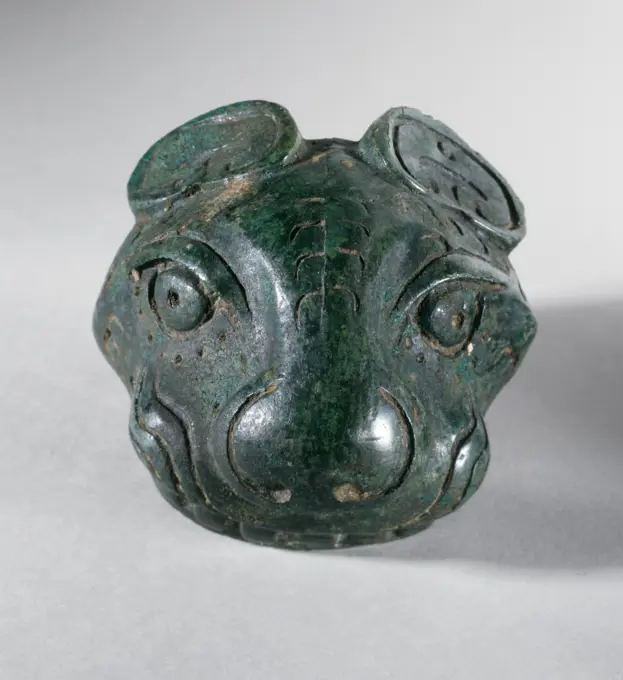
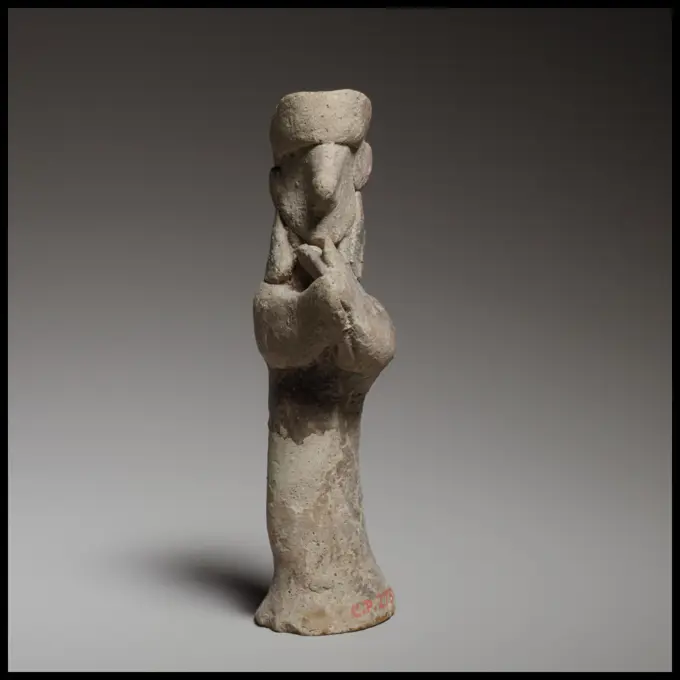
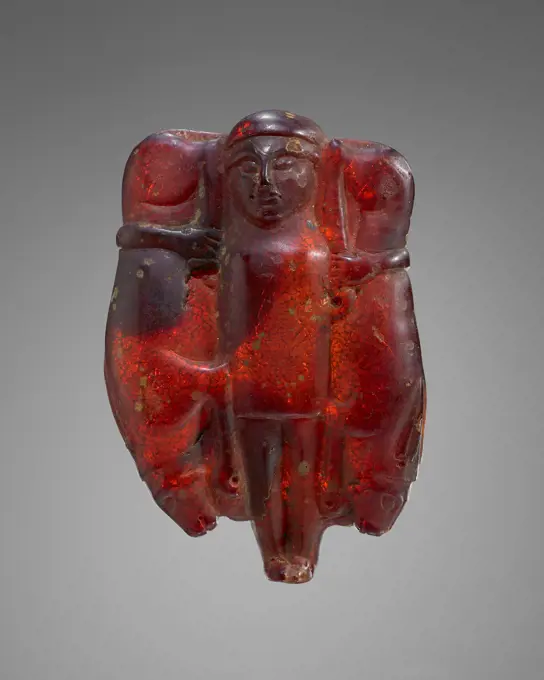
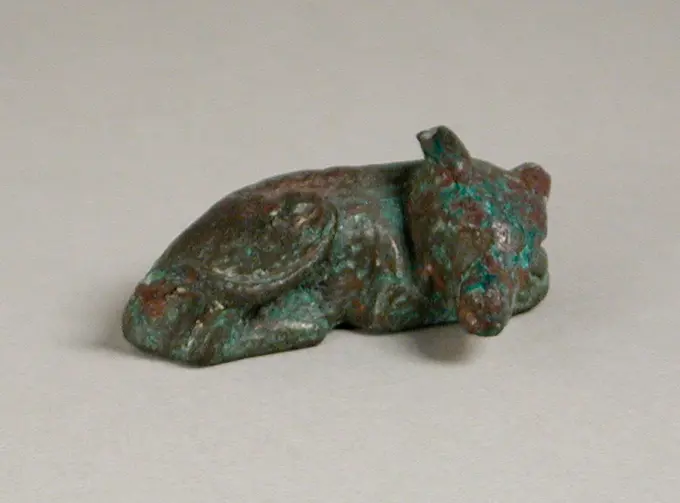
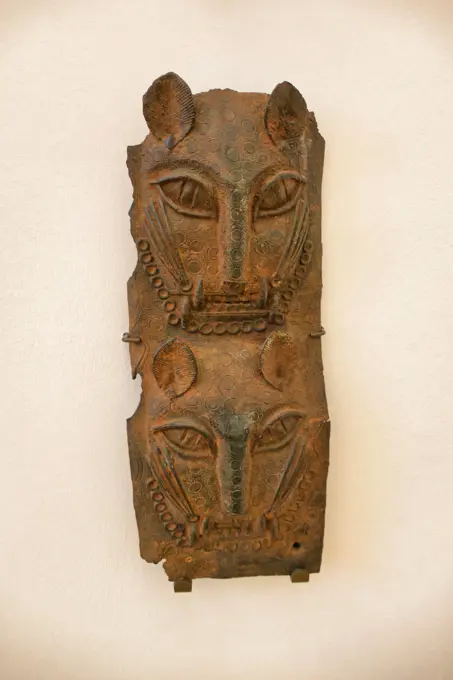
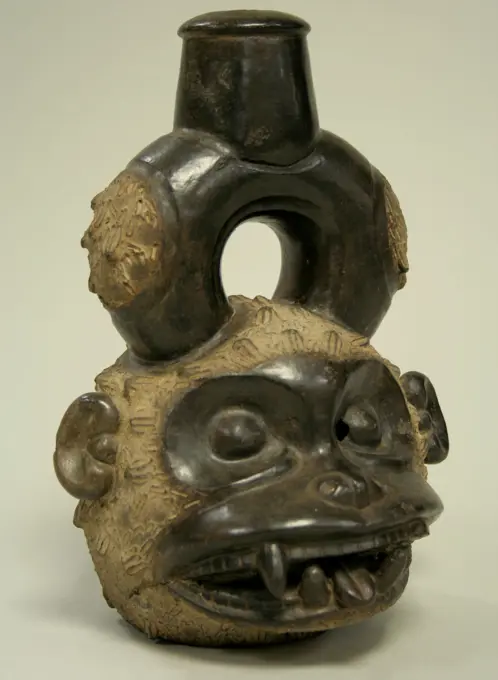
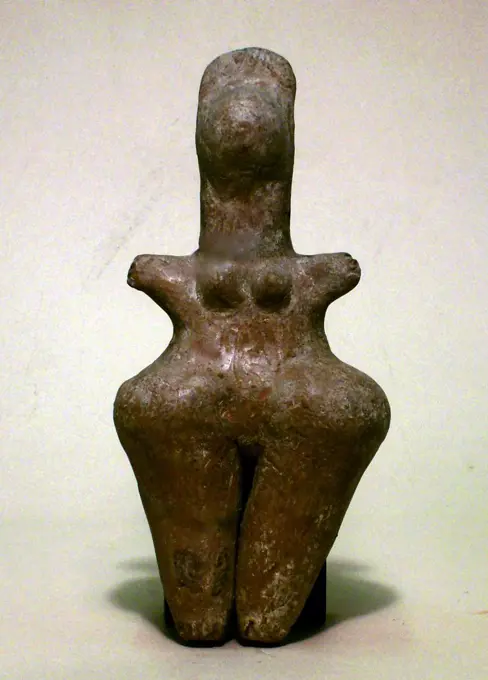
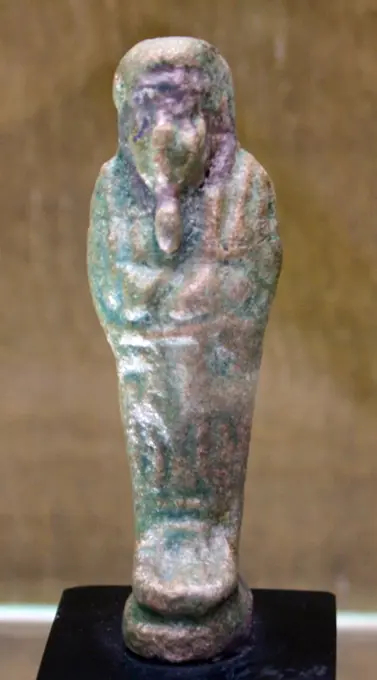
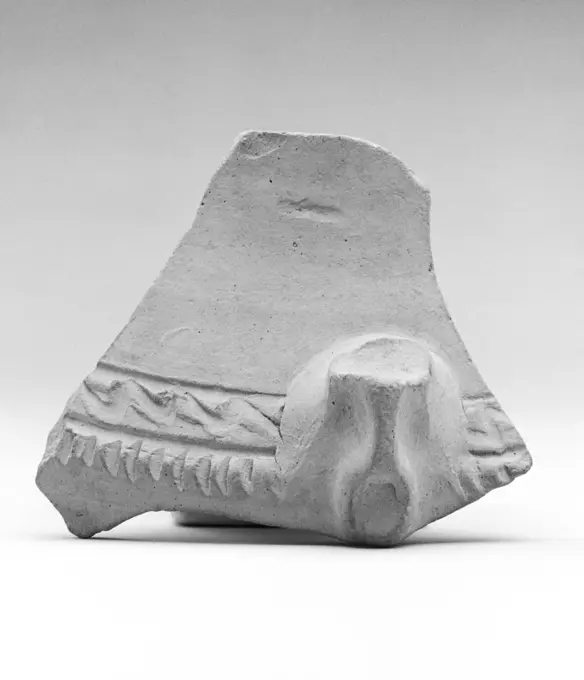
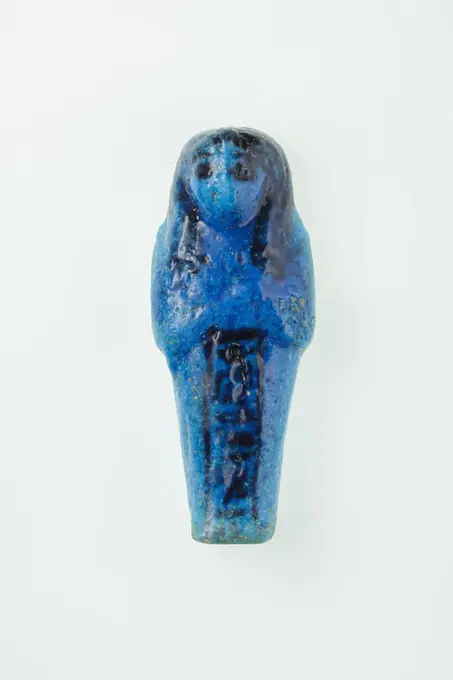
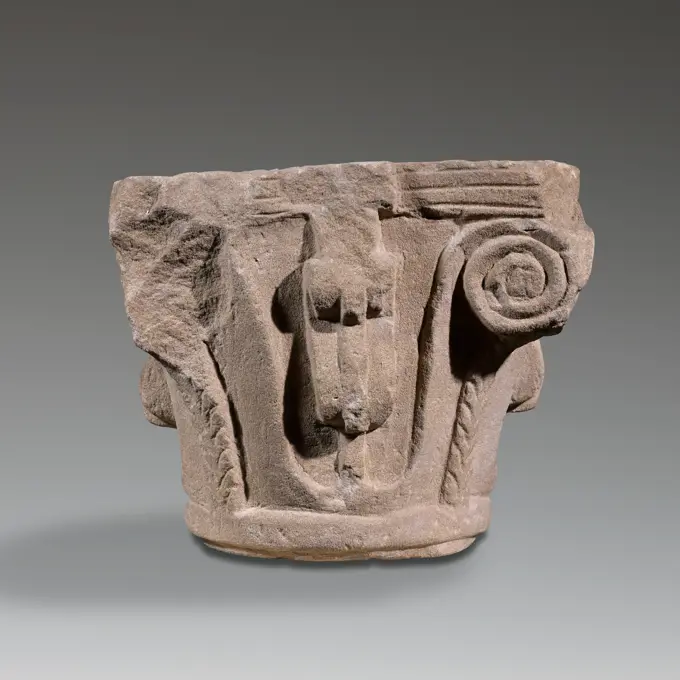
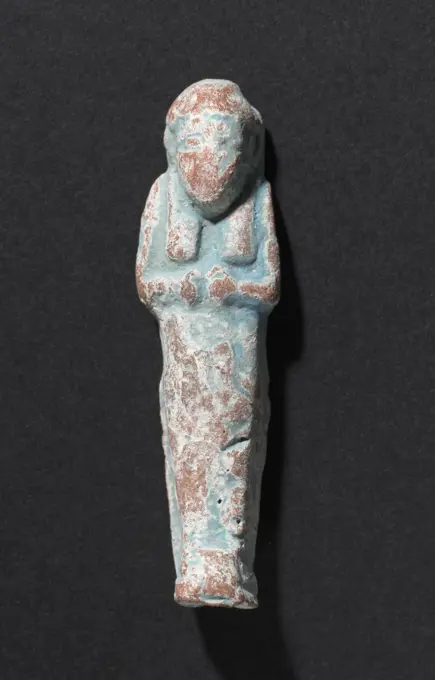
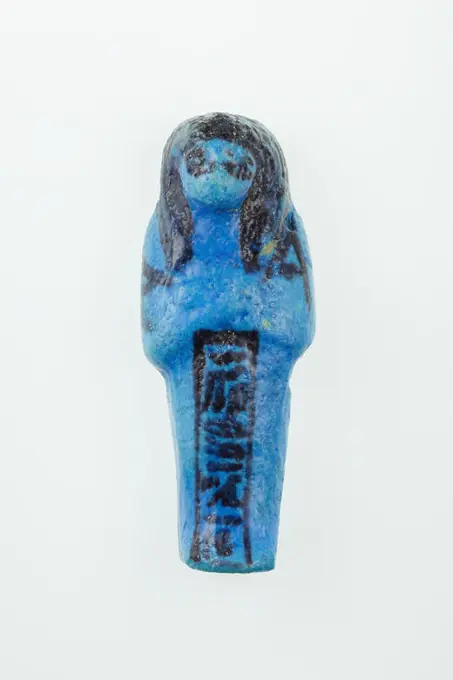
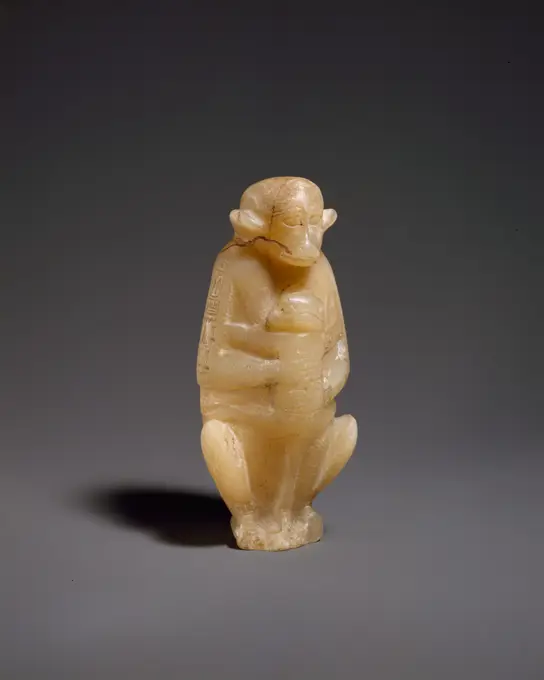
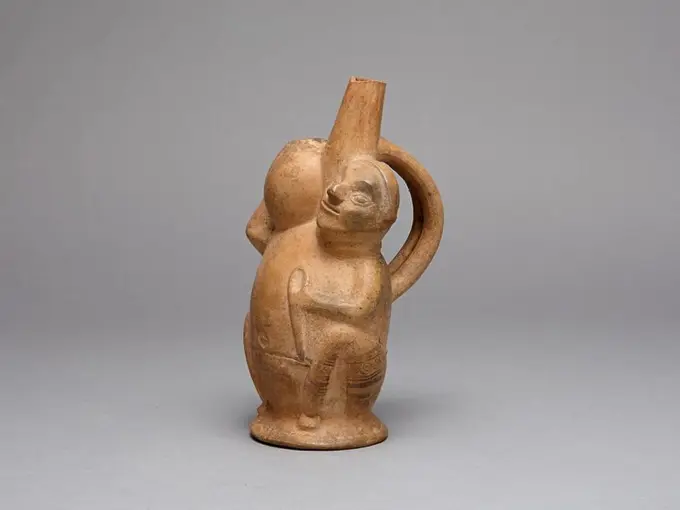
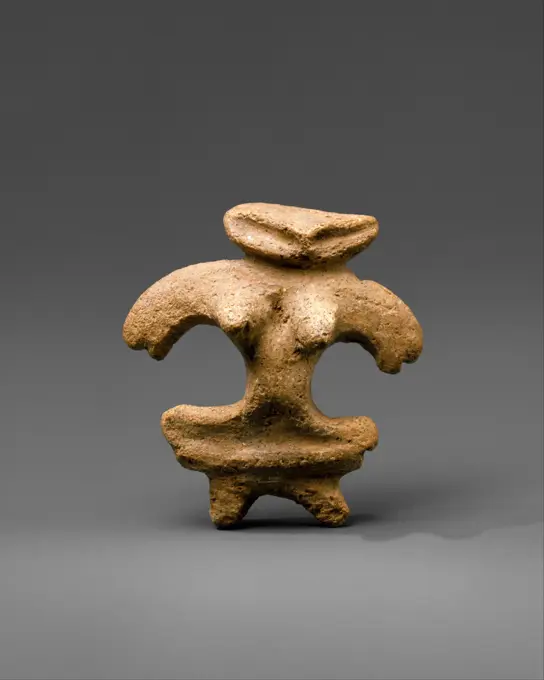
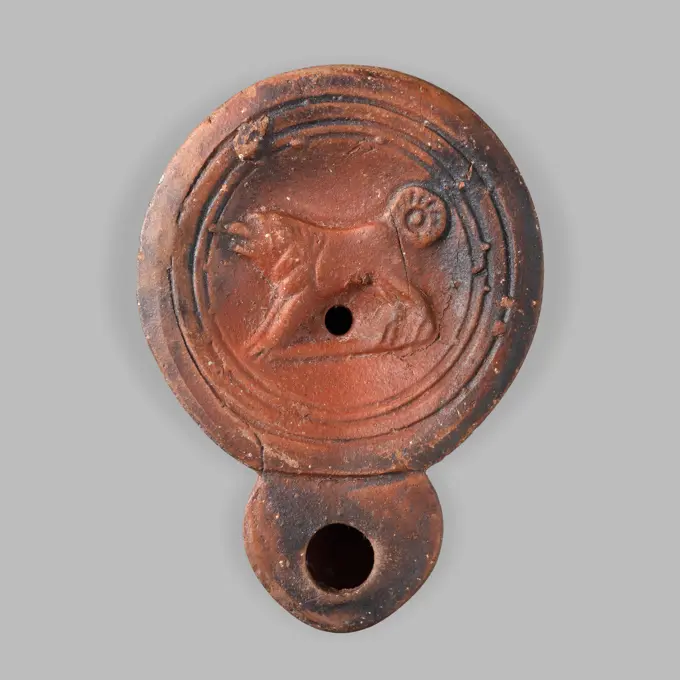
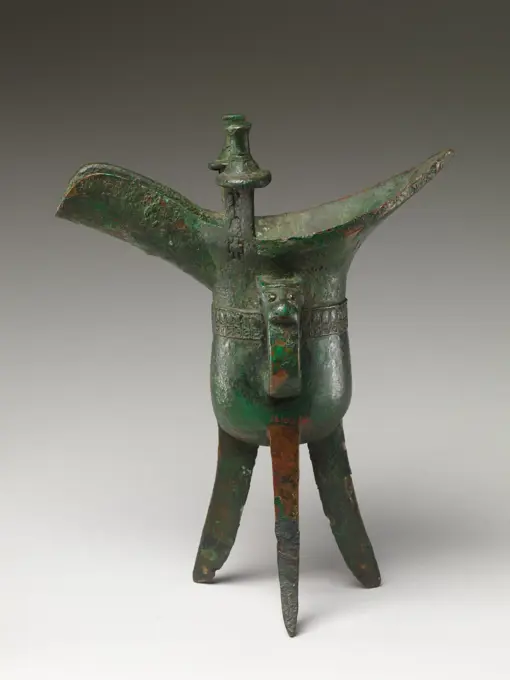
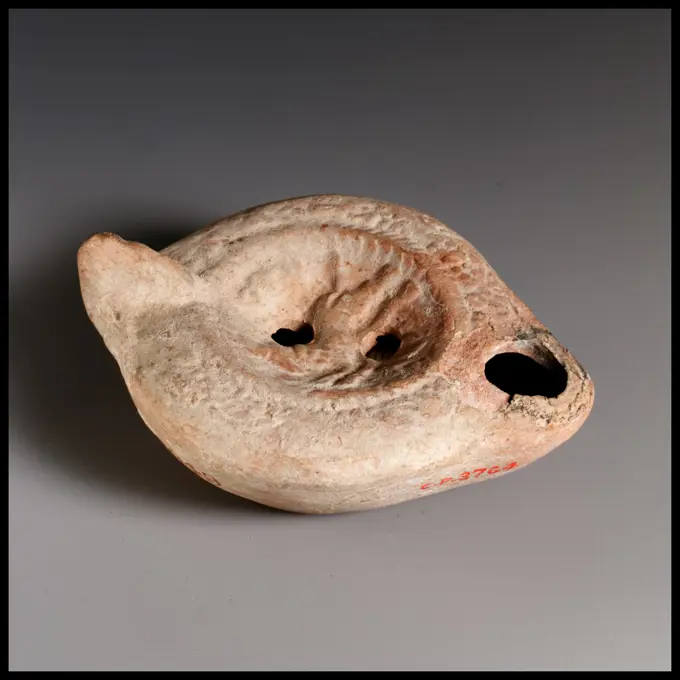
Serbia, Vinca, Anthropomorphic idol, neolithic period, Vinca culture, terracottaPendant, vase. Culture: Egyptian possibly. Dimensions: 1 3/16 × 9/16 × 7/16 in. (3 × 1.5 × 1.1 cm). Date: 4th-5th century. Museum: Metropolitan Museum of Art, New York, USA.Pinhead. Iran, Luristan, Iron Age I-II, about 1350-800 B.C.. Jewelry and Adornments; pins. Bronze, castAmulet - G Besa;  VII-IV century BC ; Half period (-700-00-00--301-00-00);BES (Mitol.Human effigy bowl, 250 BCE - 300 CE, 3 1/2 x 2 3/4 x 2 3/4 in. (8.9 x 7.0 x 7.0 cm), Earthenware, Mexico, 3rd century BCE - 4th century CEAmulet - Horus Sokó;Horus, Egyptian deity, collection of ancient Egypt, Sokół, AmuletHorseman. Culture: Cypriot. Dimensions: H. 4 in. (10.2 cm). Date: 4th-3rd century B.C..The figurine is handmade and solid, with a mold-made face. The nude, bearded figure is preserved to the hips, where it is broken diagonally from the rest of the figurine, which must have been a horse-and-rider group. Museum: Metropolitan Museum of Art, New York, USA.Ocarina 1300-1500 Tairona People; Gayraca style. Ocarina. Tairona People; Gayraca style. 1300-1500. Ceramic. Pre-Columbian. Sierra Nevada de Santa Marta, Colombia. Aerophone-Whistle Flute-vessel fluteMale head. Culture: Cypriot. Dimensions: H. 5 11/16 in. (14.5 cm). Date: ca. 600 B.C..The hollow, mold-made head has a small hole at the top, probably for venting. Museum: Metropolitan Museum of Art, New York, USA.Fragment of a Figurine of Osiris Rodowo Egyptian workshopStatuette of Man HoldingLambAmulet of Taweret 664-332 B.C. Late Period. Amulet of Taweret 550926Terracotta vase in the form of a siren. Culture: East Greek, Rhodian. Dimensions: H. 5 1/16 in. (12.9 cm). Date: ca. 550-500 B.C..Aryballos in the form of a siren. Museum: Metropolitan Museum of Art, New York, USA.Warrior with Headress and Shield 200 BCE-200 CE Colima state. Ceramic and pigment . ColimaAmulet of a Seated Goddess. Egypt, Late Period - Ptolemaic Period (724 - 31 BCE). Jewelry and Adornments; amulets. Faience, green glazeWorker Shabti of Henettawy (C), Daughter of Isetemkheb ca. 990-970 B.C. Third Intermediate Period See 25.3.19.. Worker Shabti of Henettawy (C), Daughter of Isetemkheb 591124Figurine ca. 8th-7th century B.C. Iran. Figurine 323801Owl Tab Ornament. Culture: Moche (Loma Negra). Dimensions: L. 4 7/16 in. (11.3 cm). Date: 390-450. Museum: Metropolitan Museum of Art, New York, USA.Temple Model 200 B.C.-A.D. 500 Mezcala Stone models in the Mezcala style come largely from the present-day state of Guerrero, in southwest Mexico. A particularly long-lived tradition, these works may have been produced over some one thousand years, from as early as 500 B.C. Little is known about their archaeological contexts, and there are few points of reference with surviving architecture in the region. It is possible that these models emulate buildings with stone columns, such as those from Cuetlajuchitlán; alternatively they could recall above- or below-ground funerary structures, in which case the columns would represent wood supports of a tomb or a funerary pyre. Mezcala models may have served multiple functions over time, in keeping with the Mesoamerican custom of repurposing or recarving stone objects. Oblong models, for example, may have been recarved from celts, ritual tools of great symbolic importance. Several have holes drilled into the base, which could have been used to Pestle, 700-1 BC. Peru, North Highlands, Pacopampa(), Chavín style (1000-200 BC). Stone, pigment; overall: 10.8 cm (4 1/4 in.).Figurine of Onuris. Egypt, Late Period - Ptolemaic Period (711 - 30 BCE). Jewelry and Adornments. BronzeGlass head pendant 650-550 B.C. Phoenician Translucent deep colbalt blue, with suspension ring in same color and applied decoration in opaque yellow and white.Hollow cylindrical shape, with rounded edges, closed at top and drawn down at front to form face; suspension ring applied to top with loop aligned front to back.Yellow face with pointed, indented chin, surrounded by blue hair, sideburns, and beard around chin; vestiges of blue, overlaid eyebrows; large, round eyes in white outlined in blue with projecting blue pupils; open mouth with white lips; two yellow blobs applied to sides of face below eyes.Broken and repaired, most of suspension ring missing, all of spiral ringlets of hair across the forehead, and one of the yellow blobs on the proper left side of the face; dulling and pitting.This belongs to a group of head pendants with oriental features that appears to have been made in Phoenicia and Cyprus, as well as at Carthage in North Africa.. Glass head pendant 243451Ushabti of Taharqa. Granite. 25th Dynasty, reign of (690-664 B.C.). Taharqa was the most important of the so-called black pharaohs. His shabtis, found in the necropolis of Nuri, have a special version of the Chapter VI of the Book of the DeadFigure Vessel 9th-14th century Quimbaya. Figure Vessel 318296Amulet - Ithyphallic DeityPottery Whistle date uncertain Costa Rican. Pottery Whistle. Costa Rican. date uncertain. Clay. Costa Rica. Aerophone-Whistle Flute-whistleTheater Mask Figurine. Egypt, Greco-Roman Period (200 B.C.-A.D. 395 ). Sculpture. BronzeVessel leg in the form of a bird 5th-3rd century B.C. China. Vessel leg in the form of a bird 61251Paccha 15th-16th century Inca. Paccha 3149542 fragmenty figurki uszebti. unknown, authorRecumbent Sphinx Figurine on a Stepped Platform. Egypt, Ptolemaic Period (323 - 30 BCE) or modern. Sculpture. BronzeMans figure. The molded figure sets a young man with a sword and a pouch dressed in a hole, job, mantle and bonnet.Figure-Celt Pendant. Culture: Guanacaste-Nicoya. Dimensions: H. 1 x W. 5 3/4 in. (2.5 x 14.6 cm). Date: 1st-5th century. Museum: Metropolitan Museum of Art, New York, USA.Vessel Fragment in the Form of a Feline Head. Tiwanaku; South coast, Peru. Date: 600 AD-1000. Dimensions: 5.7 x 5.1 cm (2 1/4 x 2 in.). Ceramic and pigment. Origin: Peru. Museum: The Chicago Art Institute, Chicago, USA.Bronze statuette of a bird of prey. Culture: Cypriot. Dimensions: H. 4 1/8 in. (10.5 cm)L. 5 3/8 in. (13.6 cm). Date: 8th-7th century B.C..This fragment once may have been the ornament of a tripod or a vase handle. Museum: Metropolitan Museum of Art, New York, USA.Faience double-spouted vessel in the form of a kneeling woman holding a jar late 7th-early 6th century B.C. East Greek The woman wears a heavy Egyptianizing wig, and indications of a leopard skin run down her back. A palm capital on her head serves as one spout, and the open-mouthed frog perched on the jar serves as the other. Most vessels of this type have been found on Rhodes.. Faience double-spouted vessel in the form of a kneeling woman holding a jar. East Greek. late 7th-early 6th century B.C.. Faience. Archaic. Miscellaneous-FaiencePendant A.D. 600-700 Maya This bright green jade pendant depicts a Maya ruler wearing the headdress of a supernatural being. The lower half of the highly polished stone is a naturalistic face of a Maya lord whose lips are slightly parted, as if about to speak. The face seems to emerge from the gaping jaws of the deity depicted in the headdress. The iconography of the jade ties it strongly with Maya beliefs about rulership, particularly its connection with divine powers (see 2007.134).The apex of the work terminates in a visual element that is common in artists depictions of crown jewels worn by Late Classic period (ca. A.D. 550 - 900) kings and queens, especially in the 7th and 8th centuries. In fact, the pendant itself was likely a pectoral or a crown jewel, the centerpiece of a royal diadem, such as those found in the tombs of important historical figures. Fiber run through drill holes on the reverse side would have affixed the jewel to a bark paper or cloth fiber diadem, and multipFigurine. UnknownAmulet of the Goddess Bastet ( ) 1070 BCE-656 BCE Egypt. Faience . Ancient EgyptianSculpture. Women's head with high a-symmetrical hairstyle on left side of the head. Elongated face, long nose, round eyes. No neck. On base.Faience Overseer Ushabti. Culture: Egyptian. Dimensions: H.: 2 3/8 in. (6 cm). Date: ca. 1090-900 B.C..Ushabti were buried in large numbers in Egyptian graves believed to ensure the resurrection of the body with which they were placed. Museum: Metropolitan Museum of Art, New York, USA.Spearhead (mao), late 13th century BCE, 9 × 2 3/4 × 1 5/16 in. (22.86 × 6.99 × 3.33 cm), Bronze, China, 13th century BCE, Two inscribed Shang dynasty bronze spearheads dating to the Anyang period (thirteenth to mid-eleventh century BCE). Each has a flat, leaf-shaped blade with a single point and double edges on a tapered, hollow socket with a pair of loops above the reinforced rim for fixing to a shaft. Spearheads resembling this pair were excavated from tomb M54 at Huayuanzhuang-dong in Anyang, datable to Phase II of the Anyang period which is contemporary to the famous Tomb of Fuhao, the consort of King Wuding, who died around 1200 BCE. The ears on the bronze spearheads were used to fix them onto a shaft. From the Western Zhou onward, perforations and nail holes were used as the principal method of fastening. Bronze spears were prevalent during Shang times since battles were primarily fought on foot, but they became less common in the Western Zhou and later as chariot warfare became Head Inlay; Egypt; 1540 - 1075 B.C; Glass; 2.6 cm (1 in.)Bronze object in the shape of a horn. Culture: Roman. Dimensions: 9 x 3 9/16 x 2 7/8 in. (22.9 x 9 x 7.3 cm). Date: 1st-2nd century A.D..Although the object's function is uncertain, it clearly forms part of a richly decorated ornament. Below the acanthus fronds is a series of rosettes, inlaid with silver, niello, and copper. Museum: Metropolitan Museum of Art, New York, USA.Snuff tablet 4th-8th century Tiwanaku () Snuff inhaled through tubes from small trays or tablets was common in the southern Andes where hallucinogen use was widespread. Wooden snuff trays have a shallow rectangular cavity at one end and human or animal motifs or a combination of both at the other. This snuff tablet is presumed to have come from the San Pedro de Atacama area and its overall form is consistent with Atacama works, but stylistic features relate it to more northern areas. Embellished with open latticework topped by a crouching creature known as the "moon animal," it is associated with the art of Recuay in central highland Peru. From the top of the animal's head—it has big, round eyes and a gaping mouth—descends a flowing, manelike appendage with two large curls that meet the rounded-up tail. The animal holds a trophy head in its massive front paws. Although trophy head imagery is common on Atacama snuff trays, this tray may be an import into the region rather than a local AltarLeopard holding a shield 19th century, after 1600-1601 original Elkington & Co. British This electrotype is after the 1600-1601 original in the treasure of the Kremlin, Moscow. It was probably a gift to Elizabeth I, sold by the "Great guilt Cuberd of State" in 1626, purchased by Tsar Mikhail Romanov in 1629.. Leopard holding a shield 186486Figurine with Back Rack, 300-900. Mexico, Maya, Jaina style. Molded and modeled pottery with traces of pigment; overall: 23.2 x 10.6 x 7.5 cm (9 1/8 x 4 3/16 x 2 15/16 in.).Bronze ornament in the form of a seated male sphinx. Culture: Roman. Dimensions: Height 5 11/16 in. (14.5 cm). Date: ca. 27 B.C.-A.D. 14.The ornament, originally clad in silver, served as a furniture attachment or, more likely, as part of a candelabrum or a stand for a censer or bowl. Egyptianizing decorative arts were especially popular in Rome in the years after the defeat of Mark Antony and Cleopatra in 31 B.C. Other examples can be seen on the wall paintings from the villa at Boscotrecase, also displayed in this gallery. Museum: Metropolitan Museum of Art, New York, USA.Amulet of Pataikos, 305-30 BC. Egypt, Ptolemaic Dynasty. Pale blue faience; overall: 3.9 x 2 x 1.4 cm (1 9/16 x 13/16 x 9/16 in.).Double vessel, Inca, Peru. Dated 16th CenturyBallgame Palma, c. 900-1100. Mexico, Gulf Coast, Classic Veracruz style (600-1100). Stone, pigment traces; overall: 42.7 x 8.3 x 19.6 cm (16 13/16 x 3 1/4 x 7 11/16 in.).Female Head. UnknownFinial. Iran, Luristan, Luristan bronzes, circa 1000-650 B.C.. Architecture; Architectural Elements. Bronze, castWorker Shabti of Nany ca. 1050 B.C. Third Intermediate Period See 30.3.26.1a, b. Worker Shabti of Nany. ca. 1050 B.C.. Faience. Third Intermediate Period. From Egypt, Upper Egypt, Thebes, Deir el-Bahri, Tomb of Meritamun (TT 358, MMA 65), first corridor, burial of Nany, MMA excavations, 1928-29. Dynasty 21Faience amulet in the form of a ram 664-30 B.C. Egyptian Amulets representing animals were attributed to a deity: a hawk for Ra, the Sun God, a lion for Sakhmi, the War Goddess, a ram for Khnum and a cat for Bast.. Faience amulet in the form of a ram 243769Turkey Palma 7th-10th century Veracruz A number of blank palmas are known, but most are covered in imagery ranging from abstract swirls to full human and animal forms, often reflecting the ballgames themes of sacrifice, death and rebirth. In this example, these themes are suggested by the unusual motif of a dead turkey. Bird heads are a common motif on hachas (see MMA 1979.206.369 and 1979.206.1061) but the image seen on this palma is otherwise unknown. The upended turkey hangs down loosely, the legs awkwardly bent, as if the body had been hung for display. Its long tail feathers point upward, creating the palm frond shape that gives this type of ballgame regalia its name. The head and snood (the thin, fleshy red cord that hangs above the beak of the male turkey) curl upward, touching the birds breast; the turkeys caruncles, flesh bumps on the head, are indicated by rows of spheres.The feathers that cover a turkeys body and wings vary in length, pattern, and colors that range from Goldweight Figure Holding Rifle, 19th-20th century, 3 3/16 x 1 1/8 x 1 3/4 in. (8.1 x 2.86 x 4.45 cm), Brass, Ghana, 19th-20th centurySpoonPre-Colombian art. Mesoamerican. Western Mexico. Colima culture. Clay figurine. It depicts a man lying on a bed. Private collection.Oil Lamp 4th-7th century Coptic. Oil Lamp 478696Worker Shabti of Nany ca. 1050 B.C. Third Intermediate Period See 30.3.26.1a, b. Worker Shabti of Nany 625717Zoomorphic or anthropomorphic Mayan figurine. From Palenque, Mexico 600-900 ADLime Pestle (Parjoruk or PamungkorUnte)Terracotta oil lamp. Culture: Greek or Roman. Dimensions: Overall: 1 in., 3.3 cm (2.5 x 3.3 cm). Museum: Metropolitan Museum of Art, New York, USA.Shield bearer ca. 750-600 B.C. Cypriot The lower part of the figurine is wheel-made, hollow, and bell-shaped; the upper body and the head are handmade. There is a perforation at either side of the waist for the attachment of movable legs.. Shield bearer 240989Anthropomorphic sculpture Anthropomorphic sculpture, central square museum, Chichicastenango, municipality of the department of El Quiché, Guatemala, Central America Copyright: xZoonar.com/BartomeuxBalaguerxRotgerx 22071494Limestone saucer lamp 5th century B.C.  Cypriot The saucer lamp has a small break on the pinched nozzle.. Limestone saucer lamp 244027Head of a warrior ca. 1000-600 B.C.. Head of a warrior 241036Shawabty of Ditamenpaankh, 715-656 BC. Egypt, Late Period, Dynasty 25. Terracotta; overall: 6.7 x 2.4 x 1.6 cm (2 5/8 x 15/16 x 5/8 in.).Shawabty of Ditamenpaankh, 715-656 BC. Egypt, Late Period, Dynasty 25. Terracotta; overall: 5.1 x 1.7 x 1.2 cm (2 x 11/16 x 1/2 in.).Figurine (Tunjo) of a Figure Holding Plants and Cup, Wearing a Crown 900 CE-1500 Colombia. Gold . MuiscaFitting (Shi) in the Form of a Feline Head. China, Late Shang dynasty, late Anyang phase or early Western Zhou Dynasty, about 1100-950 B.C.. Sculpture. Cast bronzeStanding Ceramic Figure 3rd-5th century Moche. Standing Ceramic Figure 309322Standing male lyre player ca. 600-480 B.C. Cypriot The irregular cylindrical body is handmade and solid, flaring to a concave base.. Standing male lyre player. Cypriot. ca. 600-480 B.C.. Terracotta; hand-made. Cypro-Archaic II. TerracottasPendant: Divinity Holding Hares; Italy; 600 - 550 B.C; Amber; 97 × 64 × 24 mm (3 13,16 × 2 1,2 × 15,16 in.)Figure Bottle 3rd-6th century () Moche. Figure Bottle. Moche. 3rd-6th century (). Ceramic, slip, pigment. Peru. Ceramics-ContainersVase in the Shape of a Mother Monkey with Her Young. Dimensions: H. 13.7 cm (5 3/8 in.). Dynasty: Dynasty 6. Reign: reign of Pepi I. Date: ca. 2289-2255 B.C..This mother monkey holds her baby clinging tightly to her chest. The inscription reads "Ny-Khaswt-Meryre female tenant landholder"of the pyramid endowment of Pepy I and "first occurrence of the jubilee".Inscriptions on this and similar vases (e.g., 30.8.134) suggest that the vessels were given by Sixth Dynasty kings to favored courtiers, particularly women, at the time of the king's jubilee. Museum: Metropolitan Museum of Art, New York, USA.Reclining Dog (). Egypt, probably Roman Period (30 BCE - 395 CE). Sculpture. BronzeFragment fryzu z absydy I Katedry. warsztat nubijski, workshopReliefplatte aus Benin mit Köpfen von Leoparden Reliefplatte aus Benin mit Köpfen von Leoparden Copyright: xZoonar.com/HGVorndranx 22076058Stirrup Spout Bottle: Monkey Head 12th-5th century B.C. Cupisnique (). Stirrup Spout Bottle: Monkey Head. Cupisnique (). 12th-5th century B.C.. Ceramic. Peru. Ceramics-ContainersStanding female figurine, Amlash, north-western Iran, 2000 BC. The woman has very short arms, broad hips and prominent breasts.Object native to Egypt created from the semi- precious stone Lapis lazuli. Mini sarcophagus. Barcelona. Spain 2013Vase Fragment. UnknownWorker Shabti of Nany. Dimensions: H. 8.6 × W. 3.5 × D.2.2 cm (3 3/8 × 1 3/8 × 7/8 in.). Dynasty: Dynasty 21. Reign: reign of Psusennes I. Date: ca. 1050 B.C..See 30.3.27.1a, b. Museum: Metropolitan Museum of Art, New York, USA.Volume capital; Unknown Nubian workshop; 2. PO. VI-1. after. VII century (551-00-00-650-00-00);Architectural elements, capitals, Nubian artsCoiled Rattlesnake, c. 1200-1519. Central Mexico, Aztec, 13th-16th century. Stone; overall: 30.5 x 24.5 x 10 cm (12 x 9 5/8 x 3 15/16 in.).Figurine of falcon 304-30 B.C. Ptolemaic Period . Figurine of falcon 558269Shawabty of Ditamenpaankh, 715-656 BC. Egypt, Late Period, Dynasty 25. Terracotta; overall: 5.6 x 1.5 x 1.2 cm (2 3/16 x 9/16 x 1/2 in.).Worker Shabti of Nany. Dimensions: H. 8.7 × W. 3.4 × D. 2.3 cm (3 7/16 × 1 5/16 × 7/8 in.). Dynasty: Dynasty 21. Reign: reign of Psusennes I. Date: ca. 1050 B.C..See 30.3.29.1a, b. Museum: Metropolitan Museum of Art, New York, USA.Vase in the Shape of a Mother Monkey with Her Young ca. 2289-2255 B.C. Old Kingdom This mother monkey holds her baby clinging tightly to her chest. The inscription reads "Ny-Khaswt-Meryre female tenant landholder"of the pyramid endowment of Pepy I and "first occurrence of the jubilee."Inscriptions on this and similar vases (e.g., 30.8.134) suggest that the vessels were given by Sixth Dynasty kings to favored courtiers, particularly women, at the time of the king's jubilee.. Vase in the Shape of a Mother Monkey with Her Young. ca. 2289-2255 B.C.. Travertine (Egyptian alabaster), paint. Old Kingdom. From Egypt. Dynasty 6Handle Spout Vessel in the Form of a Seated Man Carrying a Jar. Lambayeque; North coast, Peru. Date: 700 AD-1000. Dimensions: 20.6 cm (8 1/8 in.). Ceramic and pigment. Origin: North Coast. Museum: The Chicago Art Institute, Chicago, USA.Mirror Handle Pakistan or India 1st century BCE-1st century CEDog (Clay Figurine) Japan Clay figurines (dog) of humans and animals were made throughout the Jmon period, particularly during the latter half, and establish the beginnings of Japan’s sculptural tradition. The largest percentage of these figures, including this statuette from northern Honsh, comprises highly stylized females with enlarged breasts, hips, and stomachs presumed to have been fertility symbols.Because some of these figurines appear to have been broken intentionally, it has been hypothesized that they were used in rituals meant to cure physical ailments. It seems that once the affliction was ceremonially transferred to the figure, the clay image was discarded. This speculation would explain why most dog are found scattered around or in refuse heaps rather than in graves. Dog (Clay Figurine). Japan. Earthenware. Final Jmon period (ca. 1000-300 B.C.). CeramicsRaises with sculpture., Anonymous, c. 1699 - c. 1799 Handers from Hertshoorn, from above a head with neck collar.  horn (animal material). Handers from Hertshoorn, from above a head with neck collar.  horn (animal material).Viscera Figure of Imsety Third Intermediate Period or later ca. 1070-664 B.C. View more. Viscera Figure of Imsety. ca. 1070-664 B.C.. Wax. Third Intermediate Period or later. From Egypt. Dynasty 21-25Lamp decorated with a dog's performance; unknown eastern workshop; 1st century (1-00-00-100-00-00);Chynowski, Józef (Ca 1833-1915) - collectionLibation Cup (Jüe) China. Libation Cup (Jüe). China. Bronze. Shang dynasty (ca. 1600-1046 B.C.). MetalworkTerracotta oil lamp 4th-5th century A.D. Roman, Cypriot Vessberg Type 18. Unpierced handle. Mold-made. Discus: running bull facing left and wearing ornate collar, flanked to either side by herring-bone wreath. Above bull: indistinct letters (); below bull: indistinct letters AIIY (). Two filling holes. On shoulder, stylized vine tendril with bunches of grapes. On slightly concave base, indistinct Greek letters in relief: EYTYXHTOC ().. Terracotta oil lamp. Roman, Cypriot. 4th-5th century A.D.. Terracotta. Late Imperial. Terracottas