Ancient Artifacts and Jewelry

An assortment of antique bronze items, including jewelry and decorative pieces, featuring intricate designs and historical significance.
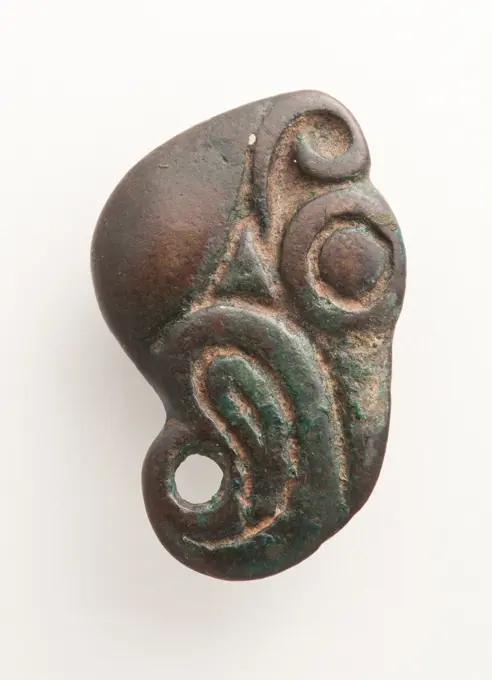
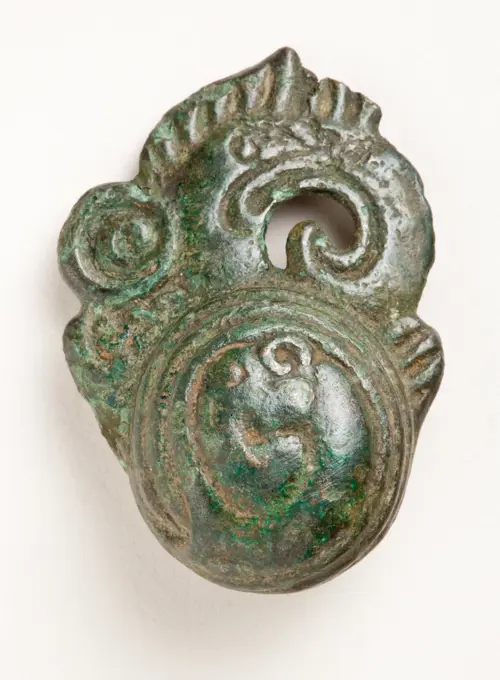
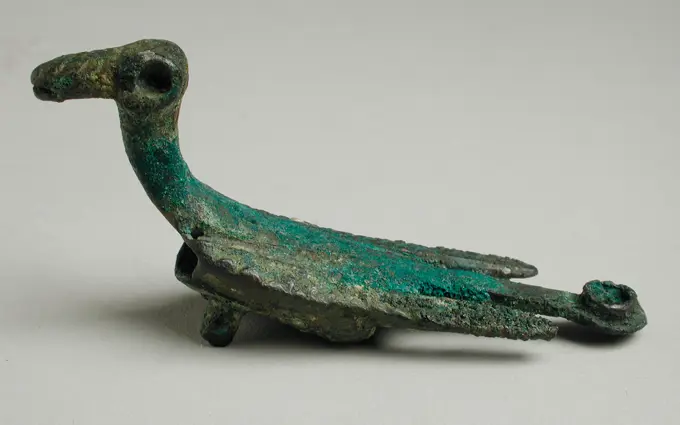
Bridle Fitting (Bird). Western Inner Mongolia, 5th-4th century B.C.. Tools and Equipment; horse trappings. Bronze
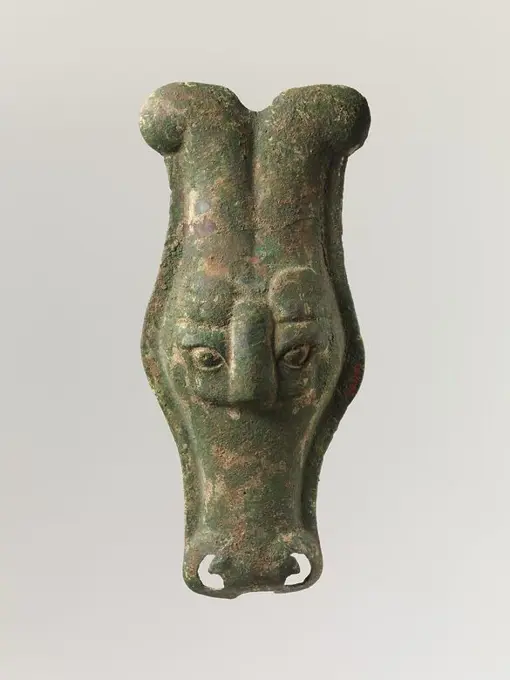
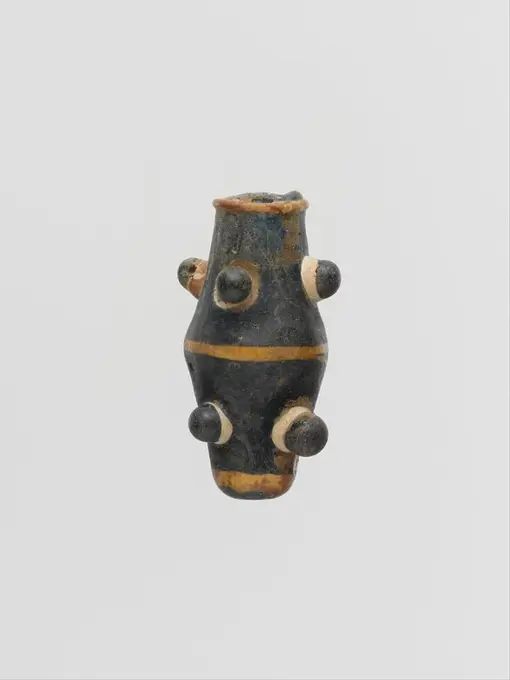
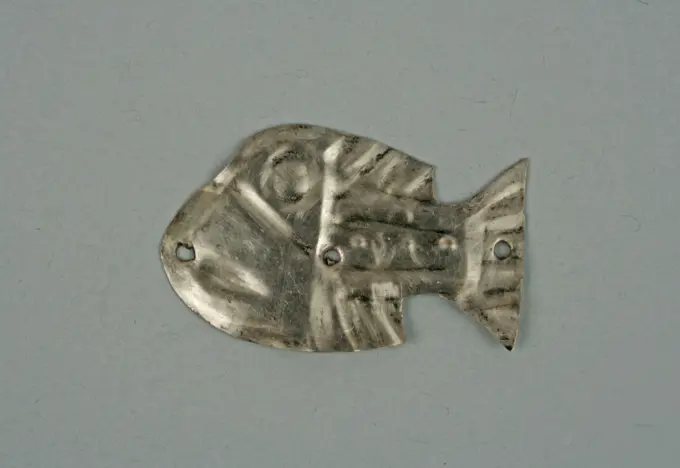
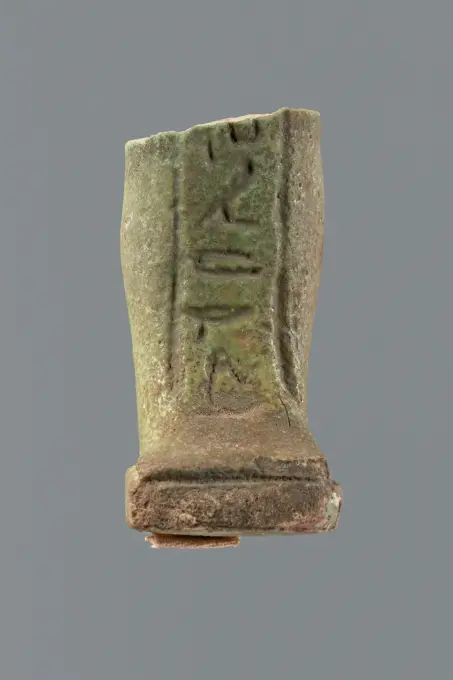
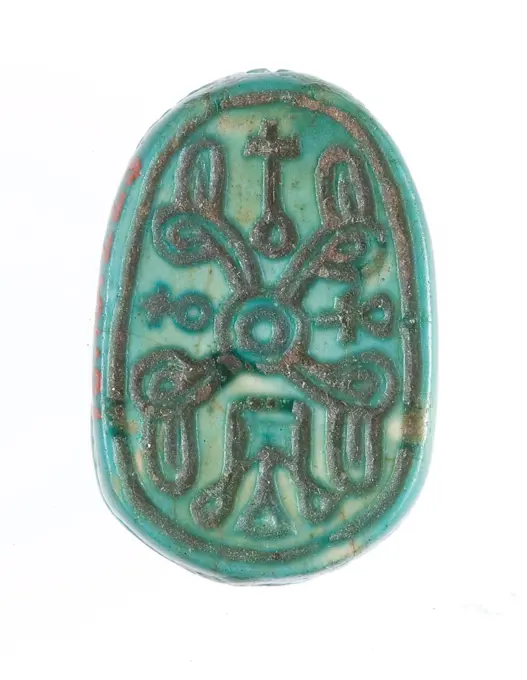
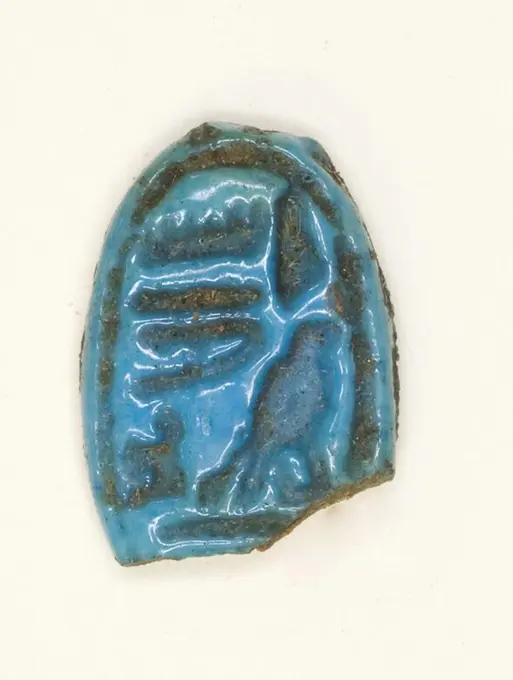
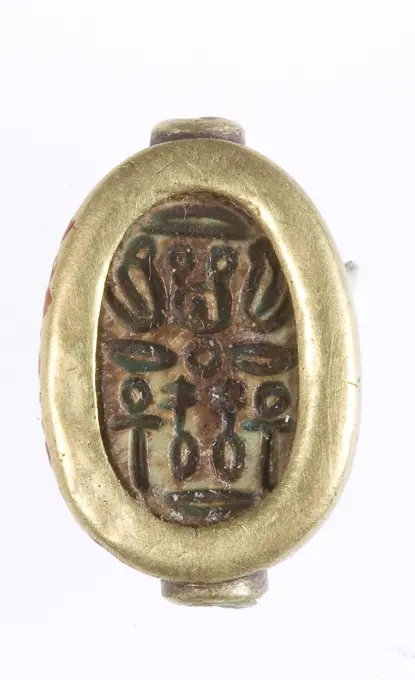
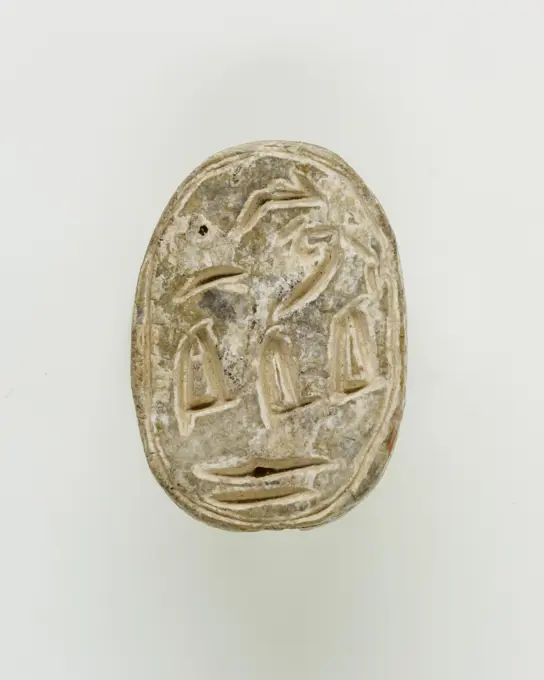
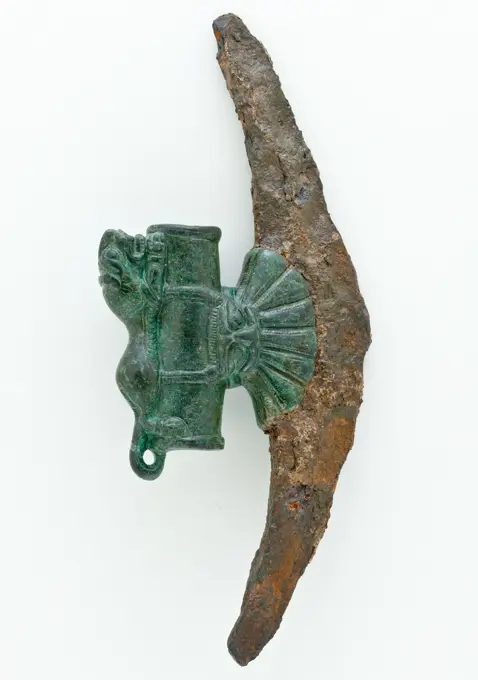
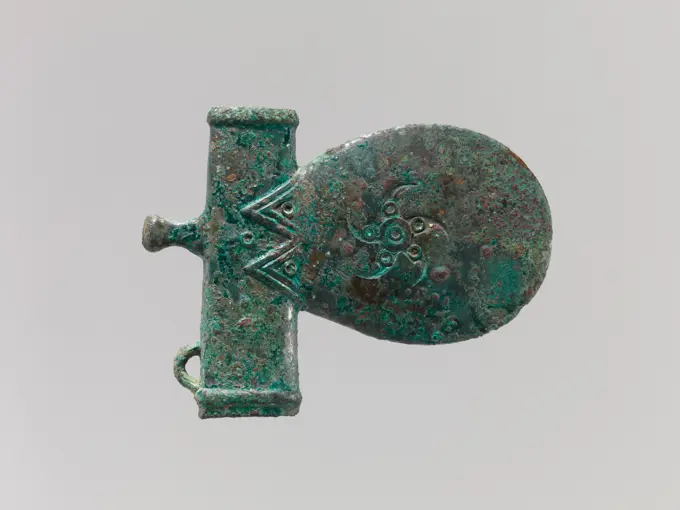
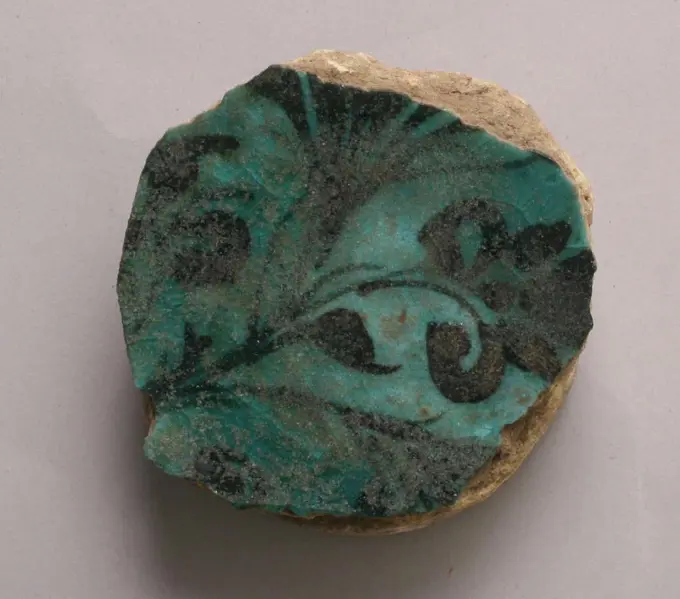
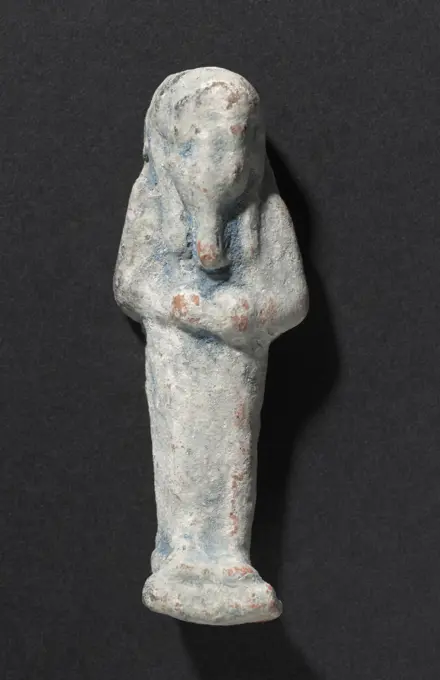
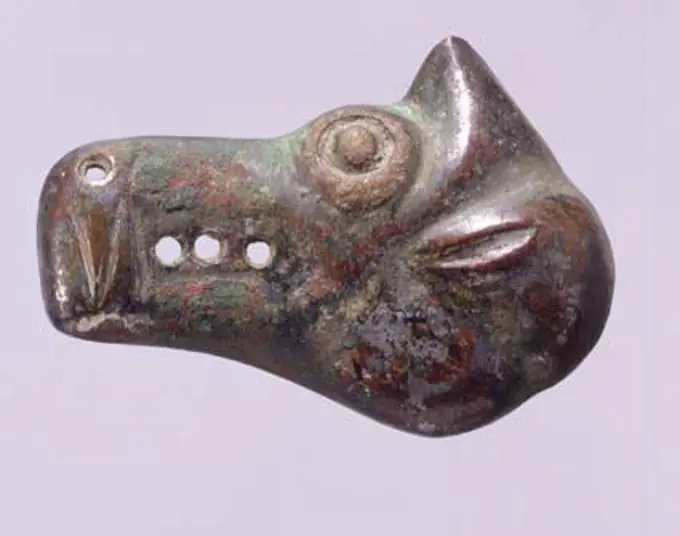
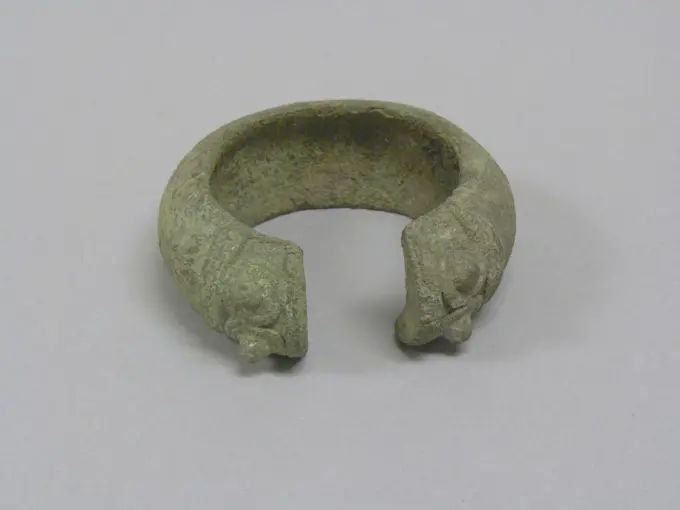
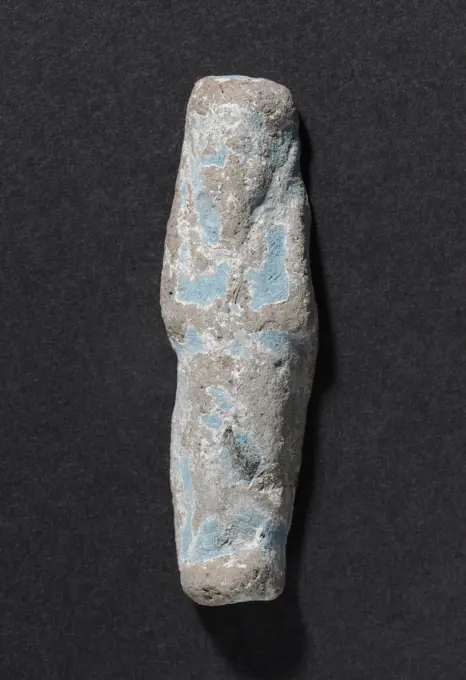
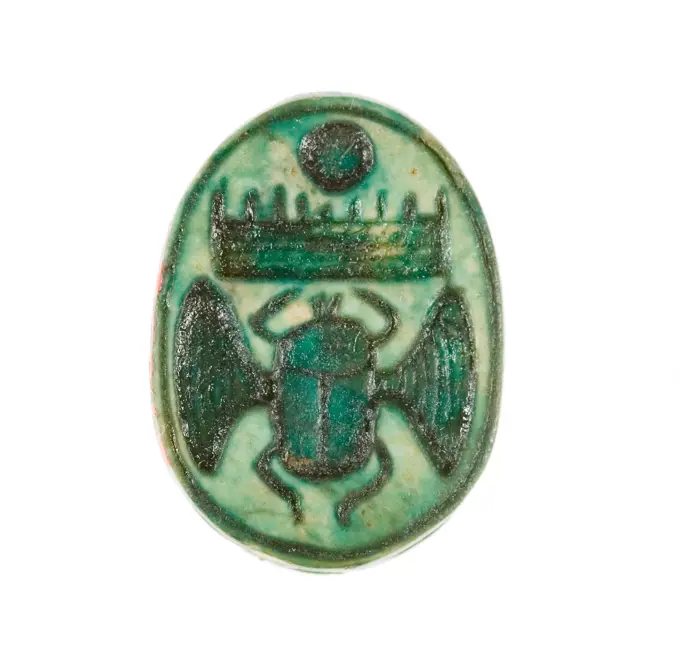
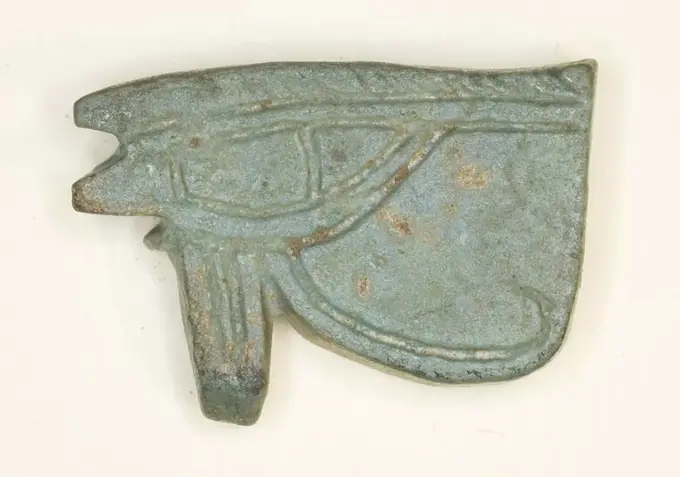
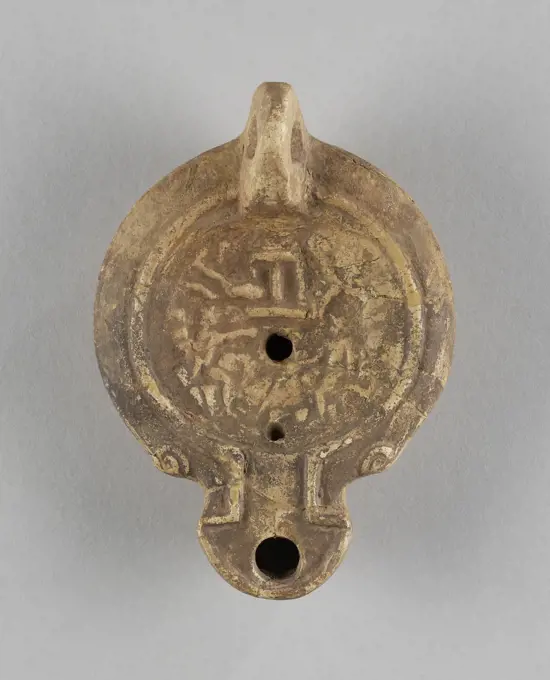
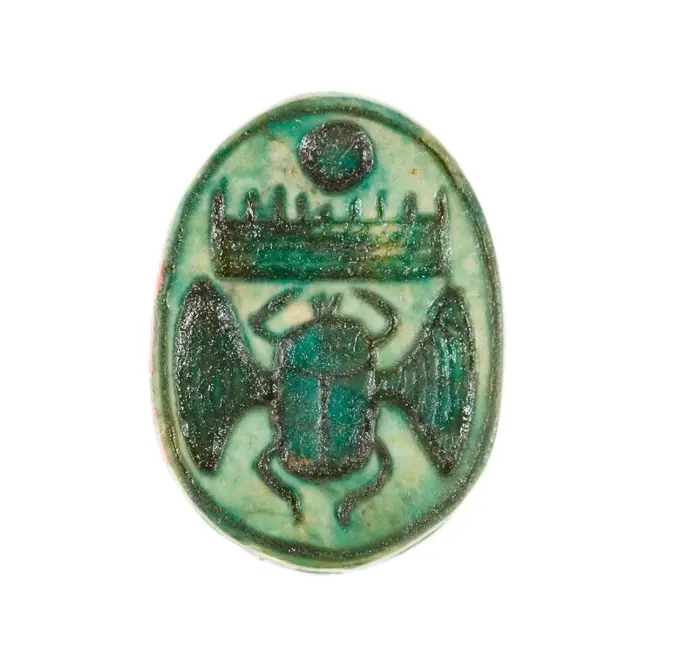
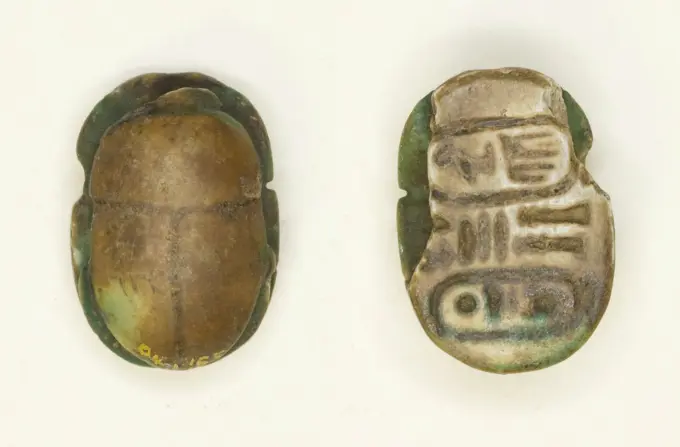
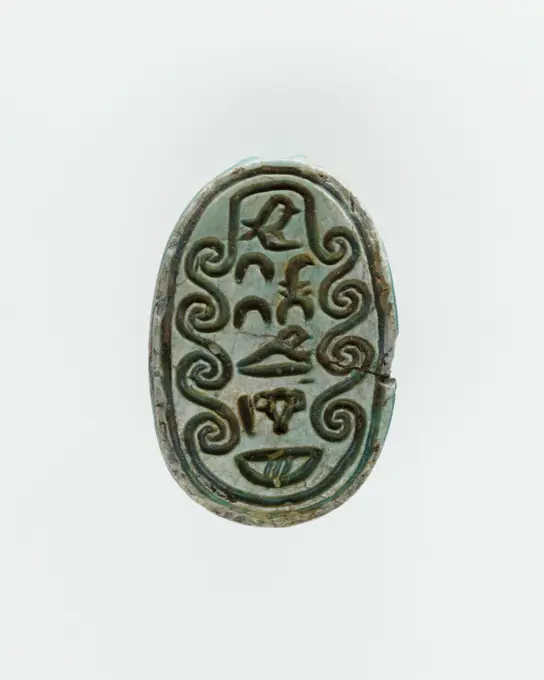
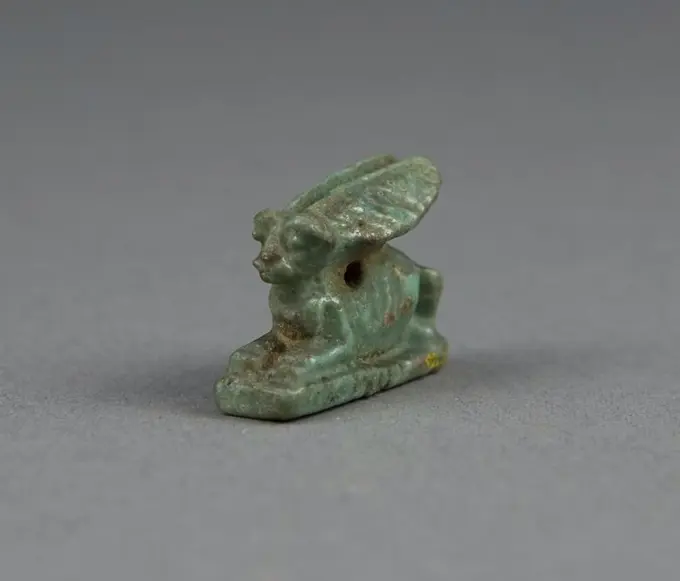
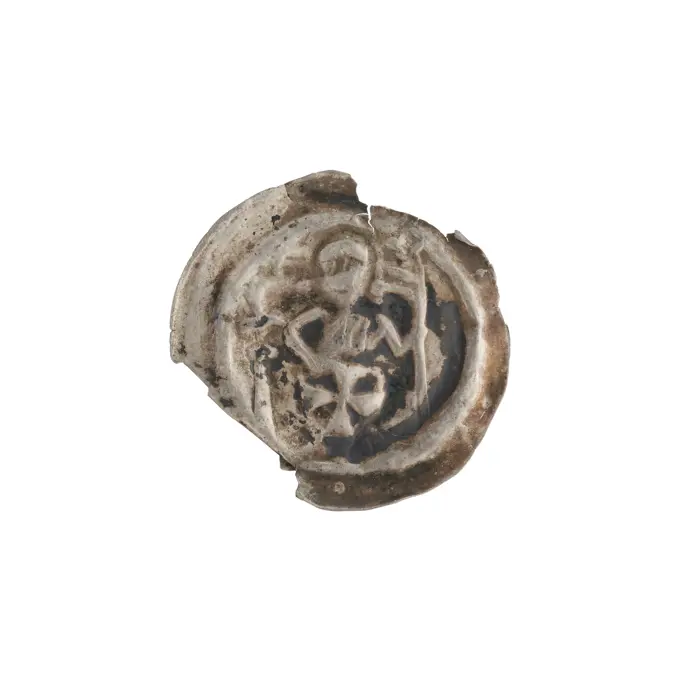
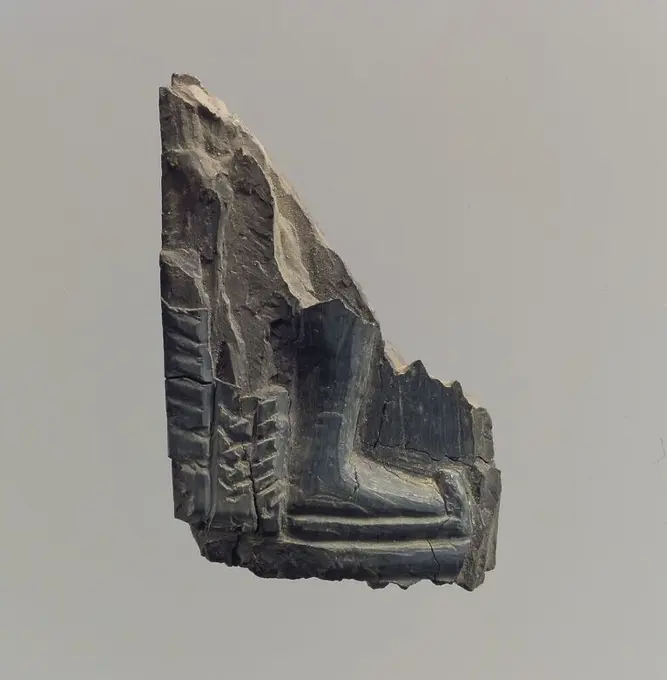
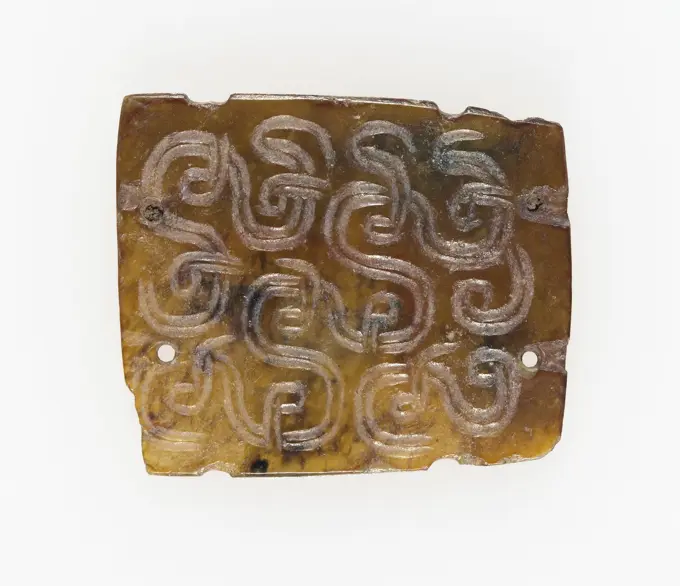
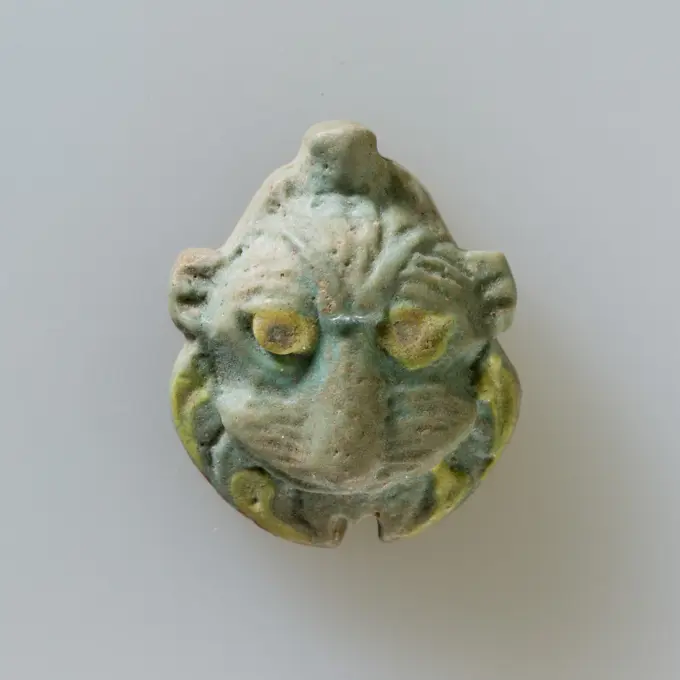
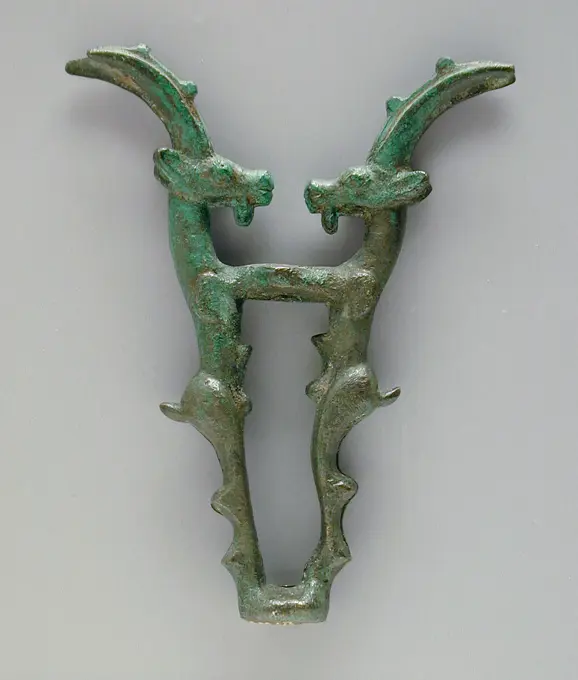
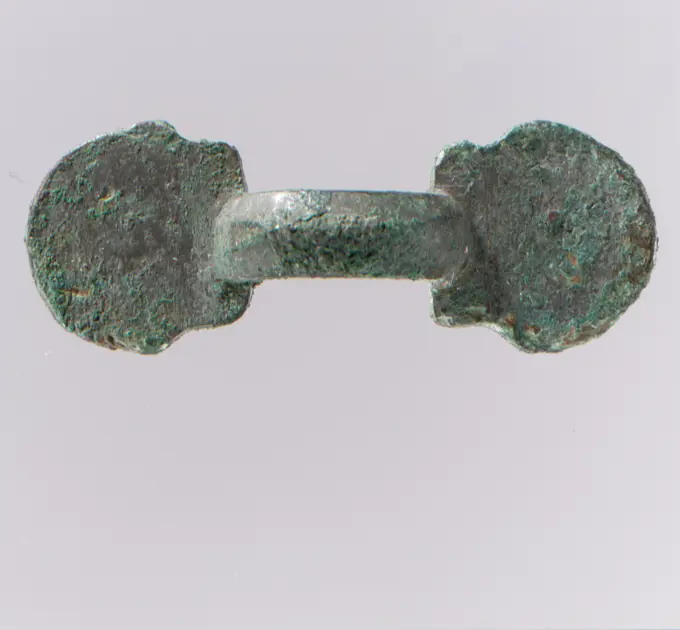
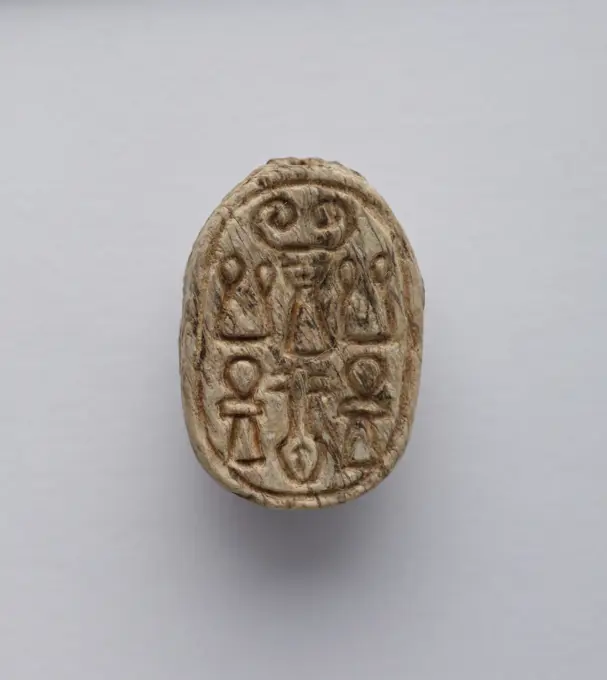
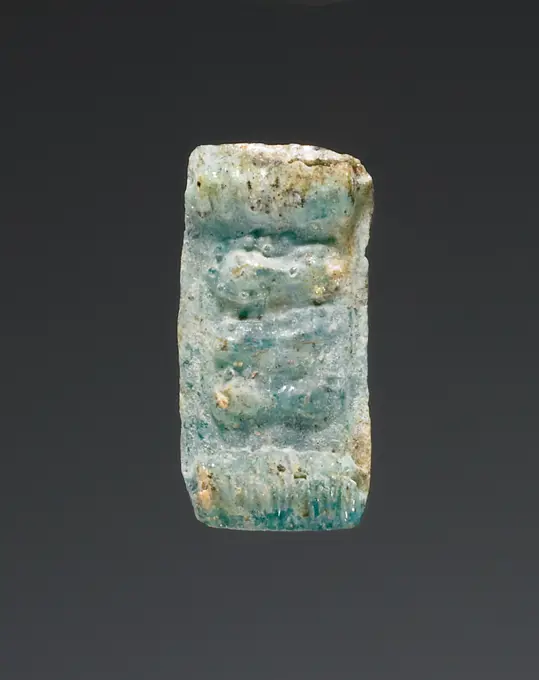
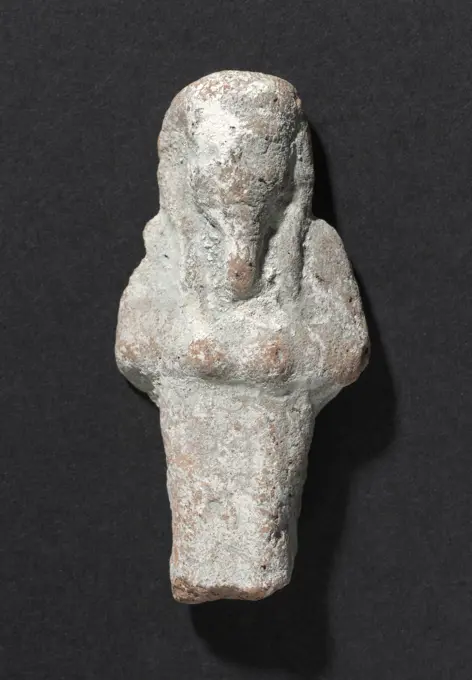
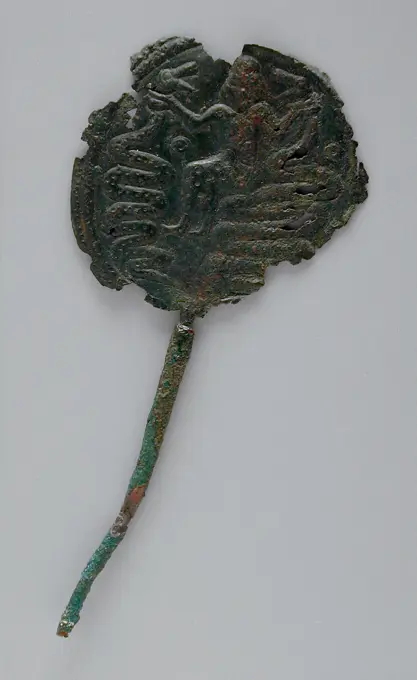
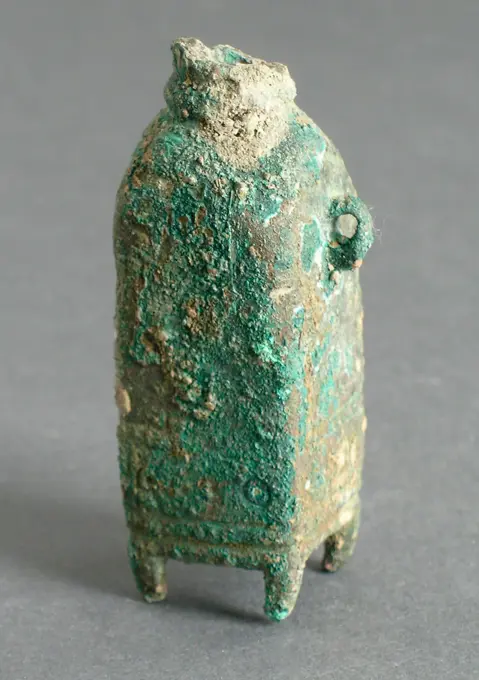
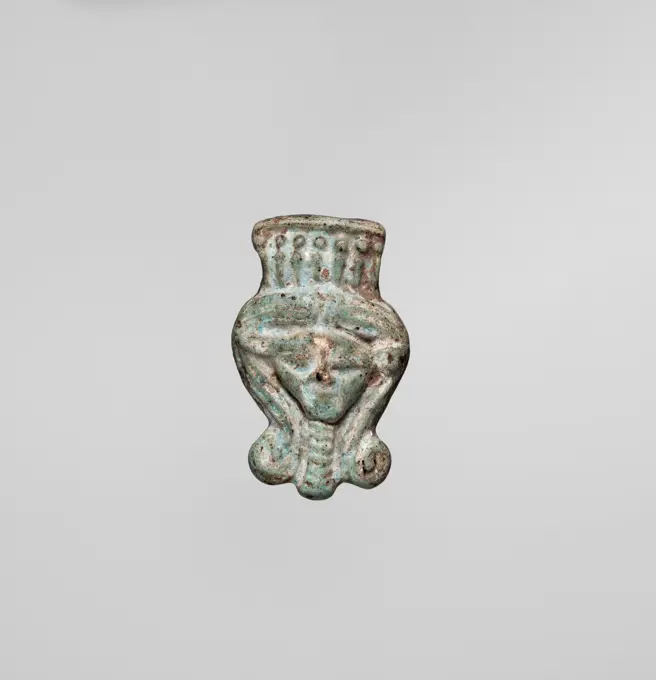
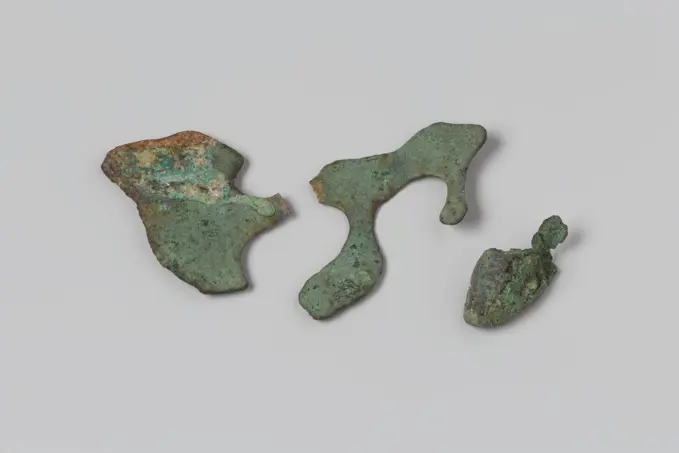
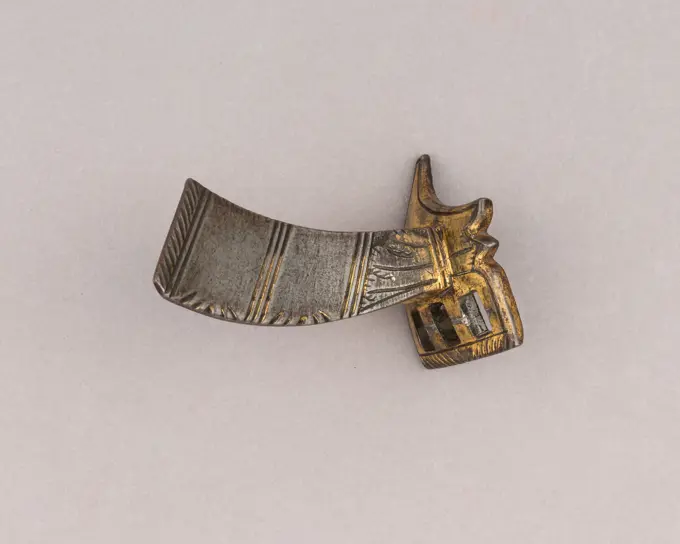
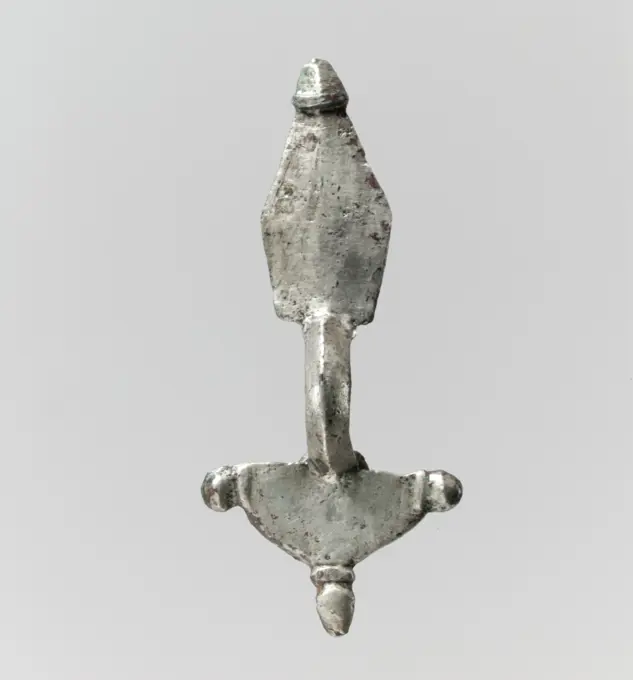
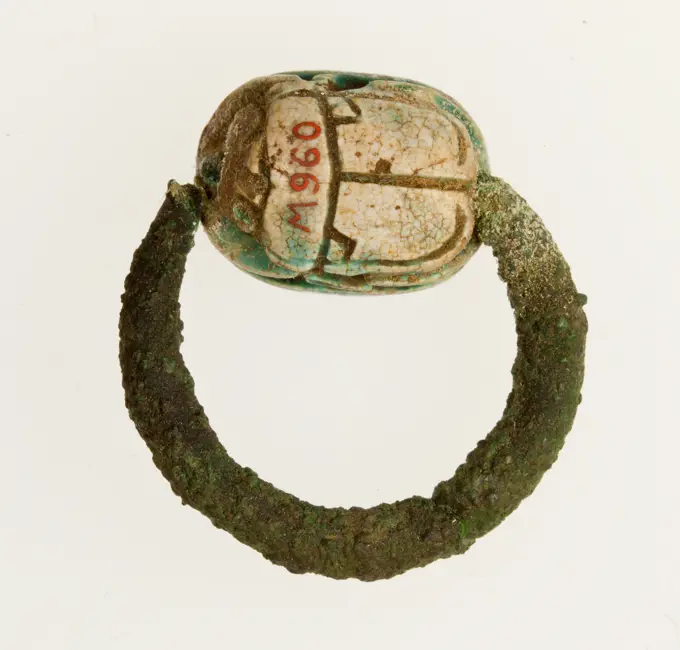
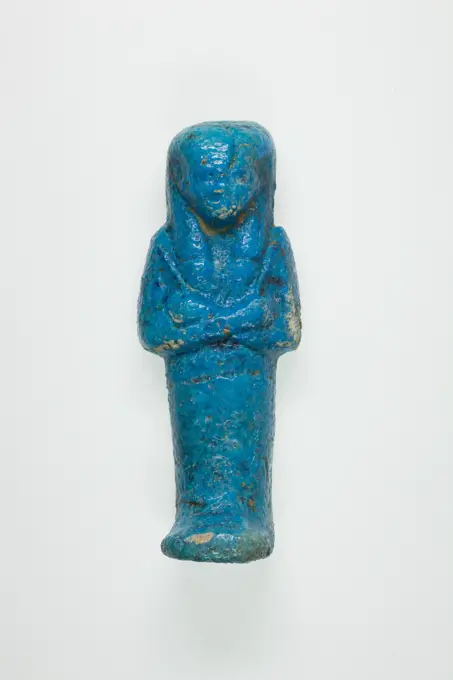
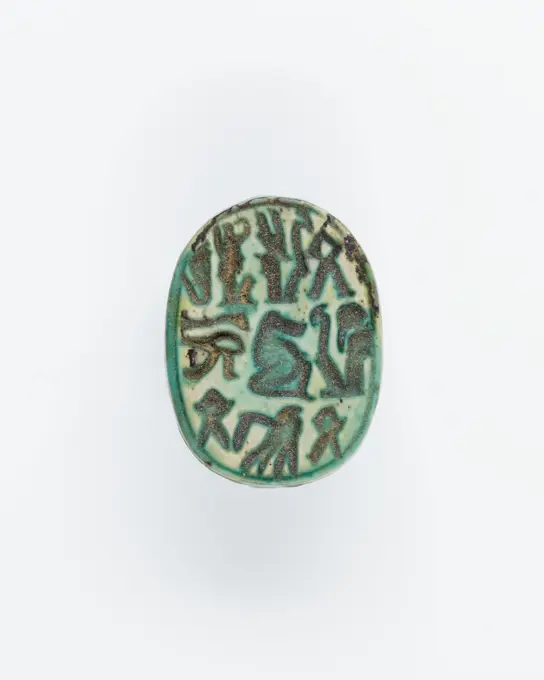
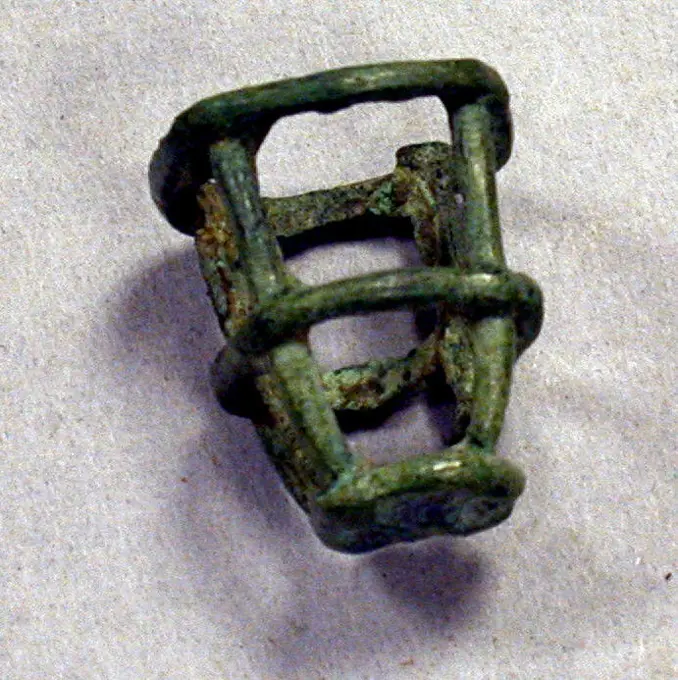
Strap Crossing. Western Inner Mongolia, 5th-3rd century B.C.. Jewelry and Adornments; worn ornaments. Bronze, castBridle Fitting (Bird). Western Inner Mongolia, 5th-4th century B.C.. Tools and Equipment; horse trappings. BronzeAmulet of Masturbating Hermaphroditic God. Egypt, probably Ptolemaic Period (332 -30 BCE). Jewelry and Adornments; amulets. BronzeHorse Mask. Culture: China. Dimensions: H. 8 1/4 in. (21 cm); W. 3 1/2 in. (8.9 cm). Museum: Metropolitan Museum of Art, New York, USA.Standing Male FigureBi-conical glass bead. Culture: Possibly Carthaginian. Dimensions: 1 7/8 × 1 × 7/8 in. (4.7 × 2.6 × 2.3 cm). Date: ca. 4th century B.C..Semi-opaque dark blue, appearing almost black; additions in opaque yellow, white, and dark blue.Large, biconical shape with vertical hole, wide at one end with slightly flaring, rounded edge, and narrow at other, rounded end.Three horizontal yellow trails, comprising one wound around rounded end and one around center of bead, both marvered, and the third left in relief around flaring end; in spaces between trails two sets of four evenly-spaced stratified large blobs.One blob missing, and cracked gaps around flaring end; dulling and faint creamy iridescent weathering.Cylindrical; blue, with blue drops. Museum: Metropolitan Museum of Art, New York, USA.Textile Ornament 14th-15th century Chimú. Textile Ornament 308751Amulet with an Ankh and Two Was Scepters ca. 1390-1352 B.C. New Kingdom. Amulet with an Ankh and Two Was Scepters. ca. 1390-1352 B.C.. Faience. New Kingdom. From Egypt, Upper Egypt, Thebes, West Valley of the Kings, Tomb of Amenhotep III (WV 22), Carnarvon/Carter excavations, 1915. Dynasty 18Nóżki uszebti. unknown, authorPart of a Buckle Shank ca. 500 Merovingian. Part of a Buckle Shank. Merovingian. ca. 500. Bronze. Miscellaneous-Buckles & OrnamentScarab ca. 1635-1458 B.C. Second Intermediate Period-Early New Kingdom. Scarab. ca. 1635-1458 B.C.. Glazed steatite. Second Intermediate Period-Early New Kingdom. From Egypt, Upper Egypt, Thebes, Asasif, Courtyard CC 41, Pit 3, Burial C 6, on body, MMA excavations, 1915-16. Dynasty 17-18Anonymous, small bell (common name). Cernuschi Museum, Asia Museum of Asia in the city of Paris.Copper Llama () 12th-15th century Chimú. Copper Llama () 315368Ring: Horemheb, Beloved of Amon. Egyptian. Date: 1323 BC-1295 BC. Dimensions: 1.6 × 1 × 0.3 cm (5/8 × 3/8 × 1/8 in.). Faience. Origin: Egypt. Museum: The Chicago Art Institute, Chicago, USA. Author: Ancient Egyptian.Scarab Set in a Ring Bezel ca. 1635-1458 B.C. Second Intermediate Period-Early New Kingdom. Scarab Set in a Ring Bezel. ca. 1635-1458 B.C.. Glazed steatite, electrum. Second Intermediate Period-Early New Kingdom. From Egypt, Upper Egypt, Thebes, Asasif, Courtyard CC 41, Pit 2, Burials B x, MMA excavations, 1915-16. Dynasty 17-Early Dynasty 18Scarab of an Official ca. 1740-1640 B.C. Middle Kingdom Administrative changes during Dynasty 12 lead to an increase in bureaucracy and, subsequently, in the production and use of seals. This is reflected in the beginning of the mass production of scarabs, the most popular shape for amulets, in late Dynasty 12 through Dynasty 13 (ca. 1850-1640 B.C.). Thousands of these late Middle Kingdom scarabs bear the names and titles of officials, who would wear them as amulets, but who could also use them to seal documents, containers or doors. However, the scarabs primary function remained that of a protective amulet. Several inscriptions add a funerary epithet to the owners name, indicating that the amulet was manufactured after the owner had passed away. The scarab is inscribed for Ay, a chief of police. In addition to his name and title, the inscription includes an epithet that suggests this is a funerary amulet.. Scarab of an Official 545694Amulet, Ptah-seker. Amulet, Ptah-seker. Clay, glazed. Gold and SilverCrescentic Axehead. Iran, circa 1350-1000 B.C.. Arms and Armor; axes. Bronze with remains of iron bladeFish Ornament. Culture: Peru; central coast (). Dimensions: L. 1 3/8 in. (3.5 cm). Date: 11th-12th century. Museum: Metropolitan Museum of Art, New York, USA.Panchaloha ear ring, 10th century, Chola period- Sangam age, Tamil Nadu, India, AsiaSword Guard (Tsuba) 13th century or later Japanese or Chinese A tsuba is a sword guard and part of a sword mounting. It is mounted between the sword’s blade and grip to protect the user’s hands.. Sword Guard (Tsuba) 30011Ax Head with Oval-Shaped Blade 10th-8th century B.C. Northeast China. Ax Head with Oval-Shaped Blade 59434Flask 7th-8th century. Flask 448550Fragment of Dish 14th-15th century. Fragment of Dish 446478Scarab of Ramesses II ca. 1295-1070 B.C. New Kingdom, Ramesside. Scarab of Ramesses II 550330Head Pendant. Assyria, 8th-7th centuries B.C.. Jewelry and Adornments; pendants. Bronze, castShawabty of Ditamenpaankh, 715-656 BC. Egypt, Late Period, Dynasty 25. Terracotta; overall: 6.7 x 2.3 x 2 cm (2 5/8 x 7/8 x 13/16 in.). High demand for shawabtys in the Late Period, a time when as many as 400 or more shawabtys were placed in the tomb with the deceased, gave rise to a specialized container for storing them: the shawabty box. This example is inscribed for the lady of the house, Ditamenpaankh, and was probably one of a pair originally made for her. The single-masted boat on the box's lid is perhaps an allusion to the pilgrimage of the deceased to the holy city of Abydos, the cult city of Osiris, king of the dead. The shawabtys inside are crude, mass-produced examples cast in an open mold. Made of terracotta, their blue paint imitates more costly shawabtys made of faience. As for the shawabty spell, it has been removed from its traditional location on the shawabty's front and relocated onto the sides of box, where it needed only to be written once, thus expediting productGuerrero figure, 1000 BCE, 8 x 3 3/4 x 2 in. (20.3 x 9.5 x 5.1 cm), Granite, Mexico, 10th century BCEScarab ca. 1640-1504 B.C. Second Intermediate Period-Early New Kingdom. Scarab. ca. 1640-1504 B.C.. Dark green jasper. Second Intermediate Period-Early New Kingdom. From Egypt, Upper Egypt, Thebes, Asasif, Tomb CC 46, Burial 12, Carnarvon excavations, 1912Strap-Crossing in the Shape of Camel's Head 4th-3rd century B.C. Northwest China. Strap-Crossing in the Shape of Camel's Head 65241Rectangular Plaque. Western Iran, circa 1000-650 B.C.. Jewelry and Adornments; pins. Bronze, hammeredOne From a Pair of Bracelets with Wide Open Ends 300 B.C.-A.D. 400 Thailand. One From a Pair of Bracelets with Wide Open Ends 53328Pilgrim's Badge 14th-16th century French. Pilgrim's Badge. French. 14th-16th century. Lead. Metalwork-LeadImsety Bead from a Mummy Bead Net. Egypt, 25th - 26th Dynasty Late Period (755 - 525 BCE). Jewelry and Adornments; beads. Faience, blue glaze, worked in bas-reliefShawabty of Ditamenpaankh, 715-656 BC. Egypt, Late Period, Dynasty 25. Terracotta; overall: 5.3 x 1.6 x 1 cm (2 1/16 x 5/8 x 3/8 in.).Scarab Inscribed with the Throne Name of Thutmose III ca. 1479-1458 B.C. New Kingdom. Scarab Inscribed with the Throne Name of Thutmose III. ca. 1479-1458 B.C.. Steatite (glazed). New Kingdom. From Egypt, Upper Egypt, Thebes, Deir el-Bahri, Temple of Hatshepsut, Foundation Deposit 7 (G), MMA excavations, 1926-27. Dynasty 18, earlyFragment of a Bowl 14th-15th century. Fragment of a Bowl 446335Ring Handle with Mask China. Ring Handle with Mask 61341Amulet of the Eye of the God Horus (Wedjat). Egyptian. Date: 664 BC-332 BC. Dimensions: 2 × 2.5 × .5 cm (3/4 × 1 × 3/16 in.). Faience. Origin: Egypt. Museum: The Chicago Art Institute, Chicago, USA. Author: Ancient Egyptian.Amulet - BesTESORO DE EVORA - DELFIN. Location: MUSEO ARQUEOLOGICO-COLECCION. Sevilla. Seville. SPAIN.Lamp, North Africa; 1st - 4th century; Terracotta; 3.2 x 8.6 x 12.2 cm (1 1,4 x 3 3,8 x 4 13,16 in.)Bone attachment 4th century A.D. or later Roman or Byzantine Parallels found in excavations at Corinth suggest that this object served as a lid for a small spoon-like receptacle.. Bone attachment 246449Scarab Inscribed with the Throne Name of Thutmose III. Dimensions: L. 1.8 cm (11/16 in); w. 1.2 cm (1/2 in); h. 0.8 cm (5/16 in). Dynasty: Dynasty 18, early. Reign: Joint reign of Hatshepsut and Thutmose III. Date: ca. 1479-1458 B.C.. Museum: Metropolitan Museum of Art, New York, USA.Bird, one of a pair, 7th-6th century BCE, 4 5/8 × 5 5/8 × 2 3/4 in., 0.9 lb. (11.75 × 14.29 × 6.99 cm, 0.4 kg), Bronze, China, 7th-6th century BCEScarab Menkheperra (Thutmose III) 945 BCE-715 BCE Egypt. Glazed steatite . Ancient EgyptianAmulet - ciężarek naszyjnika menit kapłana Achpeta. unknown, authorScarab of an Official ca. 1802-1640 B.C. Late Middle Kingdom. Scarab of an Official. ca. 1802-1640 B.C.. Blue glazed steatite. Late Middle Kingdom. From Egypt. Dynasty 13Plate and Loop of a Belt Buckle 7th century Frankish. Plate and Loop of a Belt Buckle 465024 Frankish, Plate and Loop of a Belt Buckle, 7th century, Iron, silver inlay, brass inlay, Overall (a plate): 2 13/16 x 1 7/16 x 3/8 in. (7.1 x 3.6 x 1 cm) Overall (b loop): 13/16 x 1 1/2 x 3/8 in. (2.1 x 3.8 x 1 cm). The Metropolitan Museum of Art, New York. Gift of J. Pierpont Morgan, 1917 (17.191.312a, b)Amulet of a Hare. Egyptian. Date: 1070 BC-656 BC. Dimensions: 1.7 × 2.7 × 0.8 cm (11/16 × 1 1/16 × 5/16 in.). Faience. Origin: Egypt. Museum: The Chicago Art Institute, Chicago, USA. Author: Ancient Egyptian.Denar - Brakteat; approx. 1247/1248-OK. 1257/1258 (1247-00-00-1258-00-00);Full-handled sword and Kulen Vakuf style pommel, from the Cave of the Flies, Skocjan, Slovenia. Skocjan Civilization, 11th-8th Century BC.Jaguar Pendant, 250-900. Maya. Jade; overall: 4.4 x 12.6 cm (1 3/4 x 4 15/16 in.).Cylinder Seal. Mesopotamia, 2500-1500 B.C.. Tools and Equipment; seals. StoneAmulet  menateFragments of a Green Glazed Handle with Knob 9th century. Fragments of a Green Glazed Handle with Knob 447668Plaque fragment. Culture: Iran. Dimensions: 1.42 x 0.87 x 0.31 in. (3.61 x 2.21 x 0.79 cm). Date: ca. 9th century B.C.. Museum: Metropolitan Museum of Art, New York, USA.Plaque with Interlinked Scrolls 700 BCE-600 BCE China. Jade .Lion head amulet 664-30 B.C. Late Period-Ptolemaic Period This lion head amulet exhibits changes in the representation of lions that appeared during the later first millennium BC. The forehead is smaller and the face drawn downward, and there is emphasis on the mane beneath the cheeks.. Lion head amulet. 664-30 B.C.. Green faience. Late Period-Ptolemaic Period. From EgyptHeadress Fragment 4th-7th century Coptic. Headress Fragment 478463Standard Finial. Iran, Luristan, Luristan bronzes, 1350-800 B.C.. Architecture; Architectural Elements. BronzeHandle-shaped blade 10th-9th century B.C. China Throughout the Shang and Zhou dynasties, jade continued to be used in the creation of ritualistic objects, in particular tokens of rank and symbolic aids for the celestial journey thought to be undertaken by the dead. This pale-green tablet with a concave grip and a conical hafting hole resembles a common type of Shang and early Zhou jade handle, but its large size and fully ornamented surfaces suggest that it served as a ceremonial scepter. The two broad faces of the tablet are identically decorated with a subtlety and complexity of design that illustrates the changing techniques for jade working characteristic of the later Western Zhou dynasty. Plumed birds stand atop a kneeling anthropomorphic figure, which surmounts addorsed animal masks that face both up and down the vertical axis. The upward-facing mask seems to hold the foot of the kneeling figure in its jaws; another such mask frames the erect bird in its gaping mouth. Listen to eElephan's vase or dropper (common name), 1401. Sandstone with molded decoration reported under blue cover. Cernuschi Museum, Asia Museum of Asia in the city of Paris.Bird. Northern Iran, 1000-800 B.C.. Sculpture. BronzeScarab Inscribed with the Throne Name of Thutmose I ca. 1504-1492 B.C. New Kingdom. Scarab Inscribed with the Throne Name of Thutmose I. ca. 1504-1492 B.C.. Steatite, glazed. New Kingdom. From Egypt. Dynasty 18Knee fibula; Unknown Roman workshop; 2nd half II-1. half. III century (151-00-00-250-00-00);Equal-Arm Brooch ca. 650-750 Frankish. Equal-Arm Brooch. Frankish. ca. 650-750. Copper alloy. Made in Niederbreisig, Germany. Metalwork-Copper alloyAmulet - PtahSkarabeuszSharf of white -baking earthenware, with blue glaze on the front, with a painting of brown steps with stylized flower shapes in brown, blue, yellow and white, anonymous, 1600 - 1650  Northern Netherlands earthenware. glaze majolica  Northern Netherlands earthenware. glaze majolicaAmulet  HatchesAmulet - eye  VII-IV century BC ; Half period (-700-00-00--301-00-00);Collection of the art of ancient Egypt, Tyszkiewicz, Michał (1828-1897) - collections, Zachęta, Dar, Oko Underwat (Amulet)Cast pendant bead. UnknownBell Possibly Borneo n. d.Engraved Gem. UnknownShawabty of Ditamenpaankh, 715-656 BC. Egypt, Late Period, Dynasty 25. Terracotta; overall: 5.5 x 2.6 x 1.1 cm (2 3/16 x 1 x 7/16 in.). High demand for shawabtys in the Late Period, a time when as many as 400 or more shawabtys were placed in the tomb with the deceased, gave rise to a specialized container for storing them: the shawabty box. This example is inscribed for the lady of the house, Ditamenpaankh, and was probably one of a pair originally made for her. The single-masted boat on the box's lid is perhaps an allusion to the pilgrimage of the deceased to the holy city of Abydos, the cult city of Osiris, king of the dead. The shawabtys inside are crude, mass-produced examples cast in an open mold. Made of terracotta, their blue paint imitates more costly shawabtys made of faience. As for the shawabty spell, it has been removed from its traditional location on the shawabty's front and relocated onto the sides of box, where it needed only to be written once, thus expediting productPin. Iran, Luristan, circa 1000-650 B.C.. Jewelry and Adornments; pins. Bronze, hammeredScarab ca. 1635-1458 B.C. Second Intermediate Period-Early New Kingdom. Scarab. ca. 1635-1458 B.C.. Steatite (glazed). Second Intermediate Period-Early New Kingdom. From Egypt, Upper Egypt, Thebes, Asasif, Courtyard CC 41, Tomb R 9, Burial A 1, On body, MMA excavations, 1915-16. Dynasty 17-Early Dynasty 18Bottle. Syria or Egypt, 8th-9th century. Metal. Bronze, castAmulet - główka bogini Hathor. unknown, authorMaskHarness Ornament with a Winged Horse. Culture: Northeast China. Dimensions: H. 5 in. (12.7 cm); W. 2 3/4 in. (7 cm). Date: 1st century B.C.-1st century A.D.. Museum: Metropolitan Museum of Art, New York, USA.Amulet of Mummiform Khonsu 664 BCE-332 BCE Egypt. Faience . Ancient EgyptianKey with Bow 2nd-3rd century Roman. Key with Bow 462953. Rounded rectangular tsuba with on the front in raised relief and inlay in different colored metals (IRE Takazogan) daruma at a stream; a few canal plumes at a stream at the rear; Signed "Yasuchika".Horse figurines. LURISTAN. 3rd millennium BC. Paris, Cernuschi museum. 35407-3 BRONZE, Cheval, FIGURINE, animal. Fragment of the bottom of a bowl. Gray-yellow shard, from outside gray blue, from the inside over the glaze green black. With an ornament spared in the blue soil from a flower rank (corrupted pomegranate motifs).Plaque. Western Inner Mongolia, 4th-3rd century B.C.. Sculpture; plaques. Bronze, castRing. UnknownScarab Inscribed for the Female Horus Wosretkau (Hatshepsut) ca. 1479-1458 B.C. New Kingdom. Scarab Inscribed for the Female Horus Wosretkau (Hatshepsut). ca. 1479-1458 B.C.. Steatite (glazed). New Kingdom. From Egypt, Upper Egypt, Thebes, Deir el-Bahri, Temple of Hatshepsut, Foundation Deposit 7 (G), MMA excavations, 1926-27. Dynasty 18, earlyFragments of copper from the wreck of the East Indians Hollandia, 1700 - in Or Before 1743  Parts of artefacts; eroded fragments: materials; copper. Netherlands copper (metal)   SecondFinial 750 BCE-701 BCE Thessaly. These precious bronzes objects are votives, or devotional gifts, made for gods. They come in many forms. Some are miniature sculptures of animals, mostly depicting horses, deer, and birds. Others are items of personal adornment, including beads and brooches. Quite a few seem once to have been attached to something else. This assemblage is characteristic of the thousands of votives that were hung from sacred trees or placed in sanctuaries around Greece. Once a shrine was full, the votives were gathered together and ceremonially buried to make room for more offerings. This comes from Thessaly in north-eastern Greece.. Bronze . Ancient GreekLance Rest ca. 1550 to 1575 Italian In addition to providing support for a couched lance, this lance rest is very important to the Dos Aguas armor as a garniture. The foundation for all the tournament pieces of the Dos Aguas garniture is a reinforcing breastplate, called a plackart in English and a sovrapetto in Italian (accession number 27.159.2a). Essentially, it is a complete second breastplate that fits snugly over the underlying breastplate of the cuirass. The plackart is attached to the breastplate by the sturdy staples and pin that hold the lance rest in place.. Lance Rest. Italian. ca. 1550 to 1575. Steel, gold. Armor Parts-Lance RestsBow Brooch 400-600 Ostrogothic Ostrogothic women typically wore a matching pair of brooches such as this example along with its pair (acc. no. 98.11.108) at the shoulders to secure their ankle-length garment. A belt with an elaborate buckle (see acc. no. 95.15.100a,c) cinched the waist. A necklace, bracelet, rings, and earrings would complete the ensemble.. Bow Brooch. Ostrogothic. 400-600. Silver - cast. Pin: copper alloy with silver overlay. Metalwork-SilverRing with scarab bezel 30 B.C.-A.D. 364. Roman Period. Ring with scarab bezel. 30 B.C.-A.D. 364.. Glazed steatite, copper alloy. Roman Period. From Egypt. Dynasty 20-22 ()Worker Shabti of Henettawy (C), Daughter of Isetemkheb ca. 990-970 B.C. Third Intermediate Period See 25.3.19.. Worker Shabti of Henettawy (C), Daughter of Isetemkheb 591775Scarab ca. 1275-1070 B.C. New Kingdom, Ramesside The scarab was shaped like a dung beetle, "scarabaeus sacer," which is also the source of its modern name. The dung beetle was "kheperer" in ancient Egyptian. Having watched the small creatures push huge balls of dung, the ancient Egyptians compared the sun being pushed into the sky at dawn to the beetle, and they referred to the rising sun as "Kheperi." The word for "to become" or "come into being" was "kheper," and the beetle hieroglyph was used to spell all of these words. As such, the scarab became a powerful amulet for rejuvenation in this life and reincarnation in the next. This scarab is schemtic in form, marking the prothorax and elytra of the beetle with deeply incised lines. The base is inscribed with protective signs and images of Amun, Mut, Ptah, Horus, and Thoth.. Scarab. ca. 1275-1070 B.C.. Glazed Steatite. New Kingdom, Ramesside. From EgyptBoat;  Unspile (0-00-00-0-00-00);Miniature Basket () 12th-16th century Middle Niger civilization. Miniature Basket () 318015Scarab ca. 1648-1540 B.C. Second Intermediate Period. Scarab 546023