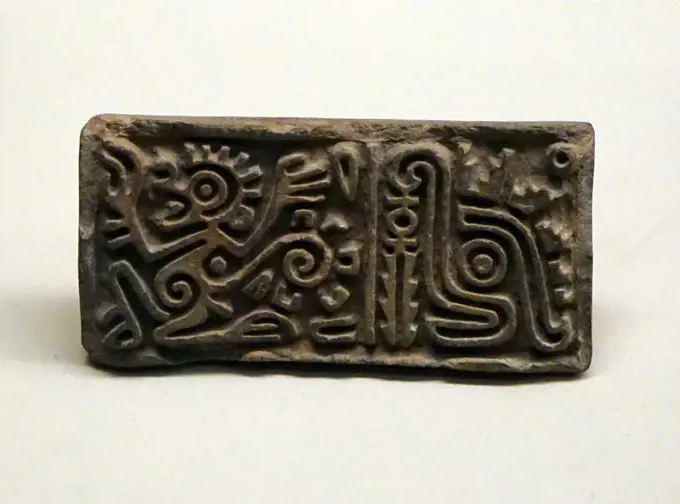
Ancient Artifacts and Jewelry

An assortment of antique bronze items, including jewelry and decorative pieces, featuring intricate designs and historical significance.
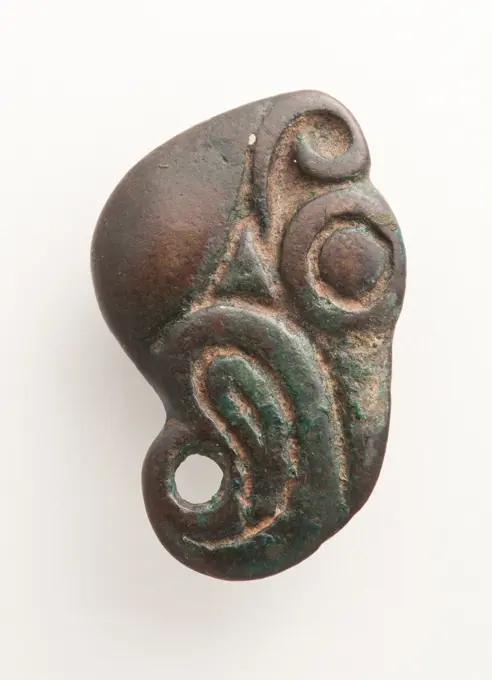
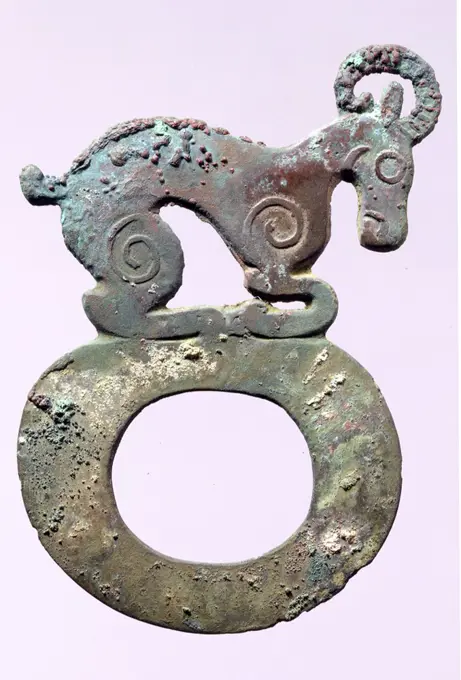
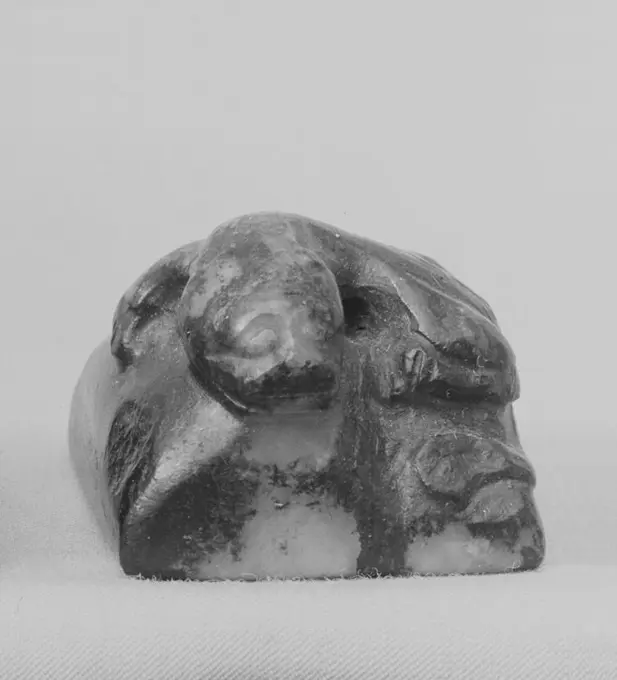
Bridle Fitting (Bird). Western Inner Mongolia, 5th-4th century B.C.. Tools and Equipment; horse trappings. Bronze
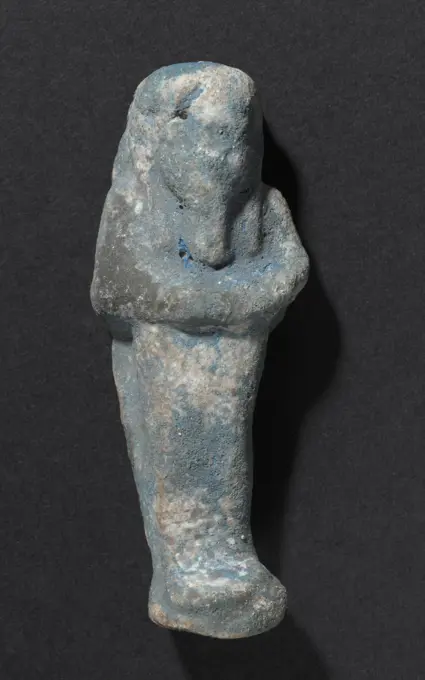
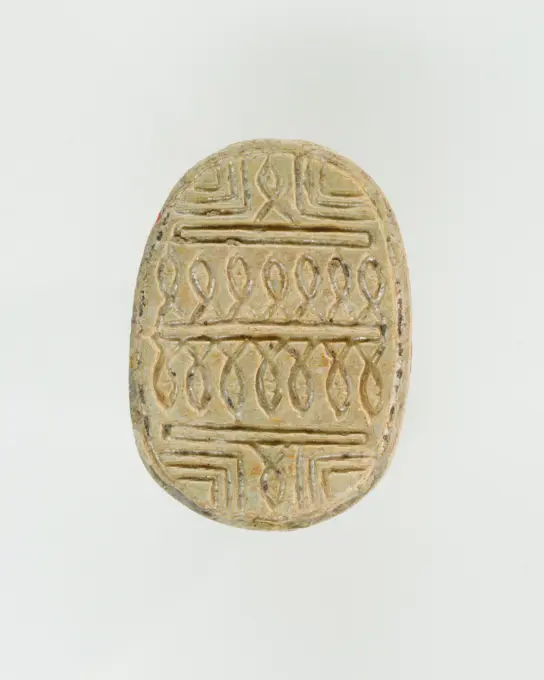
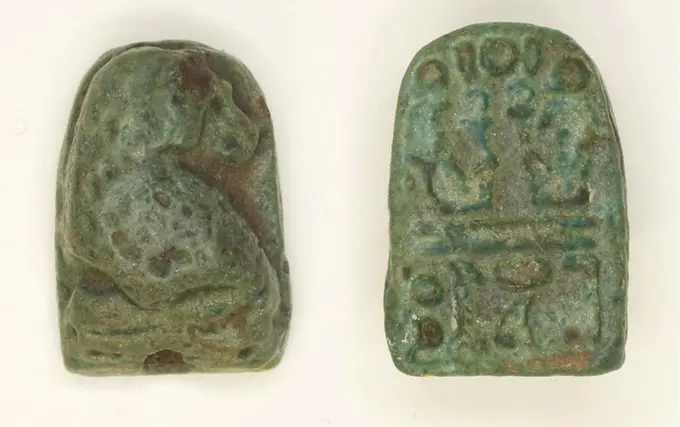
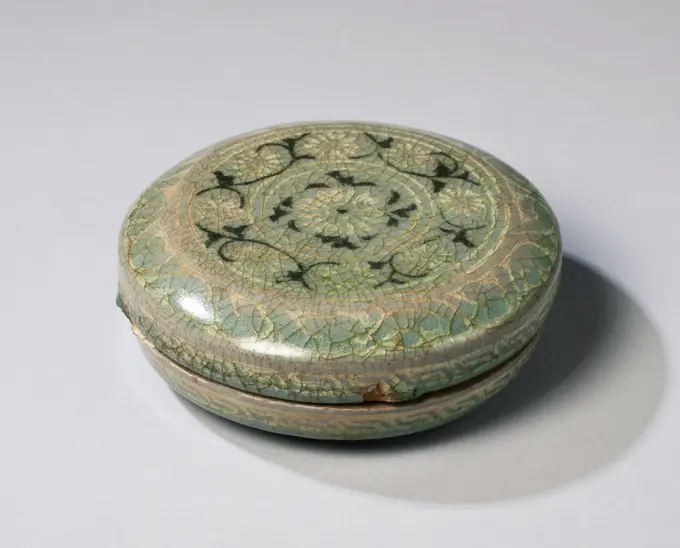
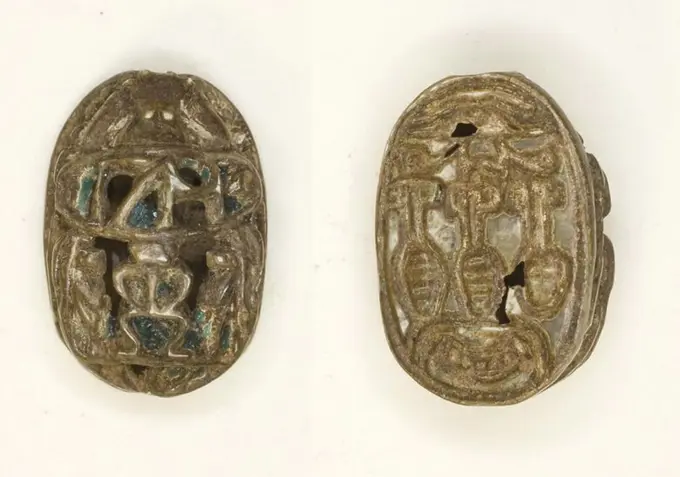
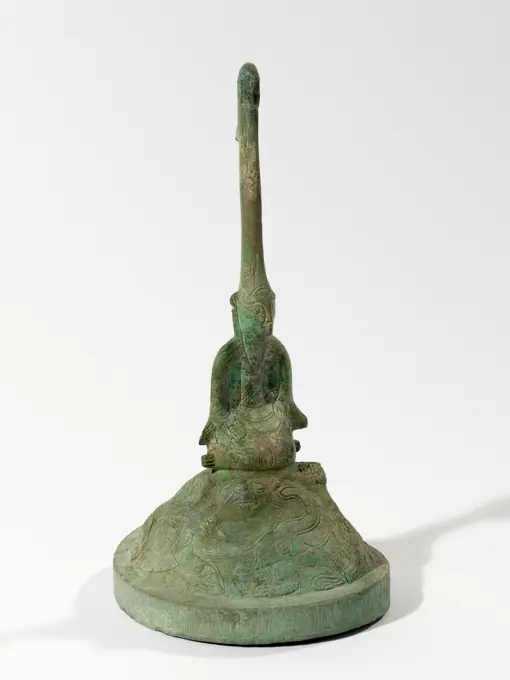
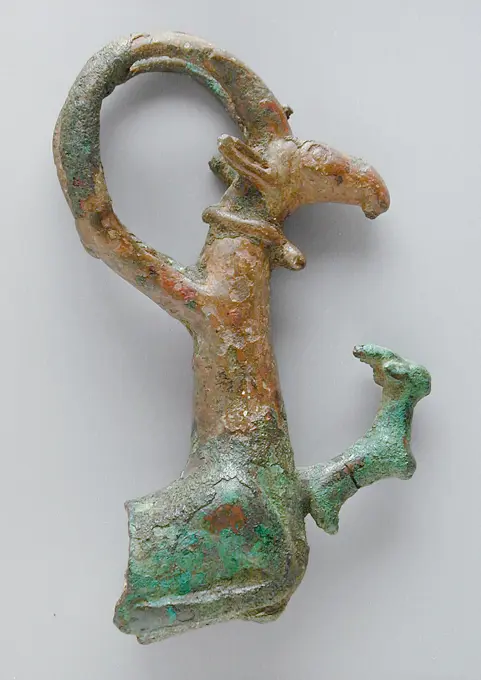
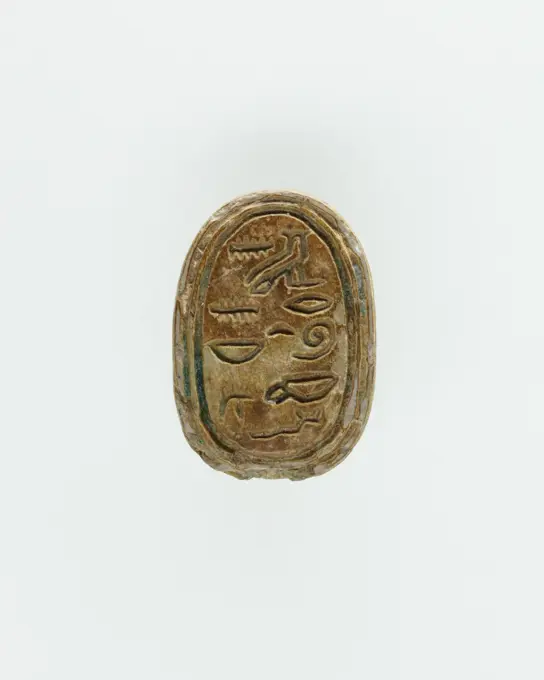
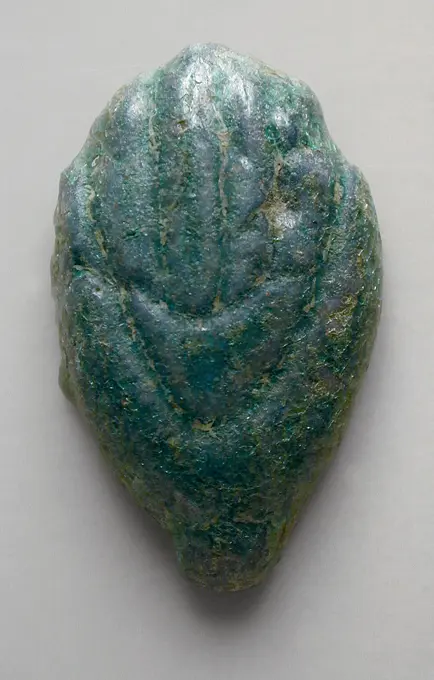
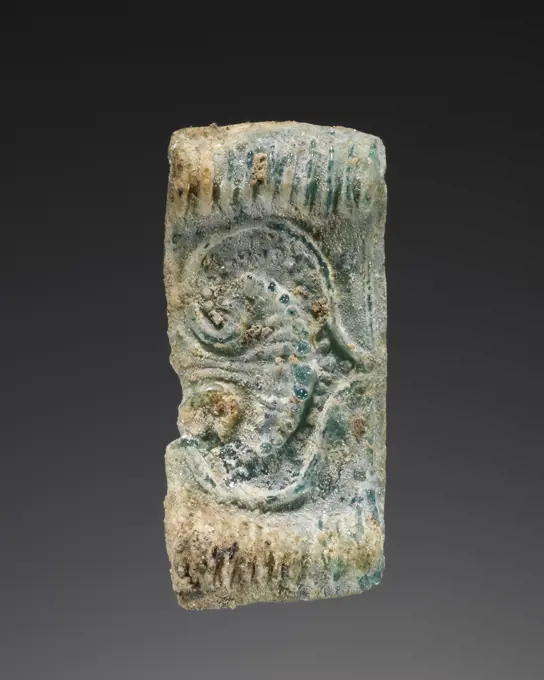
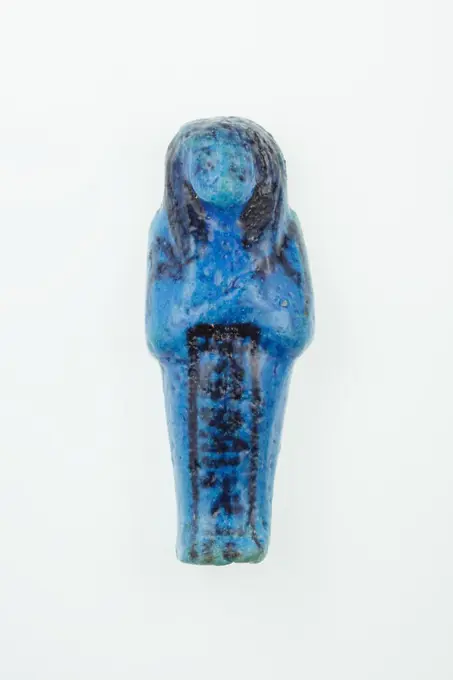
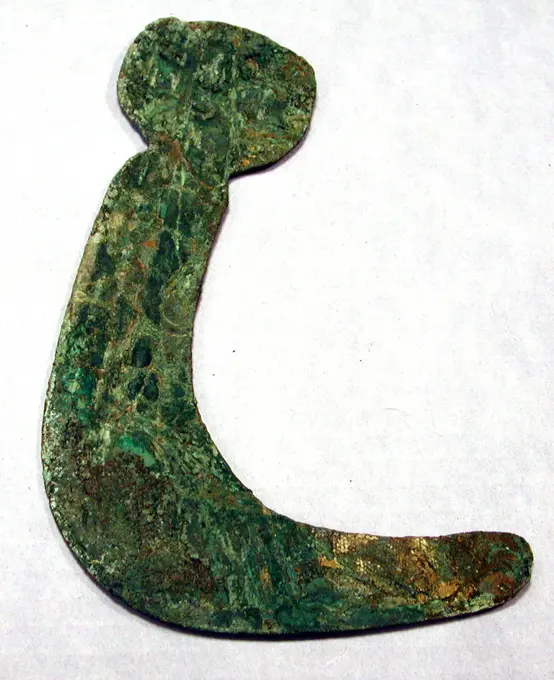
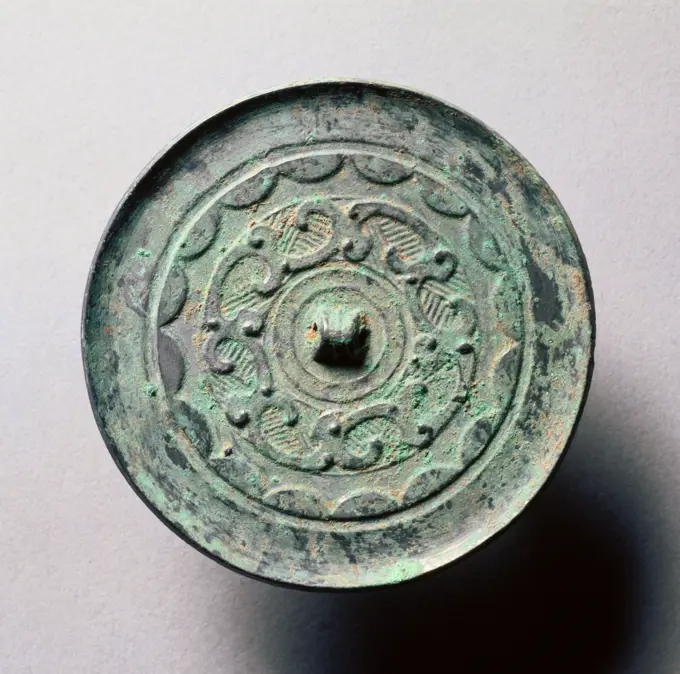
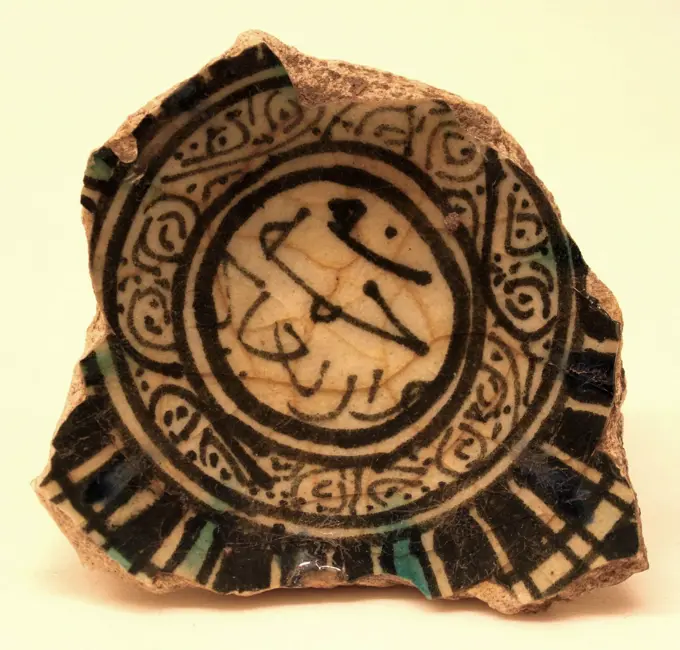
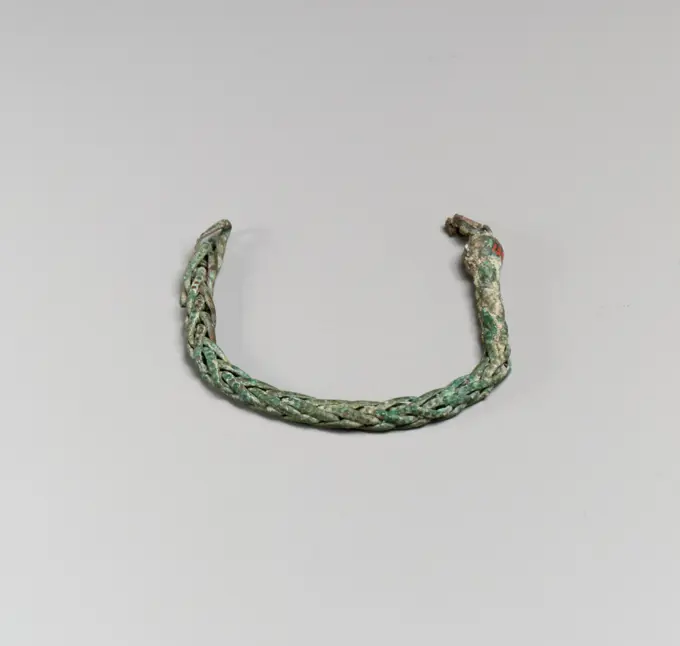
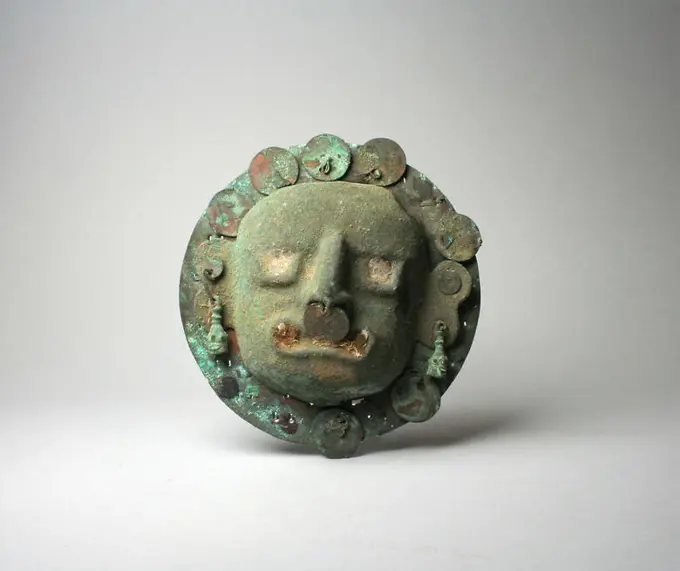
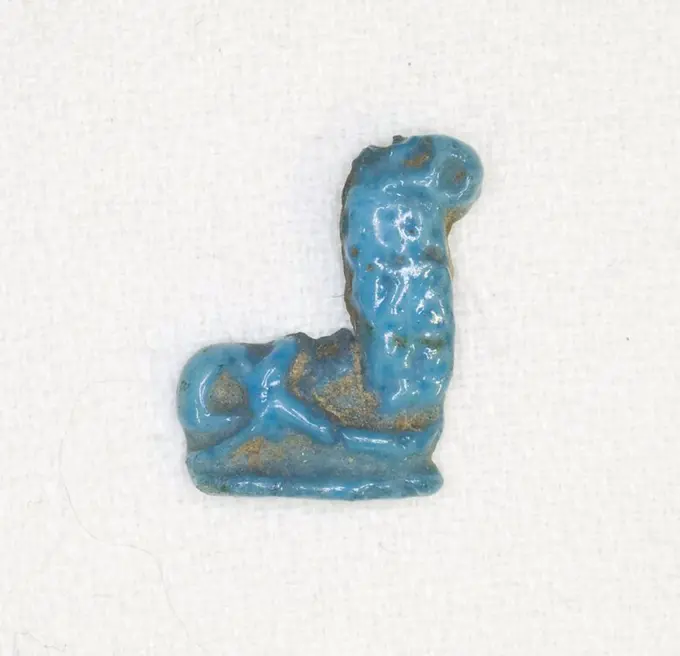
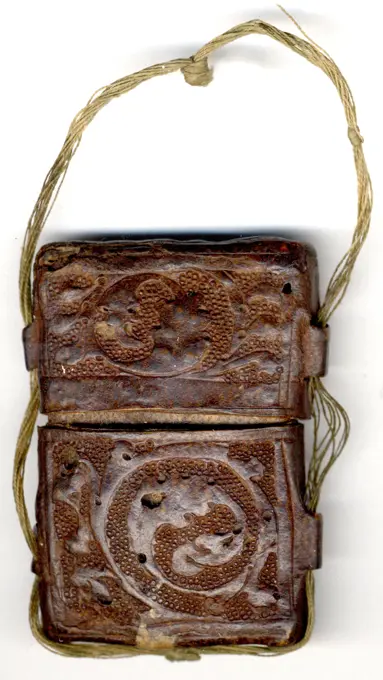
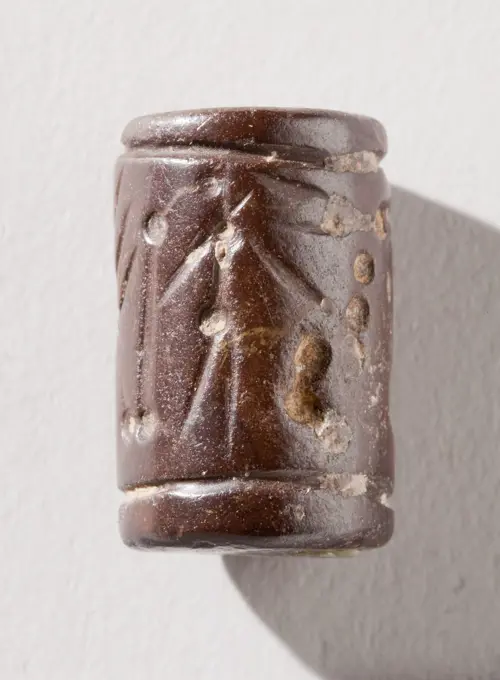
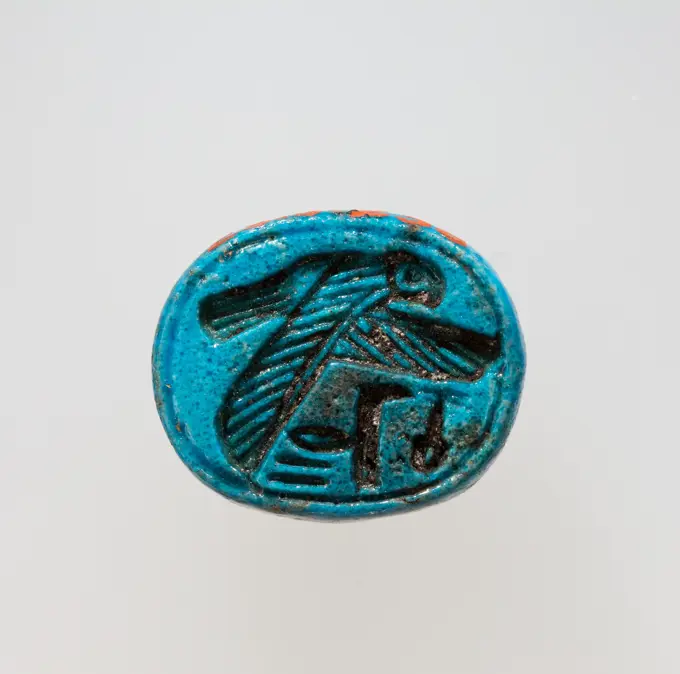
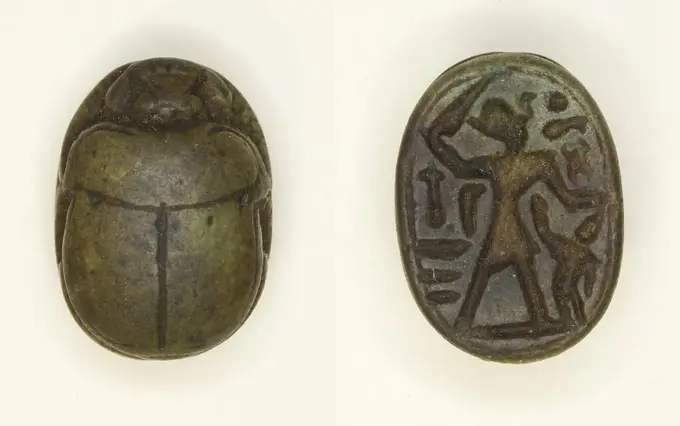
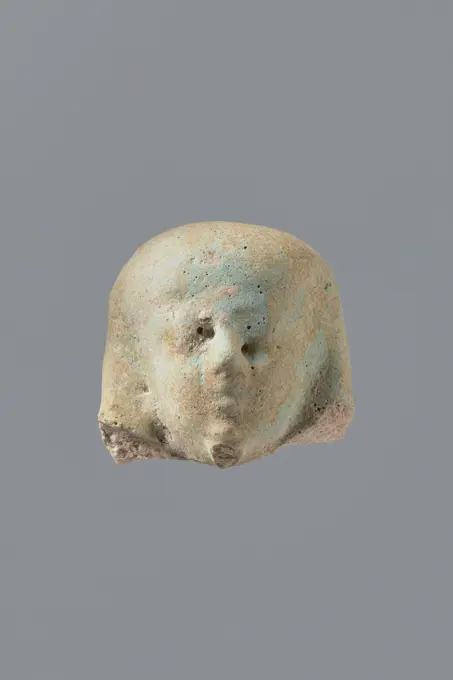
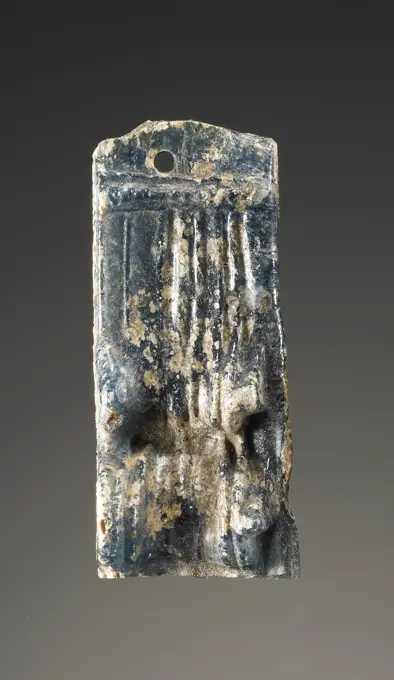
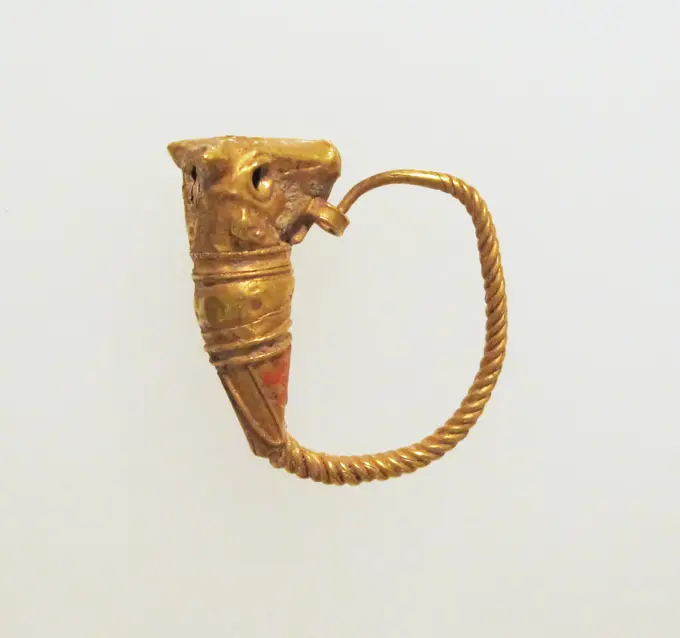
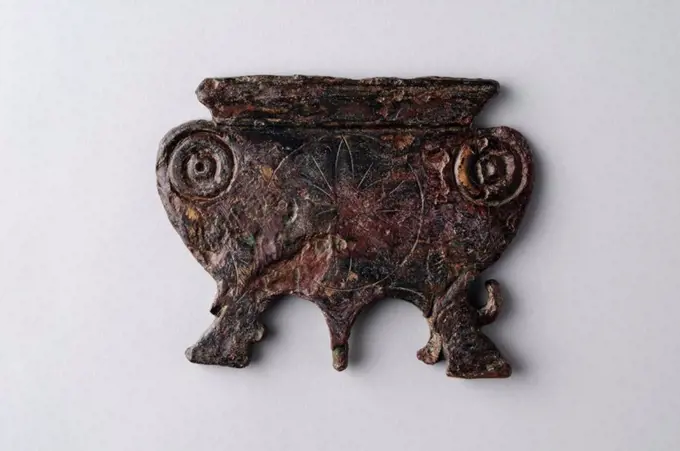
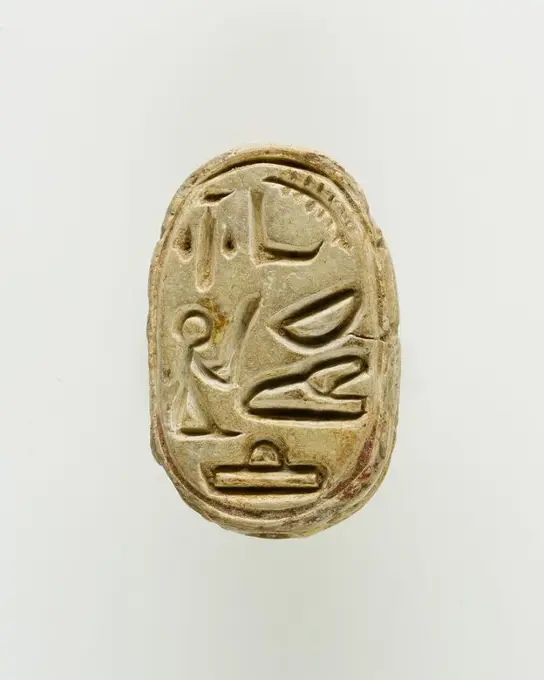
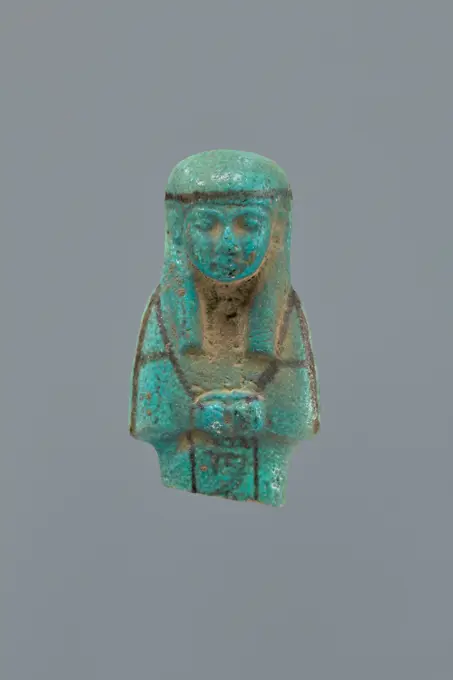
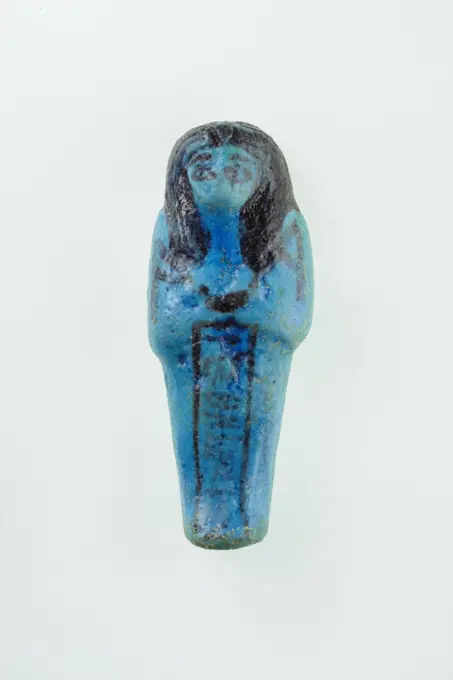
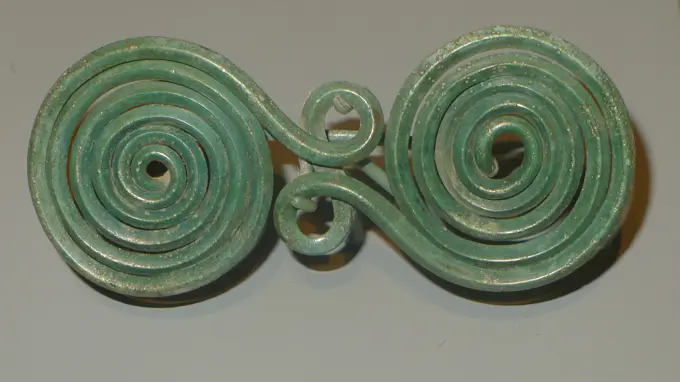
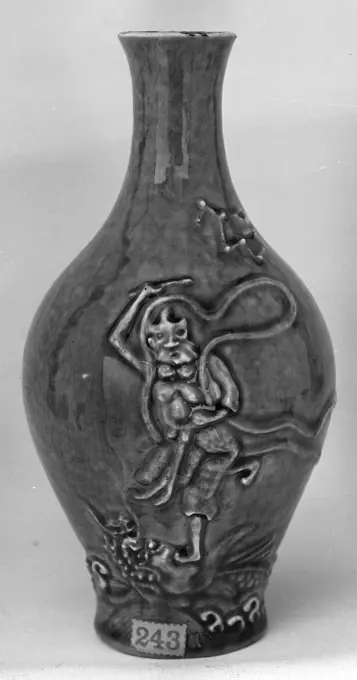
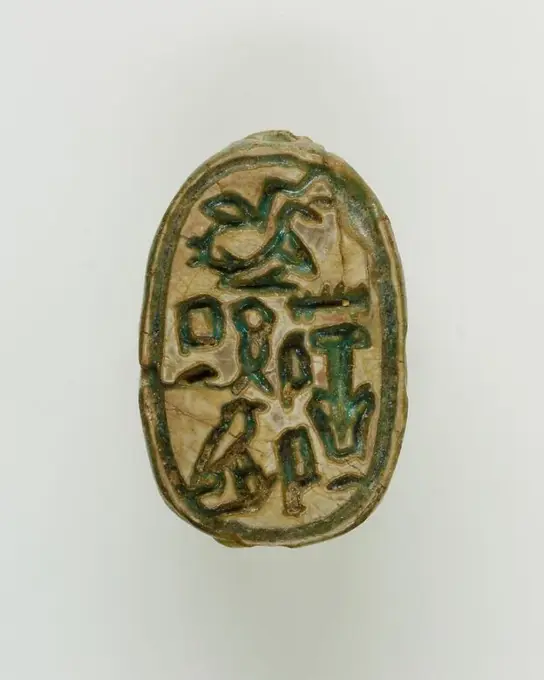
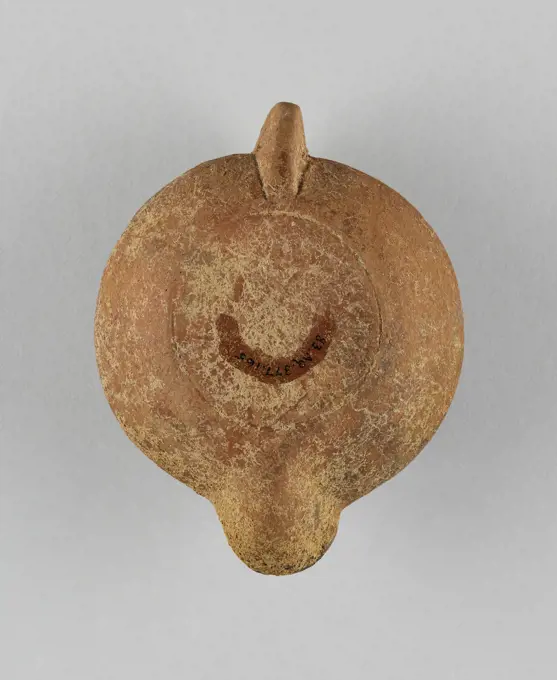
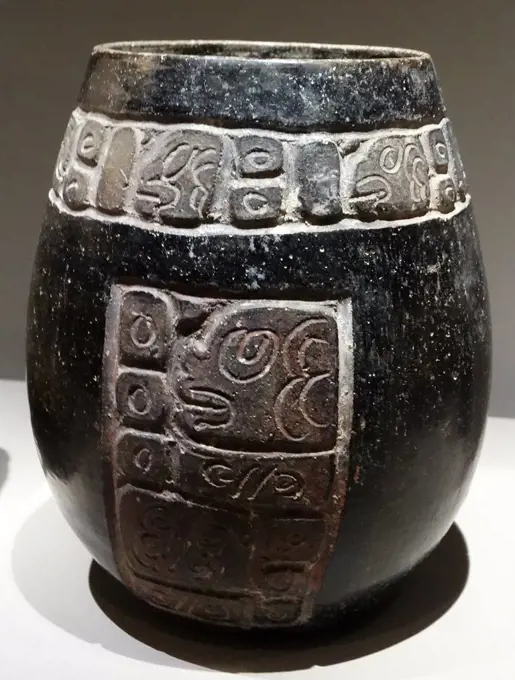
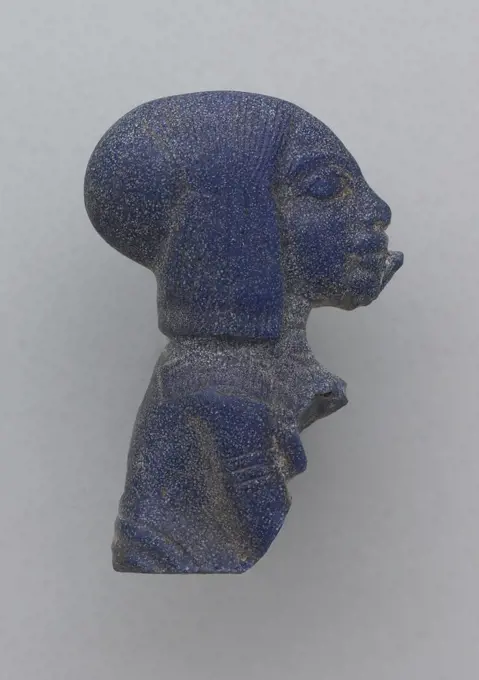
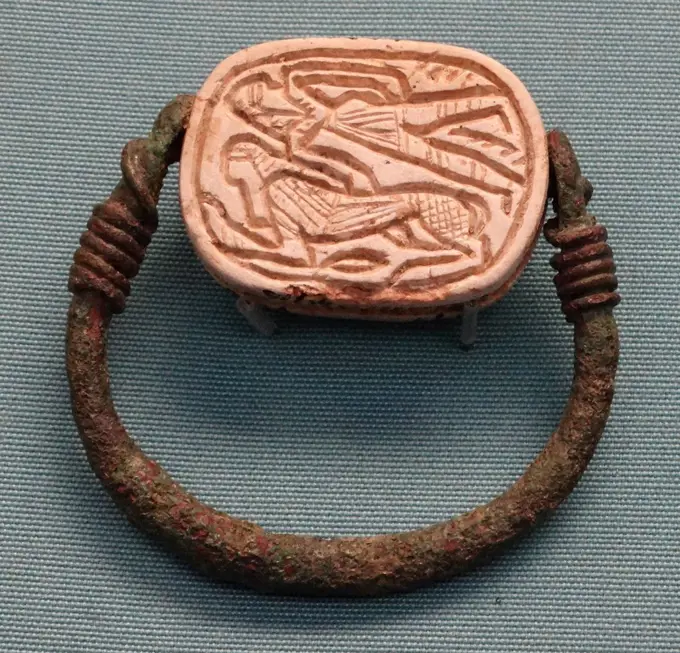
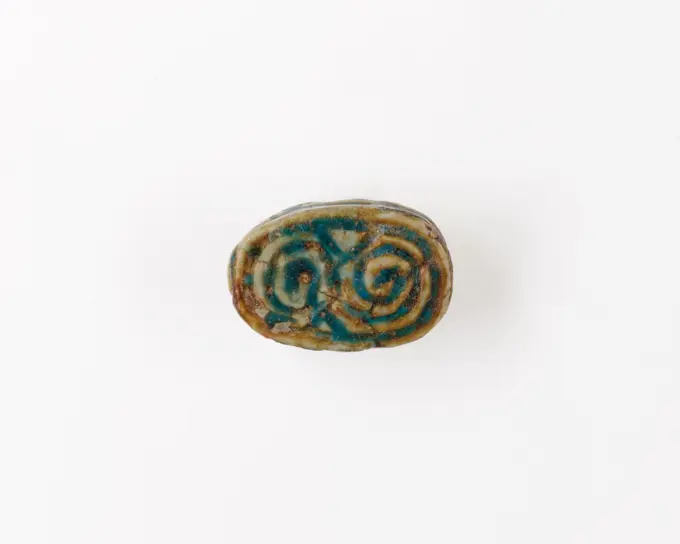
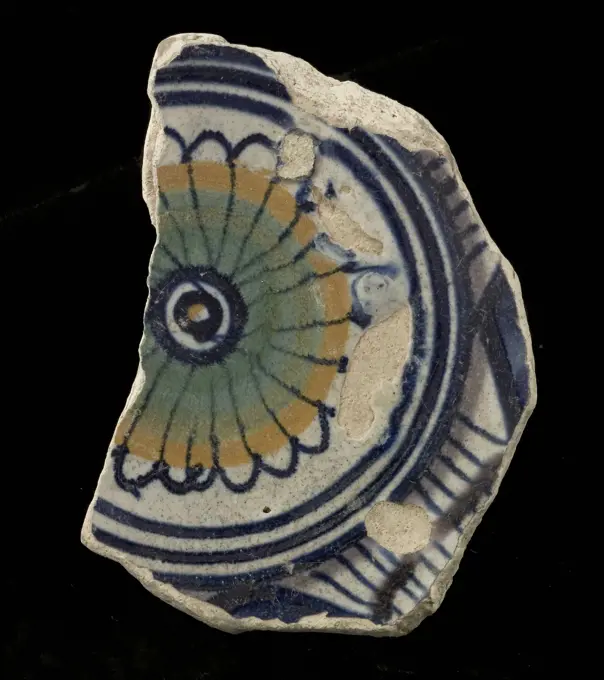
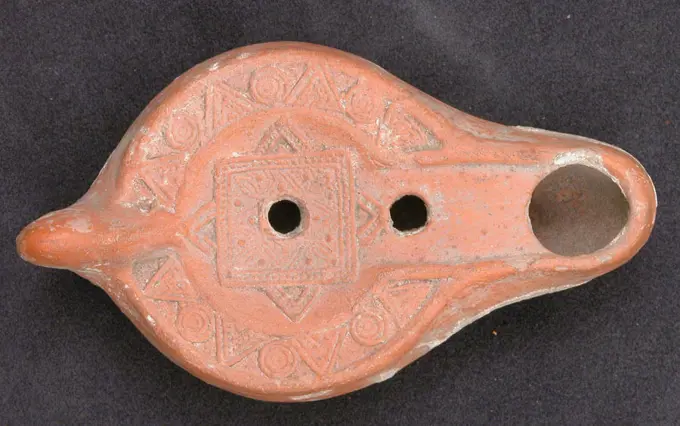
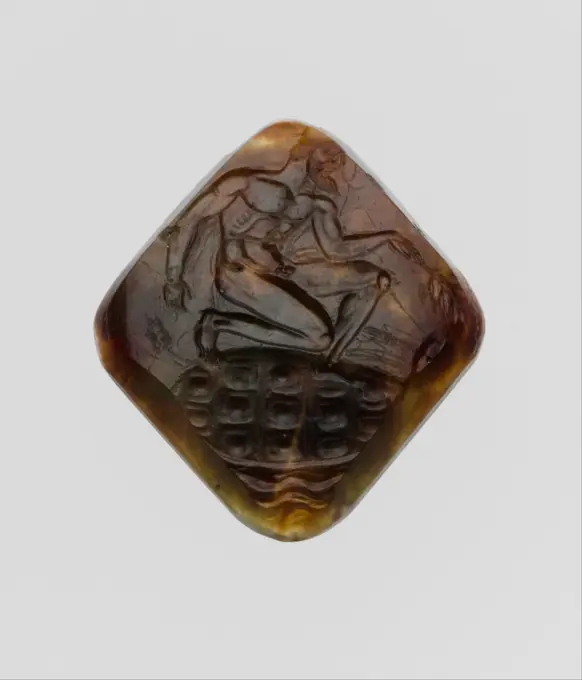
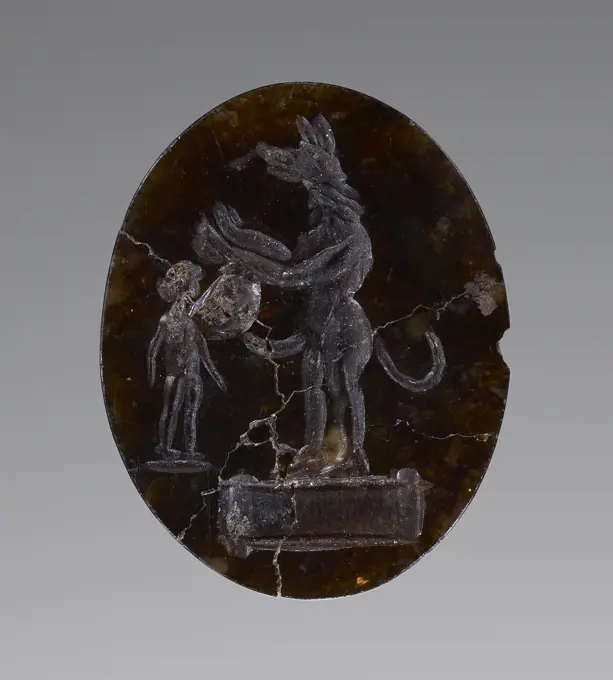
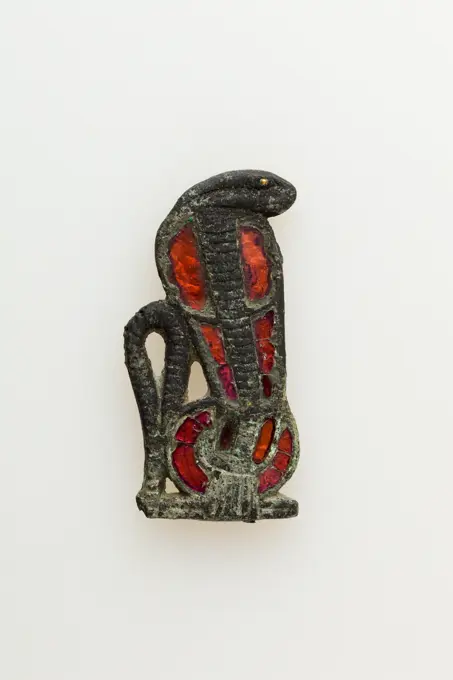
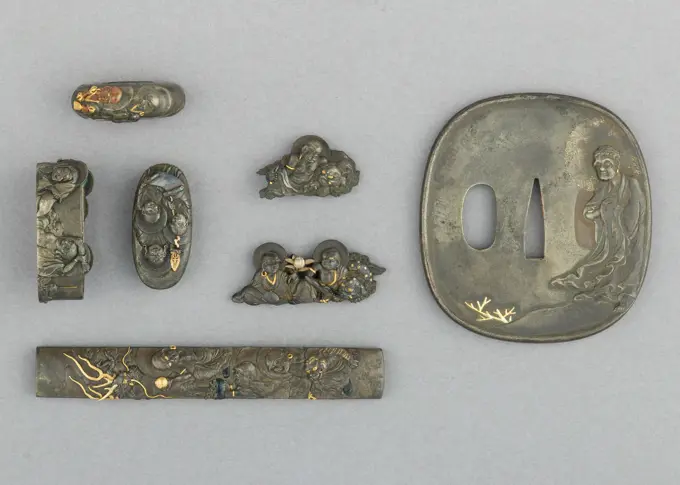
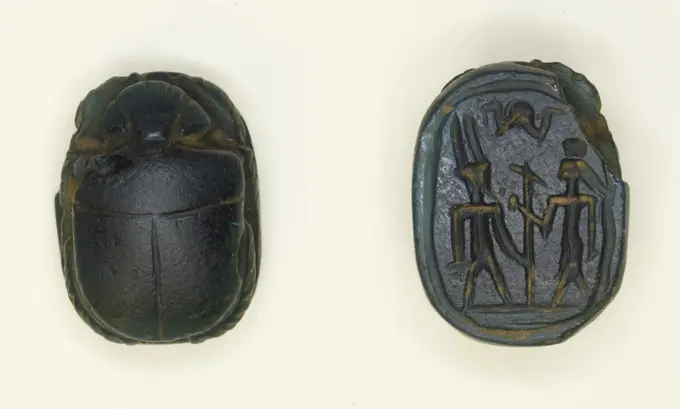
Scarab Two Standing Deities 1550 BCE-1069 BCE Egypt. Glass . Ancient EgyptianShawabty of Ditamenpaankh, 715-656 BC. Egypt, Late Period, Dynasty 25. Terracotta; overall: 6.9 x 2.5 x 1.6 cm (2 11/16 x 1 x 5/8 in.). High demand for shawabtys in the Late Period, a time when as many as 400 or more shawabtys were placed in the tomb with the deceased, gave rise to a specialized container for storing them: the shawabty box. This example is inscribed for the lady of the house, Ditamenpaankh, and was probably one of a pair originally made for her. The single-masted boat on the box's lid is perhaps an allusion to the pilgrimage of the deceased to the holy city of Abydos, the cult city of Osiris, king of the dead. The shawabtys inside are crude, mass-produced examples cast in an open mold. Made of terracotta, their blue paint imitates more costly shawabtys made of faience. As for the shawabty spell, it has been removed from its traditional location on the shawabty's front and relocated onto the sides of box, where it needed only to be written once, thus expediting productOrnament with Ibex 4th century B.C. Eastern Eurasian Steppes. Ornament with Ibex. Eastern Eurasian Steppes. 4th century B.C.. Bronze. MetalworkScarab Decorated with Loops ca. 1770-1670 B.C. Middle Kingdom Designs with twirling continuous lines and coils, sometimes forming complicated woven patterns, appear on scarabs in the early Middle Kingdom and become particularly popular from the later part of Dynasty 12 onward, during the late Middle Kingdom (late Dynasty 12-Dynasty 13, ca. 1850-1640 B.C.). In some cases they are accompanied by hieroglyphs with protective meaning. Soon afterwards, these often complex linear designs were imitated on Canaanite scarabs of the Middle Bronze Age (contemporary with the Second Intermediate Period in Egypt, ca. 1640-1550 B.C.). This scarab shows morphologic details that are characteristic for the late Middle Kingdom. The manner in which its back and sides are carved indicate that it was probably made in a scarab workshop near Lisht, where the Middle Kingdom capital was located. The scarab dates to the middle of Dynasty 13 (ca. 1766-1677 B.C.).. Scarab Decorated with Loops 545224Scaraboid: Squatting Baboon. Egyptian. Date: 1550 BC-1069 BC. Dimensions: 1.1 × 2.1 × 1.3 cm (7/16 × 13/16 × 1/2 in.). Glazed steatite. Origin: Egypt. Museum: The Chicago Art Institute, Chicago, USA. Author: Ancient Egyptian.Covered box with chrysanthemums, 13th century, Unknown Korean, 1 5/16 × 3 3/8 × 3 3/8 in. (3.33 × 8.57 × 8.57 cm), Stoneware with inlaid design under celadon glaze, Korea, 13th century, This luxurious covered box was probably used to store cosmetics, or, alternatively, as a container for incense. The lid is decorated with white chrysanthemums and black stems and leaves.Scarab: Hieroglyphs (wedjat-eye, nefer-signs, nbw-sign). Egyptian. Date: 1550 BC-1295 BC. Dimensions: 1.3 × 1 × 0.6 cm (1/2 × 3/8 × 1/4 in.). Faience. Origin: Egypt. Museum: The Chicago Art Institute, Chicago, USA. Author: Ancient Egyptian.Taoist ". Bronze, green patina. China, Han de l'Est. Paris, Cernuschi museum. 72359-19 Bronze, Han dynasty, East, Green Patina, TaoistVessel Support in the Form of an Egyptian Sphinx Protome. UnknownBoat;  664-332 BC ; Half period (-664-00-00--332-00-00);Bead Inscribed with the Name of Queen Merytamun ca. 1550-1295 B.C. New Kingdom. Bead Inscribed with the Name of Queen Merytamun. ca. 1550-1295 B.C.. Jasper. New Kingdom. From Egypt. Dynasty 18Openwork rattle bell ca. 9th-8th century B.C. Iran. Openwork rattle bell 326598Whetstone Socket. Iran, Luristan, circa 1350-1000 B.C.. Tools and Equipment; sockets. Bronze, castAmulet. Western Inner Mongolia, 5th-3rd century B.C.. Jewelry and Adornments; amulets. Bronze, castScarab of an Official ca. 1760-1670 B.C. Middle Kingdom. Scarab of an Official. ca. 1760-1670 B.C.. Green glazed steatite. Middle Kingdom. From Egypt. mid Dynasty 13Idol standard ca. 8th-7th century B.C. Iran. Idol standard 324675Plaque. Egypt, Amarna, New Kingdom (circa 1569 - 1081 BCE). Sculpture. FaienceCast pendant bead; Greece; about 14th century B.C; Glass; 2.9 × 1.3 × 0.5 cm (1 1,8 × 1,2 × 3,16 in.)Bottle 7th-8th century. Bottle 442864Scarab ca. 1640-1504 B.C. Second Intermediate Period-Early New Kingdom. Scarab. ca. 1640-1504 B.C.. Steatite, blue glazed. Second Intermediate Period-Early New Kingdom. From Egypt, Upper Egypt, Thebes, Asasif, Tomb CC 43, Burial 12, Carnarvon excavationsWorker Shabti of Nany. Dimensions: H. 8.5 × W. 3.2 × D. 2.2 cm (3 3/8 × 1 1/4 × 7/8 in.). Dynasty: Dynasty 21. Reign: reign of Psusennes I. Date: ca. 1050 B.C..See 30.3.28.1a, b. Museum: Metropolitan Museum of Art, New York, USA.Fragment of a Dish 11th-12th century. Fragment of a Dish 446519Copper Knife with Sickle Shaped Blade 3rd century B.C.-A.D. 2nd century Vicús (). Copper Knife with Sickle Shaped Blade 315262Boat;  Ptolemean period (-332-00-00--30-00-00);Collection of ancient Egypt, purchaseMirror with Continuous Arcs and Quasi-Dragons, late 3rd century BC-1st century. China, Western Han dynasty (202 BC-AD 9). Bronze; diameter: 7.7 cm (3 1/16 in.); overall: 0.4 cm (3/16 in.); rim: 0.2 cm (1/16 in.).Pottery Whistle 19th century Mexican. Pottery Whistle. Mexican. 19th century. clay. Mexico. Aerophone-Whistle Flute-whistleFragment 13th-16th century. Fragment 452709Wedjat eye amulet ca. 1070-664 B.C. Third Intermediate Period or later. Wedjat eye amulet 553504Chain fragment Roman. Chain fragment 251337 Roman, Chain fragment, Bronze, Other: 5 3/4 in. (14.6 cm). The Metropolitan Museum of Art, New York. Gift of Bashford Dean, 1923 (23.134)Sign from V.O.C.-ship De 'Witte Leeuw', Anonymous, Before 1613 plate (dishes) Plate from V.O.C. ship De 'Witte Leeuw', 30 present. Jingdezhen bone china (material)   Sint-HelenaFace Mask Ornament. Culture: Moche (Loma Negra). Dimensions: H x W: 3 3/4 x 4 3/4in. (9.5 x 12cm). Date: 390-450. Museum: Metropolitan Museum of Art, New York, USA.Nephthys amulet 664-380 B.C. Late Period. Nephthys amulet 561571Harness ring ca. 8th-7th century B.C. Iran. Harness ring 322876Bronze Fibula Fragment. UnknownAmulet or Inlay of a Serpent. Egyptian. Date: 664 BC-332 BC. Dimensions: 1.9 x 1.3 x 0.3 cm (3/4 x 1/2 x 1/8 in.). Faience. Origin: Egypt. Museum: The Chicago Art Institute, Chicago, USA. Author: Ancient Egyptian.Button or Spindle Whorl 3rd-7th century The dot-in-circle motif recalls designs presumed to be of magical significance, most likely an abstract eye to ward off the evil-eye, which serves an apotropaic function. Easily reproduced with a tool and visible in many cultures and times, this symbol may have lost its meaning, and become simply a decorative pattern, or may have one that we have not yet discovered. Button or Spindle Whorl 446075Case for Enamel Diptych 14th century British. Case for Enamel Diptych 464171Excerpt of a dish with yellow -baking shard, with white enamel at the front and back, on which are painted at the front in blue, orange and green stripes and flower shapes, anonymous, 1200 - 1899  Italy earthenware  Italy earthenwareCylinder Seal. Iran, Mesopotamia or Syria, Mitannian period, circa 1500-1300 B.C.. Tools and Equipment; seals. HematiteKnife, 1400s-1500s. Peru, Inca Culture, 15th-16th century. Bronze; handle: 8 x 1.8 cm (3 1/8 x 11/16 in.); blade: 4.1 cm (1 5/8 in.).Mascaroon (France); gilt bronzeMayan pottery mask Teotihuacan, Mexico 150 BC - AD 750Typical artisan mask for traditional masquerade celebration, Iberian Museum of Masks and Costume, Braganza (Bragança),Trás-os-Montes and Alto Douro, Portugal.Scarab ca. 1479-1458 B.C. New Kingdom. Scarab. ca. 1479-1458 B.C.. Faience. New Kingdom. From Egypt, Upper Egypt, Thebes, Deir el-Bahri, Hatshepsut Hole, Hathor Shrine, MMA excavations, 1922-23. Dynasty 18Scarab: Menkheperra (Thutmose III). Egyptian. Date: 1479 BC-1425 BC. Dimensions: 1.9 × 1.3 × 1 cm (3/4 × 1/2 × 3/8 in.). Stone. Origin: Egypt. Museum: The Chicago Art Institute, USA. Author: Ancient Egyptian.Fragment uszebti. unknown, authorCast Pendant; Greece; about 14th century B.C; Glass; 2.5 cm (1 in.)Cast pendant bead. UnknownWedjat eye amulet. Dimensions: L. 3 cm (1 3/16 in.). Dynasty: Dynasty 21-25. Date: ca. 1070-664 B.C.. Museum: Metropolitan Museum of Art, New York, USA.Scarab Inscribed with the Throne Name of Thutmose II ca. 1492-1479 B.C. New Kingdom. Scarab Inscribed with the Throne Name of Thutmose II. ca. 1492-1479 B.C.. Steatite. New Kingdom. From Egypt. Dynasty 18Gold earring with head of a bull 4th-3rd century B.C. Greek. Gold earring with head of a bull 242873Belt buckle or brooch in bronze with incised decoration, geometric and plant and contour worked. Length 5 cm Height 4 cm Thickness 0.3 cm ( 1St- 4Th Ce )- Roman period, from the " Miracle Wall " ( Martyrdom of Saints Children ; Justo y Pastor ) - Archaeological site of Complutum in Alcala de Henares (Madrid). SPAIN.Scarab of an Official. Dimensions: l. 1.8 cm (11/16 in). Dynasty: Dynasty 12-18. Date: ca. 1981-1550 B.C.. Museum: Metropolitan Museum of Art, New York, USA.Uszebti. unknown, authorBarnabite Bell Foundry Badge, 1791 (Title Title) Badge of the Barnabite Bell Currency Foundry. Bronze, 1791.Stone Pendant 1st-8th century Mezcala. Stone Pendant 317387Anklet, 1800s. India. Silver; diameter: 10.8 cm (4 1/4 in.).Fragments stitch passer from the wreck of the East Indians Hollandia, Anonymous, 1700 - in or before 1743  Divider; fragment of semicircular rings, very eroded, sim. NG 1979-195H2692, lower ends broken off. Netherlands copper (metal)   SecondPair (2) ofearringsStone bearing the name of Jalal ad-Din Mingburnu (the last ruler of the Khwarezmian Empire). Due to the Mongol invasion, the sacking of Samarkand and being deserted by his Afghan allies, Jalal ad-Din was forced to flee to India. 1230 ADSeal China. Seal 43068Bliżej Kultury unknownWorker Shabti of Nany ca. 1050 B.C. Third Intermediate Period See 30.3.27.1a, b. Worker Shabti of Nany. ca. 1050 B.C.. Faience. Third Intermediate Period. From Egypt, Upper Egypt, Thebes, Deir el-Bahri, Tomb of Meritamun (TT 358, MMA 65), first corridor, burial of Nany, MMA excavations, 1928-29. Dynasty 21Amulet of a Hare. Egyptian. Date: 1070 BC-656 BC. Dimensions: 1.4 × 2 × 0.8 cm (9/16 × 3/4 × 5/16 in.). Faience. Origin: Egypt. Museum: The Chicago Art Institute, Chicago, USA. Author: Ancient Egyptian.Taught. Two animals faced. Bronze. LURISTAN. 1000-750 BC. J-C. Paris, Cernuschi museum. 35176-5 Iron Age, animal faces, bronze, signKey. Key whose round eye is provided on either side of two hooks. There is a beard with four teeth on the octagonal stem.Roman belt buckle made of bronze from the Archaeological site of Complutum in Alcalá de Henares ( Madrid ). SPAIN.Plaque with Head 7th-9th century China (Xinjiang Autonomous Region, Central Asia) The nomadic communities of Central Asia used such plaques to embellish clothing and horse trappings. As these nomadic cultures herded animals and were constantly moving, their artistic production was expressed in portable objects that marked the wearers status and wealth. The outstanding preservation of these fragile ornaments suggests they were used in conjunction with burials, where the body was aggrandized with valuable textiles and augmented with gold. Although it is difficult to date and place these objects geographically, their presence in Central Asia and has a long, established history.. Plaque with Head 65170Scarab The God Ptah with a Standing King and the Name of Usermaatra Setepenra (Ramesses II) 1279 BCE-1213 BCE Egypt. Glazed steatite . Ancient EgyptianHandle of a bowl Cypriot. Handle of a bowl 244321Fibula (Garment Pin) 800 BCE Southern Italy. Worn as a clasp for clothing, this type of double-spiral fibula was popular in Greece before the style was adopted in the southern Italian peninsula.. Bronze . Ancient GreekVase with the Pole Star deity (Kuixing) first half 19th century China. Vase with the Pole Star deity (Kuixing). China. first half 19th century. Porcelain with relief decoration under crackled yellow glaze (Jingdezhen ware). Qing dynasty (1644-1911). CeramicsFragment majolica dish, blue on white, landscape, edge in Wanli style, dish plate crockery holder earth discovery ceramics earthenware glaze, Op gourge sautéed archeology Rotterdam decorating food China archaeological find in the soil Rotterdam.Lead figure of a warrior with a helmet and shield 6th-5th century B.C. Greek, Laconian Small flat votive figurines of cast lead have been found in great quantities at the ancient sanctuaries of Laconia; over one hundred thousand, dating from the seventh century B.C. to the Classical period, were dedicated to the goddess Artemis Orthia in Sparta.. Lead figure of a warrior with a helmet and shield 251628 Greek, Laconian, Lead figure of a warrior with a helmet and shield, 6th5th century B.C., Lead, Height: 2 1/8 in. (5.4 cm). The Metropolitan Museum of Art, New York. Gift of A. J. B. Wace, 1924 (24.195.62)Fish Design Amulet Inscribed with the cartouche of Queen Ahmose Nefertari ca. 1550-1479 B.C. New Kingdom The inscription on the base of the amulet reads "Nefertari" and may refer to Ahmose-Nefertari, the wife of King Ahmose I and the mother of Amenhotep I. She was held in high regard throughout the New Kingdom.. Fish Design Amulet Inscribed with the cartouche of Queen Ahmose Nefertari. ca. 1550-1479 B.C.. Steatite (glazed). New Kingdom. From Egypt, Upper Egypt, Thebes, Asasif, Tomb CC 37, Burial 59 D, Carnarvon/Carter excavations, 1911. Dynasty 18, earlyBracelet. Western Iran, 800 - 600 B.C.. Arms and Armor; armor. Bronze, hammeredshrine, votive with figure of four-armed Ganesha, Brass, Ganesha is seated on closed lotus bud on three-tiered support in front of an arched niche. He carries in his upper right hand a goad or hatchett; in his lower right hand qhich rests on his knee he probably carries a flute; in upper left hand he seems to carry lotus; in lower left, probably his broken tusk. Small figure of rat to left., Northern, India, 12th century, metalwork, Decorative Arts, shrine, votive with figure of four-armed GaneshaScarab of an Official. Dimensions: l. 1.9 cm (3/4 in). Dynasty: Dynasty 12-18. Date: ca. 1981-1550 B.C.. Museum: Metropolitan Museum of Art, New York, USA.Scarab with decorative motif ca. 1550-1295 B.C. New Kingdom. Scarab with decorative motif. ca. 1550-1295 B.C.. Faience. New Kingdom. From Egypt, Upper Egypt, Thebes, Carnarvon excavations. Dynasty 18Lamp, Asia Minor; 1st - 4th century; Terracotta; 2.6 x 8 x 10.5 cm (1 x 3 1,8 x 4 1,8 in.)Mayan ceramic Vase, with embossed Glyphs 600-900ADReliquary. UnknownAmulet in the Shape of an Amarna Princess (Portrait Bust of a RoyalChild), Molded Blue glass, 7.6 × 5.3 × 1.1 cm (3 × 2 1/16 × 7/16in.), Egyptian, New Kingdom, Dynasty18, SculptureBadge with Madonna and Infant late 15th-early 16th century British. Badge with Madonna and Infant 474378Scarab from Lachish (1750-1550 BC). Based on the dung-beetle, scarabs were first produced in Egypt in the 21st century as amuletic seals.Tel Lachish, also Tell ed-Duweir, is the site of an ancient Near East city, now an archaeological site and an Israeli national park.Statuette of a Priest 299 BCE-200 BCE Etruria. Bronze . Ancient EtruscanScarab with Scroll Design ca. 1640-1500 B.C. (Middle Bronze Age IIB-IIC) Second Intermediate Period Scrolls and spirals -whether single or interlocking, or in combination with hieroglyphs or floral motifs- already decorate the earliest types of scarabs and are common throughout the first half of the second millennium B.C. While their meaning and source of inspiration remains unknown, scroll designs are also appealing to the eye. A wide variety of combinations, some of which more complex than others, is found on Egyptian scarabs of the Middle Kingdom and scrolls become particularly popular during late Dynasty 12 and Dynasty 13 (ca. 1850-1640 B.C.). While these designs continue to appear on scarabs in the Second Intermediate Period (ca. 1640-1550 B.C.) and on contemporary Canaanite imitations, details in the composition or on the scarabs back or its legs allow the seal-amulet to be more precisely dated.. Scarab with Scroll Design 557118Fragment majolica dish, polychrome, in the middle of green rosette, dish crockery holder soil find ceramic earthenware glaze, baked underside covered with clear lead glaze. Polychrome archeology Rotterdam decorate food before archaeological find in the soil Rotterdam 1940.Floral Plaque Fragment; Eastern Mediterranean; end of 1st century B.C. - 1st century A.D; Glass; 4.7 cm (1 7,8 in.)Avian Pendant, 1 x 1 7/8 x 3 1/8in. (2.5 x 4.8 x 7.9cm), Jade, MexicoLamp 5th-6th century Small earthenware lamps, made from double molds, were the most commonly used source of light in daily Coptic life. A wick produced from plant fiber or linen fabric was placed in a reservoir filled with oil, generally castor or sesame oil, and illuminated. This red earthenware lamp is decorated with superimposed decorated squares, surrounded by a rim decorated with concentric circles alternating with chevrons.. Lamp. 5th-6th century. Earthenware; molded. Attributed to Egypt. CeramicsBead in the Shape of a Frog, c. 6th-8th century, 1/4 x 9/16 x 1/2 in. (0.6 x 1.4 x 1.3 cm), Stone, Myanmar (Burma), 5th-9th centuryMoss agate ring stone ca. 1st century B.C.3rd century A.D. Roman Man riding a tortoise.. Moss agate ring stone 253712 Roman, Moss agate ring stone, ca. 1st century B.C.?3rd century A.D., Agate, moss, Length: 11/16 in. (1.8 cm). The Metropolitan Museum of Art, New York. Bequest of W. Gedney Beatty, 1941 (41.160.484)Engraved Gem, Roman Empire; 2nd - 4th century; Amber; 1.7 x 1.3 x 0.2 cm (5,8 x 1,2 x 1,16 in.)Head of an Amulet Depicting a Goddess ca. 712-343 B.C. Late Period. Head of an Amulet Depicting a Goddess 558359Uraeus for freize 664-30 B.C. Late Period-Ptolemaic Period When a cobra is threatened, it raises its upper body and inflates its hood. In ancient Egypt the rearing cobra (also called an uraeus) was seen as protection and was also associated with a number of goddesses. Deities or royals often wear an uraeus on their foreheads as protection and to indicate their divine or royal status. A frieze of rearing cobras was often used as a protective and decorative element for furniture or architecture. The piece here and one like it (17.192.46) were possibly part of such a frieze.. Uraeus for freize 560929Boat;  525-343 BC ; Half period, 27-30 dynasty (-525-00-00--343-00-00);Set of Sword Fittings (Mitokoromono) ca. 1615-1868 Japanese A mitokoromono is a set of three matching sword fittings, comprising the kozuka (handle of a by-knife), kgai (hairdressing tool), and a pair of menuki (ornamental fittings attached to either side of a sword hilt).. Set of Sword Fittings (Mitokoromono). Japanese. ca. 1615-1868. Copper-silver alloy (shibuichi), gold, copper-gold alloy (shakud), copperFragment of Aztec stone box bearing the image of a water opossum. Dated 14th CenturyFaience Scarab with Cryptographic Writing of 'Amen'. Egypt, probably New Kingdom (1504 - 1081 BCE) or later. Sculpture. Blue-green faience