Ancient Artifacts and Jewelry

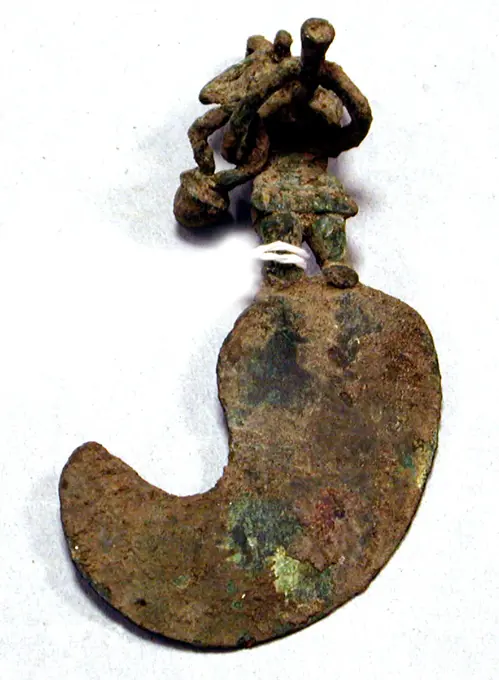
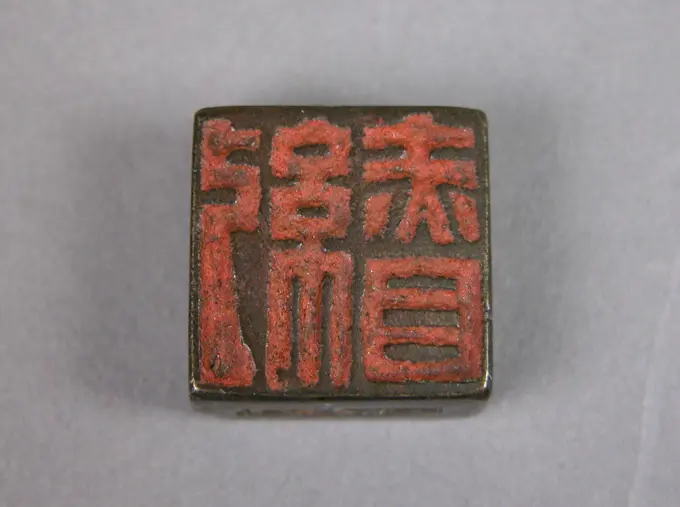
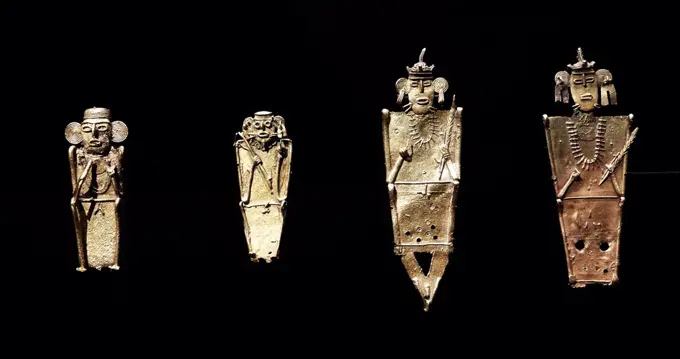
An assortment of antique bronze items, including jewelry and decorative pieces, featuring intricate designs and historical significance.
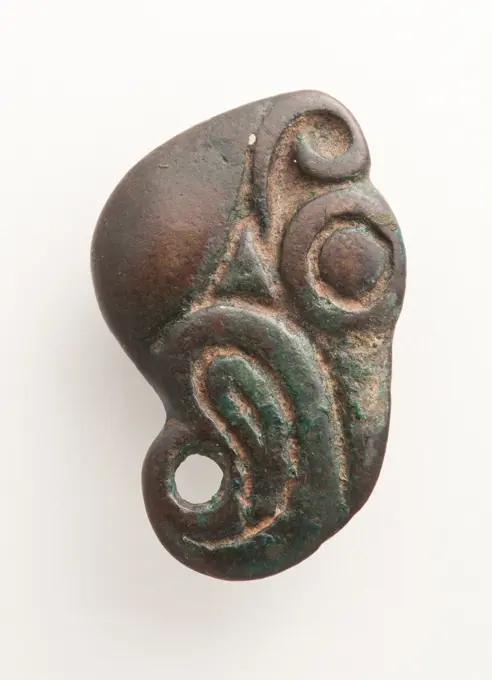
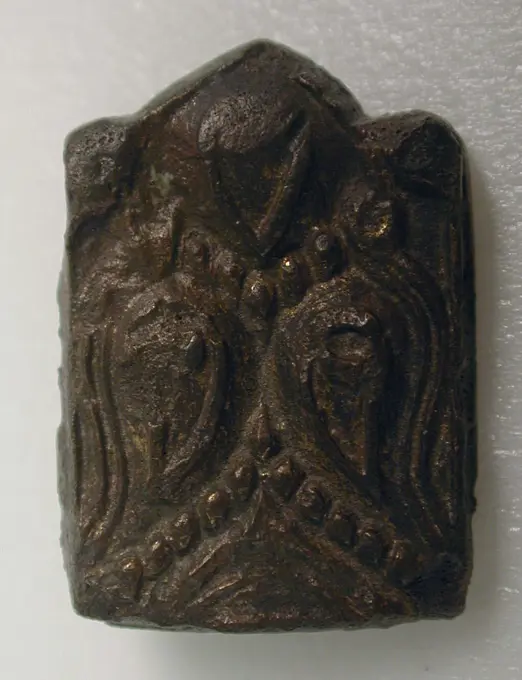
Bridle Fitting (Bird). Western Inner Mongolia, 5th-4th century B.C.. Tools and Equipment; horse trappings. Bronze
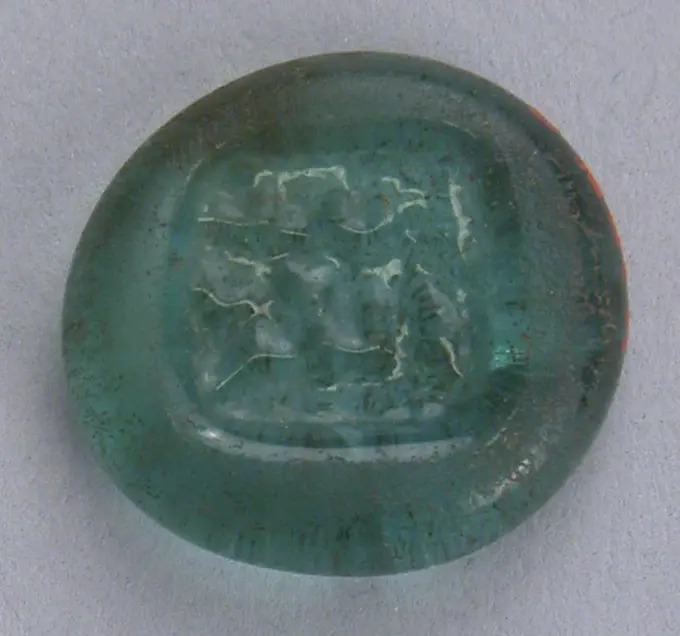
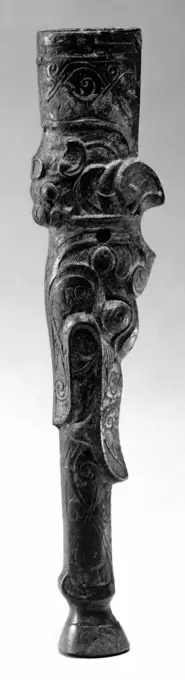
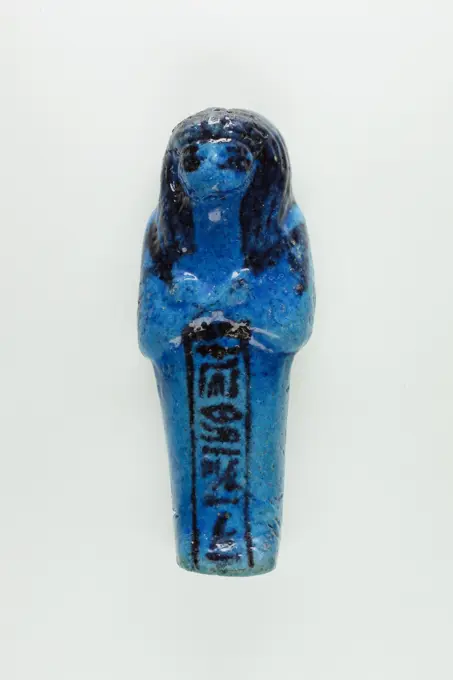
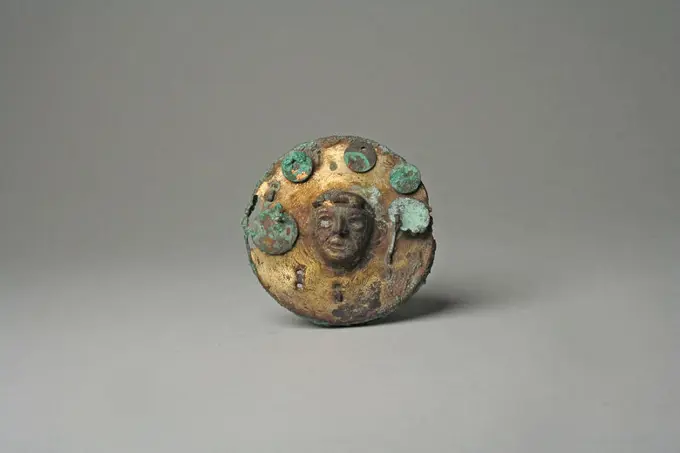
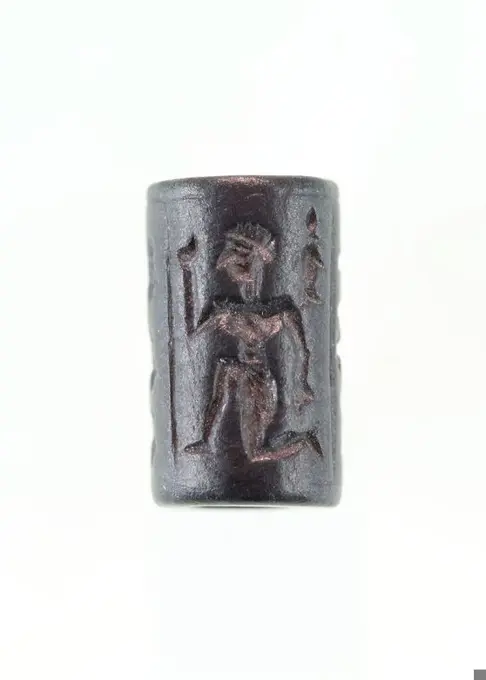
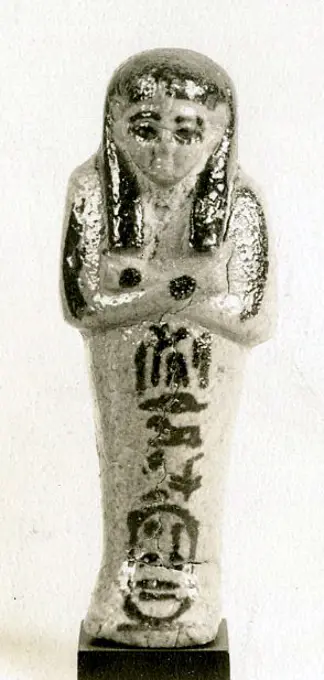
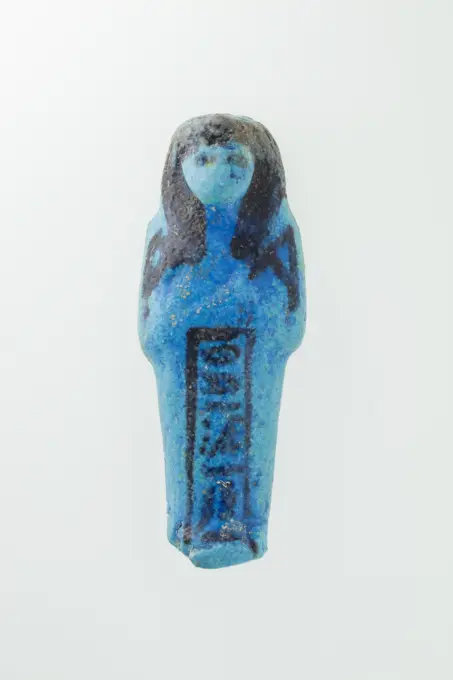
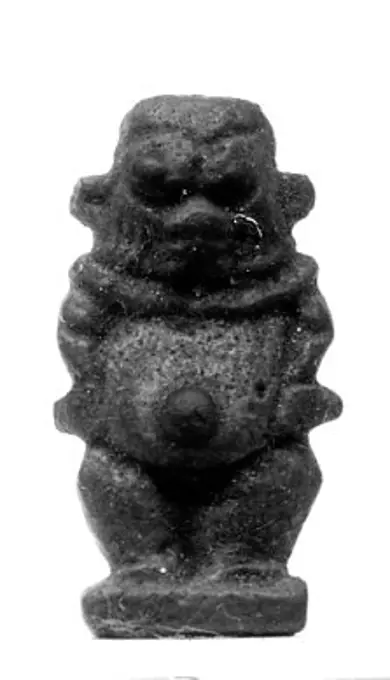
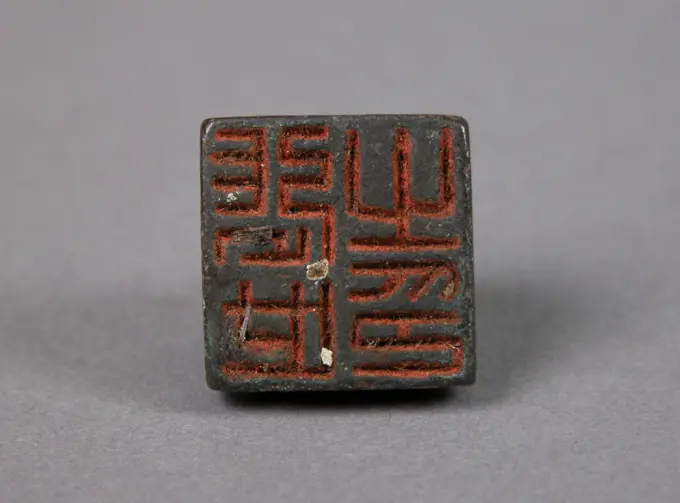
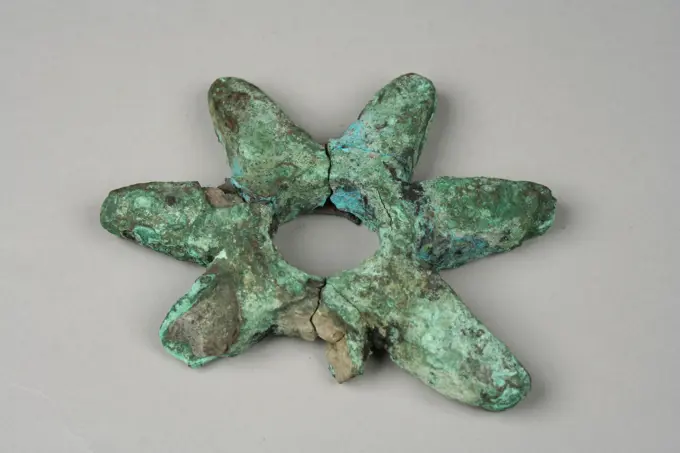
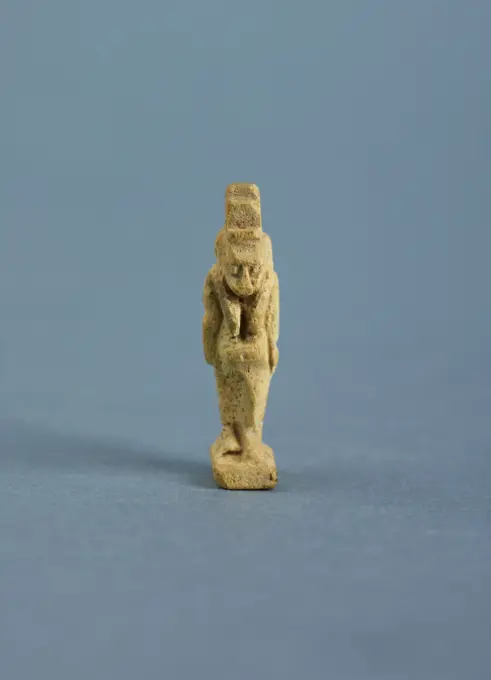
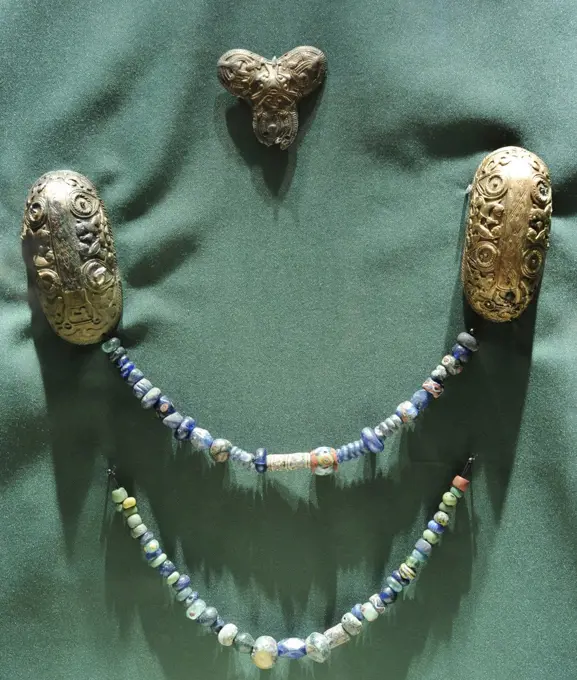
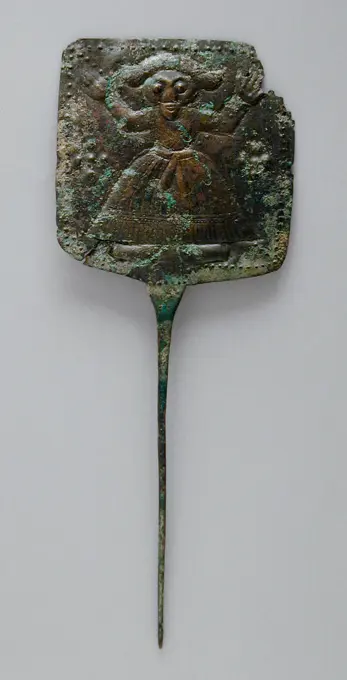
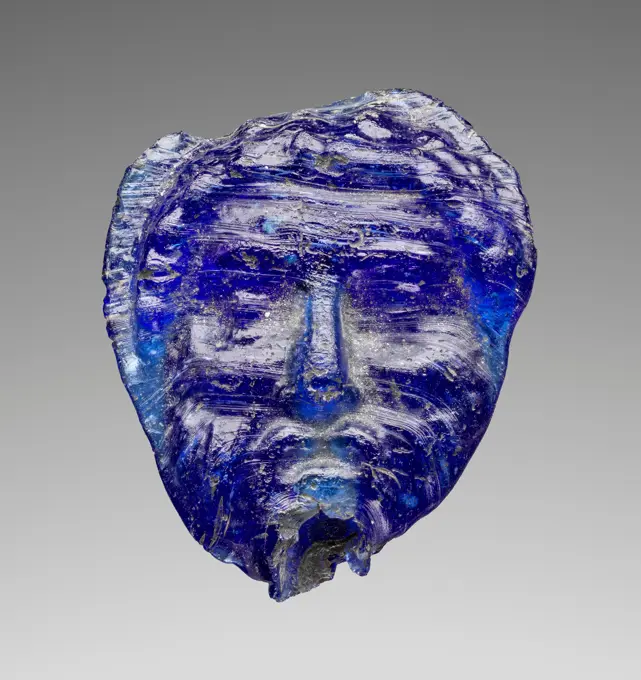
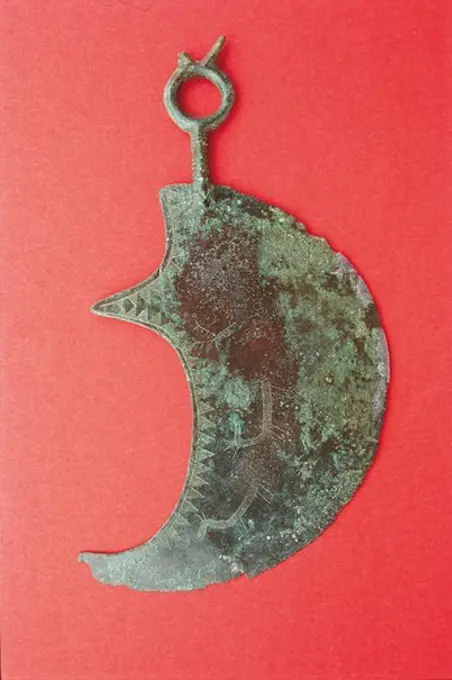
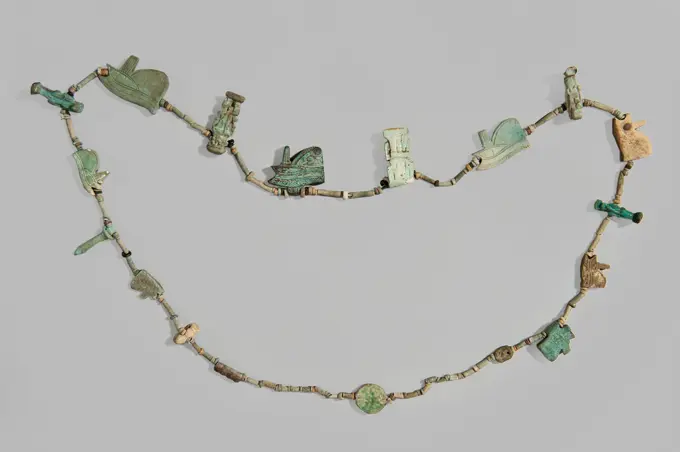
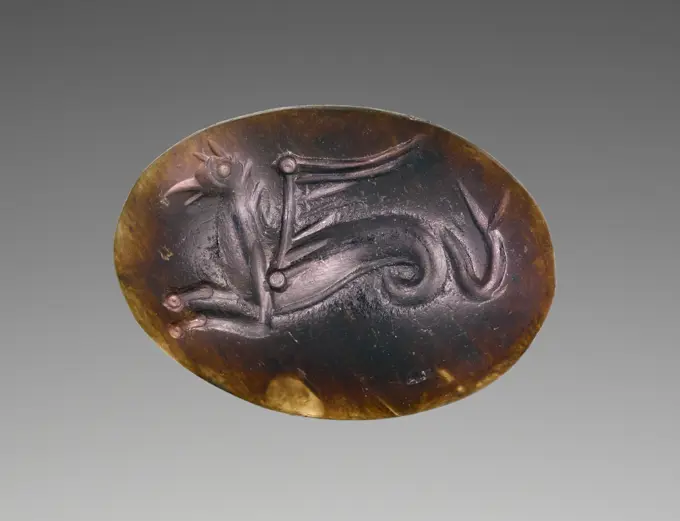
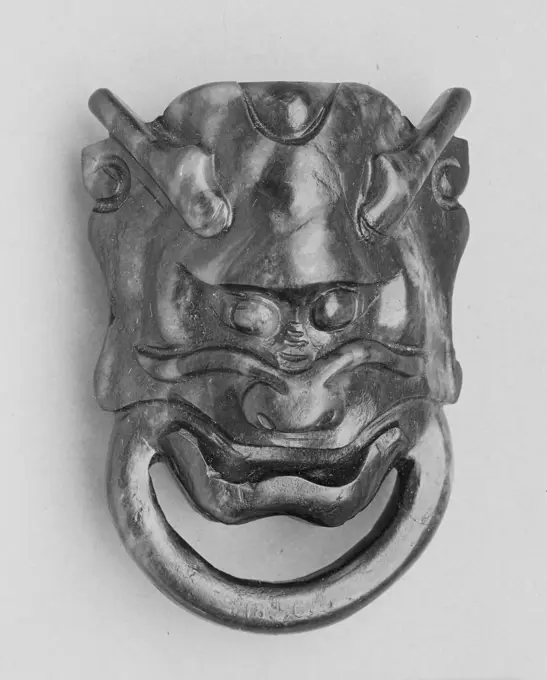
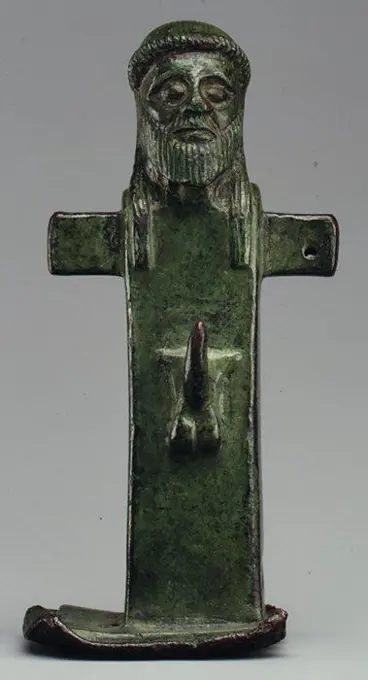
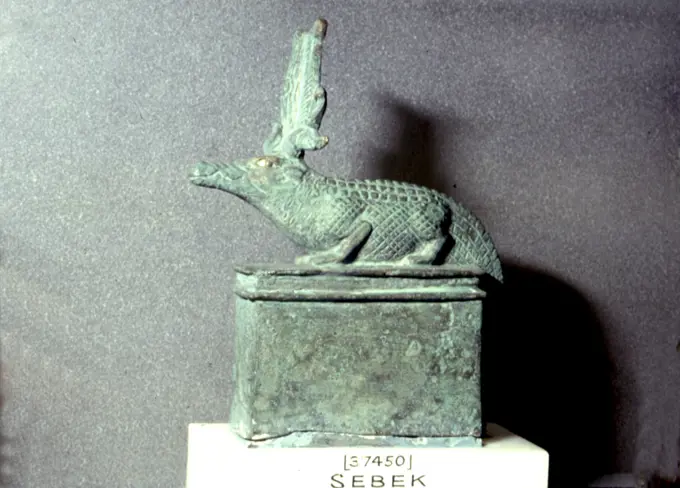
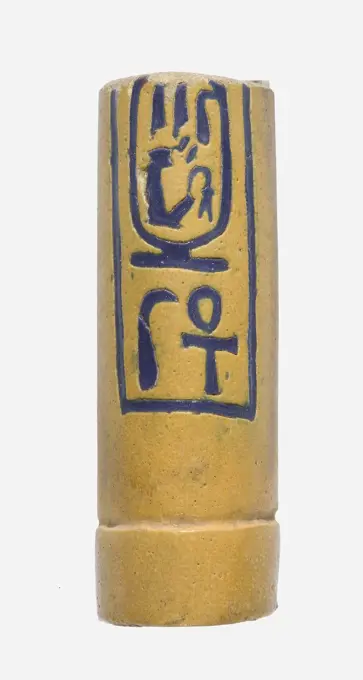
Hinge Cypriot. Hinge 244231Crocodile-Head Figure Pendant. Culture: Veraguas. Dimensions: H. 2 7/8 x W. 5 1/8 x D. 7/8 in. (7.3 x 13 x 2.2 cm). Date: 11th-16th century. Museum: Metropolitan Museum of Art, New York, USA.Coin Weight 11th century. Coin Weight 442876Ferrule 5th-4th century B.C. China. Ferrule 49500Worker Shabti of Nany ca. 1050 B.C. Third Intermediate Period See 30.3.26.1a, b. Worker Shabti of Nany 625727Earflare Frontal. Culture: Moche (Loma Negra). Dimensions: Diameter 2-1/8 in. (5.3 cm). Date: 390-450. Museum: Metropolitan Museum of Art, New York, USA.Tool A.D. 3rd century Roman Period. Tool. A.D. 3rd century. Copper alloy. Roman Period. From EgyptCylinder seal. Dimensions: L. 1.4 cm (9/16 in.); Diam. 0.8 cm (5/16 in.). Date: ca. 1820-1740 B.C..Cylinder seal carved with kneeling male figure with crest, human heads, horned animals, and birds. Museum: Metropolitan Museum of Art, New York, USA.Shabti of Queen Henettawy ca. 1070-945 B.C. Third Intermediate Period or later. Shabti of Queen Henettawy. ca. 1070-945 B.C.. Deep blue faience. Third Intermediate Period or later. From Egypt; Probably from Upper Egypt, Thebes, Southern Asasif, Royal Cache, Tomb of Inhapy (TT 320). Dynasty 21Amulet - RamWorker Shabti of Nany ca. 1050 B.C. Third Intermediate Period See 30.3.30.1a, b. Worker Shabti of Nany. ca. 1050 B.C.. Faience. Third Intermediate Period. From Egypt, Upper Egypt, Thebes, Deir el-Bahri, Tomb of Meritamun (TT 358, MMA 65), first corridor, burial of Nany, MMA excavations, 1928-29. Dynasty 21Bes amulet 664-332 B.C. Late Period. Bes amulet. 664-332 B.C.. Faience. Late Period. From Egypt. Dynasty 26-30Seal China. Seal 61152Club Head 1st-mid-8th century Moche. Club Head 308953Amulet - IsisTrefoil brooch, Hovinsholm, Ringaker k. Hedmark, 9th/10th century. Tortoise Brooch, Ringsaker k., Hedmark, 9th century. Beads, Hovland, Lavik k., Vestfold, Viking Age. Historical Museum. Oslo. Norway.Belt Fitting 8th-10th century. Belt Fitting 449939Mace Head 1st-3rd century Vicús. Mace Head 315213Disc - headed Pin. Iran, Luristan, Luristan bronzes, circa 1000-650 B.C.. Jewelry and Adornments; pins. Bronze, hammeredComposite eye bead 664 BC or later Late Period, Saite or later A number of small amulets or other items were found in the excavation of Nespekashuty's tomb, spanning its long use life. See the discussion under 23.3.468.. Composite eye bead. 664 BC or later. Green, blue and brown mosaic glass. Late Period, Saite or later. From Egypt, Upper Egypt, Thebes, Deir el-Bahri, Tomb of Nespekashuty (TT 312, MMA 509), MMA excavations, 1922-23Cylindrical sealBird Ornament 11th-16th century Atlantic Watershed. Bird Ornament 313046Fish Ornament. Culture: Peru; central coast (). Dimensions: L. 1 3/8 in. (3.5 cm). Date: 11th-12th century. Museum: Metropolitan Museum of Art, New York, USA.Bead. Unknown 1st century B.C.-1st century A.D. Translucent cobalt (molded) glass janiform ornament, each side representing the frontal head of a bearded man. There is a hole on the underside of the chin.Engraved Gem. UnknownEtruscan civilization, Crescent shaped bronze razor with engraving depicting a deer hunting scene from Vetulonia, Tuscany region, Italy, 9th-8th century b.c.Necklace with amulets;  around 1550-332 BC ; New PałPTAH-KARZAŁ (MITOL.), SCENE.GAL.EG., TOERIS (MITOL.), KOLUMUMENKI, necklaces, Eyes Premprey, TitEngraved Gem. UnknownHead of a Figure 7th-8th century. Head of a Figure 449180Mask of a Demon Holding a Ring China. Mask of a Demon Holding a Ring. China. Jade. Han dynasty (206 B.C.-A.D. 220). JadeProfile Warrior Ornament 6th-7th century Moche (Loma Negra). Profile Warrior Ornament 315123Seal China. Seal. China. Bronze. Ming dynasty (1368-1644) or earlier. MetalworkCeremonial Knife (Tumi) 12th-15th century Chimú (). Ceremonial Knife (Tumi) 315386Engraved Celt. Culture: China. Dimensions: H. 2 7/8 in. (7.3 cm); W. 1 5/8 in. (4.1 cm); L. 1/4 in. (0.6 cm). Museum: Metropolitan Museum of Art, New York, USA.Miniature Mask, 250-750, Earthenware, Mexico, 3rd-8th centuryEngraved Scarab; Attributed to Onesimos (Greek, active about 500 B.C.); about 500 B.C; Pale green serpentine; 1 × 1.7 × 1.1 cm (3,8 × 11,16 × 7,16 in.)Amulet, Prismatic. West Asia, circa 4th century B.C. and later. Jewelry and Adornments; amulets. Black serpentineAbruzzo, Chieti, Chieti, Museo Nazionale di Antichita, Italy, 20th century, photo, photography, EuropeHat ornament 13th-16th century Colombia. Hat ornament. Colombia. 13th-16th century. Gold. Colombia. Metal-OrnamentsCrayfish 6th-7th century Moche (Loma Negra). Crayfish 314474Seal China. Seal 41030gold alloy, copper and silver votive figurines. MexicanScarab. UnknownStone Ear Flare before 16th century Mexican. Stone Ear Flare 317428Bronze herm ca. 490 B.C. Greek, Arcadian The herm is a type of monument that takes its name from Hermes, the messenger god, who was also the protector of travelers, communities and houses, entrances and exits, as well as flocks. Herms were typically set up along thoroughfares and boundaries, at gates, and also at tombs. The region of Arkadia was rich in herds of sheep and goats. It is likely that this exceptionally fine bronze was dedicated at a sanctuary of Hermes.. Bronze herm 255933Scarab; Etruria; 4th century B.C; Carnelian; 1.1 × 1.7 × 1.4 cm (7,16 × 11,16 × 9,16 in.)Sealing pistonGlass spacer bead ca. 4th century A.D. Roman Uncertain color, appearing opaque black.Elongated oval, plano-convex shape; two holes side by side.On upper face, winged head (of Mercury) in relief.Intact, but slightly chipped at one side around holes; dulling, slight pitting, and weathering.. Glass spacer bead. Roman. ca. 4th century A.D.. Glass; rod-formed and stamped. Late Imperial. GlassVessel Stamp 751-58. Vessel Stamp 453505Sebek- the crocodile god. Statuette. Ancient Egypt.Mount, Porcelain, Four octagonal mounts in the style of Wedgewood Jasperware; each ornamented with a female figure, dancing; white on blue ground., probably France, late 19th century, costume & accessories, Decorative Arts, MountScorpion 6th-7th century Moche (Loma Negra). Scorpion 314462Lower Half of Kohl Tube ca. 1390-1353 B.C. New Kingdom. Lower Half of Kohl Tube. ca. 1390-1353 B.C.. Faience. New Kingdom. From Egypt, Upper Egypt, Thebes, Malqata, South Village, MMA excavations, 1910-11. Dynasty 18