Ancient Artifacts and Plaques

Historical bronze and jade artifacts depicting figures and symbols from ancient cultures, showcasing intricate designs.

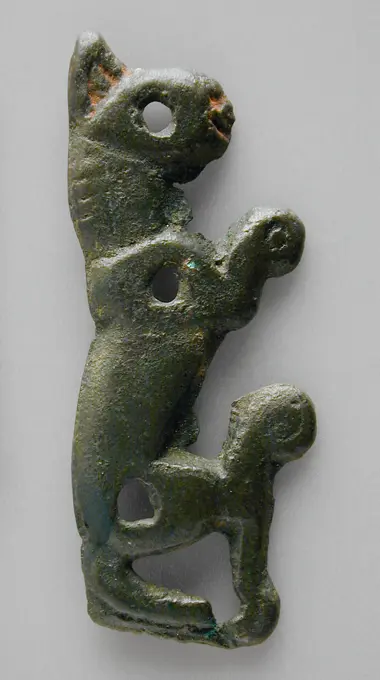
Fragment (from an altar cabinet); (possibly) belonging to the retable of Soest, c. 1475 - c. 1499   wood (plant material)   wood (plant material)
Fragment (from an altar cabinet); (possibly) belonging to the retable of Soest, c. 1475 - c. 1499 wood (plant material) wood (plant material)
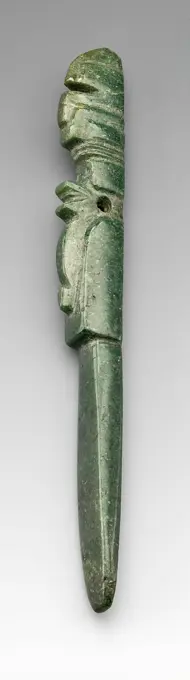
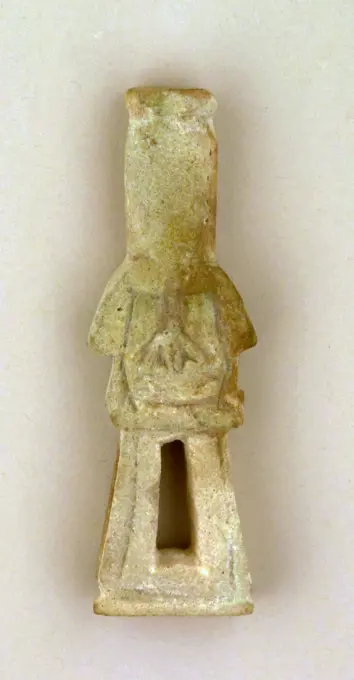
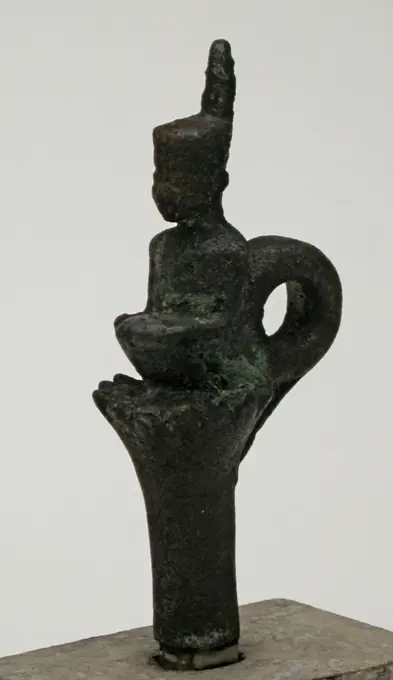
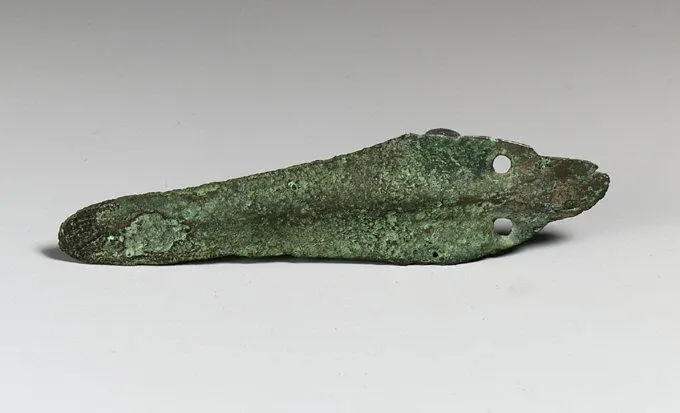
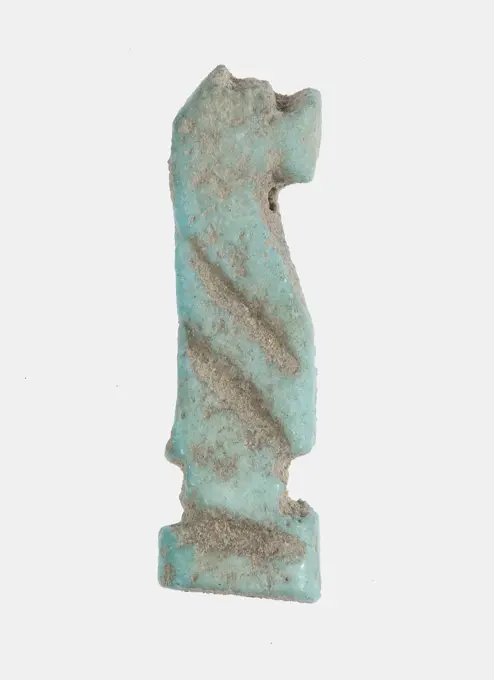
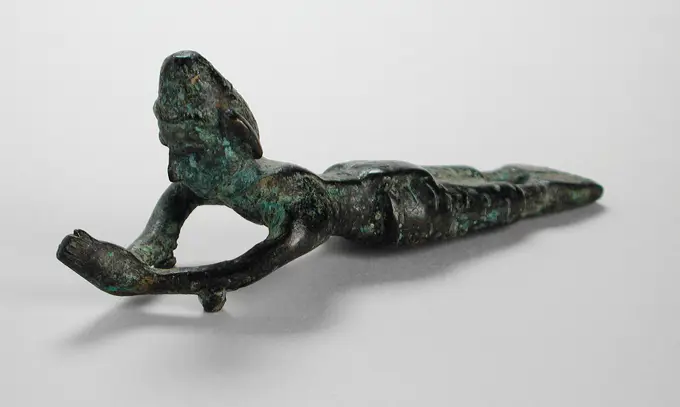
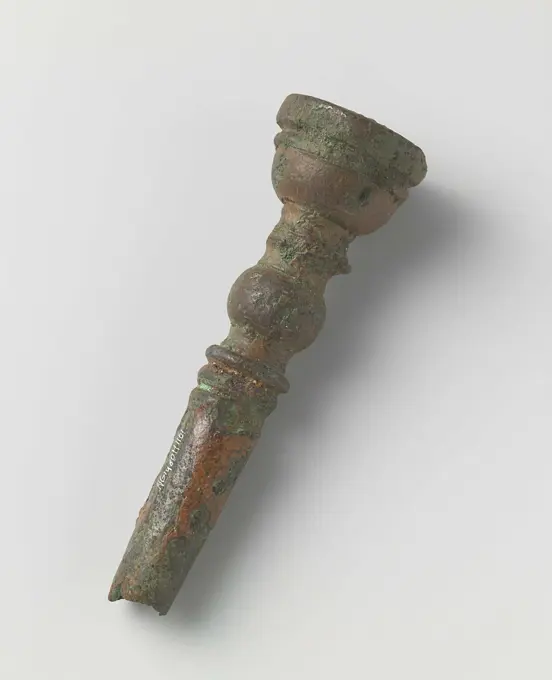
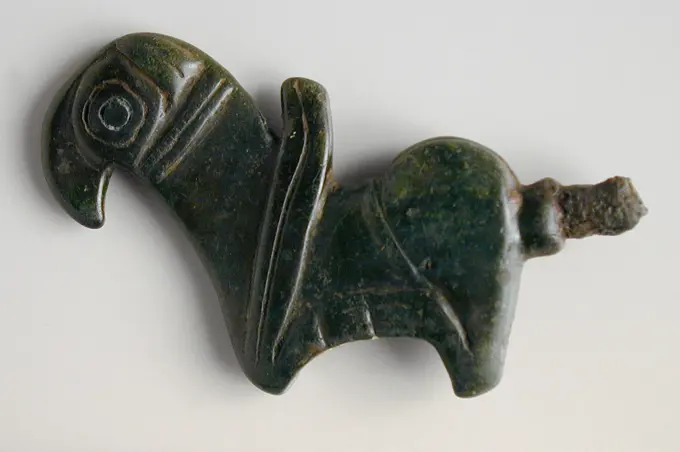
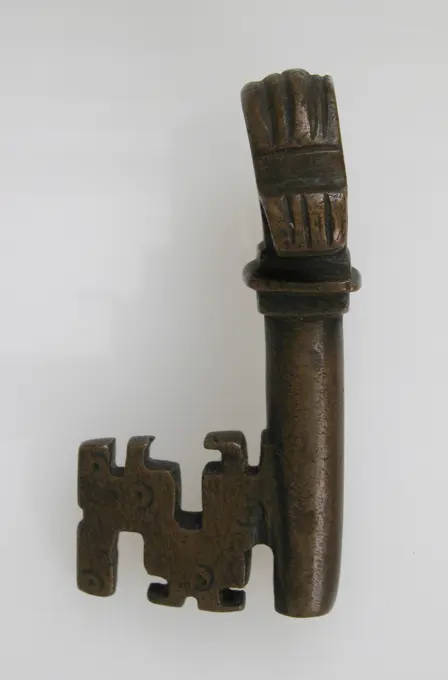
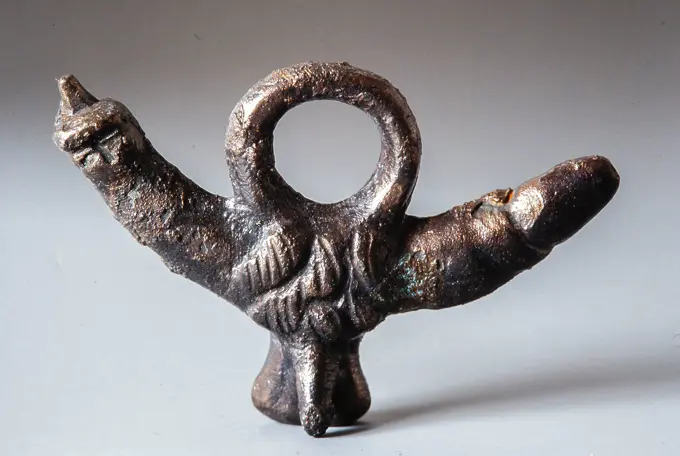
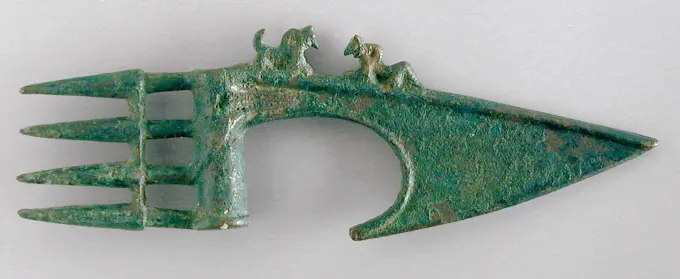
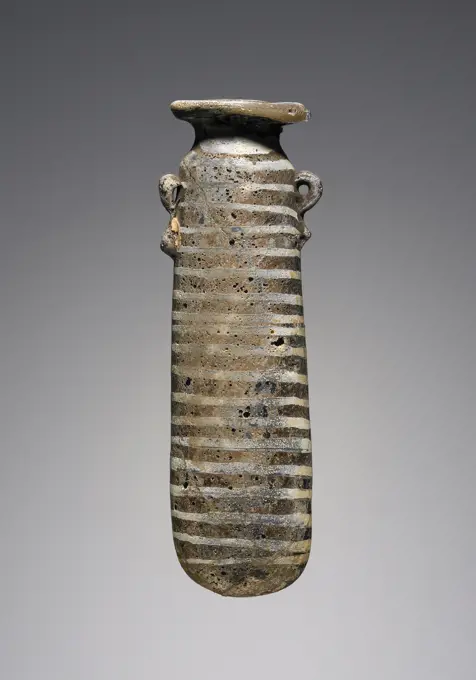
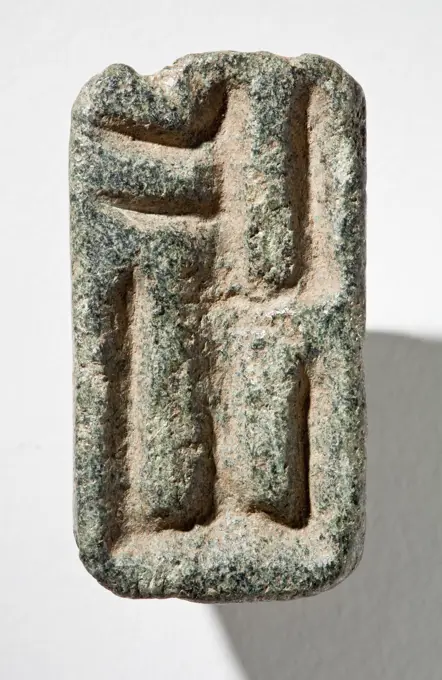
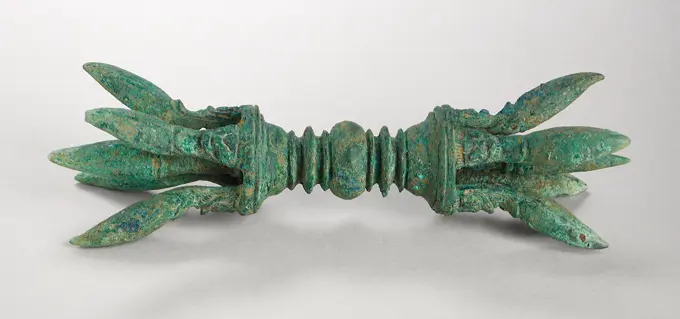
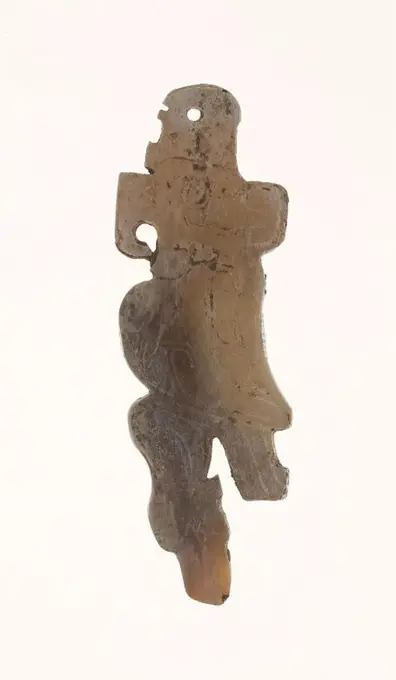
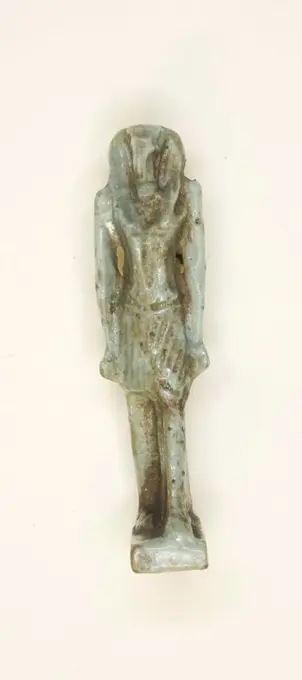
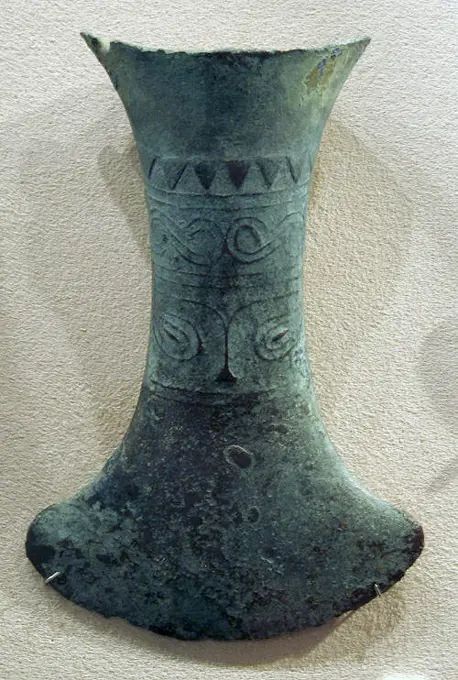
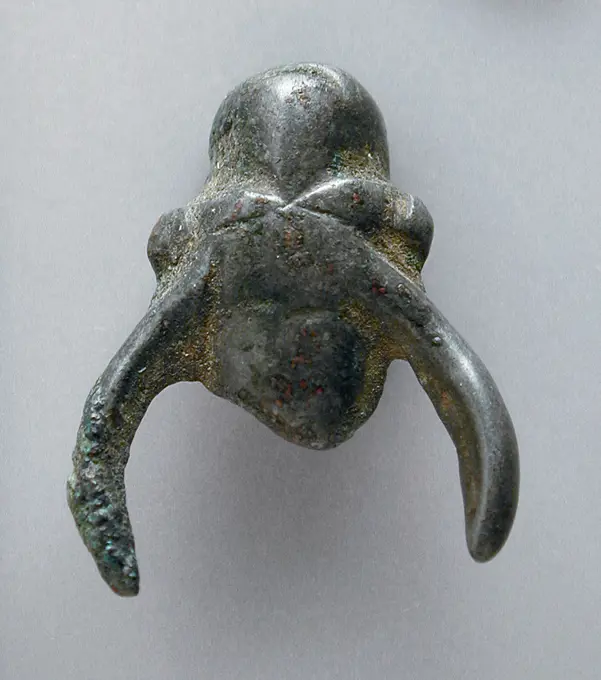
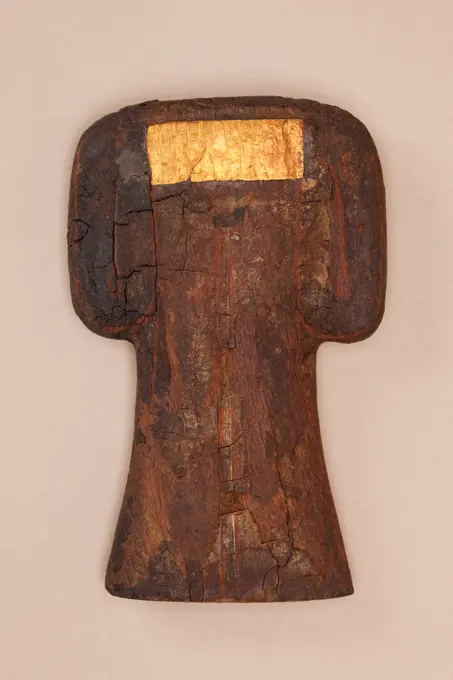
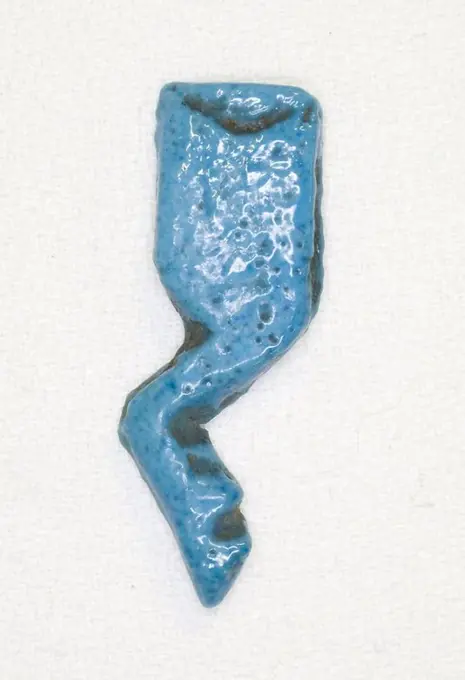
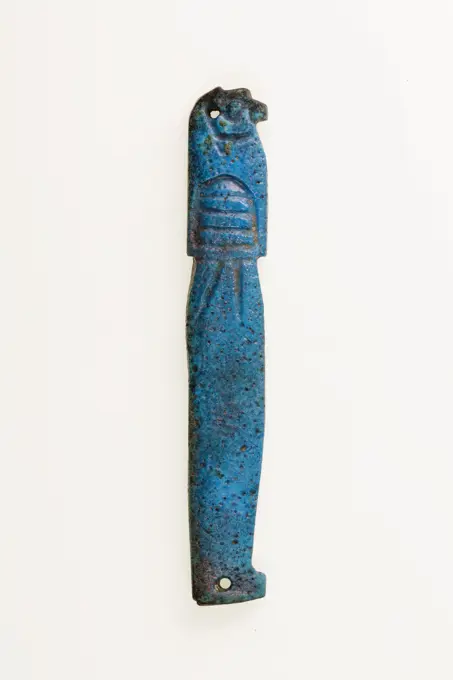
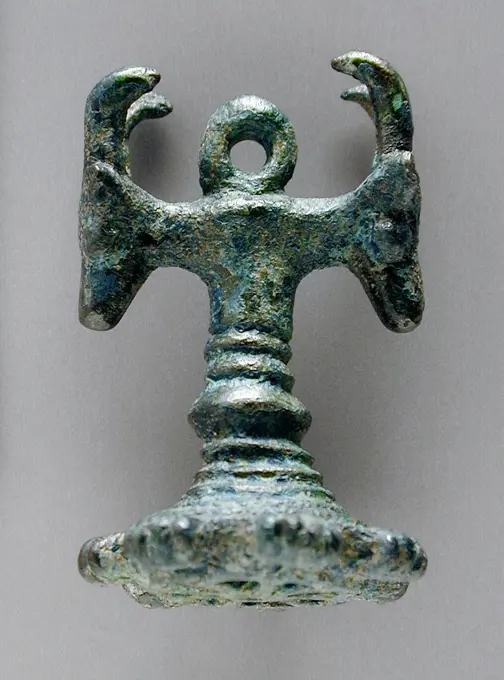
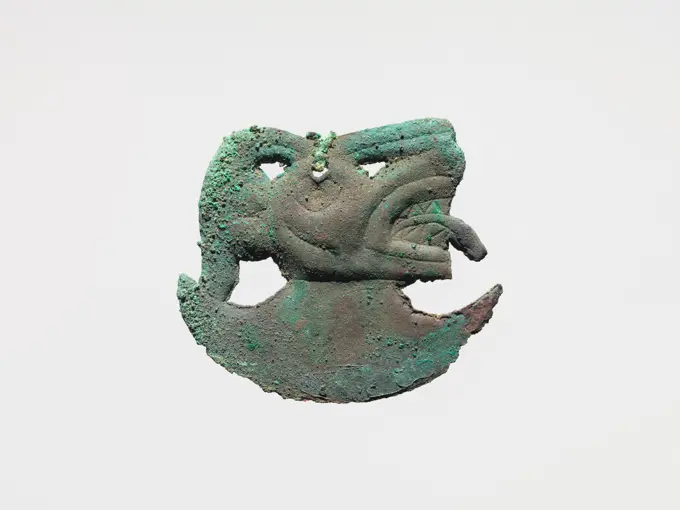
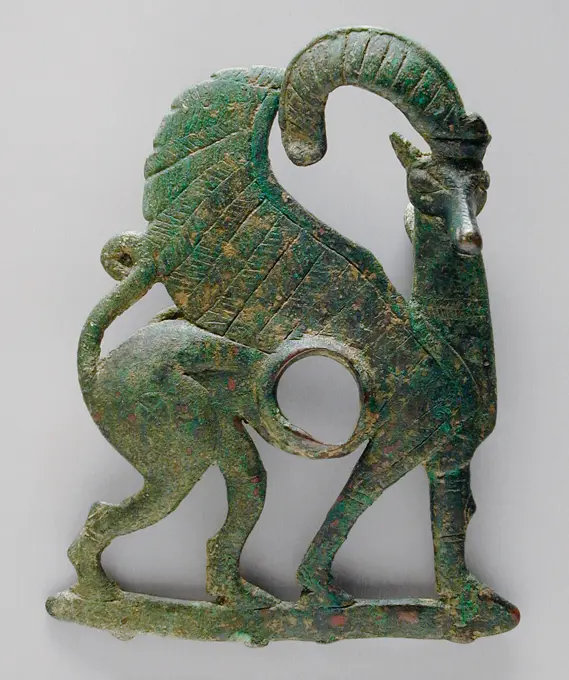
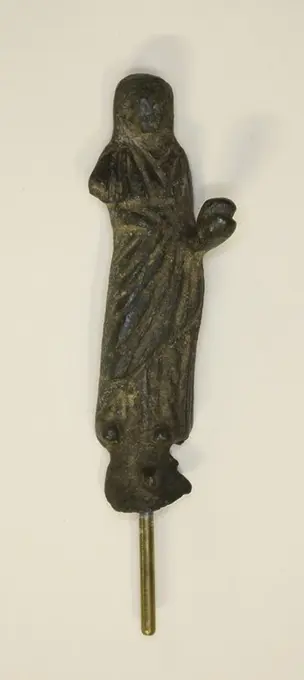
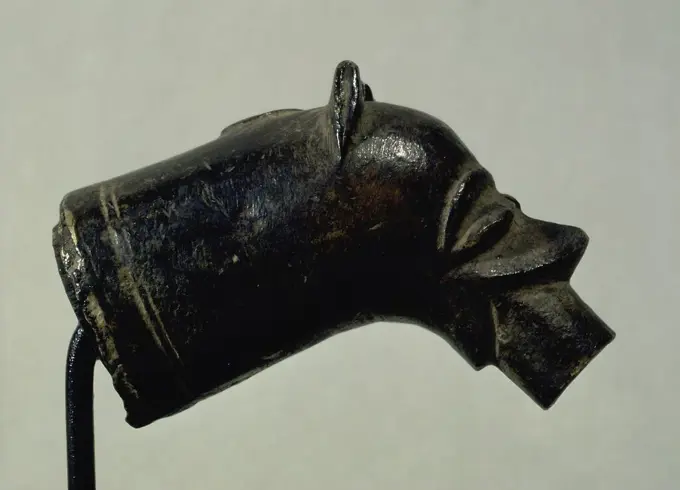
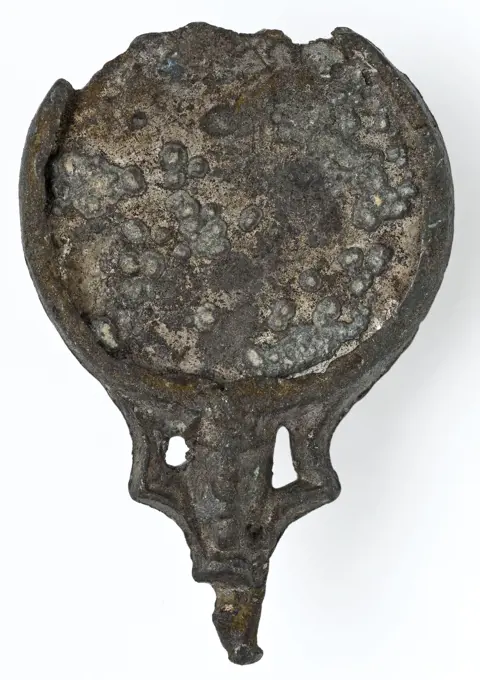
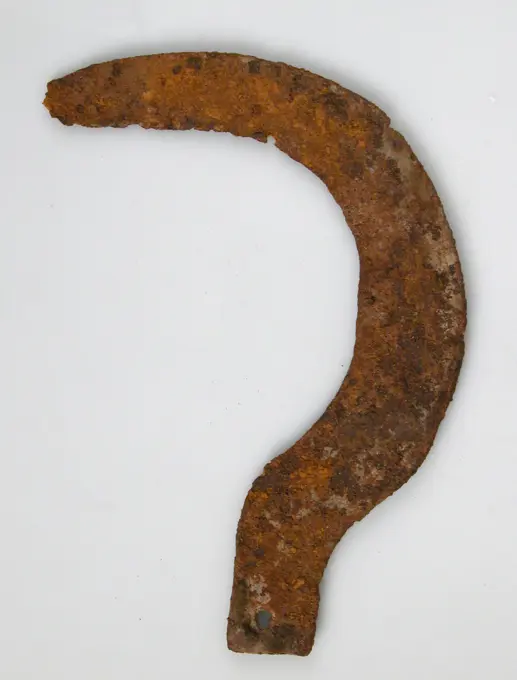
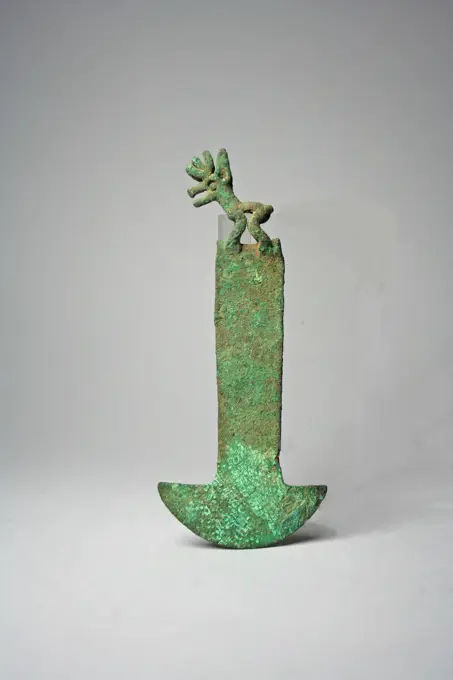
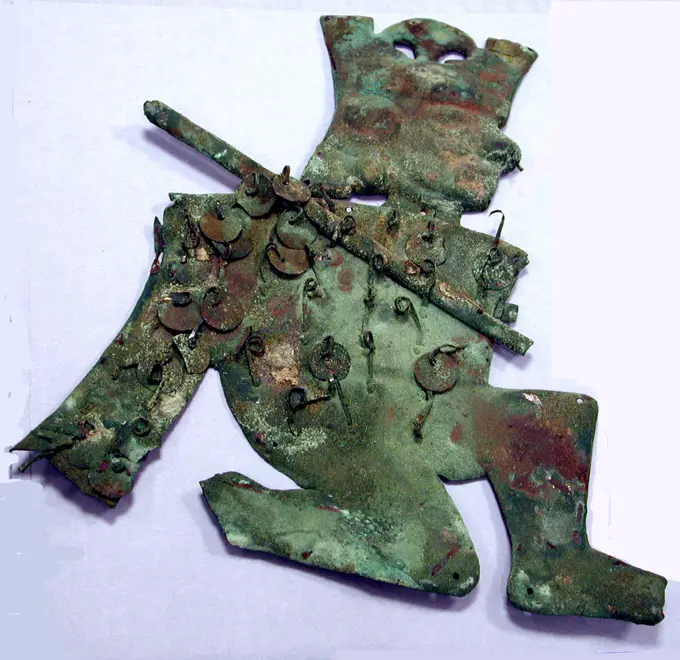
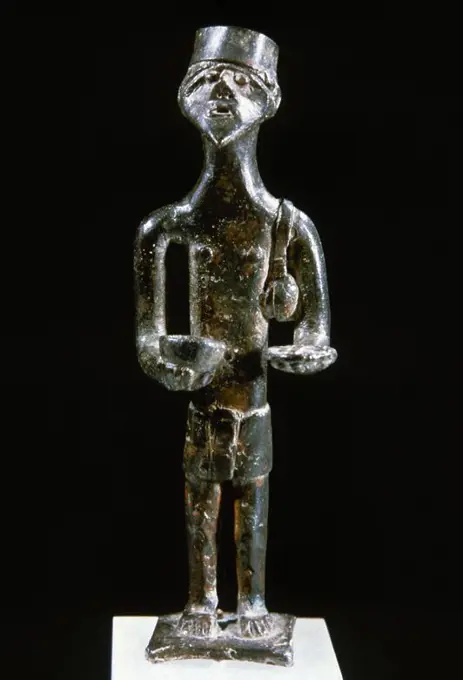
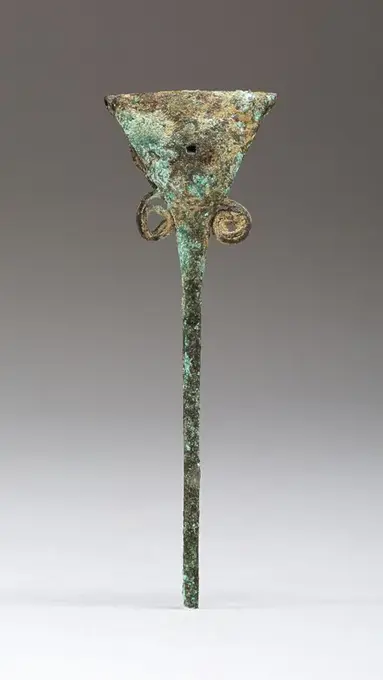
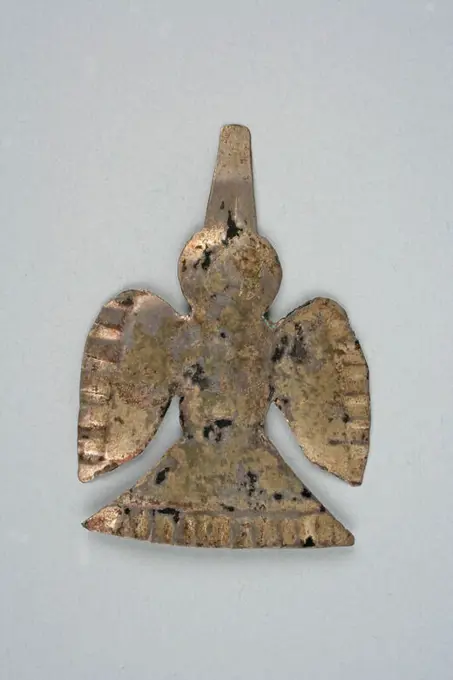
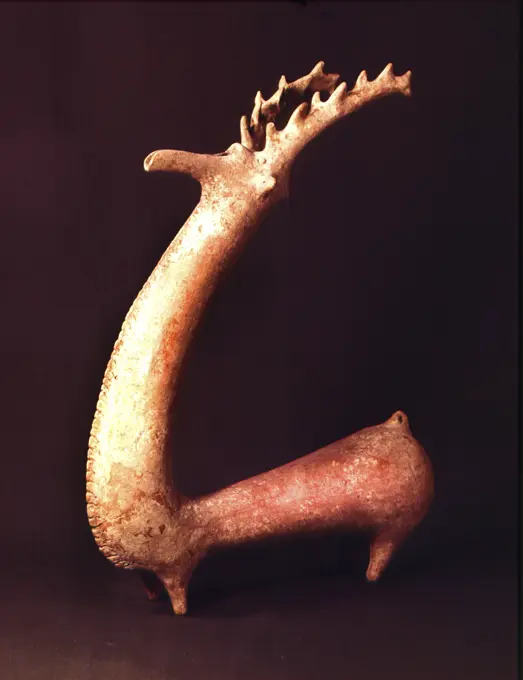
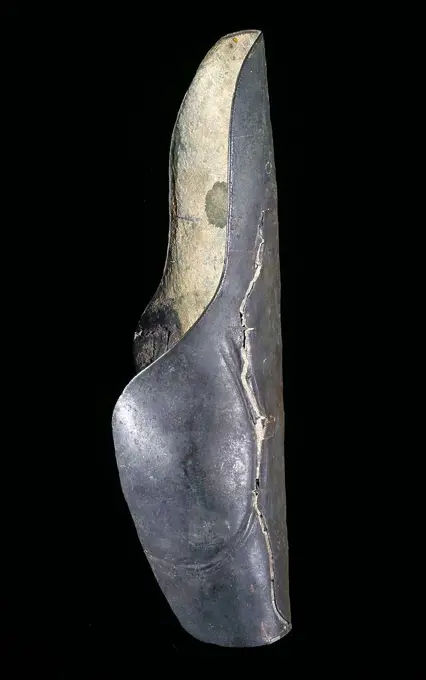
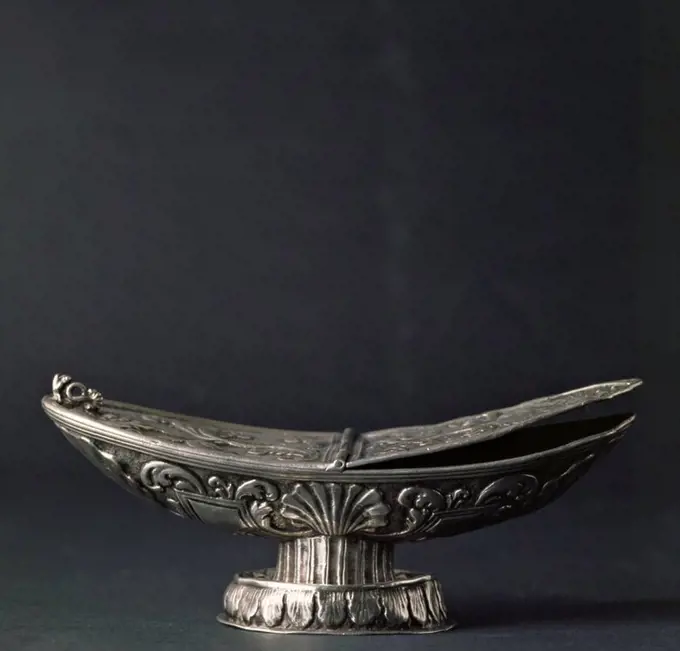
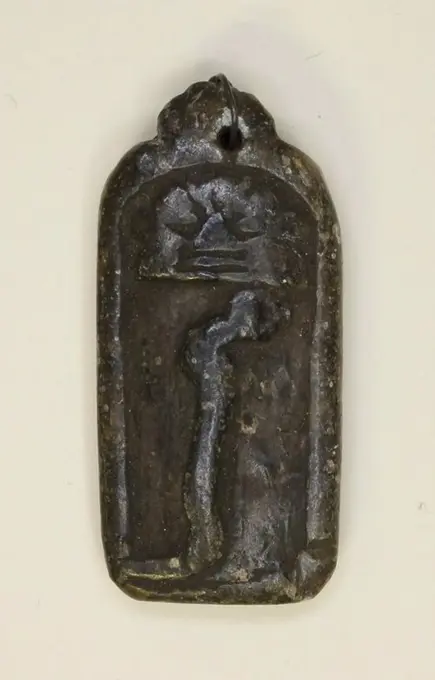
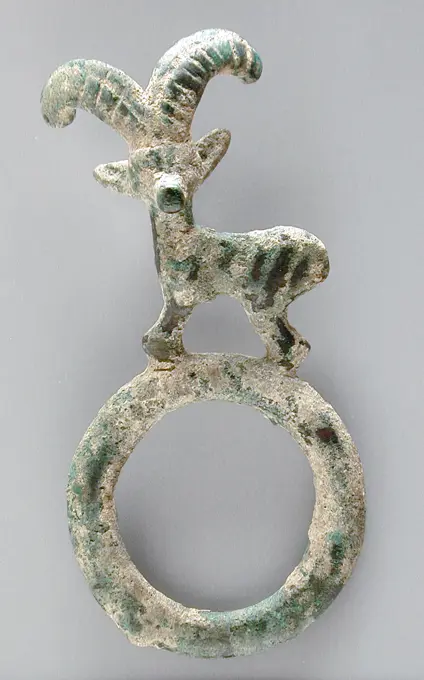
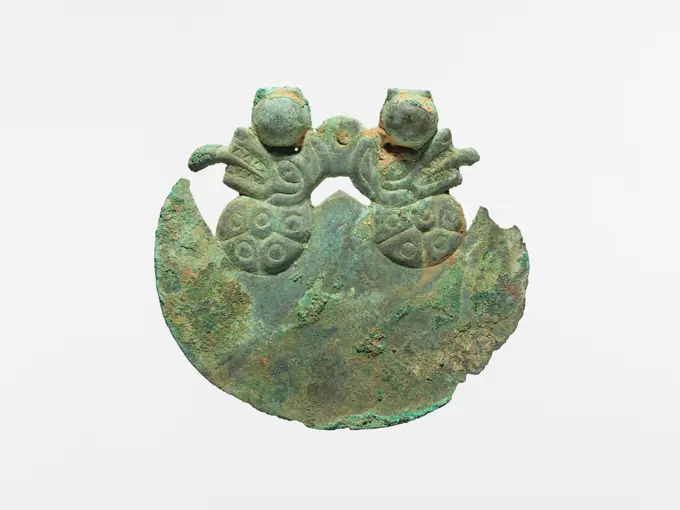
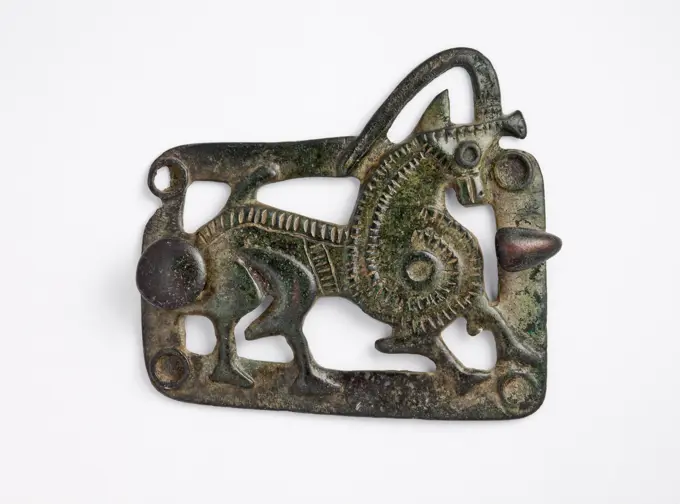
Plaque. Western Inner Mongolia or Northern China, 5th century B.C.. Sculpture; plaques. BronzeModel Dagger. Egypt, Ptolemaic Period - Roman Period (332 BCE - 395 CE) or later. Sculpture. BronzeCarved Pendant Depicting a Costumed Figure with a Abstract Bird Headdress 1000-1500 Guápiles. Jadeite . GuápilesInscribed Dagger Hilt and Handle. Egypt, New Kingdom, 19th Dynasty, reign of Ramses II (1304 - 1237 BCE) or later. Arms and Armor; daggers. BronzeFragment (from an altar cabinet); (possibly) belonging to the retable of Soest, c. 1475 - c. 1499   wood (plant material)   wood (plant material)Handle of a sistrum. Handle of a sistrum. Clay, glazed. Gold and SilverStatuette of the Goddess Neith Sitting on a Lotus 664 BCE-332 BCE Egypt. Bronze . Ancient EgyptianOwl Tab Ornament 6th-7th century Moche (Loma Negra). Owl Tab Ornament. Moche (Loma Negra). 6th-7th century. Silvered copper, shell, stone. Peru. Metal-OrnamentsPlaque. Western Inner Mongolia, 5th-3rd century B.C.. Sculpture; plaques. Bronze, castCopper alloy dagger blade ca. 2200-1800 B.C. Cypriot Leaf-shaped blade without tang and two rivet-holes.. Copper alloy dagger blade 244168Key Handle 1st-7th century Roman. Key Handle 462936Amulet of the Goddess Bastet 1070 BCE-656 BCE Egypt. Faience . Ancient EgyptianTaweret Amulet ca. 1802-1450 B.C. Late Middle Kingdom-Early New Kingdom. Taweret Amulet. ca. 1802-1450 B.C.. Faience. Late Middle Kingdom-Early New Kingdom. From Egypt, Memphite Region, Lisht North, Cemetery south of pyramid, House A1, so-called "faience factory", MMA excavations, 1920-22. Dynasty 13-18, earlyProstrating Devotee. Sri Lanka, 16th-17th century. Sculpture. Copper alloyComponent Wind instrument from the wreck of the East Indieschief Hollandia. Wind instrument; Fragment, Trumpet Mouthpiece, Everted Cicular Upper End With Baluster-Molded Tube, Tapering, Broken off.Profile Warrior 6th-7th century Moche (Loma Negra). Profile Warrior 313440Handle ca. 3rd-7th century A.D. Sasanian. Handle 323057Pinhead. Iran, Luristan, about 1350-800 B.C.. Jewelry and Adornments; pins. Bronze, castPin, eyelet type. Pin, eyelet type 244260Buckle 7th century Frankish Belts were important features of early medieval dress. Not only did they serve the practical function of holding weapons and tools, but their fittings, which could vary in terms of material, decoration, and size, were also highly visible indicators of rank and status. Iron buckles, many imposing in size, were worn by both men and women. Their intricate decoration was achieved by squeezing narrow twisted strips of silver into patterns engraved on the surface of the prefabricated iron pieces. A complete belt would have consisted of a buckle, a counter plate that was placed opposite the buckle, and sometimes a rectangular plate placed in the middle of the belt at the back for decoration.. Buckle 465790 Frankish, Buckle, 7th century, Bronze, traces of silver, copper alloy, Overall: 2 3/16 x 1 3/16 x 1/2 in. (5.5 x 3 x 1.2 cm). The Metropolitan Museum of Art, New York. Gift of J. Pierpont Morgan, 1917 (17.193.68a)Belt Ornament 2nd-7th century Moche. Belt Ornament 315643Indian terracotta bisexual figure, 3rd century BC. Artist: UnknownBelt hook 5th-4th century B.C. China. Belt hook 49484Key 1st-7th century Roman. Key 462955Dagger 500 B.C.-A.D. 100 Vietnam. Dagger 60866Dagger-axe (ge), 1600-1046 BCE, 8 15/16 × 3 1/2 × 3/16 in., 0.4 lb. (22.7 × 8.89 × 0.5 cm, 0.2 kg), Bronze with inlaid turquoise, and jade, China, 12th-11th century BCENative Indian Caribou antler ornament. decorated, Eskimo, (Inuit). Canada 1870Harness Ornament with Raptors and Carnivores late 5th-4th century B.C. Bulgaria. Harness Ornament with Raptors and Carnivores 60797Statuette of the Goddess Mut 1069 BCE-664 CE Egypt. Bronze . Ancient EgyptianPalmette, HalfAmuleto, falo de bronce. Can Serra Museu de Mataró.Shaft-hole Axehead. Iran, Luristan, circa 1350-1000 B.C.. Arms and Armor; axes. Bronze, castAlabastron; Eastern Mediterranean; 6th - 4th century B.C; Glass; 9.8 cm (3 7,8 in.)Amulet of the God Anubis 1070 BCE-656 BCE Egypt. Faience . Ancient EgyptianCow Headed Handle. Egypt, probably Ptolemaic period (332 - 30 BCE). Tools and Equipment; handles. BronzeStamp Seal, Gabled, Elongated. Northern Syria or southeast Anatolia, circa 3500 - 3100 B.C.. Tools and Equipment; seals. Gray-mottled serpentineThunderbolt (Vajra). Cambodia, 11th-12th century. Tools and Equipment. Copper alloyTerracotta foil mold of the son of Horus Egyptian. Terracotta foil mold of the son of Horus. Egyptian. Clay. Third Intermediate-Late Dynastic. Gold and SilverBird Pendant. China. Date: 1300 BC-1000 BC. Dimensions: 3 1/16 × 1 × 3/16 in. Jade. Origin: China. Museum: The Chicago Art Institute, Chicago, USA.Amulet of the God Thoth. Egyptian. Date: 664 BC-332 BC. Dimensions: 3.5 × 1 × 1 cm (1 3/8 × 3/8 × 3/8 in.). Faience. Origin: Egypt. Museum: The Chicago Art Institute, Chicago, USA. Author: Ancient Egyptian.Hafted Flask-Shaped Ax with Face ca. 500 B.C.-A.D. 300 Indonesia. Hafted Flask-Shaped Ax with Face. Indonesia. ca. 500 B.C.-A.D. 300. Bronze. Bronze and Iron Age period. MetalworkBull's Head Amulet. Egypt, New Kingdom - Ptolemaic Period (1569 - 30 BCE). Jewelry and Adornments; amulets. Lead or silverReclining Lion. Roman, A.D. 2nd-4th century. Sculpture. Bronze, castPendant. Western Iran, circa 1000-650 B.C.. Jewelry and Adornments; pendants. Bronze, castBat Amulet of Hapiankhtifi ca. 1981-1802 B.C. Middle Kingdom. Bat Amulet of Hapiankhtifi. ca. 1981-1802 B.C.. Wood, gold leaf. Middle Kingdom. From Egypt, Middle Egypt, Meir, Tomb of Hapiankhtifi, Mummy, Khashaba excavations, 1910-12. Dynasty 12Foundation Deposit: Calf's Foreleg (khepesh). Egyptian. Date: 1550 BC-1069 BC. Dimensions: 4.1 x 1.3 x 0.3 cm (1 5/8 x 1/2 x 1/8 in.). Faience. Origin: Egypt. Museum: The Chicago Art Institute, Chicago, USA. Author: Ancient Egyptian.Son of Horus ( Hapy) from Bead Net Third Intermediate Period-Late Period ca. 1070-525 B.C. View more. Son of Horus ( Hapy) from Bead Net. ca. 1070-525 B.C.. Faience. Third Intermediate Period-Late Period. From Egypt, Upper Egypt, Thebes, Khokha, Tomb of Roma (TT MMA 835), MMA excavations. Dynasty 21-26Amulet of the God Bes 1069 BCE-664 BCE Egypt. Faience . Ancient EgyptianUszebti. unknown, authorStamp Seal. Western Iran, circa 1350-1000 B.C.. Tools and Equipment; seals. Bronze, castUszebti. unknown, authorDragonfly amulet ca. 1981-1640 B.C. Middle Kingdom. Dragonfly amulet. ca. 1981-1640 B.C.. Faience, paint. Middle Kingdom. From Egypt, Memphite Region, Lisht North, Cemetery, debris, MMA excavations, 1915-16. Dynasty 12-13Crescent Ornaments 6th-7th century Moche (Loma Negra). Crescent Ornaments. Moche (Loma Negra). 6th-7th century. Copper. Peru. Metal-OrnamentsCheekpiece from a Horse Bit. Iran, Bronzes of Luristan, circa 1000-650 B.C.. Tools and Equipment; horse trappings. Bronze, castDoor tractor with lily as a decoration, c. 1400 - c. 1950   iron (metal)   iron (metal)Statuette of a Priest. Etruscan. Date: 299 BC-200 BC. Dimensions: 9 × 3 × 2 cm (3 1/2 × 1 1/8 × 3/4 in.). Bronze. Origin: Etruria. Museum: The Chicago Art Institute, Chicago, USA. Author: Ancient Etruscan.Costume Ornament 11th-12th century Central coast (). Costume Ornament 308788REMATE DE GRIFO EN BRONCE-PROC DE CORDOBA. Location: INSTITUTO VALENCIA DE DON JUAN-COLECCION. MADRID. SPAIN.Chess Piece, probably a Pawn 8th-11th century. Chess Piece, probably a Pawn. 8th-11th century. Bronze. Attributed to Western Islamic Lands. Gaming piecesCircular fragment of tin mirror insignia, badge badge pin clothing accessory clothing soil find tin metal, cast Fragment of buckle or decoration in the form of mirror Mirror badge Deepening circle ending in an openwork part archeology Rotterdam rail tunnel attaching Soil discovery: trajectory Rotterdam rail tunnel.Fibula Greek, Cypriot. Fibula 244425Iron Blade 4th-7th century Coptic. Iron Blade 478763Buckle 7th Century Frankish. Buckle. Frankish. 7th Century. Bronze-gilt. Made in Northern France. Metalwork-BronzeTab, 600s. Frankish, Migration period, 7th century. Iron with silver overlay; overall: 9.1 x 5.8 cm (3 9/16 x 2 5/16 in.).Buckle The rim and the back attachment are ornamented with openwork decoration.. Buckle 246778Ceremonial Knife (Tumi) 15th-16th century Inca (). Ceremonial Knife (Tumi). Inca (). 15th-16th century. Copper (cast). Peru. Metal-ImplementsArrowhead 2nd-1st millennium B.C. Iran. Arrowhead 325234Door tractor with lily as decoration.Seated Male Figure on aShaftStone Animal Figure 1st-8th century Mezcala (). Stone Animal Figure 315800Profile Warrior Ornament 6th-7th century Moche (Loma Negra). Profile Warrior Ornament 315120Boat;  approx. 1186-OK. 1069 BC ; New PACrane. Bronze crane, hearing at a crane with Invnr. BK-NM-1580-b.Italy. Sardinia. Nuragic civilization. Figurine bidder. Known by the name Barbetta. Bronze. 8th-7th century BC. From santuary of Mazanni. Archeological Museum of Cagliari.Hair Ornament or Pin with Triangular Head and Rattle. Probably Chimú-Inca; North coast, Peru. Date: 1450-1532. Dimensions: H. 7.6 cm (3 in.). Bronze. Origin: Peru. Museum: The Chicago Art Institute, Chicago, USA.Cast pendant bead. UnknownCostume Ornament. Culture: Peru; north coast (). Dimensions: D. 2 1/2 in. (6.4 cm). Date: 11th-12th century. Museum: Metropolitan Museum of Art, New York, USA.Persian ceramic. Zoomorphic jug, Amlash, 10th-8th cent. BC. IRAN.Fragments of a cart or chariot, S-shaped braces ca. 500-480 B.C. Etruscan Large collection of bronze and iron attachments once belonging to a chariot.. Fragments of a cart or chariot, S-shaped braces 253018 Etruscan, Chariot fragments, S-shaped braces, ca. 500480 B.C., Bronze, Iron, K5: 6  3 5/16 in. (15.2  8.4 cm) K6: 6 1/8  3 3/4 in. (15.6  9.5 cm) K7: 5 13/16  3 11/16 in. (14.8  9.4 cm) K8: 5 3/4  3 3/4 in. (14.6  9.5 cm). The Metropolitan Museum of Art, New York. Fletcher Fund, 1929 (29.131.3k5k8)Shawabty of Ditamenpaankh, 715-656 BC. Egypt, Late Period, Dynasty 25. Terracotta; overall: 4.6 x 1.7 x 1 cm (1 13/16 x 11/16 x 3/8 in.).GREBA DE BRONCE ROMANA. Location: MUSEO ARQUEOLOGICO NACIONAL-COLECCION. MADRID. SPANIEN.Lion pin ca. 9th century B.C. Iran. Lion pin 325147Bronze ring late 5th-4th century B.C. Greek Herakles standing with one foot resting on a rock.. Bronze ring. Greek. late 5th-4th century B.C.. Bronze. Classical. BronzesSilver object called naveta. Baroque, 18th century. Museum: Museo Arqueológico Nacional, Madrid. Author: CASAMITJANA.Shawabty of Ditamenpaankh, 715-656 BC. Egypt, Late Period, Dynasty 25. Terracotta; overall: 5.3 x 1.9 x 1 cm (2 1/16 x 3/4 x 3/8 in.).Key. Iran, Early Islamic. Metal. BronzeSeated fiddle-idol, 21st century BC. Artist: UnknownBuckle 14th century French, Haute-Savoie. Buckle. French, Haute-Savoie. 14th century. Bronze. Miscellaneous-Buckles & OrnamentAmulet of Bes Head and Serpent. Egyptian. Date: 1070 BC-664 BC. Dimensions: 3.2 x 1.6 x 0.6 cm (1 1/4 x 5/8 x 1/4 in.). Faience. Origin: Egypt. Museum: The Chicago Art Institute, Chicago, USA. Author: Ancient Egyptian.Jug 6th-7th century Jewish. Jug 469064Harness Ring. Iran, Luristan, Luristan bronzes, circa 1000-650 B.C.. Tools and Equipment; horse trappings. Bronze, castDragonfly Bracelet. Thailand, Ban Chiang culture, 300 B.C.-A.D. 150. Jewelry and Adornments; bracelets. Copper alloyCrescent Ornament 6th-7th century Moche (Loma Negra). Crescent Ornament. Moche (Loma Negra). 6th-7th century. Copper. Peru. Metal-OrnamentsBelt Buckle (One Ram). Iran, no date. Costumes; Accessories. BronzeAnonymous, belt plate (usual name), 0298. CERUNUSCHI Museum, Museum of Arts in Asia in the city of Paris.Girdle ornament China. Girdle ornament. China. Jade. Han dynasty (206 B.C.-A.D. 220). JadeLadleHandleFragment of a Frieze 10th century. Fragment of a Frieze 450333Roman clay lamp, 2nd century. Artist: UnknownDecorative element in the form of urea for a furniture. Gold. 664-332 BC. Late Period of Ancient Egypt.