Ancient Artifacts and Plaques

Historical bronze and jade artifacts depicting figures and symbols from ancient cultures, showcasing intricate designs.

Fragment (from an altar cabinet); (possibly) belonging to the retable of Soest, c. 1475 - c. 1499   wood (plant material)   wood (plant material)
Fragment (from an altar cabinet); (possibly) belonging to the retable of Soest, c. 1475 - c. 1499 wood (plant material) wood (plant material)
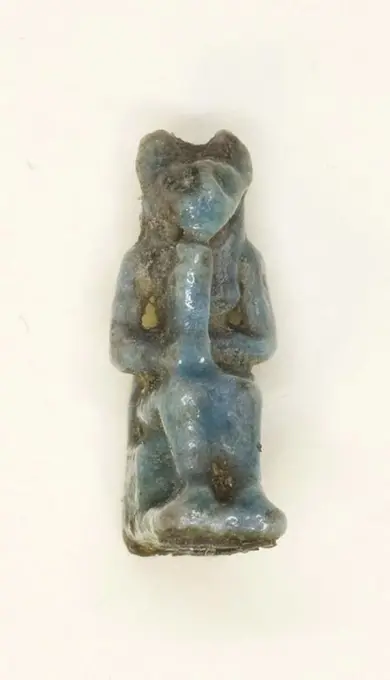
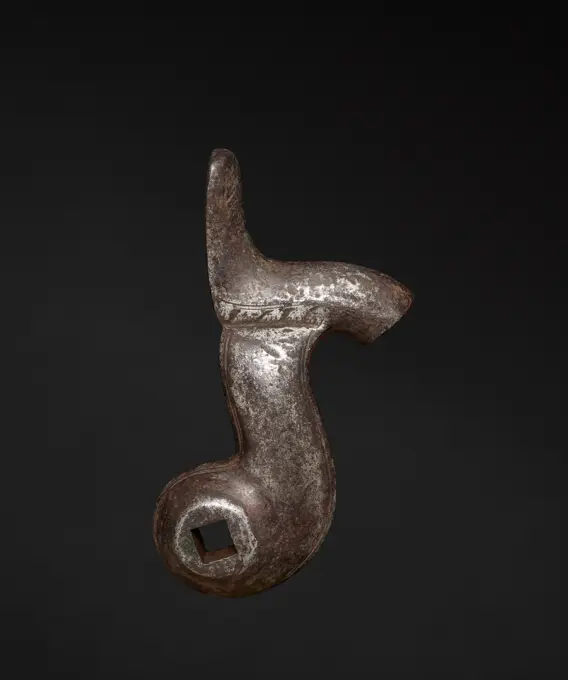
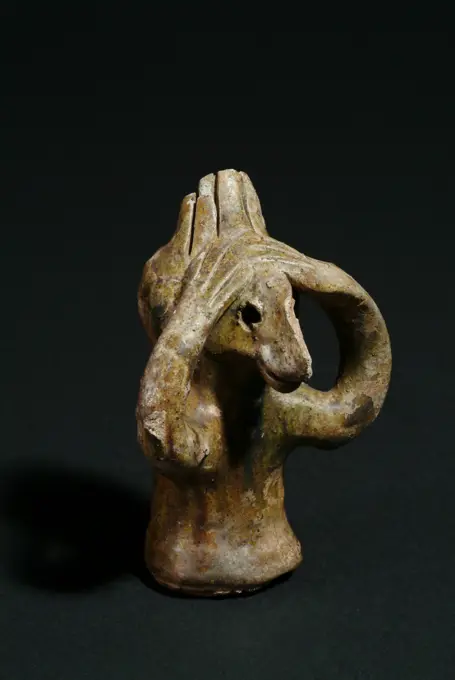
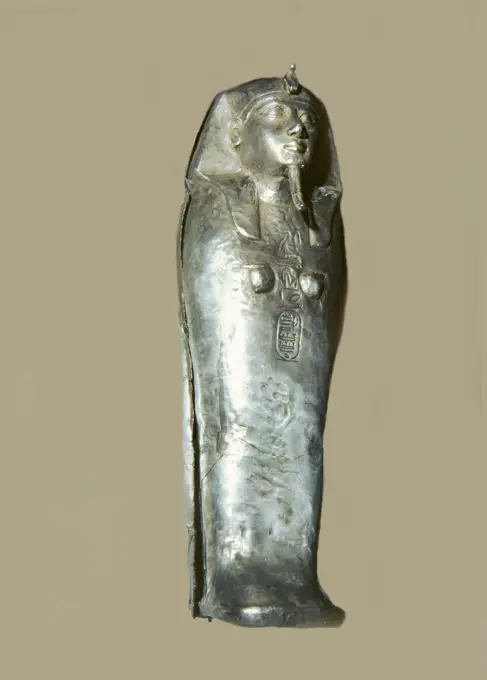
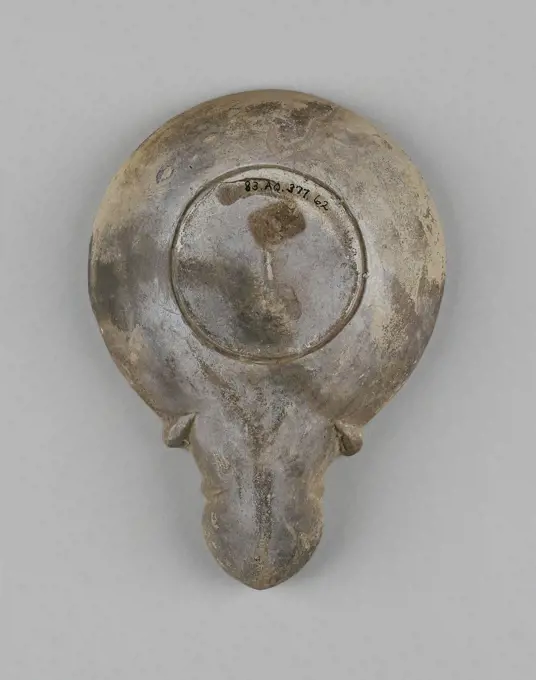
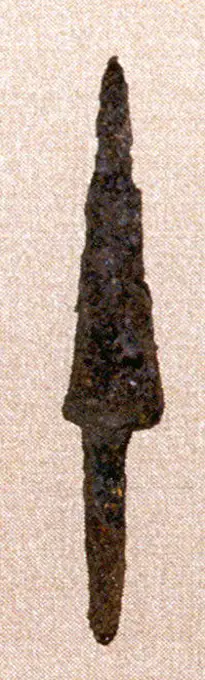
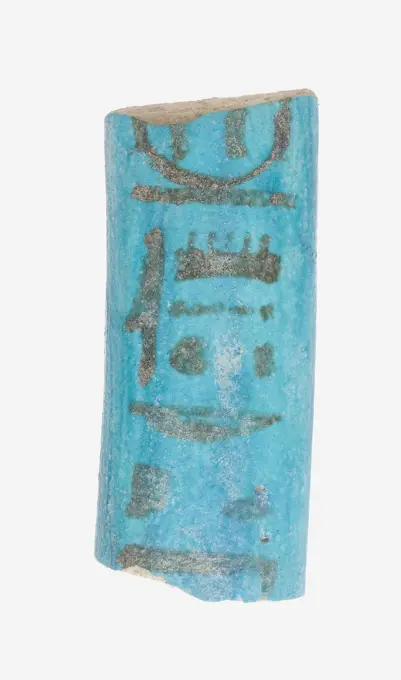
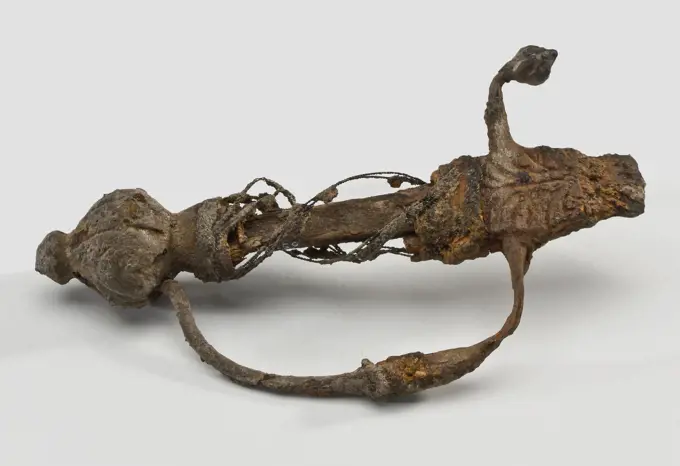
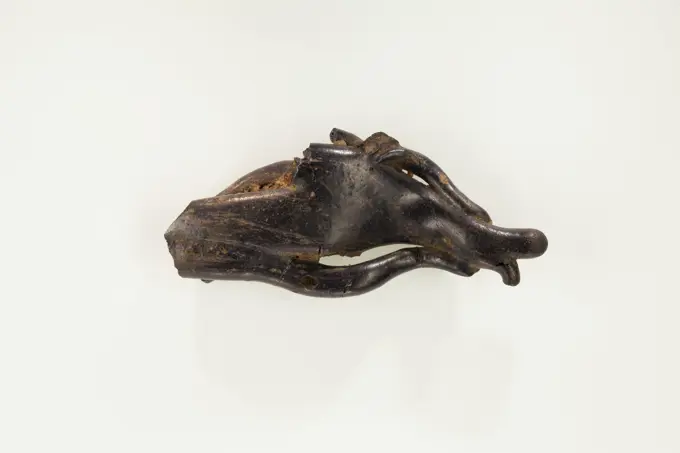
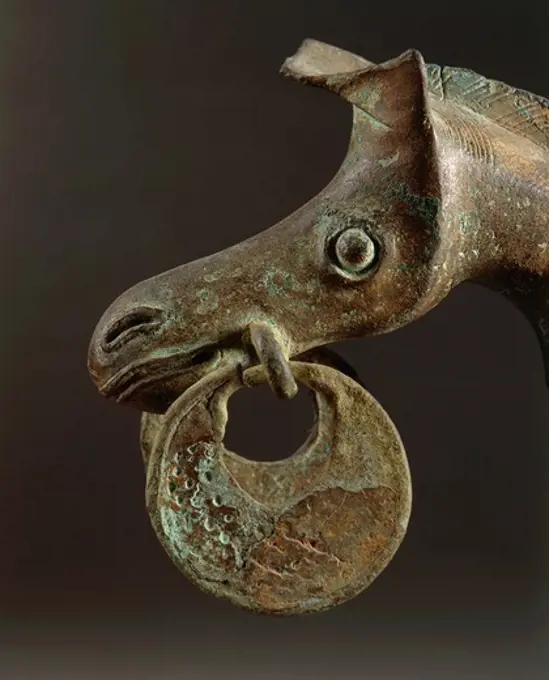
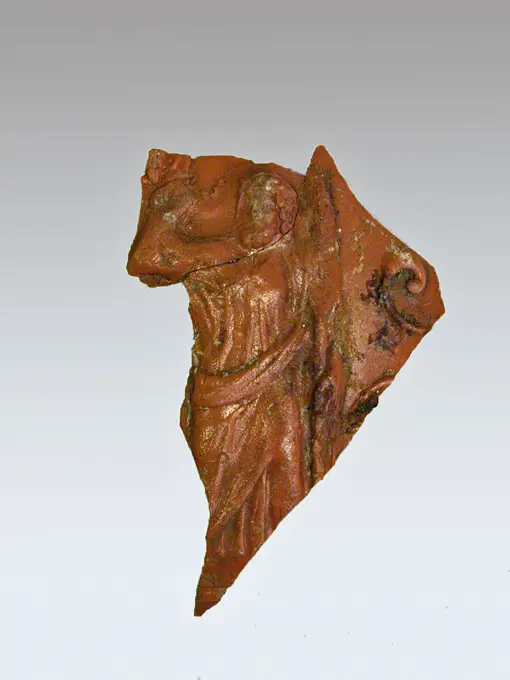
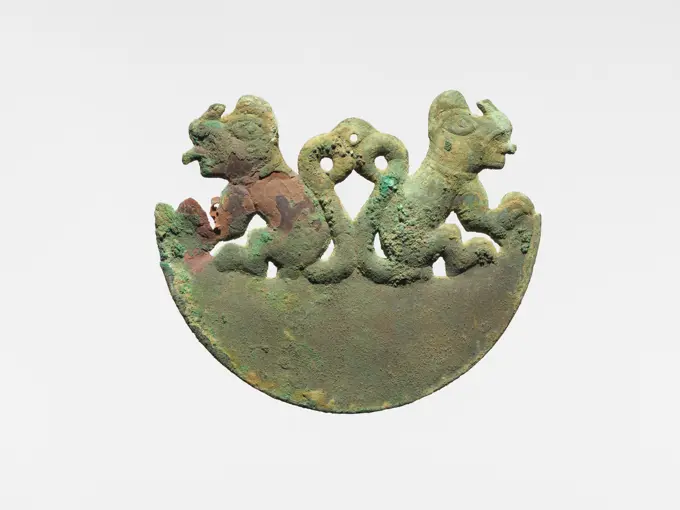
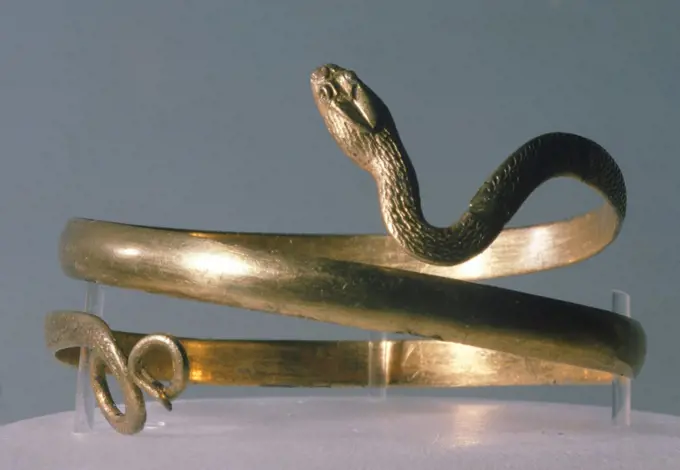
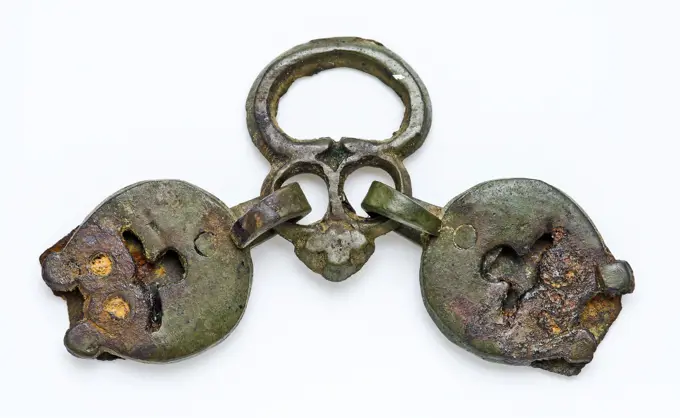
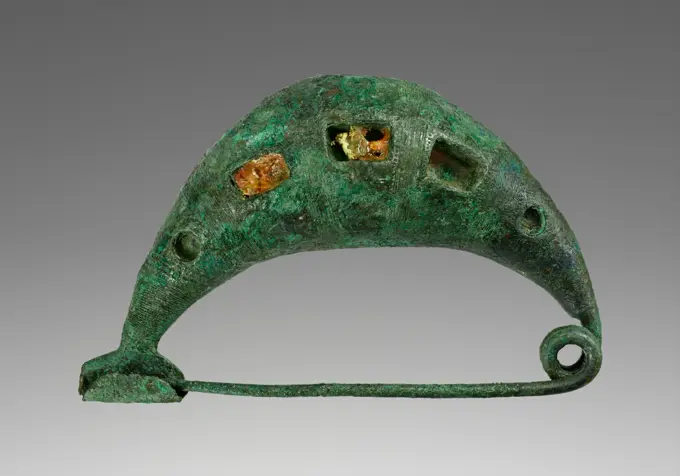
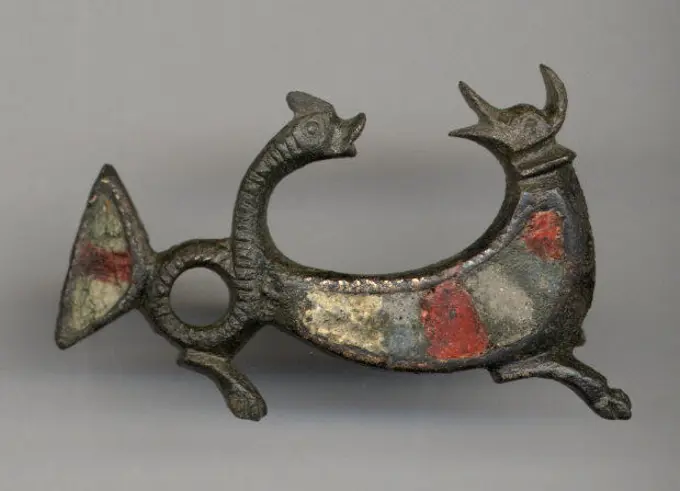
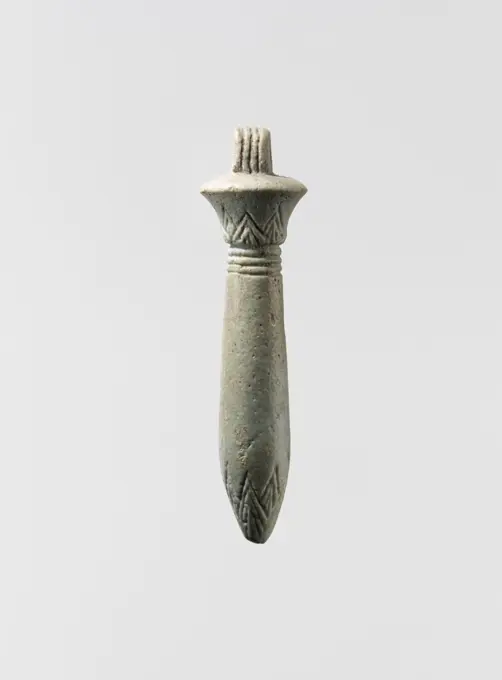
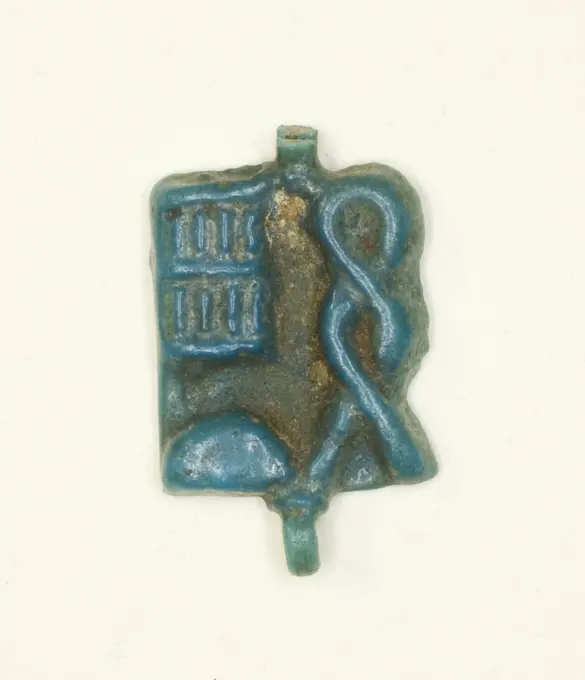
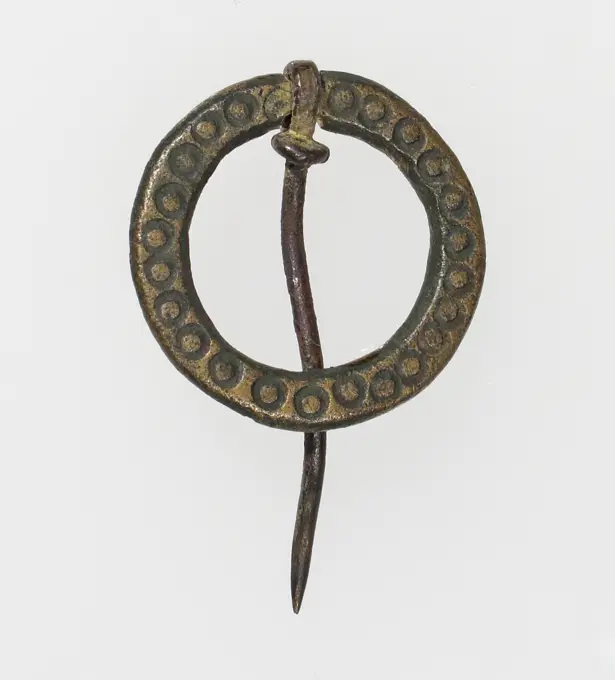
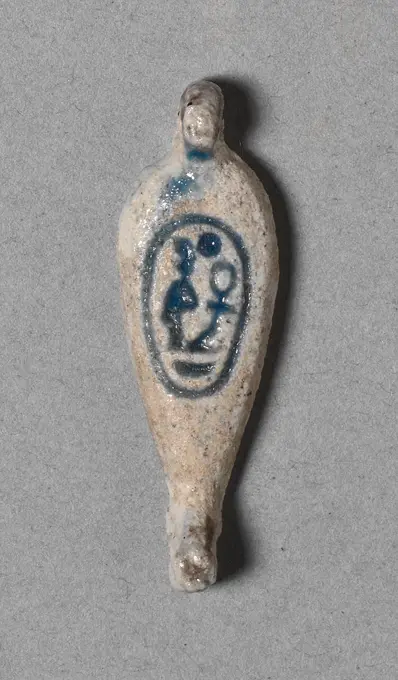
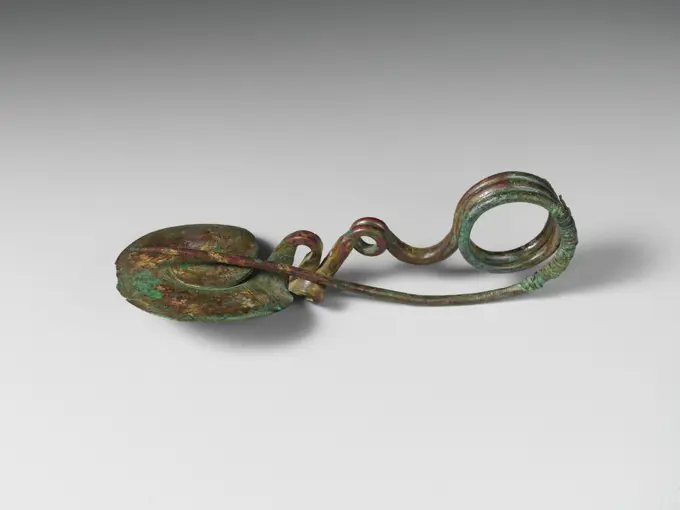
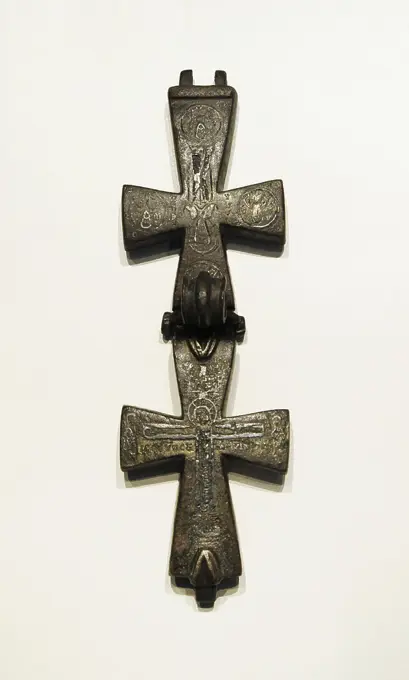
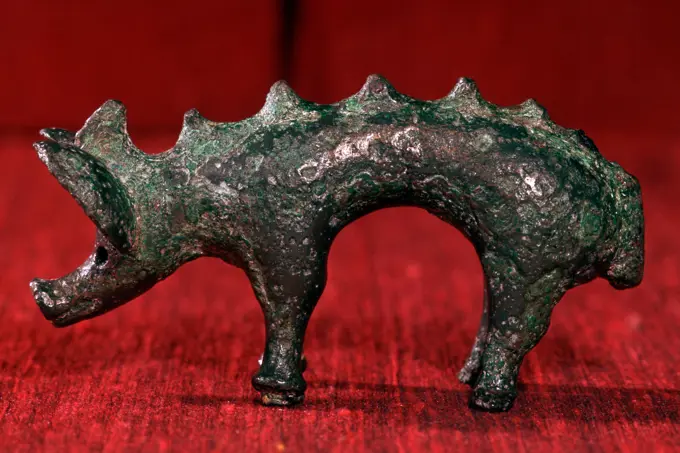
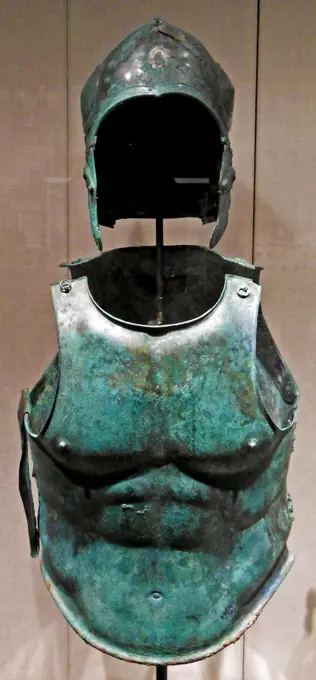
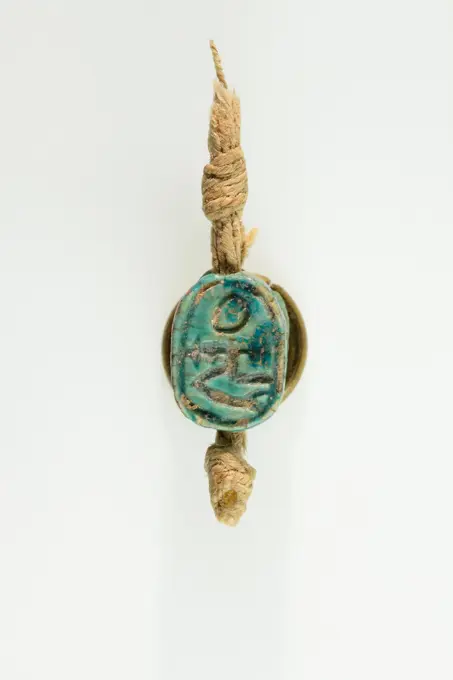
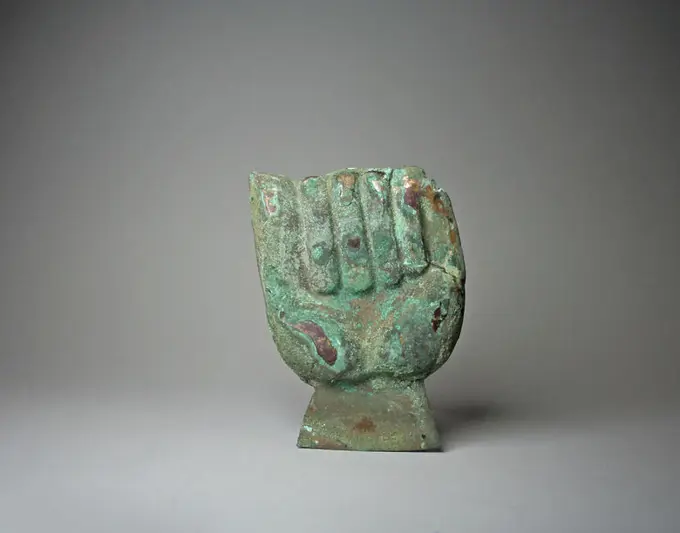
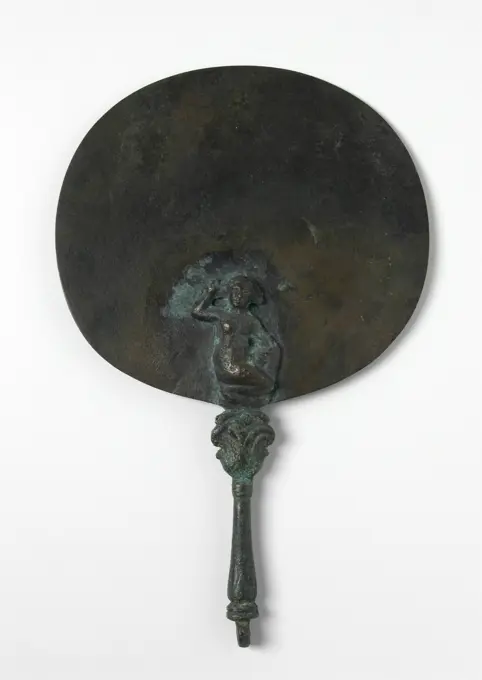
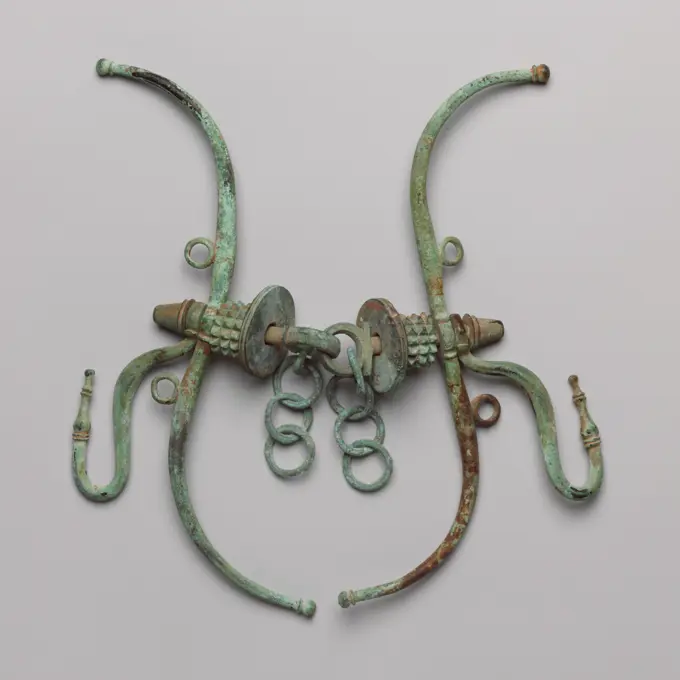
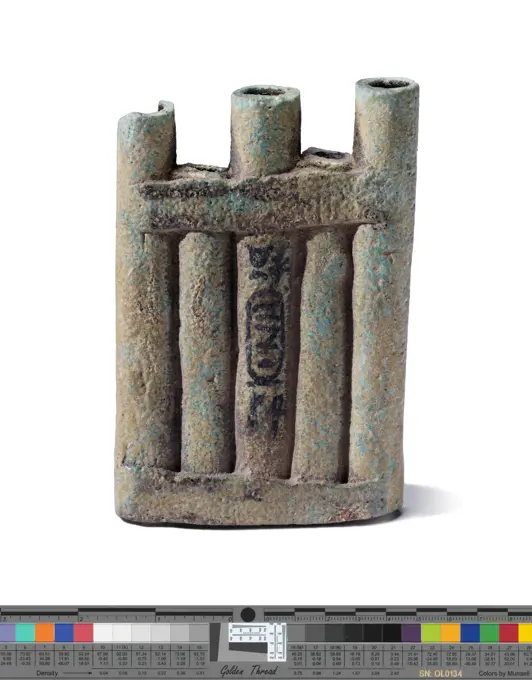
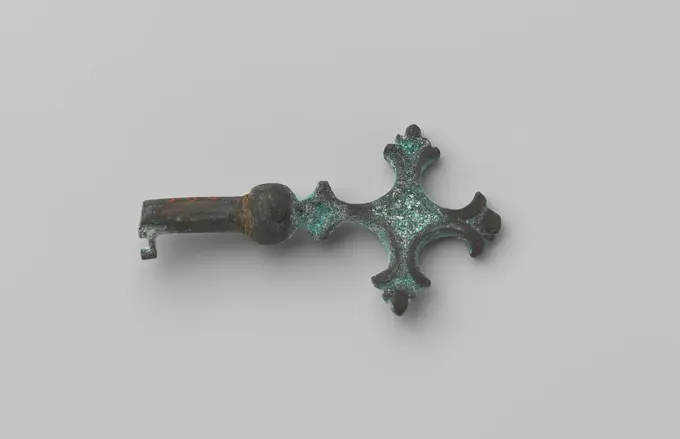
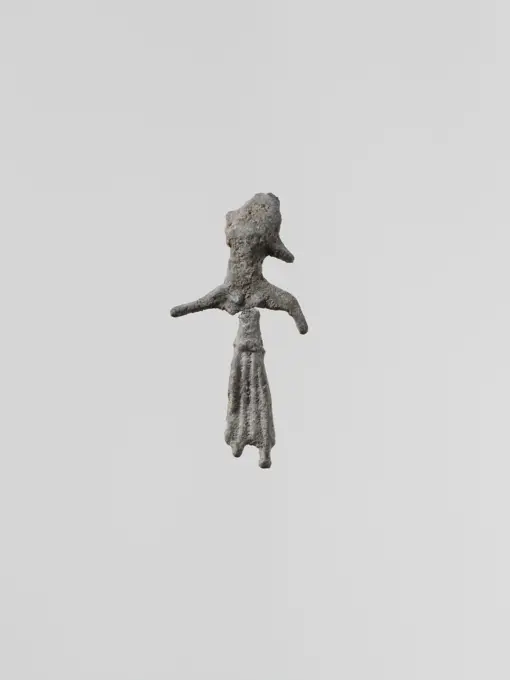
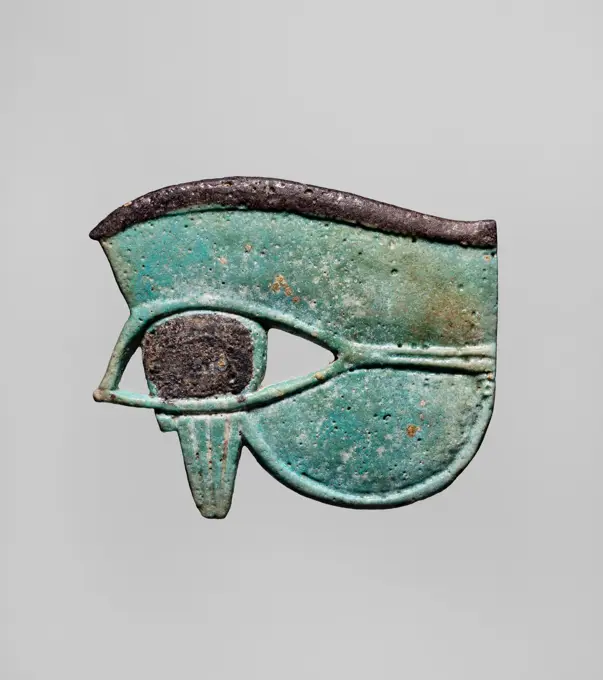
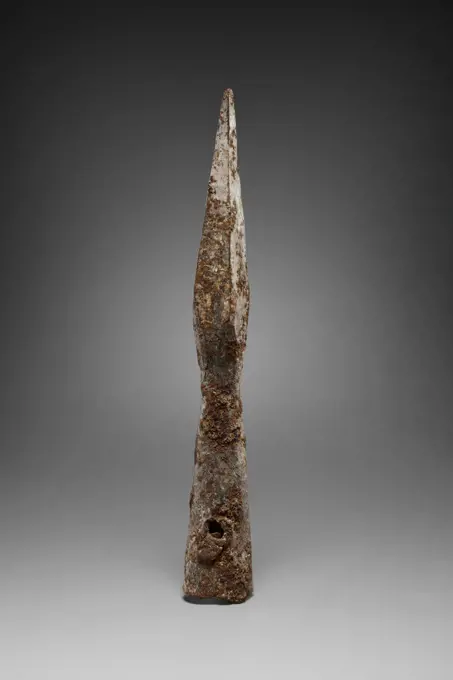
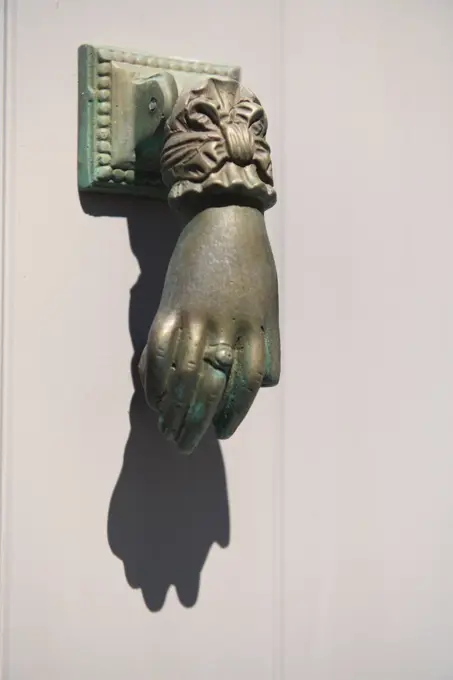
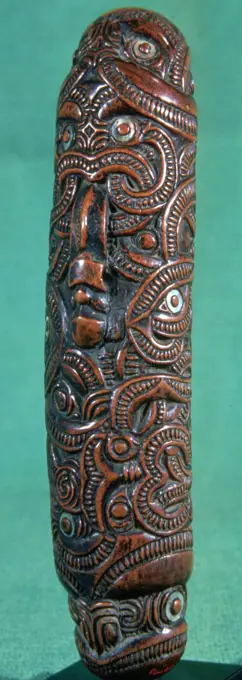
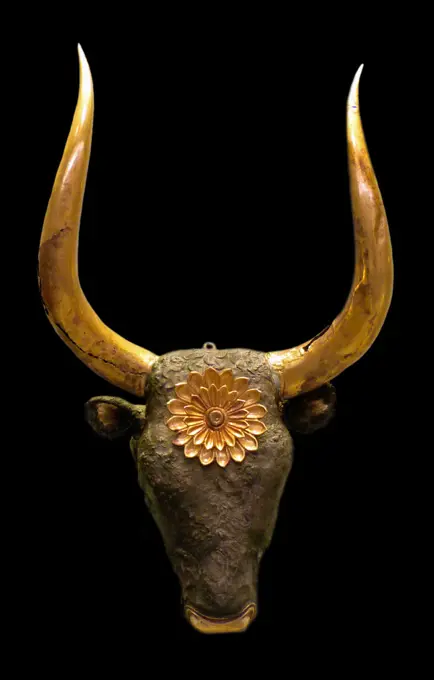
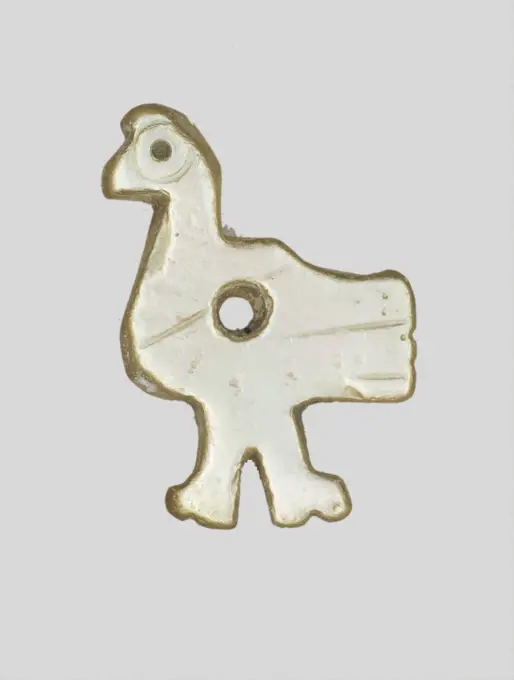
Bow Fibula (Brooch) 800 BCE-700 BCE Greece. This precious bronze object is a votive, or devotional gift, made as an offering to the gods. They come in many forms, such as animals, beads and brooches. Many seem once to have been attached to something else. Votiveswere hung from sacred trees or placed in sanctuaries around Greece. Once a shrine was full, the votives were ceremonially buried to make room for more offerings.. Bronze . Ancient GreekInscribed Container with Stopper Wrapped inSheathingAttachment Plate and Loop of a Belt Buckle 4th-7th century Frankish or Burgundian. Attachment Plate and Loop of a Belt Buckle. Frankish or Burgundian. 4th-7th century. Iron, brass inlay, bronze nails. Made in Burgundy. Metalwork-IronAmulet of the Goddess Bastet. Egyptian. Date: 664 BC-332 BC. Dimensions: 1.3 × 1 × 0.3 cm (1/2 × 3/8 × 1/8 in.). Ceramic. Origin: Egypt. Museum: The Chicago Art Institute, Chicago, USA. Author: Ancient Egyptian.Knife Scabbard with Row of Birds 7th-5th century B.C. Northeast China. Knife Scabbard with Row of Birds 59455Shrine amulet of Nefertum. Dimensions: H. 2.4 cm (15/16 in). Dynasty: Dynasty 26-30. Date: 664-332 B.C.. Museum: Metropolitan Museum of Art, New York, USA.Harness Ornament in the Shape of a Coiled Wolf 5th-4th century B.C. Northwest China. Harness Ornament in the Shape of a Coiled Wolf 59490Gun-Lock Hammer, c. 1800-1825. England, early 19th century. overall: 6.4 x 3.8 cm (2 1/2 x 1 1/2 in.).Vase; unpredictable Lona Manufaktura; beginning of the 20th century (1900-00-00-1905-00-00);Grohmann, Henryk (1862-1939) - collection, medallion (ornament), secession (style), infiltrate enamelFigure Lime Spoon 15th-16th century Inca. Figure Lime Spoon. Inca. 15th-16th century. Copper. Peru. Metal-ImplementsWooden post with carved animal head from the Oseberg grave (burial mound with stones shaped like a ship - ship grave), Norway, 9th century AD., Oslo, Universitetets OldsaksamlingFish Ornament 11th-12th century Peru; central coast (). Fish Ornament 308837Halberd possibly mid-15th century Swiss. Halberd 27496Miniature Bottle 11th-late 15th century Chimú or Chancay. Miniature Bottle. Chimú or Chancay. 11th-late 15th century. Copper, silver gilt (). Peru. Metal-ContainersTerracotta Zoomorphic Roof Finial, 1280-1320. Found at Weoley Castle, Birmingham, a Birmingham Museums Trust heritage siteSheshonq II, conqueror of Jerusalem, 930 BC. Miniature silver coffin. EGYPT.Lamp, North Africa; 1st - 4th century; Terracotta; 3.6 x 9 x 12.5 cm (1 7,16 x 3 9,16 x 4 15,16 in.)Head of a Dog. UnknownIron arrow tip ca. 7th-9th century A.D. Alanic. Iron arrow tip 327572Barnabite Bell Foundry Badge, 1791 (Title Title) Badge of the Barnabite Bell Currency Foundry. Bronze, 1791.Excerpt copper batter from the wreck of the East Indians Hollandia, Anonymous, 1700 - in or before 1743 fragment Varied parts or fragments, sheet metal fragments: worked, with rivets; fragm, eroded, with 1 rivet, 1 circular hole. Netherlands copper (metal)   SecondFragment of Throwstick ca. 1390-1353 B.C. New Kingdom. Fragment of Throwstick. ca. 1390-1353 B.C.. Faience. New Kingdom. From Egypt, Upper Egypt, Thebes, Malqata, Palace of Amenhotep III, South Village, MMA excavations, 1910-11. Dynasty 18Lifting group of military swords, sword sword vest weapon soil find iron wood metal total, Fender of military sword Remaining are the sting of the blade the start of the blade about 1.8 inches present the guard plunging overflowing in the bracket the handle and for small part the metal wrap around the handle The wooden handle core is almost completely missing archeology Rotterdam Kralingen-Crooswijk Kralingen East 's Gravenweg Soil discovery' s Gravenweg 289 Rotterdam.Lump of glass slag 1st Century B.C.-1st Century A.D. Ptolemaic or Roman Period. Lump of glass slag 570517Plumb Bob. Egypt, New Kingdom - Ptolemaic Period (1569 - 30 BCE). Tools and Equipment; plumb bobs. BronzeFish carriers of Amsterdam, Anonymous, c. 1800 - c. 1875  Brass bearing sign in the form of solid fish with head to the right, with a bearing eye on the back, a place of mouth and one in place of tail fin. Front: fish. Reverse: Blanco. Amsterdam brass (alloy) casting  AmsterdamPrehistory, Sweden, Iron Age. Horse head figure. From Svertarps.Vase fragment 1st century B.C.-1st century A.D. Roman Bearded man, draped.. Vase fragment. Roman. 1st century B.C.-1st century A.D.. Terracotta. VasesRazor blade ca. 1295-1070 B.C. New Kingdom, Ramesside. Razor blade 568387Animal Ornament 6th-7th century Moche (Loma Negra). Animal Ornament. Moche (Loma Negra). 6th-7th century. Gilded crescents. Peru. Metal-OrnamentsFigurine of Seated Lion with Turned Head. Egypt, late Roman Period - early Islamic Period (400 - 800 CE) or modern. Sculpture. BronzeGilded silver bracelet in the shape of a snake, from funerary offerings unearthed in Kralevo, Bulgaria. Goldsmith art. Thracian Civilization, 3rd Century BC.Belt buckle, two straps in the middle with three eyes, belt fittings clothing accessory clothing soil find copper metal, measured) archeologyFalcons, one of a pair, 600-222 BCE, 1 1/2 × 2 3/4 × 1 3/8 in., 0.4 lb. (weight including mount) (3.81 × 6.99 × 3.49 cm, 0.2 kg (weight including mount)), Bronze, China, 66th-3rd century BCELeech Fibula. UnknownAnimal-Shaped Brooch 2nd century Roman. Animal-Shaped Brooch 473286Papyrus column amulet 1550-30 B.C. New Kingdom-Ptolemaic Period This amulet depicts a papyrus scepter or a papyrus column with a loop for suspension at the top. The plant itself, its Egyptian name wadj (which means "green" or "fresh"), and the choice of green-blue faience all strongly evoke life, vitality, and regenerative power, qualities desirable for the living and the dead. Papyrus column amulets are very difficult to date. They occur from the New Kingdom on and were very popular in the Late Period.. Papyrus column amulet. 1550-30 B.C.. Faience. New Kingdom-Ptolemaic Period. From EgyptSilver Nail with Gilt Head. UnknownPlaque Amulet with the Name of the God Ptah 1070 BCE-656 BCE Egypt. Faience . Ancient EgyptianRing Brooch 13th century European. Ring Brooch. European. 13th century. Copper alloy. Metalwork-Copper alloyHarness RingPendant in the form of Hathor's head Cypriot. Pendant in the form of Hathor's head 242665Anthropomorphic figure pendant. Culture: Tolima. Dimensions: Overall: 3 1/2 x 3 1/2 in. (8.89 x 8.89 cm)Other: 3 1/2 in. (8.89 cm). Date: 5th-10th century. Museum: Metropolitan Museum of Art, New York, USA.Openwork PinheadSteatite Idol, 31st century BC. Artist: UnknownDecorative batter from the wreck of the East Indies Hollandia, Anonymous, 1700 - in or Before 1743  Fitting, decorative fitting or fragment; slightly bent, oblong, wavy outline, pointed ends, 3 circular holes along centre. Netherlands copper (metal)   SecondBell ca. 8th-7th century B.C.. Bell 326580Petal-Shaped Bead, c. 1391-1353 BC. Egypt, New Kingdom, Dynasty 18, reign of Amenhotep III. Faience; overall: 3 x 1 cm (1 3/16 x 3/8 in.).Foundation Deposit Plaque ca. 1200-1085 B.C. New Kingdom, Ramesside. Foundation Deposit Plaque. ca. 1200-1085 B.C.. Gold. New Kingdom, Ramesside. From Egypt, Upper Egypt, Thebes, Asasif, Temple of Ramesses IV, Foundation deposit, MMA excavations, 1935-36. Dynasty 19Bronze serpentine-disc type fibula (safety pin) 9th century B.C. Villanovan Serpentine fibulae have distinctive coiled bows. Disk-type have an enlarged clasp in the shape of an ovoid disk. This fibula incorporates both elements.. Bronze serpentine-disc type fibula (safety pin) 256009Bellows, 1500-1600. Pair of Italian, ornately carved walnut and bronze bellows, made in the sixteenth century. Bellows were needed to pump air into the embers to coax the fire to life. Most of them were plain and ordinary objects. However, some bellows, especially from Italy and France were elaborately carved by master craftsmen. The deeply carved winged figures, together with the grotesque carvings of the satyr's head on the bellow's handles, were popular features on carvings in the second half of the 16th century... Purchased from Edward H Pinto, 1965. .Byzantine bronze encolpia. Small hinged crosses for wearing around the neck. National Archaeological Museum. Madrid. Spain.Celtic bronze boar, Hounslow, Middlesex, England, 1st century BC- 1st century AD. Artist: UnknownCross 3rd-12th century. Cross 446048Set of bronze armor, Greek, South Italian, Apulian, ca. 330 B.C.Crocodile-Head Figure Pendant 11th-16th century Chiriqui. Crocodile-Head Figure Pendant. Chiriqui. 11th-16th century. Gold. Costa Rica or Panama, Talamanca (). Metal-OrnamentsSwallowtail Hafted Ax with Chevron Design ca. 500 B.C.-A.D. 300 Indonesia (Java, Lumajang, Pasiran). Swallowtail Hafted Ax with Chevron Design. Indonesia (Java, Lumajang, Pasiran). ca. 500 B.C.-A.D. 300. Bronze. Bronze and Iron Age period. MetalworkHarpoon 1500-1000 B.C. India These anthropomorphic figures, harpoons, ax blades (celts), and antennae swords were cast and hammered from unalloyed copper. They may be dated to 1500 to 1000 B.C. Given that pure copper is a relatively soft metal and most of the objects show little or no signs of wear, it seems likely that their function was largely dedicatory. Hoards of such objects have been found across north India, the greatest concentration being in Uttar Pradesh. The findspots suggest they were ritually deposited in rivers or marshes, though several related antennae swords were recorded in late Indus Valley civilization (ca. 1500 B.C.) burials at Sanauli.. Harpoon 50598Seal in the shape of a hedgehog on original string ca. 1859-1813 B.C. Middle Kingdom. Seal in the shape of a hedgehog on original string. ca. 1859-1813 B.C.. Green glazed steatite. Middle Kingdom. From Egypt, Memphite Region, Lisht North, Cemetery, debris, MMA excavations, 1920-22. Dynasty 12Fist Ornament. Culture: Moche (Loma Negra). Dimensions: H x W: 4 3/4 x 6 1/2in. (12.1 x 16.5cm). Date: 390-450. Museum: Metropolitan Museum of Art, New York, USA.Mirror with Image of a Kneeling Woman. Egypt, Greco-Roman Period (400 BCE - 200 CE) or modern. Tools and Equipment; mirrors. BronzePrehistory, Korea, Bronze Age. Engraved bronze ornament.John Hart & Co., Caddy Spoon, 1806/7, silver.Headdress Ornament 1st-2nd century Nasca Compared to the northern Peruvian coast, where large quantities of gold objects have been found in elaborate tombs, burials on the south coast have yielded rare and modest gold finds. Among the few southern ornaments are objects with thick rigid stems at the bottom, likely ornaments affixed to the turbanlike headdresses of important individuals.. Headdress Ornament 313008Bronze bit 4th-3rd century B.C. Greek This bit is of a distinctive type attested in Northern Greece and used for horses that are ridden rather than driven. Its most noteworthy occurrence is on the mount of Alexander of Macedon in the famous Alexander mosaic from the Casa del Fauno in Pompeii and now in the Archaeological Museum, Naples.. Bronze bit. Greek. 4th-3rd century B.C.. Bronze. Late Classical or Hellenistic. BronzesKohl Container Inscribed for Queen Tiye. Egypt, 18th Dynasty, reign of Amenhotep III , 1410 - 1372 BCE. Furnishings; Accessories. FaiencePieczęć cylindryczna. nieznany warsztat nowoasyryjski, workshopBronze lamina shield insignia representing griffinHorse-headed pestle () ca. 5th century B.C. Scythian (). Horse-headed pestle () 324080Khonsu amulet 664-380 B.C. Late Period. Khonsu amulet 561540Glass plaque with sphinx 1st century A.D. Roman Translucent cobalt blue, backed with opaque light blue.Rectangular flat plaque, with major axis horizontal; beveled edges, grozed at back; flat underside.Decoration in relief: seated winged sphinx in profile facing right, wearing diadem on head, with long wing extending over back and curling up at tip and long curling tail. On back, undecorated layer of light blue.Broken and repaired, complete except for chip in undreside; dulling, iridescence, and thin whitish weathering.Made in the same mold as 81.10.156 and 17.194.563.These three relief plaques, decorated with the figure of a crouching sphinx, were all made in the same mold. They probably formed part of the inlay decoration to a piece of furniture.. Glass plaque with sphinx 245310Harness Ornament with Zoomorphic Motifs 5th-4th century B.C. Northwest China. Harness Ornament with Zoomorphic Motifs 59491Pipe key with stylized cross-shaped handle. Pipe key with stylized cross-shaped handle placed on a sphere. Very small beard.Pottery Flute late 19th century Mexican. Pottery Flute 501256Lead figure of a woman late 7th-early 6th century B.C. Greek, Laconian. Lead figure of a woman 251588 Greek, Laconian, Lead figure of a woman, late 7thearly 6th century B.C., Lead, Height: 1 3/16 in. (3 cm). The Metropolitan Museum of Art, New York. Gift of A. J. B. Wace, 1924 (24.195.22)NFP initials incorporate into a rectangle. Little workload Load, Rouen, 1774-1780. Top left: perhaps a discharge tip. Above: load punch for small works, 1774-1780, city of Rouen 2 intertwined ribbons, with drawings of small squares and hatched border.Amulet - oko udżat. unknown, authorHorse Tack Ornament. Culture: Roman-German. Dimensions: H. 3/4 in. (1.9 cm); W. 7/8 in. (2.2 cm); Wt. 0.2 oz. (5.7 g). Date: 2nd-3rd century.This small bronze element, shaped as a pelta shield, decorated the horse tack of a German-Roman rider, probably fighting in the Imperial army.The pelta was the traditional Thracian light infantry shield during Hellenistic times, and the shield of the legendary Amazons. During the Roman period it was used as an apotropaic ornament (a protection from the evil eye) and possibly a symbol of the warrior's virtues. Museum: Metropolitan Museum of Art, New York, USA.Amulet 30 B.C.-A.D. 364. Amulet 444945Iron SpearHead, ca. 323 B.C.-A.D.256, Iron, 1.8 × 13.1 cm (11/16 × 53/16in.), Yale-French Excavations atDura-Europos, Excavated in Dura-Europos, Syria, Syrian,Dura-Europos, Greco-Roman orParthian, Arms andArmorNuraghic bronze statuette, Museo Archeologico Nazionale, Cagliari, Sardinia, Italy, EuropeHammered Silver Petal Ornament 8th-mid-16th century Peru; north coast (). Hammered Silver Petal Ornament. Peru; north coast (). 8th-mid-16th century. Silver (hammered), gilt. Peru. Metal-OrnamentsBottle ca. 3rd-7th century A.D. Sasanian. Bottle 322732Cup 19th century. Cup 443160Warrior Ornaments 6th-7th century Moche (Loma Negra). Warrior Ornaments 313424Door knocker Door knocker in shape of a hand Copyright: xZoonar.com/IvonnexWierinkx 12977668Maori tribal wooden flute (Koauau), with haliotis shell inlays. Circa 1900. New ZealandSilver rhyton in the shape of a bovine head with gold horns and rosette on the forehead. The muzzle, which has a pouring hole, is gold plated as were initially the eyes and the inside of the ears.Bronze pan flute decorated with reliefs depicting temples or sacella, from Pompeifine arts, middle ages, alamanni, craft / handcraft, fibula, belt buckles and welts, 6th - 7th century AD, local history museum Balingen, Baden-Wuerttemberg, buckle, welt, gold, silver, metal, Germanic, historic, historical,France, Paris, Menhir from Kerveaton (Brittany) decorated with a bull head, watercolorAmulet of a Rooster 301 CE-700 CE Egypt. Shell . Ancient EgyptianAmulet 4th-7th century Coptic. Amulet 475289Silver Pin 15th-16th century Inca. Silver Pin. Inca. 15th-16th century. Silver (hammered). Peru. Metal-OrnamentsRock karving, Jamtland, Sweden.Eye amulets, believed to give health and protection from the Evil Eye. EGYPT.