Ancient Artifacts and Pottery

A collection of ancient artifacts including terracotta vessels, a sword guard, and a crescent axe head, showcasing intricate designs and historical significance.

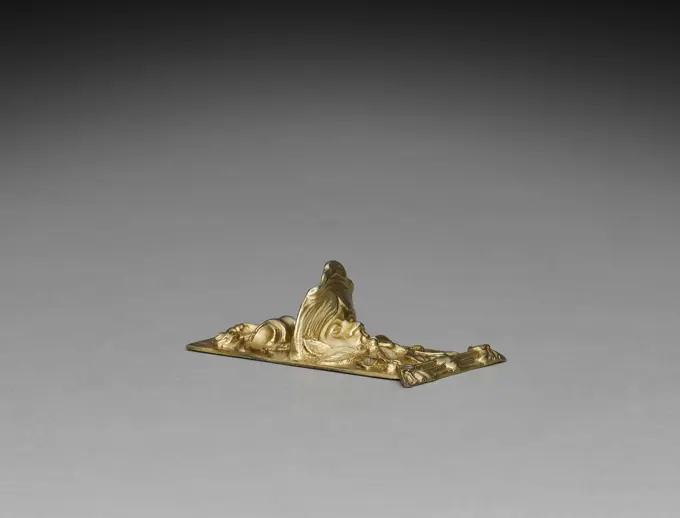
Plaque in the Form of a Tower, 2nd-3rd century, 17 11/16 x 6 1/2 in. (44.93 x 16.51 cm), Gilt bronze, China, 2nd-3rd century
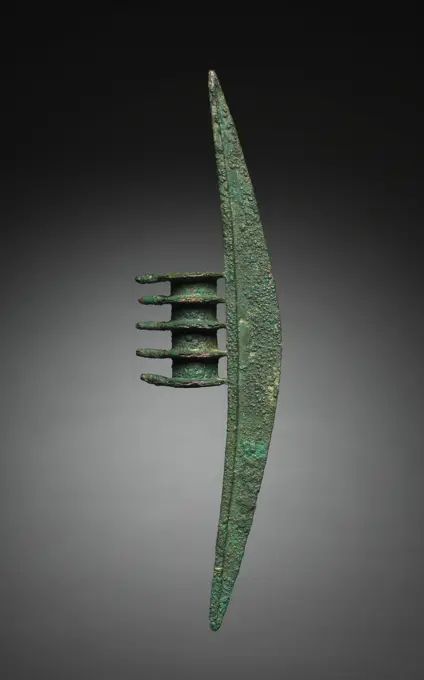
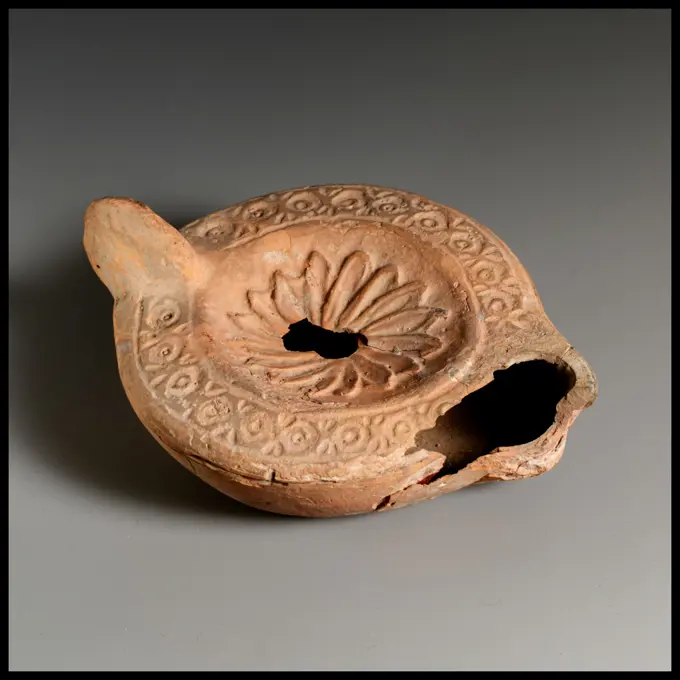
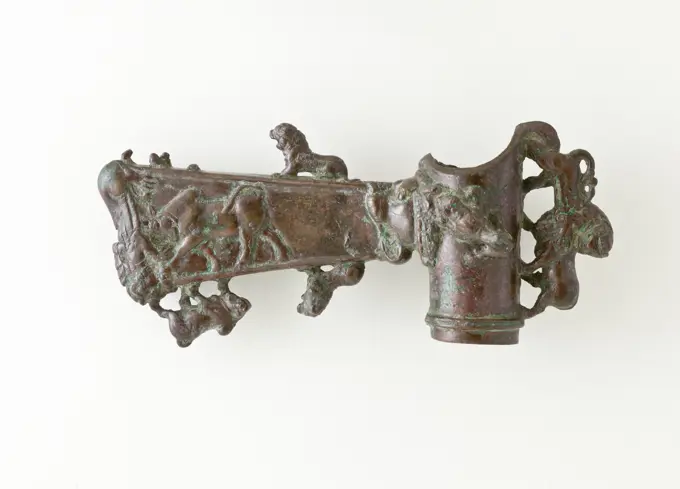
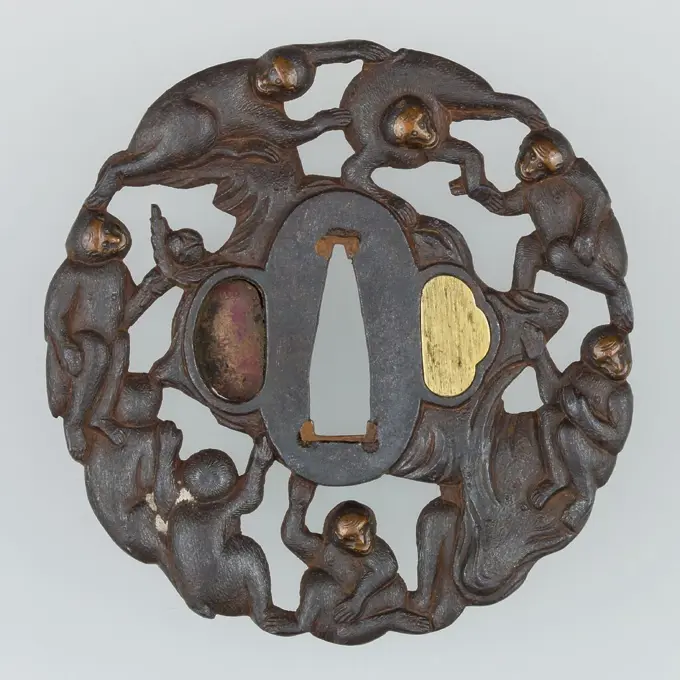
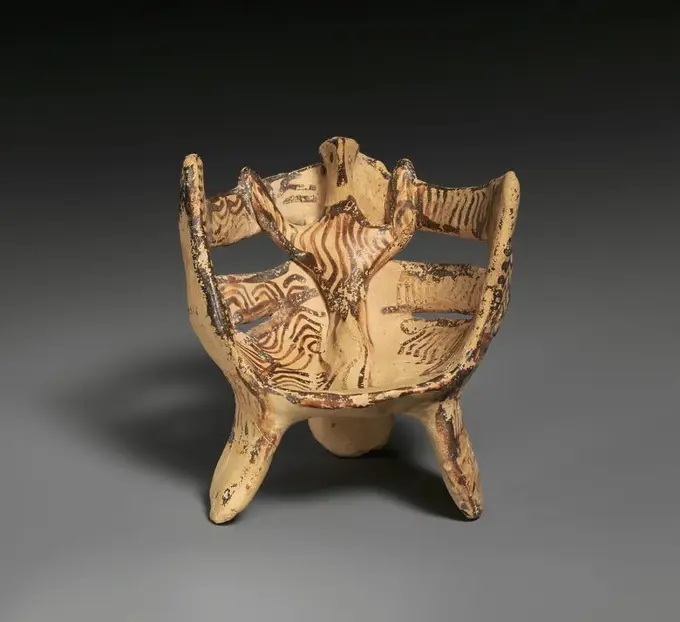
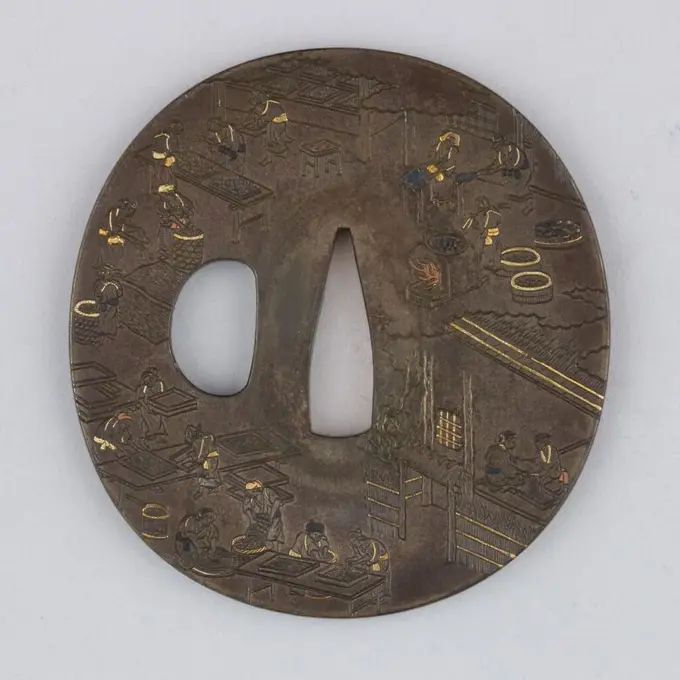
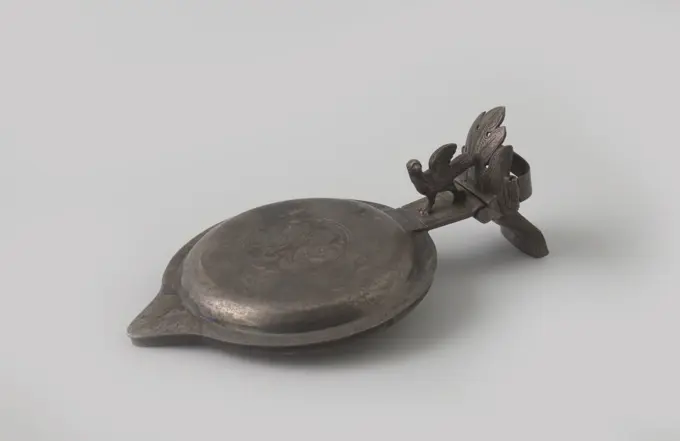
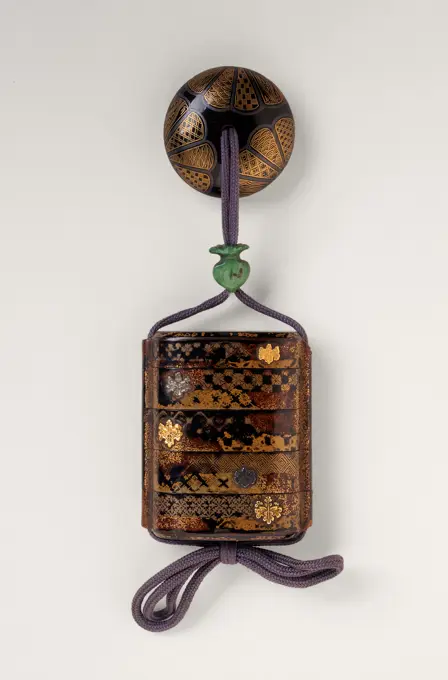
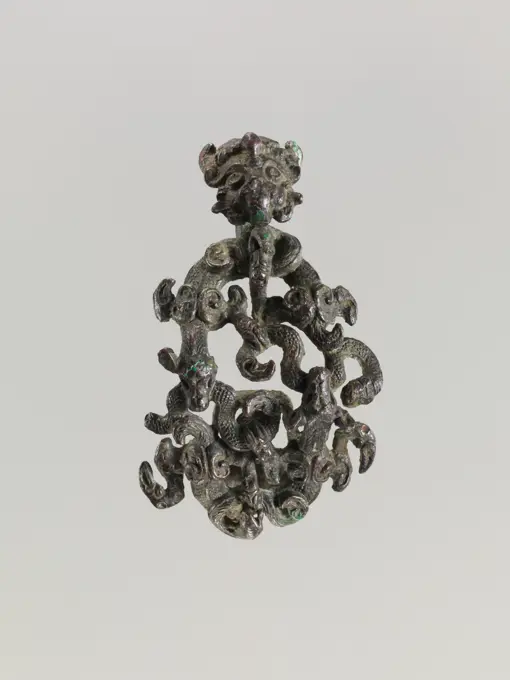
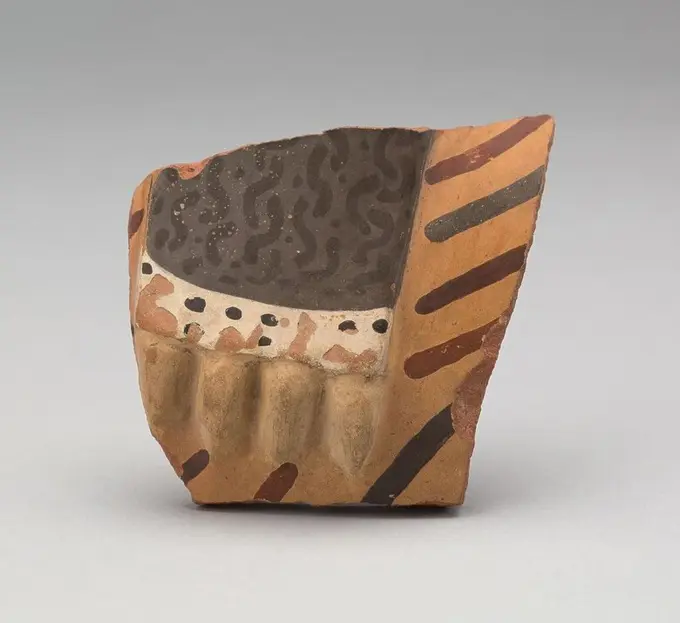
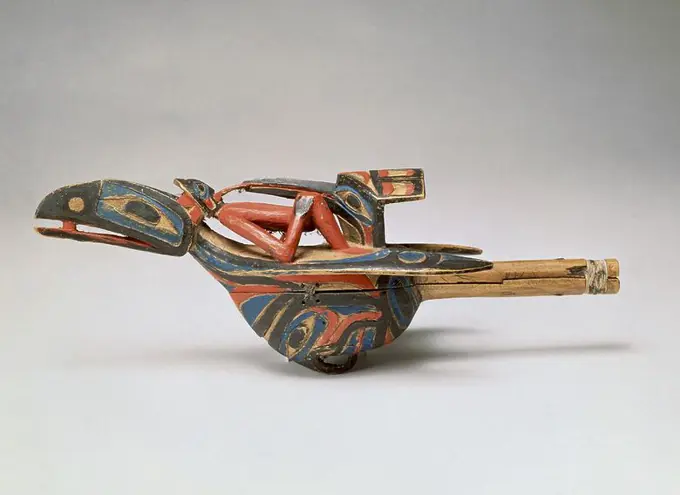
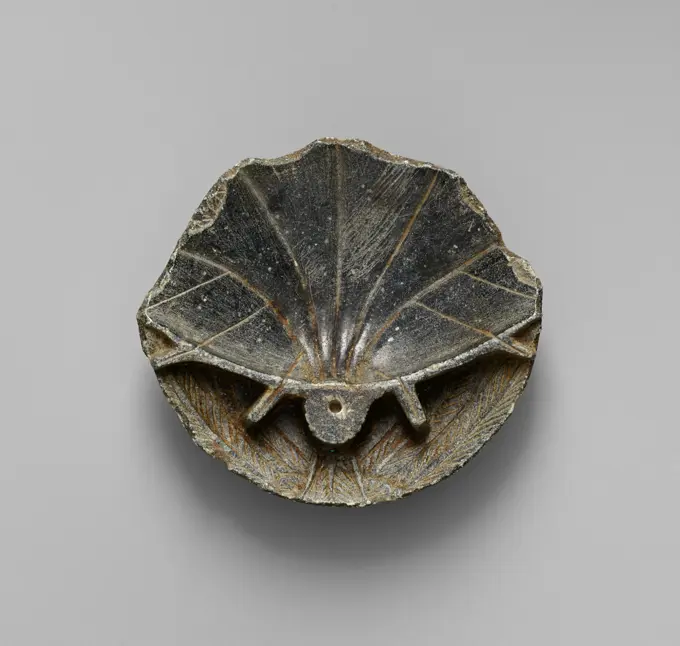
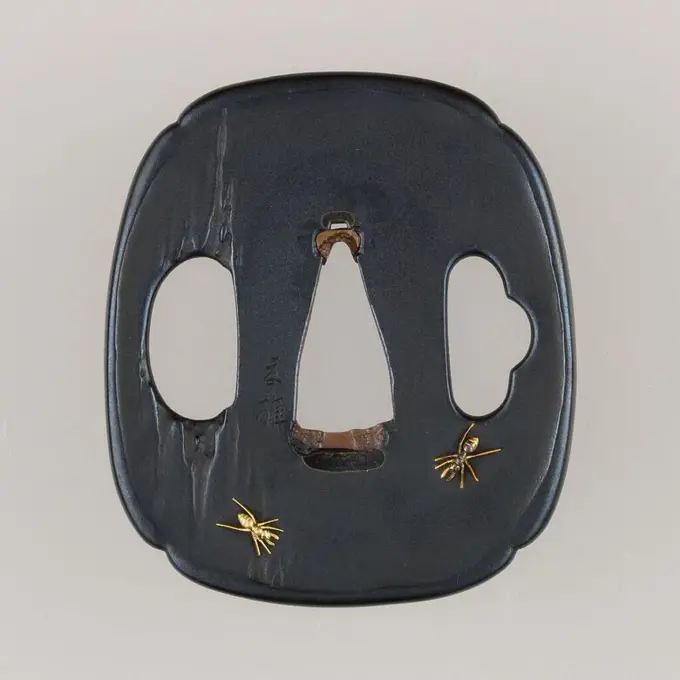
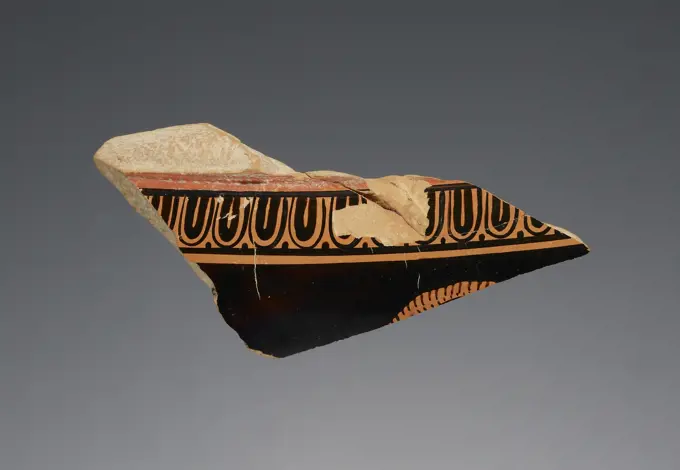
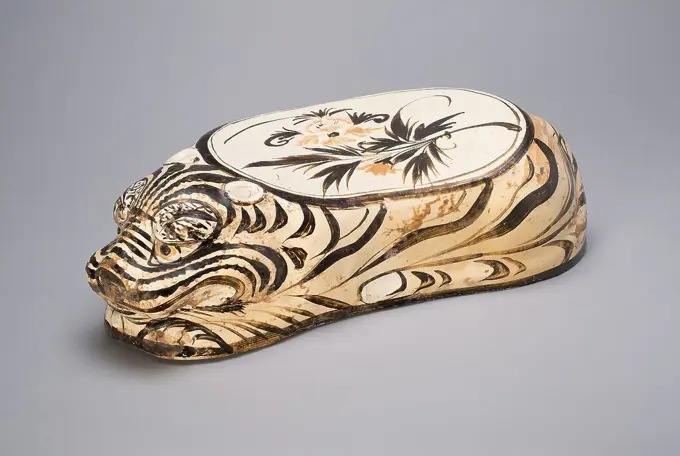
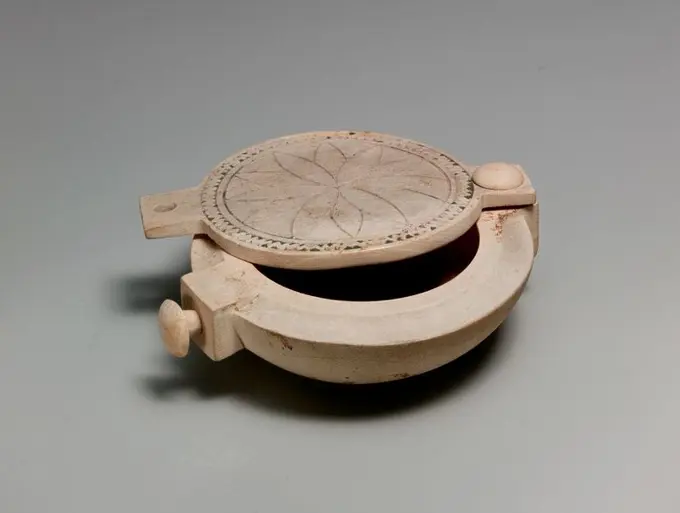
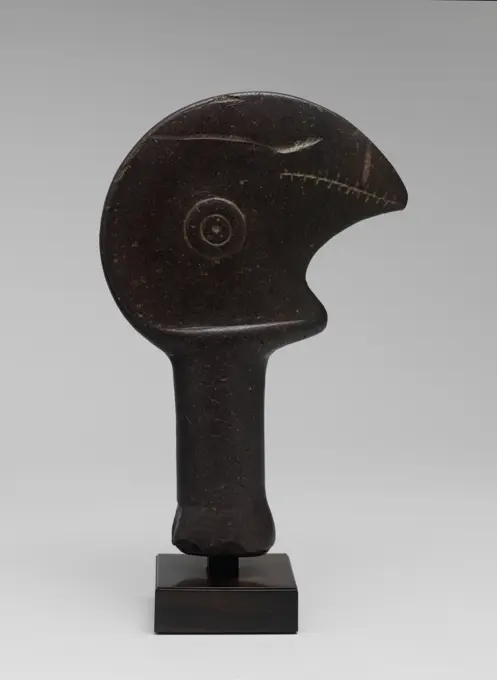
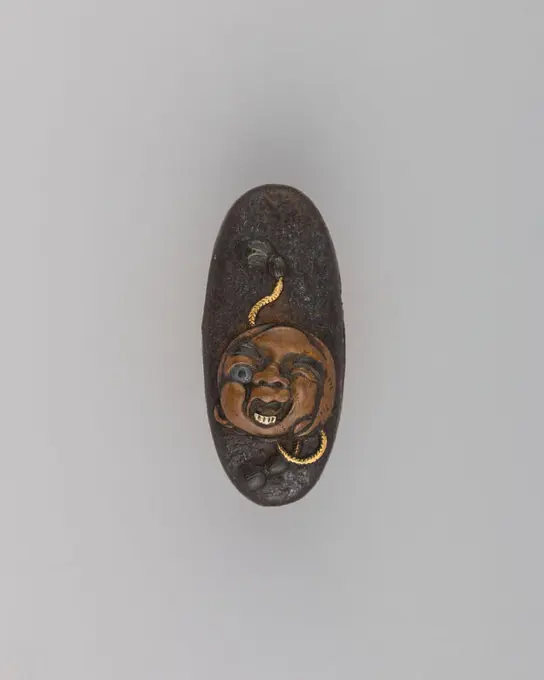
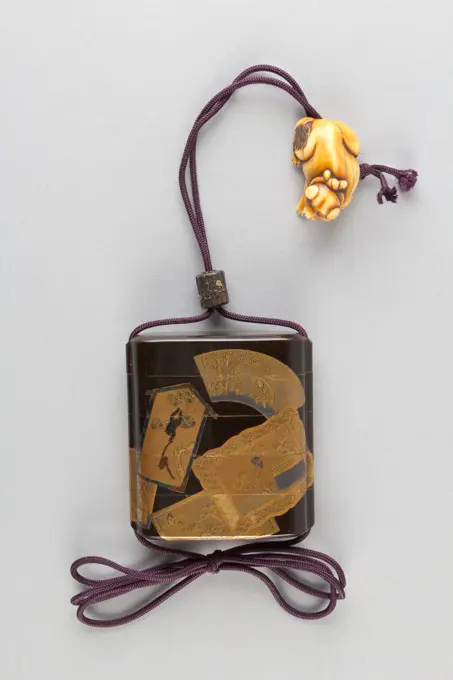
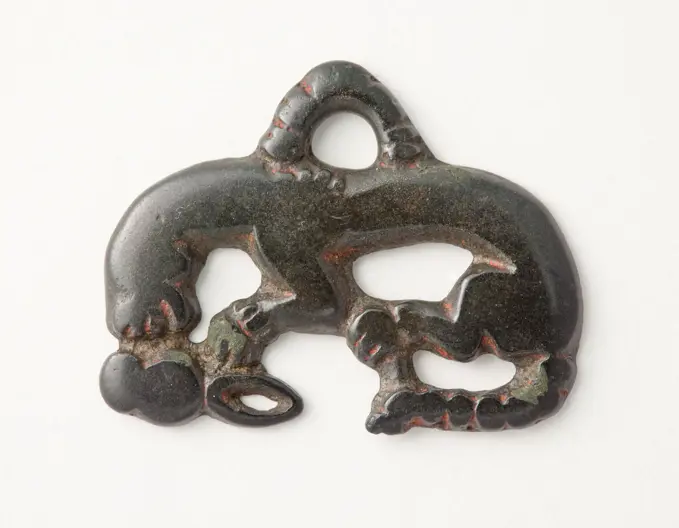
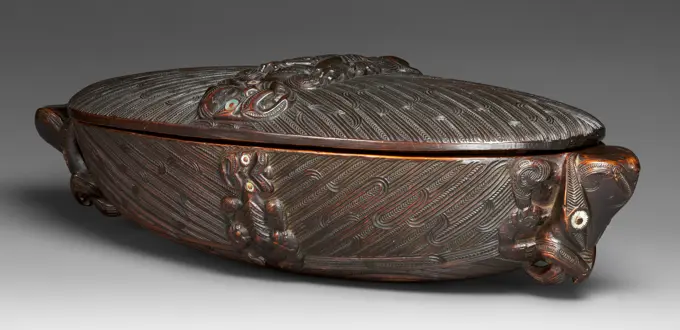
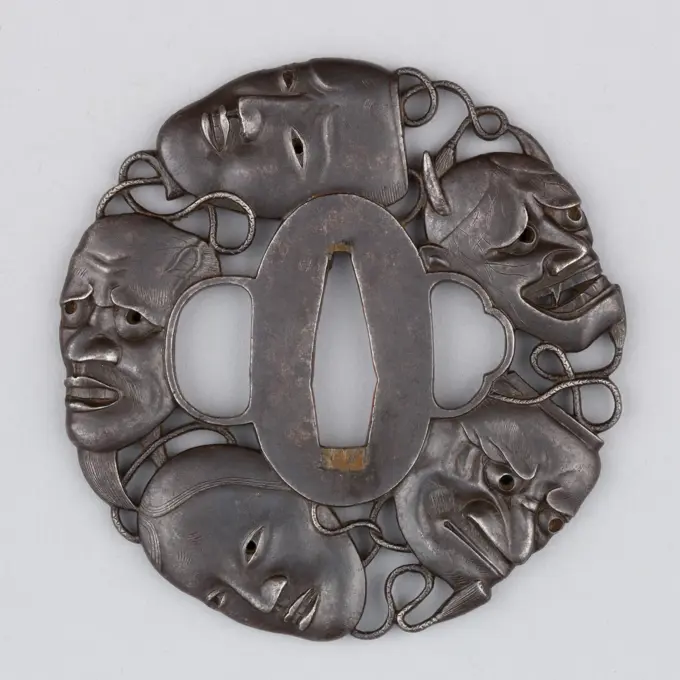
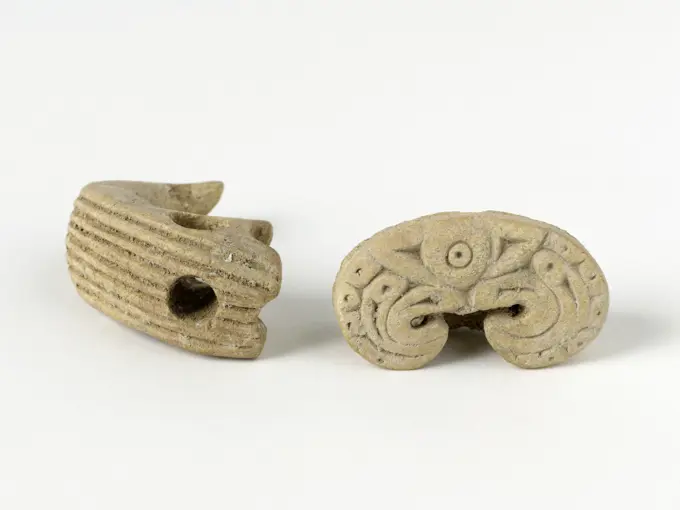
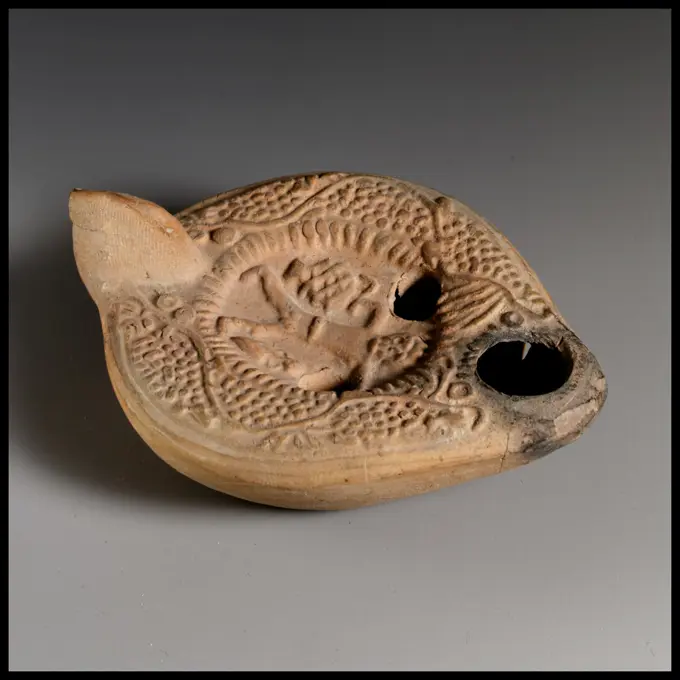
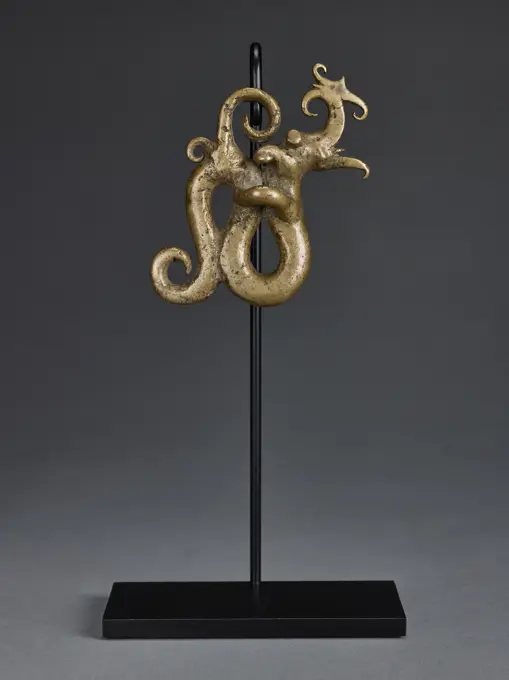
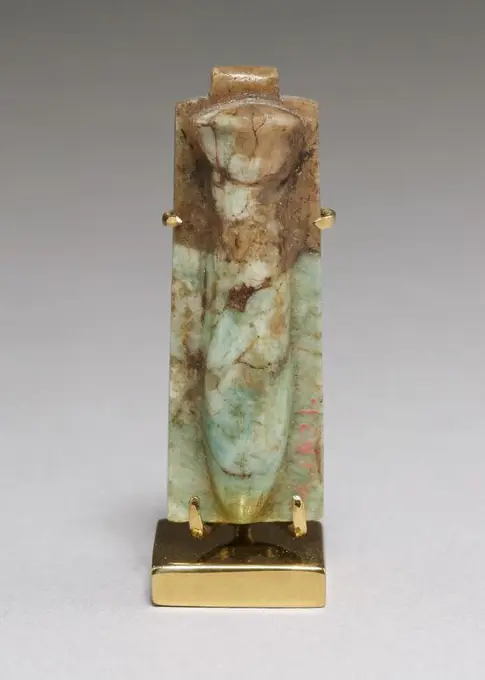
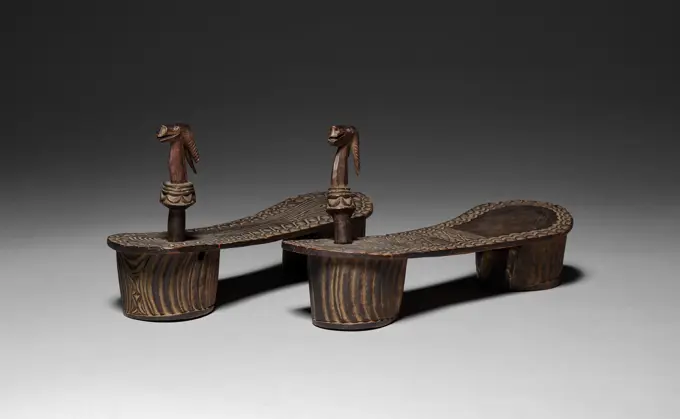
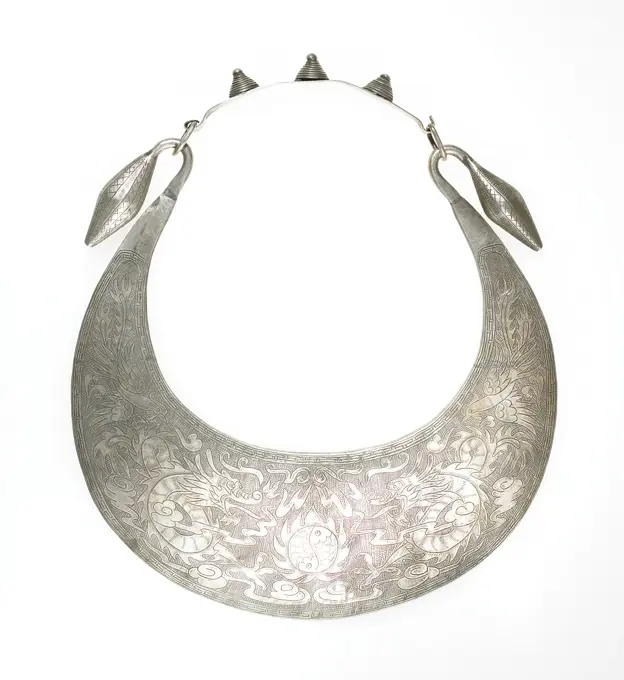
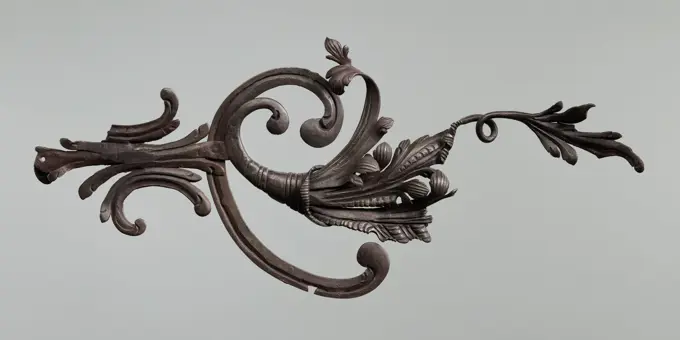
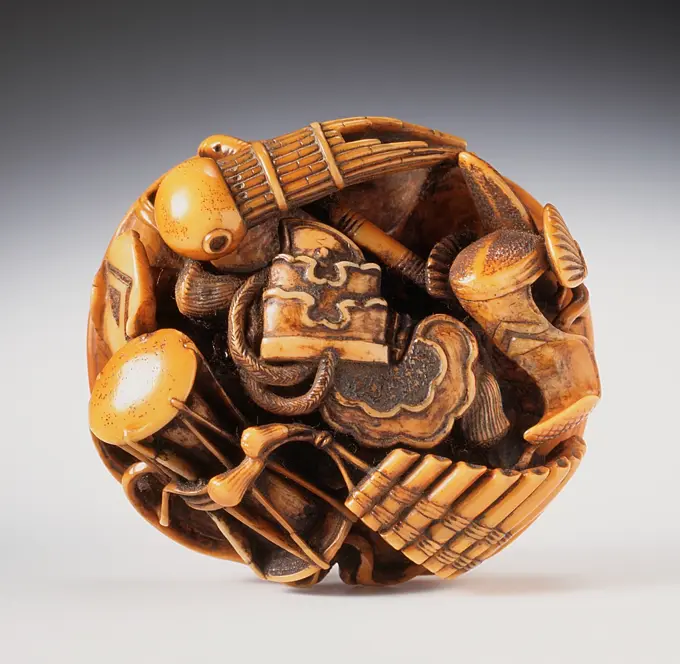
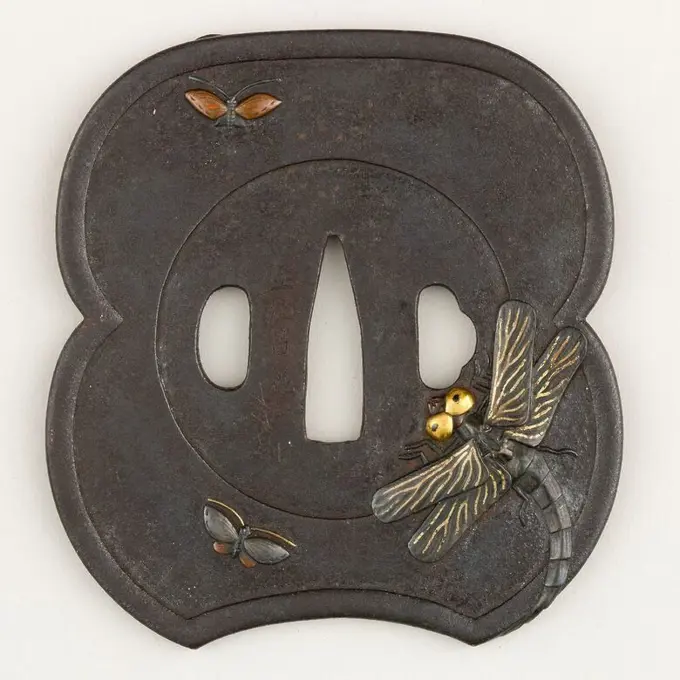
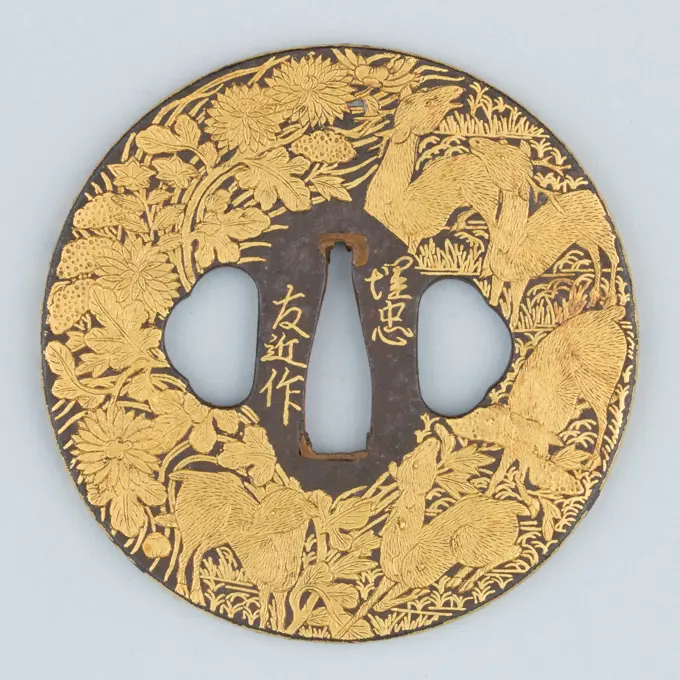
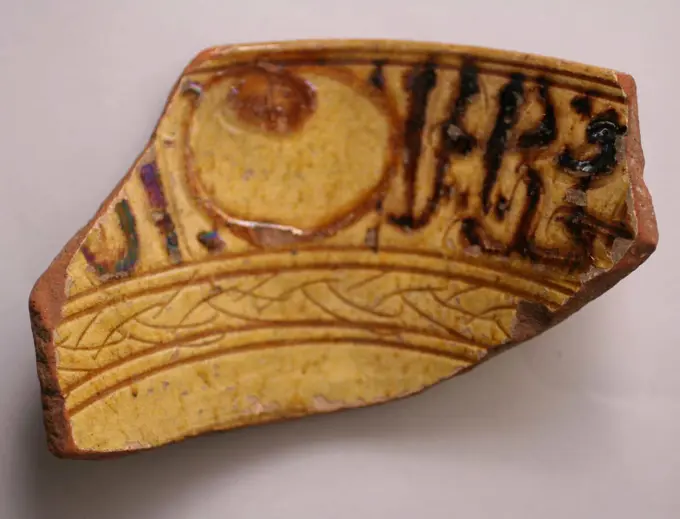
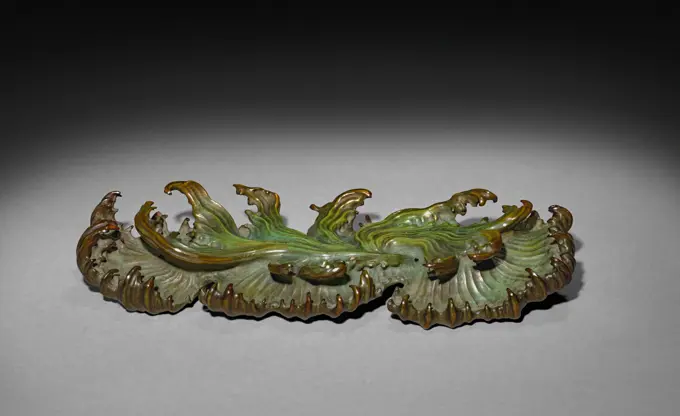
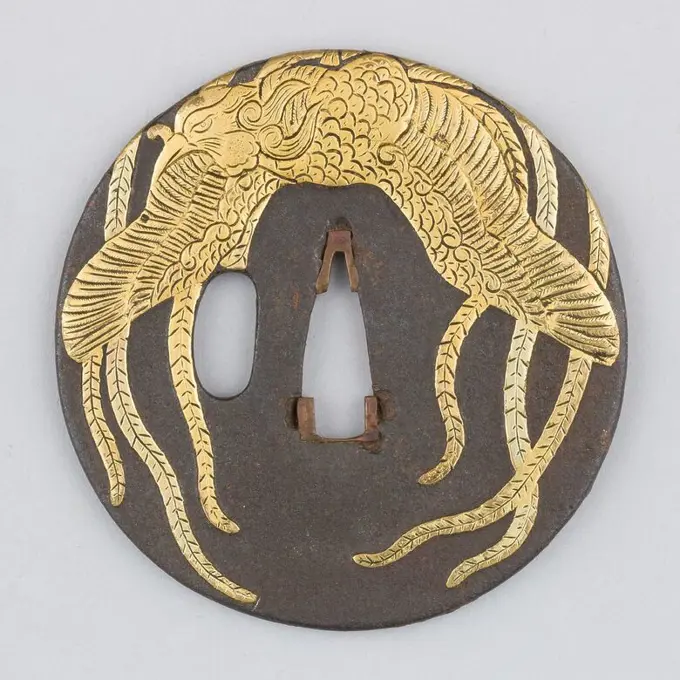
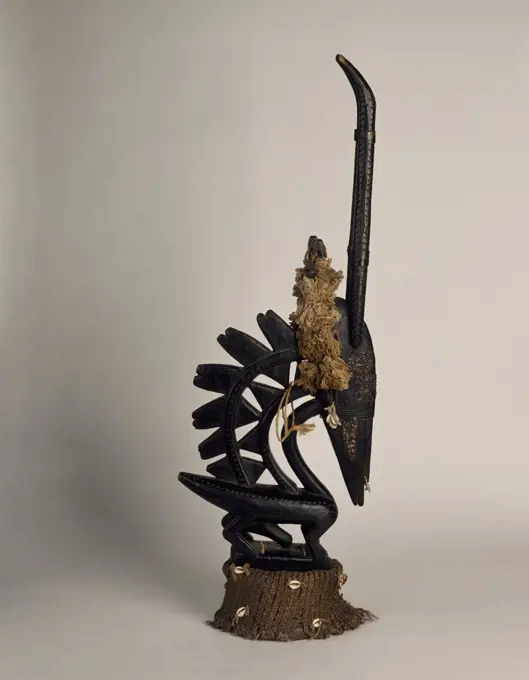
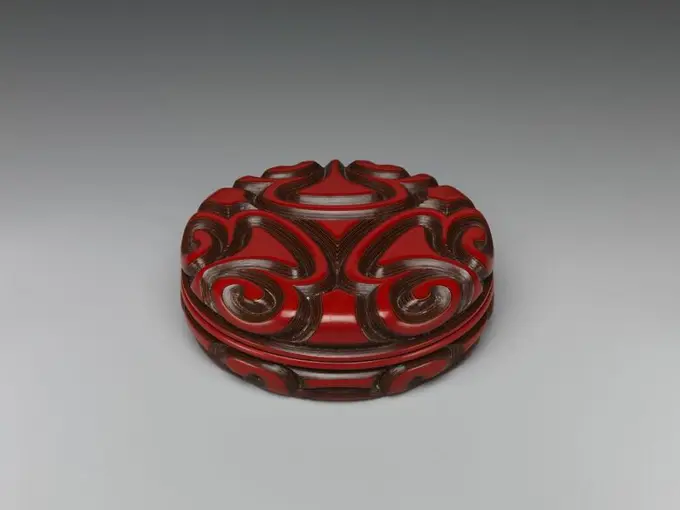
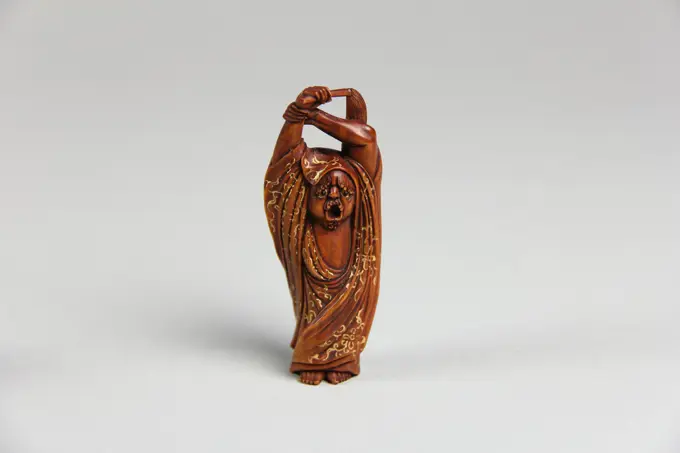
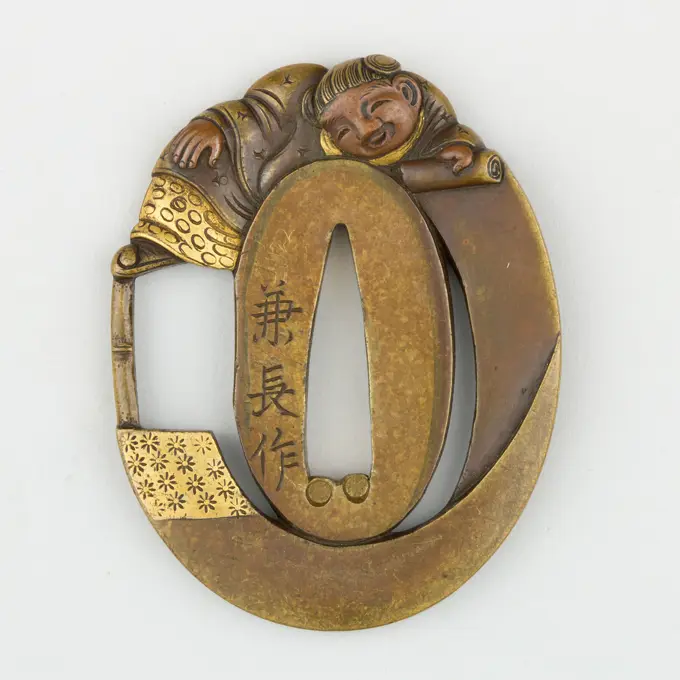
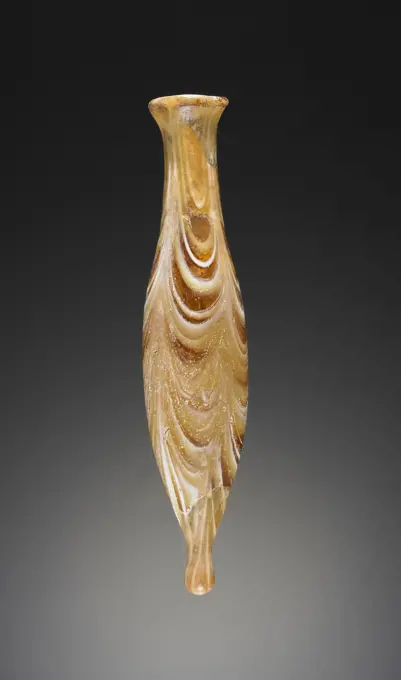
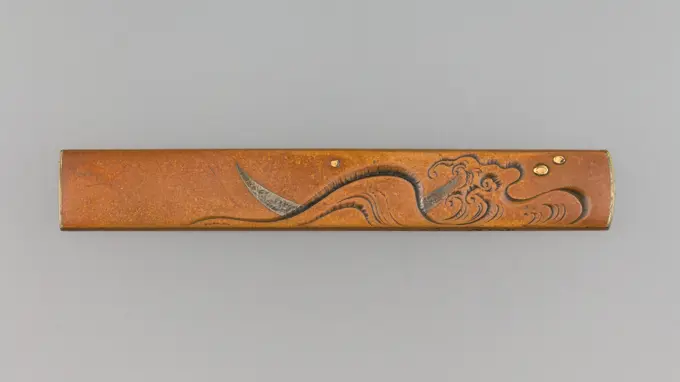
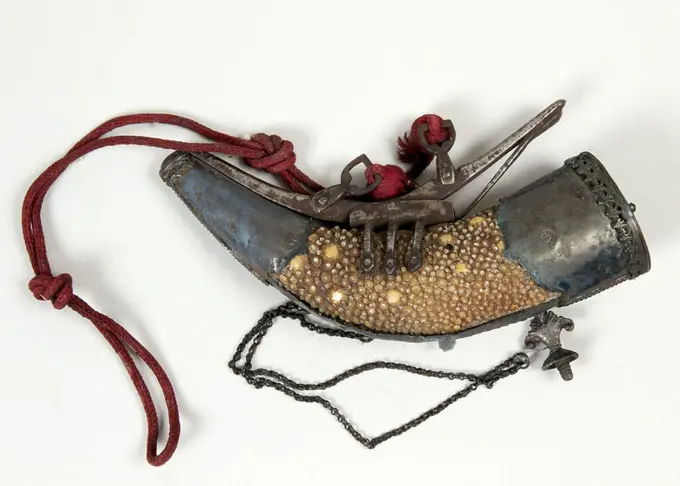
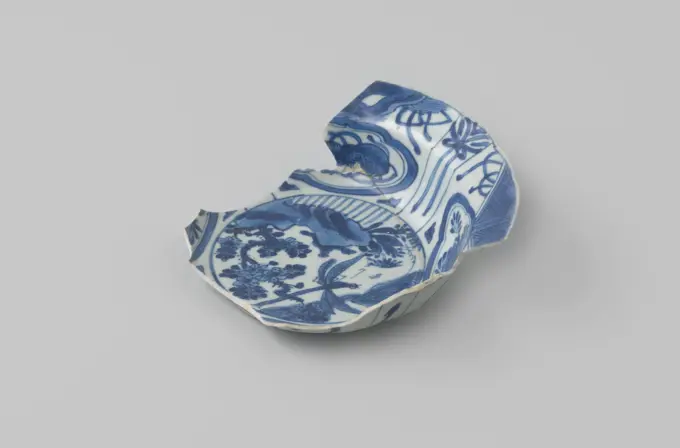
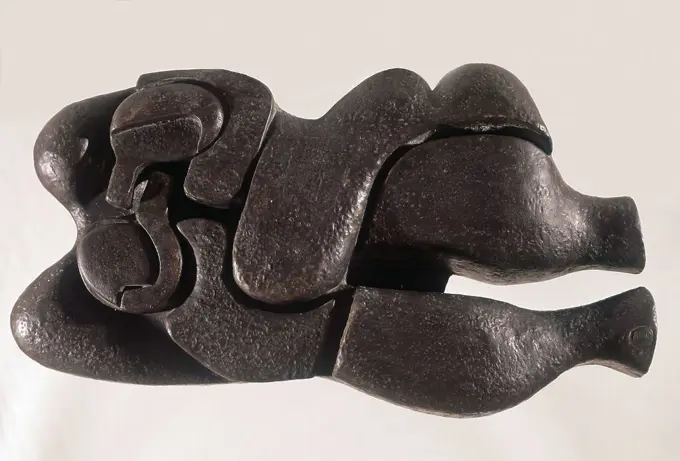
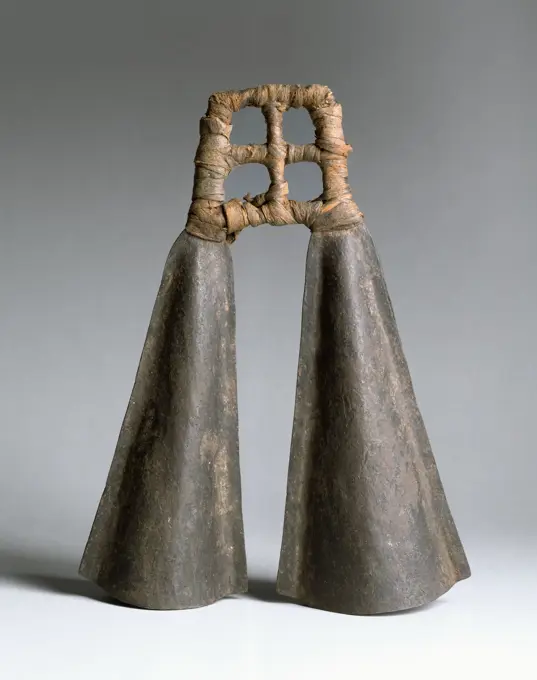
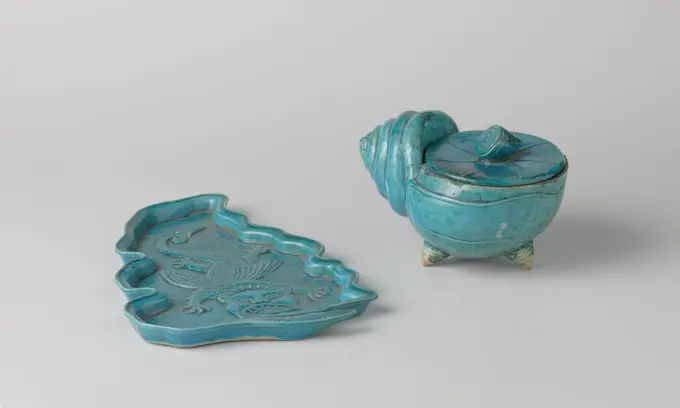
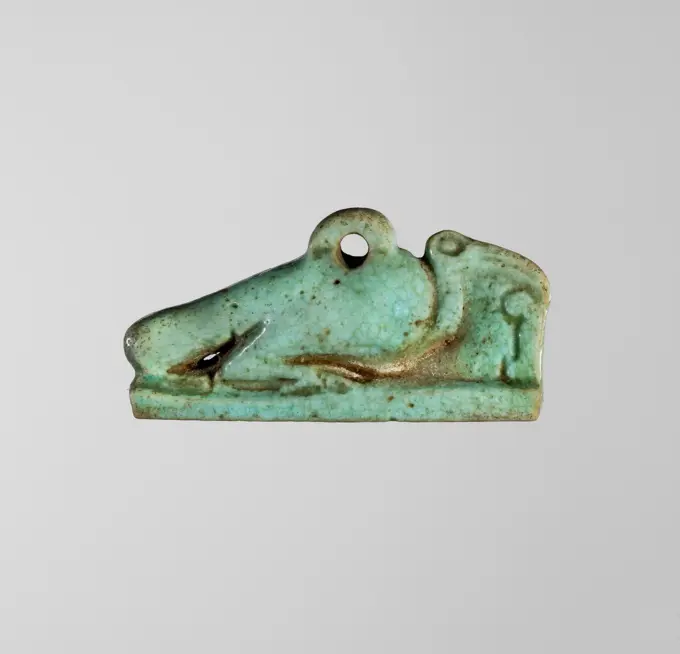
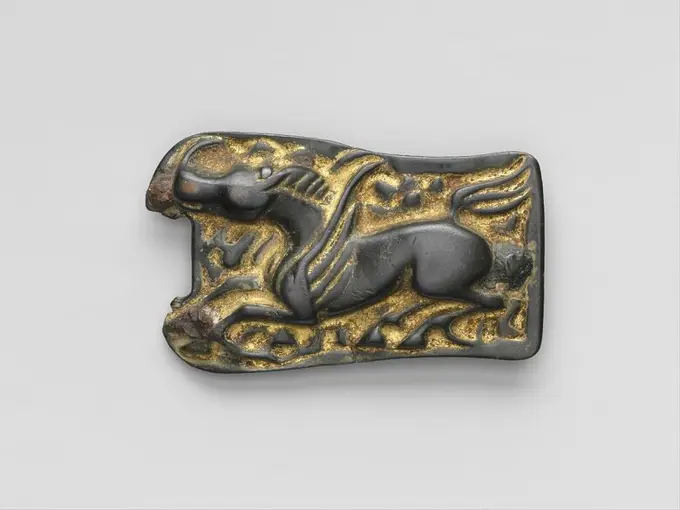
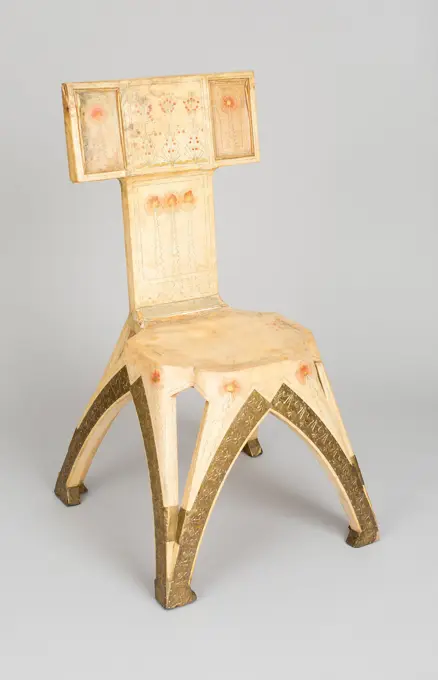
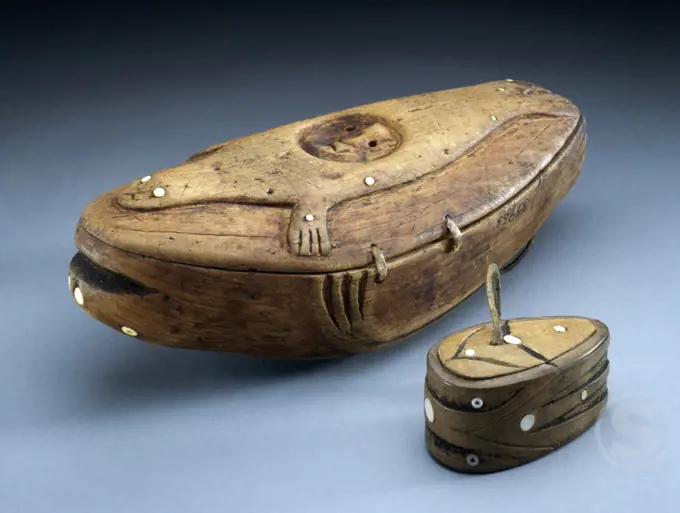
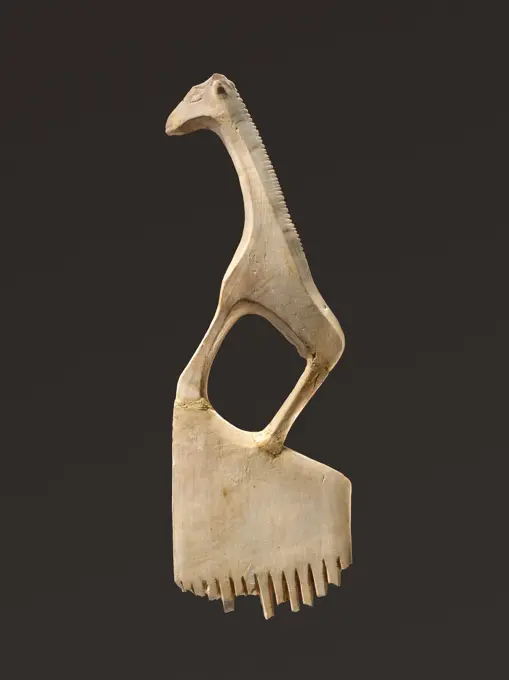
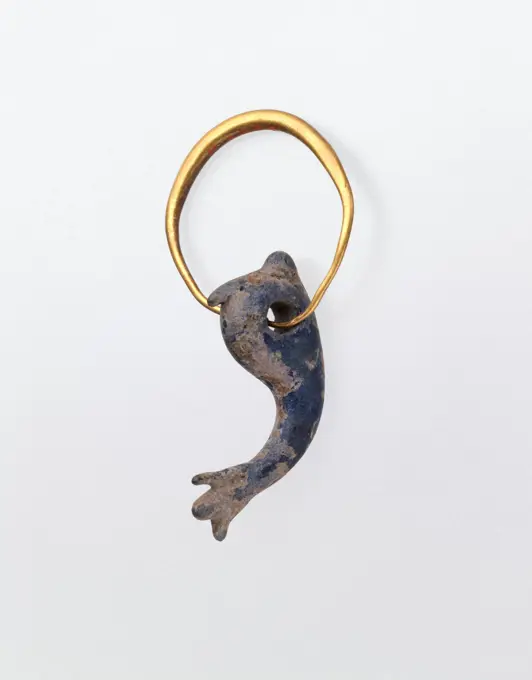
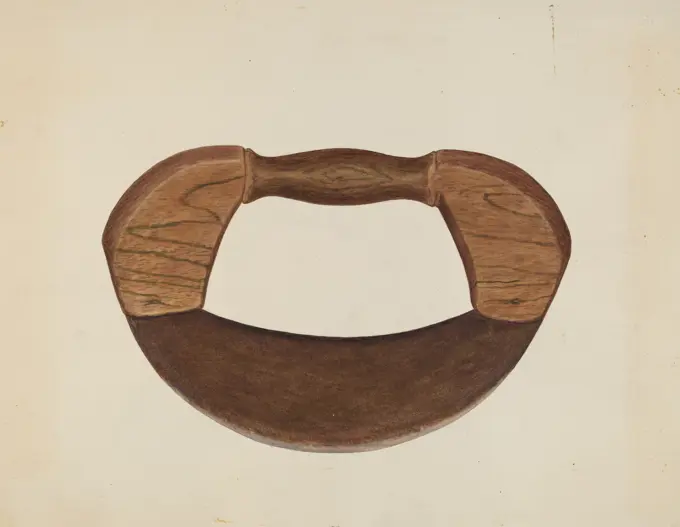
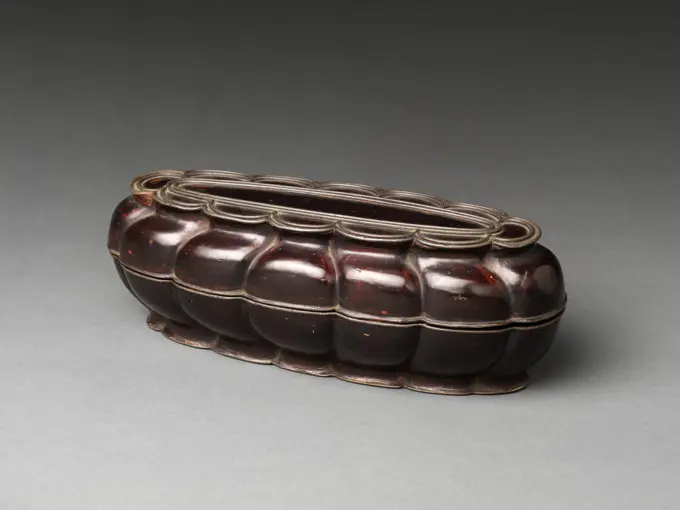
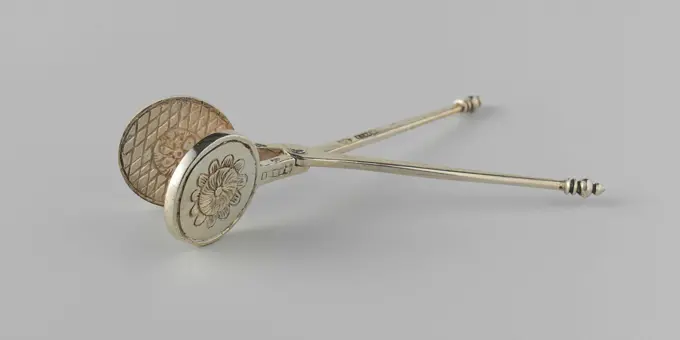
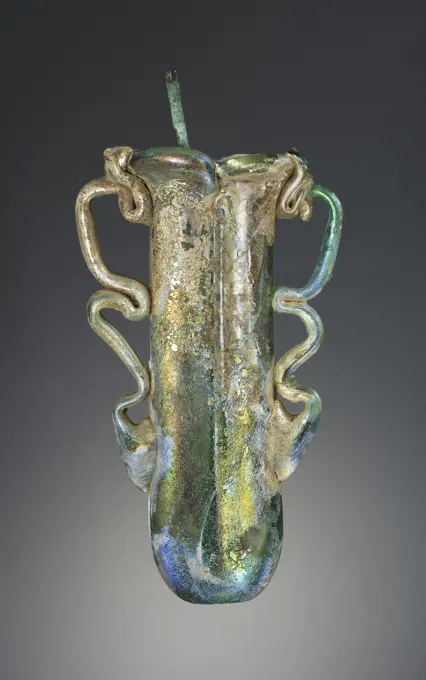
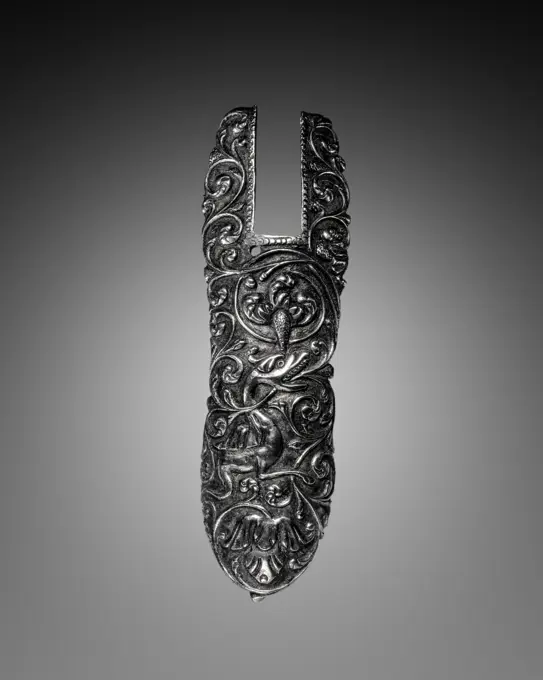
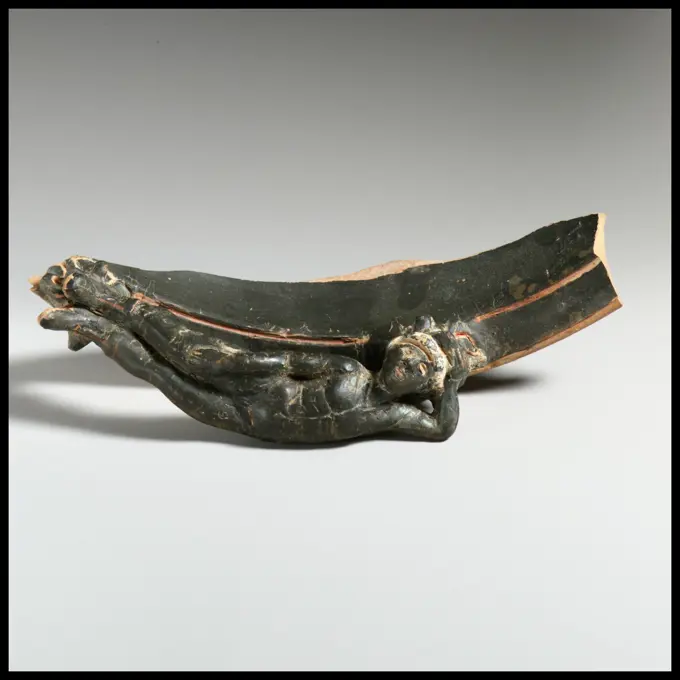
Rim fragment of a large terracotta vessel 3rd century B.C. Etruscan Like so much of black-glaze pottery, this piece imitates a metal prototype. Metal vessels with handles modeled in the form of sleeping youths were sometimes used as cinerary urns. See, for example, the bronze handle 28.57.13 in this case.. Rim fragment of a large terracotta vessel 255682Sword Guard (Tsuba). Culture: Japanese. Dimensions: H. 2 7/8 in. (7.3 cm); W. 2 3/4 in. (7 cm); thickness 3/16 in. (0.5 cm); Wt. 2.3 oz. (65.2 g). Date: late 16th or early 17th century. Museum: Metropolitan Museum of Art, New York, USA.Crescent Axe Head, c. 1000 BC. Iran, Amlash, 11th century BC. Bronze; overall: 33.5 x 4.2 x 9.8 cm (13 3/16 x 1 5/8 x 3 7/8 in.).Terracotta oil lamp late 3rd century A.D. Roman, Cypriot Loeschcke Type 8. Unpierced handle. Mold-made. Discus; rosette with hollow, overlapping petals around central filling hole. Shoulder: chain pattern of circles and dots within two incised lines. On slightly concave base, inscribed in Greek letters: CPI/WNOC. Broken around nozzle, partially repaired but left side missing; small hole extending towards handle from filling hole.. Terracotta oil lamp. Roman, Cypriot. late 3rd century A.D.. Terracotta. Late Imperial. TerracottasShaft - hole Axehead. Iran, Luristan, circa 1350-1000 B.C... Arms and Armor; axes. Bronze, castPlaque in the Form of a Tower, 2nd-3rd century, 17 11/16 x 6 1/2 in. (44.93 x 16.51 cm), Gilt bronze, China, 2nd-3rd centurySword Guard (Tsuba). Culture: Japanese. Dimensions: H. 3 3/16 in. (8.1 cm); W. 3 1/8 in. (7.9 cm); thickness 1/4 in. (0.6 cm); Wt. 5.2 oz. (147.4 g). Date: ca. 1615-1868. Museum: Metropolitan Museum of Art, New York, USA.Terracotta female figure in three-legged chair. Culture: Helladic, Mycenaean. Dimensions: H. 3 1/8 in. (8.9 cm). Date: 13th century B.C..Such representations are often interpreted as thrones with a deity. There are comparable works of Geometric date, (see 31.11.8), exhibited in a nearby case. Museum: Metropolitan Museum of Art, New York, USA.Sword Guard (Tsuba). Culture: Japanese. Dimensions: H. 2 7/8 in. (7.3 cm); W. 2 5/8 in. (6.7 cm); thickness 3/16 in. (0.5 cm); Wt. 5.4 oz. (153.1 g). Date: 18th century. Museum: Metropolitan Museum of Art, New York, USA.Roman Lamp. UnknownSilver lid, belonging to a jug of faience., C. 1750 - c. 1770 Silver lid, belonging to a jug of faience. The lid is engraved on the top with a rosette. Delft silver (metal) Silver lid, belonging to a jug of faience. The lid is engraved on the top with a rosette. Delft silver (metal)Roman Lamp; Roman Empire; 1st century B.C. - 1st century A.D; Bronze; 24 cm (9 7,16 in.)Inrō and Ojime ensemble. Japan, Momoyama period, 16th-17th century. Costumes; Accessories. a) inrō black and gold hiramakie, and red nashiji lacquer with metal inlays; b) ojime stained bone(?)Belt hook 5th-3rd century B.C. China. Belt hook. China. 5th-3rd century B.C.. Bronze. Eastern Zhou dynasty, Warring States period (475-221 B.C.). MetalworkSword Guard (Tsuba) ca. 1615-1868 Japanese A tsuba is a sword guard and part of a sword mounting. It is mounted between the swords blade and grip to protect the users hands.. Sword Guard (Tsuba) 34504Head Fragment from a Large Ceremonial Jar. Tiwanaku-Wari; Pacheco, south coast, Peru. Date: 700 AD-800 AD. Dimensions: 8.9 × 8.6 cm (3 1/2 × 3 3/8 in.). Ceramic and pigment. Origin: Peru. Museum: The Chicago Art Institute, Chicago, USA.Capital, CorinthianFragment, Swag; wood, gildedHilt basket of a rapier, anonymous, c. 1500 - c. 1525 rapier Gratigently shaped iron rigid from a rapier. Found in the Haarlemmermeer. Netherlands iron (metal)   NijmegenUTENSILIO DE MADERA-INDIOS DEL NOROESTE AMERICA. Location: MUSEUM, ETHNOGRAPHISCHES. STOCKHOLM.Cup in the Shape of a Shell. UnknownSword Guard (Tsuba). Culture: Japanese. Dimensions: H. 2 1/4 in. (5.7 cm); W. 1 15/16 in. (4.9 cm); thickness 3/16 in. (0.5 cm); Wt. 2.4 oz. (68 g). Fittings maker: Kano Natsuo (Japanese, 1828-1898). Date: 19th century.This tsuba features a design of white ants on old wood. Museum: Metropolitan Museum of Art, New York, USA.Knee Brooch 2nd century Roman. Knee Brooch 466264Cap from edge embroidery on tulle with flower branches. Hat of natural-colored edge embroidery: tuled stones on machine tulle. Seven pear-shaped pattes are deployed in the cap of tulle. The center and the seven inserts are decorated with an anemone, which is nozzle surrounded by leaves. The edge is completely filled with a thin branch with the same flowers and leaves.(Small Box in the shape of a Treasure Ship (Takarabune)), 19th century, Unknown Japanese, 13/16 x 3 1/8 x 5 1/8 in. (2.06 x 7.94 x 13.02 cm), Lacquer with sprinkled gold designs, Japan, 19th centuryAttic Red-Figure Calyx Krater Fragment; Attributed to Syleus Painter (Greek (Attic), active 490 - 470 B.C.); Athens, Greece; 480 - 470 B.C; Terracotta; 4.5 x 10 cm (1 3,4 x 3 15,16 in.)Tiger-Shaped Pillow with Floral Spray. China. Date: 1115-1234. Dimensions: L. 35.6 cm (14 in.). Cizhou ware; slip-coated earthenware with underglaze iron brown and amber painting. Origin: China. Museum: The Chicago Art Institute, USA.Snail on Driftwood. Seiyōdō Tomiharu (Japan, 1733-1811). Japan, circa 1770. Costumes; Accessories. Wood, umoregi (partially fossilized wood)Amulet(Parsimoboraan)Priming Flask second half of the 17th century Indian The inspiration for the carving comes from miniature paintings of composite animals, a popular theme for artists in the Mughal court.. Priming Flask 23725Cosmetic Box with a Swivel Top. Dimensions: L. 9.2 cm (3 5/8 in.); W. 7.7 cm (3 1/16 in.); H. 3.3cm (1 5/16 in.). Dynasty: Dynasty 18, early. Date: ca. 1550-1458 B.C..This small ivory box has a lid that is pegged at one end, allowing it to swivel open and closed. The hole at the other end of the lid once held another peg. When closed, the peg in the lid and the peg protruding from the box could be bound together with string to keep the box from opening. The top of the box has been decorated with incised lines that form a rosette framed by a zig-zag pattern. The rosette was probably made using an early type of compas. The decoration was once filled with a material called Egyptian blue. Boxes similar to this one, made of wood, bone, or ivory, probably held dry cosmetics such as rouge (see 36.3.11).The box was excavated by the Museum's Egyptian Expedition in 1916. It had been placed near the head of a coffin along with a number of other jars that came to the Museum when the finds were dFooted Tray, 1900s. Korea, 20th century. Lacquer over twisted and coiled paper; overall: 34.2 x 9 x 9 cm (13 7/16 x 3 9/16 x 3 9/16 in.).Scepter 13th-17th century Chile. Scepter. Chile. 13th-17th century. Stone. Chile, Central Andes. Stone-SculptureSword Pommel (Kashira). Culture: Japanese. Dimensions: H. 1 3/8 in. (3.5 cm); Wt. 0.3 oz. (8.5 g). Date: ca. 1615-1868. Museum: Metropolitan Museum of Art, New York, USA.Inr with Ema (Shinto Shrine Votive Plaque) of Eight Fan Shapes and Framed Pictures second half of the 18th century Japan. Inr with Ema (Shinto Shrine Votive Plaque) of Eight Fan Shapes and Framed Pictures. Japan. second half of the 18th century. Four cases; lacquered wood with gold and silver togidashimaki-e, hiramaki-e, black lacquer, cut-out gold foil application on black groundNetsuke: puppy; ivoryOjime: metal with plum blossoms in gold inlay. Edo period (1615-1868). InrTerracotta oil lamp ca. A.D. 70-120 Roman Loeschcke Type 4. Mold-made. Discus: acanthus wreath with tendrils. On base: Romanesis.. Terracotta oil lamp. Roman. ca. A.D. 70-120. Terracotta. Imperial. Terracottas. To protect delicate fabric-covered shoes from the mud and filth of the street, all kinds of overshoes were worn. This pair has wooden soles which stand on a metal ring. It would have required quite a skilful act of balance to walk on them.Pendant. Western Inner Mongolia, 4th-3rd century B.C.. Jewelry and Adornments; pendants. Bronze, castTreasure Box (Wakahuia) Maori people mid- to late 19th century View more. Treasure Box (Wakahuia). Maori people. mid- to late 19th century. Wood, shell. New Zealand. Wood-ContainersSword Guard (Tsuba) 18th century Japanese A tsuba is a sword guard and part of a sword mounting. It is mounted between the swords blade and grip to protect the users hands.. Sword Guard (Tsuba) 30064Koto late 19th century Asano Tōshichi A zither of falcon shape with European-style tuning pegs, keys and wire strings. Tohichi Asano of Kyoto made this paulonia-wood instrument either as an experiment or for trade.Decorative instruments may serve as trade items, as miniaturized maker's models, or as symbols with extramusical meanings.. Koto 502124Defense of wild boar and pommel. Ziwiyé, Iran. End of the 7th century BC. Paris, Cernuschi museum. 35407-16 Defense, ivory, sculpt pommel, boarShield 18th-19th century Nias. Shield. Nias. 18th-19th century. Wood, cane. Nias, Sumatera Utara. ShieldsTerracotta oil lamp 3rd-4th century A.D. Roman, Cypriot Vessberg Type 18. Unpierced handle. Mold-made. Discus: naked man facing front but moving to right, holding large bulbous jar in lowered right hand and with a small amphora below raised left arm; around edge of discus, close-set, short radiating lines. Two filling holes, flanking figure at top. On broad, flat shoulder, stylized vines with many grapes. On concave base, Greek letters in relief:Broken and repaired, with one small hole and cracks at front around nozzle.This lamp is unusual since the figure on the discus faces the handle and so the holder of the lamp; most mold-made lamps have the decoration facing the nozzle so that it would be illuminated correctly by the burning wick. Here the figure is flanked by a large fish and an amphora; on the shoulder are vine tendrils and bunches of grapes. This imagery has been taken to be Christian, but the clarity of the molded details show that the figure is in fact nude and is therefore EarOrnamentPapyrus column in relief against a plaque. Dimensions: H. 3.3 cm (1 5/16 in), w. 1.1 cm (7/16 in). Dynasty: Dynasty 26-30. Date: 664-332 B.C.. Museum: Metropolitan Museum of Art, New York, USA.Quesera. Museu Català de les Arts i Tradicions Populars.Pendant (Peishi) in the Form of a Dragon. China, Late Eastern Zhou dynasty, Warring States period, 481-221 B.C.. Jewelry and Adornments; pendants. Abraded jadeWeather VANe. A weather vane in the shape of a herring tube with an ironed large mast. The Fokkemast is sloped.Sword guard (Tsuba) With the Motif of Paulownia Leaves, Tendrils, and Butterfly (に桐唐草図鐔) ca. 1615-1868 Japanese The obverse of this tsuba is polished and shows a relief of paulownia leaves, tendrils, and a butterfly whereas the reverse is apart from a vertical file stroke finish undecorated. It bears however the name Tō’u (東雨) in relief which was an art name used by several generations of the Tsuchiya Yasuchika (土屋安親) lineage.. Sword guard (Tsuba) With the Motif of Paulownia Leaves, Tendrils, and Butterfly (に桐唐草図鐔) 25717Hat 18th century Dutch. Hat 89593BulletHolderPatten-type Shoes with Pegs, c. 1800s. Africa, Central Africa, Democratic Republic of the Congo, Kuba or Bushongo, 19th century. Wood and glass beads; overall: 6 x 10.2 cm (2 3/8 x 4 in.); part 2: 4.5 x 12.4 cm (1 3/4 x 4 7/8 in.); part 3: 6 x 9.5 cm (2 3/8 x 3 3/4 in.); part 4: 3.2 x 12.1 cm (1 1/4 x 4 3/4 in.).Table Rim Fragments. Late Roman or early Byzantine. Date: 301 AD-400 AD. Dimensions: a: 6.4 × 28.5 × 12.2 cm (2 1/5 × 11 ¼ × 5 5/8 in)b: 5.7 × 34.6 × 15.8 cm (2 ¼ × 1 5/8 × 6 ¼ in)c: 5.3 × 31.1 × 19.6 cm (2 1/8 × 12 ¼ × 7 ¾ in). Marble. Origin: Istanbul. Museum: The Chicago Art Institute, Chicago, USA.Torque, 10 1/4 x 8 7/8 x 3/4 in. (26.04 x 22.54 x 1.91 cm), Silver, ChinaElement of the grille or above  around 1750 (1745-00-00-1755-00-00);Musical Instruments for Kagura Ceremony. Sō (Japan, active second half of the 19th century). Japan, mid-19th century. Costumes; Accessories. Walrus tuskSword Guard (Tsuba). Culture: Japanese. Dimensions: H. 3 1/4 in. (8.3 cm); W. 3 in. (7.6 cm); thickeness 1/4 in. (0.6 cm); Wt. 4.6 oz. (130.4 g). Date: ca. 1615-1868. Museum: Metropolitan Museum of Art, New York, USA.Sword Guard (Tsuba) ca. 1615-1868 Japanese A tsuba is a sword guard and part of a sword mounting. It is mounted between the swords blade and grip to protect the users hands.. Sword Guard (Tsuba) 34457Bowl with Mirror Pattern of Birds Framed by Geometric Motifs 950 CE-1150 Southwest. Ceramic and pigment . MimbresBody ornament Japan By the Middle Jōmon period, the food supply in Japan had stabilized enough that the Jōmon people could focus their activities more on crafts and spiritual life. This led to the development of a wide variety of body ornaments, including necklaces and hairpins, some of which feature very elaborate designs. It is speculated that body ornamentation may have served a religious or spiritual purpose, but it may also have represented social rank and status.. Body ornament 62279Fragment 14th-15th century. Fragment 445496Figure of Daoist Immortal He Xiangu (base), 1700s. China, Qing dynasty (1644-1911). Colored ivory base; overall: 13.5 cm (5 5/16 in.).Box 1830-70 American. Box 925Hand Club (Wahaika ?) ca. 1890 Maori people, Te Arawa. Hand Club (Wahaika ?) 313839Pendant in the Form of An Archer's Thumb Ring, 206 BCE - 220 CE, 2 3/4 x 2 1/2 x 1/4 in. (6.99 x 6.35 x 0.64 cm), Translucent yellow-grey jade, China, 3rd century BCE - 3rd century CESword Guard (Tsuba). Culture: Japanese. Dimensions: Diam. 3 1/8 in. (7.9 cm); thickness 3/16 in. (0.5 cm); Wt. 4.9 oz. (138.9 g). Date: 17th-18th century. Museum: Metropolitan Museum of Art, New York, USA.Chi-Wara Headdress Bambara Culture African Art Gift of Dr. Walter Scott Collection of The Museum of Contemporary Art, Jacksonville, FloridaIncense Box with Pommel Scroll Design. Culture: China. Dimensions: H. 1 3/8 in. (3.6 cm); Diam. 4 in. (10 cm). Date: 13th-14th century.This design is commonly known as the "pommel scroll" pattern because the bracket-shaped scroll resembles the pommel of a Chinese sword. The design was popular in lacquer, ceramics, and metalwork in the thirteenth and fourteenth centuries and remained important in carved lacquer in the fifteenth century. Museum: Metropolitan Museum of Art, New York, USA.. Meat wreath consisting of a four-hook ring that is attached to a rod by means of four arches. The top of the rod runs out in a hook and the bottom in four hooks. The meat wreath has been marked: Mt. = Wessel Jansen and a dolphin.Netsuke of Daruma late 18th century Japan. Netsuke of Daruma 59397Sword Guard (Tsuba) Depicting Hanshan and Shide (山拾得図鐔) ca. 1615-1868 Japanese This tsuba is interpreted in katachibori, meaning that the motif forms its outlines. Hanshan (山, Japanese: Kanzan) is shown on top with his scroll forming the entire right and bottom part of the tsuba. The reverse shows a broom, which is the attribute of Shide (拾得, Japanese: Jittoku), thus we have both of the popular figures represented on this tsuba. The face and hands of Hanshan are inlaid in copper and parts of his garments and the end of his scroll are highlighted in gold.. Sword Guard (Tsuba) Depicting Hanshan and Shide (山拾得図鐔) 25698Flask; Eastern Mediterranean; 1st century; Glass; 12.5 cm (4 15,16 in.)Umbrella made of lace unknownKnife Handle (Kozuka) late 18th-mid-19th century Iwama Masayoshi A kozuka is a handle of a by-knife that is part of a sword mounting. It is kept in a slot on the reverse of a katana scabbard, often with a matching kgai (hairdressing tool).. Knife Handle (Kozuka). Japanese. late 18th-mid-19th century. Copper, silver, gold, copper-gold alloy (shakud). Sword Furniture-KozukaWooden bellows with brass spouts, bellows equipment wood brass leather, d 5.5Primer with Cord. Culture: Turkish. Dimensions: L. 7 5/8 in. (19.4 cm); D. 1 7/8 in. (4.8 cm); Wt. 8.2 oz. (232.5 g). Date: 18th century. Museum: Metropolitan Museum of Art, New York, USA.Fragment of a Cup 100 BCE-100 CE Eastern Mediterranean Region. In ancient Rome, there was a high demand for colorful glass that could dazzle banquet guests alongside the expensive silver and gold serving wares meant to impress. Fragments like this one would have once been a part of larger mosaic dishes. The mosaic pattern was made by sagging molten glass into bowl-shaped molds, a technique used on many of these fragments is similar to millefiori, ìthousand flowersî in Italian, a modern glass-making method in which tiny rods of colored glass are bundled together, wrapped in a sheet of glass, fused, and then thinly sliced to reveal swirls of a flower-like patterns. They were arranged side by side, sometimes together with bits of colored glass, and fused together with heat.. Glass, mosaic glass technique . Ancient RomanExcerpt deep plate from v.o.c.-ship De 'Witte Leeuw', Anonymous, Before 1613 plate (dishes) Fragment deep plate from V.O.C. ship De 'Witte Leeuw', 70 present. Jingdezhen bone china (material)   Sint-HelenaESCULTURA-STREEP TEASE. Author: MIGUEL BERROCAL (1933-2006). Location: PRIVATE COLLECTION. MADRID. SPAIN.Faience Inlay ca. 1184-1153 B.C. New Kingdom, Ramesside This decorative tile may be associated with the ceramic art of the reign of Ramesses III. It was probably used to form a horizontal pattern of alternating lily buds, leaves, and open blossoms like this one.. Faience Inlay. ca. 1184-1153 B.C.. Faience. New Kingdom, Ramesside. From Egypt. Dynasty 20Double Bell late 19th century Cameroonian This double bell is played by striking it with a wood beater and produces two pitches a fourth apart. Single and double bells made from forged iron are widespread in West Africa and have many different names. Agogo, a term used by the Yoruba and other Nigerian peoples, is also found in Afro-Caribbean cultures. The bells are sounded to send messages, make announcements, and perform divination. The bell's timbre is varied by letting it ring freely or by damping it against the chest.Handheld clapperless bells are struck on the outer surface, providing the player with the control needed to articulate many complex rhythmic patterns common in African music. One bell pattern is a timeline rhythm, a pattern that is the most unchanging and constant in the ensemble; it acts as a reference pulse for other instruments. The timeline rhythm may be associated with an event, a dance, a person, or a deity and changes to meet the particular circumstance. Other iLambis Lambis from v.O.c.-ship the 'white lion'. Shell from v.o.c.-ship the 'white lion'. One of five shells.Scallop-shaped covered bowl with a leaf-shaped stand with dragon, anonymous, c. 1775 - c. 1799 Porcelain lid of lid bowl, covered with a monochrome turquoise, blue glaze. A flat lid with a shell -shaped button. Monochrome. China porcelain. glaze vitrification Porcelain lid of lid bowl, covered with a monochrome turquoise, blue glaze. A flat lid with a shell -shaped button. Monochrome. China porcelain. glaze vitrificationDish (usual name), 1615. Sandstone coated with polychrome enamels. Cernuschi Museum, Asia Museum of Asia in the city of Paris.Amulet - ibis. unknown, authorPlaque with a Winged Horse. Culture: China. Dimensions: H. 2 3/4 in. (7 cm); W. 4 3/8 in. (11.1 cm). Date: 1st century.These plaques were created by (or for) the Xianbei, a nomadic people living in the steppes region of what is now Mongolia and northern China, who would later control a large part of northern China as the Northern Wei dynasty (386-534). According to the dynastic history of the Wei, they were led into China by a mysterious animal spirit that was shaped like a horse and that bellowed like an ox. Museum: Metropolitan Museum of Art, New York, USA.Eiffel Tower Chair Made 1902 France. Wood frame covered with parchment, painted and gilded, applied brass mounts . Carlo BugattiArmband with Spirals European Bronze Age 14th-12th century BCE View more. Armband with Spirals. European Bronze Age. 14th-12th century BCE. Copper alloy. Metalwork-Copper alloyAsh and Quid Boxes, Eskimo Art, USA, Washington DC, Smithsonian Institution (National Museum of Natural History)Comb with a giraffe ca. 3900-3500 B.C. Predynastic, Late Naqada l-Naqada II. Comb with a giraffe. ca. 3900-3500 B.C.. Ivory (elephant). Predynastic, Late Naqada l-Naqada II. From EgyptGold earring with glass pendant in the form of a dolphin possibly 3rd-5th century A.D. Roman Glass pendant:Translucent cobalt blue.Shaped as a dolphin in the round, with large suspension hole serving as eyes, tooled to form rounded nose, pointed crest, and three-finned tail; small jagged projection under belly.Intact; dulling, blackish weathering, and iridescence.. Gold earring with glass pendant in the form of a dolphin. Roman. possibly 3rd-5th century A.D.. Gold, glass; tooled and rod-pierced. Late ImperialEarl Butlin, Food Chopper, c 1938 Food ChopperTea Caddy (lid), 1741-1742. Paul Jacques de Lamerie (British, 1688-1751). Silver gilt; overall: 13.4 x 9.6 x 5.8 cm (5 1/4 x 3 3/4 x 2 5/16 in.). In the 1600s and 1700s, silver played a significant role in projecting wealth, status, power, and ritual in British life. Tea was likewise a highly valued commodity, and as such, silver caddies were designed to display the social distinction of its owner. The prominently sloping shoulders of this lid's accompanying canister were designed by Paul Jacques de Lamerie in the early 1730s and became a standard form for tea caddies by the end of the decade.Sword Guard (Tsuba) 18th century Japanese A tsuba is a sword guard and part of a sword mounting. It is mounted between the swords blade and grip to protect the users hands.. Sword Guard (Tsuba) 26403Twelve-lobed covered box 14th century China Lacquer boxes with lobed sides and pewter trim are typical of Yuan-dynasty artwork. Many were fitted with an interior tray that probably held cosmetics, combs, hairpins, and other adornments. This box represents a creative design that transforms a twelve-petal flower form into an elongated oval.. Twelve-lobed covered box. China. 14th century. Black lacquer trimmed in pewter. Yuan dynasty (1271-1368). LacquerWafelijzer.Waffle maker with round irons and buttons at the end of the stems. The irons are both decorated on the outside with a flower. The standards of the irons have been checked. The waffle maker has been marked: stk. = Amsterdam, jrl. = K (1769), mt. = Arnoldus van Geffen and two axes.Door Handle 15th century German. Door Handle 468916Bipartite Kohl Tube; Roman Empire; 3rd - 4th century; Glass, bronze; 11.5 x 7 cm (4 1,2 x 2 3,4 in.)Mount for the Upper Stock of a Flintlock Pistol, c. 1680-1700. Italy, Brescia (), late 17th Century. Chiseled steel; overall: 10.2 x 3 cm (4 x 1 3/16 in.).