Ancient Artifacts and Pottery

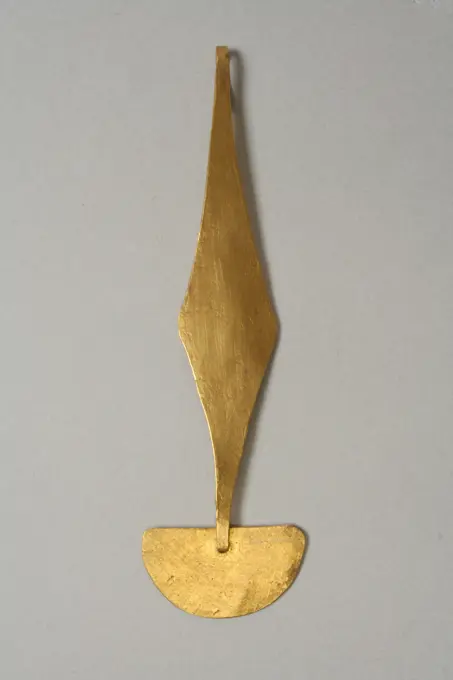
A collection of ancient artifacts including terracotta vessels, a sword guard, and a crescent axe head, showcasing intricate designs and historical significance.

Plaque in the Form of a Tower, 2nd-3rd century, 17 11/16 x 6 1/2 in. (44.93 x 16.51 cm), Gilt bronze, China, 2nd-3rd century
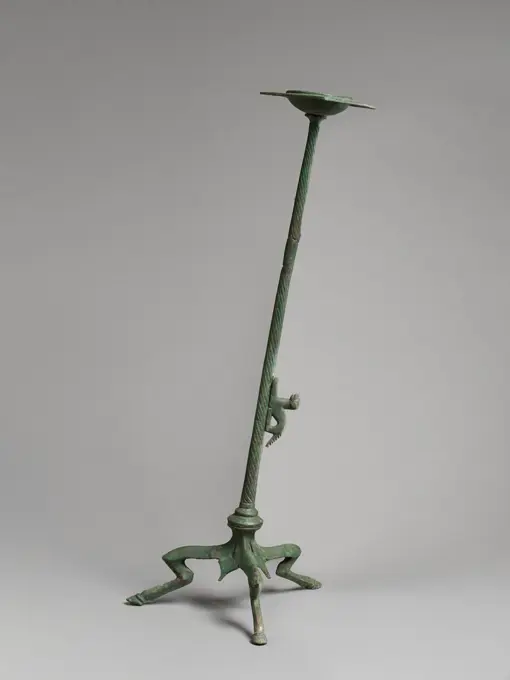
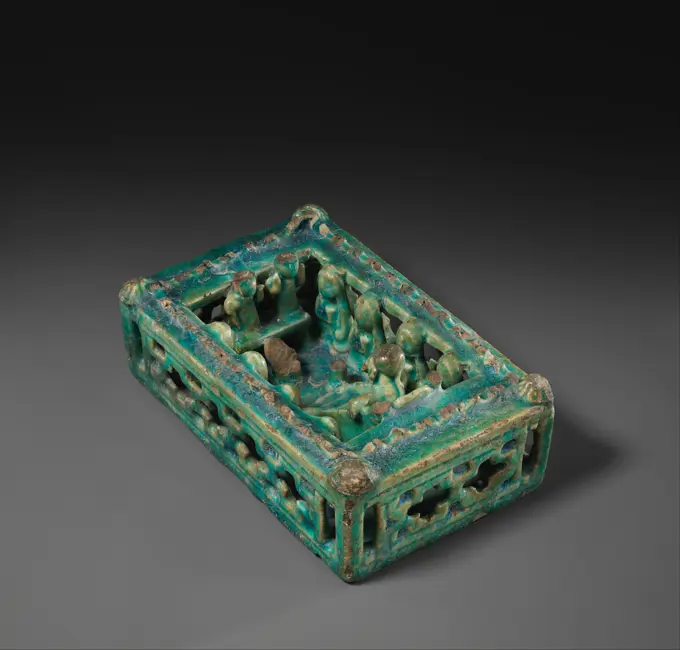
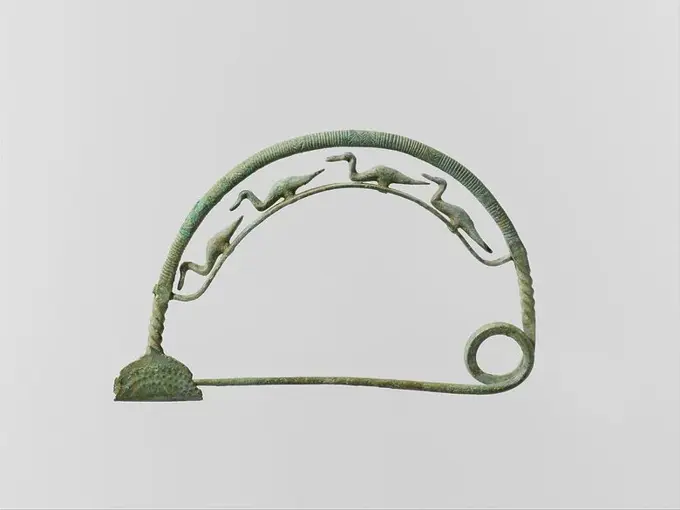
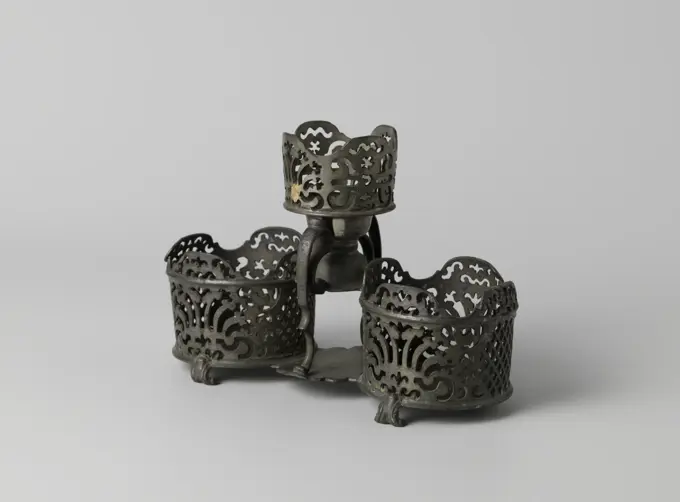
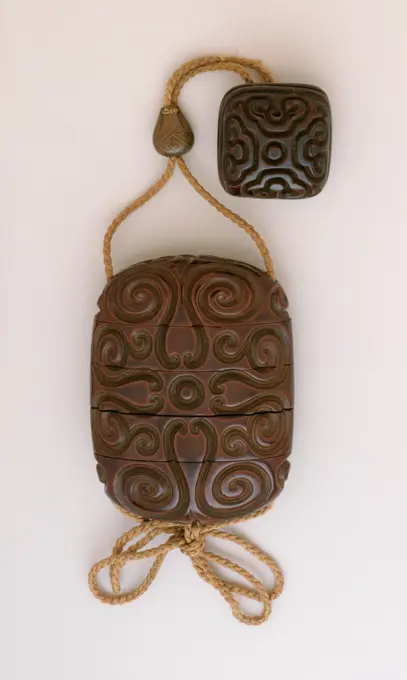
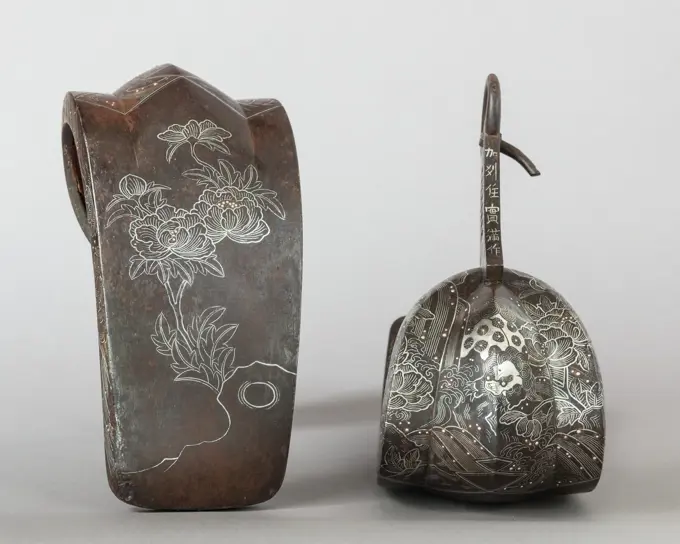
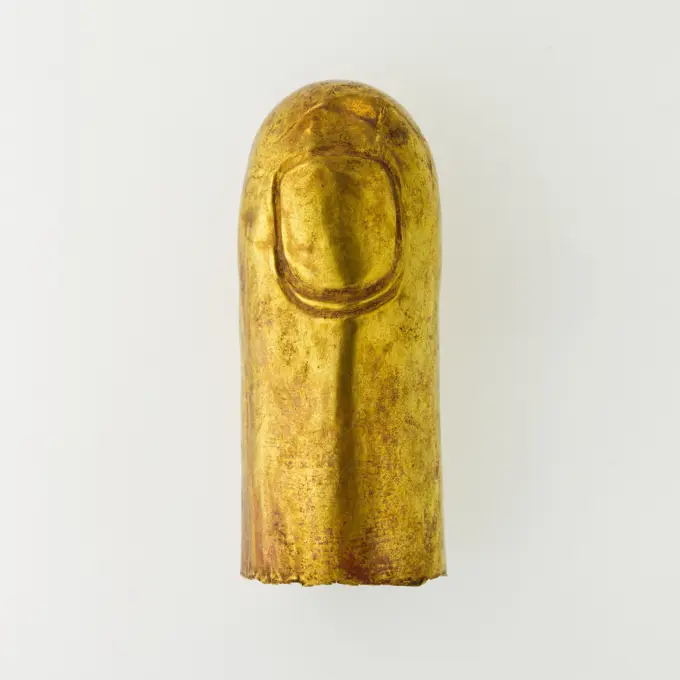
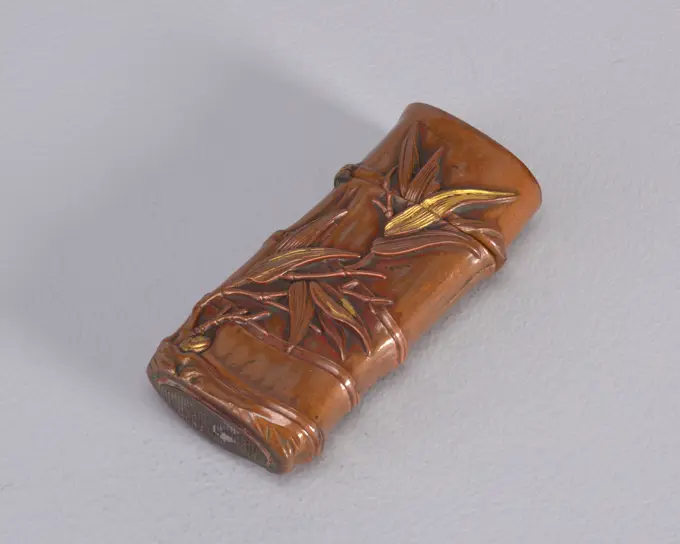
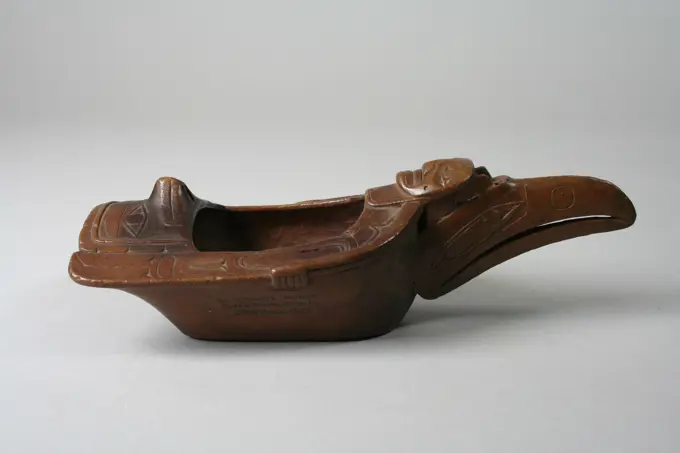
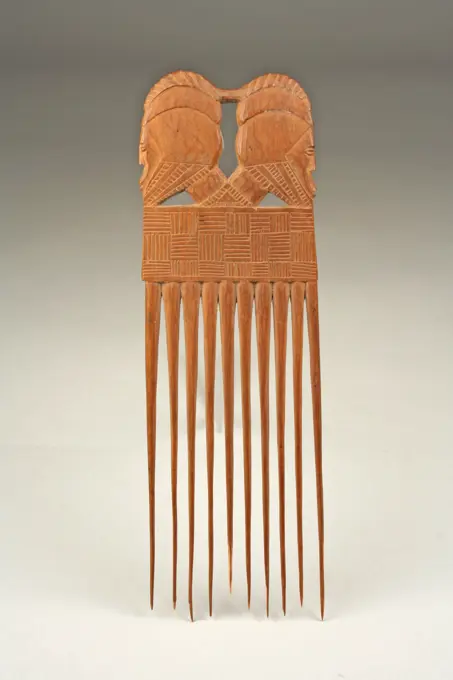
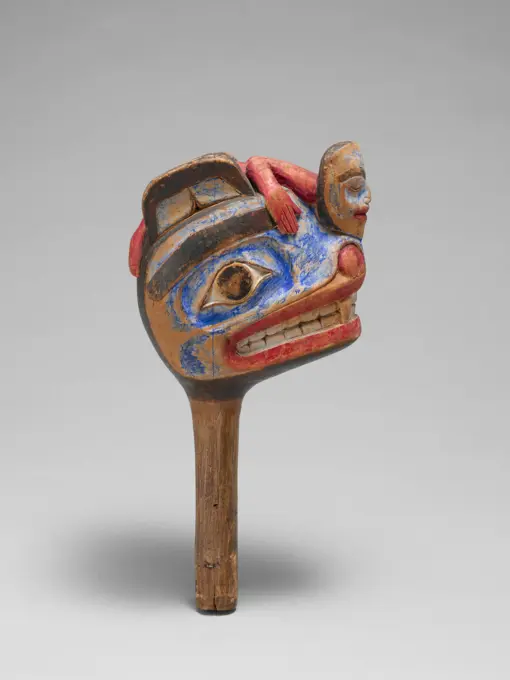
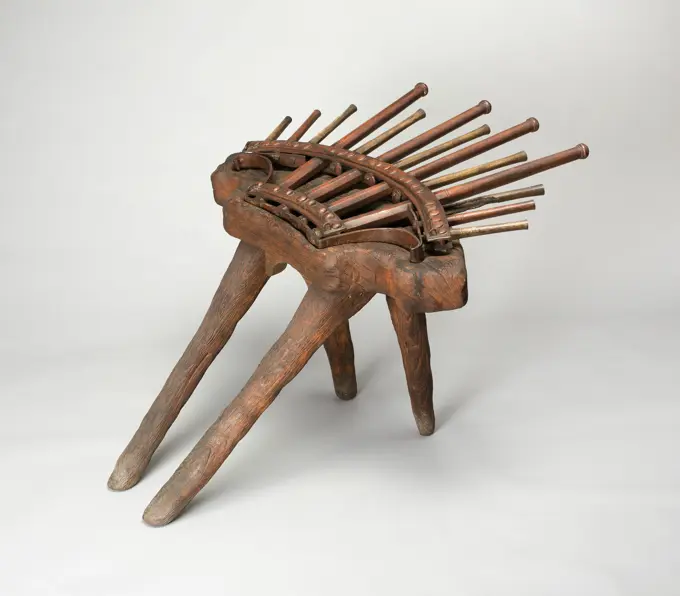
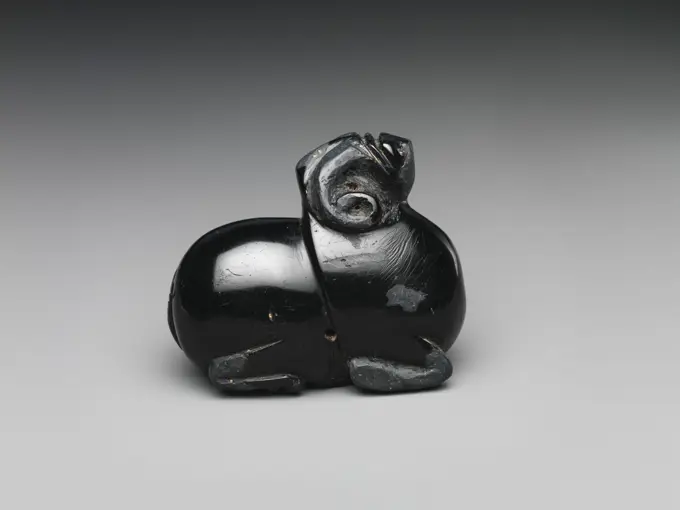
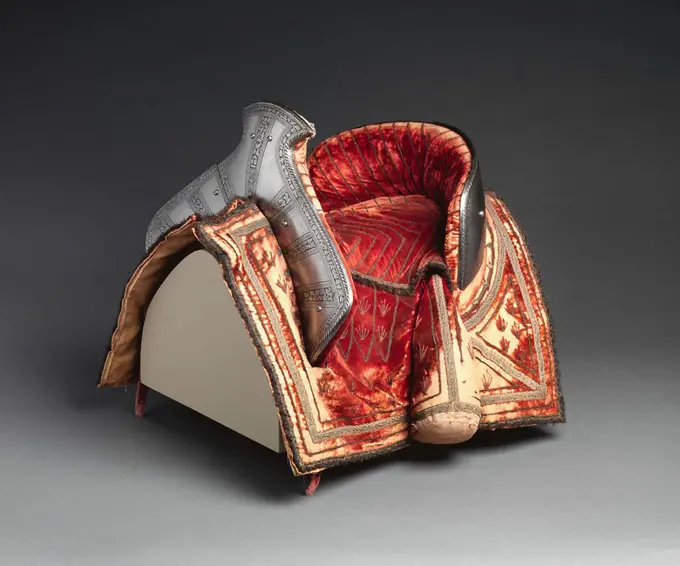
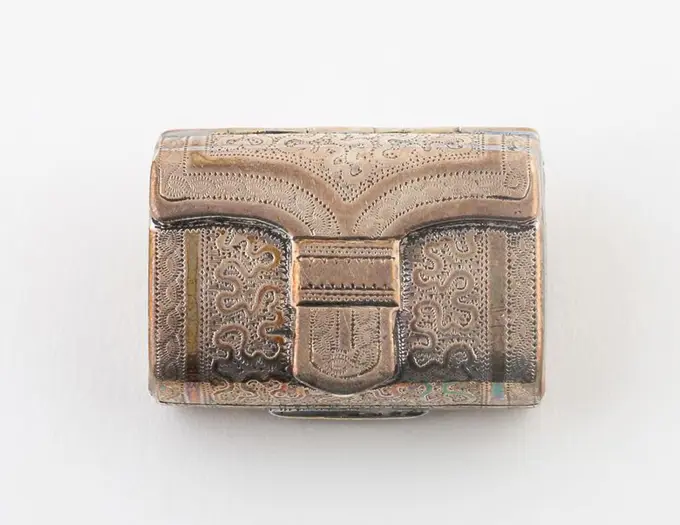
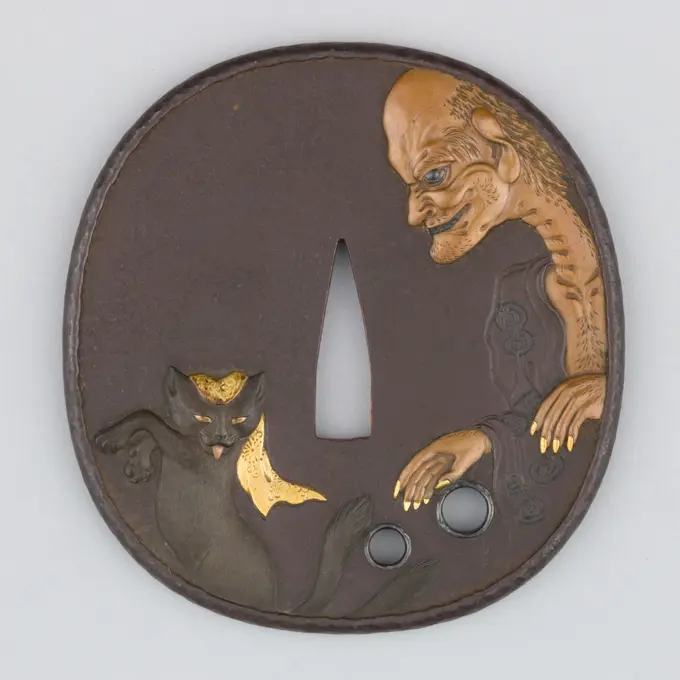
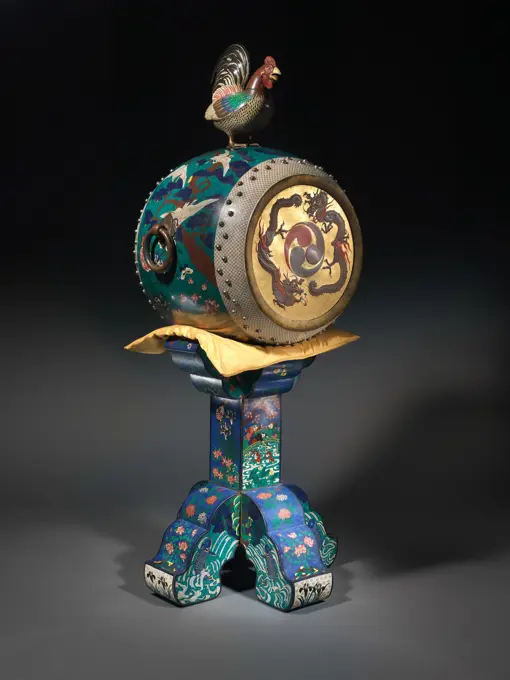
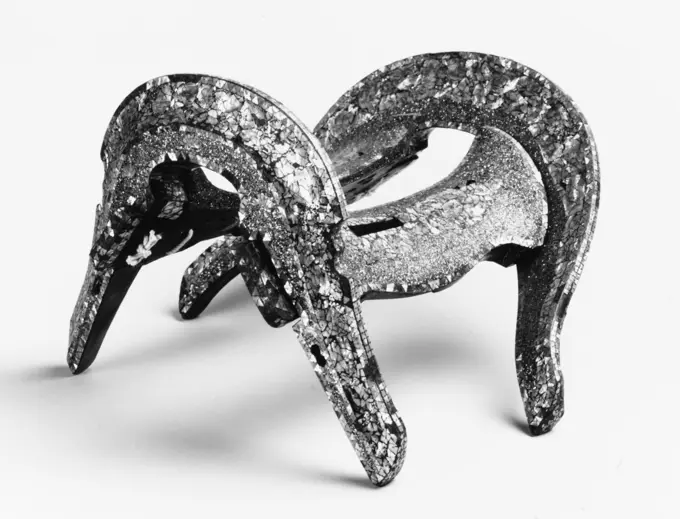
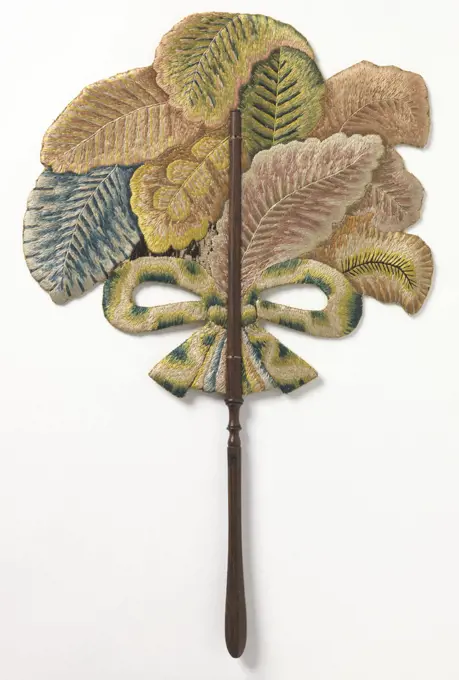
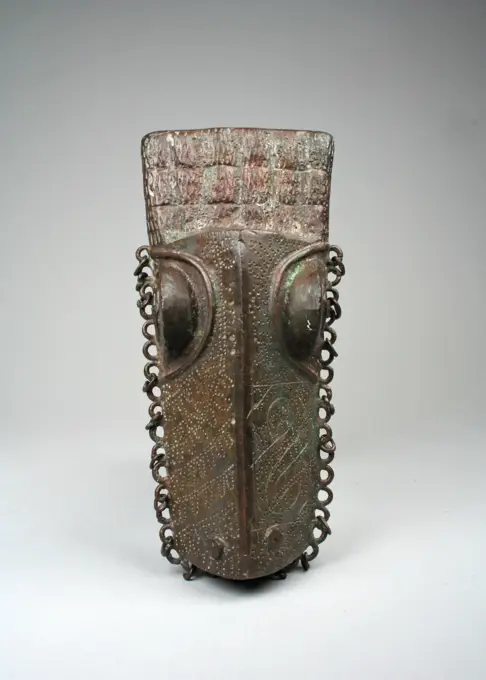
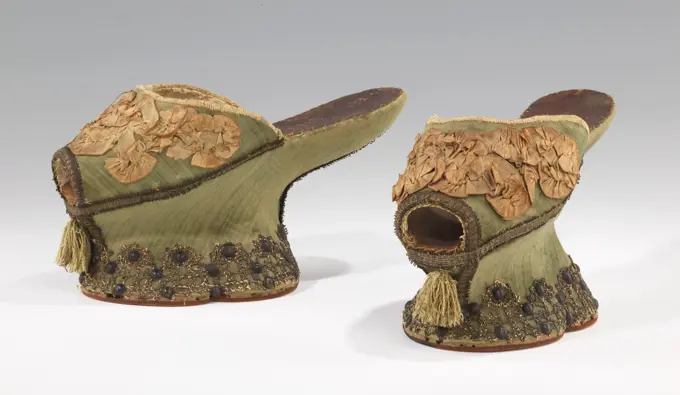
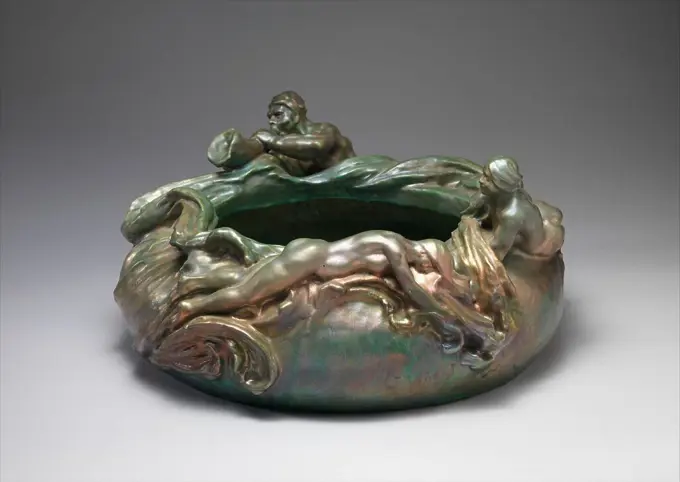
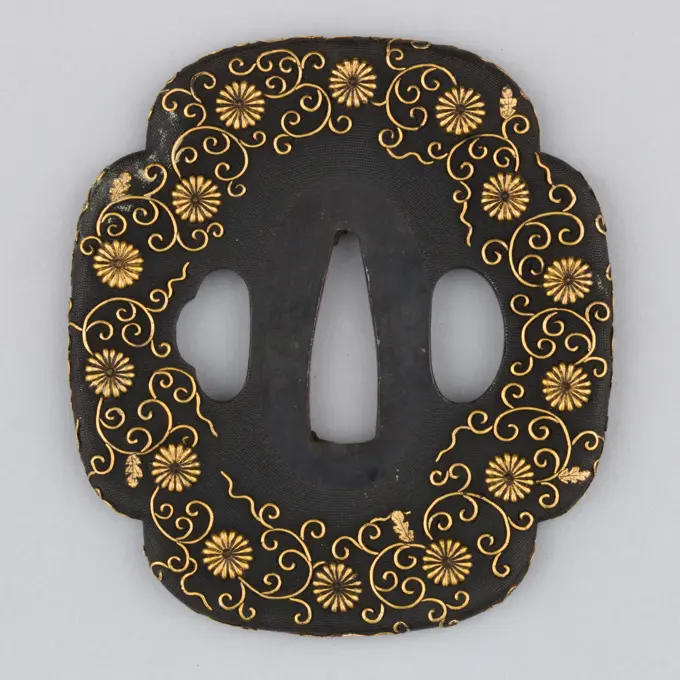
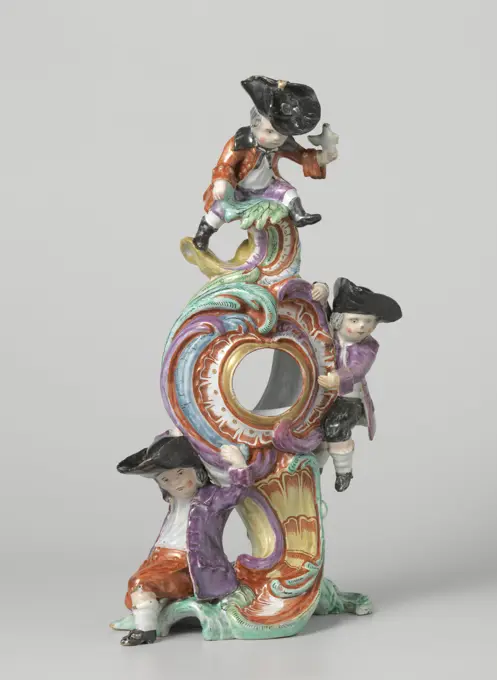
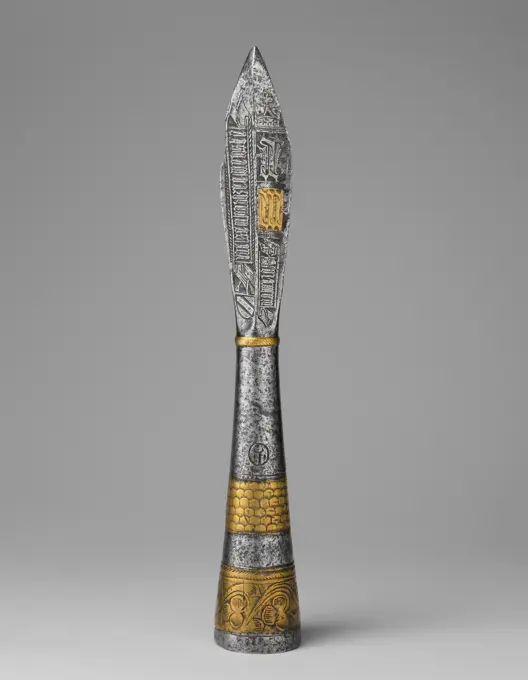
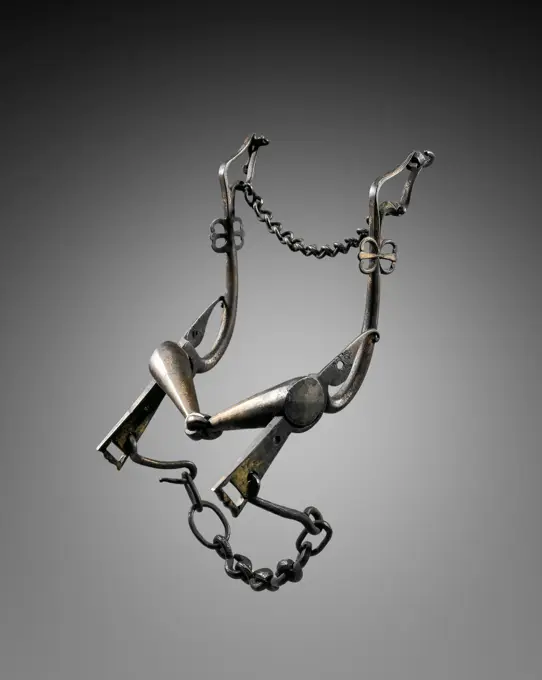
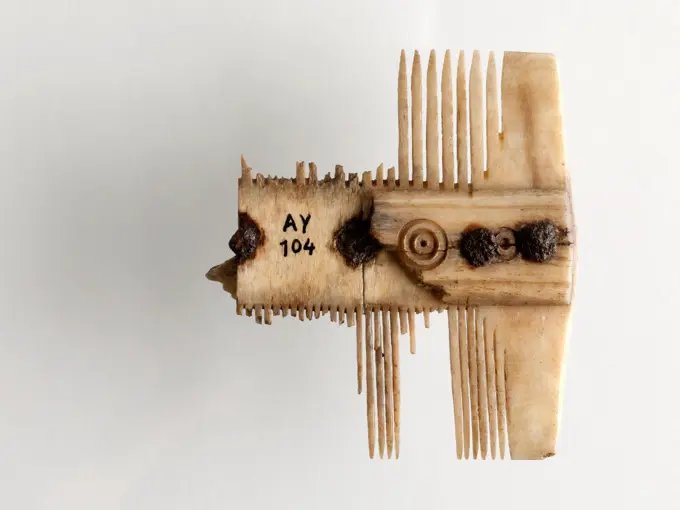
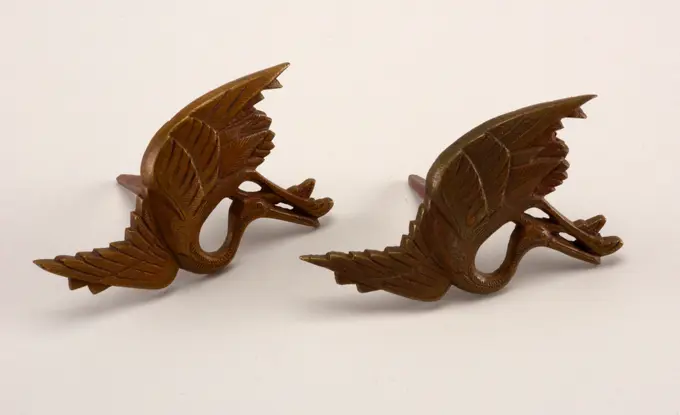
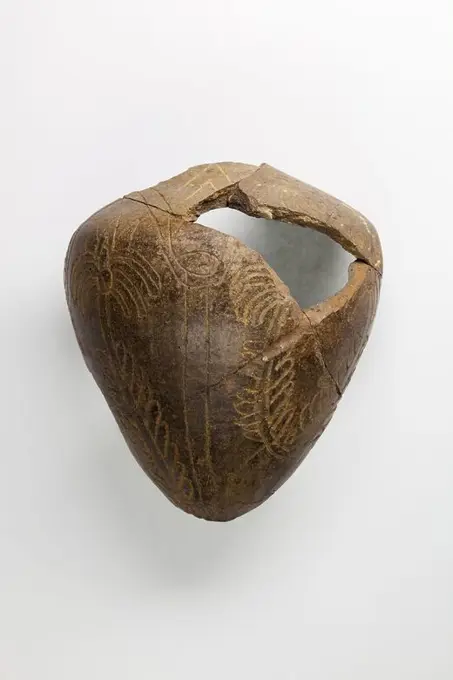
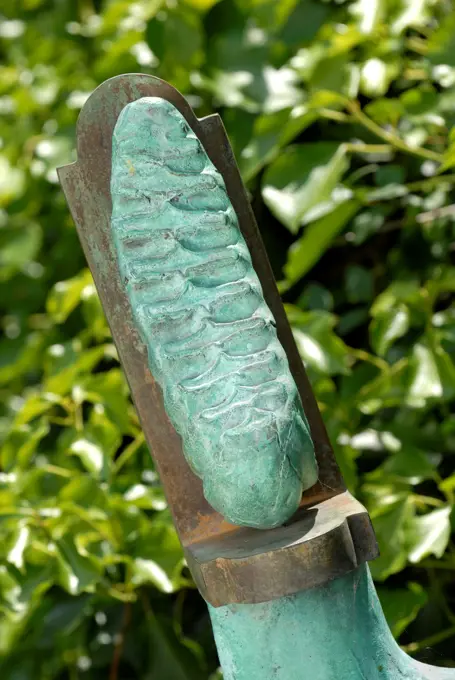
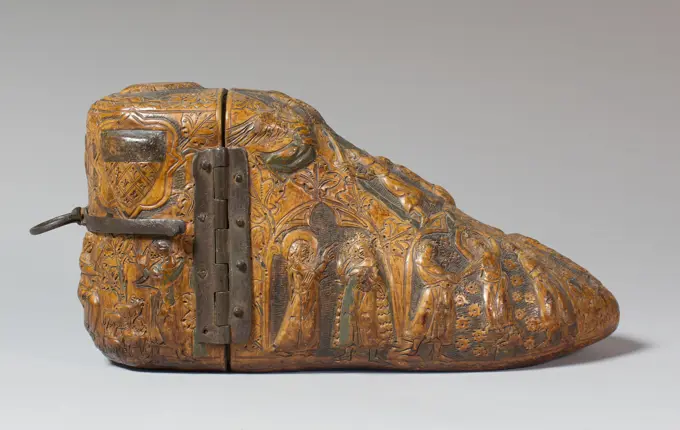
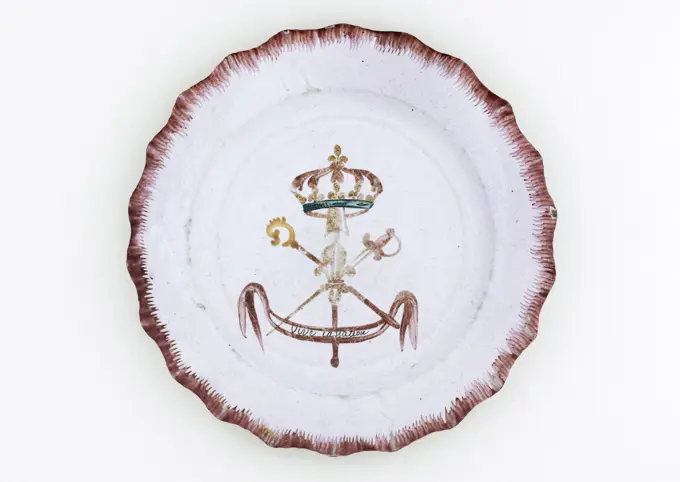
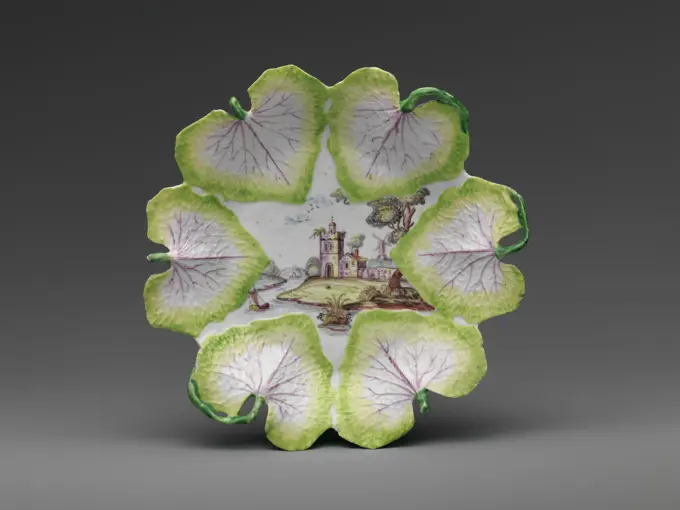
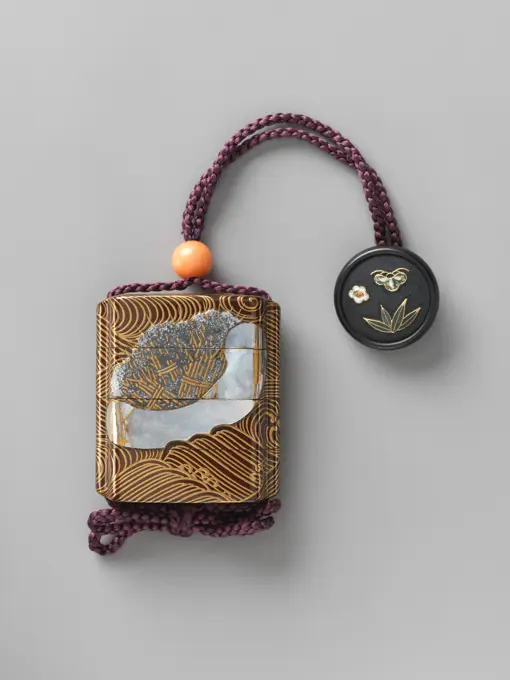
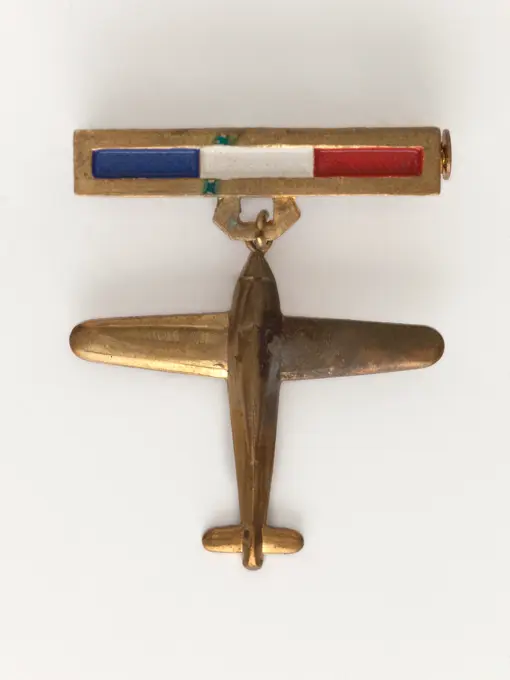
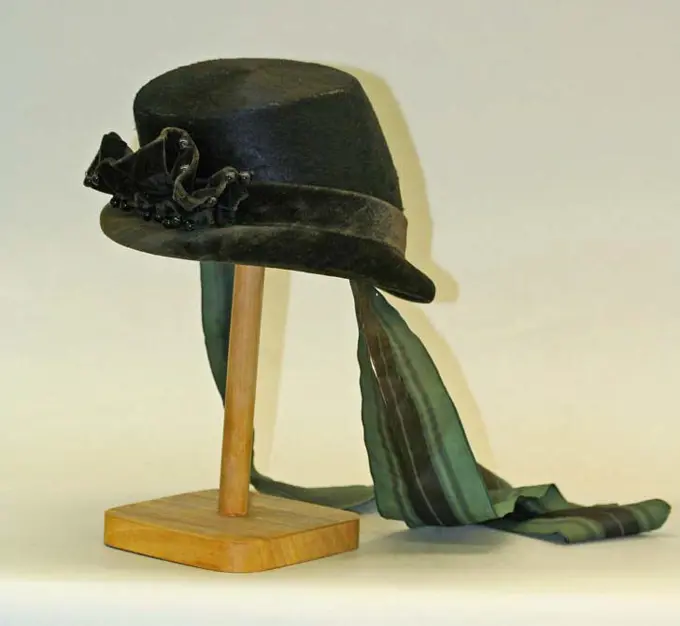
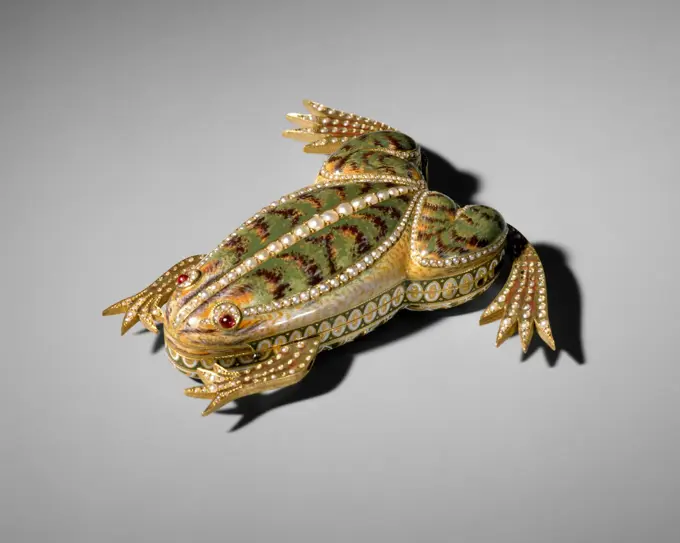
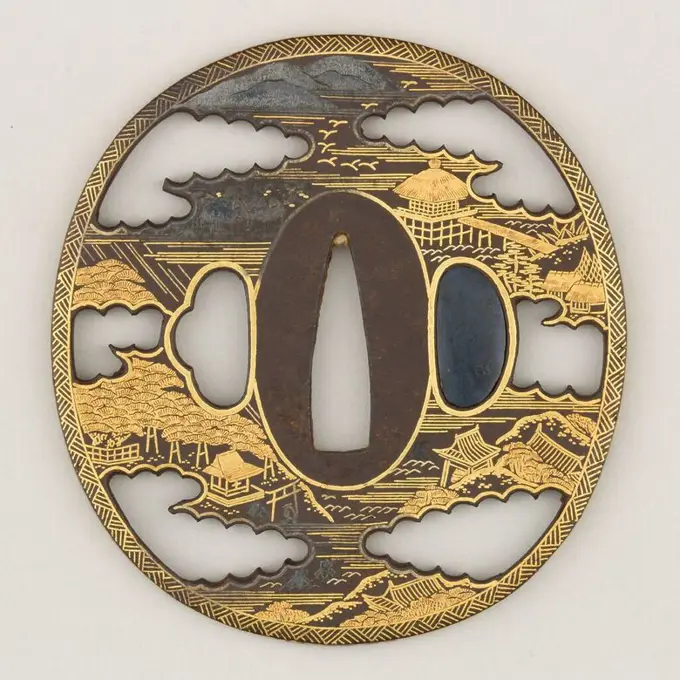
Sword Guard (Tsuba). Culture: Japanese. Dimensions: H. 2 3/4 in. (7 cm); W. 2 5/8 in. (6.7 cm); thickness 1/4 in. (0.6 cm); Wt. 4.3 oz. (121.9 g). Date: ca. 1615-1868. Museum: Metropolitan Museum of Art, New York, USA.Club -Slippers 1810s American. Slippers 86845Pocket knife with silver ajour edited Handle, Albertus Antonius Rooswinkel, 1810 Pocket knife with silver ajour processes with citized flowers, between which a rectangular plate with a playing child in relief. Handle and Mes marked, Leeuwarden, with half a lion one the annual letter C = 1810, Master's sign A.R. = Albertus Rooswinkel Leeuwarden silver (metal) Pocket knife with silver ajour processes with citized flowers, between which a rectangular plate with a playing child in relief. Handle and Mes marked, Leeuwarden, with half a lion one the annual letter C = 1810, Master's sign A.R. = Albertus Rooswinkel Leeuwarden silver (metal)Thymiaterion. UnknownModel of a House with Festive Scene 12th-early 13th century Ceramic house models may have been wedding gifts. This turquoise models open courtyard with pierced balustrade and corner roof projections suggests a vernacular building. A festive occasion is depicted, with seated personages holding cups and a couple dancing with raised arms. The role of the turbaned, bearded man on a high stepped stool—a figure who bears the conventional traits of older, wise, educated, or religious men—remains enigmatic.. Model of a House with Festive Scene. 12th-early 13th century. Stonepaste; molded, modeled, glazed in transparent turquoise. Attributed to Iran. CeramicsAttic Red-Figure Cup Type B. Manner of Epeleios Painter, painter (Greek (Attic)) about 510-500 B.C. I: Youth running with two swords, one of which is unsheathed. A and B, each: Boy leading two horses. On A, they walk away from the boy, who wears a petasos; on B, the horses both walk to the right; the boy is nude but for a wreath. Tondo: ΗΟ ΠΑΙΣ ΚΑΛΟΣ A: ΗΟ ΠΑΙΣ ΚΑΛΟΣ B: ΗΟ ΠΑΙΣ ΚΑΛΟΣConsole, from Huis de Voorst, Anonymous, c. 1700 Wooden console, decorated with carving in the form of a standing acanthus leaf and tendrils. Northern Netherlands wood (plant material). linden. stain (coating)   House De Voorst Wooden console, decorated with carving in the form of a standing acanthus leaf and tendrils. Northern Netherlands wood (plant material). linden. stain (coating)   House De VoorstDecorative Door Boss And Nail; wrought ironBronze bow fibula (safety pin) with four ducks. Culture: Villanovan. Dimensions: Overall: 3 7/16 x 3/8 in. (8.8 x 1 cm)Other: 5 3/8in. (13.7cm). Date: ca. 900 B.C..The incorporation of four swimming ducks makes this fibula unusual. Delicate patterns on the bow, bold spirals above the spring and catchplate, and concentric rows of tiny dots on the clasp add to the richness of this elegant pin. Museum: Metropolitan Museum of Art, New York, USA.Pattern bag from the wreck of the East Indians Hollandia, Anonymous, 1700 - in Or Before 1743 cartridge pouch Cartridge case; fragm of flat curved box, rounded side, other side broken off, rounded base, flat open top, inside 10 vertical circular drilled tubes, fragm of leather cover. Netherlands wood (plant material). leather   SecondCorset late 1760s French The stays worn in the eighteenth century were a product of heavy labor. A male industry, staymaking was at a very high standard by the middle of the eighteenth century. Stays were made from baleen, which was harvested from the mouth of the Right Atlantic Whale and commonly referred to as whalebone. This material was firm but flexible and could be cut into very thin pieces without any loss of strength. Carefully measured strips of whalebone stitched between a lining and facing fabric created the stays of the eighteenth century. The rounded opening at the top of the stays was made through the innovation of inserting whalebone strips across the bustline as well as vertically. Stays could be fully boned or half-boned, but the latter was more common in the second half of the eighteenth century.. Corset 82434Sword Guard (Tsuba). Culture: Japanese. Dimensions: H. 2 7/8 in. (7.3 cm); W. 2 3/4 in. (7 cm); thickness 1/2 in. (1.3 cm); Wt. 4.7 oz. (133.2 g). Date: ca. 1615-1868. Museum: Metropolitan Museum of Art, New York, USA.Arrow sash -Sword Guard (Tsuba). Culture: Japanese. Dimensions: H. 3 1/4 in. (8.3 cm); W. 3 in. (7.6 cm); thickness 1/4 in. (0.6 cm); Wt. 4.7 oz. (133.2 g). Date: ca. 1615-1868. Museum: Metropolitan Museum of Art, New York, USA.Oil and vinegar with three bottle holders, c. 1800 - c. 1850 Tin oil and vinegar on four legs. Consisting of three ajour processed bottle holders, two on the bottom and one in the middle above. There is an open space between the two lower bottle holders. In the open space there is a small arc regulation, why the upper bottle holder is screwed. Low Countries tin (metal) Tin oil and vinegar on four legs. Consisting of three ajour processed bottle holders, two on the bottom and one in the middle above. There is an open space between the two lower bottle holders. In the open space there is a small arc regulation, why the upper bottle holder is screwed. Low Countries tin (metal)Scrolling Design in Guri Lacquer (Inrō/Ojime/Netsuke Ensemble). Japan, early or mid-18th century. Costumes; Accessories. inrō guri lacquer (carved layers of red, black and yellow lacquer); ojime mixed metals (shakudo and sentoku) and gilding; netsuke guri lacquer (carved layers of red, black and yellow lacquer)Sealing from net A.D. 1st century  Roman Period. Sealing from net. A.D. 1st century . Mud, cord (). Roman Period. From Egypt, Upper Egypt, Thebes, Deir el-Bahri, Priests' houses, near, Roman burial XXI, MMA excavations, 1923-24Bowl fragment ca. 1981-1640 B.C. Middle Kingdom. Bowl fragment 556905Plate Ceramics Horse at a chimney from Dentz's House from Schaick.Signed: "Rozenburg". FIG. The Plate Belongs to a Chimney That's part of a paneling Manufactured for the house of Mr. Th.G. Dentz van Schaick on Amsterdam Frederiksplein 50-52.. Crown in the form of a bird with curl tail.Harness Ornament with a Winged Horse 1st century B.C.-1st century A.D. Northeast China. Harness Ornament with a Winged Horse 59543Pair of Stirrups (Abumi) probably 18th century Inscribed by Sanemitsu The form of these luxurious stirrups is known traditionally as hato mune (pigeon breast). They are completely covered with finely inlaid silver decoration, demonstrating the supreme level of craftsmanship achieved by their otherwise unknown maker, Sanemitsu. The beautiful designs include Chinese lions, peonies, and a waterfall flowing into a brook. This is the only known pair of stirrups to use raised silver dots as a technique to highlight and accentuate the decoration. The stirrups were made in Kashu (now Kanazawa City, Ishikawa Prefecture), probably under the patronage of the Maeda clan, lords of Kaga and one of the most powerful families in Japan at the time.. Pair of Stirrups (Abumi). Inscribed by Sanemitsu (Japanese, active in Ka sh, probably 18th century). Japanese, Kashu. probably 18th century. Iron, wood, silver, lacquer, paper. Kanazawa City, Ishikawa Prefecture. Equestrian Equipment-StirrupsIron forged wall arm, c. 1400 - c. 1950   iron (metal) forging   iron (metal) forgingFinger stall ca. 1479-1425 B.C. New Kingdom. Finger stall 553263Bamboo Stalk Matchsafe; Japan; patinated and gilded copper; 6.7 x 3.1 x 1.3 cm (2 5/8 x 1 1/4 x 1/2 in. )Raven Bowl ca. 1870 () Haida. Raven Bowl 310362Embossed gold bracelet, Nazca culture, Pre-Inca civilization, PeruComb Kaniet Islands 19th century. Hexagonal pedestal of pipe earth, belonging to fragment of a 'Maria with child'. The hollow base is broken off from the actual sculpture. The shaft contains six niches with bust of Christ's bust as a priest, as a king and as a prophet. On the back, the niches do not contain reliefs. The underside is light concave and contains a round opening.Rattle 19th century Native American (Skittagetan or Haida) This rattle depicts a grinning mountain spirit, potentially that of a bear. The spirit would act as the intercessor for the human figure found between the ears. The rattle represents the relationship between the two and how the owner would depend on the spirit for strength and guidance.. Rattle. Native American (Skittagetan or Haida). 19th century. Wood, pebbles, polychrome. British Columbia, Canada. Idiophone-Shaken-rattlePhoenix of Polyhromated wood carving. Phoenix of Polyhromated wood carving.Recto - Front. Tsuba (Hand Guard for Sword), 1800-1900. Recto - In relief, a Shojo dancer. (Verso- A sake jar, cup and ladle.) .Thirteen-Barrel Organ Gun with Stand 1600-1700 Europe. Iron and paint .Kneeling ram 206 B.C.-220 A.D. China. Kneeling ram. China. 206 B.C.-220 A.D.. Black lacquer on solid wood core. Han dynasty (206 B.C.-A.D. 220). LacquerSet of Saddle Steels. Culture: Italian. Dimensions: 27.159.14a; H. 8 1/2 in. (21.6 cm); W. 11 1/4 in. (28.6 cm); Wt. 9 oz. (255.1 g); 27.159.14b; H. 10 1/4 in. (26 cm); W. 6 1/2 in. (16.5 cm); Wt. 7.7 oz. (218.3 g); 27.159.14c; H. 10 1/4 in. (26 cm); W. 6 1/2 in. (16.5 cm); Wt. 6.3 oz. (178.6 g); 27.159.14d; H. 6 1/2 in. (16.5 cm); W. 12 in. (30.5 cm); Wt. 13.6 oz. (385.6 g); 27.159.14e; H. 6 1/2 in. (16.5 cm); W. 12 in. (30.5 cm); Wt. 13.1 oz. (371.4 g). Date: ca. 1550 to 1575.This complete set of saddle steels is part of an unusually large armor garniture (acc. no. 27.159.1) from the armory of the Dos Aguas family in Valencia, Spain. The saddle tree and its embroidered velvet cover were made in the early 20th century, based on 16th century examples. The garniture contains pieces for use in battle and for the tilt in both the Italian and German fashions. The tilt was a tournament fought on horseback between two opponents armed with lances and separated by a lengthwise barrier.The arPurse-Shaped Vinaigrette. Joseph Willmore; Birmingham, England. Date: 1817-1818. Dimensions: 3.2 × 2.5 cm (1 1/4 × 1 in.). Silver and silver gilt. Origin: Birmingham. Museum: The Chicago Art Institute, Chicago, USA.Sword Guard (Tsuba) 18th century Japanese A tsuba is a sword guard and part of a sword mounting. It is mounted between the swords blade and grip to protect the users hands.. Sword Guard (Tsuba) 643308Ear Ornament 9th-15th century Caldas or Sonso. Ear Ornament 312742Window grille; Unknown Nubian workshop; 2. PO. VII-1. after. VIII century (651-00-00-750-00-00);Nubian collectionTassel (Italy); linen, metal wire, silkButter shaped in the form of a melon. Butter fleet of multi-colored padded faience, with a lid. The butter dish has the shape of a melon. The butter dish has been marked and belongs to an identical butter dish with Invnr. BK-NM-5018.O-daiko ca. 1873 Attributed to Kodenji Hayashi Japanese O-daiko, a barrel drum played in temples, theater orchestras and at festivals. This unusually ornate o-daiko, with its cloisonné stand and body, was made by order of the Japanese government for the Vienna Exposition of 1873, the first in which Japan participated formally as a nation. The drum's cowhide skins, decorated with lacquer-work dragons were never sounded. Instead the drum is a symbol of peace as indicated by the presence of a rooster atop the instrument. An ancient story tells of a drum placed at a village gate to sound an alarm during an attack. As the years passed the drum was never used. Hens and roosters began to live in the drum and this image became an emblem of contentment and peace.. O-daiko 501802Sugar Sifter Spoon 1750-1765 Sèvres. Soft-paste porcelain and gilding . Manufacture nationale de Sèvres (Manufacturer)Saddle (Kura) 18th-19th century Japanese. Saddle (Kura) 22480Piktouw, in rol, anonymous, c. 1590 - c. 1596 rope Piktouw, dried up in roll.  rope   Nova Zembla. Saving HuysHandscreen, Linen leaf embroidered with silk, turned wood handle, Handscreen in the form of a mask. Design of pastel-colored feathers tied with a bowknot; the loops of the bow are cut out for use as eye-holes., Italy, 18th century, costume & accessories, HandscreenHair comb of imitation turtle or horn with narrow back on which five balls, anonymous, c. 1800 - c. 1810 Hair comb of imitation turtle or horn with narrow back on which five balls. Three teeth. Netherlands (possibly) celluloid (cellulosic). cellulose acetate. horn (animal material) sawing / filing / polishing / gluing Hair comb of imitation turtle or horn with narrow back on which five balls. Three teeth. Netherlands (possibly) celluloid (cellulosic). cellulose acetate. horn (animal material) sawing / filing / polishing / gluingModel or a figureehead. Model of red wax of a sheek image on a sheam, on a pedestal. The image presets the torso of a crowned man in classical traditional costume, with a mask under the torso. It presents Boreas, the Greek God of the Noordenwind.Roast chicken. Roast chicken from hollow metal, gray with red-brown painted; Hull with wings set aside and paws backwards.Sword Guard (Tsuba). Culture: Japanese. Dimensions: H. 2 7/8 in. (7.3 cm); W. 2 9/16 in. (6.5 cm); thickness 5/16 in. (0.8 cm); Wt. 4.2 oz. (119.1 g). Date: ca. 1615-1868. Museum: Metropolitan Museum of Art, New York, USA.Waist Pendant: Crocodile Head 16th-19th century Edo peoples At its origins, the centralized city-state of Benin was founded by Edo-speaking peoples. The accounts by official court historians and descriptions provided by visitors evoke a vibrant cultural center continually redefined by its leadership through shifting internal and external power dynamics. According to oral tradition, circa 1300, Edo chiefs are reputed to have reached out to the leader of neighboring Ife, Oranmiyan, to establish a new divinely sanctioned royal dynasty. Since then, the investiture of Benins rulers to the title of obas has conferred upon them at once a role of chief priest officiating in important religious ceremonies and presiding over an elaborate structure of palace officials. During the fifteenth century reign of Oba Ewuare, Benins armies were formed and the fortification of its capital with a massive wall undertaken. In parallel, delegations of Portuguese traders assiduously sought to secure exclusivPendant Jewel ca. 1500 German or Spanish Coral was valued not only for its beauty but also for its effectiveness in warding off various dangers, including pestilence, poison, and the evil eye.. Pendant Jewel. German or Spanish. ca. 1500. Coral, gold, silver-gilt, pearl. Metalwork-SilverChopines 1550-1650 Italian The chopine was a tall clog worn in primarily in Venice to elevate the lady above both the dirt and the hoi polloi of the street. While relatively few shoes survive from the period of the 15th to 17th century, chopines are inordinately represented in museum collections as they were saved most probably due to their outlandish peculiarity. This exemplar illustrates all the classical characteristics of this specialized form: red or green velvet covering, lobed platform sole trimmed in gold lace with hobnails, gold braid edging, shirred ribbon trim on the vamp, and beard-like tassel below the open toe.. Chopines 156215. A lock. Gothic.Berry Bowl c 1885-1895 New York City. As one of many new manufacturers competing in a vast marketplace, George W. Shiebler began producing silver in the early 1870s. Although Shieblerís firm was better known for its decorative flatware and silver jewelry, this bowl showcases the firmís inventive design and dexterous handling of hollowware, which was made in more limited production. The intricate handle is formed of entwined branches and leaves, plums, and copper cherries, with three applied insectsóa fly, a beetle, and a spiderófurther enhancing the objectís lifelike quality. While the vessel was inspired by Japanese naturalism, which was popular among American silver firms of the Aesthetic movement, the realistic details also reference John Ruskinís belief that truth and beauty emerged from nature. Interestingly, the bowl is stamped with several French import marks, indicating that its American owner brought the bowl into France.. Silver, parcel-gilt silver, and copper . George W. ShiSculptural bowl. Designer: Clément Massier (French, Vallauris 1844-1917 Golfe-Juan). Dimensions: 10 7/8 × 21 3/4 in. (27.6 × 55.2 cm). Maker: James Vibert (Swiss, 1872-1917). Date: 1900.Massier specialized in pottery with a metallic iridescent glaze inspired by medieval Spanish lusterware. This bowl is the product of his collaboration with the Swiss Symbolist sculptor James Vibert. The iridescent effect of Massier's luster glaze works in harmony with the sculptural imagery, creating an otherworldly, sea-like environment for Vibert's water nymphs. Museum: Metropolitan Museum of Art, New York, USA.Sword Guard (Tsuba) ca. 1615-1868 Japanese A tsuba is a sword guard and part of a sword mounting. It is mounted between the swords blade and grip to protect the users hands.. Sword Guard (Tsuba) 34379Fragment of the majolica dish on stand, polychrome cityscape in mirror, dish plate crockery holder earth discovery ceramics earthenware glaze tin glaze, baked archeology indigenous pottery importWatch stand, anonymous, c. 1765 - 1775 Watch stand, made up of rocailles with three boys in between in 18th century costume. Delft . Watch stand, made up of rocailles with three boys in between in 18th century costume. Delft .Buckle, 1900s. China, 20th century. Brass, engraved and set with white jade and rose quartz; overall: 10.8 cm (4 1/4 in.).Architectural Fitting (Gong) Made 770 BCE-481 BCE China. This is one of sixteen hollow bronze fittings in the museumís collection that together comprise rectangular, L-shaped, and cylindrical pieces. In 1973, fittings of similar shape and design were excavated from the site of a palace of the 7th century B.C. in modern-day Fengxiang, Shaanxi province in north China. Most show tightly interlaced surface patterns like those cast in this piece. Archaeologists have conjectured that these fittings, some of which preserve traces of wood, originally served as collars and sleeves that had been socketed over a framework of timber columns and tie beams embedded into the earthen walls. Some of these pieces may originally have been stuffed with silk to tighten them.. Bronze .Ritualistic object from Mycenae gravesCeremonial Arrowhead 1437-39 Bohemian, probably Prague Originally mounted on a wooden shaft, this extremely large arrowhead probably served as a symbol of rank or a baton of command. It is decorated with royal Bohemian monograms and badges in addition to religious invocations in medieval Czech. It bears the monogram AR for Albert, king of Bohemia and Hungary (reigned 1437-39). It is also stamped with the so-called Turkish arsenal mark, indicating that it was captured by Ottoman forces, perhaps in the campaign of 1439 in which Albert was killed, and was subsequently stored in the Turkish arsenal in Constantinople (now Istanbul).. Ceremonial Arrowhead 35794Morion. Northern Italian, probably Brescia. Date: 1570-1590. Dimensions: H. 25.4 cm (10 in.). Steel. Origin: Brescia province. Museum: The Chicago Art Institute, Chicago, USA.Pair of wall brackets ca. 1780 French. Pair of wall brackets 202226Curb Bit, 1500s. Germany, 16th century. Steel, traces of gilding; overall: 14 cm (5 1/2 in.).Liquorice candy isolated on a white backgroundBowl. Culture: Etruscan. Dimensions: H. 1 7/16 in. (3.7 cm)diameter 4 3/16 in. (10.6 cm). Date: ca. 550-500 B.C..Shallow bowl. Museum: Metropolitan Museum of Art, New York, USA.Toy Rocking Horse. Dated: c. 1936. Dimensions: overall: 22.9 x 30.1 cm (9 x 11 7/8 in.) Original IAD Object: 43" long; 7 1/2" wide. Medium: watercolor, graphite, and gouache on paperboard. Museum: National Gallery of Art, Washington DC. Author: John Fisk.Bn ( ) late 19th century Chinese The ban is related to the paiban and serves a similar purpose: marking time.. Bn ( ). Chinese. late 19th century. Wood. Qing dynasty (1644-1911). Fukian province, China. Idiophone-ConcussionAnonymous. Bone comb (fragment: end). OS with iron rivets. 6th century - 8th century. Paris, Carnavalet museum. Extreme, fragment, bone comb, iron rivetCap. Culture: French. Date: 1760-90.This peasant bonnet is from the Cher River valley in Touraine, a former province of France southwest of Paris. Museum: Metropolitan Museum of Art, New York, USA.Iron Age - 4th century b.C. - Zoomorphic Thraco-Getian applique from CraiovaFigure; 1904-21-9-a,bWhimsey -Dry branch against gray backgroundTell el-Yahudiya-ware jar. Dimensions: h. 7.1 cm (2 13/16 in). Dynasty: Dynasty 13 or later. Date: ca. 1750-1600 B.C.. Museum: Metropolitan Museum of Art, New York, USA.Box, 4 3/16 x 4 5/16 x 4 5/16 in. (10.64 x 10.95 x 10.95 cm), Black ash splint and other plant fibers, United StatesScarab Finger Ring of Ramesses II. Dimensions: Diam. 3 cm (1 3/16 in.). Dynasty: Dynasty 19. Date: ca. 1295-1070 B.C.. Museum: Metropolitan Museum of Art, New York, USA.Italy, Toscana, Grosseto, Seggiano, Giardino di Daniel Spoerri, open air contemporary art museumShoe Reliquary ca. 1350-1400 French or Swiss Scenes of the life of Saint Margaret decorate this case, which was probably intended to hold a foot-shaped reliquary of precious material. Near the lock plate, the saint bursts free from the body of a dragon that had swallowed her. Because she overcame the ordeal unharmed, women suffering the pains of childbirth turned to Saint Margaret in prayer; it has been suggested that the loop at the back of this case would have allowed the reliquary to be suspended over an expectant womans bed.. Shoe Reliquary. French or Swiss. ca. 1350-1400. Leather and Iron. LeatherworkFrame; painted and gilt pineAnonymous. Plate. Earthenware. 1789-1790. Paris, Carnavalet museum. 70955-15 Weapon, Crown, Epee, Faience, Decorative Reading, Revolutionary Periode, Crockery, PlateWater Bird. Culture: Inuit. Dimensions: H x W x D: 7/8 x 1 x 1 5/16 in. (2.2 x 2.6 x 3.4 cm). Date: 10th-16th century. Museum: Metropolitan Museum of Art, New York, USA.Dish ca. 1749-1760 Longton Hall Many of the products of the short lived Longton Hall factory (1749-60) reflect the keen interest in the natural world that was so prevalent in the mid 18th century. In this instance, the form of the dish appears enveloped by the six finely-detailed vine leaves.. Dish. British, Longton Hall, Staffordshire. ca. 1749-1760. Soft-paste porcelain decorated in polychrome enamels. Longton Hall (British, Staffordshire, ca. 1749-1760). Ceramics-PorcelainRitual grinding stone (metate) made from Pedra stone, Costa Rica. Dated 8th CenturyMiniature Inr with Design of Firewood-laden Boats on Waves 19th century Shibata Zeshin The small boats that plied the misty waters of the Uji River often appear in Japanese classical literature as images of rusticity and human vulnerability. They are a potent and recurring motif in the later chapters of the Tale of Genji. This miniature is copied from a design by the Rimpa artist Ketsu, who took such unmistakable literary references and distilled them into striking forms.. Miniature Inr with Design of Firewood-laden Boats on Waves. Shibata Zeshin (Japanese, 1807-1891). Japan. 19th century. Gold maki-e with mother-of-pearl inlay on black lacquer; netsuke of hardwood with cloisonne. Meiji period (1868-1912). InrWar 1939-1945. Tricolor spindle during plane -shaped. Painted metal. 1944-1945. General Leclerc Museum of Hauteclocque and the Liberation of Paris, Jean Moulin Museum. Pin, war 1939-1945, war 39-45, Second World WarBonnet 1850-60 American or European. Bonnet 113377Automaton ca. 1820 Swiss Gold and green enamel automaton in the form of a frog and set with pearls. Ruby eyes. Mechanism operates the legs to cause the frog to jump and croak.. Automaton. Swiss. ca. 1820. Gold, enamel, diamond, ruby. Switzerland. AccessoryTemple 1st-8th century Mezcala. Temple 317482Bee 6th-7th century Moche (Loma Negra). Bee 314489Sword Guard (Tsuba). Culture: Japanese. Dimensions: H. 3 3/16 in. (8.1 cm); W. 3 in. (7.6 cm); thickness 3/16 in. (0.5 cm); Wt. 4.2 oz. (119.1 g). Date: 18th century. Museum: Metropolitan Museum of Art, New York, USA.Decorative door boss and nail, Steel-plated wrought iron, Flat, square mount with wrought line to form design with quadrants, each with projecting cusps and two barbs forming a leaf-like pattern. Grooved pyramidal nail heads on a square shank., Spain, ca. 1550-1700, metalwork, Decorative Arts, Decorative door boss and nailMycenaean bull's head rhyton, Shaft Grave IVVase;  19th century (1801-00-00-1900-00-00);For Pantofli unknownHead for Banner Staff 18th century Persian. Head for Banner Staff 30115