Ancient Artifacts and Pottery

Artifacts including bottles, lamps, and bowls from historical cultures, showcasing craftsmanship and material use.

Stoneware mineral pitcher on stand surface, arched model, brown, stamped mark, mineral pitcher pitcher pitcher product container container soil find ceramic stoneware icing salt enamel, hand turned baked glazed stoneware mineral pitcher gray shard with salt glaze sausage ear with finger impression largely brown colored. Contained spring water from Nieder Selter Light vaulted model on stand. Two jugs over the ear. profile ring on the transition from neck to shoulder stamped source: SELTERS around Greek cross with C T archeology advertising health care import pottery packing serve drink medicine drug pharmacy
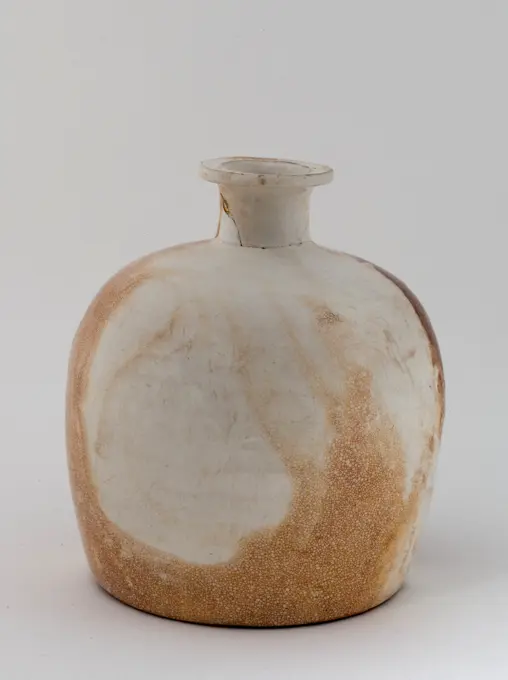
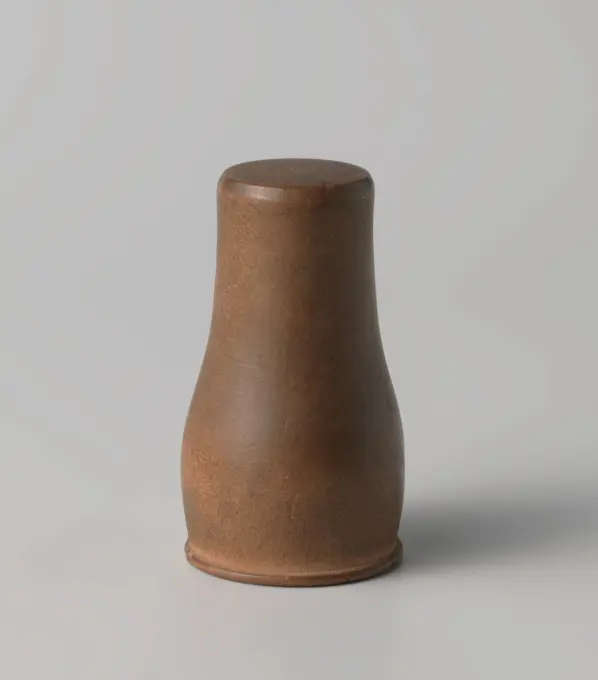
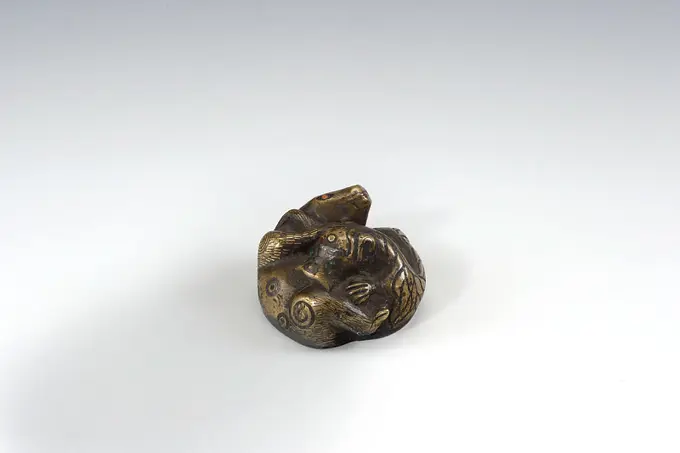
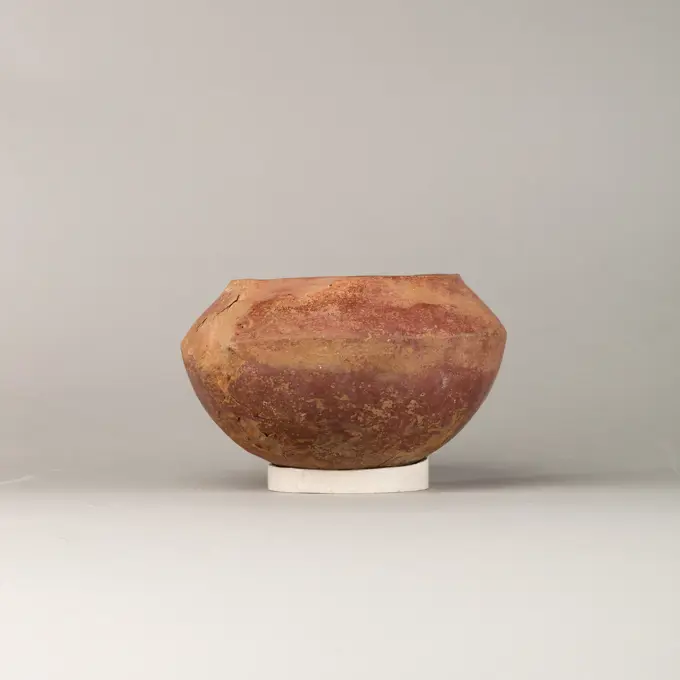
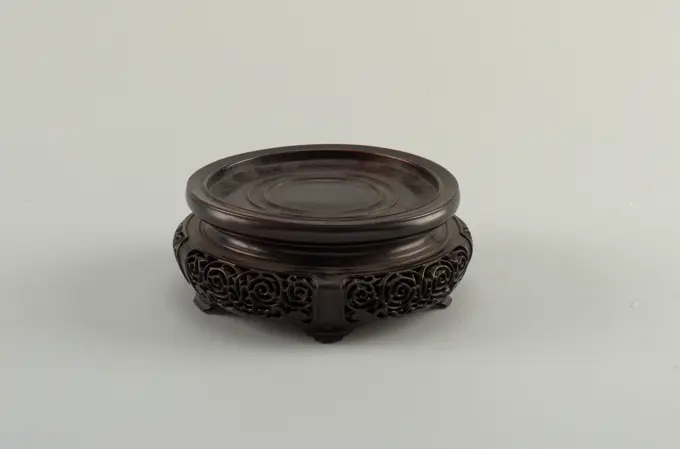
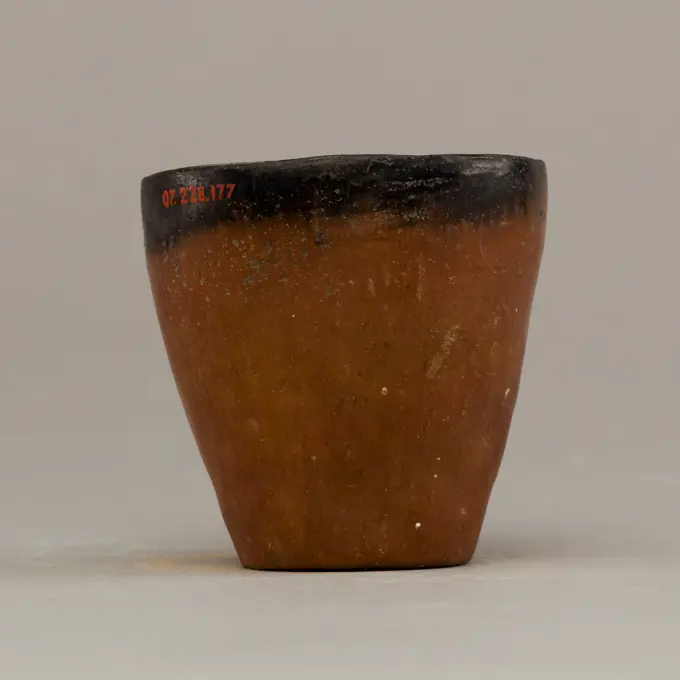
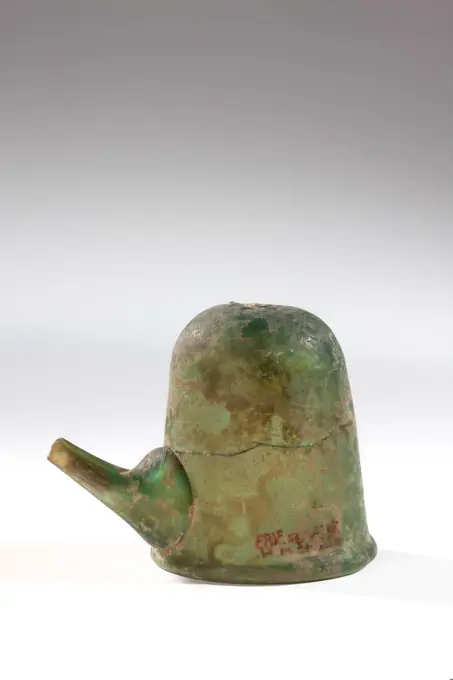
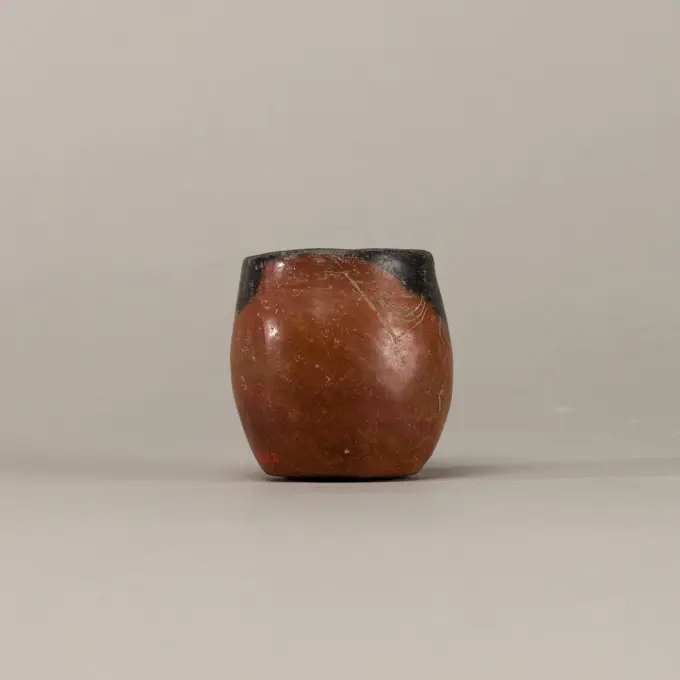
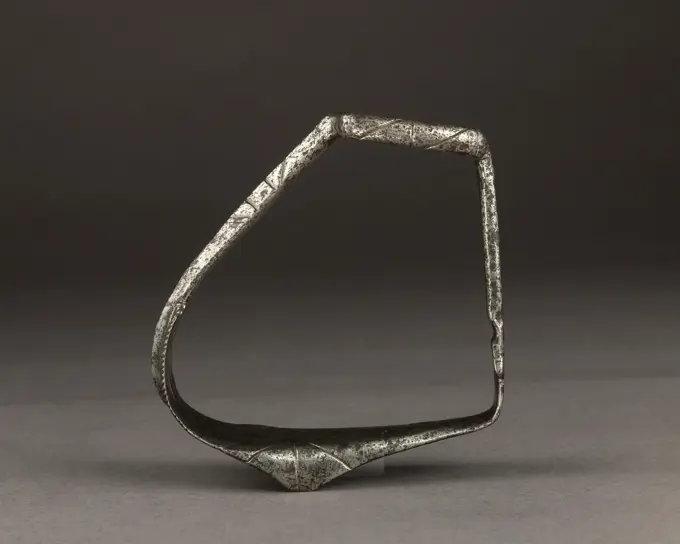
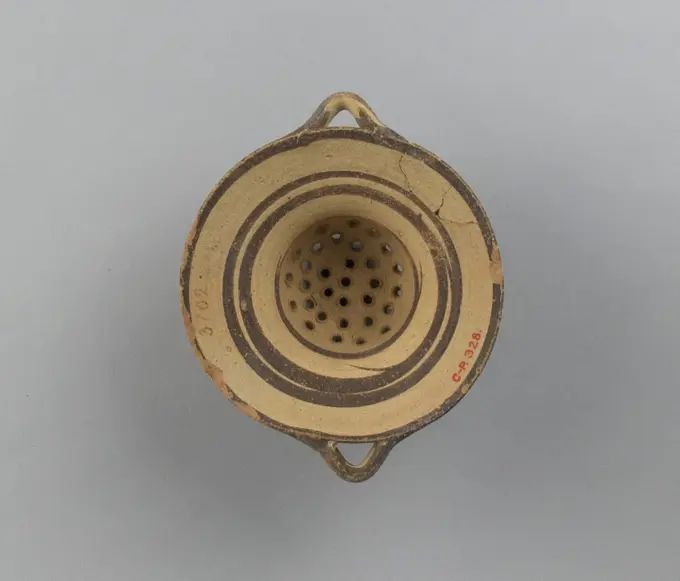
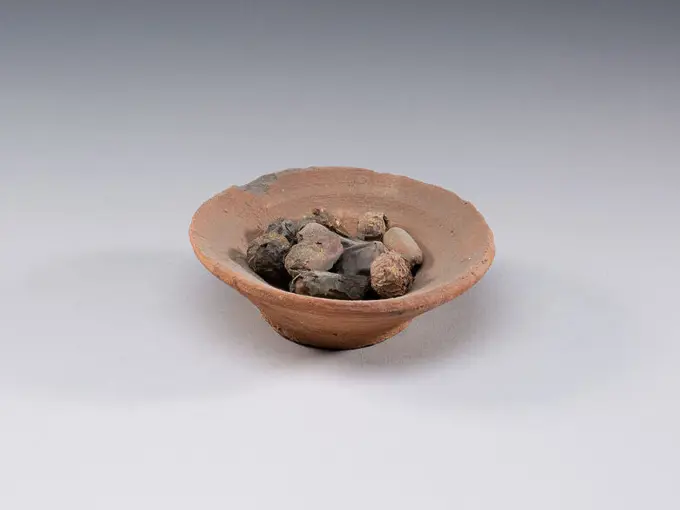
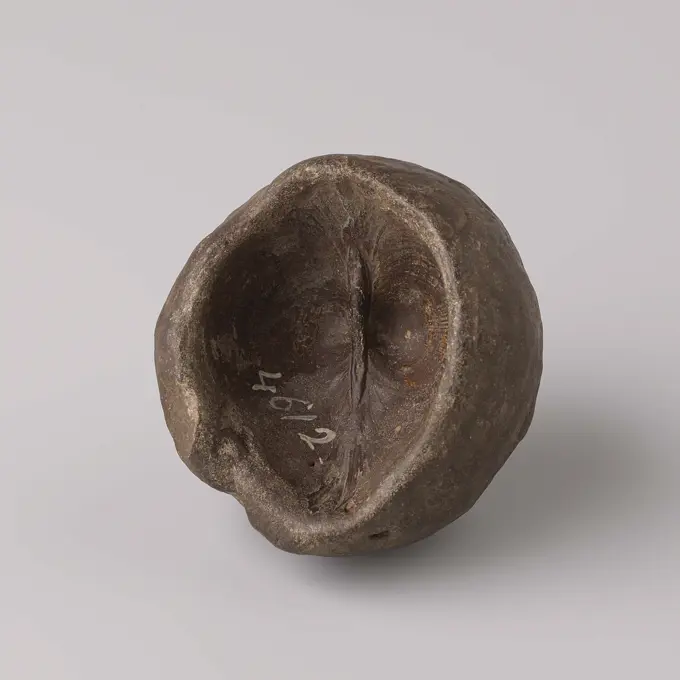
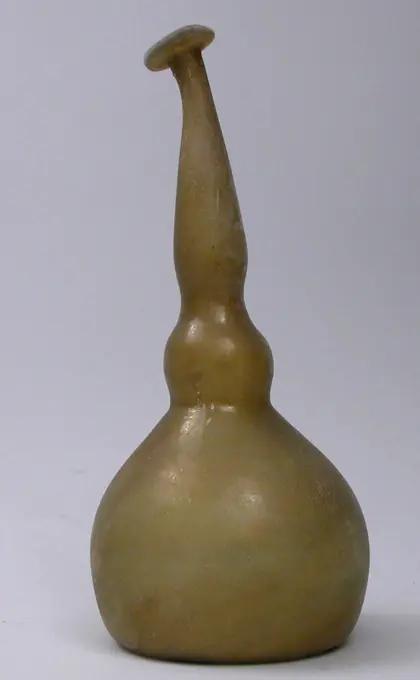
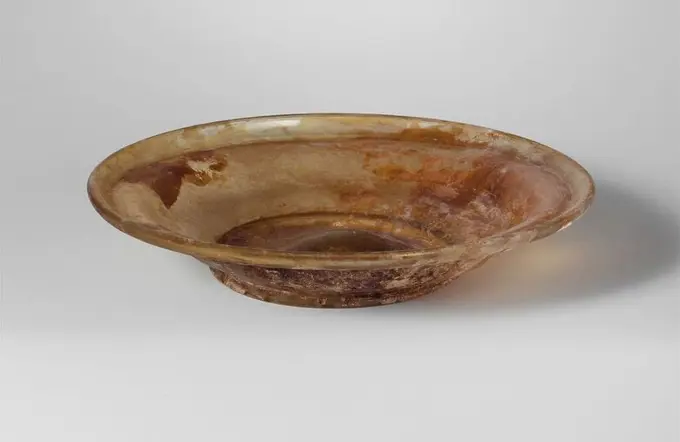
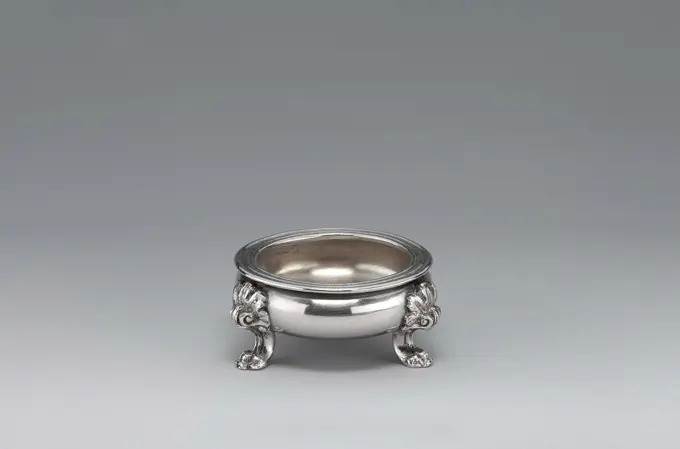
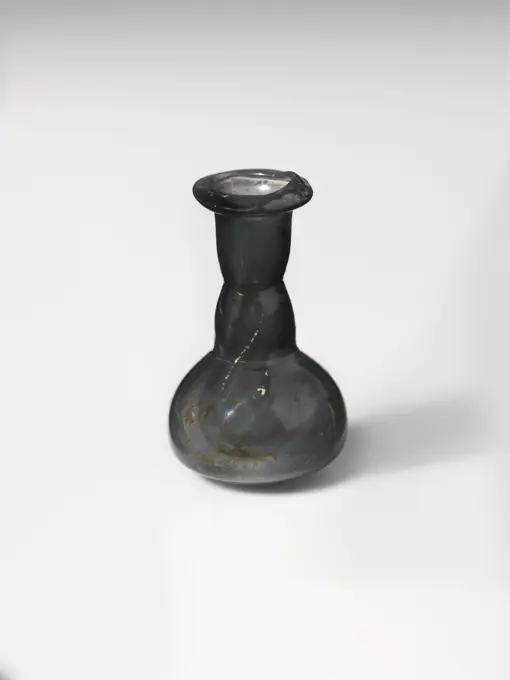
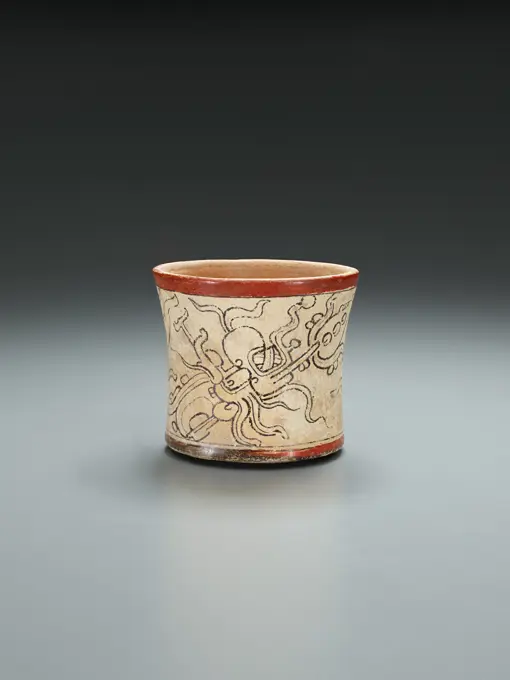
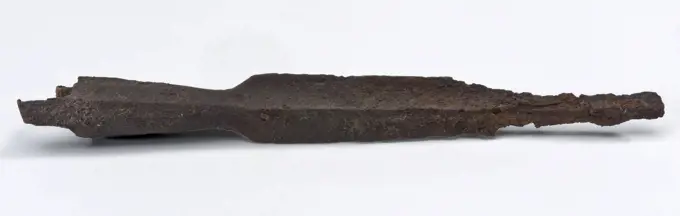
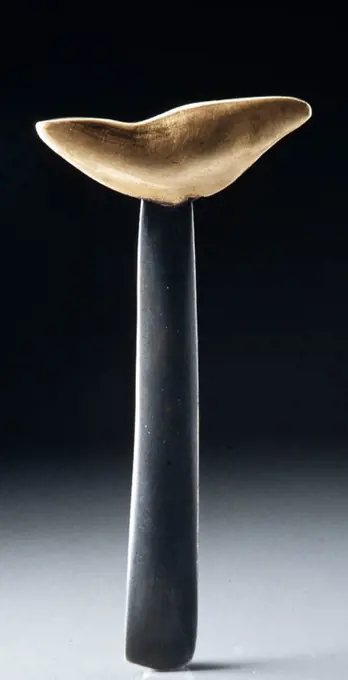
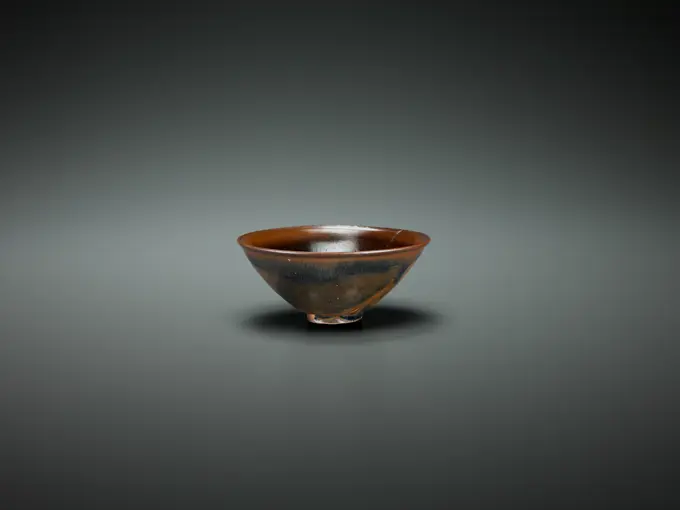
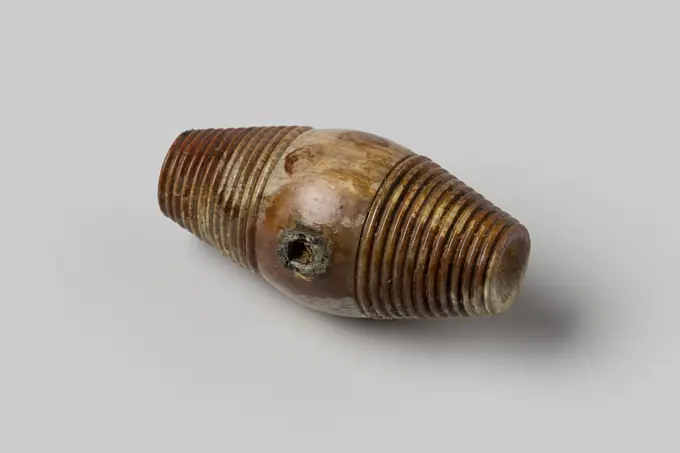
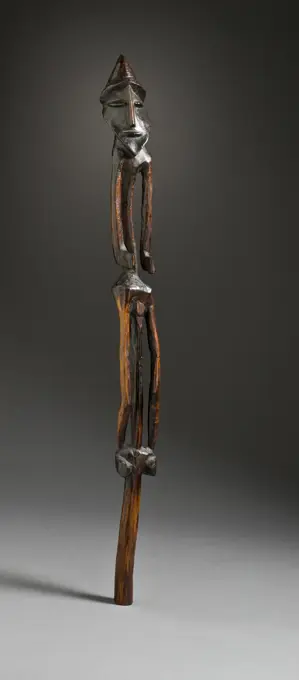
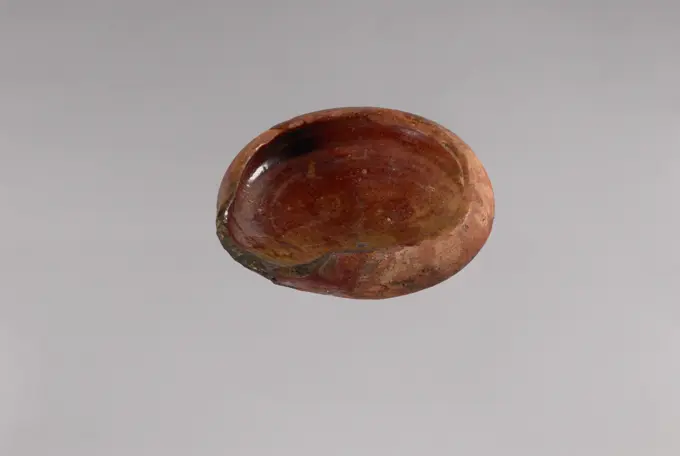
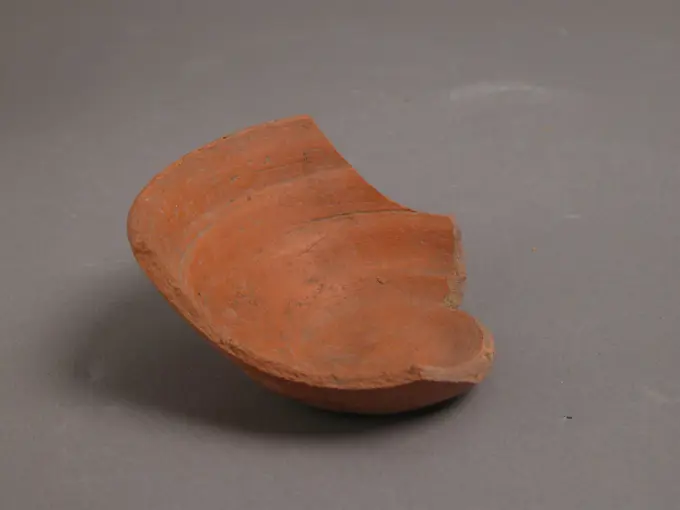
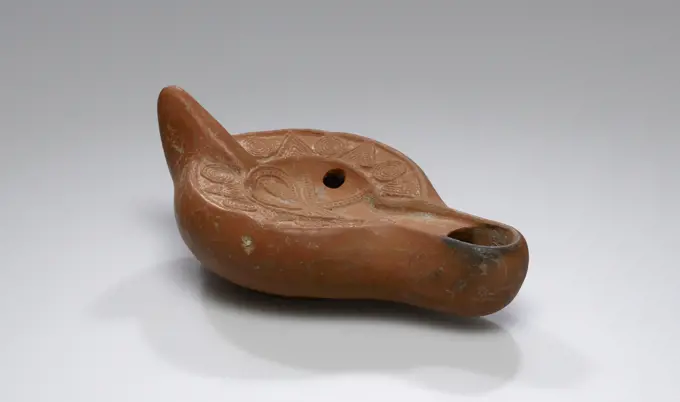
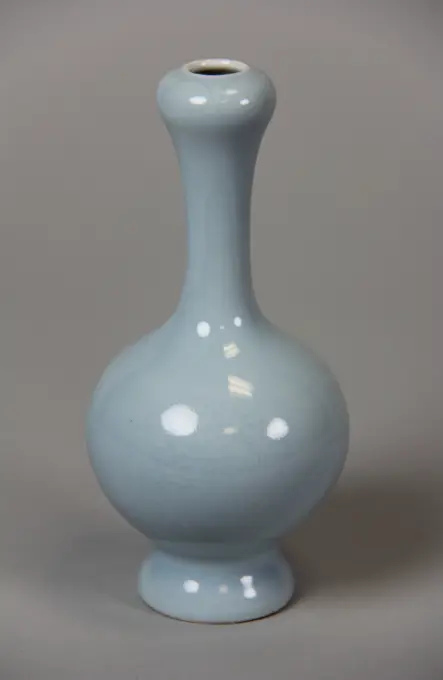
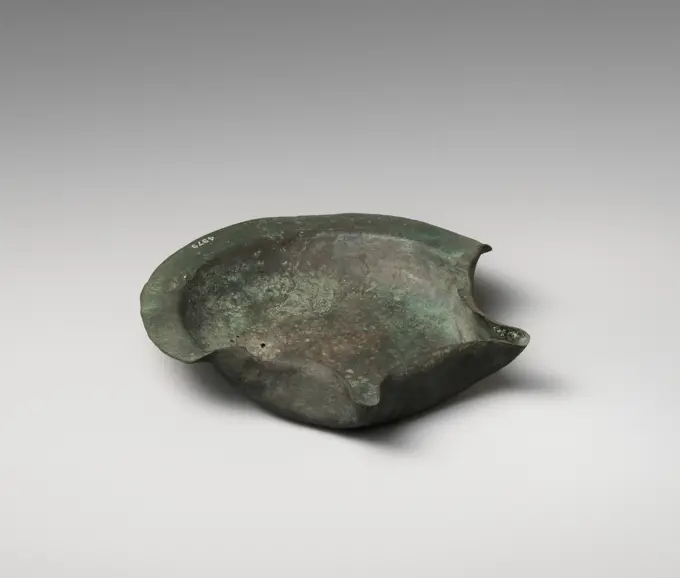
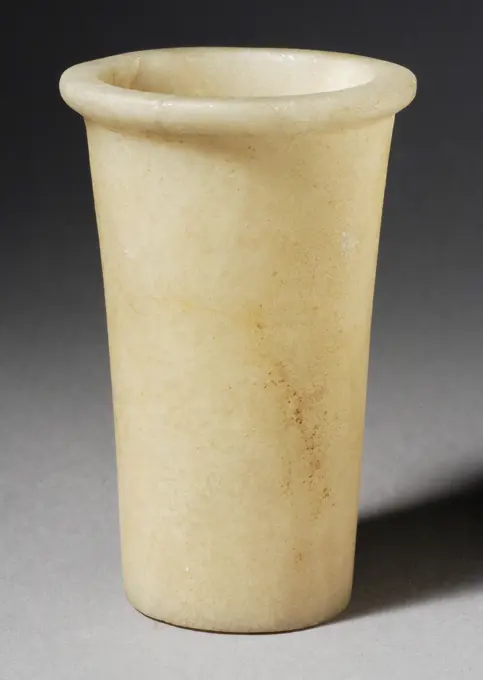
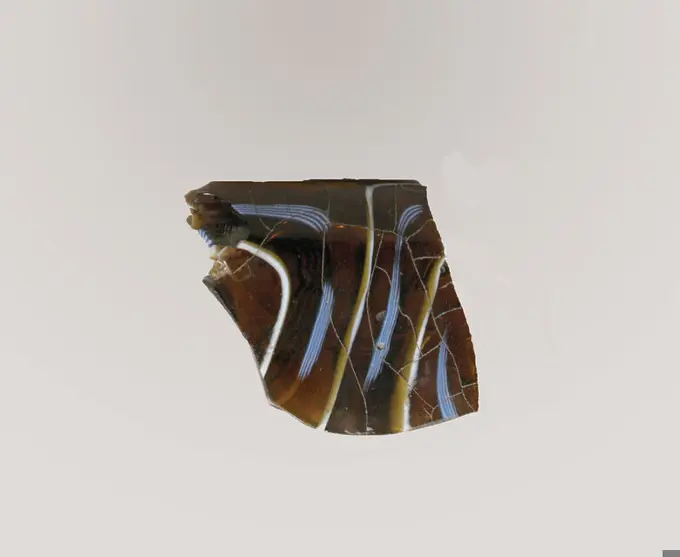
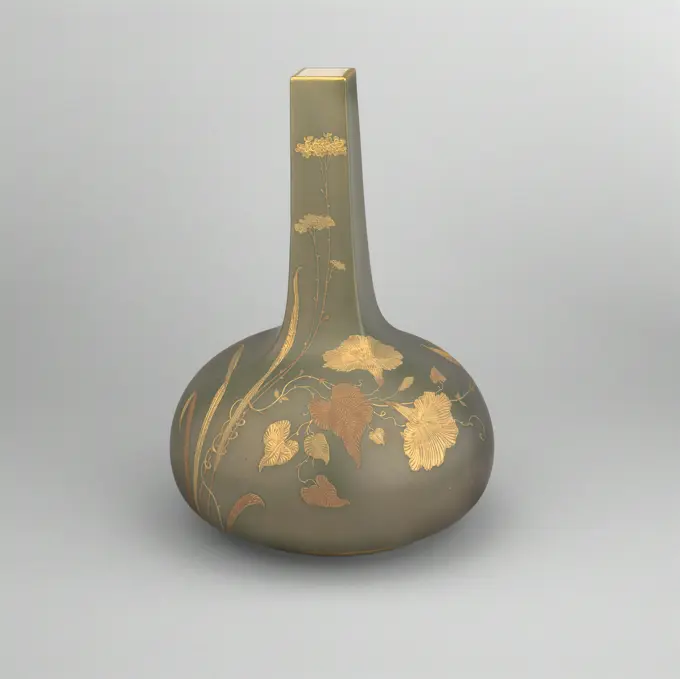
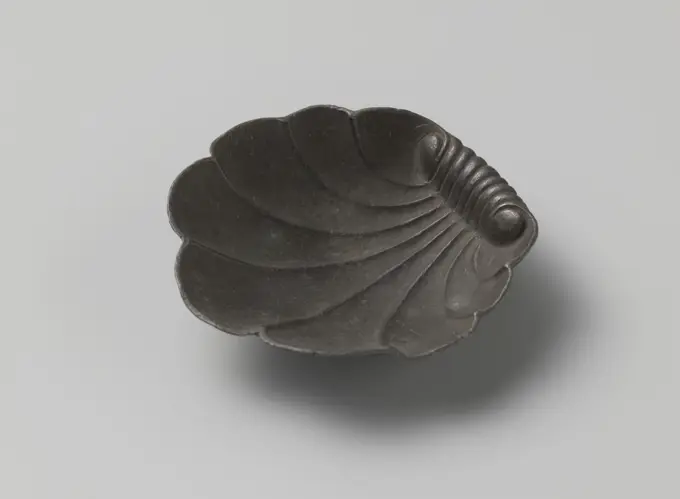
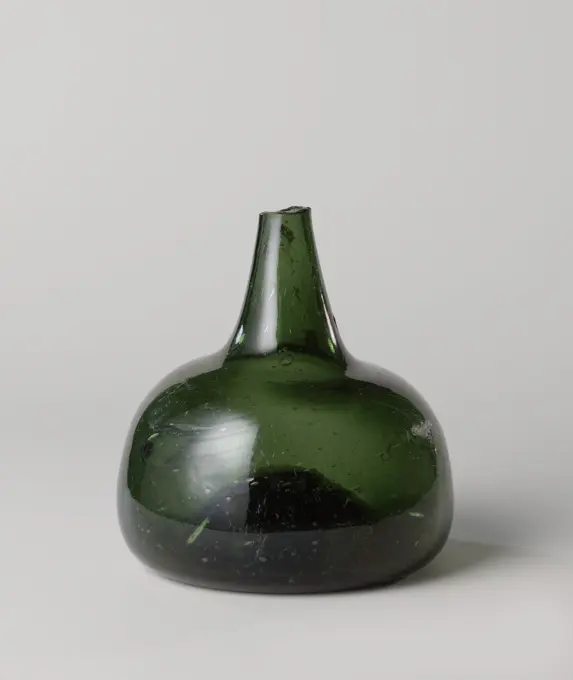
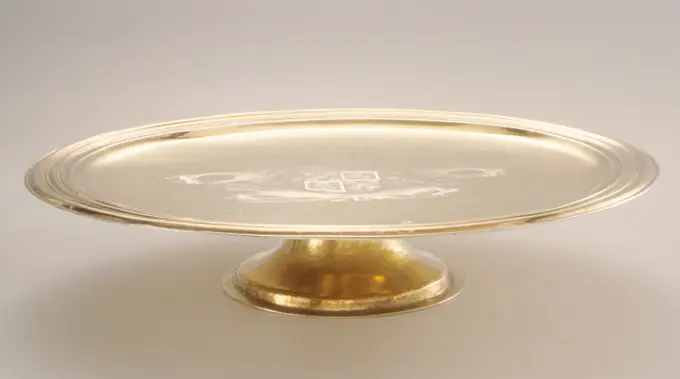
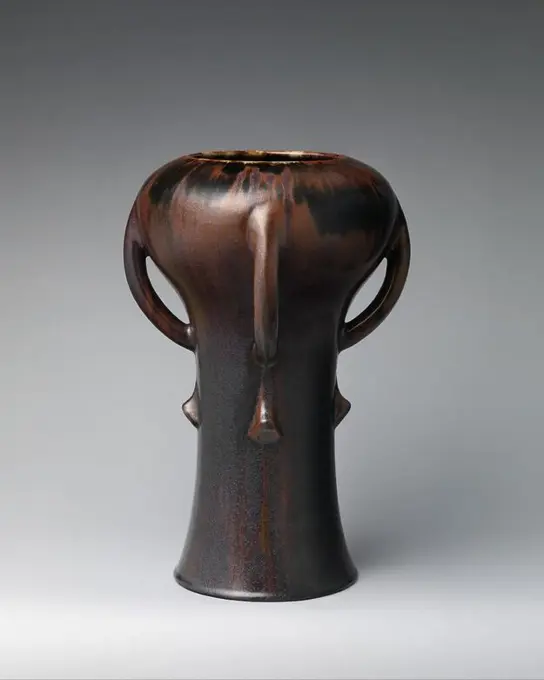
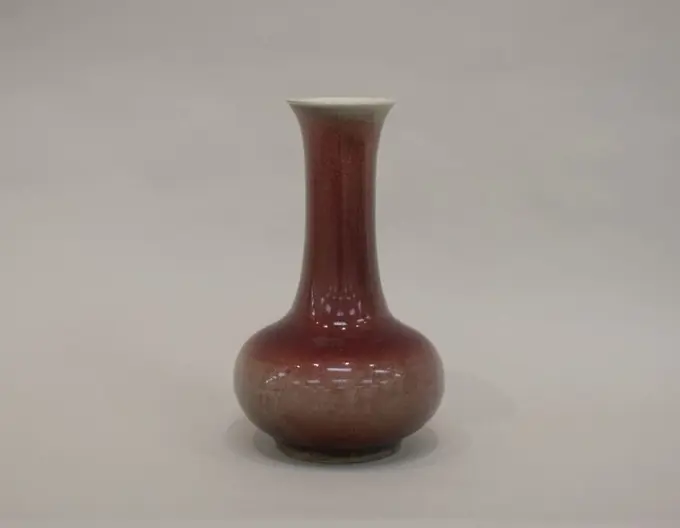
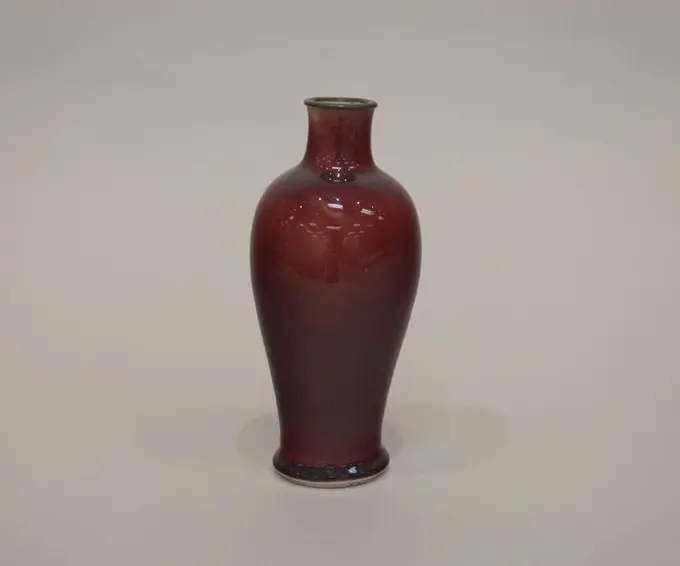
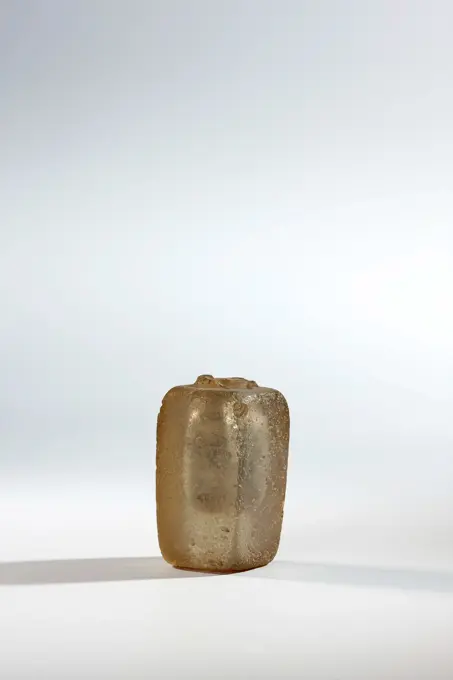
Bottle. unknown, craftsmanFire test with green spotted enamel, anonymous, c. 1700 - c. 1799 Earthage test of earthenware, white -baking clay with green -spotted lead glaze on the outside. Holland earthenware. lead glaze Earthage test of earthenware, white -baking clay with green -spotted lead glaze on the outside. Holland earthenware. lead glazeOil Lamp. unknown, craftsmanFragment of a bowl;The collection of ancient EgyptGlass perfume bottle. Culture: Roman. Dimensions: 1 3/8 x 5/8in. (3.5 x 1.6cm)Diam. of rim: 7/8 in. (2.2 cm). Date: 3rd-4th century A.D..Small perfume bottleTranslucent blue.Rim folded out, over, and in; flaring mouth; cylindrical but slightly concave neck; lobsided sloping shoulder; roughly squared body with two indented sides; kick in bottom with traces of round pontil mark.Intact; many bubbles and some white gritty inclusions; slight pitting and patches of iridescent weathering. Museum: Metropolitan Museum of Art, New York, USA.Flakon;  VIII-XIII century (701-00-00-1300-00-00);Stoneware mineral pitcher on stand surface, arched model, brown, stamped mark, mineral pitcher pitcher pitcher product container container soil find ceramic stoneware icing salt enamel, hand turned baked glazed stoneware mineral pitcher gray shard with salt glaze sausage ear with finger impression largely brown colored. Contained spring water from Nieder Selter Light vaulted model on stand. Two jugs over the ear. profile ring on the transition from neck to shoulder stamped source: SELTERS around Greek cross with C T archeology advertising health care import pottery packing serve drink medicine drug pharmacyJar ". Sandstone, white slip under transparent cover. China, Song Dynasty (960-1279) / Yuan (1279-1368). Paris, Cernuschi museum. Chinese art, Chinese ceramic, container, Song dynasty, Yuan dynasty, Song time, Yuan, goulet, gres, jar, container, terracottaMedum bowl;  around 2686- 2181 BC; Old PAClarinet mouthpiece cover, anonymous, 1800 - 1850 Clarinet mouthpiece cap to protect wicker. Horend with five deck pieces (BK-NM-11430-124-A to BK-NM-11430-124-F).  wood (plant material) Clarinet mouthpiece cap to protect wicker. Horend with five deck pieces (BK-NM-11430-124-A to BK-NM-11430-124-F).  wood (plant material)Paperweight in the form of two fighting animals. unknown, craftsmanGlass mosaic ribbed bowl fragment late 1st century B.C.-early 1st century A.D. Roman Translucent purple and opaque white.Thick, almost horizontal rim with rounded edge; straight side tapering slightly downward.Spiraling mosaic pattern formed from lengths of one or more canes in a purple ground with white spirals and fine threads in parallel lines; on exterior, traces of one vertical shallow rib.Polished interior; pitting of surface bubbles; dulling, creamy weathering, and some iridescence on exterior and jagged edges.. Glass mosaic ribbed bowl fragment. Roman. late 1st century B.C.-early 1st century A.D.. Glass; cast. Early Imperial. GlassRed polished ware bowl ca. 3850-2960 B.C. Predynastic Period. Red polished ware bowl. ca. 3850-2960 B.C.. Pottery. Predynastic Period. From Egypt, Southern Upper Egypt, Hierakonpolis (Nekhen), MMA excavationsVase Stand (Germany); Made by Berlin Potteries; Workshop of Cornelius Funcke; woodButton from the wreck of the East India hollandia. Button. (1) Flat, commanded RIM, Plain (1.4D, 0.3T)Naczynie na imbir. unknown, craftsmanPlanets-manager. Cornalet Collection Sites 2013-2016. Numismatic.Animal head - a fragment of the figurine;  III-II century BC () (-300-00-00--201-00-00);Beaker ca. 3850-2960 B.C. Predynastic Period. Beaker. ca. 3850-2960 B.C.. Pottery. Predynastic Period. From EgyptAlembic - distillation vessel. unknown, craftsmanRed polished ware jar ca. 3850-2960 B.C. Predynastic Period. Red polished ware jar. ca. 3850-2960 B.C.. Pottery. Predynastic Period. From EgyptPair of Stirrups first half 15th century Bohemian or South German The purpose of the asymmetrical shape of these stirrups was to better accommodate the foot and to give the rider more comfort and stability. Each is adorned on its external side with pierced gothic windows’ decoration typical of Bohemian ironwork. This type of ornament is also found on the equestrian equipment made in nearby regions, especially Austria and Bavaria.. Pair of Stirrups. Bohemian or South German. first half 15th century. Iron. Equestrian Equipment-StirrupsStrainer 1050-950 B.C. Cypriot Two handles and bands.. Strainer. Cypriot. 1050-950 B.C.. Terracotta. Cypro-Geometric I . VasesCarnavalet museum, tokens collectionBowl of Dates. Dimensions: diam. 8.5 cm (3 3/8 in). Dynasty: Dynasty 18. Reign: Joint reign of Hatshepsut and Thutmose III. Date: ca. 1479-1458 B.C.. Museum: Metropolitan Museum of Art, New York, USA.Double wall plug designed to create an air chamber through which the hot air " Hypocaustum " - SPA. (1 st - 3 rd CE ) - Roman period, from Archaeological site of Complutum in Alcalá de Henares ( Madrid ). SPAIN.Jug with the Wieniawa coat of arms. Bolesławiec (ośrodek ceramiczny ; ca 1400- ), factoryBullet-shaped stone with a print shell. Bullet-shaped stone with erosion, in which print of outstanding bivalve shell. The stone is almost certainly a phosphorus-sandstone concretia, perhaps from the Pliocene but more likely to the Miocene. (5-23 million years ago.) In and around the Netherlands such concretions occur in the Achterhoek and Twente, as well as in Flanders. The shell is possible a glycymeris species. (Determined based on photo by Frank Wesselingh, Naturalis)Beaker. Culture: Hungarian, Úrvölogy (formerly Herrengrund). Dimensions: Overall: 1 15/16 x 3 1/8 x 3 1/8 in. (5 x 8 x 8 cm). Date: early 18th century.This beaker, and a similar one in the museum's collection, 2010.110.67, is in tumbler form with a gilded lip above punched snakeskin decoration. Each show a silver figure of a miner seated on a column rising from the center of the bowl. The figures are made of silver that can be polished. When the bowl was filled with wine the tiny statuette's image would be reflected on the surface of the "golden" beverage, the color of which was intensified by the gilded interior. Copper vessels in this form were popular souvenirs from Herrengrund, at that time in Northern Hungary, now in present-day Slovakia, extolling the seemingly magical qualities of the water in the region, which has unusually high concentrations of copper sulphate. Iron scraps left in pools of water did not actually transform into copper, but collected on their surface consideraBottle probably 18th-19th century. Bottle. probably 18th-19th century. Glass; free blown; tooled on the pontil. Attributed to Iran or Turkey. GlassGlass dish. Culture: Roman. Dimensions: Height: 1 1/4 in. (3.2 cm)Diam.: 6 1/4 x 3 1/2 in. (15.9 x 8.9 cm). Date: 4th century A.D..Colorless with yellow tinge.Tubular, flaring rim, folded out, down, and in, with narrow, slightly convex inner shoulder; S-shaped side to body, curving in to integral tubular base ring; concave bottom, thickened at center and traces of small pontil mark.Intact; pinprick bubbles; pitting, dulling, and iridescence, with most of exterior covered in thick enamel-like weathering. Museum: Metropolitan Museum of Art, New York, USA.(SIN IDENTIFICAR). Author: VICTORIA CIVERA REDONDO 1955/. Location: GALERIA SOLEDAD LORENZO. MADRID. SPAIN.Wijzer from the timepiece in the Stadstoren in Middelburg, Anonymous, 1600 - 1699 Wijzer from the timepiece in the Stadstoren in Middelburg. Partly old, partly of a later date. The Wijzer has been broken. Northern Netherlands (possibly)Netherlands (possibly) wood (plant material) Wijzer from the timepiece in the Stadstoren in Middelburg. Partly old, partly of a later date. The Wijzer has been broken. Northern Netherlands (possibly)Netherlands (possibly) wood (plant material)Oil Lamp Alexandrian workshopCircular salt cellar. Pogorzelski (Warszawa ; wytwórnia złotnicza ; 1845-1914), goldsmithSlot. .Small Jar 9th-10th century The molded decoration of this greenish-blue glass jar includes pairs of simple palmettes arranged one above the other in eight narrow vertical compartments. Together, these suggest both a ninth-to-tenth century dating and an Iraq provenance for this small jar. The impression of an eagle with spread wings under the base, which is not usually visible, may be a factory stamp.. Small Jar. 9th-10th century. Glass, greenish-blue; mold blown. Attributed to probably Iraq. GlassLampka. unknown, authorIncense Box with Designs of Pines Along the Shore and Young Pines late 19th century Japan. Incense Box with Designs of Pines Along the Shore and Young Pines 57706Glass perfume bottle 1st century A.D. Roman Small bottle.Translucent smoky grey.Slanting rim, folded out, over, and in, with raised inner lip on one side; cylindrical neck, tapering downwards, tooled in horizontally at base; tall shoulder with convex side, marked off at base by another horizontal tooled indent; squat bulbous body, then sloping in sharply to small, flat bottom.Complete, but badly cracked on body and across bottom; few bubbles and blowing striations; small patches of dulling and weathering on exterior, some soil encrustation and whitish weathering on interior.. Glass perfume bottle 245418Czarka; Unknown Night -Tamanian workshop; approx. 2600 2350 BC ; Early period D Azira III (-2600-00-00--2350-00-00);Bottle - golabzan. unknown, craftsmanExcerpt of a decorative object, anonymous, -500 --200 Ornament in the form of a circular fragment with fabulious heads at the ends. Made from light gray jade with brown spots. China jade (rock) Ornament in the form of a circular fragment with fabulious heads at the ends. Made from light gray jade with brown spots. China jade (rock)Codex-Style CylinderVase.  Artist: UnknownJohannes sleeping in the arms of Christ (), Dug up in Utrecht at the old Friars Minor Monastery (Fragment), Anonymous, c. 1500 Sleeping men's figure where behind a figure who has protective the arms protective around him, perhaps John and Christ. Dug up in Utrecht at the old Minderbroederklooster. Utrecht sandstone   Minderbroedersklooster Sleeping men's figure where behind a figure who has protective the arms protective around him, perhaps John and Christ. Dug up in Utrecht at the old Minderbroederklooster. Utrecht sandstone   MinderbroederskloosterLanspunt, lance pole weapon weapon foundations iron metal, forged lapping point without shaft with stretched narrow flat partly hollow point to the sides forged together. Two langlets or shaft springs for small particle are missing both archeology weapon spear halberd lance militariaBroche, obra de Anna Font, 1981. Colección privada. Author: ANNA FONT (S. XX).AshtrayCask with two handles, anonymous, c. 1600 - c. 1699 Vat or Maywijnvat of stoneware on high foot, in the form of a wooden barrel with two ears next to the stop. Profiles on the belly. Covered with a brown Engobe. The stop is missing. Bouffioulx. Bouffioulx stoneware. glaze. engobe vitrification Vat or Maywijnvat of stoneware on high foot, in the form of a wooden barrel with two ears next to the stop. Profiles on the belly. Covered with a brown Engobe. The stop is missing. Bouffioulx. Bouffioulx stoneware. glaze. engobe vitrificationFinger Ring 7th century Frankish. Finger Ring 465283 Frankish, Finger Ring, 7th century, Copper alloy, gilding, gold, glass paste cabochon, Overall: 1 x 13/16 x 3/8 in. (2.6 x 2.1 x 1 cm) bezel: 3/8 x 1/4 in. (0.9 x 0.7 cm). The Metropolitan Museum of Art, New York. Gift of J. Pierpont Morgan, 1917 (17.192.217)TeaBowlXi Pendant, 206 BCE - 220 CE, 2 x 7/8 in. (5.08 x 2.22 cm), White translucent jade with marbled brown striations, China, 3rd century BCE - 3rd century CEKnevel from the wreck of the East Indiesman Hollandia.knevel. Toggle; (1) SIM. NG 1980-27H684, (4.1L), Center More Bulbous (Center 2D, ENDS 1D), Square Hole Through Center (0.3 x 0.3).Relief fragments from the tomb of Meketre ca. 1981-1975 B.C. Middle Kingdom. Relief fragments from the tomb of Meketre 668936Residual waste from coal from the wreck of the East Indied Flying Heart. Stony rest of burnt coal. One pieces. Slug.Base for the head of John the Baptist (forgery), Anonymous, c. 1850 - c. 1900 Marble base for the head of Johannes de Baptist Florence marble (rock) Marble base for the head of Johannes de Baptist Florence marble (rock)Water Coupe ca. 1700-22 China. Water Coupe. China. ca. 1700-22. Porcelain with peachbloom glazes (Jingdezhen ware). Qing dynasty (1644-1911), Kangxi mark and period (1662-1722). CeramicsCeremonial Figure. Republic of Vanuatu, Banks Islands, circa 1850. Sculpture. FernwoodOil lamp. unknown, craftsmanBowl Fragment 4th-7th century Coptic. Bowl Fragment 478430Bowl wit prunus sprays and birds, anonymous, c. 1660 - c. 1680 Wide bowl of porcelain, painted in under -glaze blue and red and white sludge. On the wall prunus branches between which flying birds; A rock on the bottom; The outside with the same decoration. Marked on the underside with the seal brand 'Zhi' in a double circle. Underglaze blue with copper red. China porcelain. glaze. cobalt (mineral). copper (metal) painting / vitrification Wide bowl of porcelain, painted in under -glaze blue and red and white sludge. On the wall prunus branches between which flying birds; A rock on the bottom; The outside with the same decoration. Marked on the underside with the seal brand 'Zhi' in a double circle. Underglaze blue with copper red. China porcelain. glaze. cobalt (mineral). copper (metal) painting / vitrificationMountain landscape based on;  The beginning of the 20th century-the 1950s (1901-00-00-1959-00-00);Lamp, North Africa; 450 - 550; Terracotta; 3.4 x 8.5 x 14.5 cm (1 5,16 x 3 3,8 x 5 11,16 in.)Bottle vase China. Bottle vase. China. Porcelain with incised decoration (anhua) under a clair de lune glaze (Jingdezhen ware). Qing dynasty (1644-1911), Qianlong mark and period (1736-95). CeramicsEngraved bend stiver, 1000 - 2000   metal engraving   metal engravingVase China early 18th century View more. Vase. China. early 18th century. Porcelain with relief decoration under clear glaze (Jingdezhen ware). Qing dynasty (1644-1911), Yongzheng period (1723-35). CeramicsBronze saucer-shaped lamp 6th-5th century B.C. Cypriot. Bronze saucer-shaped lamp. Cypriot. 6th-5th century B.C.. Bronze. Cypro-Archaic or Cypro-Classical. BronzesBottles (Sprinklers), anonymous, c. 1700 - c. 1900 Sprinkler with a flat base with hollow, turned around. Stam made up of three hollow nodi. Pear -shaped body, blown into the shape with grunts and ribs, transferring to a ribbed, twisted and curved neck, which runs into a wide mouth with a narrow bucket. Persia glass glassblowing Sprinkler with a flat base with hollow, turned around. Stam made up of three hollow nodi. Pear -shaped body, blown into the shape with grunts and ribs, transferring to a ribbed, twisted and curved neck, which runs into a wide mouth with a narrow bucket. Persia glass glassblowingKnob; 1914-27-72Trowel used by King William III when laying the first stone of the railway bridge over the IJssel near Zutphen, J.M. Van Kempen & Son, 1861 trowel Silver trowel with ivory steel, around which a silver strap is turned, on which the date is engraved. The short side of the flat has a gracefully cut edge. Rijkswapen crowned on the top, plant motifs and abstract motifs cut on the edges. Dated: XXII October MDCCCXLI. Marked: on the flat l.: Climbing lion with 1 (quality mark; miner parlor (content), r.: Vk and b (annual letter 1861), Voorschoten silver (metal). ivory forging / engraving  Zutphen. Oude IJsselbrug (1865)Vase. Egypt, 11th Dynasty, 2040-1991 BCE. Furnishings; Accessories. AnhydriteGrahal-Manzara. Carnavalet 2013-2016 collection sites. Numismatics.Signing ring on which weapon and SP, Anonymous, c. 1000 - c. 1900 Ring with oval stamp. An oval weapon is depicted within a pearl edge, behind which several Dorentjes protrude, above four and below three. On the left is a reversed P and on the right a reversed S, above a miniscule triangle above which a ball. At the top of the shield is a triangle cut in which six balls, under the triangle a horned snake with curled tail and a horn for him. Below that.  copper (metal). leather engraving Ring with oval stamp. An oval weapon is depicted within a pearl edge, behind which several Dorentjes protrude, above four and below three. On the left is a reversed P and on the right a reversed S, above a miniscule triangle above which a ball. At the top of the shield is a triangle cut in which six balls, under the triangle a horned snake with curled tail and a horn for him. Below that.  copper (metal). leather engravingSculpture, Jacob Bendien, 1933 Abstract sculpture of an organic form that rises from an oval base. At half height is a congestion that turns into a button -like shape. Amsterdam brass (alloy) casting Abstract sculpture of an organic form that rises from an oval base. At half height is a congestion that turns into a button -like shape. Amsterdam brass (alloy) castingPhilosopher's bustGlass mosaic ribbed bowl fragment. Culture: Roman. Dimensions: Other: 1 5/8 x 1 7/16 in. (4.1 x 3.7 cm)Estt. diameter of rim 5 1/8 in. (13 cm). Date: late 1st century B.C.-early 1st century A.D..Rim fragment.Translucent deep honey brown, cobalt blue, and opaque white.Outsplayed rim with thick, rounded edge; straight side tapering downward; irregular tooling indents on neck between rim and rib on body.Spiral mosaic pattern formed from sections of a single cane in brown ground with white and blue threads in parallel horizontal lines; on exterior, one vertical rib with flattened top and rounded outer edge.Polished interior; pitting of surface bubbles and cracks on interior; dulling, faint weathering, and small patches of limy encrustation on exterior; some dulling on jagged edges. Museum: Metropolitan Museum of Art, New York, USA.Vase c 1882-1890 Trenton. Belleek, a type of Parian porcelain, was popularized in the United States during the 1870s, although it originated in Ireland. Typically characterized by eggshell-thin walls and an ivory-colored body, Belleek was suitable for small decorative objects such as this vase. Made by Ott and Brewer, the New Jersey company that first made American Belleek, this unusual square-neck vase displays a rare, iridescent olive-green glaze complemented by the delicately painted, Japanese-inspired decoration popularized by the Aesthetic movement.. Belleek . Ott and Brewer (Manufacturer)Fragrance bottle of silver. Fragrant bottle of silver, flattened and circular with a screw cap. Engraved leaf edge within which I.H. V L (imburg) S (TIrum), on the other side: Theodora Louisa (V Limburg Stirum) and F (Rederika) J (Ohanna) v l (imburg) S (Tirum). Master sign: ITSmall bowl. unknown, craftsmanLead bin of lead, model, anonymous, c. 1800 - c. 1850 Lead box of lead in the shape of a shell. Model for a serving spoon or a small dish. West-Europa lead (metal) Lead box of lead in the shape of a shell. Model for a serving spoon or a small dish. West-Europa lead (metal)Button of copper and wood, as a sawn -out, imposed trophy of copper, on which a breast kuras, anonymous, c. 1900 Button of copper and wood. Sewelled, imposed trophy of copper, consisting of a breast kuras, hung on a bow, over crossed saber, Degen, Ponjaard and Revolver. On a smoothly nasty brown wooden stock, with a raised edge of copper. Fancy knot. Netherlands (possibly) Decoration: Copper (Metal). Substrate: Wood (Plant Material) forging / cutting Button of copper and wood. Sewelled, imposed trophy of copper, consisting of a breast kuras, hung on a bow, over crossed saber, Degen, Ponjaard and Revolver. On a smoothly nasty brown wooden stock, with a raised edge of copper. Fancy knot. Netherlands (possibly) Decoration: Copper (Metal). Substrate: Wood (Plant Material) forging / cuttingHalberd. German. Date: 1575. Dimensions: L. 240 cm (94 1/2 in.)Blade L. 89 cm (35 in.)Wt. 6 lb. 4 oz. Steel and wood (oak). Origin: Germany. Museum: The Chicago Art Institute, Chicago, USA.Lazio Roma Grottaferrata Museo20. Hutzel, Max 1960-1990 German-born photographer and scholar Max Hutzel (1911-1988) photographed in Italy from the early 1960s until his death. The result of this project, referred to by Hutzel as Foto Arte Minore, is thorough documentation of art historical development in Italy up to the 18th century, including objects of the Etruscans and the Romans, as well as early Medieval, Romanesque, Gothic, Renaissance and Baroque monuments. Images are organized by geographic region in Italy, then by province, city, site complex and monument.Sea Shell Isolated On The White BackgroundMiniature beaker 1687-91 French, Paris. Miniature beaker. French, Paris. 1687-91. Gilded silver. Metalwork-Silver-MiniatureNetsuke Tengu hatching, 19th century, Unknown Japanese, 1 3/16 x 1 9/16 x 1 3/8in. (3 x 4 x 3.5cm), Ivory, Japan, 19th centuryBottle with spherical body, anonymous, c. 1725 Deeply inserted soul, narrowing spherical body through rounded shoulders transferred to a strongly tapered neck. Northwest Europe glass glassblowing Deeply inserted soul, narrowing spherical body through rounded shoulders transferred to a strongly tapered neck. Northwest Europe glass glassblowingSpoonBaluster. Culture: British. Dimensions: Height: 26 1/2 in. (67.3 cm). Date: 17th century. Museum: Metropolitan Museum of Art, New York, USA.A pair of bowls  white chrysanthemums on a pale yellow background unknownWine Glass. United States, 1775-1825. Furnishings; Serviceware. GlassLamp 9th-10th century This object was excavated at Nishapur.Nishapur was a vital city in the early and middle Islamic periods, located along one of the main trajectories that connected Iran and West Asia Islamic lands with Central Asia and China. These itineraries are often referred to by the term Silk routes but were in fact crucial to the movement of constellations of materials and objects, as well as people and ideas. The diverse population of Nishapur and its surroundings, from the better-researched elite groups of merchants, land-owning aristocracy, and literates, to the less-known artisans, farmers, miners, and servants, were instrumental in adapting global cultural trends to create their own distinctive visual languages. This is seen in the material remains of everyday life in medieval Nishapur - from pots and pans to lighting devices, inkwells, textiles and trimmings, jewelry, games and toys, talismanic devices, weapons, coins, and architectural fragments.Nishapur lost its poliMaker's mark I () C in dotted circle, Footed Salver, 1678/79, silver gilt.Vase. Culture: French, Paris. Dimensions: Overall (confirmed): 15 15/16 × 10 5/8 × 10 5/8 in., 12.2 lb. (40.5 × 27 × 27 cm, 5.6 kg). Maker: Auguste Delaherche (French, Beauvais 1857-1940 Paris). Date: ca. 1893.Determined that pottery vessels should be regarded as true works of art, avant-garde ceramicists in France in the last decades of the nineteenth century transformed their craft into an intellectual and emotional endeavor. The pioneers of this revival were Jean Carriès, Ernest Chaplet, Théodore Deck, and Auguste Delaherche. These revolutionary artist-potters embraced artisanal traditions while pursuing lost techniques through exhaustive experimentation. Reacting to what they viewed as an excessive and improper use of ornament, they celebrated the simplicity and sincerity of their medium, following the tenets of the Art Nouveau style taking place in Europe. Based on the principles of the British Arts and Crafts movement, Art Nouveau artists sought to reform the decorative arts by Bottles (Sprinklers). The form of these Iranian swan-necked’ bottles is very elegant. They were extremely popular with western travellers and tourists and consequently are found in large numbers in European collections. One of these bottles was bought at the Persian Pavilion at the Amsterdam World Fair of 1883. According to a romantic tradition, the bottles with their distinctive spouts were used to catch the tears of women whose husbands were fighting at the front.Spoon 580-640 Coptic. Spoon 474939Snuff Bottle China. Snuff Bottle 41506Bottle. Culture: China. Dimensions: H. 14 3/4 in. (37.5 cm); W. 8 in. (20.3 cm); Diam. of rim: 4 1/2 in. (11.4 cm); Diam. of foot: 5 3/8 in. (13.7 cm). Museum: Metropolitan Museum of Art, New York, USA.Tube of brown leather for accompanying theater viewer (), After 1888 Brillen case of brown leather, lined with green paper, for accompanying theater viewer (). Berlin (possibly)France (possibly) Cooker: Leather. Cooker: Paper Brillen case of brown leather, lined with green paper, for accompanying theater viewer (). Berlin (possibly)France (possibly) Cooker: Leather. Cooker: PaperVase. Culture: China. Dimensions: H. 8 in. (20.3 cm); W. 3 3/8 in. (8.6 cm); Diam. of rim: 1 1/2 in. (3.8 cm); Diam. of base: 2 1/2 in. (6.4 cm). Museum: Metropolitan Museum of Art, New York, USA.