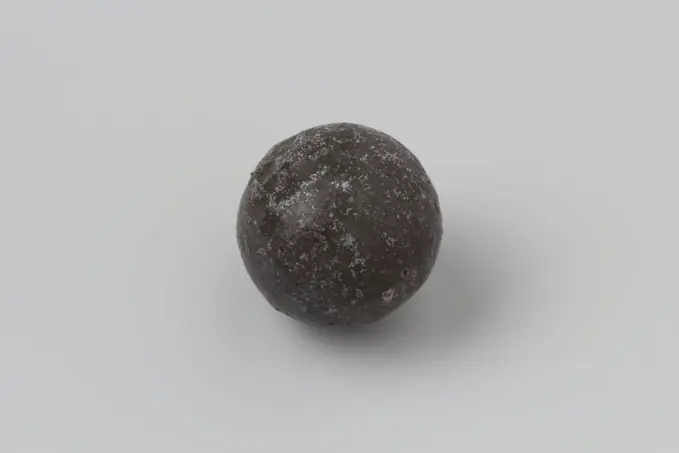
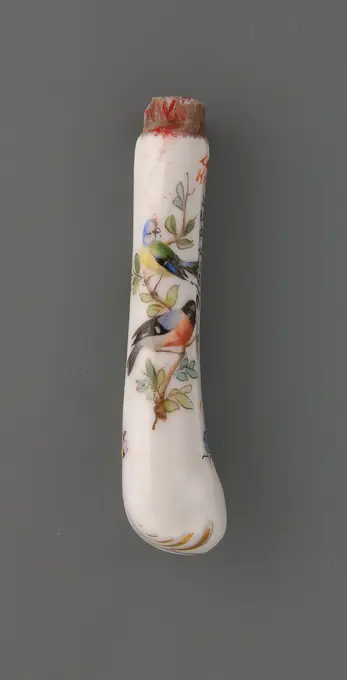
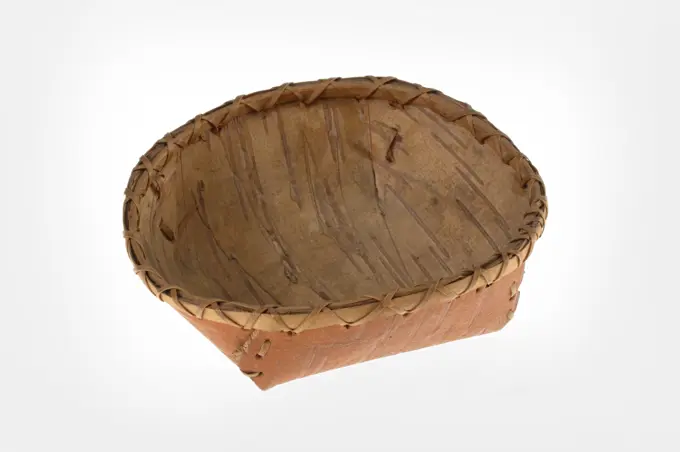
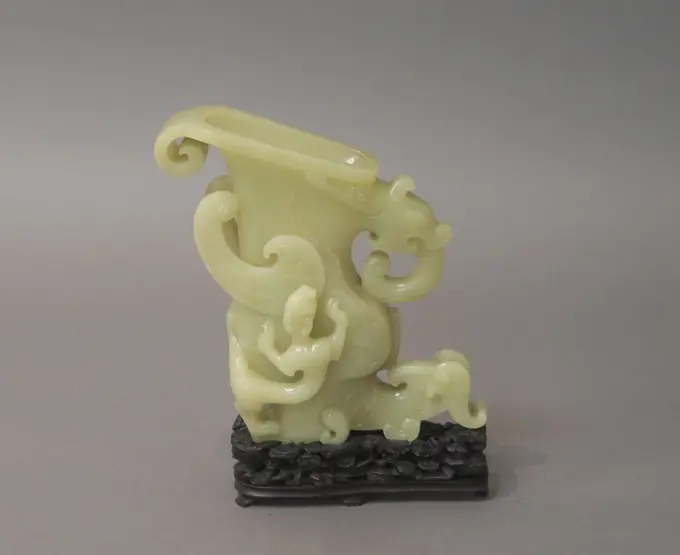
Ancient Artifacts and Pottery

Artifacts including bottles, lamps, and bowls from historical cultures, showcasing craftsmanship and material use.

Stoneware mineral pitcher on stand surface, arched model, brown, stamped mark, mineral pitcher pitcher pitcher product container container soil find ceramic stoneware icing salt enamel, hand turned baked glazed stoneware mineral pitcher gray shard with salt glaze sausage ear with finger impression largely brown colored. Contained spring water from Nieder Selter Light vaulted model on stand. Two jugs over the ear. profile ring on the transition from neck to shoulder stamped source: SELTERS around Greek cross with C T archeology advertising health care import pottery packing serve drink medicine drug pharmacy
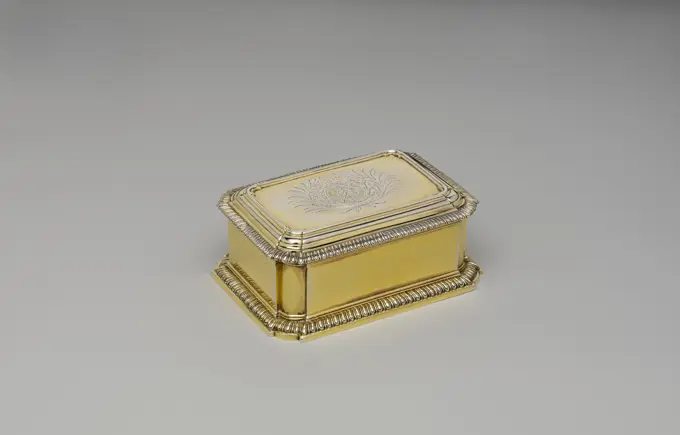
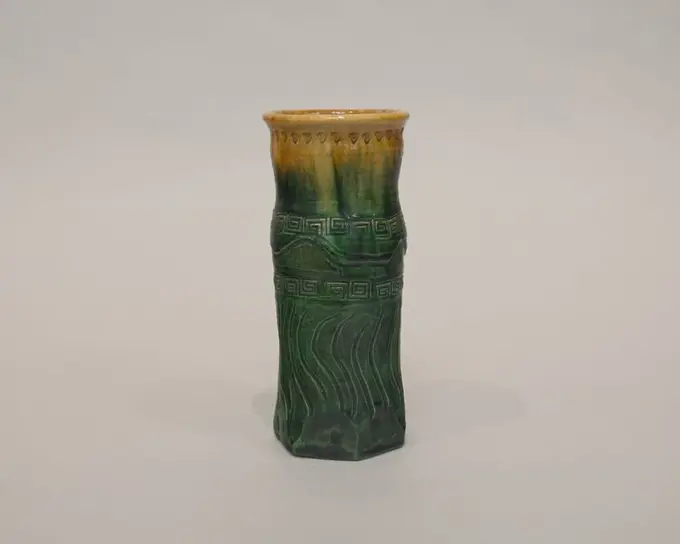
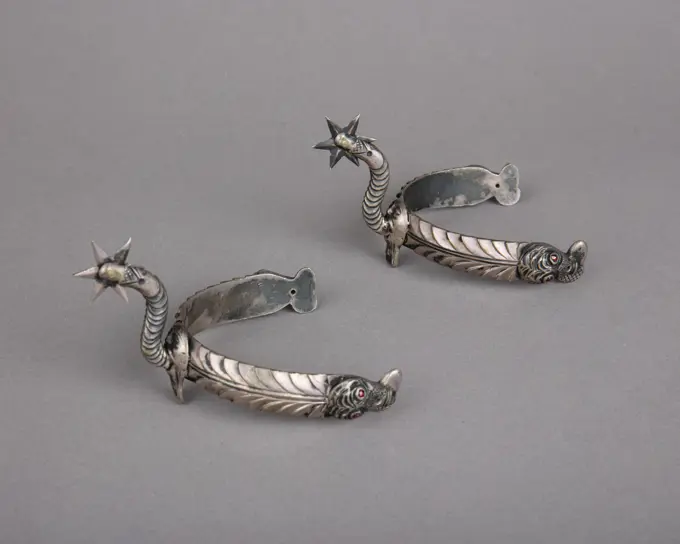
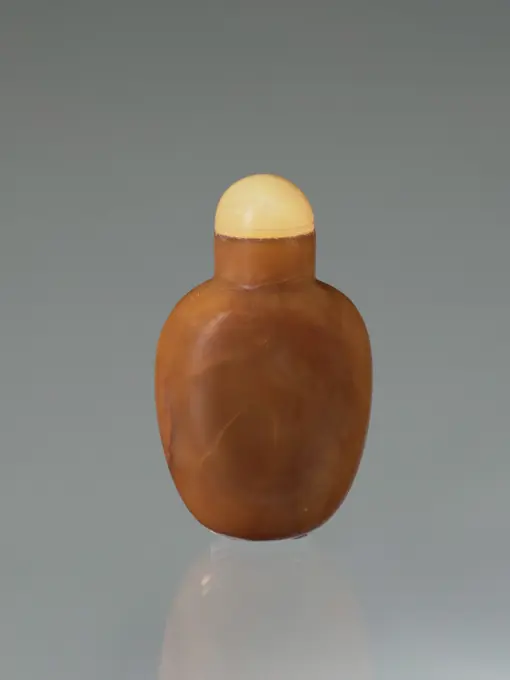
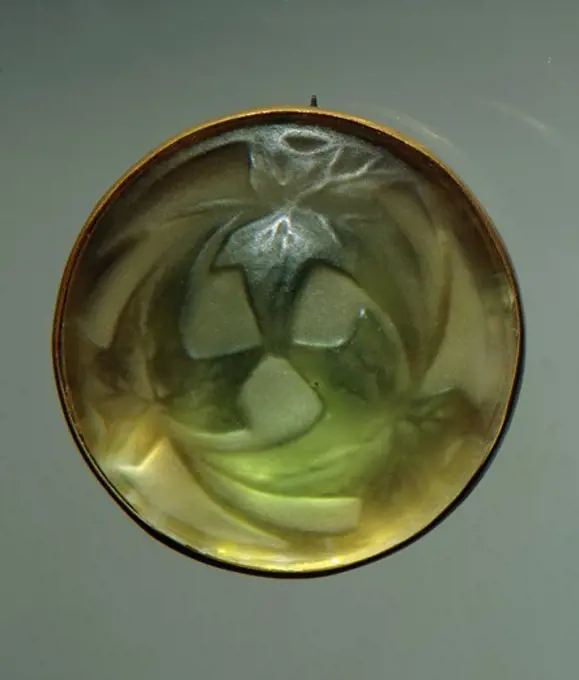
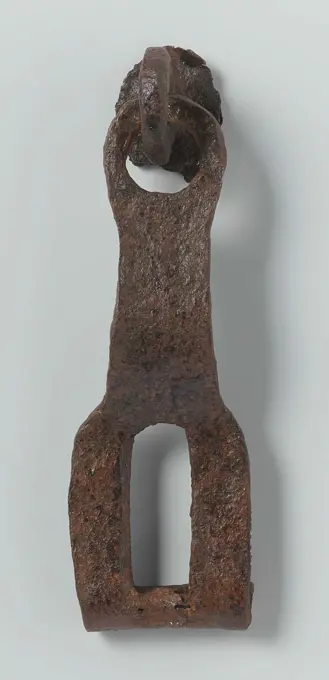
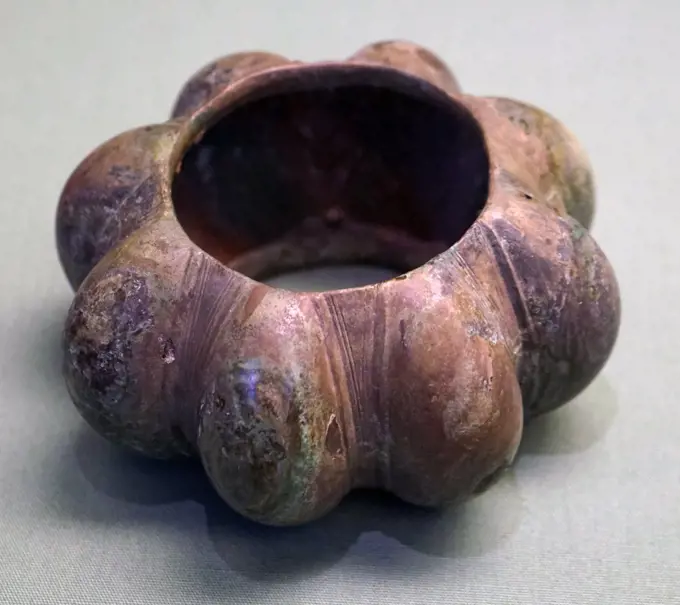
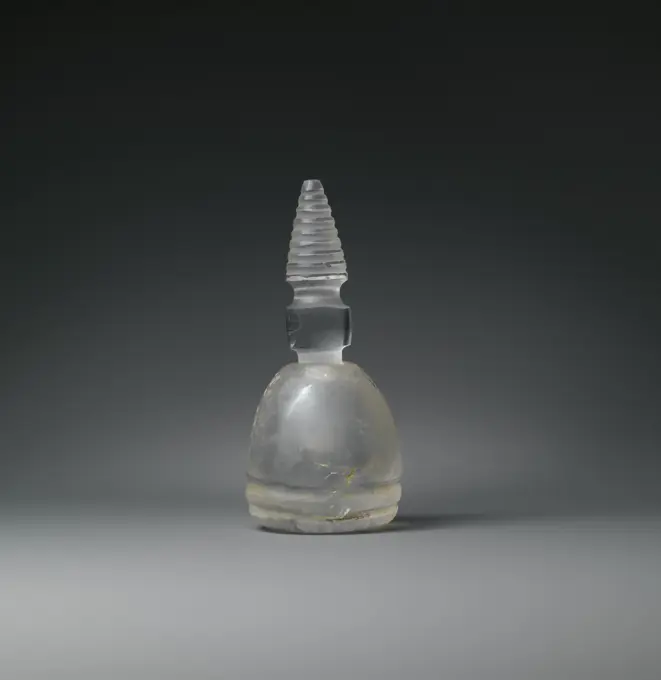
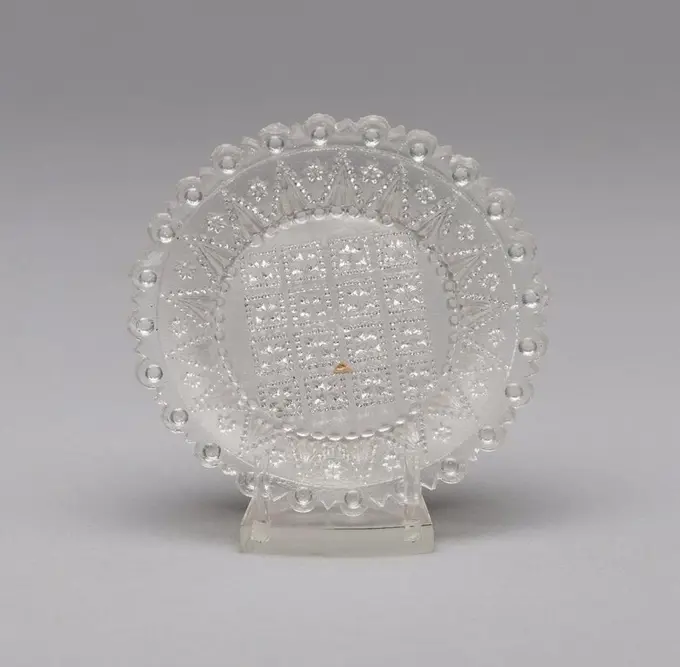
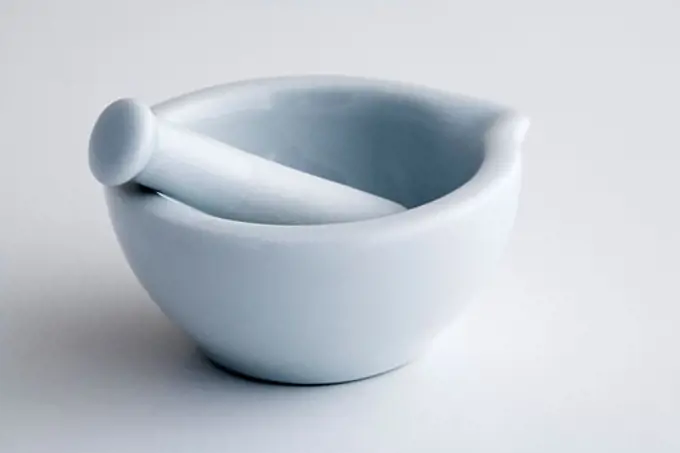
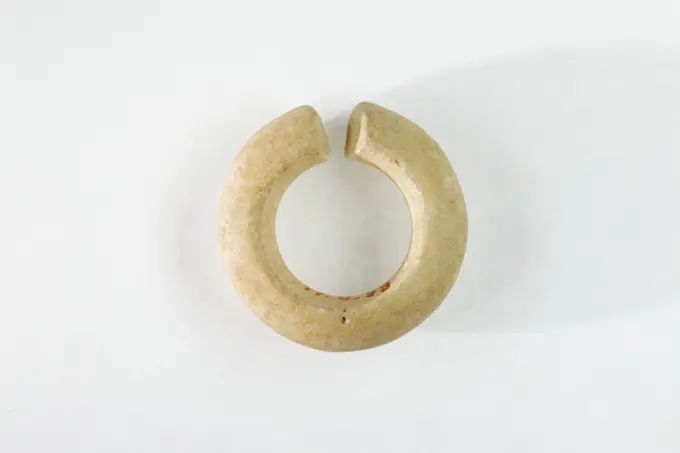
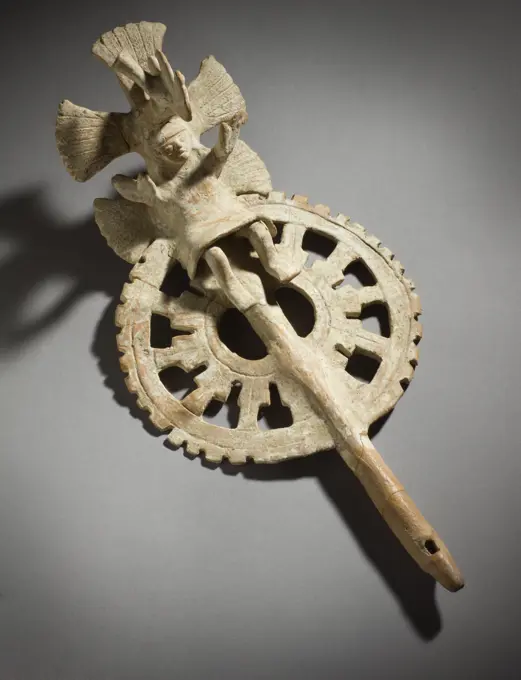
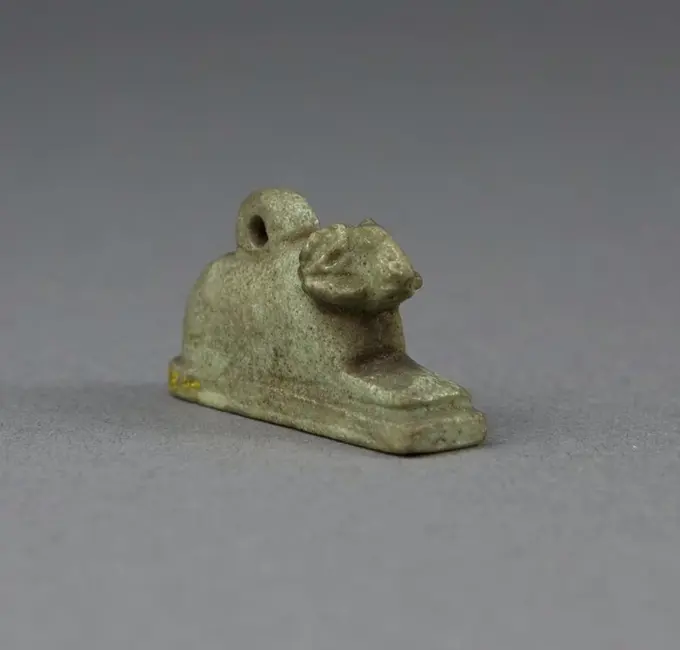
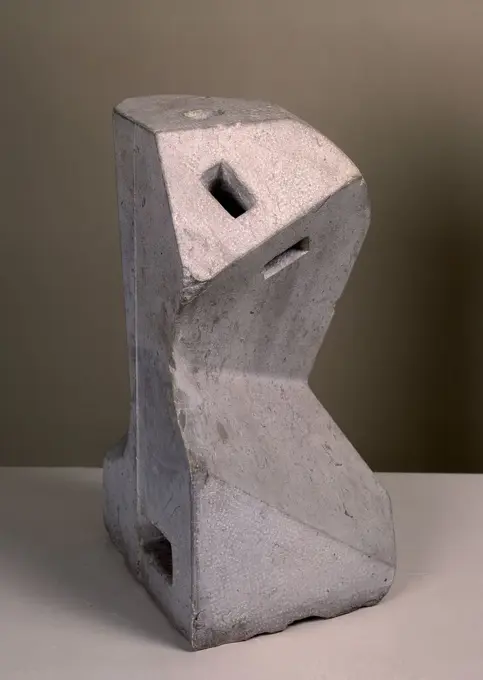
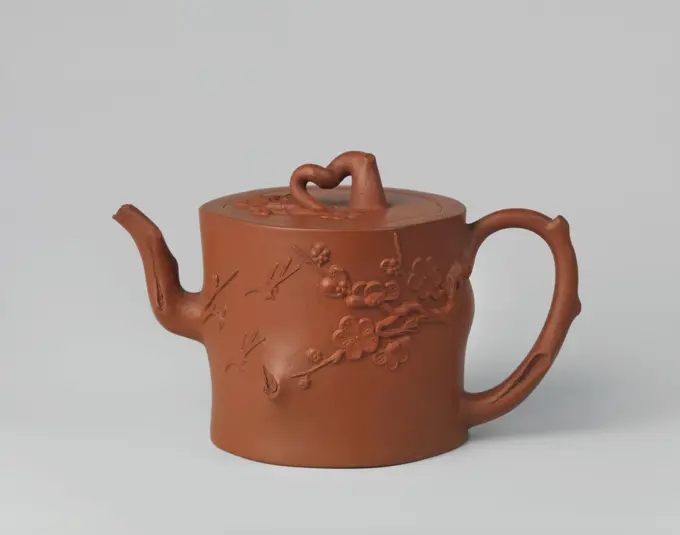
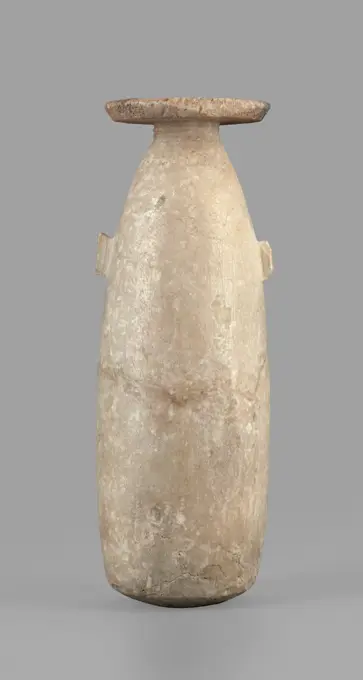
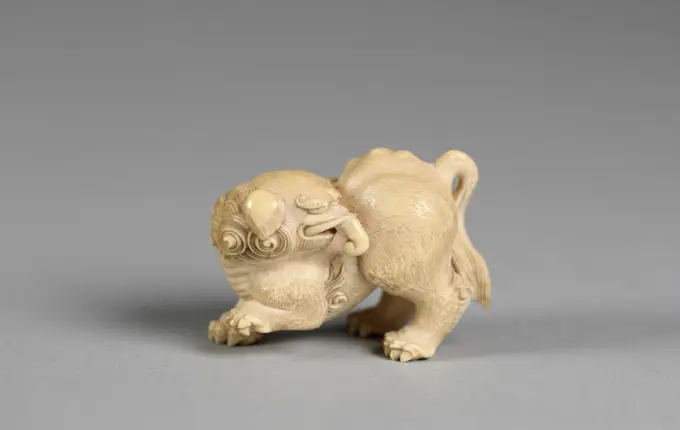
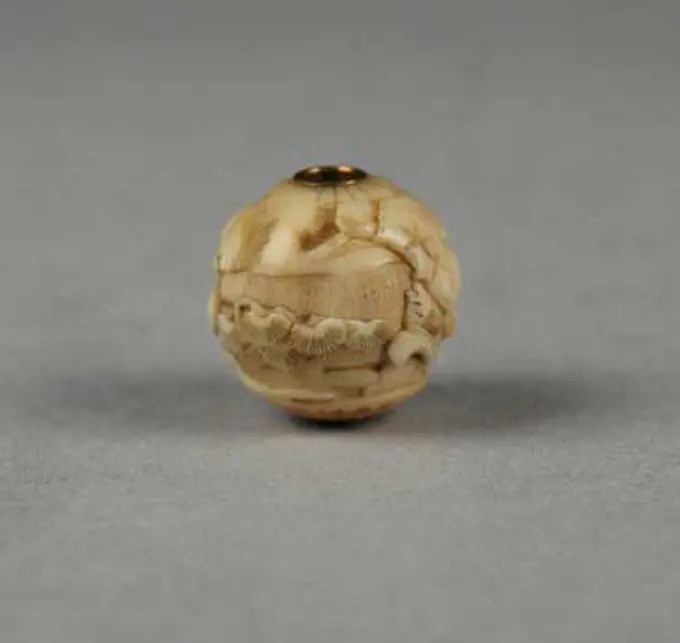
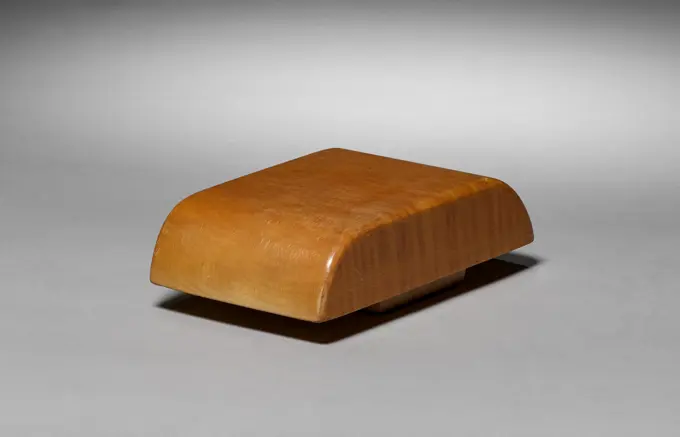
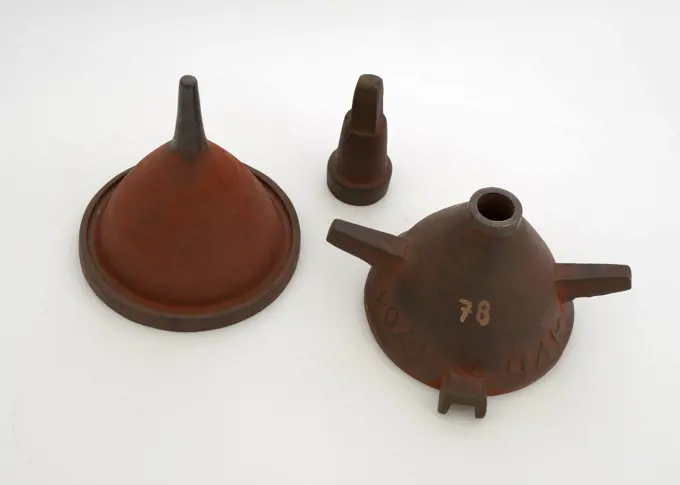
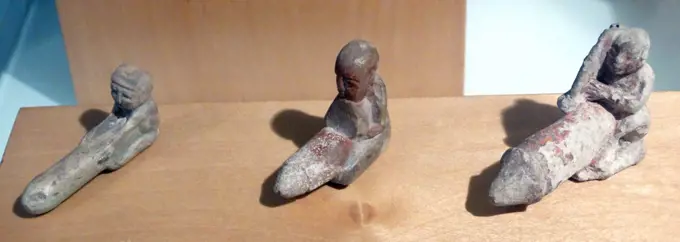
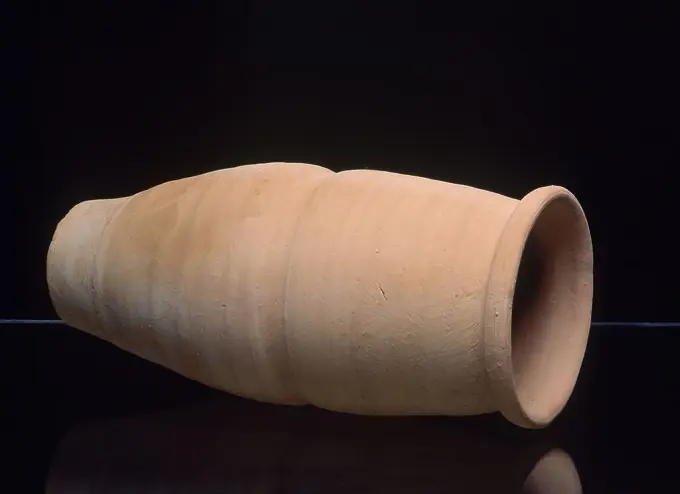
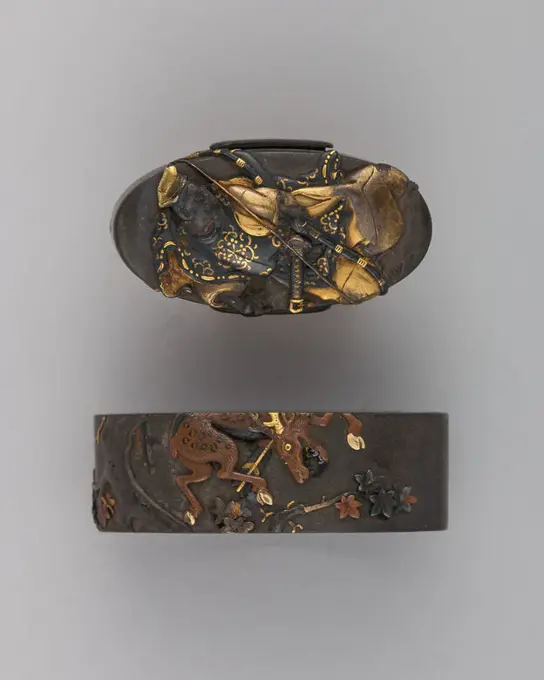
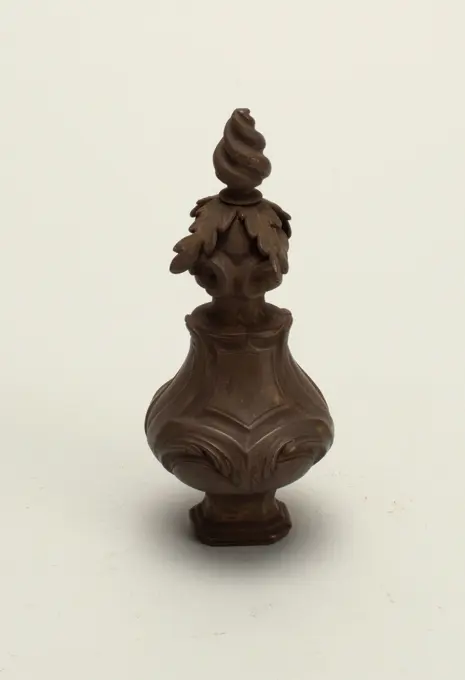
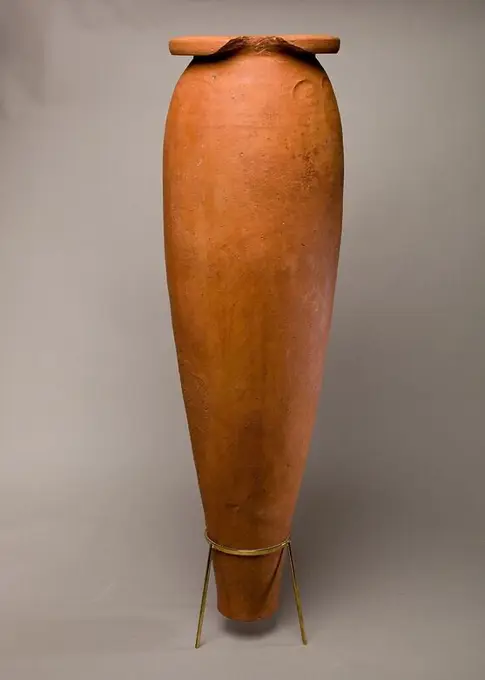
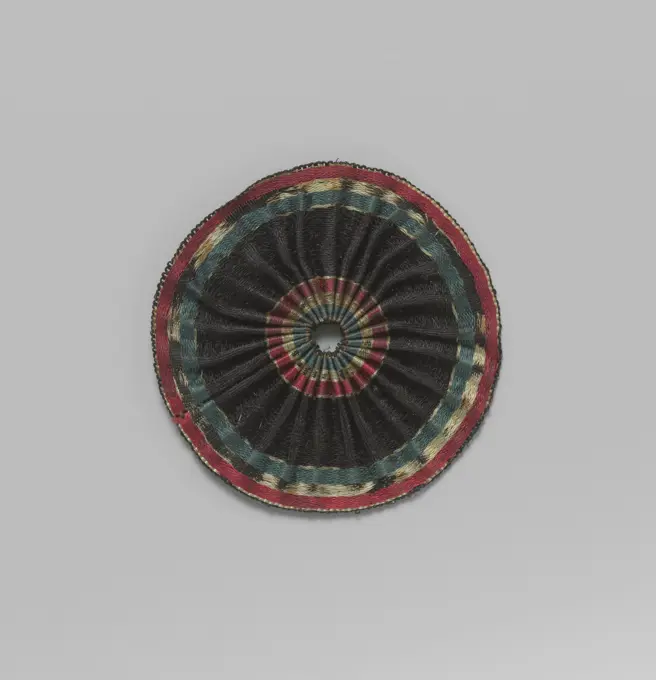
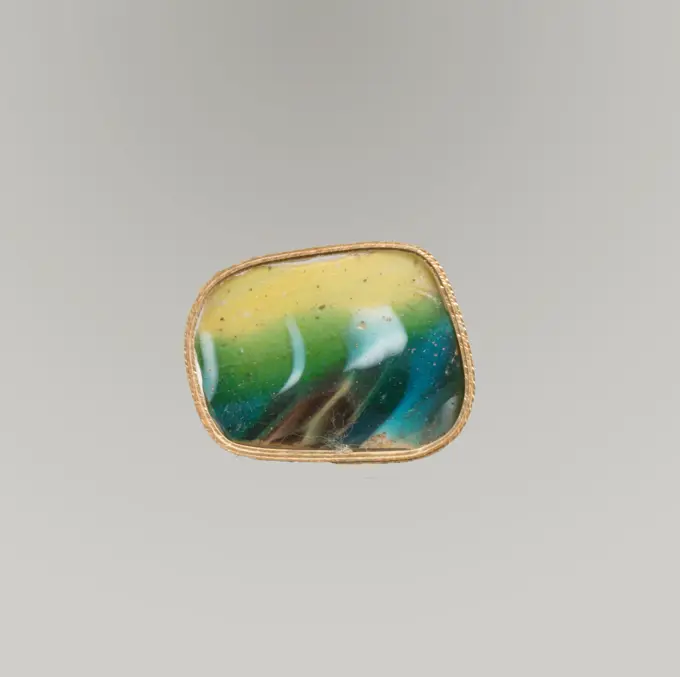
Bottle with flattened, spherical body, anonymous, c. 1700 - c. 1900 Soul inserted. Silent -flattened, spherical body, transfer to a high, slightly tapered neck with a protruding mouth. A glass wire is wounded around the transition from the body to the neck. Persia glass glassblowing Soul inserted. Silent -flattened, spherical body, transfer to a high, slightly tapered neck with a protruding mouth. A glass wire is wounded around the transition from the body to the neck. Persia glass glassblowingEngraved Gem. UnknownRaster of iron ..Pair of TrencherSalts.  Maker: Jacobus van der Spiegel, American, 1668-1708Earthenware bottle. Very small concave-cylindrical vase. Standed as a 'lacrimated vase' or tear bottle, is probably from after Roman times and not used as a grave gift or cosmetics.Toilet box (one of a pair) (part of a set) 1766 John Parker British These boxes were part of a toilet service sold by the leading London retailers Parker and Wakelin to John Heathcote, who, a few years earlier, had married the heiress Lydia Moyer. Parker and Wakelins accounts for the sale show that the service included eight such boxes, a pair of candlesticks, two "essence pots," a looking glass, a "jewells trunk," and a pair of octagonal pierced trays. The cost for gilding the service was more than £56—roughly equal to the annual wage of a successful artisan—and the entire bill came to more than £300. There was a further charge of £6 6s for a "red morocco leather case with a drawer & 2 cushions.". Toilet box (one of a pair) (part of a set) 236589Round scale of red stoneware, elers true .. round, flat dish of stoneware, with a ribbed and scalloped upright edge. The scale is marked: Elers Brothers.Vase. Artist: Ryozen (Japanese,). Culture: Japan. Dimensions: H. 8 in. (20.3 cm); W. 3 1/2 in. (8.9 cm). Date: early 19th century. Museum: Metropolitan Museum of Art, New York, USA.Coffee Pot Pouring Coffee into CupPair of mouths, light blue, anonymous, c. 1740 - c. 1760 Pair of mules, light blue. Nose of paper and chamois leather covered with a yellow silk hand; sole made of layers of paper and pink chamois leather and brown leather; side with the bottom. Amsterdam (possibly) paper. leather. wool Pair of mules, light blue. Nose of paper and chamois leather covered with a yellow silk hand; sole made of layers of paper and pink chamois leather and brown leather; side with the bottom. Amsterdam (possibly) paper. leather. woolBaluster. Culture: British. Dimensions: Height: 20 1/8 in. (51.1 cm). Date: ca. 1750. Museum: Metropolitan Museum of Art, New York, USA.Shipwreck find from the wreck of the East Indians Hollandia, Anonymous, 1700 - in Or Before 1743  Parts of artefacts; eroded fragments: materials; lead. Netherlands lead (metal)   SecondWall Facing (Holland); tin-glazed earthenware, underglazeSword Pommel (Kashira) ca. 1615-1868 Japanese A kashira is a pommel cap mounted at the end of a sword hilt, usually made as part of a set with a matching fuchi (hilt collar).. Sword Pommel (Kashira). Japanese. ca. 1615-1868. Iron, copper, gold. Sword Furniture-Fuchi-KashiraPowder Horn 1764 Colonial American. Powder Horn 29570Snuff Bottle China. Snuff Bottle 41508Dinner plate - St. Johns Stone Chinaware Company (founded 1873) St. Johns Stone Chinaware Company (founded 1873)Cup 19th century Japan. Cup. Japan. 19th century. Bronze. Edo (1615-1868) or Meiji period (1868-1912). MetalworkPair of Rowel Spurs Danish 19th century The heel band of each of these silvered spurs is decorated on each side with a scaled serpent holding an acorn in its mouth, its eyes inlaid with red glass. The neck, holding the rowel, is shaped as a serpent holding an acorn as well, emerging from the mouth of a bearded face placed on the heel. Each terminal is pierced for fixing each spur directly on a boot's heel. View more. Pair of Rowel Spurs. Danish. 19th century. Copper alloy, silver, glass. Equestrian Equipment-SpursSulfur stick, with semicircular back plate and hinged lid, anonymous, c. 1700 - c. 1799 Sulfur stick made of yellow buyer, with a higher semicircular back plate with hanging hole and hinged lid. Amsterdam brass (alloy) Sulfur stick made of yellow buyer, with a higher semicircular back plate with hanging hole and hinged lid. Amsterdam brass (alloy). Hair comb of imitation turtle with two teeth and on top of a globe.Content of 1 dl, anonymous, c. 1820  Chips contents of 1 dl. No inscriptions or brands Netherlands wood (plant material)   NetherlandsRums, Anonymous, c. 1650 - c. 1675 Large Roemer, Light Green, with Concave, spun from a wire. Inserted soil. The high, egg -shaped chalice blown as a whole with the trunk, which is occupied with three rows of large flat burrs, stamped in a fine pattern. The transition from the chalice to the trunk indicated by a ribbed thread Low Countries glass glassblowing Large Roemer, Light Green, with Concave, spun from a wire. Inserted soil. The high, egg -shaped chalice blown as a whole with the trunk, which is occupied with three rows of large flat burrs, stamped in a fine pattern. The transition from the chalice to the trunk indicated by a ribbed thread Low Countries glass glassblowingEmpty wooden cutting board on a textile background, mockup for creative design empty wooden cutting board on a textile background, mockup for creative design copyright: xzoonar.com/olgaxlepeshkinax 2277757Tabakierka. unknown, craftsmanA handle for articles; Koenigliche Porzellanmanufaktur (Meissen; 1807/14-1918); 19th century (1801-00-00-1900-00-00);Shofar, c. 1750 - c. 1800 musical instrument. wind instrument. horn. shofar The Sjofar is a wind instrument that is used in Jewish worship. According to tradition, this copy comes from the Synagogue on the Jewish Savannah where the brothers Joseph and Isaac Nahar were bazuin blazers at the end of the 18th century. Europe horn (animal material)   Suriname. JewFooted Black-Glaze Bowl with Inscription. UnknownGoldsmith's art, France, 19th-20th century. Rene' Lalique (1860-1945), opalescent crystal brooch, around 1925.Translation consisting of a robbery and ring with spring kram.Translation consisting of a robbery and ring with spring hydrocram.Roemer with the weapon and a portrait of Michiel Adriaansz. De Ruyter, Anonymous, 1671  Roemer of clear, dark green glass. Low, spun base, serrated, open stem from top, set with 4 rows of large flat burrs, stamped in a fine pattern. Bullet -shaped Cuppa, bij the separation with the trunk a ripple edge. On the cuppa engraved the bust of a harnessed man (De Ruyter) with order (by St. Michel) around the neck, on the downside, a weapon of weapon with a waxed sword as a helmet, on the other side 2 tritons that have a medallion with Set the inscription. Signed. glassblower: Low CountriesRotterdam glass glassblowing historical personsRoman pottery pans from North Africa, in the Roman city, Barcelona, Spain. 2nd - 5th Century ADCast Bronze anklets used as Burial Offerings, from Charvais. Dated 620 BCReliquary in the Shape of a Stupa 2nd-4th century Sri Lanka, central or western regions These miniature rock-crystal reliquaries were turned on a lathe. Rock crystal was revered in the early Buddhist world for its purity and ability to transmit light. Each hemisphere has a receptacle to accommodate relics of the Buddhaash, gold, charred bone, and pearlsand a stopper in the form of a square terraced capital (harmika) surmounted by umbrellas. According to early Buddhist Vinaya texts prescribing monastic conduct, the corporeal relics of the Buddha were to be deposited in a reliquary and housed in a sarira stupa. Multiple relic containers were to be provided, with a gold or rock-crystal reliquary at the heart of the assemblage containing the actual relic. Similar rock-crystal reliquaries have been excavated from monumental stupas in central and western Sri Lanka, such as those at Anuradhapura and Dalivada, datable to the early centuries A.D. Reliquary in the Shape of a Stupa. Sri Lanka, Cup plate. American; Probably Pittsburgh, Pennsylvania. Date: 1825-1835. Dimensions: diam 8.7 cm (3 7/16 in.). Pressed glass. Origin: Pittsburgh. Museum: The Chicago Art Institute, Chicago, USA.Mortar and pestle on white surfaceBone Button with four holes. Diameter 1.2 cm Thickness 0, 3 cm - Medieval period from the archaeological site of the " Calle seises " in Alcalá de Henares - " Burgo de Santiuste Museum " (Madrid). SPAIN.Puppet supervisory workshopsVaseStirrup spout bottle with fish demon and tumi. Culture: Moche. Dimensions: Overall: 11 in. (27.94 cm)Other: 5 15/16 in. (15.01 cm). Date: 5th-7th century. Museum: Metropolitan Museum of Art, New York, USA.Horse figurine. unknown, craftsmanMusketkogel from the wreck of the East Indians' t Vliegend Hart ,, c. 1700 - c. 1735  Lead spherical bullet that was fired from a musket. The bullet is dark gray in color. The bullet is immersed for conservation in beeswax. Identic to NG-1984-1 to 3, 5. Musket Caliber. Middelburg lead (metal)Compote ca. 1885-87 Mount Washington Glass Company. Compote 2213Cutlery holder. Koenigliche Porzellanmanufaktur, Meissen (1807/14-1918), manufactureGoldweight Mankala Board, 19th-20th century, 7/8 x 2 9/16 x 3/4 in. (2.22 x 6.51 x 1.91 cm), Brass, Ghana, 19th-20th centuryBeaker.   Maker: Edward Winslow, American, 1669-1753Box -Libation Cup China. Libation Cup 44248Uraeus. Dimensions: as mounted: L. 20 × W. 8 cm (7 7/8 × 3 1/8 in.). Dynasty: Dynasty 22. Date: 945-712 BC.The cobra represents the goddess Wadjet, a very ancient goddess who is associated with royalty. When the snake is worn over the king's brow, its head raised and hood dilated ready to attack if needed, it is called a uraeus. The uraeus constitutes the consummate symbol of royalty. As time passes it is also worn by royal women and certain gods.This uraeus is assembled from hammered gold and electrum sheets and strips; the snake's head and hood form one component, which was inserted into the coils and tail that form a second. The separate head element and inlays of the first component are now missing.The uraeus hood was probably originally inlaid in colors of red, turquoise, and dark blue. Traces of Egyptian blue suggest that material may have been used for some of the inlays. The long shallow curve of the tail would seem to suit a funerary mask, but the uraeus had been deformed anFragment of buyer from the wreck of the East India Hollandia.parts or artifacts; eroded fragments: Materials; Copper.Drinking horn. Smooth, curved, dibling tube, the wide side deposited with a glass wire, the narrow side ending in a ring and a double button. Three corrugated glass wires on the body and two smooth eyes. Along the top edge and the residue residue button.Penannular Earring ca. 1550-1295 B.C. New Kingdom. Penannular Earring. ca. 1550-1295 B.C.. Shell. New Kingdom. From Egypt; Probably from Northern Upper Egypt, Deir el-Ballas. Dynasty 18BRAZO DE SAN VALERO. Location: SEO, LA. SARAGOSSA. Saragossa Zaragoza. SPAIN.Flute. Mexico, Southern Veracruz, Nopiloa, 300-500 CE. Ceramics. Slip-painted ceramicStorage box for a roll of ribbon, c. 1925 Storage box for a roll of ribbon. Nijmegenmaker: France cardboard Storage box for a roll of ribbon. Nijmegenmaker: France cardboardFragment of the lace;  beginning of the 18th century (1701-00-00-1710-00-00);Armbedekking links, 1599 - 1699  Arm covering left, black, iron, consists of a shoulder plate, crook leak, elbow pipe and forearm pipe. The shoulder plate is articulated and has black rivets and a double decorative line parallel to the surrounding edges. An iron buckle above the strips. The upper arm pipe is articulated and has double decoration lines parallel on the edge. The elbow pipe has two oval plates in the flanks. The forearm pipe consists of two parts that are attached to each other by means of a hinge with which it can be opened. The inside is black and has three leather tires in the shoulder plate that are attached to the strips. The tires are not in good condition. Europe whole: Iron (metal). Tires: Leather forging / striking (metalworking)Amulet of the God Amon. Egyptian. Date: 1070 BC-656 BC. Dimensions: 3.2 × 1.6 × 1 cm (1 1/4 × 5/8 × 3/8 in.). Faience. Origin: Egypt. Museum: The Chicago Art Institute, Chicago, USA. Author: Ancient Egyptian.Mug, Red transfer, 'present for Samuel', England, 18th-mid-19th century, ceramics, Decorative Arts, MugSOLIDO ABIERTO CON MODULOS DE LUZ - 1956 - PIEDRA - 34x20X20. Author: JORGE DE OTEIZA (1908-2003). Location: PRIVATE COLLECTION. MADRID. SPAIN.Teapot with prunus sprays, birds and a butterfly, anonymous, c. 1700 - c. 1799 The flat lid with prunus branches. Tuit, ear and lid button in the shape of knotty branches. Yixing. China stoneware The flat lid with prunus branches. Tuit, ear and lid button in the shape of knotty branches. Yixing. China stonewareVase ca. 1885-95 Mount Washington Glass Company. Vase 14499Figurka konika. unknown, authorTile Wall Facing (Netherlands); tin-glazed earthenware, underglazeSnuff Bottle 19th century China. Snuff Bottle 41550Alabastron;  664-332 BC ; Half period (-664-00-00--332-00-00);This is a vintage candlestick. And this object used on the wood.Black CondomMagnifying glass with wooden handle on the flat surfacePitcher. Designer: Johan Rohde (Danish, Randers 1856-1935 Hellerup). Dimensions: H.9, Diam. 5-1/2 in. (22.9 x 14 cm.). Date: ca. 1933. Museum: Metropolitan Museum of Art, New York, USA.Empty metal plate on dark texture background top view, copy spaceVase fragment ca. 1400-1200 B.C. Minoan. Vase fragment 252445 Minoan, Vase fragment, ca. 14001200 B.C., Terracotta, 15/16  1 3/16  1/4 in. (2.3  3.1  0.7 cm). The Metropolitan Museum of Art, New York. Bequest of Richard B. Seager, 1926 (26.31.526)Netsuke of Qilin late 19th century Japan. Netsuke of Qilin. Japan. late 19th century. Ivory. Meiji period (1868-1912). NetsukeCarved Bead 19th century Japan. Carved Bead. Japan. 19th century. Ivory. OjimeStreamline Automobile: Removable Convertible Top, 1900s. Boysen Toys (Danish). Wood; Credit line: John D. Rockefeller General Education Board Grant IIMummy of a cat. Found a Saqqara. Ptolemaic-Roman300-50 BCBumpy empty ceramic plate on a textured concrete background. Kitchen utensil itemSmall Beaker, 18th century, 2 3/4 x 2 1/4 x 2 1/4 in. (7 x 5.72 x 5.72 cm), Glass, enamel, Switzerland, 18th centuryPitcherThree piece teaservice.   Maker: John Vernon, American, active 1787-1816Andreas van Duyveland, Three-piece bronze mold for funnel with initials AVD and 1764, mold casting tool tools kit metal_metal bronze, cast turned Three-piece bronze mold for casting funnel with reinforcing ring 4 cm signed from the top AVD and year 1764 (Andreas van Duyveland ) Rotterdam tingieterij tin stainer tin household Meeuws Druy craft Shapes are from the originally 18th century Rotterdam tinnegieter J Druy. The large molds that were not signed or dated were the property of the tinker guild and were rented to the small tin caster.Ancient Egyptian, erotic figurines in stone. Ptolemaic period 304-30 BC; Greco-EgyptianARCADUZ O CANGILON DE NORIA DE DOBLE CINTURA SIN VIDRIAR - SIGLO XX. Location: ALFARARIA. PROVINCIA. SPAIN.Split Ball with Striated Surface and Star Motifs 500 B.C.-A.D. 300 Indonesia. Split Ball with Striated Surface and Star Motifs 51374Sword-Hilt Collar and Pommel (Fuchigashira). Culture: Japanese. Dimensions: Fuchi (a); H. 1 1/2 in. (3.8 cm); Wt. 0.9 oz. (25.5 g); kashira (b); H. 1 5/16 in. (3.3 cm); Wt. 0.6 oz. (17 g). Date: ca. 1615-1868. Museum: Metropolitan Museum of Art, New York, USA.Finial (France); bronzeBox -Cap ca. 1895 American. Cap 169910Inr with the Characters for Longevity and Good Fortune and the “Seven Lucky Treasures” on Checkerboard Ground second half of the 18th century Japan. Inr with the Characters for Longevity and Good Fortune and the “Seven Lucky Treasures” on Checkerboard Ground. Japan. second half of the 18th century. Four cases; lacquered wood with gold and silver, red lacquer hiramaki-e, togidashimaki-e, applied gold foil on black, gold, silver, and nashiji groundNetsuke: piece of carved coralOjime: metal bead. Edo period (1615-1868). InrWine jar. Dimensions: H: 26 15/16 in. (68.5 cm). Date: ca. 3300-2960 B.C.. Museum: Metropolitan Museum of Art, New York, USA.Beige Hoorn button in the form of a parrot head, Gelria, c. 1900 - c. 1930 Beige Hoorn button, consisting of two parts put together, in the form of a strongly bent parrot head, with purple eyes of glass. Netherlands Button: Horn (Animal Material). Eyes: Glass cutting / blow molding Beige Hoorn button, consisting of two parts put together, in the form of a strongly bent parrot head, with purple eyes of glass. Netherlands Button: Horn (Animal Material). Eyes: Glass cutting / blow moldingSalt or pepper grinderNetsuke and ojime 19th century Japan. Netsuke and ojime. Japan. 19th century. Awabe shell, lacquer. Edo period (1615-1868). NetsukeDinner plate - St. Johns Stone Chinaware Company (founded 1873) St. Johns Stone Chinaware Company (founded 1873)Red and Pink Rocks and Teeth, Georgia O'Keeffe, 1938, Art Institute of Chicago, Chicago, Illinois, USA, North AmericaHollands Hoedroette of black ribbon, with inner and outer edges in red, white and blue, anonymous, c. 1800 - c. 1815 Hollands Hoedroette of black ribbon, with inner and outer edges in red, white and blue. Netherlands silk Hollands Hoedroette of black ribbon, with inner and outer edges in red, white and blue. Netherlands silkGlass mosaic fragment late 1st century B.C.-early 1st century A.D. Roman Carinated body fragment.Translucent turquoise blue, purple, turquoise blue mixed with yellow appearing green, opaque white and yellow.Vertical side (), then tapering downward.Short-strip mosaic pattern formed from lengths of different canes with random patterns.Polished on exterior; pitting of surface bubbles on exterior; dulling, iridescence, and patches of creamy weathering on interior and jagged edges.. Glass mosaic fragment. Roman. late 1st century B.C.-early 1st century A.D.. Glass; cast. Early Imperial. Glass. Geelkoping Content knap for wet goods with matte cover glass. Together with seven other content moles in gray painted coffin.Pair of tassels 17th century Italian. Pair of tassels. Italian. 17th century. Linen. Textiles-TrimmingsMusketball. Musketball with a printing.