Ancient Artifacts and Pottery

Artifacts including bottles, lamps, and bowls from historical cultures, showcasing craftsmanship and material use.

Stoneware mineral pitcher on stand surface, arched model, brown, stamped mark, mineral pitcher pitcher pitcher product container container soil find ceramic stoneware icing salt enamel, hand turned baked glazed stoneware mineral pitcher gray shard with salt glaze sausage ear with finger impression largely brown colored. Contained spring water from Nieder Selter Light vaulted model on stand. Two jugs over the ear. profile ring on the transition from neck to shoulder stamped source: SELTERS around Greek cross with C T archeology advertising health care import pottery packing serve drink medicine drug pharmacy
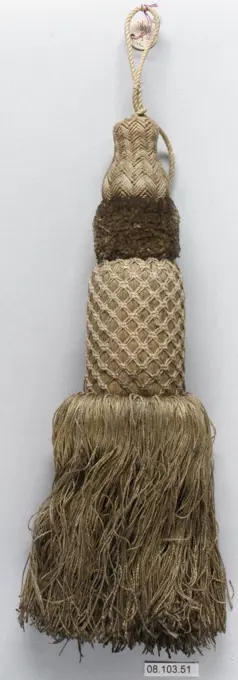
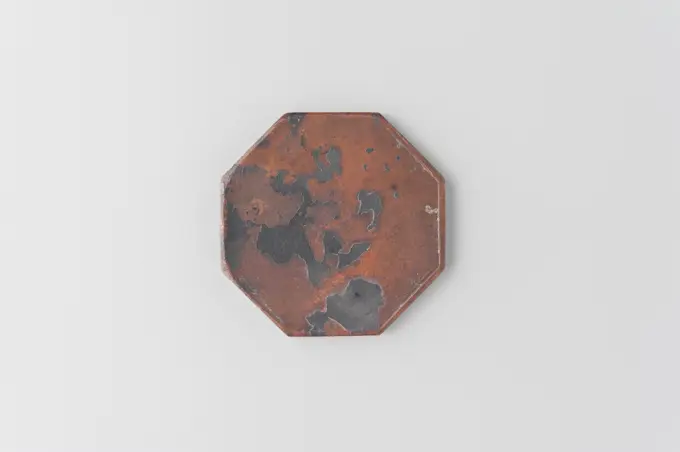
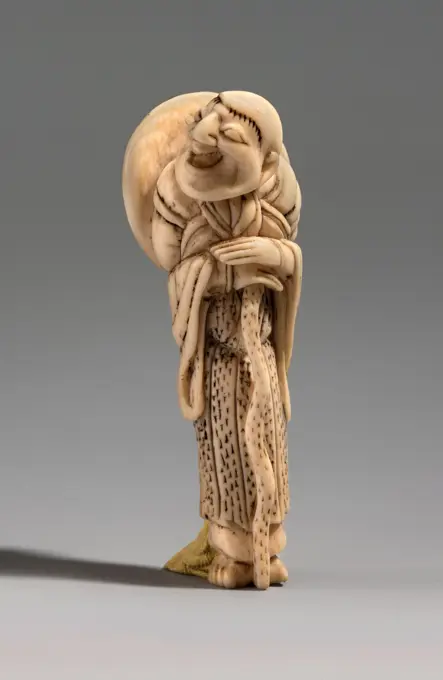
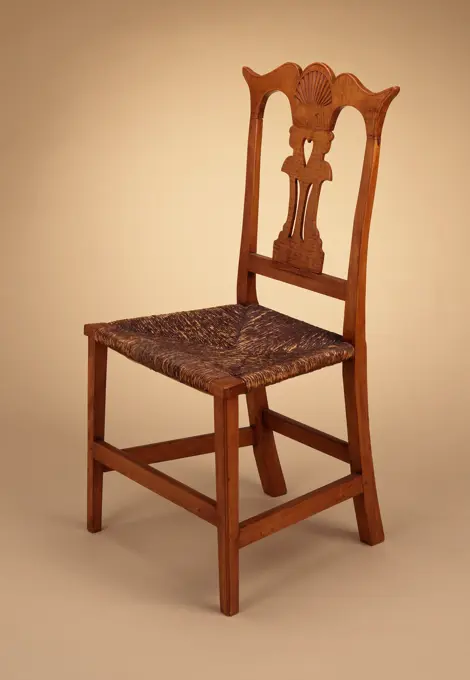
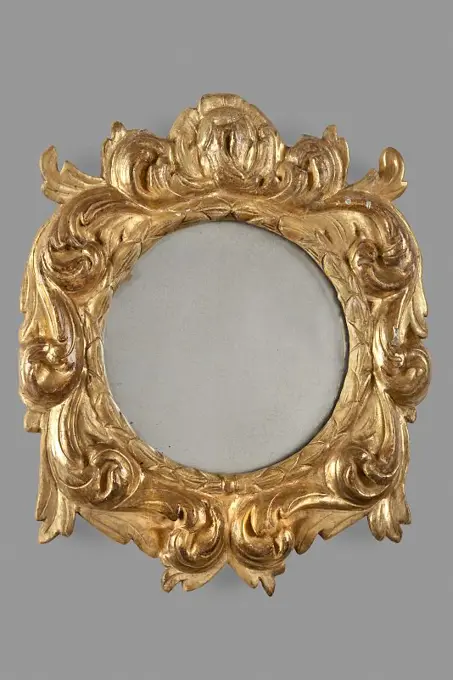
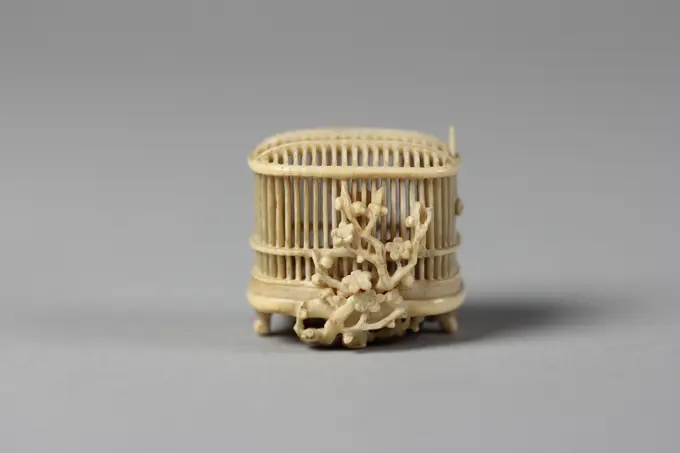
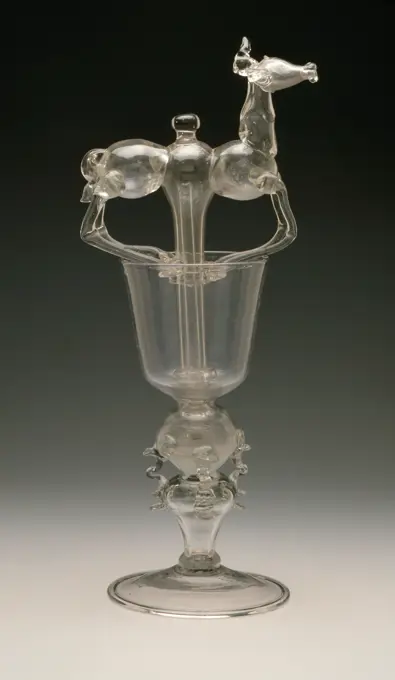
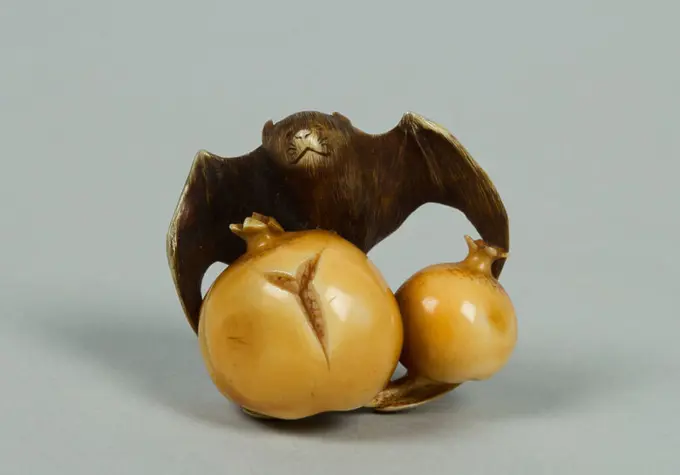
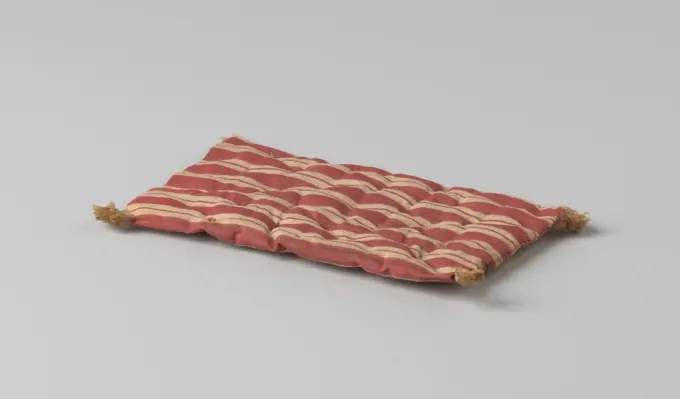
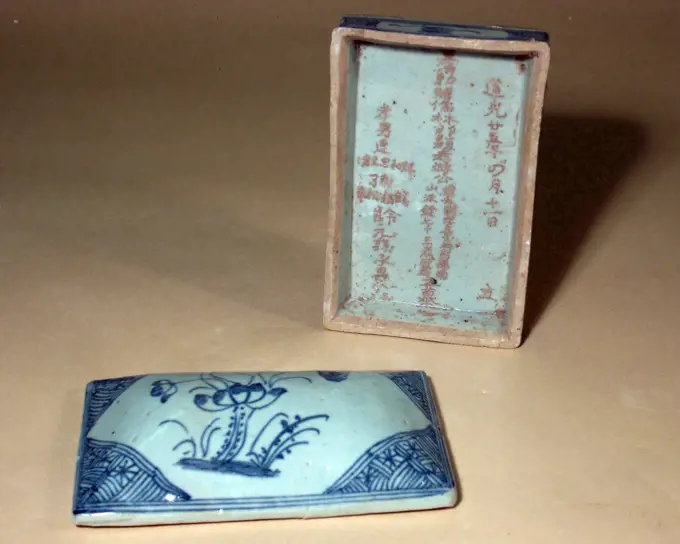
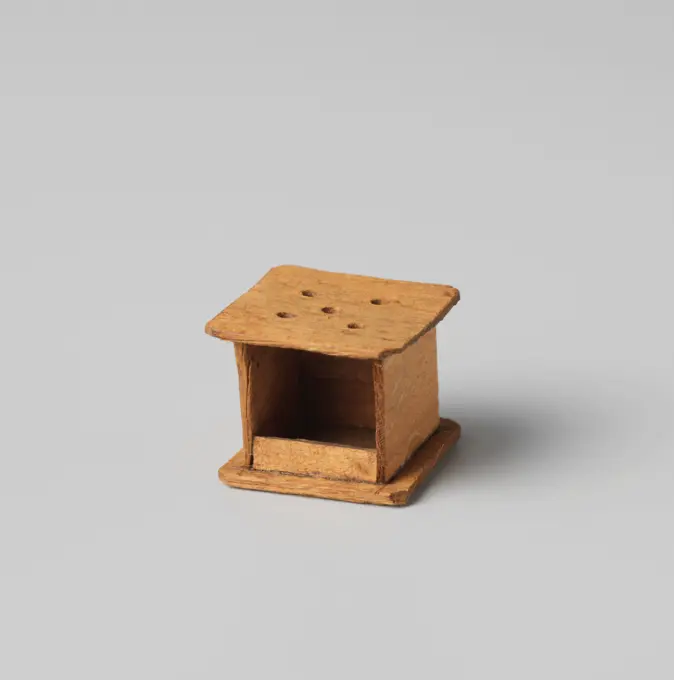
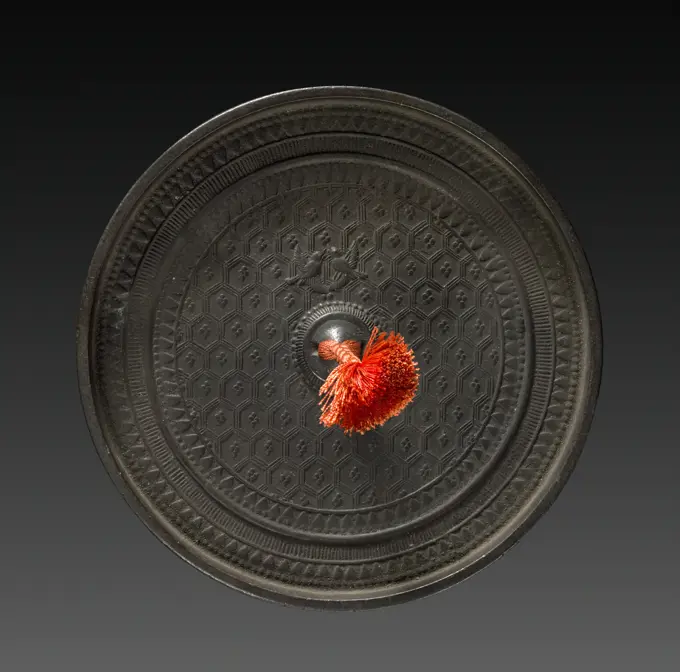
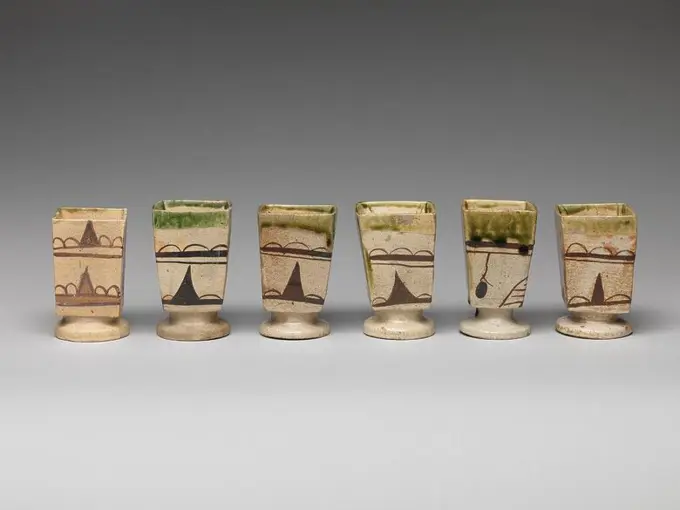
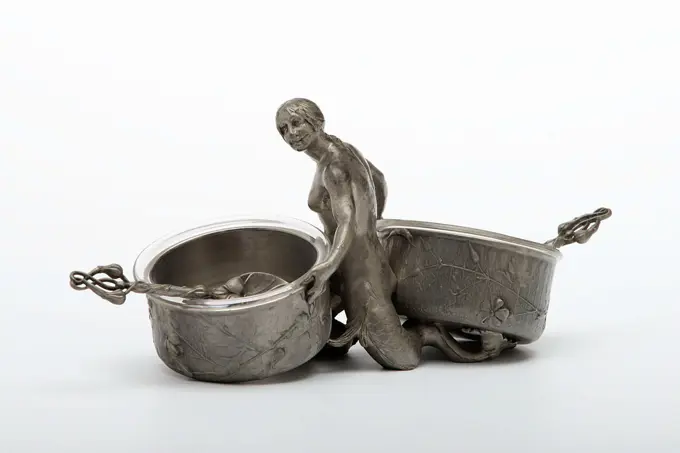
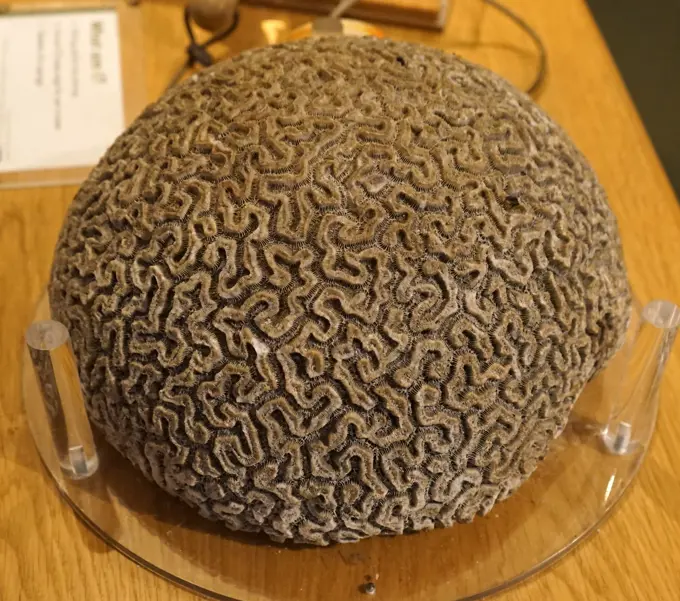
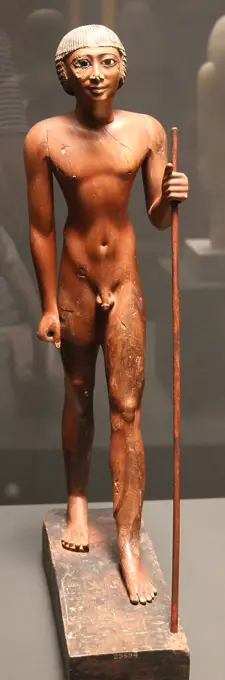
Netsuke - three monkeys (sambiki-no saru). unknown, sculptorTassel French 19th century View more. Tassel. French. 19th century. Silk and chenille. Textiles-TrimmingsCarnavalet museum, medal collectionAnonymous. "Cauldron handle: siren". Metal, bronze, full cast with lost wax, recovery at chisel. -700 BC BC. J.-C .. Museum of Fine Arts in the city of Paris, Petit Palais. 99933-18 Antiquity, bronze, cast iron with lost wax, metal, 8th 8th 8th 8th 8th 8th century before av. JC, ancientFrench Polynesia, Austral Islands (aka The Tuha'a Pae), Tupua'i Islands, Island of Rurutu. Traditional high quality pandanus fiber woven hats, a specialty of the island.Netsuke in the shape of the figurine A monk-pylgrzy, supported on the costume, with a hat slide on the back;  19th century (1801-00-00-1900-00-00);gift (provenance), netsuke, Japanese artBinoculars in miniature, together with a black bottle, a blaker with damper, a Gouda pipe and thirteen pieces of crockery, anonymous Binoculars in miniature, together with a black bottle, a Blaker and Domper, a Gouda Pijp and thirteen pieces of crockery. Binoculars in miniature, together with a black bottle, a Blaker and Domper, a Gouda Pijp and thirteen pieces of crockery.Side Chair. United States, New Hampshire, 1760-1790. Furnishings; Furniture. Maple, rushCarved Intaglio Gemstone with Figure ofAthenaVase; from Nancy; France by Emile Galle (1846-1904); of Cameo Glass. This luxury form of art glass involves etching and carving through fused layers of different coloured glass.Small mirror. unknown, creatorVase; about 1915; England; Stourbridge; Stevens & Williams; Cameo glass. Cameo glass is a luxury form of 'art glass' produced by etching and carving through fused layers of different coloured glass.Hat feather from rose chicken wing. Hat feather from rose chicken wing.CERAMICA DE FIGURAS ROJAS. Location: MUSEO ARQUEOLOGICO-CERAMICA GRIEGA. GRANADA. SPAIN.Netsuke of Bird Cage 19th century Japan. Netsuke of Bird Cage. Japan. 19th century. Ivory. Edo (1615-1868) or Meiji period (1868-1912). NetsukeTrick-Glass. Northern Europe-Bohemia, circa 1675-1750. Furnishings; Serviceware. Freeblown and tooled glassNetsuke of Bat and Fruit. Culture: Japan. Date: 19th century. Museum: Metropolitan Museum of Art, New York, USA.Fragment. Dimensions: L 11 cm x W 9 x H 3.5. Date: probably 8th-12th century. Museum: Metropolitan Museum of Art, New York, USA.TulipALCUZA PARCIALMENTE VIDRIADA EN ROJO Y VERDE - ARTE POPULAR. Location: ALFARERIA. JAEN. SPAIN.Friederich Klopstock, Gottfried Eichler, 1820 locket One -sided medallion in brass ring rear glass on bearing eye and carrying ring. Front: breastpiece man to the right inside. Reverse: label with inscription. Berlin gypsum. brass (alloy). glass castingStone sphere possibly used as a boundary marker from Costa Rica, Central America. Dated 800-1500 AD.moldy cake covered in mold, Majorca, Balearic Islands, Spain.Matras, anonymous, c. 1740 - c. 1760 Silk mattress, filled with down. Amsterdam (possibly) silk. down (feathers material) Silk mattress, filled with down. Amsterdam (possibly) silk. down (feathers material)Ancient China: Ceramic Funerary Box, Qing Dynasty, 1644 -1912 AD.Stew, rectangular, with five holes, anonymous, c. 1750 - c. 1800 Stew of beech wood, rectangular, with five holes in the top; The back of pine wood. Amsterdam (possibly) beech (wood). pine (wood) Stew of beech wood, rectangular, with five holes in the top; The back of pine wood. Amsterdam (possibly) beech (wood). pine (wood)Mirror with Pair of Birds on Tortoiseshell Pattern, 1392-1573. Japan, Muromachi period (1392-1573). Bronze; diameter: 11.5 cm (4 1/2 in.).Dortmund, ADAC headquartersFragment of clay lump with imbedded ring beads Late Middle Kingdom-Early New Kingdom ca. 1802-1450 B.C. View more. Fragment of clay lump with imbedded ring beads. ca. 1802-1450 B.C.. Low-fired whitish clay, faience. Late Middle Kingdom-Early New Kingdom. From Egypt, Memphite Region, Lisht North, Cemetery south of pyramid, House A1, so-called "faience factory", MMA excavations, 1920-22. Dynasty 13-18, earlyStew, rectangular, with five holes. Beech wood stove, rectangular, with five holes in the top; The back of pine.5Footed Cup (one from a set of five). Culture: Japan. Dimensions: H. 3 7/8 in. (9.8 cm); W. 2 1/2 in. (6.4 cm); D. 2 1/2 in. (6.4 cm). Date: early 17th century. Museum: Metropolitan Museum of Art, New York, USA.Standard volume measures, 1820  Yellow -cutting mate for wet weders with matte -cut cover glass. Together with seven other content measures in gray -painted box. Netherlands brass (alloy). glass   NetherlandsScandinavia. Fishing. Sinkers, were usually of sopastone. Norway. Historical Museum. Oslo. Norway.Wari-style Vessels, before 1955. Peru, modern, 20th century. Pottery; overall: 36.3 x 23.3 cm (14 5/16 x 9 3/16 in.); vessel only: 14.7 x 11.9 cm (5 13/16 x 4 11/16 in.); vessel: 14.7 x 10.4 cm (5 13/16 x 4 1/8 in.).Snuff Bottle with Eight Horses late 18th-early 19th century China. Snuff Bottle with Eight Horses. China. late 18th-early 19th century. Chalcedony. Qing dynasty (1644-1911). Snuff BottlesEmpty metal spoon on dark textured concrete background. Cutlery, preparation for dinnerCarnavalet Museum, Medals CollectionPaperweight 1850-75 New England Glass Company. Paperweight 5530Pair of Earspools with Face in Interior 450 CE-1000 Veracruz state. Ceramic and pigment .Cap ca. 1810 American. Cap 113047Venus figurine, 24.000 BC, Dolni Vestonice.Fragment, c. 1900-1910. Benedetto Buglioni (Italian, 1461-1521). Glazed terracotta; overall: 198.1 x 165.1 cm (78 x 65 in.).quill pen in a glass inkwell on a wooden tableBadges depicting the portrait of Mao Zedong were an important part of the cult of personality surrounding the Chinese communist leader in the 1960'sVase (USA); Manufactured by Rookwood Pottery (United States); Decorated by Lenore Asbury (American, 1866-1933); glazed earthenwareShirt Collar, Domenico Gnoli, Sa Bassa Blanca Museum (msbb). Yannick Vu and Ben Jakober , Alcudia, Majorca, Spain.BIRRETE DEL REY. Location: CONSEJO DE ESTADO. MADRID. SPAIN.Salt and pepper barrels "Neiere". Acquired by the artist at the World's Fair 1900 in ParisEngland, West Midlands, Birmingham, Birmingham Museum and Art Gallery, Display of Egyptian Jewellery dating from 2000-100BCTriangle Field Water Keg. Dated: c. 1939. Dimensions: overall: 35.5 x 24.6 cm (14 x 9 11/16 in.). Medium: watercolor, graphite, and gouache on paperboard. Museum: National Gallery of Art, Washington DC. Author: Roger Deats.Collection of animals, skeletons, shells, in the monastery Strahov, Hradschin, Prague, Czech Republic, EuropeLAMINA RECORTABLE COCHE BLINDADO. Location: EXPOSICION DE LA GUERRA CIVIL ESPAÑOLA. MADRID. SPAIN.Brain coral is a common name given to corals in the family Mussidae, so called due to their generally spheroid shape and grooved surface which resembles a brainWooden statuette of an official Seal Bearer Tjetji 331 BCE-2184 BCE. Akhmim, Egypt. Dynasty VI. British Museum. GBR.