Ancient Artifacts and Pottery

A collection of ancient artifacts including terracotta vessels, a sword guard, and a crescent axe head, showcasing intricate designs and historical significance.

Plaque in the Form of a Tower, 2nd-3rd century, 17 11/16 x 6 1/2 in. (44.93 x 16.51 cm), Gilt bronze, China, 2nd-3rd century
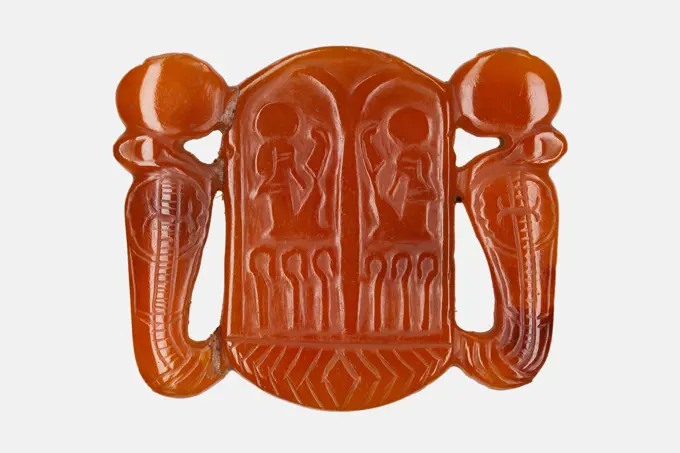
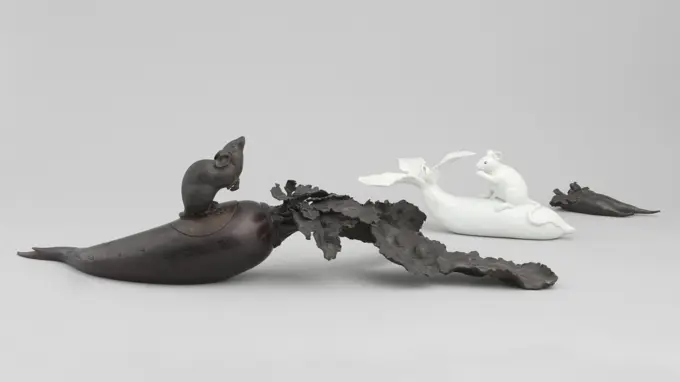
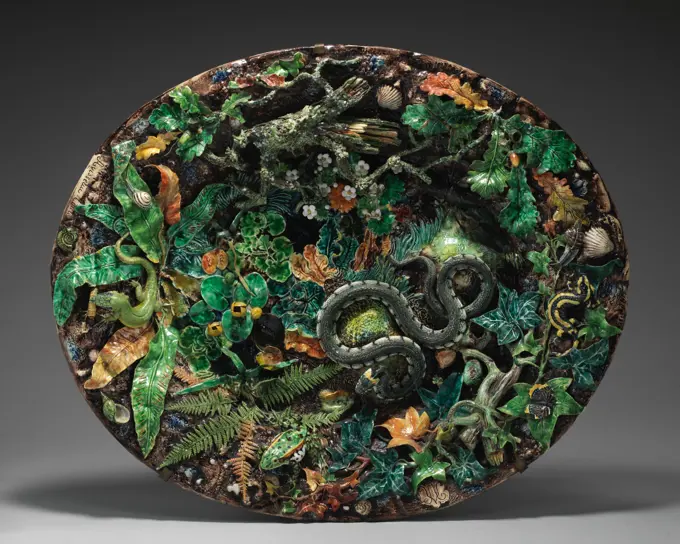
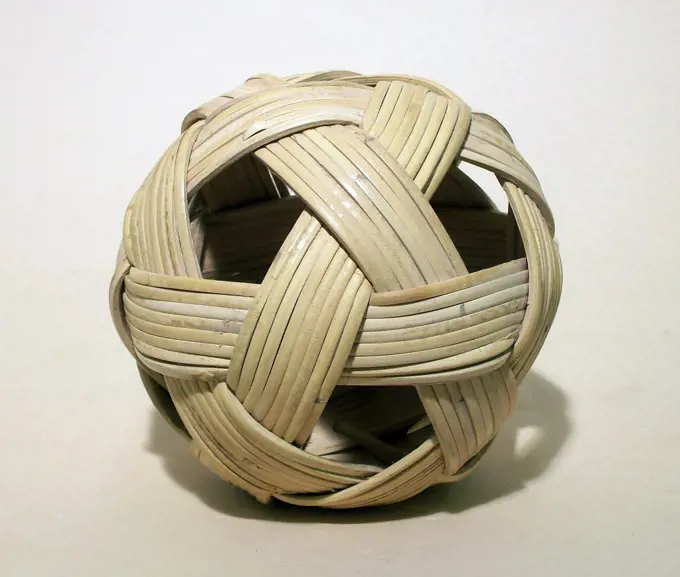
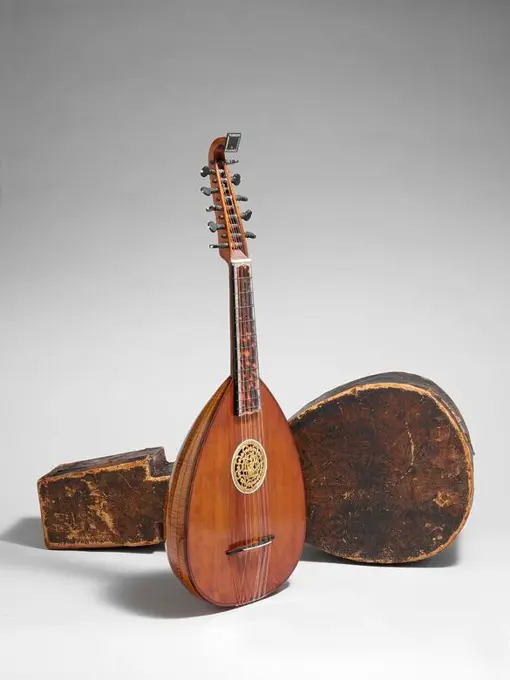
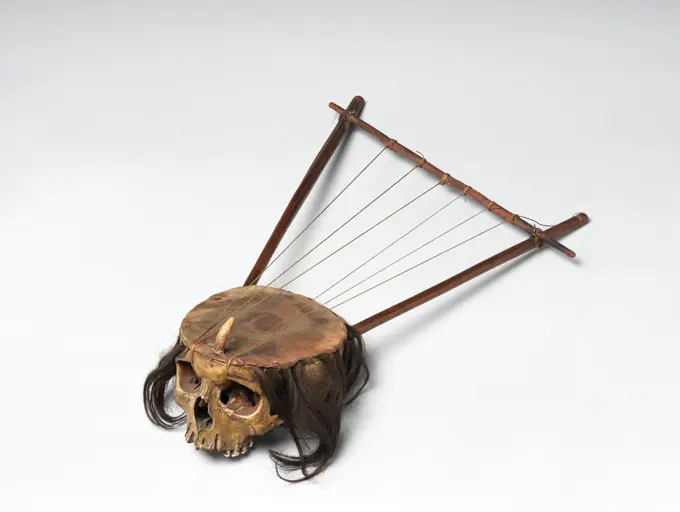
Head for Banner Staff. Culture: Persian. Dimensions: H. 15 3/4 in. (40 cm); W. 12 5/16 in. (31.3 cm); Wt. 1 lb. 11.2 oz. (771.1 g). Date: 18th century. Museum: Metropolitan Museum of Art, New York, USA.Plaque with the Name of Amenhotep III Flanked by Two Uraei ca. 1390-1352 B.C. New Kingdom On this piece the uraeus cobra functions as the protector of the royal name. The name of pharaoh Amenhotep III "The Lord of Maat is Re" is in the center of the plaque. The top and center part of the inscription is written twice and the direction of the hieroglyphs was reversed. Only the very bottom part is shown once. To each side is an uraeus with a sun disk, protecting the royal name in the same way the uraeus protects the king as a head ornament.The underside of the plaque is undecorated and flat and does not bear any means of suspension. Originally the piece might have been fitted into a piece of jewelry, maybe it even belonged to the king himself. Plaque with the Name of Amenhotep III Flanked by Two Uraei 554696. Hair comb of dark turtle or horn with narrow, hinged back, inlaid with a gold plated frame and pearl as a chain connected. Six teeth. Hinge hinge.PAN DE ANIS DE VALLADOLID EN FORMA DE LIRA.Radish-shaped-shaped burn with a rat over it. Japan. Bronze. Nineteenth century. Mouse on a turnip. China. Porcelain. Paris, Cernuschi museum. 53739-7 Bronze, Brule-Parfum, Radish, Japanese, turnip, porcelain, rat, mouseLarge basin with snake, ferns, and bark ca. 1850-1855 Charles-Jean Avisseau Though Charles-Jean Avisseau is often credited with rediscovering the techniques of Bernard Palissy (ca. 1510-1590), he often surpassed the much simpler forms used by the Renaissance potter. Here, Avisseau creates a microcosm teeming with life on the surface of the ceramic basin, with shells interspersed alongside a snake, a salamander, and a lizard, each colored with a different ceramic glaze.. Large basin with snake, ferns, and bark. French. ca. 1850-1855. Glazed earthenware. Ceramics-PotteryReliquary, Hand from. Culture: French. Dimensions: Overall: 9 1/8 x 4 13/16 x 1 7/8 in. (23.2 x 12.3 x 4.7 cm). Date: 13th century. Museum: Metropolitan Museum of Art, New York, USA.Skarabeusz uskrzydlony. unknown, authorEarrings with the shield of the city of Barcelona by Manuel Capdevila Massana.Stands, pasta, homemade, display, holder, bracket, noodle, dough, dough, dough goods, homemade, homemade, homemade, homemade ** rack, pasta, homemade, racks, pastas, homemades 4yz-g0sBasin with Figural Feet (Lu) 499 BCE-300 BCE China. Bronze .Pair of tassels 17th century Italian. Pair of tassels. Italian. 17th century. Linen. Textiles-TrimmingsWicker ball used in the game of Sepak Takraw in Malaysia.Charred, burnt, braised interior of a power outlet looks like a skull or a mask, symbol of excessive energy consumption, studio recording, GermanyEnglish Guitar. Culture: British. Dimensions: L. 73.5 cm (28-15/16 in); String L. 45 cm (17-13/16 in). Date: late 18th century.Unusual form with arched back of 21 flamed maple ribs, decorated with engraved mother-of-pearl and tortoiseshell veneer. The label within is illegible. Original tooled leather case. London, late 18th century. Museum: Metropolitan Museum of Art, New York, USA.Lyre possibly Ethiopian 19th century Some musical instrument origin myths reference human or animal remains and skulls and bones are sometimes used as decoration or as an instruments key component. The oldest playable instruments are red-crowned crane-bone flutes from China's Neolithic Age and in Tibet thigh-bone trumpets (rkangling) and skull drums (damaru) were used. Skull lyres, thought to be from Ethiopia, are rare, scarcely documented and found only in museums. While some have suggested a symbolic or clandestine ritual use for these lyres, there is no known tradition. Most likely it is a sensational item made for the nineteenth-century European market. View more. Lyre. possibly Ethiopian. 19th century. Human skull, animal skin, hair, wood, gut. Chordophone-Lyre-pluckedFish Plate 340 BCE-320 BCE Tarentum. Decorated tableware enlivened festive meals. The red-figure plates were used, as their decoration suggests, for serving seafood, a staple of the Mediterranean diet. Tasty juices pooled in the central concavity, which may also have contained sauces.. terracotta, decorated in the red-figure technique . Ancient Greek