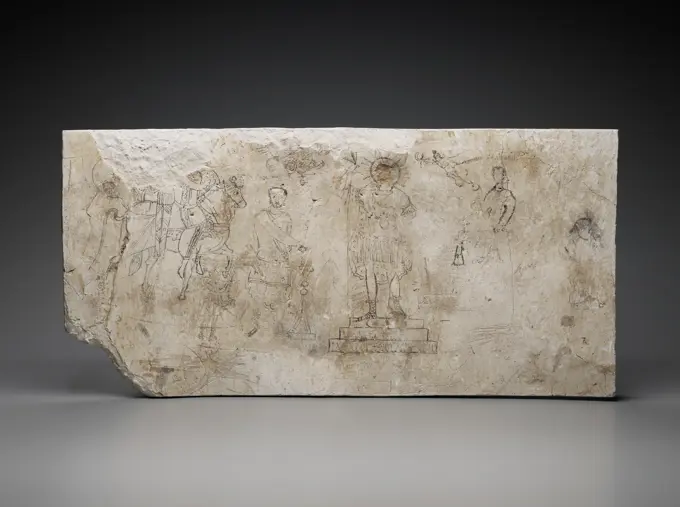
Ancient Artifacts and Relics

A collection of ancient artifacts including bowls and stone fragments from different cultures, showcasing their historic significance and artistic craftsmanship.

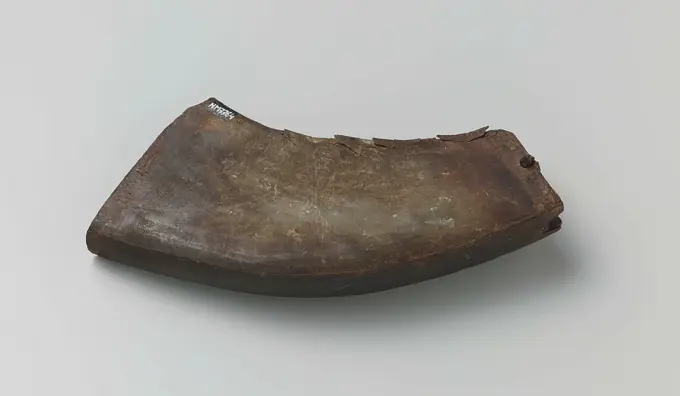
Tinnis funnel from V.O.C.-ship De 'Witte Leeuw', Before 1613 funnel Tinn funnel from V.O.C. ship De 'Witte Leeuw'.  tin (metal)   Sint-Helena
Tinnis funnel from V.O.C.-ship De 'Witte Leeuw', Before 1613 funnel Tinn funnel from V.O.C. ship De 'Witte Leeuw'. tin (metal) Sint-Helena
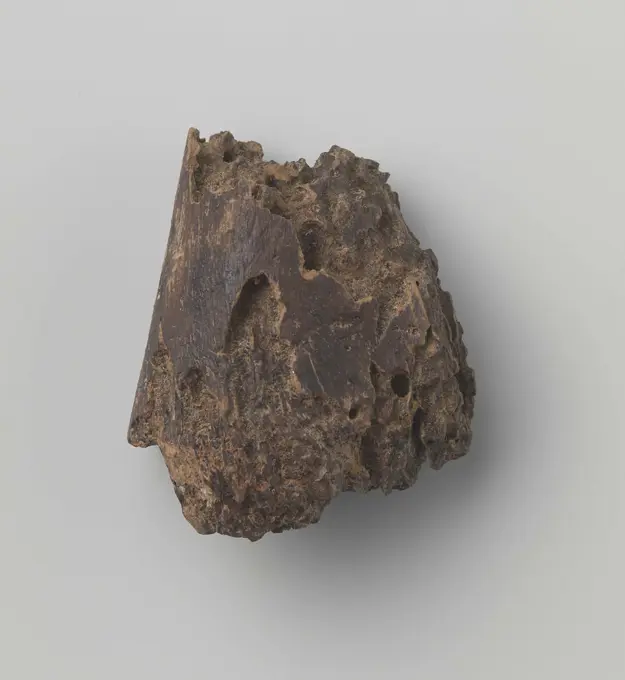
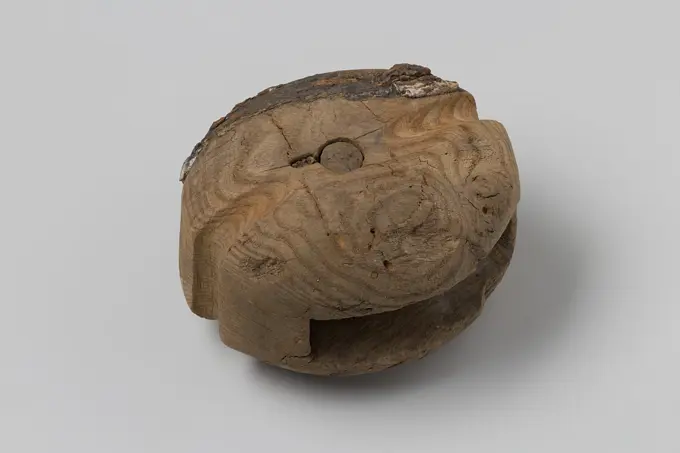
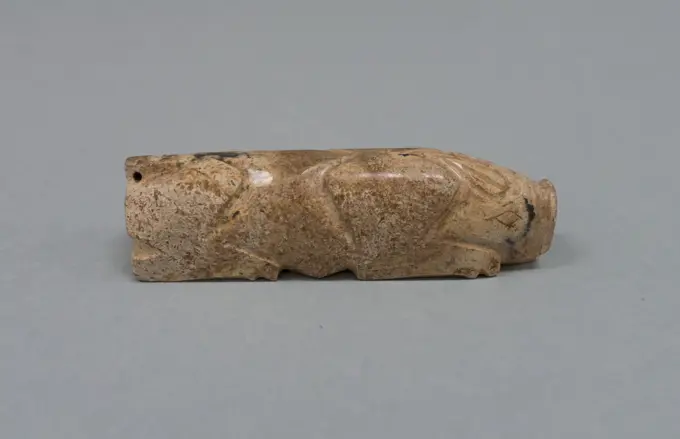
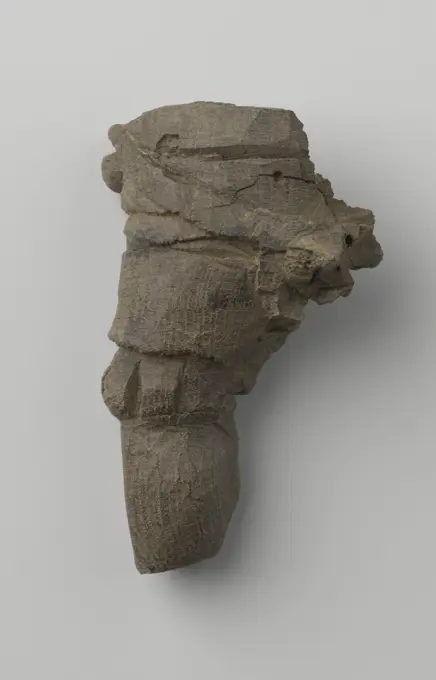
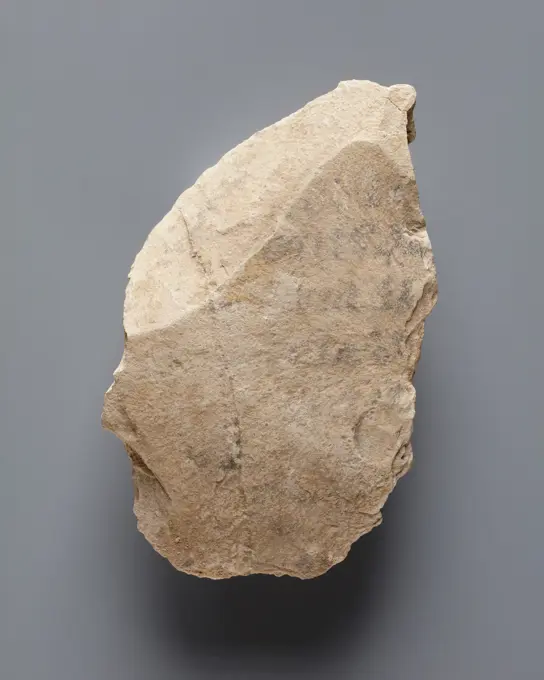
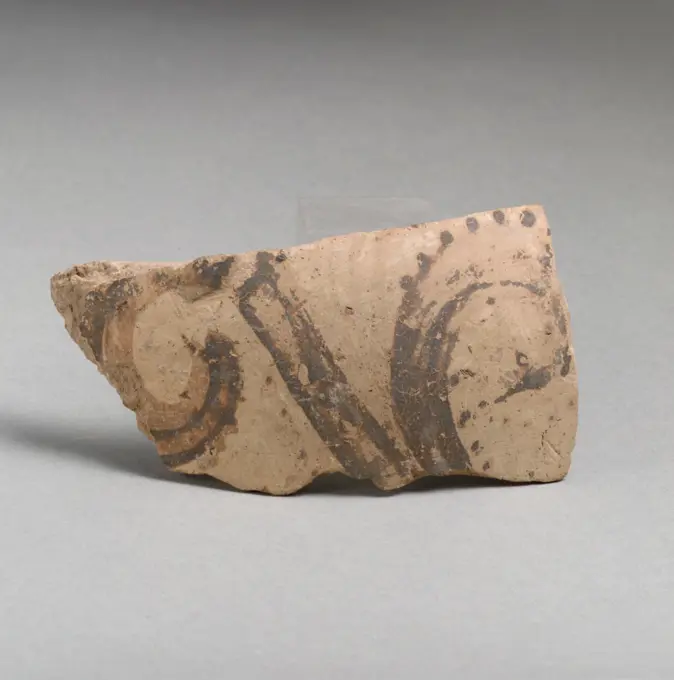
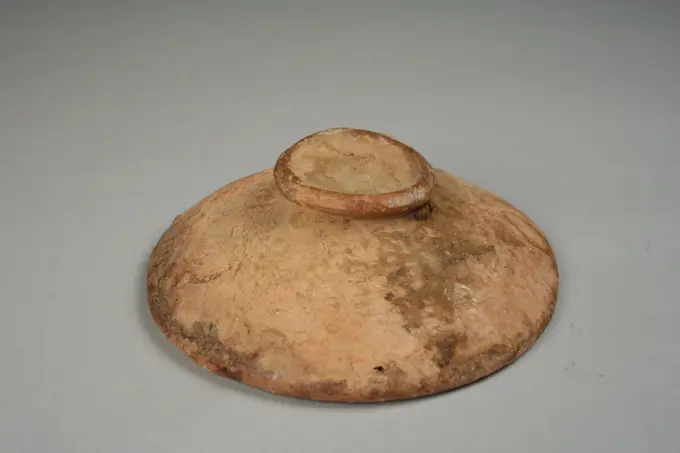
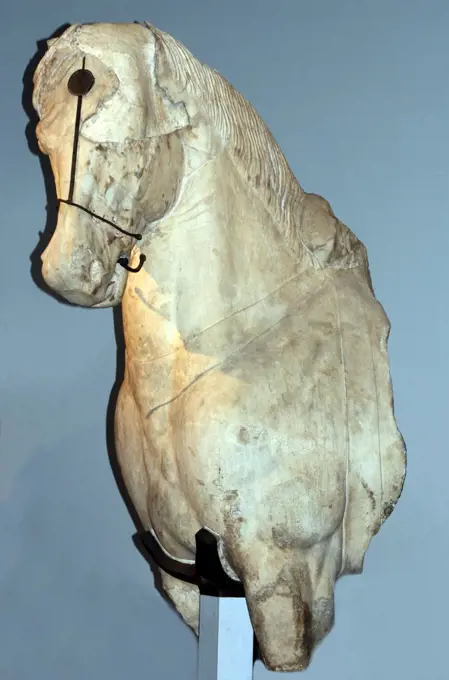
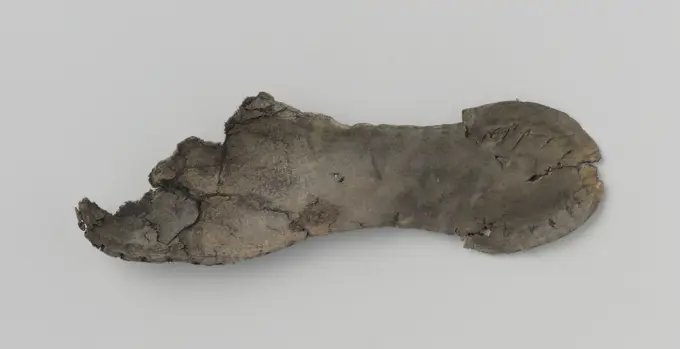
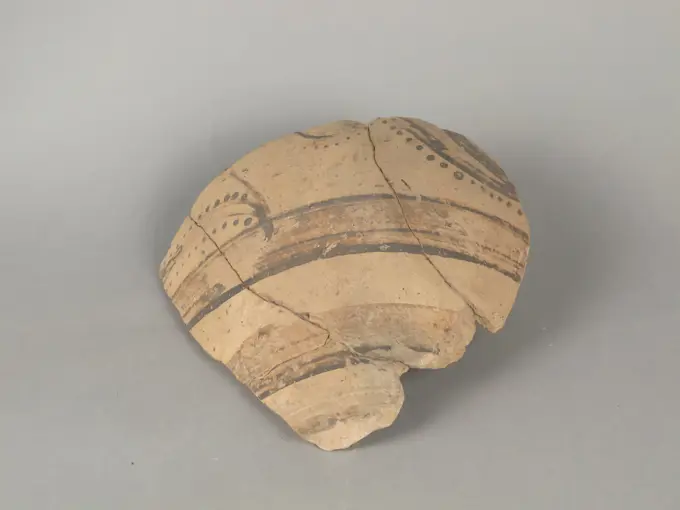
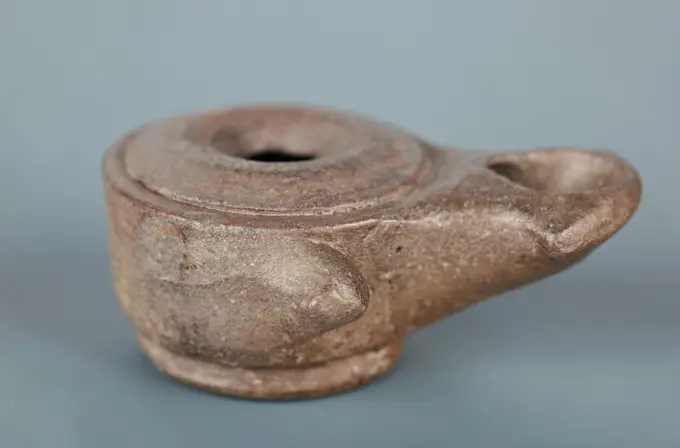
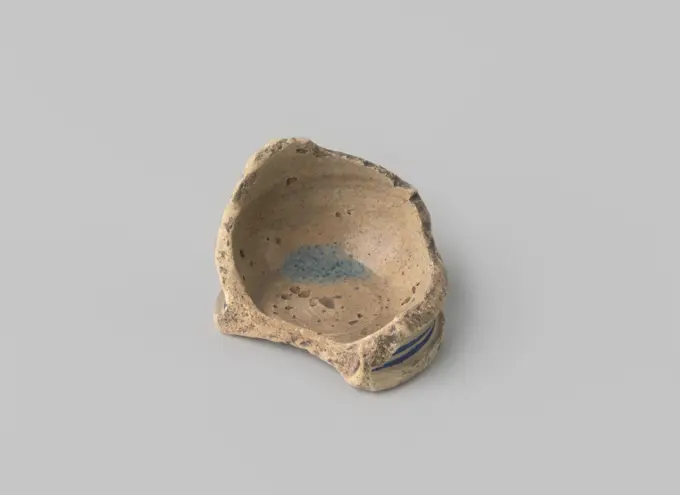
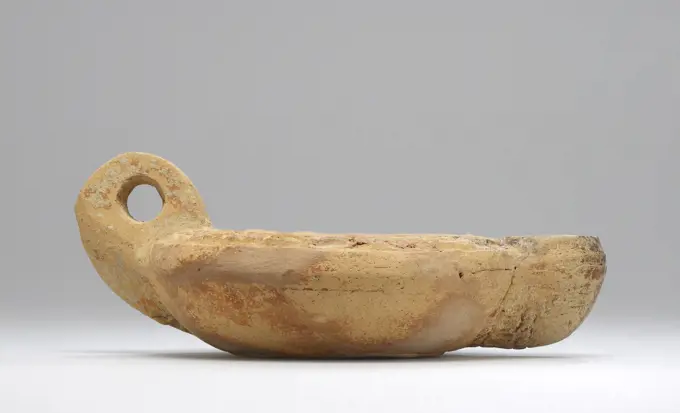
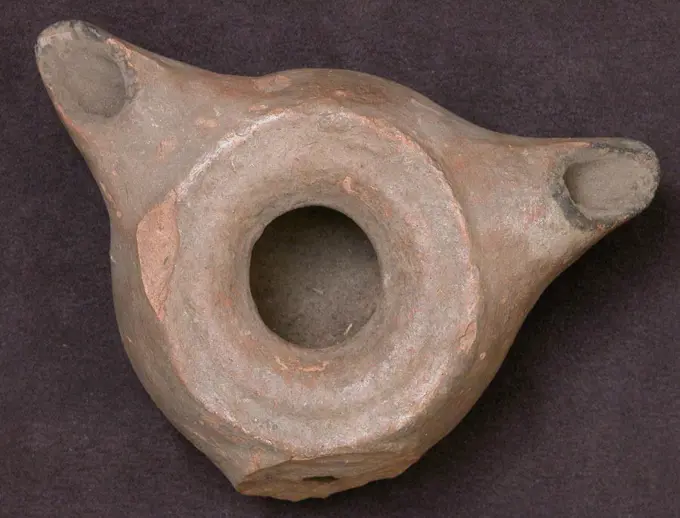
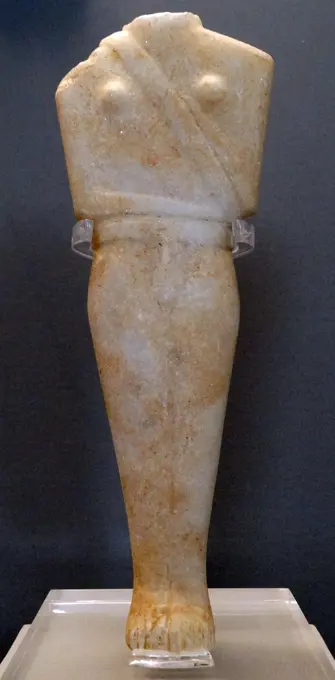
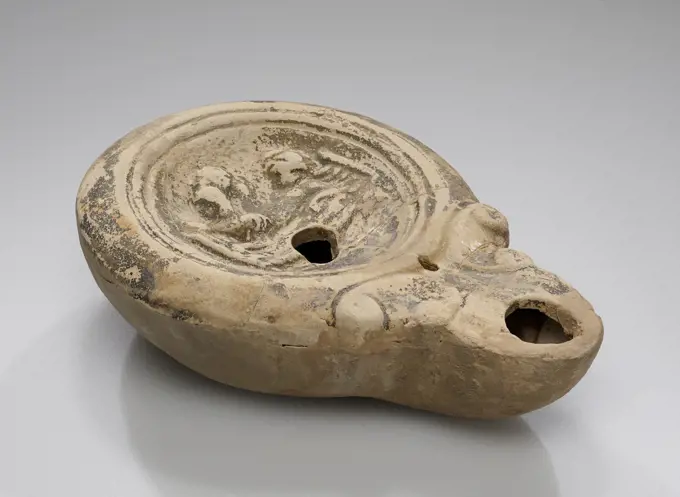
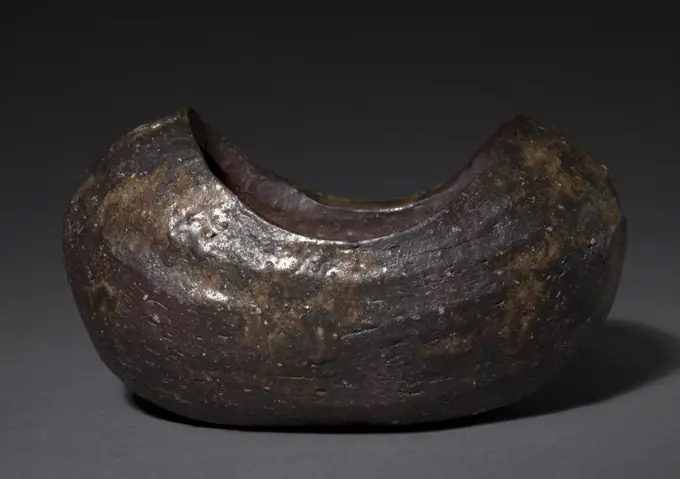
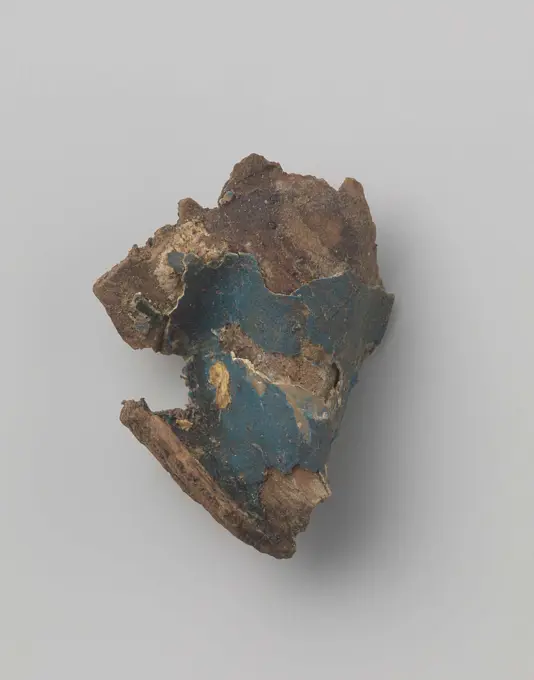
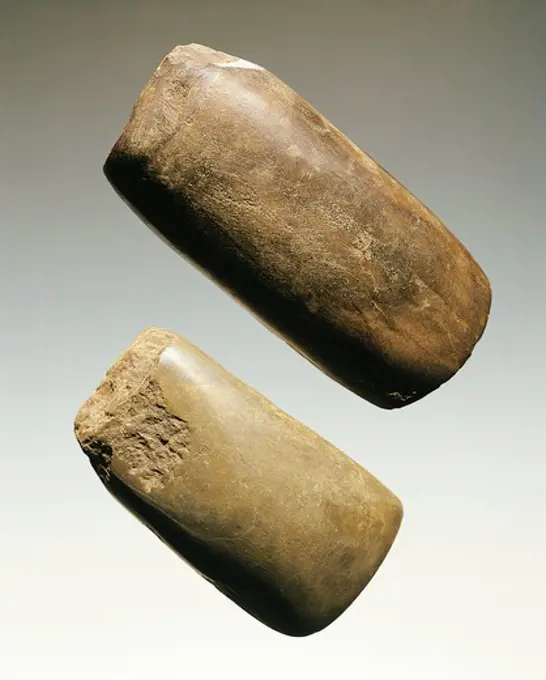
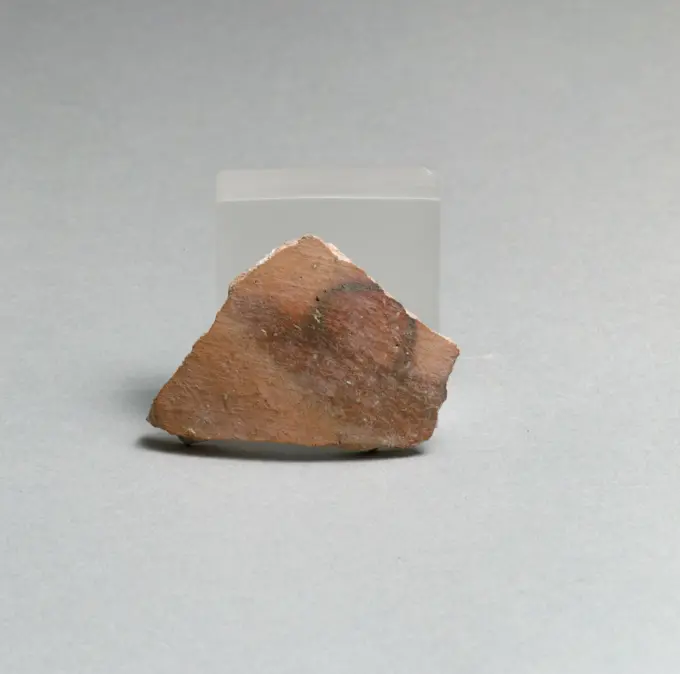
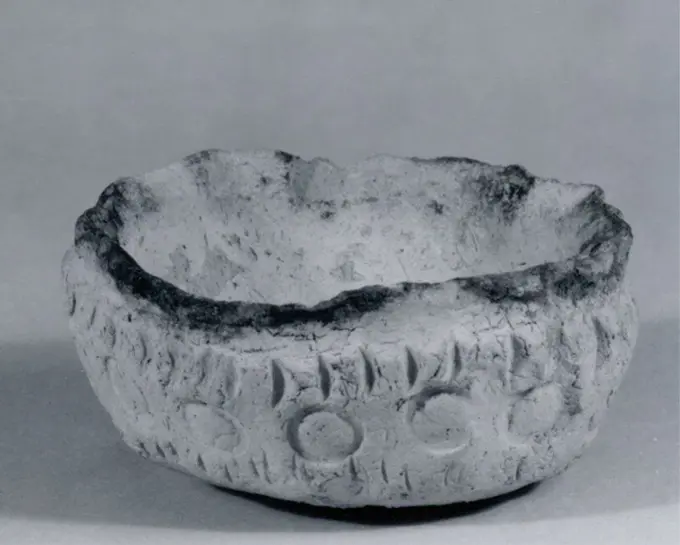
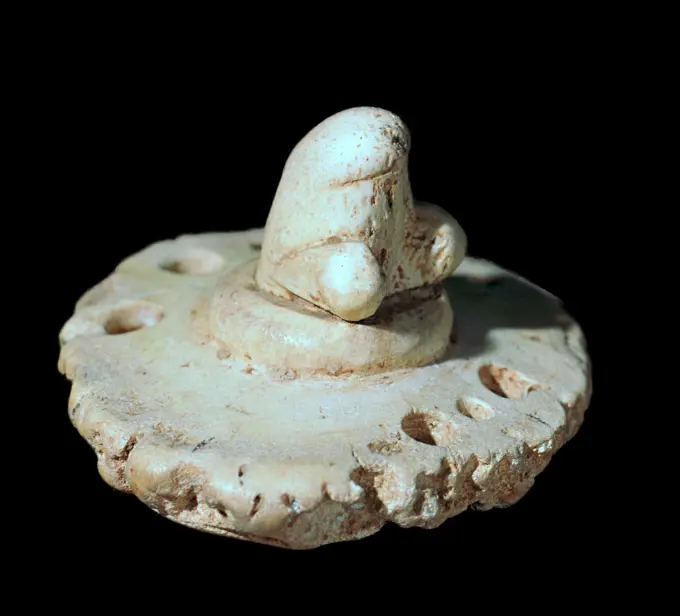
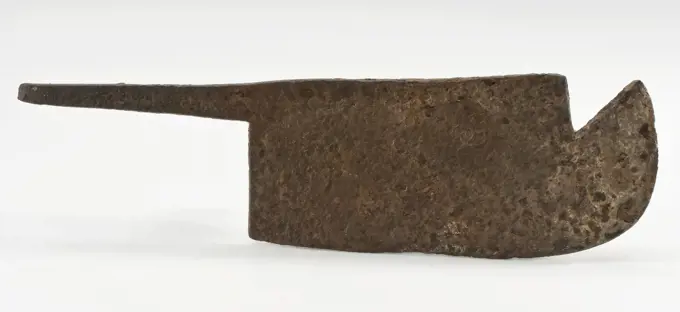
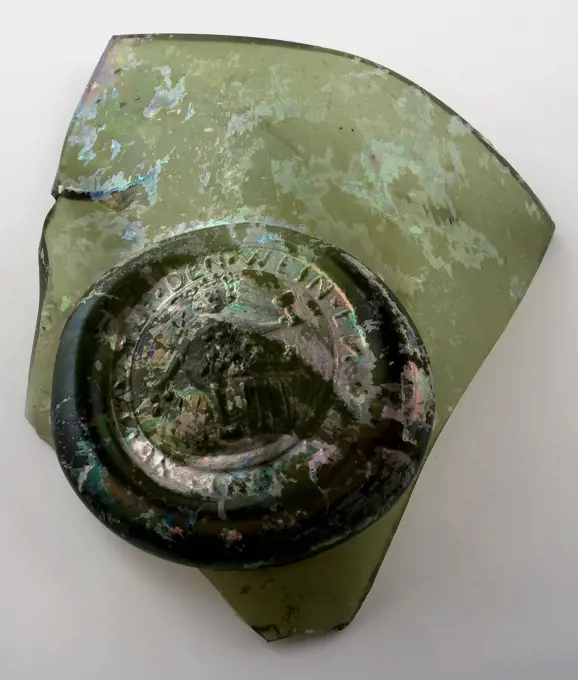
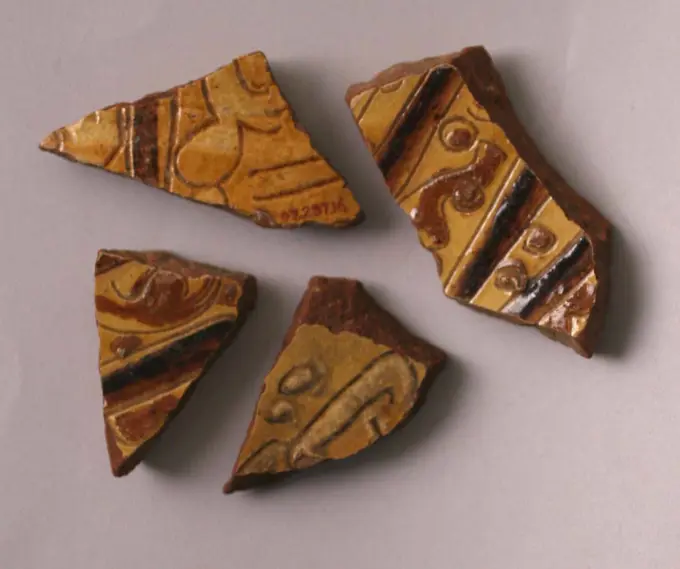
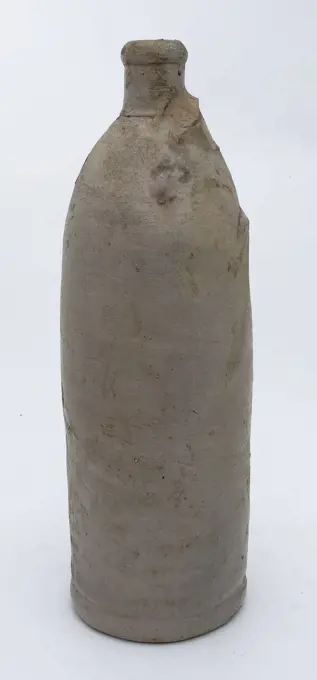
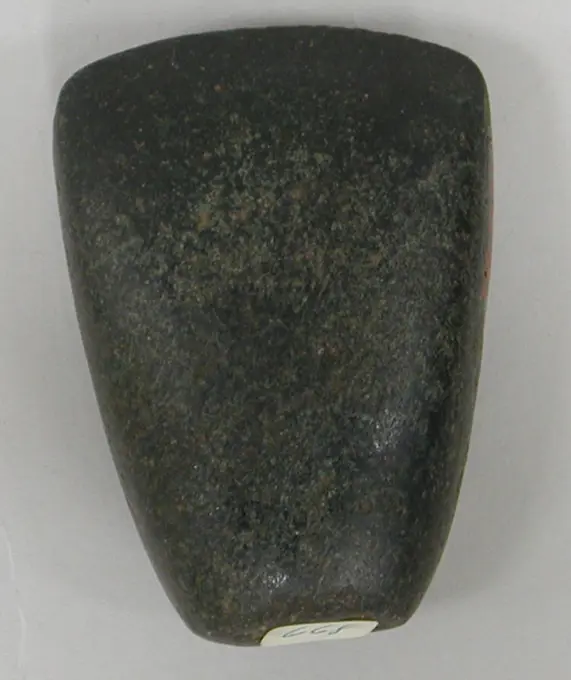
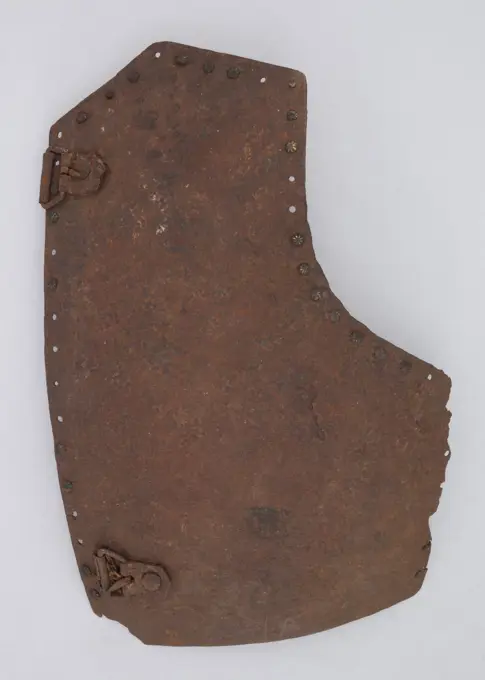
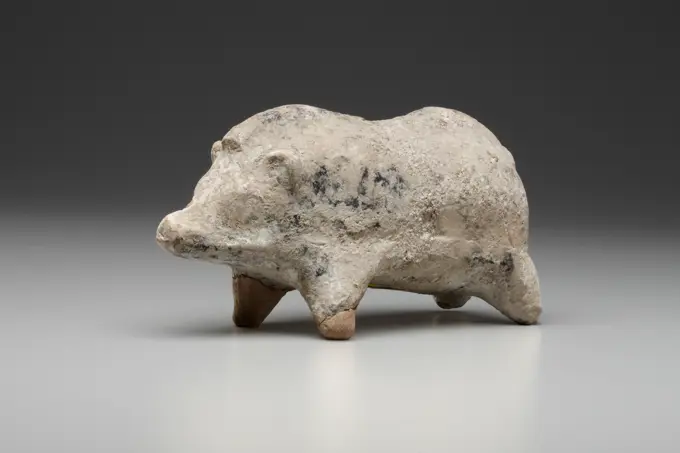
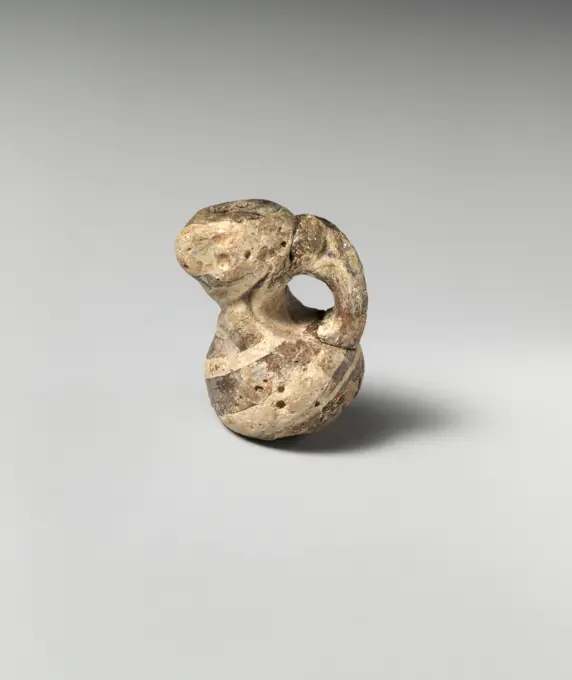
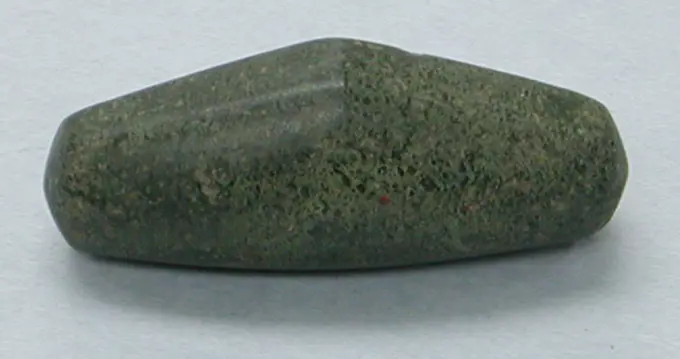
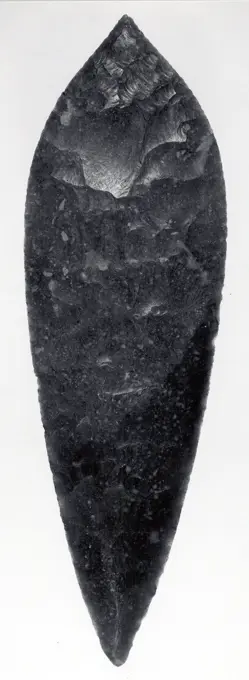
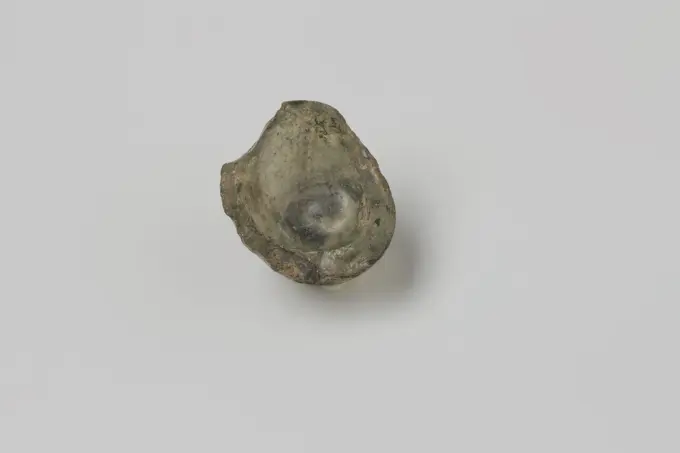
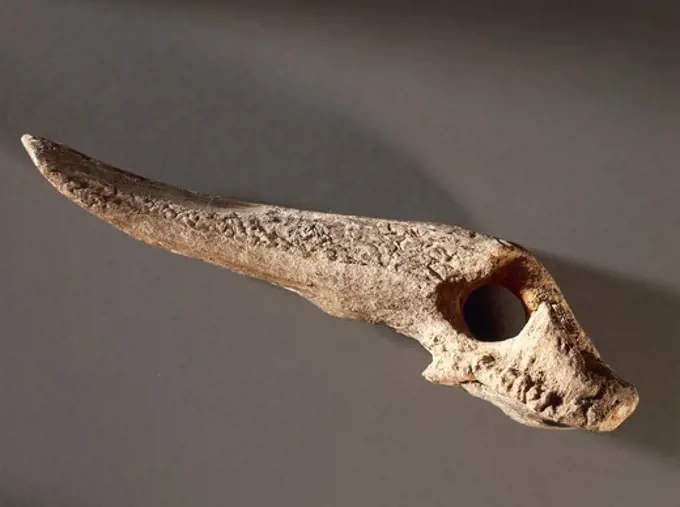
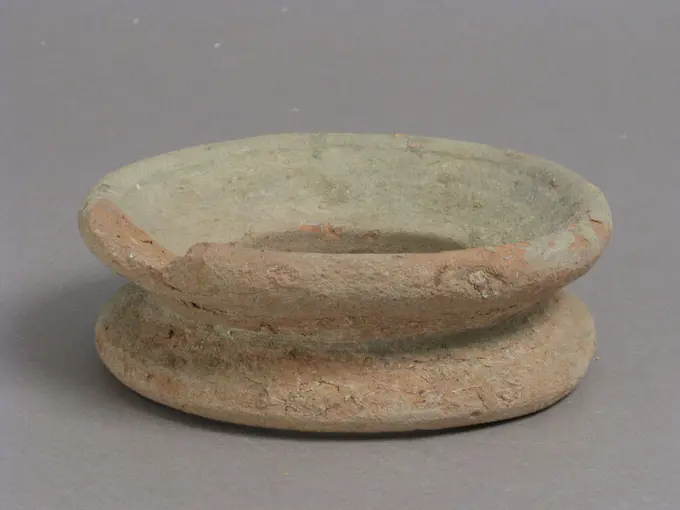
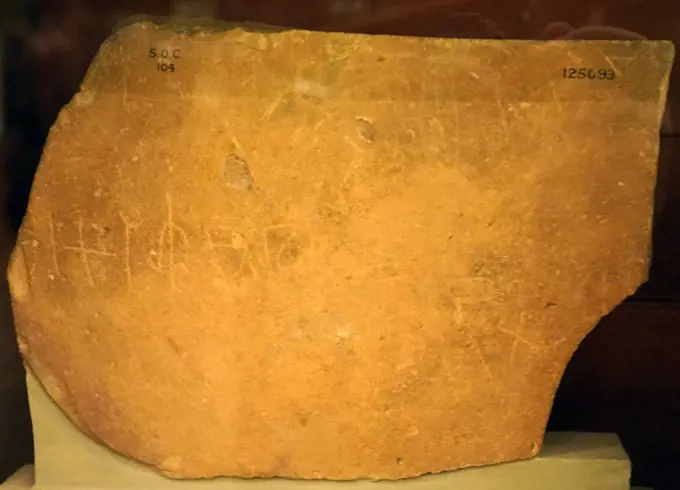
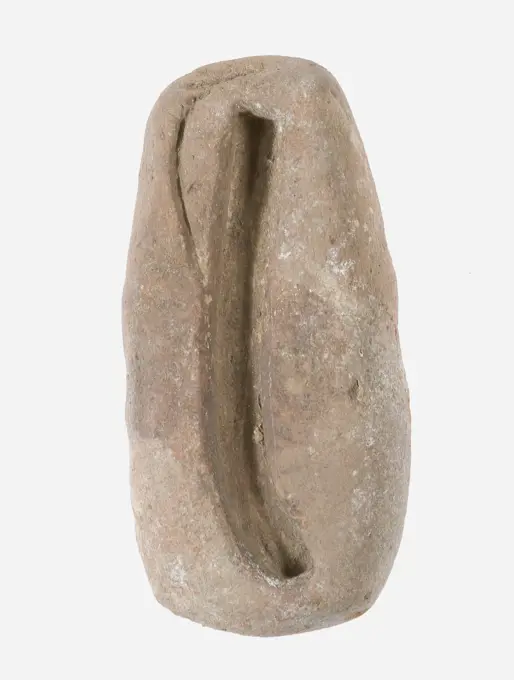
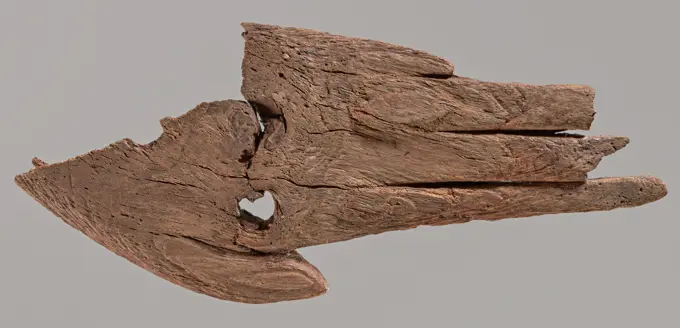
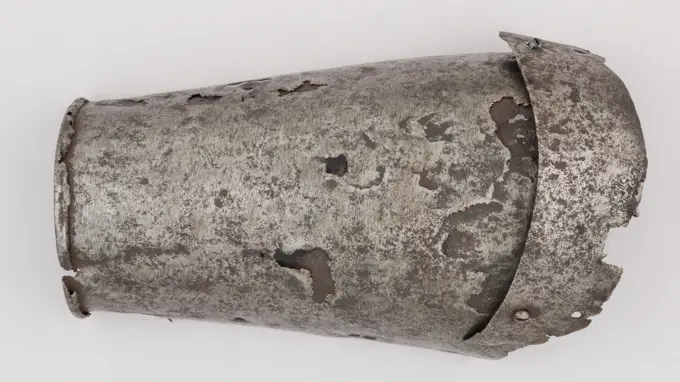
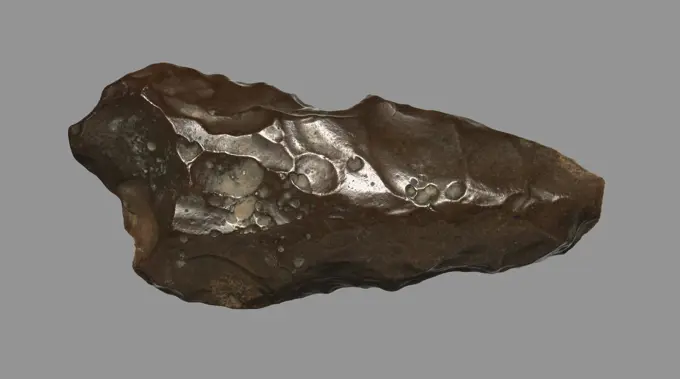
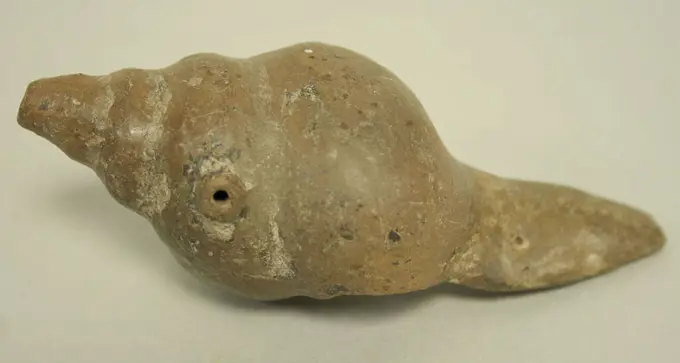
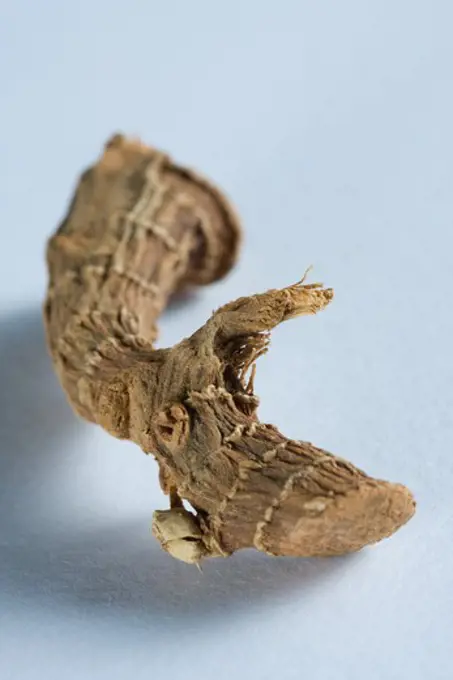
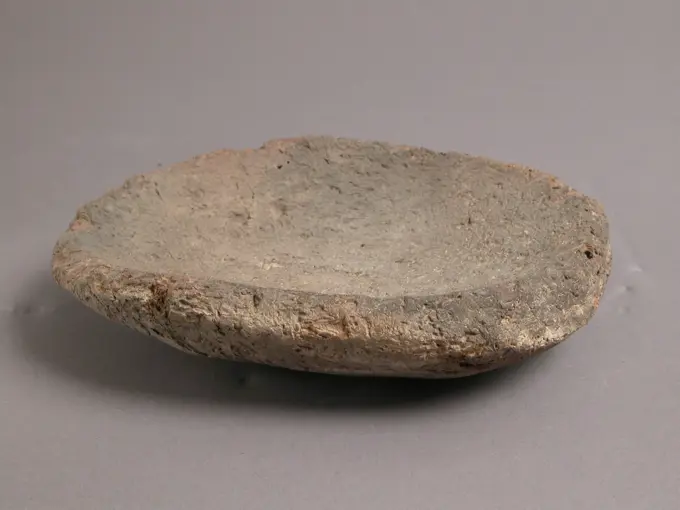
Bowl 4th-7th century Coptic. Bowl 478499Fragment; (possibly) belonging to the Retable of Soest. .Stone 4th-7th century Coptic. Stone 478546Bramblock or table block from the wreck of the East India Flying Heart. Wooden block with bronze turntable running around a wooden axis. The block is an oval disk that is partly open on the sides, inside is the bronze disc. This is held in place by a wooden pin. Outside on the wide front and rear, notches are made for the rope work. A small piece has been preserved from the rope work that was still sitting around the bronze disk when the block was broke out from the Westerschelde (NG-1983-48-2). Based on the dimensions, a 'brower block'.Pig in Recumbent Position 1st-2nd century China Small images of pigsa symbol of wealth in ancient Chinasculpted in jade or soapstone, were often placed in the hands of the deceased to express the wish for wealth in the afterlife.. Pig in Recumbent Position. China. 1st-2nd century. Jade (nephrite). Eastern Han dynasty (25-220). JadeLoom Weight 580-640 Coptic. Loom Weight 474948Tinnis funnel from V.O.C.-ship De 'Witte Leeuw', Before 1613 funnel Tinn funnel from V.O.C. ship De 'Witte Leeuw'.  tin (metal)   Sint-HelenaRock podium on the black background. Stone podest for product, cosmetic presentation. Creative mock up. Pedestal or platform for beauty products. Rock podium on the black background. Stone podest for product, cosmetic presentation. Creative mock up. Pedestal or platform for beauty products.Glass pendant in the form of a vase 4th-early 5th century A.D. Roman Uncertain color, streaked with red; handle and trails in translucent cobalt blue. Tall cylindrical body; rounded lip with applied trail as rim; rounded towards bottom; small pad base; vertical handle extending from lower side of body to underside of rim. In addition to the applied trails forming the rim and handle, there are two horizontal trails around the lower half of the body. Body intact, but parts of trails missing with weathered edges; dulling and thick creamy weathering.. Glass pendant in the form of a vase. Roman. 4th-early 5th century A.D.. Glass; rod-formed, tooled, and trailed. Late Imperial. GlassFragment; (possibly) belonging to the Retable of Soest. .Fragment of an lower body (an upper leg); (possibly) belonging to the retable of Soest, c. 1475 - c. 1499   wood (plant material)   wood (plant material)Fragment of aluminum sheet, coming from the crash of General Leclerc's plane. Aluminum sheet, 1939-1945. General Leclerc Museum of Hauteclocque and the Liberation of Paris, Jean Moulin Museum. 78984-28 War 1939-1945, War 39-45, Second World WarHieratic ostracon New Kingdom, Ramesside ca. 1295-1070 B.C. View more. Hieratic ostracon. ca. 1295-1070 B.C.. Limestone, ink, paint. New Kingdom, Ramesside. From Egypt, Upper Egypt, Thebes, Valley of the Kings, Davis excavations. Dynasty 19-20Vase fragment ca. 3000-2000 B.C. Aegean. Vase fragment 253309 Aegean, Vase fragment, ca. 30002000 B.C., Terracotta, Other: 2 5/16in. (5.9cm). The Metropolitan Museum of Art, New York. Anonymous Gift, 1930 (30.119.104)Eagle's Head. Dated: 1935/1942. Dimensions: overall: 36.4 x 48.9 cm (14 5/16 x 19 1/4 in.). Medium: watercolor and graphite on paperboard. Museum: National Gallery of Art, Washington DC. Author: American 20th Century.Cup out of the wreck of the East India Flying Heart. Pewter cup, flattened in except the bottom. Inexpensive. The top edge has been fled. Cup.A fragment of the amphora with a stamp; Kallisthenes (CA 290-280 A.C.); around 290-280 BC (-290-00-00--280-00-00);resource amphoras, Hellenistic period, patronimikum, message (provenance), synopian stamps, impressions stamps, stamped vice, Polish excavations, Polish excavations in MyrmekionAmulet of the Red Crown. Egypt, First Intermediate Period (2191 - 2061 BCE) or 26th Dynasty - Ptolemaic (664 - 31 BCE). Jewelry and Adornments; amulets. Steatite () (flat-backed)Terracotta vessel fragment with floral motif ca. 1600-1450 B.C. Minoan From Gournia, CreteFloral design.. Terracotta vessel fragment with floral motif 247725Bow-Drill Fragment 580-640 Coptic. Bow-Drill Fragment 474917Vessel Lid 13th century Dogon or Tellem peoples () The Tellem are believed to have arrived at the rocky Bandiagara Escarpment in present-day southern Mali sometime during the eleventh century A.D. By the fifteenth to sixteenth centuries, the Tellem population was devastated, possibly due to famine caused by drought or Songhai and Mossi slave raids. Their cultural legacy, however, profoundly influenced the Dogon, a people who succeeded them and continue to populate the Bandiagara to this day. Although the origins of the Dogon remain unclear, they are not direct descendents of the Tellem, who appear to have left no distinct ancestors. The name by which they are remembered, "Tellem," is a Dogon word signifying "We found them."Three- and four-footed pottery bowls like this one have been found in caves directly below Tellem burial caves in the Bandiagara cliffs. Stylistically distinct from other forms of Tellem pottery, this type of bowl is believed to have been made specifically for funerFragment of a BrickForepart of a horse from the chariot-group surmounting the mausoleum. marble, about 250 BC.Fragment of a Figure. Culture: Coptic. Dimensions: Overall: 2 5/16 x 1 7/8 x 1 1/8 in. (5.8 x 4.7 x 2.8 cm). Date: 4th-7th century. Museum: Metropolitan Museum of Art, New York, USA.Excerpt shoe sole from the wreck of the East Indians Hollandia, Anonymous, 1700 - in Or Before 1743  Shoe; fragm of sole, sim. NG 1980-27H2085, dried. Netherlands leather   SecondOil lamp. unknown, craftsmanVase fragment ca. 1600-1450 B.C. Minoan Four fragments, joined, with folige and two broad bands.. Vase fragment. Minoan. ca. 1600-1450 B.C.. Terracotta. Late Minoan I. VasesHandleless Oil LampFragment of a Dish 11th-12th century. Fragment of a Dish 446419Scherf of Majolica Pot with Standring, with decoration in blue and black, anonymous, 1500 - 1699  Majolic screen. Northern Netherlands earthenware. glazeOil Lampsculpted foot, Monographic Museum of Pollentia, Alcudia, Mallorca, Balearic Islands, Spain.Prehistory, Italy. Fragment of a sculpture representing a leg. From the Caverna (cave) della Pollera, Finale Ligure, province of Savona.Belt Buckle Plate. Culture: Frankish. Dimensions: Overall: 3 9/16 x 1 15/16 x 3/8 in. (9 x 5 x 1 cm). Date: 6th-7th century. Museum: Metropolitan Museum of Art, New York, USA.Taweret figurine. Dimensions: H. 12.7 cm (5 in.); W. 37 cm (14 9/16 in.); D. 5.2 cm (2 1/16 in.). Dynasty: Dynasty 12-13. Date: ca. 1981-1640 B.C.. Museum: Metropolitan Museum of Art, New York, USA.Spindle Whorl 10th-early 16th century Mexican. Spindle Whorl 307723Oil LampLamp, North Africa; 1st - 4th century; Terracotta; 2.6 x 8.4 x 11.5 cm (1 x 3 5,16 x 4 1,2 in.)Lamp 3rd-8th century. Lamp. 3rd-8th century. Earthenware; molded. From Egypt, Thebes. CeramicsCycladic 'Apeiranthos style' figurine, from Naxos, Greece, Early Cycladic culture evolved in three phases, between c. 3300 - 2000 BCE, when it was increasingly swamped in the rising influence of Minoan CreteTorch-holder. Culture: Cypriot. Dimensions: H. 1 3/4 in. (4.4 cm)diameter of saucer 5 7/8 in. (14.9 cm). Date: 6th-4th century B.C..Shaped like large candlestick standing in wide saucer. Without decoration. Museum: Metropolitan Museum of Art, New York, USA.Oil Lamp. Culture: Coptic. Dimensions: Overall: 1 7/16 x 3 1/4 x 2 5/8 in. (3.6 x 8.3 x 6.6 cm). Date: 4th-7th century. Museum: Metropolitan Museum of Art, New York, USA.Lamp, North Africa; 1st century B.C. - 4th century A.D; Terracotta; 3.2 x 7.5 x 10.7 cm (1 1,4 x 2 15,16 x 4 3,16 in.)Clock and gunpowder horn.This clock was originally intended as merchandise for sale or as a gift. It was hung up in the Save House’ as the only means of providing a sense of time during the long, polar nights. On 3 December 1596, it froze. Barentsz and Van Heemskerck shoved a parting letter into the gunpowder horn when they left. Three centuries later, the horn was rediscovered with the letter still inside. The letter cannot be exhibited due to its fragility.Bottle 9th-10th century. Bottle. 9th-10th century. Glass; free blown. Excavated in Iran, Nishapur. GlassFragment 10th century. Fragment 450200Flower Container, early 1600s. Japan, Edo period (1615-1868). Stoneware with natural wood ash glaze (Echizen ware); overall: 25.5 x 14 x 15.5 cm (10 1/16 x 5 1/2 x 6 1/8 in.).Fragment; (possibly) belonging to the Retable of Soest. .Serbia, Belgrade, Narodni Muzej, Stone axes from BelgradeVase fragment Minoan. Vase fragment 247840Vase fragment Minoan. Vase fragment 247774Soul fragment of polychrome majolica dish with an image of man with millstone collar, plate crockery holder soil find ceramic pottery glaze tin glaze lead glaze, majolica baked 2x glazed painted Soul fragment of majolica dish with man with hat and millstone collar in Italian style. Cooked on prunes. Yellow shard archeology Italy decorate domestic food serve serveFossils - Horse teeth. From Liguria Region.Lamp ca. late 3rd millennium B.C.. Lamp. ca. late 3rd millennium B.C.. Ceramic. Early Bronze Age. Mesopotamia, Tell TayaBone phallic amulet, 3rd century. Artist: UnknownSickle Blade, 1980-1801 BC. Egypt, Middle Kingdom, Dynasty 12. Flint; overall: 5 cm (1 15/16 in.).Large work knife with triangular notch on the back at the tip, for cutting and chopping food, with curved end of the sting, work knife knife kitchenware soil find iron metal, Large heavy thin blade with short spinning cutting edge with flat sharpness and straight back. With triangular notch cut short on both legs archeology butcher butchery boning slaughtering meat loafs food preparationScale fragment, anonymous, c. 1590 - c. 1596 dish. fragment Scale fragment. There is little of the scale left. Compare Arch. 24570-69/2.  tin (metal) striking (metalworking) / soldering  Nova Zembla. Saving HuysFragment of the abdominal bottle on which seal with Bacchus on the barrel and round, belly bottle bottle holder soil find glass forest glass, free blown and shaped stamped Fragment of belly bottle in green glass (forest glass) on which stamped glass seal with image of Bacchus on the barrel with in one hand grape bunch and in other hand glass plus partly readable stamp Stamping lightly flowed with poorly readable lettering: * .RUF. * THE * WHO * AND * R ... * ... archeology Rotterdam Heliportterrein packing transport store wine Bacchus Soil discovery Rotterdam Heliport terrain.Button from the wreck of the East India hollandia.knoop. A piece has been broken down. (1) Flat, Wide Bevaned RIM, Plain (2.3D, 0.5T)Emilia-Romagna Ferrara Ferrara Museo Civico di Schifanoia12. Hutzel, Max 1960-1990 General Notes: INCOMPLETE RECORD--NEGATIVES PROCESSED, PRINTS FILED German-born photographer and scholar Max Hutzel (1911-1988) photographed in Italy from the early 1960s until his death. The result of this project, referred to by Hutzel as Foto Arte Minore, is thorough documentation of art historical development in Italy up to the 18th century, including objects of the Etruscans and the Romans, as well as early Medieval, Romanesque, Gothic, Renaissance and Baroque monuments. Images are organized by geographic region in Italy, then by province, city, site complex and monument.Moulds for Roman clay oil lamps. Clay. 2nd-3rd centuries AD. From different provenances. National Archaeological Museum. Sofia. Bulgaria.Fragments unknown. Fragments 445154Veenbrok or Turffagment, from the wreck of the East Indians' t Vliegend Hart, 1700 - 1735  Veenbrok or turf fragment, greenish. It is unclear whether it was a natural material here or whether it was on board as heating material. Peat.  .Arrowheads, third century b.C. La Costa de Can Martorell, Dosrius, Maresme, Barcelona.imposta de arenisca con cruz patada, siglo VII, Museo de los Concilios y la Cultura Visigoda, Iglesia de San Román,Toledo, Castilla-La Mancha, Spain.Stoneware mineral water bottle on stand surface, cylindrical, unnoticed, gray, mineral pitcher pitcher pitcher container soil find ceramic stoneware icing salt enamel, hand-turned baked glazed stoneware mineral water pitcher gray shard with salt glaze sausage ear traces on the underside Cylindrical jug with gradual transition to the short neck Rotation of the entire height. Thickened neckline archeology health care import pottery packing serve drink medicine drug pharmacyCelt before 16th century Maya () Greenstone axe heads, commonly known as “celts,” were some of the most important works of art across ancient Mesoamerica and Central America. Created from jadeite mined from the Motagua River Valley of southern Guatemala, or using local green stones from highland Mexico, celts were first created by the Olmec peoples of the Gulf Coast after 1000 B.C. The Olmec conceived of green celts as sprouts of maize and thus “planted” celts in dedicatory offerings, activating ceremonial spaces and perpetuating agricultural fertility. For the later Maya peoples, celts also served as dedicatory materials, but more so as adornments for the royal bodies of kings and queens. Often the celts would be thinned into celt-shaped plaques, strung together in pairs and triads in order to create belt assemblages that would have clinked with the sound of jades striking one another. Tombs from the Classic Period (ca. AD 250-900) contain celts of jadeite and various greenstones froBrigandine Plate 1400-1450 Italian This is part of a large find of medieval armor discovered in 1840 in the ruins of the fortress of Chalcis, on the Greek island of Euboea (then a Venetian colony called Negroponte). The fortress had been captured and destroyed by the Turks in 1470. Now divided largely between the Ethnological Museum, Athens, and The Metropolitan Museum of Art, the Chalcis hoard contains many rare and unusual elements of fourteenth- and fifteenth-century armor. Of particular importance are the variety of headpieces and the many fragments of brigandines (armor for the torso constructed of small plates riveted to layers of fabric), some of which retain portions of their original velvet covering. The Chalcis armor provides a unique picture of the armament used in the Aegean, one of the easternmost military outposts of the Venetian empire.. Brigandine Plate 27679Figure of aPigOverlapping layers, techniques of restoration of Romanesque decorative stuccoes, find n 127, basilica of Santa Maria Maggiore, Lomello, Lombardy. Italy, 11th century.Spindle Whorl, from a group of thirteen, 1/2 x 7/8 in. (1.27 x 2.22 cm), Earthenware, MexicoTomb of Arnold van der Sluis or Heusden, Knight (c. 1245-1296), Anonymous, c. 1296 - c. 1325 Part of the tomb of Ridder Arnold van der Sluis van Heusden. Meuse Area concrete   Bern (Gelderland) Part of the tomb of Ridder Arnold van der Sluis van Heusden. Meuse Area concrete   Bern (Gelderland)Glass pendant in the form of a miniature jug or gourd ca. 4th-5th century A.D. Roman Deep purple, with same color handle; trail in opaque white.Thick, bulging rim; concave neck; irregular globular body; uneven rounded bottom; large ring handle (for suspension) pressed into top of body, neck, and underside of rim.Applied, marvered trail wound spirally from rim to edge of bottom. Complete, except for large, weathered chip in side of rim; severe pitting and dulling.. Glass pendant in the form of a miniature jug or gourd. Roman. ca. 4th-5th century A.D.. Glass; rod-formed and trailed. Late Imperial. GlassStone Pulidor before 16th century Mexican. Stone Pulidor 317130Plaque with Animal Head. China. Date: 1300 BC-1000 BC. Dimensions: 1 1/16 × 13/16 × 1/8 in. Jade. Origin: China. Museum: The Chicago Art Institute, Chicago, USA.Pottery Shard. Nepal, circa 330-880. Fragments; shards. Unbaked () clay with red slipBlade 13th-16th century Aztec. Blade 307735Stucco Fragment probably 8th-12th century. Stucco Fragment. probably 8th-12th century. Stucco; carved. Excavated in Iran, Nishapur. StuccoExcerpt bowl of a flute glass from the wreck of the East Indians Hollandia, Anonymous, 1700 - in Or Before 1743 drinking glass. bowl Glass, stem glass, bowl; fragment of base, circular, with tear in centre, with conically everted side (trumpet-shaped), broken. Netherlands glass   SecondPlaque ca. 18th century B.C. Old Assyrian Trading Colony. Plaque 323597Prehistory, France. Horn tool. From Abbeville excavations.Ring. Culture: Coptic. Dimensions: Overall: 1 7/8 x 5 3/8 in. (4.7 x 13.6 cm). Date: 4th-7th century. Museum: Metropolitan Museum of Art, New York, USA.Shrine in the Form of a Boat. Egypt, Ptolemaic Period - Roman Period (305 BCE - 337 CE). Sculpture. TerracottaFragment of a Sinaitic inscription from the Wady Mokatteb in Arabia PetraeFragments of women's shoe, wooden insole, fastened with wooden nails, shoe footwear clothing accessory women's clothing clothes soil find leather wood, w 6.8 tanned cut sawn sanded nailed sewn Fragments of women's shoe wooden insole secured with wooden nails. Shoe was fashionably formed with narrow heel piece no raised heel archeology female native product shoe footwear clothing fashionMold ca. 1390-1353 B.C. New Kingdom. Mold. ca. 1390-1353 B.C.. Pottery. New Kingdom. From Egypt, Upper Egypt, Thebes, Malqata, Palace of Amenhotep III, MMA excavations, 1910-11. Dynasty 18Dłoń z sarkofagu. unknown, authorKnee () with garment, pleats ca. 1353-1336 B.C. New Kingdom, Amarna Period. Knee () with garment, pleats 549795Shards of earthenware and stoneware from V.O.C. ship De 'Witte Leeuw', Anonymous, Before 1613  Shards of earthenware and stoneware from, among others, Kombuist tiles from V.O.C. ship the 'Witte Leeuw'. West-Europa earthenware. glaze. stoneware   Sint-HelenaPart of a Forearm Defense (Vambrace) ca. 1450-70 Italian This is part of a large find of medieval armor discovered in 1840 in the ruins of the fortress of Chalcis, on the Greek island of Euboea (then a Venetian colony called Negroponte). The fortress had been captured and destroyed by the Turks in 1470. Now divided largely between the Ethnological Museum, Athens, and The Metropolitan Museum of Art, the Chalcis hoard contains many rare and unusual elements of fourteenth- and fifteenth-century armor. Of particular importance are the variety of headpieces and the many fragments of brigandines (armor for the torso constructed of small plates riveted to layers of fabric), some of which retain portions of their original velvet covering. The Chalcis armor provides a unique picture of the armament used in the Aegean, one of the easternmost military outposts of the Venetian empire.. Part of a Forearm Defense (Vambrace) 23112Grahal-Manzara. Carnavalet 2013-2016 collection sites. Numismatics.Hand Axe, c. 120,000-30,000 BC. Egypt, Paleolithic Period. Black to dark-green-colored flint; overall: 4 cm (1 9/16 in.).Ceramic Whistle in the Form of a Shell. Culture: Ecuadorian. Dimensions: Length 3-7/8 in. (9.8 cm). Date: 5th-15th century. Museum: Metropolitan Museum of Art, New York, USA.Relief fragment, tomb of Meketre ca. 1981-1975 B.C. Middle Kingdom. Relief fragment, tomb of Meketre 562204GingerDepinto Scene ofSacrificeLamp. Roman. Date: 100 AD-299 AD. Dimensions: 14 × 12.5 × 5.8 cm (5 3/8 × 4 7/8 × 2 1/4 in.). Terra-cotta. Origin: Italy. Museum: The Chicago Art Institute, Chicago, USA. Author: ANCIENT ROMAN.Fragment 5th-8th century. Fragment 449176PIEDRA MAMARIA DEL CARIBE. Location: MUSEO NAVAL / MINISTERIO DE MARINA. MADRID. SPANIEN.