Ancient Artifacts and Relics

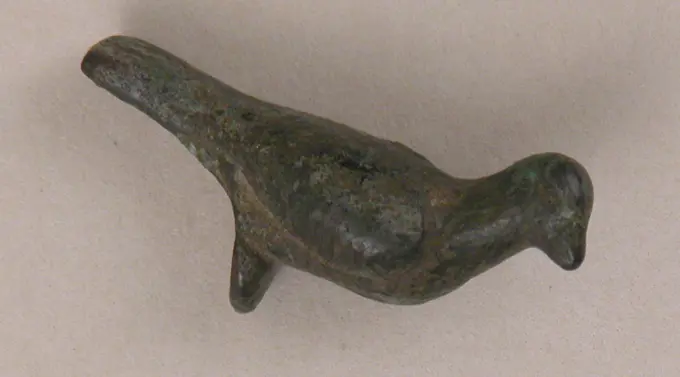
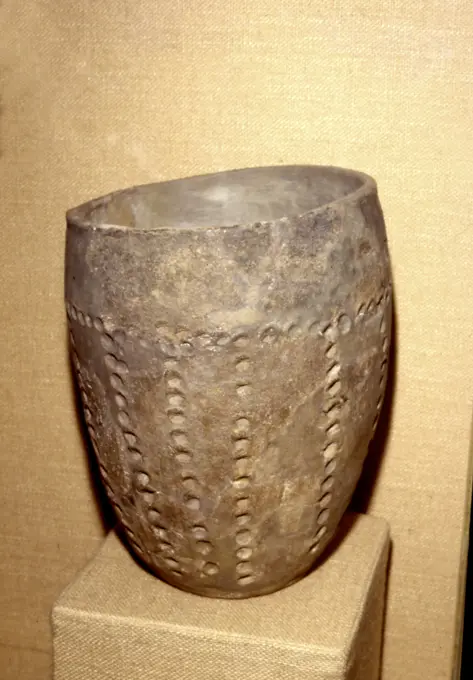
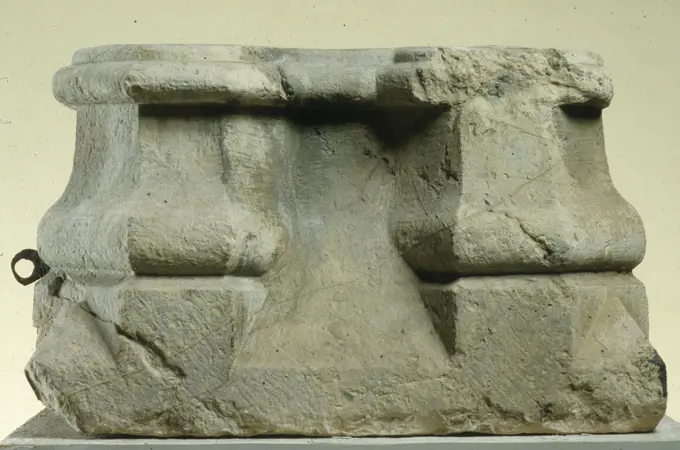
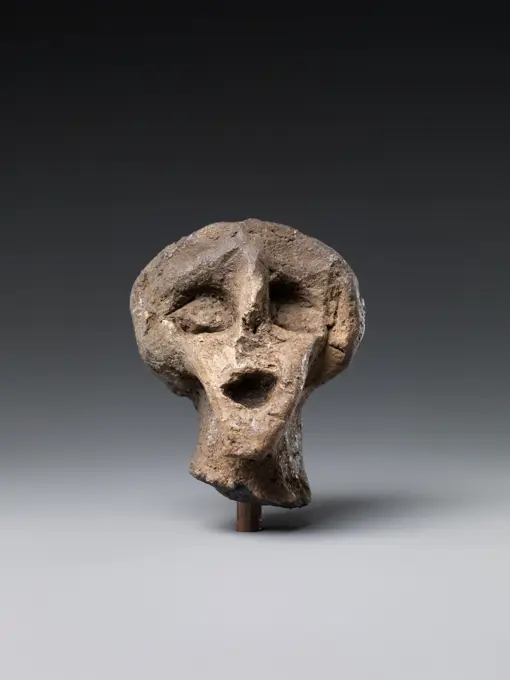
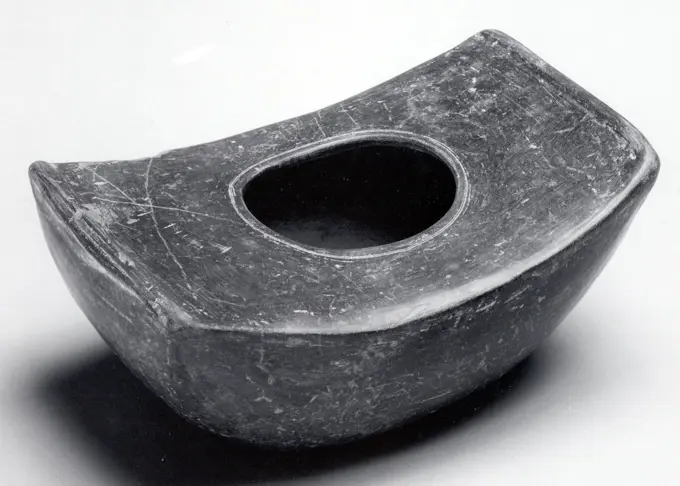
A collection of ancient artifacts including bowls and stone fragments from different cultures, showcasing their historic significance and artistic craftsmanship.

Tinnis funnel from V.O.C.-ship De 'Witte Leeuw', Before 1613 funnel Tinn funnel from V.O.C. ship De 'Witte Leeuw'.  tin (metal)   Sint-Helena
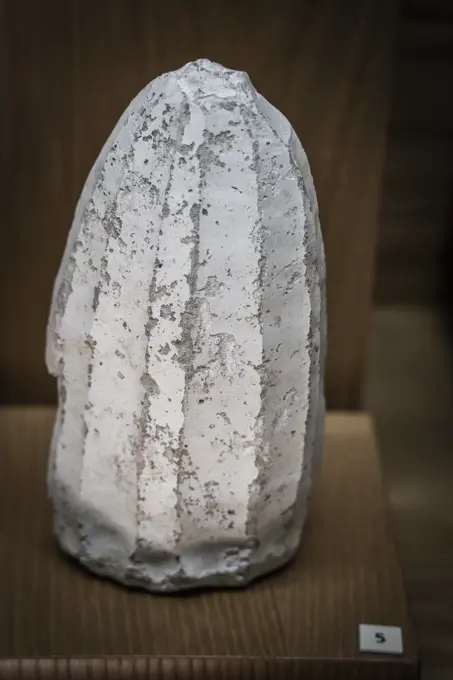
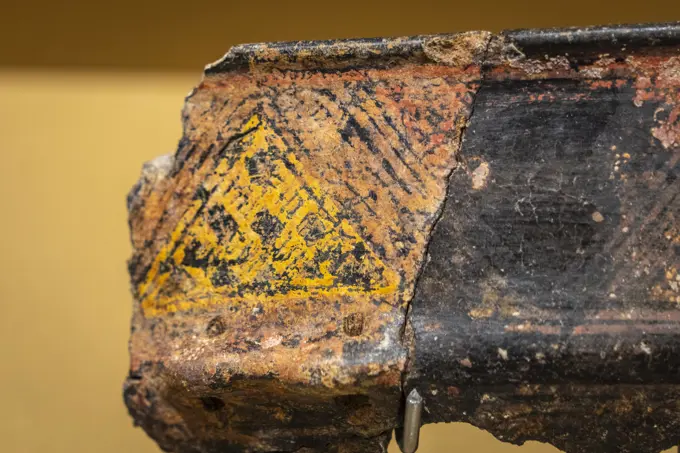
Tinnis funnel from V.O.C.-ship De 'Witte Leeuw', Before 1613 funnel Tinn funnel from V.O.C. ship De 'Witte Leeuw'. tin (metal) Sint-Helena
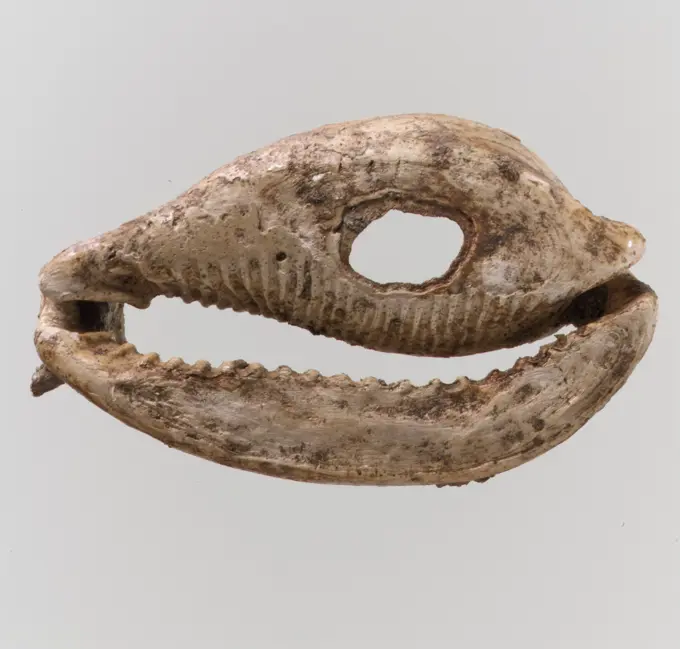
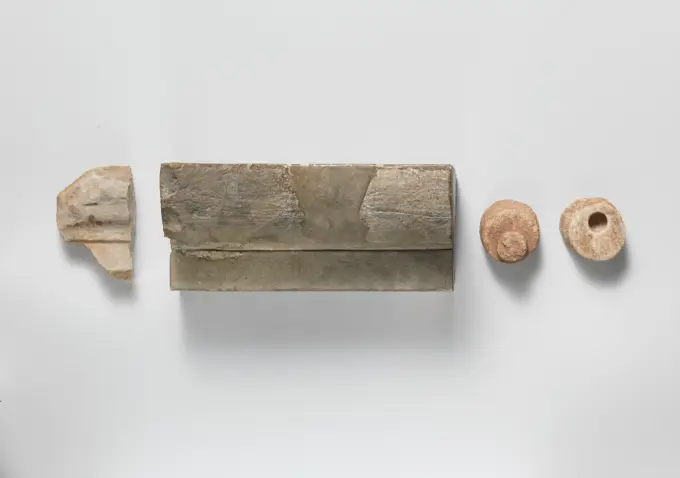
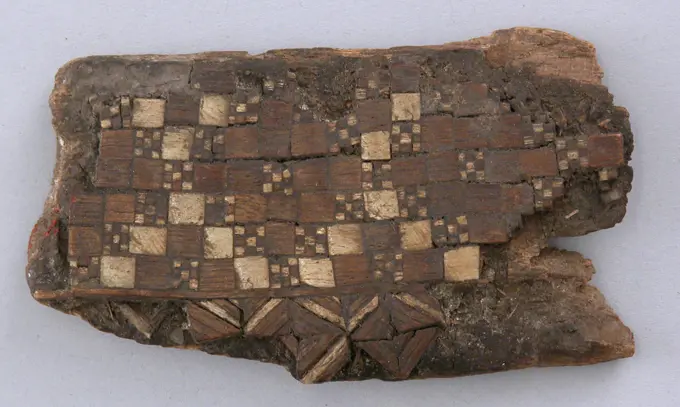
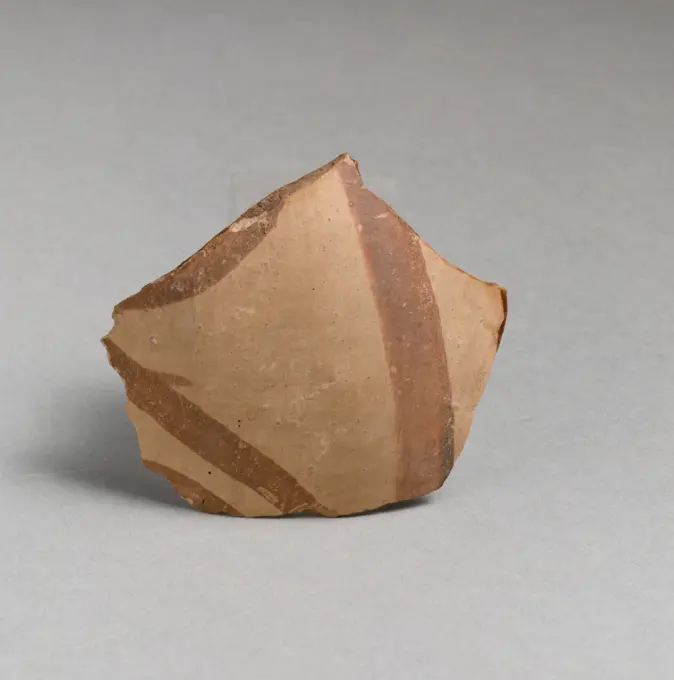
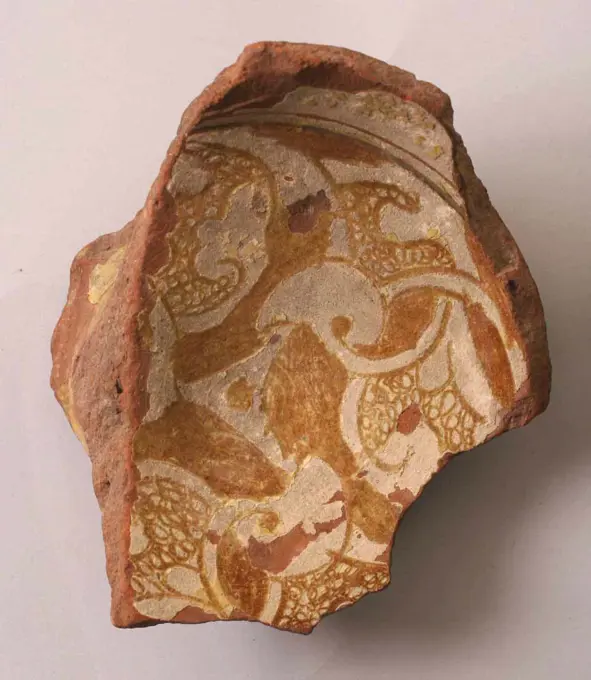
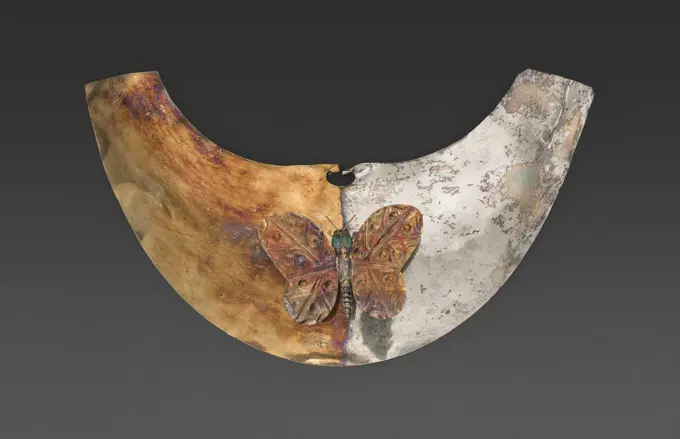
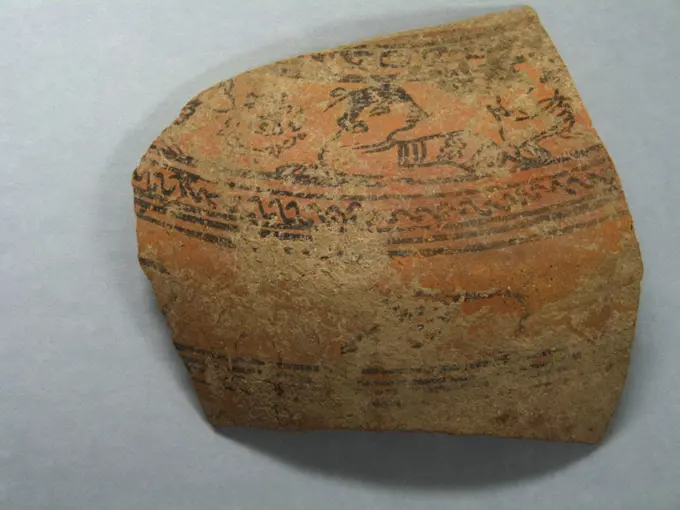
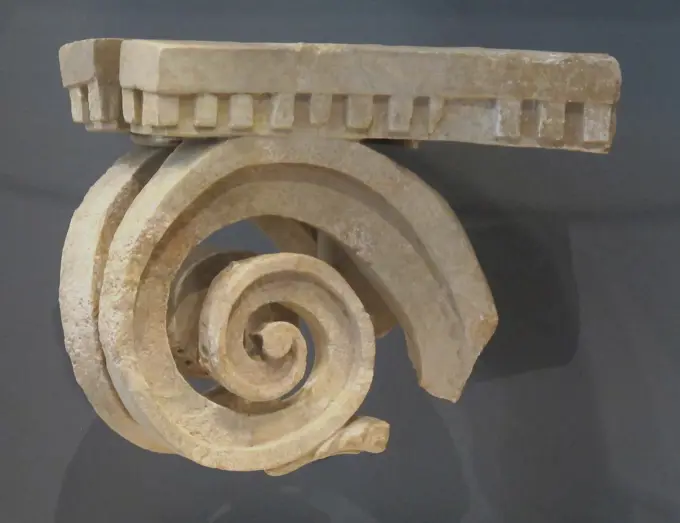
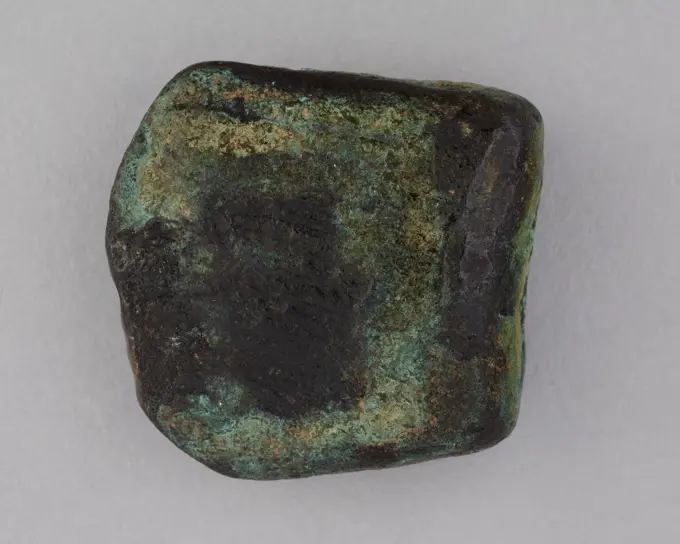
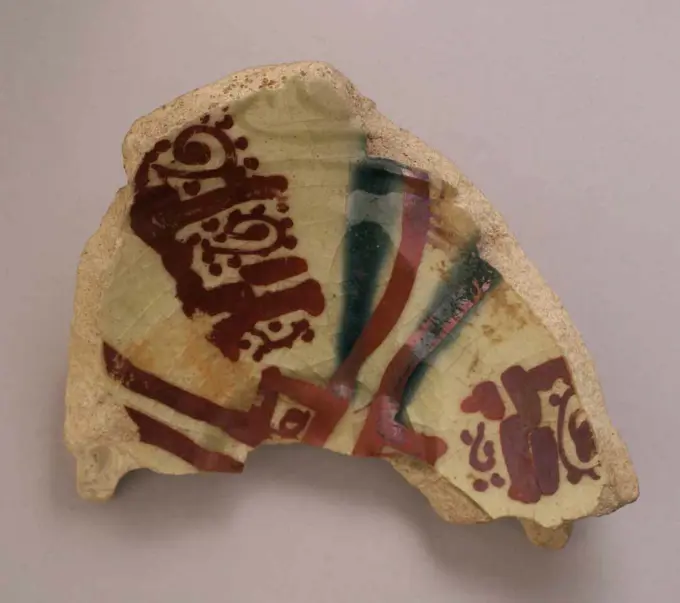
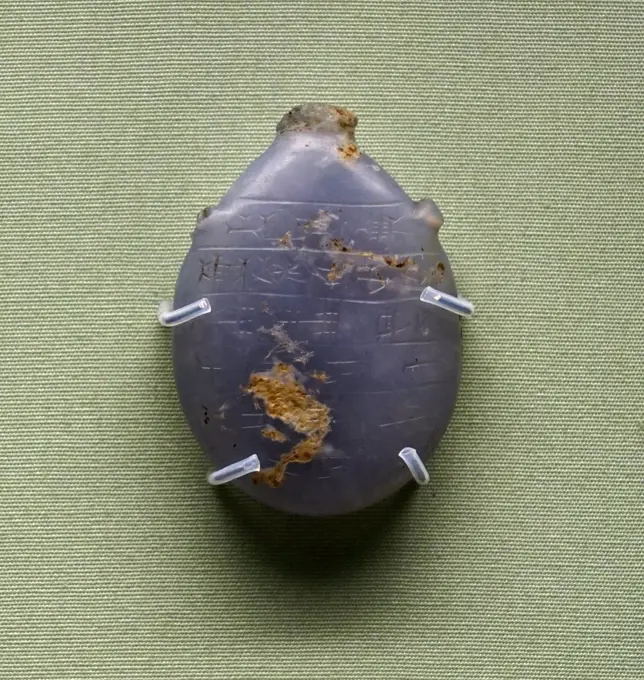
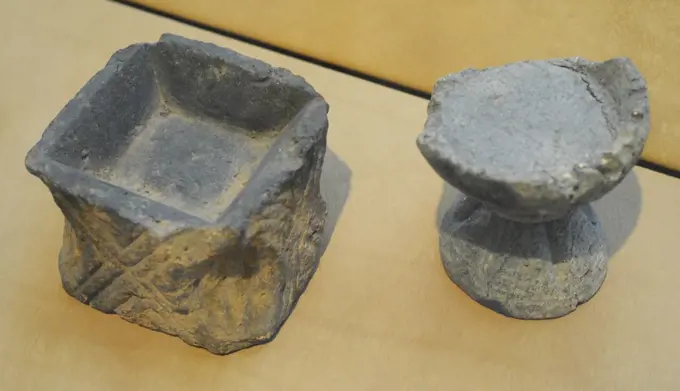
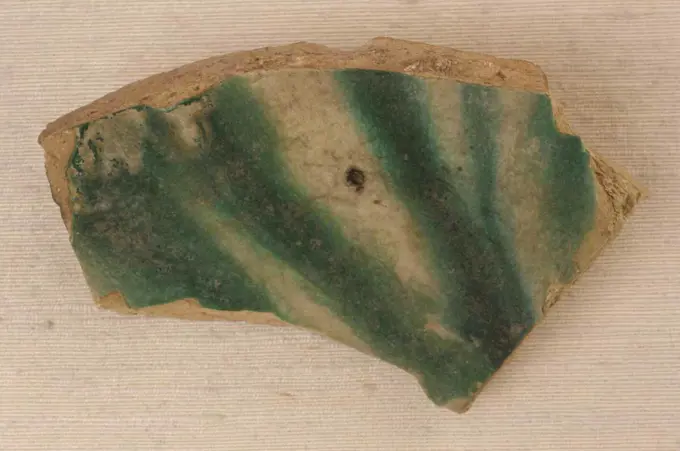
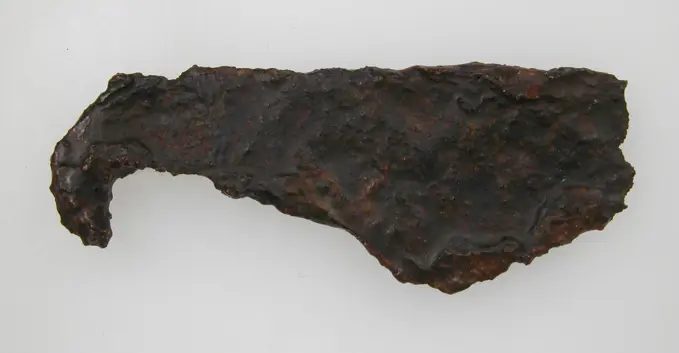
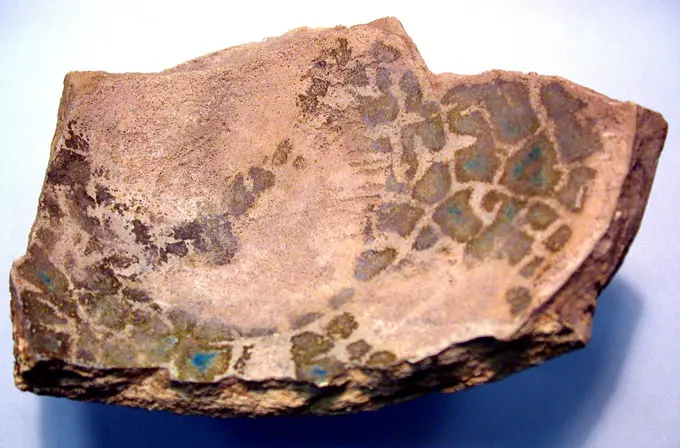
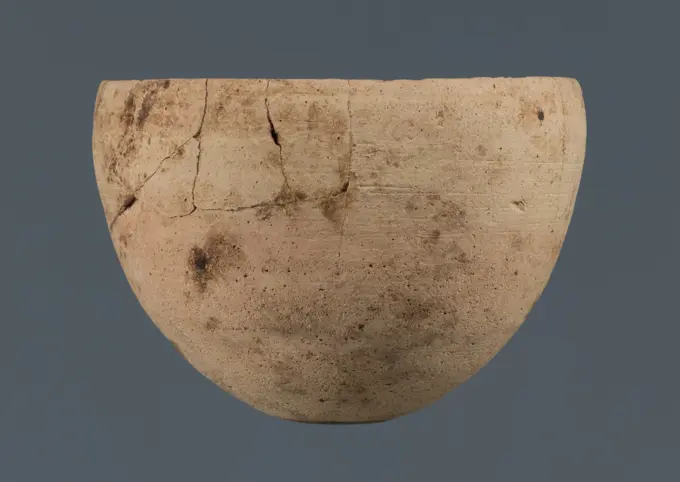
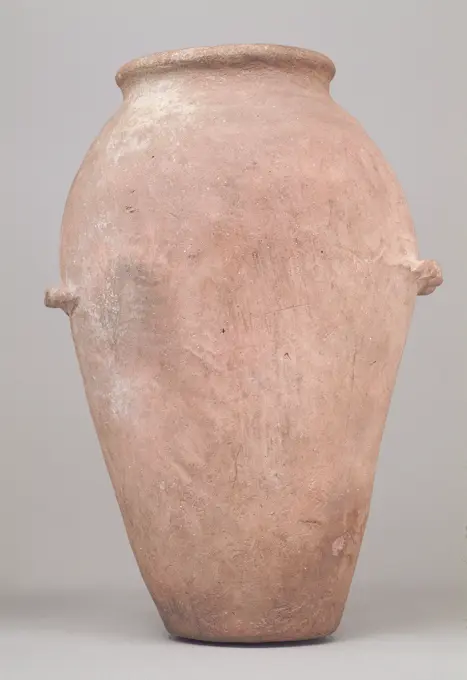
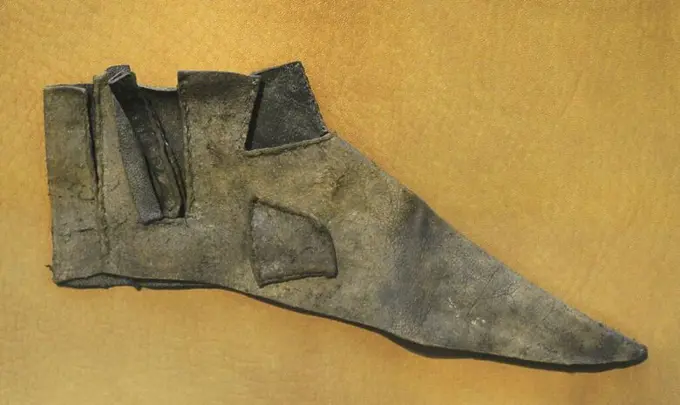
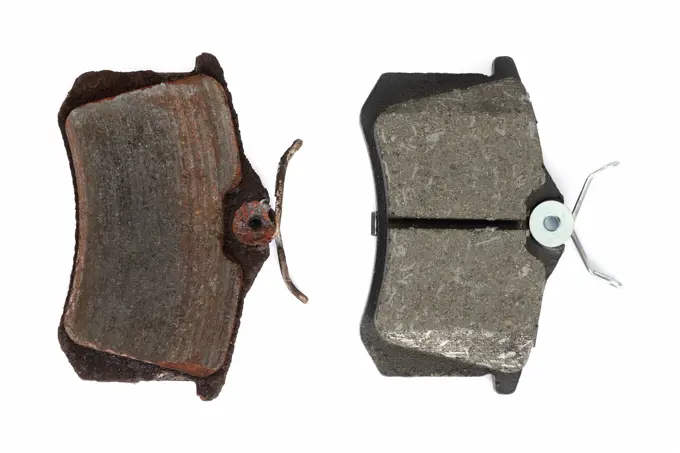
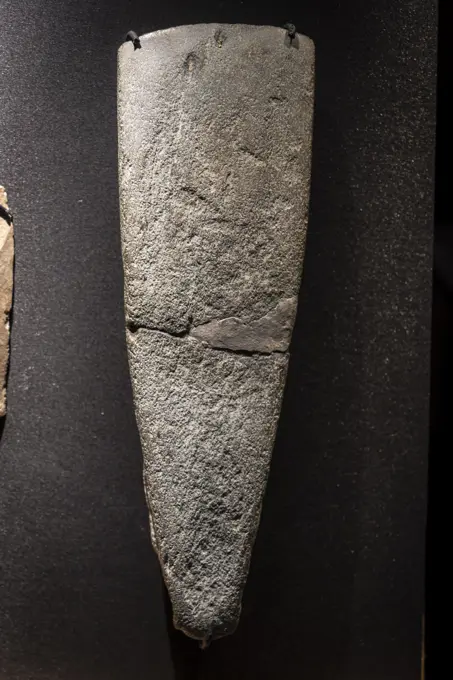
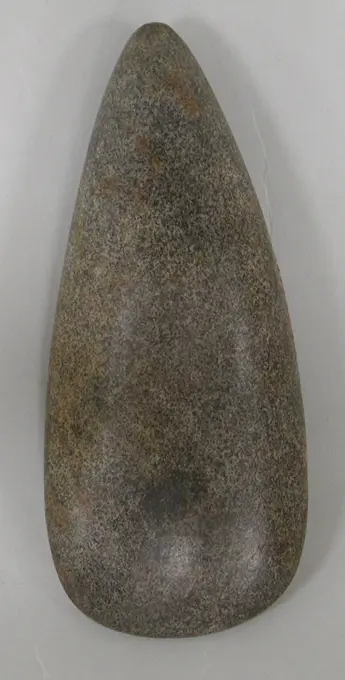
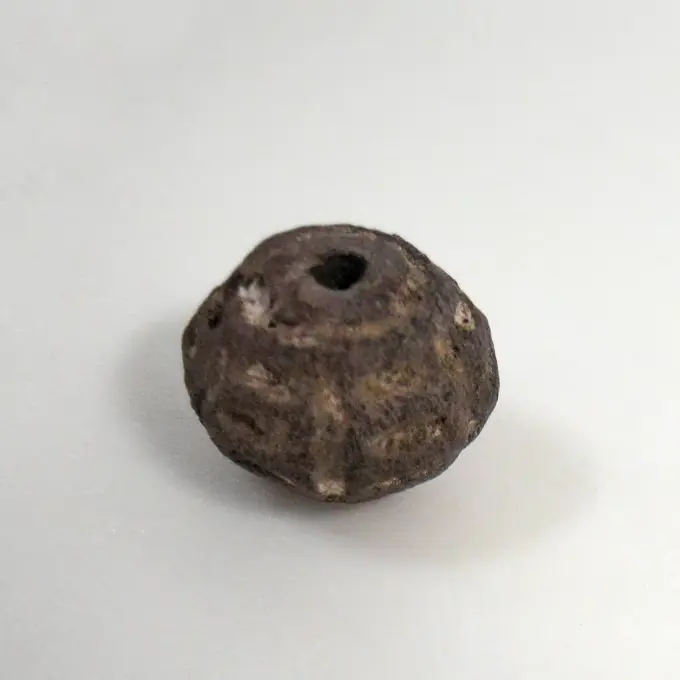
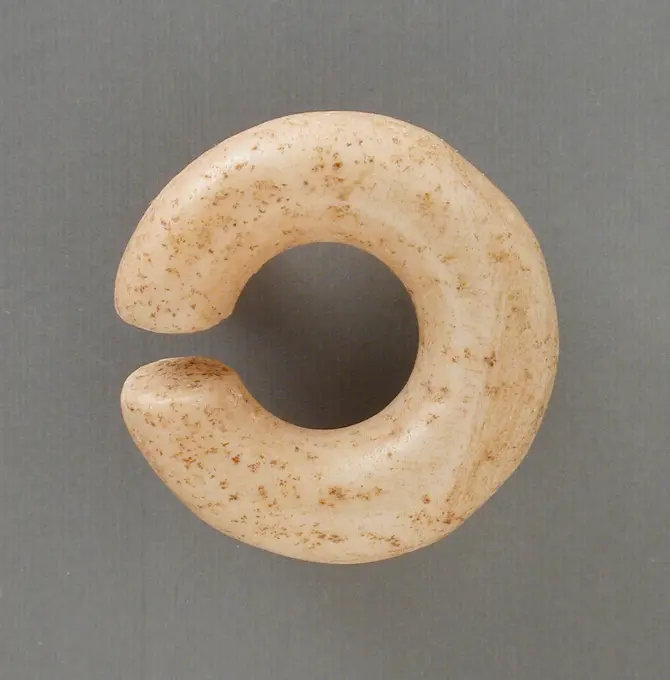
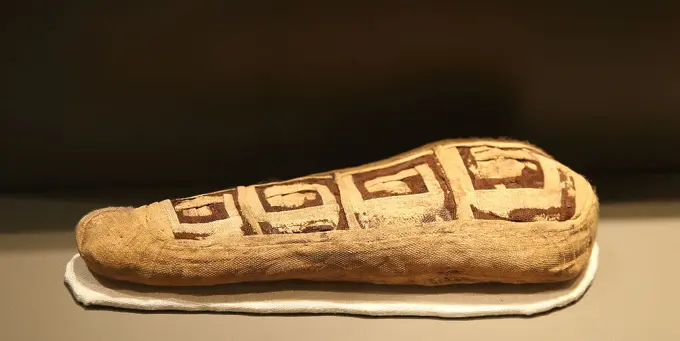
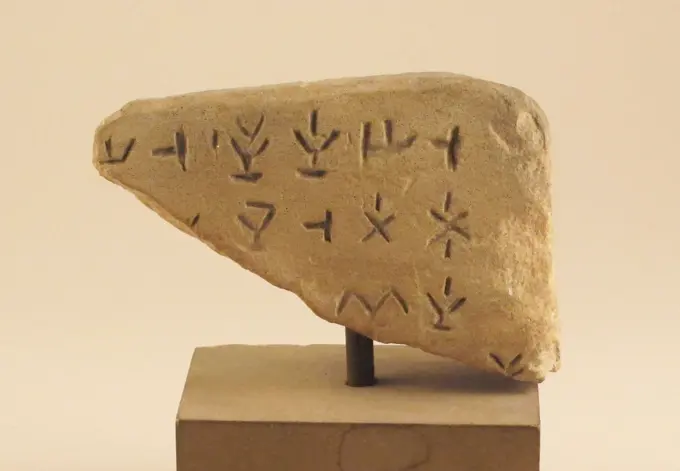
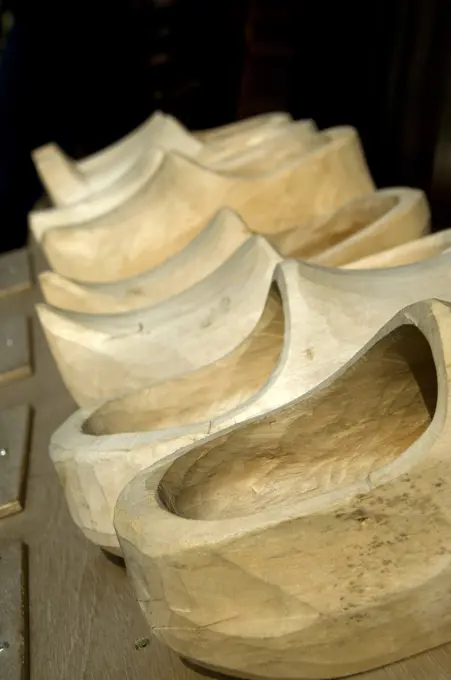
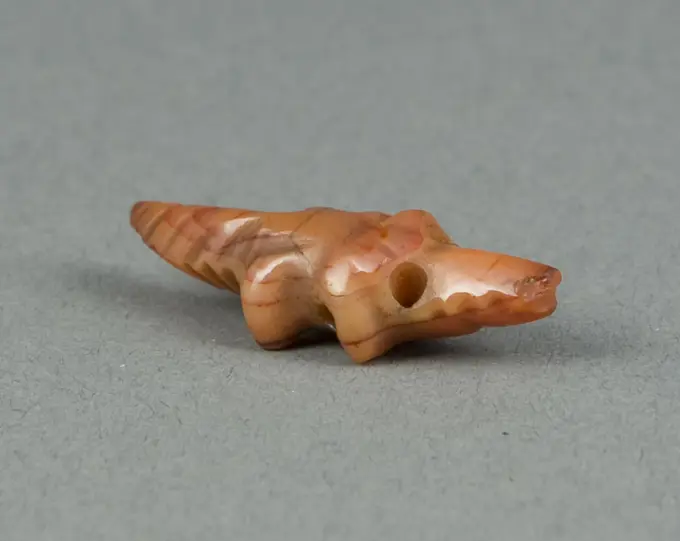
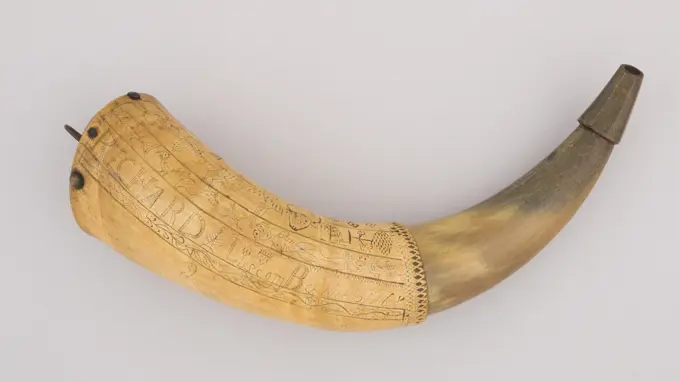
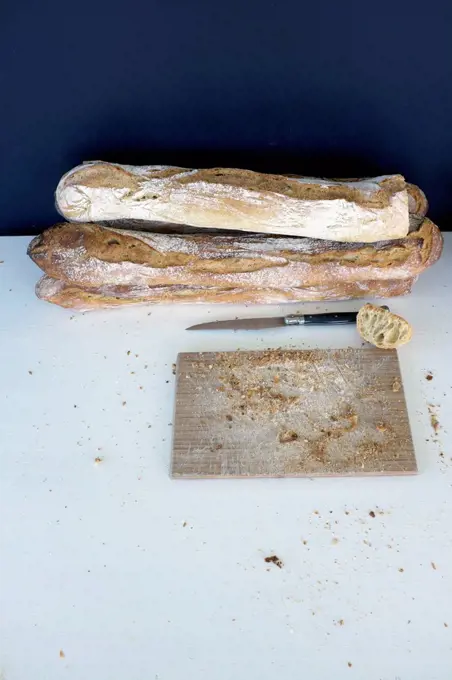
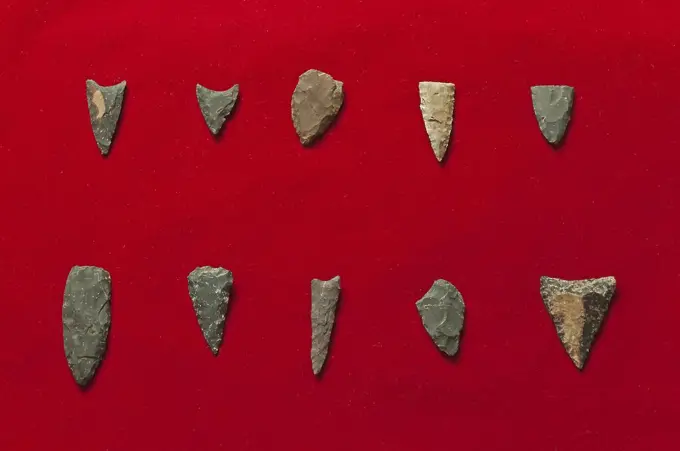
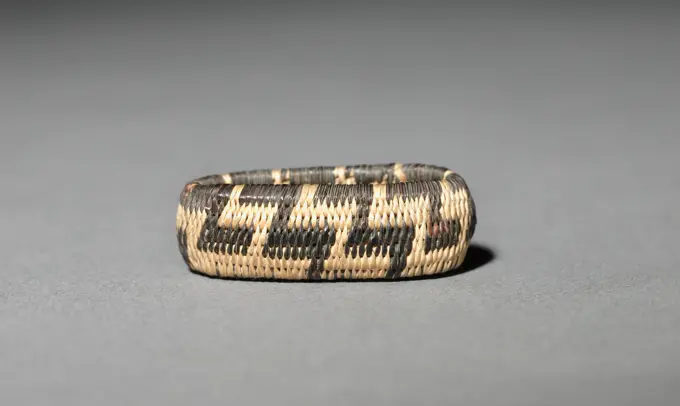
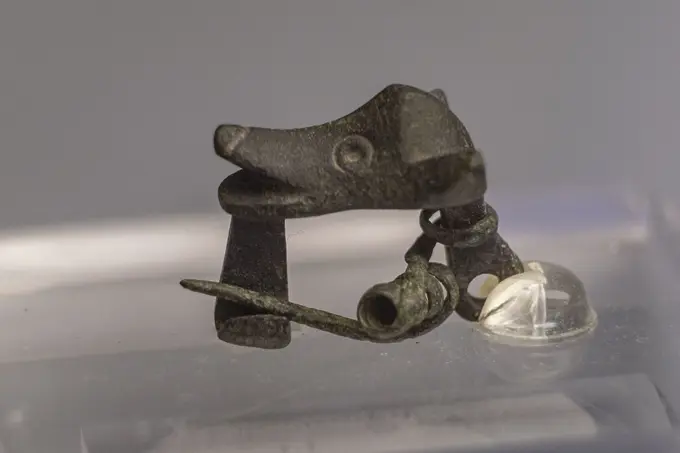
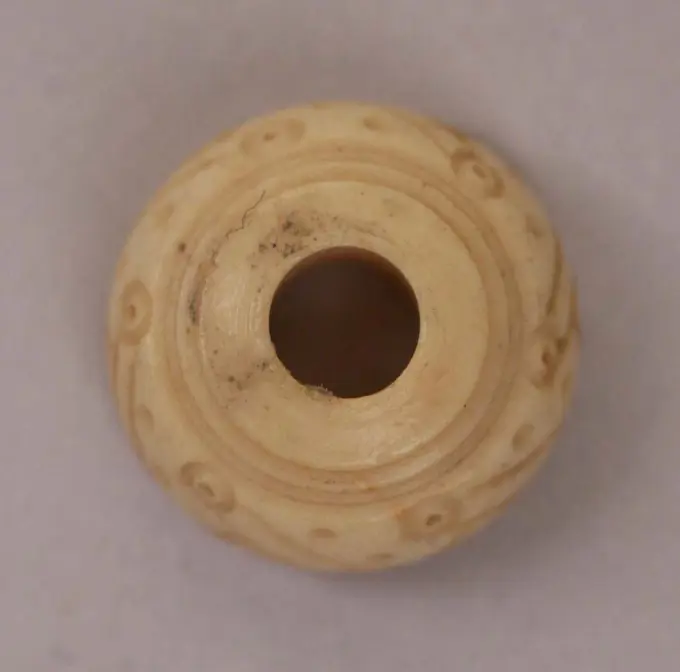
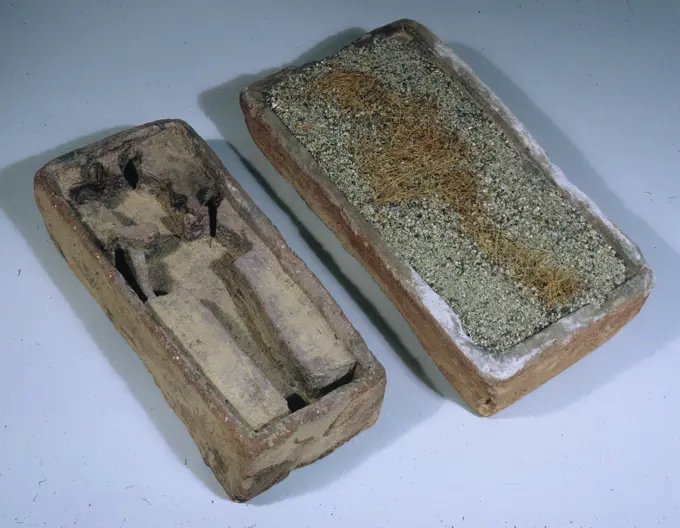
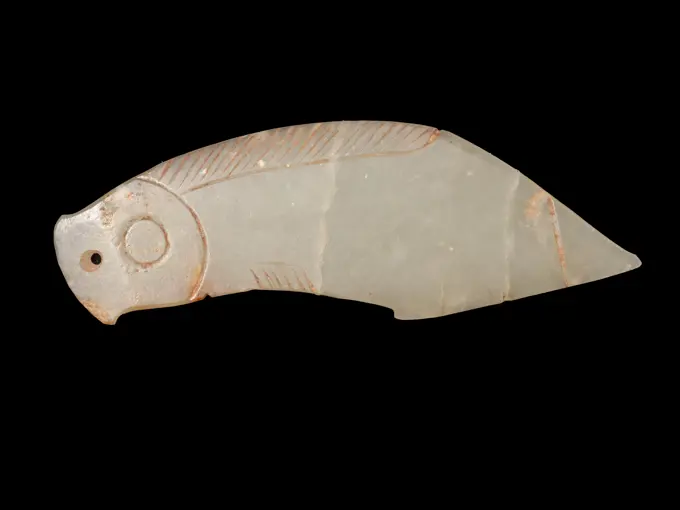
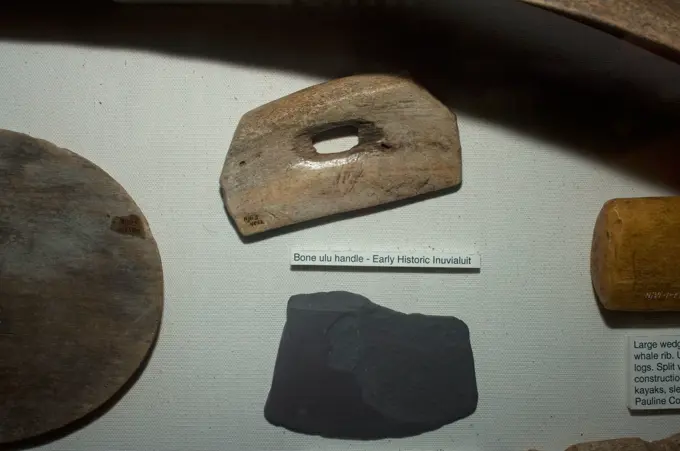
artifacts in the Herschel Island museum off the Mackenzie River delta Yukon Territory CanadaShell Frankish 6th-7th centuryAlabastron ca. 2nd century B.C.-3rd century A.D. Parthian. Alabastron 322131Bed molding of ceiling coffer from a group of fragments from the Temple of Apollo near Phigaleia (Bassae) 5th century B.C. Greek, Arcadian Bed molding of ceiling coffer from the Temple of Apollo near Phigaleia.. Bed molding of ceiling coffer from a group of fragments from the Temple of Apollo near Phigaleia (Bassae) 251158 Greek, Arcadian, Bed molding of ceiling coffer from a group of fragments from the Temple of Apollo near Phigaleia (Bassae), 5th century B.C., Marble, Pentelic, width 2 3/16in. (5.5cm); length 3 1/16in. (7.7cm). The Metropolitan Museum of Art, New York. Gift of Jay Hambidge, 1921 (21.113.3)Fragment 8th-9th century. Fragment 447392Vase fragment ca. 1600-1450 B.C. Minoan. Vase fragment 247710History of Latvia. Middle Ages. Axe, 13th century. Found at Lake Vilkmuiza (Talsi, Talsu region, Latvia). From the Latvian National Costume Museum. Latvian War Museum. Riga. Latvia.Oil LampFragment 14th-15th century. Fragment 446405Nose Ornament 100 CE-500 CE Peru. Silver and gold . MocheShard: Shoulder of Vessel with Profile of Offerer with Flower ca. 4th-5th century Pakistan. Shard: Shoulder of Vessel with Profile of Offerer with Flower 51102Capital fragment from a funerary shrine (naiskos) 4th-3rd century B.C. Greek, South Italian, Tarentine A pair of volutes from one corner of a small limestone capital and the flat abacus which they supported are carved in an elaborate openwork manner. Dentils decorate the sides of the abacus and a palmette is placed a the base of each volute.. Capital fragment from a funerary shrine (naiskos). Greek, South Italian, Tarentine. 4th-3rd century B.C.. Limestone. Late Classical or Hellenistic. Stone SculptureZeebodemveen from the wreck of the East India Flying Heart. Peat, peat or peat of the seabed. Large lump, greenish.Button or Bead 9th-10th century The dot-in-circle motif recalls designs presumed to be of magical significance, most likely an abstract eye to ward off the evil-eye, which serves an apotropaic function. Easily reproduced with a tool and visible in many cultures and times, this symbol may have lost its meaning, and become simply a decorative pattern, or may have one that we have not yet discovered.. Button or Bead 449995Engraved Seal. Attributed to the Serpent MasterFigure 12th-13th century. Figure 452505Mosaic floor fragment Roman Angular pattern of white marble, basalt, serpentine and onyx.. Mosaic floor fragment. Roman. Tile, mortar. Miscellaneous-MosaicAgrellite. minerals. North America; Canada; Quebec; Temiscamingue County; Villedieu Township; Kipawa Complex, Sheffield LakeBucket urn with finger point design, Broxbourne Barrow. ENGLAND.Double Column Base late 15th century French. Double Column Base 471863Payment medal of100 cents from the cooperative store association Eendracht Makes Magt in Hilversum, 1875 - 1900 history medal Five -Lobbig Brass Plaatje With Inwarty Institutions (Ster) / 100 C  brass (alloy)Fragment of a Bowl 9th century. Fragment of a Bowl 450098Plakietka wypukła. unknown, craftsmanOffering Table, 2040-1648 BC. Egypt, Middle Kingdom. Limestone; overall: 22 x 34.2 x 7.4 cm (8 11/16 x 13 7/16 x 2 15/16 in.).Alabaster pointed alabastron ca. 1600-1050 B.C. Cypriot The vase has no neck and could not have stood unsupported.. Alabaster pointed alabastron 243978Head of a Clay Figure (Dogū) Japan This head was once attached to a dogū clay figure, a kind of ceramic sculpture particular to the Jōmon period of Japanese history. The vast majority of dogū are not found intact, most having their heads or limbs removed or bodies broken. It is unknown exactly why dogū were broken before being discarded, but some theories contend that the dogū represented a kind of earth mother” figure, and that breaking the dogū propagated the spirit of the earth mother” in order to bring fertility to the land.. Head of a Clay Figure (Dogū) 45531Piece of ax (title awarded). Copper alloy. Carnavalet museum, history of Paris.Fragment of a Bowl 10th-12th century. Fragment of a Bowl 447262Shards of porcelain and earthenware from V.O.C.-ship De 'Witte Leeuw', Anonymous, Before 1613 pot Shards of porcelain and red-baking earthenware with cakes of the seabed from V.O.C. ship De 'Witte Leeuw'.  earthenware. porcelain. coral (material)Protective amulet from ancient Iraq. The amulet would be worn to ward off evil spirits and demons. Dated 10th Century BCScandinavia. Middle Ages. Oil lamps made of soapstone clay were alternatives to tallow candles. Iron lamps were also used. Historical Museum. Oslo. Norway.Fragments of Splashed Ceramic 9th century. Fragments of Splashed Ceramic 853308Fermoir 6th and 7th centuries Frankish. Fermoir 465646 Frankish, Fermoir, 6th and 7th centuries, Iron, Overall: 2 15/16 x 1 1/8 x 3/16 in. (7.4 x 2.8 x 0.5 cm). The Metropolitan Museum of Art, New York. Gift of J. Pierpont Morgan, 1917 (17.193.311)Fragment of a vessel base ca. 3rd-7th century A.D. Sasanian. Fragment of a vessel base 329628Fragment 15th century. Fragment 446344loom weights and spindles, Iberian culture, Archeological Museum. Úbeda, Jaén province, Andalusia, Spain.anthropomorphic figure, Chalcolithic, fifth millennium BC, Bulgarian National Archaeological Museum, Sofia, Republic of Bulgaria, Europe.Neolithischer Kern von Siles Neolithischer Kern von Siles Copyright: xZoonar.com/BartomeuxBalaguerxRotgerx 22556758Paperweight (USA); Manufactured by Grueby Faience Company, Revere, Massachusetts (United States), Grueby Pottery (United States); earthenware, glaze; Overall: H:3.5 x W: 7.5 x D: 10 cm (1 3/8 x 2 15/16 x 3 15/16 in.)Shield with figure of MilitaryGodTridacna shell ca. 8th-7th century B.C. Edomite. Tridacna shell. Edomite. ca. 8th-7th century B.C.. Shell (Tridacna squamosa). Iron Age. Levant, TawilanCzarka; Unknown Night -Tamanian workshop; approx. 2600 2350 BC ; Early period D Azira III (-2600-00-00--2350-00-00);Five penny, emergency coin from Amsterdam, beaten during the siege from the silver of the Nieuwe Kerk, Anonymous, 1578 - 1631 coin. siege coin Unilateral, diamond -shaped emergency coin with beveled corners. Front: three stamps; From bottom to top: mint masters: Fire steel, partly beaten over the second stamp: city coat of arms: crowned coat of arms, left still part of figure 5, to the right of 7 visible, right of Kroon: number 0 visible; year above letter V. Rail side: Blanco Amsterdam silver (metal) striking (metalworking)  AmsterdamEurope, Bulgaria. Model of baking oven. Clay. Mid Neolithic. Paljanitza Culture. 6-5 mill. BC. Bulgaria.Vintage map Vintage map Copyright: xZoonar.com/MaksymxYemelyanovx 1628693Wavy-handled jar ca. 3500-3300 B.C. Predynastic, Naqada II. Wavy-handled jar 547295RESTOS ARQUEOLOGICOS. AL FONDO ESTELA FUNERARIA EN PIEDRA CALCAREA PROCEDENTE DE HERAKLEOPOLIS MAGNA. Location: EGYPTIAN MUSEUM. KAIRO. EGYPT.Scandinavia. Middle ages. Upper of a shoe, ca. 1200 to be laced on the side. Historical Museum. Oslo. Norway.Bremsbelag Bremsbelag Copyright: xZoonar.com/ZlatanxDurakovicx 11001644adze adze, amphibolite, 3000-2000 BC, Toril dolmen, Zalamea la Real, Huelva Museum, Huelva, Andalusia, Spain Copyright: xZoonar.com/TOLOxBALAGUERx 21720710Stone Celt before 16th century Taíno The most numerous category of polished stone sculpture emerging from the Taíno world of the ancestral Caribbean islands are ceremonial axes and blades, which take many forms and may have been an important medium of exchange. Axes feature abstract zoomorphic forms in stone, or consisted of wooden handles with stone blades hafted to them. Stone axe handle-shaped figures may have been ceremonial scepters. Ceremonial blades made of different types of greenstone, both local and imported, have been recovered in large numbers. These axes, known as petaloid celts for their resemblance to flower petals, could have served as dedicatory offerings, which have a long history on the Caribbean mainland in Mesoamerica.. Stone Celt 317167Spindle Whorl, from a group of thirteen, 5/8 x 7/8 in. (1.59 x 2.22 cm), Earthenware, MexicoPenannular Earring. Egypt, New Kingdom (circa 1569 - 1081 BCE). Jewelry and Adornments; earrings. Calcite()bronze votive offering, Iberian sanctuaries of Collado de los Jardines and Castellar de Santisteban, Iberian culture, Archeological Museum. Úbeda, Jaén province, Andalusia, Spain.Tools There are many references on craft activities 3-1. Millennium BC Whetstones and trailers Whetstones and pendants stone.two deer on reindeer antler two deer on reindeer antler, Upper Palaeolithic Magdalenian, Museo de la evolución humana, MEH, Burgos , Spain Copyright: xZoonar.com/TOLOxBALAGUERx 21433071Fragment. Dimensions: L 4.5 cm x W 4 x H 2. Date: probably 8th-12th century. Museum: Metropolitan Museum of Art, New York, USA.Inlay ca. 8th-7th century B.C. Iran. Inlay 324222Fragment Werra plate, mirror finish man in shorts with glass In hand, year 1615, pale yellow, blue and green glaze, plate crockery holder earth discovery ceramics earthenware glaze, Red earthenware with drawing in pale yellow and green glaze glazed year: 1615 archeology Rotterdam archaeological find in the soil Rotterdam 1940.Mummy of a hawk. Organic remians, linen. Late Period (722-332 BC). Asyut. Egypt. Egyptian Museum of Turin. Italy.Bead ca. 9th century B.C. Iran. Bead 325023useful idol with central slit useful idol with central slit, Chalcolithic, III BC, San Bartolome de la Torre, Huelva Museum, Huelva, Andalusia, Spain Copyright: xZoonar.com/BartomeuxBalaguerxRotgerx 21720826Shards of wine bottles from the wreck of the East Indians' t Vliegend Hart ,, 1700 - 1735  Shards of onion -shaped wine bottles of green glass that has been in red (port) wine. Calls with cork. Netherlands cork (bark)Limestone inscribed box fragment Cypriot Fragment of a stone box (ex-voto) with Cyprio-Syllabic inscription, dedicated to the Lady of Paphos.. Limestone inscribed box fragment. Cypriot. Stone. Cesnola InscriptionsFragment imadła amfory ze stemplem. Sotas II (ca 145-ca 108 a.C.), potter's workshopLamp 2nd-7th century. Lamp 447838Lipsanoteca Lipsanoteca, chest to keep relics, inscription in Visigothic characters, collegiate church of Santa Maria de Lladó, Alt Empordà, Girona art museum, Girona, Catalonia, Spain Copyright: xZoonar.com/Tolox 22283196Ornament in the Shape of a Lotus Flower ca. 12th century Cambodia. Ornament in the Shape of a Lotus Flower. Cambodia. ca. 12th century. Bronze with traces of gilding. Metalworkvaso del periodo talaiotico, 1500 - 700 a.C. , restos de Myotragus balearicus al fondo, Museu Municipal de Ciutadella,. Bastió de sa Font, Ciutadella, Menorca,balearic islands, Spain.Terracotta figurines of women with stubby arms. Sam'al/Zincirli in Turkey (reconstruction) Erected and rebuilt during the 10th - 8th century BC.hospitality tessera in the shape of a bear, Castro de Las Rabas, Cervatos, Museum of prehistory and archeology (MUPAC), Santander, Cantabria, Spain.Close-up of artificial dinosaur bones embedded in a wallCopper Plaque ca. 1479-1458 B.C. New Kingdom. Copper Plaque. ca. 1479-1458 B.C.. Copper. New Kingdom. From Egypt, Upper Egypt, Thebes, Deir el-Bahri, Temple of Hatshepsut, Foundation Deposit 3 (C), MMA excavations, 1923-24. Dynasty 18Fragment. Culture: European or Middle Eastern. Dimensions: Diam. 1 1/4 in. (3.2 cm). Date: ca. 1150-ca. 1250. Museum: Metropolitan Museum of Art, New York, USA.Lamp with a Reclining Comic Actor; Roman Empire; 2nd century; Terracotta and pigment; 7 × 16.3 cm (2 3,4 × 6 7,16 in.)Fragment 14th century. Fragment 446434Vessel 12th-4th century B.C. Chorrera. Vessel 314165Vases with decoration bell-shaped. Late Bronze age. Toralla Cave, Catalonia. Archaeology Museum of Catalonia. Barcelona. Spain.Neolithic manual mill Neolithic manual mill, Museo Comarcal de Molina de Aragón, Guadalajara, Spain Copyright: xZoonar.com/BartomeuxBalaguerxRotgerx 21416161Netherlands (aka Holland), Lisse. Keukenhof Gardens. Unpainted wooden shoes.Fragment of an InscriptionAmulet of a Crocodile 1985 BCE-1773 BCE Egypt. Carnelian . Ancient EgyptianShell with traces of blue paint 7th-10th century. Shell with traces of blue paint 448725Arrowheads, third century b.C. La Costa de Can Martorell, Dosrius, Maresme, Barcelona.Shards of earthenware and stoneware from V.O.C. ship De 'Witte Leeuw', Anonymous, Before 1613  Shards of earthenware and stoneware from V.O.C. ship the 'Witte Leeuw'.  stoneware. earthenware   Sint-HelenaPowder Horn 1768 Colonial American. Powder Horn 29575Alabastron. Egypt, 26th Dynasty (664 - 525 BCE) (with modern inscription). Furnishings; Serviceware. CalciteBread, knife and wooden board on tableCloseup of chocolateVASIJA CERAMICA. Location: MUSEO ARQUEOLOGICO-COLECCION. Sevilla. Seville. SPAIN.Neolithic arrowheads - 2500 BC, archaeological site of Cabezo Jure, Alosno, Huelva province, Region of Andalusia, Spain, Europe.Miniature Rhomboidal Basket, late 1800s-early 1900s. California, Pomo, late 19th-early 20th century. Plant materials; overall: 1.3 cm (1/2 in.).ABRIGO DE LOS HORCAJOS. CONJUNTO IZQUIERDO DE LAS MICROFIGURAS.fibula de La Tene II zoomorfa, numancia, Garray, siglo II a.C, museo Numantino de Soria, Soria, Comunidad Autónoma de Castilla, Spain, Europe.Button or Bead 9th-10th century The dot-in-circle motif recalls designs presumed to be of magical significance, most likely an abstract eye to ward off the evil-eye, which serves an apotropaic function. Easily reproduced with a tool and visible in many cultures and times, this symbol may have lost its meaning, and become simply a decorative pattern, or may have one that we have not yet discovered.. Button or Bead 449985Germinating Bed of Osiris 664-332 B.C. Late Period, Saite Beginning in Dynasty 18, beds were made on which soil was molded into the shape of the god of regeneration and ruler of the dead, Osiris. Thickly sown with grain and kept moist until the grain sprouted and grew, then left to dry again, these figures were created as part of a ritual carried out in association with the Osirian Festival of Khoiak. They magically expressed the concept of life springing from death, symbolizing the resurrection of Osiris. Some examples are also seen in tomb contexts, as the deceased was identified with this god.In later periods, pottery Osiris bricks were most likely used during the Khoiak Festival as planters; this example was empty, but others contained soil mixed with cereal grains and linen. Here Osiris is shown in his typical form as a mummy, wearing the tall crown of Upper Egypt flanked by ostrich plumes. In his hands he holds the crook and flail of kingship.. Germinating Bed of Osiris. 664-332 Lace lacepainted and engraved ceramics painted and engraved ceramics, 7th century BC, Gil de Olid, Baeza, Iberian Museum of Jaén, Jaén province, Andalusia, Spain Copyright: xZoonar.com/TOLOxBALAGUERx 21704949Small amulet fish. Jade. Shang dynasty (1765-1122 BC), China. Paris, Cernuschi museum. 101270-18 Amulet, Asian art, Chinese art, art of extreme East, Shang dynasty, Yin dynasty, Shang time, iieme II 2nd 2 thousand, jade, fishBaja Cresta flagstones.