Ancient Artifacts and Relics

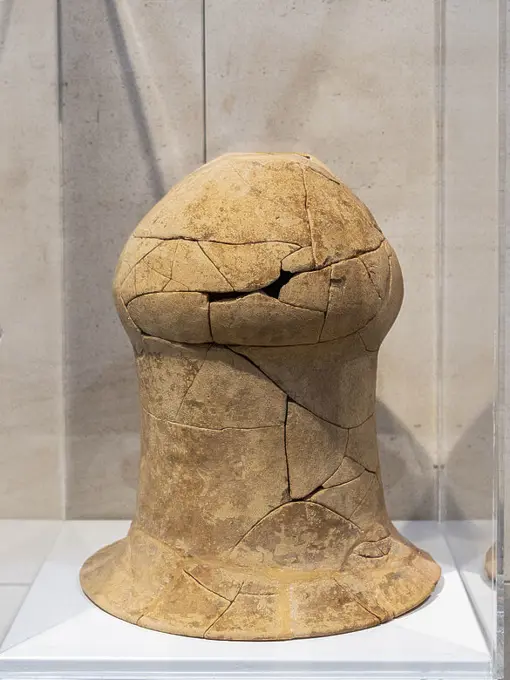
A collection of ancient artifacts including bowls and stone fragments from different cultures, showcasing their historic significance and artistic craftsmanship.

Tinnis funnel from V.O.C.-ship De 'Witte Leeuw', Before 1613 funnel Tinn funnel from V.O.C. ship De 'Witte Leeuw'.  tin (metal)   Sint-Helena
Tinnis funnel from V.O.C.-ship De 'Witte Leeuw', Before 1613 funnel Tinn funnel from V.O.C. ship De 'Witte Leeuw'. tin (metal) Sint-Helena
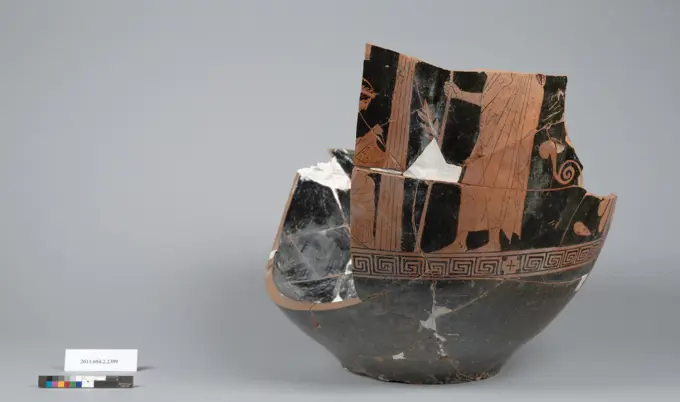
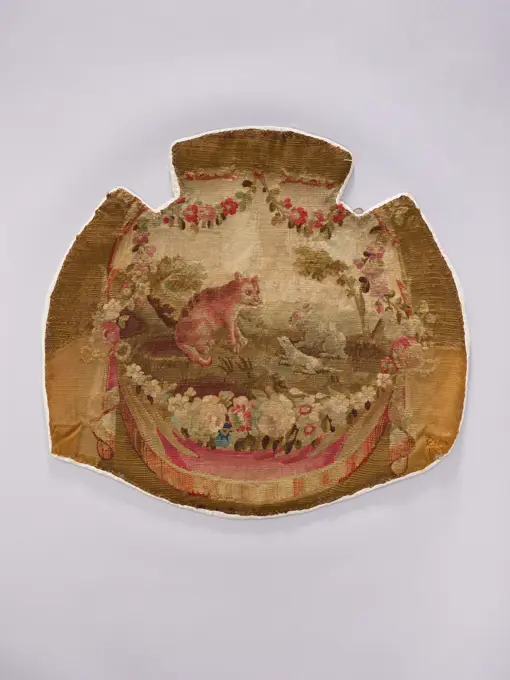
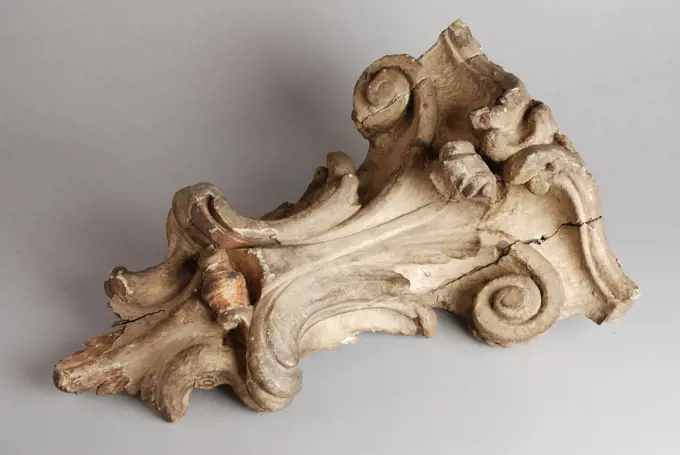
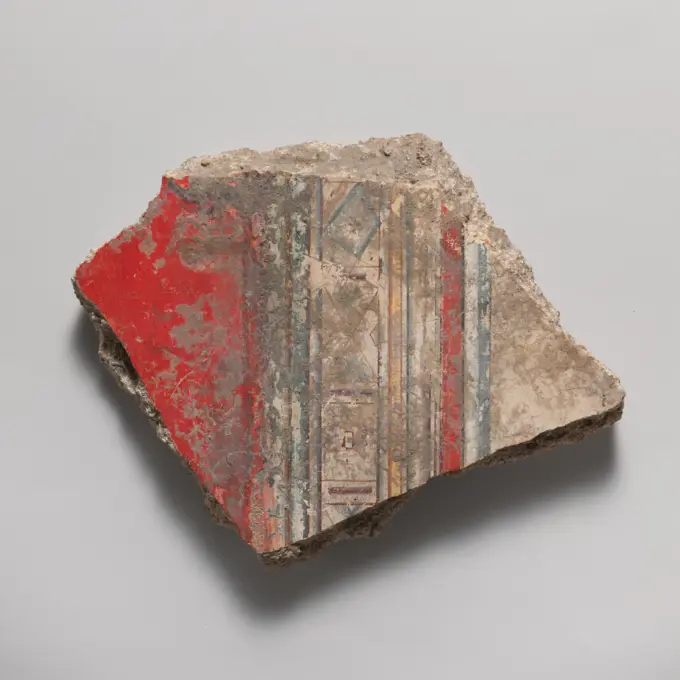
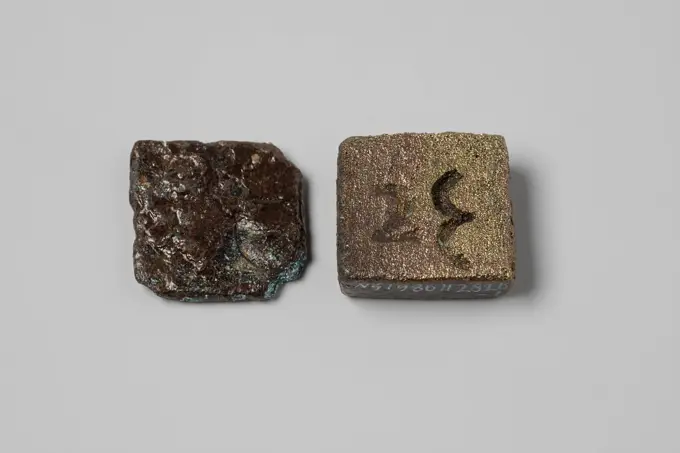
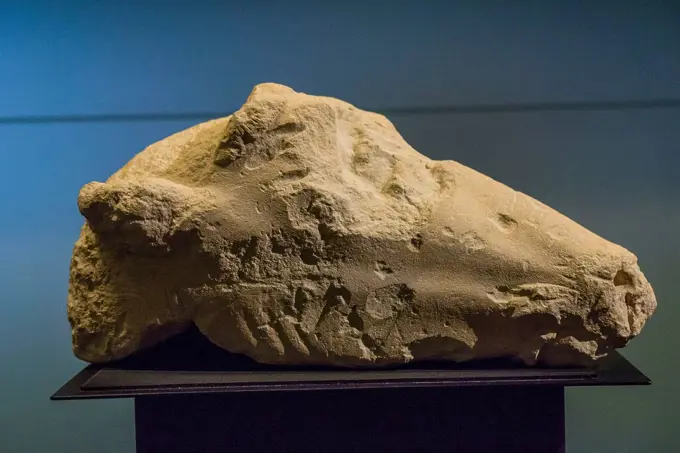
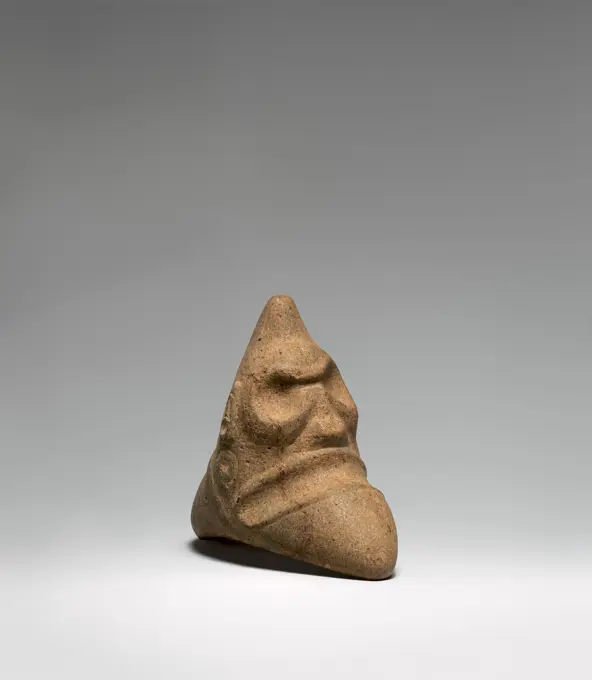
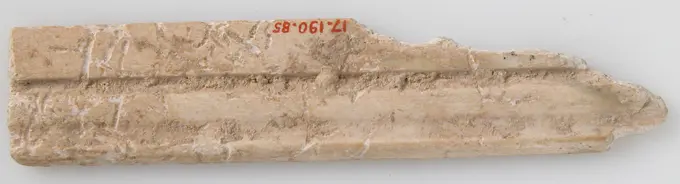
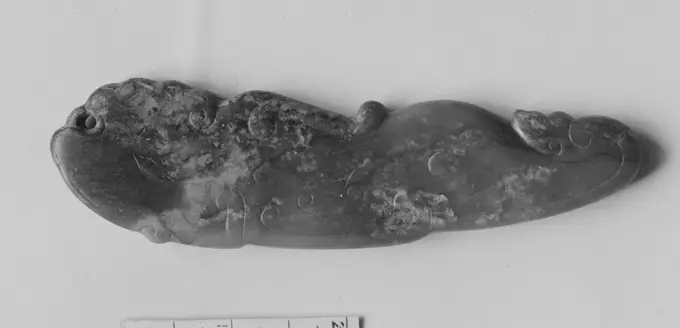
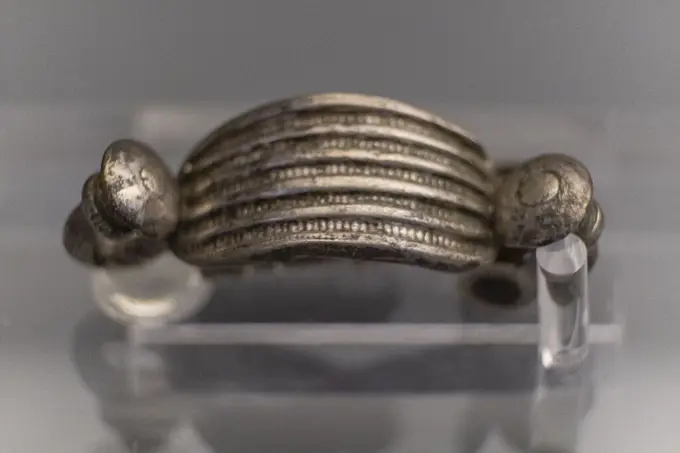
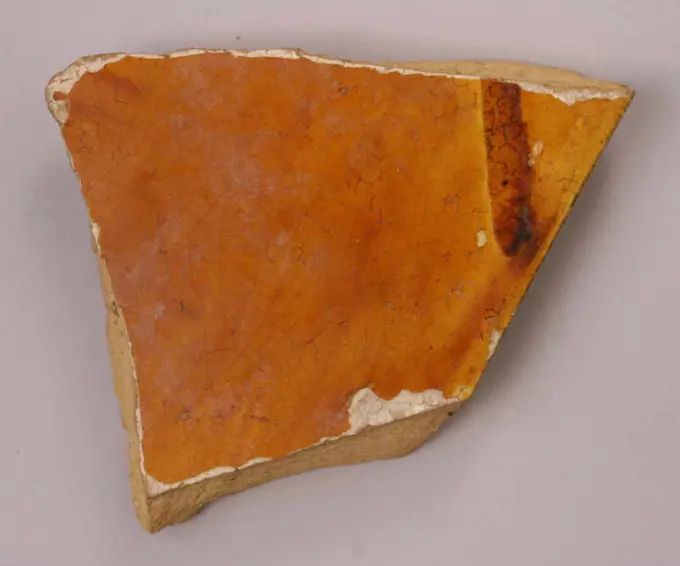
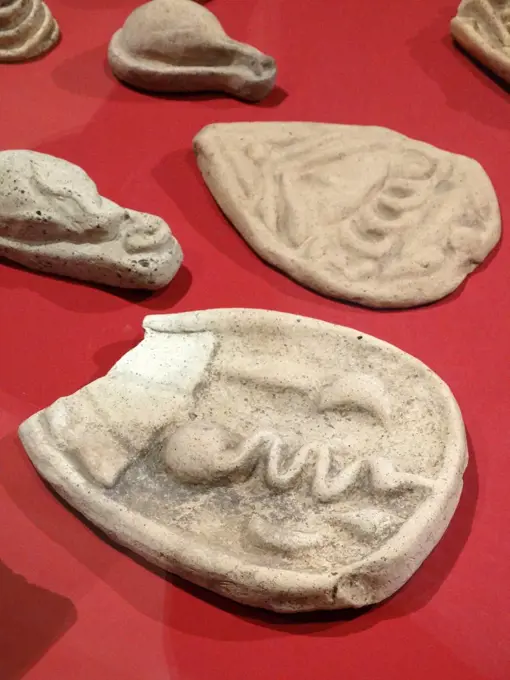
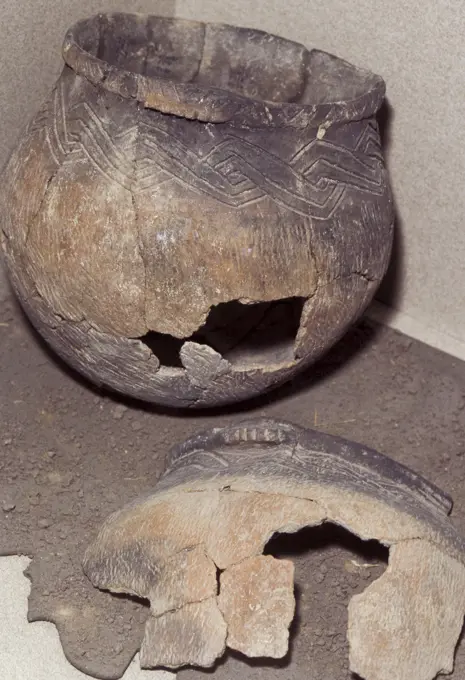
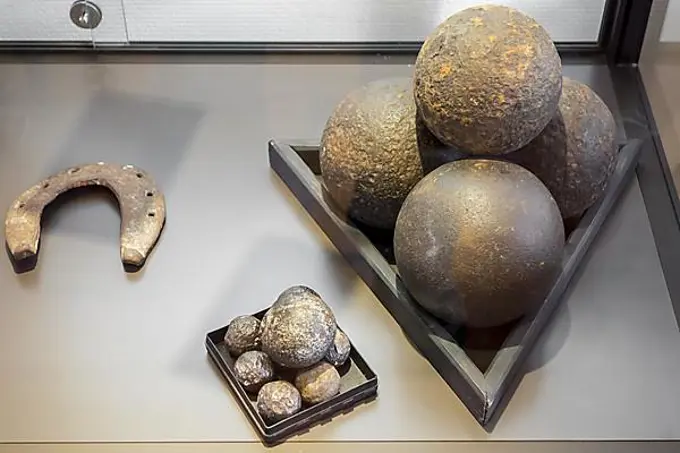
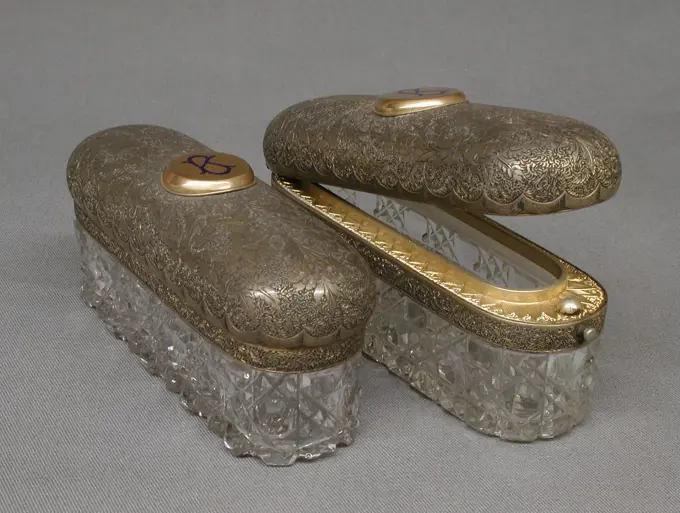
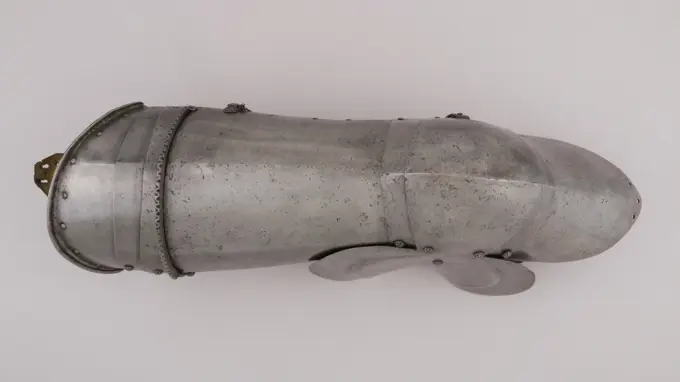
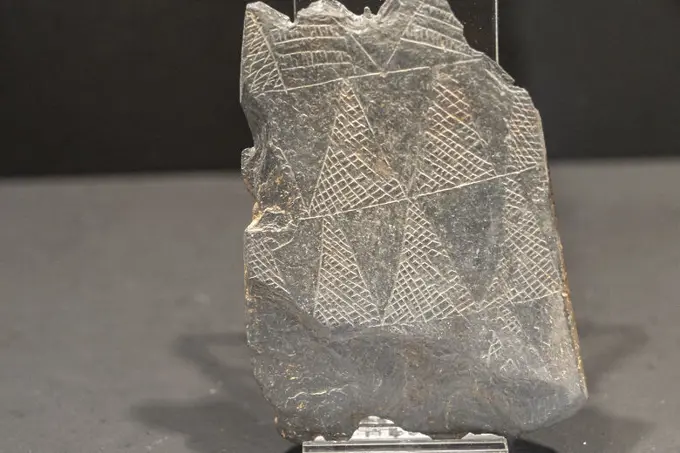
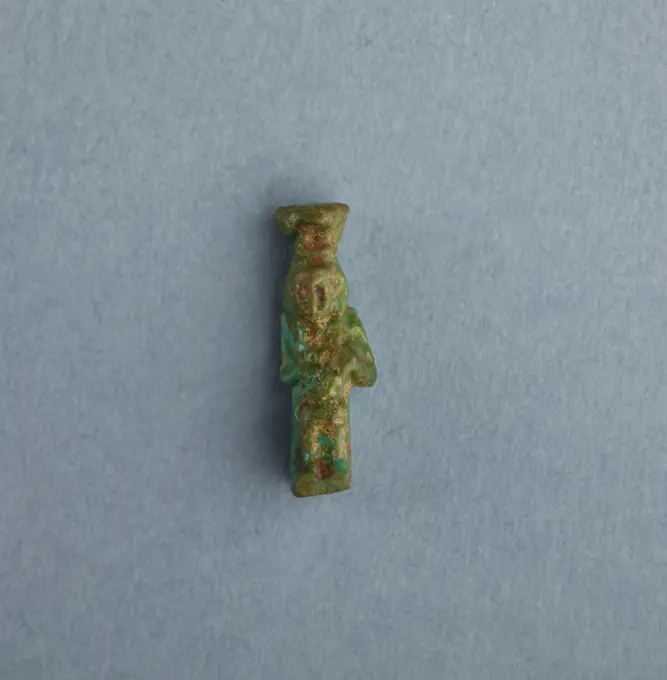
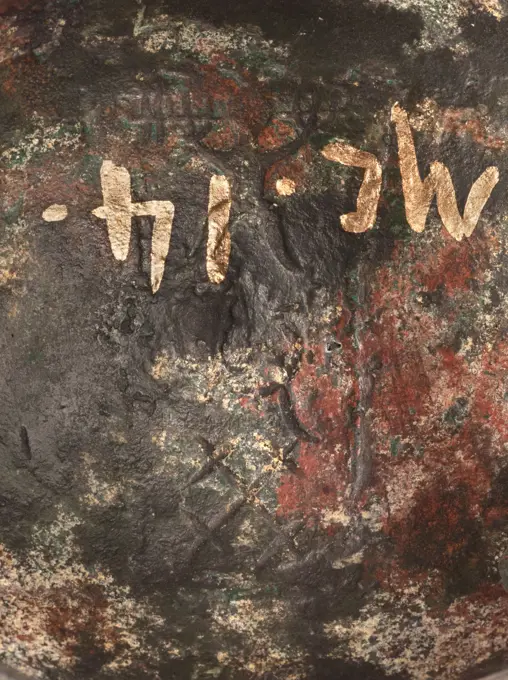
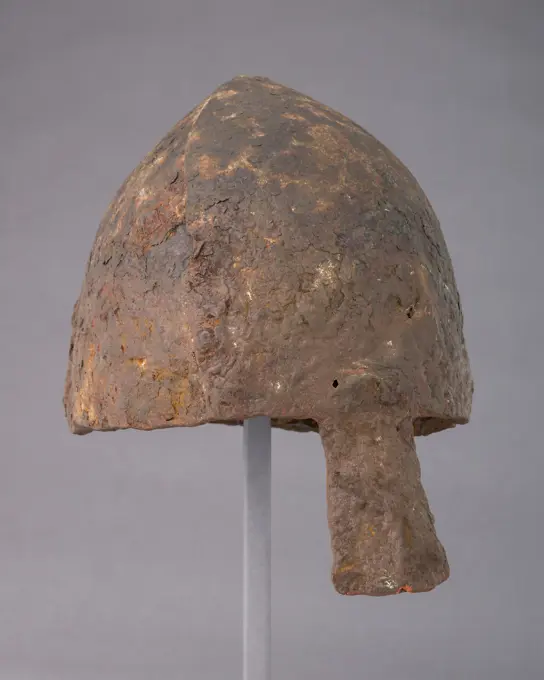
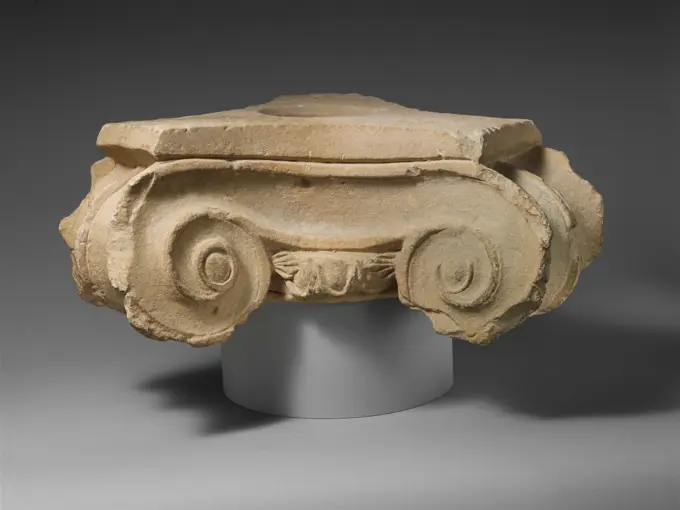
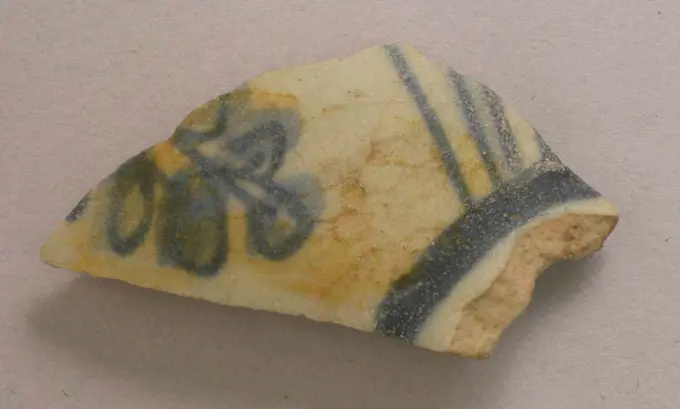
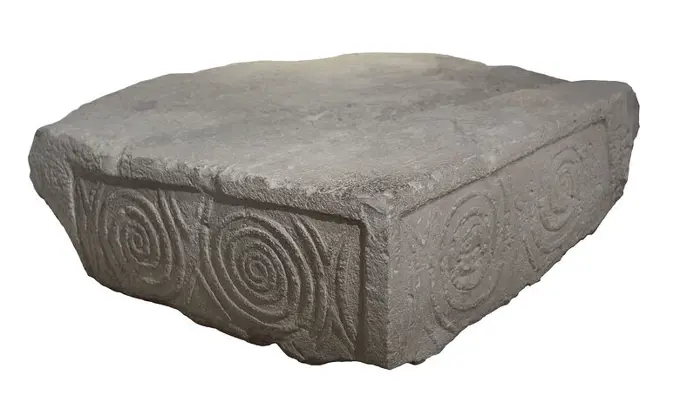
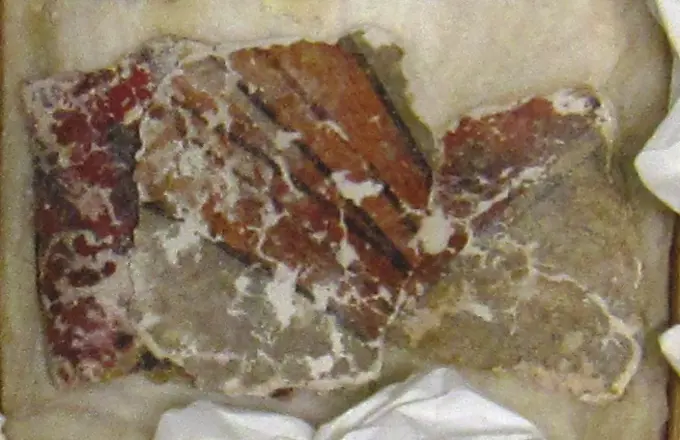
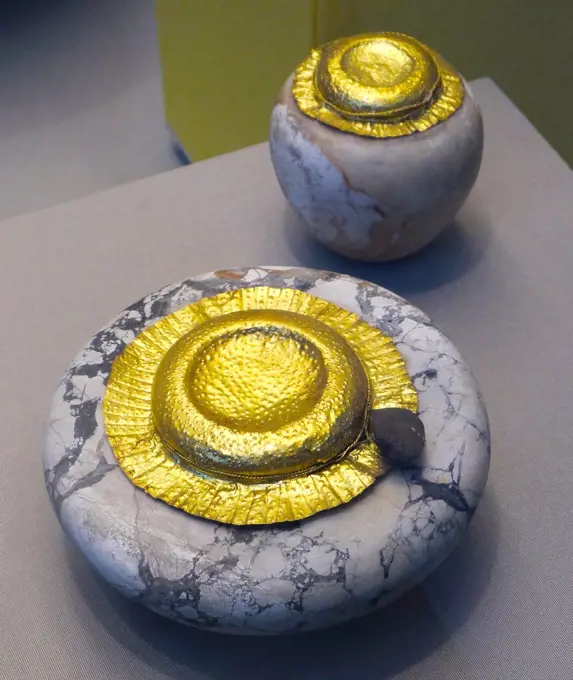
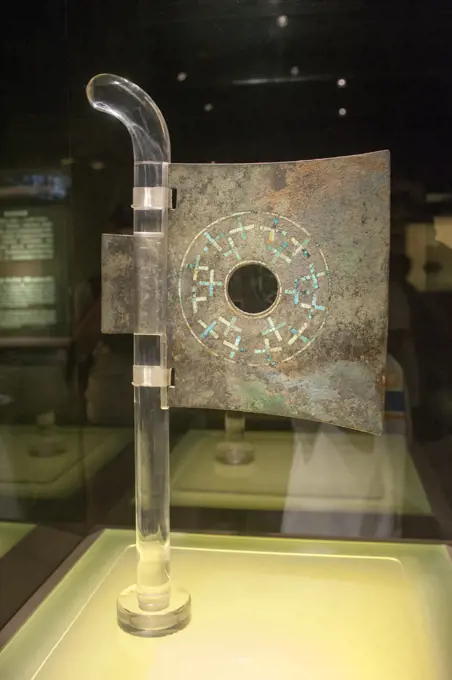
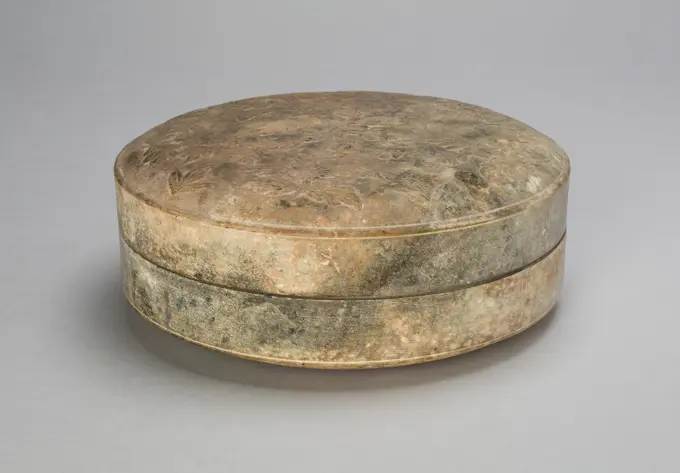
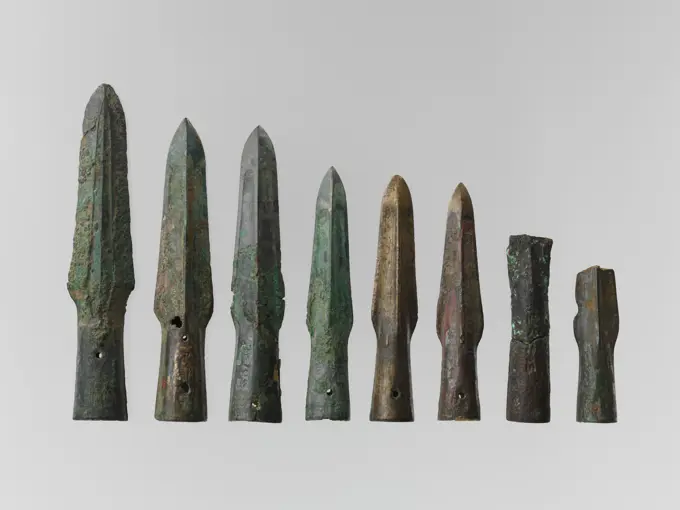
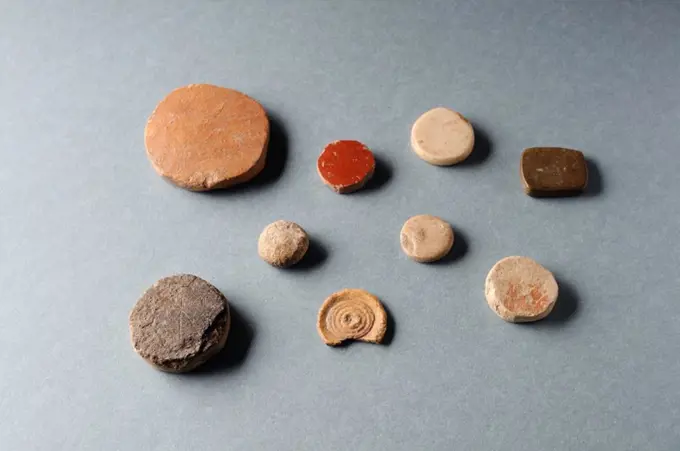
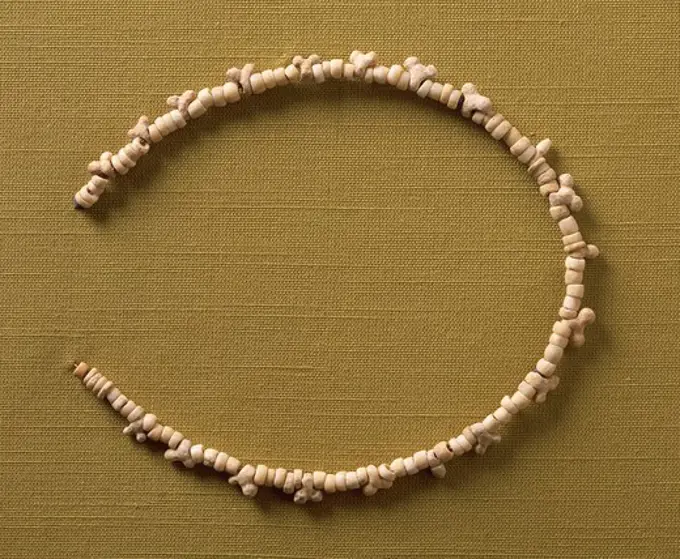
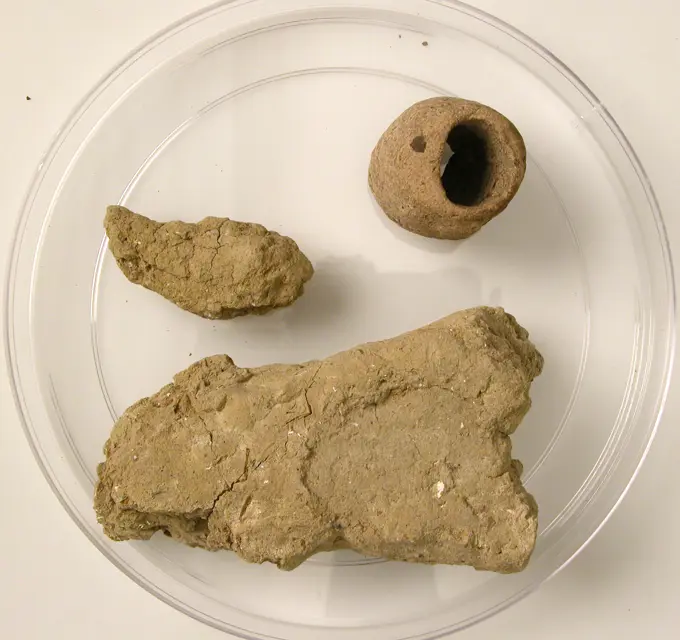
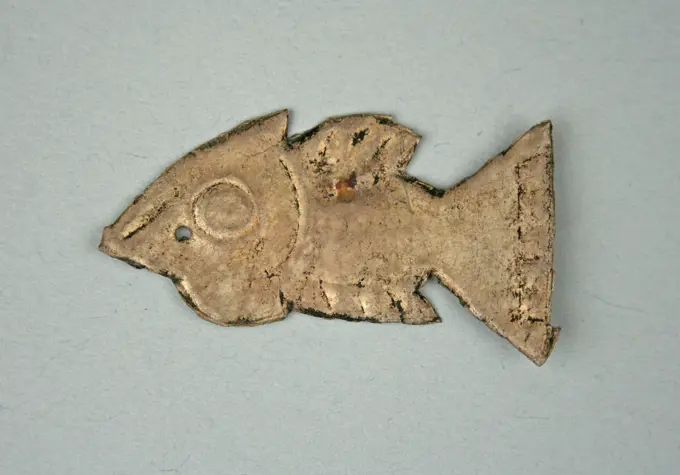
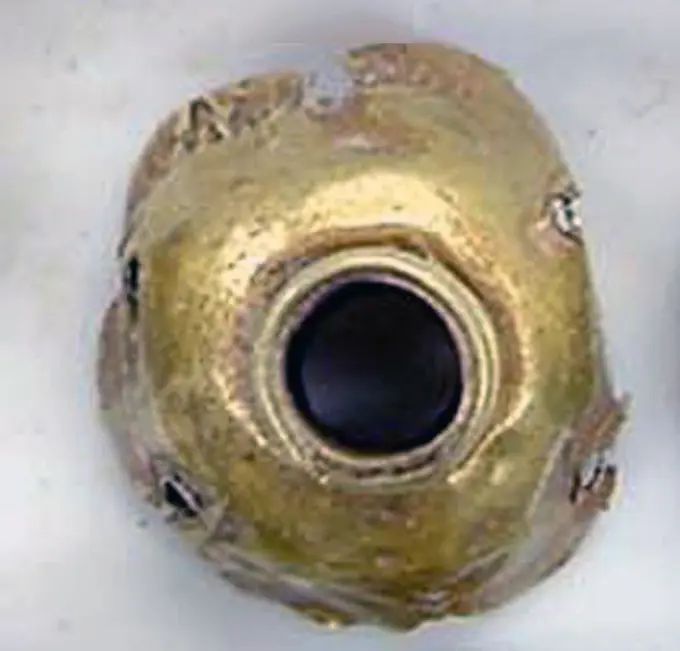
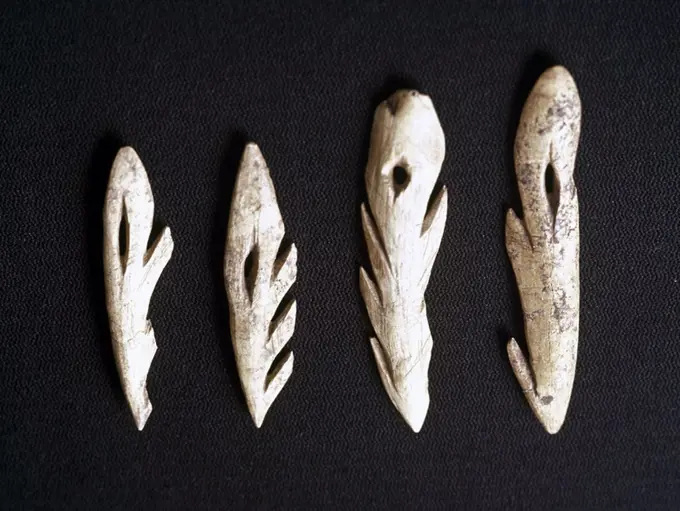
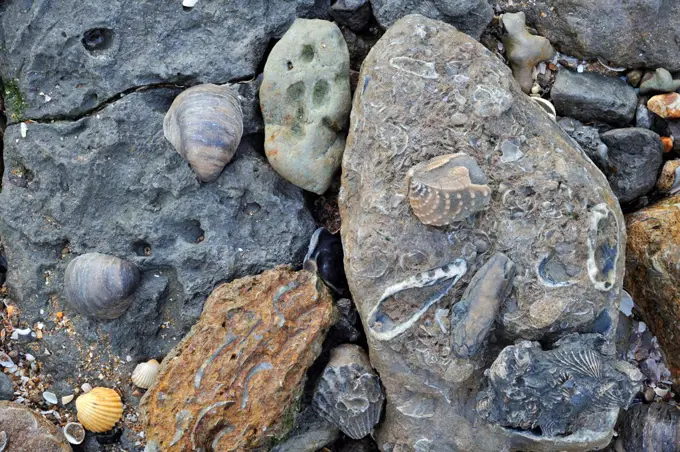
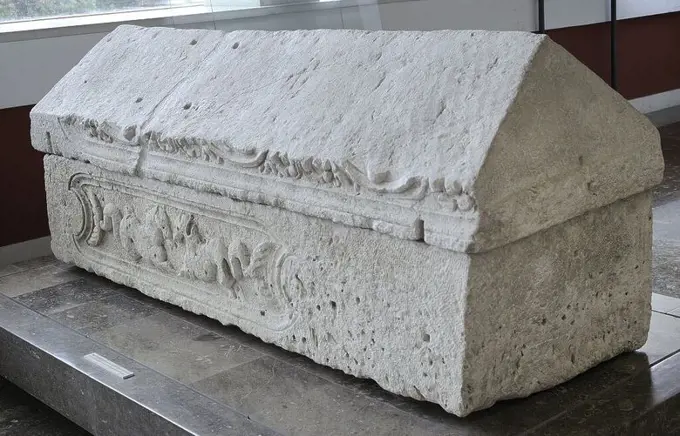
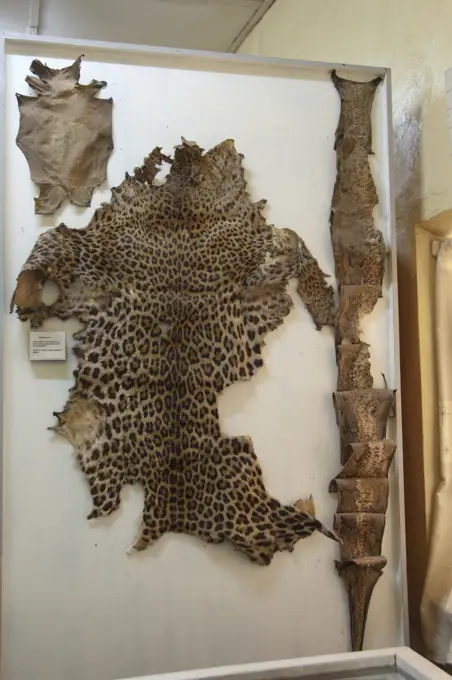
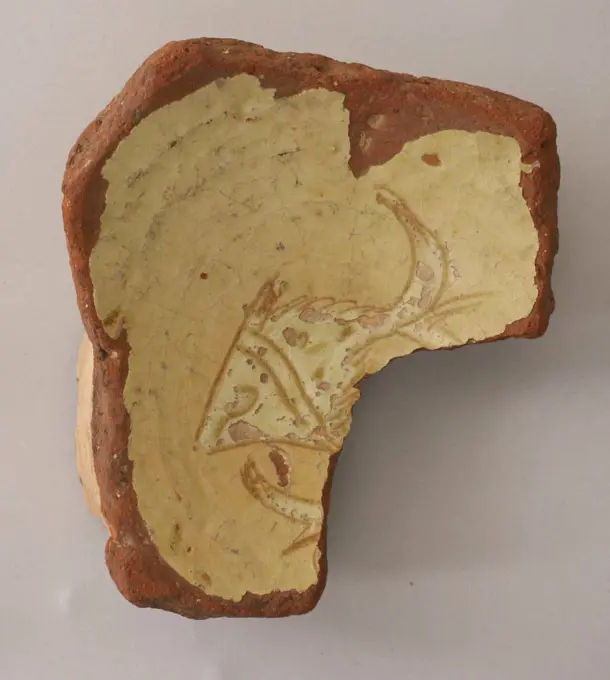
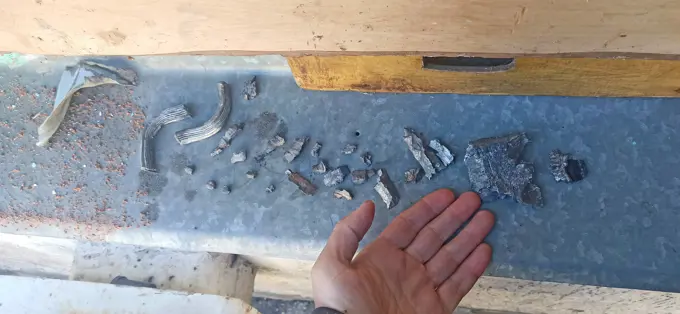
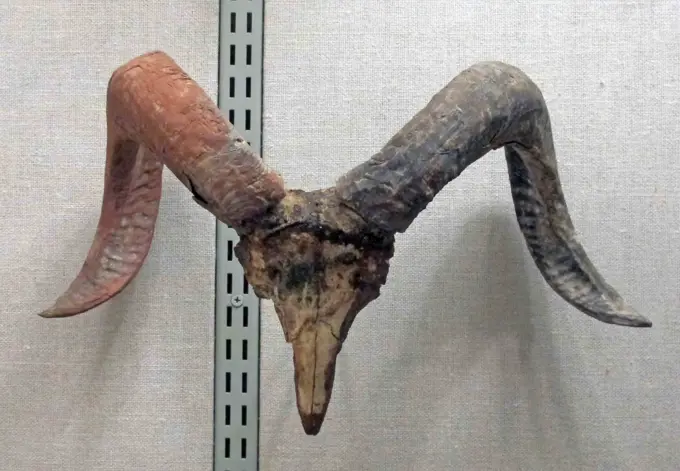
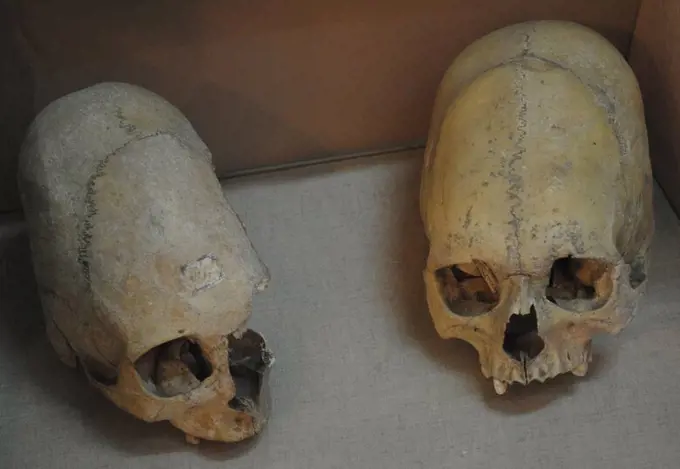
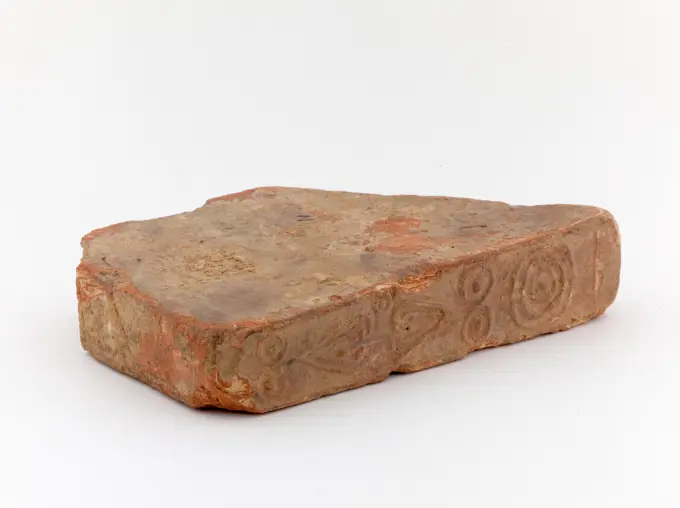
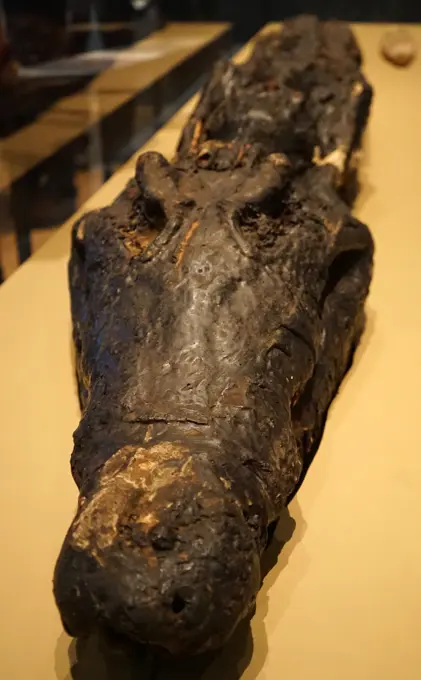
Fragment of stamped brick. Terracotta. Paris, Cernuschi museum. 60580-1 Brick, stamp, fragment, terracottaTourmaline. minerals. North America; USA; Maine; Oxford County; Newry; Scotty MineMold on bread covered with fungus on bowl dish backgroundTerracotta fragment of a bell-krater (bowl for mixing wine and water) 460-440 B.C. Greek, Attic Obverse, draped woman, wearing a chiton, and himation, with a diadem In her hair, seated on a chair, holding a scroll in both hands; on the scroll, four lines of text (on the first line, ARLI; on the second line, LE; on the third line, KNI: on the fourth line, EI); part of a column; draped male to left, holding a staff, with leaves, in his right hand; in between the observe and reverse, four fronds of a palmette and a tendril; Reverse, lower drapery and frontal left foot of a woman wearing a chiton and himation; stick, bit of drapery and feet of a male to left; lower drapery and feet of a woman to right wearing a chiton; lower drapery, calves and frontal feet of a male wearing a himation, with a stick; at the right, part of a palmette frond from the ornament; below the figures, the ground line is comprised of a meander with cross squares with dots in the corners. Terracotta fragment of a Glass Fragments 4th century Coptic. Glass Fragments 479204Amulet of a Hawk. Egyptian. Date: 1070 BC-656 BC. Dimensions: 4.4 × 1.3 × 0.6 cm (1 3/4 × 1/2 × 1/4 in.). Faience. Origin: Egypt. Museum: The Chicago Art Institute, Chicago, USA. Author: Ancient Egyptian.Arras cover of an armchair seat. unknown, authorCarved wooden console from the façade of house, console building element carvings sculpture visual material wood gypsum paint, Rotterdam Delfshaven Aelbrechtskolk Jan Pommerenpoort From list of house on the Aelbrechtskolk corner Jan Pommerenpoort.Bronze mirror, ivory handle. Archanes. 1200 BC.Wall painting fragment 1st century A.D. Roman Red socle, predella, and white central zone.. Wall painting fragment. Roman. 1st century A.D.. Fresco. Miscellaneous-PaintingsWeights Pharmacist Balance from the wreck of the East Indieschief Hollandia. Tools And Instruments, Medical, Apothecaries' Weight; Drachms, eroded and scruples.cabeza de caballo, epoca clasica, La Alcudia, museo arqueologico y de historia de Elche Alejandro Ramos Folqués, Elche, Alicante, comunidad Valenciana, Spain, Europe.Three-Cornered Stone (Trigonolito) with Face 13th-15th century Taíno. Three-Cornered Stone (Trigonolito) with Face. Taíno. 13th-15th century. Stone. Dominican Republic, Caribbean. Stone-SculptureFragment of Molding 6th-7th century Coptic. Fragment of Molding 464691Girdle ornament China. Girdle ornament 43085Plaque with incised designs 5th century B.C. China. Plaque with incised designs. China. 5th century B.C.. Jade (nephrite). Eastern Zhou dynasty (770-256 B.C.). Jadefibula de La Tene I de doble prolongacion, , numancia, Garray, siglo II a.C, museo Numantino de Soria, Soria, Comunidad Autónoma de Castilla, Spain, Europe.Vase fragment 550 B.C. Etruscan Bottom of jug including foot, perforated circles and cable pattern in relief.. Vase fragment. Etruscan. 550 B.C.. Terracotta; bucchero pesante. Archaic. VasesNux vomica barkFragment of Sgraffito Ceramics 9th century. Fragment of Sgraffito Ceramics 447658Terracotta votive offerings. From an Etruscan or Etrusco-Campanian selection once featured in Henry Welcome's museum. 4th-2nd Century BC.Round Plaque. Culture: Vicús. Dimensions: Diam. 3 1/16 in. (7.7 cm). Date: 3rd century B.C.-A.D. 2nd century. Museum: Metropolitan Museum of Art, New York, USA.Limestone, sedimentary rock.Collection of sea urchins, which are small, spiny, globular animals from Morocco.Shawl 19th century Belgian. Shawl 102614Engraved Scarab with Kneeling Satyr; Master of the London Satyr; about 530 B.C; Blue-grey chalcedony; 1.2 × 2 × 1.4 cm (1,2 × 13,16 × 9,16 in.)Shawnee clay pottery jar collected on historic village sites in Ohio. The pot would have been used for storage and cooking.Galoshes. Culture: probably Central American. Date: 1830-49. Museum: Metropolitan Museum of Art, New York, USA.Horseshoe, cannonballs and grapeshot balls, findings from the battlefield in Le Caillou, Napoleon's Last HQ, Headquarters, museum about the 1815 Napoleonic war, the Battle of Waterloo at Vieux-Genappe, Belgium, EuropeFragment 11th century. Fragment 445586Fragment of a Cornice with a Bird 4th-5th century. Fragment of a Cornice with a Bird 456080polished hydrogoethite gemstone on dark macro shooting of natural mineral rock specimen - polished hydrogoethite gemstone on dark granite background from Eupatoria district, Crimea Copyright: xZoonar.com/ValeryxVoennyyx 11392103Icelandic Medieval, stone grinder used for grinding claystone of various colours, probably for use in dyeing and painting.Orange wheel-turned ceramic chardon vessel, 7th century BC. tomb 24 of the orientalizing Necropolis of La Joya, Huelva Museum, Huelva, Andalusia, Spain.Set of six cosmetic jars 1874-75 Barnard Brothers The building of railroads during the first half of the nineteenth century led to a tremendous increase in travel, which stimulated the demand for the sumptuous dressing cases retailed by Frederick Jenner and Fabian James Knewstub and other London firms. This luxury case (61.78.1-.50), with its pivoting compartments, secret storage areas, and myriad fittings "which quite exhaust the requisites for the road or the boudoir," certainly made travel as comfortable as it was cumbersome.. Set of six cosmetic jars 238149Excise box of Iberian Culture, Valladolid Museum - Provincial Museum of Antiquities, Autonomous Community of Castile and Leon, Spain.Sweden, Stockholm, bear's head shaped stone club from OstergotlandMummy of a small crocodile. The mouth would be tied shut with strips of linen. Dated 30 BCPair of Thigh Defenses (Cuisses) with Knee Defenses (Poleyns) ca. 1425-50 and later Italian This is part of a large find of medieval armor discovered in 1840 in the ruins of the fortress of Chalcis, on the Greek island of Euboea (then a Venetian colony called Negroponte). The fortress had been captured and destroyed by the Turks in 1470. Now divided largely between the Ethnological Museum, Athens, and The Metropolitan Museum of Art, the Chalcis hoard contains many rare and unusual elements of fourteenth- and fifteenth-century armor. Of particular importance are the variety of headpieces and the many fragments of brigandines (armor for the torso constructed of small plates riveted to layers of fabric), some of which retain portions of their original velvet covering. The Chalcis armor provides a unique picture of the armament used in the Aegean, one of the easternmost military outposts of the Venetian empire.. Pair of Thigh Defenses (Cuisses) with Knee Defenses (Poleyns) 34221Fragmented plate idol with triangular incised decoration, Chalcolithic, III BC, El Pozuelo, Zalamea la Real, Huelva Museum, Huelva, Andalusia, Spain.single-row bone harpoons,magdalenian period, Museum of prehistory and archeology (MUPAC), Santander, Cantabria, Spain.Bottle Rim Fragments 4th century Coptic. Bottle Rim Fragments 479171Rim sherd ca. late 3rd millennium B.C.. Rim sherd 326139Amulet - Isis with HorusVase. Bronze. Chine. Par musée musée malée. 76403-31 Asian art, bronze, detail, close -up, inscription, Chinese object, patina, container, rust, jia vaseManacor History Museum, Manacor, Mallorca, Balearic Islands, Spain.Four-Plate Helmet 9th to 10th century, with modern restorations Central or Western Europe This helmet was heavily restored in the early to mid-20th century with an epoxy-like resin. Its lower rim was entirely reconstructed and a nasal added to it, which should not be present on a helmet of this type. The bowl is of four-plate construction and a type found in central and western Europe in the late migration era.. Four-Plate Helmet 34273Stone throwing-weapon, or mace-head, from the Charrua Indian culture, a now extinct Uruguayan tribe from the east of Montevideo.Limestone votive Ionic capital ca. 3rd-1st century B.C. Cypriot The unusual triangular shape and the presence of a hollow in the top probably indicate that this Ionic capital was part of a votive monument rather than an architectural element of a building.. Limestone votive Ionic capital 242347Fragment probably 13th-14th century. Fragment 451584minor tomb of Molinilla, middle ages, sandstone child sarcophagus, Vitoria-Gasteiz Museum of Sacred Art, María Inmaculada Cathedral, Álava, Spain.Aimé-Jules Dalou (1838-1902). "Sitting shepherd". Terracotta, between 1889 and 1898. Museum of Fine Arts of the city of Paris, Petit Palais. Sitting shepherd, below base, inscription, terracottaCUCHILLO LARGO DE PIEDRA DE SACARA. PROCEDE DE SAQQARA. DINASTIA I. Location: EGYPTIAN MUSEUM. KAIRO. EGYPT.Female Figure, 200-700, 3 x 1 1/2 x 1 1/8 in. (7.6 x 3.8 x 2.9 cm), Earthenware, Mexico, 3rd-8th centuryMace Head, Bird 5th-12th century Atlantic Watershed. Mace Head, Bird 313338Ancient Egyptian offering table and models of votive vessels. Alabaster and pottery. 2nd Dynasty (2770-2649 BC) and dynasties (2576-2150 BC).Fragment of the necklace; Unknown Night -Tamanian workshop; approx. 2600 2350 BC ; Early period D Azira III (-2600-00-00--2350-00-00);Lazio Viterbo Viterbo Museo Civico24. Hutzel, Max 1960-1990 Views of paintings (Middle Ages through 18th c.), frescoes, a tabernacle, coffin, sculpture reliefs, portal fragments, busts, sculpture, tapestry found in the Pinacoteca, Second floor gallery and Second floor cloister sequences. Antiquities: Many views of Etruscan and Roman fragments, sculpture, sarcophagi, pottery, masks, jewelry and other objects found in the Storeroom sequence (inventory numbers on back of prints), and the Cloister, Second floor Cloister, Valle Giulia, Sala Romana and Sala Etrusca sequences. General Notes: There are eight separate numerical sequences for this location. The cloister as an architectural structure, rather than museum site, is documented in the record and file for S. Maria della Verita, Cloister, all views of which are stored in Medieval core collection. Five views from the Museo Civico Second floor cloister sequence are stored in Medieval. German-born photographer and scholar Max Hutzel (1911-Neolithic Period. Temple Period (3600 to 2500 BC). Megalithism. Architectural fragment decorated with ornamental reliefs in spiral shape. Malta. National Museum of Archaeology. Valletta. Malta.Fragment probably 12th century. Fragment 458446dolomite stone vases found beneath a collapsed wall in Khasekhemwy's tomb. each vase has a lid of sheet gold tied on with fine gold wire and secured with small clay seals. Abydos, Egypt, Tomb of Khasekhemwy, Second Dynasty. Khasekhemwy (ca. 2690 BC;) was the final king of the Second dynasty of Egypt.A weapon from the 18th Century BC in the bronze exhibit at the Shanghai Museum, a museum of ancient Chinese art, situated on the Peoples Square in the Huangpu District of Shanghai, China.Round Covered Box with Flowers and Leaves 618 CE-907 CE China. Stone with carved decoration .Spear Heads China. Spear Heads. China. Bronze. Zhou dynasty (1046-256 B.C.). MetalworkAmulet - AegisSubjects: Whale Skeleton Bones.Game chips ( 1st- 3 rd CE ) - Roman period, from the archaeological site of Complutum in Alcala de Henares (Madrid). SPAIN.Prehistory, Italy, Eneolithic. Necklace. From Liguria Region.estela de arenisca, I a.C., Larraganena, Gorliz, Arkeologi Museoa, museo aqueologico, Bilbao, Bizkaia, Pais Vasco, Spain.Mud Fragments 4th-7th century Coptic. Mud Fragments 479317SANDALIAS Y REPOSACABEZAS. EGIPCIO. (DEPOSITO: MUSEO ARQUEOLOGICO NACIONAL).Fish Ornament 11th-12th century Peru; central coast (). Fish Ornament 3088237th century terracotta oil lamps, Tamil Nadu, South India, India, AsiaSix loon-weights, three disc-shaped and three cubes. Minoan 2100-1450 BC Found at Petras and PalaikastroGolden cap in a museum, Gyeongju National Museum, Gyeongju, South KoreaFlower-Shaped Plaque mid-7th-9th century Northwest China/Eastern Central Asia. Flower-Shaped Plaque. Northwest China/Eastern Central Asia. mid-7th-9th century. Gold. period of Tibetan rule. MetalworkARTE PREHISTORIA. MESOLITICO. ESPAÑA. MESOLITICO CANTABRO. INDUSTRIA AZILIENSE. ARPONES DE HUESO. Piezas procedentes de la Cueva el Piélago. Museo Regional de Prehistoria y Arqueología. Santander. Cantabria.Shell necklace from Domus de JanasFossil shells of bivalves dating from the Cretaceous and Jurassic Period on the beach of Vaches Noires between Houlgate and Villers-sur-Mer, Normandy, France, October.MAQUETA DE VIVIENDAS INDIGENAS. Location: MUSEO NACIONAL DE ANTROPOLOGIA. MEXICO CITY. CIUDAD DE MEXICO.Vietnamese wood carved objects for handling to relieve stressBox lid, Block-printed paper, wood, Wallpaper border design of drapery swag suspended from a white floral bouquet. Above the light-colored drapery is a band of green architectural molding. Lid is arched., France, USA, 1820-1850, Wallcoverings, Box lidLimestone grinding tool from the Natufian culture, from the Eastern Mediterranean region. Dated 9,800 B.CCross 3rd-12th century. Cross 446046Jet, petrified wood.Fragment. Dimensions: L 11.5cm x W 10.5 x H2. Date: probably 8th-12th century. Museum: Metropolitan Museum of Art, New York, USA.Dog () amulet ca. 2110-2030 B.C. Old Kingdom-First Intermediate Period. Dog () amulet. ca. 2110-2030 B.C.. Ivory. Old Kingdom-First Intermediate Period. From Egypt. Dynasty 8-11Bronze Basin. 16th-14th century BC. at the Capital Museum, Beijing, ChinaRoman sarcophagus from Biskupija, near Knin, reused in 9th century. Croatia. Museum of Croatian Archaeological Monuments, Split, Croatia.Africa, Gambia. Capital city of Banjul. Gambia National Museum. Leopard & snake skins on display.Fragment of a Bowl 14th-15th century. Fragment of a Bowl 445562Fish figurine Koriak folk productsAn arrangement of animal bones on a wood surfaceSkull of human against the gradient backgroundFragments of shells after artillery shelling by Russian troops Metal fragments of shells after artillery shelling by Russian troops. Russia war against Ukraine. Metal fragments of shells. Consequences of shelling of peaceful Ukrainian cities by Russian army Copyright: xZoonar.com/AlexxMatvienkox 18973608human skull model on isolated white backgroundBucranium ca. 1640-1550 B.C. Second Intermediate Period. Bucranium. ca. 1640-1550 B.C.. Horn, bone, paint. Second Intermediate Period. From Egypt. Dynasty 14-17Cannibalised face found at Gough's Cave, England. Dated 15th Century BCSarmatians. Two deformed human skulls. Probably dated in the 3rd century BC. Kerch Historical and Archaeological Museum. Autonomous Republic of Crimea. Ukraine.