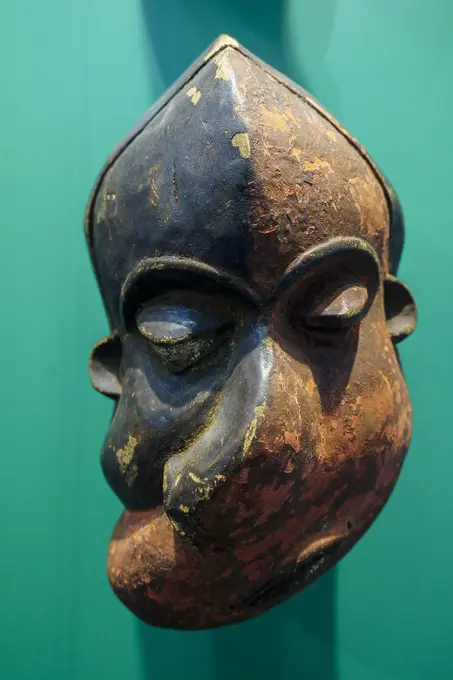
Ancient Artifacts and Sculptures

A collection of ancient artifacts including musical instruments and statuettes from various cultures, showcasing intricate designs and historical significance.

Oinochoe;  horse. IV - early III century BC (-330-00-00--280-00-00);Działyńska, Izabela (1830-1899), Działyńska, Izabela Elżbieta née Czartoryski (1830-1899)-collection, Działyński, Jan (1829-1880)
Oinochoe; horse. IV - early III century BC (-330-00-00--280-00-00);Działyńska, Izabela (1830-1899), Działyńska, Izabela Elżbieta née Czartoryski (1830-1899)-collection, Działyński, Jan (1829-1880)
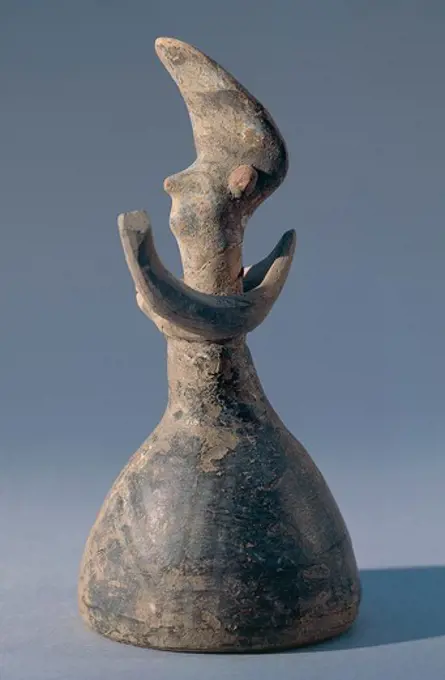
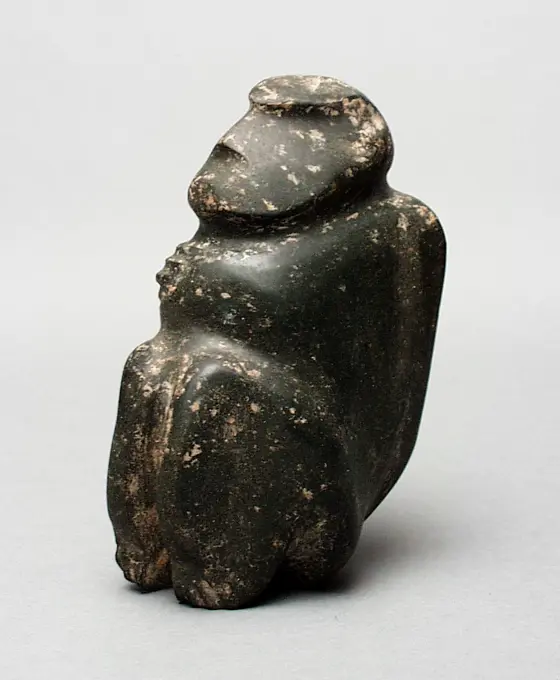
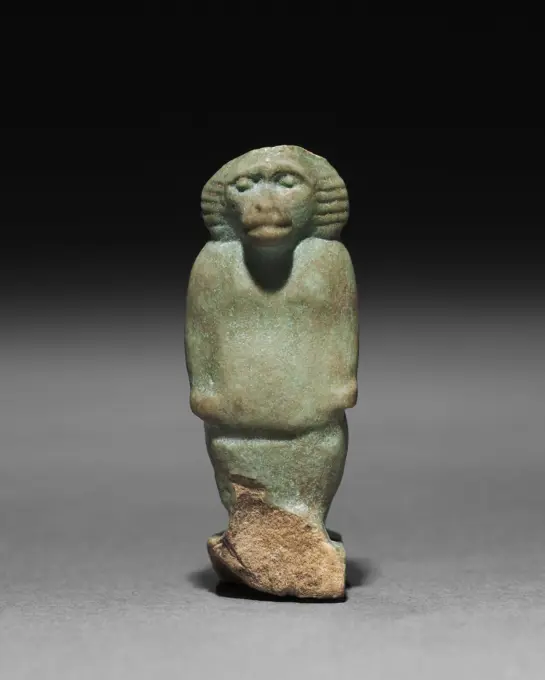
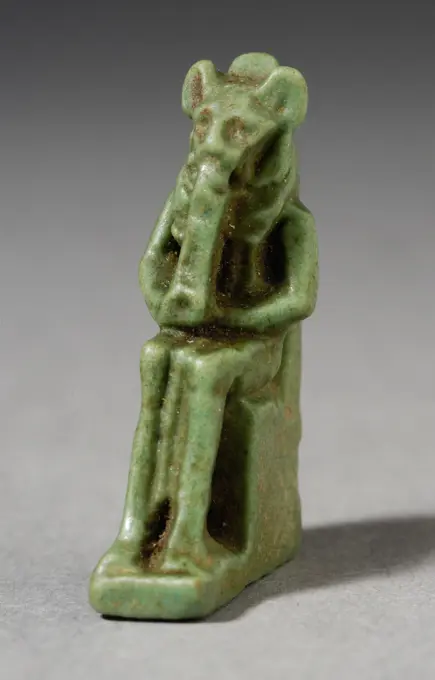
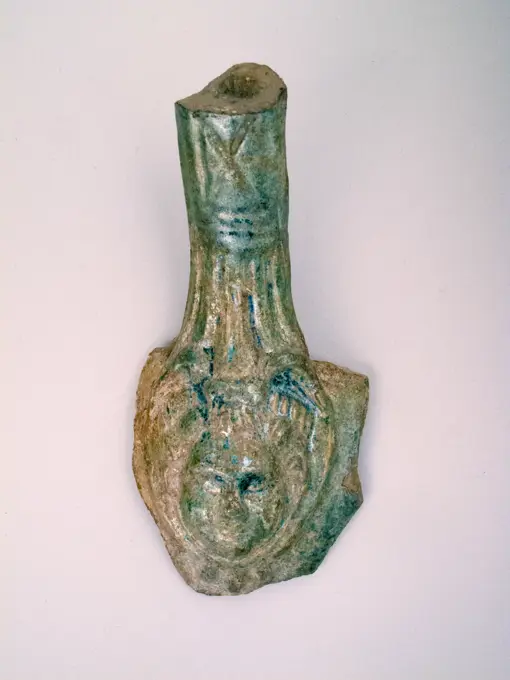
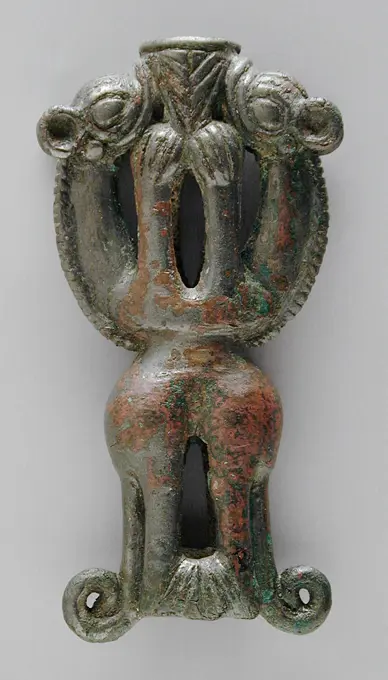
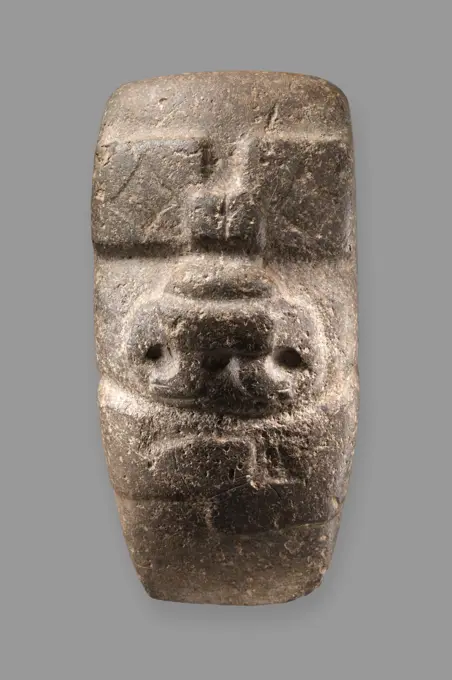
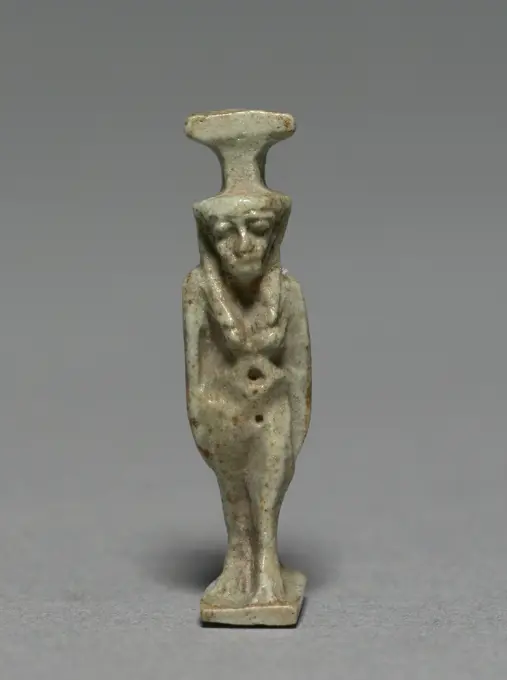
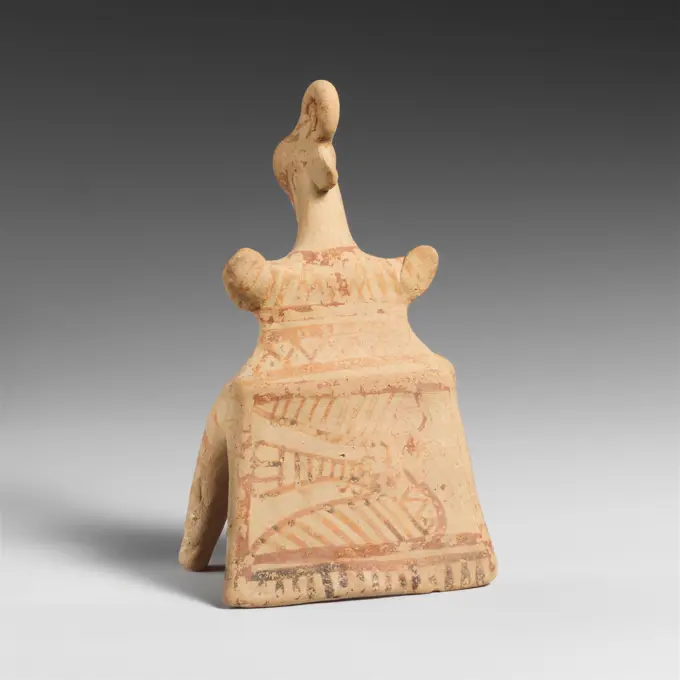
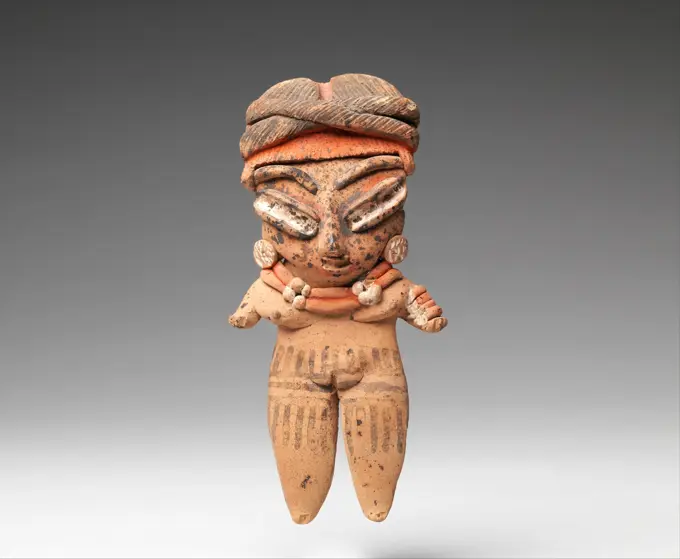
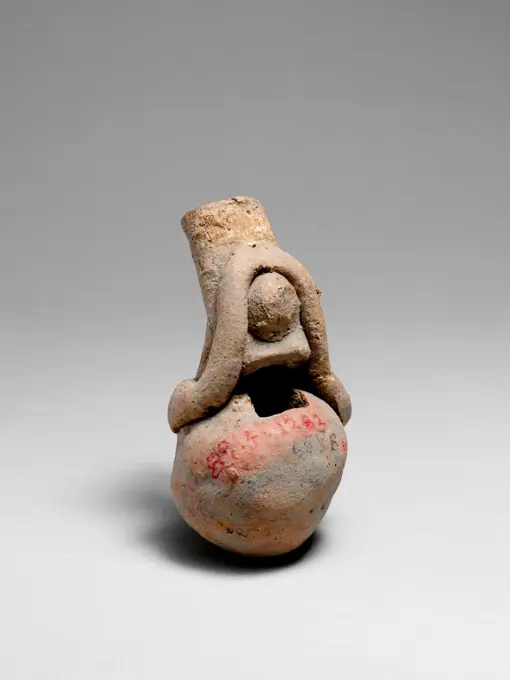
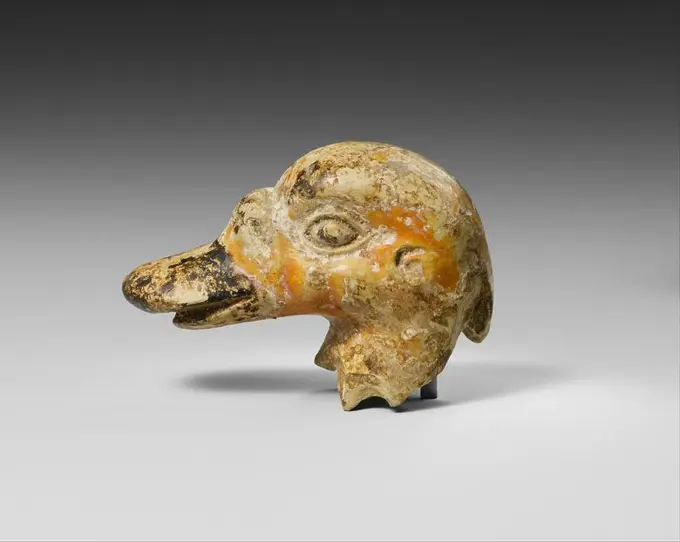
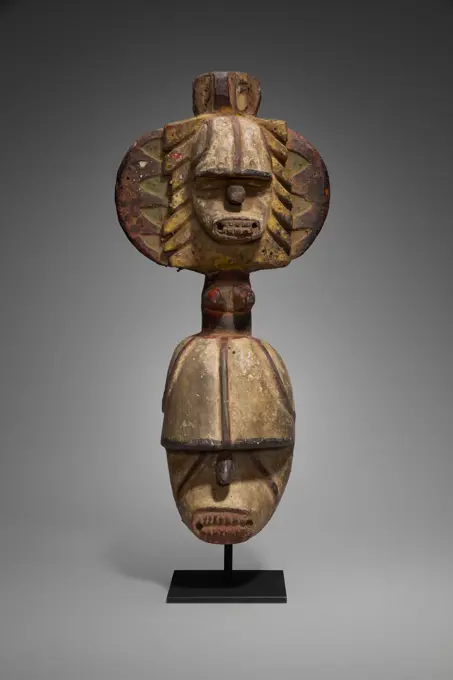
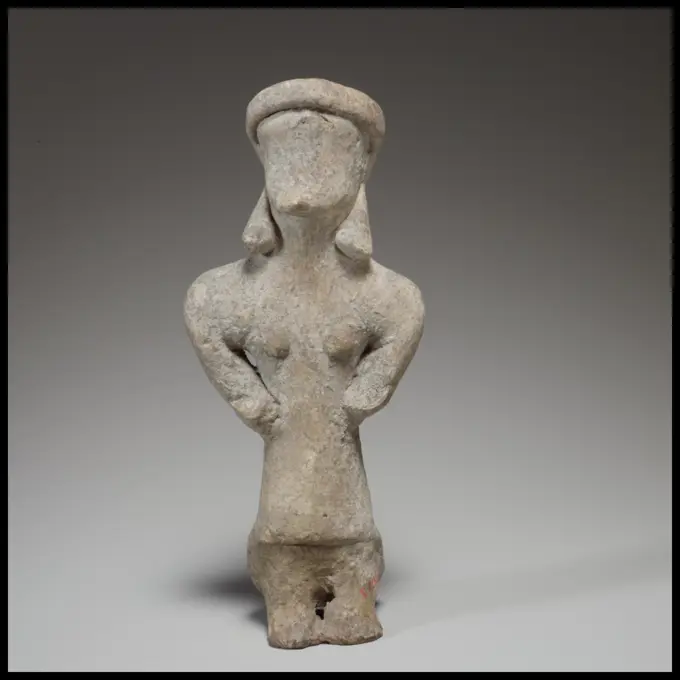
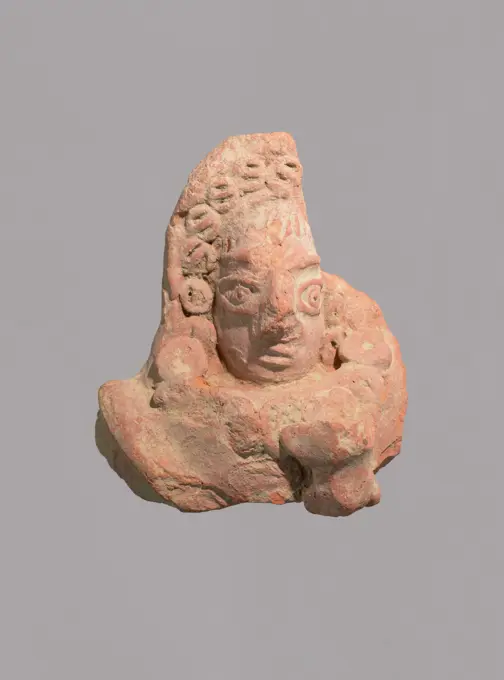
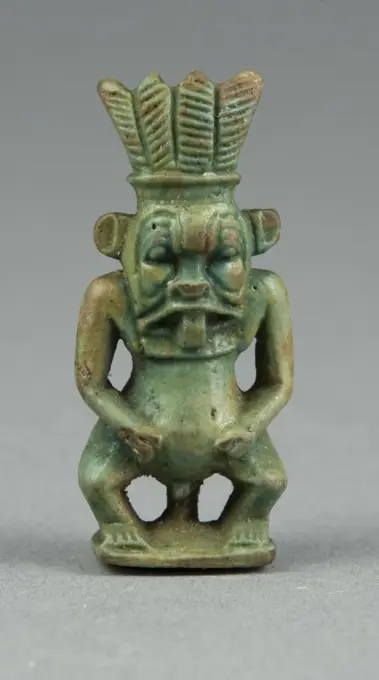
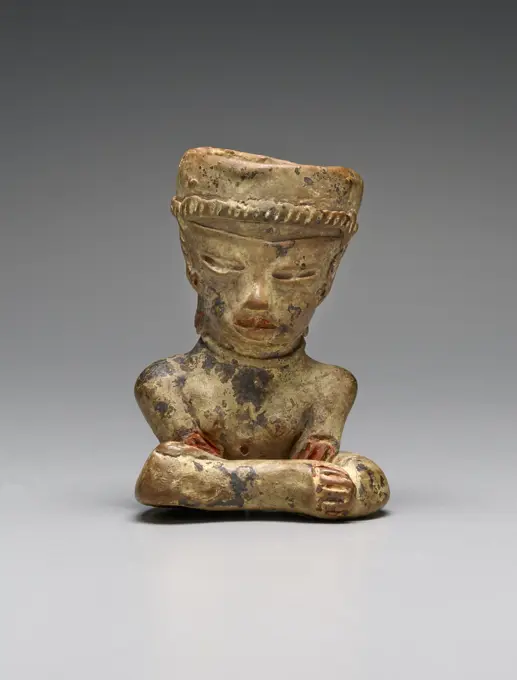
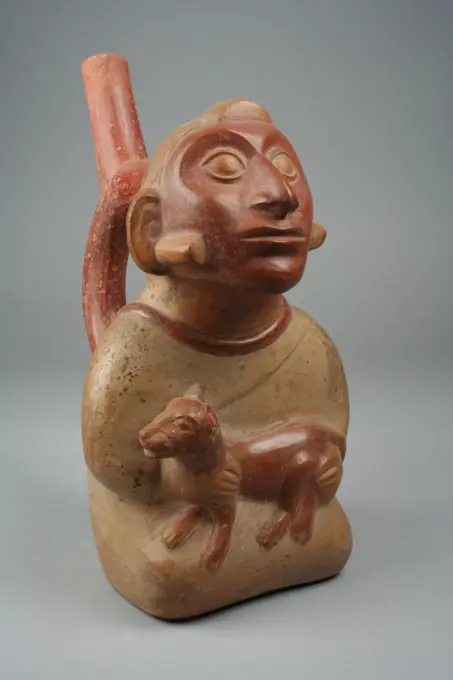
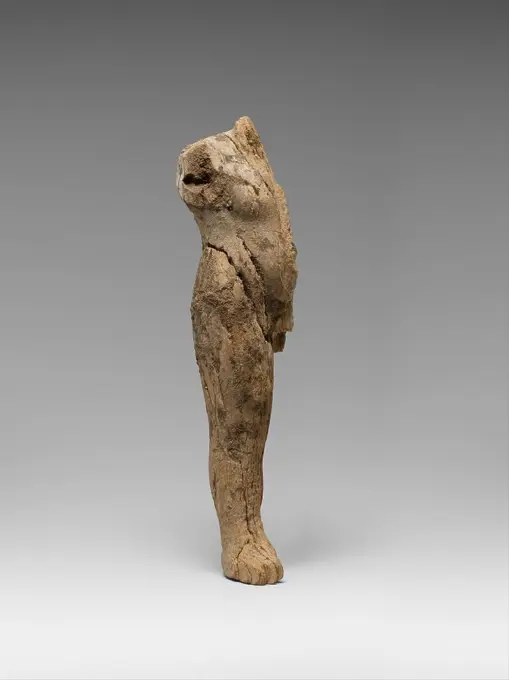
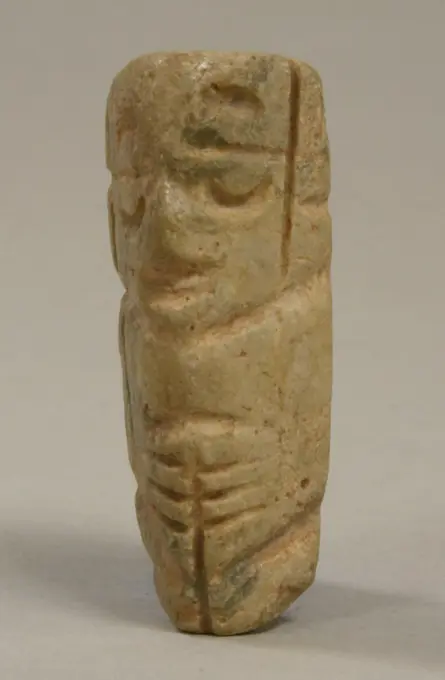
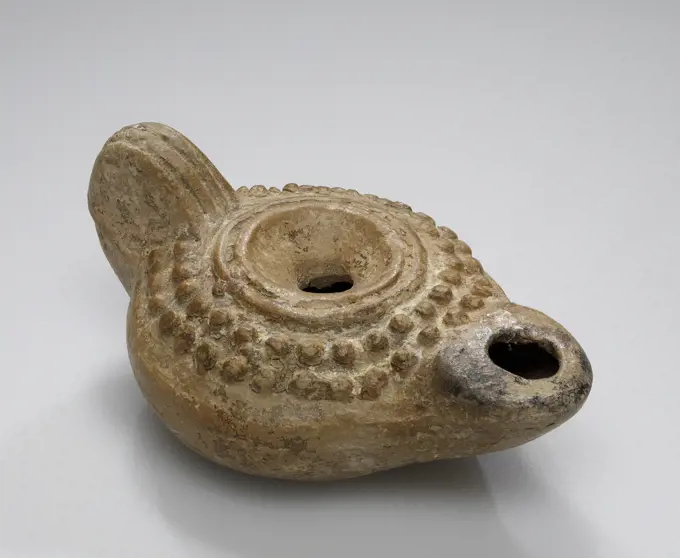
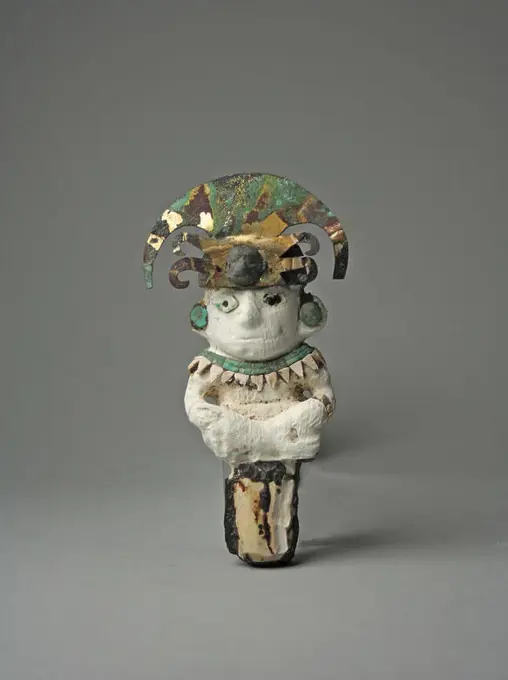
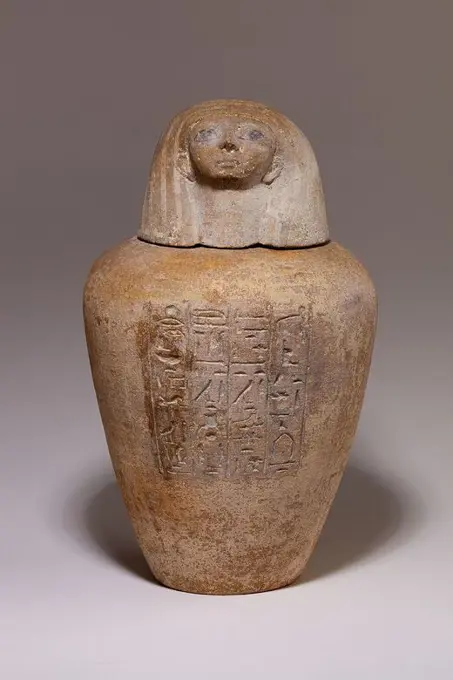
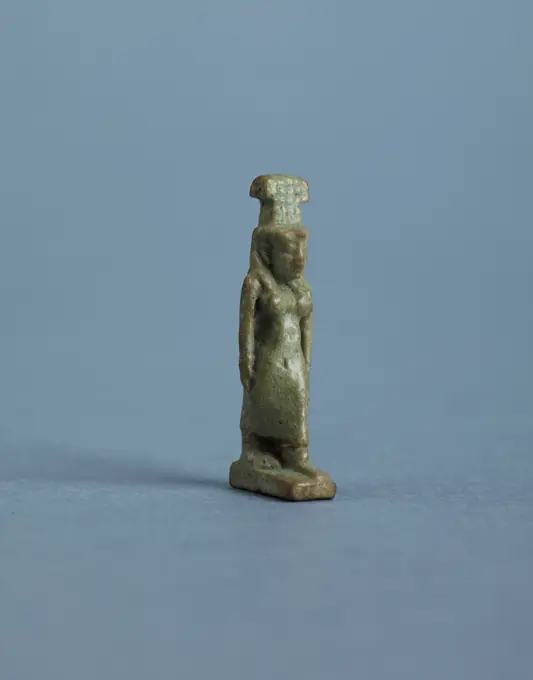
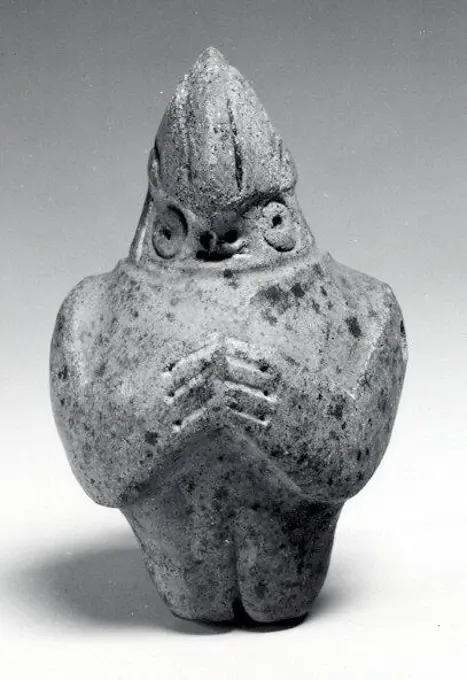
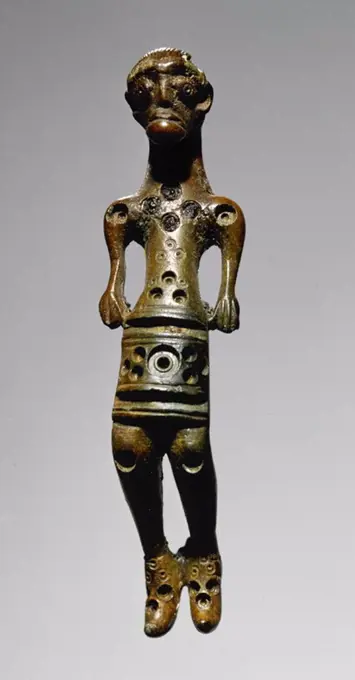
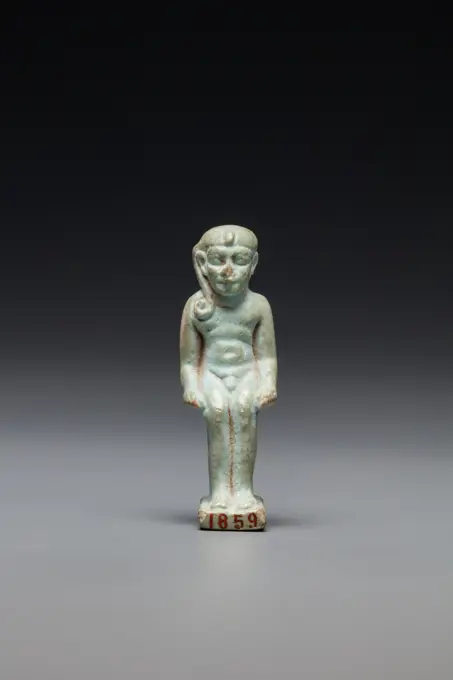
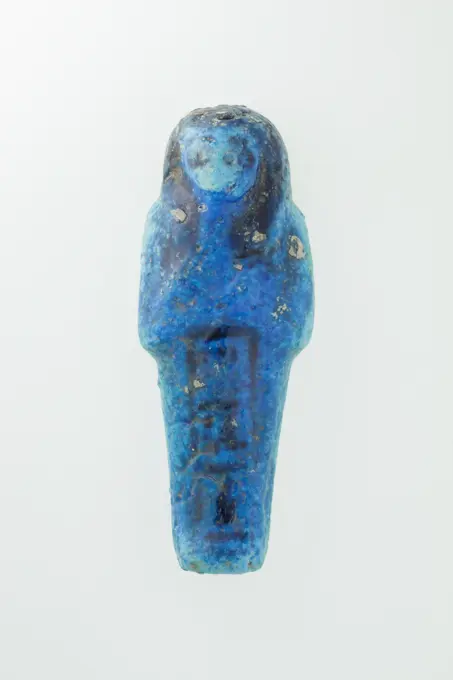
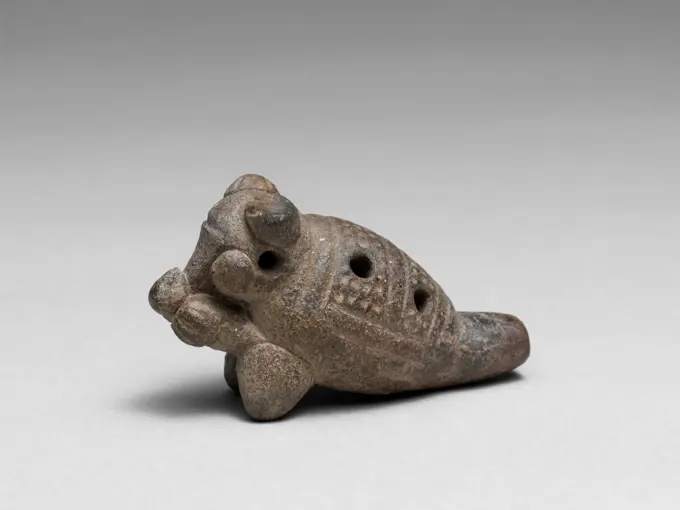
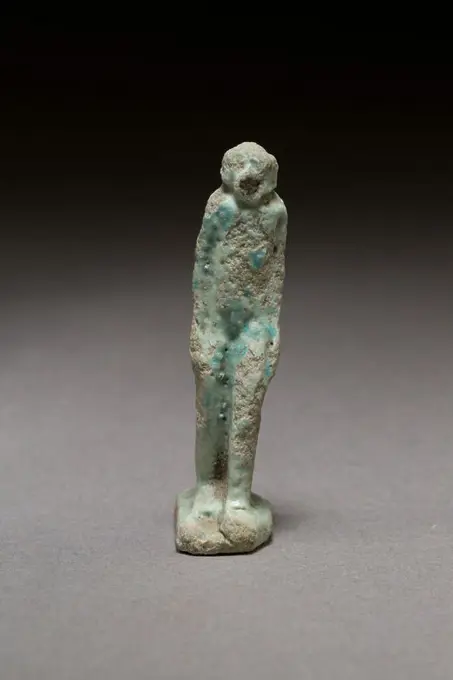
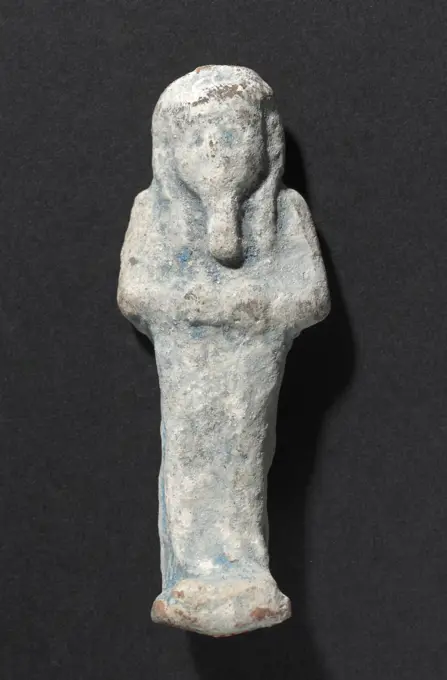
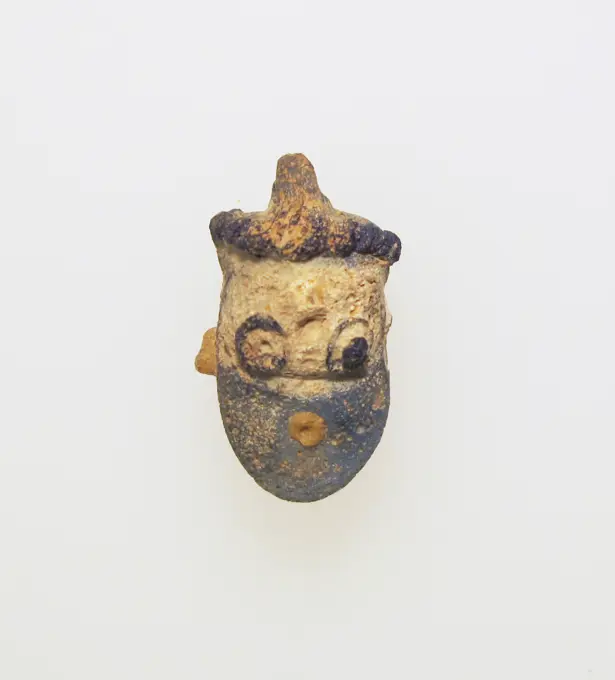
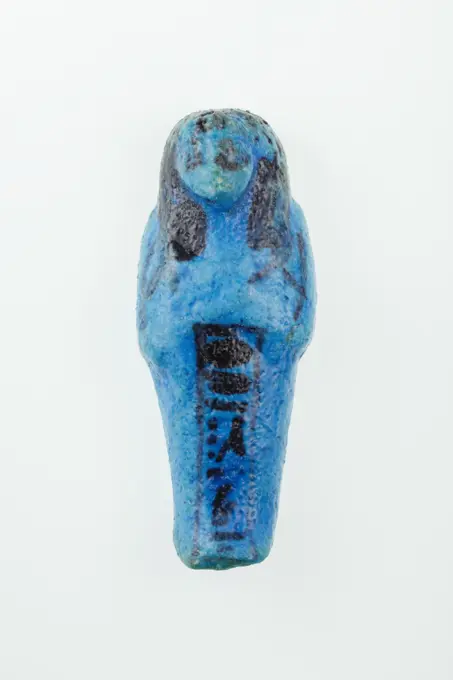
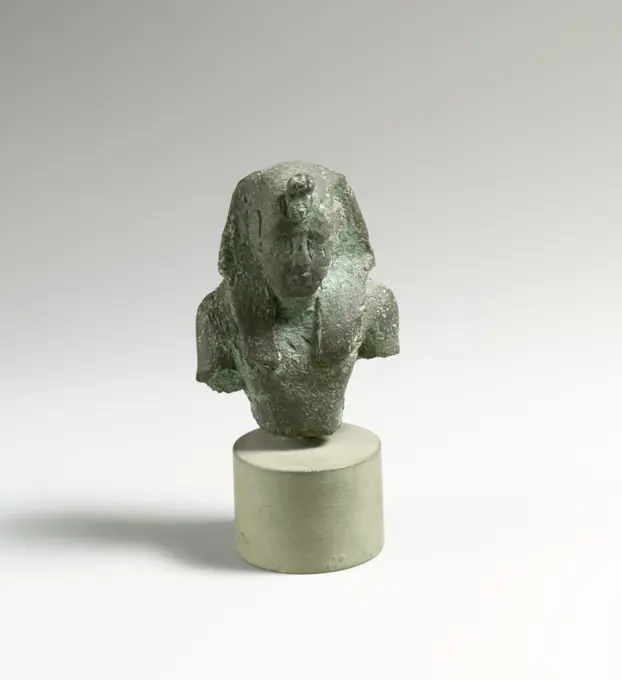
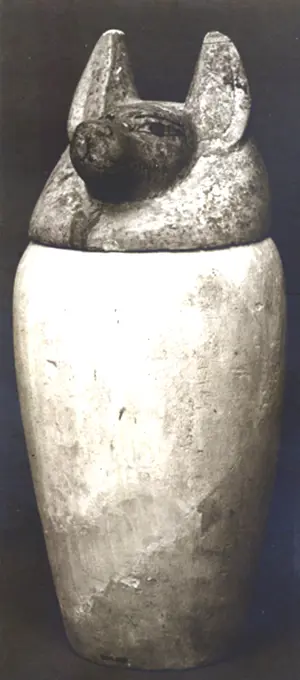
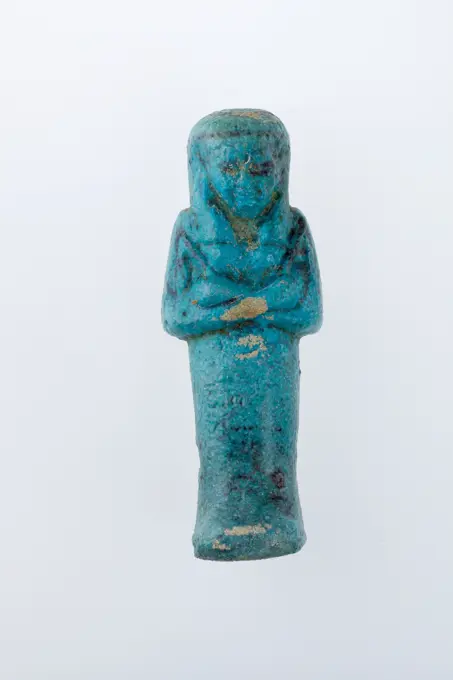
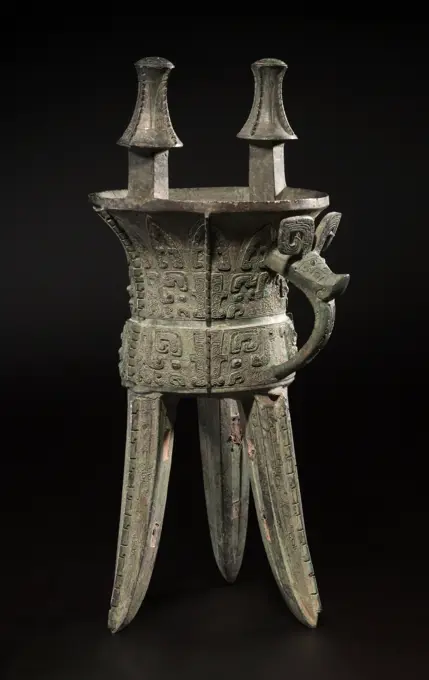
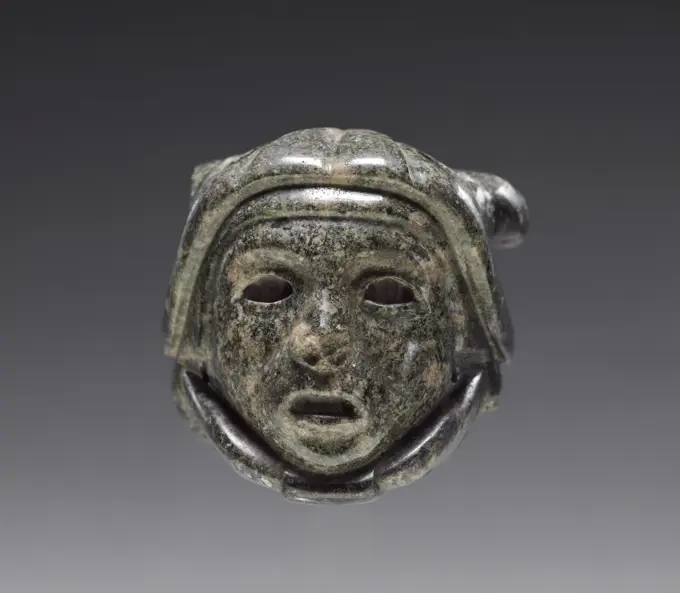
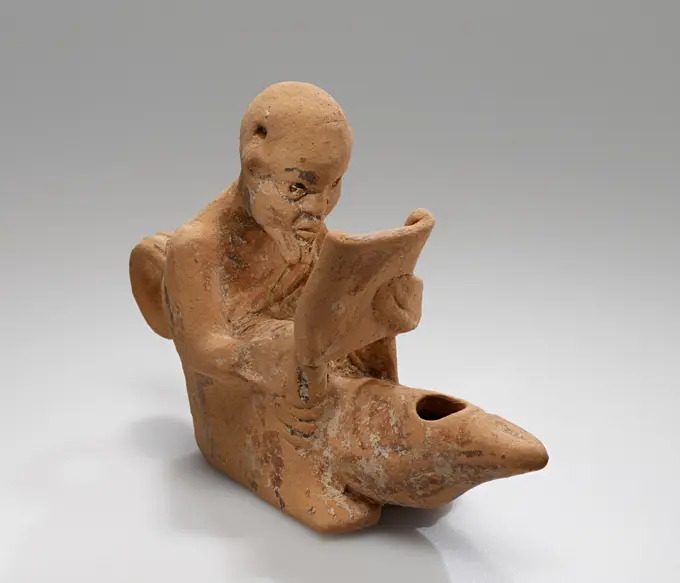
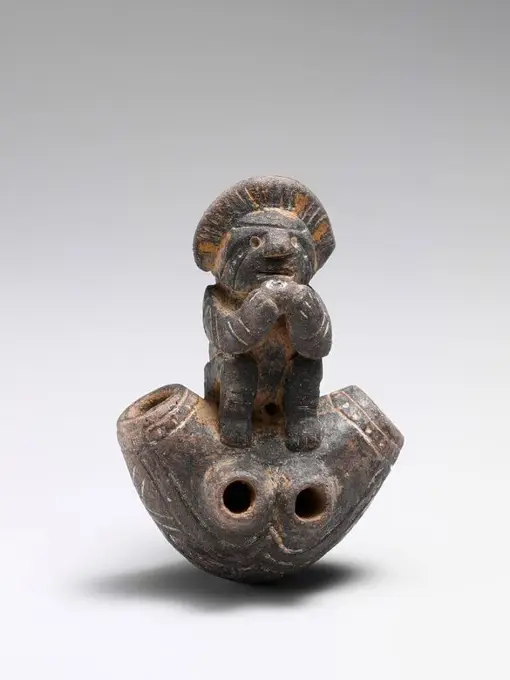
Ocarina. Culture: Tairona People; Gayraca style. Dimensions: L. app. 7 cm (2-3/4 in.); W. 5 cm (1-15/16 in.). Date: 1300-1500. Museum: Metropolitan Museum of Art, New York, USA.Ichneumon on a papyrus-shaped pillar. Dimensions: H. 22.9 cm (9 in.); W. 7 cm (2 3/4 in.); D. 7 cm (2 3/4 in.). Date: 664-30 B.C.. Museum: Metropolitan Museum of Art, New York, USA.Furniture element ca. 18th century B.C. Old Assyrian Trading Colony. Furniture element 323570'Donor (Priest) with a Ram. Fragment of a statuette'. Cyprus, First half - middle 6th century BC. Dimensions: h. 10,4 cm. Museum: State Hermitage, St. Petersburg.AncestorCharmOinochoe;  horse. IV - early III century BC (-330-00-00--280-00-00);Działyńska, Izabela (1830-1899), Działyńska, Izabela Elżbieta née Czartoryski (1830-1899)-collection, Działyński, Jan (1829-1880)Faience amulet of Isis and Horus. Culture: Egyptian. Dimensions: H.: 1 9/16 in. (3.9 cm). Date: 664-30 B.C..Amulet, Isis. Museum: Metropolitan Museum of Art, New York, USA.Monkey holding vessel ca. 18th century B.C. Old Assyrian Trading Colony. Monkey holding vessel 323578Terracotta female idol, from Petsofa, Crete, GreeceReclining FigureBaboon-Falcon Hybrid Amulet, 715-332 BC. Egypt, Late Period. Pale robin's egg blue faience; overall: 4.3 x 1.8 x 2.1 cm (1 11/16 x 11/16 x 13/16 in.).Amulet of a Female Goddess with Sun Disk. Egypt, Late Period - Ptolemaic Period (664 - 30 BCE). Jewelry and Adornments; amulets. BronzeAmulet of Sekhmet Seated with Sistrum. Egypt, Late Period- Ptolemaic Period (724 - 30 BCE). Jewelry and Adornments; amulets. Green faienceTerracotta green-glazed jug handle ca. A.D. 50-100 Roman Fragment of a handle of green-glazed terracotta jug with youthful head in medallion at base.. Terracotta green-glazed jug handle. Roman. ca. A.D. 50-100. Terracotta; lead-glazed ware. Early Imperial. VasesDogu (Clay Figurine). Culture: Japan. Dimensions: H. 6 1/8 in. (15.6 cm); W. 7 1/4 in. (18.4 cm); D. 2 3/4 in. (7 cm).Like most figurines found at Jomon sites, this one is broken at the waist, perhaps deliberately. Archaeologists conjecture that such figurines were used in ancient practices to ensure fertility. Museum: Metropolitan Museum of Art, New York, USA.Votive figurine;  750-600 BC (-750-00-00--600-00-00);Sharing, CYPRStandard Finial. Iran, Luristan, Luristan bronzes, circa 1000-800 B.C.. Architecture; Architectural Elements. Bronze, castOpaque dark blue Mask Bead. UnknownVotive Axe 10th-6th century B.C. Olmec. Votive Axe. Olmec. 10th-6th century B.C.. Stone. Mexico, Mesoamerica. Stone-ImplementsStanding Ceramic Figure 3rd-5th century Moche. Standing Ceramic Figure 309315Amulet of Nephthys, 380-30 BC. Egypt, Dynasty 30 to Ptolemaic Dynasty. Gray green faience; overall: 3.5 cm (1 3/8 in.).Terracotta statuette of a seated woman ca. 575-550 B.C. Greek, Boeotian Because of her seated position and the headdress, this figure probably represents a goddess. Of particular interest is the flying bird on her skirt. This motif is common on contemporary Boeotian stemmed bowls. It is unclear whether any connection exists between the bowls and a deity.. Terracotta statuette of a seated woman 255431Ancestor Figure orCharmFemale Figure 3rd century B.C.-A.D. 4th century Chupicuaro This ceramic figurine features a stylized female, nude except for a large beaded collar and rounded earflares, armbands, an elaborate coiffure, and body paint around her waist and thighs. Hand-modeled, figurines of this type are often female and come in a variety of styles displaying regional characteristics such as the coffee-bean eyes typical of figurines from Chupícuaro. Potters emphasized the faces and heads of these figures while often minimally indicating the bodies, yet it was important to gender the figurines as female by indicating the genitalia. Small ceramic figurines were made by most ancient peoples in Mesoamerica from as early as the second millennium B.C. to the time of the Aztec in the early sixteenth century. They were placed as funerary offerings in burials or in other dedicatory assemblages. Some link the figurines to fertility cults; others view them as companions for the deceased.In 1951, Nelson RockefellerPottery Whistle 19th century () Mexican. Pottery Whistle. Mexican. 19th century (). Clay. Mexico. Aerophone-Whistle Flute-whistleStanding nude female figurine ca. 600-480 B.C. Cypriot The figurine is solid and was made from a worn mold. The legs are missing below the knees. Part of the background is missing above the head. She stands in relief against a curved background,. Standing nude female figurine 241125Faience fragment of a duck askos (flask with spout). Culture: Greek, Ptolemaic. Dimensions: h. 1 9/16 in. (3.9 cm); w. 2 5/16 in. (5.8 cm). Date: ca. 2nd century B.C..A tiny hole in the beak of this duck head implies that it once belonged to an askos, which were often in the form of animals. Museum: Metropolitan Museum of Art, New York, USA.Fibula, 450-1 BC. Classical, Poland (). Bronze; overall: 9.8 cm (3 7/8 in.).Mask Surmounted by a HumanFaceStanding female figurine ca. 600-480 B.C. Cypriot The figurine is handmade and solid. The lower ends of both arms are attached to the waist; the forearms probably have broken off.. Standing female figurine 241106Womans head - figurine fragment. unknown, craftsmanAmulet of the God Bes 1070 BCE-656 BCE Egypt. Faience . Ancient EgyptianTerracotta jug ca. 2000-1800 B.C. Cypriot Beaked spout, incised bands and dotted zigzags.. Terracotta jug. Cypriot. ca. 2000-1800 B.C.. Terracotta; Black Polished Ware. Early Cypriot III-Middle Cypriot I. VasesConsole of the organ in the Oude Kerk in Delft, Anonymous, 1560 Wooden Console, from the organ in the Oude Kerk in Delft. The console consists of a men's figure with legs raised, which is, as it were, locked up in the console. See: BK-NM-8524-B and see: BK-BR-502. Northern Netherlands wood (plant material). oak (wood) Wooden Console, from the organ in the Oude Kerk in Delft. The console consists of a men's figure with legs raised, which is, as it were, locked up in the console. See: BK-NM-8524-B and see: BK-BR-502. Northern Netherlands wood (plant material). oak (wood)SeatedFigurine.   Maker: UnknownStirrup Spout Bottle with Figure Holding Feline 4th-6th century Moche. Stirrup Spout Bottle with Figure Holding Feline 308549Partial statuette probably depicting a young boy. Dimensions: H. 11 x W. 2.3 x D. 2.7 cm (4 5/16 x 7/8 x 1 1/16 in.). Date: ca. 3100-2650 B.C.. Museum: Metropolitan Museum of Art, New York, USA.Stone Penate Figure 13th-14th century Mixtec. Stone Penate Figure 315674Lamp, Asia Minor; 1st - 4th century; Terracotta; 2.4 x 5.5 x 8.6 cm (15,16 x 2 3,16 x 3 3,8 in.)Chalk Figure Ornament. Culture: Moche (Loma Negra). Dimensions: Height 3-3/4 in. (9.5 cm). Date: 390-450. Museum: Metropolitan Museum of Art, New York, USA.Canopic Jar of Ruiu. Dimensions: Overall H. 33.5 cm (13 3/16 in). Lid: H. of lid 11.2 cm (4 7/16 in.) Jar: H. 24 cm (24 cm (9 7/16 in.). Dynasty: Dynasty 18, early. Reign: reign of Thutmose I-early sole Thutmose III. Date: ca. 1504-1447 B.C..The burial of Ruiu was found in the tomb of her father, Neferkhawet, which was excavated by the Museum's Egyptian Expedition in 1935. Ruiu's coffin and canopic box had been placed in the east chamber of the tomb along with the burials of seven other family members. The canopic box had been badly damaged by dampness and insects, but enough was left to allow the archaeologists to reconstruct the box and its decoration and texts on paper.The box was divided into four compartments by two interlocking partitions, and the jars had been placed in these compartments. Each side of the box was decorated with the image of one of the four funerary goddesses: Isis, Nephthys, Selkit, and Neit. In the texts on the box, each goddess was associated with one of thAmulet - NephthysMale breast with lower part of Aten cartouches ca. 1353-1336 B.C. New Kingdom, Amarna Period. Male breast with lower part of Aten cartouches 549693Shawabty of Meritamen, 1000-945 BC. Egypt, Third Intermediate Period, late Dynasty 21 (1069-945 BC). Turquoise faience with dark purple decoration; overall: 12 x 3.4 x 3.8 cm (4 3/4 x 1 5/16 x 1 1/2 in.).Part of a crane from the wreck of the East Indians Meresteijn, Anonymous, 1693 - 1702  Tap consisting of solid tapered tap with a (leaving) hole. The control lever is in the form of a fish that hits its tail. Tap. Netherlands brass (alloy)   Cape of Good HopeWhistle, Figure With Peaked Hat 9th-5th century B.C. Tembladera. Whistle, Figure With Peaked Hat 316713Bronze statuette of Eros seated on a rock ca. 200 B.C.-A.D. 200 Greek or Roman Statuette of Eros seated on a rock.. Bronze statuette of Eros seated on a rock 245505Bronze spilla in shape of human figure, Celtic, 450 BC from Hradek near Manetin, Bohemia. Museum: NATIONAL MUSEUM, PRAGA, CZECH REPUBLIC.Harpokrates amulet 664-332 B.C. Late Period. Harpokrates amulet. 664-332 B.C.. Faience, blue. Late Period. From Egypt. Dynasty 26-30Worker Shabti of Nany ca. 1050 B.C. Third Intermediate Period See 30.3.30.1a, b. Worker Shabti of Nany. ca. 1050 B.C.. Faience. Third Intermediate Period. From Egypt, Upper Egypt, Thebes, Deir el-Bahri, Tomb of Meritamun (TT 358, MMA 65), first corridor, burial of Nany, MMA excavations, 1928-29. Dynasty 21Pottery Whistle ca. 800-1500 Costa Rican. Pottery Whistle. Costa Rican. ca. 800-1500. Clay. Pre-Columbian. Costa Rica. Aerophone-Whistle Flute-whistleAmulet of the Goddess Mut. Egyptian. Date: 700 BC-1 BC. Dimensions: 4.1 × 2.1 × 1.1 cm (1 5/8 × 13/16 × 7/16 in.). Faience. Origin: Egypt. Museum: The Chicago Art Institute, Chicago, USA. Author: Ancient Egyptian.Statuette of a Banqueter. UnknownMonkey or meerkat. Dimensions: H. 5 × W. 1.1 × D. 1.9 cm (1 15/16 × 7/16 × 3/4 in.). Date: 500-200 BC.Depictions of monkeys are popular throughout Egyptian history. Standing monkeys balancing on their tails seem to date to the Late Period and later. A faience example was excavated at Naurkatis in a cache dating to the late 5th-4th centuries BC. The Metropolitan Museum Egyptian Expedition excavated in a Ptolemaic tomb at Thebes a wooden example posed like this one, but carrying a bow and arrow and housed in a small sort of shrine/box. Eroded as this statuette is, it is clear that the penis was prominently depicted. A loop through the back is partly broken. Museum: Metropolitan Museum of Art, New York, USA.Shawabty of Ditamenpaankh, 715-656 BC. Egypt, Late Period, Dynasty 25. Terracotta; overall: 6.9 x 2.6 x 1.7 cm (2 11/16 x 1 x 11/16 in.). High demand for shawabtys in the Late Period, a time when as many as 400 or more shawabtys were placed in the tomb with the deceased, gave rise to a specialized container for storing them: the shawabty box. This example is inscribed for the lady of the house, Ditamenpaankh, and was probably one of a pair originally made for her. The single-masted boat on the box's lid is perhaps an allusion to the pilgrimage of the deceased to the holy city of Abydos, the cult city of Osiris, king of the dead. The shawabtys inside are crude, mass-produced examples cast in an open mold. Made of terracotta, their blue paint imitates more costly shawabtys made of faience. As for the shawabty spell, it has been removed from its traditional location on the shawabty's front and relocated onto the sides of box, where it needed only to be written once, thus expediting produGlass head pendant mid-5th-4th century B.C. Phoenician Translucent pale blue, with opaque white and yellow, and translucent cobalt blue.Cylindrical with large rod hole at bottom; horizontal rounded edge at back, U-shaped front projecting downwards; applied suspension loop on top of head.Applied twisted headband in cobalt blue; upper half of face in white, with blue and white stratified eyes; beard in pale blue with small circular mouth and ear in yellow.Intact, but missing proper left ear and part of proper right eye; pitting, weathering, and faint iridescence.. Glass head pendant. Phoenician. mid-5th-4th century B.C.. Glass; rod-formed and trailed. Classical. GlassAnonymous. "Comic actor mask". Metal, bronze. Museum of Fine Arts of the City of Paris, Petit Palais. 99931-21 ANTIQUITE, BRONZE, Metal, antiqueFragment of a sculpture., 1600 - 1800 Upper part of a pipeline sculpture with an object in hand.  pipe clay Upper part of a pipeline sculpture with an object in hand.  pipe clayHead, 7 x 7 x 7 11/16 in. (17.8 x 17.8 x 19.5 cm), Terra cotta, NigeriaWorker Shabti of Nany ca. 1050 B.C. Third Intermediate Period See 30.3.28.1a, b. Worker Shabti of Nany. ca. 1050 B.C.. Faience. Third Intermediate Period. From Egypt, Upper Egypt, Thebes, Deir el-Bahri, Tomb of Meritamun (TT 358, MMA 65), first corridor, burial of Nany, MMA excavations, 1928-29. Dynasty 21Boat - fragment;  Unspile (0-00-00-0-00-00);Bronze portrait head of a pharaoh 664-31 B.C. Egyptian Portrait head of a pharaoh.. Bronze portrait head of a pharaoh 244464Canopic jar with jackal lid ca. 1070-343 B.C. Third Intermediate Period-Late Period. Canopic jar with jackal lid 558387Worker Shabti of Henettawy (C), Daughter of Isetemkheb ca. 990-970 B.C. Third Intermediate Period See 25.3.19.. Worker Shabti of Henettawy (C), Daughter of Isetemkheb 591099MaskGray neck fragment of Bartmann jug, also called Bellarmine jug with narrow frieze over the shoulder, Bartmann juggeware tableware holder fragment earthenware ceramics stoneware glaze salt glaze, hand turned stamped glazed glazed baked Neck fragment of stoneware beard mason gray shard light gray salt glaze protruding ring under mouth rim bandoor profiled neck with beard mask Smalle fries over the shoulder archeology import pottery drink store serve serve wine beerSeated female figurine late 6th-early 5th century B.C. Cypriot The figurine is handmade and solid. She sits on a four-legged throne or chair with a high backrest; her feet rest on a stool.. Seated female figurine 241240Pair of Djed-Pillar Amulets, 380-30 BC. Egypt, Dynasty 30 to Ptolemaic Dynasty. Gray-green faience; overall: 3.1 cm (1 1/4 in.).Mace head ca. 9th century B.C. Iran. Mace head 325783Situla 600 BC-100 AD Late Period - Roman Period See 58.76.5 for a discussion of situlae of this type.. Situla. 600 BC-100 AD. Copper alloy. Late Period - Roman Period. From EgyptWine Vessel (Jia), c. 1250-1046 BC. China, late Shang dynasty (c.1600-c.1046 BC), Anyang phase (c.1250-1046 BC). Bronze; overall: 50.8 cm (20 in.).Face from a Cosmetic Spoon, 1391-1353 BC. Egypt, New Kingdom, Dyansty 18 (1540-1296 BC), reign of Amenhotep III. Ivory; overall: 4 x 2.3 cm (1 9/16 x 7/8 in.).Maska boga Besa - fragment naczynia. unknown, authorRepousse Kris Handle in the form of aDemonBrass handle of table knife with engraved man and woman, handle knife cutlery soil find copper metal, engraved brass handle with young man on one side with sword on his belt and on the other side naked woman among trees (possibly Venus) archeology Rotterdam City Triangle Mariniersweg Venus Soil discovery: Mariniersweg Rotterdam 1983.Seated FigureMi Bow Tip, 1766-1122 BCE, 3 9/16 x 1 x 1/8 in. (9.05 x 2.54 x 0.32 cm), Highly calcified ivory-white jade with traces of red pigment, China, 18th-12th century BCEHead in Mouth of Snake, 1325-1519. Central Mexico, Aztec, Post-Classic Period. Greenstone; overall: 5.4 x 5.3 x 4.8 cm (2 1/8 x 2 1/16 x 1 7/8 in.).Male power figure, c. 1900, 7 × 2 9/16 × 2 1/4 in. (17.78 × 6.51 × 5.72 cm) (including base), Wood, brass, Democratic Republic of Congo, 20th centuryBoat;  approx. 747- 332 BC ; Half period, 27-30 dynasty (-747-00-00--332-00-00);Triangular element decorated with a goose (side panel intended to decorate an access ramp) (username), 0100. Gray shale. Cernuschi Museum, Asia Museum of Asia in the city of Paris.Canopic Jar with Human Head Lid 1985 BCE-1773 BCE Egypt. Calcite . Ancient EgyptianCanopic jar lid in form of falconheadLamp. UnknownStanding male figurine with uplifted arms ca. 750-600 B.C. Cypriot The conical body is wheel-made and hollow, with added handmade arms stretched upward and outward.. Standing male figurine with uplifted arms. Cypriot. ca. 750-600 B.C.. Terracotta; wheel-made and hand-made. Cypro-Archaic I . TerracottasSpider Ornament 6th-7th century Moche (Loma Negra). Spider Ornament 314707Incense Burner Cover. Indonesia, Eastern Java, 14th century (). Tools and Equipment; burners. TerracottaCovered Box. Southeast China, Fujian, 15th-16th century. Furnishings; Accessories. Stoneware with dark green glaze and brown markingsContainer, 1200-200 BC. Peru, North Coast, Cupisnique style (1200-200 BC). Steatite; overall: 6.6 x 9.3 cm (2 5/8 x 3 11/16 in.).Finial with Wild Ram 7th-6th century B.C. Northeast China. Finial with Wild Ram. Northeast China. 7th-6th century B.C.. Bronze. MetalworkLamp. UnknownWorker Shabti of Nany ca. 1050 B.C. Third Intermediate Period See 30.3.30.1a, b. Worker Shabti of Nany. ca. 1050 B.C.. Faience. Third Intermediate Period. From Egypt, Upper Egypt, Thebes, Deir el-Bahri, Tomb of Meritamun (TT 358, MMA 65), first corridor, burial of Nany, MMA excavations, 1928-29. Dynasty 21Architectural Model, 100 BC-AD 300. Mexico, Guerrero, Mezcala. Serpentine; overall: 9.2 x 5.4 x 1.8 cm (3 5/8 x 2 1/8 x 11/16 in.).Pendant: Winged Female Head; Italy; 500 - 480 B.C; Amber; 42 × 23.5 × 32 mm (1 5,8 × 15,16 × 1 1,4 in.)Yong bell, late 6th-5th century BCE, 23 in. (58.42 cm), Bronze, China, 6th-5th century BCE, When this bell was made, around 500 BCE, Chinese bells had already evolved over 800 years. They were sophisticated musical instruments. This bell is called a yong, the quintessential bell type found in high-ranking late Zhou tombs. Unlike the bo type, seen elsewhere in this exhibition, it has an arch-shaped bottom, straight sides, cylindrical bosses, and a columnar shank (yong) with a loop suspension device that causes the bell to tilt toward the player rather than remain straight up and down. This permitted greater accuracy in striking than with vertically suspended bellsan important feature, since yong bells can emit two notes depending on whether they are struck in the center or midway to the side. The symmetrical group of bosses on each bell probably served to diminish the nonharmonic overtones emitted by the upper part of the bell, thereby emphasizing the fundamental notes.Toad-Shaped Yoke with HumanHeads.  Artist: UnknownStirrup Spout Bottle with Coca Chewer 3rd-6th century Moche. Stirrup Spout Bottle with Coca Chewer 308541Plaque. Inner Mongolia or northern China, 5th-1st century B.C.. Sculpture; plaques. Bronze, castTurquoise Glazed Compostion Statuette of Wadjet  400-300  B.C.  Egyptian Art African sick mask, Pende del Zaire ethnicity, 19th century, polychrome wood, Sa Bassa Blanca Museum (msbb). Yannick Vu and Ben Jakober , Alcudia, Majorca, Spain.