Ancient Artifacts and Seal Impressions

A collection of ancient artifacts including cowroids and spindle whorls, featuring unique inscriptions and designs, highlighting rich historical significance.

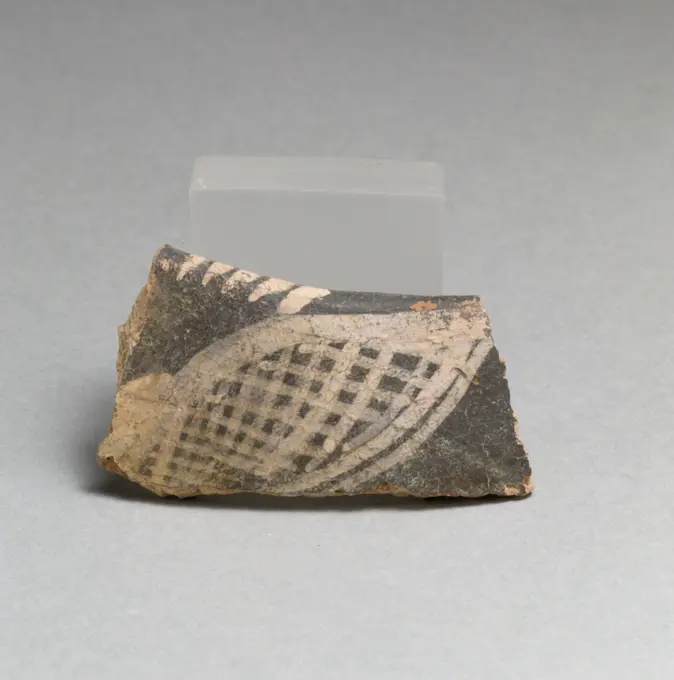
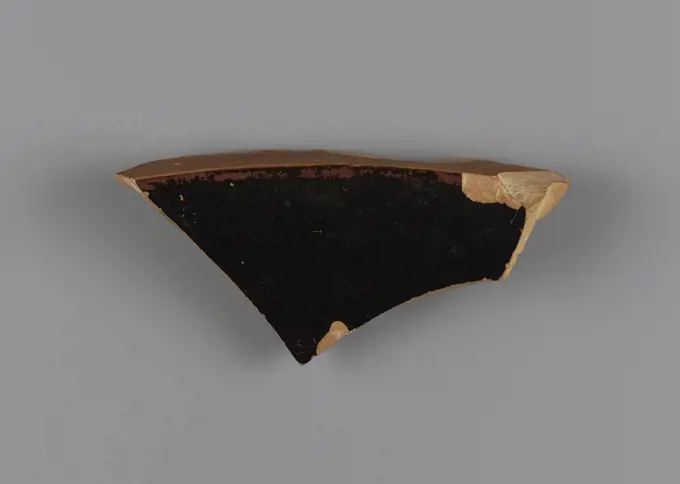
Earthenware shard, found at v.o.c. -ship Witte Leeuw, possibly from Zeelelie, Anonymous, 1750 - 1799  Sharf of yellow-baking earthenware with a black layer, found at v.o.c. ship the 'Witte Leeuw'. An hourglass has been scratched with four dots. This object is 18th century and cannot therefore be from the freight of the Witte Leeuw. It is unclear whether the object will come from the site or whether it was mixed later, possibly with material from the Zeelelie.  earthenware
Earthenware shard, found at v.o.c. -ship Witte Leeuw, possibly from Zeelelie, Anonymous, 1750 - 1799 Sharf of yellow-baking earthenware with a black layer, found at v.o.c. ship the 'Witte Leeuw'. An hourglass has been scratched with four dots. This object is 18th century and cannot therefore be from the freight of the Witte Leeuw. It is unclear whether the object will come from the site or whether it was mixed later, possibly with material from the Zeelelie. earthenware
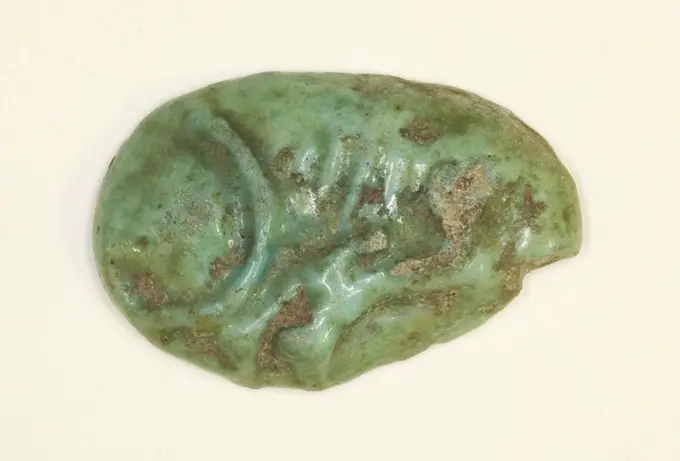
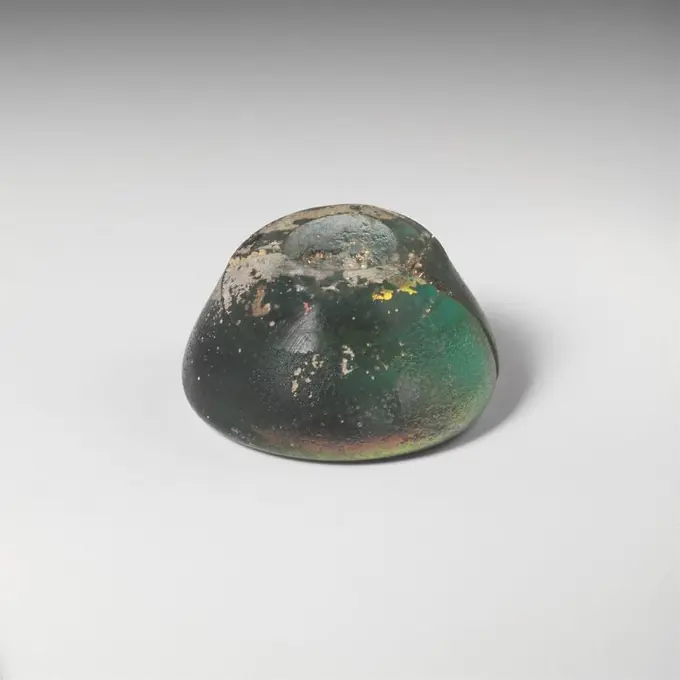
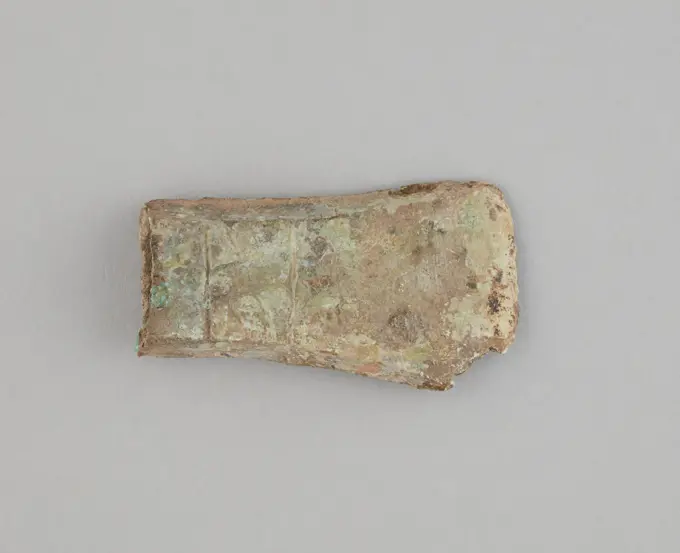
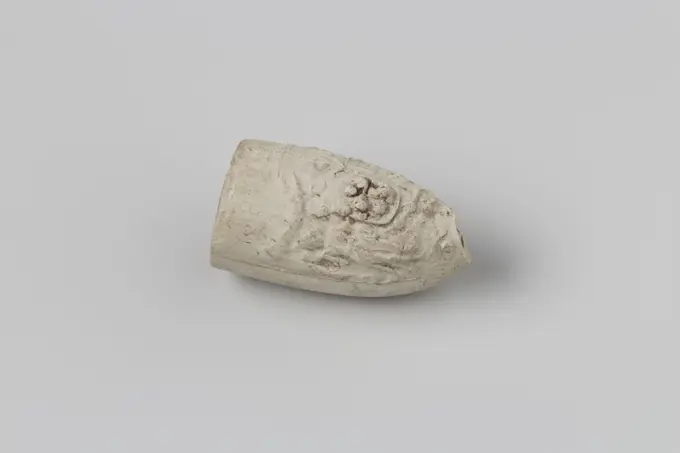
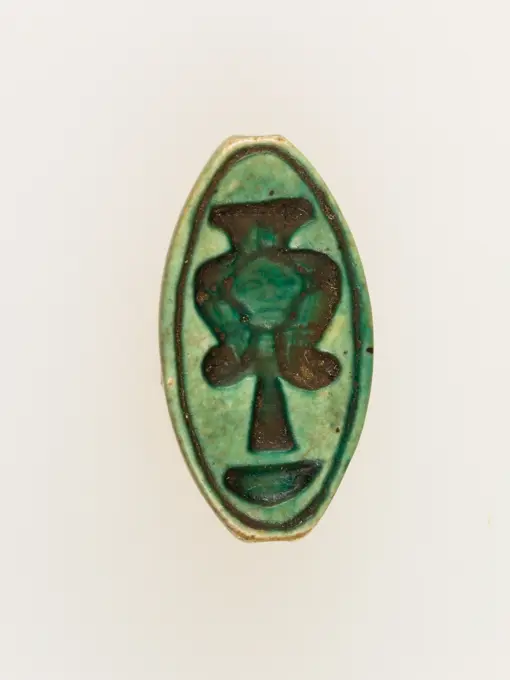
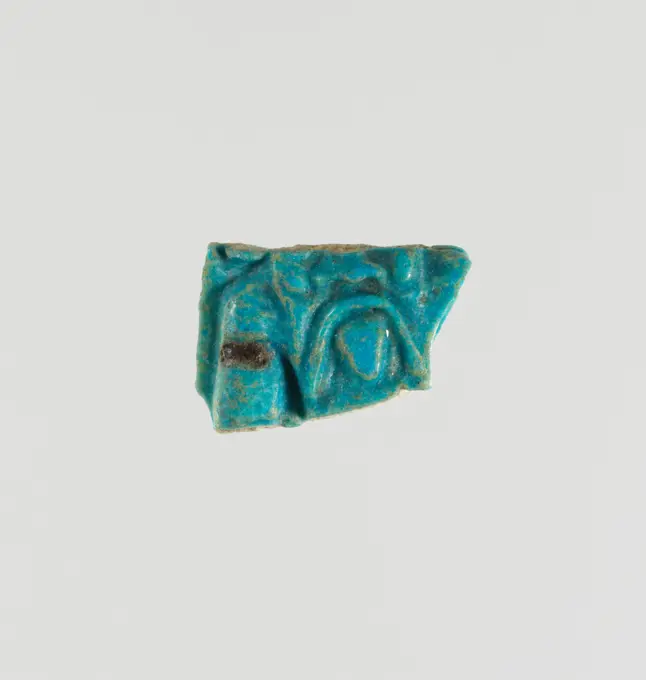
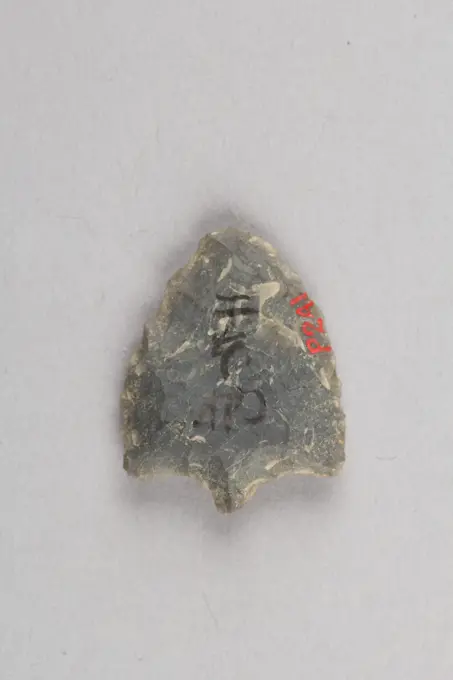
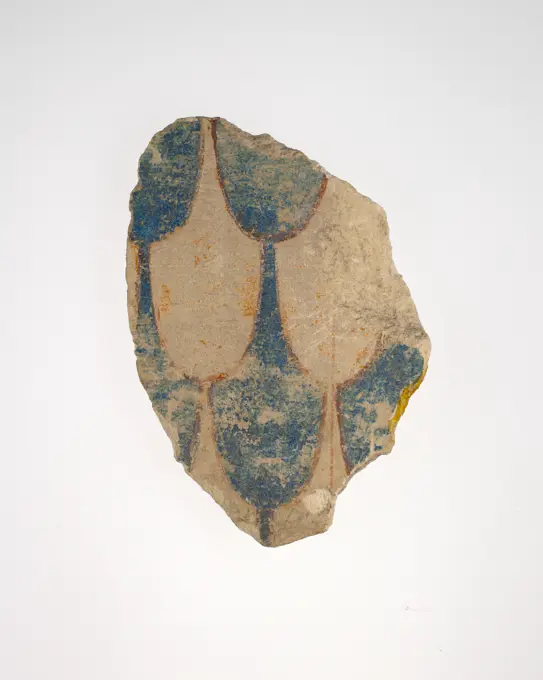
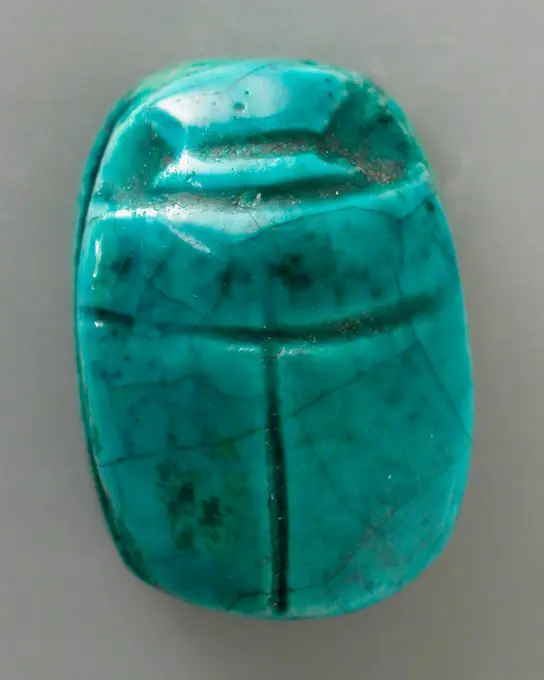
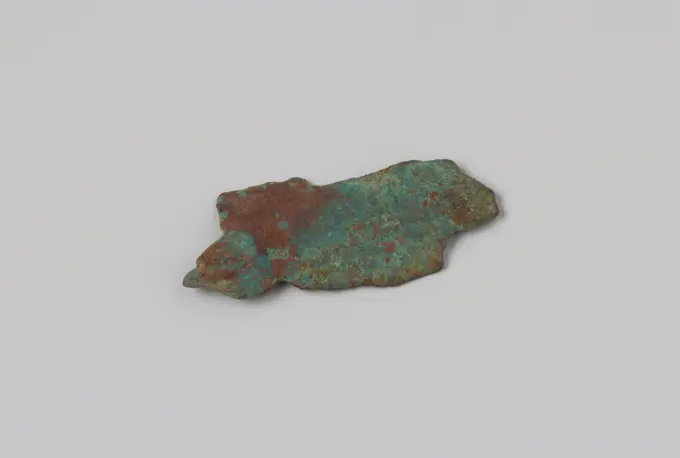
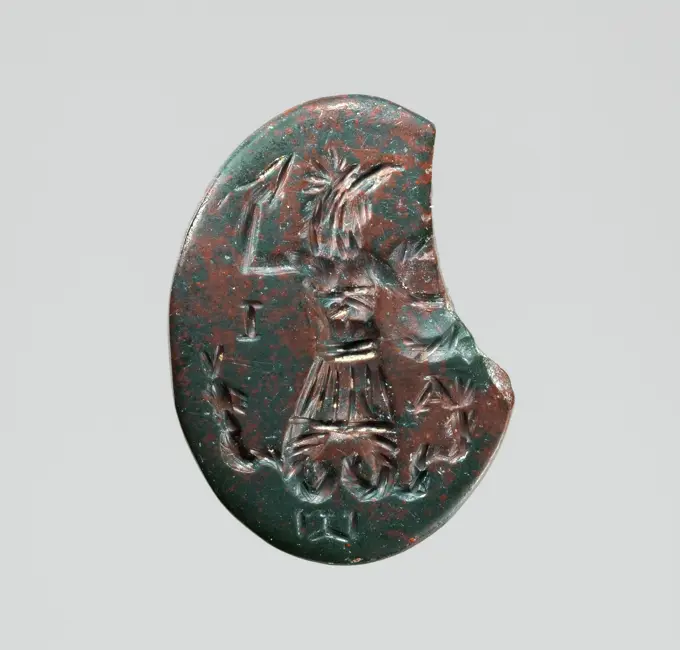
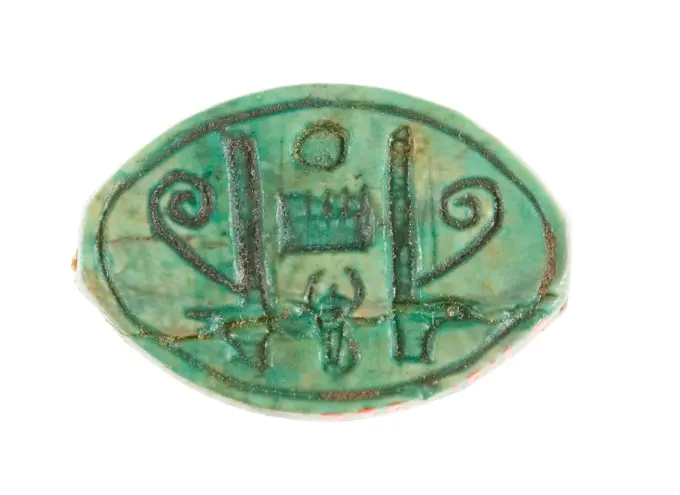
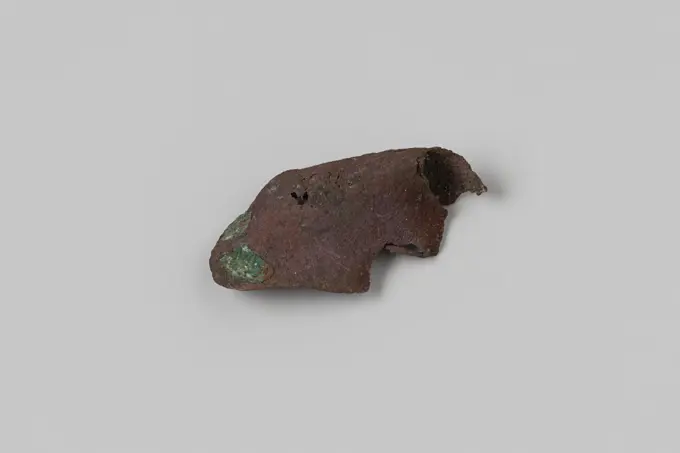
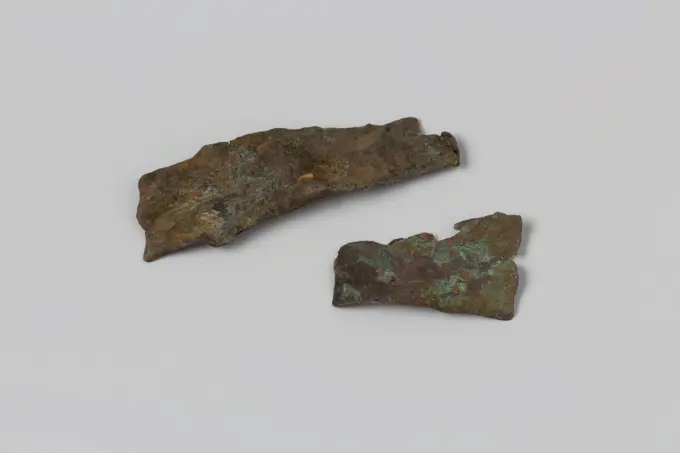
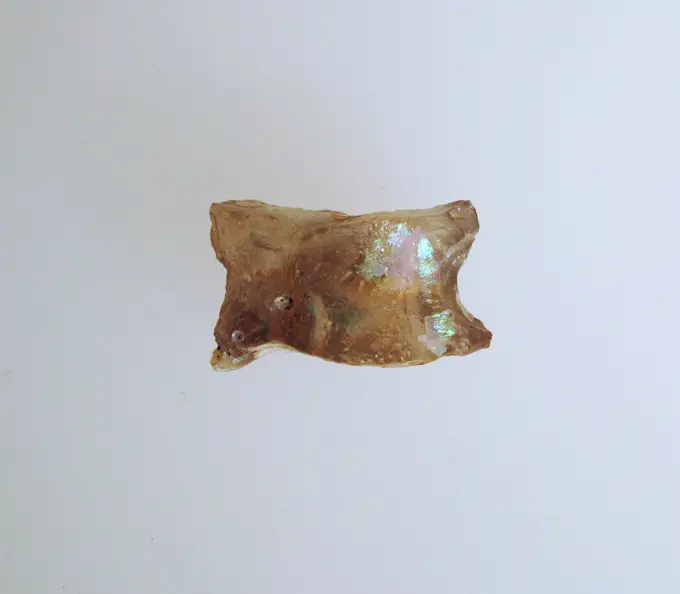
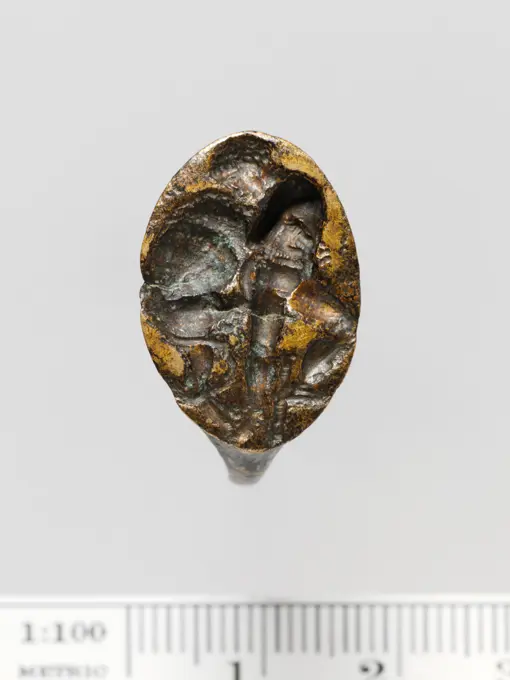
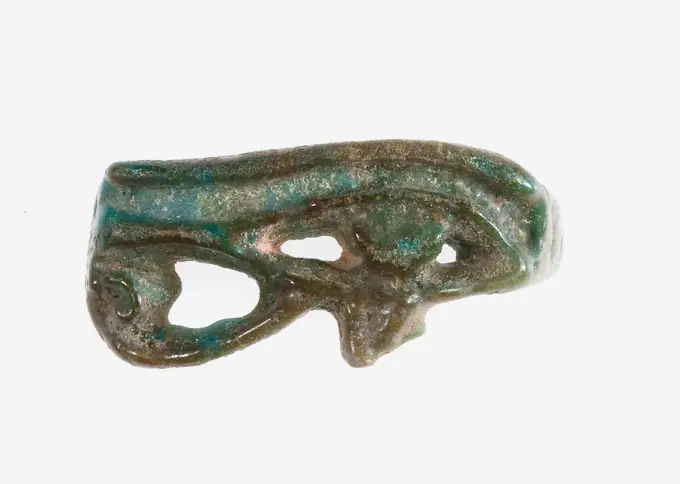
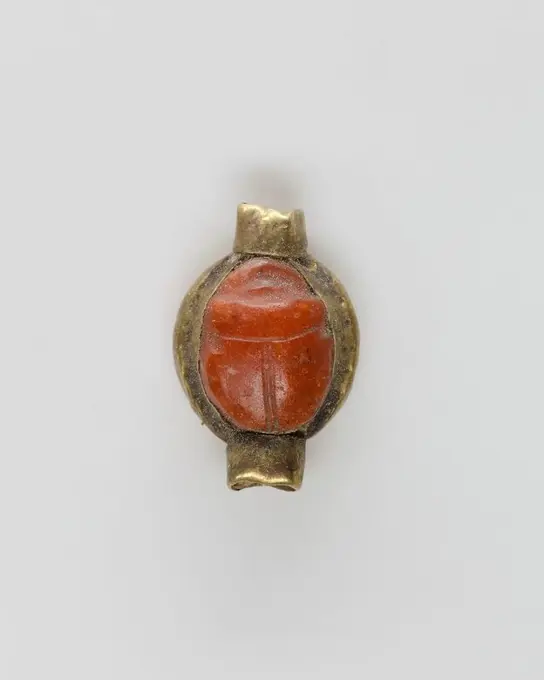
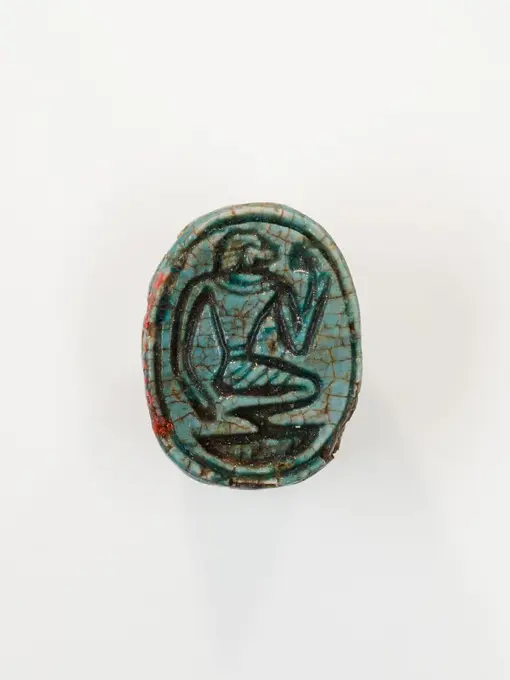
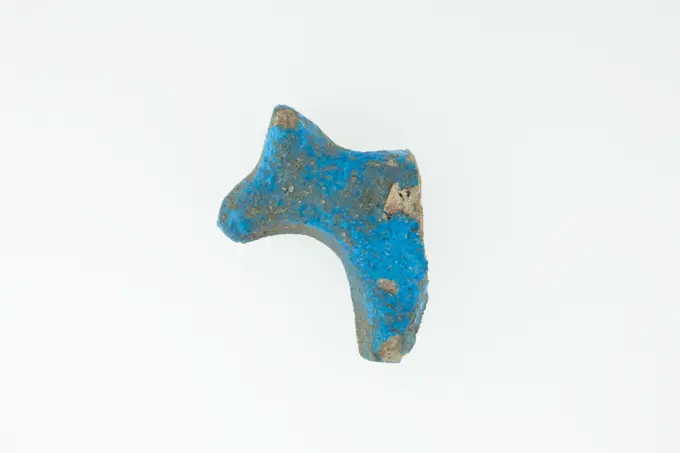
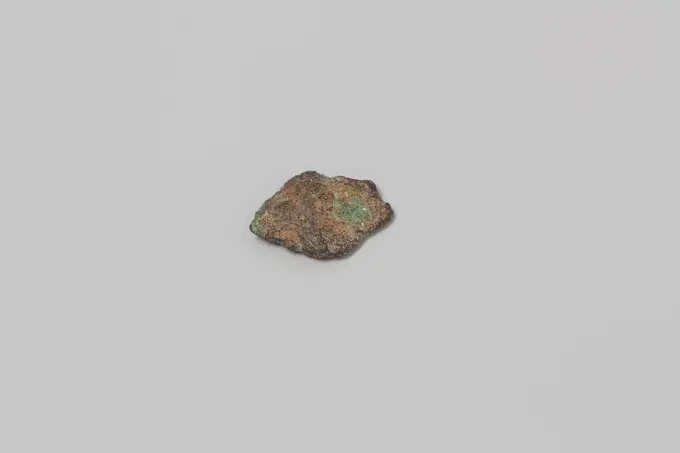
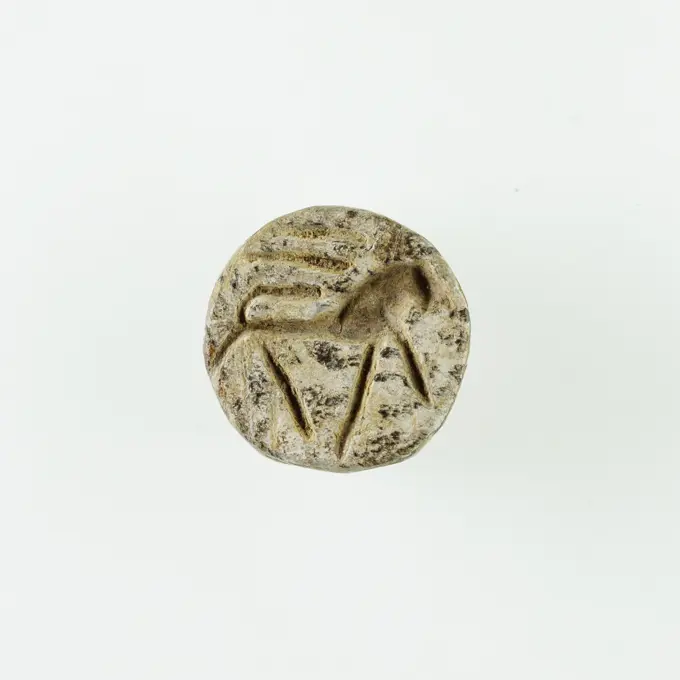
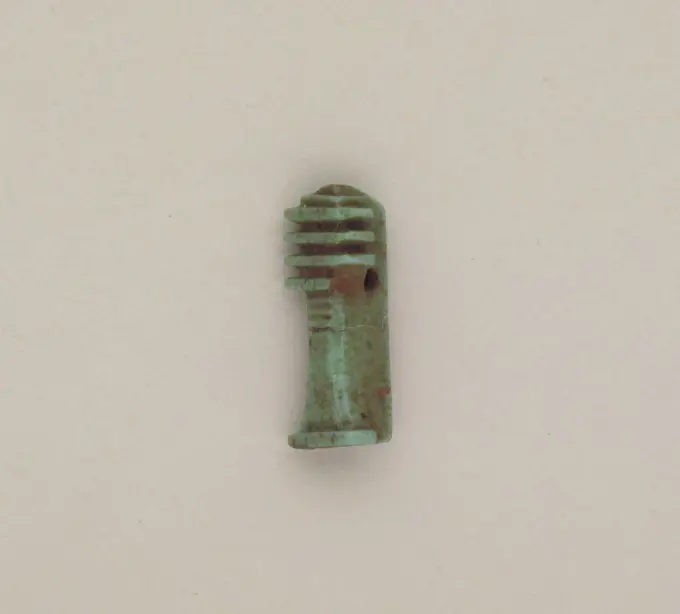
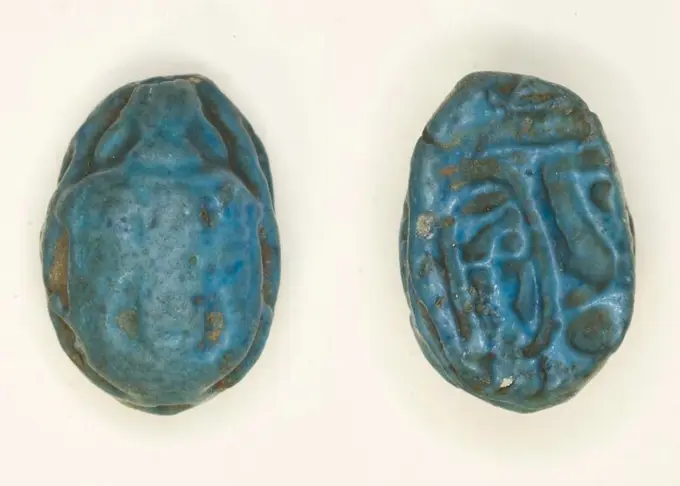
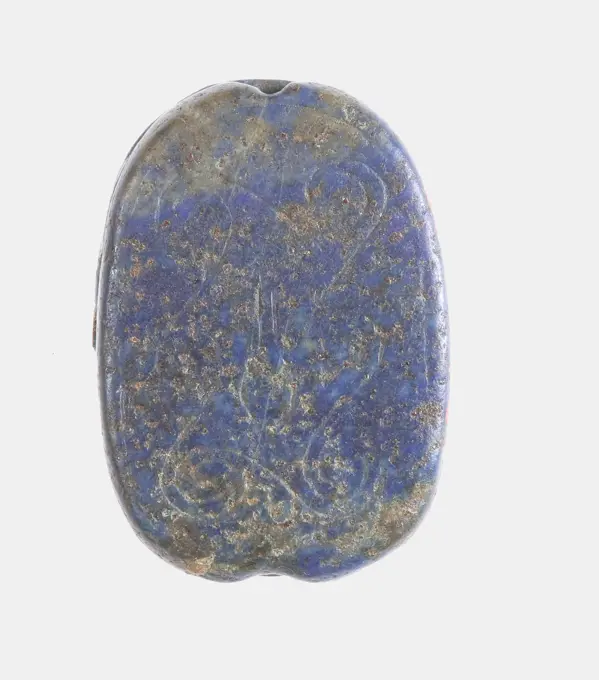
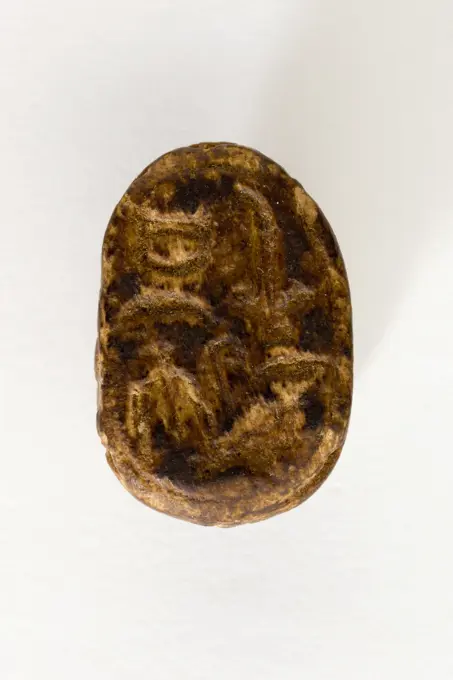
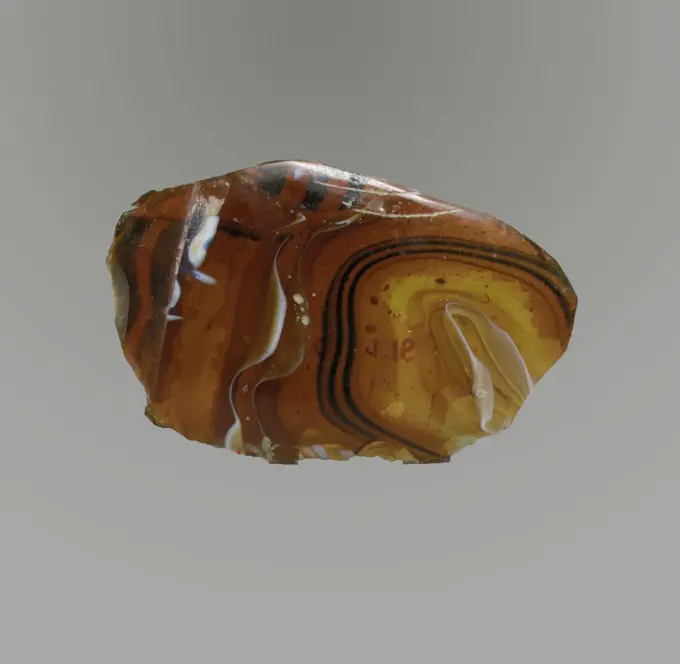
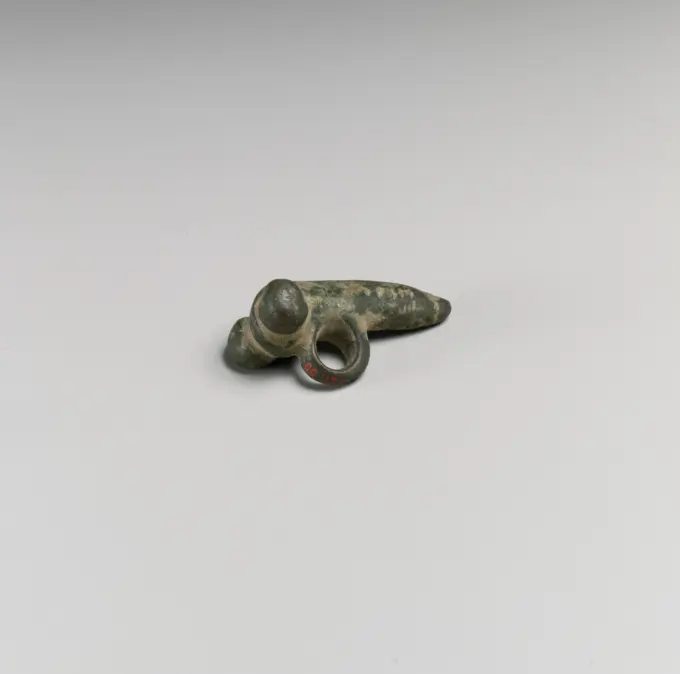
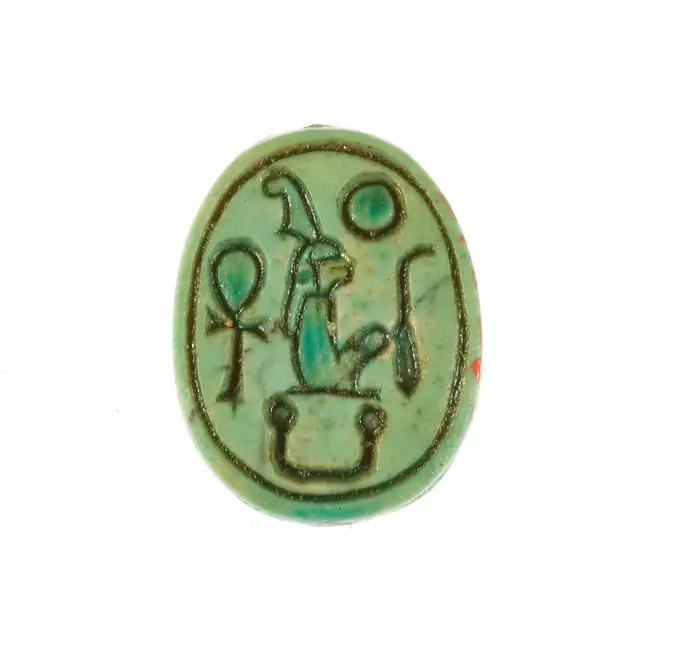
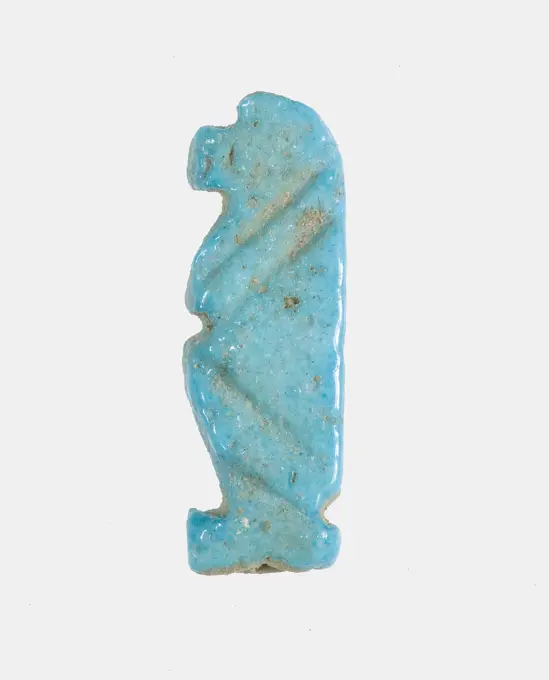
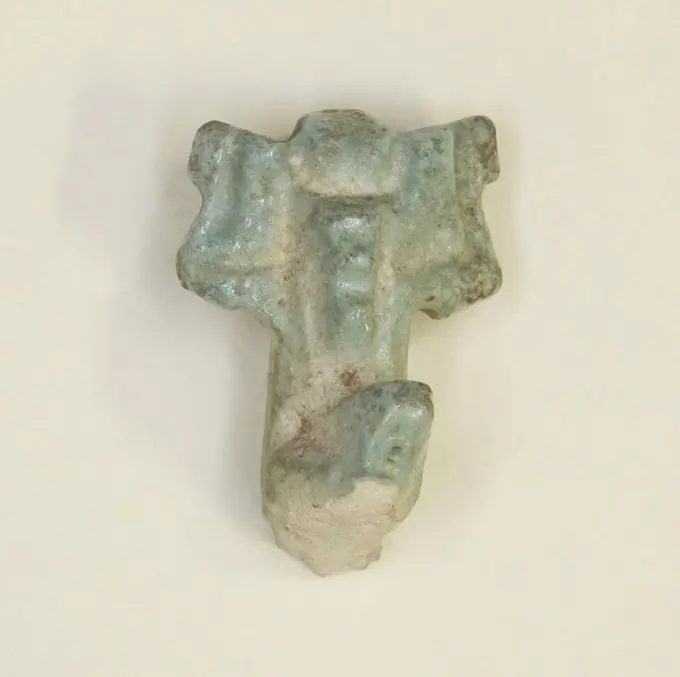
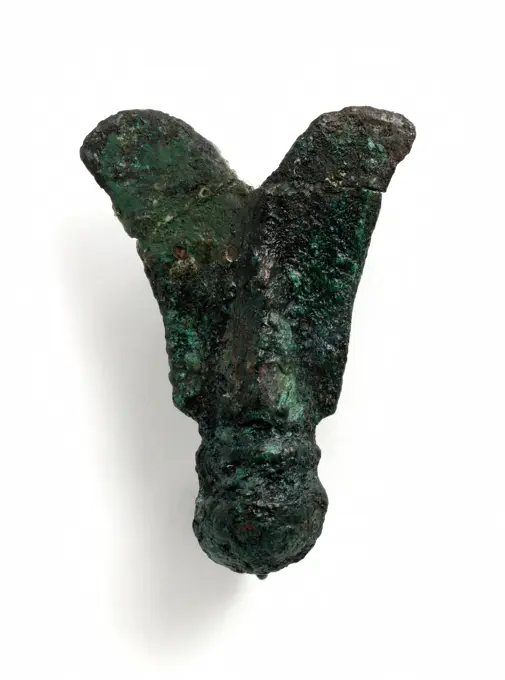
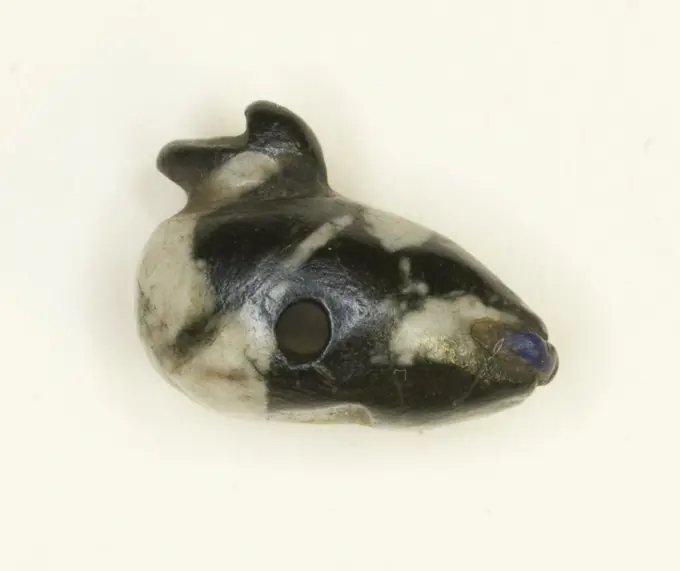
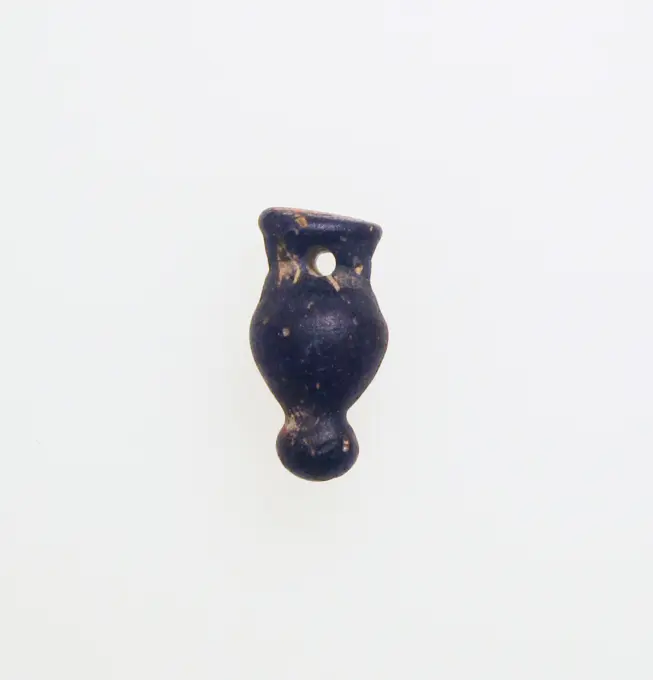
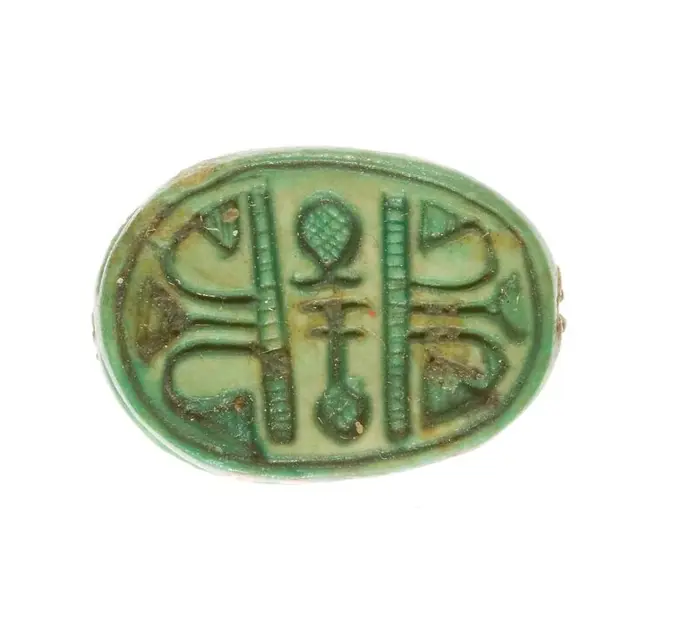
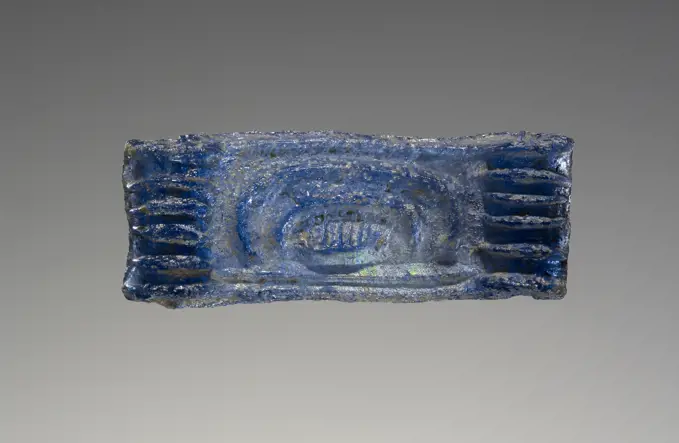
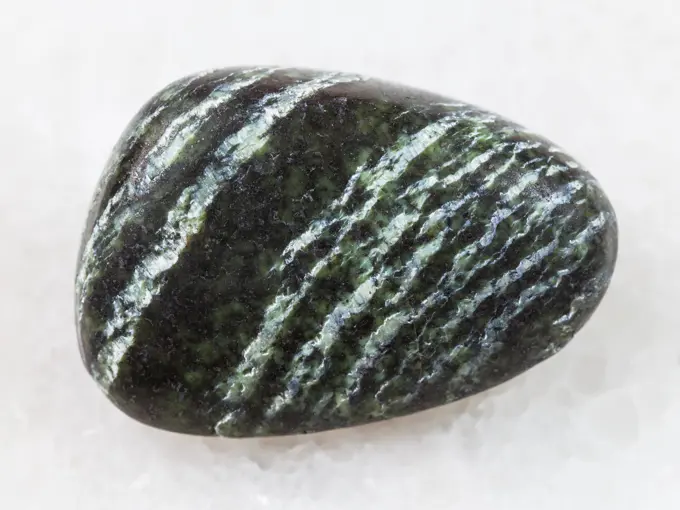
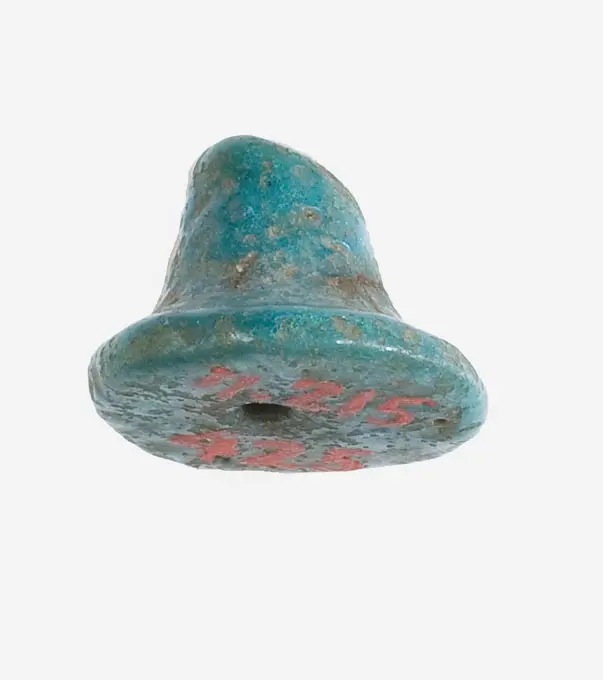
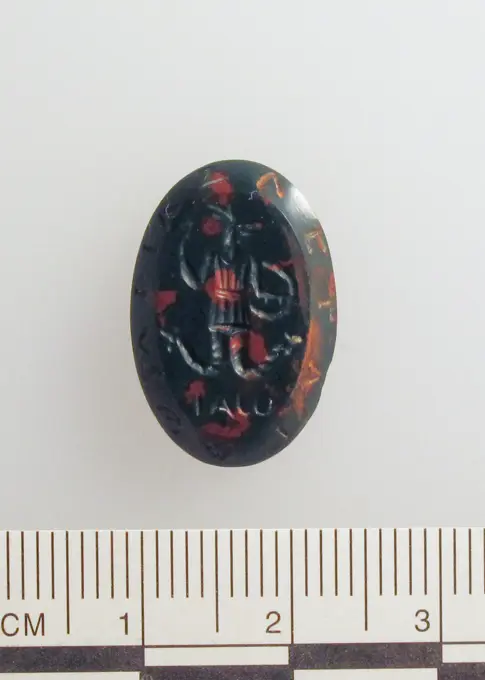
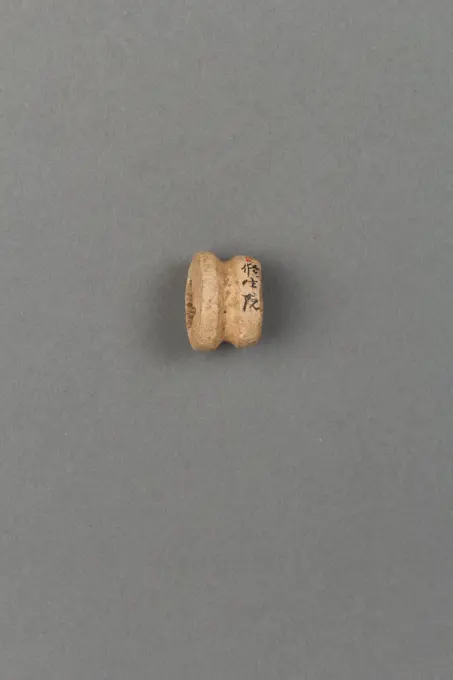
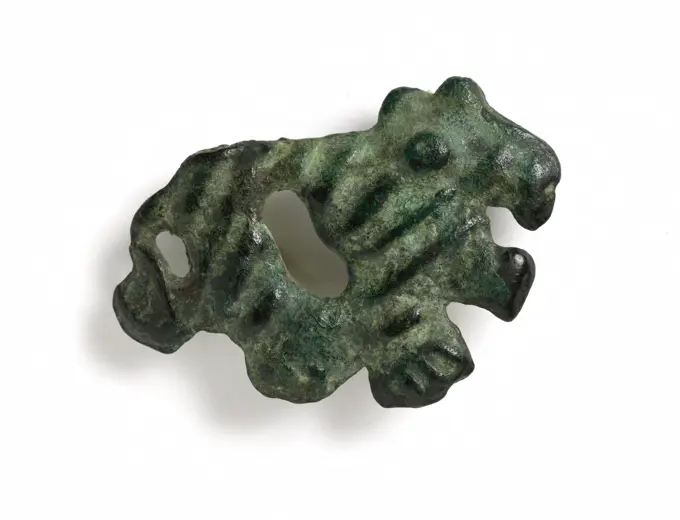
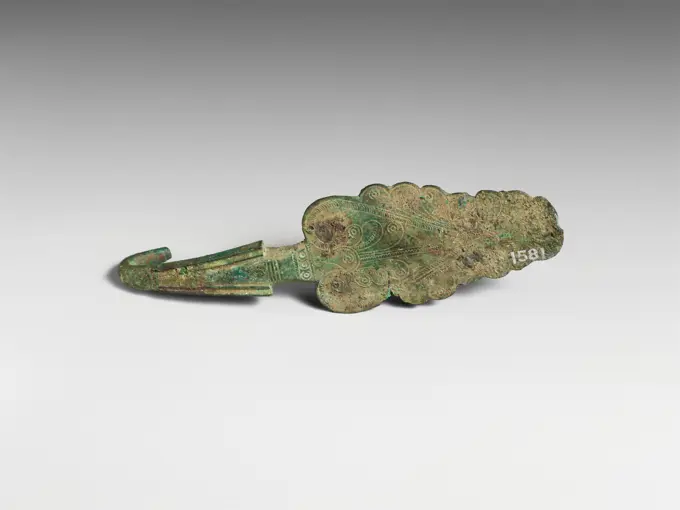
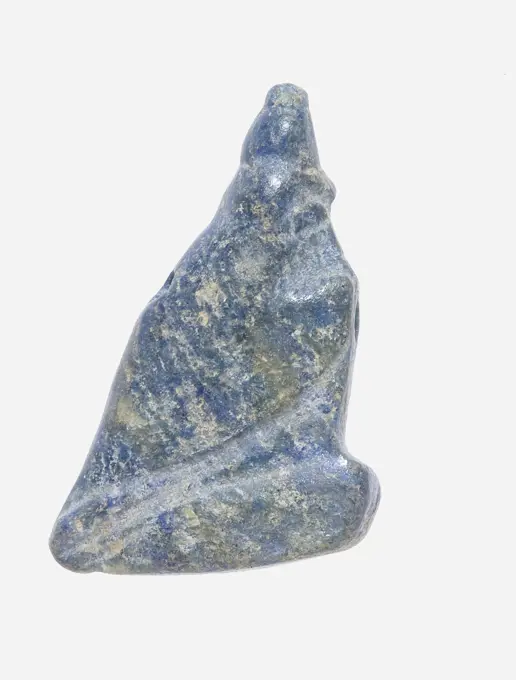
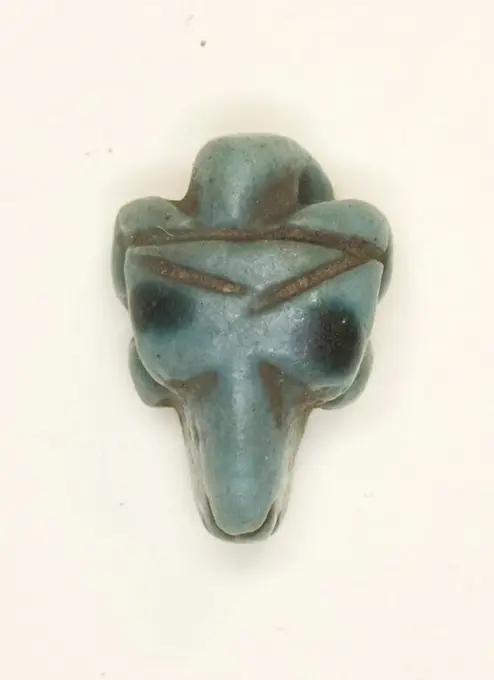
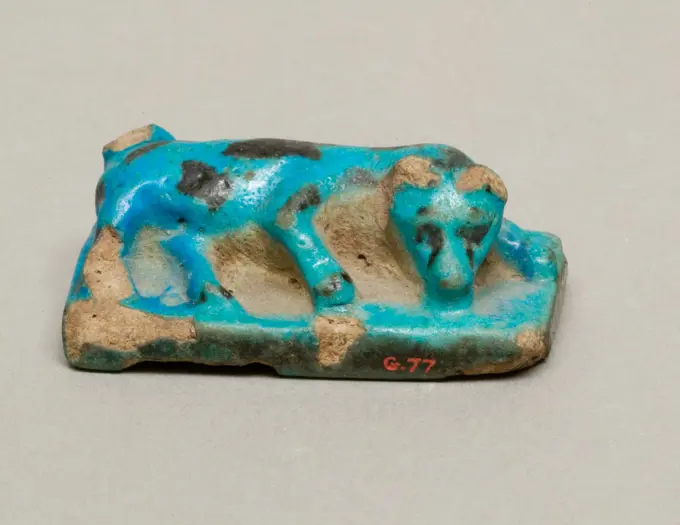
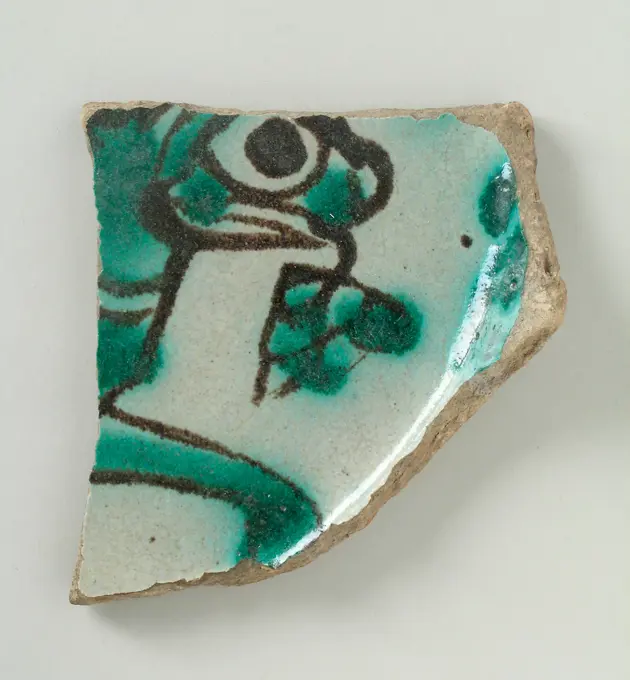
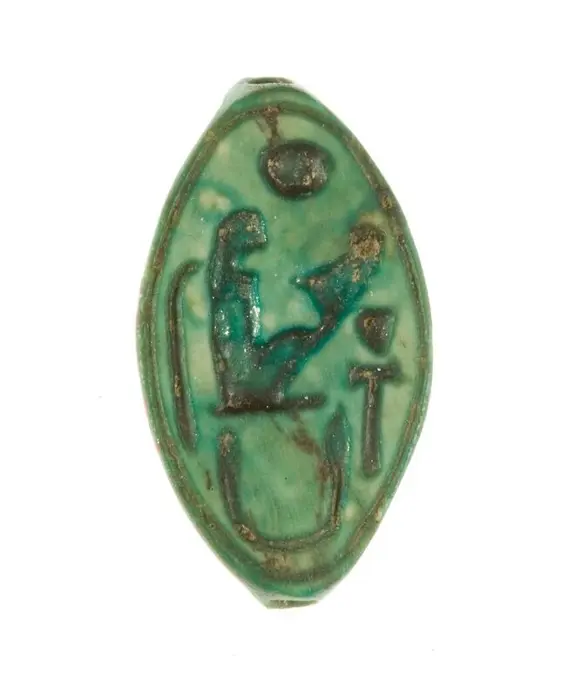
Cowroid Seal Inscirbed for Maatkare. Dimensions: L. 2.2 cm (7/8 in.); W. 1.3 cm (1/2 in.); H. 0.5 cm (3/16 in.). Dynasty: Dynasty 18, early. Reign: Joint reign of Hatshepsut and Thutmose III. Date: ca. 1479-1458 B.C..During the 1926-1927 excavation season, the Museum's Egyptian Expedition uncovered three foundation deposits along the eastern enclosure wall of Hatshepsut's funerary temple at Deir el-Bahri in Western Thebes. Among the contents were 299 scarabs and stamp-seals. Sixty-five of these are now in the Egyptian Museum, Cairo, and the rest were acquired by the Museum in the division of finds.Most of the amulets found in the foundation deposits were scarabs, but a hand full were carved in the shape of a cowrie shell. Like this one, the backs of most of these cowroids have been incised with a decorative pattern that suggests the setting of a swivel ring bezel (see 36.3.46). Others (27.3.180) have also been inscribed with the image of a bolti fish (a tilapia), and two have been caFoundation Deposit: Bound Ox. Egyptian. Date: 1550 BC-1069 BC. Dimensions: 2.9 × 1.9 × 0.3 cm (1 1/8 × 3/4 × 1/8 in.). Faience. Origin: Egypt. Museum: The Chicago Art Institute, Chicago, USA. Author: Ancient Egyptian.Glass spindle whorl. Culture: Roman. Dimensions: Diameter: 1 1/4 in. (3.2 cm)H.: 1 1/16 in. (2.7 cm). Date: 1st-4th century A.D..Translucent blue green.Uneven top edge, with circular indent at center; conical body with sides expanding downward to flat bottom, with irregular indent to one side.Broken and repaired; pinprick bubbles; dulling, pitting, and some patches of iridescent weathering. Museum: Metropolitan Museum of Art, New York, USA.Chopped. Bronze. Cernuschi Museum, Asia Museum of Asia in the city of Paris.Fragment Pijpenkop, Anonymous, 1750 - 1790 Fragment Pijpenkop with two coats of arms in France and Navarre, held by standing angels. Of the excavations on the Hofstede Arentsburg 1827-1831 under the supervision of Professor Reuvens. Netherlands pipe clay Fragment Pijpenkop with two coats of arms in France and Navarre, held by standing angels. Of the excavations on the Hofstede Arentsburg 1827-1831 under the supervision of Professor Reuvens. Netherlands pipe clayCowroid with a Hathor emblem ca. 1550-1295 B.C. New Kingdom. Cowroid with a Hathor emblem 554002Faience amulet of a sow 664-304 B.C. Egyptian. Faience amulet of a sow. Egyptian. 664-304 B.C.. Clay, glazed. Third Intermediate Period-Late Dynastic. Gold and SilverWall fragment of a chalice with Bes face Third Intermediate Period or later ca. 1070-664 B.C. View more. Wall fragment of a chalice with Bes face. ca. 1070-664 B.C.. Faience. Third Intermediate Period or later. From Egypt. Dynasty 21-25Earthenware shard, found at v.o.c. -ship Witte Leeuw, possibly from Zeelelie, Anonymous, 1750 - 1799  Sharf of yellow-baking earthenware with a black layer, found at v.o.c. ship the 'Witte Leeuw'. An hourglass has been scratched with four dots. This object is 18th century and cannot therefore be from the freight of the Witte Leeuw. It is unclear whether the object will come from the site or whether it was mixed later, possibly with material from the Zeelelie.  earthenwareArrowhead Japan. Arrowhead 62427Fragment from a wall with painted feather pattern ca. 2040-1300 B.C. Middle Kingdom-early New Kingdom This painted piece features a feather pattern. It likely belongs to the relief depiction of a throne; compare X.631.3 and 2006.82.1.. Fragment from a wall with painted feather pattern. ca. 2040-1300 B.C.. Limestone, Paint. Middle Kingdom-early New Kingdom. Probably from Upper Egypt, Thebes, MMA excavations; From EgyptFragment ear of pot from the wreck of the East Indians Hollandia, Anonymous, 1700 - in Or Before 1743  Stoneware, Rhenish, Westerwald, handle; fragm, eroded, circular in section, curved, ribbed surface. Westerwald stoneware   SecondCarnavalet museum, Sceaux collectionGreen-Blue Faience Scarab. Egypt, 12th - 25th Dynasty (1991 - 525 BCE). Sculpture. Blue-green faienceBead Roman. Bead. Roman. Glass. GlassSmall jadeitite ax 5th-3rd millennium B.C. Greek Although bronze came into use, stone continued to be used for some tool types, such as axes, into the Bronze Age.. Small jadeitite ax 253075 Greek, Small jadeitite ax, 5th3rd millennium B.C., Stone, L. 1 3/8 in. (3.4 cm). The Metropolitan Museum of Art, New York. Bequest of Theodore M. Davis, 1915 (30.115.25)Excerpt of copper from the wreck of the East Indians Hollandia, 1700 - in or before 1743  Parts of artefacts; eroded fragments: materials; copper. Netherlands copper (metal)   SecondJasper intaglio: Cock-headed anguipes 3rd century A.D. Roman. Jasper intaglio: Cock-headed anguipes 245144Sharp of ross -baking earthenware, with blue glaze at the top, on which a part of a leaf vank is visible in brown, ocher and white, anonymous, 1600 - 1650  Northern Netherlands earthenware. glaze majolica  Northern Netherlands earthenware. glaze majolicaCowroid Seal Amulet Inscribed with the Throne Name of Thutmose III ca. 1479-1458 B.C. New Kingdom. Cowroid Seal Amulet Inscribed with the Throne Name of Thutmose III. ca. 1479-1458 B.C.. Steatite (glazed). New Kingdom. From Egypt, Upper Egypt, Thebes, Deir el-Bahri, Temple of Hatshepsut, Foundation Deposit 9 (I), MMA excavations, 1926-27. Dynasty 18, earlyFragment of buyer from the wreck of the East India Hollandia.parts or artifacts; eroded fragments: Materials; Copper.Terracotta rim fragment with hatched form ca. 2300-2100 B.C. Minoan From Gournia, CreteRim fragment with hatched form.. Terracotta rim fragment with hatched form. Minoan. ca. 2300-2100 B.C.. Terracotta; White-on-dark ware. Early Minoan III. VasesFragments of copper from the wreck of the East Indians Hollandia, 1700 - in Or Before 1743  Parts of artefacts; eroded fragments: materials; copper. Netherlands copper (metal)   SecondSkarabeusz - aplika. unknown, authorMaskFragment ear of pot from the wreck of the East India Hollandiaia. Stoneware, Rhenish, Westerwald, Handle; Fragm, eroded, circular in Section, Curved, Ribbed Surface.Collar terminal decorated with head of a falcon 664-332 B.C. Late Period. Collar terminal decorated with head of a falcon 555354Fish Ornament 11th-12th century Peru; central coast (). Fish Ornament. Peru; central coast (). 11th-12th century. Silver. Peru. Metal-OrnamentsLotus-Shaped Plaque ca. 1153-1147 B.C. New Kingdom, Ramesside Ramesses IV initiated several building projects and sent large expeditions to mining regions and quarries early on in his reign. His plans and ambitions were cut short by his death in the sixth year of his reign, but he had been able to complete and decorate his tomb in the Valley of the Kings. He also began work on a gigantic processional temple in Thebes, in which a number of intact foundation deposits were found with literally hundreds of plaques and other objects, like this lotus or lily-shaped plaque.. Lotus-Shaped Plaque. ca. 1153-1147 B.C.. Faience. New Kingdom, Ramesside. From Egypt, Upper Egypt, Thebes, Asasif, Temple of Ramesses IV, MMA excavations, 1915-16. Dynasty 20Glass astragal (knucklebone) 3rd-2nd century B.C. Greek Colorless.Shaped like the knucklebone of a sheep or goat. Solid with continuous mold seam along sides and ends.Intact; severe pitting, dulling, and iridescent weathering.In antiquity, one of the most popular games of chance was played with astragaloi, knucklebones of sheep and goats. They could be used like dice or like jacks, thrown in the air and caught on the back of the hand. Knucklebones have been found in tombs where they must have been intended to help the deceased while away endless time.. Glass astragal (knucklebone). Greek. 3rd-2nd century B.C.. Glass; cast in a two-part mold. Hellenistic. GlassExcerpt of copper from the wreck of the East Indians Hollandia, 1700 - in or before 1743  Parts of artefacts; eroded fragments: materials; copper. Netherlands copper (metal)   SecondGilt bronze ring early 4th century B.C. Greek Herakles wrestling the Nemean lion.. Gilt bronze ring. Greek. early 4th century B.C.. Bronze. Classical. BronzesFragment of buyer from the wreck of the East India Hollandia.parts or artifacts; eroded fragments: Materials; Copper.Sacred Eye Amulet ca. 1390-1353 B.C. New Kingdom. Sacred Eye Amulet. ca. 1390-1353 B.C.. Faience, Blue. New Kingdom. From Egypt, Upper Egypt, Thebes, Malqata, Palace of Amenhotep III, MMA excavations, 1910-11. Dynasty 18Bell-Shaped Copper Dangle 3rd century B.C.-A.D. 2nd century Vicús. Bell-Shaped Copper Dangle 315594Sacred Eye Ring ca. 1390-1353 B.C. New Kingdom. Sacred Eye Ring. ca. 1390-1353 B.C.. Green faience. New Kingdom. From Egypt, Upper Egypt, Thebes, Malqata, Palace of Amenhotep III, MMA excavations, 1911-12. Dynasty 18Scarab set in a ring bezel. Dimensions: Including mount: L. 1.3 cm (1/2 in); W. 0.8 cm (5/16 in.); H. 0.5 cm (3/16 in.). Dynasty: Dynasty 18. Reign: Joint reign of Hatshepsut and Thutmose III. Date: ca. 1479-1458 B.C..This carnelian scarab is set in a gold mount that was intended to swivel on a wire ring like one found in the tomb of Hatnefer (36.3.3). On the base, it is inscribed with a simple X.The scarab was found tied with linen cord to the left hand of the mummy of a twelve-year old boy named Amenhotep whose tomb was located on the hillside below the tomb of Hatshespsut's best-known courtier, Senenmut (36.3.252). Amenhotep had been provided with food offerings of bread, raisins, dates, pomegranate, sycamore figs, and dom palm nuts. There were also jars that may have held beer (36.3.161, 36.3.162, 36.3.164). Museum: Metropolitan Museum of Art, New York, USA.Imitating the late Roman coin (vandals, Maorowi); AE4; V VI century Africa mintScarab Inscribed with a Geometric Pattern ca. 1479-1458 B.C. New Kingdom. Scarab Inscribed with a Geometric Pattern. ca. 1479-1458 B.C.. Steatite (glazed). New Kingdom. From Egypt, Upper Egypt, Thebes, Deir el-Bahri, Temple of Hatshepsut, Foundation Deposit 7 (G), MMA excavations, 1926-27. Dynasty 18, earlyCrochet from the wreck of the East Indies Hollandia, Anonymous, 1700 - in Or Before 1743 hook Locks, fastenings and accessories, hook; fragm, eroded, id. NG 1980-27H2748. Netherlands copper (metal)   SecondScarab depicting a kneeling man (). Dimensions: L. 1.4 cm (9/16 in); W. 1.1 cm (7/16 in); H. 0.7 cm (1/4 in). Dynasty: Dynasty 18, early. Reign: reign of Thutmose II. Date: ca. 1492-1479 B.C..The motif of a seated man smelling a lotus was a common one for the base of scarabs. Museum: Metropolitan Museum of Art, New York, USA.Votive fragment ca. 1479-1458 B.C. New Kingdom. Votive fragment. ca. 1479-1458 B.C.. Blue faience. New Kingdom. From Egypt, Upper Egypt, Thebes, Deir el-Bahri, Temple of Hatshepsut, Hathor Chapel, Egypt Exploration Fund excavations. Dynasty 18Excerpt of copper from the wreck of the East Indians Hollandia, 1700 - in or before 1743  Parts of artefacts; eroded fragments: materials; copper. Netherlands copper (metal)   SecondFragment buyer from the wreck of the East Indieschief Hollandia. Parts or artifacts; eroded fragments: Materials; Copper.Rosette Stamp Seal with Striding Lion ca. 1186-945 B.C. Late New Kingdom-Early Third Intermediate Period The back of the seal is decorated with star-shaped incisions forming a stylized rosette. A striding lion facing to the right is deeply incised on the underside. Two horizontal strokes may represent a corrupt version of the royal epithet neb tawy, "lord of the two lands." The type of domed seal, the schematic representation of the lion, the style in which the incisions are made, and the corrupt version of the title assign the seal to the late Ramesside period or to Dynasty 21.. Rosette Stamp Seal with Striding Lion. ca. 1186-945 B.C.. Glazed steatite. Late New Kingdom-Early Third Intermediate Period. From Egypt. Dynasty 20-21Pinhead Roman Yellow and blue oval pinhead.. Pinhead. Roman. Glass. GlassAmulet pendant, djed sign Symbolic objects used for amulets include a menat-pendant, the djed-sign, a papyrus capital are all common in Egyptian architecture. Also, a pectoral, such as is used on mummies, a bunch of grapes, or other clusters of fruit, and an inscribed bead are common shapes.. Amulet pendant, djed sign. Clay, glazed. Gold and SilverBottle;  IX-X century (801-00-00-1000-00-00);gift (provenance)Tile Fragment (Iran); tin-enamelled earthenwareBird Plaque Ornament 3rd century B.C.-A.D. 2nd century Vicús. Bird Plaque Ornament 315405Scarab: Usermaatra Setepenra (Rameses II). Egyptian. Date: 1279 BC-1213 BC. Dimensions: 2.2 × 1.3 × 1.3 cm (7/8 × 1/2 × 1/2 in.). Faience. Origin: Egypt. Museum: The Chicago Art Institute, Chicago, USA. Author: Ancient Egyptian.Glazed Ceramic Fragments: Splashed, Opacified White, and Green Glazed 9th century. Glazed Ceramic Fragments: Splashed, Opacified White, and Green Glazed 853431Scarab Inscribed with Nefer in Scroll Border ca. 1850-1640 B.C. Middle Kingdom The majority of design scarabs of the late Middle Kingdom (late Dynasty 12-Dynasty 13, ca. 1850-1640 B.C.) are decorated with symmetric compositions of protective hieroglyphs and/or scrolls. Decorative scroll borders are very popular and enclose one or more hieroglyphs, which usually include the sign for good and beautiful (nefer). This scarab was found on a finger of the mummy of a lady named Satsobek, buried in one of the late Middle Kingdom tombs at Lisht.. Scarab Inscribed with Nefer in Scroll Border. ca. 1850-1640 B.C.. Lapis lazuli. Middle Kingdom. From Egypt, Memphite Region, Lisht North, Tomb 954, Burial 954D, MMA excavations, 1921-22. late Dynasty 12-Dynasty 13Scarab Inscribed for the King of Upper and Lower Egypt Maatkare (Hatshepsut) ca. 1479-1458 B.C. New Kingdom. Scarab Inscribed for the King of Upper and Lower Egypt Maatkare (Hatshepsut). ca. 1479-1458 B.C.. Steatite (glazed). New Kingdom. From Egypt, Upper Egypt, Thebes, Deir el-Bahri, Temple of Hatshepsut, Foundation Deposit 9 (I), MMA excavations, 1926-27. Dynasty 18, earlyFibula, boat-shaped type 8th-6th century B.C. Italic The bow is hollow and open on its underside.. Fibula, boat-shaped type 246320ArrowheadScarab Inscribed for the Principal Queen Ahmose(-Nefertari) ca. 1550-1525 B.C. New Kingdom. Scarab Inscribed for the Principal Queen Ahmose(-Nefertari) 554701Come from V.O.C.-ship De 'Witte Leeuw', Before 1613 bowl Come from V.O.C. ship the 'Witte Leeuw'. Incomplete. Jingdezhen porcelain   Sint-HelenaFragment of a Bowl 13th-14th century. Fragment of a Bowl 453469Glass mosaic bowl fragment late 1st century B.C.-early 1st century A.D. Roman Thin-walled body fragment.Translucent honey brown, blue, and opaque white.Convex curving side.Spiral mosaic pattern formed from lengths of one or more canes in a brown ground with wavy white and blue threads in parallel lines; on exterior, recessed horizontal band.Pinprick bubbles; polished exterior; pitting of surface bubbles on exterior; dulling and creamy iridescent weathering on interior and jagged edges.. Glass mosaic bowl fragment. Roman. late 1st century B.C.-early 1st century A.D.. Glass; cast and cut. Early Imperial. GlassPendant 15th-17th century European. Pendant. European. 15th-17th century. Bronze. Miscellaneous-Buckles & OrnamentGlanssteen, anonymous, c. 1600 - c. 1825 Flattened spherical body, one side of which is inserted. Northwest Europe glass glassblowing Flattened spherical body, one side of which is inserted. Northwest Europe glass glassblowingScarab Cobra, m-owl, and sign (sDm” ) 1550 BCE-343 BCE Egypt. Steatite . Ancient EgyptianSemi-oval plaque with image of lion over its victim. unknown, craftsmanFragment straight stem from glass from the wreck of the East India Hollandia. Glass, Voice Glass, votes, Plain; Fragm, ID. NG 1980-27H798.Bronze phallic amulet 1st century A.D. Roman Phallic emblems are found on a wide range of Roman objects, from amulets to frescoes to mosaics to lamps. They were symbols intended to bring good luck and ward off evil spirits. As the ancient author Pliny attests, even babies and soldiers wore such charms to invite divine protection.. Bronze phallic amulet 255087 Roman, Bronze phallic amulet, 1st century A.D., Bronze, L. 1 11/16 in. (4.3 cm.). The Metropolitan Museum of Art, New York. Gift of A. Hyatt Mayor, 1960 (60.117.2)Stamp Seal, Gabled. Northern Syria or southeast Anatolia, circa 3500 - 3100 B.C.. Tools and Equipment; seals. Black serpentinePendant. Western Inner Mongolia, 4th-3rd century B.C.. Jewelry and Adornments; pendants. Bronze, castPendantAntical Art Collection, Piątkowski A., PurchaseScarabs from Hatshepsut Foundation Deposits ca. 1479-1458 B.C. New Kingdom During the 1926-1927 excavation season, the Museum's Egyptian Expedition uncovered three foundation deposits along the eastern enclosure wall of Hatshepsut's funerary temple at Deir el-Bahri in Western Thebes. Among the contents were 299 scarabs and stamp-seals. Sixty-five of these are now in the Egyptian Museum, Cairo, and the rest were acquired by the Museum in the division of finds.Among the inscriptions on the bases of these scarabs and seals are examples of every title Hatshepsut held, from the time she was "king's daughter" during the reign of her father, Thutmose I; through the time she was queen of her half-brother, Thutmose II; and during her regency and co-reign with her nephew/step-son, Thutmose III.The inscription on the base of this scarab records Hatshepsut's throne name, Maatkare, which may be roughly translated as Maat (the goddess of truth) is the life force of Re (the sun god). The two hieroglyMonkey Amulet ca. 1802-1450 B.C. Late Middle Kingdom-Early New Kingdom. Monkey Amulet. ca. 1802-1450 B.C.. Faience. Late Middle Kingdom-Early New Kingdom. From Egypt, Memphite Region, Lisht North, Cemetery south of pyramid, House A1, so-called "faience factory", MMA excavations, 1920-22. Dynasty 13-18, earlyAmulet of the God Shu. Egyptian. Date: 1070 BC-656 BC. Dimensions: 1.9 × 1 × 1 cm (3/4 × 3/8 × 3/8 in.). Faience. Origin: Egypt. Museum: The Chicago Art Institute, Chicago, USA. Author: Ancient Egyptian.Cicada -shaped pin. Sarmatian art. 4th-18th century. Paris, Cernuschi museum. 35173-10 Art Sarmate, Bijou, Broche, Cigale, Sarmate, Saromate, AnimalAmulet of a Duck 2055 BCE-1650 BCE Egypt. Stone . Ancient EgyptianGlass pendant in the form of an amphora Late 7th-5th century B.C. Phoenician Translucent cobalt blue bead. Everted rim; flat, solid top; concave neck, pierced with horizontal hole; ovoid body tapering downwards; globular base knob. Intact; dulling, pitting, and some iridescent weathering.. Glass pendant in the form of an amphora. Phoenician. Late 7th-5th century B.C.. Glass; rod-formed. GlassCast Plaque. UnknownFaience Scarab with a Good Luck Inscription. Egypt, 18th - 26th Dynasty (1569 - 525 BCE). Sculpture. Green glazed steatiteSeal. Culture: Minoan, Crete. Dimensions: Other: 5/8 x 5/16 in. (1.6 x 0.8 cm). Museum: Metropolitan Museum of Art, New York, USA.Scarab Inscribed with Plant Motifs and Hieroglyphs. Dimensions: L. 1.7 cm (11/16 in); w. 1.1 cm (7/16 in); h. 0.7 cm (1/4 in). Dynasty: Dynasty 18, early. Reign: Joint reign of Hatshepsut and Thutmose III. Date: ca. 1479-1458 B.C.. Museum: Metropolitan Museum of Art, New York, USA.Cast Pendant; Greece; about 14th century B.C; Glass; 2.5 cm (1 in.)tumbled Chrysotile asbestos gemstone on white macro shooting of natural mineral rock specimen - tumbled Chrysotile asbestos gemstone on white marble background from Canada Copyright: xZoonar.com/ValeryxVoennyyx 11949848Broad Collar piece (). Dimensions: H. 1.9 cm (3/4 in.). Dynasty: Dynasty 12-13, late. Date: ca. 1850-1640 B.C.. Museum: Metropolitan Museum of Art, New York, USA.Shawabty of Ditamenpaankh, 715-656 BC. Egypt, Late Period, Dynasty 25. Terracotta; overall: 4.5 x 1.5 x 1.4 cm (1 3/4 x 9/16 x 9/16 in.).Ring with Animal Mask. China. Date: 1600 BC-1046 BC. Dimensions: 1 × 1 1/4 × 13/16 in. Jade. Origin: China. Museum: The Chicago Art Institute, Chicago, USA.Umbel Pendant ca. 1390-1353 B.C. New Kingdom. Umbel Pendant. ca. 1390-1353 B.C.. Faience. New Kingdom. From Egypt, Upper Egypt, Thebes, Malqata, Palace of Amenhotep III, MMA excavations, 1910-11. Dynasty 18Heliotrope intaglio: Cock-headed anguipes 3rd century A.D. Roman. Heliotrope intaglio: Cock-headed anguipes 245155Engraved stamp or signet. UnknownArrowheads, needles, hooks and harpoons Japan These implementsan arrowhead, fishhooks, needle, and harpoonwere skillfully carved from bone, a material worked by Japanese artisans since Paleolithic times. They were found in the Obara Shell Mound at Ofunato Bay in Iwate Prefecture. According to information gleaned from shell mounds, or middens, the people of the J?mon period relied on a variety of strategies to obtain food. The large number of fishhooks, fashioned with and without barbs, together with the rich array of marine remains found in these rubbish heaps since very early times indicate that some fifty species of fish and shellfish constituted an essential dietary staple. Toggle-head harpoons, a later innovation, facilitated the hunting of sea mammals. Attaching a line to the toggle allowed the hunter to draw in his prey once the toggle had broken away from the harpoon shaft. Further evidence gathered from these refuse dumps suggests that the J?mon people also relied heavily on Fragment of a loop. Art of steppes. Xth-sixth century BC. Paris, Cernuschi museum. 35173-7 Art of steppes, jewel, loop, bronze, fragmentScarab Inscribed with the Throne Name of Thutmose III ca. 1479-1458 B.C. New Kingdom. Scarab Inscribed with the Throne Name of Thutmose III. ca. 1479-1458 B.C.. Steatite (glazed). New Kingdom. From Egypt, Upper Egypt, Thebes, Deir el-Bahri, Temple of Hatshepsut, Foundation Deposit 7 (G), MMA excavations, 1926-27. Dynasty 18, earlyBronze hook from a belt late 5th-early 4th century B.C. Italic, Samnite Wide bronze belts with several clasps, often in the shape of palmettes, are well known from finds, especially in the regions of Apulia, Lucania, and Daunia, and from representations in Campanian and Lucanian painting. The term Samnite applies to one of the indigenous peoples of Southern Italy whose language was Oscanthus, for instance, the Oscan warriors on Apulian vases. The belts are connected with warriors and often occur in graves with other military equipment.. Bronze hook from a belt 248015Falcon amulet ca. 1950-1850 B.C.  Middle Kingdom-Early New Kingdom. Falcon amulet. ca. 1950-1850 B.C. . Lapis lazuli. Middle Kingdom-Early New Kingdom. From Egypt, Memphite Region, Lisht North, cemetery around the tomb of Senwosret (758), Pit 774, MMA excavations, 1906-07. Dynasty 12, early-midSquare Plaque Vicús 3rd century BCE-2nd century CECornflower Bead ca. 1390-1353 B.C. New Kingdom. Cornflower Bead. ca. 1390-1353 B.C.. Faience. New Kingdom. From Egypt, Upper Egypt, Thebes, Malqata, Palace of Amenhotep III, MMA excavations, 1910-11. Dynasty 18Attic Red-Figure Volute Krater Fragment; Athens, Greece; about 480 - 470 B.C; Terracotta; 18.3 cm (7 3,16 in.)Amulet of a Ram's Head. Egyptian. Date: 1500 BC-664 BC. Dimensions: 1.6 × 1 × 0.6 cm (5/8 × 3/8 × 1/4 in.). Glass. Origin: Egypt. Museum: The Chicago Art Institute, Chicago, USA. Author: Ancient Egyptian.Figurine, calf ca. 1981-1550 B.C. Middle Kingdom-Early New Kingdom. Figurine, calf. ca. 1981-1550 B.C.. Faience. Middle Kingdom-Early New Kingdom. From Egypt. Dynasty 12-18Eye of Horus (Wedjat) Amulet 1550 BCE-1295 BCE Egypt. Faience . Ancient EgyptianFragment 14th-15th century. Fragment 445464Fragment. Egypt, 10th or 12th century. Ceramics. Earthenware, glazed