Ancient Artifacts and Seal Impressions

A collection of ancient artifacts including cowroids and spindle whorls, featuring unique inscriptions and designs, highlighting rich historical significance.

Earthenware shard, found at v.o.c. -ship Witte Leeuw, possibly from Zeelelie, Anonymous, 1750 - 1799  Sharf of yellow-baking earthenware with a black layer, found at v.o.c. ship the 'Witte Leeuw'. An hourglass has been scratched with four dots. This object is 18th century and cannot therefore be from the freight of the Witte Leeuw. It is unclear whether the object will come from the site or whether it was mixed later, possibly with material from the Zeelelie.  earthenware
Earthenware shard, found at v.o.c. -ship Witte Leeuw, possibly from Zeelelie, Anonymous, 1750 - 1799 Sharf of yellow-baking earthenware with a black layer, found at v.o.c. ship the 'Witte Leeuw'. An hourglass has been scratched with four dots. This object is 18th century and cannot therefore be from the freight of the Witte Leeuw. It is unclear whether the object will come from the site or whether it was mixed later, possibly with material from the Zeelelie. earthenware
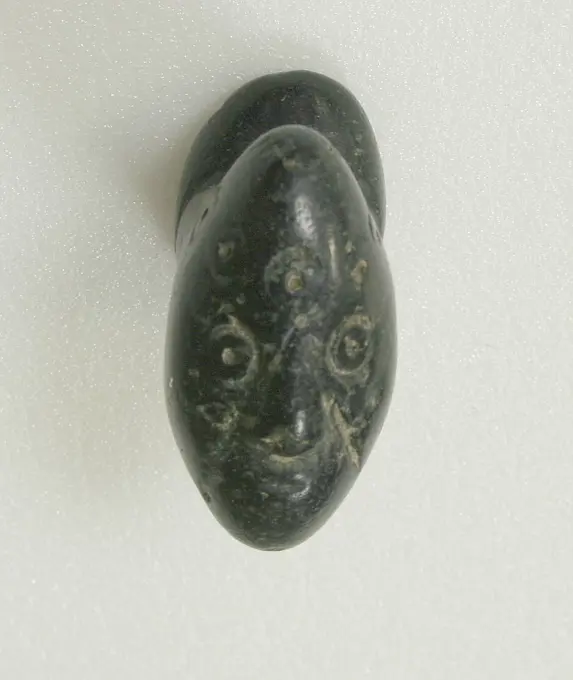
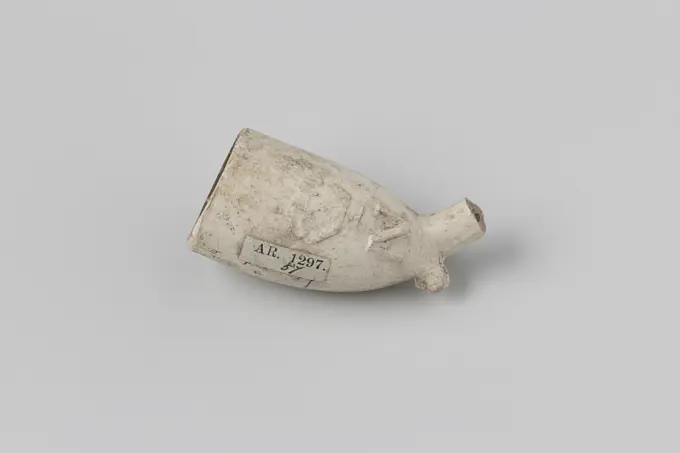
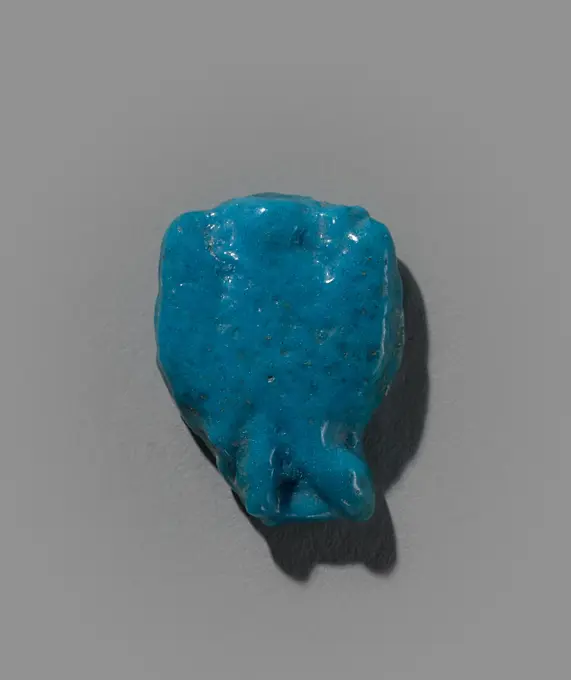
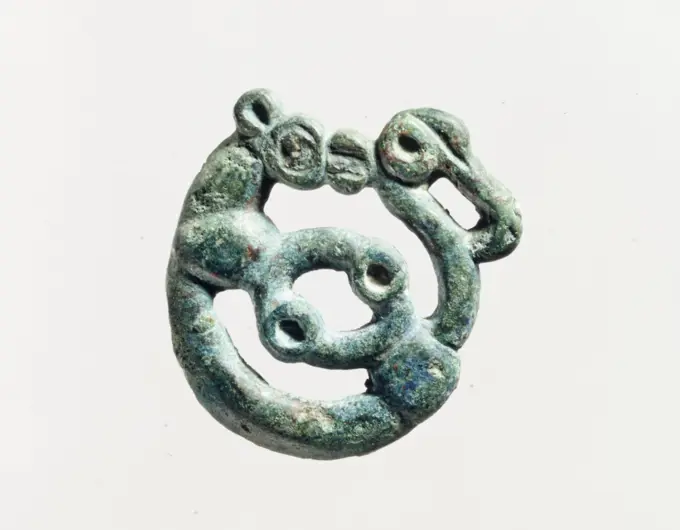
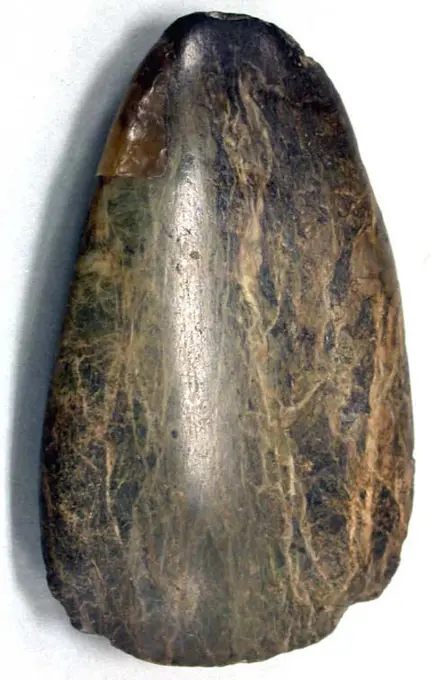
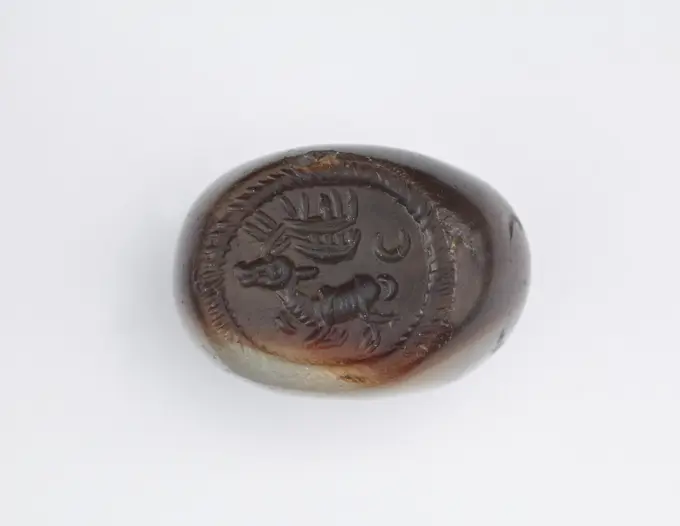
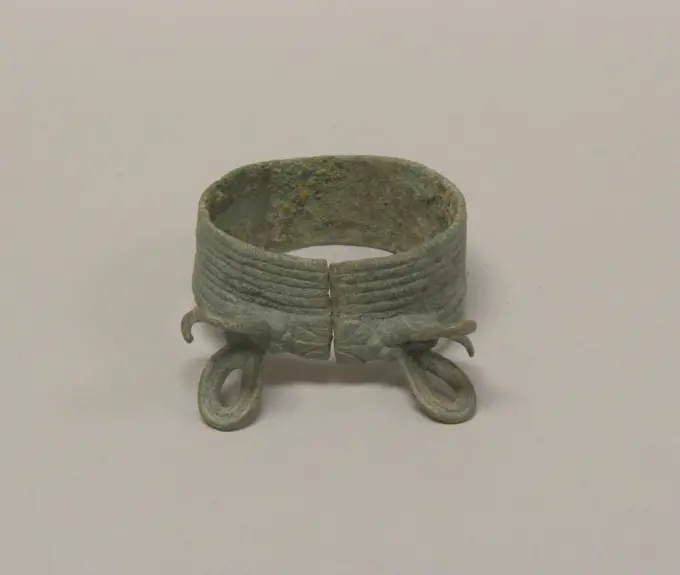
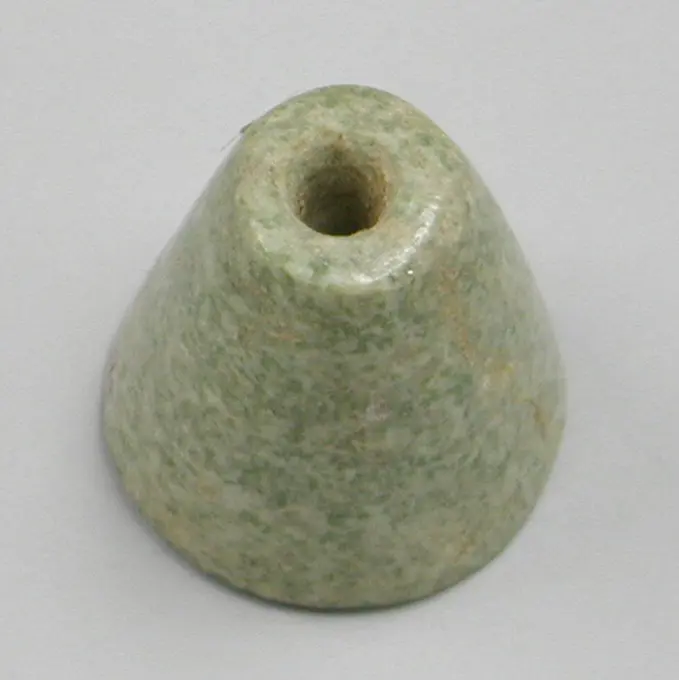
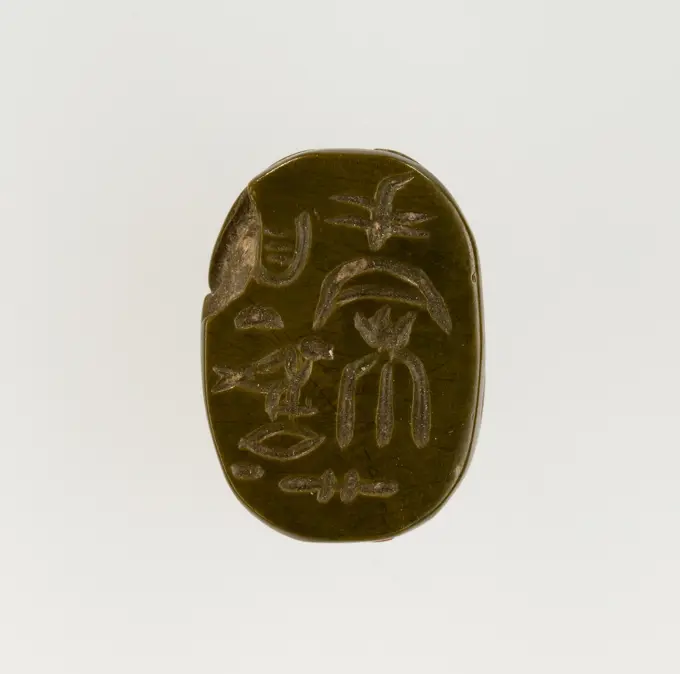
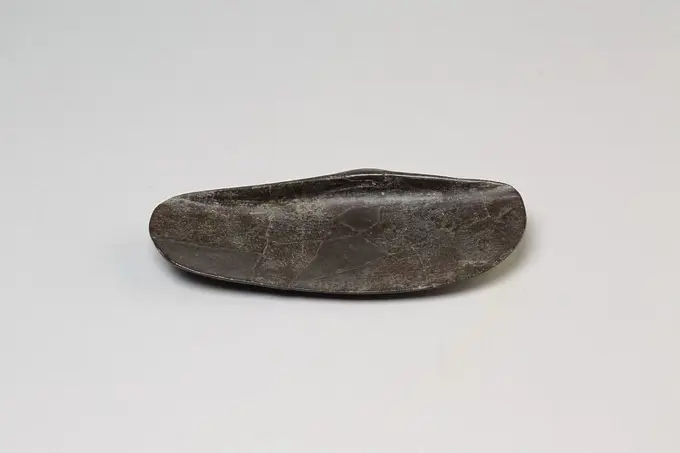
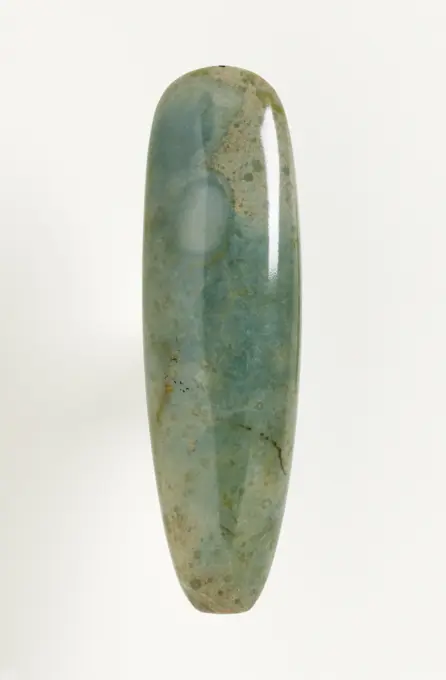
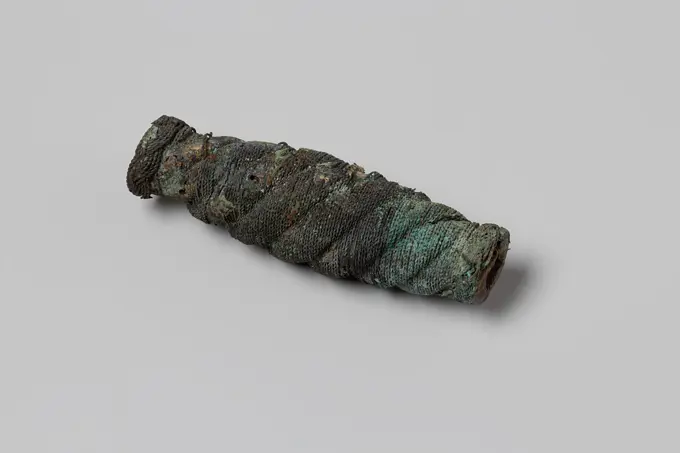
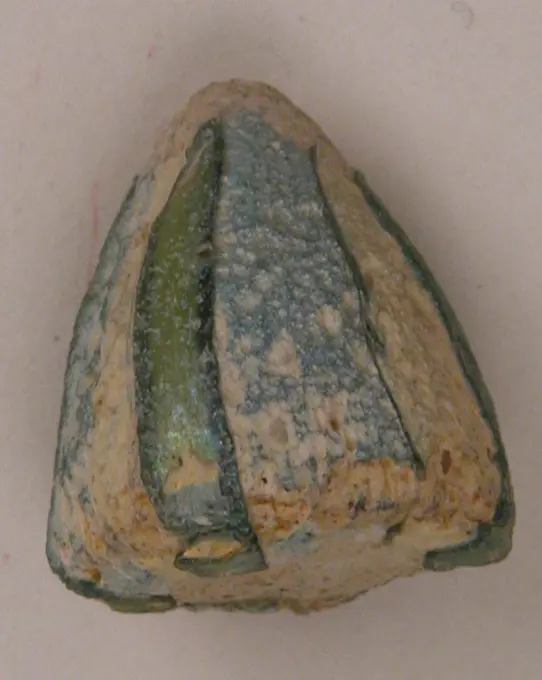
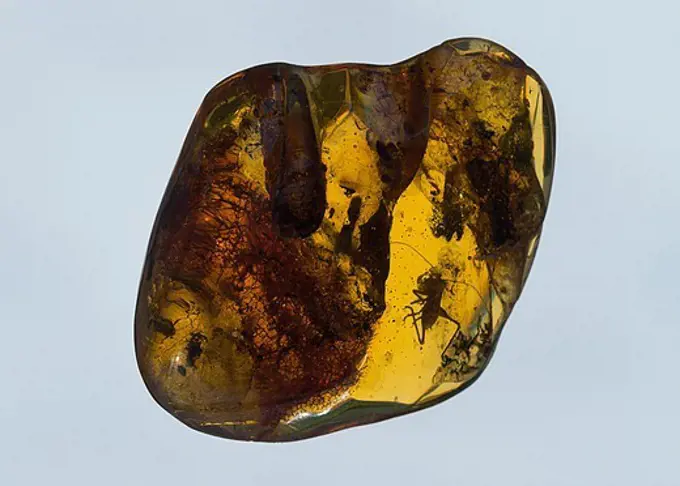
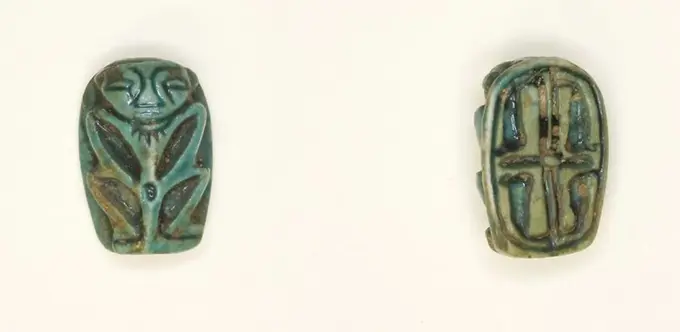
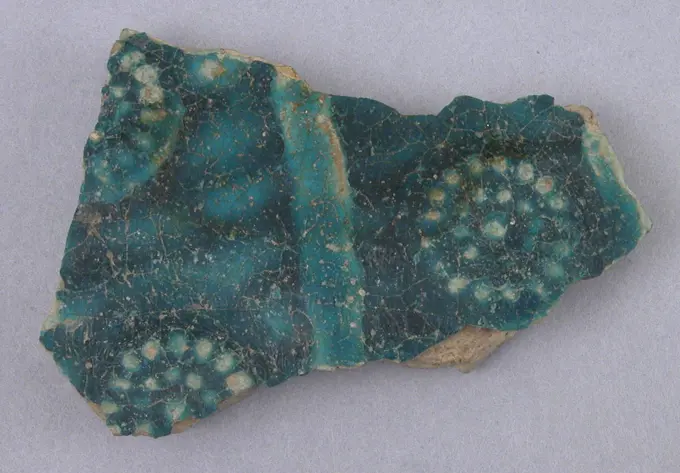
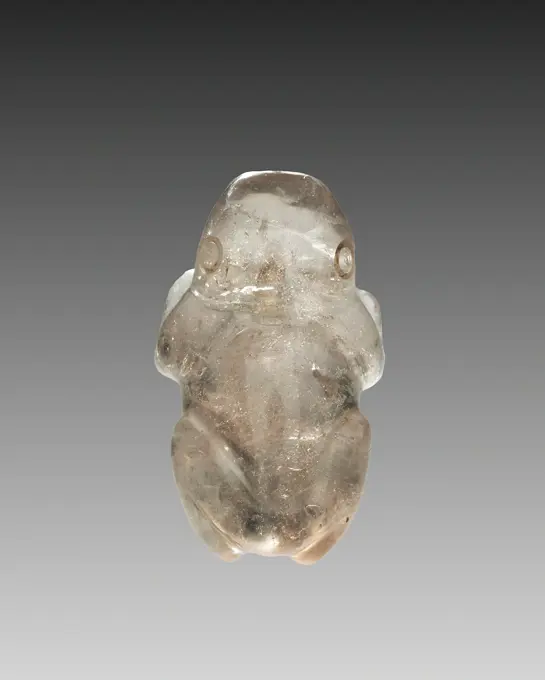
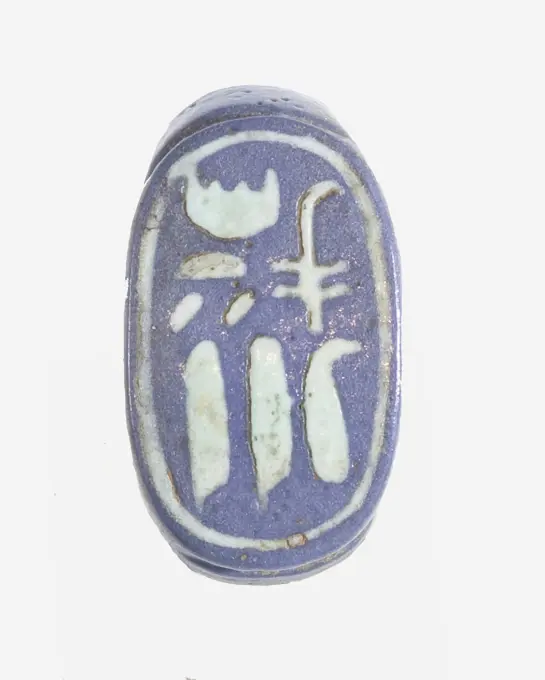
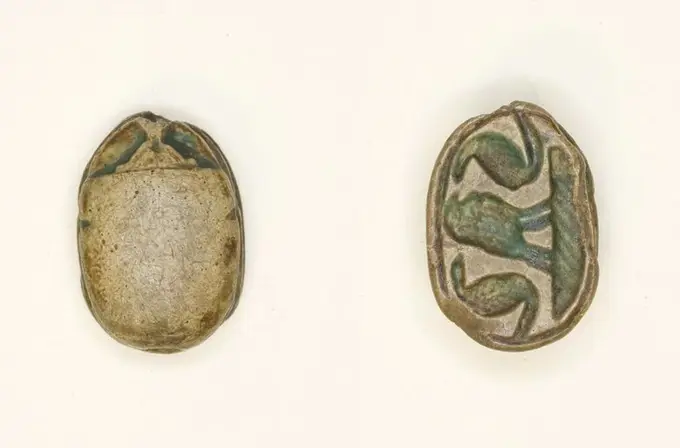
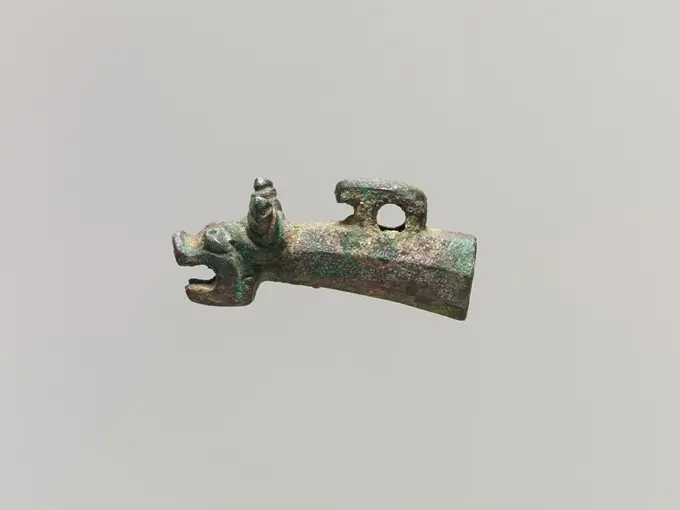
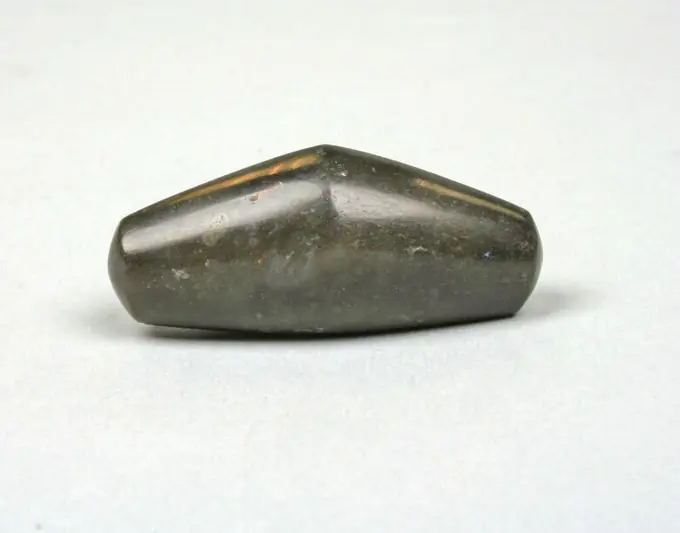
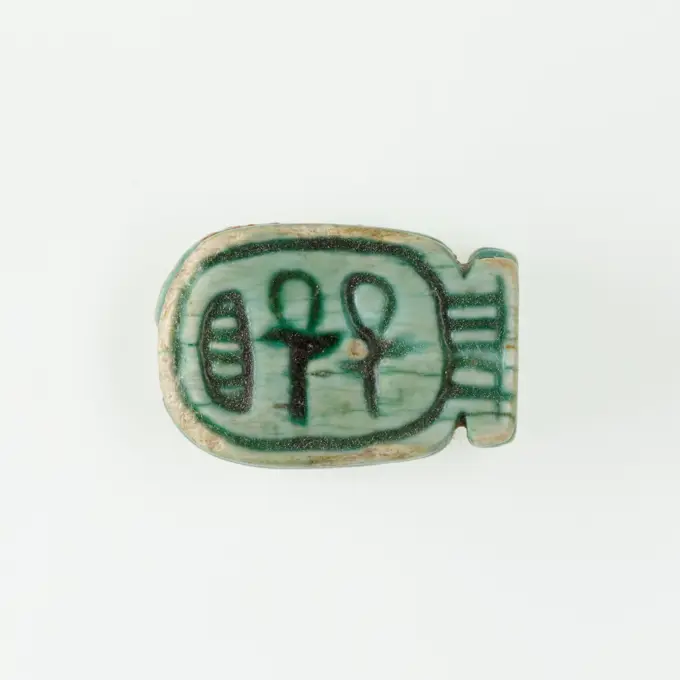
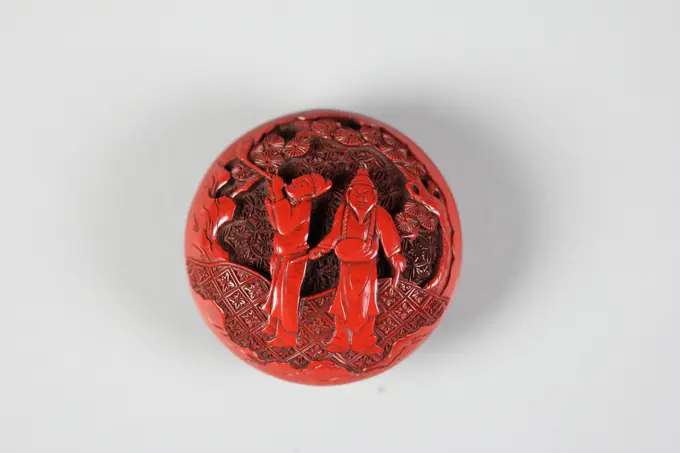
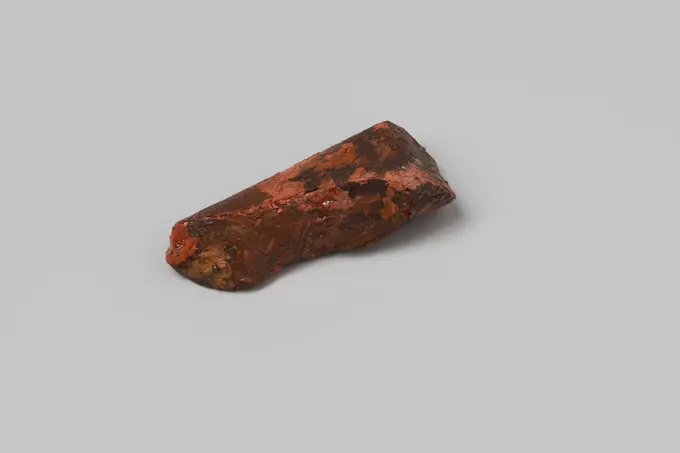
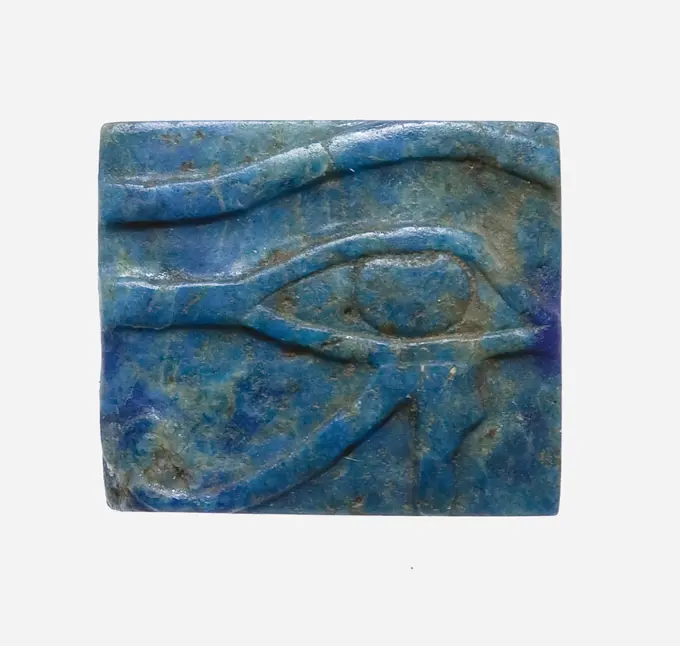
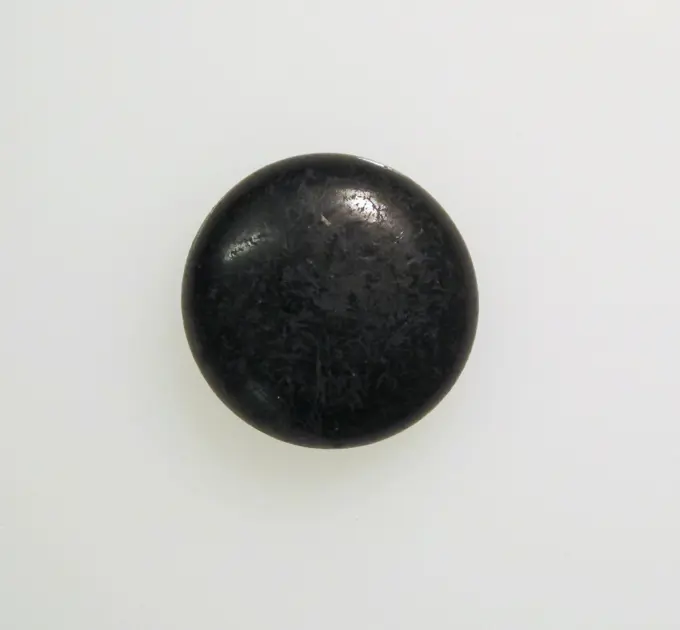
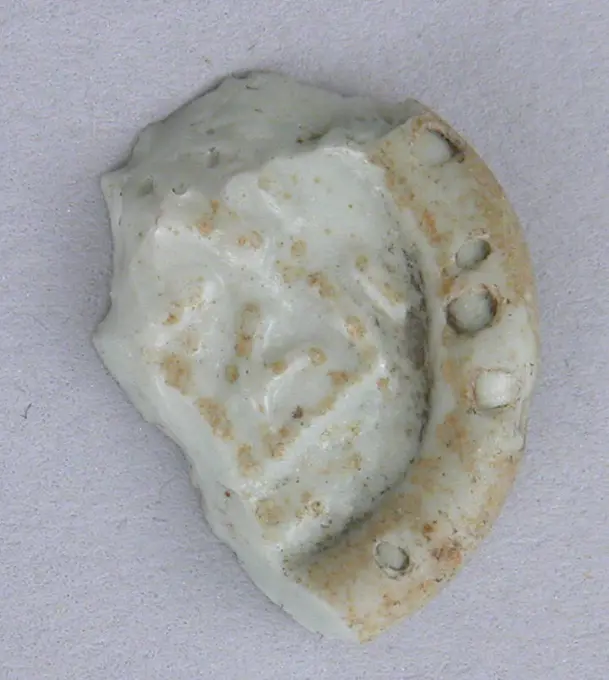
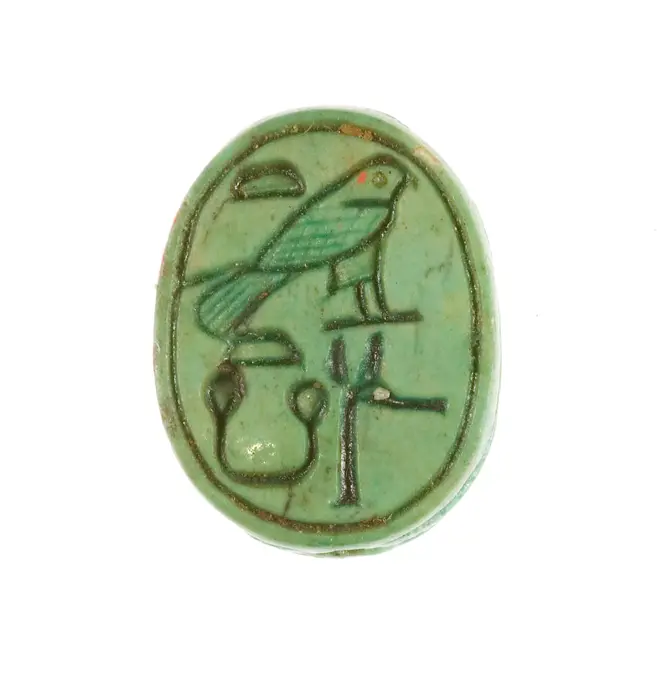
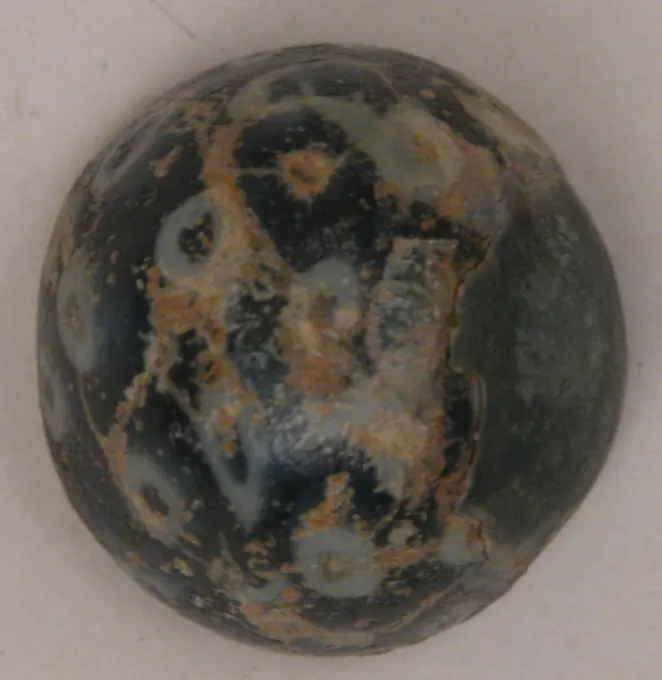
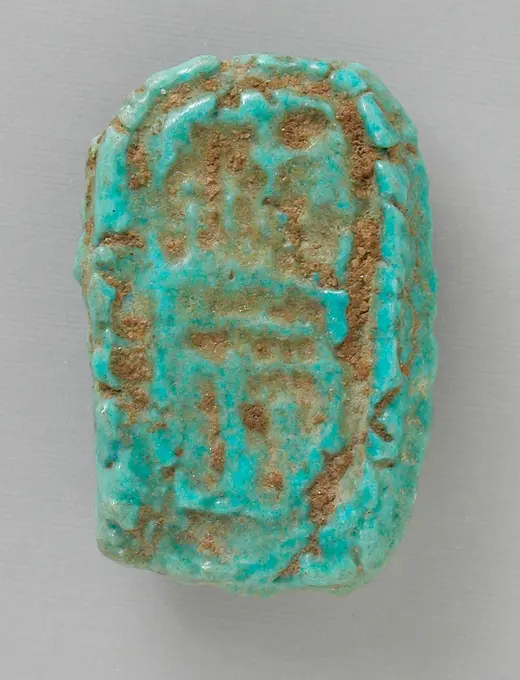
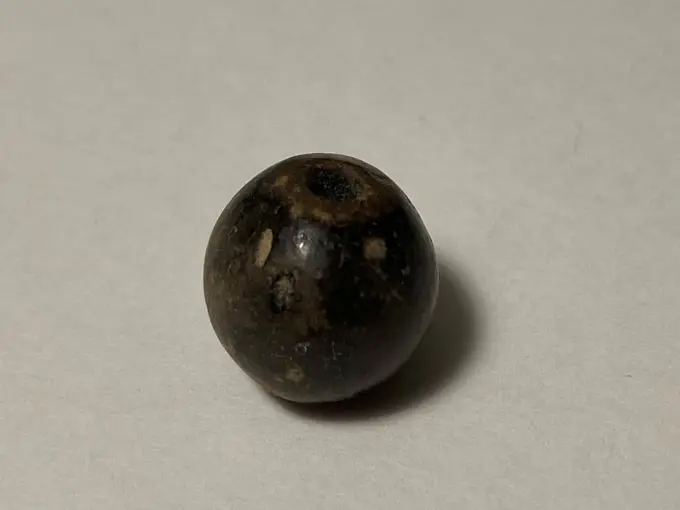
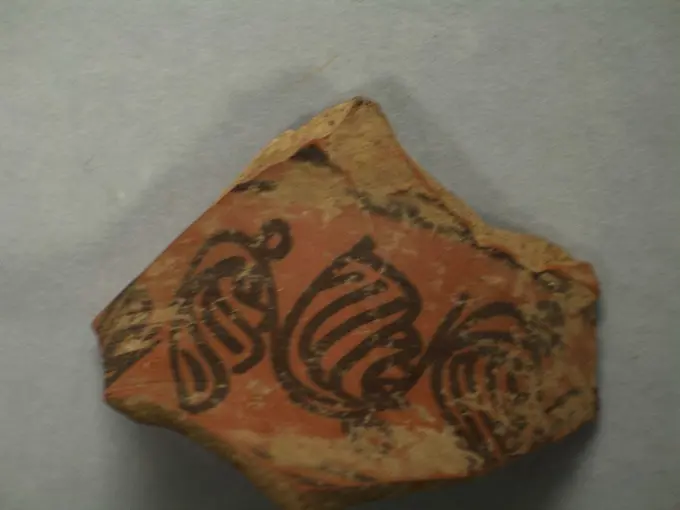
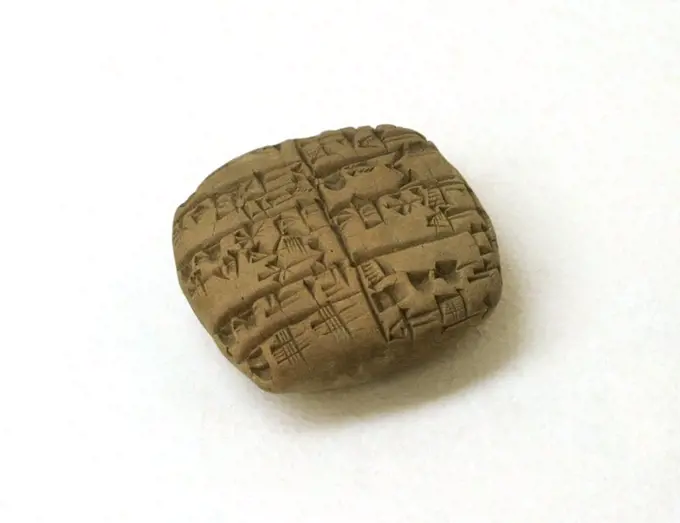
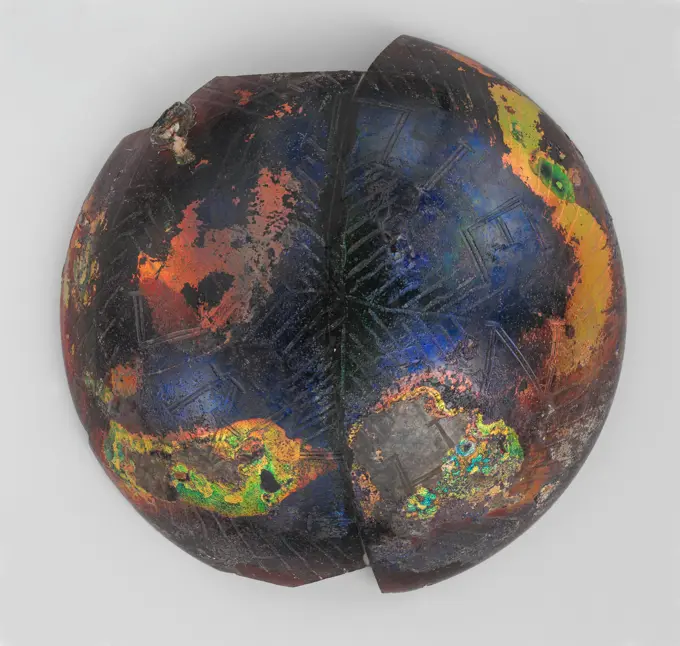
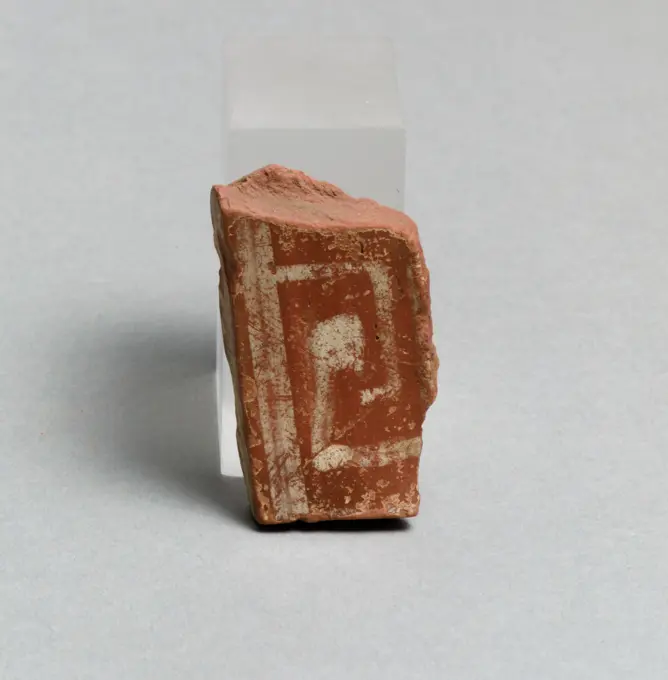
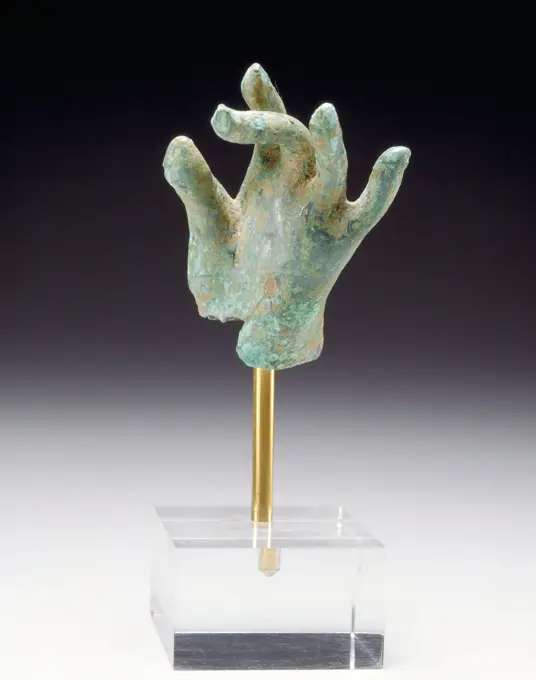
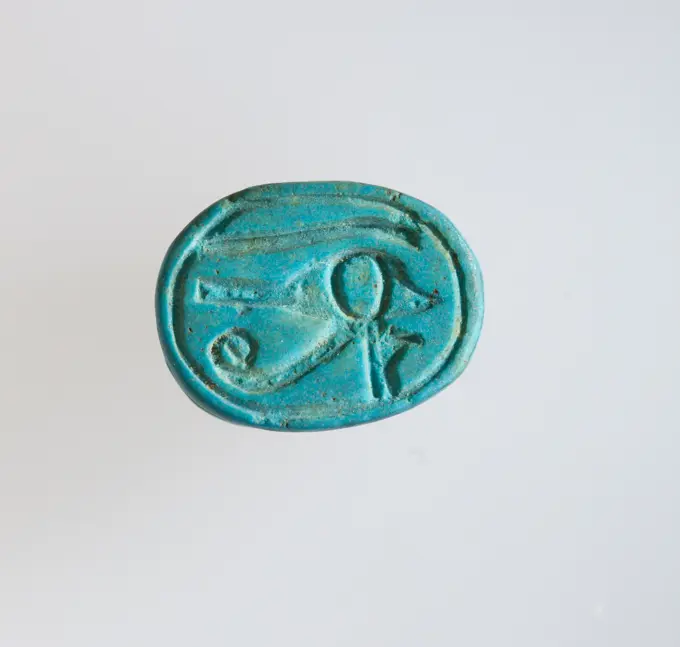
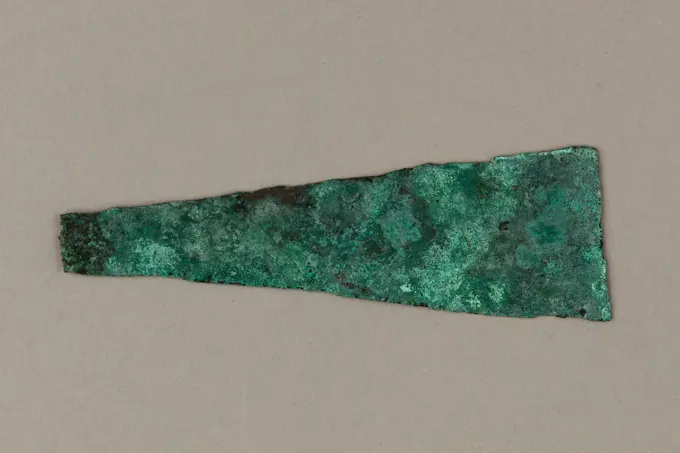
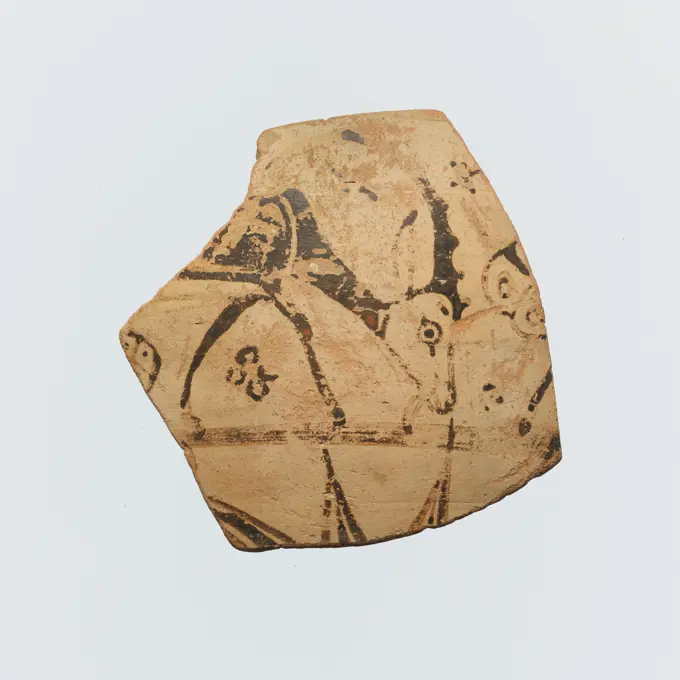
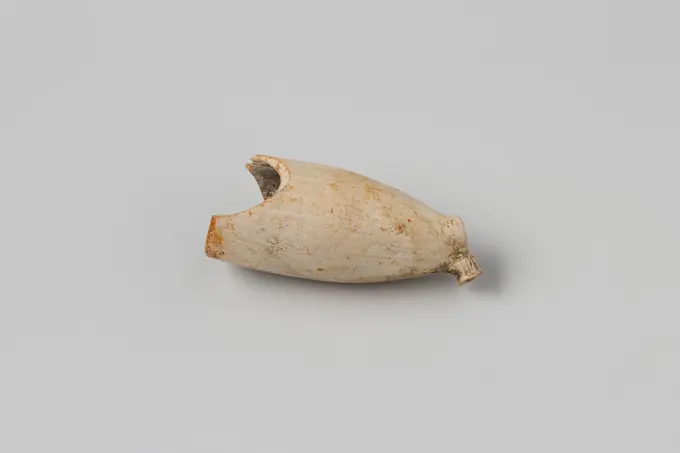
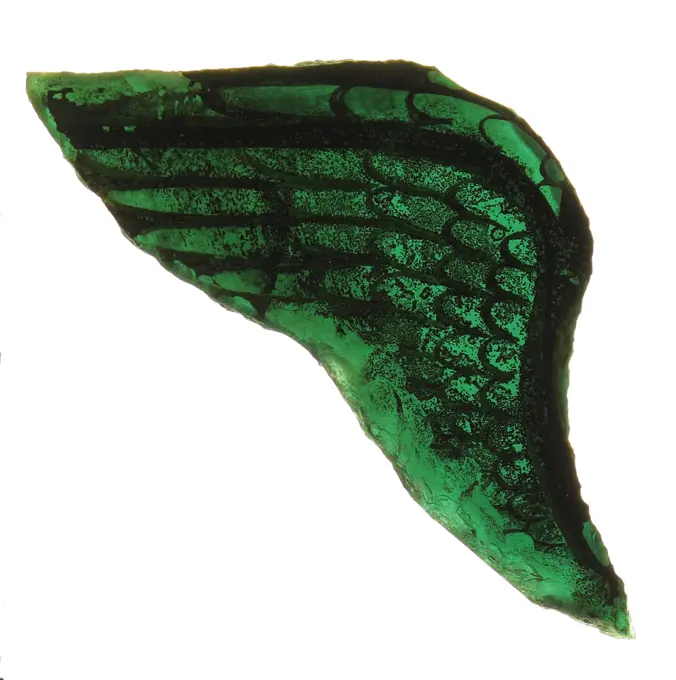
denarius; W ADSY AW III WARNE Czyk (Polish king; 1434-1444); 1434-1444 (1434-00-00-1444-00-00);Elongated Stone Labret with Face before 15th century Peruvian. Elongated Stone Labret with Face 315671Counter Plate of a Belt Buckle. Culture: Frankish. Dimensions: Overall: 2 3/4 x 1 7/8 x 3/8 in. (7 x 4.8 x 1 cm). Date: 7th century. Museum: Metropolitan Museum of Art, New York, USA.Two buttons from the wreck of the East Indiesman Hollandia. Two buttons. (2) Flat, Plain (1.5D, 0.1T), Loop-ShankPipes head. Pipes head with a crown shown and the letters g i w and n pictured. Of the excavations at the Hofstede Arentsburg 1827-1831 under the supervision of professor Reuvens.Food Model Amulet: Brace of Duck, 1295-1069 BC. Egypt, New Kingdom, Dynasties 19-20. Turquoise faience; overall: 2.6 cm (1 in.).Garment Plaque in the Shape of a Coiled Panther 6th-5th century B.C. Eastern Kazakhstan. Garment Plaque in the Shape of a Coiled Panther 59566Axe New Caledonia. Axe 43697StampBracelet with Two Facing Dragonflies 300 B.C.-A.D. 400 Thailand. Bracelet with Two Facing Dragonflies. Thailand. 300 B.C.-A.D. 400. Bronze. Late period. JewelryStone Earflare before 16th century Mexican. Stone Earflare. Mexican. before 16th century. Stone. Mexico, Mesoamerica, Guerrero, Balsas River region. Stone-OrnamentsScarab Inscribed for the King's Principal Wife Ahmose(-Nefertari) ca. 1550-1525 B.C. New Kingdom. Scarab Inscribed for the King's Principal Wife Ahmose(-Nefertari). ca. 1550-1525 B.C.. Steatite, glazed. New Kingdom. From Egypt. Dynasty 18Cylinder Seal. Assyria, Neo-Assyrian linear style period, 9th-8th century B.C.. Tools and Equipment; seals. CompositionInk saucer. Dynasty: Dynasty 13. Date: ca. 1802-1640 B.C. check. Museum: Metropolitan Museum of Art, New York, USA.Engraved stamp or signet; Crete, Greece; about 1850 B.C. - 1500 B.C; Steatite; 1.8 × 1.4 × 1.3 cm (11,16 × 9,16 × 1,2 in.)Scarab of Ramesses II ca. 1295-1070 B.C. New Kingdom, Ramesside. Scarab of Ramesses II 559680Celt. Mexico, Gulf Coast,Tabasco, Olmec, 1000-600 BCE. Stone. JadeiteHilt from a sword from the wreck of the East India, the flying heart. Handle from a sword, green-blue discolored. Round diameter, elongated, around the 'basis' are twisted copper wires. Swordhandle.Gaming Piece 9th-11th century Caliphal decrees prohibited the playing of chess (the pieces of which are customarily figural) for iconoclastic reasons as early as the eighth century. It is likely that chess pieces of the abstract type, such as those exhibited here, replaced the figural ones in order to circumvent those decrees.. Gaming Piece. 9th-11th century. Earthenware, glazed and green glass. Attributed to Western Islamic Lands. Gaming piecesGlass pendant shaped like a jug 3rd-4th century A.D. Roman Translucent blue; handle in translucent light blue; chips in opaque green, yellow, light blue, and white.Thick, rounded rim; narrow concave neck; squat, globular body; slightly convex bottom; loop handle applied to top of body, neck, and underside of rim.Chips applied randomly to body and marvered.Body intact, but lower half of handle missing; dulling, pitting, and weathering.. Glass pendant shaped like a jug. Roman. 3rd-4th century A.D.. Glass; rod-formed and tooled, applied chips. Late Imperial. GlassAmber block containing fossilised insect and plant remains, Curonian Spit (UNESCO World Heritage List, 2000), Lithuania and Russian Federation.Scaraboid: Dwarf Figure. Egyptian. Date: 1295 BC-1069 BC. Dimensions: 1.3 × 1 × 0.6 cm (1/2 × 3/8 × 1/4 in.). Glazed steatite. Origin: Egypt. Museum: The Chicago Art Institute, Chicago, USA. Author: Ancient Egyptian.Fragment 3rd-8th century. Fragment 448809One of a Group of Bone Ornaments Japan. One of a Group of Bone Ornaments. Japan. Bone, vertebrae, claw. Final Jmon period (ca. 1000-300 B.C.). BoneAS (counterfeit); 223 (for the original) (223-00-00-223-00-00);Shards of basement bottles from the wreck of the East Indians' t Vliegend Hart ,, 1700 - 1735  Fragments of square basement bottles: three (short) necks with parts of the belly. The corks and remains of the final wax layer are still present. Also four shards. Case Bottle. Middelburg cork (bark). lacquer (coating)Fragment 9th-10th century. Fragment. 9th-10th century. Earthenware; molded decoration, glazed. Found Saudi Arabia, Dhahran. CeramicsFragment of a vessel. A low curvature of the glass fragment allows the assignment to a vessel. The glass is blue, green and dark red. White strokes cover the surface. For the production differently colored glasses were fused and brought in shape. Building of the elaborate manufacturing process and its fragility was included glass of the luxury articles of antiquity.Fragment of a pipe head from the wreck of the East India Flying Heart. Part of a cup without stem from an earthen Gouda pipe, with brownish cage. HM Perhaps weapon from Friesland: two lions up each other. Fragments or bowls and votes.Frog Pendant, 100 BC - 300. Mexico, Guerrero, Mezcala, 2nd-3rd Century. Rock crystal; overall: 1.7 x 2.6 cm (11/16 x 1 in.).Scarab Uninscribed 1985 BCE-525 BCE Egypt. Stone . Ancient EgyptianRing Inscribed for Queen Tiye ca. 1390-1353 B.C. New Kingdom. Ring Inscribed for Queen Tiye. ca. 1390-1353 B.C.. Faience. New Kingdom. From Egypt, Upper Egypt, Thebes, Malqata, House 2 W, MMA excavations, 1911-12. Dynasty 18Scarab: Confronted Cobras with Falcon. Egyptian. Date: 1650 BC-1550 BC. Dimensions: 1.9 × 1.3 × 0.8 cm (3/4 × 1/2 × 5/16 in.). Glazed steatite. Origin: Egypt. Museum: The Chicago Art Institute, Chicago, USA. Author: Ancient Egyptian.Scarab of a King's Son(). Egypt, Middle Kingdom to Second Intermediate Period, 12th-16th dynasty (1991-1600 BCE). Sculpture. Steatite with modern green color addedPole End. Culture: China. Dimensions: L. 1 3/4 in. (4.4 cm); W. 11/16 in. (1.7 cm); Diam. 1/2 in. (1.3 cm). Museum: Metropolitan Museum of Art, New York, USA.Inlay / bead blank, section of circular floral cane. Dimensions: Diam. 1.4 cm (9/16 in.). Date: 100 BC-100 AD.A mosaic glass technique allowed multiples of an image to be created: a figural or design composition was made by bundling colored glass canes, which were then drawn out into a long bar. The bar was then sectioned at right angles, probably by striking the bar with appropriate tools, to produce small inlay tiles. The tile would then be smoothed and polished on the face intended to appear outwards. Museum: Metropolitan Museum of Art, New York, USA.Ritual Stone (pulidor). Culture: Aztec. Dimensions: Height 2 in.. Date: 15th-early 16th century. Museum: Metropolitan Museum of Art, New York, USA.Shabti 380 BCE-343 BCE Egypt. Faience . Ancient EgyptianPlaque in the Form of a Cartouche; two ankhs; ankh, two nefers ca. 1492-1473 B.C. New Kingdom This cartouche-shaped plaque was found with twenty-three scarabs and seal-amulets in the coffin of a young woman who was buried in Hatnefer's tomb (see 36.3.1 and 36.3 26). On side is inscribed with two ankh hieroglyphs (meaning life); the other ahd an ankh and two nefer hieroglyphs (meaning good or beautiful).. Plaque in the Form of a Cartouche; two ankhs; ankh, two nefers. ca. 1492-1473 B.C.. Glazed steatite. New Kingdom. From Egypt, Upper Egypt, Thebes, Sheikh Abd el-Qurna, Tomb of Hatnefer and Ramose (below TT 71), coffin IV, burial 1, MMA excavations, 1935-36. Dynasty 18, earlyNetsuke 18th century Japan. Netsuke. Japan. 18th century. Red lacquer. Edo period (1615-1868). NetsukeRadellak from the wreck of the East Indiescher's Flying Heart. Piece of a rod red seal branch, tapered. Sealing wax.Uszebti. unknown, authorCosmetic Saucer Decorated with Swans. Egyptian. Date: 1550 BC-1070 BC. Dimensions: 7.7 × 7.2 × 1.6 cm (3 1/16 × 2 13/16 × 5/8 in.). Stone. Origin: Egypt. Museum: The Chicago Art Institute, Chicago, USA. Author: Ancient Egyptian.Stamp Seal. West Asia, Achaemenid Period, 6th-late 4th century B.C.. Tools and Equipment; seals. AgateScherf Majolica with decoration in blue, yellow, green and orange, anonymous, 1500 - 1699  Majolic screen. Northern Netherlands earthenware. glazeConical Bowl with Decoration of Three Leaves. China. Date: 1101-1299. Dimensions: H. 4.9 cm (1 15/16 in.); diam. 15.3 cm (6 in.). Jizhou ware; glazed stoneware with kiln transmutations. Origin: China. Museum: The Chicago Art Institute, Chicago, USA.Glass Fragment from a Vessel 4th-early 5th century Coptic. Glass Fragment from a Vessel. Coptic. 4th-early 5th century. Glass. Made in Kharga Oasis, Byzantine Egypt. Glass-VesselsBead in the Shape of an Elephant, c. 6th-8th century, 7/16 x 3/4 x 3/8 in. (1.1 x 1.9 x 1 cm), Stone, Myanmar (Burma), 5th-9th centuryPendant with sard. Pendant with sard 243114Plaque: Wedjat Eye 664-332 B.C. Late Period. Plaque: Wedjat Eye. 664-332 B.C.. Lapis lazuli. Late Period. From Egypt. Dynasty 26-29Pinhead 1st century B.C.-5th century A.D. Roman. Pinhead. Roman. 1st century B.C.-5th century A.D.. Glass. GlassKnife 1st-mid-8th century Moche. Knife 308848Coin Weight 12th century. Coin Weight. 12th century. Glass. Attributed to Egypt. GlassScarab Inscribed for the Female Horus Wosretkau (Hatshepsut) ca. 1479-1458 B.C. New Kingdom. Scarab Inscribed for the Female Horus Wosretkau (Hatshepsut). ca. 1479-1458 B.C.. Steatite (glazed). New Kingdom. From Egypt, Upper Egypt, Thebes, Deir el-Bahri, Temple of Hatshepsut, Foundation Deposit 7 (G), MMA excavations, 1926-27. Dynasty 18, earlyFragment of a Bowl late 9th-10th centuryGaming Piece probably 8th-12th century Caliphal decrees prohibited the playing of chess (the pieces of which are customarily figural) for iconoclastic reasons as early as the eighth century. It is likely that chess pieces of the abstract type, such as this one, replaced the figural ones in order to circumvent those decrees.The dot-in-circle motif recalls designs presumed to be of magical significance, most likely an abstract eye to ward off the evil-eye, which serves an apotropaic function. Easily reproduced with a tool and visible in many cultures and times, this symbol may have lost its meaning, and become simply a decorative pattern, or may have one that we have not yet discovered.. Gaming Piece 452322Fragment of Toilet Dish. Dimensions: L. 4.5 cm (1 3/4 in), w. 4.5 cm (1 3/4 in). Dynasty: Dynasty 18. Reign: reign of Amenhotep III. Date: ca. 1390-1353 B.C.. Museum: Metropolitan Museum of Art, New York, USA.Beads, 9 Roman These nine beads are mostly cylindrical, with a feather pattern.. Beads, 9. Roman. Glass. GlassFragment straight stem from glass from the wreck of the East India Hollandia. Glass, Voice Glass, votes, Plain; Fragm, ID. NG 1980-27H798.Shards of a sign from the wreck of the East Indians Hollandia, Anonymous, 1700 - in Or Before 1743 plate (dishes) Porcelain, plate, type 2; fragm of base, sim. NG 1980-27H507. Netherlands porcelain   SecondFish Ornament. Culture: Peru; central coast (). Dimensions: L. 1 1/2 in. (3.8 cm). Date: 11th-12th century. Museum: Metropolitan Museum of Art, New York, USA.Stamp, Gabled with Slightly Rounded Back. Northern Syria or southeast Anatolia, circa 3500 - 3100 B.C.. Tools and Equipment; stamps. Black serpentineRight Hand PendantMolded Faience Plaque with the Birth Name of Ramses III. Egypt, New Kingdom, 20th Dynasty, reign of Ramses III (1198 - 1166 BCE). Jewelry and Adornments. FaienceGrahal-Manzara. Carnavalet 2013-2016 collection sites. Numismatics.Vase fragment ca. 4000 B.C. Neolithic, Nemea. Vase fragment 253254 Neolithic, Nemea, Vase fragment, ca. 4000 B.C., Terracotta, length 2 1/8in. (5.4cm). The Metropolitan Museum of Art, New York. Anonymous Gift, 1930 (30.119.49)Buckle Shank ca. 409-711 Visigothic. Buckle Shank. Visigothic. ca. 409-711. Bronze. Miscellaneous-Buckles & OrnamentBead 8th-13th century This object was excavated at Nishapur.Nishapur was a vital city in the early and middle Islamic periods, located along one of the main trajectories that connected Iran and West Asia Islamic lands with Central Asia and China. These itineraries are often referred to by the term Silk routes’ but were in fact crucial to the movement of constellations of materials and objects, as well as people and ideas. The diverse population of Nishapur and its surroundings, from the better-researched elite groups of merchants, land-owning aristocracy, and literates, to the less-known artisans, farmers, miners, and servants, were instrumental in adapting global cultural trends to create their own distinctive visual languages. This is seen in the material remains of everyday life in medieval Nishapur - from pots and pans to lighting devices, inkwells, textiles and trimmings, jewelry, games and toys, talismanic devices, weapons, coins, and architectural fragments.Nishapur lost its poShard ca. 4th-5th century Pakistan. Shard 50870Scarab of Ramesses II. Dimensions: L. 1.4 cm (9/16 in.). Dynasty: Dynasty 19-20. Date: ca. 1295-1070 B.C.. Museum: Metropolitan Museum of Art, New York, USA.Carnavalet Museum, Medals CollectionRound Plaque. Culture: Vicús. Dimensions: Diam. 2 15/16 in. (7.5 cm). Date: 3rd century B.C.-A.D. 2nd century. Museum: Metropolitan Museum of Art, New York, USA.Sumer. Mesopotamia. Presargonic period of Akkad. Administrative document. Lagash. Near East. The State Hermitage Museum. Saint Petersburg. Russia.Fragment of vase. Dimensions: h. 1.9 cm (3/4 in). Dynasty: Dynasty 12-13. Date: ca. 1850-1640 B.C.. Museum: Metropolitan Museum of Art, New York, USA.Glass bowl with inscription 3rd-4th century A.D. Roman Translucent purple glass. Slightly in-turned rim with a sharp, knocked-off edge; body somewhat less than hemispherical in shape; a single, small handle was attached to the side.On exterior, decoration of wheel-cut lines comprising two elements: (a) a series of diagonal lines running around the side of the bowl, with a matching pattern of lines roughly centred on the base, forming a cross; and (b) an inscription in double-line letters running around the bowl between the two elements of linear decoration, starting to the right of the handle; the beginning and end of the inscription marked by a series of diagonal lines. The inscription reads in Greek ΠIE ZHCAIC, meaning "Drink so that you may live." Broken into three fragments and repaired, with parts of the rim and most of the handle missing; severe weathering and brilliant iridescence.. Glass bowl with inscription 249174view 2. Weoley Castle - Mediaeval Floor Tile .Few egg -shaped ear clips made of spotted email, c. 1950 - c. 1960 Few egg -shaped ear clips made of spotted email on copper. Netherlands copper (metal) Few egg -shaped ear clips made of spotted email on copper. Netherlands copper (metal)Vase fragment East Greek/Sardis, Lydian. Vase fragment 252784 East Greek/Sardis, Lydian, Vase fragment, Terracotta, Overall: 1 5/8 x 7/16in. (4.1 x 1.1cm). The Metropolitan Museum of Art, New York. Gift of The American Society for the Excavation of Sardis, 1926 (26.199.217)Wall painting fragment 1st century A.D. Roman On yellow ground; plant stalk in sepia with tendrils; white calyx below.. Wall painting fragment. Roman. 1st century A.D.. Fresco. Miscellaneous-PaintingsHand of a Seated Buddha, 12th century, H.2-1/16 x W.2-1/8 x D.1-1/8 in. (without mount), bronze, Cambodia, 12th centuryScarab ca. 1479-1458 B.C. New Kingdom. Scarab. ca. 1479-1458 B.C.. Faience. New Kingdom. From Egypt, Upper Egypt, Thebes, Deir el-Bahri, Hatshepsut Hole, Hathor Shrine, MMA excavations, 1922-23. Dynasty 18Model adze blade ca. 2650 B.C. Early Dynastic Period. Model adze blade 547426Fragment of a Bowl 14th-15th century. Fragment of a Bowl 446402Fragment of a terracotta oinochoe (jug) 7th century B.C. East Greek, Wild Goat Style Grazing goat.. Fragment of a terracotta oinochoe (jug) 252363 East Greek, Wild Goat Style, Fragment of a terracotta oinochoe (jug), 7th century B.C., Terracotta, 4 9/16 x 4 7/16in. (11.5 x 11.3cm). The Metropolitan Museum of Art, New York. Bequest of Richard B. Seager, 1926 (26.31.441)Fragment blowjob from the wreck of the East Indieschief Hollandia.1 Blowjob head.One from a Pair of Bracelets with Heavy Rope Braid 300 B.C.-A.D. 400 Thailand. One from a Pair of Bracelets with Heavy Rope Braid. Thailand. 300 B.C.-A.D. 400. Bronze. Late period. JewelryKnobDroppings (common name). Sandstone, molding, cookie, celadon. Cernuschi Museum, Asia Museum of Asia in the city of Paris.Leaf Pendant ca. 1390-1353 B.C. New Kingdom. Leaf Pendant. ca. 1390-1353 B.C.. Faience. New Kingdom. From Egypt, Upper Egypt, Thebes, Malqata, Palace of Amenhotep III, MMA excavations, 1910-11. Dynasty 18Italy, prehistory, Copper Age. Rinaldone Culture- copper axesShard ca. 4th-5th century Pakistan. Shard. Pakistan. ca. 4th-5th century. Painted terracotta. CeramicsEngraved Gem. UnknownStone Chisel before 16th century Mexican. Stone Chisel 317105Fragment of a Mosaic Glass Vessel. Unknown 1st century B.C.-1st century A.D. Dark blue with canes of green, white, light blue and red arranged in pinwheel patterns.Vase fragment Neolithic, Thessaly. Vase fragment 253208 Neolithic, Thessaly, Vase fragment, Terracotta, length 1 1/8in. (2.9cm). The Metropolitan Museum of Art, New York. Anonymous Gift, 1930 (30.119.3)We's We's We's WeighingMolded red glass Plaque with name of Ramses II. Egypt, New Kingdom, 19th Dynasty, reign of Ramses II (1304 - 1237 BCE) or after. Sculpture; plaques. FaienceGlass Fragment 12th-14th century French. Glass Fragment. French. 12th-14th century. Pot-metal glass, vitreous paint. Glass-StainedVase fragment Roman, Gaul Satyr.. Vase fragment 250369Plaque 6th-4th century B.C. Egyptian. Plaque. Egyptian. 6th-4th century B.C.. Terracotta. Terracottas