Ancient Artifacts and Seal Impressions

A collection of ancient artifacts including cowroids and spindle whorls, featuring unique inscriptions and designs, highlighting rich historical significance.

Earthenware shard, found at v.o.c. -ship Witte Leeuw, possibly from Zeelelie, Anonymous, 1750 - 1799  Sharf of yellow-baking earthenware with a black layer, found at v.o.c. ship the 'Witte Leeuw'. An hourglass has been scratched with four dots. This object is 18th century and cannot therefore be from the freight of the Witte Leeuw. It is unclear whether the object will come from the site or whether it was mixed later, possibly with material from the Zeelelie.  earthenware
Earthenware shard, found at v.o.c. -ship Witte Leeuw, possibly from Zeelelie, Anonymous, 1750 - 1799 Sharf of yellow-baking earthenware with a black layer, found at v.o.c. ship the 'Witte Leeuw'. An hourglass has been scratched with four dots. This object is 18th century and cannot therefore be from the freight of the Witte Leeuw. It is unclear whether the object will come from the site or whether it was mixed later, possibly with material from the Zeelelie. earthenware
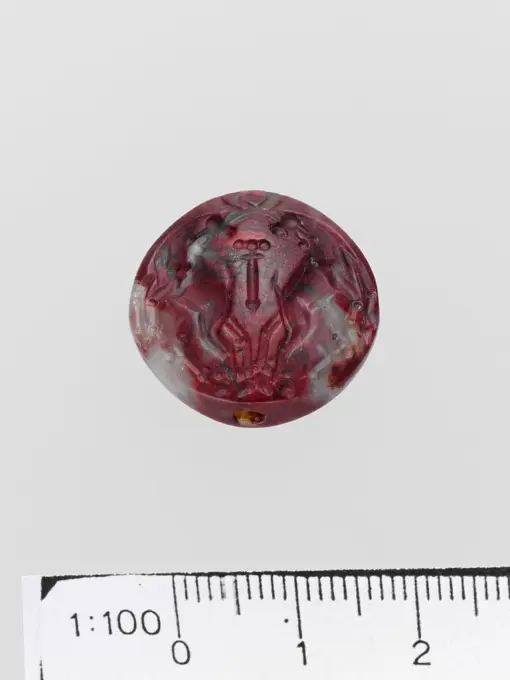
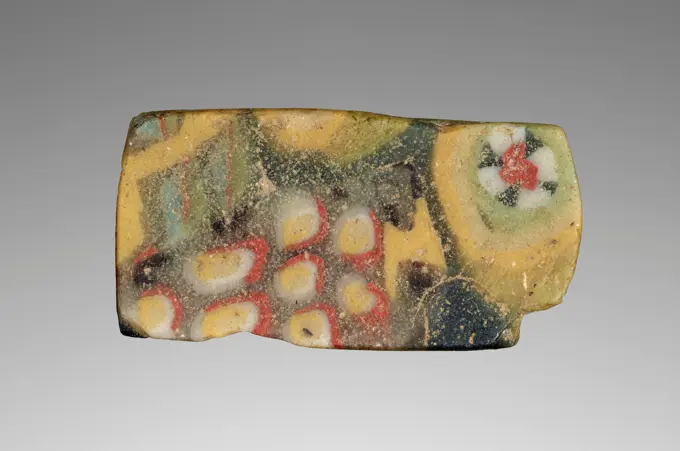
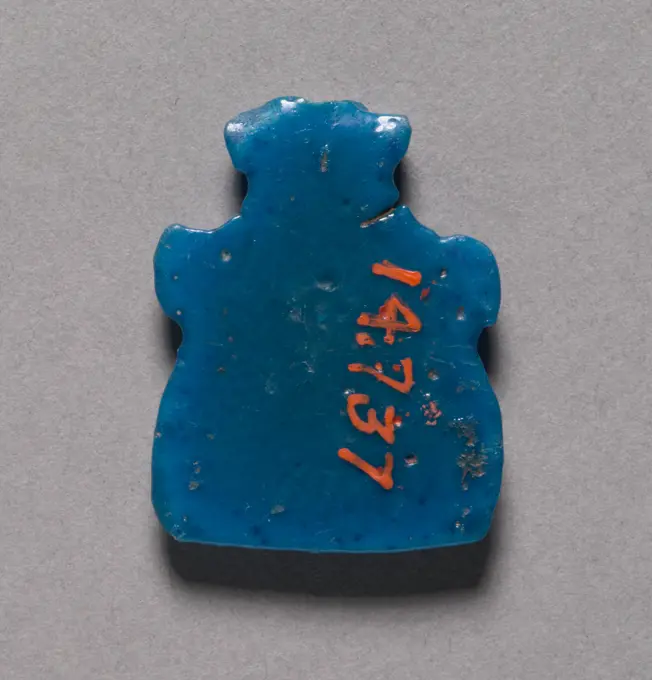
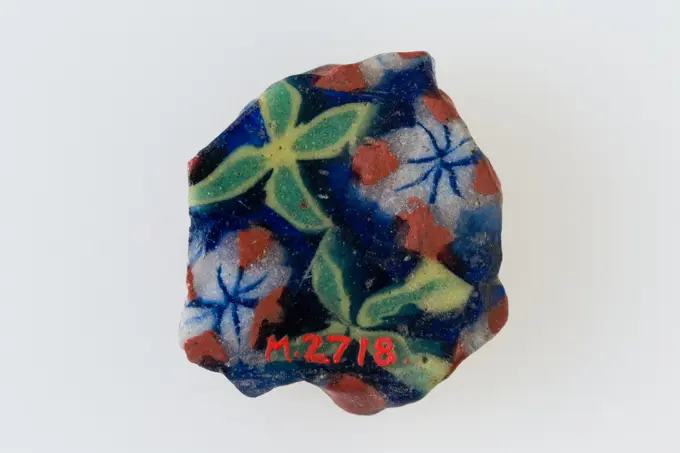
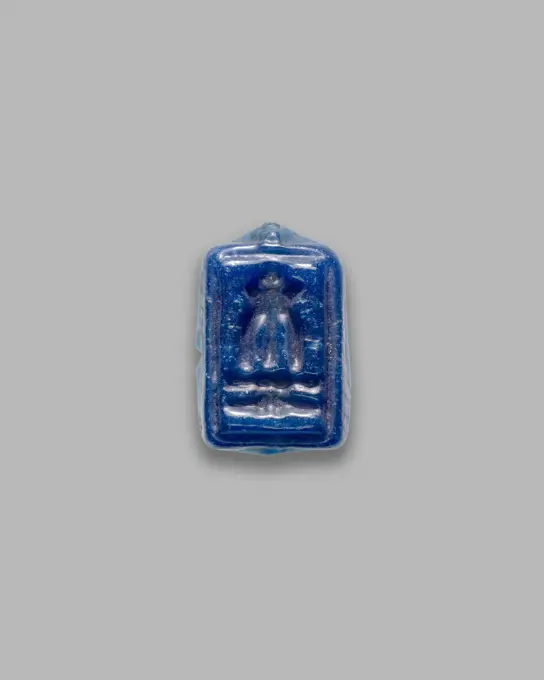
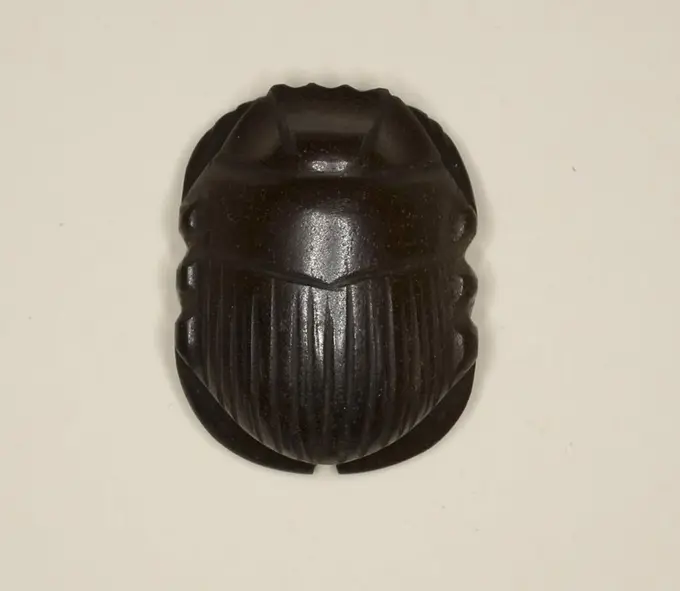
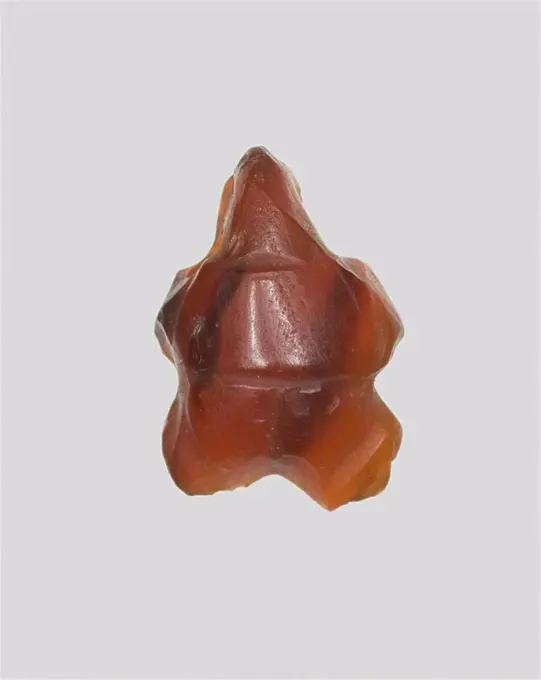
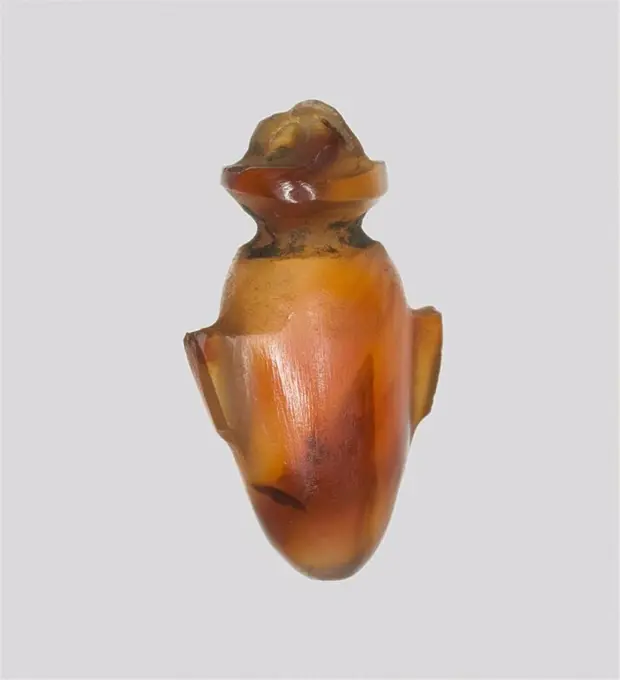
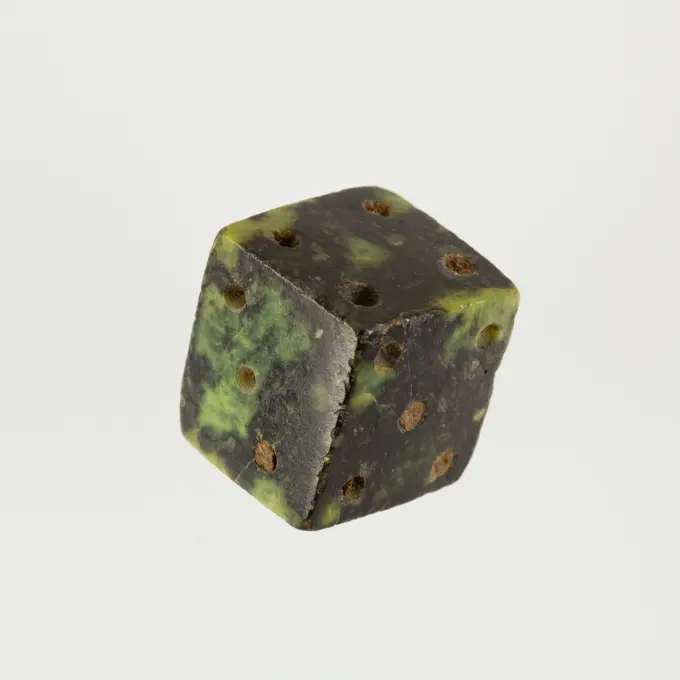
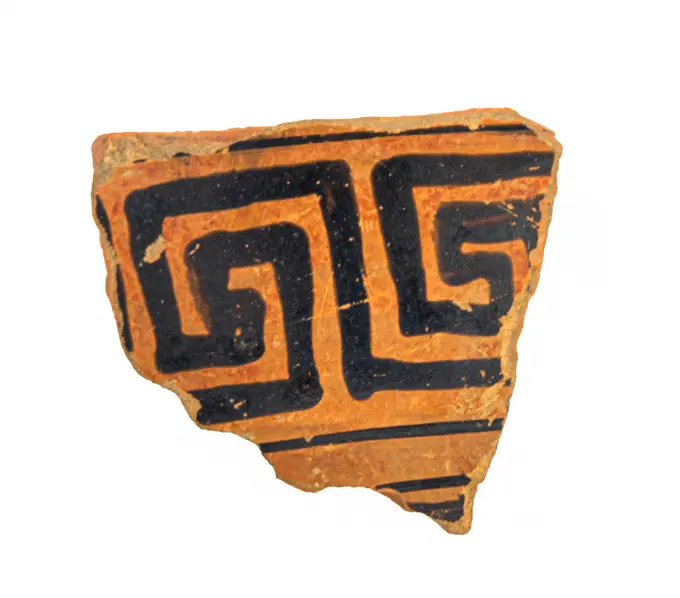
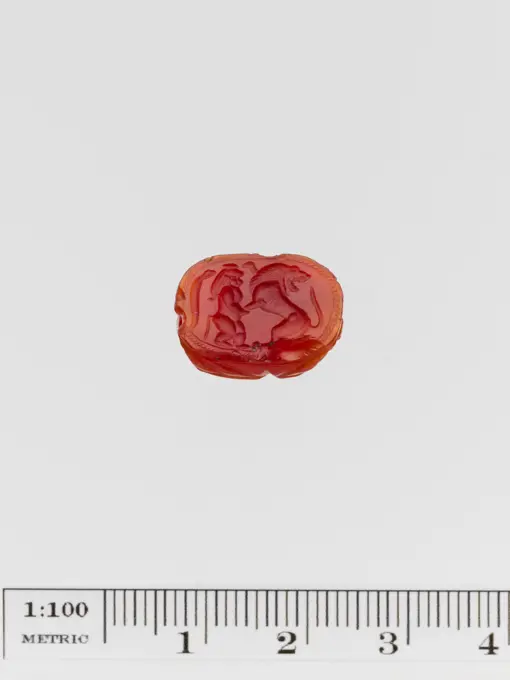
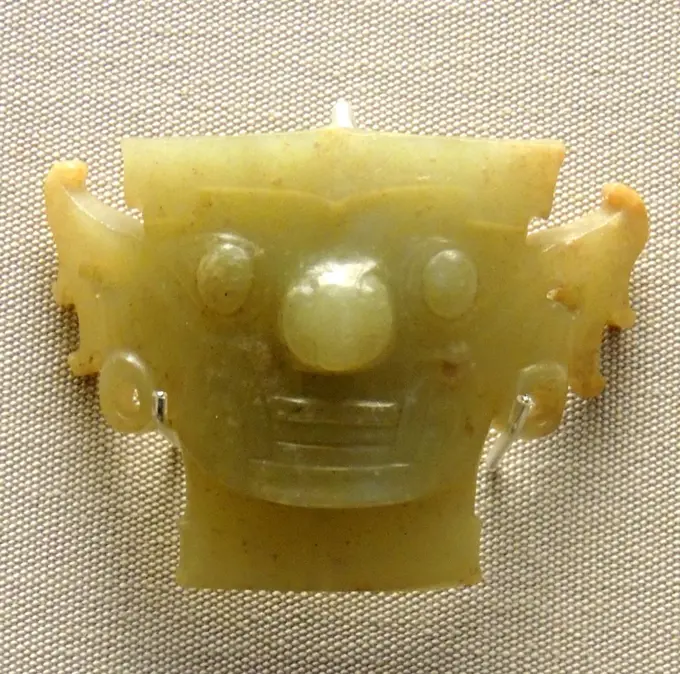
Gemma with the performance of HeraclesEngraved Gem; Roman Empire; 3rd century; Green chalcedony; 1.2 cm (1,2 in.)Agate lentoid seal. Culture: Minoan. Dimensions: Diameter 1.99 cm-2.07 cm, Thickness 1 cm. Date: ca. 1400-1300 B.C..Two rampant wild goats, heraldically grouped with column in center. Museum: Metropolitan Museum of Art, New York, USA.Gaming Piece 9th-10th century. Gaming Piece. 9th-10th century. Glass; cut, tooled, and polished. Attributed to Eastern Islamic lands. Gaming piecesFloral Plaque Fragment. Unknown 1st century B.C.Bes Head Amulet, 1069-715 BC. Egypt, Third Intermediate Period or later. Turquoise blue faience; overall: 2.9 x 2.2 x 0.3 cm (1 1/8 x 7/8 x 1/8 in.).Vase fragment, conventional floral design 1st-3rd Century A.D. Roman Period A mosaic glass technique allowed multiples of an image to be created: a figural or design composition was made by bundling colored glass canes, which were then drawn out into a long bar. The bar was then sectioned at right angles, probably by striking the bar with appropriate tools, to produce small inlay tiles. The tile would then be smoothed and polished on the face intended to appear outwards.. Vase fragment, conventional floral design. 1st-3rd Century A.D.. Mosaic glass. Roman Period. From EgyptHuzi Urinal's form (common name). Sandstone, Céladon. Cernuschi Museum, Asia Museum of Asia in the city of Paris.Scarab with Plant Design. Egypt, 13th - 16th Dynasty (1786 - 1569 BCE). Sculpture. Steatite with blue glazeMosaic glass fragment. The small glass fragment shows on dark red reason three different flower forms in millefiori technology. The first consists of a sequence of concentric rings in the colors (from inside to the outside) white, dark red and white. The second consists of a white point with red contour to lay the trapezoidal blue petals with white contour. The third consists of a white point with yellow contour to lay the trapezoidal green petals with yellow contour. For the production, different colored glasses into tubes and rods were formed. These were compressed and heated, causing a long bar. The sliced glass had different amorphous or floral patterns on. In Roman times, it used colored, ornamented glass for vessels, mosaics, wall decorations and furniture ornaments.Foundation Deposit Plaque ca. 1153-1147 B.C. New Kingdom, Ramesside. Foundation Deposit Plaque. ca. 1153-1147 B.C.. Glass. New Kingdom, Ramesside. From Egypt, Upper Egypt, Thebes, Lower Asasif, Birabi, MMA excavations, 1934-35. Dynasty 19Dog 7th-9th century China. Dog 52577Pendant in the Form of a Cluster of Grapes. Egyptian. Date: 1550 BC-1186 BC. Dimensions: 2.5 × 1.3 × 0.5 cm (1 × 1/2 × 3/16 in.). Faience. Origin: Egypt. Museum: The Chicago Art Institute, Chicago, USA. Author: Ancient Egyptian.Goldweight Cluster of Seeds, 19th-20th century, 1/2 x 11/16 in. (1.27 x 1.75 cm), Brass, Ghana, 19th-20th centuryMosaic glass fragment. The irregularly broken fragment has millefiori blossoms on a blue background; These consist of red dots with white border to circle arranged with blue, yellow, turquoise and red circles from outside; Another type of flowers with alternating yellow and red dots with white border with blue, white, red circles inside. In Roman times, one used colored, ornamented glass for vessels, mosaics, wall decorations and furniture ornaments. For the production of different colored glasses to tubes and shaped bars. These were compressed and heated, causing a long bar. The glass sliced now had a wide variety of amorphous or floral patterns.Scarab Amulet. Egyptian. Date: 332 BC-30 BC. Dimensions: 1.27 × 3.17 × 2.38 cm (1/2 × 1 1/4 × 15/16 in.). Hematite. Origin: Egypt. Museum: The Chicago Art Institute, Chicago, USA. Author: Ancient Egyptian.Oyster-Shell Pendant, 1980-1801 BC. Egypt, Middle Kingdom, Dynasty 12. Carnelian and silver; overall: 1.5 cm (9/16 in.).Ring c 1800-1900 United States. Gold . Artist unknownAncient Egyptian Heart scarabs from the reigns of Thutmose III and Ramesses II. The dung beetle was one of the creatures with the greatest symbolic weight in ancient Egyptian culture.StampInlay, hieroglyph. Dimensions: H. 2.1 cm (1 3/16 in.); W. 1.9 cm ( 3/4in.). Dynasty: Dynasty 26. Reign: reign of Psamtik I. Date: 664-610 B.C.. Museum: Metropolitan Museum of Art, New York, USA.Spindle Whorl Spindle Whorl, 1000-1532. Ceramc   Arts of the Americas 1000-1532Amulet of a Human Face. Egyptian. Date: 2613 BC-2055 BC. Dimensions: 0.5 × 1.3 × 1.1 cm (3/16 × 1/2 × 7/16 in.). Carnelian. Origin: Egypt. Museum: The Chicago Art Institute, Chicago, USA. Author: Ancient Egyptian.Amulet of a Heart. Egyptian. Date: 1070 BC-656 BC. Dimensions: 1.9 × 1.3 × 0.6 cm (3/4 × 1/2 × 1/4 in.). Carnelian. Origin: Egypt. Museum: The Chicago Art Institute, Chicago, USA. Author: Ancient Egyptian.Die 30 B.C.-A.D. 364 Roman Period Cubic dice have been in use in the Near East since the third millennium B.C., with different systems used at different times for distributing the points. In Egypt, examples dating to the New Kingdom are reported as isolated finds at el-Amarna, Lisht and Deir el-Bahri. The numbering of the opposite sides (1-6, 2-5, 3-4), each adding up to seven, comes into more general use only later, as reflected by this die. During the Greco-Roman period, cubic dice became more common and gradually replaced throwing sticks and knuckle bones for use with board games.. Die 551068Bliżej KulturyVolute-krater fragment 4th century B.C. Greek, South Italian, Apulian. Volute-krater fragment. Greek, South Italian, Apulian. 4th century B.C.. Terracotta; red-figure. Late Classical. VasesCarnelian scarab ca. early 6th century B.C. Greek, Sardinian Lion-headed Bes holding a lion by one paw.. Carnelian scarab. Greek, Sardinian. ca. early 6th century B.C.. Carnelian. Archaic. GemsJade Neolithic figure from China. Circa 2500 BC. Western Zhou period, Chinese, 10th - 9th century BC