Ancient Artifacts and Sealings

Images of ancient sealings, figurines, and ingots, illustrating the craftsmanship and historical context of early civilizations.

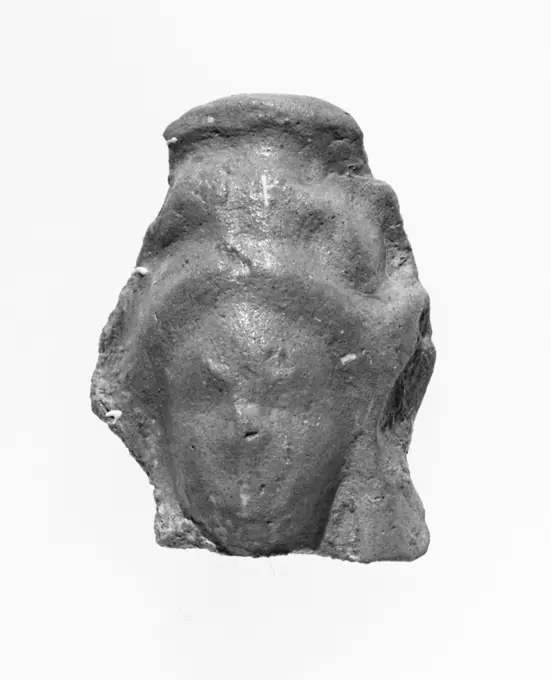
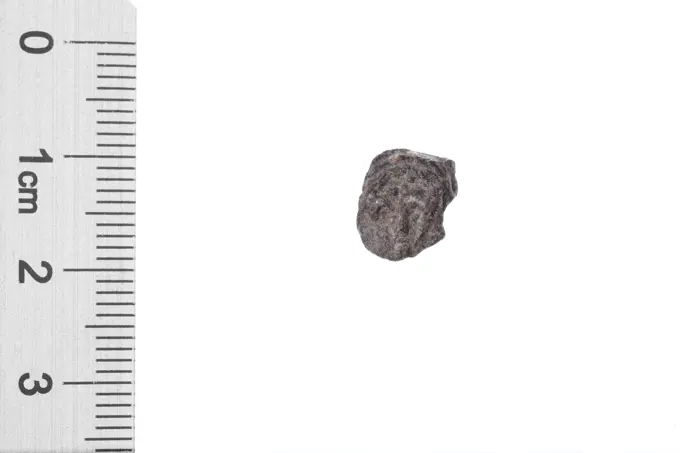
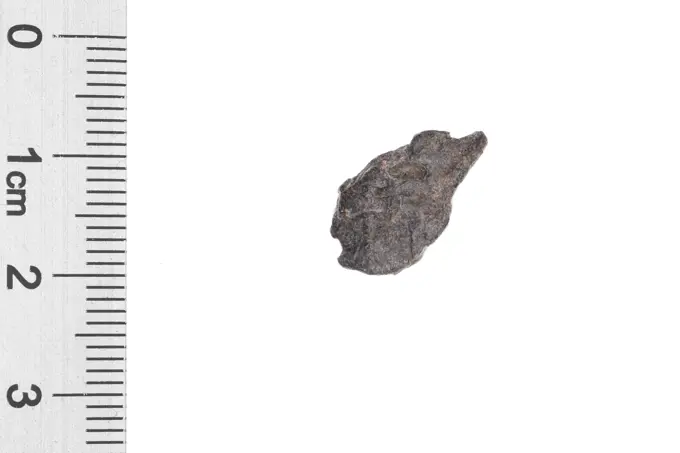
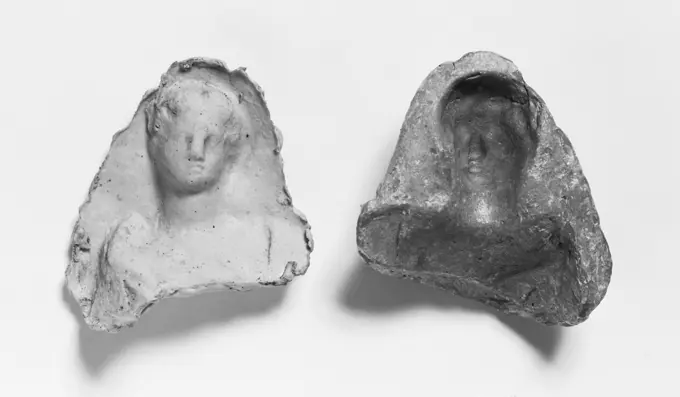
Female Head. Unknown
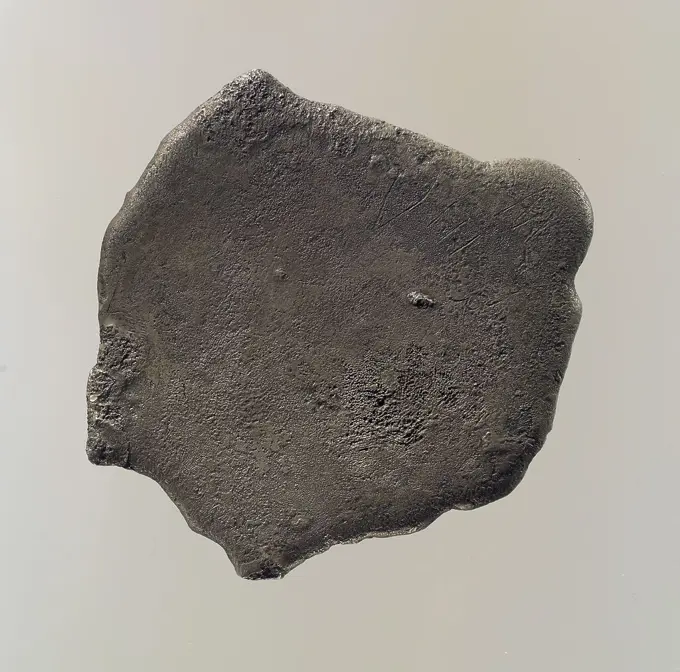
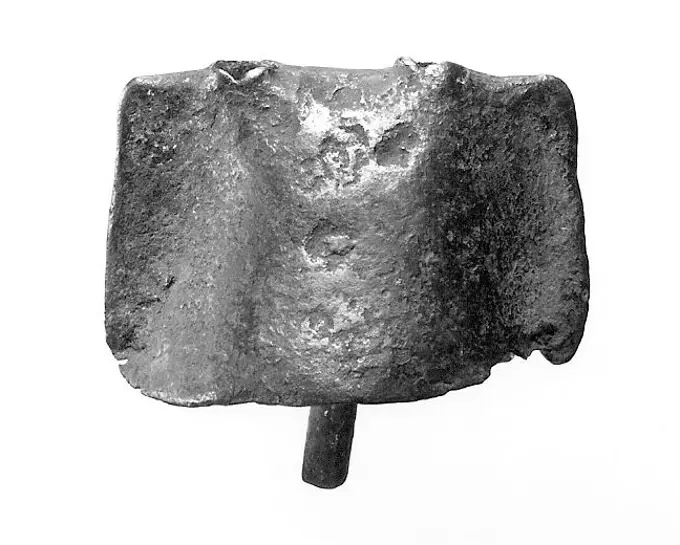
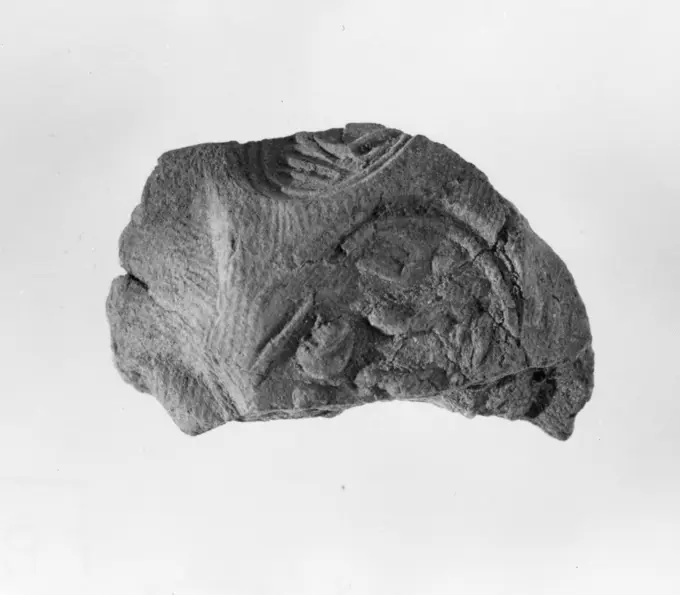
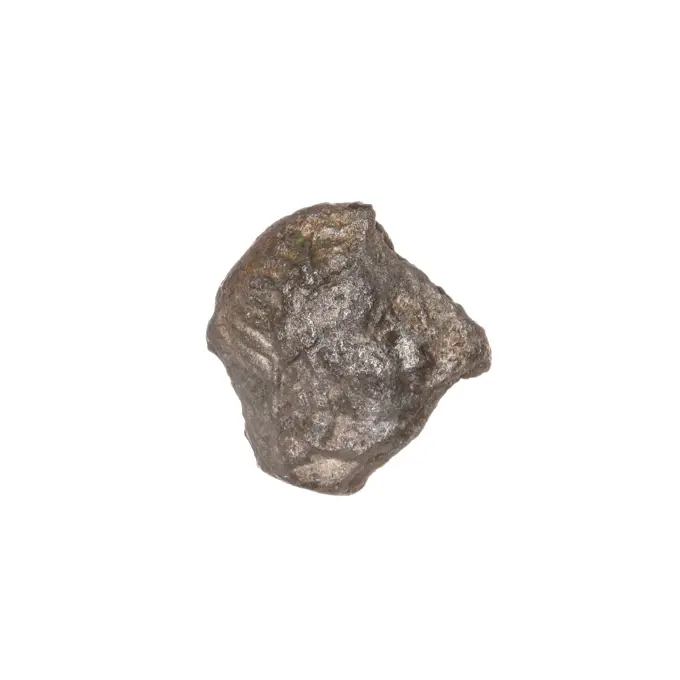
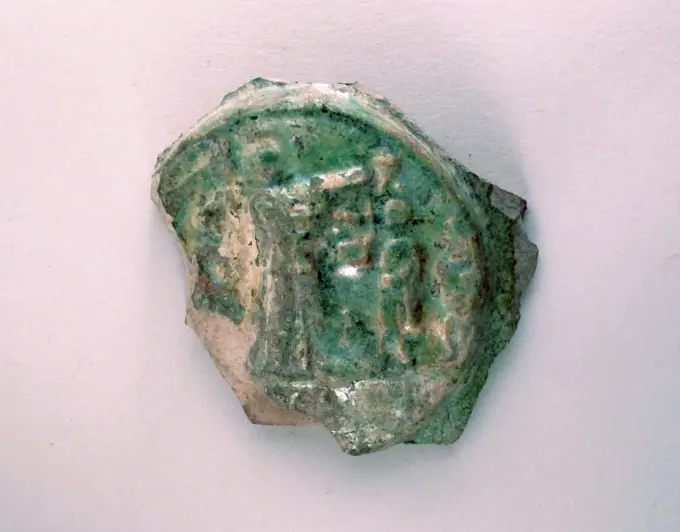
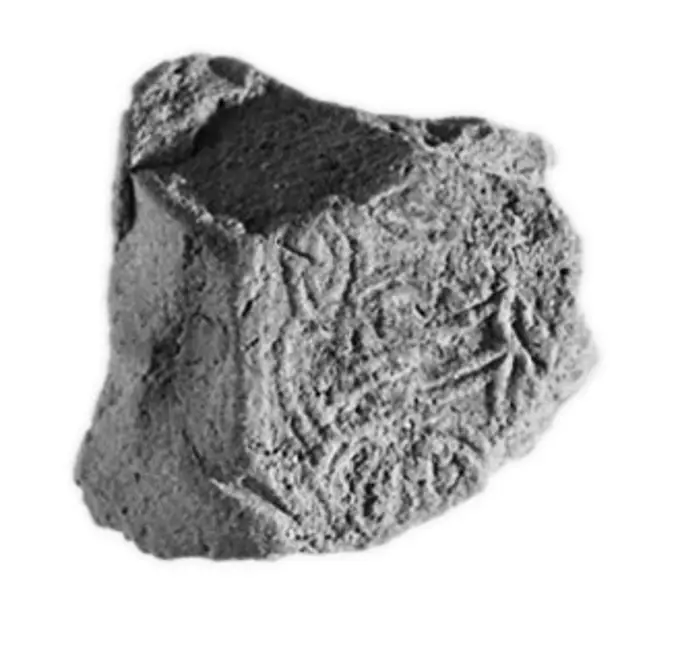
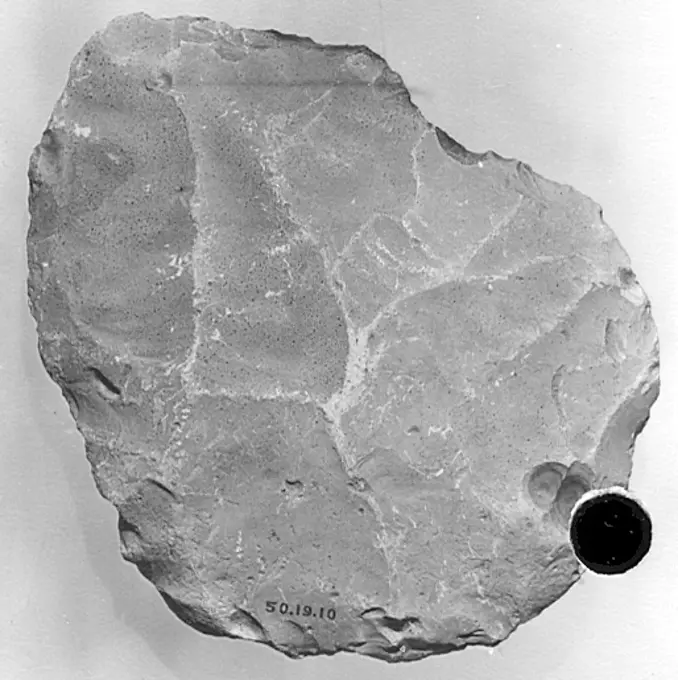
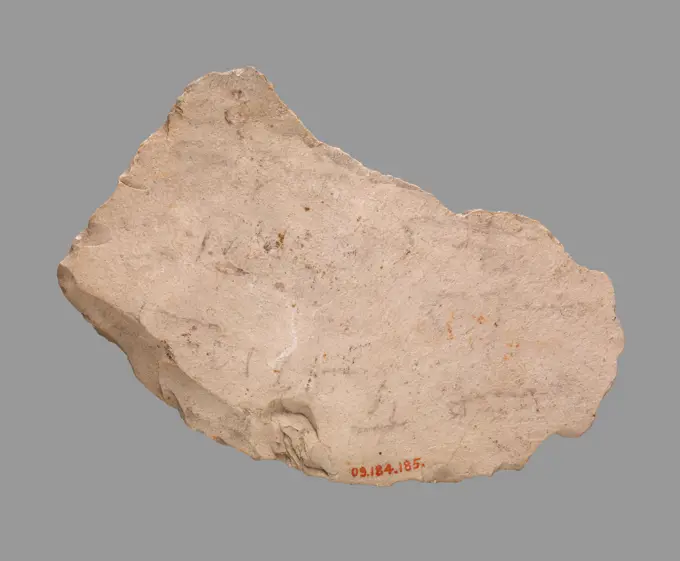
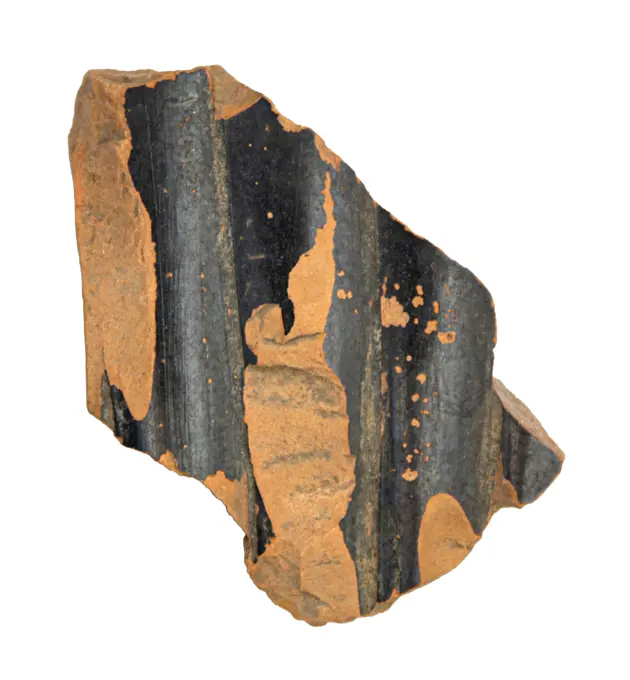
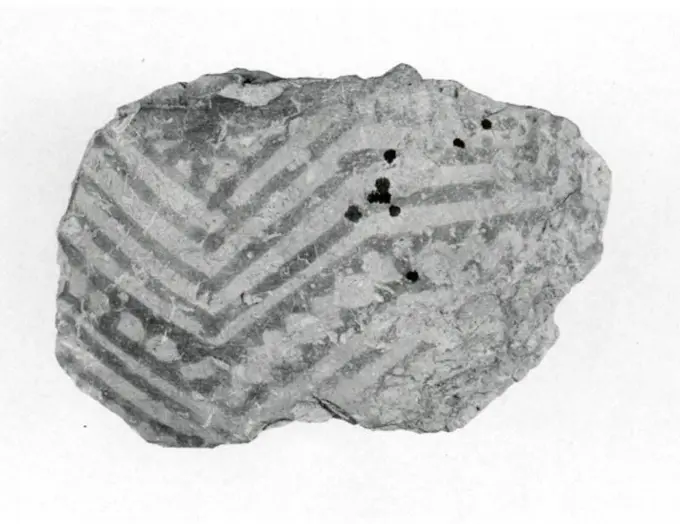
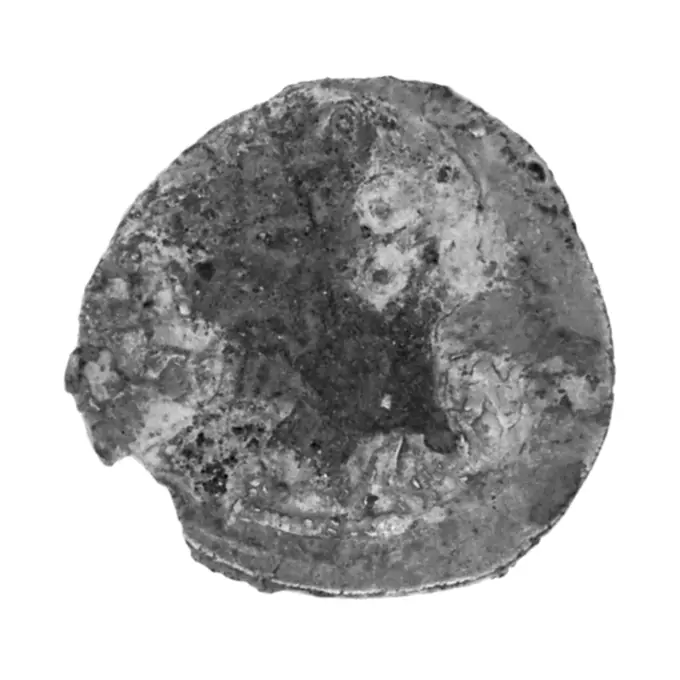
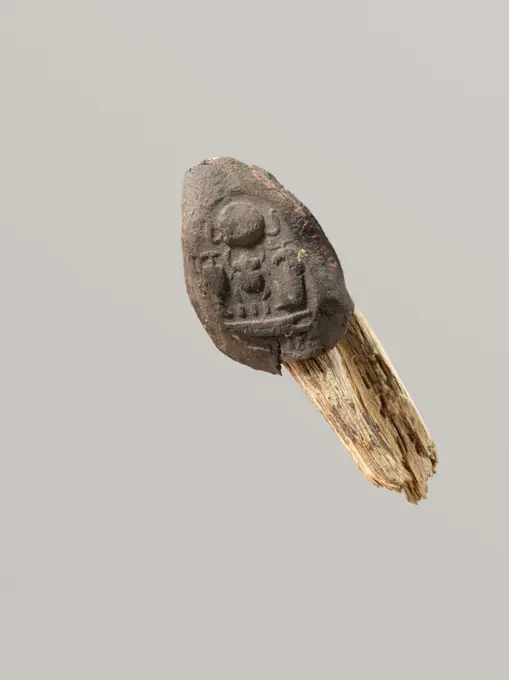
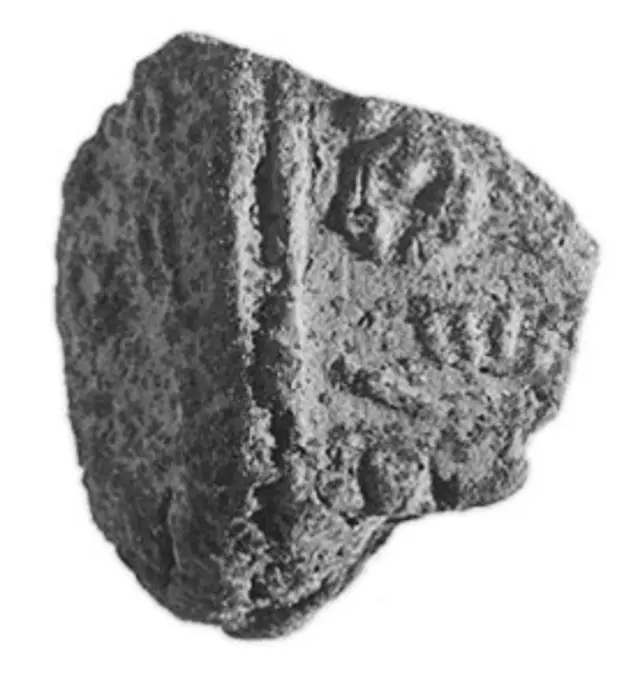
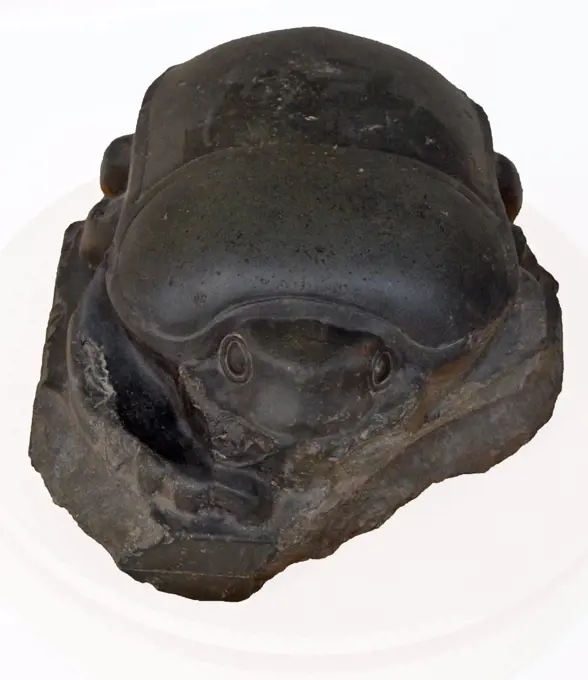
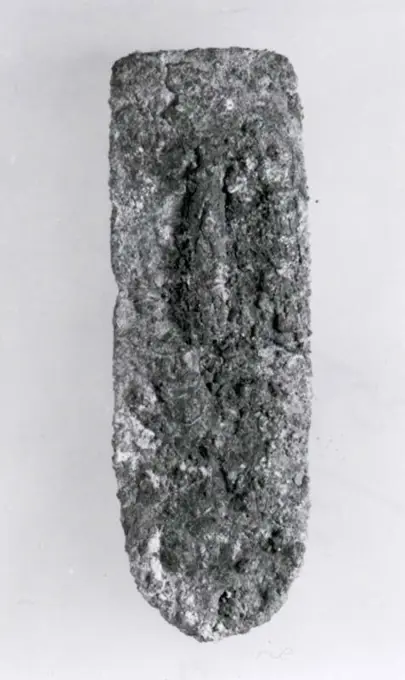
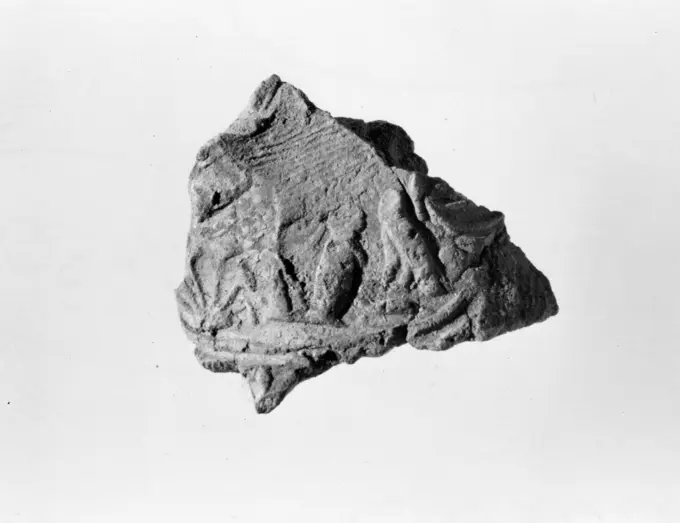
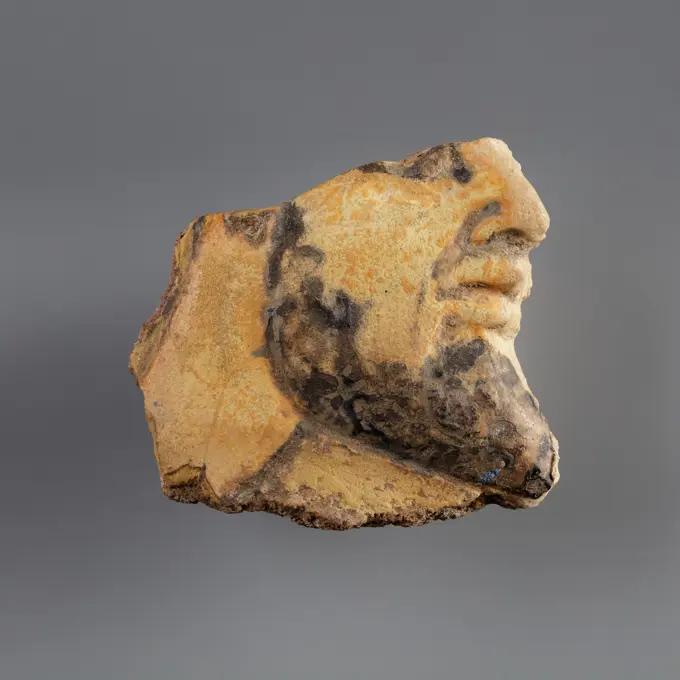
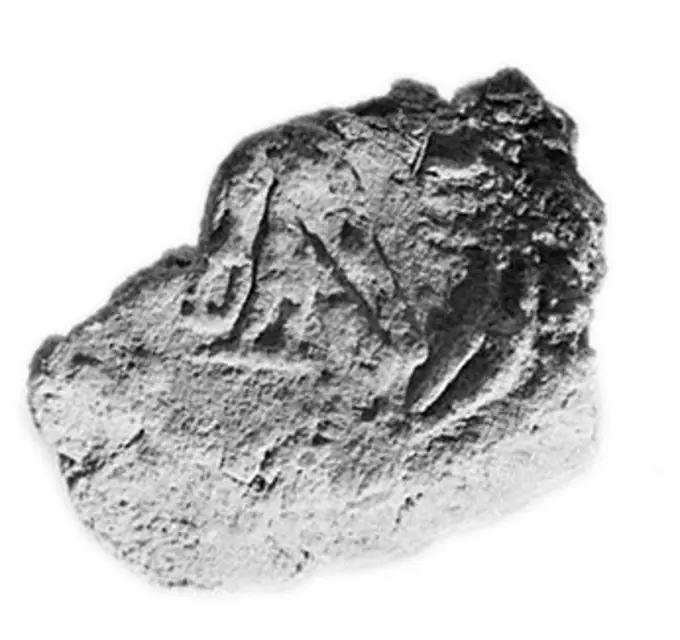
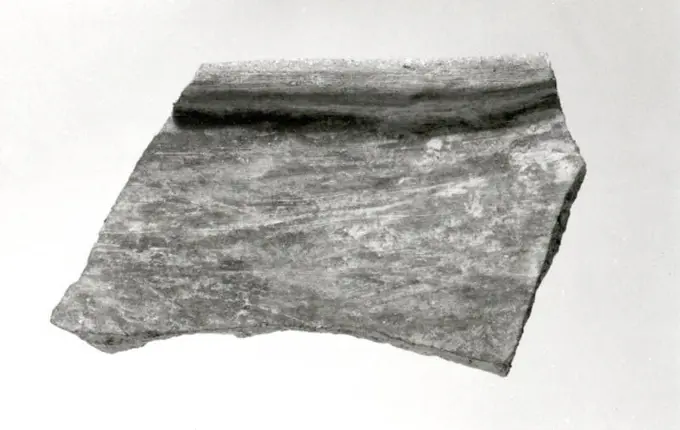
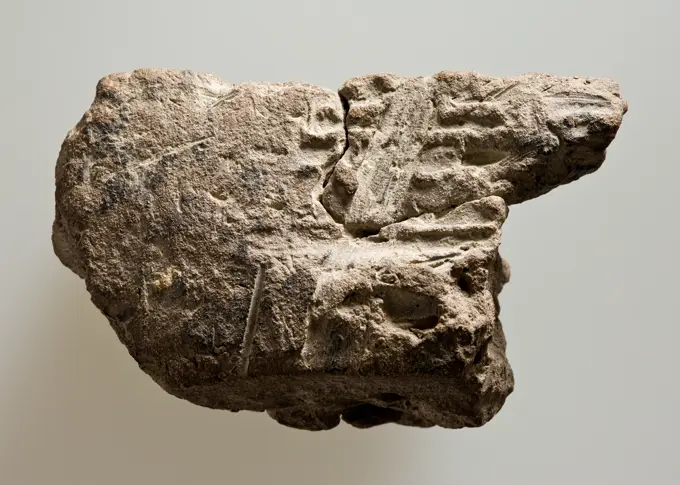
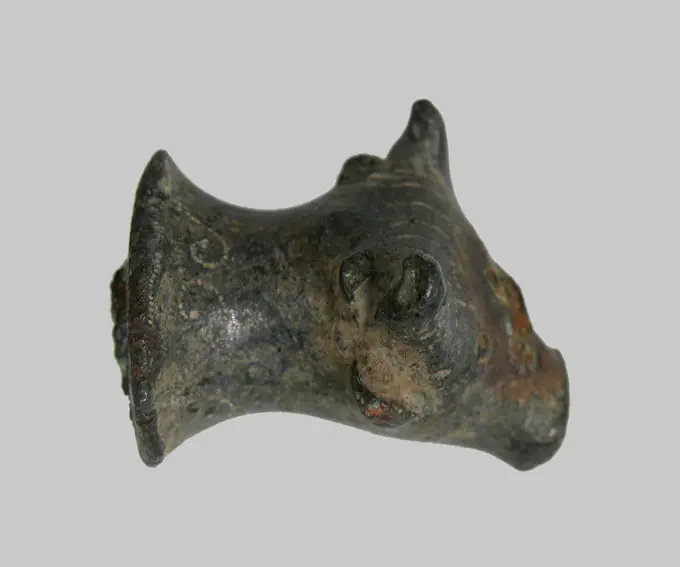
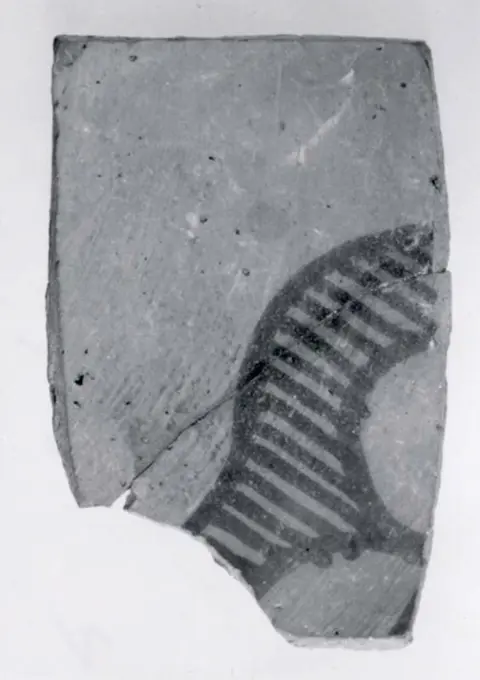
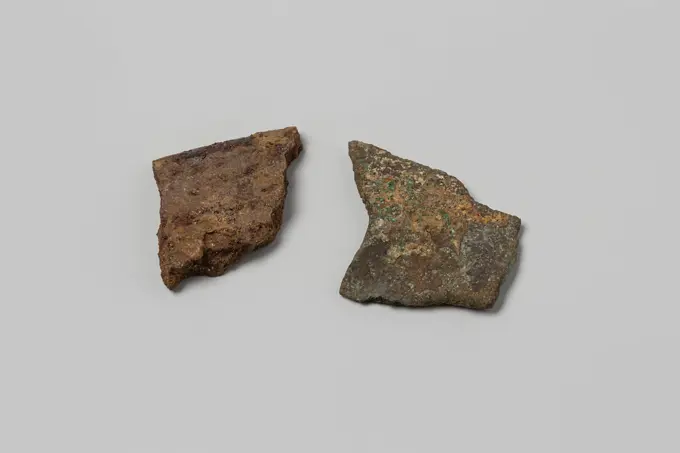
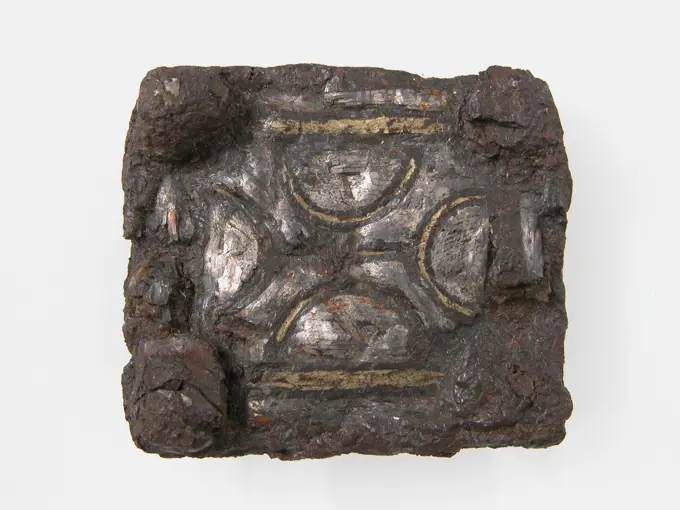
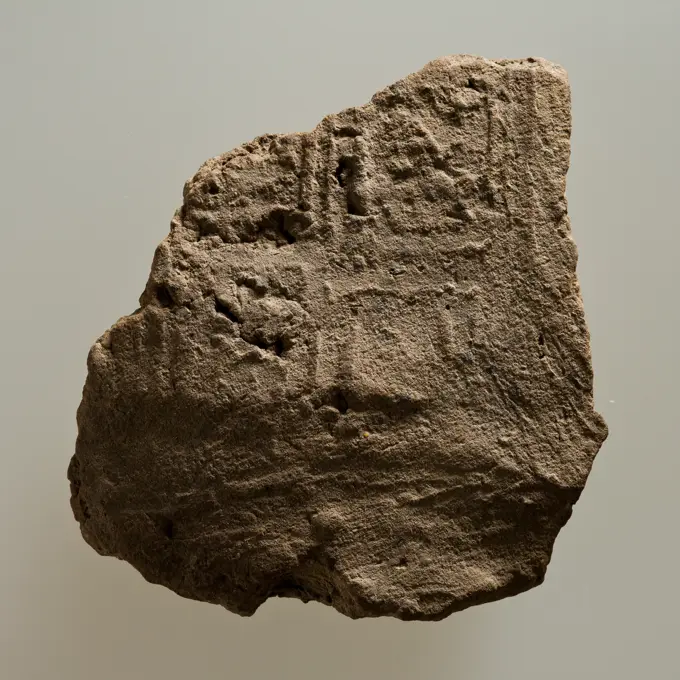
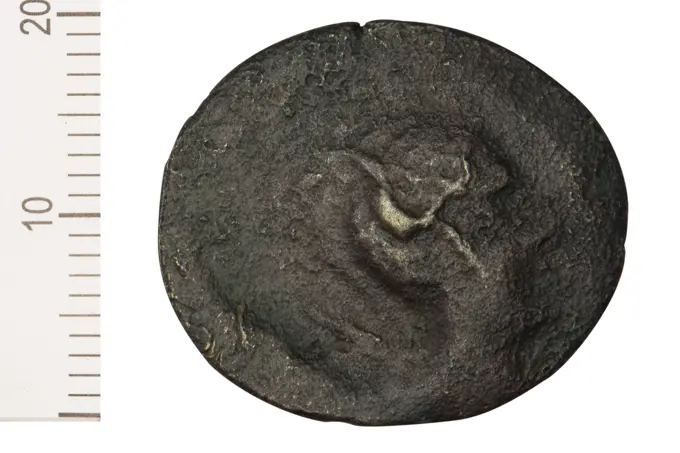
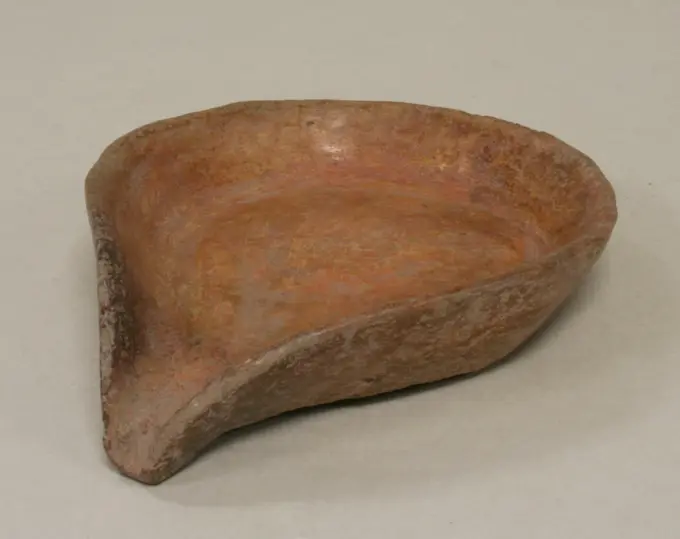
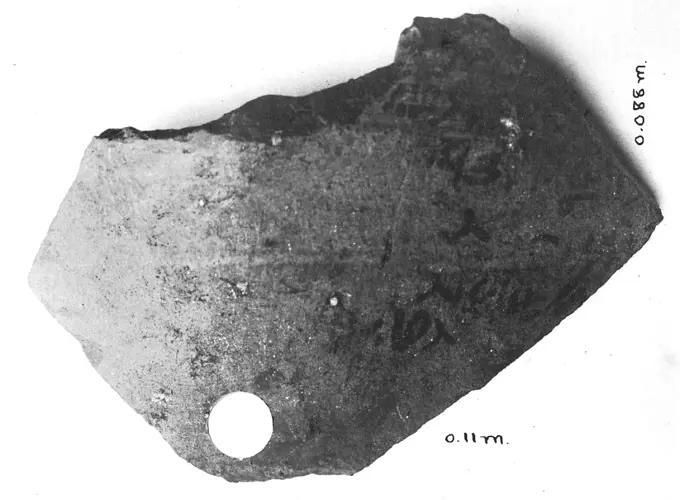
Document Sealing with the Throne Name of Amenhotep III ca. 1390-1353 B.C. New Kingdom. Document Sealing with the Throne Name of Amenhotep III 590463Ingot with Hittite hieroglyphs. Culture: Hittite. Dimensions: 3.07 x 3.54 in. (7.8 x 8.99 cm). Date: ca. 14th-13th century B.C..Hittite scribes wrote both in cuneiform script (borrowed from Mesopotamia) and in hieroglyphs, a local development that continued after the end of the Hittite empire into the Neo-Hittite kingdoms. Unfortunately, the hieroglyphs on this silver ingot are not legible, so the writing cannot help us determine the ingot's function.It has been suggested that the ingot belonged to a silversmith, who might have used it to make or repair jewelry, sculpture, or drinking vessels or other ceremonial containers, such as the stag-headed cup (MMA 1989.281.10) . On the other hand, we know that in the earlier Assyrian Trading Colony period specific weights of Anatolian silver were traded for the goods imported from Assyria. Perhaps this ingot, or pieces from it, were weighed and used as currency in Hittite times, since coins as we know them were only invented in the mid-seventhFigurine Fragment. UnknownSealing ca. 1981-1640 B.C. Middle Kingdom. Sealing 560445Unattributed Trebizond Coin. UnknownFemale Head. UnknownSealing Middle Kingdom ca. 2030-1640 B.C.Attic Red-Figure Vase Fragment. UnknownFemale Head. UnknownSealing ca. 2030-1640 B.C. Middle Kingdom. Sealing 565802Sealing ca. 1981-1640 B.C. Middle Kingdom. Sealing. ca. 1981-1640 B.C.. Mud. Middle Kingdom. From Egypt, Memphite Region, Lisht North, Cemetery, MMA excavations, 1920-22. Dynasty 12-13Sealing ca. 2030-1640 B.C. Middle Kingdom. Sealing 565393Shard from one can be from the wreck of the East Indiesman Hollandia. Stoneware, rhenish, frechen-ware, jug; Fragm or body.Blue Figure, Possibly a Demon 9th-10th century Colored with blue, yellow, black and traces of red, this fragment from a wall painting was excavated from the mound at Nishapur known as Sabz Pushan (the Green Covered). The excavations at Sabz Pushan revealed part of a residential neighborhood dating to the tenth century. This and several similar fragments were found deposited in the bottom of a well dug into the floor of what was likely a domestic unit after having been chipped off a wall and discarded, so their original location is not known. Several are now housed in the Metropolitan Museum, and include 38.40.268, 38.40.269, 38.40.270, 38.40.271.. Blue Figure, Possibly a Demon 449472Female Head. UnknownVessel sherd with pomegranate and geometric decoration ca. 8th-7th century B.C. Assyrian. Vessel sherd with pomegranate and geometric decoration 324639Figurine Fragment. UnknownBliżej Kultury Władysław Jagiełło (CA 1351 1434), Mint of KrakówSealing ca. 2030-1640 B.C. Middle Kingdom. Sealing 565883Kiterian Bospor, Panticajon, 2nd Half of the 3rd Century BC; AEE Panticapaeum mintRelief fragment, tomb of Meketre ca. 1981-1975 B.C. Middle Kingdom. Relief fragment, tomb of Meketre. ca. 1981-1975 B.C.. Limestone, paint. Middle Kingdom. From Egypt, Upper Egypt, Thebes, Southern Asasif, Tomb of Meketre (TT 280, MMA 1101), MMA excavations, 1920. Dynasty 12Female Figurine Fragment. UnknownSealing ca. 2030-1640 B.C. Middle Kingdom. Sealing 546574Ngonge ca. 1850-89. Ngonge. ca. 1850-89. Metal. Congo. Idiophone-Struck-bell-clapperPottery Whistle ca. 800-1525 Costa Rican Whistle in the shape of a conch shell.Although numerous pottery instruments survive from pre-Conquest South and Central America, little is known of how they were used before Spanish invaders ravaged the native cultures. Whistles, trumpets and rattles in animal or human form probably had ceremonial functions or served as playthings. Smaller whistles, perhaps worn suspended from the neck, sometimes have fingerholes that allow variation of pitch.. Pottery Whistle 502922Shoe spacer from the wreck of the East Indies Hollandia, Anonymous, 1700 - in Or Before 1743  Buckle, chape buckle, shoe buckle; fragment of ring, corroded, id. NG 1980-27H74. Netherlands tin (metal)   SecondDocument Sealing With Multiple Seal Impressions ca. 1390-1353 B.C. New Kingdom. Document Sealing With Multiple Seal Impressions. ca. 1390-1353 B.C.. Mud. New Kingdom. From Egypt, Upper Egypt, Thebes, Malqata, MMA excavations, 1910-12; Presumably from West Villas, West Villa B. Dynasty 18Triobol; Pantikapaion; 270-201 BC (270-00-00-201-00-00);Apollo (Mitol.), Nadczarzyorze, Terlecki, Ignacy (1860-1916), Terlecki, Ignacy (1860-1916)-collection, weapons (iconographer), head of Apollo (iconogra.), Lion's head (iconogr.), Lions, javelins, armament (iconogr.), Purchase (provenance), animalsMumia sokoła. unknown, authorVase fragment Roman Green enamelled fragment; Apollo with cithara between two listeners.. Vase fragment. Roman. Terracotta. VasesJadwiga (1384 1399), Denar, 1384 1386, Town of Poznań Jadwiga (1384-1399), Mint will knowFragment of lead from the wreck of the East Indians Hollandia, Anonymous, 1700 - in Or Before 1743 fragment Varied parts or fragments, sheet metal fragments: worked; eroded; flat, rectangular, V-shaped notch over centre, linear engraving in one corner aling rim. Netherlands lead (metal)   SecondSealing ca. 1981-1640 B.C. Middle Kingdom. Sealing 560481Tool ca. 3850-2960 B.C. Predynastic Period. Tool. ca. 3850-2960 B.C.. Flint. Predynastic Period. From EgyptHorses Leg with Hoof, from a Calvary, from the Soest Altarpiece, c. 1475 - c. 1499   wood (plant material)   wood (plant material)Drohiczyn seal. unknown, managerHieratic Ostracon ca. 1186-1070 B.C. New Kingdom, Ramesside Ostraca (plural for ostracon) are potsherds used as surfaces on which to write or draw. The term is used, by extension, to refer to chips of limestone, which were employed for similar purposes. Despite their humble appearances, ostraca bear a wide range of images and texts, including administrative documents, literary texts, and depictions of royal and divine figures. The texts were mostly written with reed pen and ink of two colors, red and black, and inscribed in Hieratic, the cursive script of ancient Egypt throughout most of its periods. This ostracon bears on both of its sides traces of workmen's identity markers in chorcoal.. Hieratic Ostracon. ca. 1186-1070 B.C.. Limestone, ink. New Kingdom, Ramesside. From Egypt, Upper Egypt, Thebes, Valley of the Kings, Workmen's Huts near KV 55 (site 18) or between KV 18 and KV 21, or from chip heaps in same branch of Valley, Davis/Ayrton excavations, 1907-08. Dynasty 20Tiger: emblem of the West China. Tiger: emblem of the West 43185Bliżej Kultury Justyn I (518 527), Antioch MintVolute-krater fragment 4th century B.C. Greek, South Italian, Apulian. Volute-krater fragment. Greek, South Italian, Apulian. 4th century B.C.. Terracotta; red-figure/black-glaze. Late Classical. VasesSherd ca. 3100-2700 B.C. Iran This sherd is made of a red clay, with purple painted decoration. It is typical of Namazga III ceramics from Turkmenistan, dating to ca. 3100-2700 B.C. It was excavated in 1937 at a prehistoric site in the vicinity of Nishapur in northeastern Iran. While Nishapur itself was founded by the Sasanian king Shapur I (reigned ca. A.D. 241-272), this sherd shows that human habitation there goes back to the prehistoric period. Furthermore, the prehistoric pottery from Nishapur has close affinities with ceramic materials from Central Asia rather than with contemporary sites in Iran, meaning that in this period its inhabitants were likely culturally linked to their neighbors to the east. At the same time, Nishapurs location on what later became known as the Great Khorasan Road suggests that it was part of the trade network that facilitated the import of precious stones such as lapis lazuli, carnelian and turquoise from Central Asia to Mesopotamia.. Sherd 323665Unattributed Trebizond Coin. UnknownUnattributed Trebizond Coin. UnknownBronze button in the form of a wild boar, c. 1400 - c. 1950 Bronze button in the form of a wild boar.  bronze (metal) Bronze button in the form of a wild boar.  bronze (metal)Red copper elongated piece of batter from the wreck of the East Indians' t Vliegend Hart ,, 1725 - 1735  Red copper elongated piece of batter with holes for mounting, corroded and Gebutst on one long side. The picture clamps a piece of wood. Sheet fragments. Middelburg copper (metal). wood (plant material)Seal Impression Attatched to a Fiber Tie from Tutankhamun's Embalming Cache ca. 1336-1327 B.C. New Kingdom This mud sealing is still attached to a piece of the papyrus tie that was used to secure a container. The impression preserves the throne name of Tutankhamun, Nebkheperure (Neb-kheperu-Re), and the epithets "beloved of Khnum" and "manifold of praises." For a similar impression, see 09.184.263.. Seal Impression Attatched to a Fiber Tie from Tutankhamun's Embalming Cache. ca. 1336-1327 B.C.. Mud, fiber. New Kingdom. From Egypt, Upper Egypt, Thebes, Valley of the Kings, Embalming Cache of Tutankhamun (KV 54), Davis/Ayrton excavations, 1907-08. Dynasty 18Section of the left leg from a small striding statue ca. 1353-1336 B.C. New Kingdom, Amarna Period. Section of the left leg from a small striding statue 561681Fragment of a Wrist and Hand Indonesia (Kalimantan) ca. 8th century View more. Fragment of a Wrist and Hand. Indonesia (Kalimantan). ca. 8th century. Bronze. SculptureSealing ca. 2030-1640 B.C. Middle Kingdom. Sealing 565880Fragment Pijpenkop, Anonymous, 1600 - 1699 Fragment Pijpenkop. Of the excavations on the Hofstede Arentsburg 1827-1831 under the supervision of Professor Reuvens. Netherlands pipe clay Fragment Pijpenkop. Of the excavations on the Hofstede Arentsburg 1827-1831 under the supervision of Professor Reuvens. Netherlands pipe claySealing ca. 2030-1640 B.C. Middle Kingdom. Sealing 546554Sealing ca. 7th century A.D. Sasanian. Sealing 323272Excerpt of copper from the wreck of the East Indians Hollandia, 1700 - in or before 1743  Parts of artefacts; eroded fragments: materials; copper. Netherlands copper (metal)   SecondSealing ca. 2030-1640 B.C. Middle Kingdom. Sealing. ca. 2030-1640 B.C.. Clay (unfired). Middle Kingdom. From Egypt, Memphite Region, Lisht South, Pyramid complex of Senwosret I, north temple gateway, MMA excavations, 1913-14. Dynasty 12-13Basalt sacred scarab with the symbol of the rising sun Khepri. Dated 1st Mill B.C.Armor plate ca. late 8th-late 7th century B.C. Assyrian. Armor plate 324773Document Sealing With the Throne Name of Amenhotep III ca. 1390-1353 B.C. New Kingdom. Document Sealing With the Throne Name of Amenhotep III. ca. 1390-1353 B.C.. Mud. New Kingdom. From Egypt, Upper Egypt, Thebes, Malqata, West Villas, West Villa B, MMA excavations, 1910-12. Dynasty 18Stud Button. UnknownFragments Lead from the wreck of the East Indians Hollandia, 1700 - in Or Before 1743 fragment Parts of artefacts; eroded fragments: materials; lead. Netherlands lead (metal)   SecondTile with a head of a Mesopotamian captive from the palace of Ramesses II New Kingdom, Ramesside ca. 1279-1213 B.C. View more. Tile with a head of a Mesopotamian captive from the palace of Ramesses II. ca. 1279-1213 B.C.. Faience. New Kingdom, Ramesside. From Egypt, Eastern Delta, Qantir (Piramesse), Palace of Ramesses II. Dynasty 19Sealing ca. 1981-1640 B.C. Middle Kingdom. Sealing. ca. 1981-1640 B.C.. Mud. Middle Kingdom. From Egypt, Memphite Region, Lisht North, Cemetery, MMA excavations, 1920-22. Dynasty 12-13A liqueur;  4,000 BC (-4000-00-00--3001-00-00);The collection of the ancient EastSherd ca. 3100-2500 B.C. Iran This sherd is made of grey burnished clay. It is typical of Namazga IV ceramics from Turkmenistan and Hissar II ceramics from Iran, and likely date to ca. 3100-2500 B.C. It was excavated in 1937 at a prehistoric site in the vicinity of Nishapur in northeastern Iran. While Nishapur itself was founded by the Sasanian king Shapur I (reigned ca. A.D. 241-272), this sherd shows that human habitation there goes back to the prehistoric period. Furthermore, the prehistoric pottery from Nishapur has close affinities with ceramic materials from Central Asia rather than with contemporary sites in Iran, meaning that in this period its inhabitants were likely culturally linked to their neighbors to the east. At the same time, Nishapurs location on what later became known as the Great Khorasan Road suggests that it was part of the trade network that facilitated the import of precious stones such as lapis lazuli, carnelian and turquoise from Central Asia to Mesopotamia.Mud jar sealing ca. 3200-2650 B.C. Predynastic, Late Naqada III-Early Dynastic Period. Mud jar sealing 573266Sealing Sasanian ca. 7th century CESealing ca. 7th century A.D. Sasanian. Sealing 323418Map of Qatar on rusty metalDocument Sealing With the Throne Name of Amenhotep III ca. 1390-1353 B.C. New Kingdom. Document Sealing With the Throne Name of Amenhotep III. ca. 1390-1353 B.C.. Mud. New Kingdom. From Egypt, Upper Egypt, Thebes, Malqata, King's Palace, West magazine, MMA excavations, 1910-12. Dynasty 18Key Handle 1st-7th century Roman. Key Handle 462928Drohiczyn seal. unknown, managerFragment ear of a jug of the wreck of the East Indians Hollandia, Anonymous, 1700 - in or before 1743 fragment Stoneware, Rhenish, Frechen-ware, jug; fragm of handle, sim. NG 1980-27H2223. Cologne stoneware   SecondReliefs from the tomb of Meketre ca. 1981-1975 B.C. Middle Kingdom. Reliefs from the tomb of Meketre 668662Drohiczyn seal. unknown, managerSherd ca. early to mid-3rd millennium B.C. Indus. Sherd 324712Fragments buyer from the wreck of the East Indieschief Hollandia. Parts or artifacts; eroded fragments: Materials; Copper.Set of amulets 30 B.C.-A.D. 364 Roman Period. Set of amulets. 30 B.C.-A.D. 364. Wax, gold leaf. Roman Period. From Egypt, Upper Egypt, Thebes, Deir el-Bahri, Roman Burial XL-B, MMA excavations 1928-39Backplate of a Belt Buckle 6th-7th century Frankish. Backplate of a Belt Buckle 465023 Frankish, Backplate of a Belt Buckle, 6th7th century, Iron, silver and brass inlay, Overall: 1 11/16 x 1 7/16 x 3/8 in. (4.3 x 3.7 x 1 cm). The Metropolitan Museum of Art, New York. Gift of J. Pierpont Morgan, 1917 (17.191.311)Mud jar sealing ca. 3200-2650 B.C. Predynastic, Late Naqada III-Early Dynastic Period. Mud jar sealing 573264Small bronze finish decorated with side stripes. 3.9 cms x 2.3 cms - Medieval period from the archaeological site of " La Magistral " in Alcala de Henares - " Burgo de Santiuste Museum " (Madrid). SPAIN.Fragment Pijpenkop from the wreck of the East Indians Hollandia, Anonymous, 1700 - in Or Before 1743  Pipe, bowl, heelmark: crowned 57; fragment, no hsm. Netherlands pipe clay   SecondHead and Neck Fragment 4th-7th century Coptic. Head and Neck Fragment 478732Terracotta rim of a cup with fern pattern and bands. Culture: Minoan. Dimensions: Overall: 1 1/16 x 2 1/4in. (2.7 x 5.7cm). Date: ca. 1800-1700 B.C..From Knossos, CretePart of rim, polychrome, fern pattern in white, and orange band. Museum: Metropolitan Museum of Art, New York, USA.Magical Figure. Dimensions: H. 7.7 cm (3 1/16 in.); W. 4.3 cm (1 11/16 in.). Dynasty: Dynasty 13-SIP. Date: ca. 1802-1550 B.C..These tablets of unfired clay with attached crude faces were found as a group by the Museum's excavators at Lisht South in loose surface sand west of the mastaba of Senwosretankh, a high official and possibly the architect of the pyramid complex of Senwosret I (ca. 1961-1917 B. C.), east of which he erected his own very elaborate mastaba tomb (see acc. nos. 33.1.2 and other pieces). The mud figures and little coffin (acc. no. 33.1.66) that had contained some of them must have been buried, however, considerably later than the early twelfth dynasty tomb close to which they were found. In fact, during the thirteenth and following dynasties people deposited a number of objects in the by then sacred area around a legendary ruler's pyramid and its dependant monuments, believing conceivably that potent magical powers could thus be released. These flat mud figures, foPlaque ca. 3rd-7th century A.D. Sasanian. Plaque 322670Loom-Weight. UnknownAE. ChersonezArm () ca. 1353-1336 B.C. New Kingdom, Amarna Period. Arm () 550037Coin 5th-14th century. Coin. 5th-14th century. Copper. Excavated in Iran, Nishapur. CoinsSpouted Bowl 12th-9th century B.C. Tlatilco. Spouted Bowl 310708PIEZA NEOLITICA. Location: MUSEO ARQUEOLOGICO-COLECCION. CORDOBA. SPAIN.Ostracon ca. 600-30 B.C. Late Period-Ptolemaic. Ostracon. ca. 600-30 B.C.. Pottery, ink. Late Period-Ptolemaic. From Egypt, Upper Egypt, Thebes, Medinet HabuMold Fragment. UnknownDocument Sealing With the Throne Name of Amenhotep III ca. 1390-1353 B.C. New Kingdom. Document Sealing With the Throne Name of Amenhotep III. ca. 1390-1353 B.C.. Mud. New Kingdom. From Egypt, Upper Egypt, Thebes, Malqata, West Villas, West Villa B, MMA excavations, 1910-12. Dynasty 18Lazio Viterbo Viterbo Museo Civico90. Hutzel, Max 1960-1990 Views of paintings (Middle Ages through 18th c.), frescoes, a tabernacle, coffin, sculpture reliefs, portal fragments, busts, sculpture, tapestry found in the Pinacoteca, Second floor gallery and Second floor cloister sequences. Antiquities: Many views of Etruscan and Roman fragments, sculpture, sarcophagi, pottery, masks, jewelry and other objects found in the Storeroom sequence (inventory numbers on back of prints), and the Cloister, Second floor Cloister, Valle Giulia, Sala Romana and Sala Etrusca sequences. General Notes: There are eight separate numerical sequences for this location. The cloister as an architectural structure, rather than museum site, is documented in the record and file for S. Maria della Verita, Cloister, all views of which are stored in Medieval core collection. Five views from the Museo Civico Second floor cloister sequence are stored in Medieval. German-born photographer and scholar Max Hutzel (1911-The Singapore Stone is a fragment of a large sandstone slab which originally stood at the mouth of the Singapore River. The slab, which is believed to date back to at least the 13th century and possibly as early as the 10th or 11th century, bore an undeciphered inscription. Recent theories suggest that the inscription is either in Old Javanese or Sanskrit. It is likely that the person who commissioned the inscription was a Sumatran. The slab was blown up in 1843 to clear and widen the passageway at the river mouth to make space for a fort and the quarters of its commander. The slab may be linked to the legendary story of the 14th-century strongman Badang, who is said to have thrown a massive stone to the mouth of the Singapore River. On Badang's death, the Rajah sent two stone pillars to be raised over his grave 'at the point of the straits of Singhapura'.Fragment of the Top Surface of Siptah's Canopic Chest ca. 1194-1188 B.C. New Kingdom, Ramesside. Fragment of the Top Surface of Siptah's Canopic Chest. ca. 1194-1188 B.C.. Travertine (Egyptian alabaster). New Kingdom, Ramesside. From Egypt, Upper Egypt, Thebes, Valley of the Kings, Tomb of Siptah (KV 47), Davis excavations, 1912. Dynasty 19Fragment of a Small Bowl or Kyathos. UnknownBliżej Kultury Mint of Kraków, Władysław Warneńczyk (King of Poland, 1434 1444)Drohiczyn seal. unknown, managerSmall nephrite jade axe 5th-4th millennium B.C. Cretan Celt.. Small nephrite jade axe 252425 Cretan, Small nephrite jade axe, 5th4th millennium B.C., Stone , L. 1 3/4 in. (4.4 cm); W. 1 1/4 in. (3.1 cm). The Metropolitan Museum of Art, New York. Bequest of Richard B. Seager, 1926 (26.31.505)