Ancient Artifacts and Seals

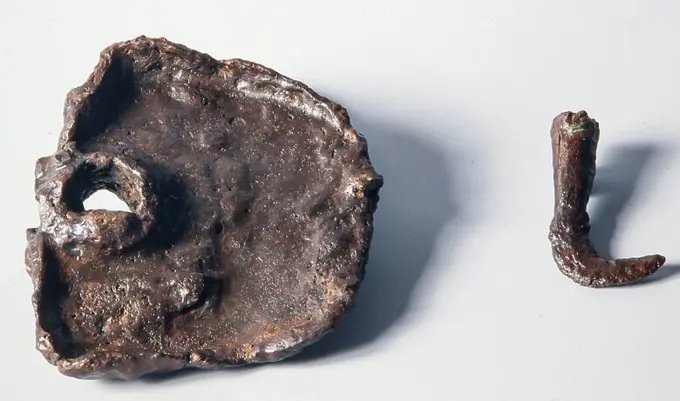
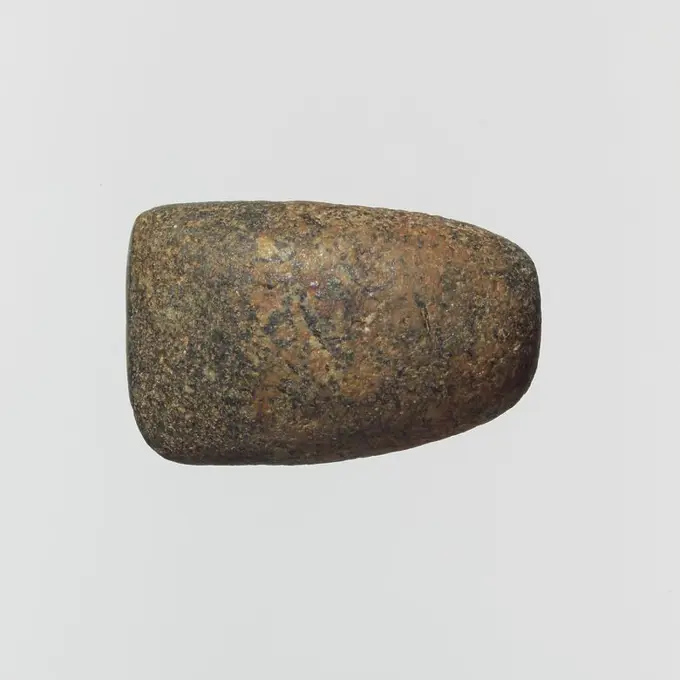
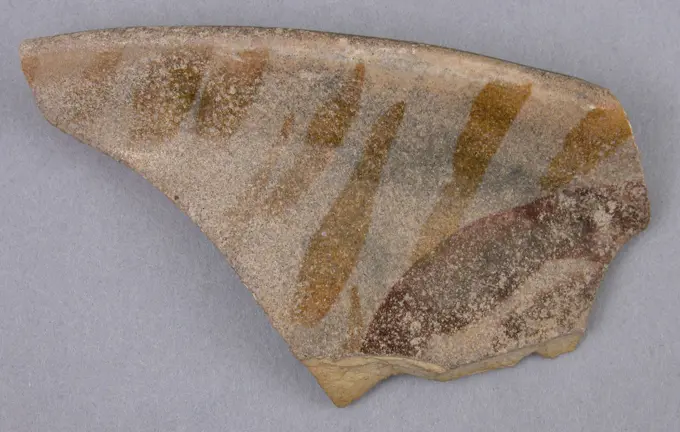
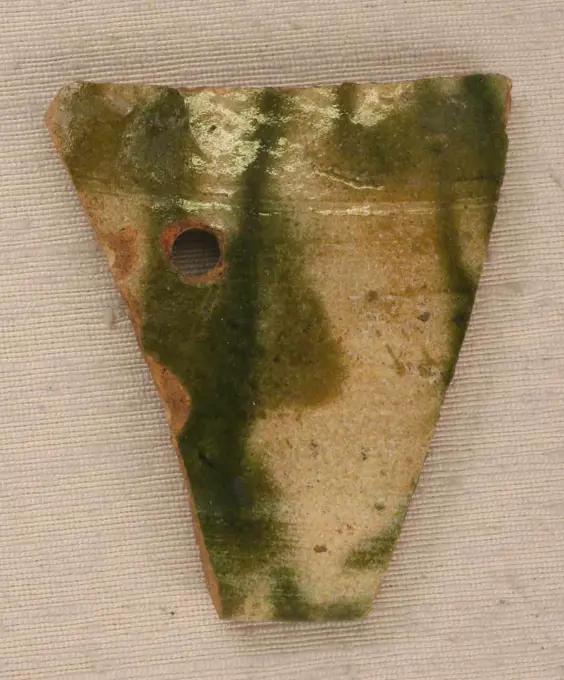
Historical artifacts including seal impressions and pottery fragments, showcasing ancient designs and materials from different cultures and time periods.

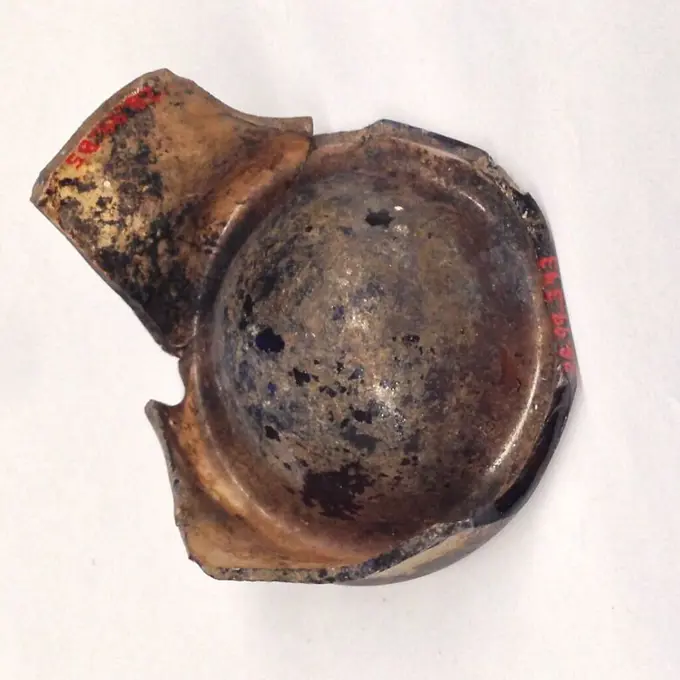
Small Bowl
Small Bowl
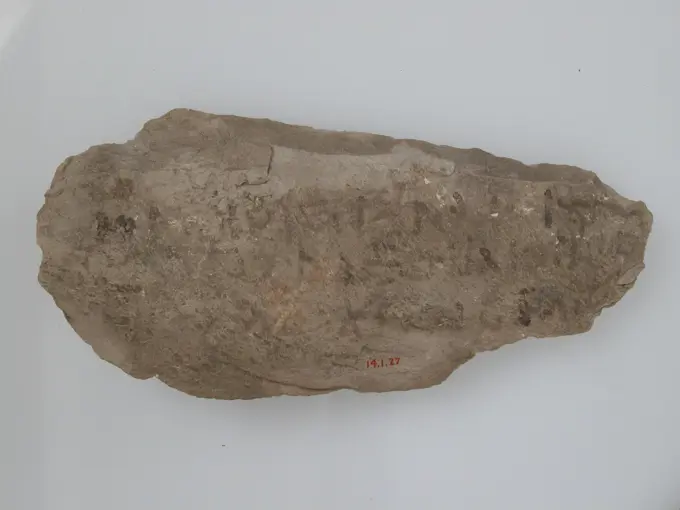
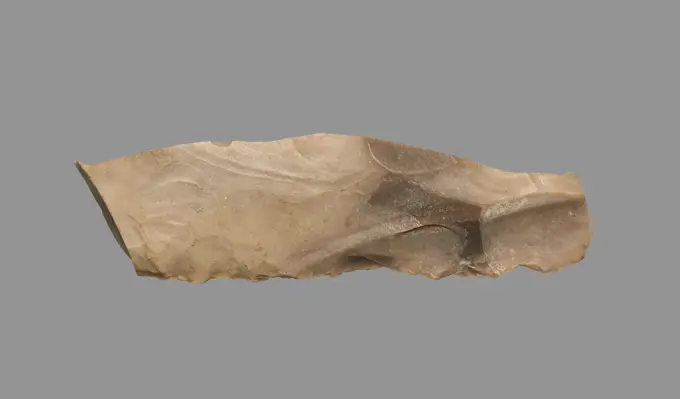
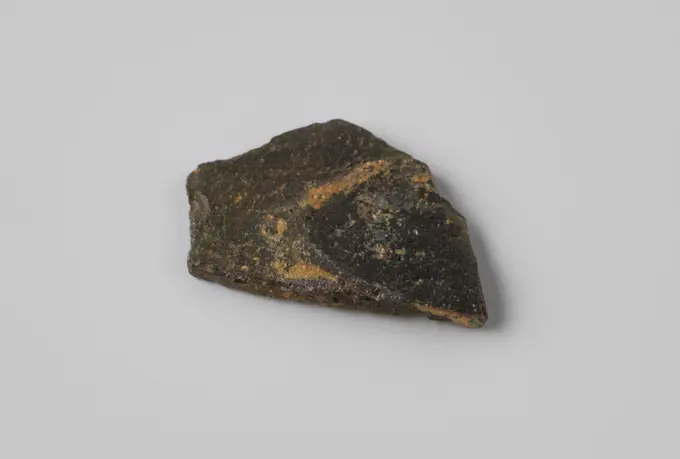
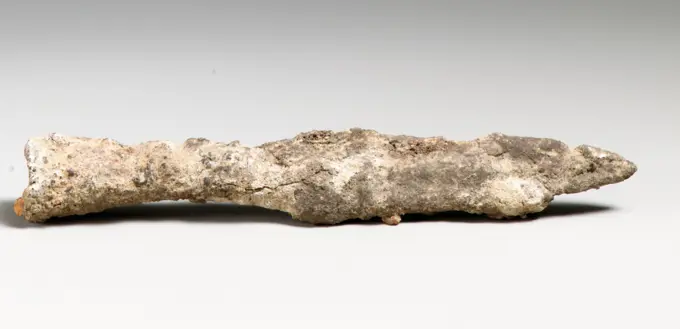
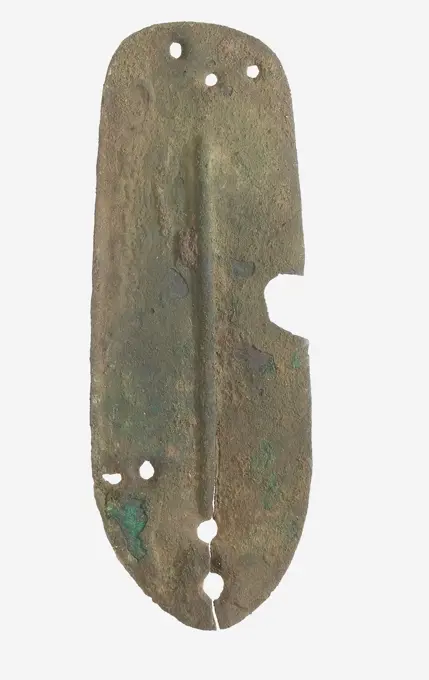
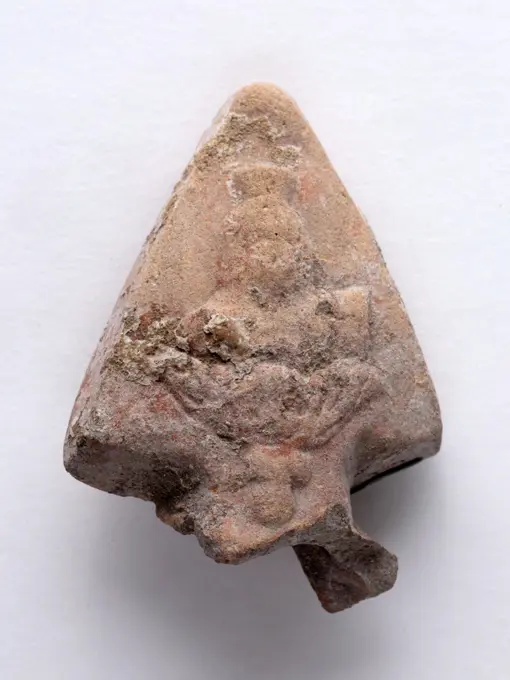
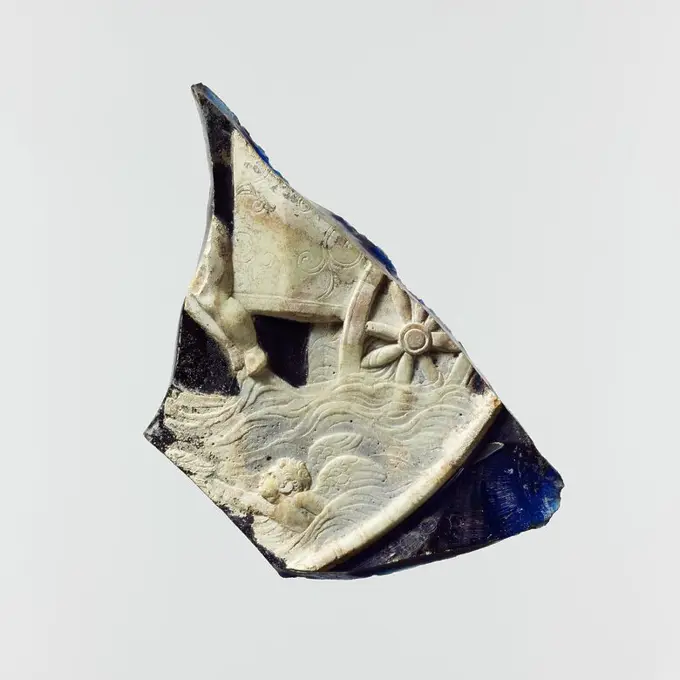
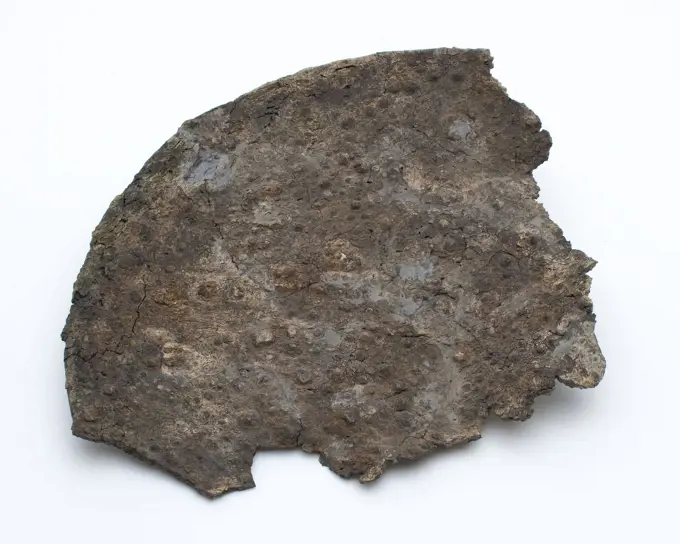
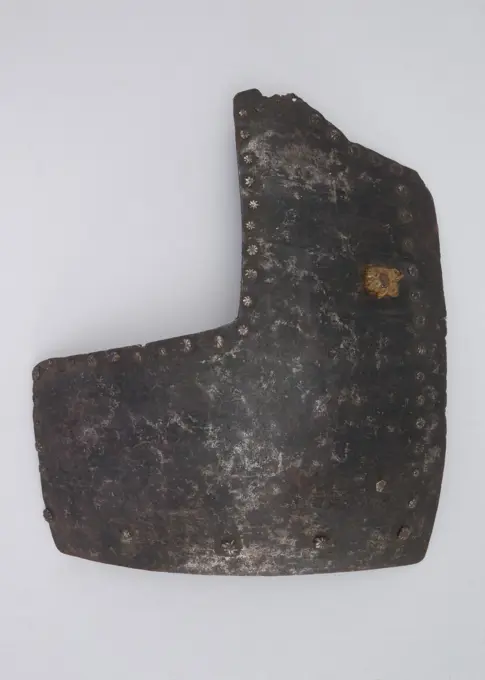
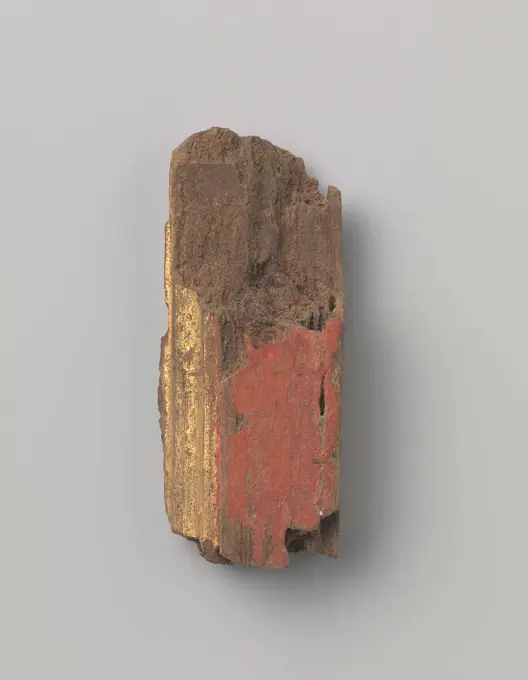
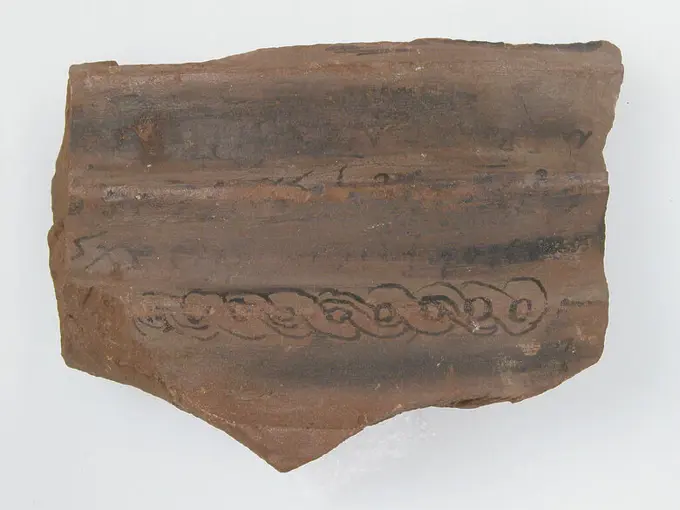
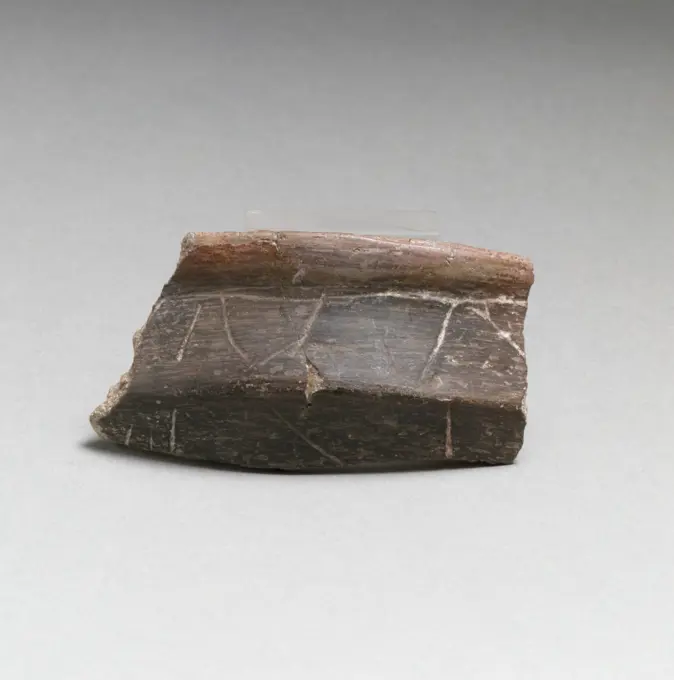
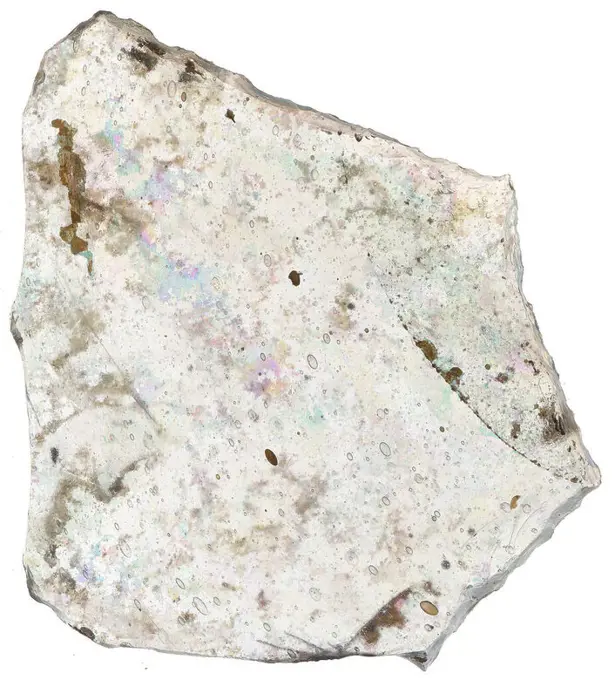
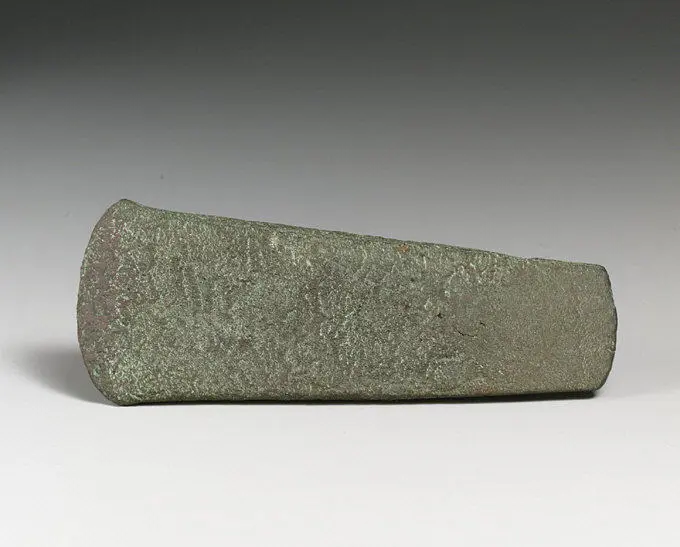
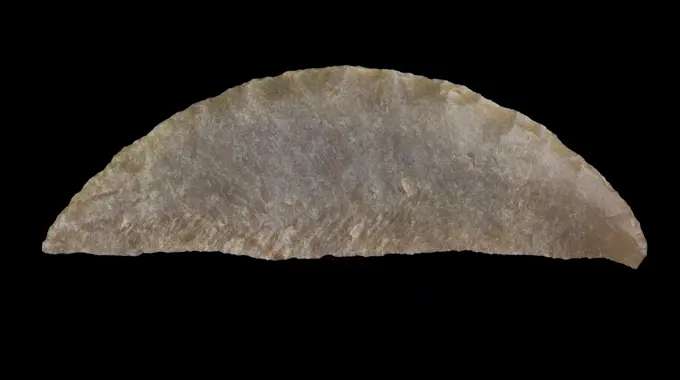
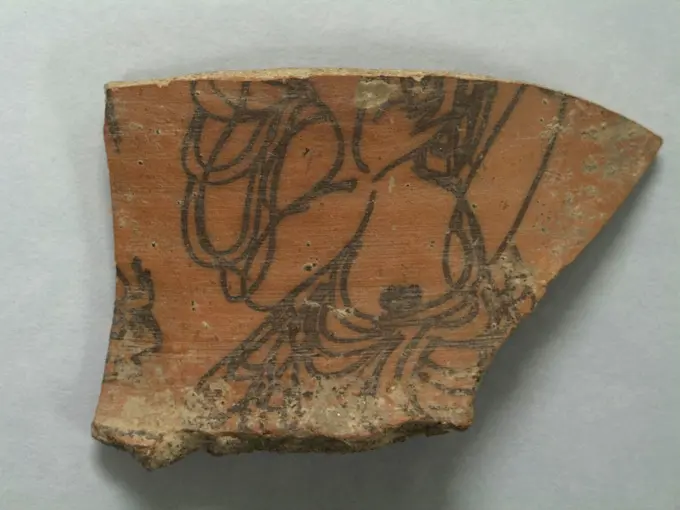
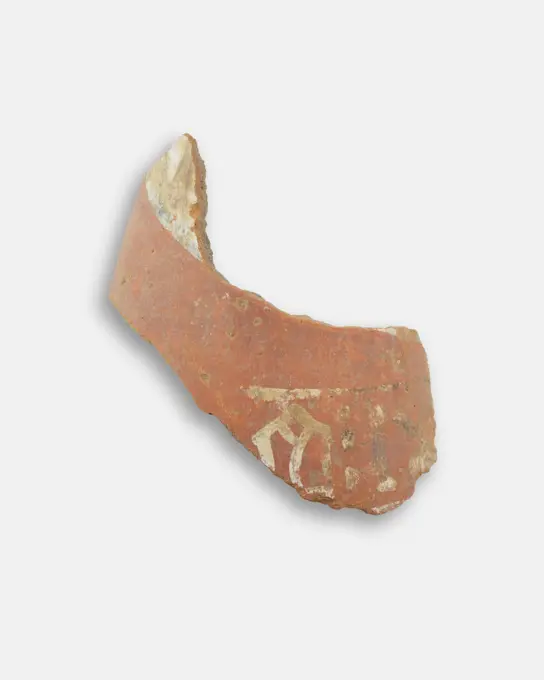
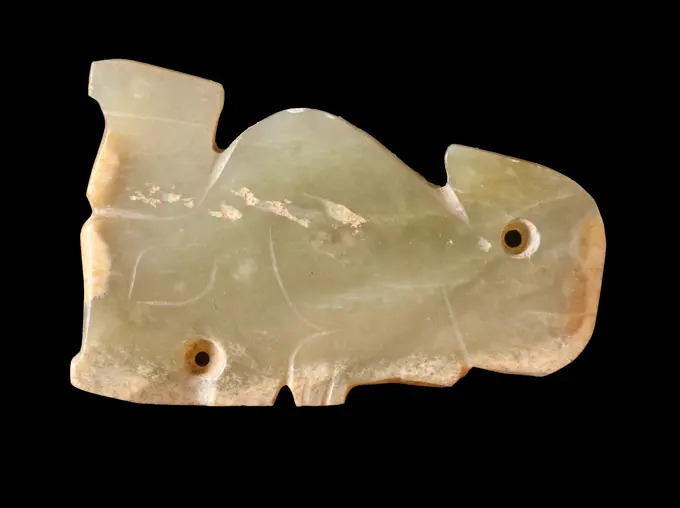
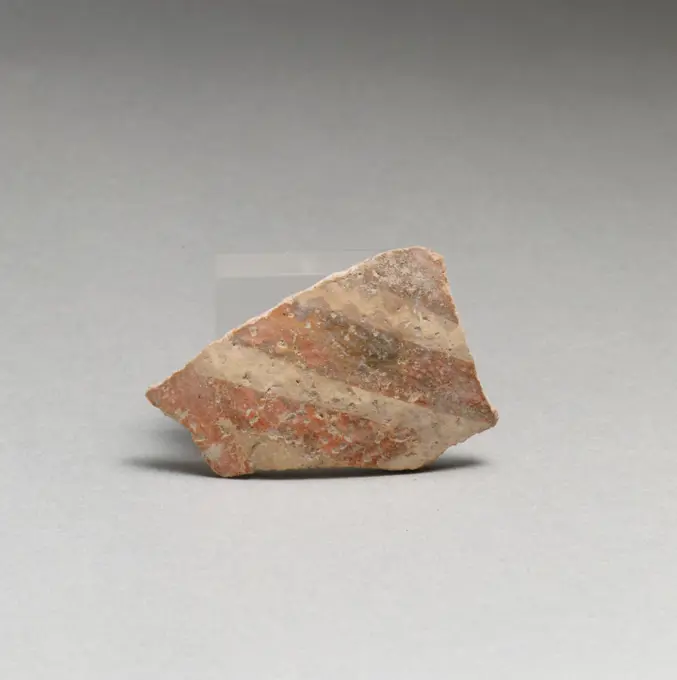
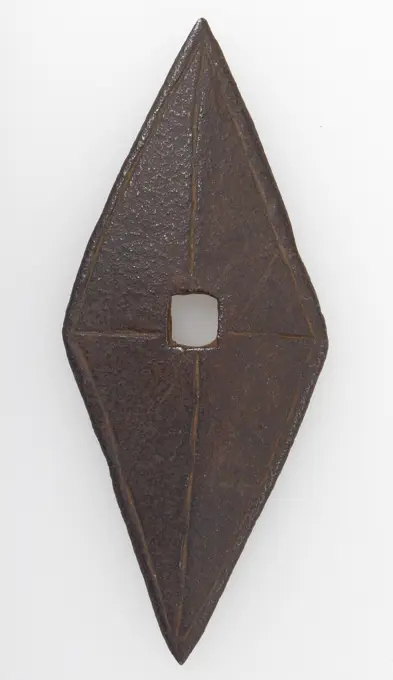
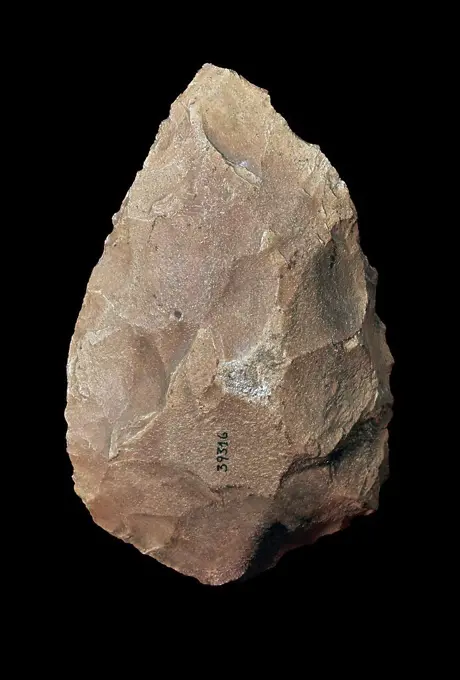
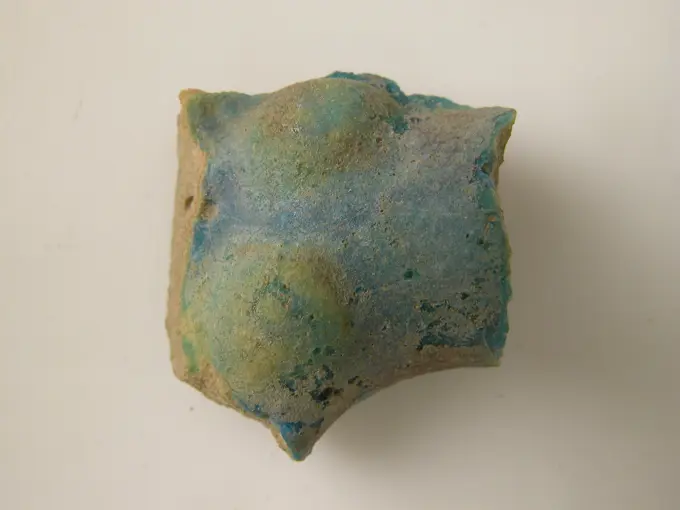
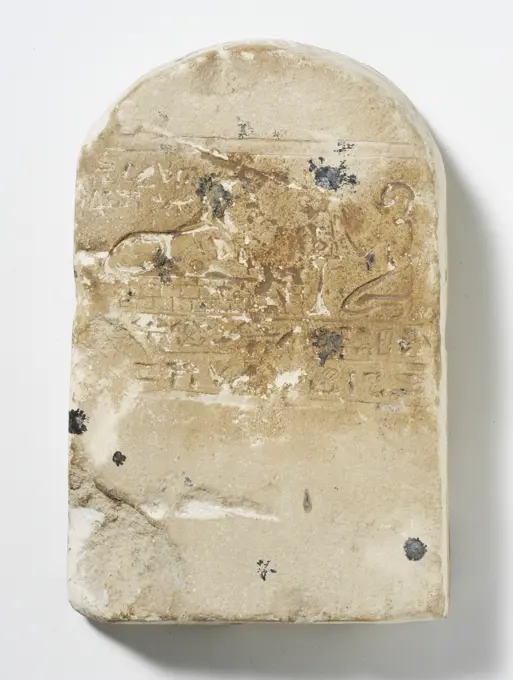
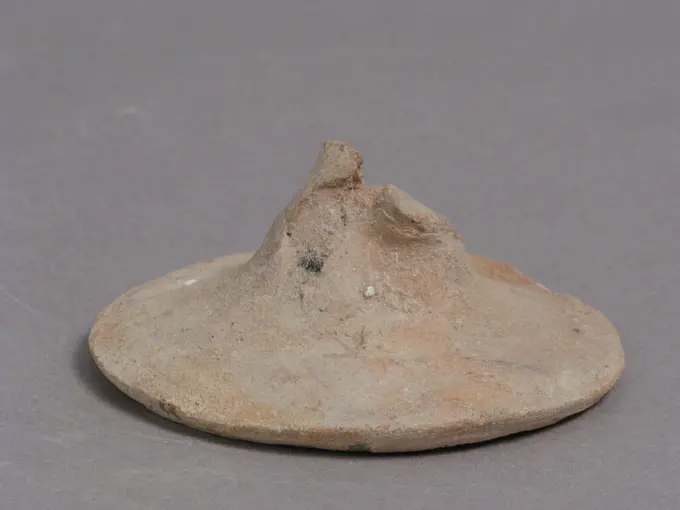
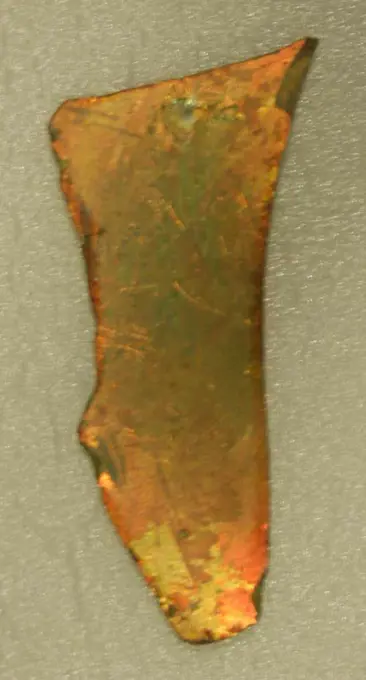
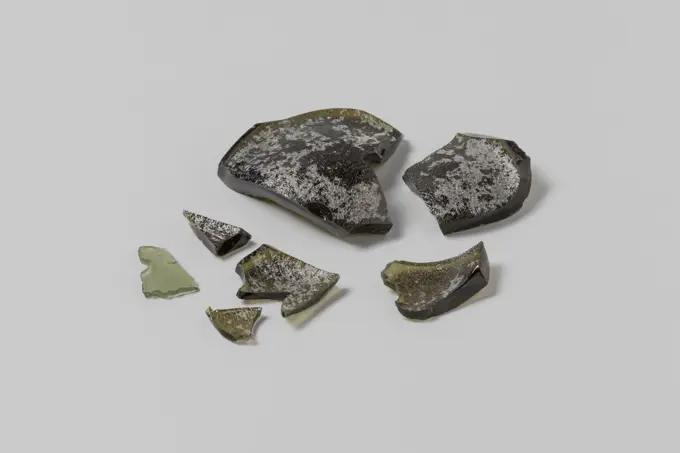
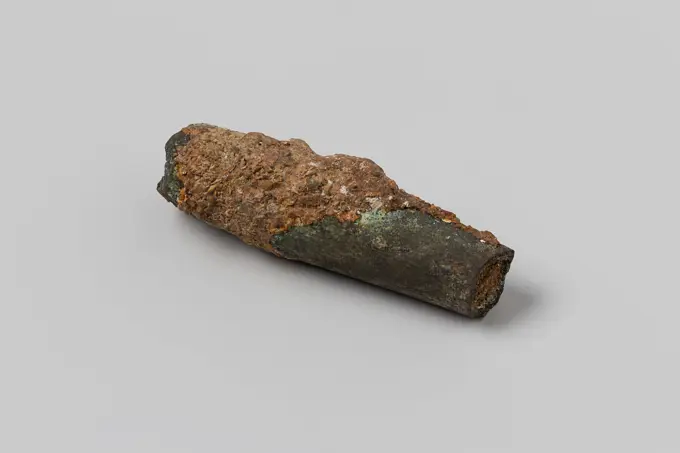
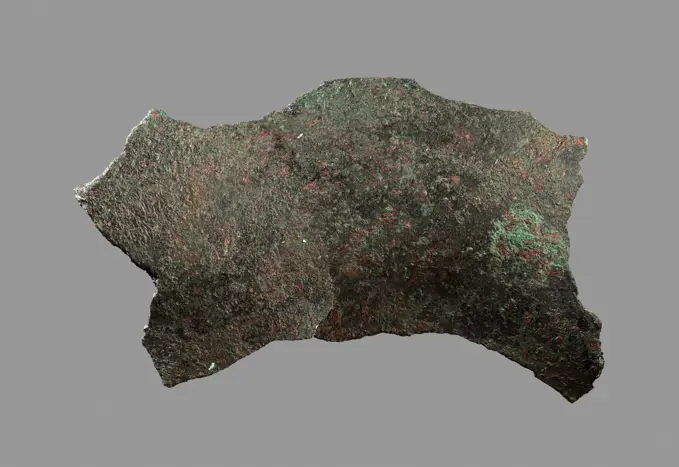
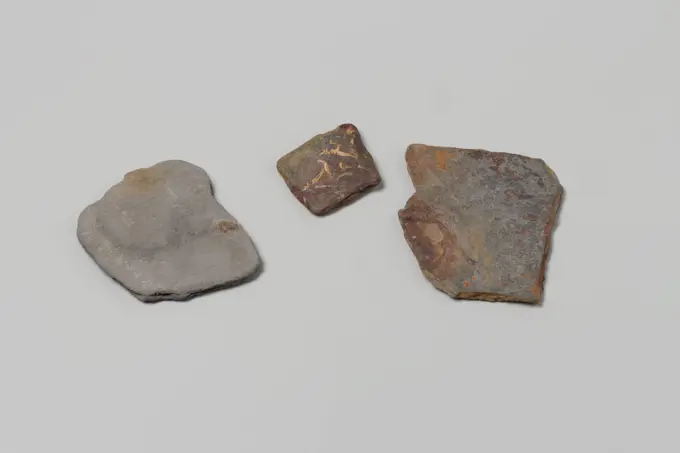
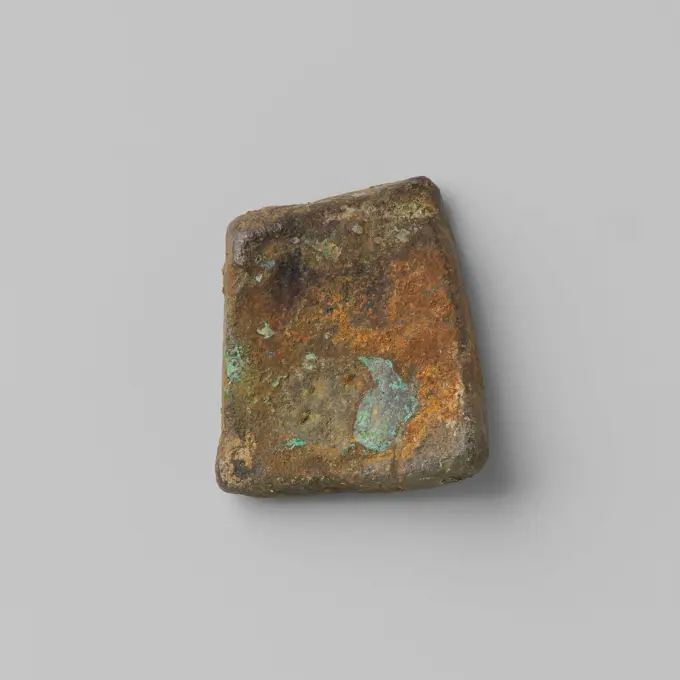
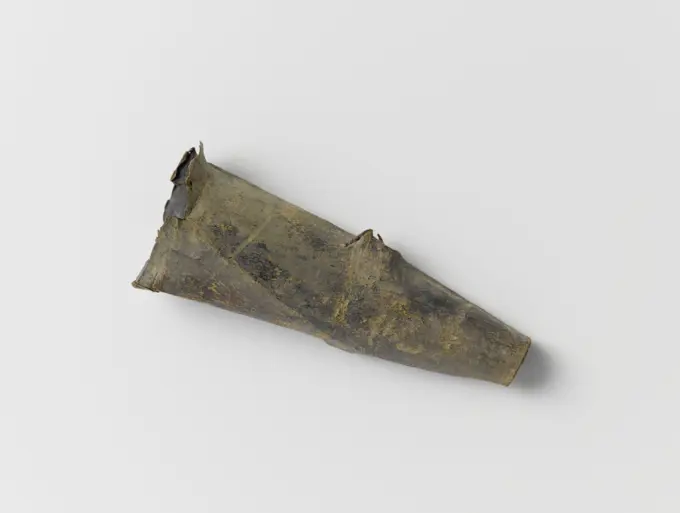
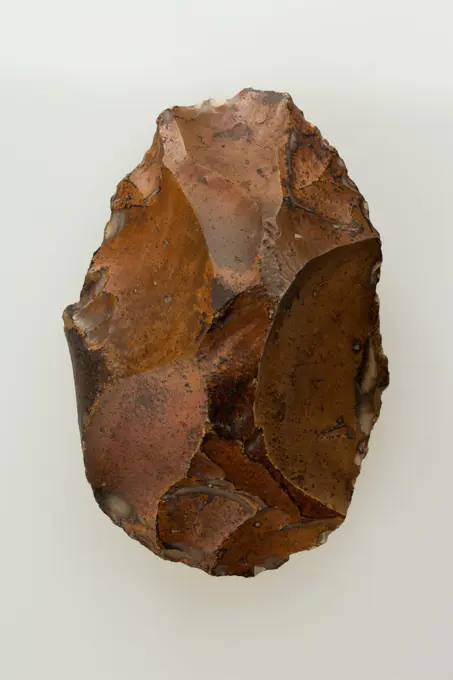
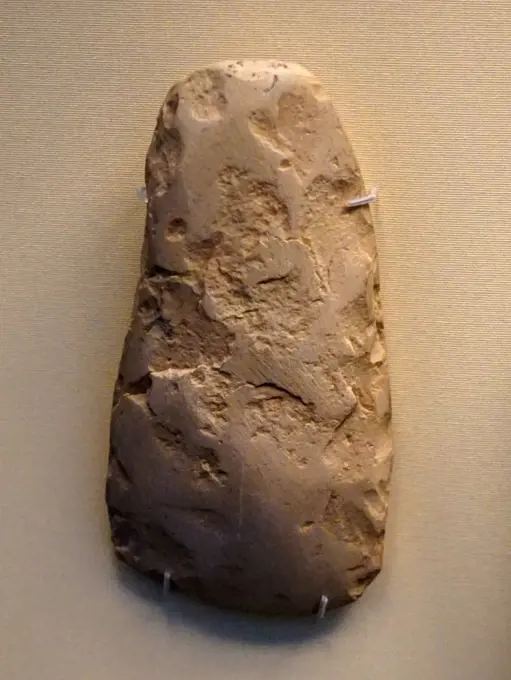
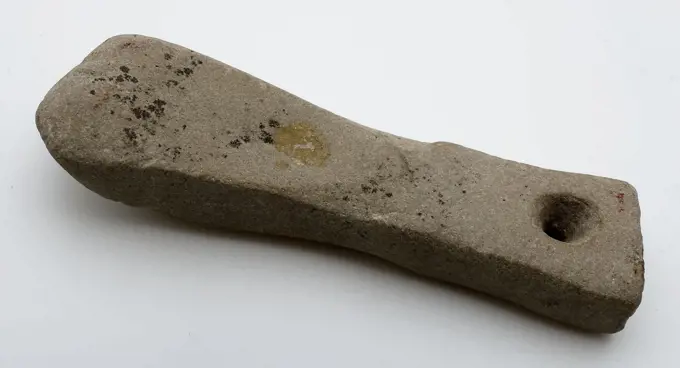
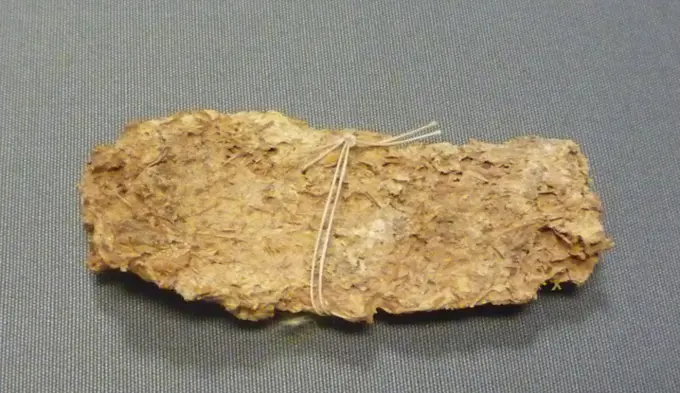
Quadruple Seal Impression with Patterned Design. Egypt, Middle Kingdom - Ptolemaic Period (1991 - 30 BCE). Tools and Equipment; seals. Brown semi-baked clayOstrakon 600 Coptic. Ostrakon 474730Vase fragment Minoan. Vase fragment 247820Sickle Blade, 1980-1801 BC. Egypt, Middle Kingdom, Dynasty 12. Flint; overall: 5 cm (1 15/16 in.).Hatchet Papua New Guinea (Huon Gulf). Hatchet 43699Sharf of a wine bottle from the wreck of the East Indians Hollandia, 1700 - in Or Before 1743  Typologically not identifiable, flat fragment, fragment. Netherlands .Lid. Culture: Coptic. Dimensions: Overall: 3 1/16 x 2 1/2 in. (7.8 x 6.4 cm). Date: 4th-7th century. Museum: Metropolitan Museum of Art, New York, USA.Fragment of a lead plate from the wreck of the East Indied Flying Heart. Three pieces of metal. One piece of pipe plate with triangular soldering residues and two pieces of rusted iron plate. Sheet fragments.Small BowlBelt Plate Fragment 4th-7th century Frankish. Belt Plate Fragment 469775Fragment; (possibly) belonging to the retable of Soest, c. 1475 - c. 1499   wood (plant material)   wood (plant material)Fragments buyer from the wreck of the East Indieschief Hollandia. Parts or artifacts; eroded fragments: Materials; Copper.Spearhead ca. 1050-1000 B.C. Cypriot. Spearhead 244195Mold late 8th-9th century. Mold. late 8th-9th century. Earthenware; incised. Excavated in Iran, Nishapur. CeramicsPottery Shard. Nepal, circa 330-880. Fragments; shards. Unbaked () clay with red slipFragment of a Mosaic Glass Vessel. Unknown 1st century A.D.Scale from Armor ca. 1390-1353 B.C. New Kingdom Although bronze and iron scales have been found in Egypt, body armora foreign importwas probably not commonly worn there. Two sets of armor appear in a presentation scene in the tomb of Kenamun at Thebes, and a cuirass of leather scales was found in the tomb of Tutankhamun. The ten scales (11.215.452a-j) were excavated from the palace of Amenhotep III, but their position, embedded in an enclosure wall, does not allow us to speculate as to who might have worn them. The scales would have been sewn to a linen or leather backing. Although they vary, they still might have constituted the same armor.. Scale from Armor. ca. 1390-1353 B.C.. Bronze. New Kingdom. From Egypt, Upper Egypt, Thebes, Malqata, Palace of Amenhotep III, MMA excavations, 1910-11. Dynasty 18Vase Fragment ca. 560-550 B.C. East Greek. Vase Fragment. East Greek. ca. 560-550 B.C.. Terracotta. Archaic. VasesFigurine Fragment. UnknownOil lamp (handle). Surroundings of Dreux. Capitan collection. Sarapis. Terracotta. High Empire. Paris, Carnavalet museum. 50036-6 Anse, Capitan collection, Egyptian divinity, High Empire, Oil lamp, TerracottaGlass cameo plate fragment. Culture: Roman. Dimensions: H.: 6 x 4 7/8 in. (15.3 x 12.4 cm). Date: 1st century A.D..Translucent deep cobalt blue and opaque white.Thick-walled fragment of large circular dish with gently curving side and part of bottom.On exterior, recessed molding of circular base ring; on interior, decoration carved in white overlay with a raised circular frame of beading surrounding a figural scene of two cupids pulling the chariot of Venus over the sea; the front of the car, decorated with fine incised scrolls, survives along with a large part of the eight-spoked left wheel whose lower part is sunk below the waves; in front of the car one cupid has just risen from the sea but only his legs survive; the other cupid swims below in the choppy sea, his wings are visible behind his back, his head is raised, and his proper right arm is outstretched, but most of his body is hidden below the waves. The cameo decoration fills the center of the shallow dish, surrounded by a Fragment of tin dish, narrow stand ring, heavily affected, dish crockery holder fragment soil found tin metal, cast Fragment of tin plate on narrow stand ring Heavily damaged by staying in the bottom. Original form and depth difficult to determine archeology Spijkenisse indigenous product import adorn food serve serve Roman Soil discovery Spijkenisse Puntweg.Figurine Fragment. UnknownFragment 8th-9th century. Fragment 448838Bead 500-600 Frankish. Bead 465592 Frankish, Bead, 500600, Stone, Overall: 5/8 x 1 in. (1.6 x 2.6 cm). The Metropolitan Museum of Art, New York. Gift of J. Pierpont Morgan, 1917 (17.193.266)Brigandine Plate 1400-1450 Italian This is part of a large find of medieval armor discovered in 1840 in the ruins of the fortress of Chalcis, on the Greek island of Euboea (then a Venetian colony called Negroponte). The fortress had been captured and destroyed by the Turks in 1470. Now divided largely between the Ethnological Museum, Athens, and The Metropolitan Museum of Art, the Chalcis hoard contains many rare and unusual elements of fourteenth- and fifteenth-century armor. Of particular importance are the variety of headpieces and the many fragments of brigandines (armor for the torso constructed of small plates riveted to layers of fabric), some of which retain portions of their original velvet covering. The Chalcis armor provides a unique picture of the armament used in the Aegean, one of the easternmost military outposts of the Venetian empire.. Brigandine Plate 34353Fragment; (possibly) belonging to the Retable of Soest. .Counter Plate Fragment of a Belt Buckle 6th-7th century Frankish. Counter Plate Fragment of a Belt Buckle 465635 Frankish, Counter Plate Fragment of a Belt Buckle, 6th7th century, Iron, Overall: 2 13/16 x 1 7/8 x 3/8 in. (7.1 x 4.7 x 1 cm). The Metropolitan Museum of Art, New York. Gift of J. Pierpont Morgan, 1917 (17.193.302b)Ostracon 400-30 B.C. Late Period-Ptolemaic Period. Ostracon 588385Stone Celt before 16th century Mexican. Stone Celt 317259Ostrakon. Culture: Coptic. Dimensions: 4 3/8 x 3 1/8 in. (11.1 x 8 cm). Date: 7th century. Museum: Metropolitan Museum of Art, New York, USA.Fragment 9th century. Fragment 451528Vase fragment Aegean. Vase fragment 248519Fragment. Culture: Crusader. Dimensions: 3 1/16 × 2 7/8 × 1/4 in. (7.8 × 7.3 × 0.7 cm). Date: 13th century. Museum: Metropolitan Museum of Art, New York, USA.Belt Plate late 7th century Frankish. Belt Plate 465564 Frankish, Belt Plate, late 7th century, Iron, silver inlay, brass inlay, Overall: 2 15/16 x 1 9/16 x 3/8 in. (7.5 x 3.9 x 1 cm). The Metropolitan Museum of Art, New York. Gift of J. Pierpont Morgan, 1917 (17.193.240)Biconical Bead 800 BCE-600 BCE Greece. These precious bronzes objects are votives, or devotional gifts, made for gods. They come in many forms. Some are miniature sculptures of animals, mostly depicting horses, deer, and birds. Others are items of personal adornment, including beads and brooches. Quite a few seem once to have been attached to something else. This assemblage is characteristic of the thousands of votives that were hung from sacred trees or placed in sanctuaries around Greece. Once a shrine was full, the votives were gathered together and ceremonially buried to make room for more offerings. This comes from Thessaly in north-eastern Greece.. Bronze . Ancient GreekAxehead ca. 3200-2000 B.C. Cypriot. Axehead 244270Vase fragment ca. 580-550 B.C. Etruscan Hind part of a lion in relief to right.. Vase fragment. Etruscan. ca. 580-550 B.C.. Terracotta; bucchero pesante. Archaic. VasesRacloir en silex. Periode Neolithique. Afrique du Nord. 4 cm.Chopper on pebble. Lower Paleolithic. SPAIN. CATALONIA. BARCELONA. Barcelona. Archaeology Museum of Catalonia. Proc: SPAIN. CATALONIA. GERONA. Torroella de Montgr. Cau del Duc.Vase fragment Minoan. Vase fragment 247794Fragment 9th-10th century. Fragment 451574Fragment of silver from the wreck of the East Indians Hollandia, 1700 - in or before 1743  Parts of artefacts; eroded fragments: materials; silver. Netherlands silver (metal)   SecondPendants, nail head, from earrings Cypriot. Pendants, nail head, from earrings 242664Shard ca. 4th-5th century Pakistan. Shard 50757Grooved axe ca. 6000-4000 B.C. Archaic. Grooved axe 307597Andradite. minerals. North America; USA; New Jersey; Sussex County; FranklinFragment ca. 1150-ca. 1250 European or Middle Eastern. Fragment. European or Middle Eastern. ca. 1150-ca. 1250. Glass, ceramic. Glass-VesselsDecorated jar fragment with inscription ca. 1390-1352 B.C. New Kingdom. Decorated jar fragment with inscription. ca. 1390-1352 B.C.. Pottery and ink, paint. New Kingdom. From Egypt, Upper Egypt, Thebes, Malqata, Palace of Amenhotep III, MMA excavations. Dynasty 18Fragment. Culture: European or Middle Eastern. Dimensions: L. 2 3/8 in. (6 cm). Date: ca. 1150-ca. 1250. Museum: Metropolitan Museum of Art, New York, USA.Pendant plate. Jade. Shang dynasty (1765-1122 BC), China. Paris, Cernuschi museum. 101270-12 Asian art, Chinese art, art of extreme Orient, Shang dynasty, Yin dynasty, Shang time, iieme II 2nd 2 thousandaire, jade, pendantExcerpt of copper from the wreck of the East Indians Hollandia, 1700 - in or before 1743  Parts of artefacts; eroded fragments: materials; copper. Netherlands copper (metal)   SecondVase fragment ca. 4000-3000 B.C. Neolithic, Gonia. Vase fragment 253272 Neolithic, Gonia, Vase fragment, ca. 40003000 B.C., Terracotta, length 2 3/16in. (5.5cm). The Metropolitan Museum of Art, New York. Anonymous Gift, 1930 (30.119.67)Plate and Nail 15th-16th century European. Plate and Nail. European. 15th-16th century. Iron. Metalwork-IronBody with garment ca. 1353-1336 B.C. New Kingdom, Amarna Period. Body with garment 549957HACHA DE PIEDRA TIPO SAINT ACHEULEEN CHIETI PALEOLITICO INFERIOR. Location: MUSEO PIGORINI. Rome. ITALIA.Pottery Fragment 4th-7th century Coptic. Pottery Fragment. Coptic. 4th-7th century. Earthenware, slip decoration. Made in Kharga Oasis, Byzantine Egypt. CeramicsFragment pipe head. Fragment pipe head with floral fashed motif. Of the excavations at the Hofstede Arentsburg 1827-1831 under the supervision of professor Reuvens.Body ornament Japan By the Middle Jmon period, the food supply in Japan had stabilized enough that the Jmon people could focus their activities more on crafts and spiritual life. This led to the development of a wide variety of body ornaments, including necklaces and hairpins, some of which feature very elaborate designs. It is speculated that body ornamentation may have served a religious or spiritual purpose, but it may also have represented social rank and status.. Body ornament. Japan. Bone. Final Jmon period (ca. 1000-300 B.C.). BoneGrot oszczepu. unknown, authorExcerpt copper from the wreck of the East Indies Hollandia, 1700 - in or before 1743 fragment Parts of artefacts; eroded fragments: materials; copper. Netherlands copper (metal)   SecondPottery Fragment 4th-7th century Coptic. Pottery Fragment 479328Sphinx Stela. Egypt, probably Giza, New Kingdom (1550 - 1070 BCE). Sculpture. LimestoneFragment of copper and earthenware from the wreck of the East India Hollandia.parts or artifacts; eroded fragments: Materials; Copper.Pottery Fragment. Culture: Coptic. Dimensions: Overall: 15/16 x 3 3/16 x 2 7/16 in. (2.4 x 8.1 x 6.2 cm). Date: 4th-7th century. Museum: Metropolitan Museum of Art, New York, USA.Fragments lead from the wreck of the East Indiesman Hollandia. Parts or artifacts; eroded fragments: Materials; Lead.Lid. Culture: Coptic. Dimensions: Overall: 1 1/8 x 2 11/16 in. (2.9 x 6.9 cm). Date: 4th-7th century. Museum: Metropolitan Museum of Art, New York, USA.Fragment 9th-10th century. Fragment 450927Glass fragments made of wine bottles from the wreck of the East Indies' t Vliegend Hart ,, 1700 - 1735 in 1735  The seven fragments are part of the soils of wine bottles, according to the thicker glass and the raised walls. All shards have smooth and a rough side with attack and irizing.  . blow moldingFurniture element ca. 18th century B.C. Old Assyrian Trading Colony. Furniture element 329694Raised relief fragment 664-610 B.C. Late Period, Saite see 23.3.468. Raised relief fragment. 664-610 B.C.. Limestone, varnish. Late Period, Saite. From Egypt, Upper Egypt, Thebes, Deir el-Bahri, Tomb of Nespekashuty (TT 312, MMA 509), 1st chamber W. wall; bottom register, MMA excavations, 1922-23. Dynasty 26Fragment 8th-9th century. Fragment 448780Head and part of the shaft of a spear 332 B.C.-A.D. 364 Ptolemaic Period-Roman Period. Head and part of the shaft of a spear. 332 B.C.-A.D. 364. Copper alloy. Ptolemaic Period-Roman Period. From EgyptFragment of red earthenware, partly glazed, fragment crockery holder kitchen utensils earthenware ceramics earthenware glaze lead glaze, hand-formed hand turned glazed fried Fragments of red pottery Frying pans jugs pots of grass and soil of small jug Spicy or only partly glazed with lead glaze archeology Rotterdam Stadscentrum Stadsdriehoek Hoogstraat indigenous pottery water washing cooking nutrition food preparation handicraft pottery Soil discovery Hoogstraat Rotterdam 15 June 1983.Component crane from the wreck of the East Indieschief Hollandia. Tap, part or tap; Fragm, ID. NG 1979-521H.Fragment ca. 1150-ca. 1250 European or Middle Eastern. Fragment 694204Excerpt copper from the wreck of the East Indies Hollandia, 1700 - in or before 1743 fragment Parts of artefacts; eroded fragments: materials; copper. Netherlands copper (metal)   SecondStatue Fragment. UnknownFragments slate from the wreck of the East Indians Hollandia, 1700 - in Or Before 1743  Parts of artefacts; eroded fragments: materials; slate. Netherlands slate (rock)   SecondSmall jadeitite axe 5th-4th millennium B.C. Cretan Celt.. Small jadeitite axe 252427 Cretan, Small jadeitite axe, 5th4th millennium B.C., Stone, Length 1 1/4 in. (3.1 cm); W. 1 1/4 in. (3.1 cm). The Metropolitan Museum of Art, New York. Bequest of Richard B. Seager, 1926 (26.31.507)Herramientas agrícolas, procedentes de Vilarenc, Calafell. Museu d'Història de Catalunya.Fragment 15th century. Fragment 445619Small stone axe. Culture: Greek Neolithic. Dimensions: L. 2 1/8 in. (5.4 cm.)W. 1 3/8 in. (3.5 cm.). Date: 5th-3rd millennium B.C..Celt. Museum: Metropolitan Museum of Art, New York, USA.Fragment of a Two-Colored Luster-Painted Bowl 9th century This ceramic fragment was excavated in Ctesiphon, the Sasanian metropolis and administrative capital conquered by Arab Muslim armies in 637. The city was known in Arabic as al-Madain, or "the cities", for its extended area. Arab historians indulge in describing al-Madain/Ctesiphons grand monuments, which obsessed Muslim rulers and may have acquired a symbolic meaning related to its imperial past. This was the case of the Taq-i Kisra, an impressively-sized ivan (a vaulted hall with one side open) partially dismantled to reuse its bricks in caliphal buildings in the new capital Baghdad. Finds like this fragment attest to the continued occupation of Ctesiphons urban area in the early Islamic period. Luster, here in ruby-red and in greenish-gold, was an innovative technology developed by Iraqi-based craftsmen in the 9th century, possibly adapting a technique employed on glass. The opacified white glaze, also an innovation develoFragment 8th-9th century. Fragment 448808Fragment ship bell from the wreck of the East Indieschief Hollandia. Acoustic, BELL (SHIPs); Fragment of body, very ioded.Fragment of a Bowl 9th century View more. Fragment of a Bowl. 9th century. Earthenware; white slip, incised and splashed with polychrome glazes under transparent glaze (sgraffito ware). Excavated in Iran, Nishapur. CeramicsMusketmaat, leather shell with ears, anonymous, c. 1590 - c. 1596  Musketmaat, leather shell with ears.  leather cutting  Nova Zembla. Saving HuysDatplood from the wreck of the East Indians Hollandia, Anonymous, 1700 - in Or Before 1743 sounding lead Tools and instruments, navigation, sounding lead; fragm, base, cut off: octagonal faceted, tapering upwards, domed cavity in underside, inscription on side XXX, encrusted. Netherlands lead (metal)   Secondbirch bark isolated on white backgroundAndesite Porphyry Caifornia, USA     Date: Vase fragment Minoan. Vase fragment 247816Biface, commonly referred to as a hand ax ca. 400,000-240,000 B.C. Lower Paleolithic Period Often referred to as handaxes, bifaces were made by the Hominin predecessors of humans during the Lower Paleolithic period. Although bifaces are found in many shapes and sizes, the basic tool type was used for a very long time span and can be found all over Africa, Asia and Europe. Rather than a tool made for a specific task, bifaces were a kind of multi-tool that could be used in a variety of ways such as chopping, cutting, and scraping. Additionally the large tools could serve as a portable source for flakes if smaller tools or sharper edges were needed. This ovate biface was made on a nodule, as can be seen from the cortex remaining along one edge.. Biface, commonly referred to as a hand ax. ca. 400,000-240,000 B.C.. Flint. Lower Paleolithic Period. From Egypt, Upper Egypt, Thebes, Libyan DesertTools from ancient Egypt. Dated 7th Century BCBurmese Jadeite Specimen 20th century China. Burmese Jadeite Specimen 62092Plaque. China. Date: 700 BC-500 BC. Dimensions: 4.4 × 3.5 × 0.3 cm (1 3/4 × 1 3/8 × 1/8 in.). Jade. Origin: China. Museum: The Chicago Art Institute, Chicago, USA.Grindstone or whetstone of gray sandstone with drilled hole, whetstone whetstone ground find sandstone stone, w 2,9 drilled Whetstone or whetstone made of gray sandstone Oblong piece of stone with flattened sides by use. rounded and conical hole has been drilled on the broken side. The stone was probably worn on the belt archeology Poortugaal Albrandswaard grinding laws sharp making slaughter cutting harvests Grondvondst Poortugaal.Spindle whorl, reel. Spindle whorl, reel. Clay. Miscellaneous-ClayModel Bread Loaf from the Foundation Deposit for Hatshepsut's Tomb ca. 1479-1458 B.C. New Kingdom. Model Bread Loaf from the Foundation Deposit for Hatshepsut's Tomb. ca. 1479-1458 B.C.. Bread. New Kingdom. From Egypt, Upper Egypt, Thebes, Valley of the Kings, Tomb of Hatshepsut (KV 20), Foundation deposit, Davis/Carter excavations, 1903-04. Dynasty 18Fragment. Culture: European or Middle Eastern. Dimensions: Diam. 1 1/4 in. (3.2 cm). Date: ca. 1150-ca. 1250. Museum: Metropolitan Museum of Art, New York, USA.