Ancient Artifacts and Seals

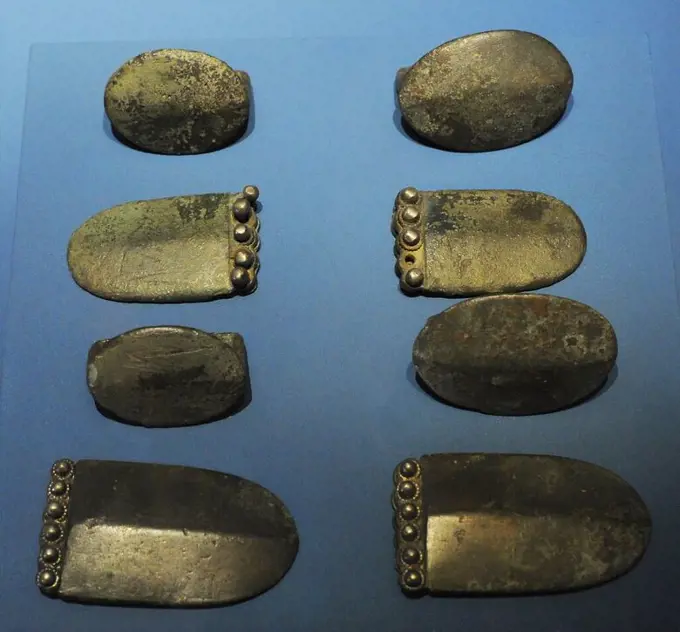
Historical artifacts including seal impressions and pottery fragments, showcasing ancient designs and materials from different cultures and time periods.

Small Bowl
Small Bowl
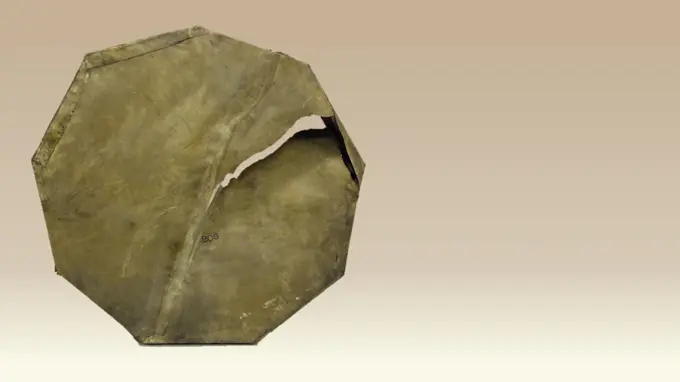
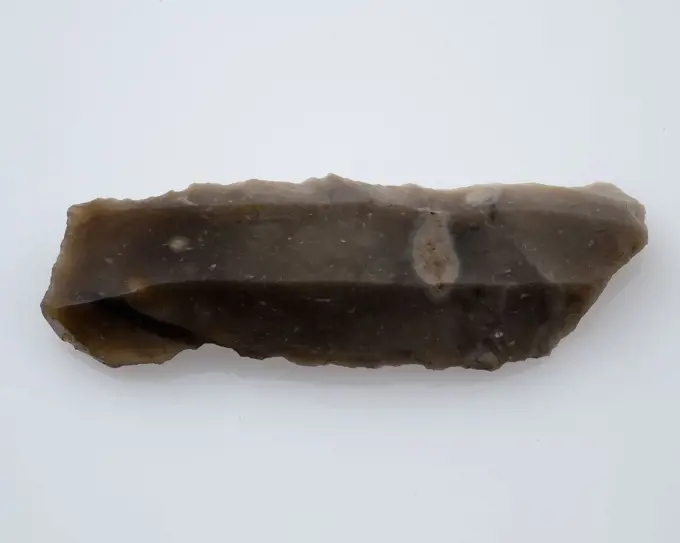
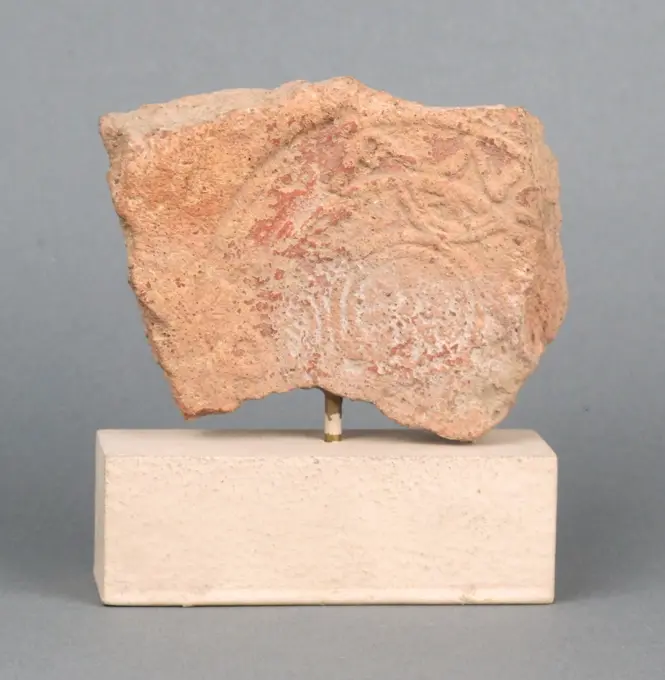
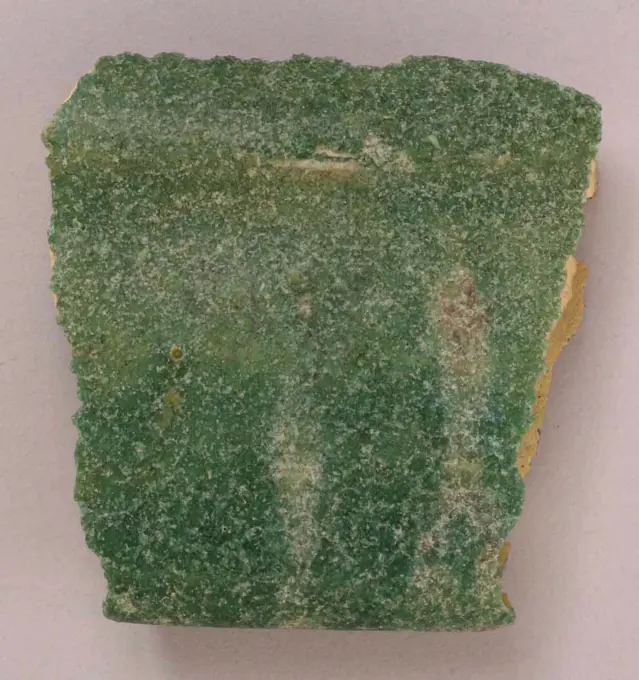
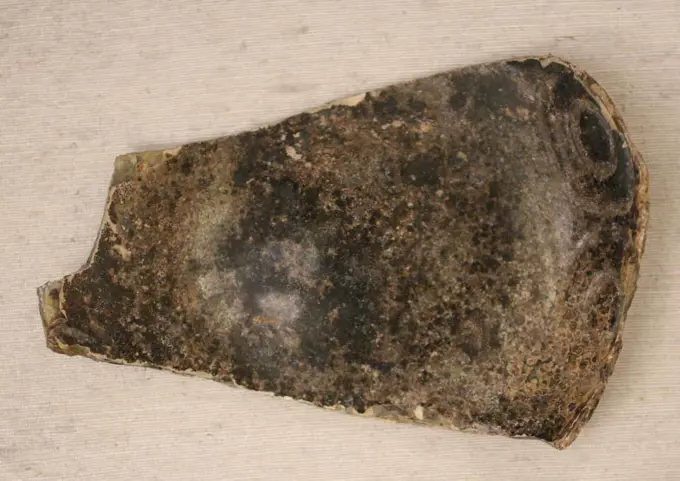
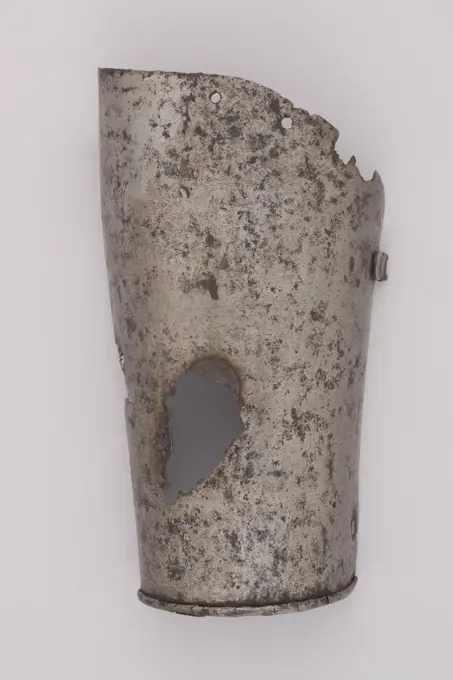
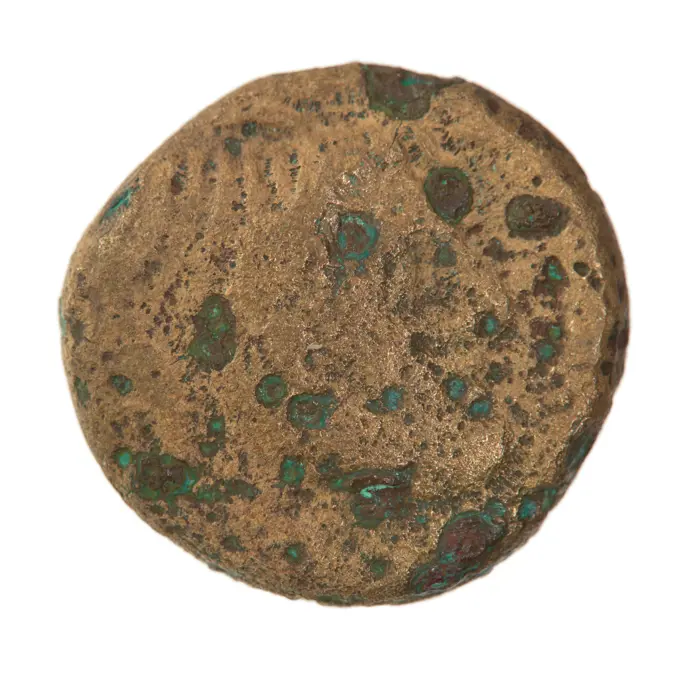
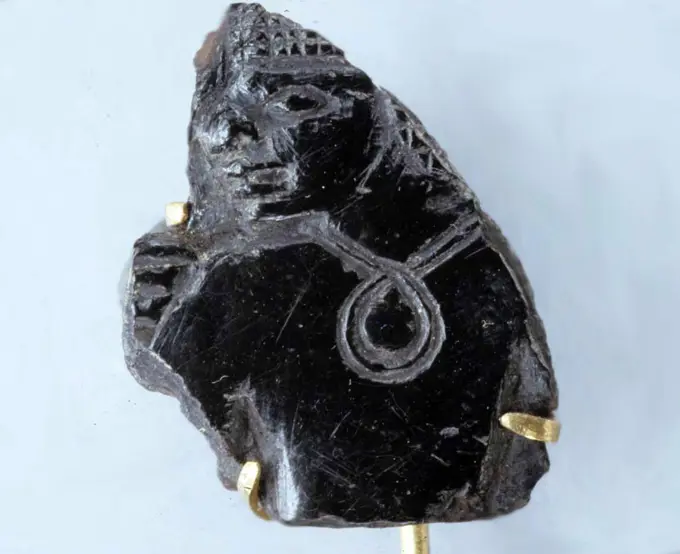
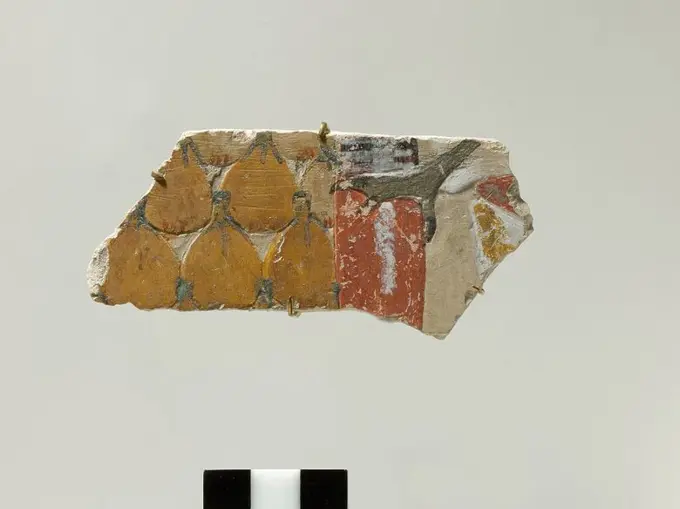
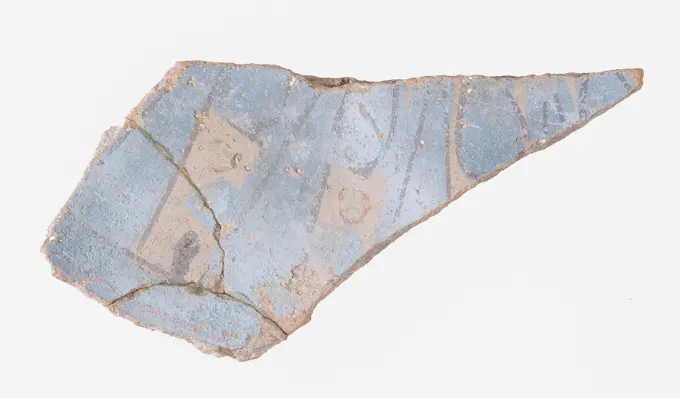
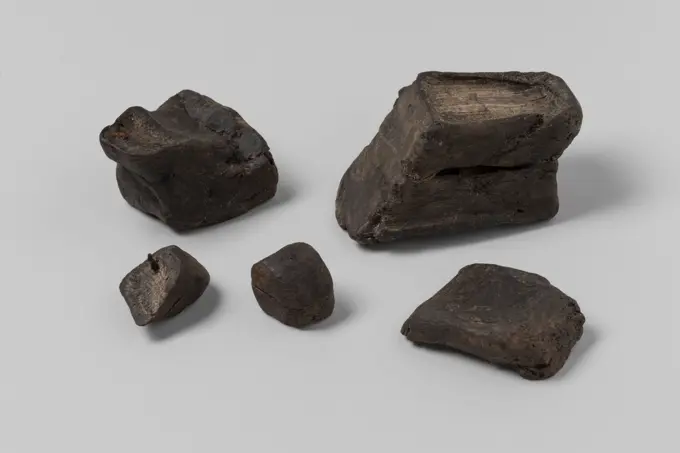
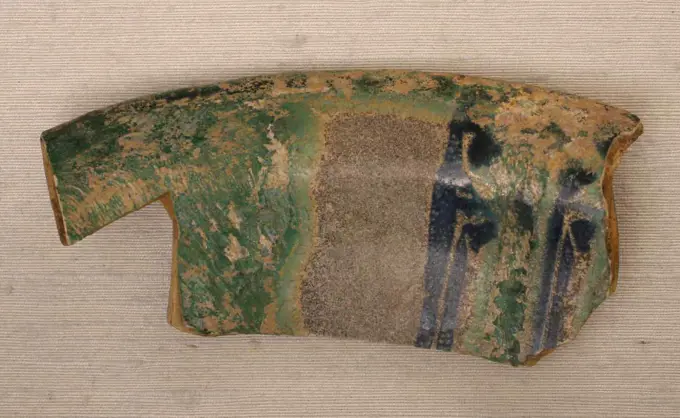
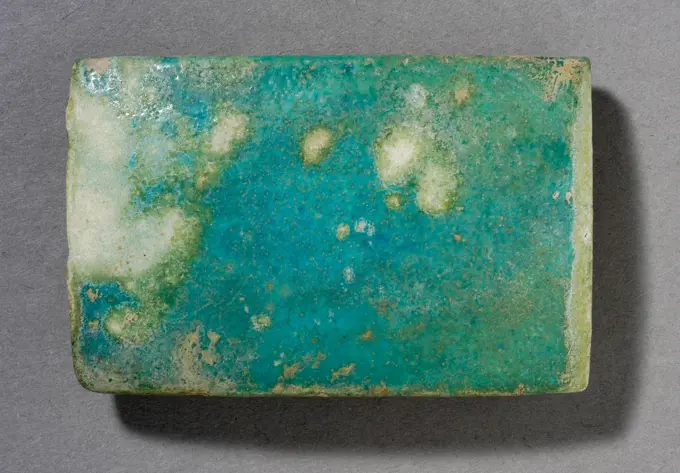
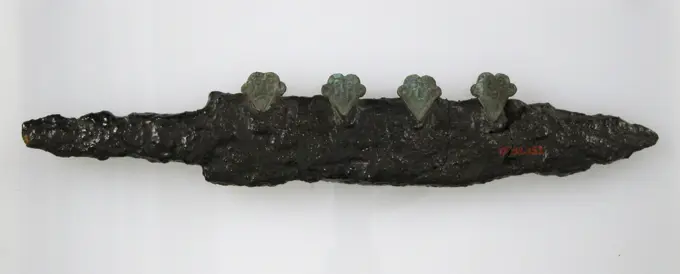
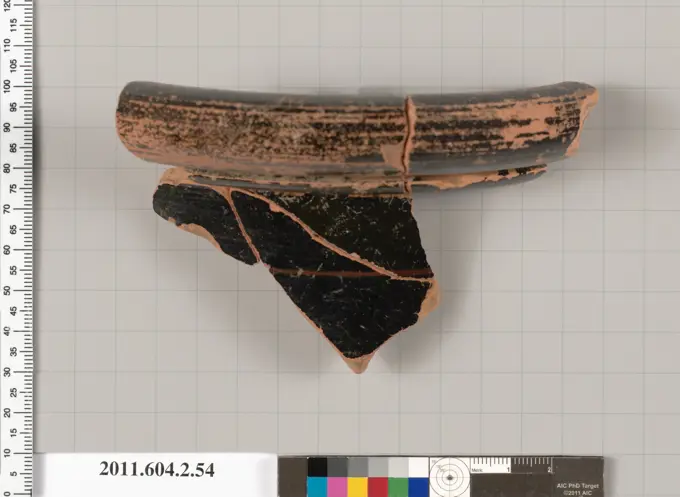
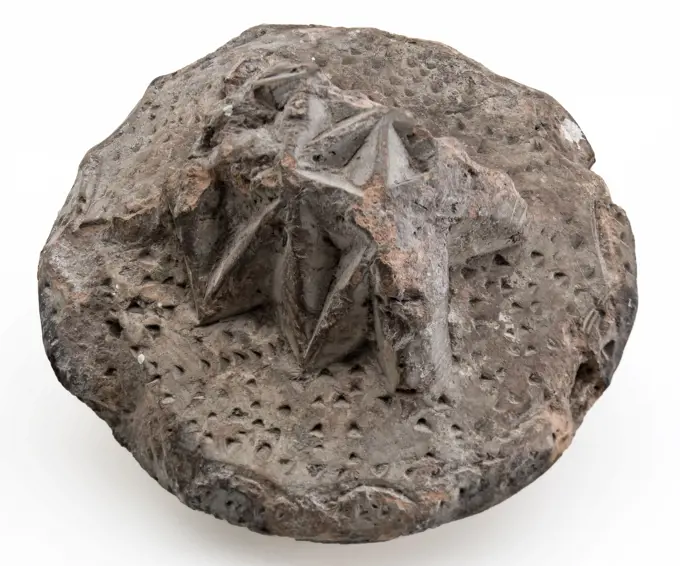
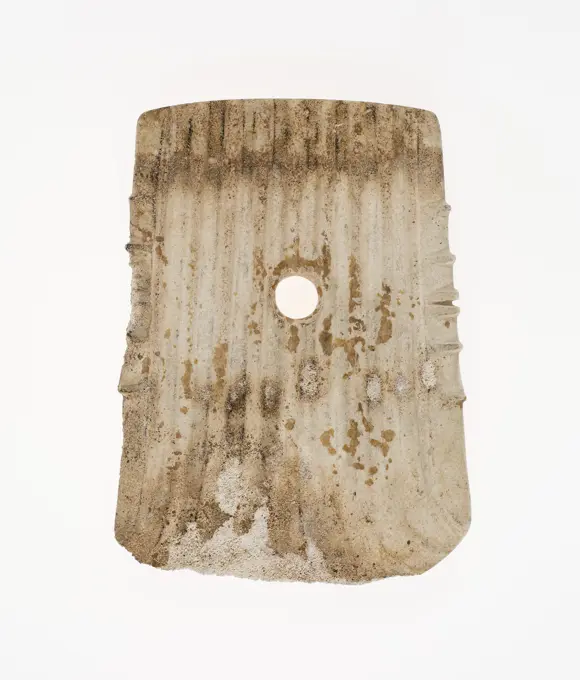
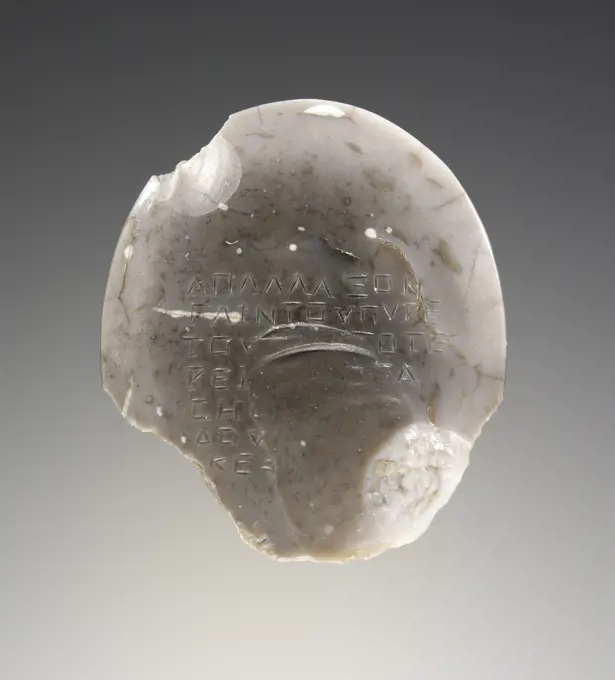
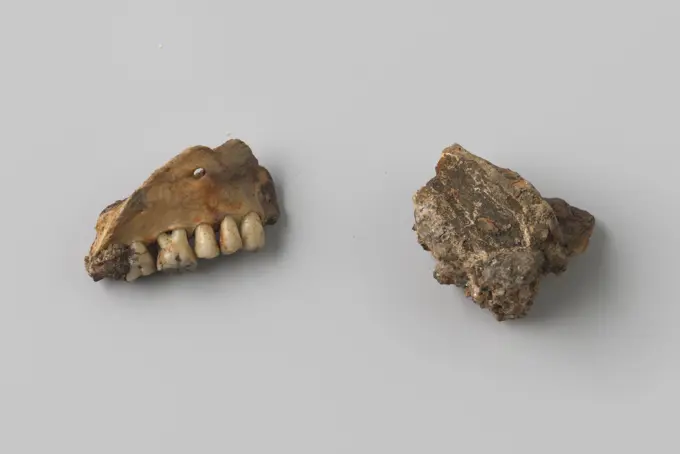
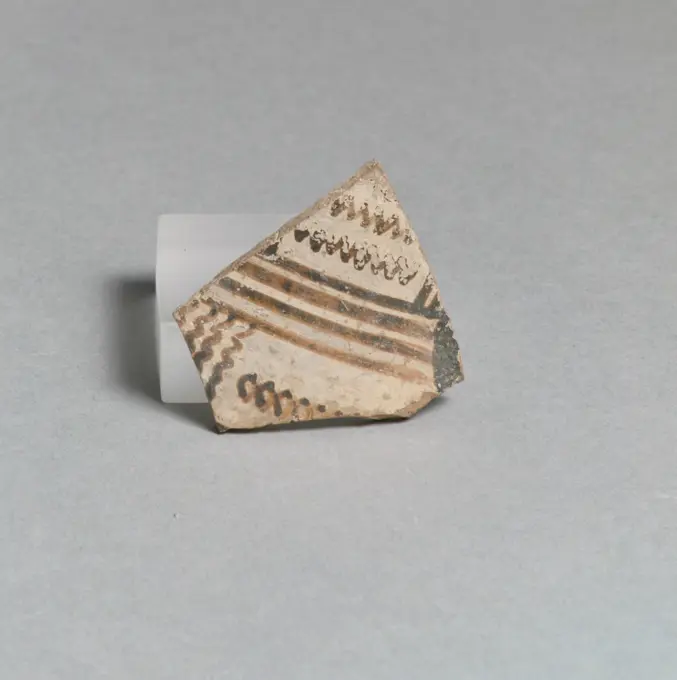
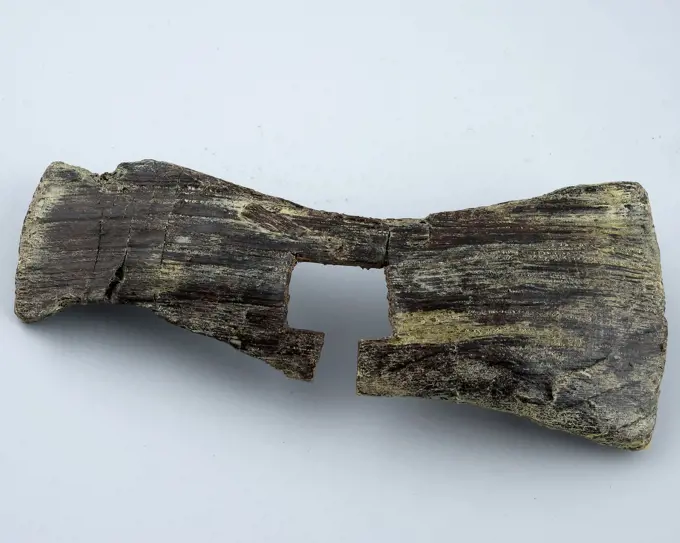
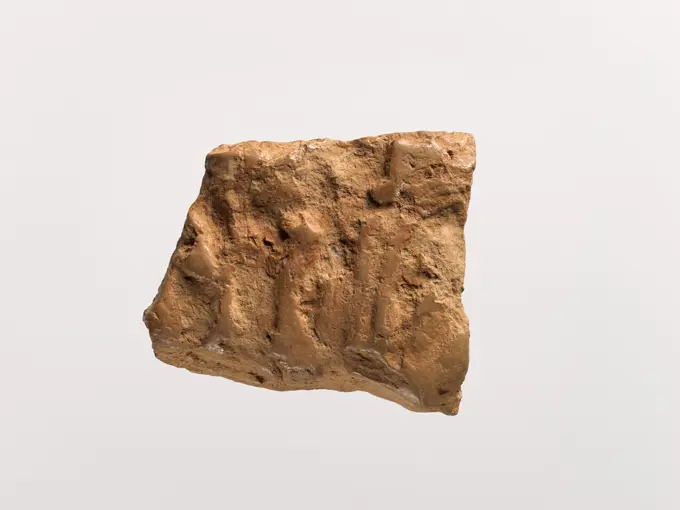
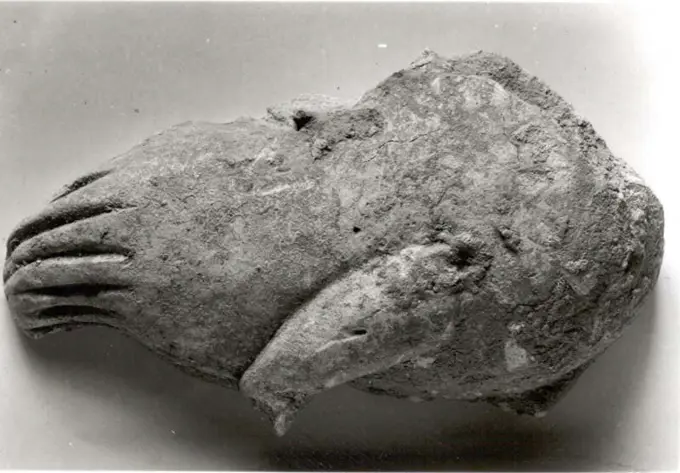
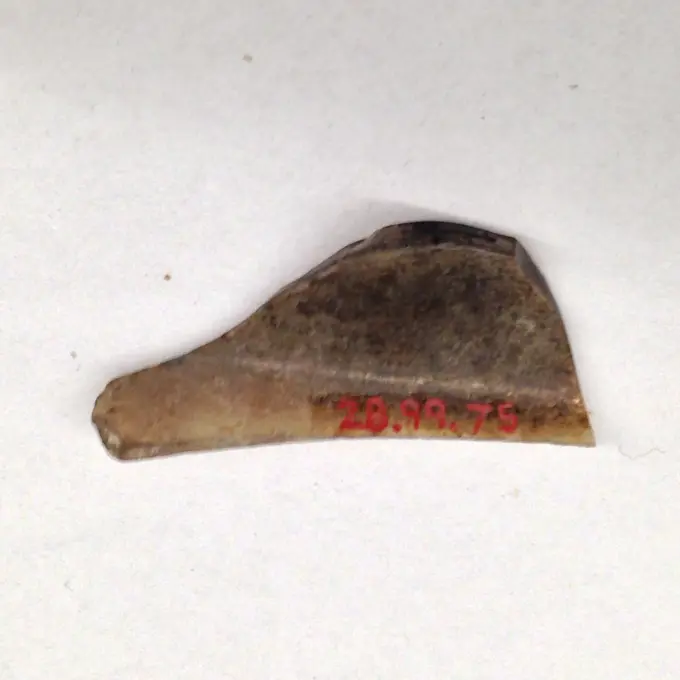
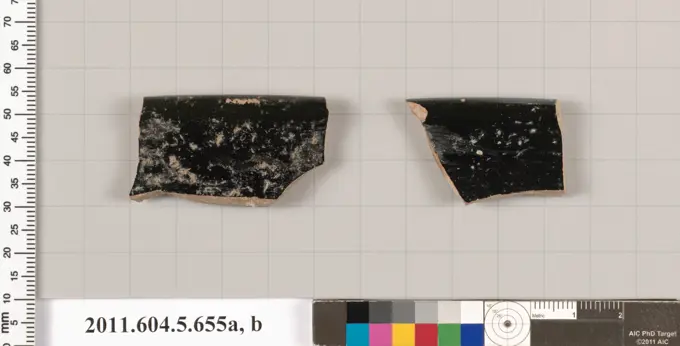
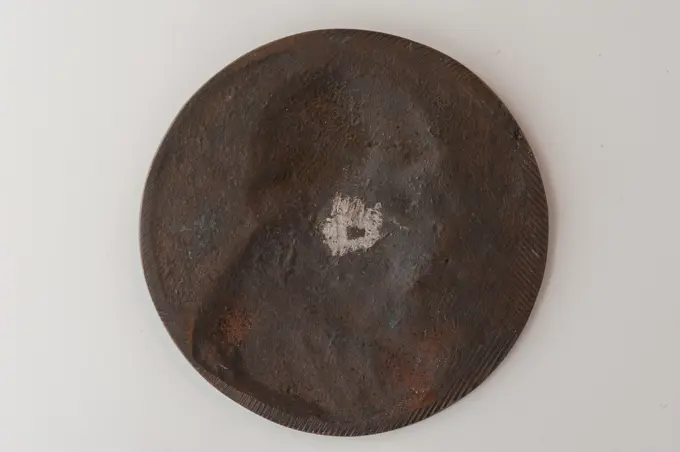
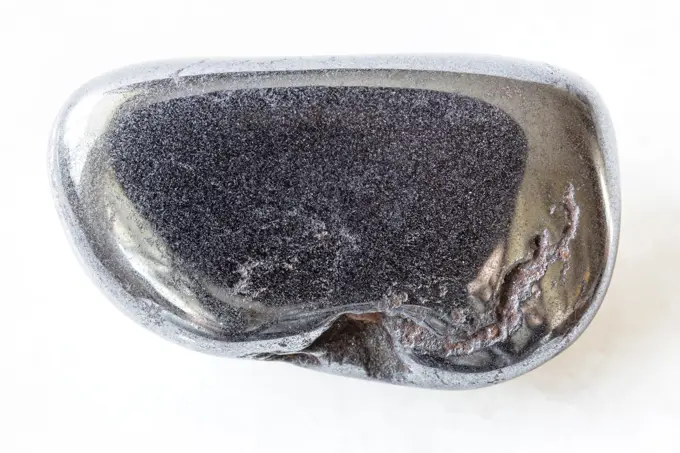
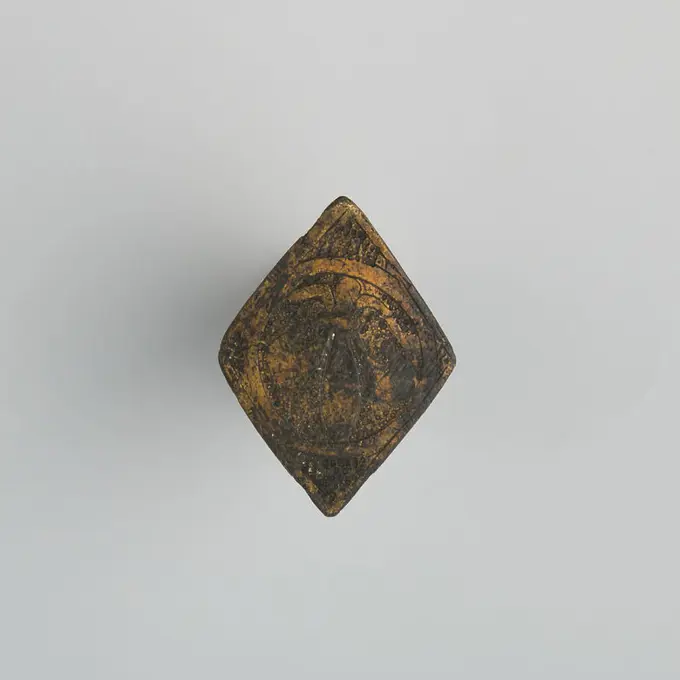
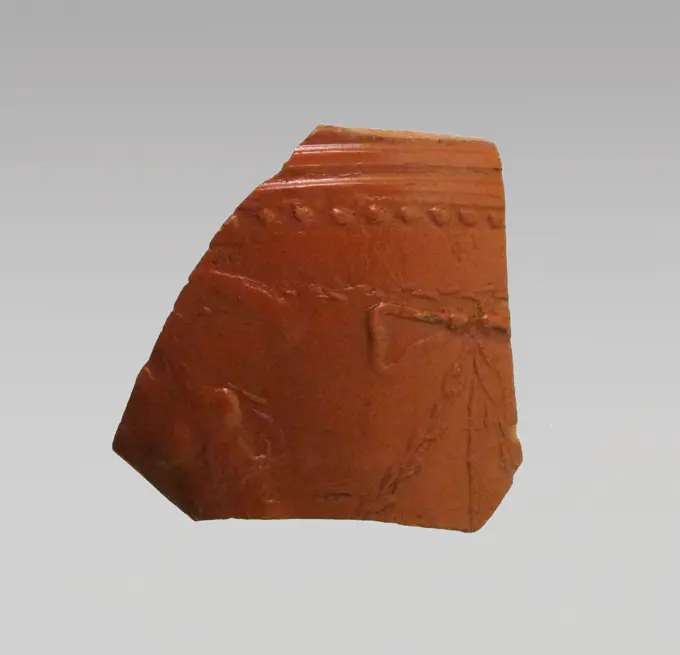
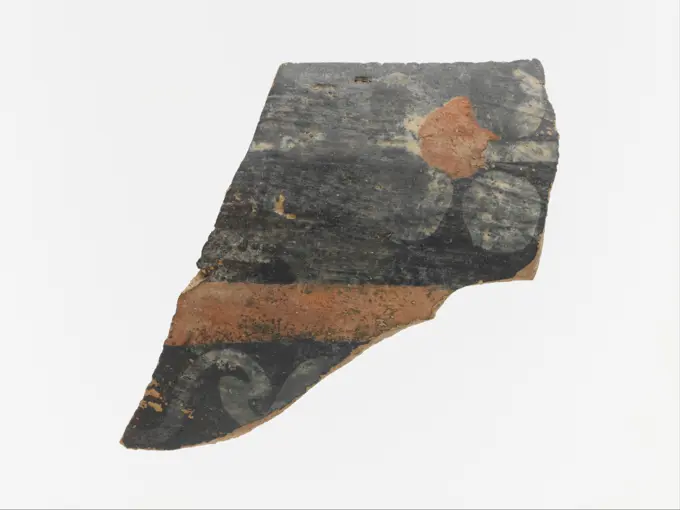
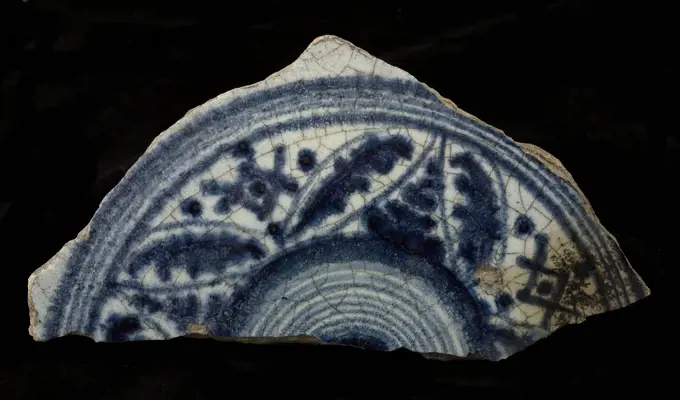
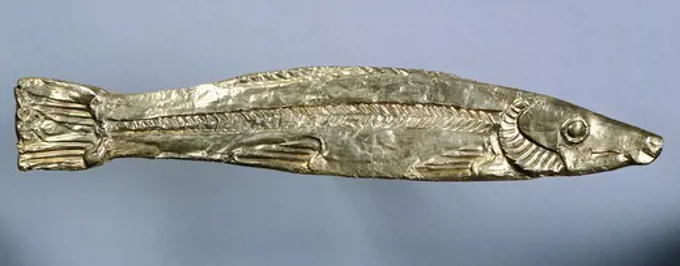
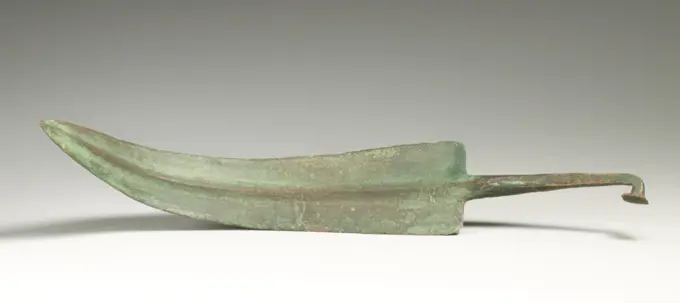
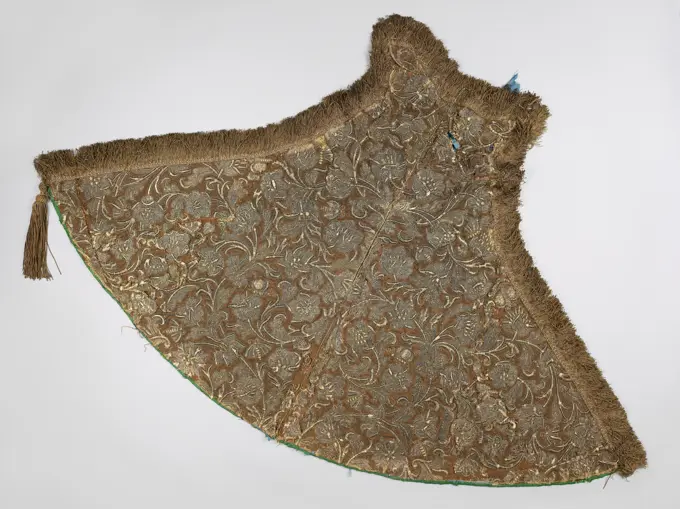
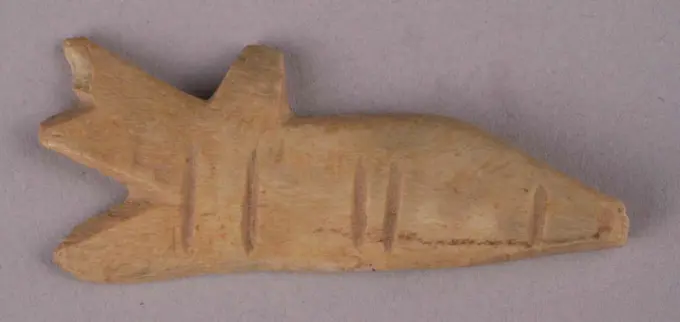
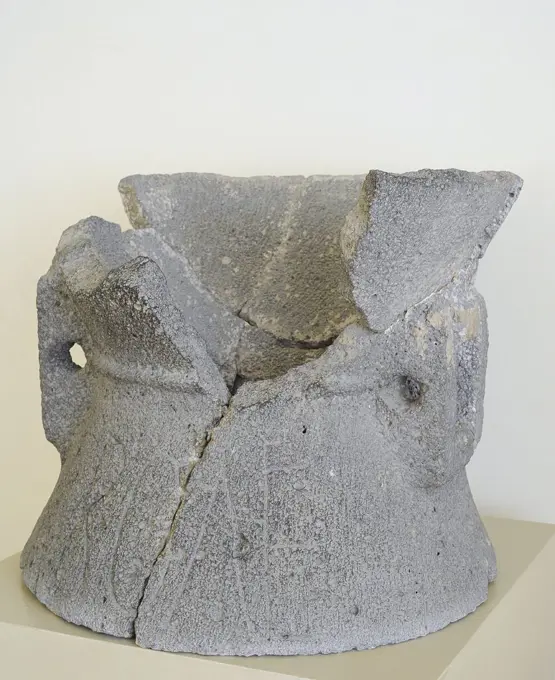
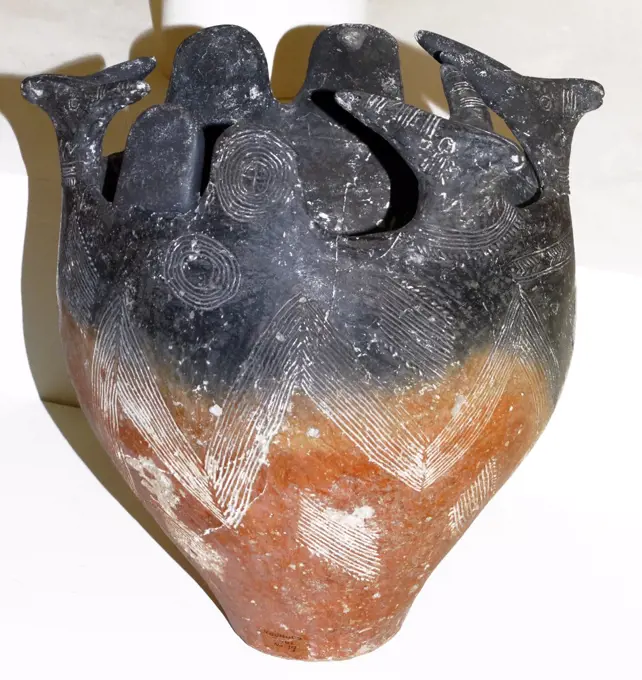
Vessel Fragment. Culture: Coptic. Dimensions: Overall: 2 1/16 x 3 11/16 x 1 3/4 in. (5.3 x 9.4 x 4.4 cm). Date: 4th-7th century. Museum: Metropolitan Museum of Art, New York, USA.Duff late 19th century Indian This type of frame drum can be found throughout the Indian subcontinent and is derived from the Middle Eastern daff, which was introduced to India in the 12th century. Nine-sided (enneagon) wood frame with skin head tacked to one side drum.. Duff 500775Fragment buyer from the wreck of the East Indieschief Hollandia. Parts or artifacts; eroded fragments: Materials; Copper.Point in the shape of a laurel leaf in cut stone. Neolithic period. North Africa. 9 cm.Lifts knife with plate rail and two hemispherical shelves, knife cutlery cut soil found leg metal w 10.2, cut forged Suspected knife handle with sheet metal and part of blade. By lifting three nails to secure the two siege plates on the plate gill archeology Rotterdam Kralingen-Crooswijk Kralingen East Honingerdijk cutting food Soil discovery: Honingerdijk 1982-09-04.Flint blade of gray flint, klij soil found flint, chopped Blade of gray flint from the stone age or bronze age Dirt white spots in the stone. Typical back with three turns, curved shape and ending in slightly wider piece of archeology on one side. Stone time prehistory Hillegersberg Vlaardingen culture cutting Soil discovery Rotterdam found in Hillegersberg on the eastern edge of the Kerkhof north of the entrance at the plantation 1958-1959.Stone Pulidor before 16th century Mexican. Stone Pulidor 317146Terracotta stamped brick fragment Cypriot The stamp comprises concentric circles and lunettes decorated with floral sprays, surrounded by a circle containing an inscription in raised Greek letters, of which only ΑΝ...ΟΣ survives.. Terracotta stamped brick fragment. Cypriot. Stone sic. Cesnola InscriptionsTile decorated with a lily embossed. .MoldingFragment of a miniature vase Greek, Laconian Fragment of a miniature vase, mottled black glaze.. Fragment of a miniature vase. Greek, Laconian. Terracotta. Helladic. VasesFragment 9th-10th century. Fragment. 9th-10th century. Earthenware; glazed. Found Saudi Arabia, Dhahran. Ceramicsunpolished Jet Gagate rock isolated on white closeup of sample of natural mineral from geological collection - unpolished Jet Gagate rock isolated on white background Copyright: xZoonar.com/ValeryxVoennyyx 14989772Vase fragment Minoan. Vase fragment 247814Point in chipped stone. Neolithic period. North Africa. 9,2 cm.Oracle Bones (76 total). China. Date: 13 BC-11 BC. Dimensions: Various sizes. Segments of turtle plastrons and bones of oxen; polished, burned, and carved with inscriptions. Origin: China. Museum: The Chicago Art Institute, Chicago, USA.Fragment 8th-9th century. Fragment 448736Part of a Forearm Defense (Vambrace) ca. 1450-70 Italian This is part of a large find of medieval armor discovered in 1840 in the ruins of the fortress of Chalcis, on the Greek island of Euboea (then a Venetian colony called Negroponte). The fortress had been captured and destroyed by the Turks in 1470. Now divided largely between the Ethnological Museum, Athens, and The Metropolitan Museum of Art, the Chalcis hoard contains many rare and unusual elements of fourteenth- and fifteenth-century armor. Of particular importance are the variety of headpieces and the many fragments of brigandines (armor for the torso constructed of small plates riveted to layers of fabric), some of which retain portions of their original velvet covering. The Chalcis armor provides a unique picture of the armament used in the Aegean, one of the easternmost military outposts of the Venetian empire.. Part of a Forearm Defense (Vambrace) 23116Egypt, Ptolemeusz I (323 283), Alexandria, around 305 283 BC , bronze (AE) Ptolemy I (323 283), Alexandria MintRelief fragment ca. 1981-1640 B.C. Middle Kingdom. Relief fragment. ca. 1981-1640 B.C.. Limestone, possibly bituminous marble. Middle Kingdom. From Egypt, Memphite Region, Lisht South, Pyramid complex of Senwosret I, north gateway of temple, MMA excavations, 1933-34. Dynasty 12-13Palette. Egyptian. Date: 1985 BC-1650 BC. Dimensions: 1.3 × 5.6 × 3.8 cm (1/2 × 2 3/16 × 1 1/2 in.). Diorite gneiss (). Origin: Egypt. Museum: The Chicago Art Institute, Chicago, USA. Author: Ancient Egyptian.Four fragments of Spanish majolica, shard soil find ceramic earthenware glaze tin glaze luster goldluster largest, hand turned fried glazed painted fried Four shards; two of white earthenware one pink and one orange with gold spirit decoration archeology Rotterdam rail tunnel of indigenous earthenware import adorn food serve service Soil discovery: rail tunnel Rotterdam.Hand supporting tablet or stela ca. 1353-1336 B.C. New Kingdom, Amarna Period. Hand supporting tablet or stela 549825Rectangular wooden knife lift, has knife cutlery soil find iron wood metal, Raises rectangular in cross-section tapered with slightly narrower part for lifting guard In ridge remains of the angel archeology Rotterdam rail tunnel cutting Soil discovery: railway tunnel Rotterdam.Relief fragment from the tomb of Meketre. Dimensions: H. 4.3 cm (1 11/16 in.); W. 9.3 cm (3 11/16 in.); D. 1.9 cm (3/4 in.). Dynasty: Dynasty 12. Reign: reign of Amenemhat I, early. Date: ca. 1981-1975 B.C.. Museum: Metropolitan Museum of Art, New York, USA.Vessel fragment ca. 1390-1353 B.C. New Kingdom. Vessel fragment. ca. 1390-1353 B.C.. Pottery, paint. New Kingdom. From Egypt, Upper Egypt, Thebes, Malqata, Palace of Amenhotep III. Dynasty 18Hematite. minerals. Europe; SpainFragment 9th century. Fragment 451544Beryl. minerals. North America; USA; Connecticut; Fairfield County; MonroeDisk. Culture: possibly French, possibly German. Dimensions: Diam. 2 1/8 in. (5.3 cm). Date: 13th century. Museum: Metropolitan Museum of Art, New York, USA.Arrowhead in cut stone with peduncle and wings. Neolithic period. North Africa. 4 cm.Shipwreck find from the wreck of the East Indians Hollandia, Anonymous, 1700 - in Or Before 1743  Parts of artefacts; eroded fragments: materials; lead. Netherlands lead (metal)   SecondSchaaf from the wreck of the East Indies Hollandia, Anonymous, 1700 - in Or Before 1743  Tools and instruments, woodworking, plane; fragm of smoothing plane, broken: curved front grip, back of the stock rounded. Netherlands Wood (plant material). Nail: Iron (Metal)   SecondFragment of a Bowl with Green Splashes and Blue Painted Inscription 9th century This bowl was excavated at Ctesiphon, the Sasanian metropolis and administrative capital conquered by Arab Muslim armies in 637. The city was known in Arabic as al-Madain, or "the cities", for its extended area. Arab historians indulge in describing al-Madain/Ctesiphons grand monuments, which obsessed Muslim rulers and may have acquired a symbolic meaning related to its imperial past. This was the case of the Taq-i Kisra, an impressively-sized ivan (a vaulted hall with one side open) partially dismantled to reuse its bricks in caliphal buildings in the new capital Baghdad. Finds like this fragment, which was excavated at a site named Selman Pak V, attest to the continued occupation of Ctesiphons urban area in the early Islamic period. Similar ceramics count amongst the advances achieved by Iraqi potters in the 9th century. Beside technical innovations, such as the development of a range of opacifying teTile. Egypt, early Dynastic Period (circa 3050 - 2687 BCE). Architecture; Architectural Elements. FaienceBowl 8th-9th century. Bowl 451481Scramasax (Short Broad Sword) 7th century Frankish. Scramasax (Short Broad Sword). Frankish. 7th century. iron, copper alloy fittings. Made in Niederbreisig, Germany. Metalwork-IronSharf of vascular work from the wreck of the East Indians' t Vliegend Hart ,, 1700 - 1735  Thick shard, light gray glazed. Stoneware. Netherlands stoneware. glazeFlat surface and part of the curved wall of depression for an Aten disk ca. 1353-1336 B.C. New Kingdom, Amarna Period. Flat surface and part of the curved wall of depression for an Aten disk. ca. 1353-1336 B.C.. Red quartzite. New Kingdom, Amarna Period. From Egypt, Middle Egypt, Amarna (Akhetaten), Great Temple of the Aten, pit outside southern wall, Petrie/Carter excavations, 1891-92. Dynasty 18Terracotta fragment of a pelike (jar) late 6th century B.C./early 5th century B.C. Greek, Attic Fragment of a torus mouth and the neck of a pelike; below, on the neck, part of a red line; the inside of the mouth is glazed; below the rim, a thin line of reserve. Terracotta fragment of a pelike (jar). Greek, Attic. late 6th century B.C./early 5th century B.C.. Terracotta; red-figure. Archaic. VasesRelief fragment from the tomb of Meketre ca. 1981-1975 B.C. Middle Kingdom. Relief fragment from the tomb of Meketre 668898Glass shard of a wine bottle from the wreck of the East Indies Flying Heart. Green glass fragment, part of a wine bottle. One side has a fine structure, the other is rougher (see dimensions).Sickle Blade, 1980-1801 BC. Egypt, Middle Kingdom, Dynasty 12. Flint; overall: 5 cm (1 15/16 in.).Glass Fragment 13th century Crusader. Glass Fragment 729827Unglazed earthenware quench, dimmer decorated with carving, domper fireplaces earthenware ceramic earthenware, hand turned hand shaped carved baked earthenware dover domper ash pot cover thick red shard unglazed carbonated traces. Nickel trim Large handle decorated with recessed surfaces Curved surfaces and points along the edge. Decoration on the upper side consists of randomly pressed mespunten archeology indigenous pottery room fireplace heating extinguishNotched and Grooved Axe 1250 BCE-1000 BCE China. Jade .Magic Amulet inscribed with a Protective Prayer; 100 - 250; Agate; 3.9 × 3.5 × 1.1 cm (1 9,16 × 1 3,8 × 7,16 in.)Fragment upper jaw with teeth of a human and lump concretion from the wreck of the East Indians Hollandia, 1700 - in or Before 1743  Human remains: bones; fragm of maxilla (upper jaw), containing 5 teeth (1 canine C1, 2 premolar P1, 2, 2 molar M1, 2).  bone (material). tooth (material). concretionary stone   SecondAndalusite. minerals. North America; USA; Massachusetts; Worcester County; LancasterChess Piece, Pawn or Backgammon Piece 9th-11th century. Chess Piece, Pawn or Backgammon Piece 452344Vase fragment Greek, Laconian. Vase fragment 251296 Greek, Laconian, Vase fragment, Terracotta, 1 1/2 x 1 9/16in. (3.8 x 4cm). The Metropolitan Museum of Art, New York. Gift of A. J. B. Wace, 1923 (23.119.20)Wooden object with rectangular hole in the middle, butterfly-shaped, artifact soil find wood, sawn stabbed Wooden object with open rectangular hole in the middle Butterfly shaped with dent or notch on one end. Clear wood grain in the longitudinal direction of the object. Light green varnish layer archeology Rotterdam City center Stadsdriehoek Groenendaal underground pit construction close Soil discovery Rotterdam underground pit Groenendaal from the 15th to the 16th century layer 1975-09-26.Sealing ca. 2600-2350 B.C. Sumerian. Sealing. Sumerian. ca. 2600-2350 B.C.. Ceramic. Early Dynastic III. Mesopotamia, NippurFragment of a wall decoration with part of a bird ca. 6th century A.D. Sasanian Stucco reliefs were commonly used to decorate the iwans and reception halls of elite Sasanian houses. Many examples were found in excavated houses in the Ctesiphon area including this fragment from Maaridh V depicting part of a bird. It may have been part of a larger nature scene including vines and trees.The city of Ctesiphon was located on the east bank of the Tigris River, 20 miles (32 km) south of modern Baghdad in Iraq. It flourished for more than 800 years as the capital of the Parthians and the Sasanians, the last two dynasties to rule the ancient Near East before the Islamic conquest in the seventh century. Systematic excavations in the Ctesiphon area were undertaken by an expedition in 1928-29 sponsored by the German Oriental Society (Deutsche Orient-Gesellschaft). The Metropolitan Museum of Art and the Staatliche Museen, Berlin, undertook a joint expedition for one season in 1931-32. Several excaShawabty Jar with Lid (lid), 1295-1069 BC. Egypt, New Kingdom, Dynasty 19 (1295-1186 BC) - Dynasty 20 (1186-1069 BC). Nile silt ware; lid of limestone; diameter: 12.1 cm (4 3/4 in.).Fragment ca. 1150-ca. 1250 European or Middle Eastern. Fragment 693892Vase Fragment Roman Two children in a boat.. Vase Fragment 250366Fragment 13th century Crusader. Fragment 475315Fragment. Fragment 248165In pieces fall apart bullet from the wreck of the East Indiesman Hollandia. Shot or Barshot.Fragment 9th-10th century. Fragment 451594Fragment. Culture: European or Middle Eastern. Dimensions: L. 2 3/4 in. (7 cm). Date: ca. 1150-ca. 1250. Museum: Metropolitan Museum of Art, New York, USA.Floor plate, fragmentTerracotta rim fragments of kylikes (drinking cups) 6th/5th centuries B.C. Greek, Attic Two black glazed rim fragments from kylikes, with abraded surfaces. Terracotta rim fragments of kylikes (drinking cups). Greek, Attic. 6th/5th centuries B.C.. Terracotta; black glaze. Archaic/Classical. VasesTwo silver clasps with lions 5th century B.C. Etruscan A pair of silver clasps depicting recumbent lions.. Two silver clasps with lions. Etruscan. 5th century B.C.. Silver. Classical. Gold and SilverFragment 13th century Crusader. Fragment 475334Vase fragment ca. 4000-3000 B.C. Neolithic, Hagiorgetika. Vase fragment 253280 Neolithic, Hagiorgetika, Vase fragment, ca. 40003000 B.C., Terracotta, length 1 7/16in. (3.6cm). The Metropolitan Museum of Art, New York. Anonymous Gift, 1930 (30.119.75)Grahal-Manzara. Carnavalet 2013-2016 collection sites. Numismatics.Fragment Messenheft from the wreck of the East India Hollandia.knife, Handle, Cylindrical: tapering; ID. NG 1979-403H.Goldweight Geometric, 20th century, 15/16 x 3/4 in. (2.4 x 1.9 cm), Bronze, Ghana, 20th centuryTerracotta fragments from a plastic vase mid-5th century B.C. Greek, Attic Six fragments from a plastic vase, "Sotodean". Terracotta fragments from a plastic vase. Greek, Attic. mid-5th century B.C.. Terracotta; red-figure. Classical. VasesRoman artefacts such as crucibles show that goldsmiths and silversmiths were working in London shops, in first and second century AD.Game piece ca. 1981-1640 B.C. Middle Kingdom. Game piece. ca. 1981-1640 B.C.. Blue faience. Middle Kingdom. From Egypt, Memphite Region, Lisht North, Cemetery, MMA excavations, 1920-22. Dynasty 12-13Costume Ornament 11th-12th century Central coast (). Costume Ornament 308782tumbled Hematite rock on white marble closeup of sample of natural mineral from geological collection - tumbled Hematite rock on white marble background Copyright: xZoonar.com/ValeryxVoennyyx 16070020Badge (probably Mounting from Horse Harness). Culture: Spanish. Dimensions: H. 2 in. (5.1 cm); W. 1 1/2 in. (3.8 cm); Wt. 0.1 oz. (2.8 g). Date: 14th century. Museum: Metropolitan Museum of Art, New York, USA.Vase Fragment Roman Maenad.. Vase Fragment. Roman. Terracotta. VasesTerracotta vase fragment with floral ornament and bands ca. 1800-1700 B.C. Minoan From Knossos, CretePolychrome fragment with floral ornament and white and orange bands.. Terracotta vase fragment with floral ornament and bands 248532Amulet - BesFragment 10th-11th century. Fragment 455153Pendant: satyr's head 5th century B.C. Italic. Pendant: satyr's head. Italic. 5th century B.C.. Amber. Classical. Miscellaneous-AmberStone hammers, from Friuli-Venezia Giulia regionFragment majolica plate, blue on white, in the middle circle decoration, outer edge leaf motifs, plate crockery holder soil find ceramic earthenware glaze, baked underside covered with white milky glaze probably largely lead glaze Monochrome. Italian Dutch decor archeology Rotterdam City triangle Haagseveer Target Targets Italy food decorating Soil discovery De Doelen Rotterdam 1956.Foil in the shape of a fish, from the Kirovograd Region, Ukraine. Scythian Civilization, 4th Century BC.Point in chipped stone. Neolithic period. North Africa. 7,5 cm.Fragment. Culture: European or Middle Eastern. Dimensions: L. 2 3/8 in. (6 cm). Date: ca. 1150-ca. 1250. Museum: Metropolitan Museum of Art, New York, USA.Bronze spearhead ca. 2000-1900 B.C. Cypriot Although there are no indications that the Early Bronze Age was a period of conflict on the island, spearheads are often found in tombs. They may have been status symbols or simply standard weapons carried by males who had to be prepared for the dangers of everyday life. The daggers and spearheads were bent intentionally to ensure that they could not be used as weapons after the burial.. Bronze spearhead 244162Terracotta fragments of open shapes 6th/5th centuries B.C. Greek, Attic Four black glazed fragments from open shapes. Terracotta fragments of open shapes. Greek, Attic. 6th/5th centuries B.C.. Terracotta; Black glaze. Archaic/Classical. VasesShabrack, embroidered  floral ornamentation and bee motif unknownShard ca. 4th-5th century Pakistan. Shard 50871Gaming Piece Possibly 9th-10th centuryRoman era. Animal traction mill (catillus). Volcanic rock.1st century BC-1st century AD. National Archaeological Museum. Tarragona. Catalonia, Spain.Knee Fragment. Culture: Coptic. Dimensions: Overall: 4 9/16 x 3 1/8 x 2 1/16 in. (11.6 x 7.9 x 5.3 cm). Date: 4th-7th century. Museum: Metropolitan Museum of Art, New York, USA.Early Middle Ages. Bronze objects of Carolingian provenance. Gornji Koljani-Crkvina, Croatia. Museum of Croatian Archaeological Monuments, Split, Croatia.Fragment of a Socle, anonymous, anonymous, c. 1425 - c. 1550  Northern Netherlands pipe clay  Northern Netherlands pipe claySickle Blade, 1980-1801 BC. Egypt, Middle Kingdom, Dynasty 12. Flint; overall: 5 cm (1 15/16 in.).Fragments Pijpensteel from the wreck of the East Indians Hollandia, Anonymous, 1700 - in Or Before 1743  Pipe, stem; fragment. Netherlands pipe clay. concretionary stone   SecondBead 9th-10th century. Bead 455188Fragment of aluminum sheet with two pipe starts, coming from the crash of General Leclerc's plane. Aluminum sheet, steel, brass, canvas/fibers, 1939-1945. General Leclerc Museum of Hauteclocque and the Liberation of Paris, Jean Moulin Museum. 78984-29 War 1939-1945, War 39-45, Second World WarCult vessel with animal heads around the rim from the Vounous Cemeteries, Cyprus. From the Early Bronze Age. 1900 BC.