Ancient Artifacts and Seals

Historical artifacts including seal impressions and pottery fragments, showcasing ancient designs and materials from different cultures and time periods.

Small Bowl
Small Bowl
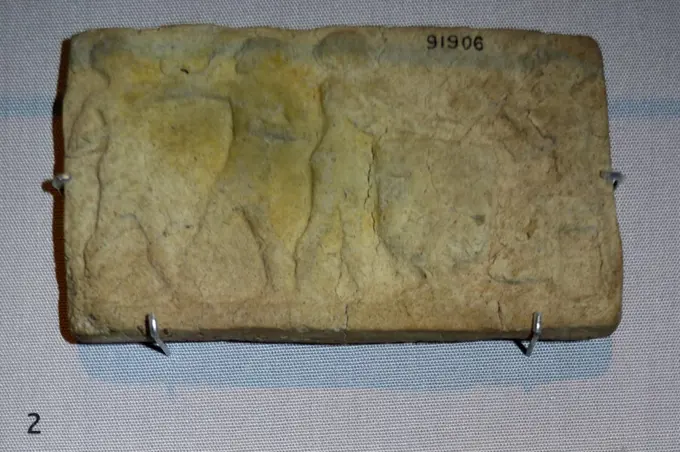
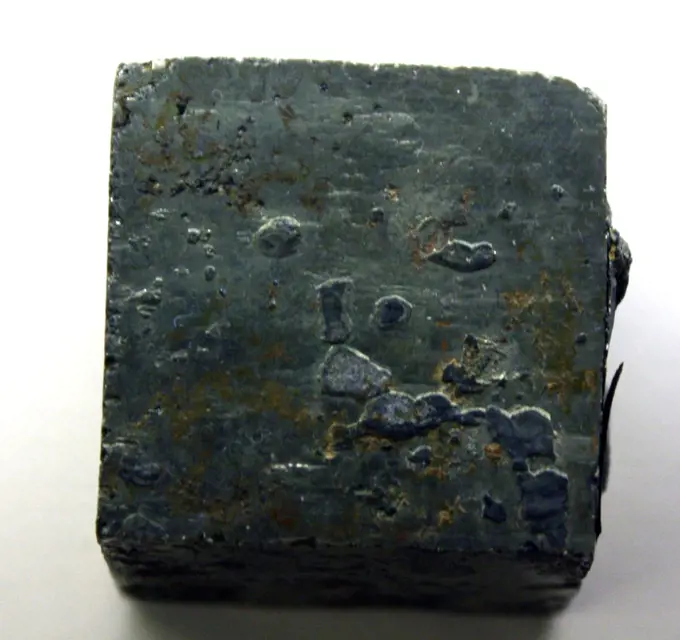
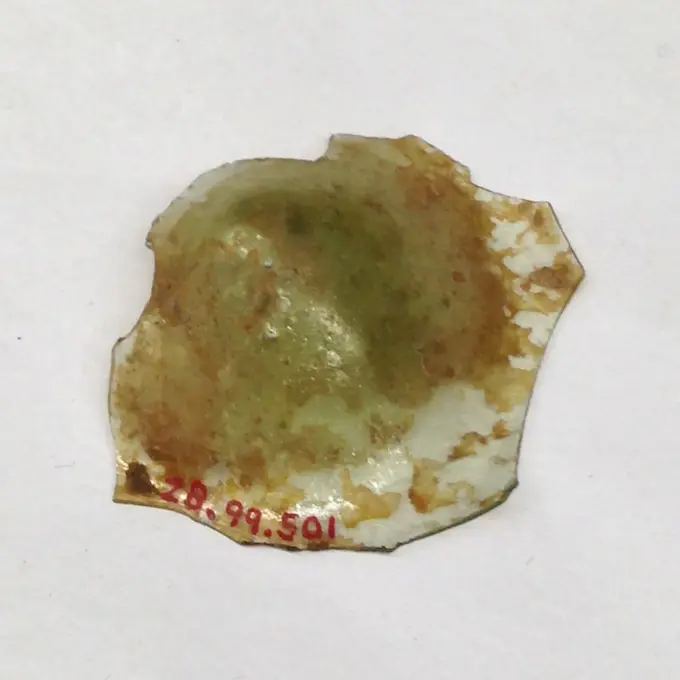
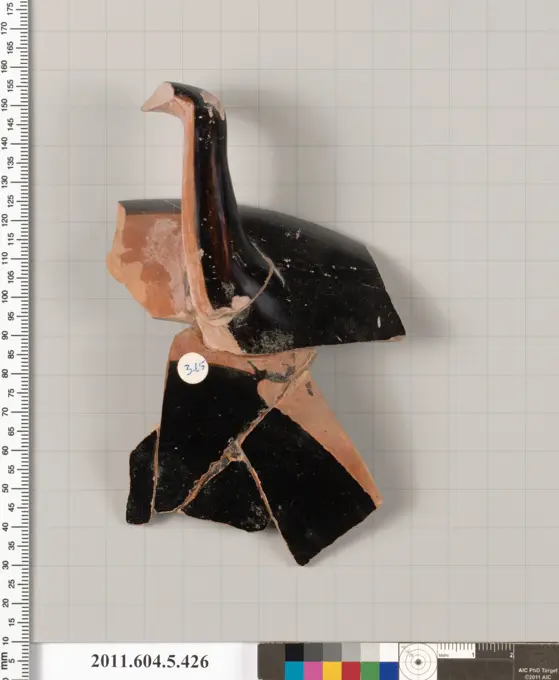
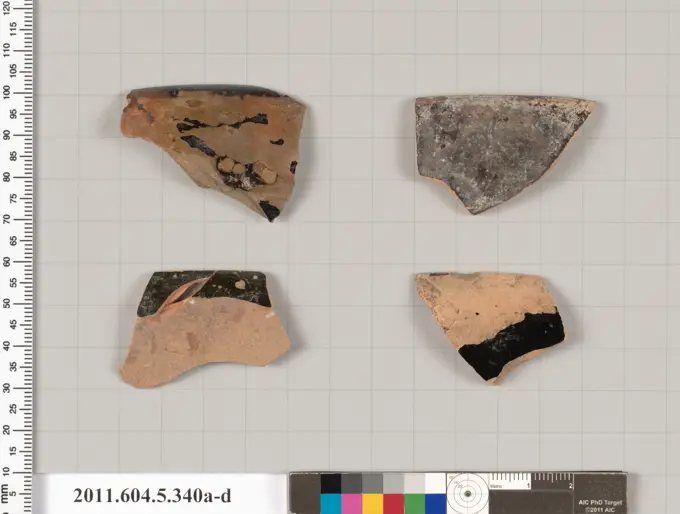
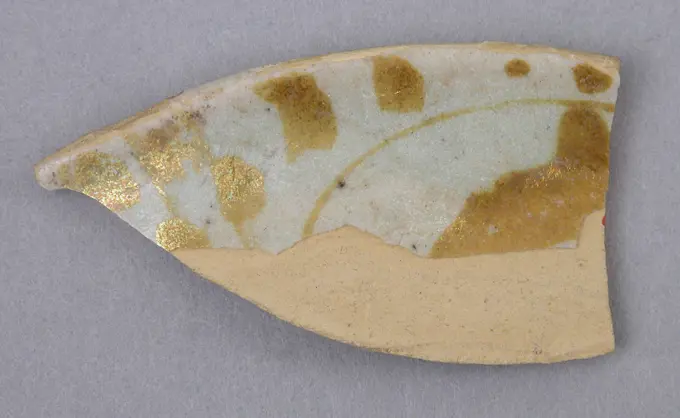
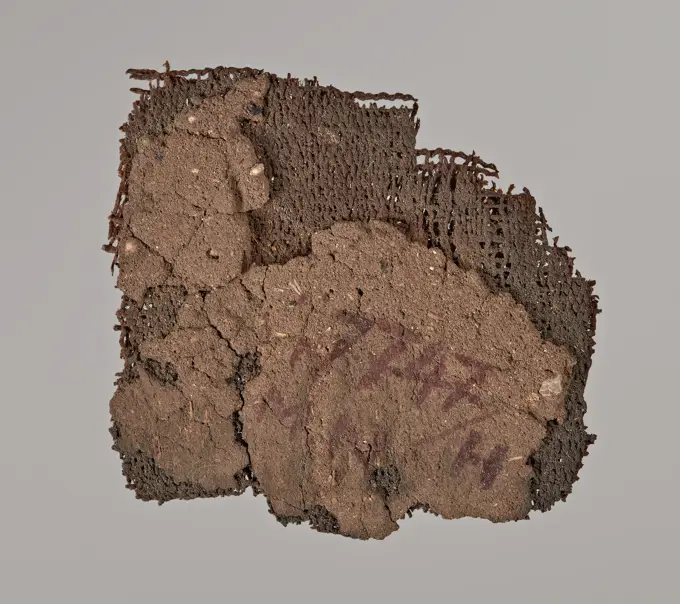
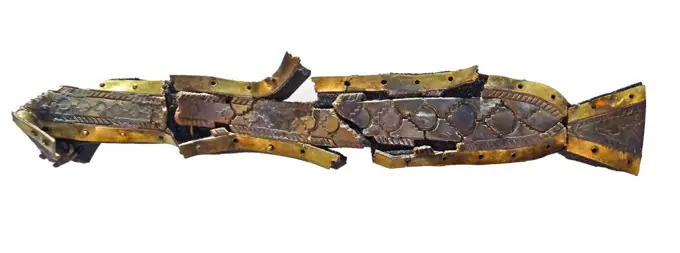
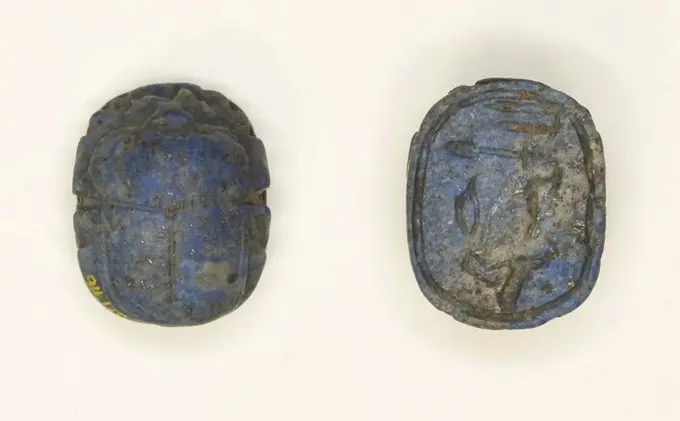
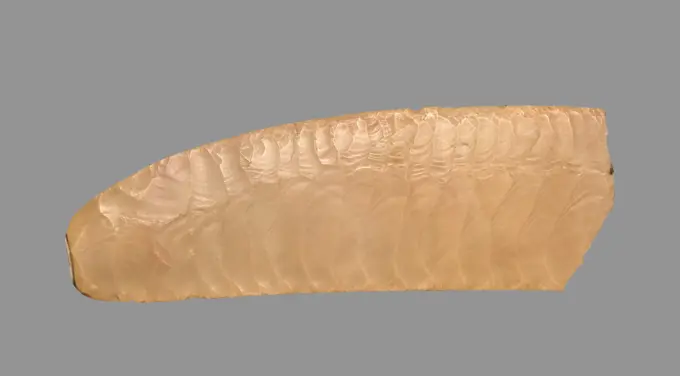
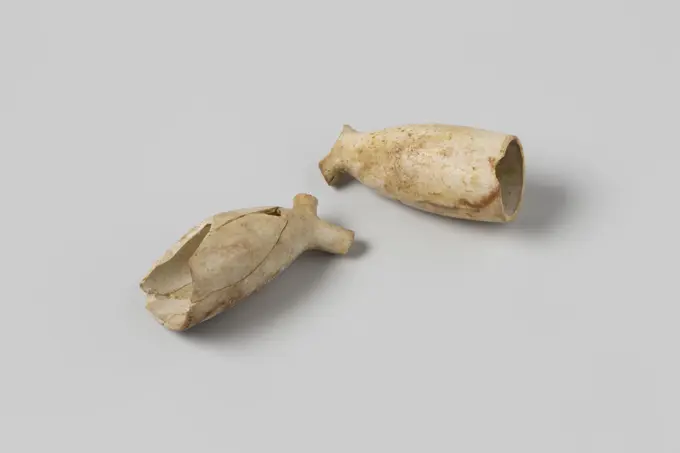
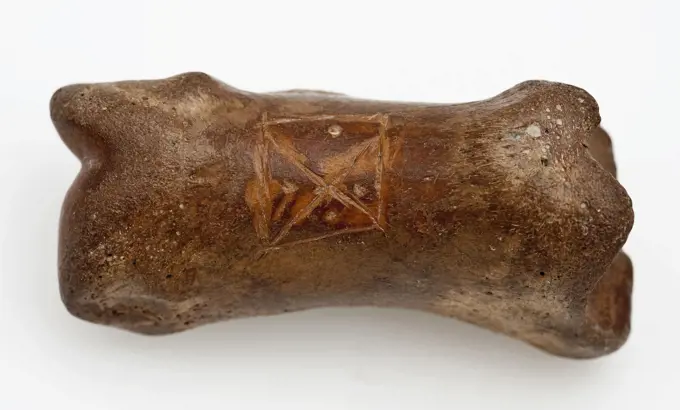
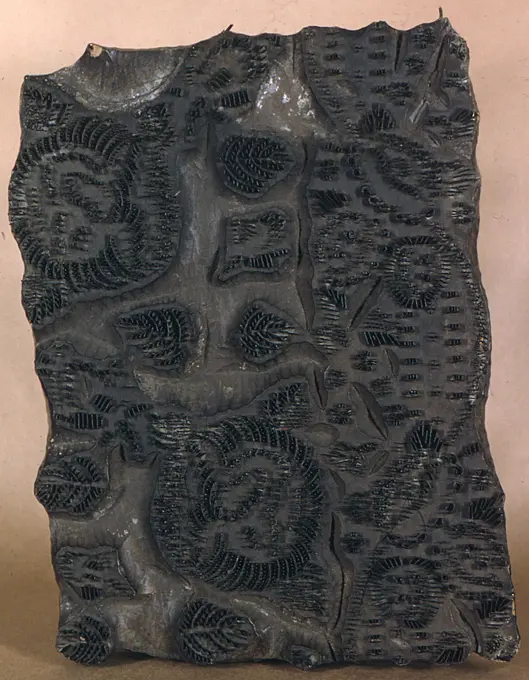
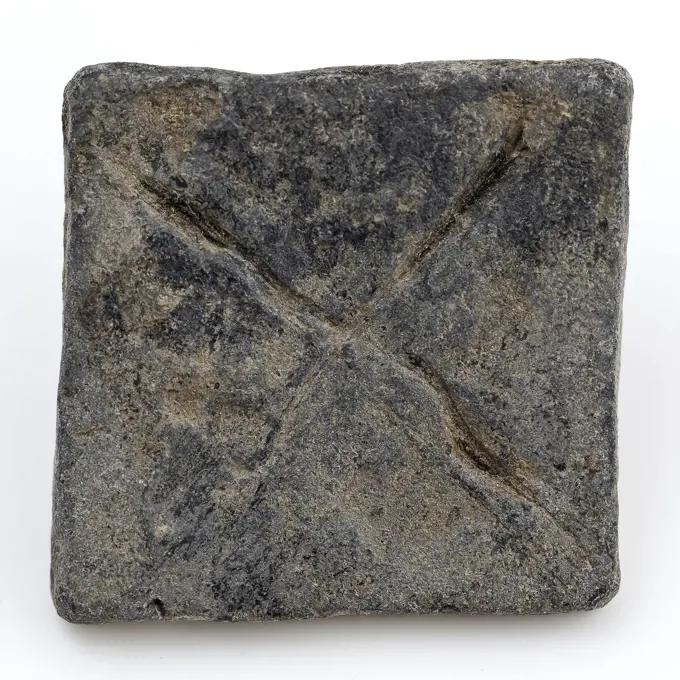
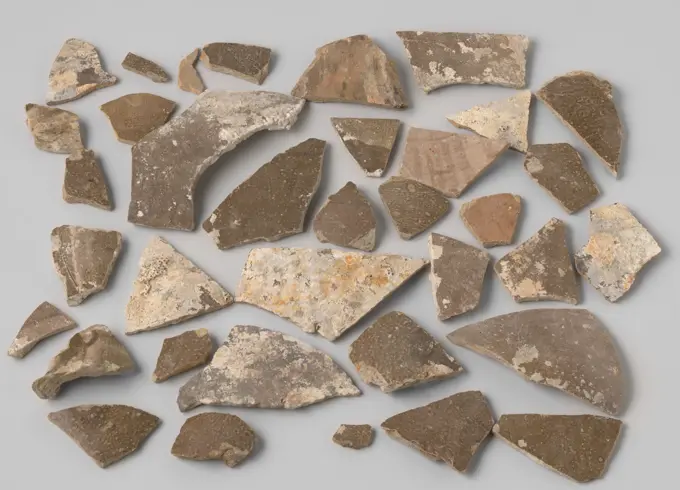
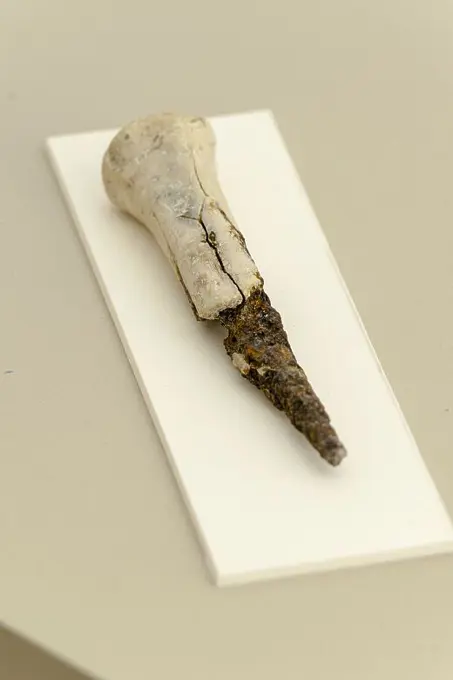
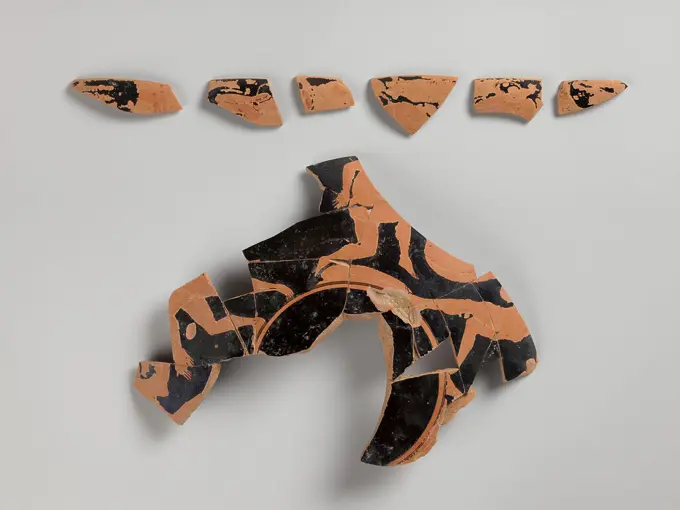
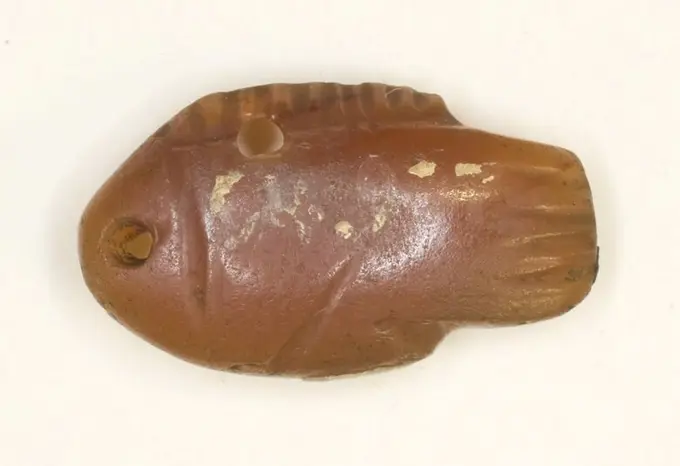
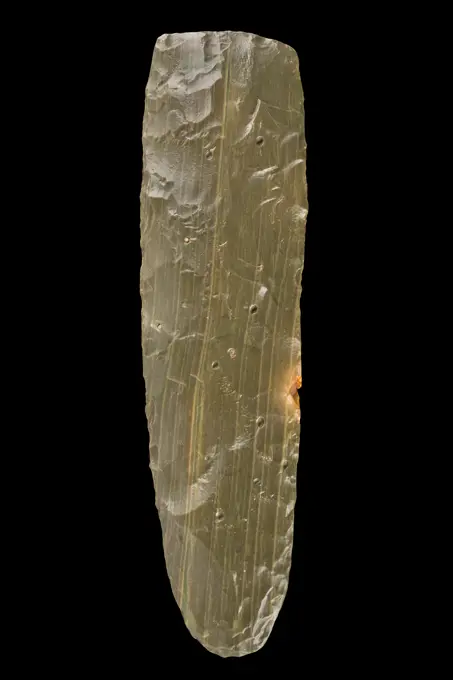
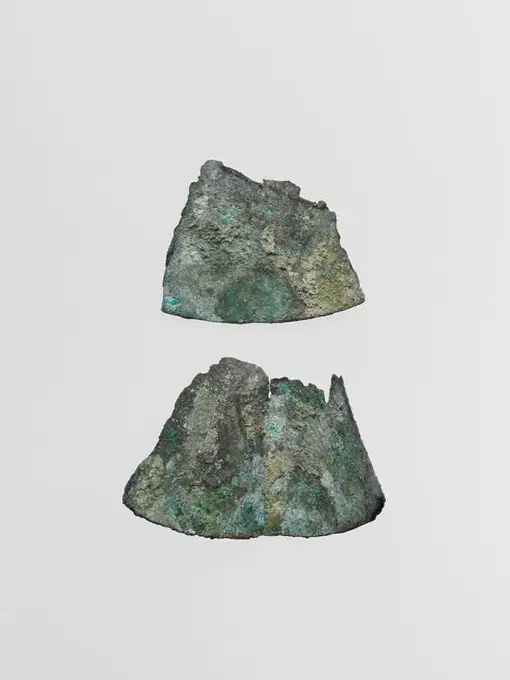
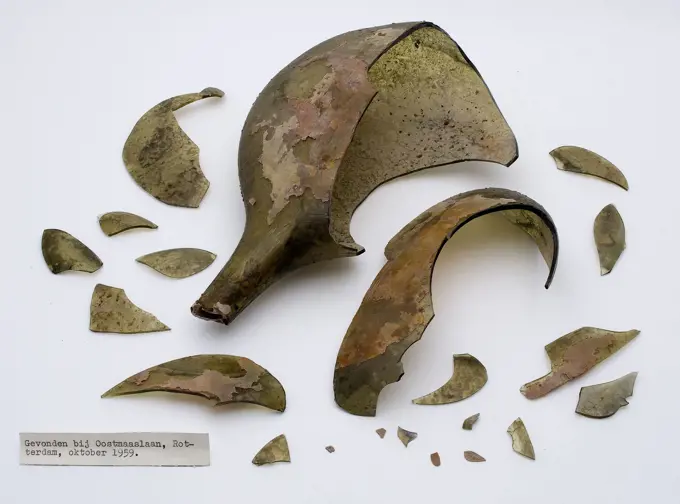
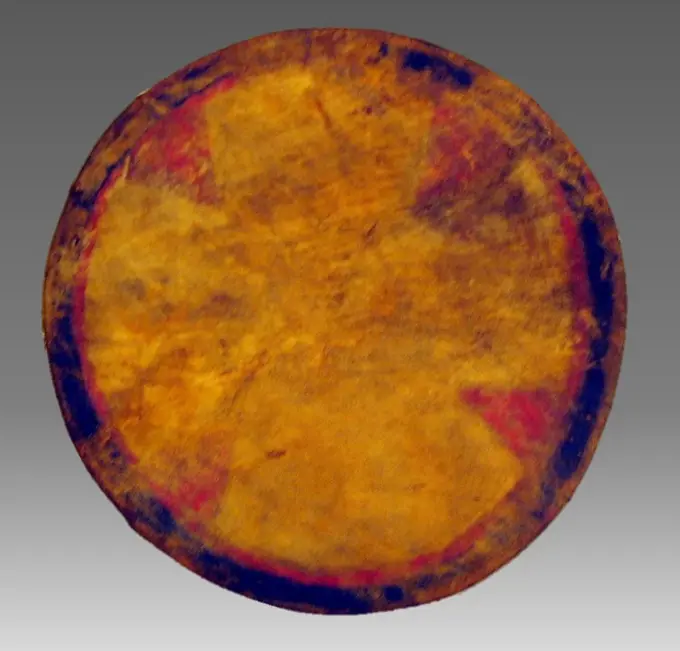
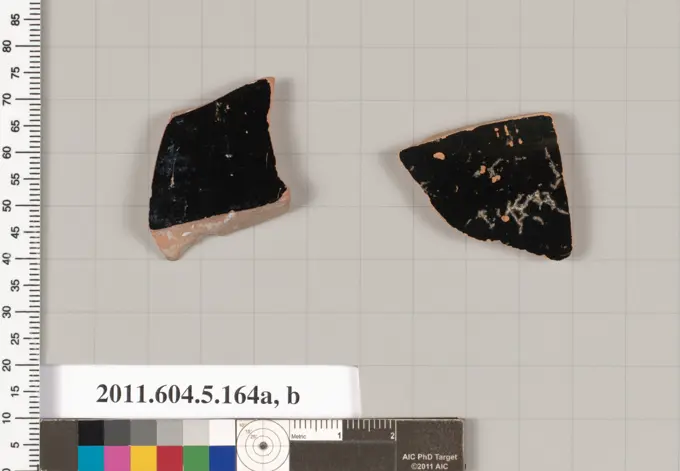
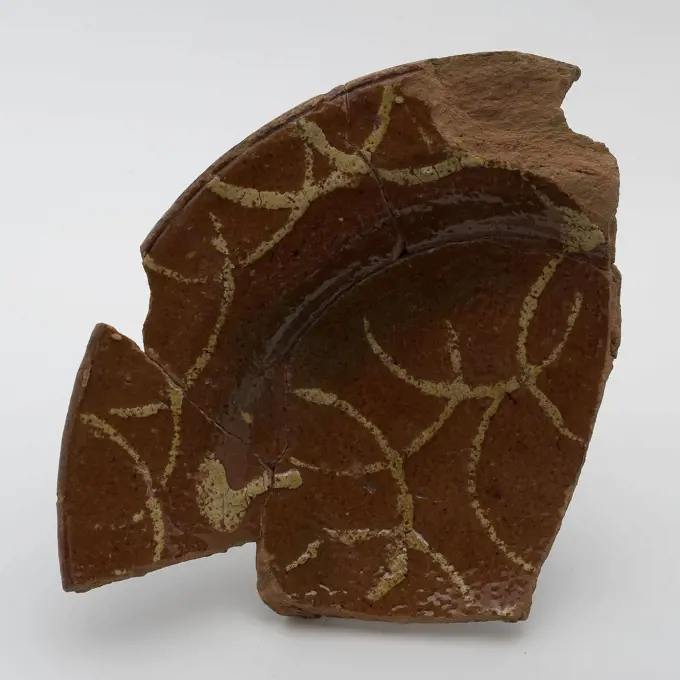
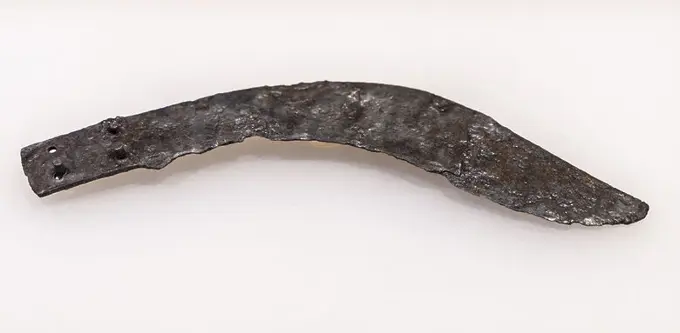
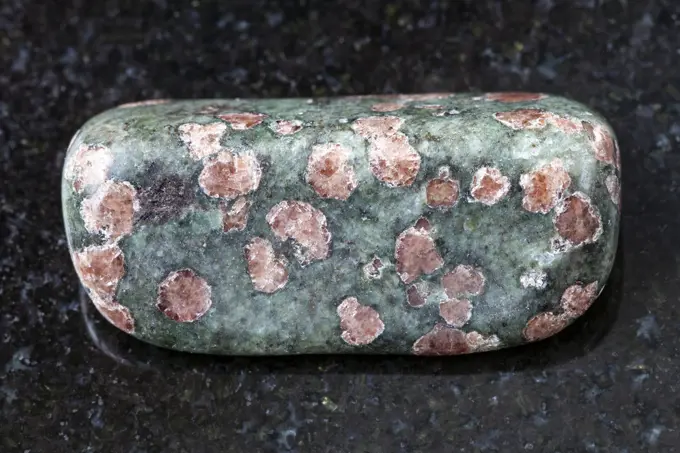
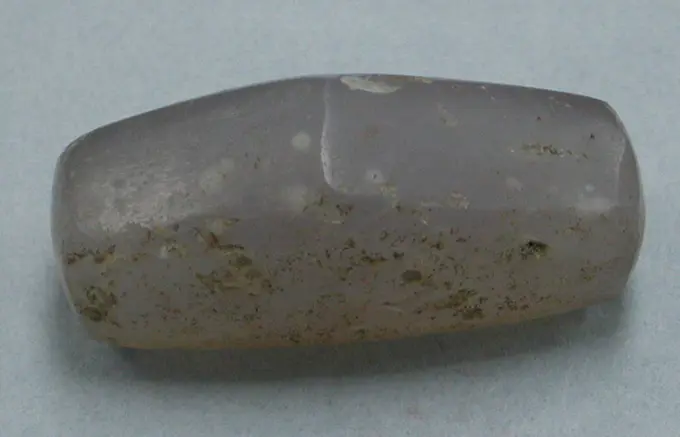
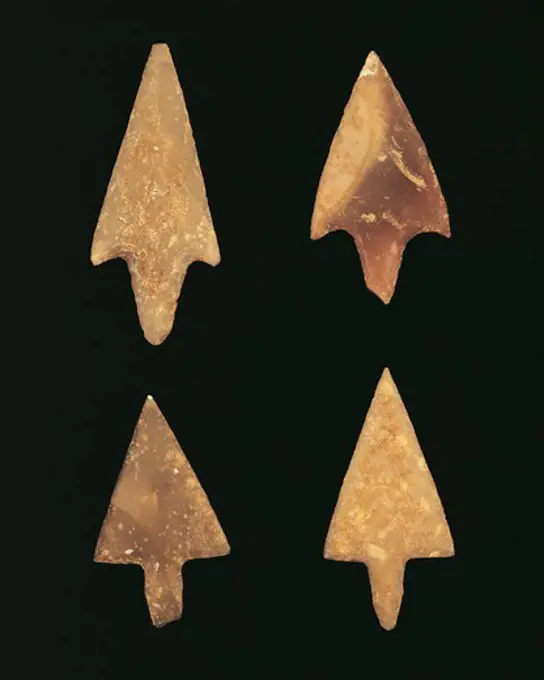
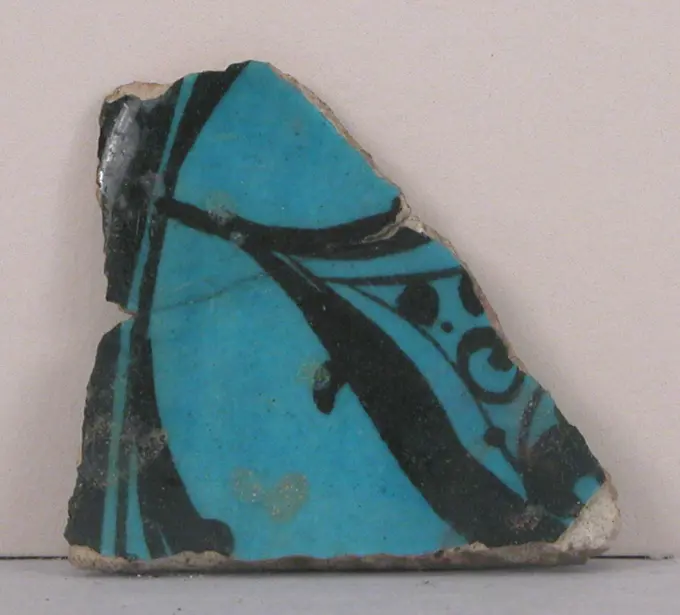
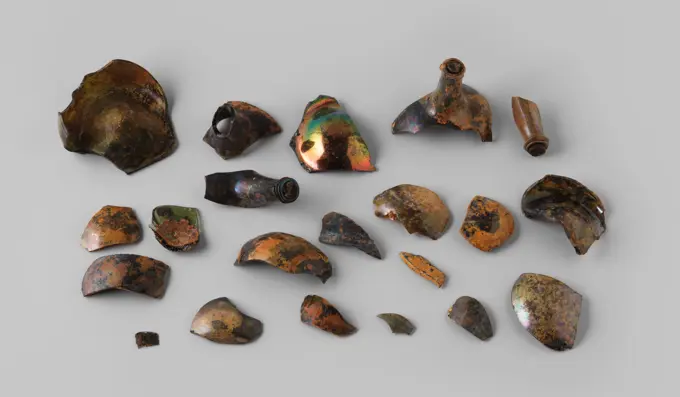
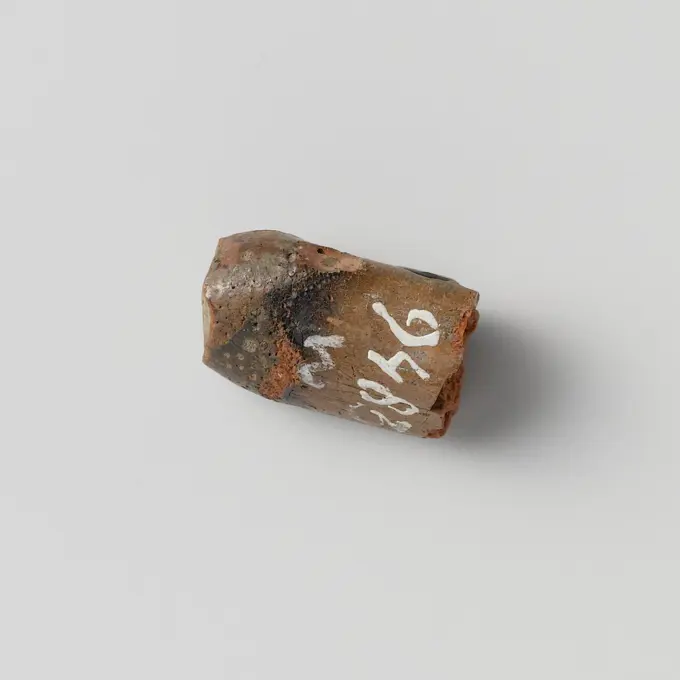
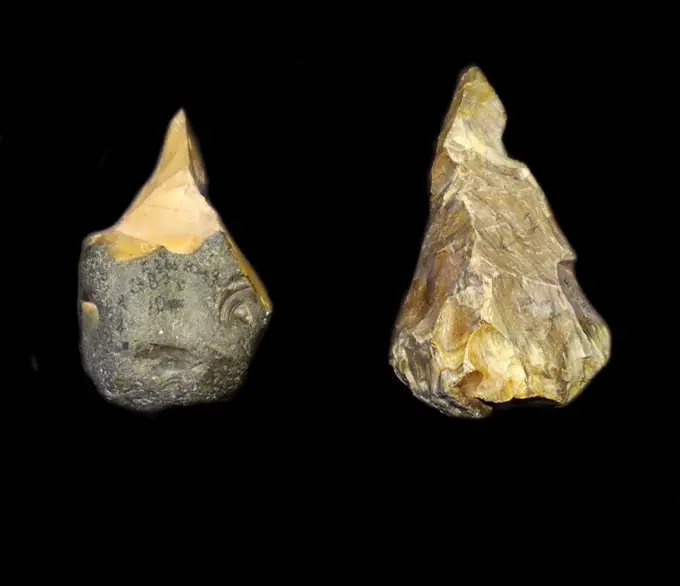
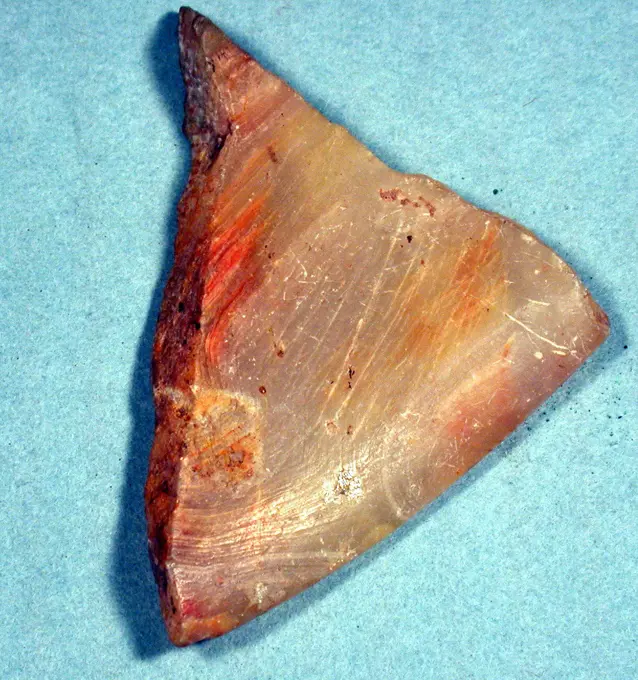
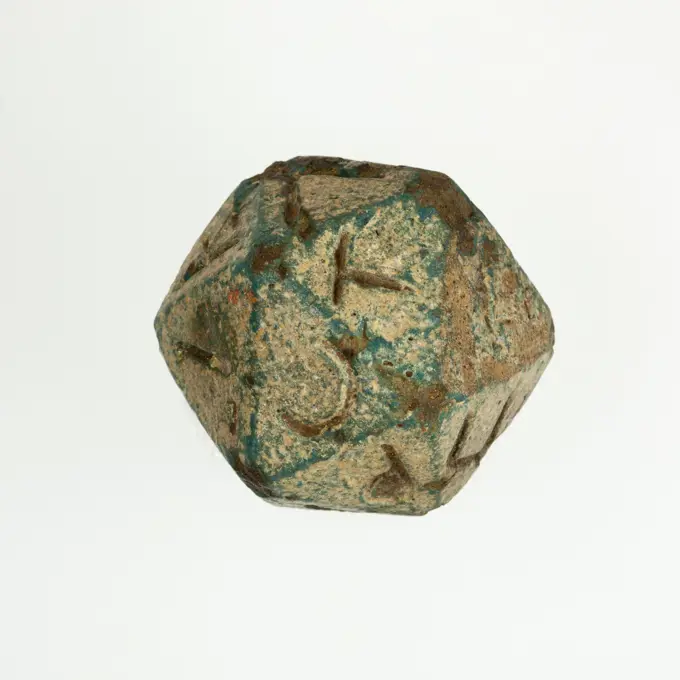
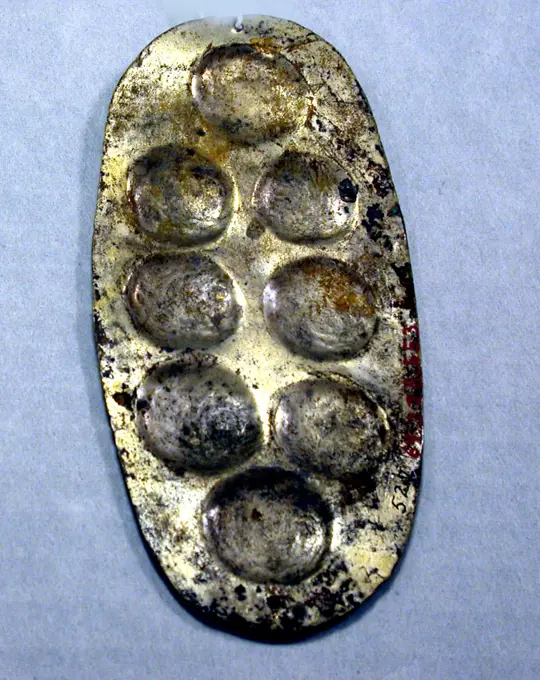
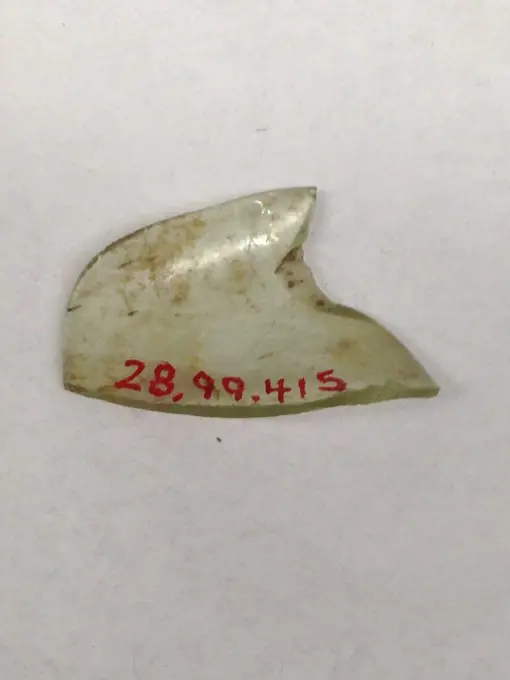
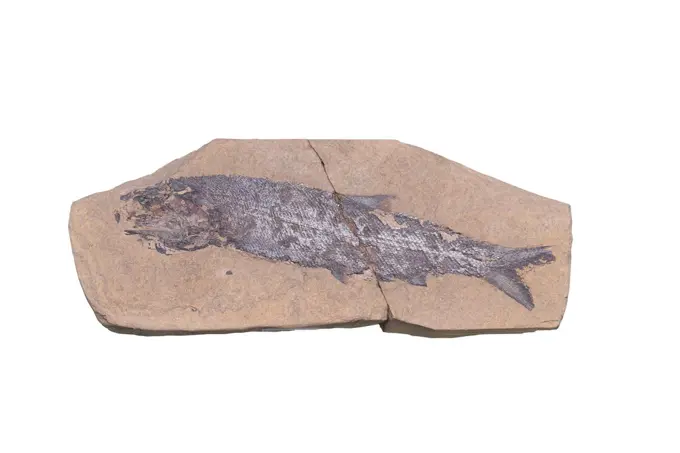
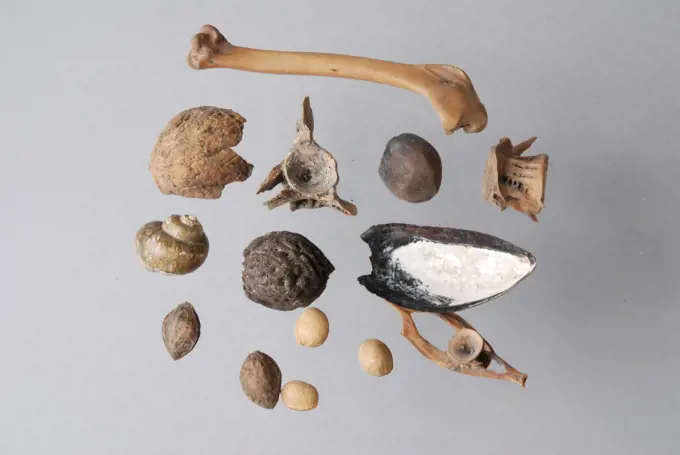
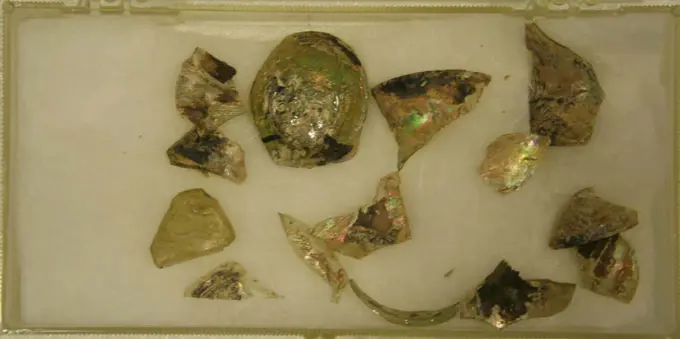
Amulet of the Goddess Taweret (Thoeris). Egyptian. Date: 1069 BC-332 BC. Dimensions: 2.5 x 0.3 x 1 cm (1 x 1/8 x 3/8 in.). Faience. Origin: Egypt. Museum: The Chicago Art Institute, Chicago, USA. Author: Ancient Egyptian.Limestone Wall Plaque of Two Men Boxing 1600 B.C. From UrA square block of Pyrite, also known as Iron sulphide. The exposed surface often bears a metallic lustre which has led to it's nickname of 'fools gold'. The block of Pyrite in this image has a darker, oxidised surface. It is the most common of all sulphide minerals.Land mit verschiedenen Hintergruenden - Land with various backgrounds Land mit verschiedenen Hintergruenden - Land with various backgrounds Copyright: xZoonar.com/lantapixx 9542481Fragment 14th-15th century. Fragment 455241Shards of wine bottles from the wreck of the East Indians Hollandia, 1700 - in or before 1743  Typologically not identifiable, belly, fragment. Netherlands .Scraper. Culture: Valdivia. Dimensions: L. 3 1/8 in. (7.9 cm). Date: 3rd millennium B.C.. Museum: Metropolitan Museum of Art, New York, USA.Willemite. minerals. North America; USA; New Jersey; Sussex County; Ogdensburg; Sterling Hill MineFragment ca. 1150-ca. 1250 European or Middle Eastern. Fragment 696589Fragment 9th century. Fragment 451140Terracotta rim fragment of a kylix (drinking cup) 6th/5th centuries B.C. Greek, Attic Black glazed rim fragment from a kylix, with part of the handle patch and right half of the handle. Terracotta rim fragment of a kylix (drinking cup). Greek, Attic. 6th/5th centuries B.C.. Terracotta; black glaze. Archaic/Classical. VasesEngraved Gem. UnknownTerracotta rim fragments of kylikes (drinking cups) 6th/5th centuries B.C. Greek, Attic Four black glazed rim fragments from kylikes, with abraded surfaces. Terracotta rim fragments of kylikes (drinking cups). Greek, Attic. 6th/5th centuries B.C.. Terracotta; black glaze. Archaic/Classical. VasesShellac Specimen for Jade Carving 20th century China. Shellac Specimen for Jade Carving 62091Foliate and lacy point in cut stone. Neolithic period. North Africa. 5 cm.Fragment of a Bowl. Byzantine; Greece, Thessaloniki. Date: 1201-1400. Dimensions: 2.2 × 5.4 × 5.1 cm (7/8 × 2 1/8 × 2 cm). Ceramic. Origin: Istanbul. Museum: The Chicago Art Institute, Chicago, USA.Fragment of a Luster-Painted Bowl 9th-10th century This ceramic fragment was excavated in Ctesiphon, the Sasanian metropolis and administrative capital conquered by Arab Muslim armies in 637. The city was known in Arabic as al-Madain, or "the cities", for its extended area. Arab historians indulge in describing al-Madain/Ctesiphons grand monuments, which obsessed Muslim rulers and may have acquired a symbolic meaning related to its imperial past. This was the case of the Taq-i Kisra, an impressively-sized ivan (a vaulted hall with one side open) partially dismantled to reuse its bricks in caliphal buildings in the new capital Baghdad. Finds like this fragment attest to the continued occupation of Ctesiphons urban area in the early Islamic period. Luster, here in greenish-gold and brown, was an innovative technology developed by Iraqi-based craftsmen in the 9th century, possibly adapting a technique employed on glass. The opacified white glaze, also an innovation developed in this pFlint hunting tools used toward the end of the Stone Age. Dated 18,000 years agoJug ca. 3rd-7th century A.D. Sasanian. Jug 323228Fragment kartonażu. unknown, authorFragment 9th-10th century. Fragment 451499Fragment of a Bowl or Cup 13th-16th century. Fragment of a Bowl or Cup 452425Brazil nutsFragments of a silver mount with gilt boarders and niello inlay, from the Staffordshire Hoard. Dated 6th CenturyOval insertion unknownTINTERO VIDRIADO EN VERDE - SIGLO XIII - 05x07 CM. Location: MUSEO. NAJERA. Rioja. SPAIN.Scarab with Hieroglyphs. Egyptian. Date: 1069 BC-525 BC. Dimensions: 1.3 × 1.1 × 1 cm (1/2 × 7/16 × 3/8 in.). Lapis Lazuli. Origin: Egypt. Museum: The Chicago Art Institute, Chicago, USA. Author: Ancient Egyptian.raw Paragonite stone on white macro shooting of natural mineral rock specimen - raw Paragonite stone on white marble background from Borisovskie Hills Sopki mine, Ural Mountains, Russia Copyright: xZoonar.com/ValeryxVoennyyx 11947692Fragment of a Zoomorphic Figure ca. 1500 B.C.- A.D. 1600 Southern Highlands. Fragment of a Zoomorphic Figure 314779Fragment 9th-10th century. Fragment 451501Ceramic fragment. Dimensions: 7 D base x 13 D rim cm. Date: 8th-12th century. Museum: Metropolitan Museum of Art, New York, USA.Madrid, M.A.N. Arte prehistórico. Izquierda: hoja de Laurel Solutrense de las terrazas del Manzanares. Paleolítico Superior, cuando se revoluciona el procedimiento de la talla con el retoque plano. Figura de la derecha: Arpon Magdaleniense con una sola hilera de dientes del Castillo (Santander), de nuevo usando el toque abrupto.Beginning of the attack on Lachish. Bone arrowheads produced during the siege, when iron became scarce. Assyrian, about 700-692 BCFragment 9th-10th century. Fragment 451591Two Loops for a Rein. Culture: possibly French, possibly German. Dimensions: H. of each 7/8 in. (2.2 cm); W. of each 1 1/2 in. (3.8 cm); Wt. of each 0.6 oz. (17 g). Date: dated 1270. Museum: Metropolitan Museum of Art, New York, USA.Ripple-Flaked Knife, 4000-3000 BC. Egypt, El-Haraga, cemetery G, tomb 413, excavated in 1914, Predynastic Period, Naqada IIc-IIId1 period 4000-3000 BC. Flint; overall: 5 cm (1 15/16 in.).Blowers from the wreck of the East Indians Hollandia, Anonymous, 1700 - in Or Before 1743  Two pipe heads with the weapon of Gelderland. Netherlands pipe clay   SecondKoot out of leg of bovine, used for throwing game: koten, koot game piece relaxant bottomfound leg, h 3.0 Edited cow bones used for kootspel Marked, incised square in which diagonal cross dot in the fields archeology Rotterdam City center Stadsdriehoek Mariniersweg Kipstraat Hoogstraat play koten kootspel fikkelen Soil discovery corner Mariniersweg Kipstraat Hoogstraat.Printing Block; wood, metalSquare playing disc or playing stone, marked with large cross, disc game ground find lead metal, cast punched cut Square disk Marked on one side with large diagonal incised cross. Speelsteen or speelschijf archeology Rotterdam rail tunnel game play gambling Soil discovery: rail tunnel Rotterdam.Stone Earflare before 16th century Mexican. Stone Earflare 317328Shards of Martavanen from V.O.C. ship De 'Witte Leeuw', Before 1613  Shards of Martavanen from V.O.C. ship De 'Witte Leeuw'. southeast Asia porcelain. stoneware   Sint-Helenapunzones de hierro y hueso, Museo arqueologico Son Fornes, sala de época postalayótica, Montuiri, Comarca de Es Pla, Mallorca, Spain.Glass Fragment 13th century French. Glass Fragment. French. 13th century. Pot metal glass. Made in Chartres, France. Glass-StainedKylix Fragments. Culture: Greek, Attic. Dimensions: container - fragmentary: 9 3/4 × 7 3/8 in. (24.8 × 18.7 cm). Date: ca. 480 B.C.. Museum: Metropolitan Museum of Art, New York, USA.Wall revetment, marble pattern. Dimensions: H. 4 × W. 4.5 cm (1 9/16 × 1 3/4 in.). Date: 200 BC-100 AD.Glass plaques imitating expensive marble or stones were used as wall coverings. Museum: Metropolitan Museum of Art, New York, USA.Fragment, 1400-1532 AD. Peru, Inka, 1400-1532 AD. Pottery; overall: 0.7 x 10.2 x 9 cm (1/4 x 4 x 3 9/16 in.).Stamp Seal. Northern Syria or southeast Anatolia, circa 3500 - 3000 B.C.. Tools and Equipment; seals. White-mottled dark brown serpentineAmulet of a Fish. Egyptian. Date: 1700 BC. Dimensions: 1.6 × 1 × 0.6 cm (5/8 × 3/8 × 1/4 in.). Carnelian. Origin: Egypt. Museum: The Chicago Art Institute, Chicago, USA. Author: Ancient Egyptian.Green jasper adze. Neolithic period. Mali. 16,2cm.Sickle Blade, 1980-1801 BC. Egypt, Middle Kingdom, Dynasty 12. Flint; overall: 5 cm (1 15/16 in.).Bell. Culture: Peruvian. Dimensions: Overall: 5.2cm (2 1/16in.). Date: 200-1500. Museum: Metropolitan Museum of Art, New York, USA.Fragments of mineral water bottle, spa water bottle, bottle holder bottomfound glass, free blown and formed 22 fragments of bottom body and neck of flat oval spa water bottle in clear light green glass Slightly flattened bottom flattened body to rejuvenated neck (5.0 - 2.0 cm) broken down archeology Rotterdam Kralingen-Crooswijk Struisenburg Oostmaaslaan packing archaeological find in the soil Oostmaaslaan Rotterdam October 1959.Terracotta fragments of kylikes (drinking cups) second quarter of 5th century B.C. Greek, Attic Nine black glazed fragments from kylikes. Terracotta fragments of kylikes (drinking cups). Greek, Attic. second quarter of 5th century B.C.. Terracotta; black glaze. Classical. VasesFrame Drum late 19th century Native American (Tinne Athapascan). Frame Drum 501243Indian arrowhead from Georgia and North & South Carolina , Archaeological assemblages, Charles F. Walcott Archaleogical CollectionTerracotta fragments of kylikes (drinking cups) 6th/5th centuries B.C. Greek, Attic Two black glazed fragments from kylikes. Terracotta fragments of kylikes (drinking cups). Greek, Attic. 6th/5th centuries B.C.. Terracotta; black glaze. Archaic /Classical. VasesFragment ca. 1150-ca. 1250 European or Middle Eastern. Fragment 695319Fragment ca. 1150-ca. 1250 European or Middle Eastern. Fragment 694205Fragment of pottery plate on stand fins, decorated with yellow arches in sludge technology, plate dish crockery holder fragment earthenware pottery earthenware glaze lead glaze clay, hand turned decorated glazed fired ring piece Fragment earthenware plate on stand fins. Red shard on the top glazed Strongly smashed on the underside Deep plate with slanting flag Decorated with yellow arches irregularly applied on the edge and in the mirror Sludge technique very probably carried out by stamping and not the ringing ears archeology Geervliet Bernisse indigenous pottery cooking kitchen food preparation nutrition food serve serve Soil discovery: Geervliet pit 1 underlay for Trouw.Fragment ca. 1150-ca. 1250 European or Middle Eastern. Fragment 695353Fragment 8th-9th century. Fragment 4488394th century iron knife, La Carada necropolis, Espeluy, Iberian culture, Iberian Museum of Jaén, Andalusia, Spain.macro shooting of natural mineral rock specimen - polished Eclogite gemstone on dark granite background from Salma region, Kola peninsula, RussiaPoint in chipped stone. Neolithic period. North Africa. 6,1 cm.Polishing Stone (pulidor) before 16th century Mexican. Polishing Stone (pulidor) 317059Plumes from Silvered Crown 12th-15th century Chimú. Plumes from Silvered Crown 319538PUÑAL DE COBRE DE FUENTE PALMERA. Location: MUSEO ARQUEOLOGICO-COLECCION. CORDOBA. SPAIN.Arrow points from the Necropolis of the Madonna delle GrazieESCUDO DE LA COMUNIDAD DE MADRID - SIGLO XX - 25x55. Author: JOSE NOJA (1938-). Location: COMUNIDAD DE MADRID-COLECCION DE ARTE. MADRID. SPAIN.Fragment of a Bowl 13th century. Fragment of a Bowl 445606Shards of wine bottles from the wreck of the East Indians' t Vliegend Hart ,, 1700 - 1735  Shards of onion -shaped wine bottles of green glass that has been in red (port) wine. Calls with cork. Netherlands cork (bark)Plaque. Egypt, Amarna, New Kingdom (circa 1569 - 1081 BCE). Sculpture. FaienceUninscribed Quartz Scarab. Egypt, probably Middle Kingdom, 12th Dynasty (1991 - 1786 BCE) or later. Sculpture. QuartzNeolithic period. North Africa. 15,2 cm.Lacquer, stick, anonymous, c. 1590 - c. 1596 sealing wax Rod lacquer, for stamps or letter lacquer.  lacquer (coating)   Nova Zembla. Saving HuysMap of Switzerland on rusty metal - Map of Switzerland on Rusty Metal Map of Switzerland on rusty metal - Map of Switzerland on Rusty MetalFragment of a Bowl 9th centuryCarpenter's Chisel. Dimensions: L. 16.2 cm (6 3/8 in). Dynasty: Dynasty 18. Reign: reign of Amenhotep III. Date: ca. 1390-1353 B.C.. Museum: Metropolitan Museum of Art, New York, USA.Shards of jugs from the wreck of the East India Hollandia.Stoneware, Rhenish, Frechen-Ware, Jug; Fragm or base, with flare body, fragm or bodies.Eight Groups of Papyrus Fragments Inscribed in Demotic and Greek Eight Groups of Papyrus Fragments Inscribed in Demotic and Greek, 664 B.C.E.-395 C.E. Papyrus, ink, 47.218.17a-3: Largest fragment: 2 9/16 × 1 9/16 in. (6.5 × 4 cm).   Egyptian, Classical, Ancient Near Eastern Art 664 B.C.E.-395 C.E.Stone tools including chopping tools, hand-axes, picks and spheroids, from the Acheulean industry. Acheulean refers to an archaeological industry of stone tool manufacture characterized by distinctive oval and pear-shaped 'hand-axes' associated with early humans.Glass Fragments withDesignsStone vessel fragment 5th-3rd millennium B.C. Iran This fragment of an alabaster vessel was excavated in 1937 at a prehistoric site in the vicinity of Nishapur in northeastern Iran. While Nishapur itself was founded by the Sasanian king Shapur I (reigned ca. A.D. 241-272), this object shows that human habitation there goes back to the prehistoric period. Furthermore, the prehistoric pottery from Nishapur has close affinities with ceramic materials from Central Asia rather than with contemporary sites in Iran, meaning that in this period its inhabitants were likely culturally linked to their neighbors to the east. At the same time, Nishapurs location on what later became known as the Great Khorasan Road suggests that it was part of the trade network that facilitated the import of precious stones such as lapis lazuli, carnelian and turquoise from Central Asia to Mesopotamia. This fragment suggests that alabaster may have been traded as well, and that Nishapur may have been one of the siTerracotta fragment of a column-krater (bowl for mixing wine and water) second half of the 5th century B.C. Greek, Attic Part of the handle from a column-krater. Terracotta fragment of a column-krater (bowl for mixing wine and water). Greek, Attic. second half of the 5th century B.C.. Terracotta; red-figure. Classical. VasesCigar Case, 1800s. Russia, 19th century. Silver; overall: 3.9 x 7.5 x 14 cm (1 9/16 x 2 15/16 x 5 1/2 in.).Sherds ca. 3rd-7th century A.D. Sasanian. Sherds 323235Twenty-sided die (icosahedron) with faces inscribed with Greek letters 2nd century B.C.-4th century A.D. Ptolemaic Period-Roman Period A number of polyhedral dice made in various materials have survived from the Hellenistic and Roman periods, usually from ancient Egypt when known. Several are in the Egyptian or Greek and Roman collections at the Museum. The icosahedron - 20-sided polyhedron - is frequent. Most often each face of the die is inscribed with a number in Greek and/or Latin up to the number of faces on the polyhedron. Nothing specific about the use of these polyhedra is preserved, so theories are built on clues provided by some variant examples. One unusual example uses Greek words, a few of which resemble those associated with throws of the astragals (knucklebones), and this has led to suggestions they were used for games. Another remarkable example discovered in Dakhleh Oasis in Egypt in the 1980s records an Egyptian gods name in Demotic (the Egyptian script of these lateMap of Libya on rusty metalGrahal-Manzara. Carnavalet 2013-2016 collection sites. Numismatics.Hammered Silver Ornament with Repoussé Disks 8th-mid-16th century Peru; north coast (). Hammered Silver Ornament with Repoussé Disks 309064Fragment ca. 1150-ca. 1250 European or Middle Eastern. Fragment 695359Topaz. minerals. Europe; Germany; Saxony, SchneckensteinMirror  or plate. Mirror  or plate 244524Indian arrowhead from Georgia and North & South Carolina , Archaeological assemblages, Charles F. Walcott Archaleogical CollectionFossil on white background with clipping markpolished Diopside gemstone on dark background macro shooting of natural mineral rock specimen - polished Diopside gemstone on dark granite background Kovdor region, Karelia, Russia Copyright: xZoonar.com/ValeryxVoennyyx 11391838Fragment 15th century. Fragment 446368Bones, fish vertebrae, shells, nuts and seeds, from the sacristy outlet of the Laurenskerk, Rotterdam, waste groundfound leg lime wood cartilage shell, Bone fish vertebrae shells snail shells nuts and kernels from drain sacristy of the Laurenskerk. Seeds of cherry plum and almond archeology Stadscentrum Stadsdriehoek Rotterdam Laurenskerk eating waste heap Soil discovery found during the restoration of the Laurenskerk in Rotterdam Found in the sacristy first and second layer of the drain.Bottle 10th-11th century This object was excavated at Nishapur.Nishapur was a vital city in the early and middle Islamic periods, located along one of the main trajectories that connected Iran and West Asia Islamic lands with Central Asia and China. These itineraries are often referred to by the term Silk routes’ but were in fact crucial to the movement of constellations of materials and objects, as well as people and ideas. The diverse population of Nishapur and its surroundings, from the better-researched elite groups of merchants, land-owning aristocracy, and literates, to the less-known artisans, farmers, miners, and servants, were instrumental in adapting global cultural trends to create their own distinctive visual languages. This is seen in the material remains of everyday life in medieval Nishapur - from pots and pans to lighting devices, inkwells, textiles and trimmings, jewelry, games and toys, talismanic devices, weapons, coins, and architectural fragments.Nishapur lost its