Ancient Artifacts and Seals

Historical artifacts including seal impressions and pottery fragments, showcasing ancient designs and materials from different cultures and time periods.

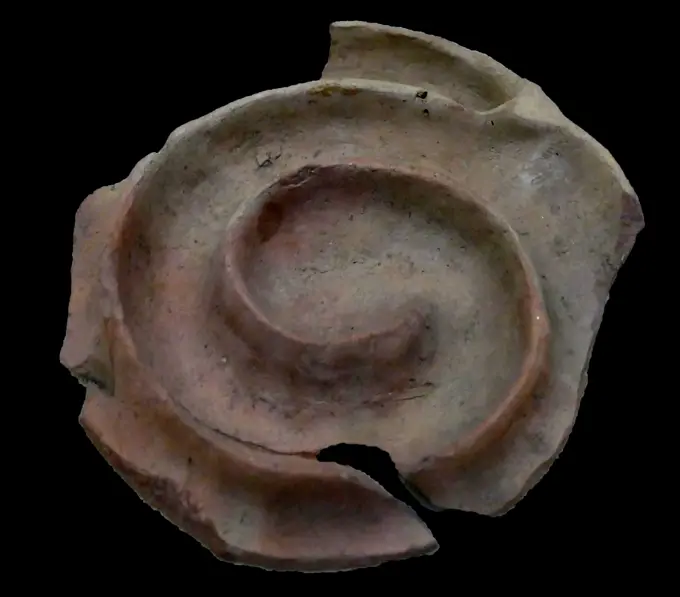
Small Bowl
Small Bowl
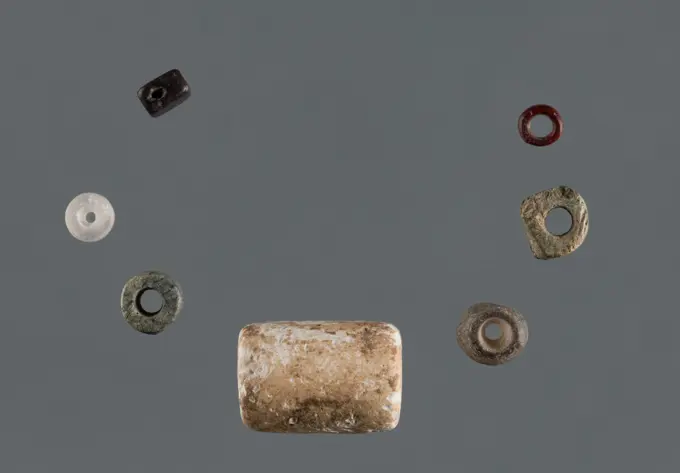
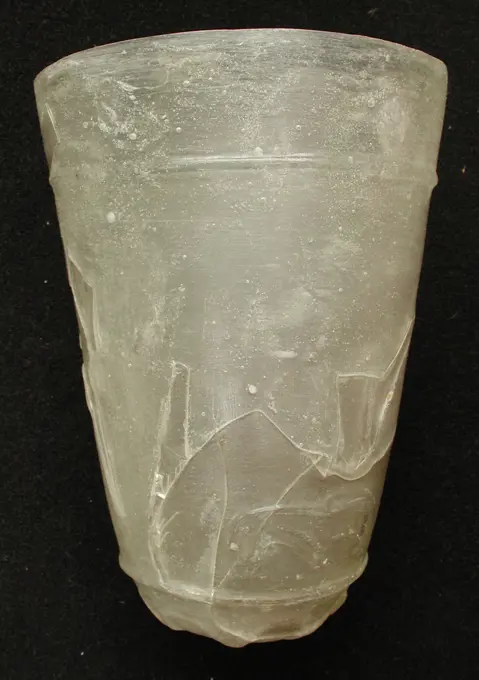
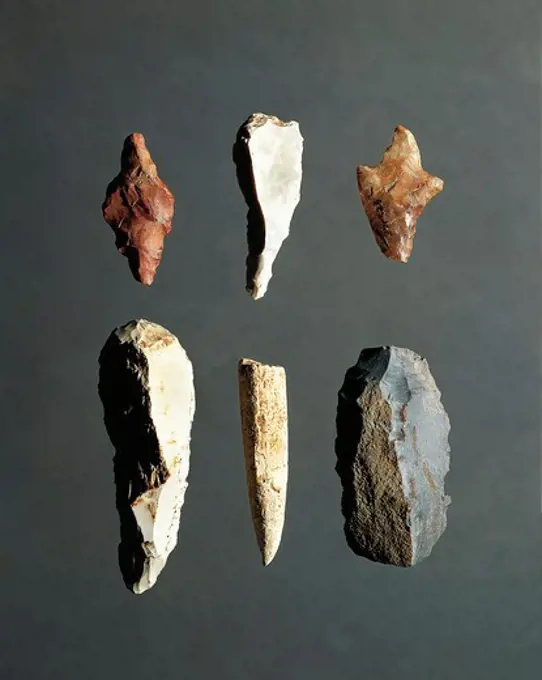
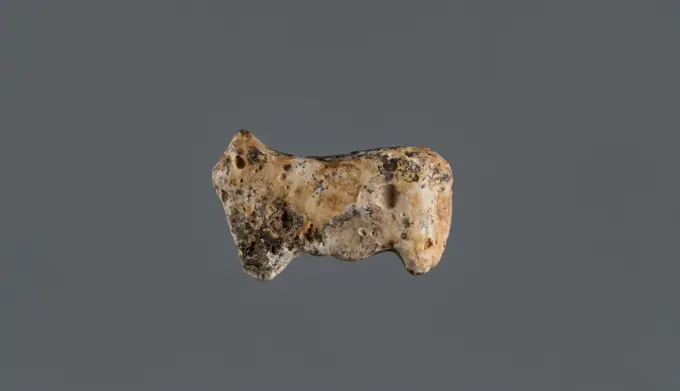
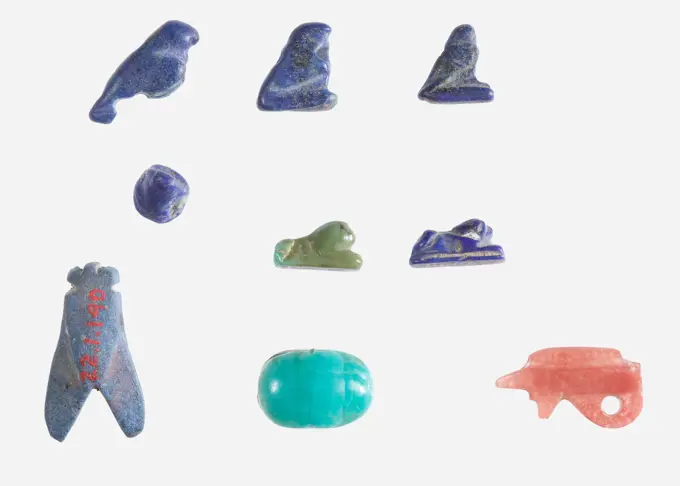
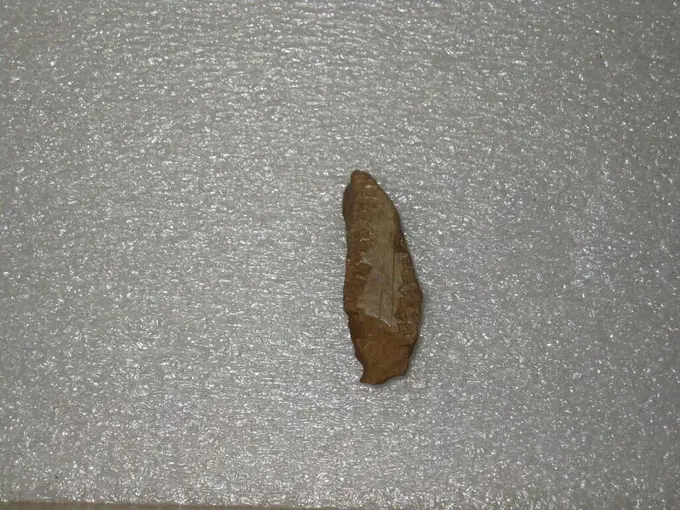
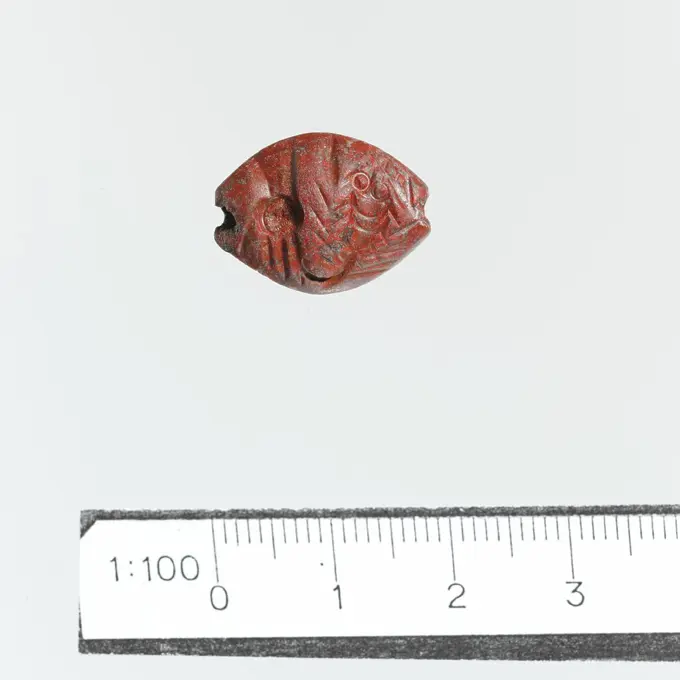
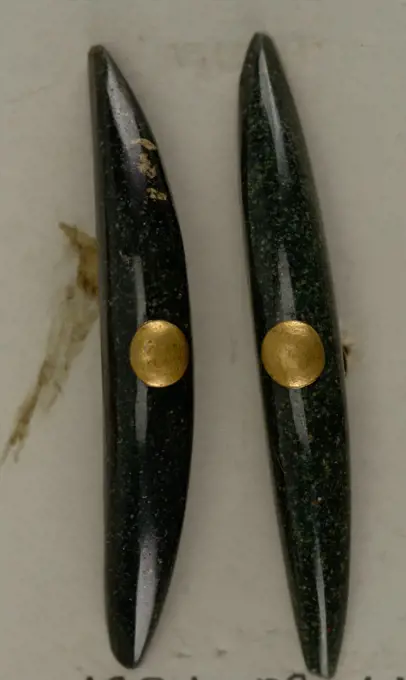
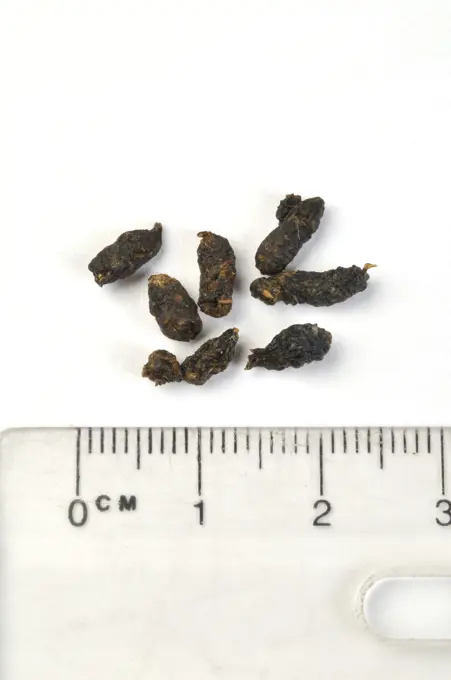
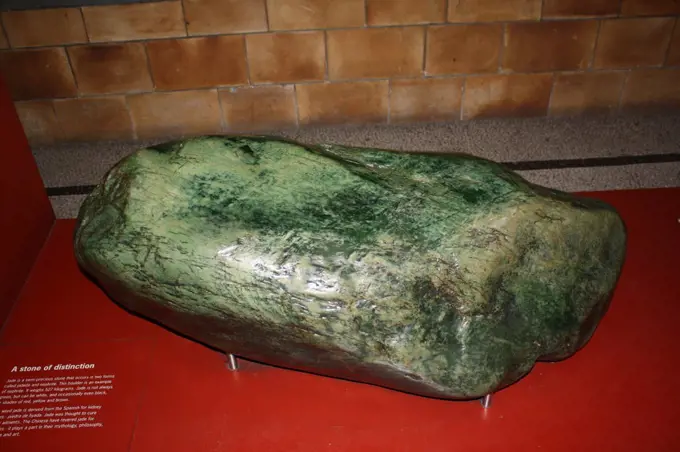
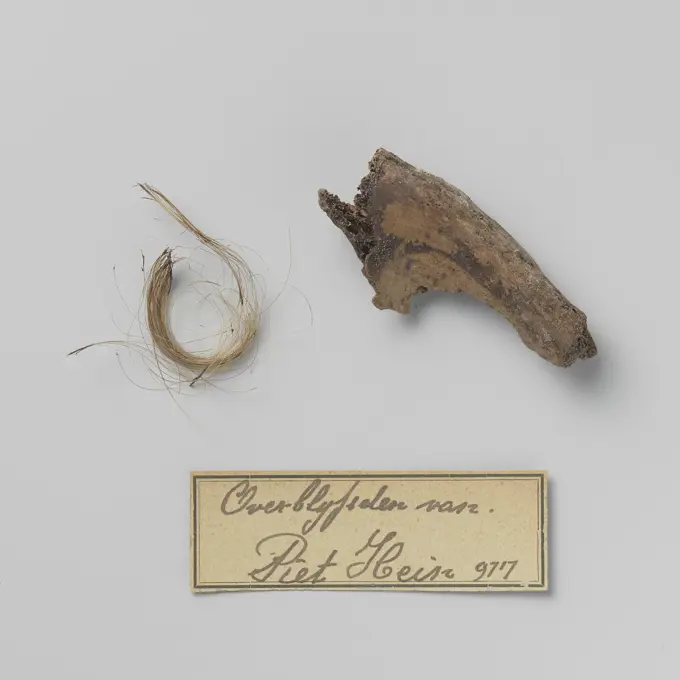
Harappa clay toy, dated 2700-2000 BC, Mohenjo-daro archeological site in the province of Sindh, Pakistan. Built around 2500 BCE, it was one of the largest settlements of the ancient Indus Valley civilizationFragment. Culture: European or Middle Eastern. Dimensions: L. 1 1/8 in. (2.9 cm). Date: ca. 1150-ca. 1250. Museum: Metropolitan Museum of Art, New York, USA.Team beads;  after. 3 thousand BC (-2600-00-00--2400-00-00);Colorful autumn leaf isolated on white background. Autumn leaf isolated. Dry leaf isolated on whiteFragment of a Beaker. Dimensions: W. 1 5/8 in. (4.1 cm)D: 2 3/8 in. (6 cm). Date: 9th-10th century. Museum: Metropolitan Museum of Art, New York, USA.Textured map of Hungary in nice colorsCoin. Dimensions: Diam. 1 in. (2.5 m)Th. 1/16 in. (0.1 cm)Wt. 34 gr (2.203g). Date: 12th century. Museum: Metropolitan Museum of Art, New York, USA.Stripes of spilt black coffee isolated over the backgroundBeaker last half 9th century. Beaker 449865Baryte originated from HungaryItaly, Friuli-Venezia Giulia region, Arrow points and stone scrapersHazelia, a type of Cambrian sponge, found  in the Burgess Shale, British Columbia.CAVE OF SANTIMAMIÑE. VIZCAYA, BASQUE COUNTRY, SPAIN.Zawieszka. nieznany warsztat północno mezopotamski (ca 2600-ca 2350 a.C.), workshopFragment European or Middle Eastern ca. 1150-ca. 1250 View more. Fragment. European or Middle Eastern. ca. 1150-ca. 1250. Glass, ceramic. Glass-VesselsFragment European or Middle Eastern ca. 1150-ca. 1250 View more. Fragment. European or Middle Eastern. ca. 1150-ca. 1250. Glass, ceramic. Glass-VesselsFragment European or Middle Eastern ca. 1150-ca. 1250 View more. Fragment. European or Middle Eastern. ca. 1150-ca. 1250. Glass, ceramic. Glass-VesselsFalcon amulet ca. 1850-1700 B.C. Late Middle Kingdom. Falcon amulet. ca. 1850-1700 B.C.. Lapis lazuli. Late Middle Kingdom. From Egypt, Memphite Region, Lisht North, cemetery south of pyramid below House A1:2, Pit 884, MMA excavations, 1920-21. Dynasty 12, late - 13 up to 1700Chalcedony rectangular prism ca. 1750-1600 B.C. Minoan Hieroglyphs on all four sides.. Chalcedony rectangular prism. Minoan. ca. 1750-1600 B.C.. Chalcedony, burnt. Middle Minoan III. GemsCuneiform tablet: fragment of a table containing numbers. Dimensions: 2 1/4 x 7/8 x 5/8 in. (5.7 x 2.1 x 1.7 cm). Date: ca. late 1st millennium B.C.. Museum: Metropolitan Museum of Art, New York, USA.Stamp Seal. Northern Syria, circa 3000 B.C.. Tools and Equipment; seals. Gray serpentineFragment. Culture: European or Middle Eastern. Dimensions: L. 1 7/8 in. (4.8 cm). Date: ca. 1150-ca. 1250. Museum: Metropolitan Museum of Art, New York, USA.Jasper amygdaloid seal. Culture: Minoan. Dimensions: L. 1.8 cm; W. 1.4 cm. Date: ca. 1600-1450 B.C..Crustacean and vase (). Museum: Metropolitan Museum of Art, New York, USA.Button, Domestic jade (nephilite nephrite?), brass, steel, Components -b,-c,-e,-f are on card 18, -b,c: circular convex buttons of jade. Pierced in center by steel wire bent to form shank on underside. -d,e: slightly crescent-shaped pieces of jade pierced in venter by brass wire bent to form shank on underside., 19th century, costume & accessories, Decorative Arts, ButtonPair of tassels 17th century Italian. Pair of tassels 221224Unknow objects. From the album: Snapshot album - Nga Mahanga, circa 1900, Manawat River, maker unknown.Fragment of a Dish 9th century. Fragment of a Dish 451125Domestic Mouse droppings - With measurement rule Flattened Plastic water bottle on pavement, USARed-Glaze Lamp Fragment. UnknownFragments of Romanesque decorative stuccoes, after restoration, recto, basilica of Santa Maria Maggiore, Lomello, Lombardy. Italy, 11th century.A stone of distinction. Jade is a semi-precious stone that occurs in two forms - jadeite and nephrite. This boulder is an example of nephrite. It weighs 527 kilograms. Jade is not always green, but can be white and occasionally black or shades of red, yellow and brown. The word jade is derived from the Spanish for kidney stones - piedra de hyada. Jade was thought to cure kidney ailments. The Chinese have revered jade for centuries - it plays a part in their mythology, philosophy, social life and art.Sikhote-Alin meteorite, from Maritime territory, Russia.Map of South America on rusty metalTassel 17th century Italian. Tassel. Italian. 17th century. Linen. Textiles-TrimmingsPiece of leg from Piet Hein, not applicable, c. 1629  A piece of leg, whimsical in shape. Netherlands bone (material)   Netherlands