Ancient Artifacts and Texts

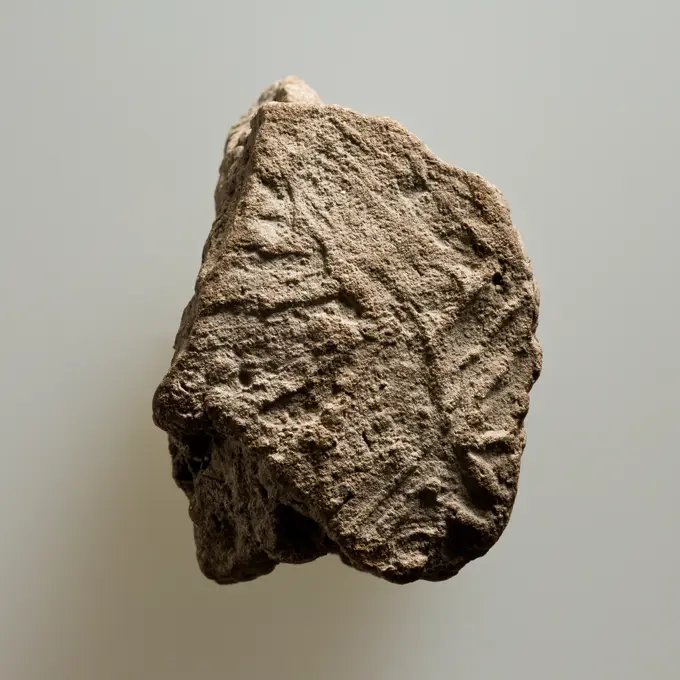
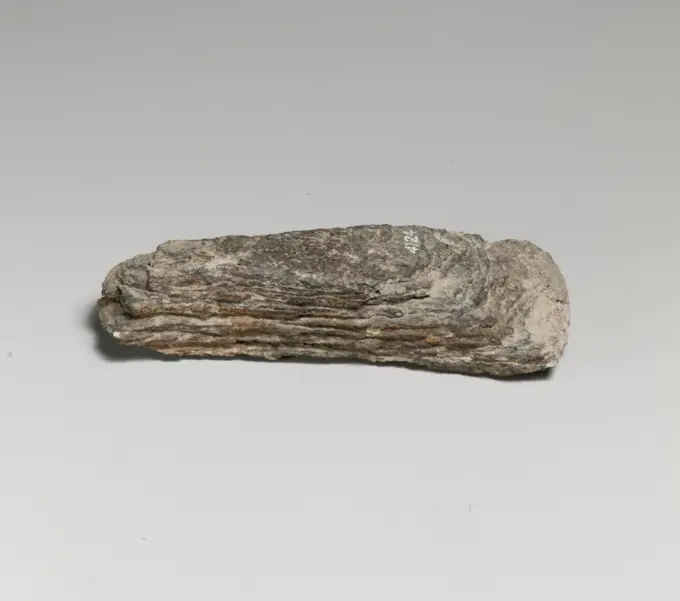
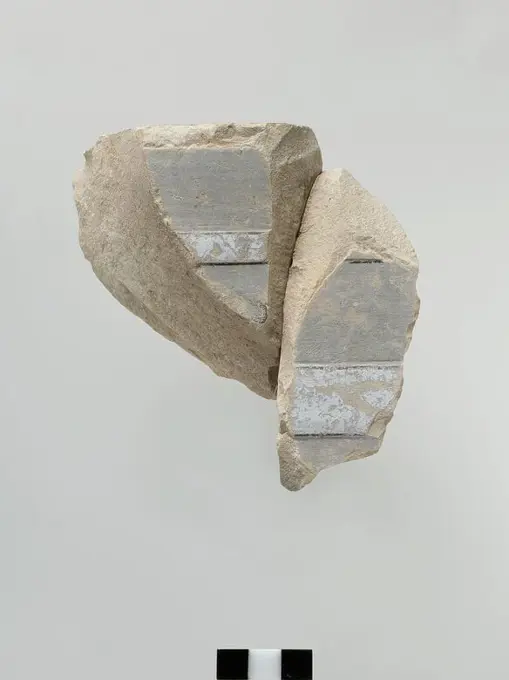
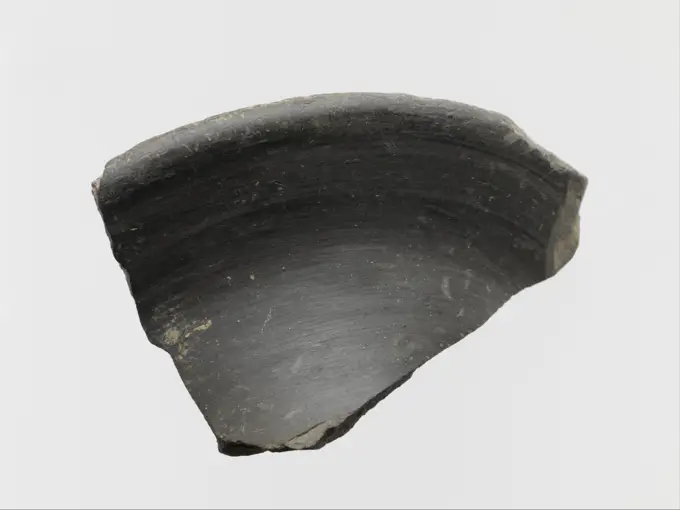
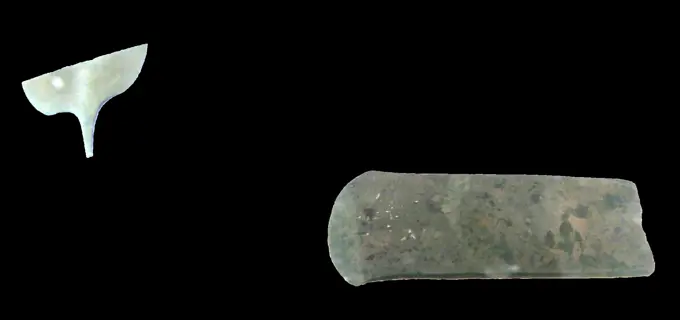
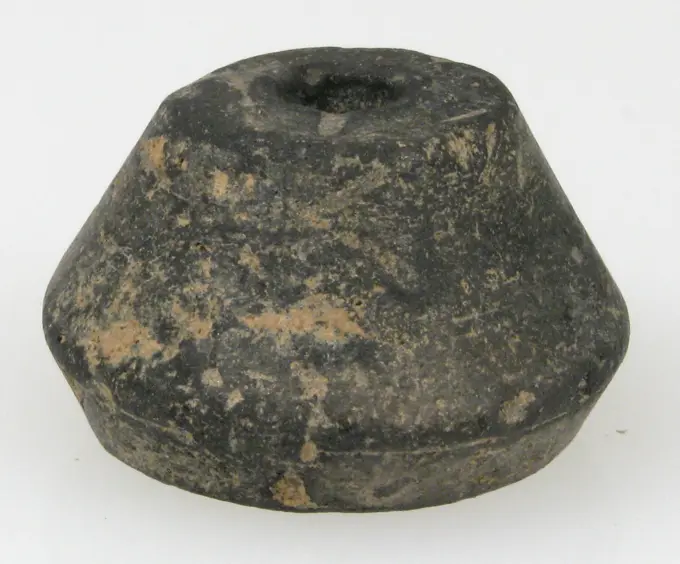
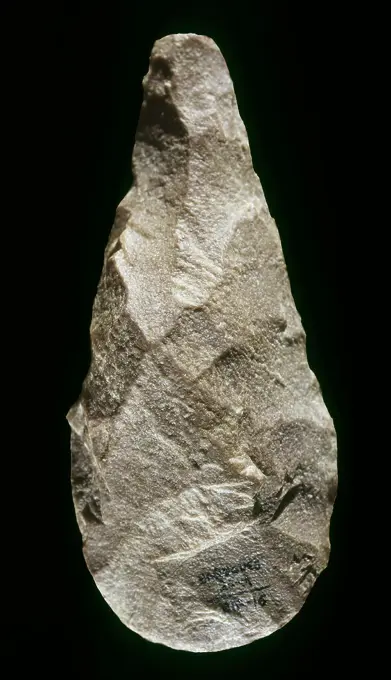
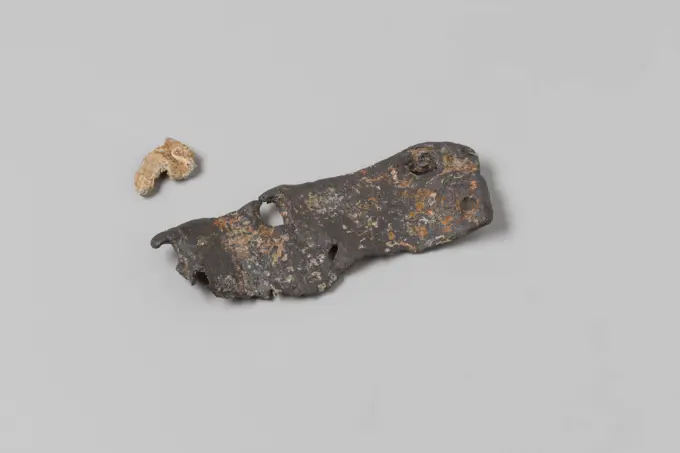
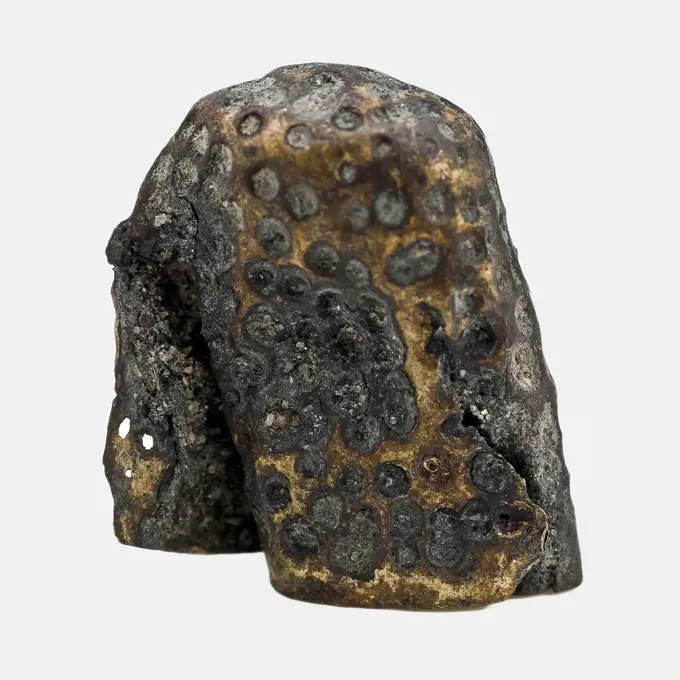
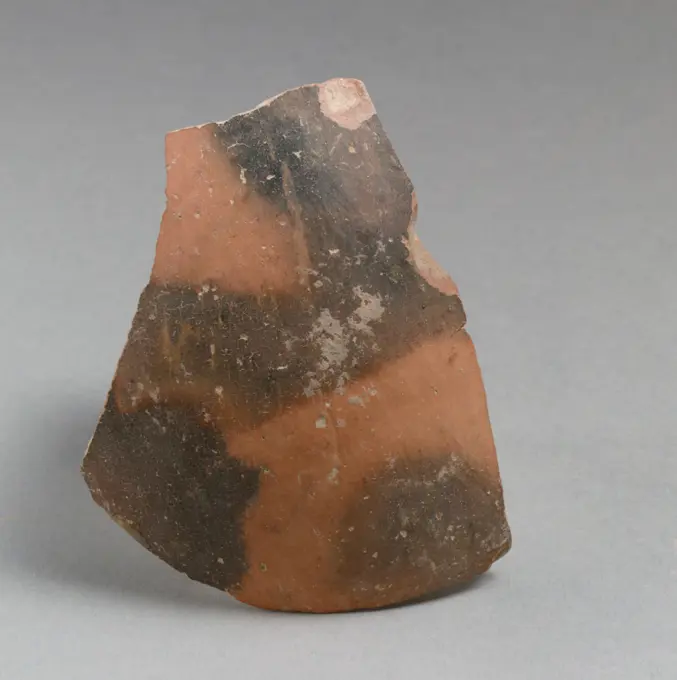
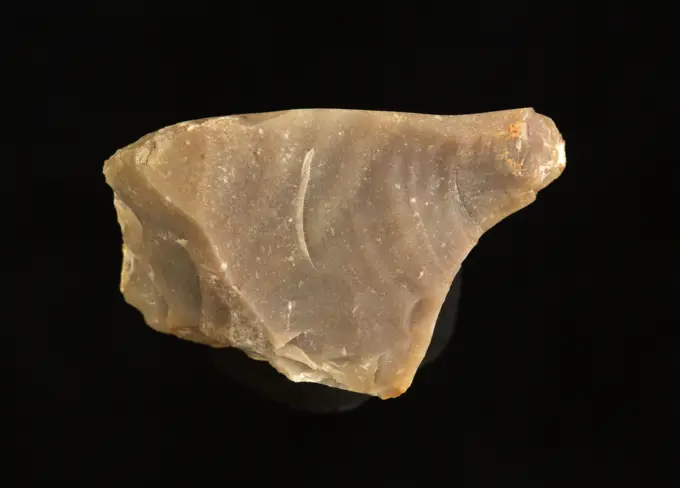
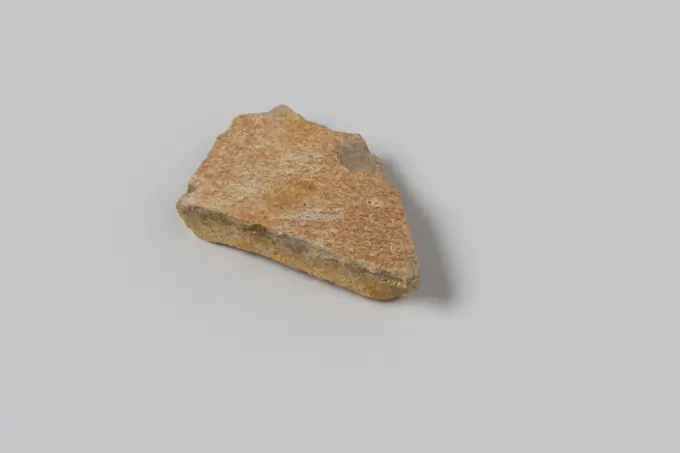
Collection of ancient artifacts including ostracons, oracle bones, and sealing fragments. Varying textures and colors depict historical significance.
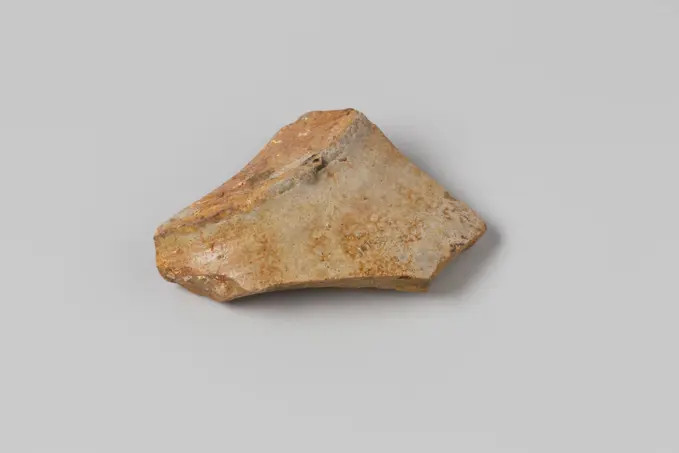
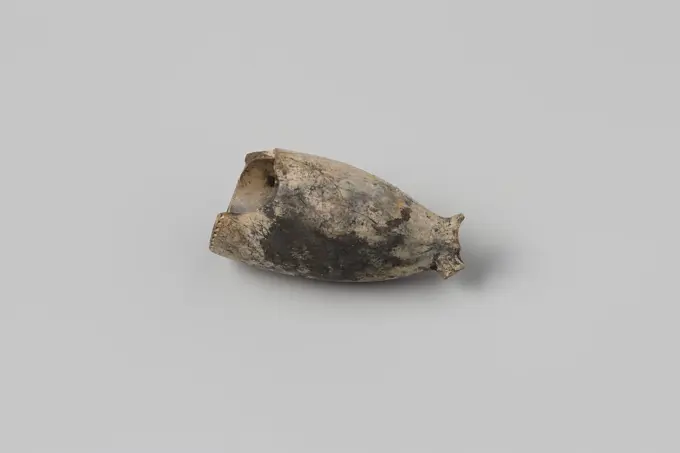
Scherf of a jug of the wreck of the East Indians Hollandia, Anonymous, 1700 - in or Before 1743  Stoneware, Rhenish, Frechen-ware, jug; fragm of base. Cologne stoneware   Second
Scherf of a jug of the wreck of the East Indians Hollandia, Anonymous, 1700 - in or Before 1743 Stoneware, Rhenish, Frechen-ware, jug; fragm of base. Cologne stoneware Second
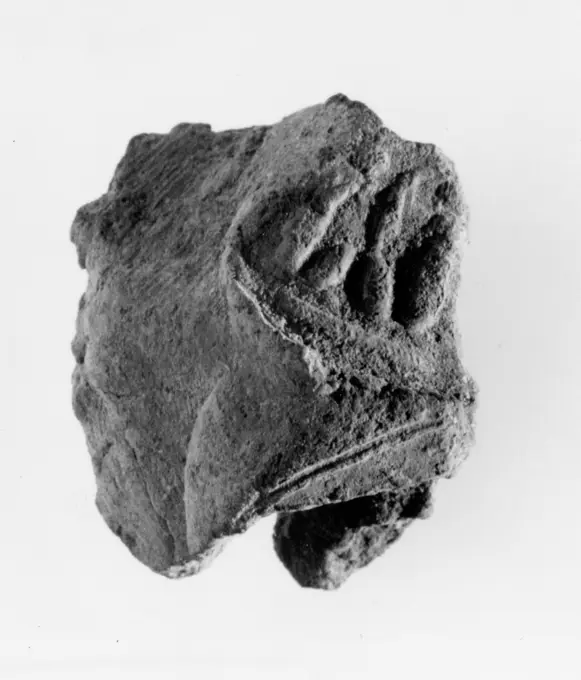
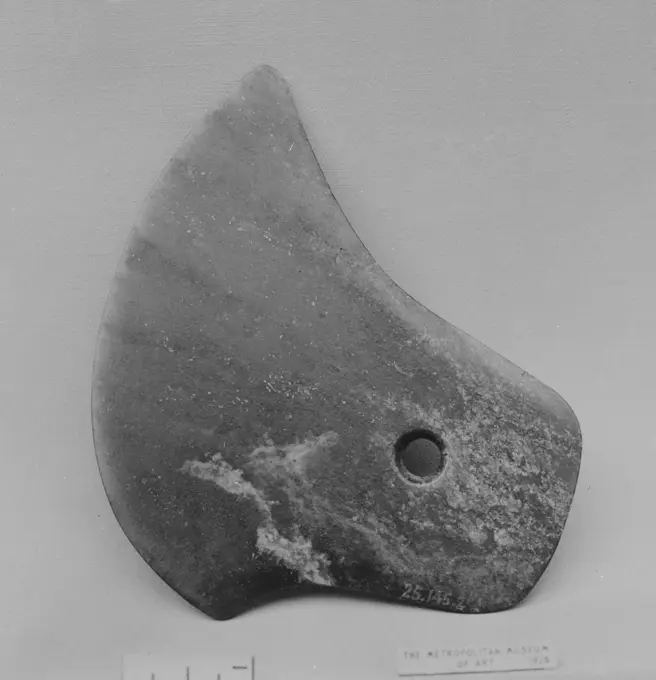
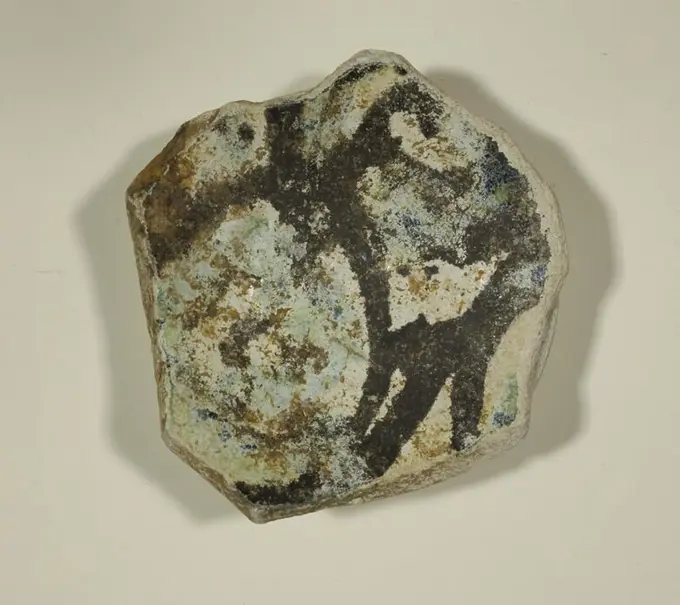
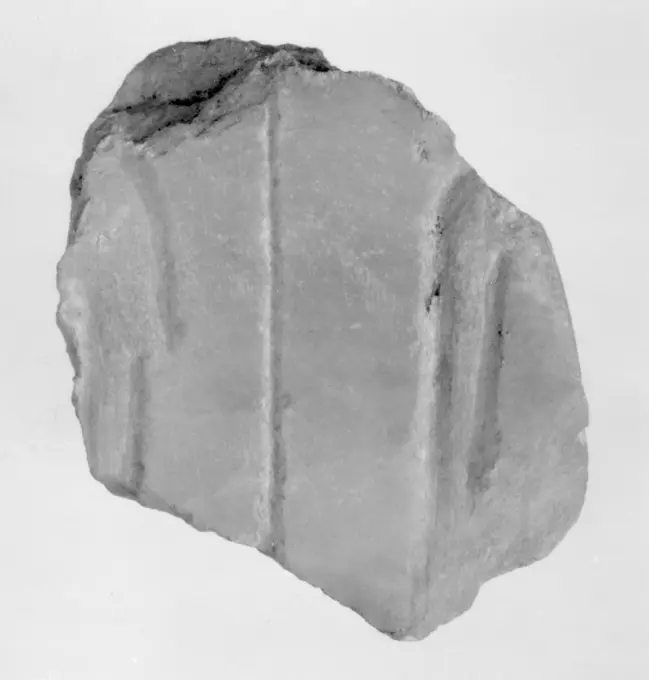
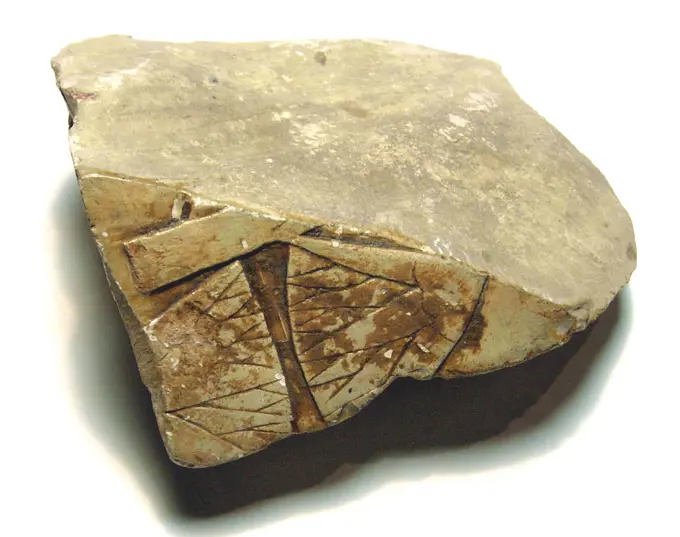
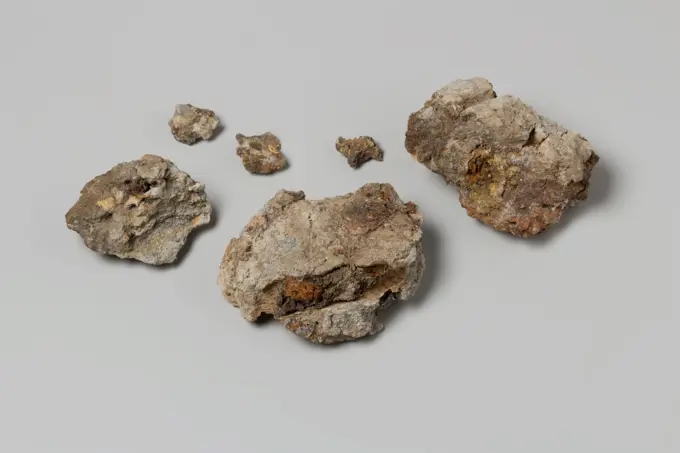
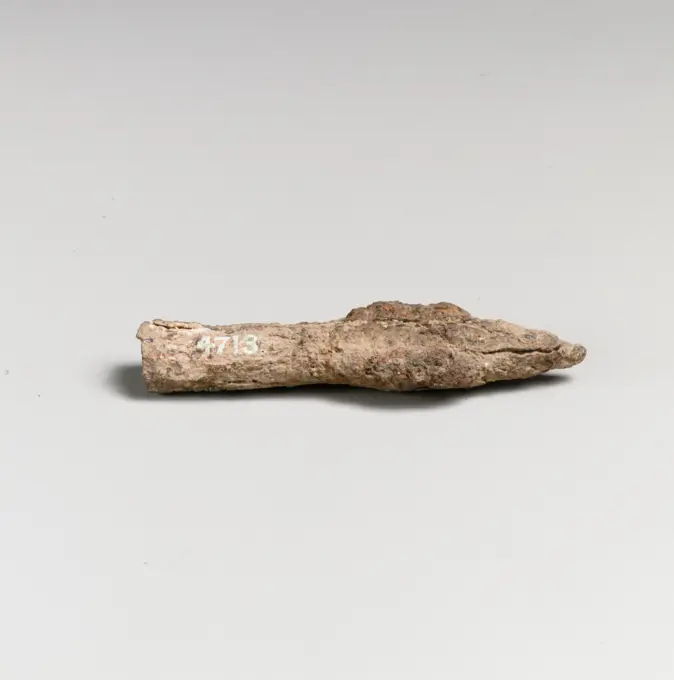
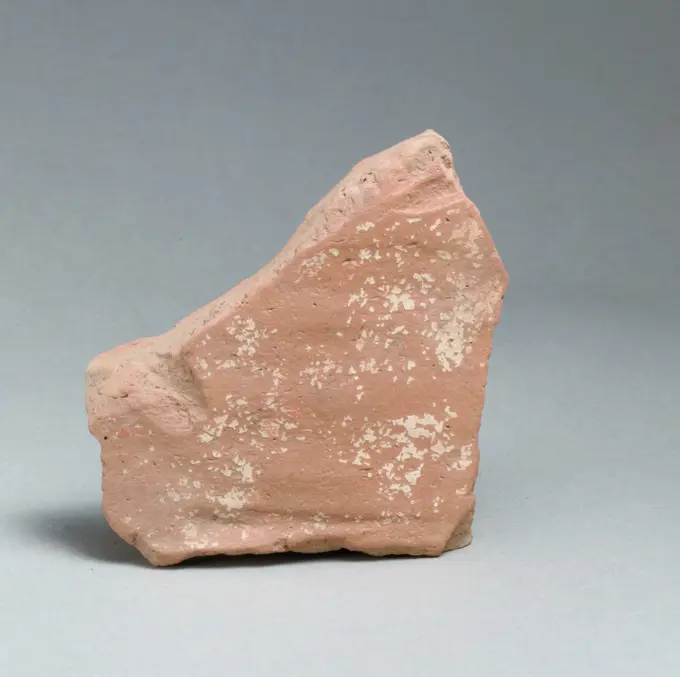
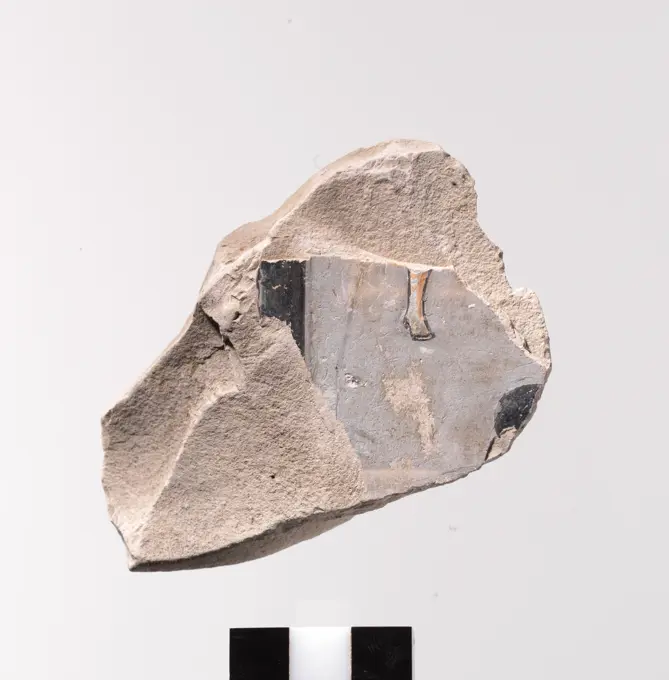
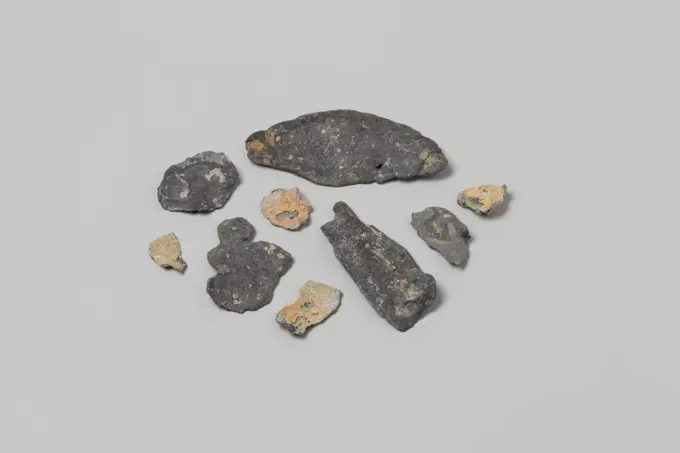
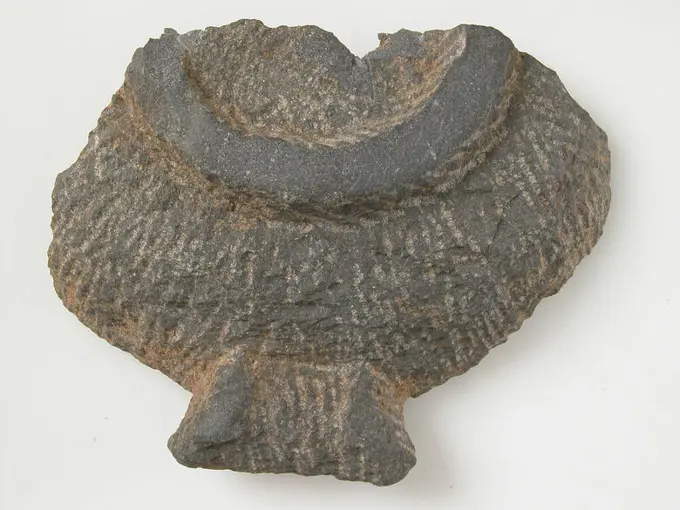
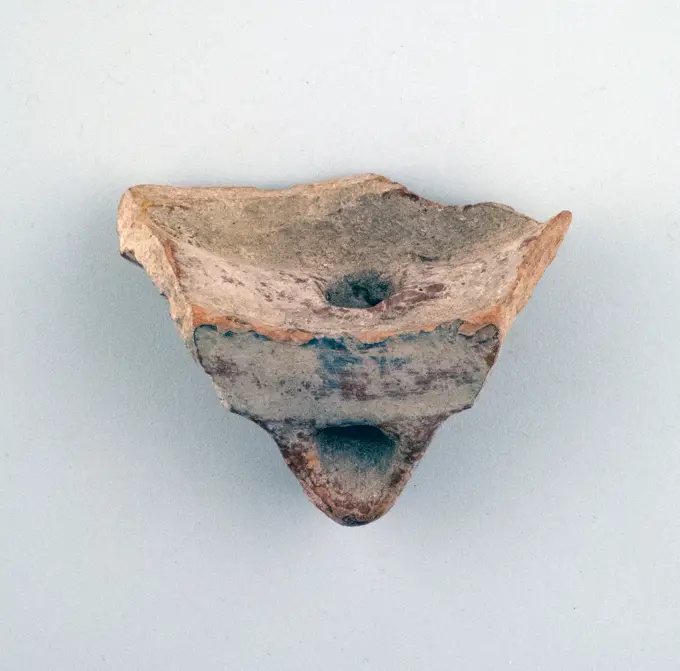
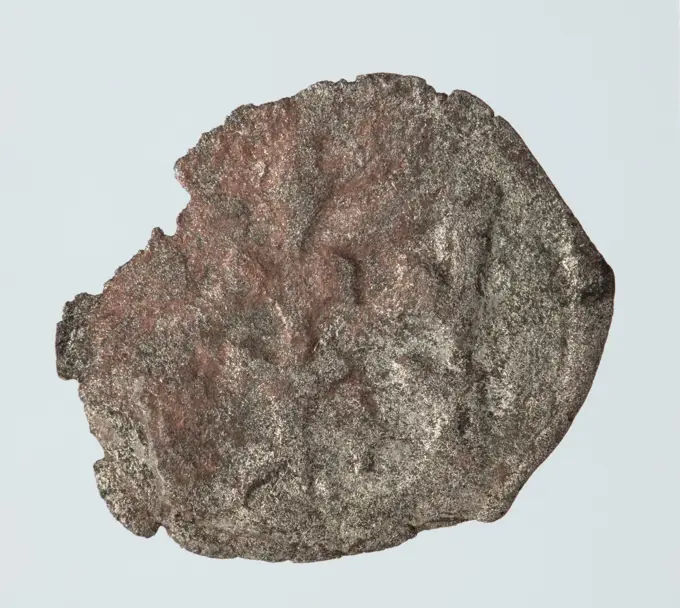
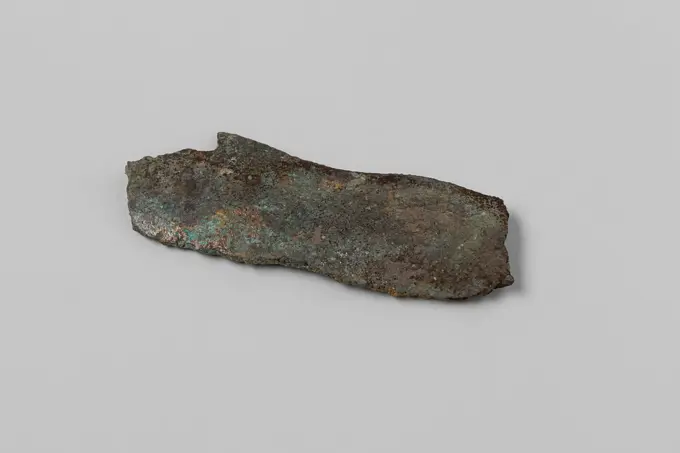
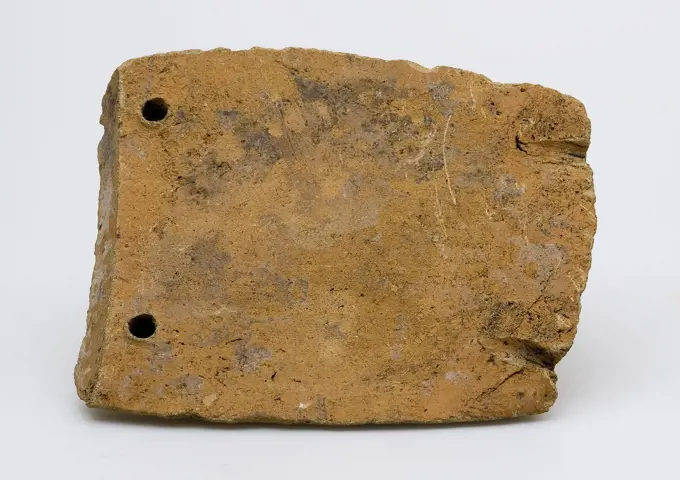
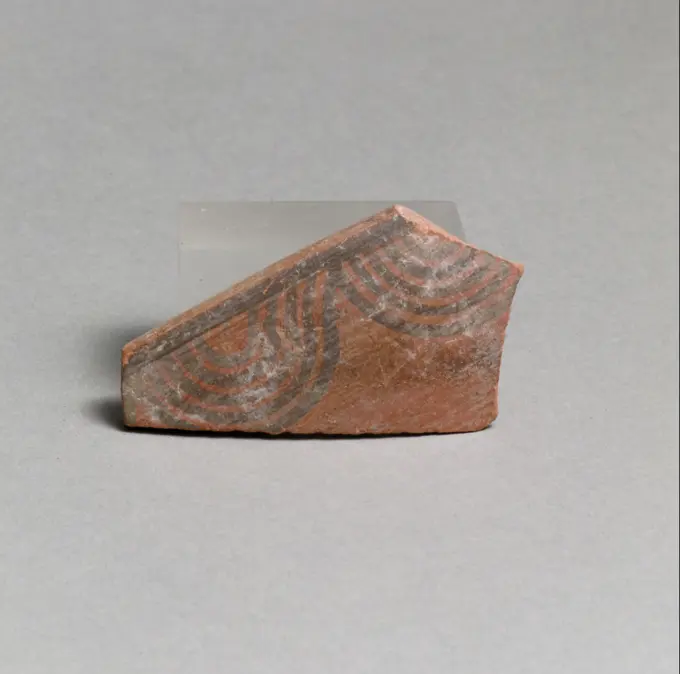
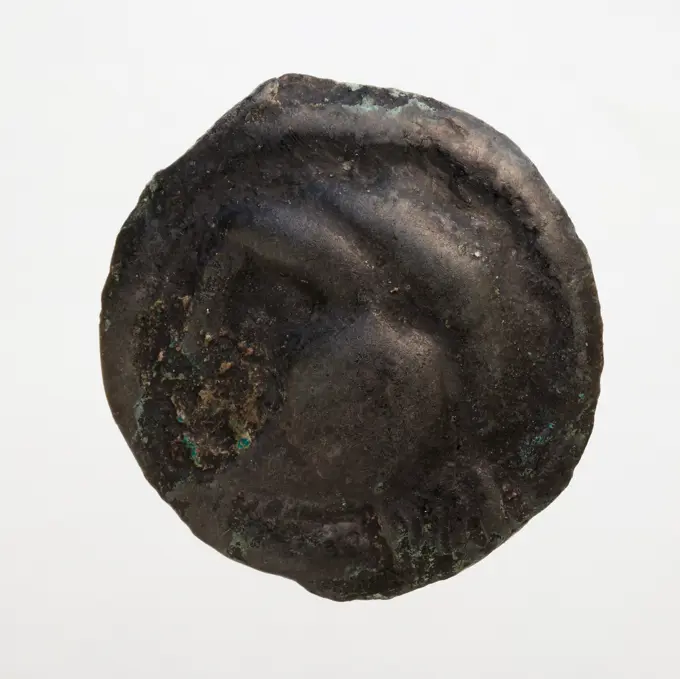
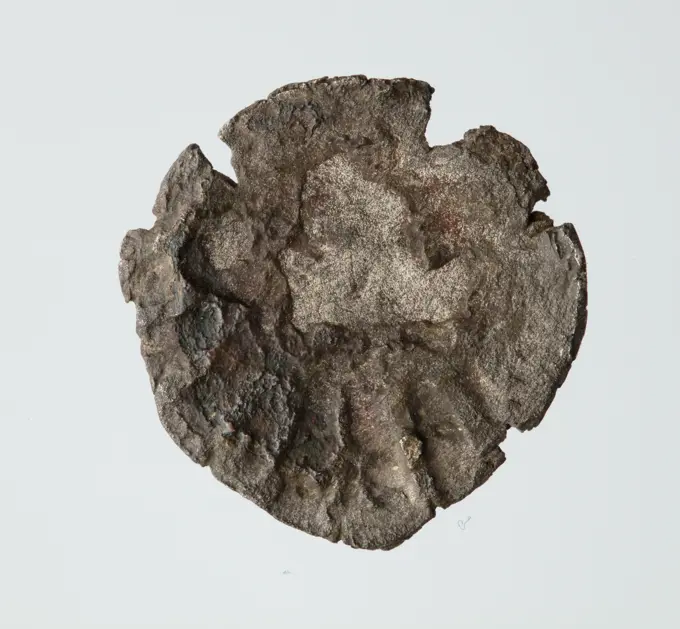
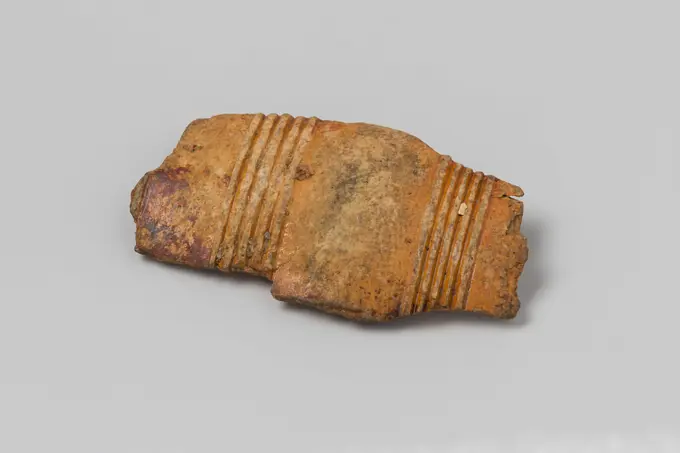
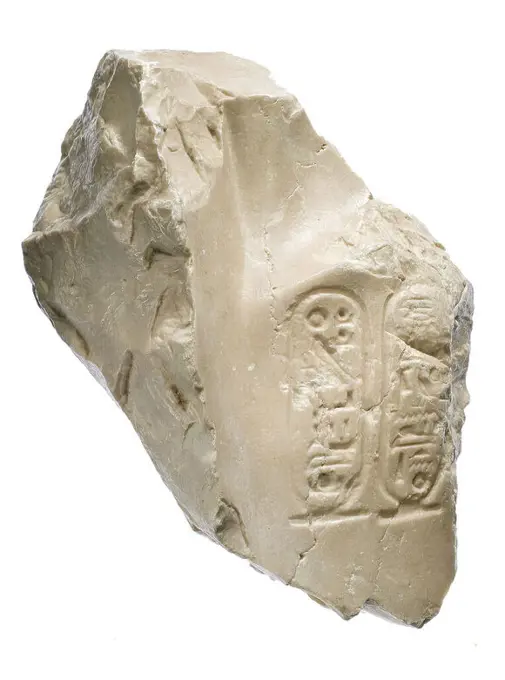
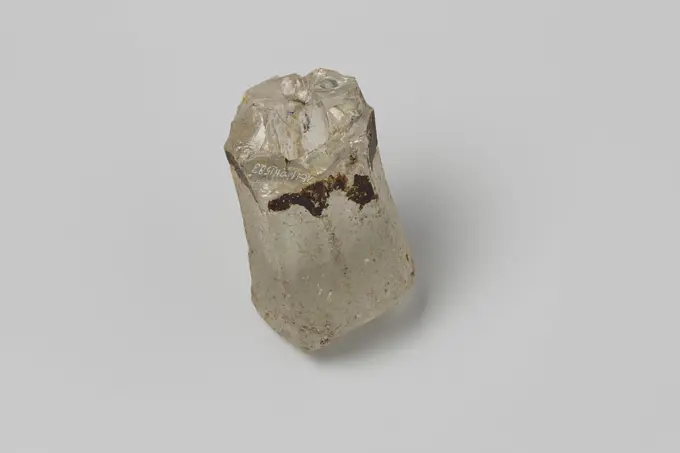
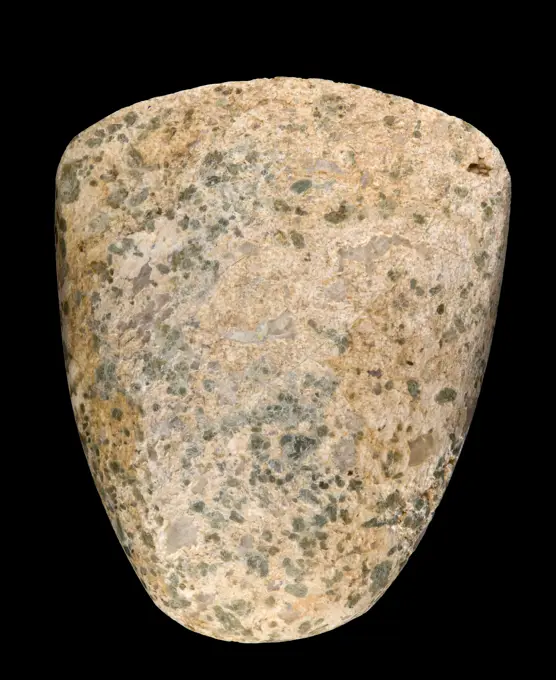
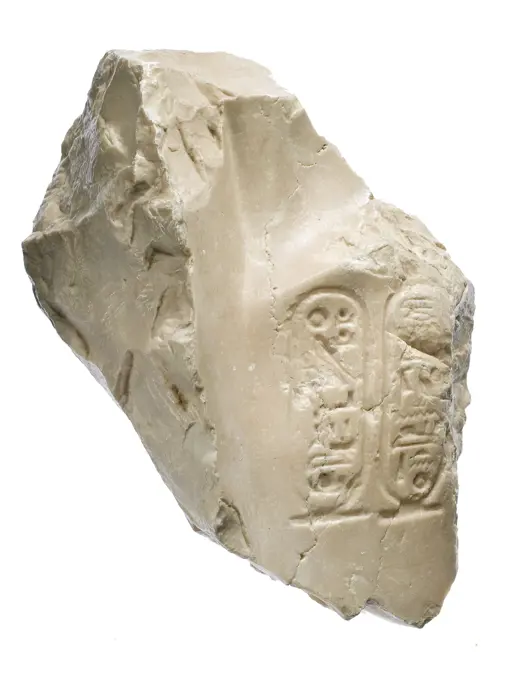
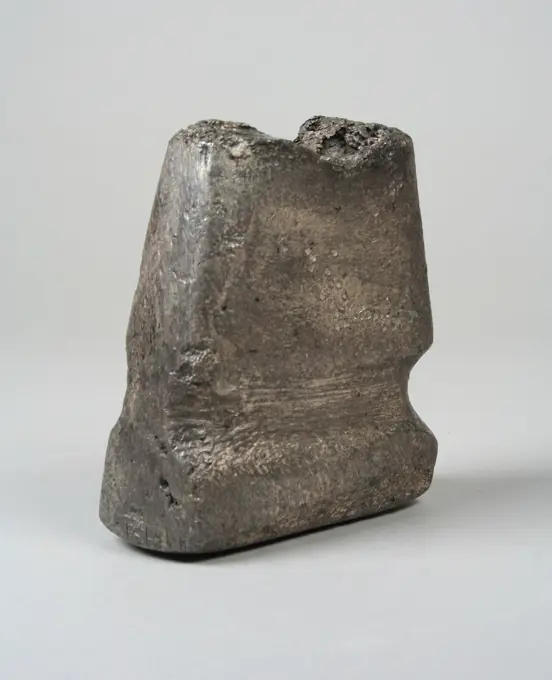
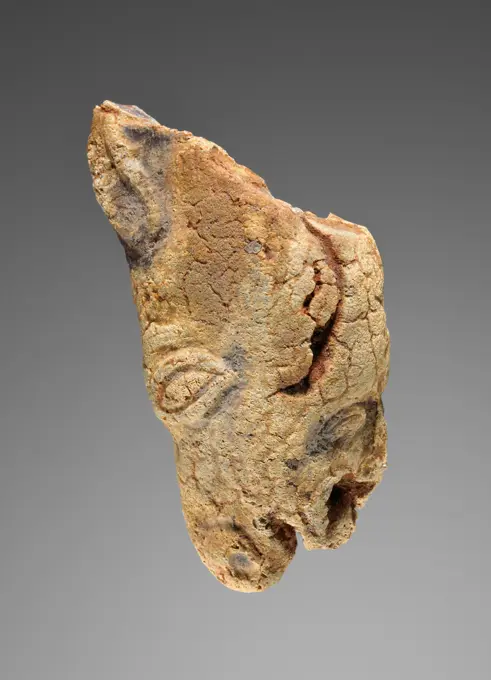
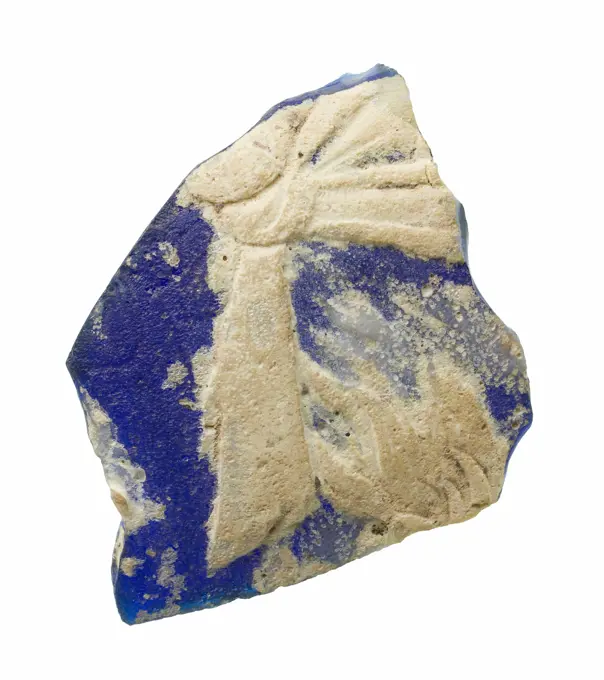
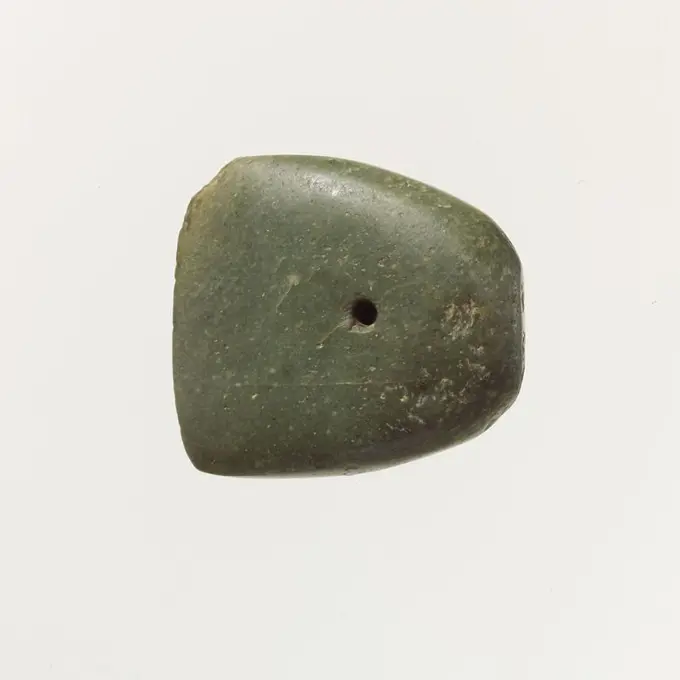
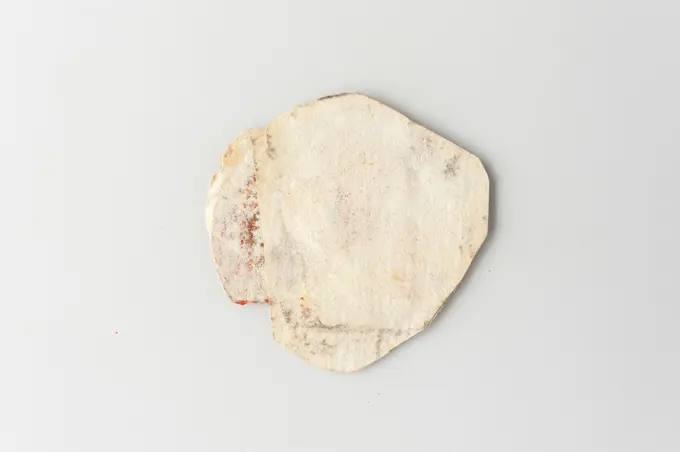
Ostracon 400-30 B.C. Late Period-Ptolemaic Period. Ostracon 588372Mud jar sealing ca. 3200-2650 B.C. Predynastic, Late Naqada III-Early Dynastic Period. Mud jar sealing 573269Oracle bone fragment China. Oracle bone fragment. China. Bone. Shang dynasty (ca. 1600-1046 B.C.). BoneAxehead. Axehead 244566Relief fragment, tomb of Meketre. Dynasty: Dynasty 12. Reign: reign of Amenemhat I, early. Date: ca. 1981-1975 B.C.. Museum: Metropolitan Museum of Art, New York, USA.Unattributed Trebizond Coin. UnknownFragment lead from the wreck of the East Indieschief Hollandia. Parts or artifacts; eroded fragments: Materials; Lead.Fragment lead from the wreck of the East Indieschief Hollandia. Parts or artifacts; eroded fragments: Materials; Lead.Raised relief fragment 664-610 B.C. Late Period, Saite see 23.3.468. Raised relief fragment. 664-610 B.C.. Limestone. Late Period, Saite. From Egypt, Upper Egypt, Thebes, Deir el-Bahri, Tomb of Nespekashuty (TT 312, MMA 509), 1st chamber N. door, MMA excavations, 1922-23. Dynasty 26Scherf of a jug of the wreck of the East Indians Hollandia, Anonymous, 1700 - in or Before 1743  Stoneware, Rhenish, Frechen-ware, jug; fragm of base. Cologne stoneware   SecondFemale Head. UnknownFragment Tibet. Fragment 43455Terracotta rim fragment ca. 2100-1900 B.C. Helladic From Aegina. Terracotta rim fragment 251564 Helladic, Terracotta rim fragment, ca. 21001900 B.C., Terracotta, Overall: 2 3/4 x 1 13/16in. (7 x 4.6cm). The Metropolitan Museum of Art, New York. Gift of Mrs. Carl W. Blegen, 1924 (24.151.4)Closure from the wreck of the East Indiesman Hollandia. Fitting, cover; Fragm, Disc-Shaped, Circular, Slightly Domed, Concentric Circle Engravings, Vertical Rim With Circular Holes.Vase fragment Roman Fragment of a green glazed cup; vine leaves and grapes; inside of cup, yellow glaze.. Vase fragment. Roman. Terracotta; lead-glazed ware. VasesDocument Sealing With the Throne Name of Amenhotep III ca. 1390-1353 B.C. New Kingdom. Document Sealing With the Throne Name of Amenhotep III. ca. 1390-1353 B.C.. Mud. New Kingdom. From Egypt, Upper Egypt, Thebes, Malqata, no exact location recorded, MMA excavations, 1910-12. Dynasty 18Excerpt tin from the wreck of the East Indians Hollandia, 1700 - in or before 1743 fragment Parts of artefacts; eroded fragments: materials; tin. Netherlands tin (metal). lead (metal)   SecondFragment blowjob from the wreck of the East India Hollandia.Pipe, Bowl, Healmar; Fragm, 1HSM1.Hatchet China. Hatchet. China. Jade. Han dynasty (206 B.C.-A.D. 220). JadeFragment of a Bowl. Byzantine; Greece, Cyprus. Date: 1201-1400. Dimensions: 2.9 × 7.9 × 7.9 cm (1 1/8 × 3 1/8 × 3 1/8 in.). Ceramic. Origin: Istanbul. Museum: The Chicago Art Institute, Chicago, USA.Decorated fragment from the side of a canopic chest ca. 1194-1188 B.C. New Kingdom, Ramesside. Decorated fragment from the side of a canopic chest. ca. 1194-1188 B.C.. Travertine (Egyptian alabaster). New Kingdom, Ramesside. From Egypt, Upper Egypt, Thebes, Valley of the Kings, Tomb of Siptah (KV 47), Davis/Burton excavations, 1912-13. Dynasty 19Structure of money bags in concretion from the wreck of the East Indied Flying Heart. The two chunks of concretion display textile prints. This is probably the pattern of money bags. Layered shells in concrete. ConcretionShard from the wreck of the East Indied Flying Heart. Slightly curved shard, speckled outside brown, inside lead gray. Stoneware.Raised relief fragment 664-610 B.C. Late Period, Saite see 23.3.468. Raised relief fragment 548186Cuneiform tablet: fragment, Ebabbar archive ca. 7th-4th century B.C. Babylonian or Achaemenid. Cuneiform tablet: fragment, Ebabbar archive 321858Chunks of concretion from the East Indians' t Vliegend Hart, 1700 - 1735 concretionary stone Three large and three small chunks of concretion, with inclusions of vegetable material and soft stone.  concretionary stone. plant material. wood (plant material).Bliżej Kultury Władysław Jagiełło (CA 1351 1434), Mint of KrakówSpearhead or arrowhead. Spearhead or arrowhead 244564Human torso in sandstone; Jordanian from Mshatta 8th century ADBliżej Kultury Władysław Jagiełło (CA 1351 1434), Mint of KrakówVase fragment East Greek/Sardis, Lydian. Vase fragment 252729 East Greek/Sardis, Lydian, Vase fragment, Terracotta, Overall: 3 7/8 x 2 3/4in. (9.9 x 7cm). The Metropolitan Museum of Art, New York. Gift of The American Society for the Excavation of Sardis, 1926 (26.199.162)Female Head. UnknownRelief Fragment with Part of a Vertical Inscription ca. 1981-1975 B.C. Middle Kingdom The fragment belongs to a vertical column of inscription reading from right to left that was part of a group of texts carved in extremely low relief and exquisitely painted. On the left side of the piece is part of a thick black line dividing columns of text. To the right is part of the leg and hoof of a bovine-sign; below it is a curving black form that could be part of a male head, perhaps the seated-man-sign. The fragment likely belongs to inscriptions with the titles and epithets of the tomb owner that were placed near representations of him. The background is painted gray.. Relief Fragment with Part of a Vertical Inscription 562714Fragments Lead from the wreck of the East Indians Hollandia, 1700 - in Or Before 1743 fragment Parts of artefacts; eroded fragments: materials; lead. Netherlands lead (metal)   SecondSealing ca. 1981-1640 B.C. Middle Kingdom. Sealing. ca. 1981-1640 B.C.. Mud. Middle Kingdom. From Egypt, Memphite Region, Lisht North, Cemetery, MMA excavations, 1920-22. Dynasty 12-13Bowl. Culture: Coptic. Dimensions: Overall: 4 1/8 x 3 1/16 x 1 1/4 in. (10.5 x 7.8 x 3.2 cm). Date: 4th-7th century. Museum: Metropolitan Museum of Art, New York, USA.Relief fragment, tomb of Meketre ca. 1981-1975 B.C. Middle Kingdom. Relief fragment, tomb of Meketre. ca. 1981-1975 B.C.. Limestone, paint. Middle Kingdom. From Egypt, Upper Egypt, Thebes, Southern Asasif, Tomb of Meketre (TT 280, MMA 1101), MMA excavations, 1920. Dynasty 12Bronze Bronze medal. Imprecized identification.Fragment pot from the wreck of the East Indians Hollandia, Anonymous, 1700 - in or Before 1743 pot Pot; fragm of circular body, upper rim internally threaded, relieved exterior decoration of 2 linear bands and 1 convex plain band. Netherlands bone (material)   SecondBowl;  around 1550 1069 BC ; New PAFossilized seashells. Sea stone. Fossil marine unusual object. Simple pebble on a gray background. Composition with sea shells. Paleontological find on seashore. Wallpaper layout template for design.. Fossilized seashells. Sea stone. Fossil marine unusual object. Simple pebble on a gray background. Composition with sea shells. Wallpaper layout template for design. Paleontological find on seashore.Terracotta lamp nozzle and rim East Greek, Lydian. Terracotta lamp nozzle and rim. East Greek, Lydian. Terracotta. TerracottasBliżej Kultury Władysław Jagiełło (CA 1351 1434), Mint of KrakówVolute-krater fragment 4th century B.C. Greek, South Italian, Apulian. Volute-krater fragment. Greek, South Italian, Apulian. 4th century B.C.. Terracotta; red-figure. Late Classical. VasesFragment buyer from the wreck of the East Indieschief Hollandia. Parts or artifacts; eroded fragments: Materials; Copper.Sealing ca. 7th century A.D. Sasanian. Sealing 323390Pottery lid of starling pot, four holes in the corners, lid closure part starch pot soil find ceramic earthenware, w 8.7 hand-turned hand-formed baked Pottery lid of starch pot. Rectangular in shape with bevelled sides all around. One smooth side and one side with coarse spinning lips. Four holes in the corners of which two are inserted through and through. Two shallow oblique fires at the back archeology Landpoortstraat Geervliet Bernisse indigenous pottery food catch starling Soil discovery: Geervliet waste pit barn Landpoortstraat September 1, 1983.Scherf of a pot from the wreck of the East Indians Hollandia, Anonymous, 1700 - in Or Before 1743 pot Stoneware, Rhenish, Westerwald, pot; of body, sim. NG 1980-27H2624r. Westerwald earthenware   SecondFemale Head Fragment. UnknownVase fragment East Greek/Sardis, Lydian. Vase fragment 252814 East Greek/Sardis, Lydian, Vase fragment, Terracotta, Overall: 2 3/4 x 1 5/8in. (7 x 4.1cm). The Metropolitan Museum of Art, New York. Gift of The American Society for the Excavation of Sardis, 1926 (26.199.247)Pendant: Female Head. UnknownAnonymous. Carnavalet museum, history of Paris.Spain, Valencia, Plaquette with engraving of goat-antelope's head from Parpallo CaveFragment of a Hand with a Bowl Indonesia (Kalimantan) ca. 8th century View more. Fragment of a Hand with a Bowl. Indonesia (Kalimantan). ca. 8th century. Bronze. SculptureAlmost circular slate, uneven surface, slate soil found slate stone, cutted Round cut disc arch archeology Valckensteyn Poortugaal Albrandswaard stone building play Soil discovery: castle Valckensteyn in Poortugaal now Albrandswaard 1961.Bliżej Kultury Władysław Jagiełło (CA 1351 1434), Mint of KrakówSealing ca. 1981-1640 B.C. Middle Kingdom. Sealing 560389Bead. UnknownFragment pot from the wreck of the East Indieschief Hollandia. Pot; Fragm or Circular Body, Upper Rim Internally Threaded, Relieved Exterior Decoration or 2 Linear Bands and 1 Convex Plain Band.Upraised arm from offering scene with Aten cartouches ca. 1353-1336 B.C. New Kingdom, Amarna Period. Upraised arm from offering scene with Aten cartouches 567645Fragment straight stem from glass from the wreck of the East India Hollandia. Glass, Voice Glass, votes, Plain; Fragm, Sim. NG 1980-27H294, eroded.Akhenaten chest with Aten cartouches. Dimensions: H. 18.5 × W. 14 × D. 8 cm (7 5/16 × 5 1/2 × 3 1/8 in.); Cartouche: W. 2.5 cm (1 in.). Dynasty: Dynasty 18. Reign: reign of Akhenaten. Date: ca. 1353-1336 B.C.. Museum: Metropolitan Museum of Art, New York, USA.Fragment of a lead plate from the wreck of the East Indies Flying Heart. Elongated piece of lead plate, but and corroded. Lead Sheathing Fragment, Lead Hatch Fragment.Fragment faceted handle from a flute glass from the wreck of the East Indieschief Hollandia. Glass, voice glass, stem, faceted; Fragment, SIM. NG 1980-27H1846.Greece, Kimerian Bospor, Pantikapajon, around 2 3 quarter of the 3rd century BC, bronze (AE) PanticapaeumStone polished axe. North Africa, Neolithic. 4.1cm.Akhenaten chest with Aten cartouches ca. 1353-1336 B.C. New Kingdom, Amarna Period. Akhenaten chest with Aten cartouches 549962Marqueta Fragment 19th century Mexican This object is most likely a fragment of a marqueta, a wedge-shaped lump of an alloy of silver (92.2%%) and mercury (7.2%%)produced during the Patio process, a technique used to extract silver from ore by means of mercury. This truncated object, originally classified as a mace or hatchet fragment, is now recognized as a fragment of pressed silver amalgam that was not fully distilled, and thus retains some of the mercury. In addition to silver and mercury, this marqueta has traces of antimony (0.3%%), arsenic (0.4%%), and lead (Developed in Mexico in 1554, the Patio process involved the crushing the silver ore in shallow circular pits known as arrastras. Once reduced to a fine sludge, the ore was spread out in a patioa low-walled, circular enclosure open to the skyand mixed with salt, water, copper sulfate, and mercury. Over weeks of mixing, the silver formed an amalgam with the mercury. The final step of the Patio process was to remove the mercFigurine, Fragment of the Garment, anonymous, anonymous, c. 1425 - c. 1550  Northern Netherlands pipe clay  Northern Netherlands pipe clayPendant: Asinine Head in Profile. UnknownFragment of a Vessel 1 CE-100 CE Roman Empire. Glass fragment, blue and white.. Glass, blown technique . Ancient RomanFragment; (possibly) belonging to the Retable of Soest. .Copper agricultural tool from the Indus Valley Civilisation at Mohenjo-Daro, Pakistan. The Indus Valley Civilisation was a Bronze Age culture, (33001300 BCE; mature period 26001900 BCE) mainly in the north-western regions of South Asia, extending from what today is northeast Afghanistan to Pakistan and northwest India. Dated 2700 BCArrowhead Japan. Arrowhead. Japan. Sandstone, chert or flint. Late Jmon period (ca. 1500-1000 B.C.). StoneFragment of right side of marble plate. unknown, craftsmanFemale Head. UnknownFragment of a Small Bowl. UnknownFragment multicolored brocatel, 1775 - 1800 Five fragments of a silk tissue. Brown silk warp with impacts of silver wire and of white, green, pink and red-brown side. The drawing consists of large diamond-shaped medallions in which leaf and fruit motifs. Note: Self -sides; put together small fragment; twill, satin, 1 cm wide. Different types and colors silk.  silk. linen (material). metal thread broach Five fragments of a silk tissue. Brown silk warp with impacts of silver wire and of white, green, pink and red-brown side. The drawing consists of large diamond-shaped medallions in which leaf and fruit motifs. Note: Self -sides; put together small fragment; twill, satin, 1 cm wide. Different types and colors silk.  silk. linen (material). metal thread broachKnife Made 1600 BCE-1045 BCE China. Jade .Attic Panathenaic Amphora Fragment. UnknownBead 500-600 Frankish. Bead 465443 Frankish, Bead, 500600, Stone, Overall: 3/4 x 1 1/4 in. (1.9 x 3.1 cm). The Metropolitan Museum of Art, New York. Gift of J. Pierpont Morgan, 1917 (17.193.135)Sealing ca. 2030-1640 B.C. Middle Kingdom. Sealing 565324HACHA BIFAZ MICOQUIENSE. Location: MUSEO ARQUEOLOGICO-COLECCION. Oviedo. ASTURIAS. SPAIN.Fragments sheet metal from the wreck of the East Indians Hollandia, 1700 - in Or Before 1743 fragment Parts of artefacts; eroded fragments: materials; lead. Netherlands lead (metal)   SecondIn pieces fall apart bullet from the wreck of the East Indians Hollandia, Anonymous, 1700 - in Or Before 1743 bullet (ammunition) Shot or barshot. Netherlands iron (metal)   SecondRectangular scraper with rounded corners. Green Jasper. Mali, Neolithic. 13 cm.Copper thimble, thimble sewing kit soil found brass copper metal, cast Copper thimble spirally drawn on the top crossing without groove in the shaft archeology Rotterdam railway tunnel seamstress tailor sewing textile processing clothing needle and thread repair Soil discovery: railway tunnel Rotterdam.Vase fragment Minoan. Vase fragment 252442 Minoan, Vase fragment, Terracotta, 2 3/4  2 1/8  1/4 in. (7  5.4  0.6 cm). The Metropolitan Museum of Art, New York. Bequest of Richard B. Seager, 1926 (26.31.523)Flint  Texas, USA     Date: raw Gagate Jet stone on white macro shooting of natural mineral rock specimen - raw Gagate Jet stone on white marble background from Mataganskoe mine, Irkutsk region, Russia Copyright: xZoonar.com/ValeryxVoennyyx 11949478raw Paragonite stone isolated on white macro shooting of natural mineral rock specimen - raw Paragonite stone isolated on white background from Borisovskie Hills Sopki mine, Ural Mountains, Russia Copyright: xZoonar.com/ValeryxVoennyyx 11514981Undecorated Base Fragment. UnknownFragment of buyer from the wreck of the East India Hollandia.parts or artifacts; eroded fragments: Materials; Copper.szel g; Pfahler, Ernest; 1628 (1628-00-00-1628-00-00);Scherf of a jug of the wreck of the East Indians Hollandia, Anonymous, 1700 - in or Before 1743  Stoneware, Rhenish, Westerwald, jug; fragm of body, sim. NG 1980-27H2615. Westerwald stoneware   SecondHead-back, including ear. Head-back, including ear 250558 Head-back, including ear, Bronze, Other: 7 1/8 in. (18.1 cm). The Metropolitan Museum of Art, New York. Rogers Fund, 1917 (17.230.24)Small jadeitite axe. Culture: Cretan. Dimensions: L. 1 3/8 in. (3.49 cm); W. 1 1/4 in. (3.17 cm). Date: 5th-4th millennium B.C..The circular hole is a later, possibly Bronze Age or ancient Greek, addition. This axe may have served as a votive after its initial utilitarian use in the Stone Age. Such axes were known as thunderstones in ancient Greek times and were believed to be physical manifestations left by the lightning bolts of Zeus, the thunder god. Museum: Metropolitan Museum of Art, New York, USA.Shellac Specimen for Jade Carving. Culture: China. Dimensions: H. 1/8 in. (0.3 cm); W. 3/4 in. (1.9 cm); L. 1 in. (2.5 cm). Date: 20th century. Museum: Metropolitan Museum of Art, New York, USA.Tool () ca. 300,000-90,000 B.C. Lower Paleolithic Period. Tool (). ca. 300,000-90,000 B.C.. Flint. Lower Paleolithic Period. From Egypt, Upper Egypt, Thebes, Libyan DesertGrahal-Manzara. Carnavalet 2013-2016 collection sites. Numismatics.