Ancient Artifacts and Tools

A compilation of ancient artifacts including spindle whorls and jade tubes, illustrating historical craftsmanship across various cultures.
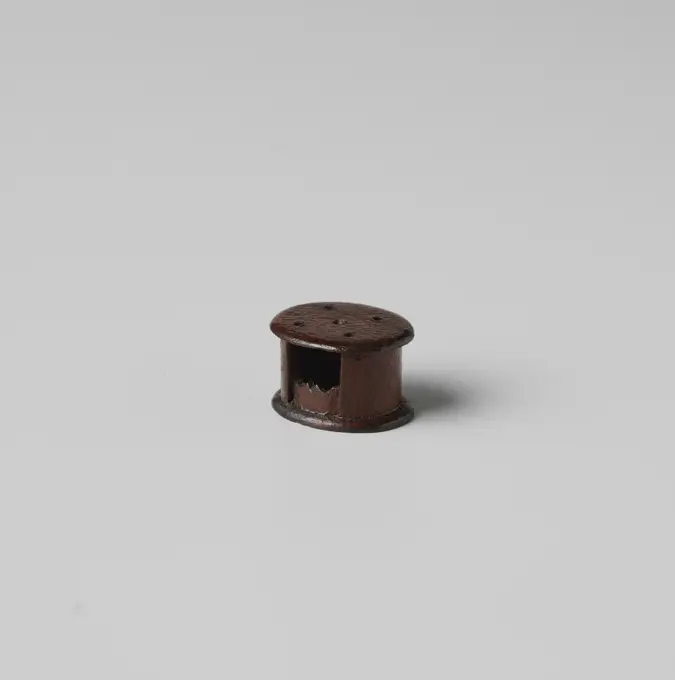
Stew, oval, with five holes in the top. Stew from mahogany, oval with five holes in the top, the opening for the fire test is finished with a scalloped rule.
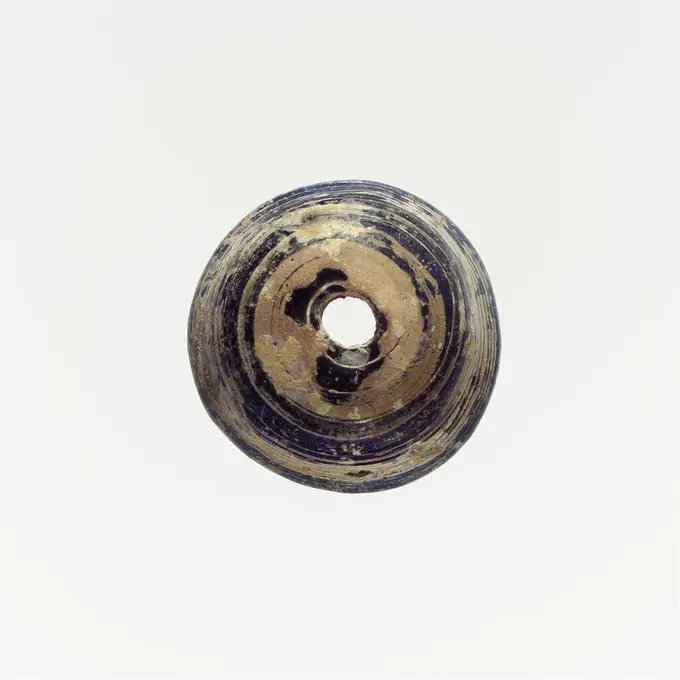
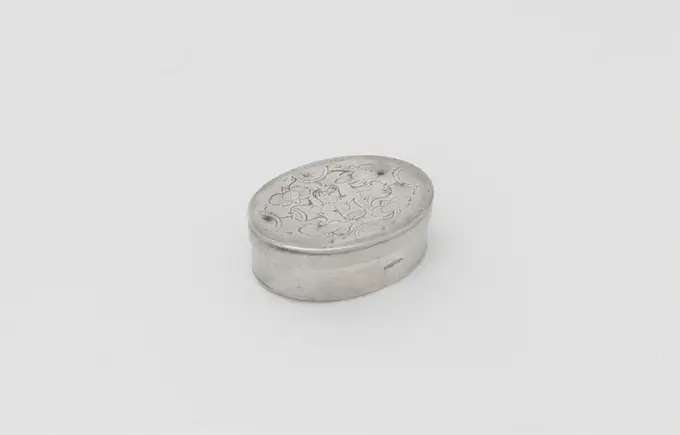
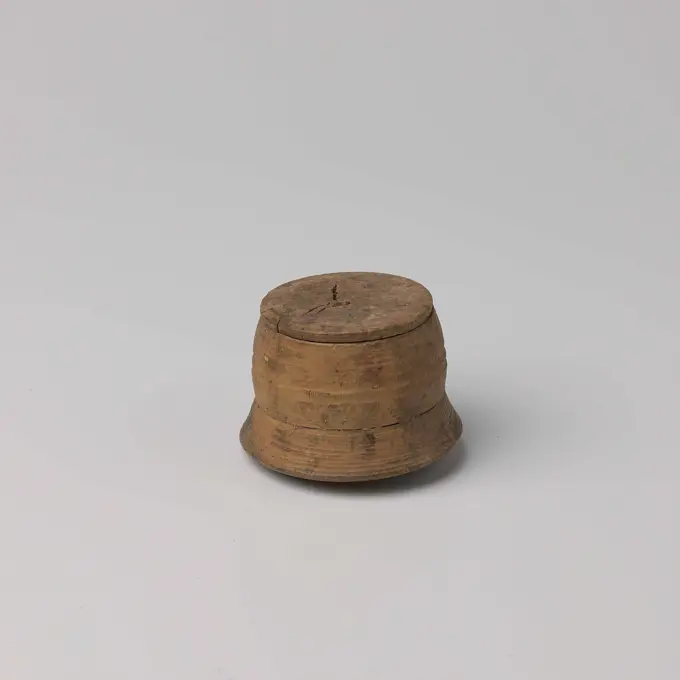
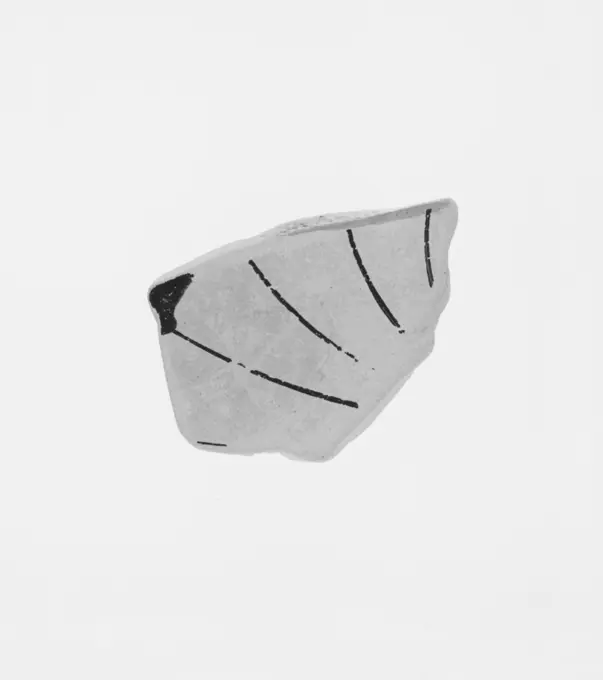
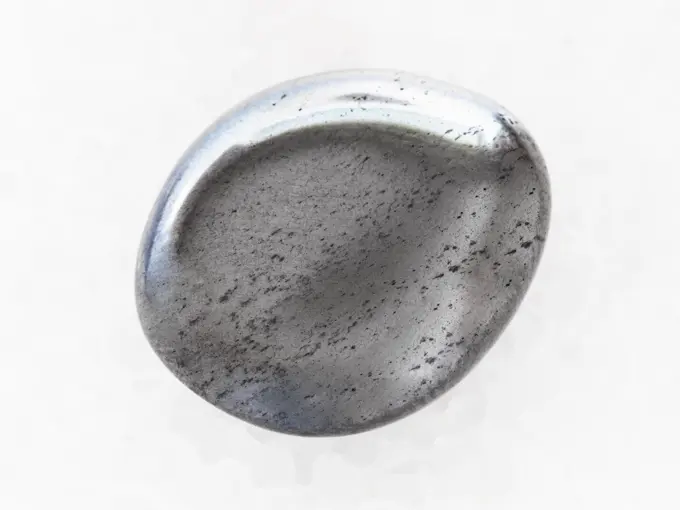
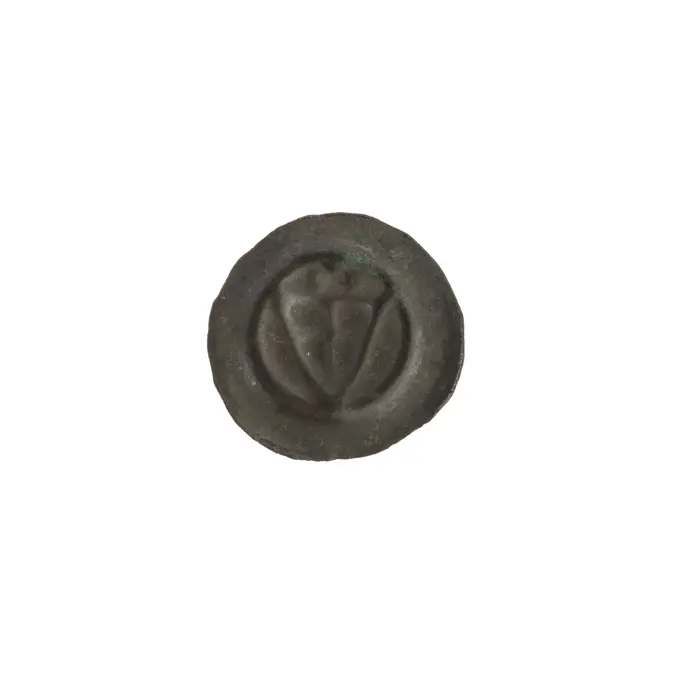
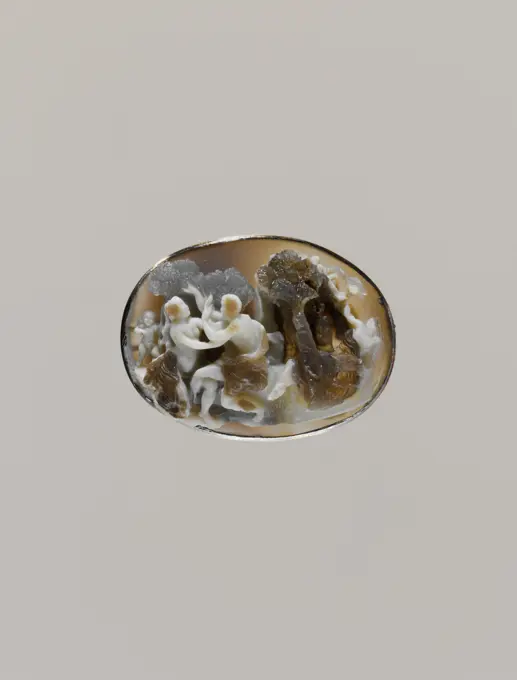
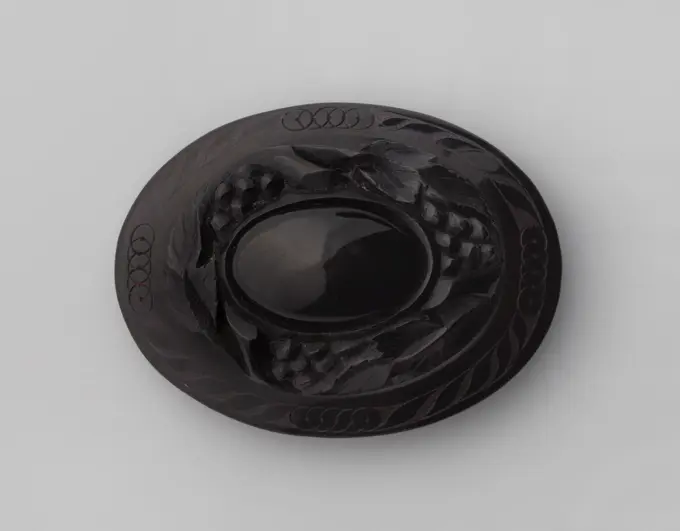
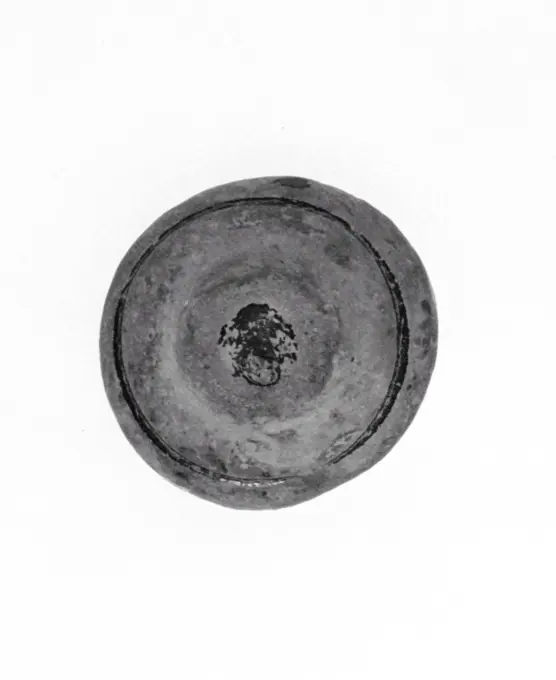
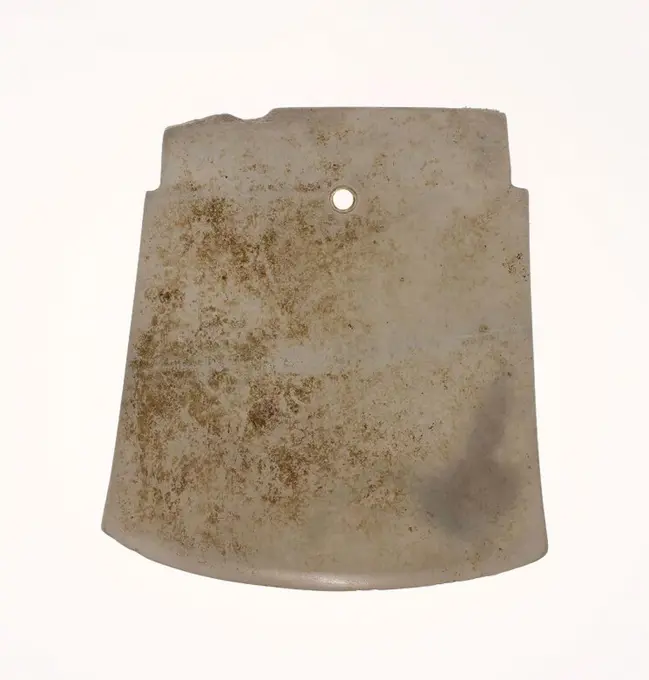
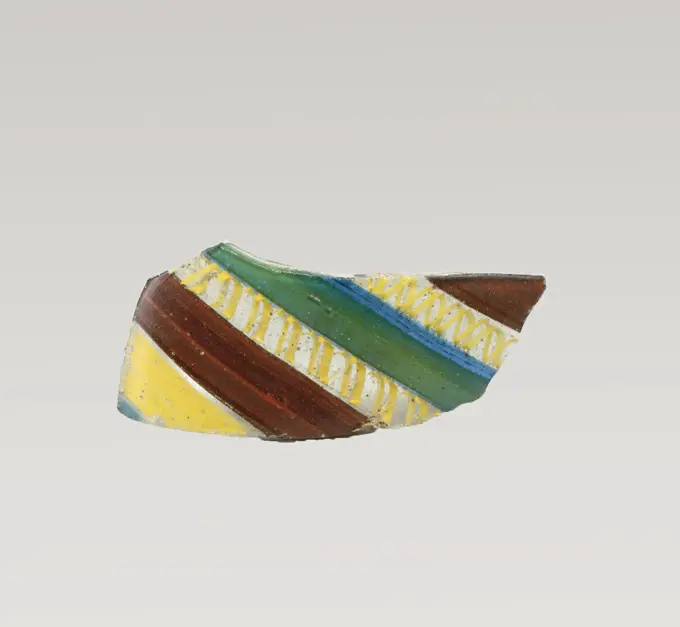
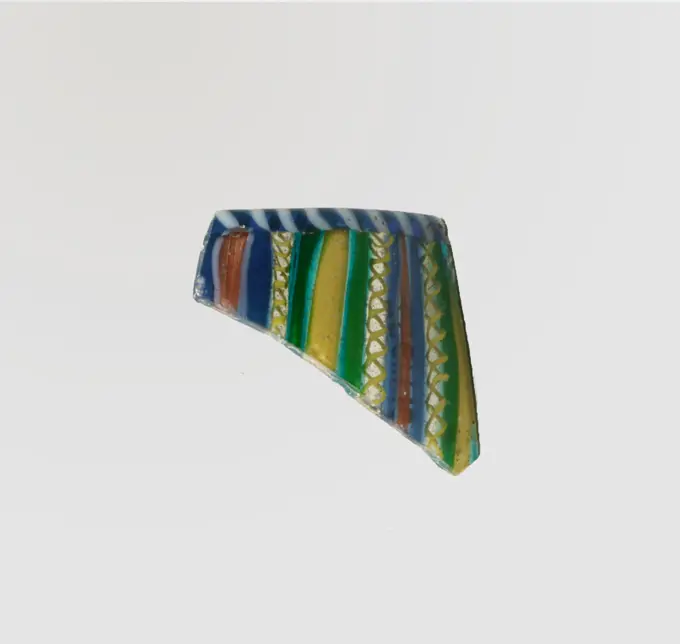
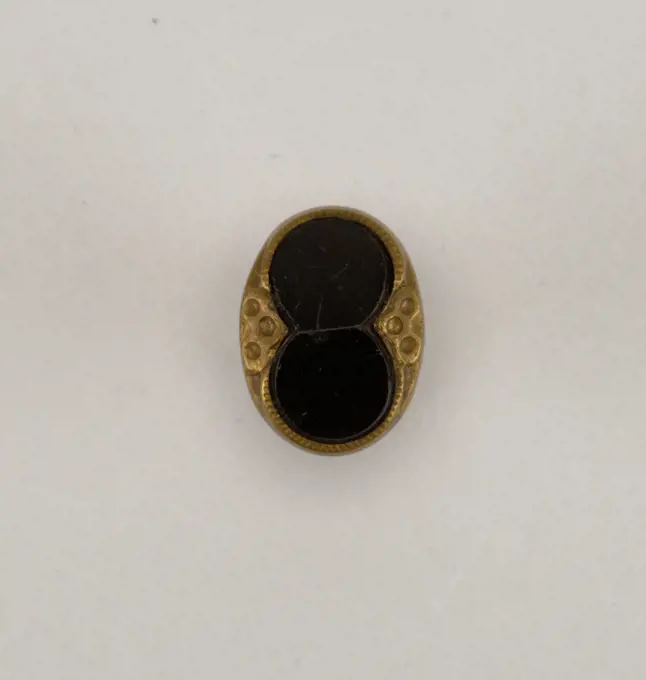
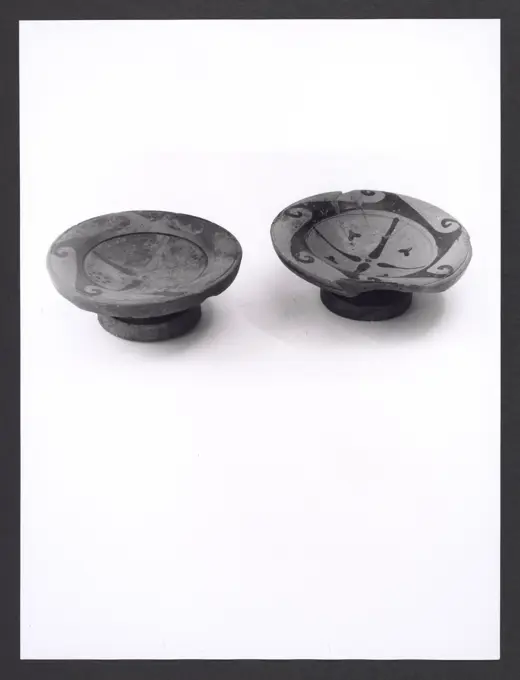
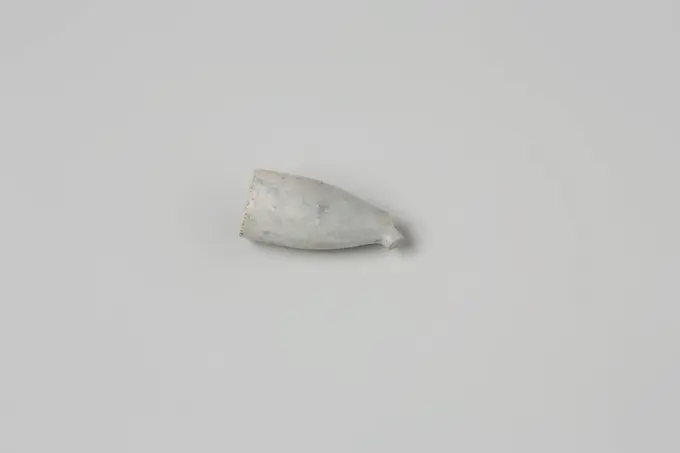
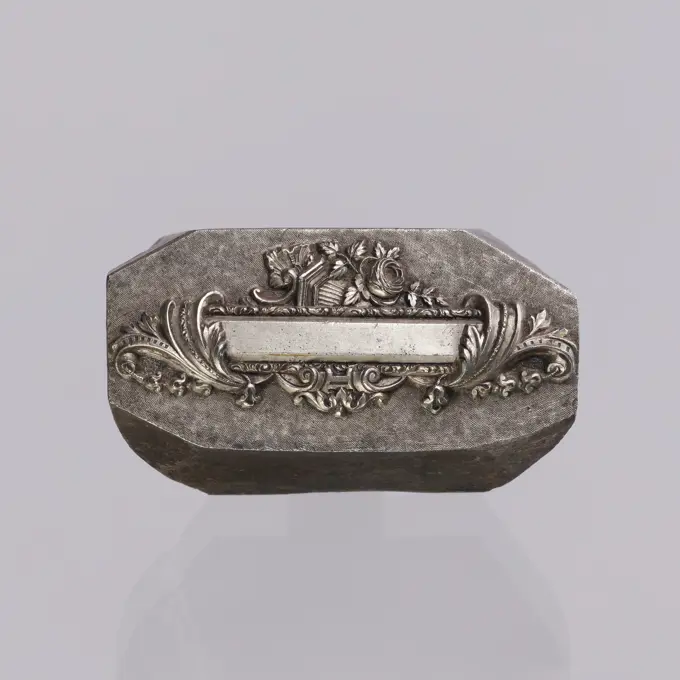
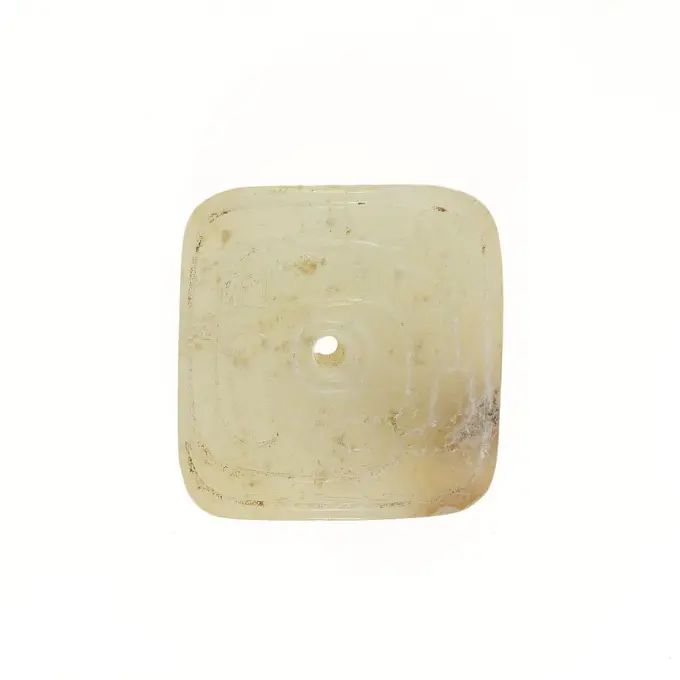
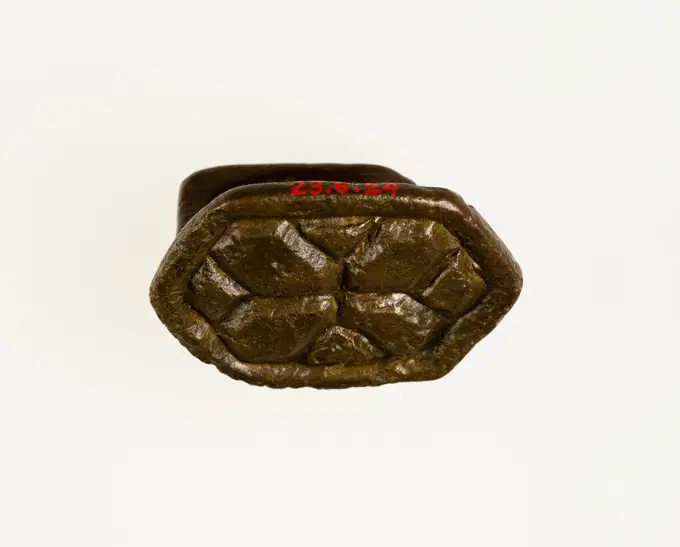
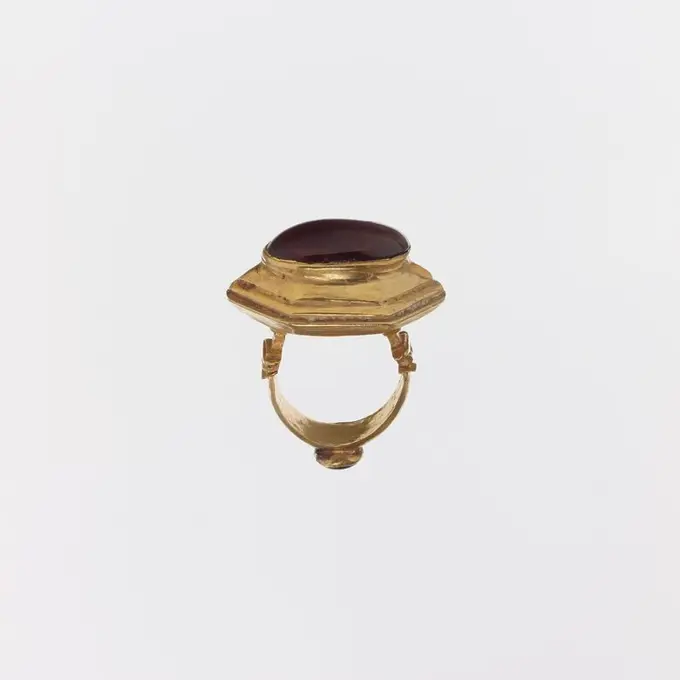
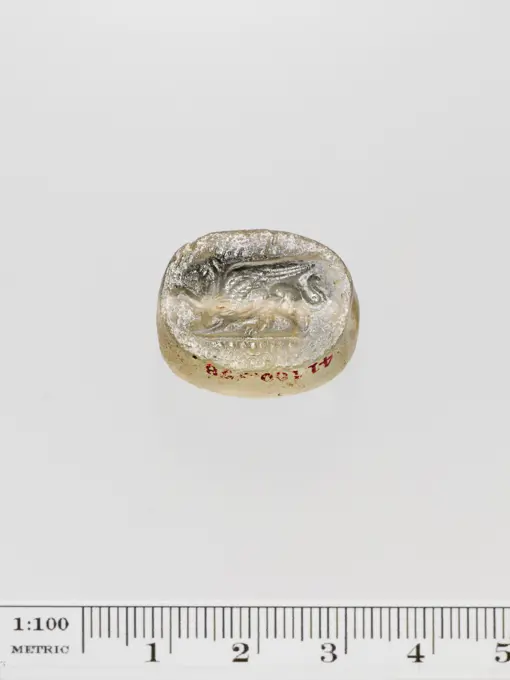
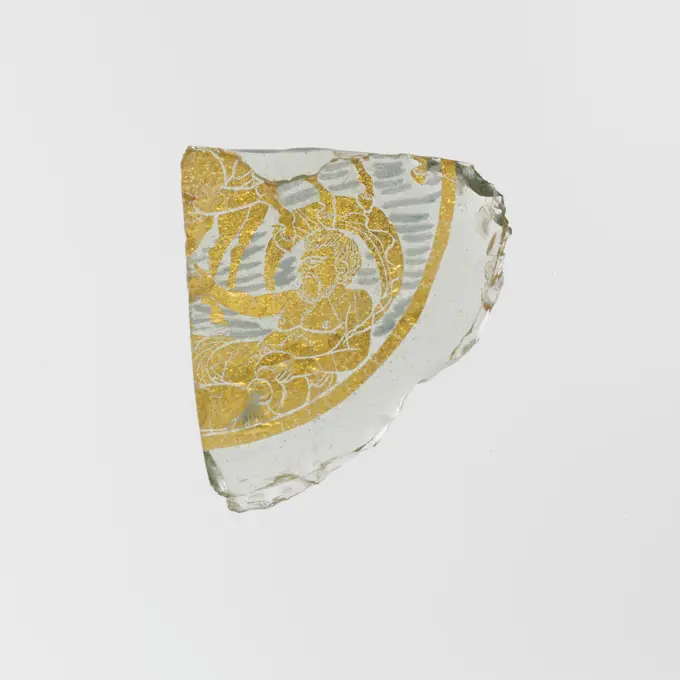
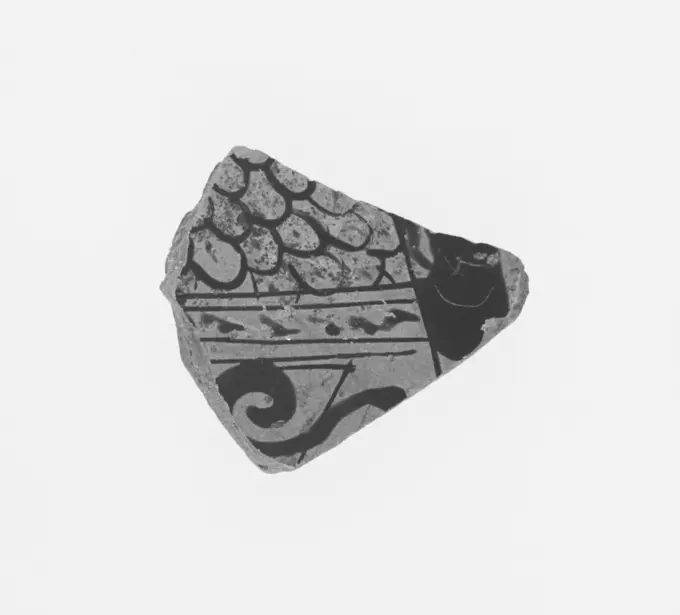
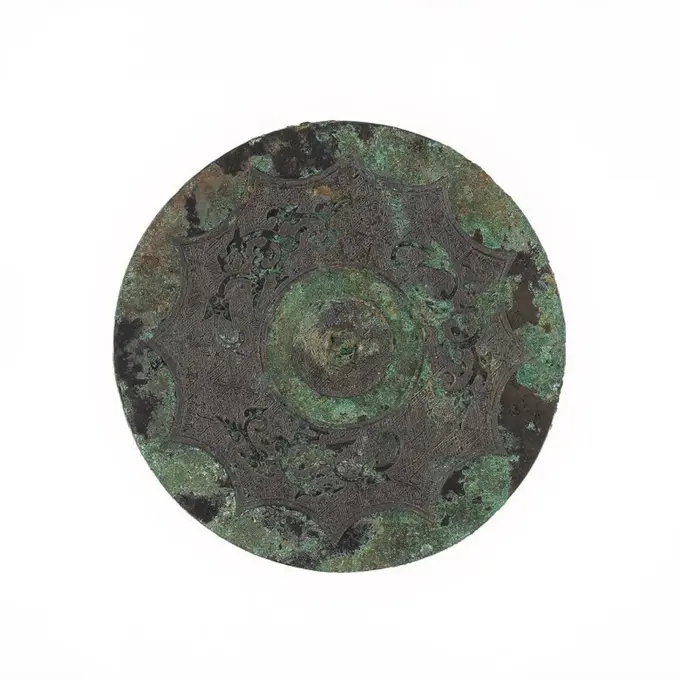
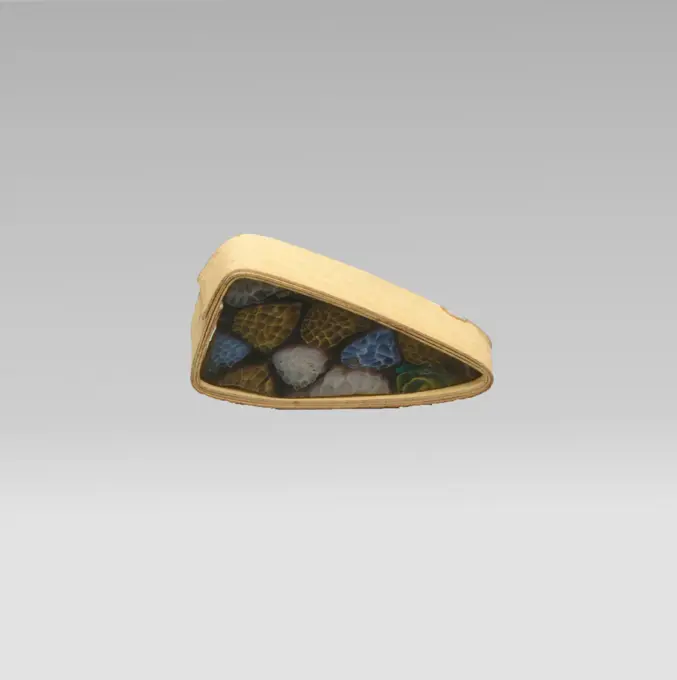
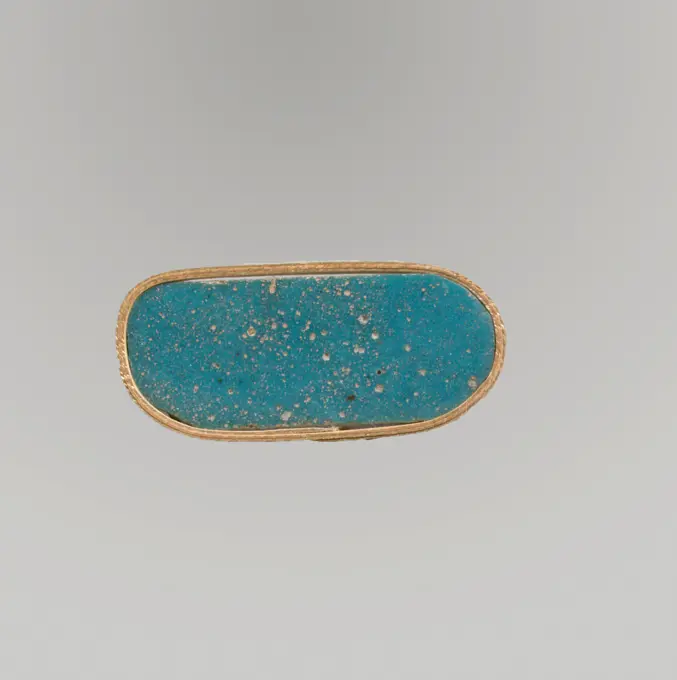
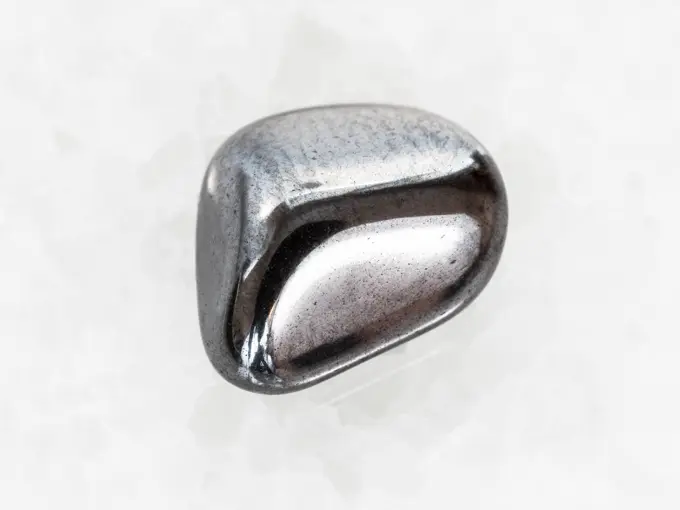
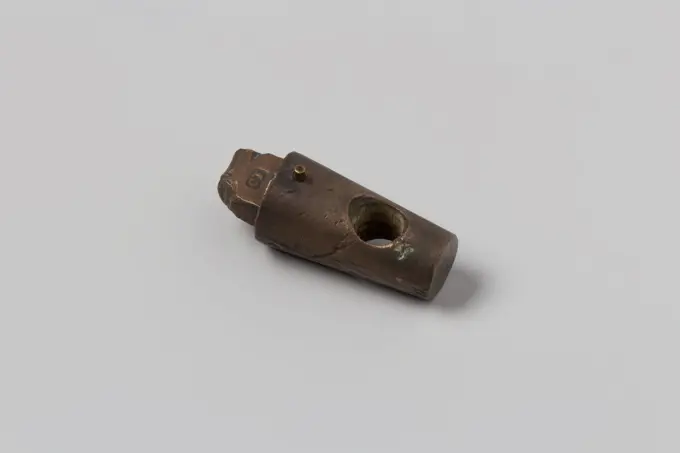
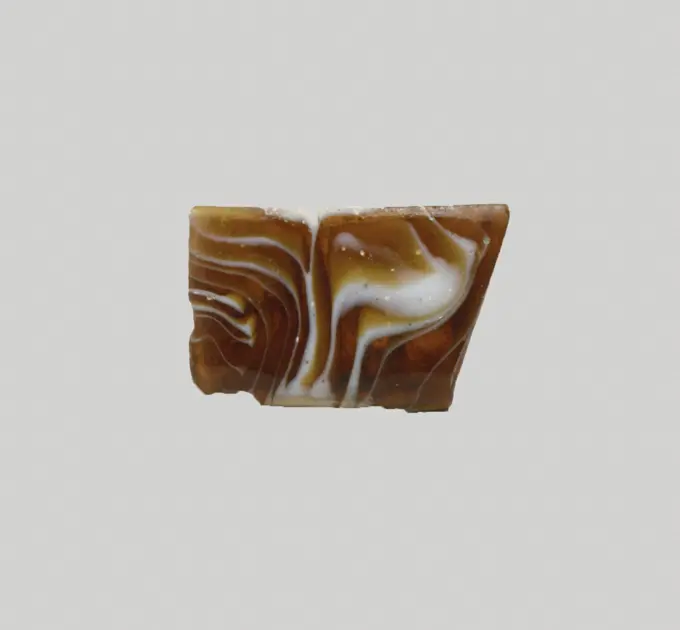
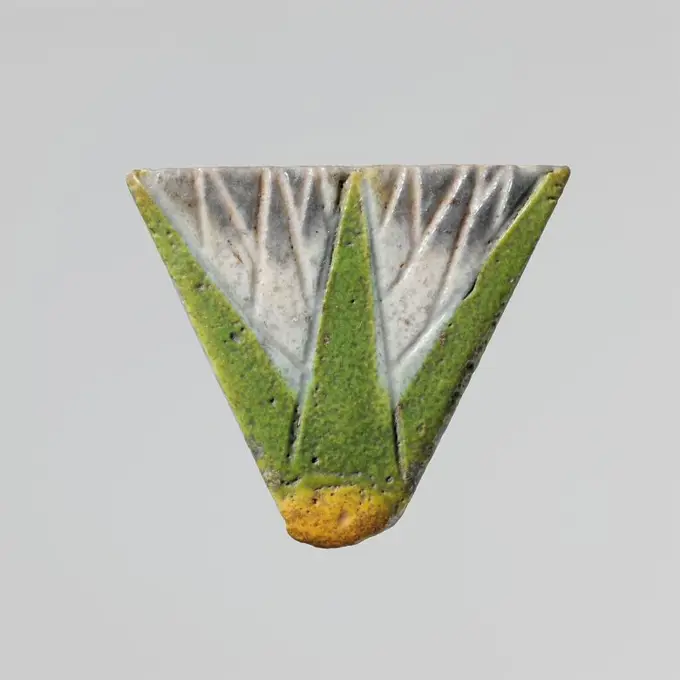
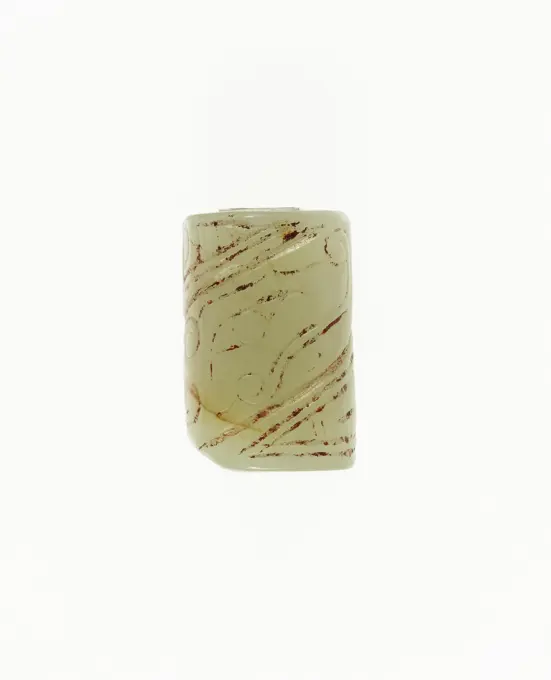
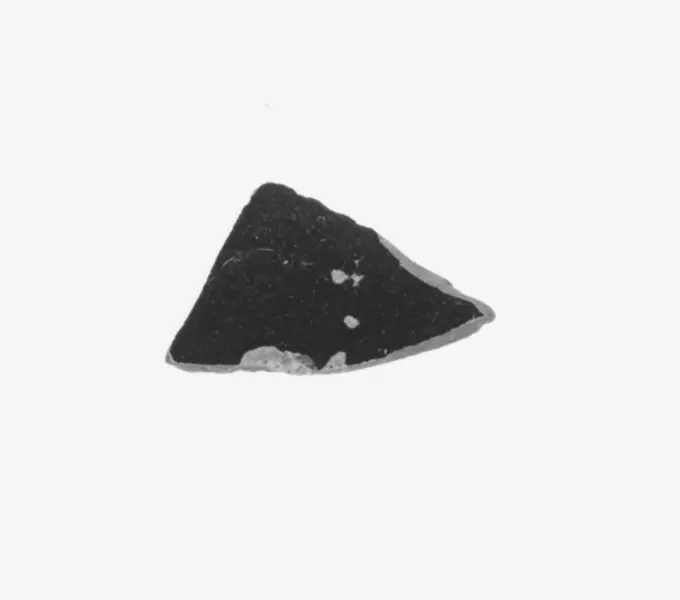
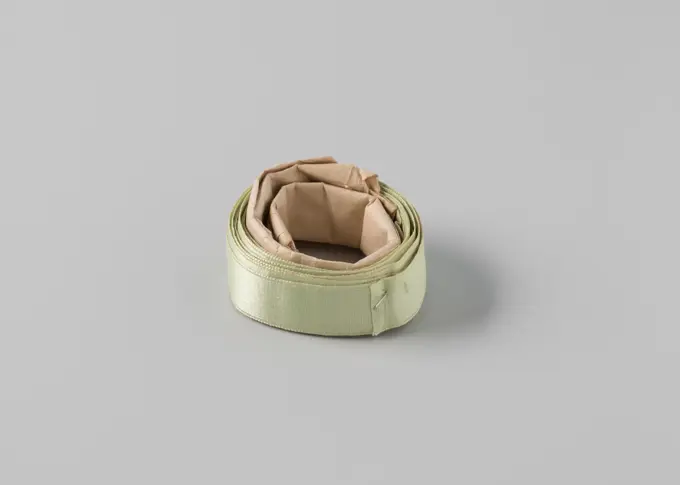
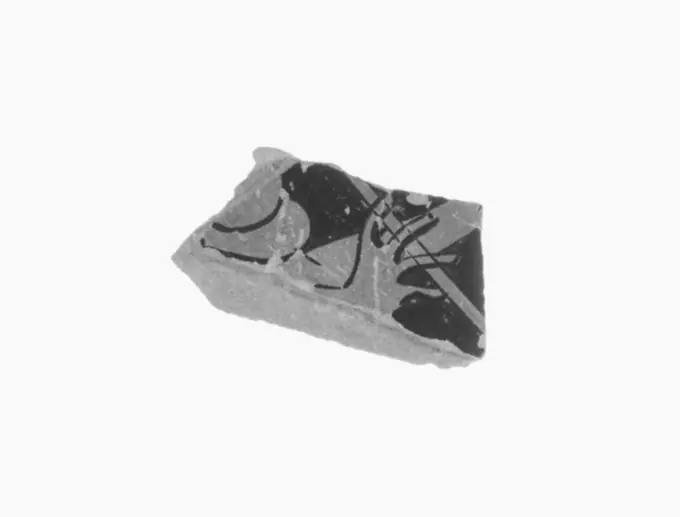
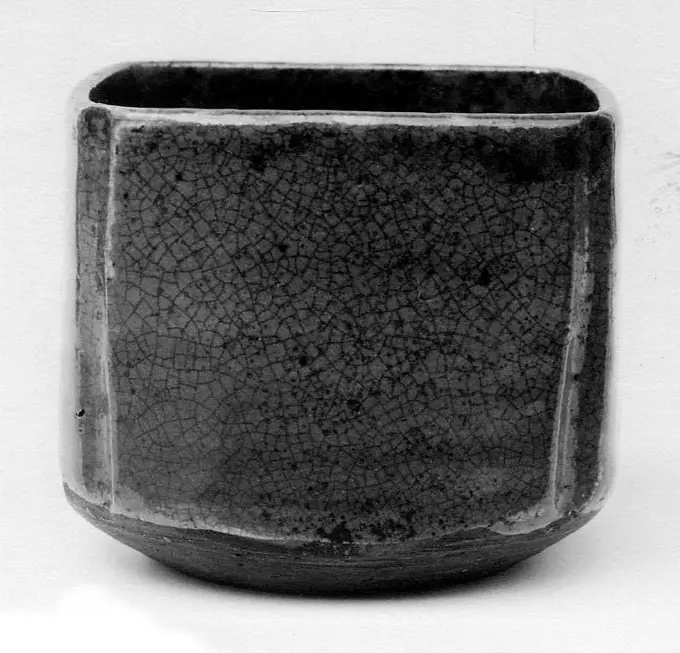
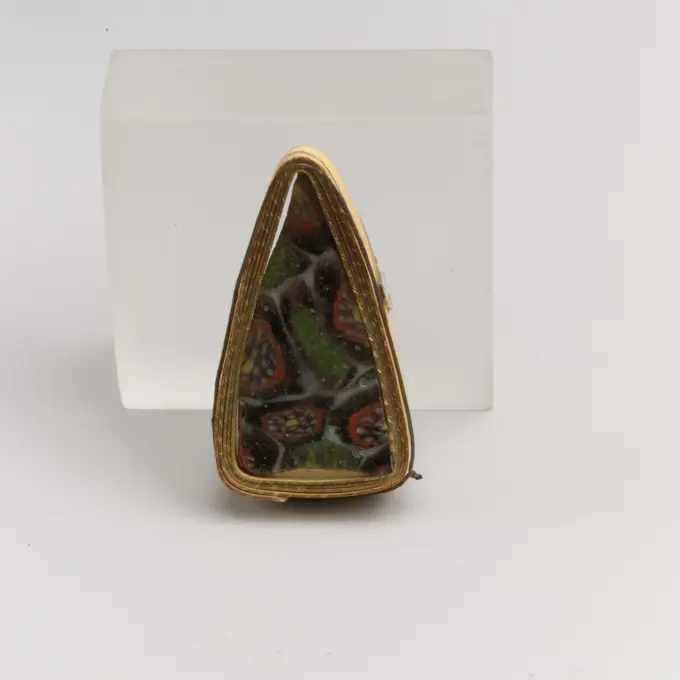
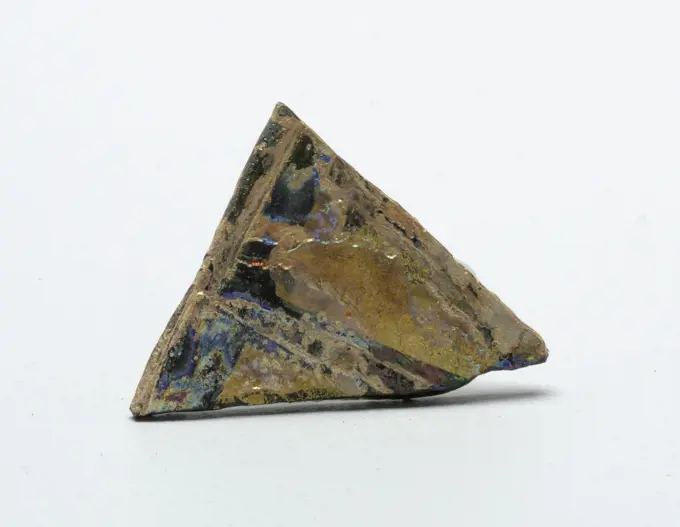
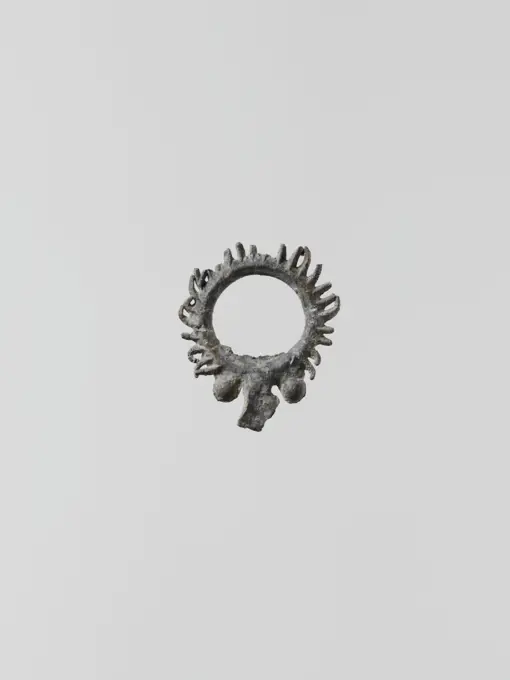
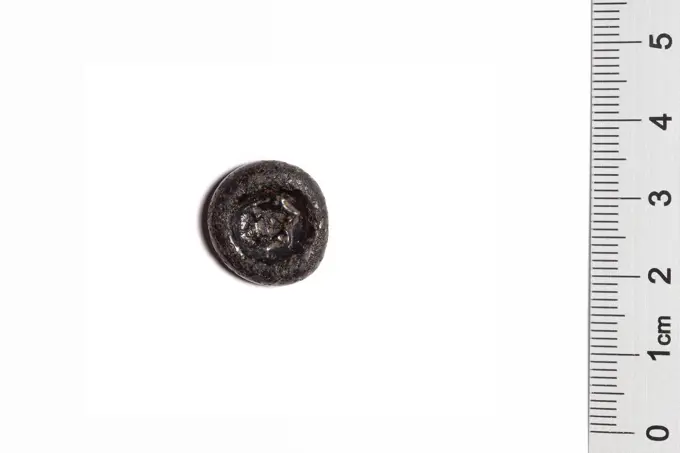
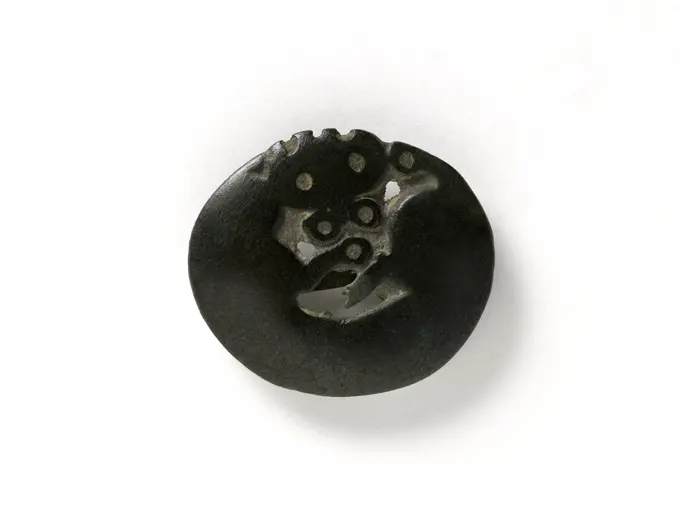
Rounded plate, animal folded on itself. Ordos. 6th century BC. Paris, Cernuschi museum. 35173-6 Hetao, rosy Mongolia, ordos, rounded plate, prehistory, prehistoricSlit Tube (jue) 5000 BCE-3000 BCE China. Jade .Glass spindle whorl. Culture: Roman. Dimensions: Height: 7/16 in. (1.1 cm)Diameter: 1 1/16 in. (2.7 cm). Date: ca. 1st-2nd century A.D..Translucent cobalt blue.Tall, domed body, with slight flaring lip at base; flat bottom but with circular groove; vertical hole larger on bottom.Intact; some pitting, dulling, and creamy iridescent weathering.Made by winding trail in a spiral around rod. Museum: Metropolitan Museum of Art, New York, USA.Patch Box. John Dixwell; American, 1680-1725; Boston, Massachusetts. Date: 1721-1725. Dimensions: 1.2 × 3.7 × 2.5 cm (1/2 × 1 5/16 × 1 in.); 8.8 grams. Silver. Origin: Boston. Museum: The Chicago Art Institute, Chicago, USA.Glass spindle whorl ca. 1st-2nd century A.D. Roman Translucent cobalt blue.Domed body; flat bottom but with circular groove; vertical hole, larger on bottom.Intact; pinprick bubbles; dulling, pitting, and iridescence, with patches of creamy weathering.Made by winding trail in a spiral around rod.. Glass spindle whorl 239922Attic Red-Figure Volute Krater Fragment. Euthymides (Greek (Attic), active 515 - 490 B.C.)Planets-manager. Cornalet Collection Sites 2013-2016. Numismatic.Broad Collar piece () ca. 1850-1640 B.C. Middle Kingdom. Broad Collar piece () 649818Pinhead 1st century B.C.-5th century A.D. Roman. Pinhead. Roman. 1st century B.C.-5th century A.D.. Glass. GlassStew, oval, with five holes in the top. Stew from mahogany, oval with five holes in the top, the opening for the fire test is finished with a scalloped rule.Sharf of a sign from the wreck of the East Indians Hollandia, Anonymous, 1700 - in Or Before 1743 plate (dishes) Porcelain, plate, type 4; Fragm of Rim, sim. Of 1980-27h2624k. Netherlands porcelain   SecondWooden box. Wooden circular box.Attic Red-Figure Kylix Fragment. UnknownGrahal-Manzara. Carnavalet 2013-2016 collection sites. Numismatics.penny; Ernest Jan Biron (Ksi  Kurland and Semigalia; 1763-1769), Schröder, Justyn Karol (Mincmist Mitawa Mitawa 1763-1764) (Leave); 1763-1764 (1763-00-00-1764-00-00);polished hematite gemstone on white marble macro shooting of natural mineral rock specimen - polished hematite gemstone on white marble background from Brazil Copyright: xZoonar.com/ValeryxVoennyyx 11947248Denar - Brakteat; approx. 1307/1308- 1317/1318 (1307-00-00-1318-00-00);Lovers (Venus and Adonis ) in a landscape late 16th century Italian, Milan The lovers’ entwined legs (and the presence of Cupid) imply amorous attachment, while their arms—hers restraining, his gesticulating—denote conflict, as Venus entreats Adonis not to go after the wild boar that will be the cause of his death. But Adonis, hound at his side, is on the point of willful departure. The sophisticated atmospherism, relayed in myriad browns and grays, shows awareness of Alessandro Masnago’s work (see 38.150.33).. Lovers (Venus and Adonis ) in a landscape 198280Buckle 3rd-4th century Spanish. Buckle. Spanish. 3rd-4th century. Bronze. Miscellaneous-Buckles & OrnamentVase fragment East Greek/Sardis, Lydian. Vase fragment 252819 East Greek/Sardis, Lydian, Vase fragment, Terracotta, Overall: 9/16 x 1 1/8in. (1.5 x 2.8cm). The Metropolitan Museum of Art, New York. Gift of The American Society for the Excavation of Sardis, 1926 (26.199.254)Pin Mets Git, Anonymous, c. 1870 - C. 1880 Oval brooch with git with base brochure with crochet closure as aok an eye with an eye. Slightly damaged at the rear at the edge of the brochure hinge. United Kingdom jet (coal). metal grinding Oval brooch with git with base brochure with crochet closure as aok an eye with an eye. Slightly damaged at the rear at the edge of the brochure hinge. United Kingdom jet (coal). metal grindingGlass network mosaic fragment late 1st century B.C.-early 1st century A.D. Roman Body fragment.Colorless, with opaque white.Convex curving side, turning in sharply along one edge (bottom ).Five parallel (horizontal ) canes decorated with double spirally twisted threads.Many pinprick bubbles; exterior polished; slight pitting of surface bubbles; creamy iridescent weathering on interior; jagged, weathered edges.. Glass network mosaic fragment 257342Vessel Fragment. UnknownLibra of copper, round and flat with a raised edge in which three holes are applied, anonymous, c. 1590 - c. 1596  Libra of copper, round and flat with a raised edge in which three holes are applied. The scale probably served for weighing medicines. According to De Veer, a barber or surgeon has been with the trip.  copper (metal) striking (metalworking)  Nova Zembla. Saving HuysCylindrical sealAxe. China. Date: 1600 BC-1050 BC. Dimensions: 3 1/4 × 3 × 1/8 in. (8.25×7.62×0.32 cm). Jade. Origin: China. Museum: The Chicago Art Institute, Chicago, USA.Glass striped mosaic fragment late 1st century B.C.-early 1st century A.D. Roman Body fragment.Translucent blue, blue largely layered with yellow appearing dull green, purple appearing opaque deep brick red, and opaque yellow, with colorless glass.Convex curving side. Decorated with broad parallel bands, forming a pattern: blue, yellow, red, colorless with double spiral yellow threads, green, blue, colorless with double spiral yellow threads, and brown, with thin separating lines in colorless glass.Pinprick bubbles; exterior polished, with pitting of surface bubbles; dulling and iridescent weathering on interior; some weathering on jagged edges.. Glass striped mosaic fragment. Roman. late 1st century B.C.-early 1st century A.D.. Glass; cast. Early Imperial. GlassGlass striped mosaic bowl fragment late 1st century B.C.-early 1st century A.D. Roman Rim fragment.Translucent blue, purple appearing opaque brick red, turquoise blue layered with yellow appearing green, opaque yellow, and white, with colorless glass.Applied coil rim with rounded, vertical lip; almost straight side, curving inward slightly at bottom. Rim in blue with white spiral thread; body decorated with vertical bands, forming a regular repeated pattern: one in blue and red flanked by fine white lines, another in yellow flanked by green, both separated by a colorless cane with spiral yellow thread.Pinprick bubbles; exterior polished, with pitting of surface bubbles; dulling and faint weathering on interior; some weathering on edges.. Glass striped mosaic bowl fragment. Roman. late 1st century B.C.-early 1st century A.D.. Glass; cast. Early Imperial. GlassButton, black glass and brass, oval button in design of brass rim with triangular ornament at either side holding a piece of black glass in shape of a figure 8 - brass back and shank., France, 19th century, costume & accessories, Decorative Arts, ButtonSmall bronze chisel 2nd millennium B.C. Minoan Like the other bronzes found in the Diktaian Cave displayed in this case, this chisel may have been a votive object.. Small bronze chisel 252394 Minoan, Small bronze chisel, 2nd millennium B.C., Bronze, L. 1 1/4 in. (3 cm). The Metropolitan Museum of Art, New York. Bequest of Richard B. Seager, 1926 (26.31.473)Lid of turtle with Hertekop of silver (series from 28 pieces A to BB), Anonymous, 1700 - 1799 Turtle cover (28 pieces: A to BB) with silver's deer head as a button. Indonesia silver (metal) Turtle cover (28 pieces: A to BB) with silver's deer head as a button. Indonesia silver (metal)StampAker. Round bucket with handle. The bucket is decorated with smooth tires and is marked: twice a dolphin.Lazio Roma Grottaferrata Museo05. Hutzel, Max 1960-1990 German-born photographer and scholar Max Hutzel (1911-1988) photographed in Italy from the early 1960s until his death. The result of this project, referred to by Hutzel as Foto Arte Minore, is thorough documentation of art historical development in Italy up to the 18th century, including objects of the Etruscans and the Romans, as well as early Medieval, Romanesque, Gothic, Renaissance and Baroque monuments. Images are organized by geographic region in Italy, then by province, city, site complex and monument.Attic Red-Figure Kalpis Fragment. UnknownFragment pipes stem from the wreck of the East India Flying heart. The fragment ever part of a pipe.Excerpt of a pipe head from the wreck of the East Indians' t Vliegend Hart, WS, 1700 - 1735  Kop of an earthen Goudse Pijp, without a handle, slightly damaged with crowned heel brand WS, blue and whitening discolored. Fragments of Bowls and Stems. Gouda pipe clayDenar - Brakteat; 2 after. XIII century (1233-00-00-1299-00-00);Jewelry matrix;  2 PO .Xix W (1850-00-00-1900-00-00);Stone wall letters Letter O 3D stone wall letters Letter O 3DPlaque with Coiled Bird. China. Date: 1100 BC-900 BC. Dimensions: 2.5 × 2.4 × 0.6 (1 × 15/16 × 1/4 in.). Jade. Origin: China. Museum: The Chicago Art Institute, USA.Stamp seal 688-525 B.C. Late Period, Saite. Stamp seal. 688-525 B.C.. Copper alloy. Late Period, Saite. From Egypt. Dynasty 26Gold and cabochon garnet ring. Culture: Greek. Dimensions: Overall: 1 1/16 x 15/16 x 1 3/8 in. (2.7 x 2.4 x 3.5 cm). Date: 2nd-1st century B.C..The size of the hexagonal bezel, set with a plain but impressively large oval garnet, combined with the fact that another smaller garnet is set in a circular bezel at the center of the hoop at rear, suggests that one was meant to wear this ring on the thumb. This interpretation is confirmed by the presence of the hinge mechanism on the hoop, which allowed the ring to be fitted securely onto the thumb below the knuckle. The piece is a striking example of the extravagant and ostentatious lifestyle of the rich in the Hellenistic world. Museum: Metropolitan Museum of Art, New York, USA.Carnavalet museum, medal collectionBuckle 14th century French. Buckle. French. 14th century. Bronze, patina. Miscellaneous-Buckles & OrnamentLetterpress-Buchstabe L 3D aus gealtertem Metall Aged metal letterpress Letter L 3D rendering illustration isolated on white background Copyright: xZoonar.com/MilicxDjurovicx 22691377Glass mosaic carinated bowl fragment late 1st century B.C.-early 1st century A.D. Roman Rim fragment.Translucent deep purple, opaque white, yellow, and brick red, and colorless.Outsplayed, almost horizontal rim with tapering edge; carinated side, with one deep convex curve.Composite mosaic pattern formed from polygonal sections of two canes: one in a purple ground with a circle of white dots and a central red rod; the second with a yellow spiral in a colorless ground.Polished interior; pitting and creamy weathering of surface bubbles on interior; dulling, weathering, and some iridescence on exterior, edge of rim, and jagged edges.. Glass mosaic carinated bowl fragment. Roman. late 1st century B.C.-early 1st century A.D.. Glass; cast. Early Imperial. GlassStampSealHat of black velvet chiffon and soutache, anonymous, c. 1932 Hat of black velvet chiffon and soutache. Pillbox, with a flat rear edge. Inside a second flat edge of Chiffon with an inner lining of straw and laiton. A Galon of Black Soutache runs along the seam of the bottom and edge and below. Netherlands (possibly) whole: velvet (fabric weave). Completely: Chiffon. whole:. whole:. whole: Hat of black velvet chiffon and soutache. Pillbox, with a flat rear edge. Inside a second flat edge of Chiffon with an inner lining of straw and laiton. A Galon of Black Soutache runs along the seam of the bottom and edge and below. Netherlands (possibly) whole: velvet (fabric weave). Completely: Chiffon. whole:. whole:. whole:Transparent glass scaraboid ca. 450-400 B.C. Greek, Ionian Eagle-headed griffin.. Transparent glass scaraboid. Greek, Ionian. ca. 450-400 B.C.. Glass, transparent. Classical. Gemssesterce; Antoninus Pius (86-161; Roman emperor 138-161); 154-156 (154-00-00-156-00-00);Part of a Scarab Inscribed for Neferhotep I ca. 1741-1730 B.C. Middle Kingdom This is a fragment of a royal name scarab, inscribed with the royal title Son of (Re) and a cartouche with the name of pharaoh Neferhotep I (Dynasty 13, ca. 1741-1730 B.C.).. Part of a Scarab Inscribed for Neferhotep I. ca. 1741-1730 B.C.. Bright blue glazed steatite. Middle Kingdom. From Egypt, Memphite Region, Lisht North, Cemetery, MMA excavations. Dynasty 13False coin, crown penny, Ladislaus Jagiello (1386 1434)Spittoon -Wooden letter K on whiteGlass bowl fragment with gold leaf and painted decoration 3rd-4th century A.D. Roman Colorless with greenish tinge; gold foil and pale blue paint or enamel.Fragment from bottom of a vessel, flat on underside, slightly convex on upper surface, rising slightly towards edge.Roundel framed by a circle containing part of a marine scene with sea represented by blue horizontal lines; at bottom, a bearded male figure reclines, facing left, semi-nude with drapery across his right leg and a cloak arched over his head, his right arm extended before him and his left resting on a down-turned jar from which water pours; above, four raised forelegs and hooves, part of chest, and two standing legs of horses.Broken on all sides; few bubbles; slight dulling and faint weathering.Many examples of gold glass have been found in Rome, where they were eventually used to decorate the catacombs. They often have Christian scenes. This fragment from the base of a bowl, however, depicts the figure of the Roman deiScarab Inscribed for Menkheperenre (Thutmose III) ca. 1479-1458 B.C. New Kingdom. Scarab Inscribed for Menkheperenre (Thutmose III). ca. 1479-1458 B.C.. Steatite (glazed). New Kingdom. From Egypt, Upper Egypt, Thebes, Deir el-Bahri, Temple of Hatshepsut, Foundation Deposit 7 (G), MMA excavations, 1926-27. Dynasty 18, earlyChalcedony cone 2nd half of the 5th century B.C. Greek, Ionian Doe lying down and looking toward a snake.. Chalcedony cone. Greek, Ionian. 2nd half of the 5th century B.C.. Chalcedony, smoky, silver. Classical. GemsRectangular and curved shoe spacer lacquered metal, with an engraved decoration consisting of a diamond pattern with dots, anonymous, c. 1880 - c. 1910 Rectangular and curved shoe spacer lacquered metal, with an engraved decoration consisting of a diamond pattern with dots. Netherlands metal. lacquer (coating) engraving Rectangular and curved shoe spacer lacquered metal, with an engraved decoration consisting of a diamond pattern with dots. Netherlands metal. lacquer (coating) engravingAttic Red-Figure Amphora Fragment. UnknownSword Guard (Tsuba) ca. 1615-1868 Japanese A tsuba is a sword guard and part of a sword mounting. It is mounted between the swords blade and grip to protect the users hands.. Sword Guard (Tsuba) 34460Mirror with Dragon Arabesque. China. Date: 300 BC-101 BC. Dimensions: Diam. 10.8 cm (4 1/4 in.); Thickness: 1.5 mm (1/16 in.). Bronze. Origin: China. Museum: The Chicago Art Institute, Chicago, USA.Rosette Austrian 16th century View more. Rosette. Austrian. 16th century. Brass. Miscellaneous-Buckles & OrnamentGlass mosaic fragment late 1st century B.C.-early 1st century A.D. Roman Thin-walled body fragment.Translucent purple, cobalt blue, honey yellow, turquoise blue, opaque white and yellow, and colorless.Very shallow convex curving side.Composite mosaic pattern formed from polygonal sections of four or more canes: three very similar in a purple ground surrounding a circular cluster of blue, yellow, or colorless rods outlined in white, yellow, and white respectively; a fourth cane in turquoise blue with a yellow spiral, and part of a fifth cane in a purple ground with a white circle.Polished exterior; pitting of surface bubbles; dulling, pitting, and iridescent weathering on interior and edges.. Glass mosaic fragment. Roman. late 1st century B.C.-early 1st century A.D.. Glass; cast. Early Imperial. Glassdenarius; Hadrian (76-138; Roman emperor 117-138); 132-134 (132-00-00-134-00-00);Liberalitas (personification), heads, abundance horns, laurel wreathsBlock weight of half a Amsterdam pounds. Brass block weight of a half Amsterdam pounds. In the form of a truncated cone. In addition, the crowned weapon of Amsterdam has been taken between the letters GG. Furthermore, the calibration journeys 1736-1742. The first two on top, the other overhoeks on the side.Animal head ornament 1st millennium B.C.. Animal head ornament 3251001/4 Tical of Salung from Hetthaise Kingdom Ayuthia, 1350-1564 ,, 1350 - 1564 coin Silver, grain -shaped mint. Equipped with one consequence (KRA): Elephant  silver (metal) castingFragment from Patterned Vessel with Thick Walls ca. 1427-1400 B.C. New Kingdom. Fragment from Patterned Vessel with Thick Walls. ca. 1427-1400 B.C.. Red porphyry. New Kingdom. Probably from Upper Egypt, Thebes, Valley of the Kings; From Egypt. Dynasty 18szel g; Pfahler, Ernest; 1628 (1628-00-00-1628-00-00);. Oval stove with test. In the top of the stew, a round hole is looked off in the middle and around four open-turned hearts around it. There is a test on a foot in the stew and with an ear. The stove is marked: Mt. = Foot 430. The stew is equal to five stew with the Inputrs. BK-NM-11177-175, BK-NM-11177-176, BK-NM-11177-177, BK-NM-11177-178, BK-NM-11177-170.Glass monochrome inlay 1st half of 1st century A.D. Roman Opaque deep turquoise blue.Flat inlay; two long straight sides with slightly beveled edges, and rounded at ends.Polished upper side; pitting of surface bubbles on upper side; dulling and creamy weathering on underside and edges.. Glass monochrome inlay. Roman. 1st half of 1st century A.D.. Glass; cast. Early Imperial, Julio-Claudian. Glasspolished hematite gem on white marble macro shooting of natural mineral rock specimen - polished hematite gem on white marble background from Brazil Copyright: xZoonar.com/ValeryxVoennyyx 11947618Dress part from the wreck of the East Indians Hollandia, Anonymous, 1700 - in Or Before 1743  Tap, spigot, removable; fragm, handle (ass. NG 1980-27H427) broken off, id. NG 1980-27H903, 2 marks on opposite sides legible CT, cockerel. Netherlands copper (metal)   SecondGlass beads 4th century A.D. Roman. Glass beads. Roman. 4th century A.D.. Glass. Late Imperial. GlassGlass mosaic fragment late 1st century B.C.-early 1st century A.D. Roman Rim fragment of shallow dish or lid.Translucent honey brown and opaque white.Rounded vertical rim; tapering side, turned in sharply at bottom.Marbled mosaic pattern formed from large sections of a single cane in brown ground with wavy white streaks.One chip in rim; polished exterior; pitting of surface bubbles on exterior; dulling and creamy iridescent weathering on exterior; similar weathering on edges.. Glass mosaic fragment. Roman. late 1st century B.C.-early 1st century A.D.. Glass; cast. Early Imperial. GlassLotus Flower Inlay. Dimensions: L. 3.7 × H. 4.4 × D. 0.6 cm (1 7/16 × 1 3/4 × 1/4 in.). Dynasty: Dynasty 18. Date: ca. 1353-1336 B.C.. Museum: Metropolitan Museum of Art, New York, USA.Vintage Coin isolated Vintage looking Two Euro coin isolated over a white background Copyright: xZoonar.com/ClaudioxDiviziax 9706602Bead 1000 BCE-800 BCE China. Jade .Attic Vase Fragment. UnknownRoll light green silk satin ribbon, c. 1925 Roll of Turn green silk satin ribbon. Nijmegenmaker: France silk Roll of Turn green silk satin ribbon. Nijmegenmaker: France silkHare Pendant. China. Date: 1100 BC-900 BC. Dimensions: 1 7/16 × 1 × 1/8 in. Jade. Origin: China. Museum: The Chicago Art Institute, Chicago, USA.dupondius; Antoninus Pius (86-161; Roman emperor 138-161); 158-159 (158-00-00-159-00-00);Attic Red-Figure Oinochoe Fragment. UnknownTeabowl ca. 1865 Hachiroemon Murase II Japanese. Teabowl 63169Stone font Letter L 3D Stone font Letter L 3D rendering illustration isolated on white background Copyright: xZoonar.com/MilicxDjurovicx 21521902Glass eye bead. Glass eye bead. Glass. GlassInk dropper in the shape of lying cow. unknown, ceramistScrew eye from the wreck of the East Indians Hollandia, Anonymous, 1700 - in Or Before 1743  Screw eyes; fragm, looped eye, id. 80H3125. Netherlands copper (metal)Glass mosaic fragment late 1st century B.C.-early 1st century A.D. Roman Translucent deep purple, pale greyish blue appearing green, opaque white, yellow, and brick red.Flat bottom or inlay.Mosaic pattern formed from polygonal sections of two canes: one in a purple ground outlined in white enclosing a scatter of blue rods outlined in yellow, and the other in a purple ground outlined in white with a red circle and inside on a purple ground two circles of white dots around a central yellow rod .Polished on one side with pitting of surface bubbles; dulling and creamy weathering on other side and jagged edges.. Glass mosaic fragment 257327Attic Red-Figure Stamnos Fragment. UnknownDecorative element7 fragments of vessels, Glass, 7 of what was originally 26 fragments of vessels selected for types of decoration, variation in color of glass, and iridescence., Syria, 1st century BC-5th century AD, glasswares, Decorative Arts, 7 fragments of vesselsWreaths, 11 Greek, Laconian. Wreaths, 11 251726 Greek, Laconian, Wreaths, 11, Lead, 7/8  11/16 in. (2.2  1.8 cm). The Metropolitan Museum of Art, New York. Gift of A. J. B. Wace, 1924 (24.195.160)Plate for sweets. unknown, craftsmanBox with lid, anonymous, 960 - 1279 Box with lid with an overall decoration in relief of small rosettes, covered with light blue glaze up to the unglazed base. China porcelain vitrification / casting Box with lid with an overall decoration in relief of small rosettes, covered with light blue glaze up to the unglazed base. China porcelain vitrification / castingWeight. unknown, craftsmanFaience Fragment Faience Fragment. Faience, 14.540: 1 3/4 x 2 1/4 x 11/16 in. (4.4 x 5.7 x 1.8 cm).   Egyptian, Classical, Ancient Near Eastern ArtBead. Bead. Glass. Glass