Ancient Artifacts and Tools

A compilation of ancient artifacts including spindle whorls and jade tubes, illustrating historical craftsmanship across various cultures.
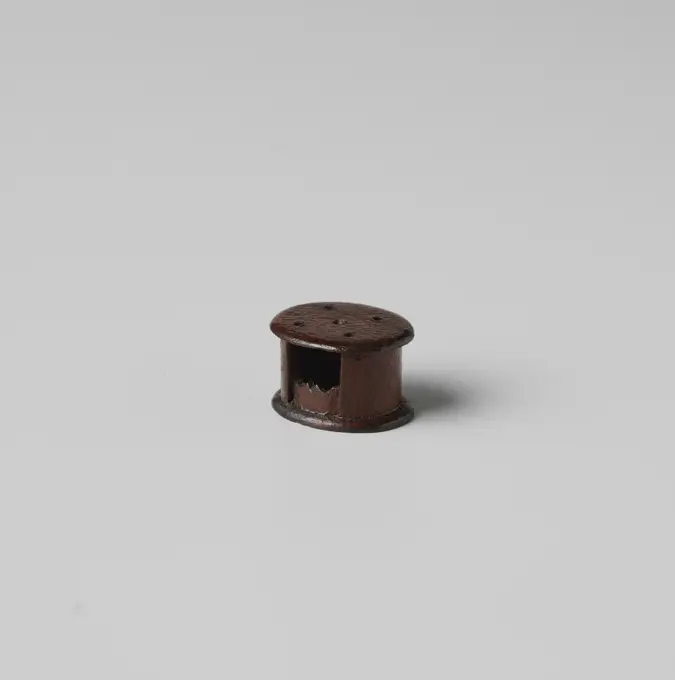
Stew, oval, with five holes in the top. Stew from mahogany, oval with five holes in the top, the opening for the fire test is finished with a scalloped rule.
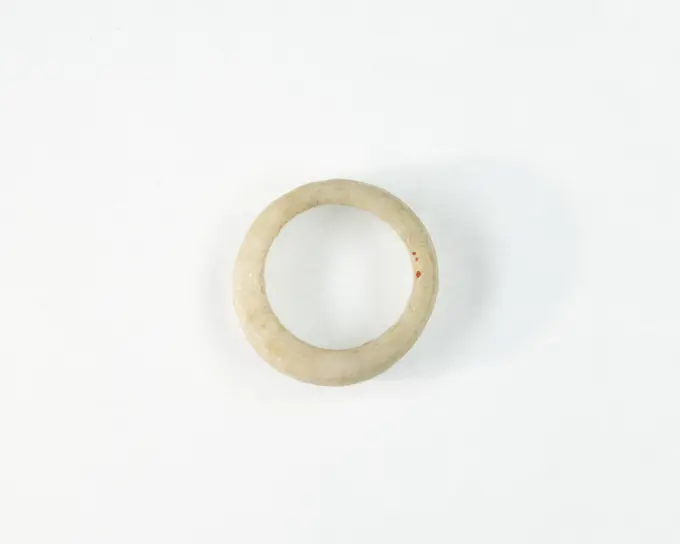
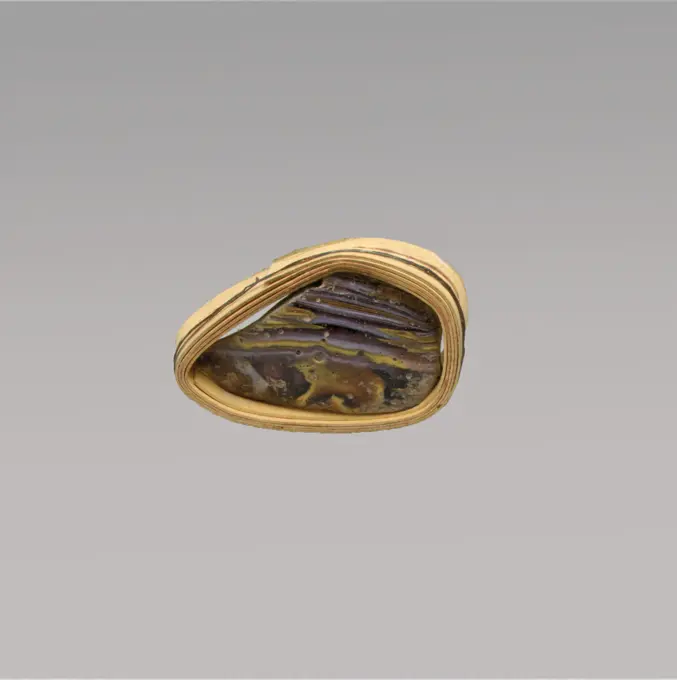
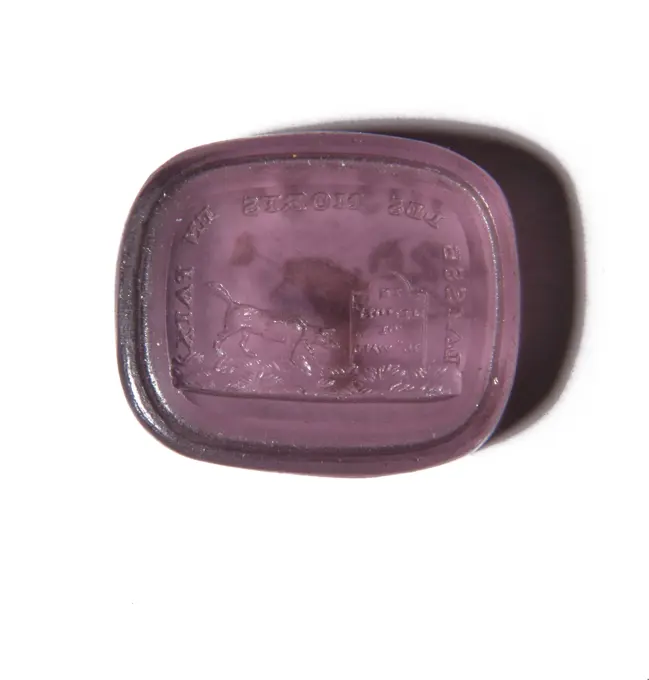
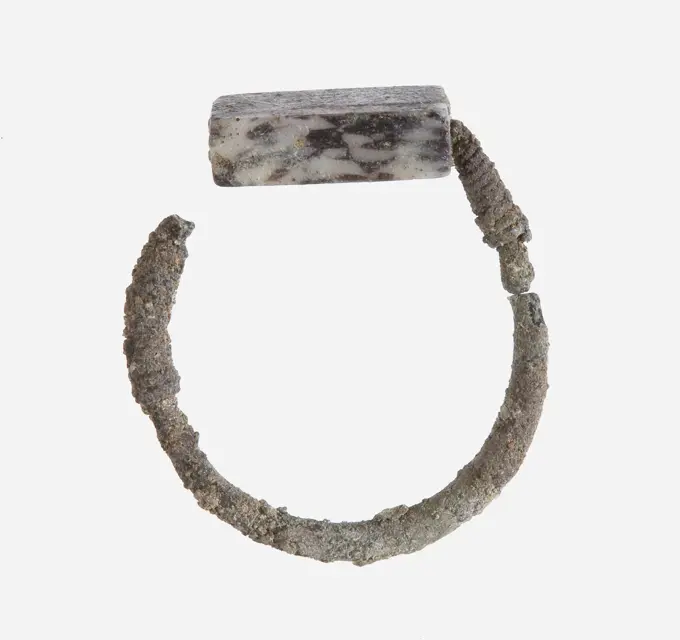
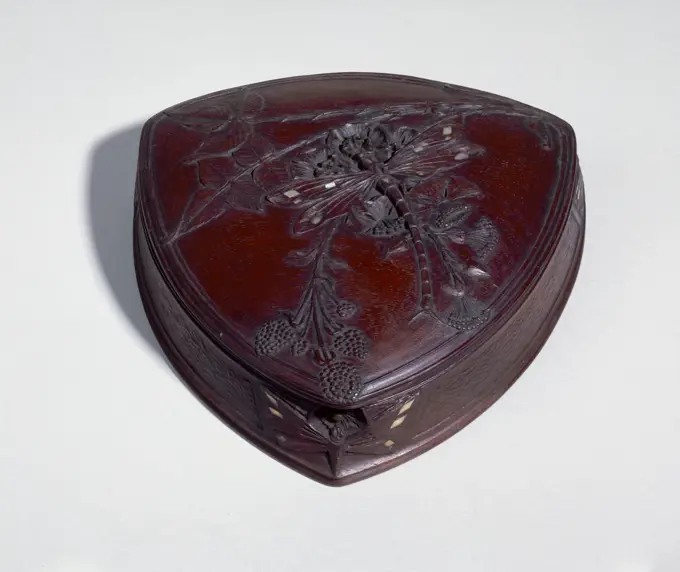
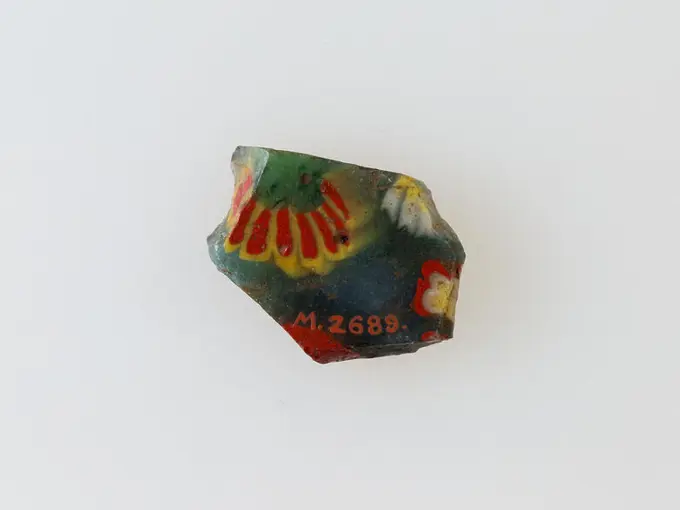
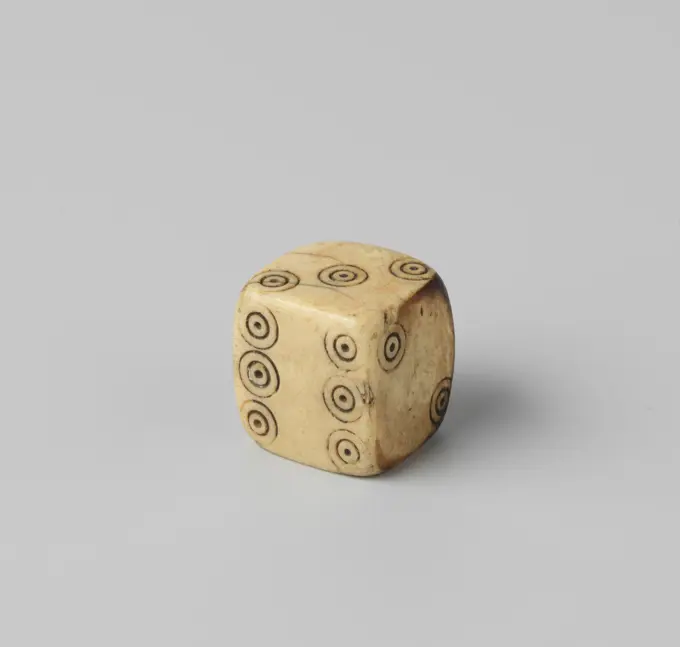
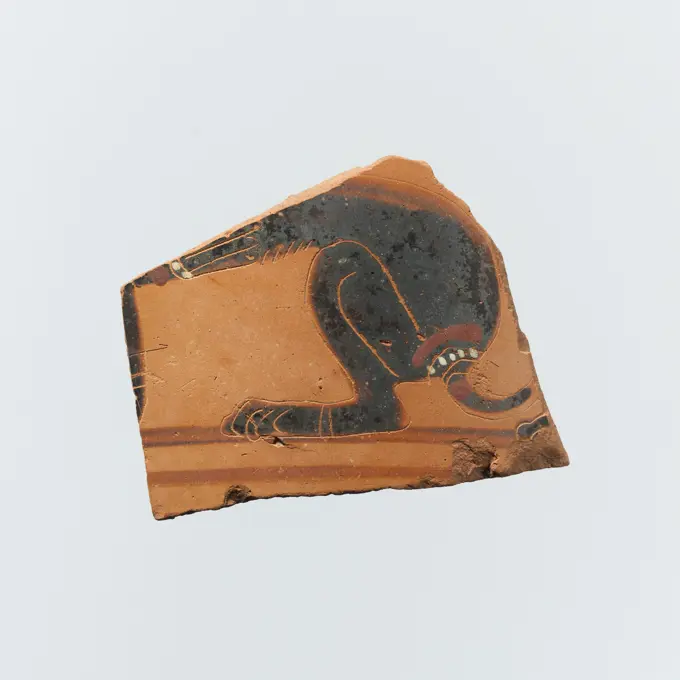
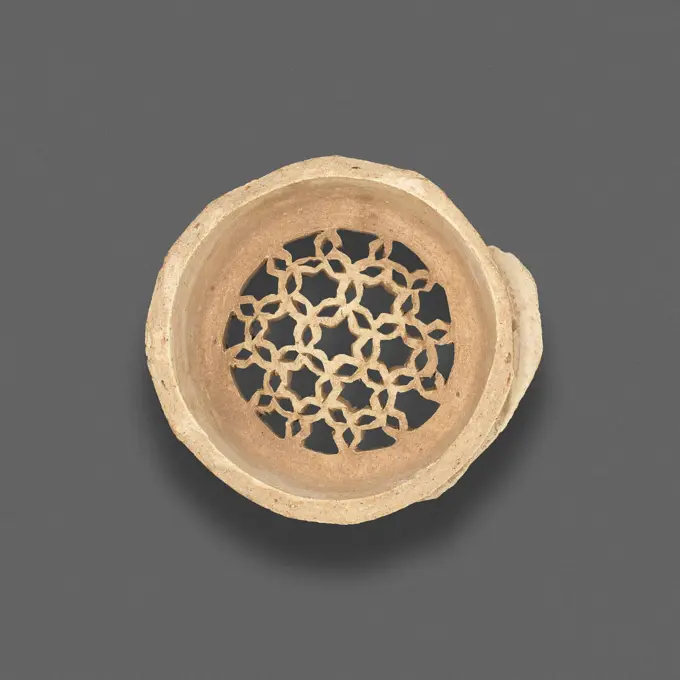
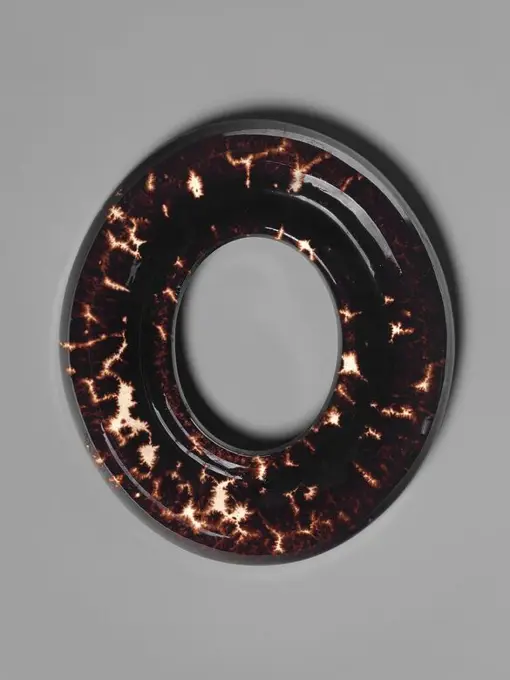
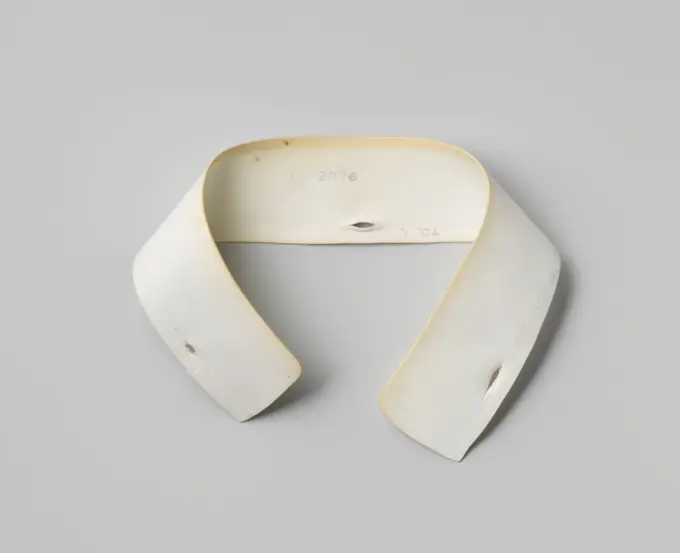
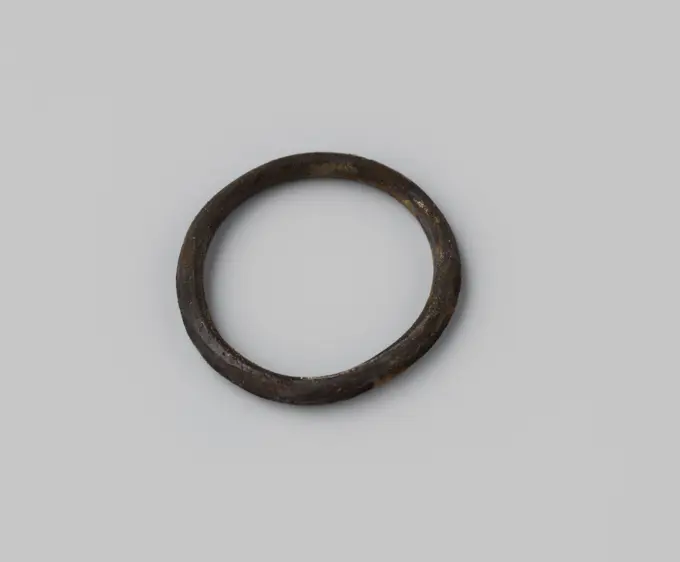
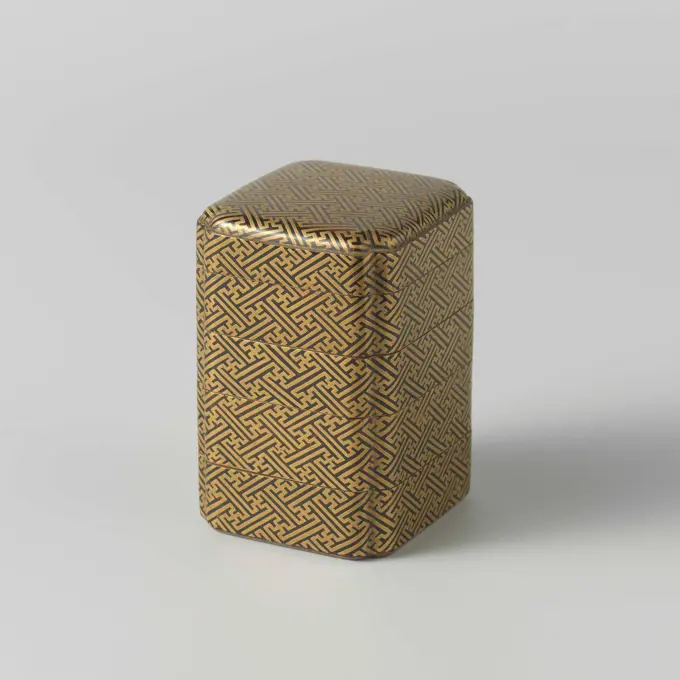
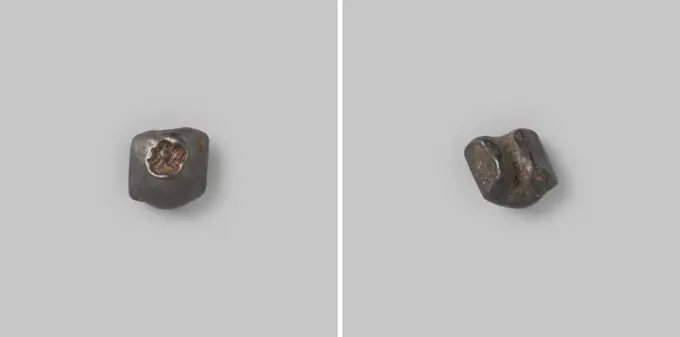
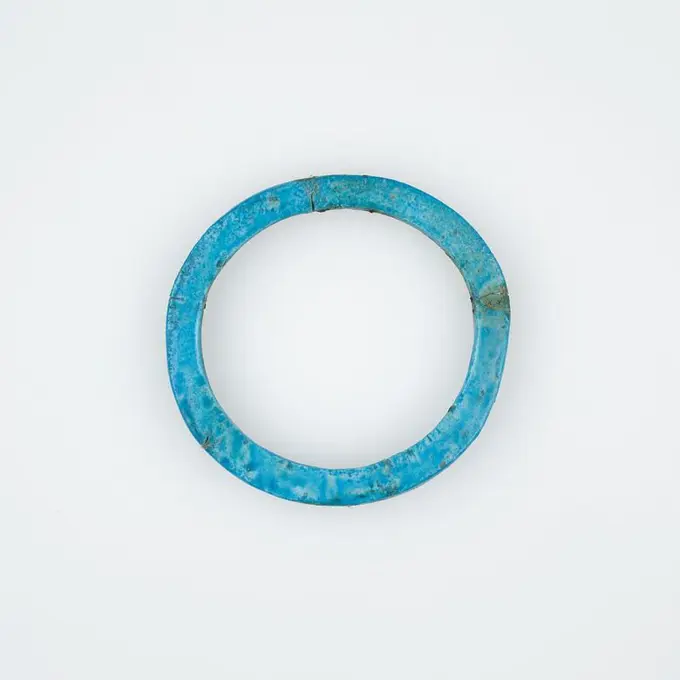
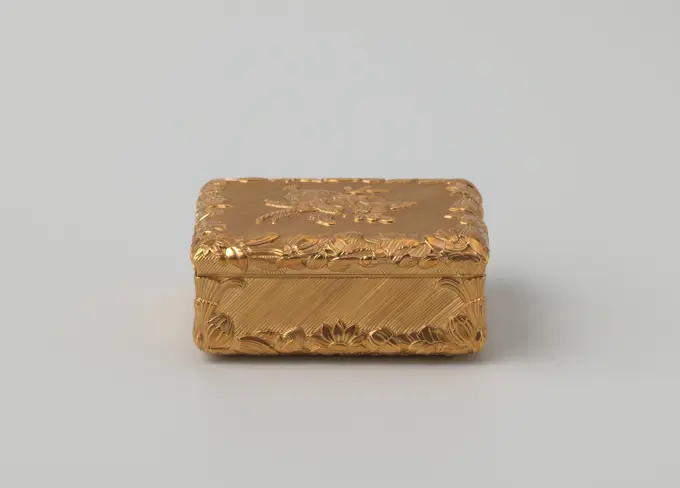
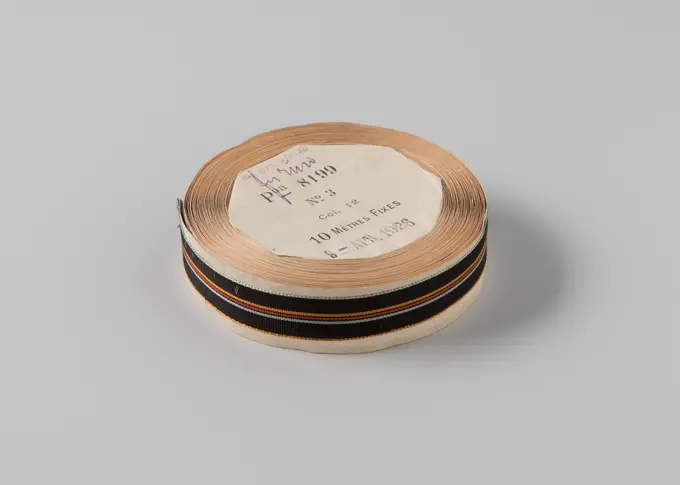
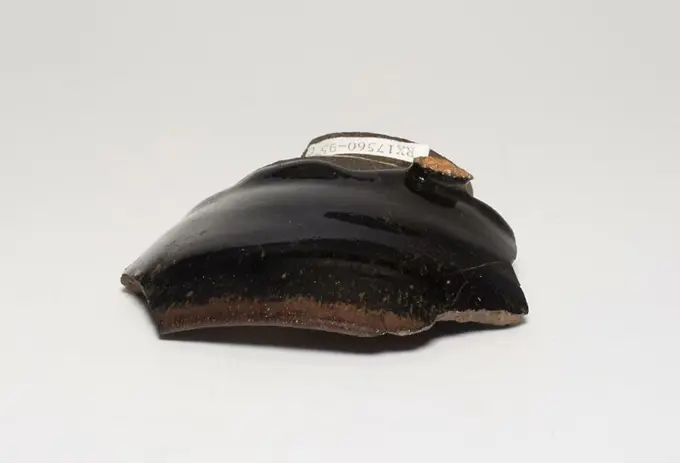
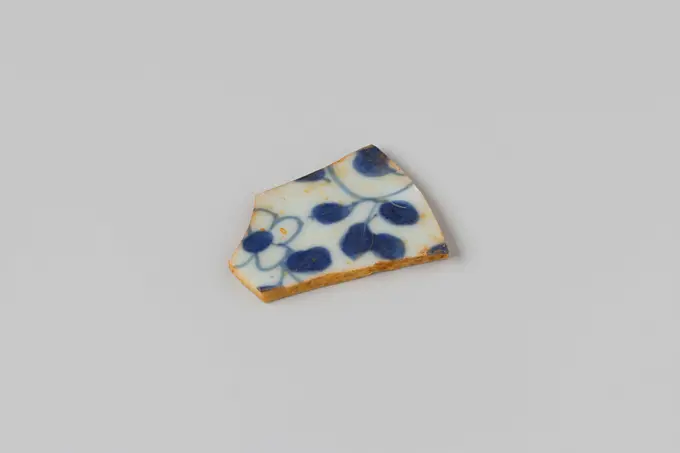
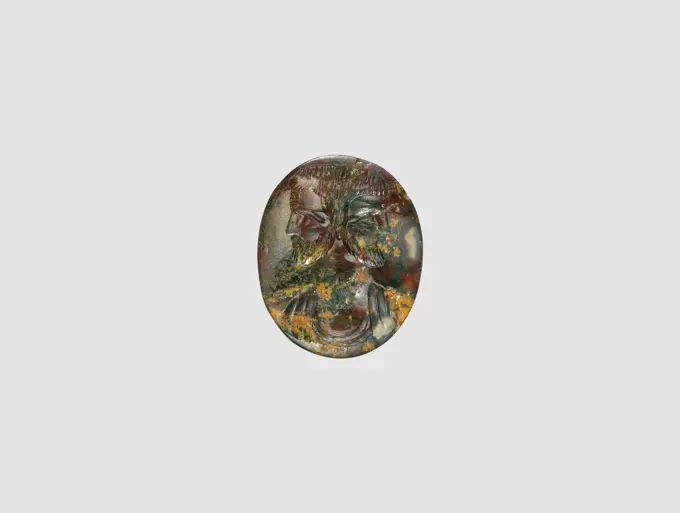
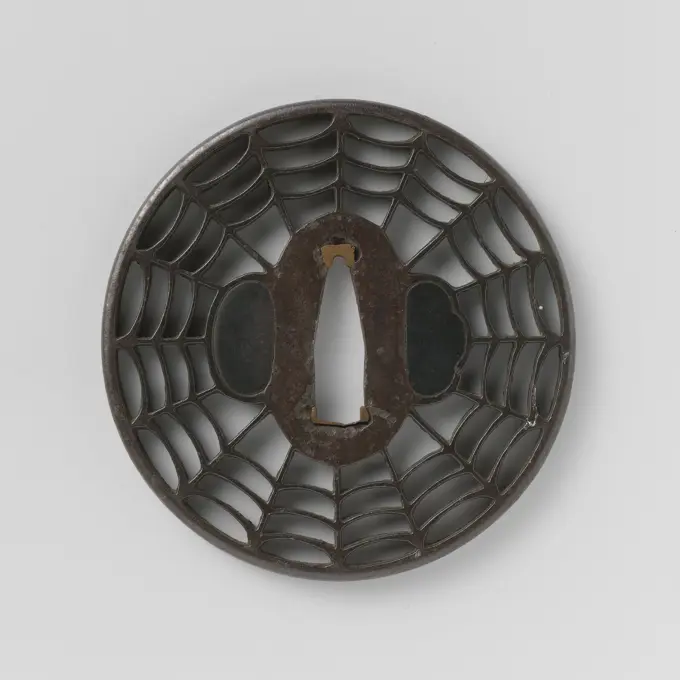
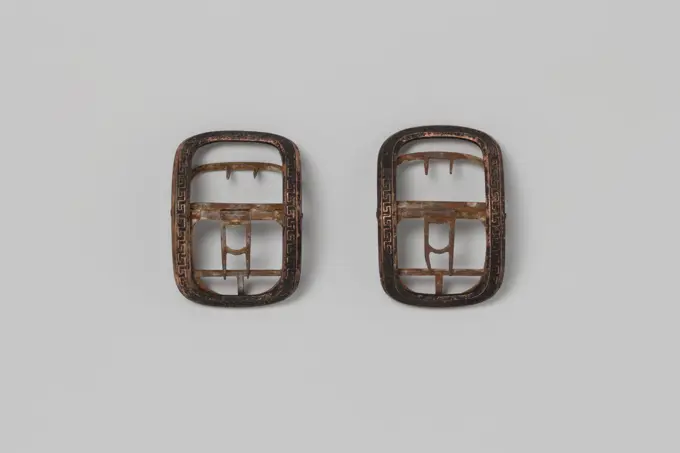
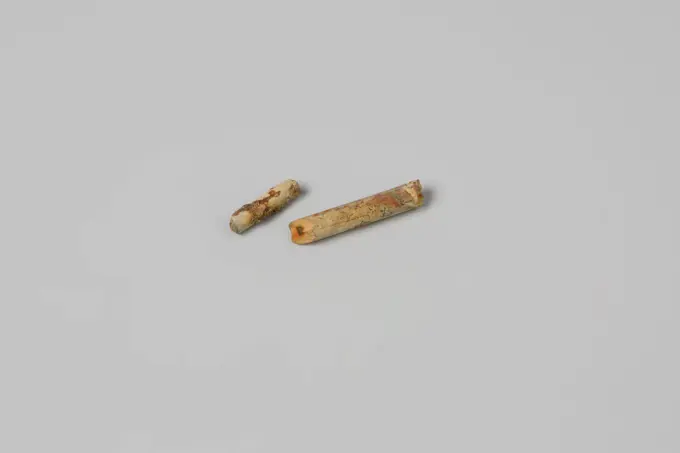
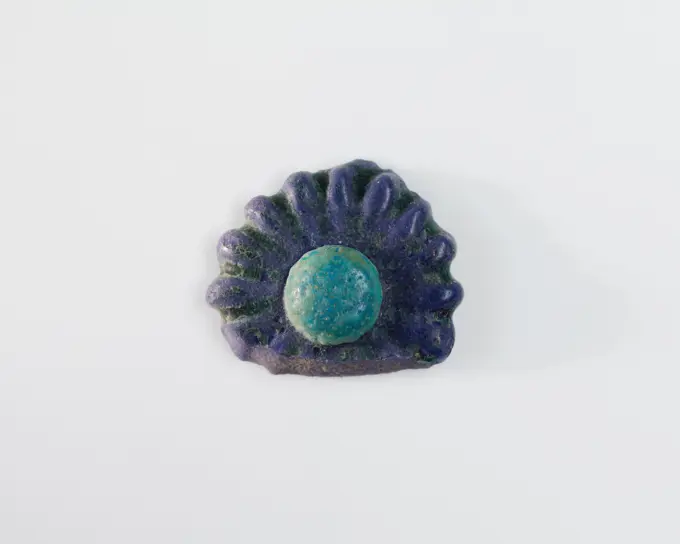
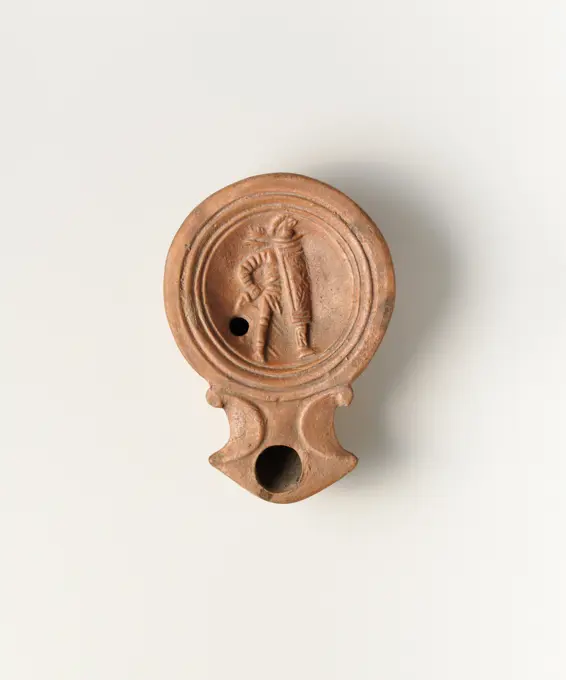
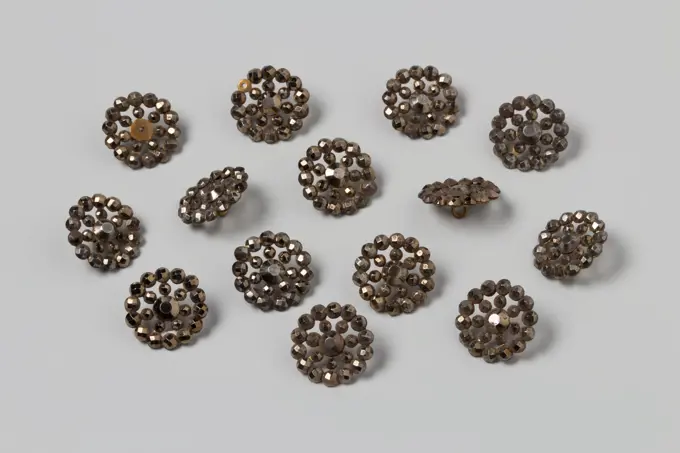
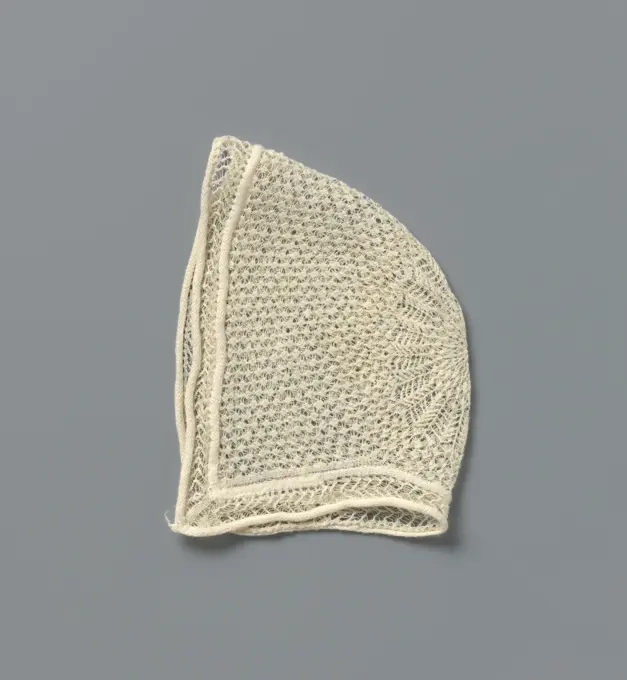
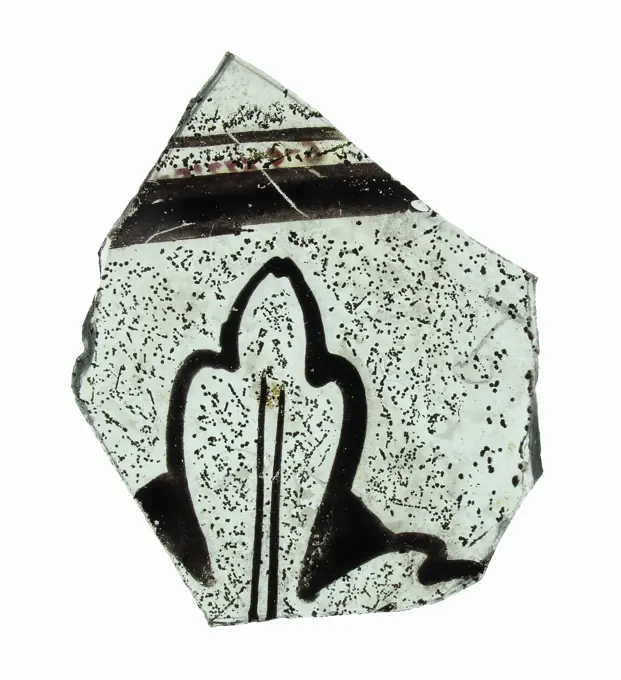
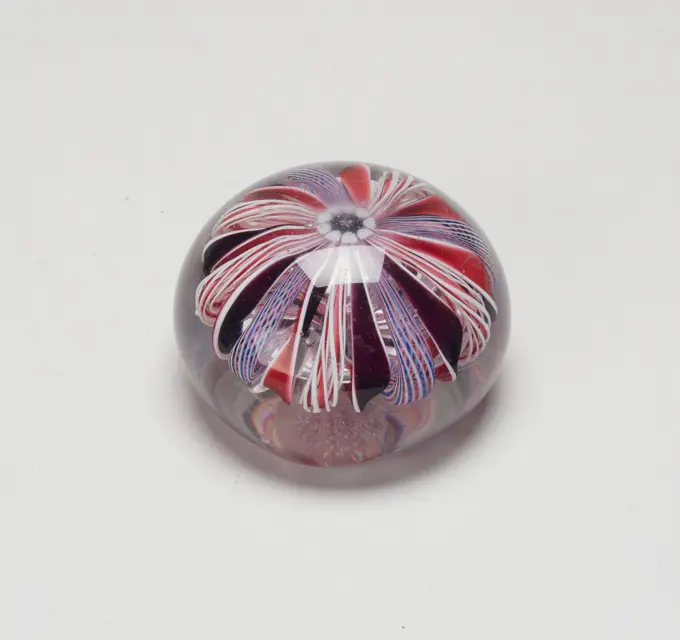
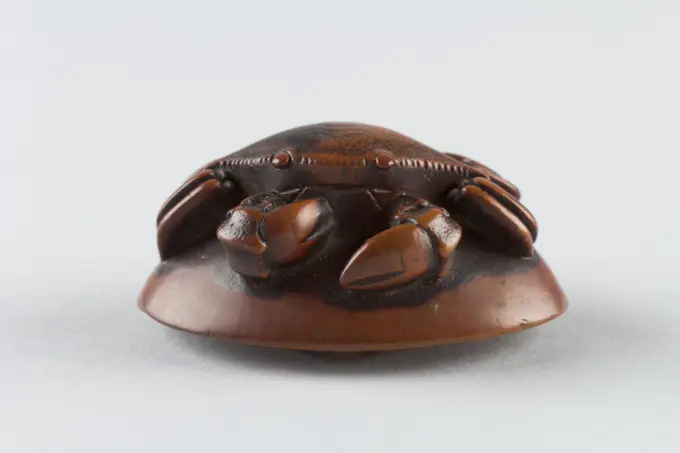
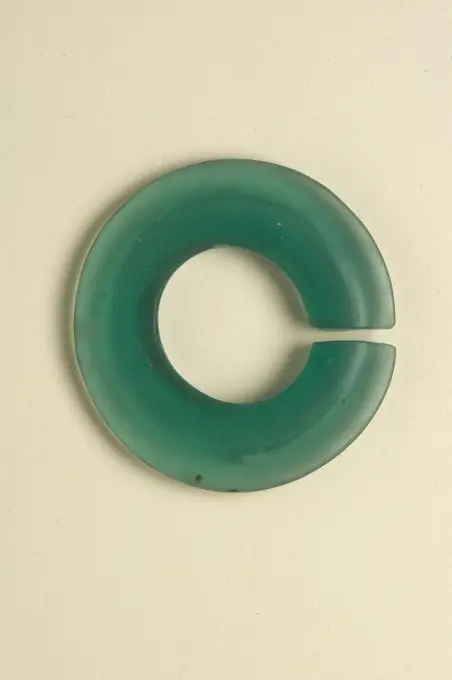
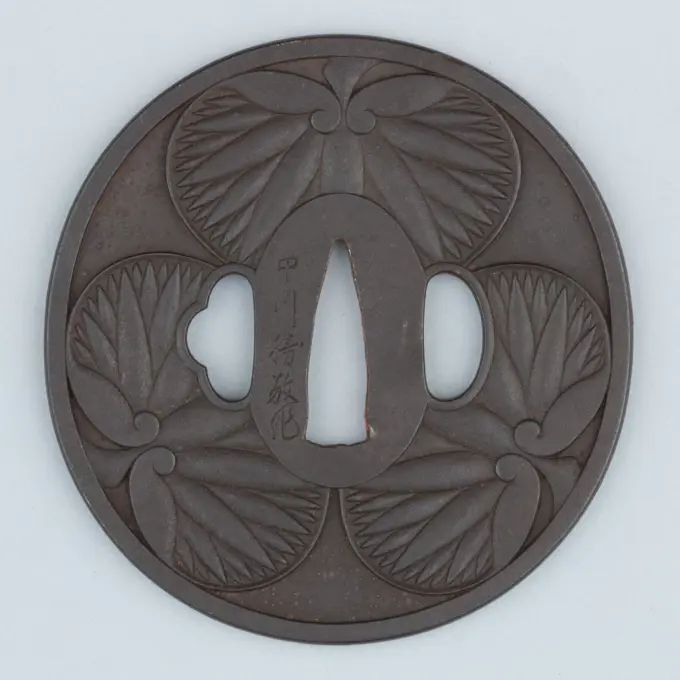
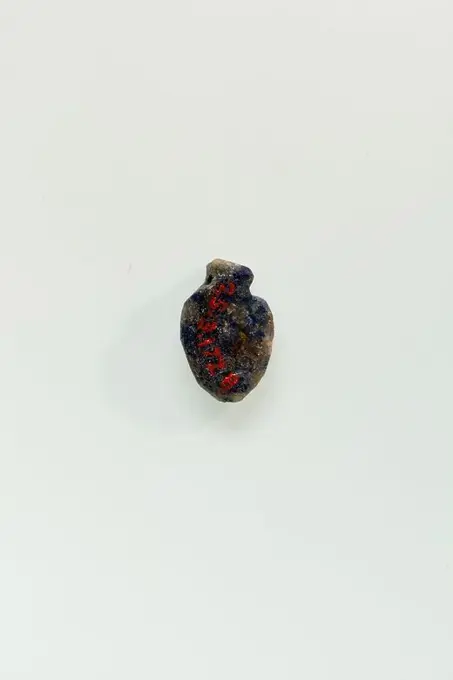
Hat of black textile with olive -green ribbons, anonymous, c. 1850 - c. 1940 Colored flowers at the front. Europe textile materials Colored flowers at the front. Europe textile materialsWeight. unknown, craftsmanRing ca. 1550-1295 B.C. New Kingdom. Ring. ca. 1550-1295 B.C.. Faience. New Kingdom. From Egypt; Probably from Northern Upper Egypt, Deir el-Ballas. Dynasty 18Fragments of pipe stems from the wreck of the East Indians' t Vliegend Hart, WS, 1700 - 1735  Four friaing of pipe stems in different thicknesses. Gouda pipe clayHarness Trapping 5th century B.C. China. Harness Trapping 61132Glass mosaic bowl fragment late 1st century B.C.-early 1st century A.D. Roman Rim fragment of shallow bowl.Translucent purple, opaque white and yellow.Vertical, rounded rim; side curving in sharply.Mosaic pattern formed from polygonal sections of two canes: one in a purple ground containing a circle in white and a white rod at center, and the other in a purple ground with a yellow spiral; both appearing as streaks on exterior.Polished exterior; pitting of surface bubbles and some weathering; dulling, pitting, and iridescent weathering on interior, rim, and edges.. Glass mosaic bowl fragment. Roman. late 1st century B.C.-early 1st century A.D.. Glass; cast. Early Imperial. GlassRod Late Period 664-332 B.C. View more. Rod. 664-332 B.C.. Copper. Late Period. From Egypt, Upper Egypt, Thebes, Asasif, Tomb MMA 812, MMA excavations, 1929-30. Dynasty 27-30Signet Matrix - Seal Matrix, 1750-1850.. A 'signet' or 'seal matrix' is a small stamp used for impressing the mark of its owner in wax onto documents.. This is one of a collection of twenty-seven acquired by the museum in 1934. The majority of examples are made of moulded translucent glass, in this case mauve. This example bears a design of a dog near a tomb.Ring ca. 1390-1353 B.C. New Kingdom. Ring. ca. 1390-1353 B.C.. Silver, stone. New Kingdom. From Egypt, Upper Egypt, Thebes, Malqata, Palace of Amenhotep III, South Village, MMA excavations, 1910-11. Dynasty 18Attic Black-Figure Siana Cup Fragment. UnknownMeasuring tape, 'centimeter', from filigrein, c. 1400 - c. 1950 Measuring tape, 'centimeter', from filigrein.  silver (metal) filigree Measuring tape, 'centimeter', from filigrein.  silver (metal) filigreeCornflower Pendant. Dimensions: Diam. 1 cm (3/8 in.); H. 0.6 cm (1/4 in.). Dynasty: Dynasty 18. Reign: reign of Amenhotep III. Date: ca. 1390-1353 B.C.. Museum: Metropolitan Museum of Art, New York, USA.Grahal-Manzara. Carnavalet 2013-2016 collection sites. Numismatics.Georges de Bardyère. "Three-sided box", 1919. Museum of Fine Arts of the city of Paris, Petit Palais. Art Nouveau, box, box, insect, dragonfly, three faceFloral plaque. Dimensions: H. 1.9 × W. 2.6 cm (3/4 × 1 in.). Date: 100 BC-100 AD.This fragment was part of a glass floral plaque for wall or furniture inlay like 26.7.1249. Museum: Metropolitan Museum of Art, New York, USA.Scarab ca. 1479-1458 B.C. New Kingdom. Scarab. ca. 1479-1458 B.C.. Faience. New Kingdom. From Egypt, Upper Egypt, Thebes, Deir el-Bahri, Hatshepsut Hole, Hathor Shrine, MMA excavations, 1922-23. Dynasty 18Dice figure, three pieces, two of which form a couple. Dice figure, three pieces, from sliced ivory, two of which form a couple. Note: Black struck.Fragment of a terracotta neck-amphora (jar) 6th century B.C. East Greek, Clazomenian SphinxThe use of white dots for articulation is characteristic of Clazomenian vase-painting.. Fragment of a terracotta neck-amphora (jar) 254830 East Greek, Clazomenian, Fragment of a terracotta neck-amphora (jar), 6th century B.C., Terracotta, H. 2 1/8 in. (5.4 cm). The Metropolitan Museum of Art, New York. Acquired by exchange from The University Museum, Philadelphia, 1955 (55.71.4)Clay filter with geometric design Made 1000-1200 Masr al-`Atiqah. Earthenware, carved and punched . IslamicFrame. Culture: American. Dimensions: H. 7 3/4 x 6 7/8 in. (19.7 x 17.5 cm). Date: 1830-70. Museum: Metropolitan Museum of Art, New York, USA.Empty round kitchen wooden cutting board in brown color on a dark textured concrete backgroundVinaigrette 1800-1811 London. Silver and silver gilt .Torn paper with blank space for your messageRing. Ring 256674Subtotle of a butter fleet, of multi -colored baked pottery; Staffordshire, Anonymous, c. 1750 - c. 1770 Subtotel (oval) Of multi -colored hard baked pottery. The underpotel is decorated with spotted lead glaze in the colors blue, gray, green and yellow with a mangan stippel. The bottom of the dish is dotted in manganese. The underpotel belongs to a butter fleet (BK-1987-36-C) and a lid (BK-1987-36-E). England earthenware. lead glaze Subtotel (oval) Of multi -colored hard baked pottery. The underpotel is decorated with spotted lead glaze in the colors blue, gray, green and yellow with a mangan stippel. The bottom of the dish is dotted in manganese. The underpotel belongs to a butter fleet (BK-1987-36-C) and a lid (BK-1987-36-E). England earthenware. lead glazeBoard of official costume of Mayor Hoytema, Anonymous, c. 1800 - c. 1930  Board of official costume of Mayor Hoytema.  textile materials   ScherpenzeelGlass chevron bead Venetian. Glass chevron bead. Venetian. Glass. GlassRing -shaped fragment from the wreck of the East Indians Hollandia, Anonymous, 1700 - in Or Before 1743 fragment Varied parts or fragments, rings or ring-shaped fragments; sim. 80H1. Netherlands copper (metal)   Second. One of a few Ko-Dogu. Square box, stitched on the corners, consisting of four sections and a lid. (CF.MAK 147) Golden Swastika motifs against black fond.1/8 Tical of Fuang from Thailand, 1650-1850 ,, 1650 - 1850 coin Silver, grain -shaped mint. Equipped with one set of concept (KRA): flower .  silver (metal) castingArmlet of Amenhotep. Dimensions: Diam. 11 cm (4 5/16 in.); Th. 1 cm (3/8 in.). Dynasty: Dynasty 18. Reign: Joint reign of Hatshepsut and Thutmose III. Date: ca. 1479-1458 B.C.. Museum: Metropolitan Museum of Art, New York, USA.Door Knob And Face Plates (USA); Designed by Cass Gilbert (American, 1859 - 1934); brass; 1978-143-1-a/fTaweret amulet 100 BC-100 AD Ptolemaic or Roman Period. Taweret amulet 551578Bead. Bead 243018Snuifdoos, Michel Robert Hallé (possibly), 1746 - 1747 Rectangular golden snuff box, with flowers in relief along the edges. In the middle of the top and top, flowers. Paris gold (metal) Rectangular golden snuff box, with flowers in relief along the edges. In the middle of the top and top, flowers. Paris gold (metal)Ribbon on roll, striped, the ribbon is black with three -woven stripes in the colors orange, red and light blue and is trimmed on the sides with light blue and orange embroidery, in or before 1926 respectively Ribbon on roll, striped, the ribbon is black with three -woven stripes in the colors orange, red and light blue and is trimmed on the sides with light blue and orange embroidery respectively. NijmegenFrance (possibly) textile materials. cardboard. paper embroidering Ribbon on roll, striped, the ribbon is black with three -woven stripes in the colors orange, red and light blue and is trimmed on the sides with light blue and orange embroidery respectively. NijmegenFrance (possibly) textile materials. cardboard. paper embroideringMosaic glass fragment late 1st century B.C.-early 1st century A.D. Roman. Mosaic glass fragment 257839Fragmentary Bowl. China, Fujian Province, Jian ware kiln site. Date: 1100-1299. Dimensions: . Jian ware; stoneware with "hare's fur" glaze. Origin: . Museum: The Chicago Art Institute, Chicago, USA.Dobbel figure, three pieces, two of which form a couple, anonymous, c. 1600 - c. 1699 Dobbel figure, three pieces, of cut ivory, two of which form a couple. Note: Black excited.  ivory Dobbel figure, three pieces, of cut ivory, two of which form a couple. Note: Black excited.  ivoryShard of a plate from the wreck of the East India Hollandia.Porcelain, Plate, Type 3; Fragm or Base or Rim, SIM. NG 1980-27H3202C.Grahal-Manzara. Carnavalet 2013-2016 collection sites. Numismatics.Cylinder seal Early Dynastic Period ca. 2960-2649 B.C. View more. Cylinder seal. ca. 2960-2649 B.C.. Stone. Early Dynastic Period. From Egypt. Dynasty 1Brooch -Paperweight 1840-1865 France. Glass . Clichy GlasshouseAttic Vase Fragment. UnknownLevel switch for carburator Floating level switch for vintage carburator in internal combustion engine Copyright: xZoonar.com/ClaudioxDiviziax 9475000Stone font Number 8 EIGHT 3D Stone font Number 8 EIGHT 3D rendering illustration isolated on white background Copyright: xZoonar.com/MilicxDjurovicx 21521916Buckle 15th-17th century European. Buckle. European. 15th-17th century. Bronze. Miscellaneous-Buckles & OrnamentPin.  Maker: Carence Crafters, American, ca. 1907-1911Vuurstolp, Jacob Dijckman (attributed to), c. 1671 - c. 1716 Semi -round fire cloak with a handle that runs through at the front of the bell jar as an imposed band. The edges and the handle have been edited. The bell is marked at the front: Mt. = JD and the letter J. on the inside, the monogram AWS and AH is engraved. Amsterdam silver (metal) Semi -round fire cloak with a handle that runs through at the front of the bell jar as an imposed band. The edges and the handle have been edited. The bell is marked at the front: Mt. = JD and the letter J. on the inside, the monogram AWS and AH is engraved. Amsterdam silver (metal)Jasper ring stone 1st century B.C.-3rd century A.D. Roman Janus head.. Jasper ring stone 245066Grahal-Manzara. Carnavalet 2013-2016 collection sites. Numismatics.Terracotta vessel fragment with scale pattern ca. 1525-1450 B.C. Minoan From Phylakopi, MelosFragment with scale-pattern; dark-on-light ware.. Terracotta vessel fragment with scale pattern 248555Cuff knot of mother -of -pearl with letter L in relief, c. 1870 - c. 1880 Cuff knots of mother -of -pearl with the letter "L" in relief and metal clamp. Netherlands knoop: mother of pearl. klem: metal engraving / forging Cuff knots of mother -of -pearl with the letter "L" in relief and metal clamp. Netherlands knoop: mother of pearl. klem: metal engraving / forgingFalse coin, IIthuanian shilIIng, John II Casimir (1649 1668)Pendant with agate bead Cypriot. Pendant with agate bead. Cypriot. Gold, agate. Gold and SilverHand guard, anonymous, 1800 - 1900 Almost round tsuba with openwork decoration of a spider web in positive silhouette; The Ryo-Hitsu are filled with Shakudo. Japan iron (metal). Almost round tsuba with openwork decoration of a spider web in positive silhouette; The Ryo-Hitsu are filled with Shakudo. Japan iron (metal).Rosette Pendant ca. 1390-1353 B.C. New Kingdom. Rosette Pendant. ca. 1390-1353 B.C.. Faience. New Kingdom. From Egypt, Upper Egypt, Thebes, Malqata, Palace of Amenhotep III, MMA excavations, 1910-11. Dynasty 18Shard of a storage jar from the wreck of the East Indiesman Hollandia. Stoneware, Rhenish, Langerwehe-Ware, Storage-Jar; Fragm or body, sim. NG 1980-27H409.Ribbon of cream -colored mesh of 10 meters, c. 1900 - c. 1915 Ribbon of cream -colored mesh for 10 meters. Nijmegenfrance silk. Ribbon of cream -colored mesh for 10 meters. Nijmegenfrance silk.Glass Fragment 8th century Syrian. Glass Fragment. Syrian. 8th century. Pot metal glass, vitreous paint. Glass-StainedFragment of a terracotta kylix (drinking cup) ca. 480-470 B.C. Attributed to the Foundry Painter Athletes and trainerThe fragment has been augmented by L. 1986.41, lent by the Monumenti, Musei e Gallerie Pontificie and L.1986.91, lent by the Archäologisches Institut der Universität Heidelberg.. Fragment of a terracotta kylix (drinking cup) 247610Ring. Dimensions: diameter 5.51 cm.. Museum: Metropolitan Museum of Art, New York, USA.Vest button of metal, anonymous, c. 1900 - c. 1940 Vest button of metal. Netherlands (possibly) metal Vest button of metal. Netherlands (possibly) metalRectangular and curved shoe spacer of gilded copper, decorated with a meander, citulated in relief on a black foundation, anonymous, c. 1800 Rectangular and curved shoe -splitting of gilded copper, decorated with a meander, in relief citied on a black stock. Geneva (Possible) copper (metal). gilding (material). metal gilding Rectangular and curved shoe -splitting of gilded copper, decorated with a meander, in relief citied on a black stock. Geneva (Possible) copper (metal). gilding (material). metal gildingHölzerner Stickereireifen auf weißem Hintergrund Top view of an empty wooden embroidery hoop with a red fabric, isolated on a white background Copyright: xZoonar.com/AntonxDobreax 22287025Cup, Tumbler or Salt Holder, 1650-1700. Pinto Collection - Purchased from Edward H Pinto, 1965.. This walnut tumbler holder, made around 1675-1700, would most likely have been the work of a rural craftsman working on a pole lathe. The marks of the lathe can be clearly seen on the underside of the vessel. The sharply pointed interior of the bowl is characteristic of this type of vessel which was used to hold the pointed tumblers which were not able to stand up by themselves. Although the ring turning on the stem is quite heavy, it is interesting to see that the stem has been made up of two different widths.Neck of a wine bottle from the wreck of the East Indians Hollandia, Anonymous, 1700 - in Or Before 1743  Wine bottle, continental production, neck, onion-shaped bottle or bottle with vertical side; vs-string rim. Netherlands .   SecondButton with a large stone in the middle, around which eight small spokes, anonymous, c. 1800 Four knots of silver and Strasz. Decorated with eight curved spokes with small rhinestones, from 1 large stone in the middle. France (possibly) whole: Silver (Metal). Decoration: Paste (Glass) forging / grinding Four knots of silver and Strasz. Decorated with eight curved spokes with small rhinestones, from 1 large stone in the middle. France (possibly) whole: Silver (Metal). Decoration: Paste (Glass) forging / grindingSea urchin shellsFragment of a pipe stalk from the wreck of the East Indians' t Vliegend Hart ,, 1700 - 1735  Two fragments of stems of earthen Goudse pipes with rowing. Fragments of Bowls and Stems. Gouda pipe clayRing -shaped fragment from the wreck of the East Indians Hollandia, Anonymous, 1700 - in Or Before 1743 fragment Varied parts or fragments, rings or ring-shaped fragments; id. 80H946. Netherlands copper (metal)   SecondNetsuke of Group of Seals 19th century Japan. Netsuke of Group of Seals 60160EL RUSO-ACERO-140X140X55. Author: TXOMIN BADIOLA. Location: PRIVATE COLLECTION. MADRID. SPAIN.Ribbon of cream -colored mesh of 15 meters, c. 1900 - c. 1915 Ribbon of cream -colored mesh for 15 meters. Nijmegenfrance silk. Ribbon of cream -colored mesh for 15 meters. Nijmegenfrance silk.Daisy Pendant ca. 1390-1353 B.C. New Kingdom. Daisy Pendant. ca. 1390-1353 B.C.. Faience. New Kingdom. From Egypt, Upper Egypt, Thebes, Malqata, Palace of Amenhotep III, MMA excavations, 1910-11. Dynasty 18Terracotta bowl fragment ca. 25-10 B.C. Roman Man and woman.. Terracotta bowl fragment 250422Hat rosette of pleated and sewn to a circle sewn rip ribbon, anonymous, c. 1700 - c. 1900 Hat rosette of pleated and sewn to a circle sewn. Part of a militia uniform. Amsterdam silk. Hat rosette of pleated and sewn to a circle sewn. Part of a militia uniform. Amsterdam silk.Terracotta oil lamp ca. A.D. 40-80 Roman Loeschcke Type 1A. Mold-made. Discus: heavily armored gladiator, standing facing right, wearing a helmet with plumes behind, armor on his right arm, greaves, and a large rectangular shield that protects his entire body, and holding in his right hand a short sword; a single filling hole at bottom left, and a band of lines and grooves towards edge. Volutes flanking wide, angular nozzle, with large wick hole. Incised base ring, and flat base.Intact.On discus, a gladiator. His heavy armor and large rectangular shield identify the fighter as a samnis (Samnite) or murmillo.. Terracotta oil lamp. Roman. ca. A.D. 40-80. Terracotta; mold-made. Early Imperial. TerracottasFourteen knots of sharpened copper (), Anonymous, c. 1800 Fourteen knots of sharpened copper (). To a large brilliant button, Ajour is a ring of small and a ring of larger diamond heads against each other. France (possibly) whole: Copper (Metal) forging Fourteen knots of sharpened copper (). To a large brilliant button, Ajour is a ring of small and a ring of larger diamond heads against each other. France (possibly) whole: Copper (Metal) forgingHigh angle view of a lanternRibbon on roll, striped, the ribbon is black with three -woven stripes in the colors orange, red and light blue and is trimmed on the sides with light blue and orange embroidery, in or before 1926 respectively Ribbon on roll, striped, the ribbon is black with three -woven stripes in the colors orange, red and light blue and is trimmed on the sides with light blue and orange embroidery respectively. NijmegenFrance (possibly) textile materials. cardboard. paper embroidering Ribbon on roll, striped, the ribbon is black with three -woven stripes in the colors orange, red and light blue and is trimmed on the sides with light blue and orange embroidery respectively. NijmegenFrance (possibly) textile materials. cardboard. paper embroideringPaperweight 1840-1865 Clichy. Glass . Clichy GlasshouseHat of very fine knitted white cotton, stirring in the bulb and beyond with flakes; All around zigzag lines between two thick rib edges, c. 1885 - c. 1900 Baby cap of very fine knitted white cotton. Tight model with square corners over the ears. The pattern is star -shaped in the bulb, littered outside with flakes. Rim of zigzag lines between two thick ribbed edges. Netherlands cotton (textile) knitting Baby cap of very fine knitted white cotton. Tight model with square corners over the ears. The pattern is star -shaped in the bulb, littered outside with flakes. Rim of zigzag lines between two thick ribbed edges. Netherlands cotton (textile) knittingGlass Fragment 14th century French. Glass Fragment. French. 14th century. Colorless glass. Made in Evereux, France. Glass-StainedSnuff Bottle with Stopper (stopper), 1800s. China, Qing dynasty (1644-1911). Glass; with cover: 8.4 cm (3 5/16 in.).bronze bracelet Closed hoop, decorated with three rows of round bosses.. bronze bracelet 256669Scent bottle. Cracking bottle of multicolor faience, in the shape of a shoe. Green sheets and some colored flowers are painted on the bottle. The lower side is purple.Pfefferwurst (pepper sausage) with slices cutGlass Fragment. Culture: European. Dimensions: Overall: 2 1/4 x 1 1/4 in (5.5 x 3 cm). Date: 13th-14th century. Museum: Metropolitan Museum of Art, New York, USA.Paperweight, c. 1850-1875, New England Glass Company, 1 1/2 x 2 3/8 x 2 3/8 in. (3.81 x 6.03 x 6.03 cm), Glass, United States, 19th centuryShards of signs from the wreck of the East Indians Hollandia, Anonymous, 1700 - in Or Before 1743 plate (dishes) Porcelain, plate, type 4; fragm of rim. Netherlands porcelain   SecondToothy tray. Toothy tray with blue Saxon pattern, unnoticed.Cruet Stand (Bottle Cover), 1700s(). France, bottle and cover old, but probably not original, 18th Century(). Silver and glass; overall: 17.2 cm (6 3/4 in.).Netsuke of Crab on a Shell 19th century Japan. Netsuke of Crab on a Shell. Japan. 19th century. Wood. Edo (1615-1868) or Meiji period (1868-1912). NetsukeSlit Disc Earring, c. 4th century BCE - 1st century CE, 3/16 x 1 15/16 in. (0.5 x 4.9 cm), Glass, Vietnam, 5th century BCE - 1st century CEBead, tubular Cypriot. Bead, tubular 242744Sword Guard (Tsuba) ca. 1615-1868 Japanese A tsuba is a sword guard and part of a sword mounting. It is mounted between the swords blade and grip to protect the users hands.. Sword Guard (Tsuba) 34462Heart Amulet. Dimensions: H. 1 cm (3/8 in.). Dynasty: Dynasty 21. Date: ca. 1070-945 B.C.. Museum: Metropolitan Museum of Art, New York, USA.Paperweight 1840-1865 Clichy. Glass . Clichy Glasshouse