Ancient Artifacts and Tools

A compilation of ancient artifacts including spindle whorls and jade tubes, illustrating historical craftsmanship across various cultures.
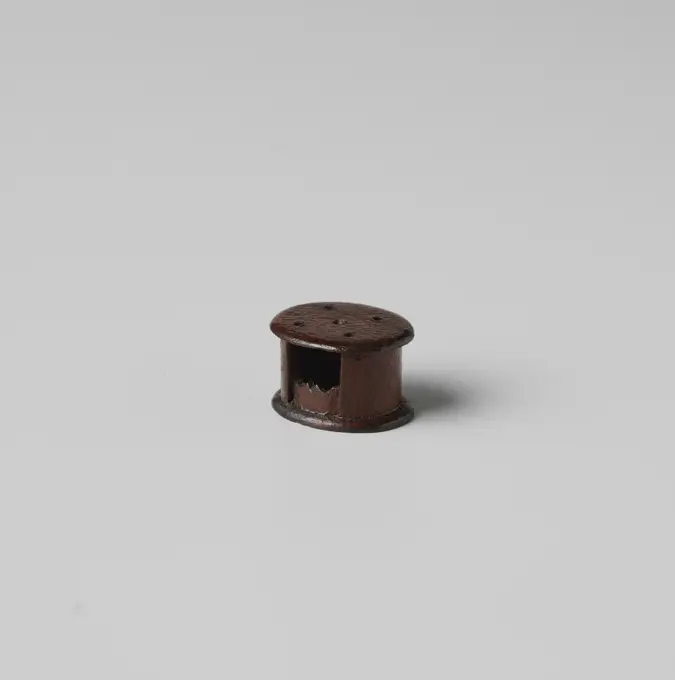
Stew, oval, with five holes in the top. Stew from mahogany, oval with five holes in the top, the opening for the fire test is finished with a scalloped rule.
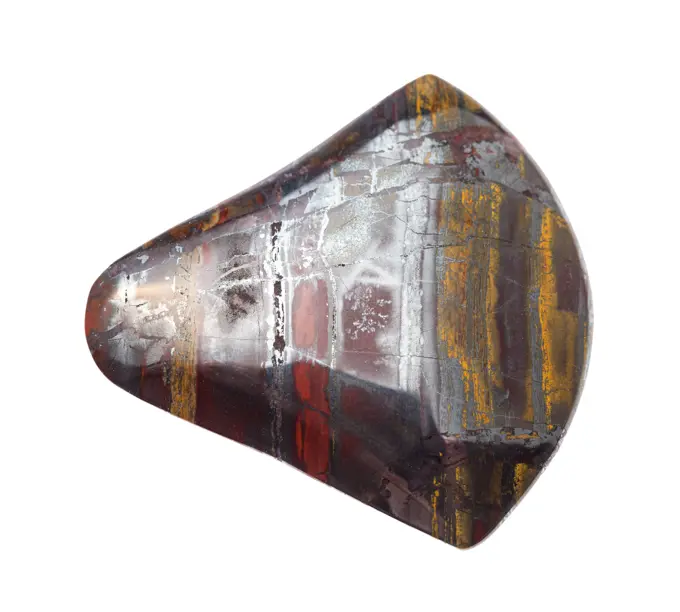
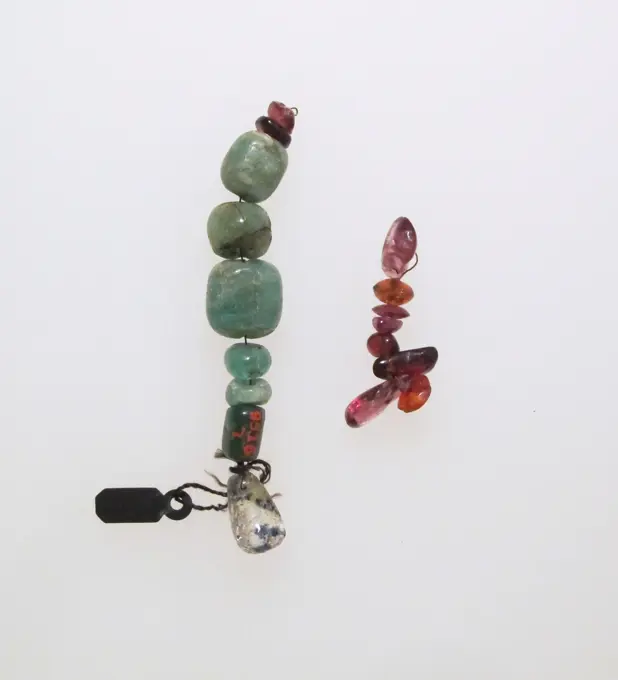
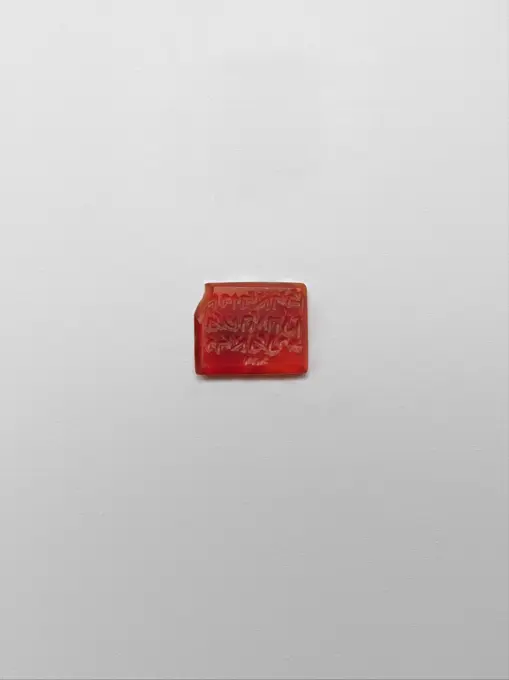
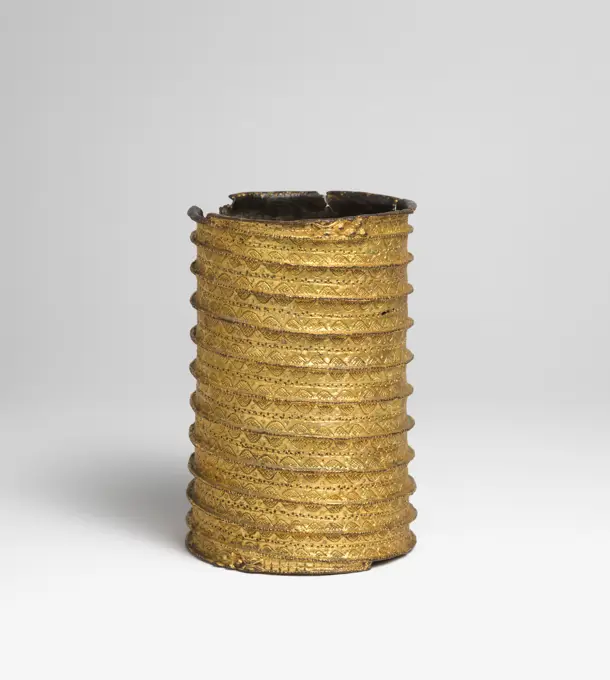
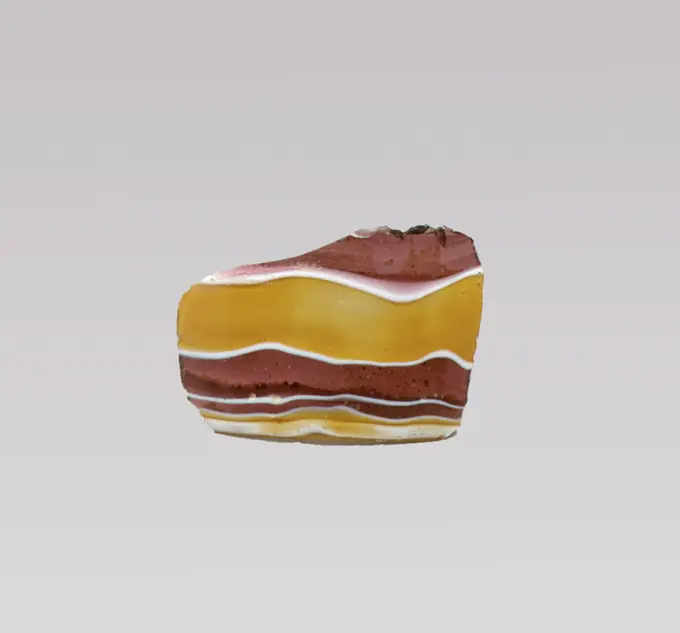
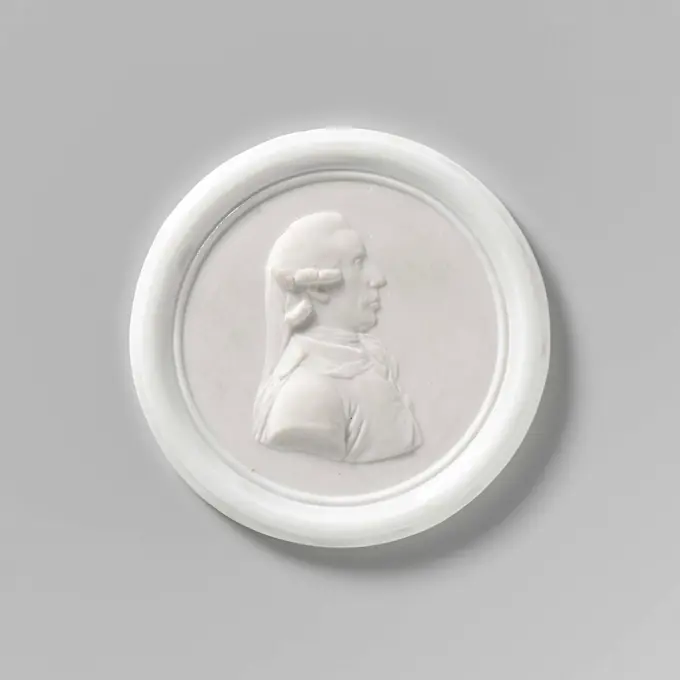
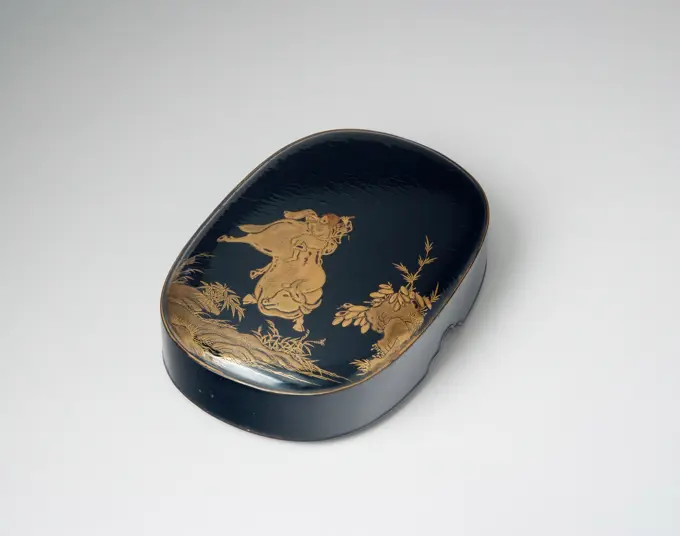
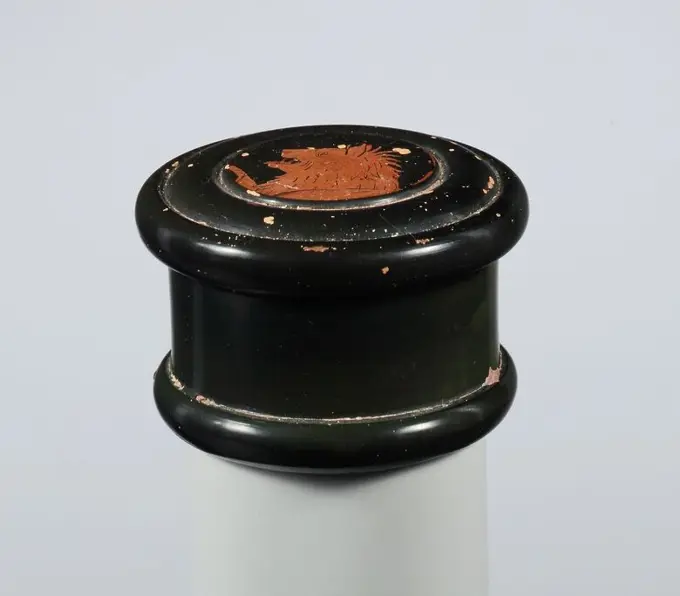
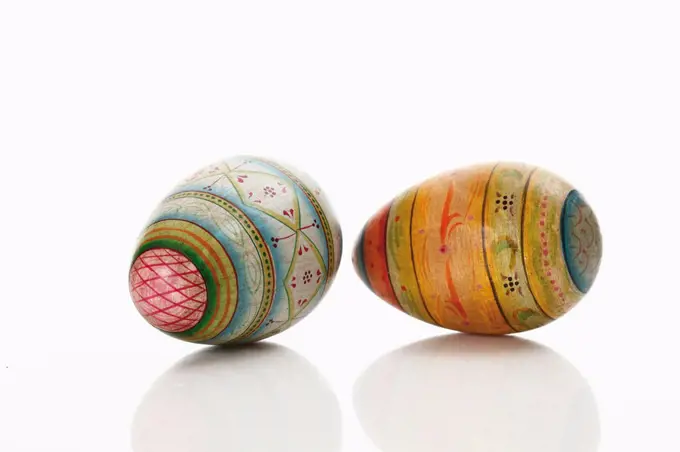
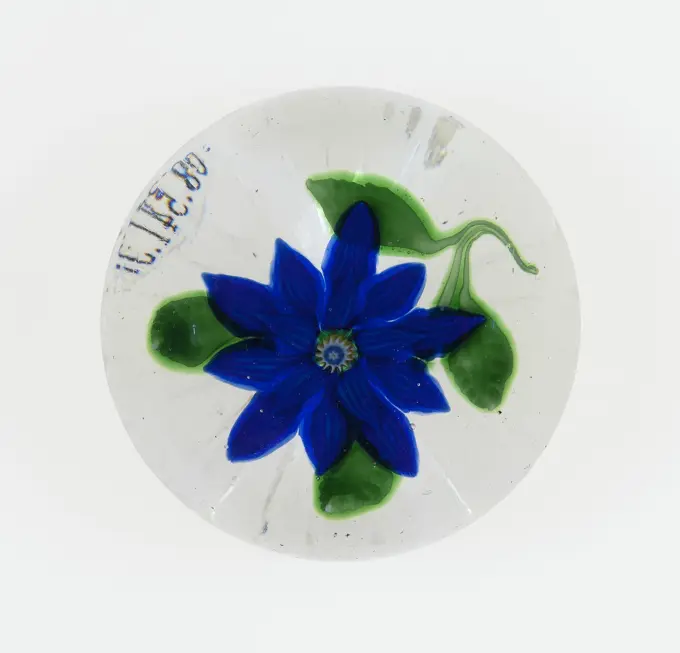
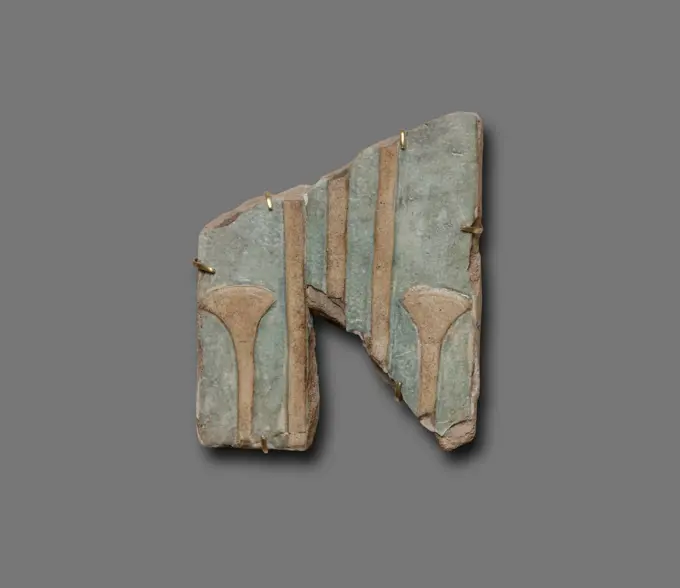
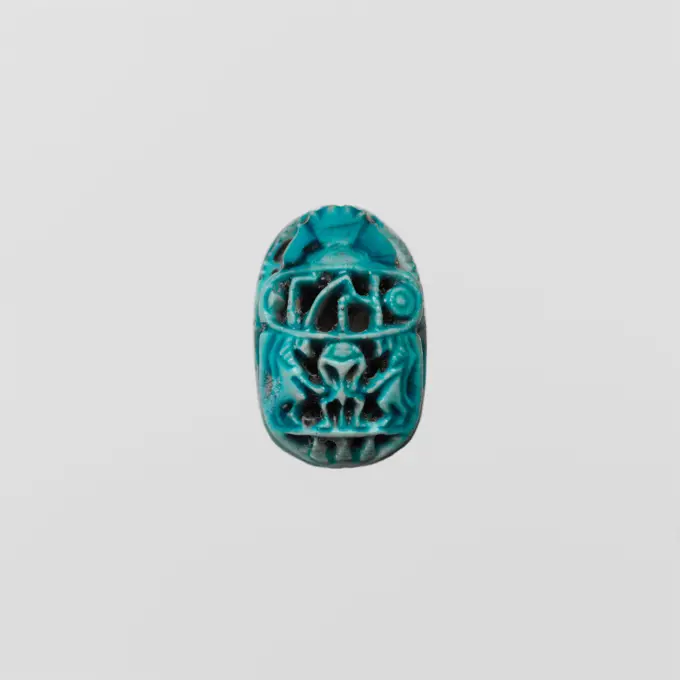
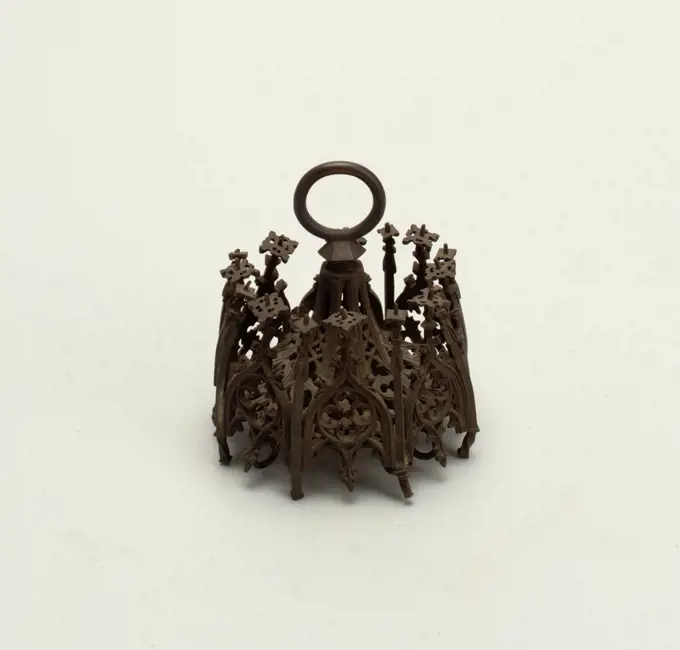
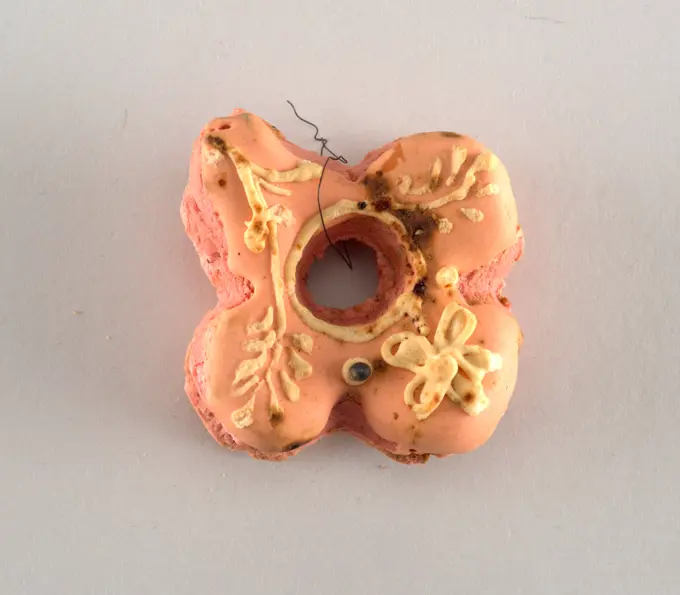
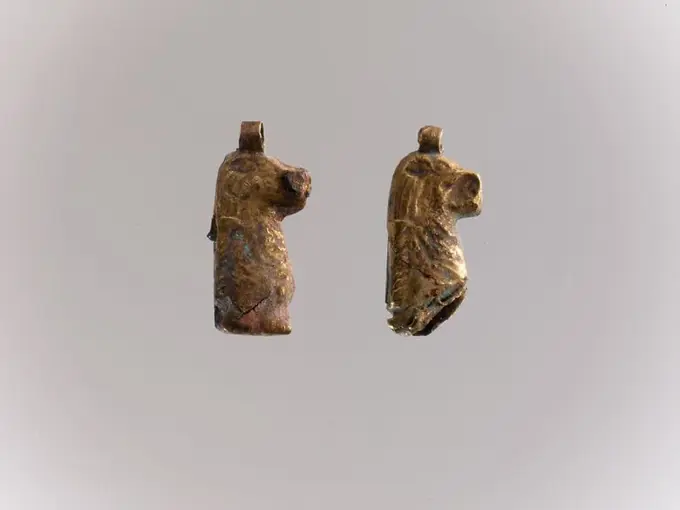
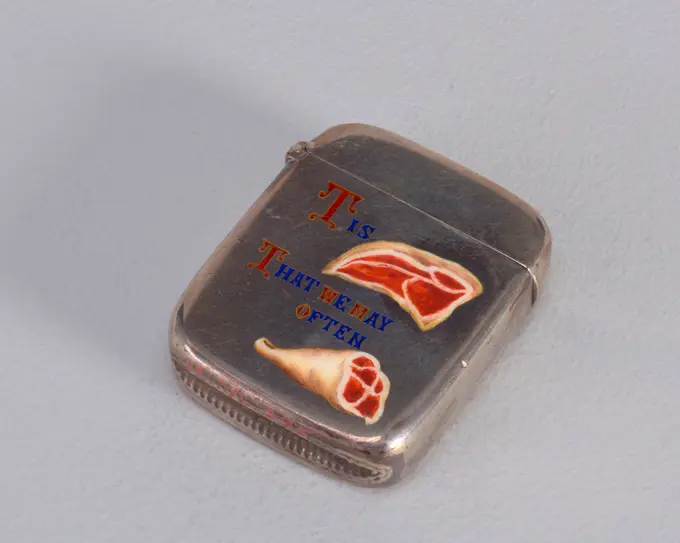
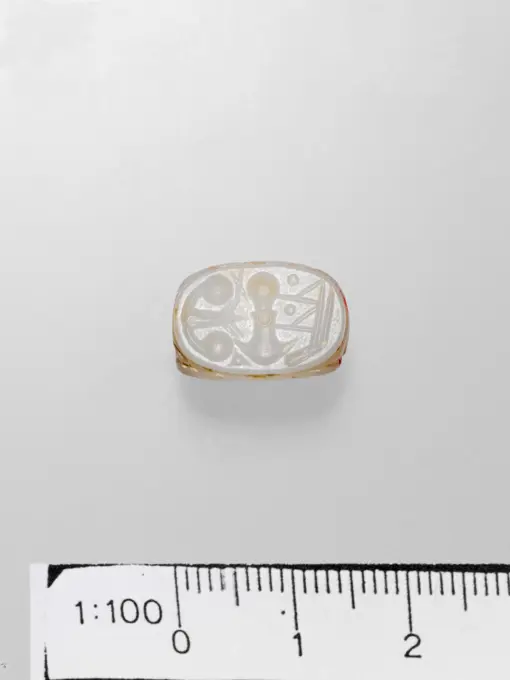
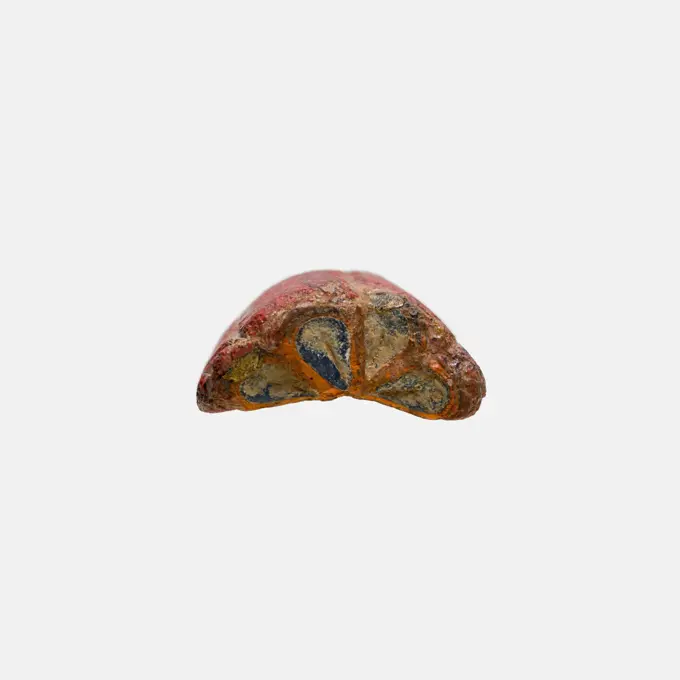
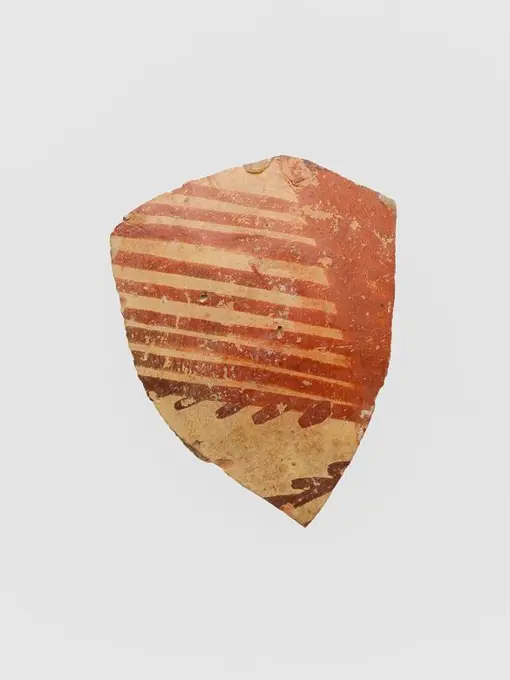
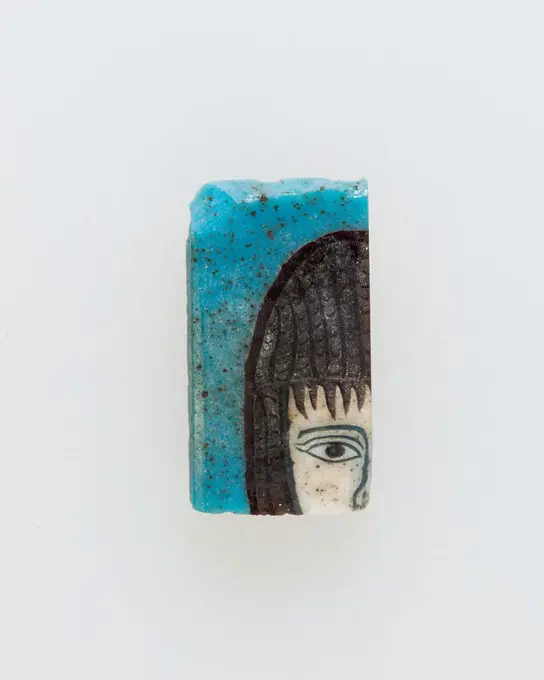
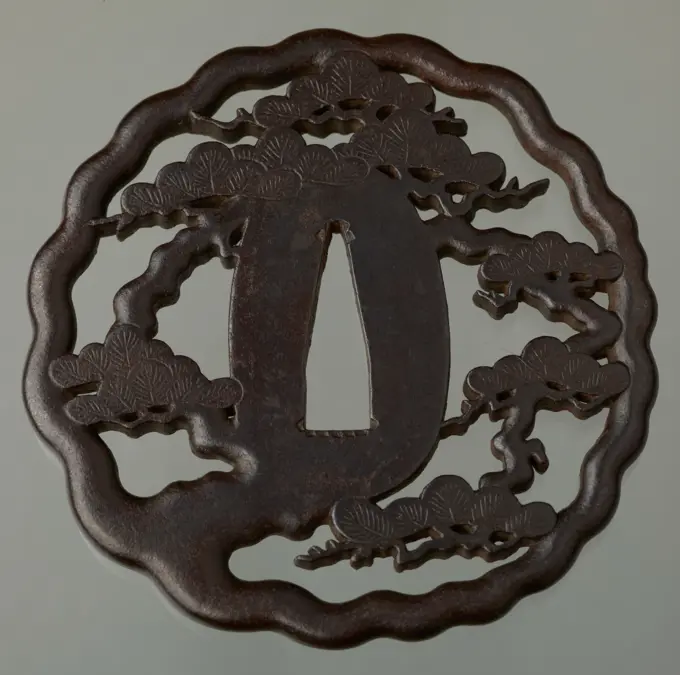
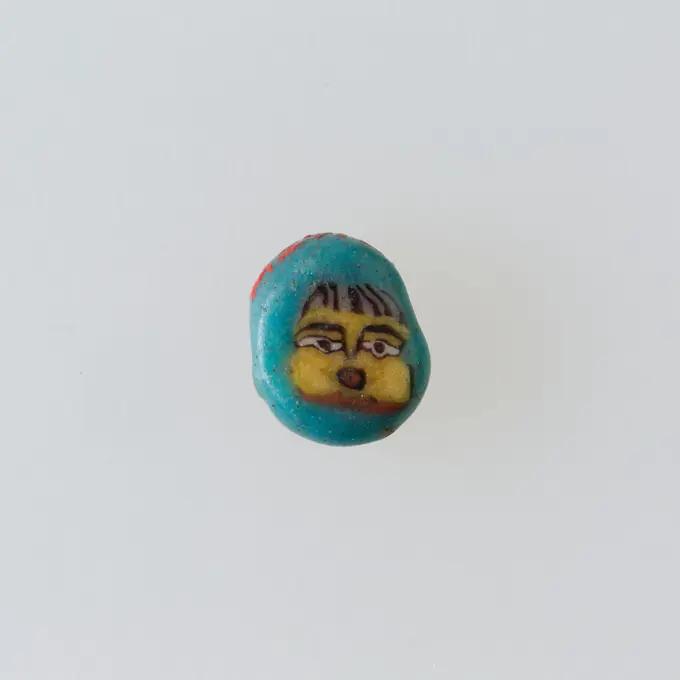
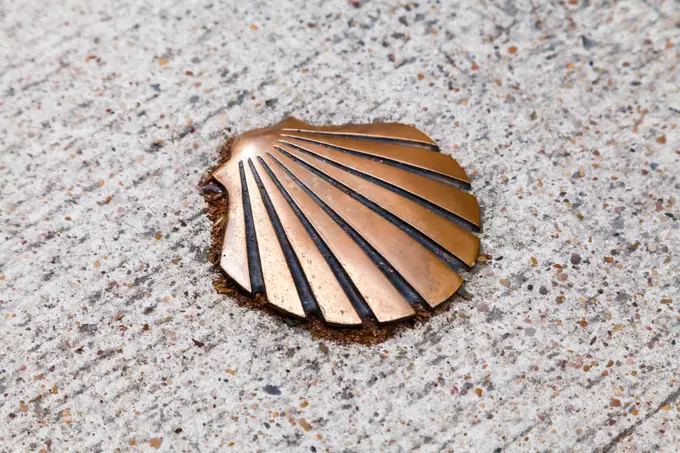
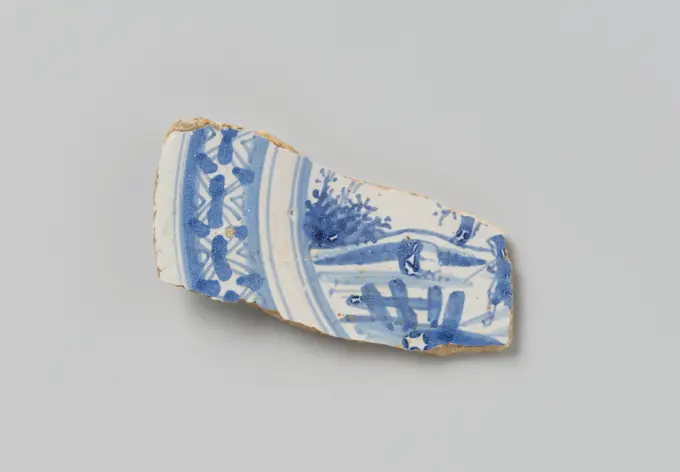
Fragment of a sign painted with a landscape with a bridge, c. 1400 - c. 1950 Fragment of a Faïence sign, painted in blue with a landscape with a bridge. Delft . Fragment of a Faïence sign, painted in blue with a landscape with a bridge. Delft .cabochon from Jaspilite gemstone isolated cabochon from Jaspillite Jaspilite gemstone isolated on white background Copyright: xZoonar.com/ValeryxVoennyyx 16297090Doll teaspoon - Inconnu / UnknownGlass mosaic hemispherical bowl fragment. Culture: Greek, Eastern Mediterranean or possibly Italian. Dimensions: 1 5/16 × 2 7/16 × 1/8 in. (3.3 × 6.3 × 0.3 cm)Estimated diameter 4 9/16 in. (11.6 cm). Date: 2nd century B.C..Translucent purple and turquoise blue, and opaque white and yellow.Vertical rim with rounded edge; convex curving side.Composite mosaic pattern formed from sections of four different canes: one in a purple ground with a white spiral and central blue rod, a second in a purple ground with wavy white lines radiating from a central blue rod outlined in white, a third in a blue ground with wavy white lines radiating from a central purple rod outlined in white, and the fourth in a blue ground with a white spiral and central purple rod outlined in white. A purple network cane wound spirally with white and yellow threads is attached as a rim.Broken and repaired from two pieces; some dulling and iridescent weathering; unweathered broken edges. Rotary grinding marks on exCarved Intaglio Gemstone with PortraitHeadNecklace fragment 1st century A.D. Greek or Roman. Necklace fragment 246086Dish, white, painted in blue. Dish of milk glass with blue email paint painting; Double layer and cave inside.Seal with Hebrew Inscription 10th-11th century The Hebrew text on this seal gives the name of the seals owner, his fathers name, and the word "prepared" or "fashioned," followed by the letters y-h-. One proposal is that this is the Arabic name Yahya, but there are other known Hebrew seals that end with the phrase "May Yahweh have mercy" or "The work of Yahweh," which may be the phrase included here. We do not know whether the find of this seal testifies to the existence of a Jewish community in eleventh-century Nishapur, or if the seal had been preserved because its foreign letters were believed to ward off evil. Arabic seals with random Hebrew and Syriac words, as well as ancient seals to which Arabic phrases have been added, are both well documented.. Seal with Hebrew Inscription 449848Armband 1200-900 B.C. European Bronze Age. Armband 472843Bracelet: Crocodile Heads 17th-19th century Edo peoples The oba and chiefs of Benin wear pairs of ornate bracelets at palace festivals. Long and cylindrical, these cufflike ornaments may be made of either ivory or brass and display imagery reflecting the exalted status of their bearers. The spiral bands of incised, crosshatched half-ovals and dotted lines, set within raised, striated borders, terminate at either end in elongated crocodile heads. The artist has taken great care to evoke the appearance and character of these animals. Perpendicular lines along the snouts, as well as rows of bumps on the forehead, suggest the distinctive texture of crocodile skin, while the close-set eyes with contrasting pupils evoke the watchful gaze of this dangerous animal. The depictions of crocodiles, as with other forms of aquatic imagery, associates the ruler with Olokun, god of the sea. The ocean was conceived of as a major source of wealth and prosperity for the Benin kingdom, which benefited froSail Boats, Mt. Fuji and Cranes Matchsafe; Japan; lacquered metal, gilding, silvering; 5.8 x 3.6 x 1 cm (2 5/16 x 1 7/16 x 3/8 in. )Charcoal Log and Feather for Use in Tea. Attributed to Kaigyokusai Masatsugu (Japan, 1813-1892). Japan, late 19th century. Costumes; Accessories. Ebony, ivory with staining, sumiFlasza from the distance; Non -like Lona Huta; XVII/18th century (1690-00-00-1710-00-00);Plejerko with a cover;  19th century (1801-00-00-1900-00-00);SealGlass mosaic bowl fragment late 1st century B.C.-early 1st century A.D. Roman Thin-walled rim fragment.Translucent purple, honey brown layered with opaque white and appearing yellow, and opaque white.Vertical rim with slightly inwardly-beveled edge; straight side tapering downward.Ribbon mosaic pattern formed from lengths of a single cane with wavy lengths in purple, brown, and fine white line.Many pinprick bubbles; polished exterior; pitting of surface bubbles on exterior; dulling and creamy iridescent weathering on interior, rim, and jagged edges.. Glass mosaic bowl fragment. Roman. late 1st century B.C.-early 1st century A.D.. Glass; cast. Early Imperial. GlassRibbon on roll, striped, lilac with light green, black, rose and orange, in or before 1926 Ribbon on roll, striped, lilac with light green, black, pink and orange. NijmegenFrance (possibly) textile materials. cardboard. paper Ribbon on roll, striped, lilac with light green, black, pink and orange. NijmegenFrance (possibly) textile materials. cardboard. paper. Oval tsuba with openwork decoration in Ito Sukashi of the so-called "endless circles of the seven treasures" (Shippo tsunagi); Inside of the Ryo-Hitsu lined with gold.Finger Ring Neferkheprure-Wanre (Akhenaton) 1352 BCE-1336 BCE Egypt. Carnelian . Ancient EgyptianSard ring stone. Culture: Roman. Dimensions: Length: 9/16 in. (1.4 cm). Date: ca. 1st century B.C.-3rd century A.D..Youth leaning against pillar, holding scales and palmInscribed in the field, L.D. VIRILLThe scales suggest that the figure represents the genius presiding over athletic games and awarding the victory, rather than a victorious athlete. Museum: Metropolitan Museum of Art, New York, USA.Fragment Come from V.O.C. ship De 'Witte Leeuw', Before 1613 bowl Fragment come from V.O.C. ship De 'Witte Leeuw'. 60 present. Jingdezhen bone china (material)   Sint-HelenaBookends (France); gilt bronze, granitepottery plate star An image of a nice pottery plate with a star Copyright: xZoonar.com/magannx 2899290Bead China. Bead. China. Glass. Eastern Zhou dynasty (770-256 B.C.). GlassJ. Sylvain Bailly. J. Sylvain Bailly (1736-1793), in 1789 Mayor of Paris, excised relief portrait in biscuit with glazed edge.Lacquer box with design of herdboy on an ox, 16th century, Unknown Japanese, 1 3/4 × 4 7/8 × 6 13/16 in. (4.45 × 12.38 × 17.3 cm), Black lacquer with sprinkled gold, Japan, 16th centuryTerracotta pyxis (box). Culture: Greek, Attic. Dimensions: diameter 2 11/16in. (6.8cm). Date: last quarter of 5th century B.C..Forepart of a lionThis pyxis forms a pair with 1989.281.81.2a, b. Museum: Metropolitan Museum of Art, New York, USA.Clip of black, red and white leg (), Art déco, pointed triangle shape with point down, anonymous, c. 1920 - c. 1930 Clip of black, red and white leg (or bakelite). Art Déco. Spitse triangular shape with the point downwards. The edges are slanted. Composed of three slanted bars of leg, in black, red and white. Metal clamping feathers is attached from behind on the short side. Coming from a straight dress of black, red and white with short sleeves. West-Europa bone (material). Bakelite (TM) Clip of black, red and white leg (or bakelite). Art Déco. Spitse triangular shape with the point downwards. The edges are slanted. Composed of three slanted bars of leg, in black, red and white. Metal clamping feathers is attached from behind on the short side. Coming from a straight dress of black, red and white with short sleeves. West-Europa bone (material). Bakelite (TM)Pig Money BoxEaster eggs on white backgroundRing 1200-1700 Middle Niger civilization. Ring. Middle Niger civilization. 1200-1700. Bronze. Mali, Inland Niger Delta region. Metal-OrnamentsRibbon of cream -colored mesh of 15 meters, c. 1900 - c. 1915 Ribbon of cream -colored mesh for 15 meters. Nijmegenfrance silk. Ribbon of cream -colored mesh for 15 meters. Nijmegenfrance silk.Paperweight 1840-1865 France. Technological improvements to optical scientific instruments in the mid-nineteenth century spurred a veritable obsession across Europe with identifying and classifying the natural world. Amateur botanists were eager to collect and preserve floral specimens, which they intently researched and catalogued. In response to this broad appeal, French glassmakers made paperweights that portrayed the very botanical subjects that were so enthusiastically sought. Many weights represented specimens with horticultural correctness, but others were entirely fanciful creations. Paperweights like this example speak to the periodís fascination with taxonomic systems.From the late 1840s to early 1860s, French manufacturers of fine glass and crystalósuch as Baccarat (Alsace), Clichy (Paris), and Saint-Louis (Lorraine)ócatered to the vast public enthusiasm for beautiful yet functional desk accessories. Paperweights, which were designed to secure loose papers against drafts, weTile from the palace of Ramesses II ca. 1279-1213 B.C. New Kingdom, Ramesside This tile once decorated the palace of Ramesses II in Piramesse, which he made into one of the greatest royal cities of ancient Egypt. Thanks to the royal favor and its strategic location, Piramesse soon became an important international trade center and a cosmopolitan metropolis, boasting a harbor, a military base, and temples dedicated to various gods like Amun-Re-Harakhty-Atum, Seth, Astarte, etc. Poems were written in the city's praise, and its name, which translates as "The House of Ramesses, Beloved of Amun, Great of Victories" when fully written, came to us through the Old Testament as Raamses.’ The tiles bear the names of Seti I, Ramesses II and later Ramesside kings, who renovated the palace and changed its decoration through the reigns. New tiles were made, and the old tiles may be have been dismantled and buried together. Based on the tiles, we can still reconstruct quite a number of the features litecoin cryptocurrency and virtual poison bugs Bitcoin litecoin cryptocurrency and virtual real poison bugs. Malfunction and attack on banking system Copyright: xZoonar.com/MaximilianxBuzunx 17555430Scarab with the Name of Amenemhat III and a Hippopotamus Hunt ca. 1859-1749 B.C. Middle Kingdom This exquisite openwork seal amulet takes the shape of a scarab beetle and bears the cartouche of Amenemhat III on its back. Below the kings name is an image of the god Bes flanked by two hippo goddesses.On the scarabs underside is a depiction of a hippopotamus hunt. The hunter stands on a small boat. With his arm extended backwards he is about to throw a harpoon at the hippo on the right, although the weapon itself is not represented in the limited space of the image. A rope that is attached to the harpoon is visible behind the man. In his other hand he holds several ropes that are already attached to the hippopotamus from previous successful throws. Interestingly there is no indication that the hunter is a royal person, despite the name of Amenemhat III on the back of the scarab and the fact that another small object is known that depicts Amenemhat III himself hunting a hippo.. Scarab wiFinial, iron, Base of twisted colonnettes, with crocketing and termination of oak leaves., Germany, ca. 1525, metalwork, Decorative Arts, FinialPaperweight 1843-1860 Saint-Louis. Technological improvements to optical scientific instruments in the mid-nineteenth century spurred a veritable obsession across Europe with identifying and classifying the natural world. Amateur botanists were eager to collect and preserve floral specimens, which they intently researched and catalogued. In response to this broad appeal, French glassmakers made paperweights that portrayed the very botanical subjects that were so enthusiastically sought. Many weights represented specimens with horticultural correctness, but others were entirely fanciful creations. Paperweights like this example speak to the periodís fascination with taxonomic systems.From the late 1840s to early 1860s, French manufacturers of fine glass and crystalósuch as Baccarat (Alsace), Clichy (Paris), and Saint-Louis (Lorraine)ócatered to the vast public enthusiasm for beautiful yet functional desk accessories. Paperweights, which were designed to secure loose papers against draftCarnavalet Museum, Medals CollectionOrnament, Christmas Tree (USA); doughHippopotamus Amulet. Dimensions: L. 1.7 cm ( 11/16 in0; w. 0.8 cm (5/16 in). Dynasty: Dynasty 18. Reign: reign of Thutmose III. Date: ca. 1479-1425 B.C.. Museum: Metropolitan Museum of Art, New York, USA.Beaker ca. 1800 Laurent Amyot (Amiot). Beaker 376"Tis Rare That We May Often Meat/Meet" Matchsafe; England; silver, enamel; 4.7 x 4 x 1 cm (1 7/8 x 1 9/16 x 3/8 in. )Paperweight 1801-1900 New York City. Glass . New England Glass CompanyPlejerko with a cover;  19th century () (1801-00-00-1900-00-00);Shards of signs from V.O.C. ship De 'Witte Leeuw', Before 1613 plate (dishes) Shards of signs from V.O.C. ship De 'Witte Leeuw'. Jingdezhen bone china (material)   Sint-HelenaAmulet - ThotAgate triangular prism ca. 1900-1600 B.C. Minoan Hieroglyphs on all three sides.. Agate triangular prism. Minoan. ca. 1900-1600 B.C.. Agate. Middle Minoan II-III. GemsDrawn out cane with rosette design 100 BC-100 AD Ptolemaic Period-Roman Period A mosaic glass technique allowed multiples of an image to be created: a figural or design composition was made by bundling colored glass canes, which were then drawn out into a long bar like this partially preserved example. The bar was then sectioned at right angles, probably by striking the bar with appropriate tools, to produce small inlay tiles. The tile would then be smoothed and polished on the face intended to appear outwards. This bar produced prosettes.. Drawn out cane with rosette design. 100 BC-100 AD. Glass. Ptolemaic Period-Roman Period. From EgyptHead from a figure, Xochipilli-Macuilxochitl 15th-early 16th century Aztec Sculpted from black obsidian, this head of a male figure depicts the Central Mexican god Xochipilli-Macuilxochitl (pronounced sho-chee-PEE-lee mah-kweel-SHO-cheetl). His simplified facial features, aquiline nose, and upturned chin exemplify many of the hallmarks of the late Aztec sculptural tradition (ca. 1500). Yet the glossy, mirror-like finish, detailed ornaments, and anatomical precision of the outer ear and brow reveal the talents of a gifted artist. The eye cavities were hand-carved and would have initially held precious stone or metal inlays, while the hollows of the nose and ears were worked with a bow drill and supported removable jewelry. Uniformly beveled, the close-fitting cap features a pair of rosettes with pendant tassels placed to either side of the head. Along with the now-broken topknot of the figure’s headdress, these features help to identify the subject as Xochipilli-Macuilxochitl.A youthfChocolate euro coinsFibula, fragment 7th-6th century B.C. Inlay from bronze fibula.. Fibula, fragment. 7th-6th century B.C.. Amber, bronze, ivory or bone. Archaic. Miscellaneous-AmberC130 RADOME TESTTerracotta vessel fragment with linear motifs. Culture: Helladic. Dimensions: 2 5/16 × 1 7/8 × 3/16 in. (5.9 × 4.8 × 0.5 cm). Date: ca. 2600-2300 B.C..Dark lines on light ground. Museum: Metropolitan Museum of Art, New York, USA.Inlay, part of head. Dimensions: H. 2.1 × W. 1.1 cm (13/16 × 7/16 in.). Date: 100 BC-100 AD.A mosaic glass technique allowed multiples of an image to be created: a figural or design composition was made by bundling colored glass canes, which were then drawn out into a long bar. The bar was then sectioned at right angles, probably by striking the bar with appropriate tools, to produce small inlay tiles. The tile would then be smoothed and polished on the face intended to appear outwards.Such elements could also be used side by side to create repeating patterns. Or if the rod presented one half of an element that was symmetrical, such as a face, a tile and a reversed tile from the same rod could be put together to form a complete whole. Museum: Metropolitan Museum of Art, New York, USA.CDK Unknown, Higo school, Hayashi from KasugaA beautiful Christmas composition consisting of ceramic plates, gingerbread and other elements of New Year’s decorations on a dark concrete backgroundInlay / bead blank with face. Dimensions: H. 0.8 × W. 0.7 cm (5/16 × 1/4 in.). Date: 100 BC-100 AD.A mosaic glass technique allowed multiples of an image to be created: a figural or design composition was made by bundling colored glass canes, which were then drawn out into a long bar. The bar was then sectioned at right angles, probably by striking the bar with appropriate tools, to produce small inlay tiles. The tile would then be smoothed and polished on the face intended to appear outwards. Museum: Metropolitan Museum of Art, New York, USA.A bronze shell, embedded in a structured stone path at a historic place of pilgrimage a bronze shower, embedded in a structured stone path at a historic pilgrimage site ofstone and shell on green plantLetters of can to clamp in a hat edge, eight pieces in a matchbox. Letters of can to clamp in a hat edge, eight pieces in a matchbox (H, H, t, t, v, v, b, b).Polish Republic, 5 zlotys; 2016  250th anniversary of the establishment of the Warsaw Mint National Bank of Poland, Mennica Polska S.A., Kotowicz, Robert