Ancient Artifacts and Tools

A collection of ancient and historical items including palettes, pottery fragments, and a silver cup, showcasing craftsmanship from different eras.

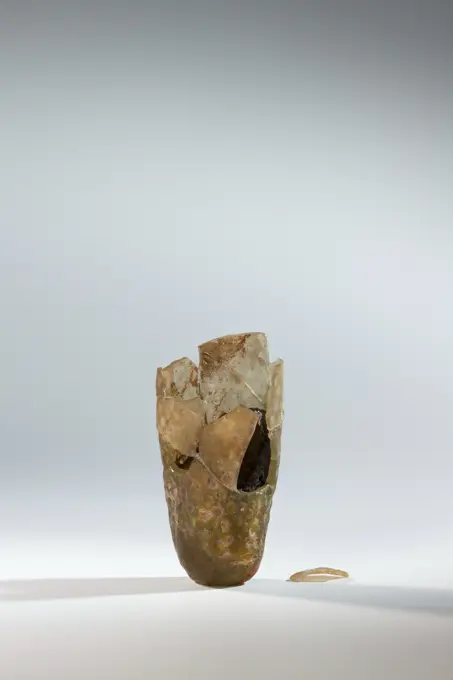
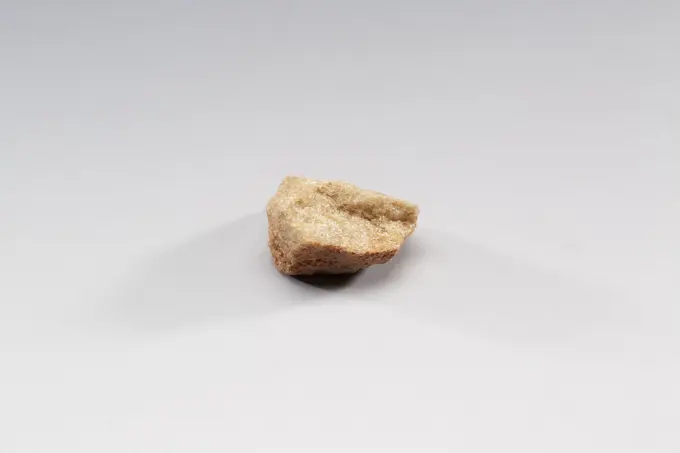
Cut. Grisish sandstone, cracked, exhilarated covered. Cernuschi Museum, Asia Museum of Asia in the city of Paris.
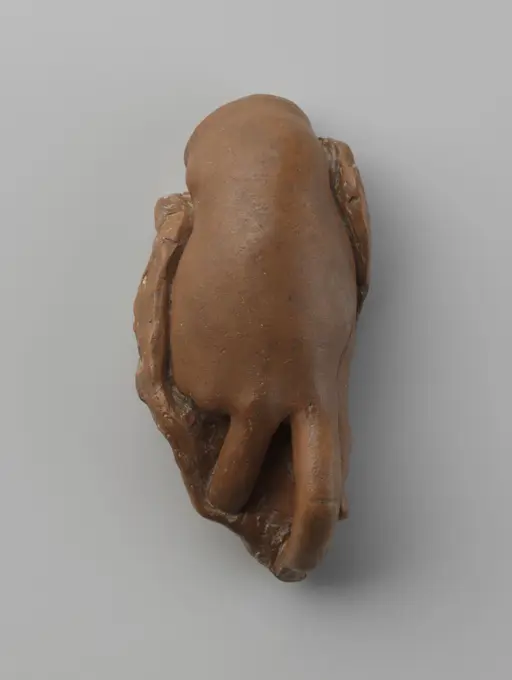
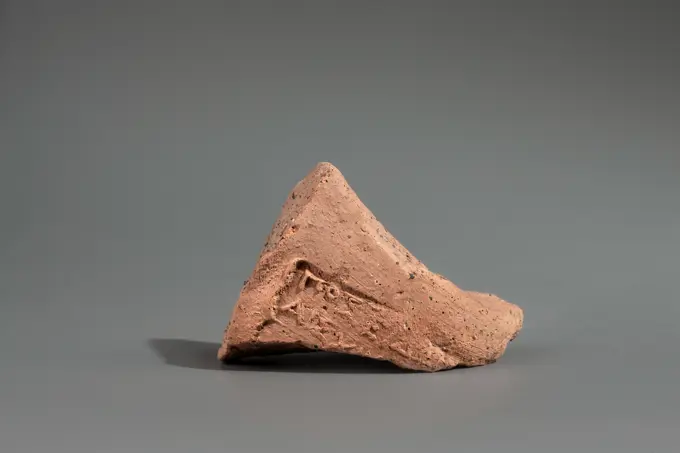
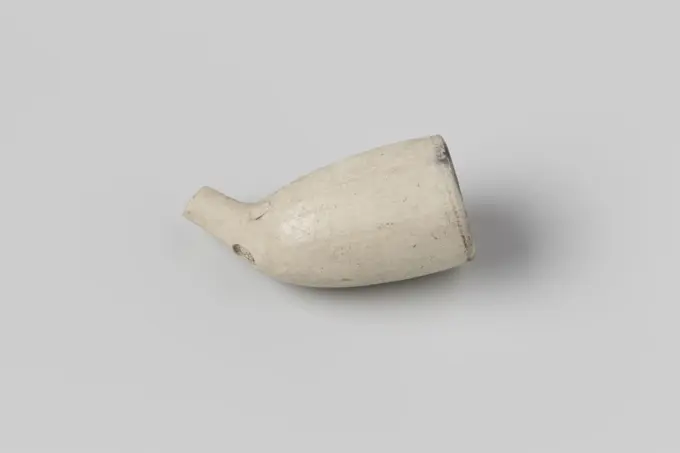
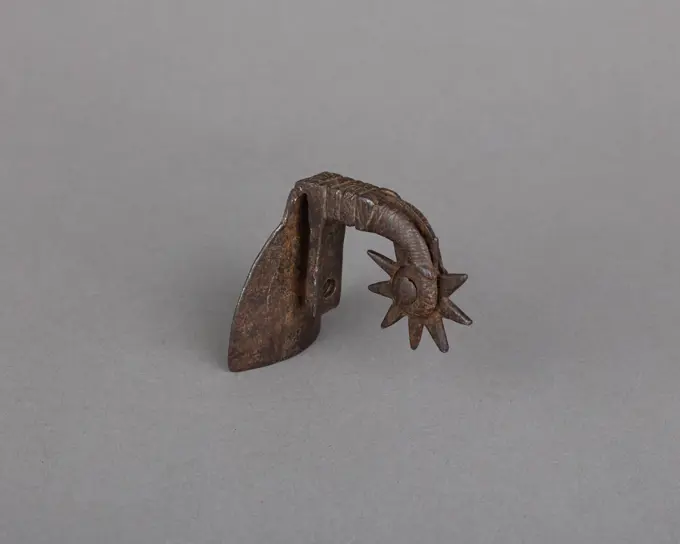
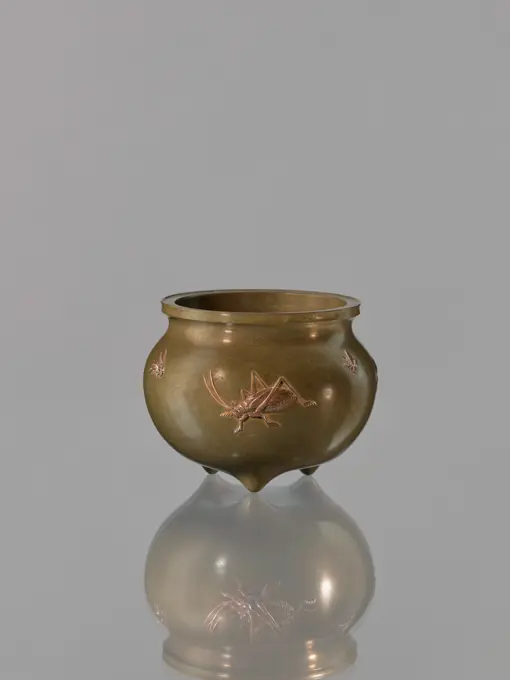
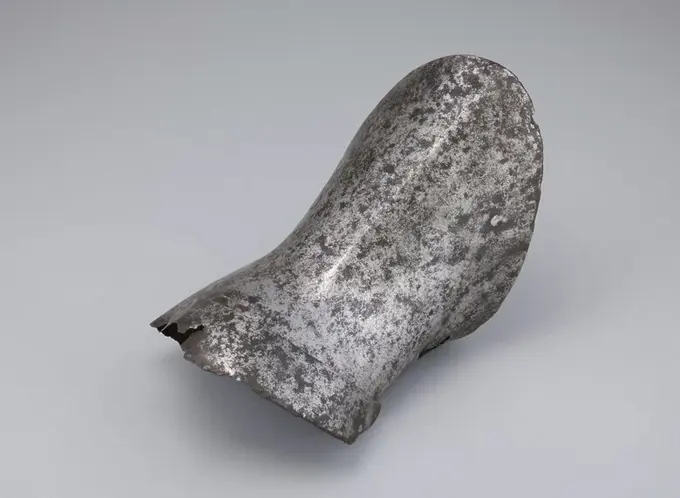
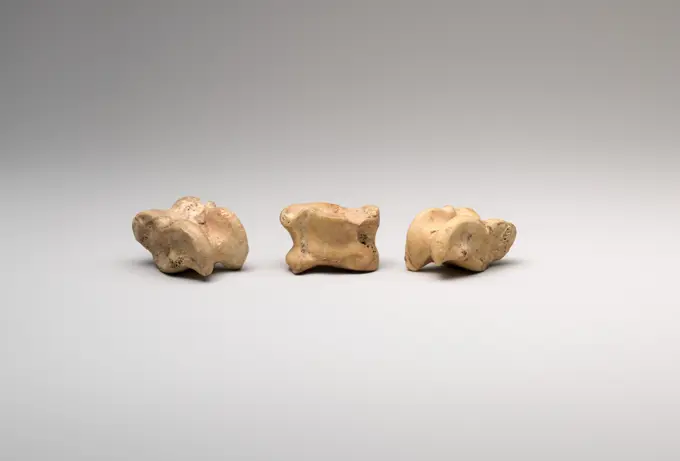
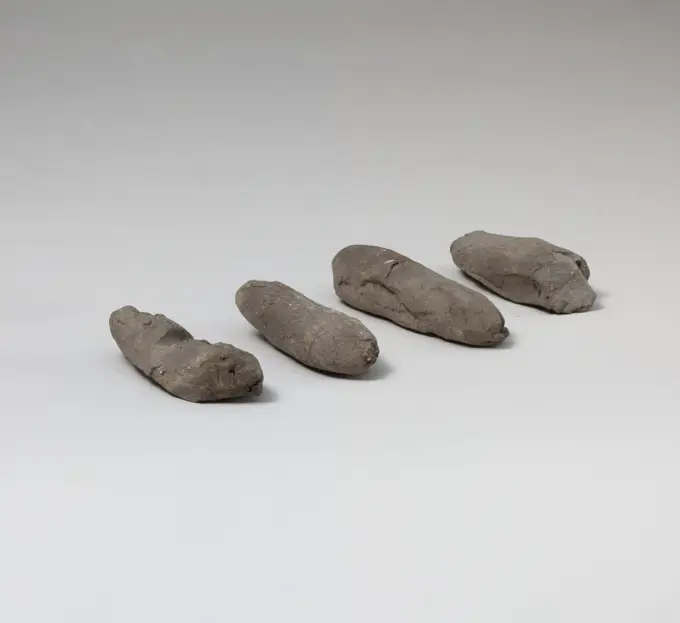
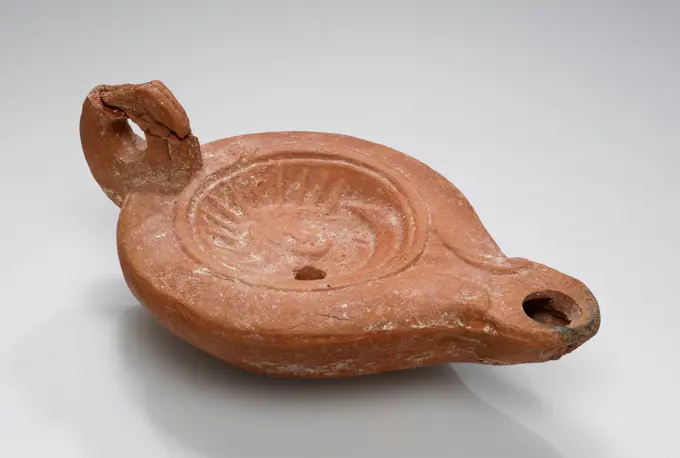
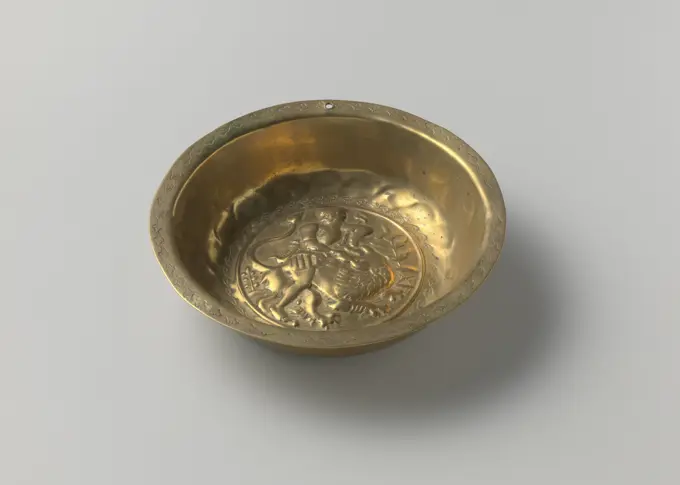
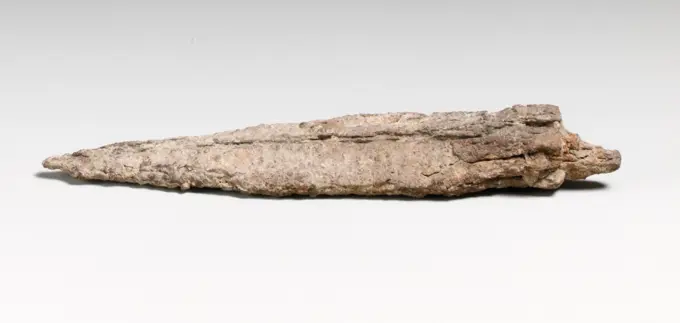
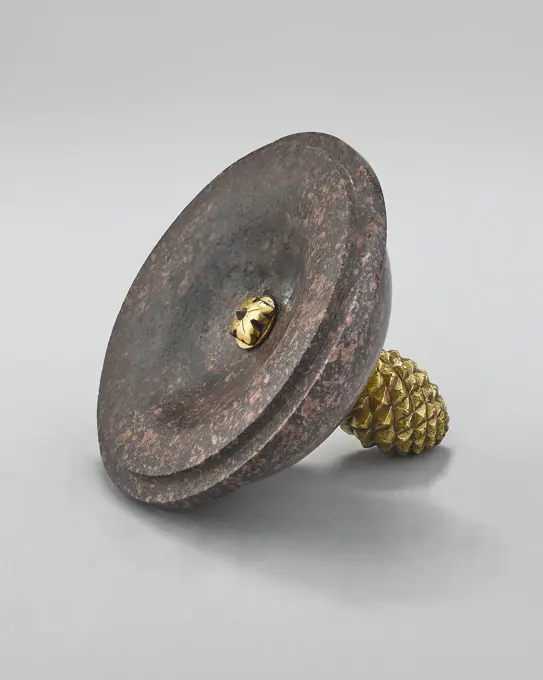
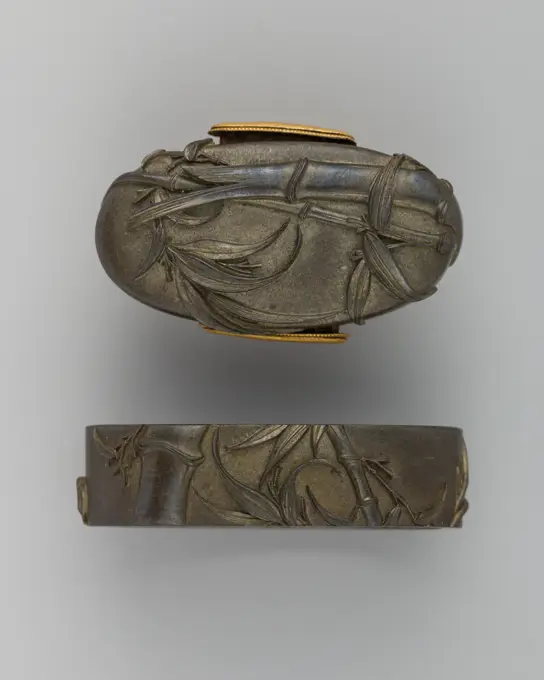
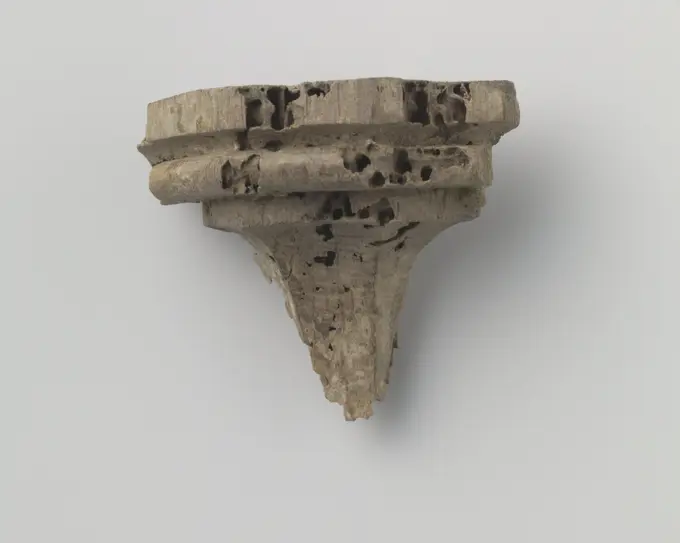
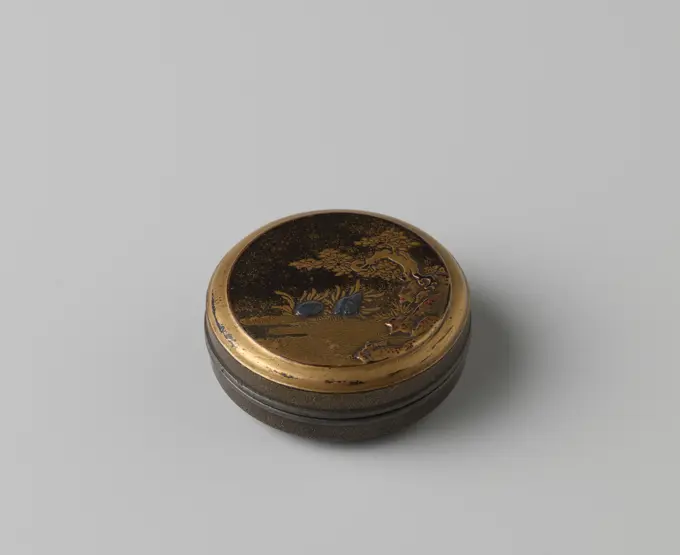
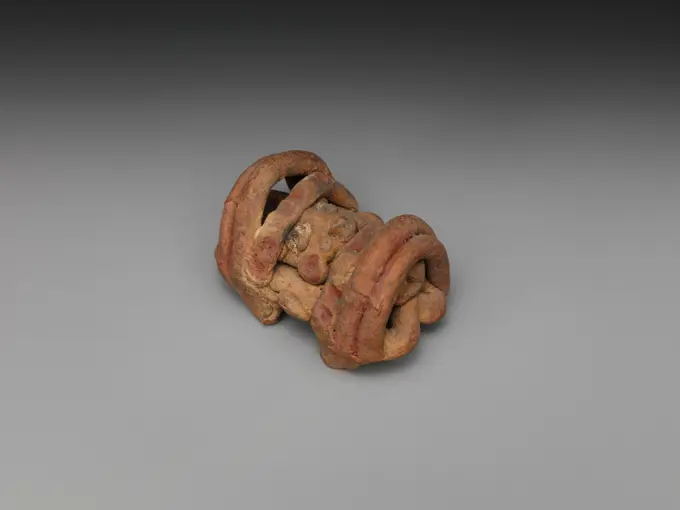
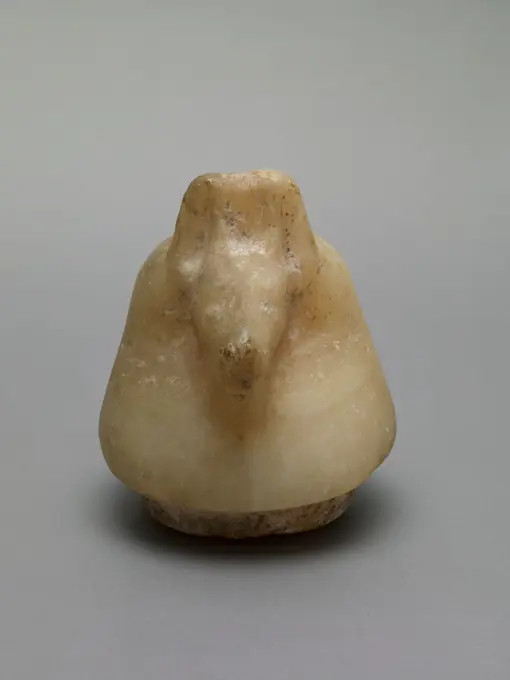
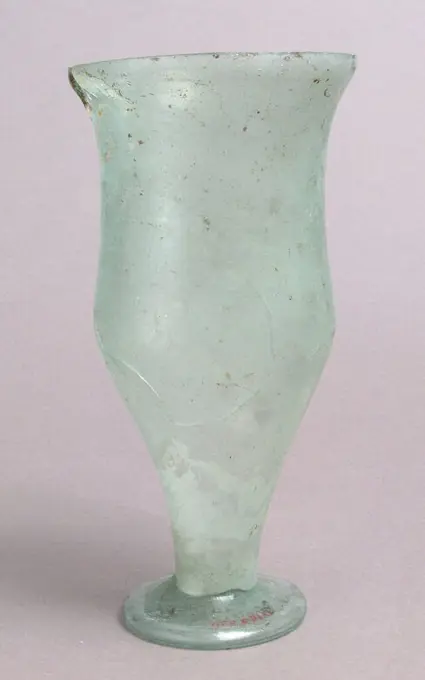
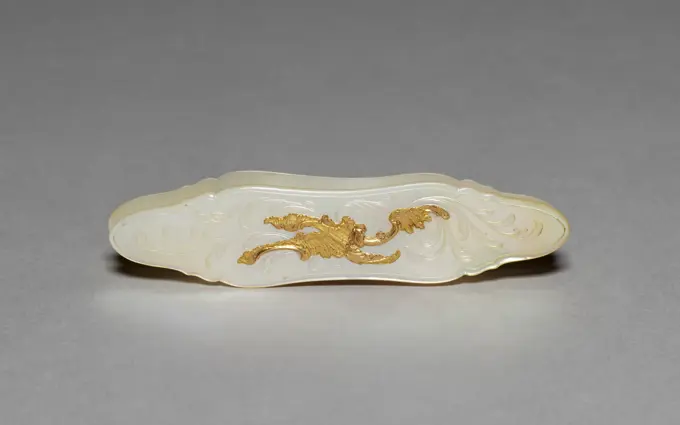
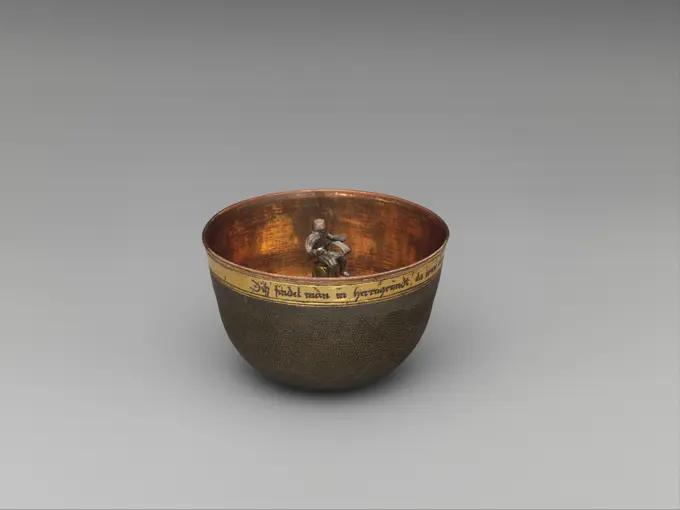
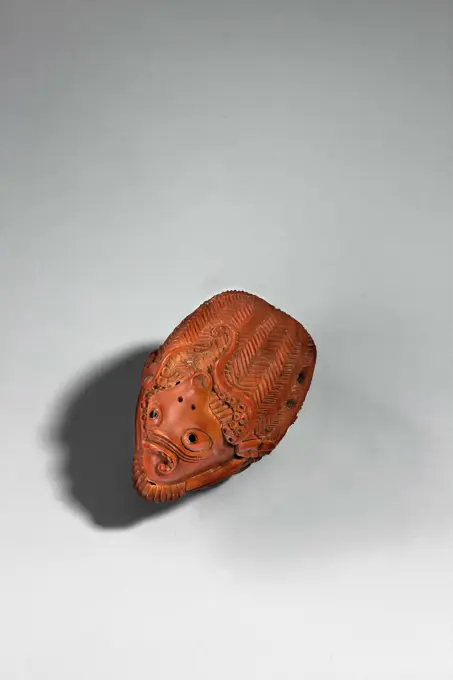
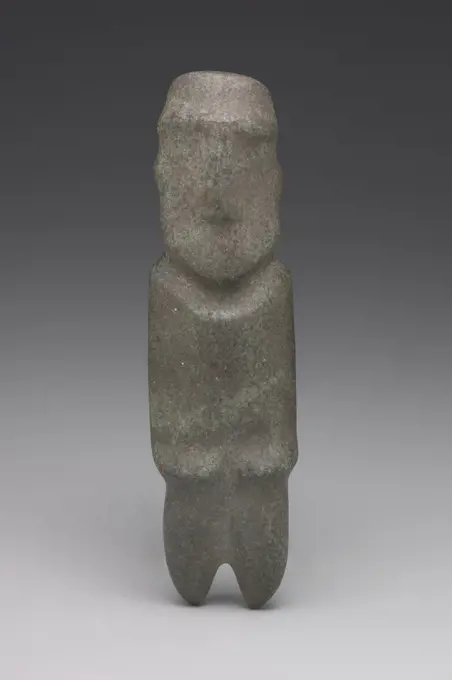
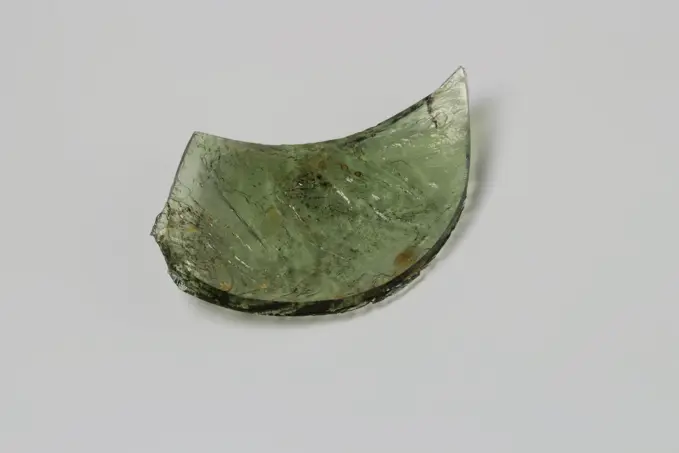
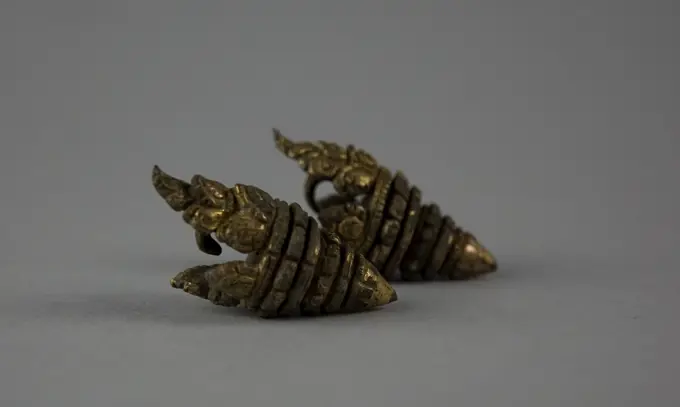
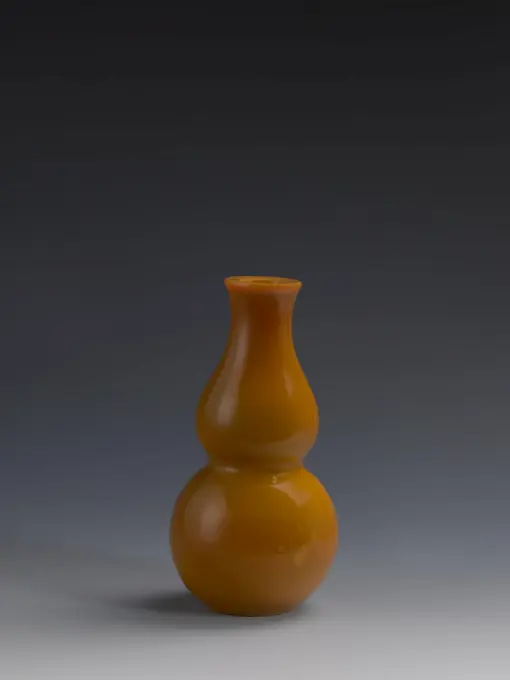
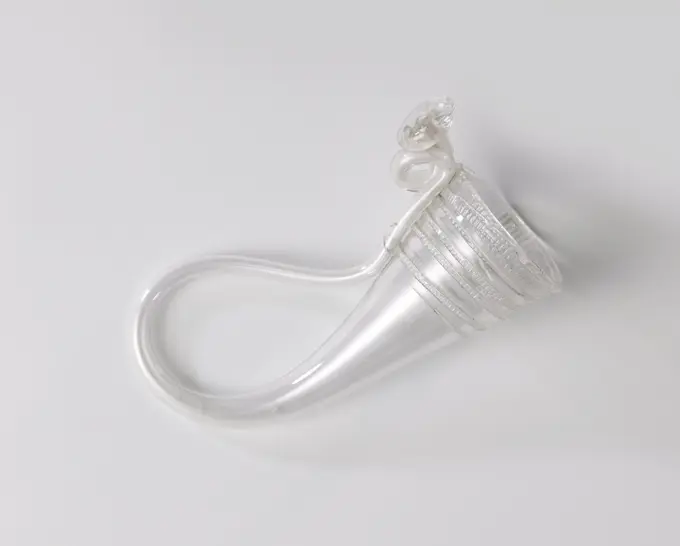
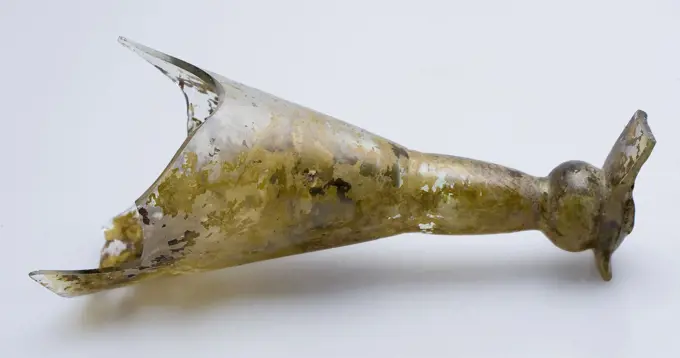
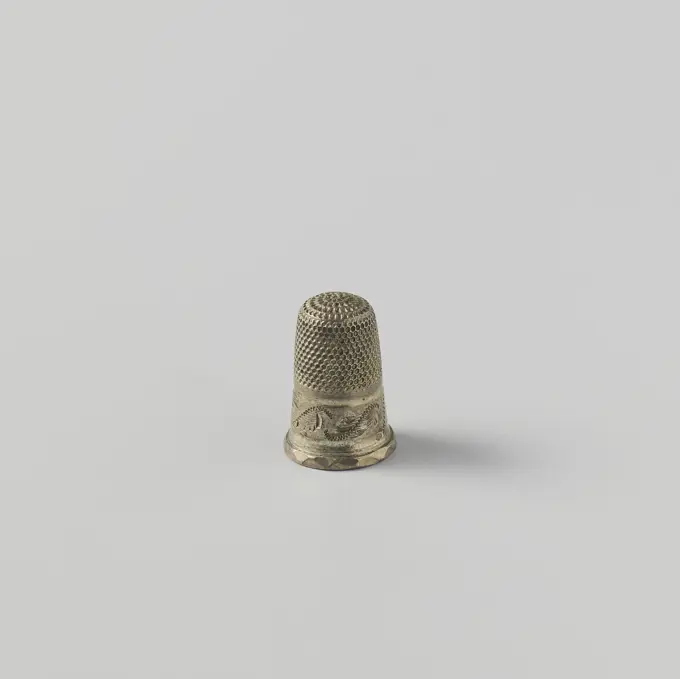
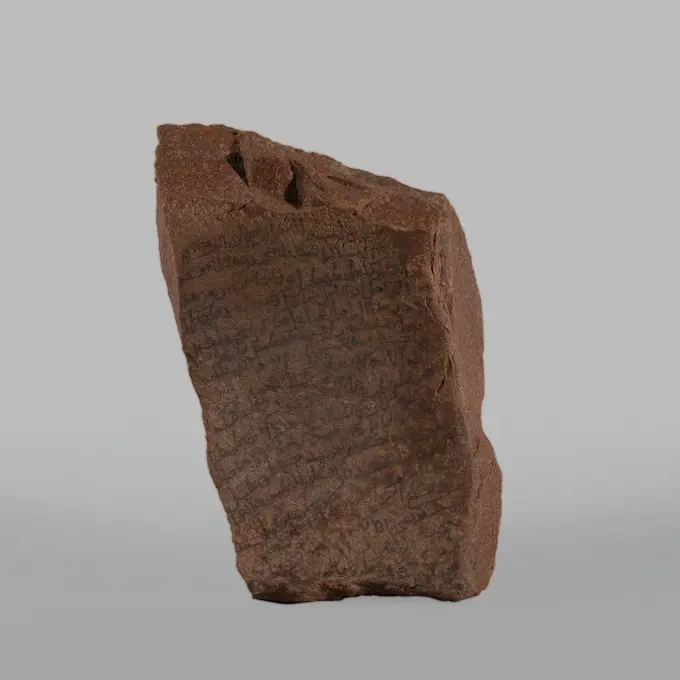
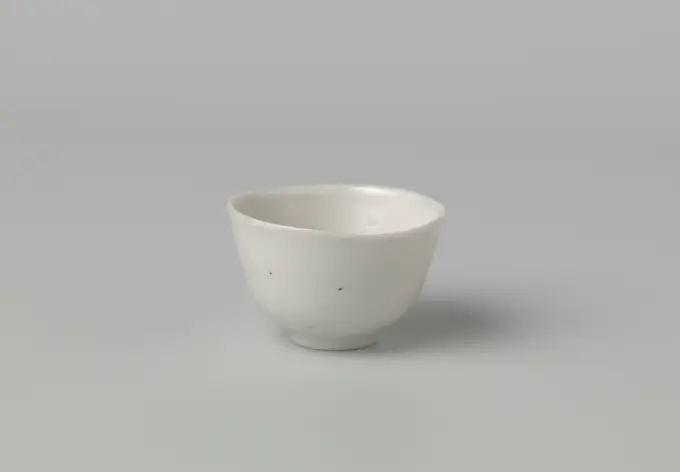
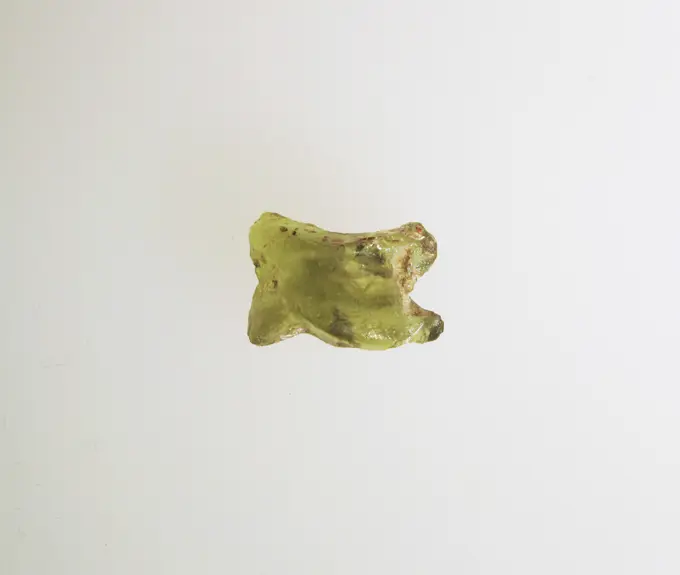
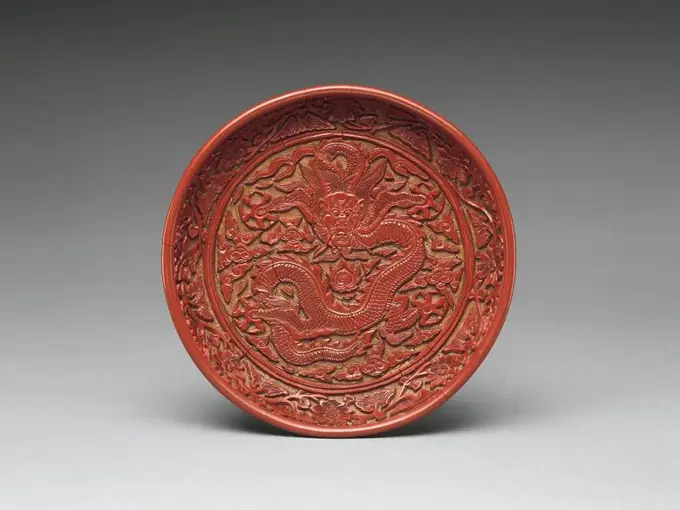
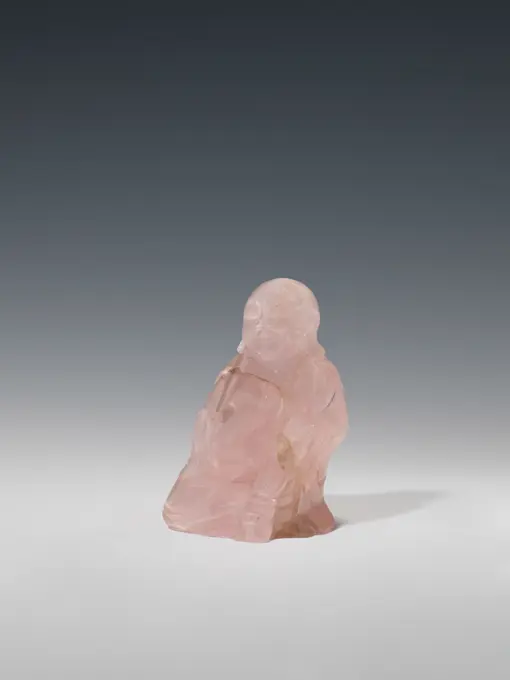
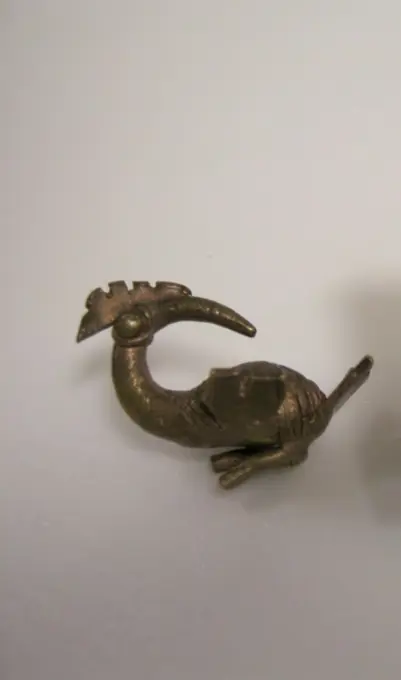
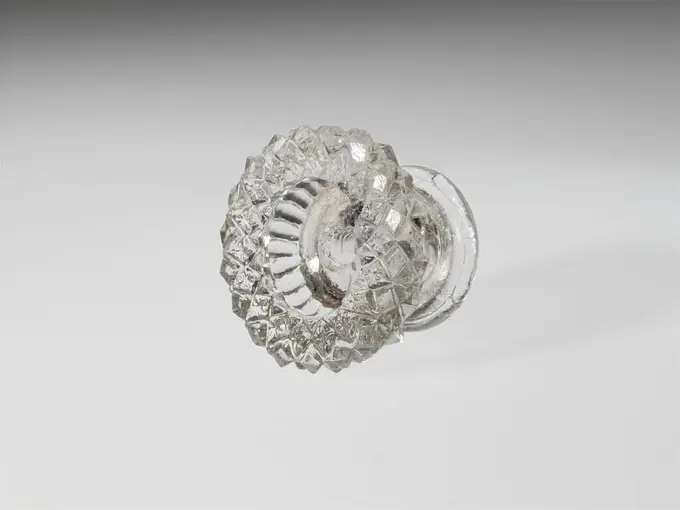
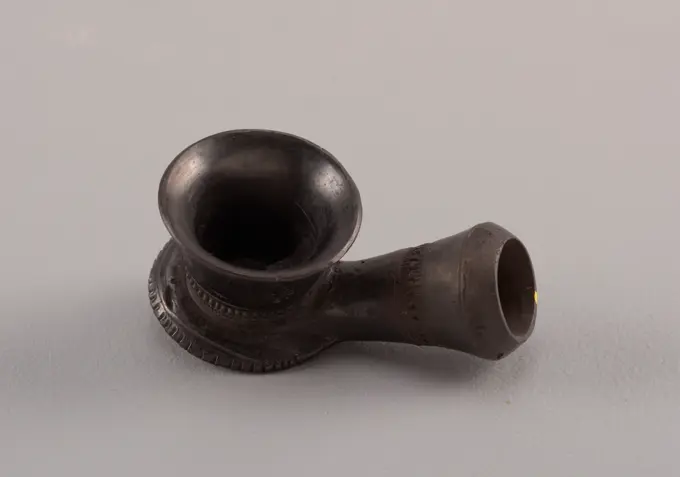
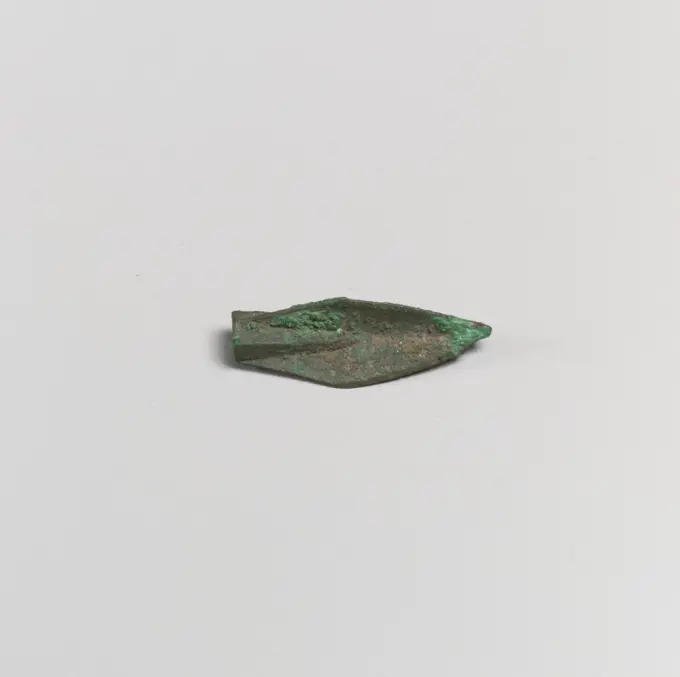
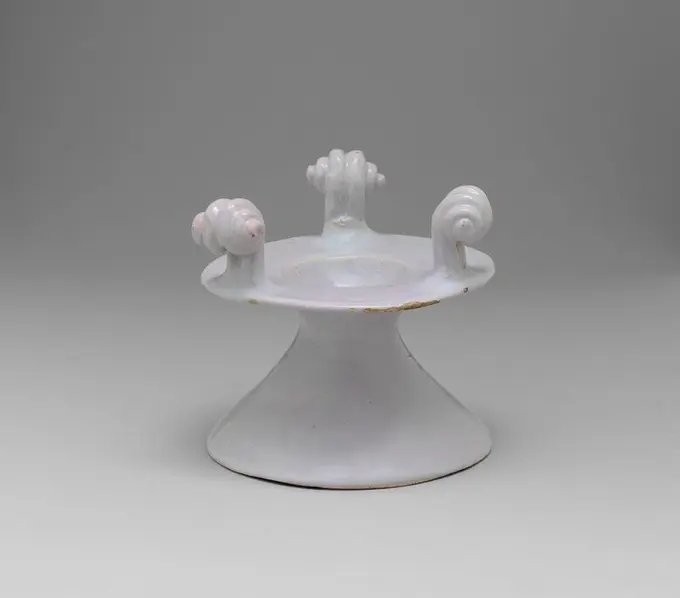
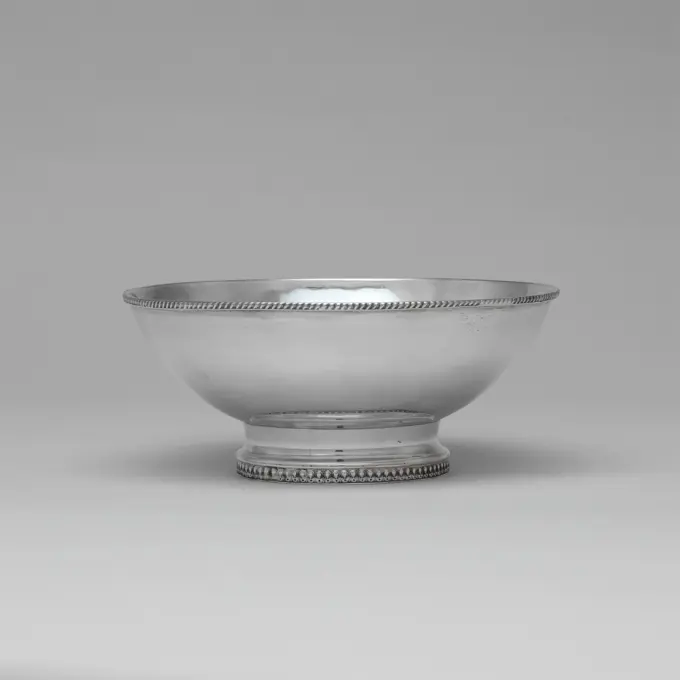
Palette shaped like a guinea fowl ca. 3500-3300 B.C. Predynastic, Naqada II. Palette shaped like a guinea fowl 547365Fragment imadła amfory ze stemplem. Kallisthenes (ok. 290-280 p.n.e.), potter's workshopFragment Tobacco Pipe, Pieter Jansz Bakker, 1750 - 1780 Fragment tobacco pipe, circle model. Of the excavations on the Hofstede Arentsburg 1827-1831 under the supervision of Professor Reuvens. Gouda pipe clay Fragment tobacco pipe, circle model. Of the excavations on the Hofstede Arentsburg 1827-1831 under the supervision of Professor Reuvens. Gouda pipe clayCup; silverRowel Spur 18th century probably German This is a branchless spur that could be attached directly at the back on a regular shoe, for occasional and casual riding. A screw passing through the base of the neck (missing), was used for tightening it to the shoes leather.This type of spur, particularly popular in the Germanic lands, is described in the entry Eperon in the Swiss Encyclopédie d'Yverdon published in 1772 by Fortuné Barthélemy de Félice. It is said that "these spurs not being maintained by any kind of tie, they can be lost very easily [.... We leave them to doctors, barbers, village priests, and monks. They are known in some countries and by some spur-makers by the name 'Carthusian spurs' (éperons à la chartreuse).". Rowel Spur. probably German. 18th century. Iron alloy. Equestrian Equipment-SpursPijpenkop with concretion from the wreck of the East Indians Hollandia, Anonymous, 1700 - in Or Before 1743  Pipe, bowl, heelmark illegible; no hsm. Netherlands pipe clay. concretionary stone   SecondCut. Grisish sandstone, cracked, exhilarated covered. Cernuschi Museum, Asia Museum of Asia in the city of Paris.Incense box in the shape of a chestnut, anonymous, c. 1700 - c. 1799 Incense box of stoneware, covered with a brown and cream -colored glaze. Signed on the inside with 'Kenzan'. Old label on the inside with 'Tomkinson Collection/ 229'. Kyoyaki. Japan stoneware. glaze vitrification Incense box of stoneware, covered with a brown and cream -colored glaze. Signed on the inside with 'Kenzan'. Old label on the inside with 'Tomkinson Collection/ 229'. Kyoyaki. Japan stoneware. glaze vitrificationSlot, anonymous A lock with engraved ornaments.   engraving A lock with engraved ornaments.   engravingOrnament for the wooden handle of a ge, c. -1030 - c. -490 Ornament for the wooden stem of a ge (ko), clear green and gray green patina, decorated with a monster head on a stock of close -standing dots. It is provided with a hole. China bronze (metal) Ornament for the wooden stem of a ge (ko), clear green and gray green patina, decorated with a monster head on a stock of close -standing dots. It is provided with a hole. China bronze (metal)Censer (kôro). unknown, craftsmanBottle. unknown, craftsmanBlowjob from the wreck of the East Indieschief Hollandia. Pipe, Bowl, Healmar: Crowned 57; 2HSM1.2.Lead Role from the wreck of the East Indies' t Vliegend Hart ,, 1700 - 1735 lead Tube rolled lead picture. Black-gray in color. Roll of Lead. Middelburg lead (metal)Kadzielnica (kôro);  19th/20th century (1890-00-00-1910-00-00);Musketkogel from the wreck of the East Indians' t Vliegend Hart ,, c. 1700 - c. 1735  Lead spherical bullet that was fired from a musket. The bullet is dark gray in color. The bullet is immersed for conservation in beeswax. Identic to NG-1984-1, 2, 4, 5. Musket Calibre. Middelburg lead (metal)Gauntlet for the Left Hand. Italian, Milan. Date: 1440-1470. Dimensions: L. 27.9 cm (11 in.)Wt. 9 oz. Steel. Origin: Milan. Museum: The Chicago Art Institute, Chicago, USA.Paperweight in the shape of a lying buffalo and a shepherd. unknown, craftsmanCheese, round, from which a point is cut, anonymous, c. 1700 - c. 1799 Round cheese with piece out, from clay substance, remains of yellow -brown painting. Holland clay Round cheese with piece out, from clay substance, remains of yellow -brown painting. Holland clayVase fragment Roman Fragment of a green-glazed vase; rosettes.. Vase fragment. Roman. Terracotta; lead-glazed ware. VasesFragment frame of a vascular work from the wreck of the East Indians Hollandia, Anonymous, 1700 - in Or Before 1743  Vessel part, rim; fragment of curved, fold-over outer rim, convex, stepped inner border, hollow core. Netherlands glass   SecondThree Knuckle bone Gaming Pieces ca. 1550-1458 B.C. New Kingdom The term "knuckle bone" designates the astragalus, a small bone found within the tarsal joint of hooved animals. It was used as a randomizing device because it has four long sides on which it could land when cast, with the numerical value assigned to the side facing up. Imitations of astragalus bones were also made from wood, clay, ivory, stone, and metal. In Egypt, these are better attested from the 17th Dynasty on, which is likely related to the introduction of the game of twenty squares. Egyptians adopted astragali to play senet, and these are the only casting devices represented in New Kingdom playing scenes.. Three Knuckle bone Gaming Pieces. ca. 1550-1458 B.C.. Bone. New Kingdom. From Egypt, Upper Egypt, Thebes, Asasif, Courtyard CC 41, Pit 1, Chamber B, MMA excavations, 1915-16. Dynasty 18, earlyCup first half of the 19th century China. Cup 46838Lamp 13th century Syrian. Lamp 26459Sealing ca. 1336-1327 B.C. New Kingdom. Sealing. ca. 1336-1327 B.C.. Mud. New Kingdom. From Egypt, Upper Egypt, Thebes, Valley of the Kings, Embalming Cache of Tutankhamun (KV 54), Davis/Ayrton excavations, 1907-08. Dynasty 18Lamp. UnknownSea bracket in the form of a shoe, anonymous, c. 1700 - c. 1800 The cast and accompanying object has the model of a slope with a tire to confirm the belt. The edge of the shoe is ribbed. Two triangles were cut out in the sole. South America brass (alloy) casting / cutting The cast and accompanying object has the model of a slope with a tire to confirm the belt. The edge of the shoe is ribbed. Two triangles were cut out in the sole. South America brass (alloy) casting / cuttingPelvis with Samson and De Leeuw, Anonymous, 1500 - 1550 In the flat of the pelvis, which has the center point in the middle, with the help of a stamp shape a representation of Samson with De Leeuw (Judges 14, 5-6) is punched. This is surrounded by a border of stylized leaves struck with punch stamps. A corresponding ornament has been applied to the border. Fish blowing are driven in the transition from the flat to the wall. The hanging ring at the rear and the hole in the edge were installed later. Neurenberg (possibly) brass (alloy) casting In the flat of the pelvis, which has the center point in the middle, with the help of a stamp shape a representation of Samson with De Leeuw (Judges 14, 5-6) is punched. This is surrounded by a border of stylized leaves struck with punch stamps. A corresponding ornament has been applied to the border. Fish blowing are driven in the transition from the flat to the wall. The hanging ring at the rear and the hole in the edge were installed later. NeurSteel van Fork or Spoon from the wreck of the East Indians Hollandia, Anonymous, 1700 - in or before 1743 spoon Cutlery, fragment: stem of fork or spoon; fragm, end, sim. NG 1980-27H527, no inscription legible. Netherlands tin (metal)   SecondPaletka romboidalna. unknown, authorThree porcelain shards of one or different heads, found at V.O.C. -Schip Witte Leeuw, possibly from Zeelelie, Anonymous, 1750 - 1799  Three porcelain shards of one or different heads, found at V.O.C. ship De 'Witte Leeuw'. This object is 18th century and cannot therefore be from the freight of the Witte Leeuw. It is unclear whether the object will come from the site or whether it was mixed later, possibly with material from the Zeelelie.  porcelainVase fragment ca. 1600-1450 B.C. Minoan. Vase fragment 247722Glass bowl 2nd-3rd century A.D. Roman Translucent greenish yellow.Rim folded out and down, forming rounded, partially tubular collar to mouth with inner lip; bulging sides curving in to integral, low tubular base ring; flat bottom with traces of pontil and slight kick.Intact; few bubbles; dulling, slight pitting, and iridescence on exterior, creamy, iridescent weathering on interior.. Glass bowl 239845Statuette of a Youth 1st-2nd century A.D. Roman Standing figure with weight on his right leg; his left hand placed on his hip with a piece of drapery over his forearm.. Statuette of a Youth 246281Socketed Ax-Head (Celt) ca. 800-500 B.C. British. Socketed Ax-Head (Celt). British. ca. 800-500 B.C.. Bronze. MiscellaneousSpearhead ca. 1050-1000 B.C. Cypriot. Spearhead 244196Anonymous, urn cover in porphyry (main title). Porphyry, gilded bronze. Petit Palais, Museum of Fine Arts of the City of Paris.Study Models of Parts of the Body, Johan Gregor van der Schardt (attributed to), c. 1560 - in or before 1570 Sculptor model right hand to Michelangelo's morning (Medicikapel, San Lorenzo, Florence). Italy terracotta (clay material) Sculptor model right hand to Michelangelo's morning (Medicikapel, San Lorenzo, Florence). Italy terracotta (clay material)Shoes 1815-17 American. Shoes. American. 1815-17. silkSword-Hilt Collar and Pommel (Fuchigashira) ca. 1615-1868 Japanese A fuchigashira is a pair of matching sword fittings comprising the fuchi (collar at the base of the grip of the sword hilt) and kashira (pommel cap at the end of a sword hilt).. Sword-Hilt Collar and Pommel (Fuchigashira). Japanese. ca. 1615-1868. Copper-silver alloy (shibuichi). Sword Furniture-Fuchi-KashiraBrush Pot 18th century Japan. Brush Pot. Japan. 18th century. Clay covered with a green glaze (Kyoto ware). Edo period (1615-1868). CeramicsFragment (console of the altar cabinet); (possibly) belonging to the retable of Soest, c. 1475 - c. 1499   wood (plant material)   wood (plant material)Round box with lid. Round box with a decor of two shells at a covered coast. Pewter edges.Bed Figure 3rd century B.C.-A.D. 4th century Michoacan This figure features a modelled human figure complete with appliqued facial features, coiffure, and ear spools lying stretched out on a flat surface supported on four legs at the corners, hence the name bed figures. The figure appears to be strapped to the bed with a wide decorated band across the midsection. Across the top and bottom ends of the bed are arches. The bed has modelled decoration and remains of red and white pigment.. Bed Figure. Michoacan. 3rd century B.C.-A.D. 4th century. Ceramic. Mexico, Mesoamerica. Ceramics-SculptureCanopic Jar Lid. Jackal headed god AnubisBronze psykter with lid (vase for cooling wine). Culture: Greek. Dimensions: H. 10 15/16 in. (27.8 cm). Date: late 6th century B.C..In the past the piece was severely cleaned of all archaeological corrosion products. It has recently been cosmetically toned with removable pigments. Museum: Metropolitan Museum of Art, New York, USA.Button of staff or scepter. The molded opened object consists of three times four planes, which are diamond-shaped or square or a portion of a window. Pearl lists on the sides, on the corners griot pearl ornament. The fields of the twelve surfaces are taken by resp. A three-leaf (four times), four cross-wedged three blydues (twice), two fables placed on the header, two three blydues, two three-blying placed on the cup, the upper sheet of which is split. The attachment is formed by two rings, which are interconnected by slanted strips (of which two are missing). Probably a button of a staff or scepter.Sheath. End piece of a sheath of light green jade. Deepened and engraved.Attic Red-Figure Krater Fragment. Attributed to the Berlin Painter (Greek (Attic), active about 500 - about 460 B.C.)Planets-manager. Cornalet Collection Sites 2013-2016. Numismatic.Glass perfume bottle 1st-2nd century A.D. Roman Translucent pale green with bluish tinge.Rounded rim; flaring mouth; cylindrical neck, tapering downwards, with deep tooled indent around base; elongated ovoid body; small, thick, uneven bottom.Intact; many bubbles and blowing striations; dulling, slight pitting, and patches of iridescence with thick creamy brown weathering on neck and mouth.. Glass perfume bottle 244686Erosaria spurca shell from the wreck of the Dutch East India ship Witte Leeuw, before 1613  Shell from V.O.C. ship the 'Witte Leeuw'.  .   Sint-HelenaBelly bottle, bottle bottle holder soil find glass, free blown and shaped glass application Circular bottle in clear green glass belly cat onion. Pontil mark under raised bottom. Around rejuvenated body missing shard (about 11 x 4,0 cm) (part is in the bottle) to convex shoulders and rejuvenated (5.0 - 2.5 cm) neck with round sharp glass thread and flattened lip of which about half is missing archeology packagingFragment pilaster, pilaster ornament building component sandstone stone, sculpted Lower part of pilaster decorated with square octagonal and round shapes.Cosmetic Box in the Form of a Cartouche New Kingdom ca. 1550-1295 B.C. View more. Cosmetic Box in the Form of a Cartouche. ca. 1550-1295 B.C.. Wood. New Kingdom. From Egypt. Dynasty 18Penningdoos, 1688 medal box Turtle box with brass () Screw. NB This is not the box that originally belonged to the NG-2008-41-B tok. Amsterdam brass (alloy)Footed Beaker. Culture: Roman. Dimensions: Overall: 6 3/8 x 3 1/8 in. (16.2 x 8 cm). Date: 4th-5th century. Museum: Metropolitan Museum of Art, New York, USA.Tatting Bobbin from a Sewing Box (Nécessaire), c. 1765. Austria, Vienna(), 18th century. Gold and mother-of-pearl;Kraal, anonymous, 600 - 1000  China glass  China glassBeaker early 18th century Hungarian, Úrvölogy (formerly Herrengrund) This beaker, and a similar one in the museums collection, 2010.110.66, is in tumbler form with a gilded lip above punched snakeskin decoration. Each show a silver figure of a miner seated on a column rising from the center of the bowl. The figures are made of silver that can be polished. When the bowl was filled with wine the tiny statuettes image would be reflected on the surface of the “golden” beverage, the color of which was intensified by the gilded interior. Copper vessels in this form were popular souvenirs from Herrengrund, at that time in Northern Hungary, now in present-day Slovakia, extolling the seemingly magical qualities of the water in the region, which has unusually high concentrations of copper sulphate. Iron scraps left in pools of water did not actually transform into copper, but collected on their surface considerable amounts of pure copper precipitate drawn out of the water through a natural cheOctopus in a basket; netsuke. unknown, sculptorPair of Buttons, 900s-1000s. Iran, 10th-11th century. Gold; diameter: 2.4 cm (15/16 in.).Standing MaleFigure, 300 B.C.-A.D.300, Greenstone, 24 × 6.2 × 4.2 cm (9 7/16 × 2 7/16 × 1 5/8in.), Made in Mexico, Mexico, Mezcala,Guerrero, Late Formative to Early ClassicPeriod, SculptureTalerz czerwonofigurowy z przedstawieniem ryb. nieznany warsztat kampański, workshopCast pendant bead. UnknownCarnavalet museum, tokens collectionStanding Female FigureSharfing of a wine bottle from the wreck of the East Indians' tvlend Hart, which was decayed in 1735 ,, 1700 - 1735  Green glass fragment, part of a wine bottle. A side has a fine structure, the other is rougher.  .Study Models of Parts of the Body, Johan Gregor van der Schardt (attributed to), c. 1560 - c. 1570  Florence (possibly) terracotta (clay material) casting  Florence (possibly) terracotta (clay material) castingCandlestick with profiled foot and trunk, resting on three lions. The candlestick is composed of the following parts: the foot and the strain, which are cast in one whole, the fat catcher, candle pin and the three pedestals. The foot is from inside to the lower button. The profiled conical foot is about in the round trunk with three buttons. This is located in the fat catcher with on top of the substantial unprofiled candle pin. The round-deepened fat catcher has a flat lying edge, which turns into a narrow-up border with eight uneven tilting. Four decorations have been made in the upright edge of the fat catcher, consisting of a perforation in the form of a five-pass. Foot, trunk and fat catcher are decorated with grooved rings. The candlestick has three cams at the bottom of the inside, in which iron bolts are attached, in which the lions are clamped, which serve as batches.Ear Clip ca. 12th century Cambodia. Ear Clip. Cambodia. ca. 12th century. Bronze with gilding. MetalworkVase;  18th century (1701-00-00-1800-00-00);Przeszo Przyszoci unknownDish 7th century B.C. Etruscan Low foot, red ware, undecorated.. Dish. Etruscan. 7th century B.C.. Terracotta; impasto rosso. Orientalizing. VasesBlaker van Tin, 1600 - 1800 Round Blaker from Tin. The deep fat catcher has a candle holder in the middle, which stays just below the edge of the fat catcher. A handle is turned on, which hells down slightly in the middle. Netherlands (possibly) tin (metal) casting Round Blaker from Tin. The deep fat catcher has a candle holder in the middle, which stays just below the edge of the fat catcher. A handle is turned on, which hells down slightly in the middle. Netherlands (possibly) tin (metal) castingGlass in the form of a hunting horn, anonymous, c. 1600 - c. 1800 Smooth bent tube, ending in a wide sound cup; On the narrow side, a stuffed mouthpiece. A ribbed glass wire around the body. Netherlands glass glassblowing Smooth bent tube, ending in a wide sound cup; On the narrow side, a stuffed mouthpiece. A ribbed glass wire around the body. Netherlands glass glassblowingKnife 17th century Italian. Knife 27541Fragment of part of foot and of stem of goblet, drinking glass drinking utensils tableware holder soil find glass, hand-blown Fragment of part of foot of trunk and part of calyx of chalice in clear colorless glass. Pontil mark under slightly ascending foot Massive trunk on convex bud and continuous to calyx at transition lightly squeezed Funnel-shaped smooth calyx archeology Soil discovery: loose finds pour.Bowl;  19th/20th century (1890-00-00-1910-00-00);Vingerhoed, anonymous, c. 1750 Thimble with flattened round top. The edge is bent out and edited. The side wall is engraved at the bottom with leaves and ZIG-Zag motif. The thimble is marked with a boar head. Netherlands silver (metal) Thimble with flattened round top. The edge is bent out and edited. The side wall is engraved at the bottom with leaves and ZIG-Zag motif. The thimble is marked with a boar head. Netherlands silver (metal)Stone block with Arabic text;  IX-XII century (890-00-00-910-00-00);Vase. Terracotta. Neolithic. Paris, Carnavalet museum. Neolithic, terracotta, dishes, vase, archeological vestigeRubbing Stone. Dimensions: l. 3-9.5 cm (1 3/16-3 3/4 in). Dynasty: Dynasty 18. Reign: Joint reign of Hatshepsut and Thutmose III. Date: ca. 1479-1458 B.C.. Museum: Metropolitan Museum of Art, New York, USA.Stirrup. Culture: West Slavic. Dimensions: H. 5 1/4 in. (13.3 cm); W. 5 1/4 in. (13.3 cm); D. 1 3/8 in. (3.5 cm); Wt. 3.9 oz. (110.6 g). Date: 10th-11th century.This simple stirrup of Slavic type is said to have been found on the site of Dolkheim, today in Northern Poland.Horses had great importance in Slavic society, in both its social and religious aspects. Equestrian equipment, like stirrups, spurs and bits, are regularly found in their burials, even after their Christianization, among the goods warriors wanted to bring with them to the afterlife. The elite would sometimes even be accompanied by sacrificed horses, a meaningful practice at that time, considering the high economic value of horses. Museum: Metropolitan Museum of Art, New York, USA.Pottery saucepan, red shard, glazed with greenish spots, with pouring lip, on three legs, saucepan pan crockery holder kitchenware soil discovery ceramics earthenware glaze lead glaze, hand turned fried glazed earthenware saucepan red shard with lead glaze with greenish spots wide cuff shaped mouth rim with shaving clip three legs wide groove to transition shoulder belly to accentuate archeology native pottery food prepare cooking food cuisineDragon Pendant with Small Blade 1300 BCE-1000 BCE China. Jade .Bowl with a White Glaze and Irregular Rim. Bell-shaped bowl of porcelain, covered with a white glaze. A unglazed band on the bottom. Marked on the underside with an unidentified seal brand. White porcelain.Glass astragal (knucklebone) 3rd-2nd century B.C. Greek Translucent light green.Shaped like the knucklebone of a sheep or goat. Solid with continuous mold seam along sides and ends.Intact, but slight chipping at one end; dulling and patches of iridescent weathering.In antiquity, one of the most popular games of chance was played with astragaloi, knucklebones of sheep and goats. They could be used like dice or like jacks, thrown in the air and caught on the back of the hand. Knucklebones have been found in tombs where they must have been intended to help the deceased while away endless time.. Glass astragal (knucklebone). Greek. 3rd-2nd century B.C.. Glass; cast in a two-part mold. Hellenistic. GlassDish with dragon. Culture: China. Dimensions: H. 1 1/4 in. (3.2 cm); Diam. 6 1/4 in. (15.9 cm).Images of front-facing dragons first appeared in the mid-sixteenth century. They became the most commonly depicted form of the mythical being in the decorative arts of the late Ming period, appearing on ceremonial costumes, porcelain, and carved objects. Museum: Metropolitan Museum of Art, New York, USA.Frog pendant 13th-10th century B.C. China. Frog pendant. China. 13th-10th century B.C.. Jade. Shang (ca. 1600-1046 B.C.) or early Western Zhou (1046-771 B.C.). JadeBudai (Śmiejący się Budda). unknown, craftsmanCarnavalet Museum, Medals CollectionGoldweight Bird, 19th-20th century, 1 x 1 1/4 x 3/4 in. (2.54 x 3.18 x 1.91 cm), Brass, Ghana, 19th-20th centuryDrawer Pull. Dimensions: Diam. 2 1/8 in. (5.4 cm). Date: 1810-60. Museum: Metropolitan Museum of Art, New York, USA.Pipe Bowl; fired and polished earthenwareBronze arrowhead 6th-4th century B.C. or later Greek or Achaemenid With socket; three flanged.. Bronze arrowhead 252860 Greek or Achaemenid, Bronze arrowhead, 6th4th century B.C. or later, Bronze, Other: 1 5/16 in. (3.3 cm). The Metropolitan Museum of Art, New York. Gift of The American Society for the Excavation of Sardis, 1926 (26.199.297)Salt. Culture: British, Lambeth. Dimensions: Overall: 4 3/4 × 5 in. (12.1 × 12.7 cm). Date: second half 17th century.The scrolled supports are intended to hold a napkin over the salt. Museum: Metropolitan Museum of Art, New York, USA.Decorative Door Boss And Nail; steel-plated wrought ironShards of Martavanen from V.O.C. ship De 'Witte Leeuw', Anonymous, Before 1613  Shards of Martavanen from V.O.C. ship De 'Witte Leeuw'. southeast Asia stoneware. porcelain   Sint-HelenaPunch Bowl ca. 1825 Chauncey Johnson. Punch Bowl 801