Ancient Artifacts and Tools

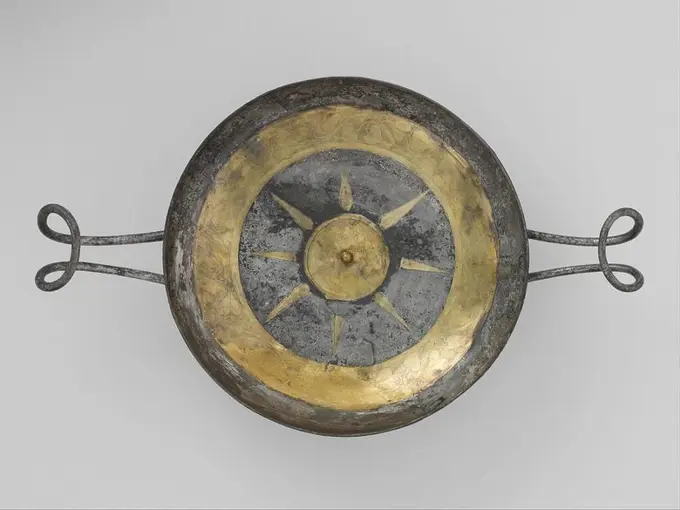
A collection of ancient and historical items including palettes, pottery fragments, and a silver cup, showcasing craftsmanship from different eras.

Cut. Grisish sandstone, cracked, exhilarated covered. Cernuschi Museum, Asia Museum of Asia in the city of Paris.
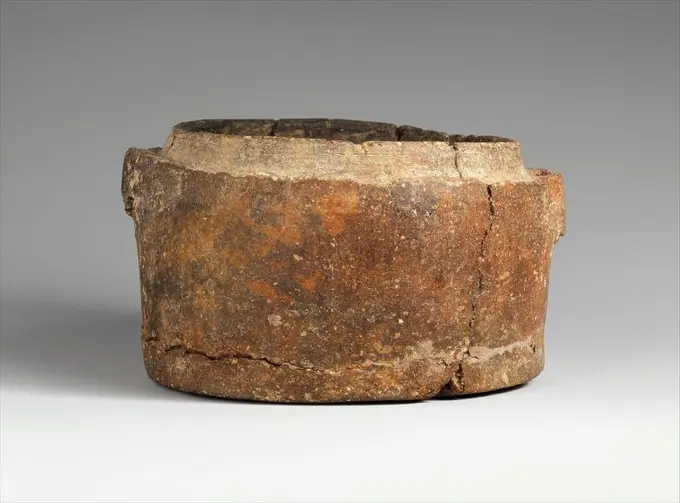
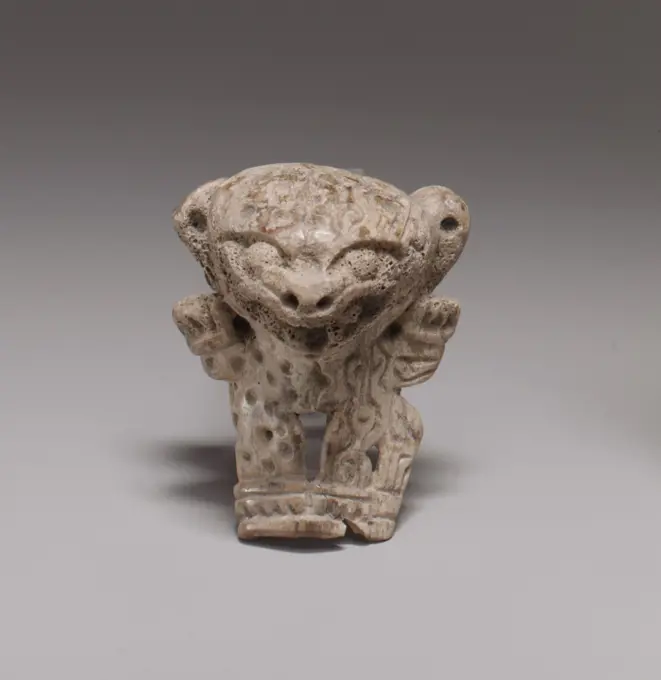
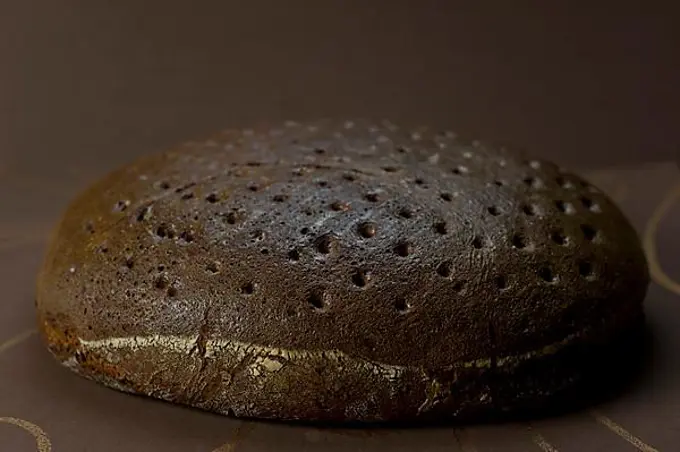
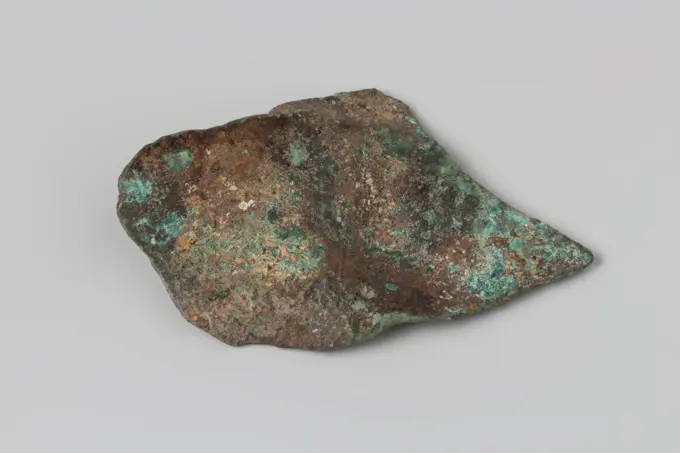
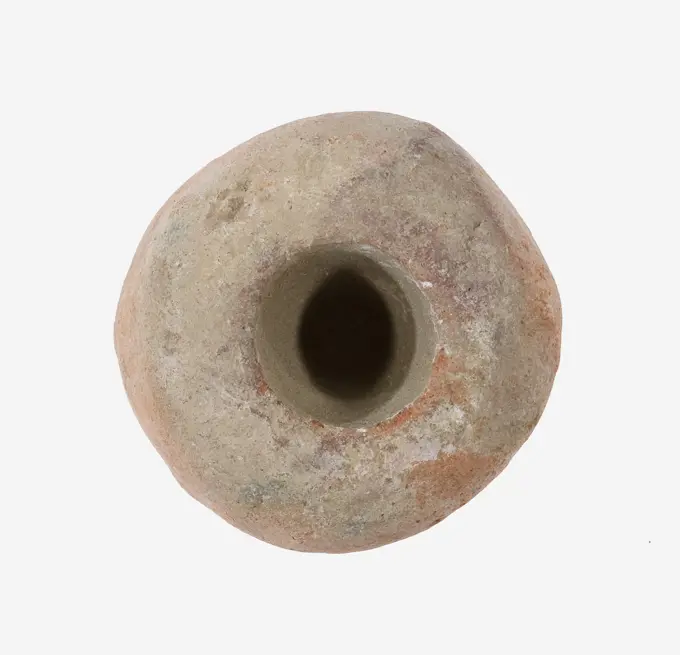
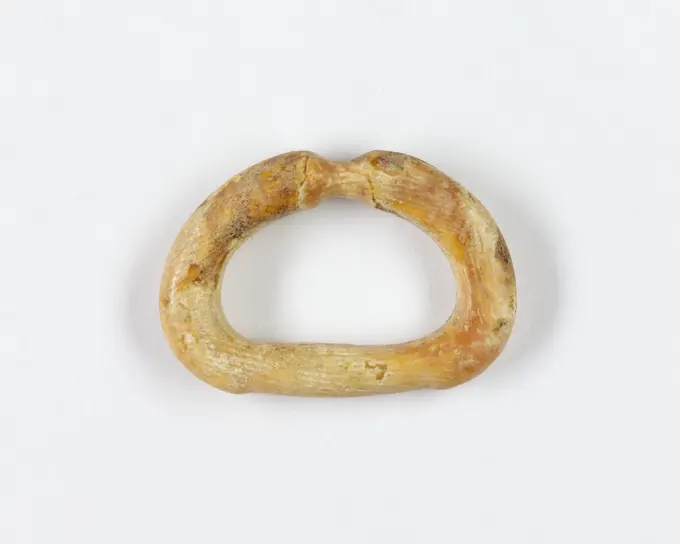
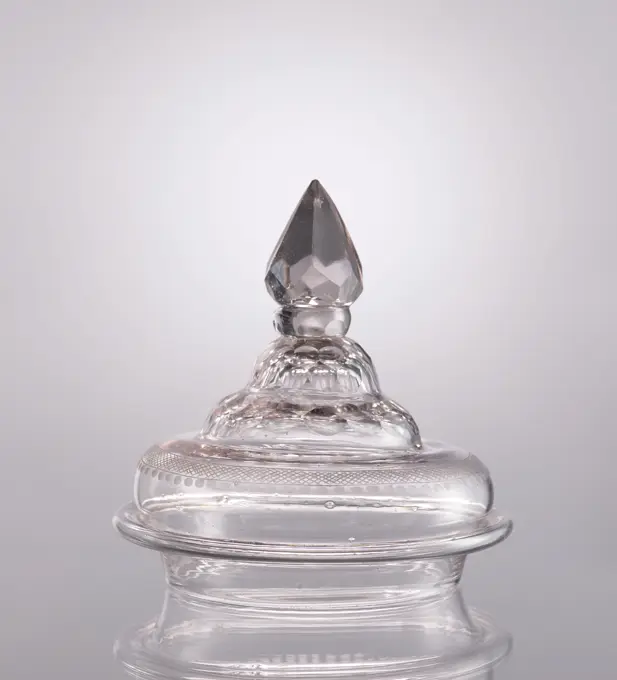
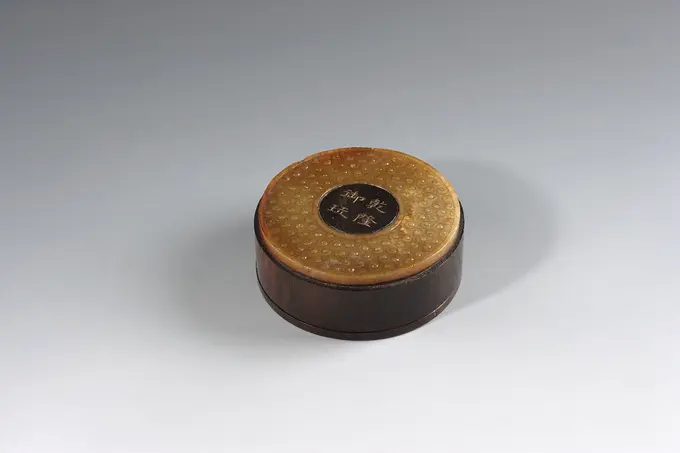
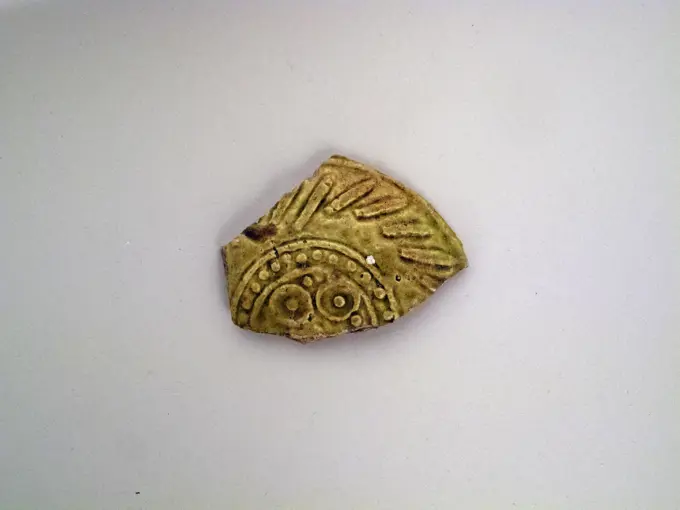
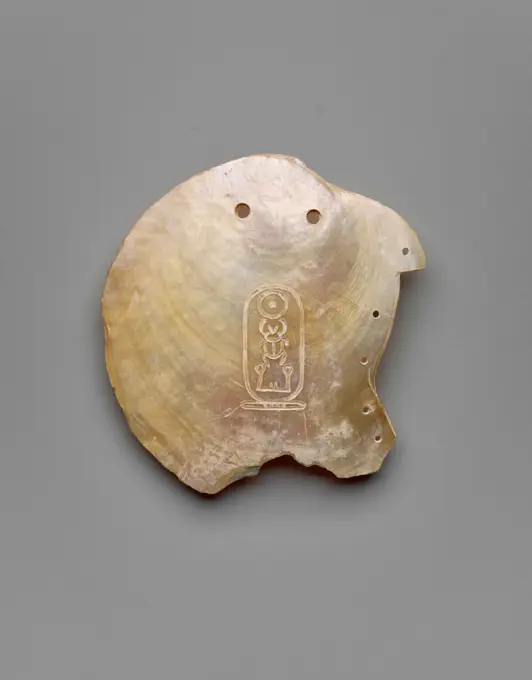
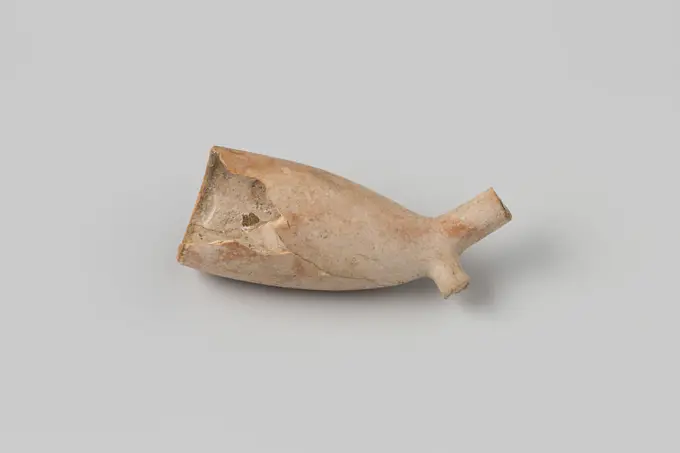
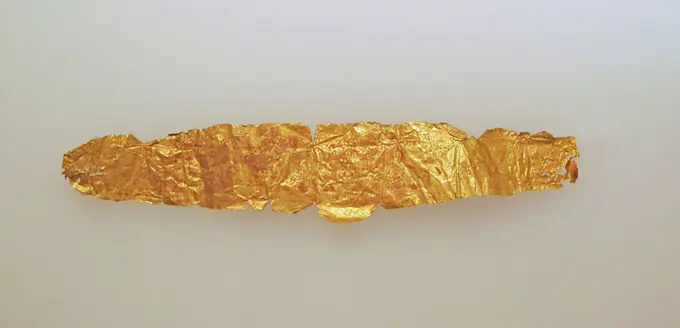
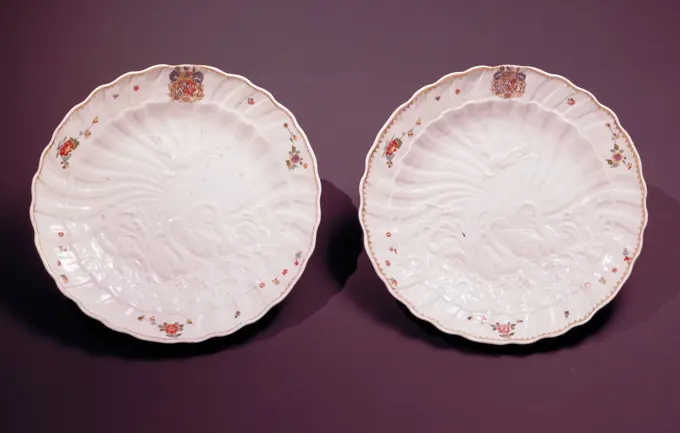
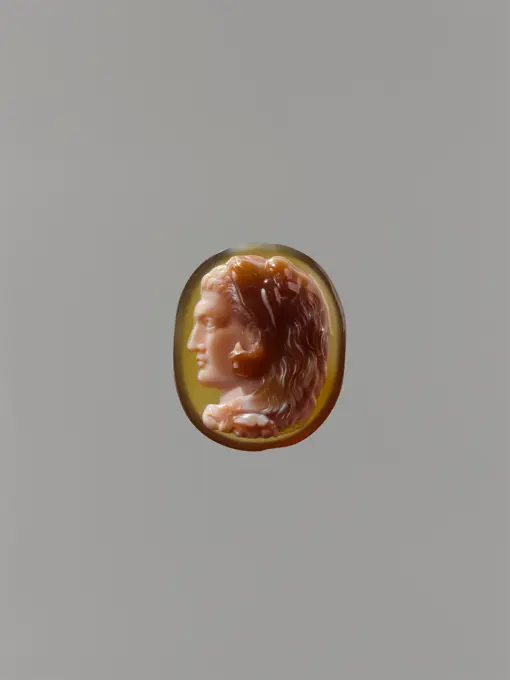
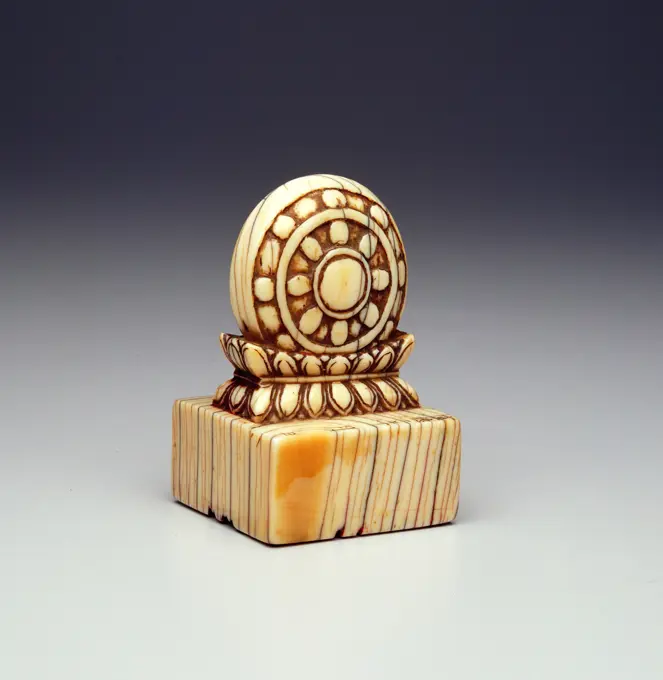
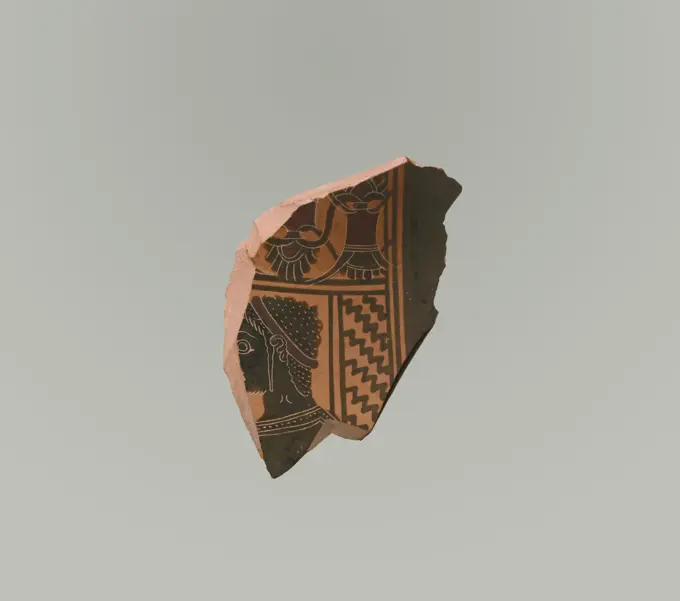
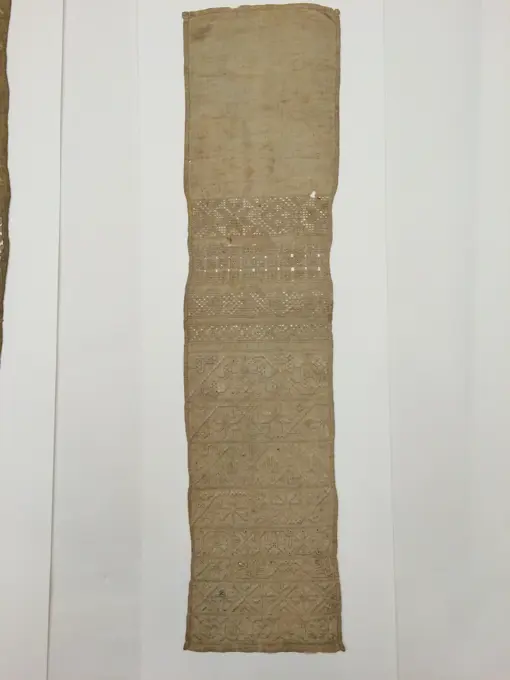
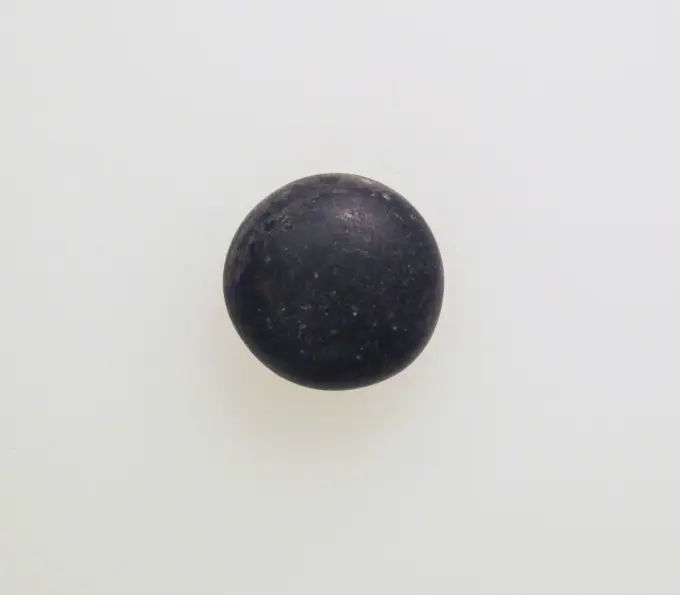
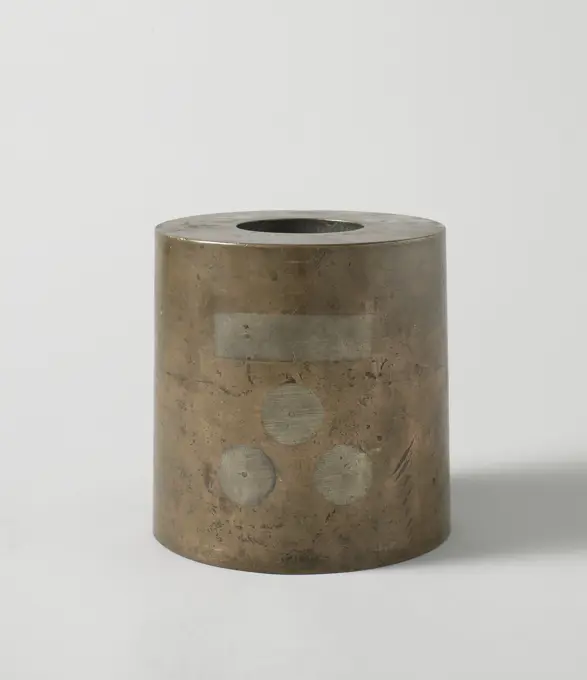
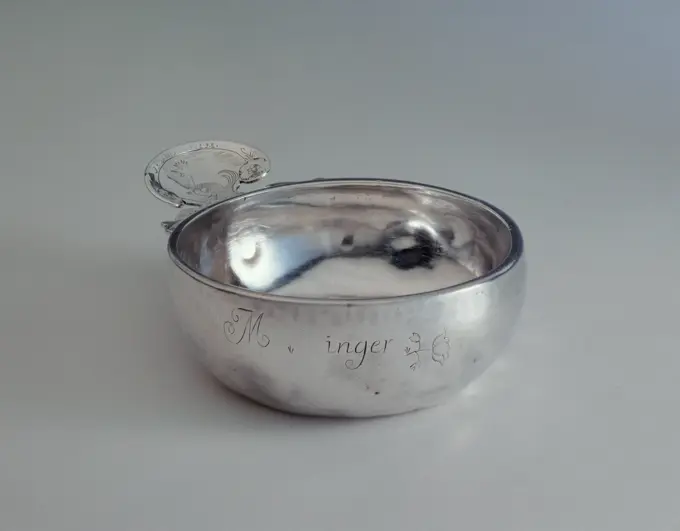
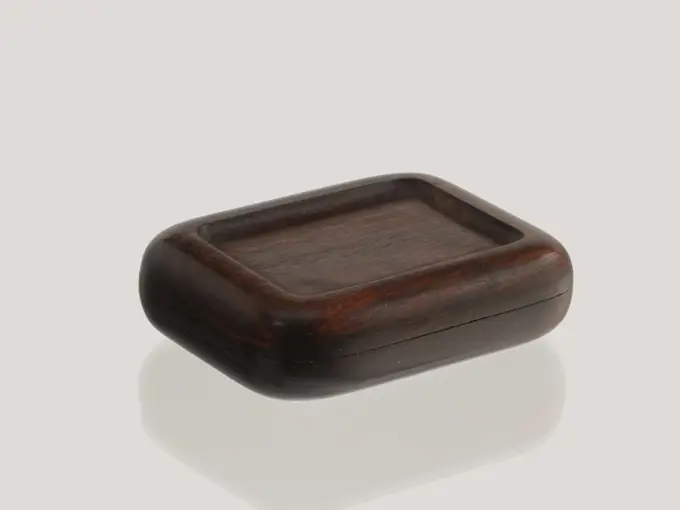
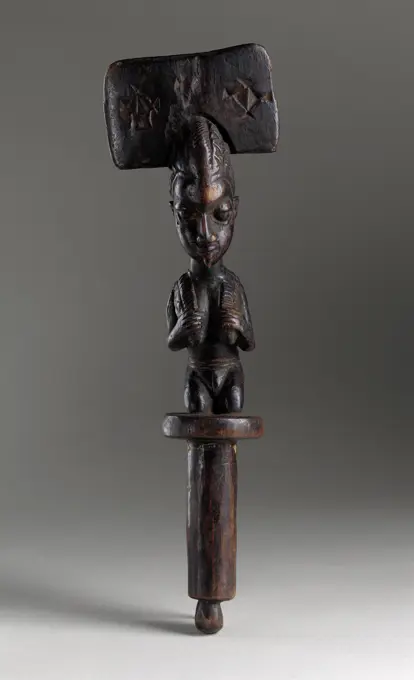
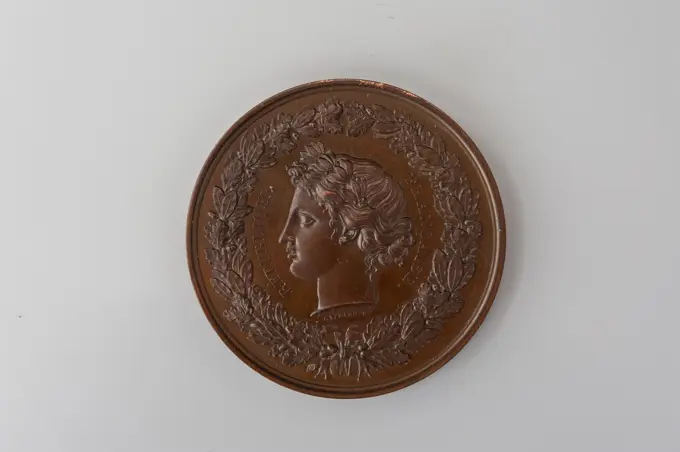
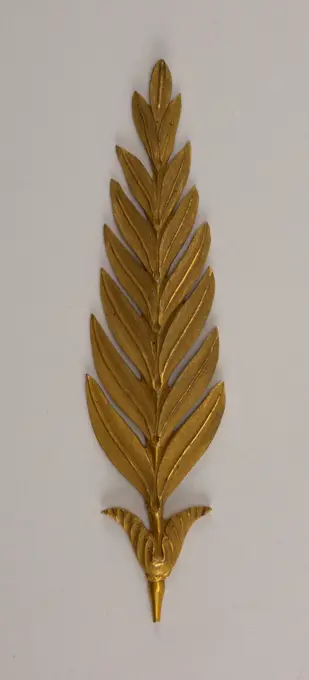
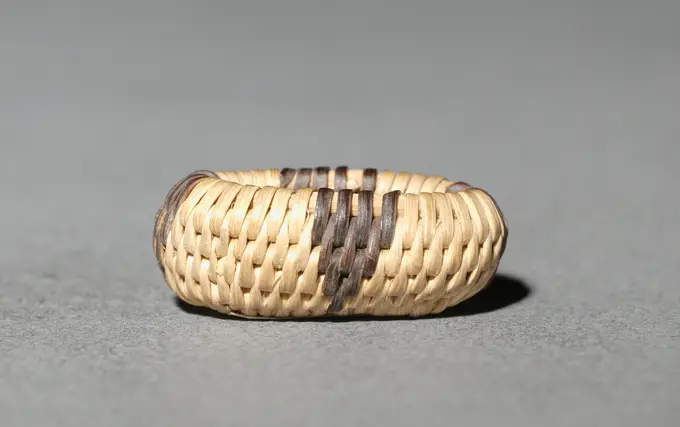
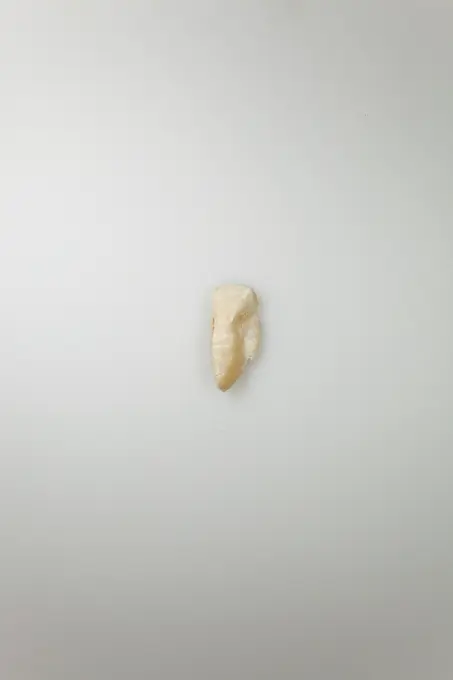
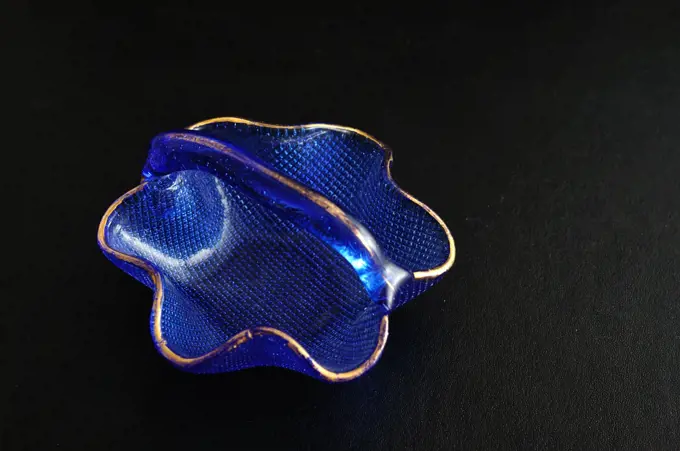
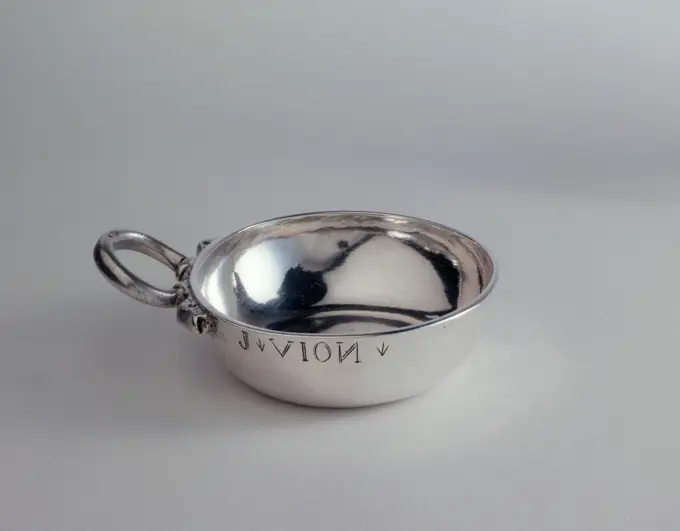
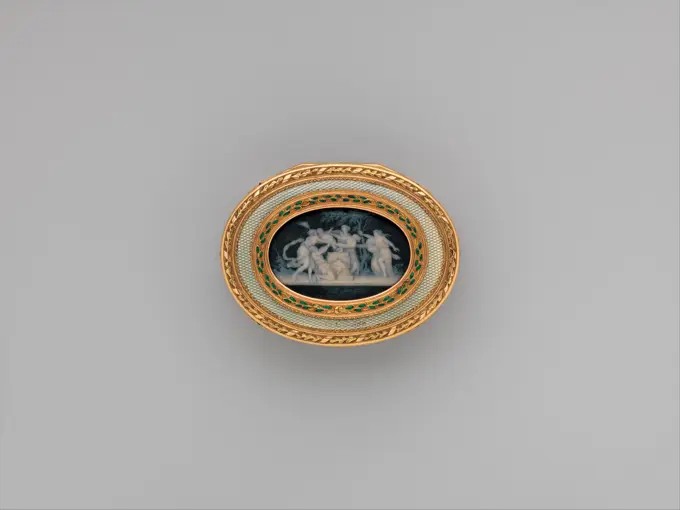
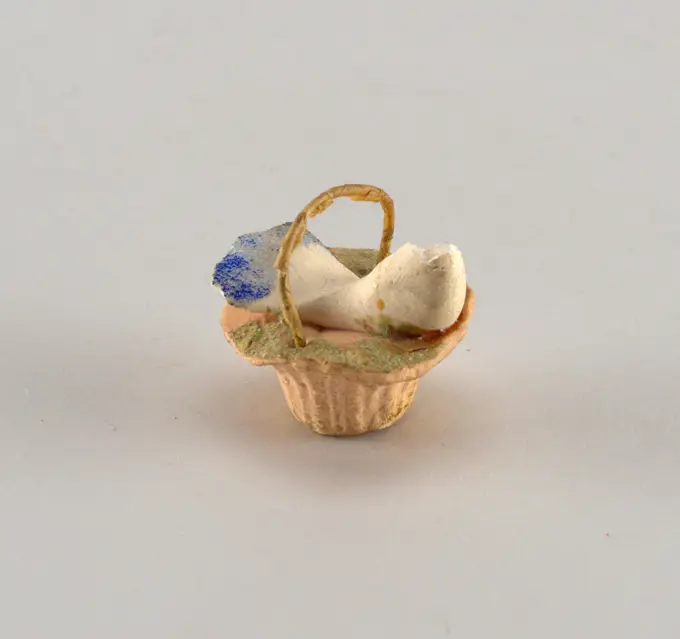
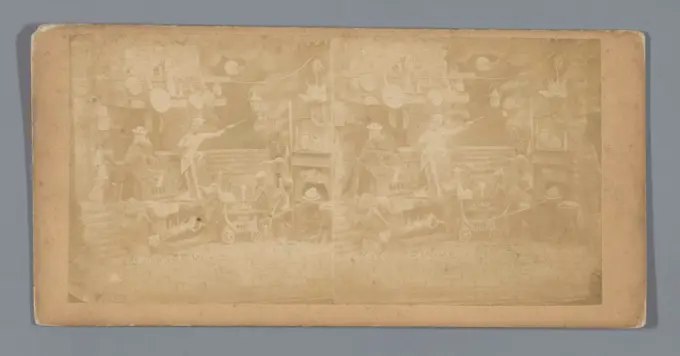
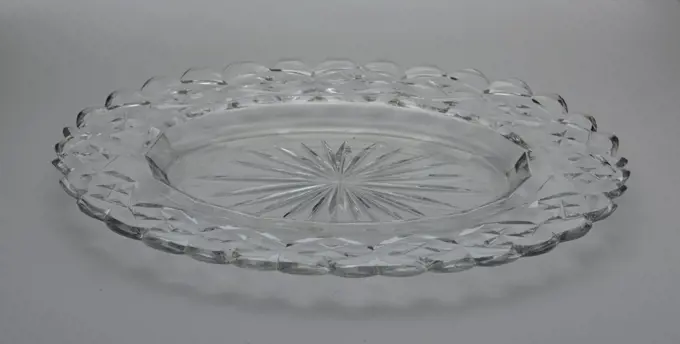
Button from the wreck of the East India hollandia.knoop. (1) SIM. NG 1980-27H554 (2.2D)Model of a Mortar, anonymous, 1780 - 1850 instruction model Wooden model of a mortar, cut in two halves in the field of taps. It has a small room in the bottom. The caliber is 163 mm. Netherlands (possibly) wood (plant material)Conus episcopus shell from the wreck of the Dutch East India ship Witte Leeuw, before 1613  Shell from V.O.C. ship the 'Witte Leeuw'.  .   Sint-HelenaBottom of Lime Container 500 B.C.-A.D. 300 Indonesia (Java, Lumajang, Pasiran). Bottom of Lime Container 51327Fragment 19th century China. Fragment 40611Concept, gullak clay bag or box for keeping wealth on white background India Copyright: xNirmalaxMishra/DinodiaxPhotoxVase China. Vase. China. Porcelain with white glaze. Qing dynasty (1644-1911), Qianlong period (1736-95). CeramicsPlate, William Ridgway & Co., Staffordshire, England, 1830 - 1848, porcelain or earthenware, vitreous enamel, White plate features a view of Lake George, Caldwell, with central decoration showing four boys in a boat and mountainous landscape., England, ca. 1843, ceramics, Decorative Arts, plate, plateFor a long time;  19th century (1801-00-00-1900-00-00);Incense burner 20th century China. Incense burner. China. 20th century. Jade. JadeWooden Meal Scoop. Dated: c. 1941. Dimensions: overall: 34.3 x 45.7 cm (13 1/2 x 18 in.) Original IAD Object: 16 1/4" long; 6 3/4" wide; 3" deep. Medium: watercolor and graphite on paper. Museum: National Gallery of Art, Washington DC. Author: Wilbur M Rice.Stone ball a white background Stone ball a white background. 3d rendering Copyright: xZoonar.com/RomanxBudnikovx 10639985Engraved Gem with a Warrior Holding a Helmet. UnknownModel of a Topmast Cap, anonymous, c. 1780 - c. 1840 demonstration model Rectangular donkey head with two brass brackets all around. Four eyes at the bottom; The two that the mast flanks are quite heavy. Netherlands wood (plant material). brass (alloy)Terracotta box of a pyxis (small box). Culture: Cycladic. Dimensions: 2 5/8 × 3 7/8 in. (6.7 × 9.8 cm)Width (width w/ lugs): 4 1/4 in. (10.8 cm). Date: ca. 3000-2800 B.C..With verical pierced lugs on either side and a profiled lip to hold a lid in place. Museum: Metropolitan Museum of Art, New York, USA.Spotted Feline 1st century B.C.-A.D. 4th century Tolita-Tumaco The best-known Tolita/Tumaco objects from the Ecuador/Colombia border region are ceramics, including vessels of diverse types and sizes and freestanding figures; many were made using molds. Works in other media such as precious metals, bone, stone, and shell were also made. This small anthropomorphized feline is carved of bone. The animal is standing upright in a human position, with front legs further raised like human arms. A huge head, as tall as the rest of the figure, has bared fangs, flared nostrils, and wide eyes that exude aggression and strength. Two different patterns elaborate the body. On the right are the dots of a spotted feline, while on the left is an unusual banded design. The meaning of this difference is unclear. Utilitarian objects such as needles, awls, spatulas, and fishhooks were also made of bone.. Spotted Feline 313566Disc from v.o.c.-ship the 'white lion'. Disc from v.o.c.-ship the 'white lion'.Bowl. Culture: China. Dimensions: H. 3 1/4 in. (8.3 cm); Diam. 8 1/4 in. (21 cm). Museum: Metropolitan Museum of Art, New York, USA.Mixed wheat and rye bread, made with sourdough, rye flour, wheat flour and spelt flour baked in a household ovenAmulet - CrocodileExcerpt of copper from the wreck of the East Indians Hollandia, 1700 - in or before 1743  Parts of artefacts; eroded fragments: materials; copper. Netherlands copper (metal)   SecondTheeblad.Tea leaf made of teak with silver edges. From Sulawesi (Bone and Goa).Mold for Umbel Pendant ca. 1390-1353 B.C. New Kingdom. Mold for Umbel Pendant. ca. 1390-1353 B.C.. Pottery. New Kingdom. From Egypt, Upper Egypt, Thebes, Malqata, various, MMA excavations, probably 1910-11. Dynasty 18Silver-gilt cup (one of a pair). Culture: Greek, South Italian. Dimensions: H. 2 1/2 in. (6.3 cm); diameter 6 1/8 in. (15.5 cm); length including handles 9 5/8 in. (24.5 cm). Date: 4th-3rd century B.C..The cups are decorated on the interior with an outer band of gilding engraved with ivy leaves and tendrils and, within a star pattern, a central medallion depicting Dionysos, the god of wine, with his customary attribute, an ivy-tipped thyrsos (staff). Such decoration is highly appropriate for a pair of drinking cups. Unusually, their bowls were hammered from thin sheets of silver rather than cast, making them lightweight and easy to use. Museum: Metropolitan Museum of Art, New York, USA.Snuff Bottle China. Snuff Bottle 41383Chisel Roman. Chisel 250632 Roman, Chisel, Bronze, bone, Other: 3 7/16 in. (8.7 cm). The Metropolitan Museum of Art, New York. Rogers Fund, 1917 (17.230.105)Ring ca. 1550-1295 B.C. New Kingdom. Ring. ca. 1550-1295 B.C.. Bone. New Kingdom. From Egypt; Probably from Northern Upper Egypt, Deir el-Ballas. Dynasty 18Carved Bead 19th century Japan. Carved Bead. Japan. 19th century. Ivory. OjimeCovers; Naliboki (glassworks; 1722-1862), Urzecze (Huta Zwierciadlana; 1737-1846); approx. 18th century (1740-00-00-1760-00-00);Bucket bucket. Broker bucket with wide flaring underwill.Circular casket with lid decorated with nephrite bi disc. unknown, craftsmanCovered Jar (lid), 1500s-1600s. Vietnam, 16th-17th century. Stoneware with blue and white decoration; diameter: 21.8 cm (8 9/16 in.); with cover: 23 cm (9 1/16 in.).Vase fragment Roman Fragment of green glazed vase with raised lines, dots and spirals.. Vase fragment. Roman. Terracotta; lead-glazed ware. VasesSweetmeat Glass Glass; England; glassFragments and grit of plaster from the wreck of the East Indians Hollandia, 1700 - in or before 1743  Parts of artefacts; eroded fragments: materials; plaster. Netherlands gypsum   SecondCup of Zwischengoldglas with a medallion with a deer and two dogs, anonymous, c. 1710 - c. 1730 Flat soil, multi -sided faceted, funnel -shaped body. In the soil in gold a medallion with a deer checked by two dogs, closed with a colorless disc painted with transparent red lacquer. Along the side a border gold palmets, the top edge trimmed with a smooth golden piping. The chalice completely painted with transparent, red lacquer. Kit edges along the top edge and around the medallion in the soil. Bohemia glass glassblowing / grinding / lacquering Flat soil, multi -sided faceted, funnel -shaped body. In the soil in gold a medallion with a deer checked by two dogs, closed with a colorless disc painted with transparent red lacquer. Along the side a border gold palmets, the top edge trimmed with a smooth golden piping. The chalice completely painted with transparent, red lacquer. Kit edges along the top edge and around the medallion in the soil. Bohemia glass glassblowing / grinding / lacquerWhite clay pipe, marked, smooth handle, clay pipe smoking equipment smoke floor pottery ceramic pottery, hand-shaped baked White clay pipe marked smooth handle. Heel mark. heel mark: SC within pearl edge two points between the letters archeology smoking tobaccoSharf of yellowish earthenware, with blue glaze at the front, with stripes, dots and waving edges in brown and yellow, anonymous, 1600 - 1650  Northern Netherlands earthenware. glaze majolica  Northern Netherlands earthenware. glaze majolicaShell with cartouch of Sen Worset IFragment blowjob from the wreck of the East India Hollandia.Pipe, Bowl, Healmar: Crowned P; Fragm, no HSM.Frontlet of gold leaf. Dimensions: Other: 3/4 × 3 15/16 in. (1.9 × 10 cm). Museum: Metropolitan Museum of Art, New York, USA.Stamp Seal, Scaraboid. West Asia, Achaemenid Period, 6th-late 4th century B.C.. Tools and Equipment; seals. Whitish and red carnelianArmorial plate from the 'Swan service', one of a pair, 1737-1741, Johann Joachim Kändler; Manufacturer: Meissen Porcelain Factory, German, 1706-1775, 2 1/4 x 11 7/8 in. (5.72 x 30.16 cm), Hard paste porcelain with enamel and gilded decoration, Germany, 18th century, This plate comes from the most famous service manufactured by Meissen during the eighteenth century. Known as the 'Swan Service,' more than 2,200 pieces were created to serve dinner, coffee, tea, and chocolate. The decorative theme is water, as seen in this plate's swans and bulrushes, modeled in low relief. Each piece carried the arms of Brühl and his wife Maria Anna Fransizka von Kolwrat-Krakowska, who were married in 1734. Count von Brühl served as director of the Meissen factory, and hence, had the access and means to order several services in different patterns from the workshops.Globe, after 1626 - 1699 Globe. Later addition to the image of a Bacchant (BK-2015-2-1). The globe (or heavenly vault) made the image atlas or Hercules. De Bol shows fantasized continents.  bronze (metal) casting Globe. Later addition to the image of a Bacchant (BK-2015-2-1). The globe (or heavenly vault) made the image atlas or Hercules. De Bol shows fantasized continents.  bronze (metal) castingSake cupBottle 18th-19th century Italian, possibly Venice (Murano). Bottle. Italian, possibly Venice (Murano). 18th-19th century. Glass. GlassCup with an stapled portrait of Jan van Speijk, Anonymous, After 1831 - c. 1850 cup Flat ground. Cylindrical body. Soil and body blown into the shape with vertical and horizontal ribs. The front with an anculated portrait of Jan van Speijk. France glass. portret: porcelain grinding / glassblowing  BelgiumKobako 18th century Japan. Kobako. Japan. 18th century. Lacquer with gold. Edo period (1615-1868). LacquerTea leaf, anonymous, c. 1700 - c. 1900 Teak wood tea leaf with silver edges. Coming from Sulawesi (Bone and Goa). Indonesia (possibly) silver (metal). teak (wood) Teak wood tea leaf with silver edges. Coming from Sulawesi (Bone and Goa). Indonesia (possibly) silver (metal). teak (wood)Covered box 17th century China. Covered box 43390Head of Hercules second quarter 19th century Giuseppe Girometti Italian An agate cameo also signed by Girometti with Hercules head reversed is in the Vaticans Museo Gregoriano Profano. In this sardonyx version four strata were deployed: the plummy brown of the Nemean lions mask is defined against the blush of Hercules cheek, which in turn sets off the paler flesh of the heros profile and the white of the beasts fang and paw.. Head of Hercules 198618Mold for Long Ovoid Bead ca. 1390-1353 B.C. New Kingdom. Mold for Long Ovoid Bead. ca. 1390-1353 B.C.. Pottery. New Kingdom. From Egypt, Upper Egypt, Thebes, Malqata, various, MMA excavations, probably 1910-11. Dynasty 18Pot Stand. Dimensions: diam. 10 cm (3 15/16 in). Dynasty: Dynasty 18. Reign: Joint reign of Hatshepsut and Thutmose III. Date: ca. 1479-1458 B.C.. Museum: Metropolitan Museum of Art, New York, USA.Seal, 1428, 2 13/16 x 1 11/16 x 1 11/16 in. (7.14 x 4.29 x 4.29 cm), Ivory, China, 15th centurySword-Hilt Collar and Pommel (Fuchigashira). Culture: Japanese. Dimensions: Kashira (a); H. 1 3/8 in. (3.5 cm); Wt. 0.4 oz. (11.3 g); fuchi (b); H. 1 1/2 in. (3.8 cm); Wt. 0.6 oz. (17 g). Date: 19th century. Museum: Metropolitan Museum of Art, New York, USA.Fragment of a terracotta amphora (jar) ca. 550-540 B.C. Attributed to the Amasis Painter Head and shoulders of a youth.. Fragment of a terracotta amphora (jar). Greek, Attic. ca. 550-540 B.C.. Terracotta; black-figure. Archaic. VasesBuckle. Dimensions: length 4.09 cm.. Museum: Metropolitan Museum of Art, New York, USA.Embroidered whitework sampler 17th century British Whitework samplers typically consist of a variety of stitches and lace-making techniques, all stitched in white thread. It is thought that samplers containing whitework, cutwork, drawnwork, and lace designs were stitched only after multi-colored band samplers were finished, as whitework techniques are more difficult. However, this theory is based on a the very small number of documented seventeenth-century embroiderers who made multiple samplers. This sampler includes bands of acorns and stylized flowers, in addition to four bands of cutwork and drawnwork featuring star and geometric patterns. While many surviving English samplers include lace, cutwork, and drawnwork, few examples of seventeenth-century lace have been attributed to English manufacture.. Embroidered whitework sampler 228454Pinhead 1st century B.C.-5th century A.D. Roman. Pinhead. Roman. 1st century B.C.-5th century A.D.. Glass. GlassPart of a cannon captured at the Battle of Shimonoseki, anonymous, 1865 cannon Short part of the course of a bronze cannon, on which a Japanese weapon is inlaid in silver. The weapon consists of three suns above which the character for number 1. The weapon (mon) is called 'Nagatoboshi': star of Nagato. It is used as a second weapon (Keamon) of the Daimyo, from the province of Nagato, the Mori family, in the city of Hagi. The weapon was also used by the Mori family branch in Fuchu, also in the province of Nagato, and the Mori in Kiyosue, also a place in the same province. Japan bronze (metal). silver (metal)   Japan. Shimonoseki, Street ofPipe bowl, white baking clay, pipe head soil found ceramic pipe ground h 3.5 (approx.) Pressed in mold pressed through pierced Pipes heads made of whitewashed clay different size and age various specimens have heel marks or markings on the boiler archeology Rotterdam City center Stadsdriehoek Oudehaven indigenous pottery smoking tobacco room archaeological find in the soil Oude Haven Rotterdam 1980.Pierre Coutellier. "Taste-vin". Money. 1719-1761. Museum of Fine Arts of the City of Paris, Petit Palais. 74384-23 Silver, silverware, bottleneck, TastevinPudełko na naczynie na tusz. unknown, craftsmanDance Wand for Shango Devotee. Africa, Nigeria, Yoruba peoples. Tools and Equipment. WoodCarnavalet museum, medal collectionMountFragment. UnknownMiniature Basket, Before 1923. America, Native North American, Southwest, Arizona, Akimel O'odham (Pima), Unassigned. overall: 0.6 x 1.5 x 0.8 cm (1/4 x 9/16 x 5/16 in.).Sword Guard, early 1800s. Japan, Edo period (1615-1868). Iron; diameter: 7 cm (2 3/4 in.).Shaker Basket. Dated: 1935/1942. Dimensions: overall: 21.7 x 28.4 cm (8 9/16 x 11 3/16 in.). Medium: watercolor and graphite on paper. Museum: National Gallery of Art, Washington DC. Author: Alfred H. Smith.Shabti of Siptah ca. 1194-1188 B.C. New Kingdom, Ramesside. Shabti of Siptah 560872A blue glass basket used for decorationBeads, 25. Beads, 25. Glass. GlassAnonymous. "Taste-vin". Money. 18th century. Museum of Fine Arts of the City of Paris, Petit Palais. 74385-10 Silver, silverware, bottleneck, TastevinFragment modelu wozu czterokołowego. nieznany warsztat północno mezopotamski, workshopheater, Pierced copper, turned wood, Dish is a decagon in plan, rounded with gadrooning at bottom. Pierced throughout. Three shell-shaped prongs connecting to shell-shaped feet. Turned wood handle., Netherlands, 17th century, metalwork, Decorative Arts, heaterBowl with remains of red color, from Pompeii, Campania. Roman Civilization, 1st Century.Teenage ring with a convex button with protrusions, 'hedgehog ring', c. 1960 - c. 1970 Teenage ring of silver with convex button with protrusions, a so -called hedgehog ring. Netherlands silver (metal) Teenage ring of silver with convex button with protrusions, a so -called hedgehog ring. Netherlands silver (metal)Four dollops if mustardPalette Predynastic Period ca. 3850-2960 B.C.Netsuke Rat with Small Acorn. Culture: Japan. Dimensions: H. 1 in. (2.5 cm); W. 1 5/8 in. (4.1 cm). Date: 19th century. Museum: Metropolitan Museum of Art, New York, USA.Epaulet of silver wire, with one gold stripe and with torsades (thin fringes), part of a militia uniform, becker (tailor), c. 1809 - c. 1829 Epaulet of silver thread, with one golden stripe and with torsades (thin fringes), part of a militia uniform. Amsterdam silver thread. Epaulet of silver thread, with one golden stripe and with torsades (thin fringes), part of a militia uniform. Amsterdam silver thread.Snuffbox with six allegories of love 1775-76 Miniatures by Jacques Joseph de Gault French In eighteenth-century Europe, Paris led the production of high-quality luxury goods. Parisian goldsmiths made a wide range of small, personal articles such as snuffboxes; étuis to hold sealing wax, tweezers, or utensils for sewing; souvenirs, which contained thin ivory tablets for note taking; and shuttles for knotting lace. Gold snuffboxes and boxes decorated with portrait miniatures were prized and frequently given as royal gifts, often to ambassadors or members of the court in lieu of cash payments for their services. Coveted and admired, these boxes were produced from a variety of materials. The best were skillfully made of gold and embellished with diamonds, enameled decoration, lacquer, and other luxurious materials. By the middle of the century, the taking of snuff had become an entrenched social ritual, and the snuffbox, too, had become an important social prop. Snuffboxes were considered MountNetsuke Japan View more. Netsuke. Japan. Ivory. Netsukewooden geometric shapes on a blue backgroundPendant of gilded clay. Pendant of gilded clay 243463Ten Samples of Shot, anonymous, c. 1800 - c. 1880 bullet (ammunition) Collection of ten solid iron bullets, numbered in decreasing size 1 to 10, on a wooden board. Number 9 is missing. unknown iron (metal). wood (plant material). paint (coating)Ornament, Christmas Tree (USA); sugarStaging of dolls in a decor, representing a kitchen in hell.For the staging, the text is: cuisine de Diable.Twin Snuff Bottles Japan. Twin Snuff Bottles 60520Bowl 1800-1830 Sandwich. Pressed glass . Boston and Sandwich Glass Company (Designer)Dish, Glass, Oval dish with wide rim scalloped at the edge, star cut at center, cavetto with facets, the rim cut with flat diamond pattern, glass clear and heavy., Ireland, ca. 1790, glasswares, Decorative Arts, DishReIIef presentation of the head of a dragon unknownKettledrum, c. 1700 - c. 1800 musical instrument. percussion instrument. kettledrum Keteltrom from brass with three legs. The metal ring for the membrane is tense with the help of eight screws. There is a hole at the bottom of the drum. The leather of the membrane is old. Europe iron (metal). ribbon (material). leatherTassel 17th century Italian. Tassel. Italian. 17th century. Linen. Textiles-TrimmingsLobed Bowl with dancers. Silver; chasing, gilding. Iran. 7th-8th century. Found as part of a treasure in Perm Region.Model of a Two-Blade Parabolic Propeller, anonymous, c. 1850 presentation model Model of a two -leaf parabolic screw in a frame on a ground board. The pressure surface of the screw blades is bent in the form of a parabolic. The screw probably does not belong in this frame, where a much larger screw can enter. The model has a diameter of 85 mm, the hub has a diameter of 8 mm and is probably too long in relation to the true size to fit into the frame. Scale 1:20 (derived). model maker: Netherlandsafter design by: United Kingdom wood (plant material). brass (alloy)Pendant in the Form of a Fish, 480-221 BCE, 1 x 3 3/4 x 1/8 in. (2.54 x 9.53 x 0.32 cm), Mottled yellow-grey jade with traces of red pigment, China, 5th-3rd century BCEChinese medicine for spa