Ancient Artifacts and Tools

A collection of ancient and historical items including palettes, pottery fragments, and a silver cup, showcasing craftsmanship from different eras.

Cut. Grisish sandstone, cracked, exhilarated covered. Cernuschi Museum, Asia Museum of Asia in the city of Paris.
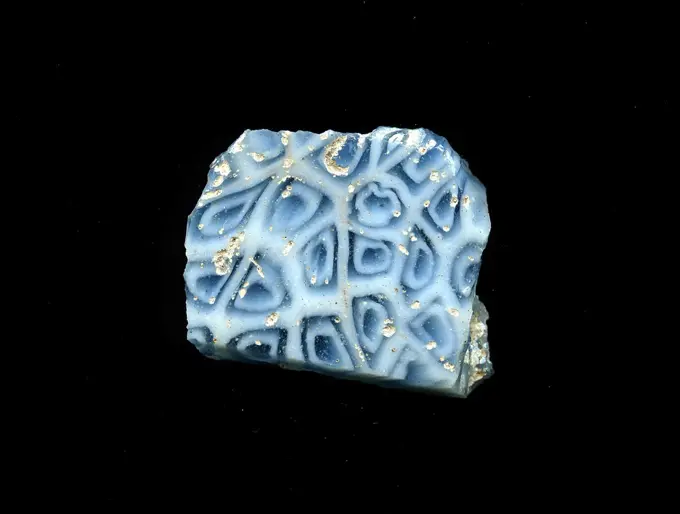
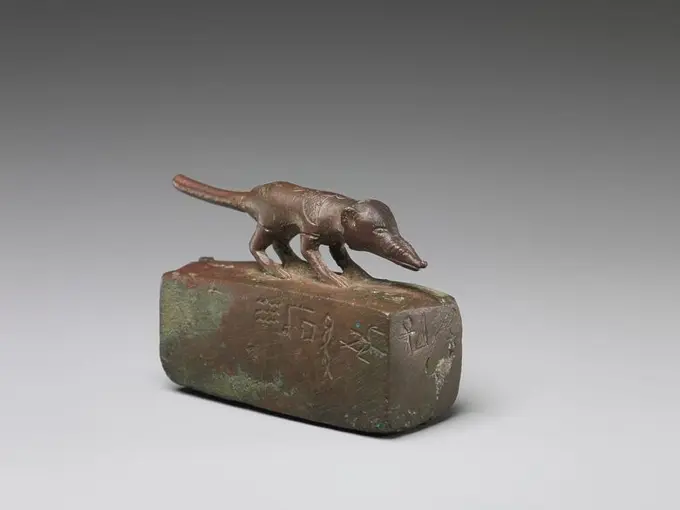
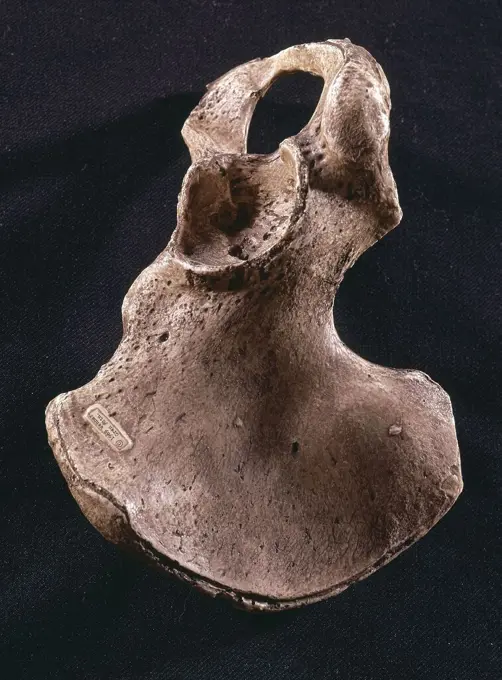
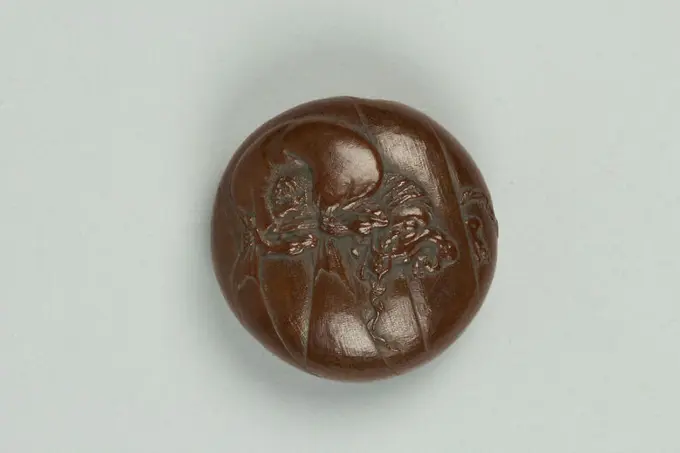
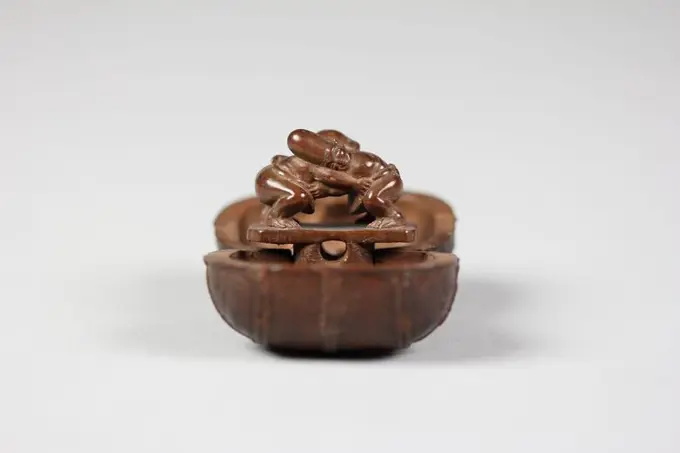
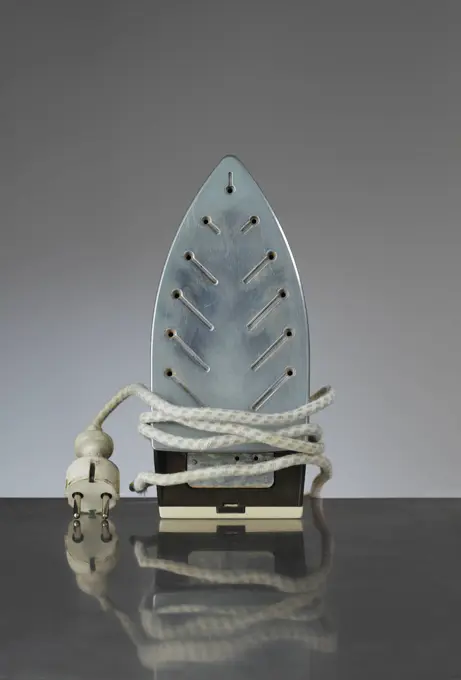
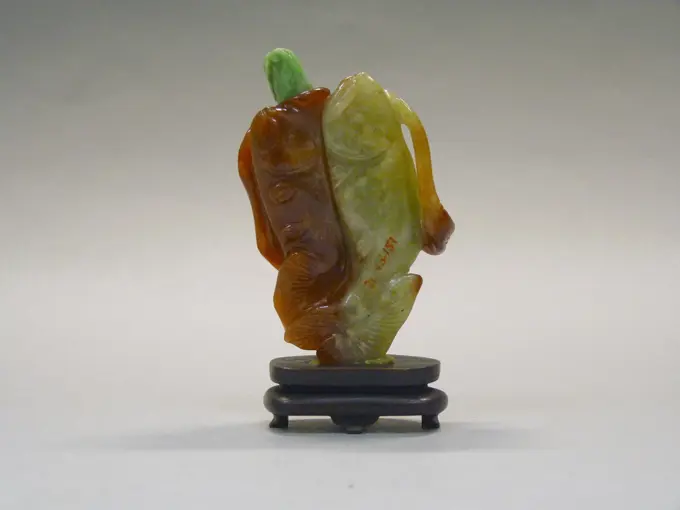
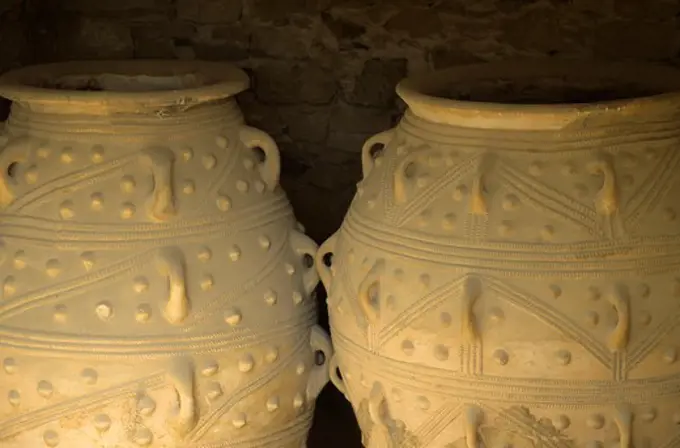
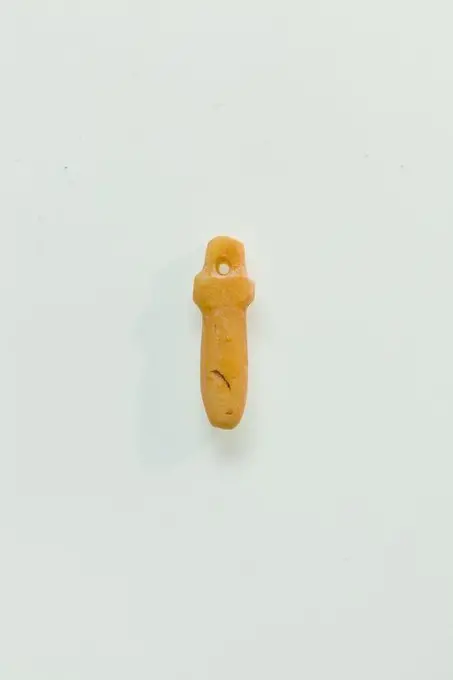
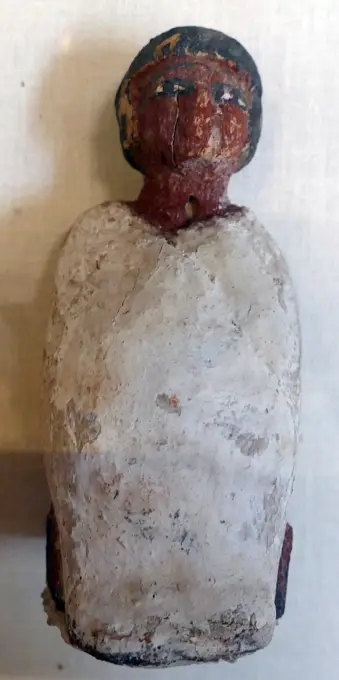
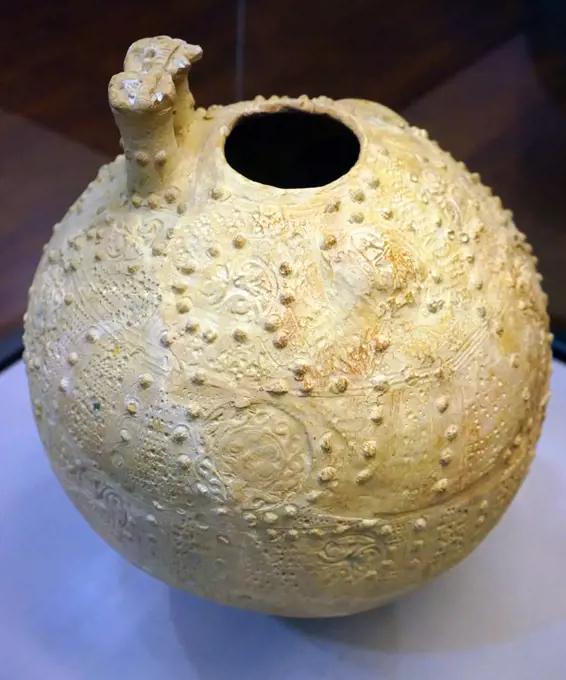
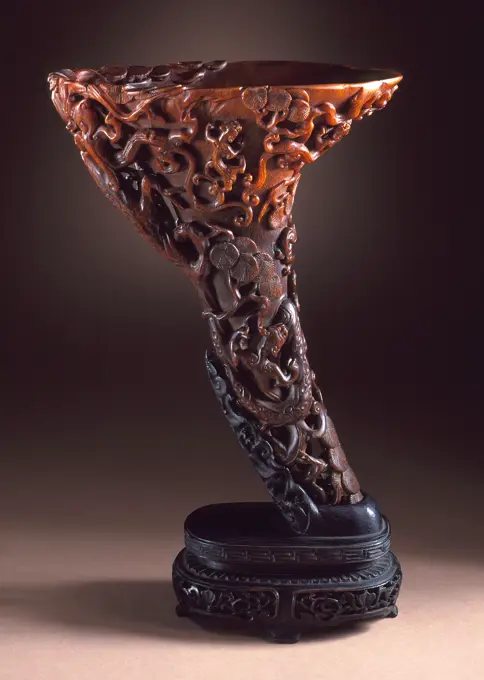
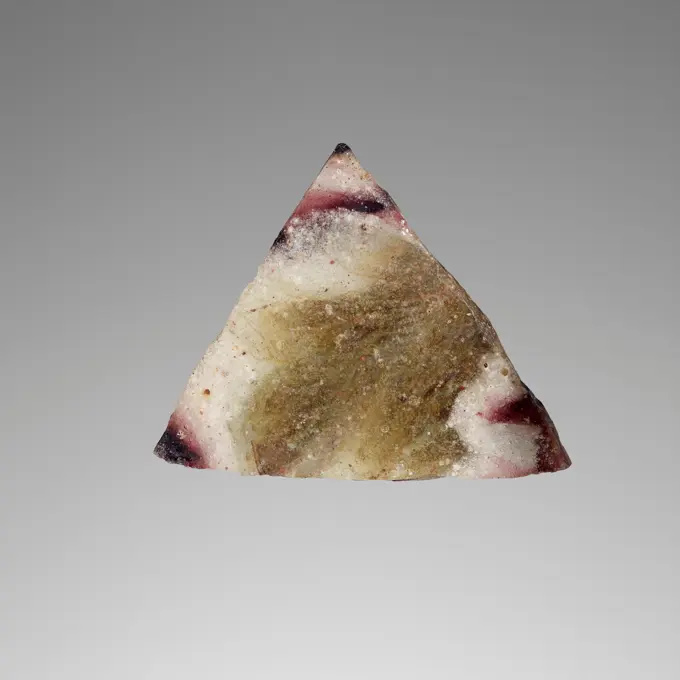
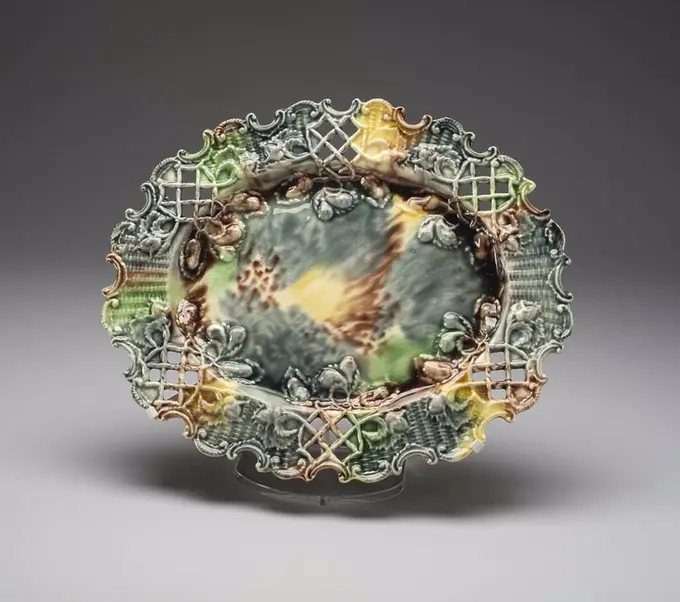
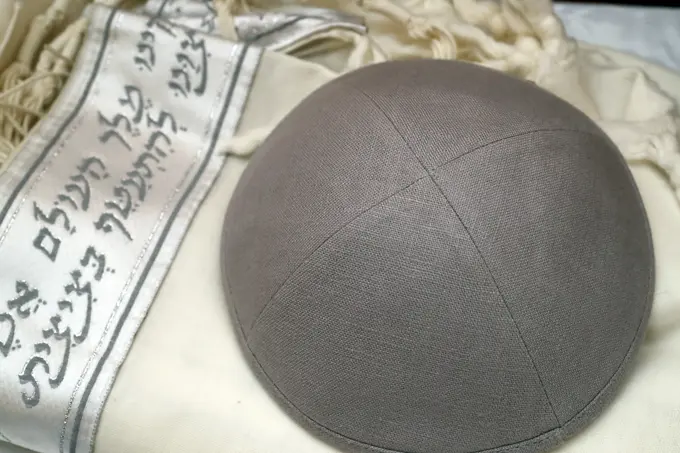
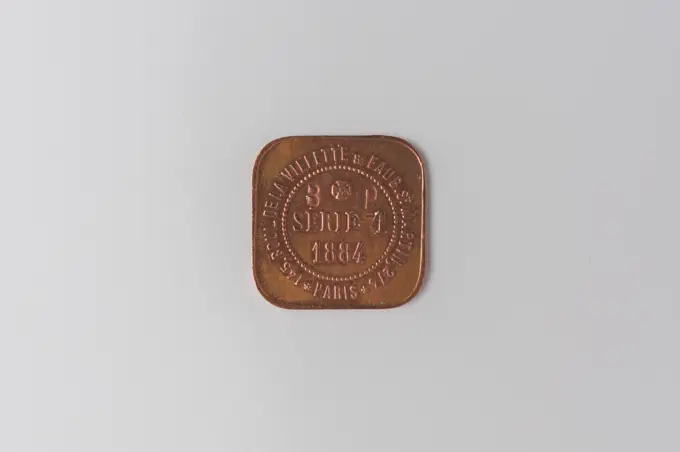
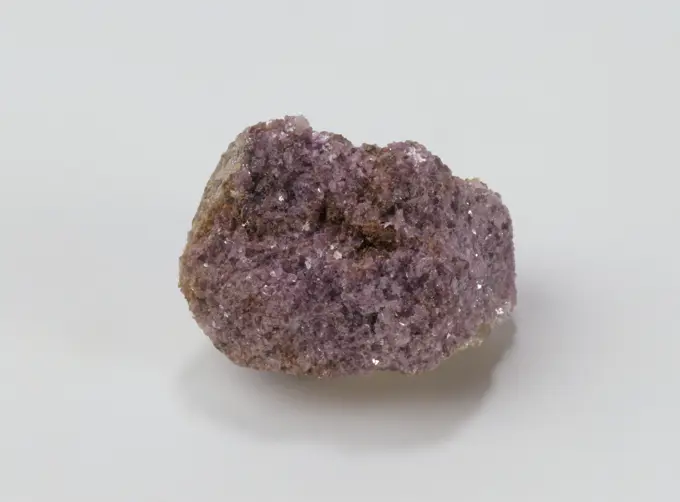
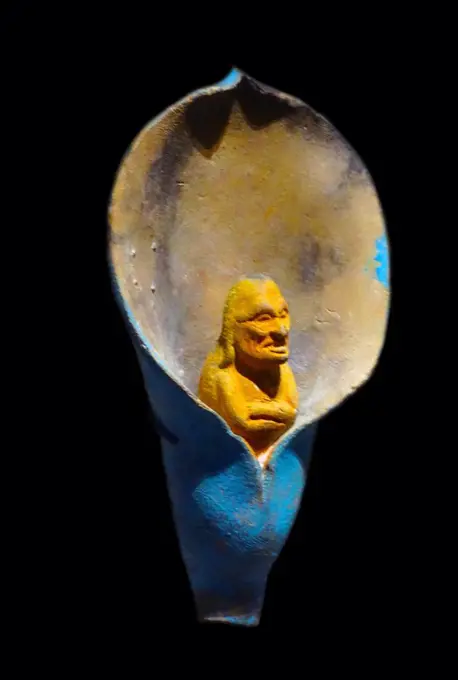
. Savonet ball on the foot of silver, gilt from the inside. Along the closure and the lid, appliqued Louis XV volutes are applied. In the middle the crowned weapon of the Backer family in engraving.Grzechotka w kształcie świnki. unknown, authorCoffin for a mummified shrewmouse. Dimensions: l. 7 cm (2 3/4 in); w. 3.2 cm (1 14 in); h. 5.7 cm (2 1/4 in). Date: 332-30 B.C.. Museum: Metropolitan Museum of Art, New York, USA.HUESO COXAL DE PIGMEO. Location: FACULTAD DE BIOLOGICAS. MADRID. SPANIEN.Netsuke. Culture: Japan. Dimensions: H. 5/8 in. (1.6 cm); Diam. 1 1/2 in. (3.8 cm). Date: 17th century. Museum: Metropolitan Museum of Art, New York, USA.Netsuke of Bale of Rice; Inside are Daikoku and Fukurukujin, Wrestling. Culture: Japan. Dimensions: closed: H. 1 in. (2.5 cm); W. 1 5/8 in. (4.1 cm) open: W. 2 1/4 in. (5.7 cm). Date: 18th-19th century. Museum: Metropolitan Museum of Art, New York, USA.Altes Eisen Old worn and scratched iron, european power plug Copyright: xZoonar.com/J.xSandvikx 1263434Creatively painted chicken and quail Easter eggs with natural hibiscus dye, look like sea stones on grey background. Happy Easter DIY concept. Soft selective focus. Side view.Flower-Shaped Fitting mid-7th-9th century Northwest China/Eastern Central Asia. Flower-Shaped Fitting 65224Dish. Dated: c. 1940. Dimensions: overall: 33.3 x 24.3 cm (13 1/8 x 9 9/16 in.). Medium: watercolor and graphite on paper. Museum: National Gallery of Art, Washington DC. Author: V. L. Vance.Sponge Box 1847 Netherlands. Silver .Tree (crèche accessory) second half 18th-mid-19th century Italian The practice of using crèche figures to restage religious events reached the height of its complexity and artistic excellence in eighteenth-century Naples, and the Metropolitan Museum of Arts group of Neapolitan crèche is one of the finest and most complete survivals of the art form. The ensemble consists of characters traditional to eighteenth-century Italian Christmas holiday customs. The Nativity, featuring the holy family, shepherds and their flocks, and a host of angels and cherubs is joined by the procession of the three Magi and colorful peasants, townspeople, and animals. The figures have articulated bodies of tow and wire with polychromed terracotta heads, and are all in partially distressed condition.These vibrant characters are further brought to life by a wide-ranging set of cloth, embroidery, leather, wicker, wax, and silver accessories. Many of these, such as the figures luxurious costumes, baskets of fruIndian festival Dipawali or diwali celebration diya clay oil lamp on gray background, Bombay Mumbai, Maharashtra, India India Copyright: xNirmalaxMishra/DinodiaxPhotoxSnuff Bottle China. Snuff Bottle 41361Figures ; painted terracotta, glass (eyes)Greece, Crete, Herakleon, Palace Of Knossos, Huge JarsHat ca. 1868 American. Hat. American. ca. 1868. silkPiece of a KrisHiltWadj (papyrus stalk) from string of amulets. Dimensions: H. 1.4 × W. 0.5 cm (1.4 × 0.5 cm). Dynasty: Dynasty 21. Date: ca. 1070-945 B.C..Nine amulets of various materials were found threaded together in a tight group around the throat of the Lady Djedmutesankh; two of these, of green glass, disintegrated after they were discovered. This is a wadj, or papyrus stalk. As a hieroglyph, this meant green or fresh, and the papyrus was closely associated with rebirth and regeneration.For the amulet group, see 25.3.169-related. Museum: Metropolitan Museum of Art, New York, USA.Model of an Egyptian rower or oarsman found at Giza, Necropolis. Circa 2500 BCSeal with Head of An African man. Oval cachet made from Kornalijn on which the bust of an African man from Onyx. The turban is white with a diamond diadem.Magical wand of protection carved from ivory dating from the New KingdomHat of gray straw and gray tulle, heart, c. 1935 - c. 1938 Hat of gray straw and gray tulle. Flat ball, the edge is wider from the front than from behind. Draped tulle around the entire ball. Address: Hartje / Haarlem / Beverwijk. Hat pin of two red art fabric ovals attached to the hat. Haarlem whole:. Strik: Hat of gray straw and gray tulle. Flat ball, the edge is wider from the front than from behind. Draped tulle around the entire ball. Address: Hartje / Haarlem / Beverwijk. Hat pin of two red art fabric ovals attached to the hat. Haarlem whole:. Strik:Ceramic water jar from the Maiwand Fortress near Qandahar, Afghanistan. From the Ghurid Dynasty. Dated 12th CenturyBarbara Hepworth, Involute II, 1946, Ancaster pink stone, Casa Milà-La Pedrera, Barcelona, Catalonia, Spain.Cup (Guang) with Dragons and Pine Trees. China, Chinese, late Ming dynasty, about 1550-1644. Furnishings; Serviceware. Carved rhinoceros hornCANTARO DE CERAMICA. Location: ALFARERIA. CESPEDOSA DE TORMES. SALAMANCA. SPAIN.Fragment of a Mosaic Glass Vessel. Unknown 1st century A.D.OpalescentVessel.   Maker: Seguso Zanetti and Company, Italian, VeniceVase; from Nancy; France by Emile Galle (1846-1904); of Cameo Glass. This luxury form of art glass involves etching and carving through fused layers of different coloured glass.four biscuits with jam biscuits with jam viewed from above on a white background Copyright: xZoonar.com/LucaxCattaneox-xStudioxDiecidodicix-xBgx 9353937Basket Stand. England, Staffordshire. Date: 1760-1770. Dimensions: 27.6 × 23.7 cm (10 15/16 × 9 5/16 in.). Lead-glazed earthenware (creamware). Origin: Staffordshire. Museum: The Chicago Art Institute, Chicago, USA.Kippah jewish cap on a  tallit prayer shawl.   Vase; from Nancy; France by Emile Galle (1846-1904); of Cameo Glass. This luxury form of art glass involves etching and carving through fused layers of different coloured glass.. Mask of Okame, the ugly girl. Signed "Tomomasa".Carnavalet museum, tokens collectionFragment of a vessel. A low curvature of the glass fragment allows the assignment to a vessel, possibly a shell. On a white background, several polygonal blue shapes with blue border can be seen, which should make blossoms. For the production, different colored glasses into tubes and rods were formed. These were compressed and heated, causing a long bar. The glass sliced now had a wide variety of amorphous or floral patterns. Thereafter, several of these platelets were folded together, heated again and pressed into the vascular shape. Burry for the elaborate manufacturing process and its fragility was one of the luxury articles of antiquity.Bell with pilgrim signBraided Chain withPendantLepidolith , LepidoliteNeolithic Period. Temple Period (3600 to 2500 BC). Ggantija Phase (ca. 3600 to 3000 BC). Detail of an architectural fragment decorated with a multitude of tiny holes drilled side by side. From Xrobb I-Ghagin Temple, Malta. National Museum of Archaeology. Valletta. Malta.Seraphinit Seraphinit Copyright: xZoonar.com/AntjexLindert-Rottkex 6650750Józef Czapski's posthumous mask (1896 1993) Carrasco, F.Mayan ceramic and stucco figurine showing an old man (incarnation of a god), emerging from a blue flower. Jaina, Campeche, Mexico 600-900 ADMinerals and Rocks - Calcareous marl18ct gold and silver rings by Bernard Instone (1891-1987) British jeweller, designer and silversmith. Dated 20th Century