Ancient Artifacts and Tools

A collection of ancient items such as terracotta lamps and unique buttons, reflecting historical craftsmanship and cultural significance.
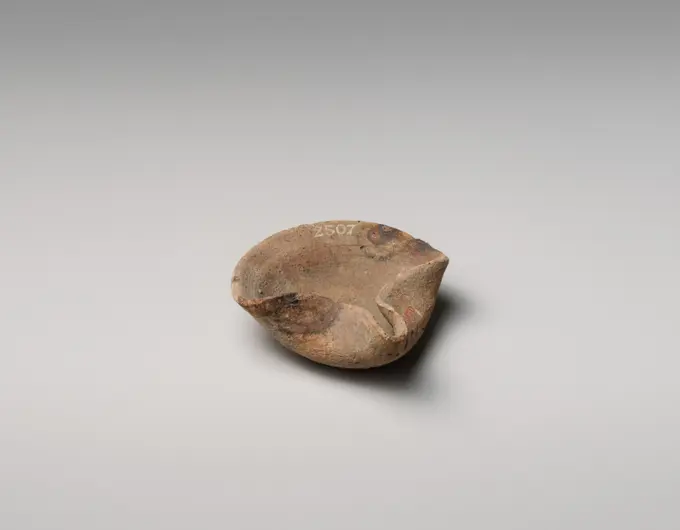
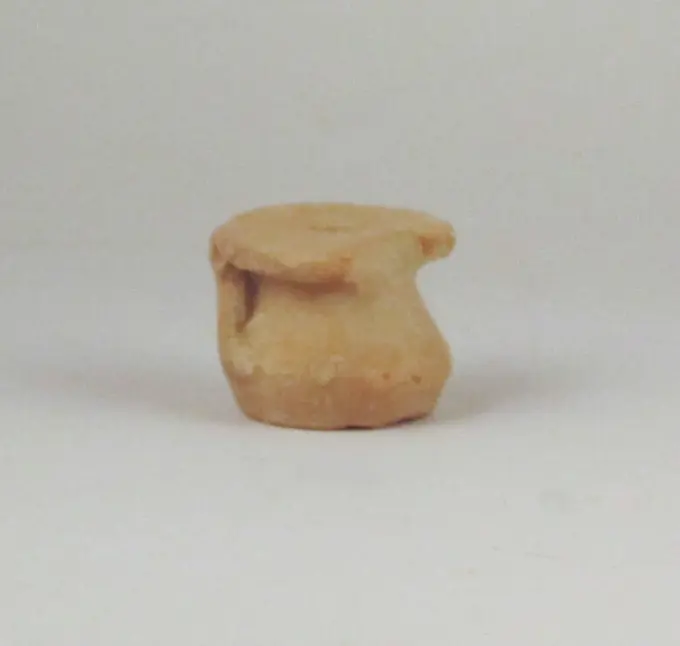
Terracotta saucer-shaped lamp 4th century B.C. Cypriot Wheel-made with edge folded in to form a narrow wick rest; flaring rim, with tapering lip; sloping, open body; raised base ring, and rough, slightly concave base.Intact.. Terracotta saucer-shaped lamp. Cypriot. 4th century B.C.. Terracotta. Terracottas
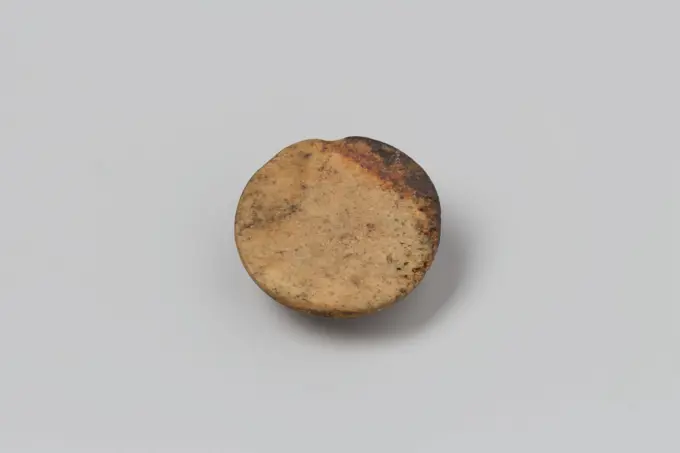
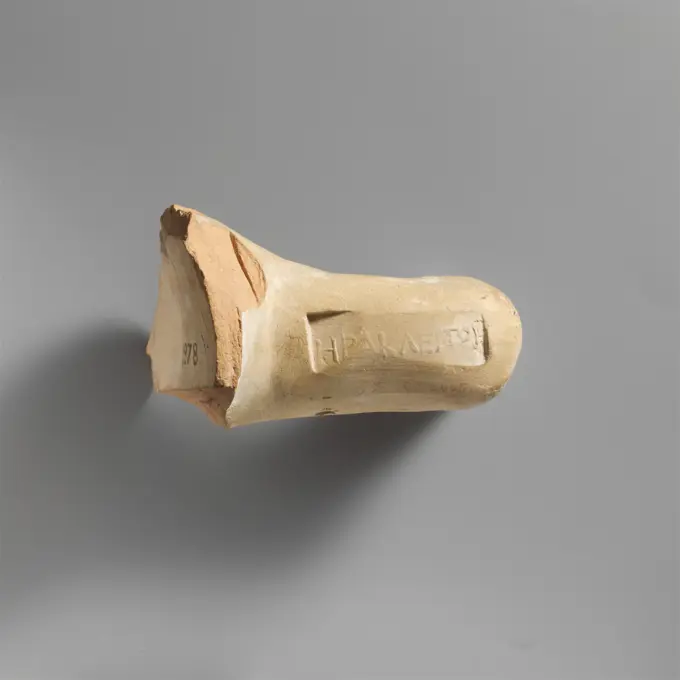
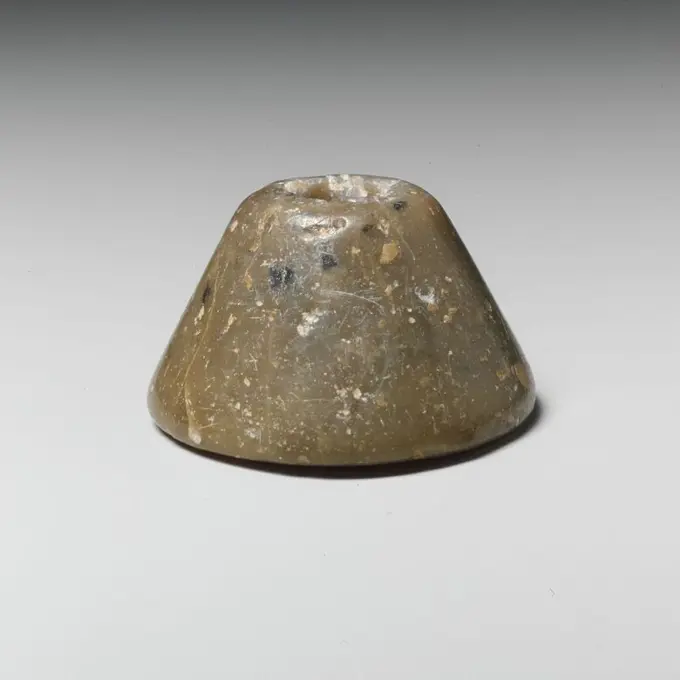
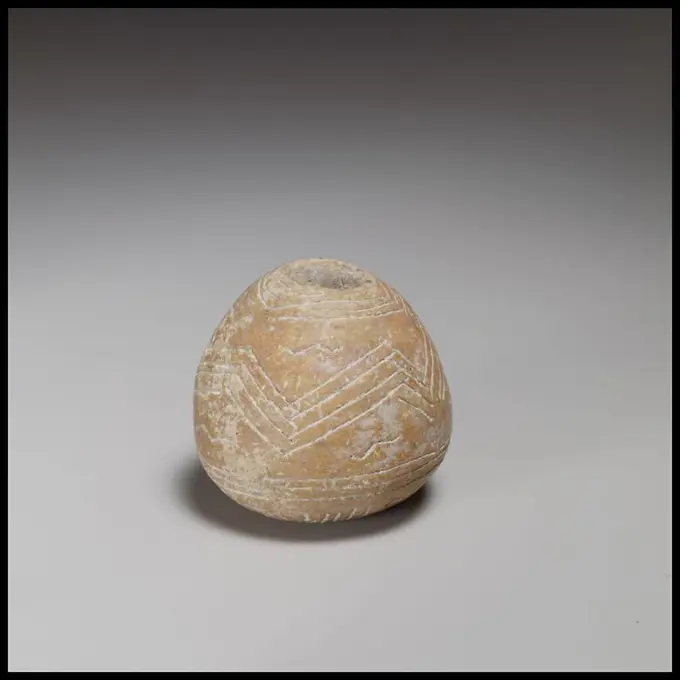
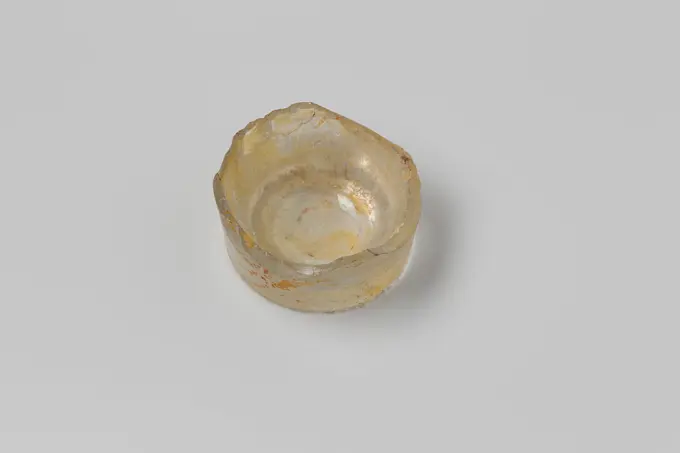
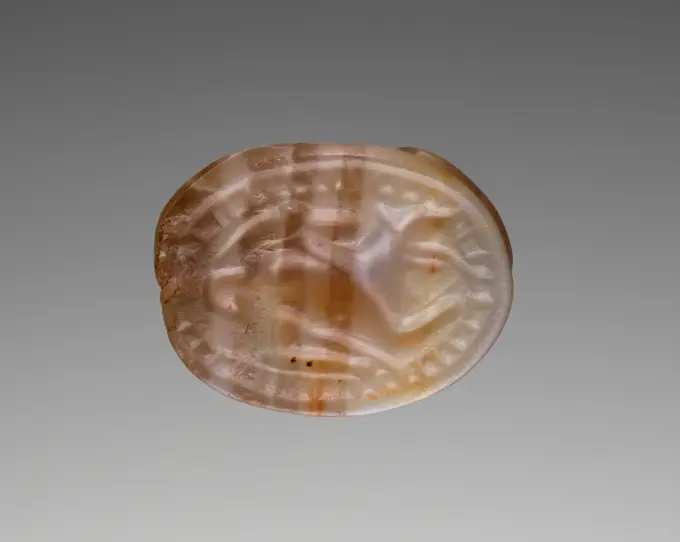
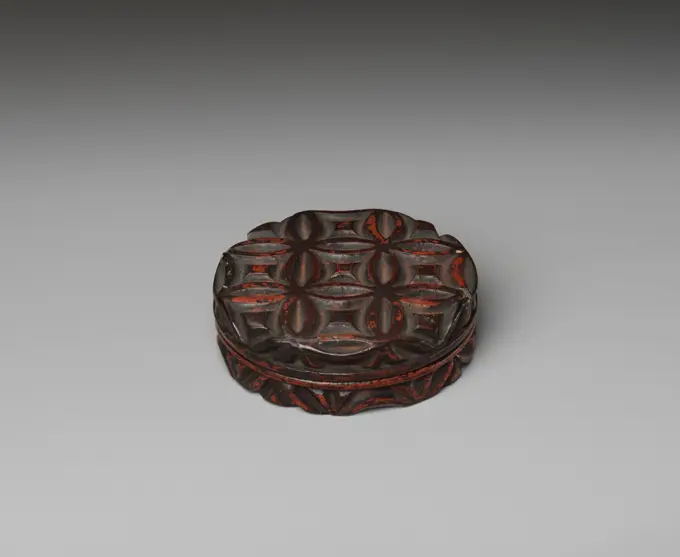
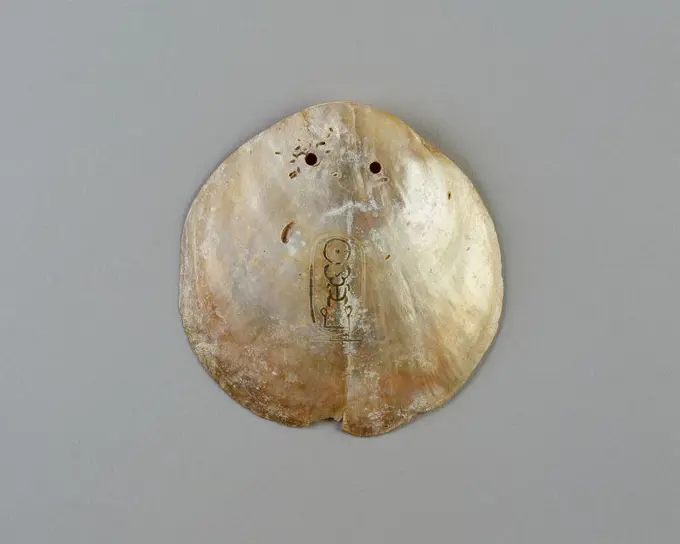
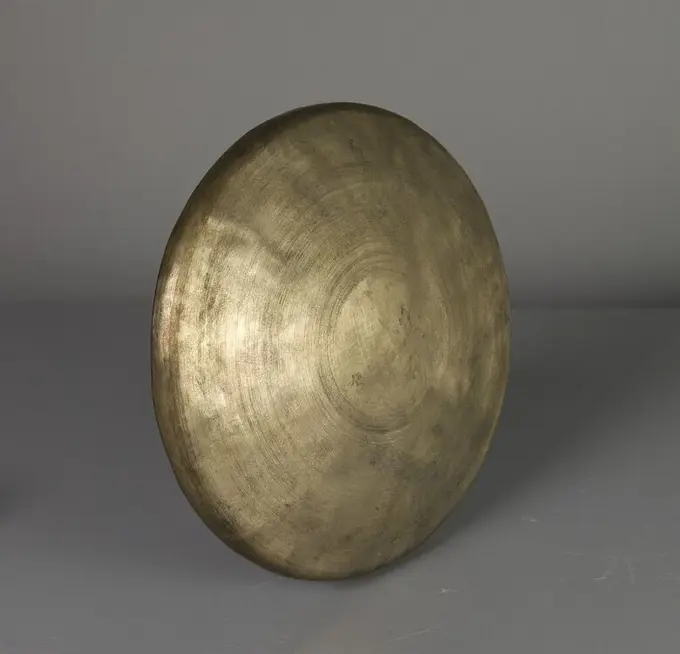
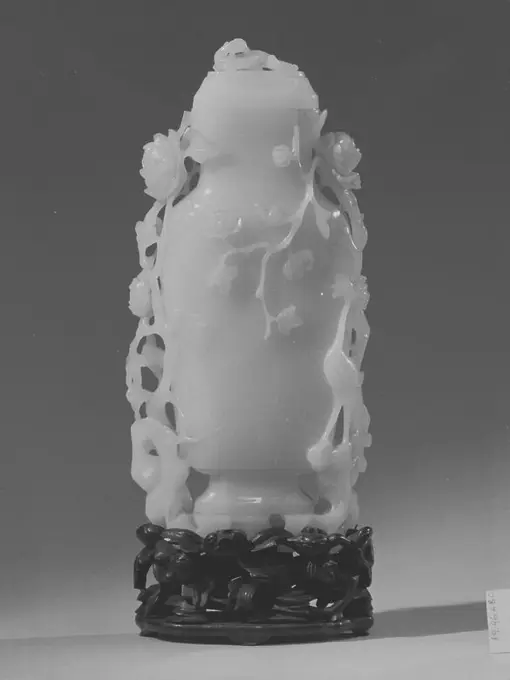
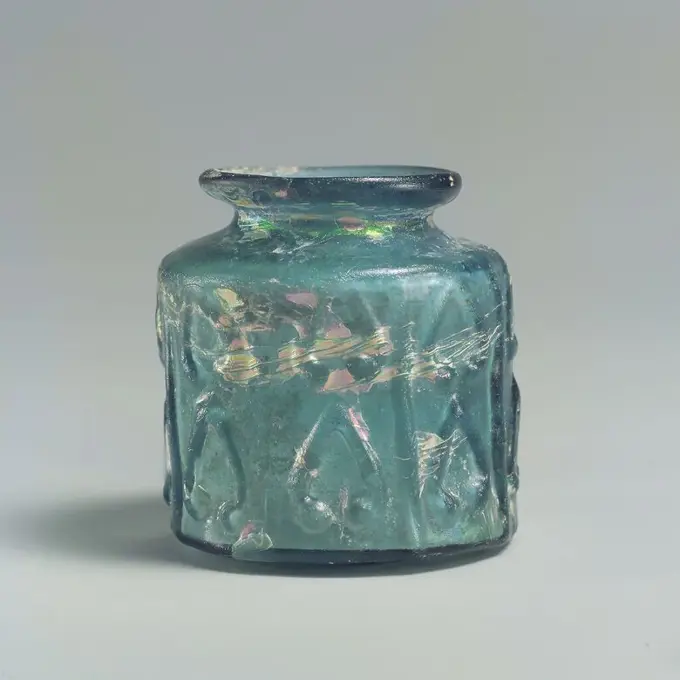
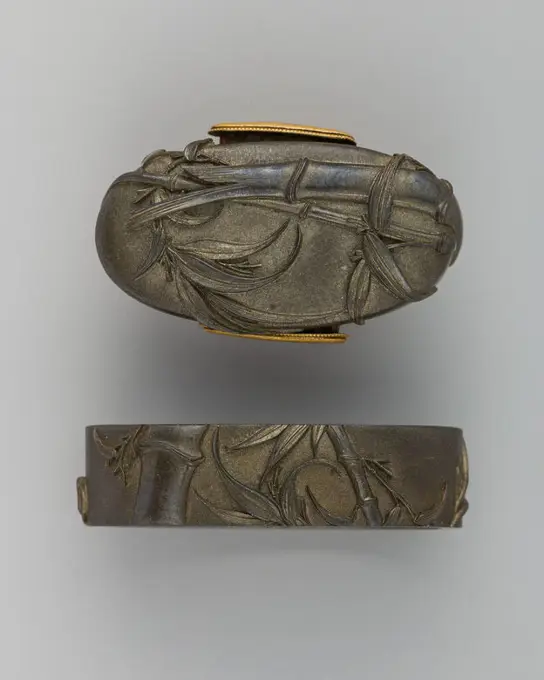
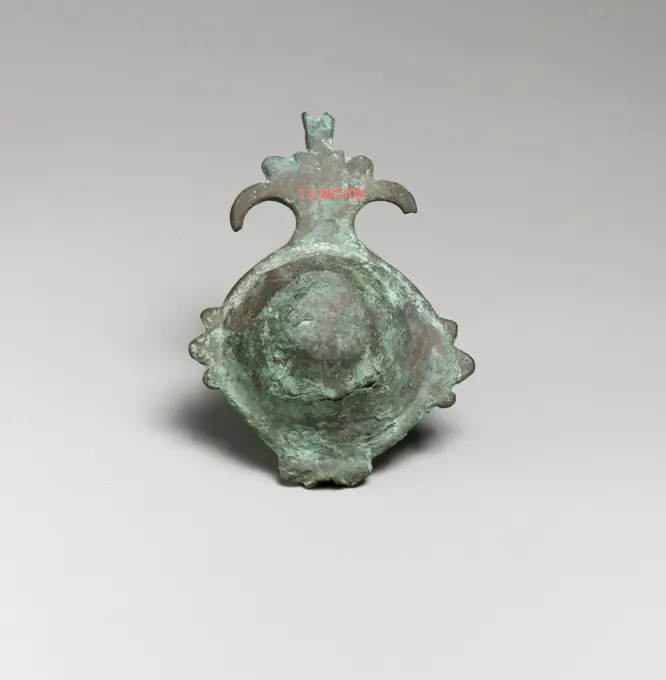
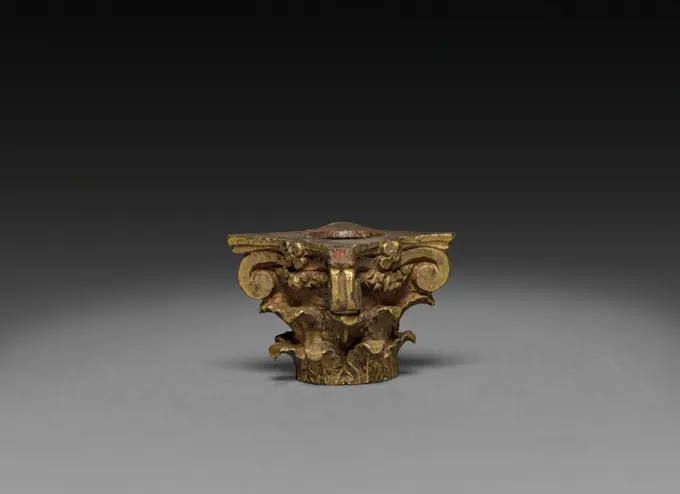
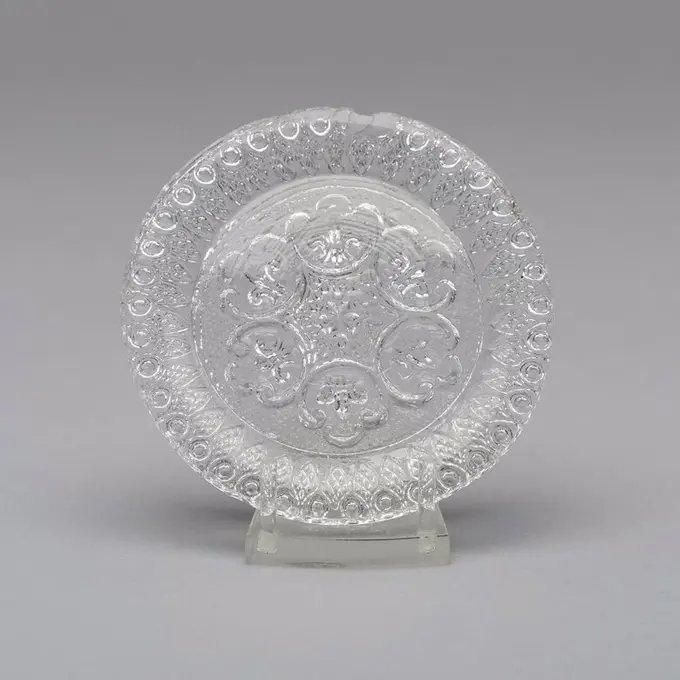
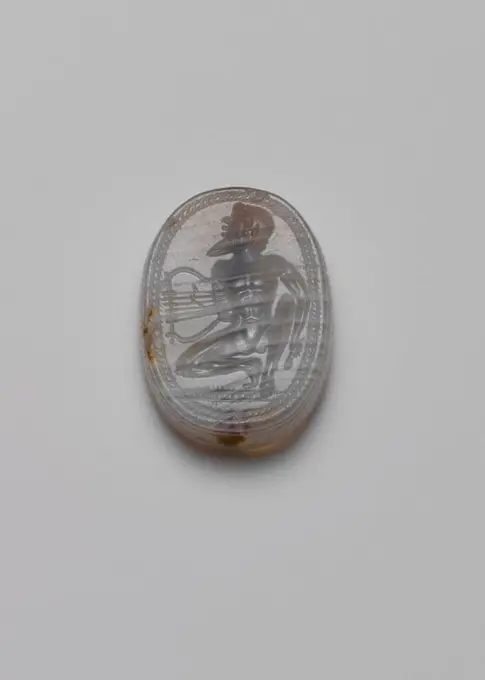
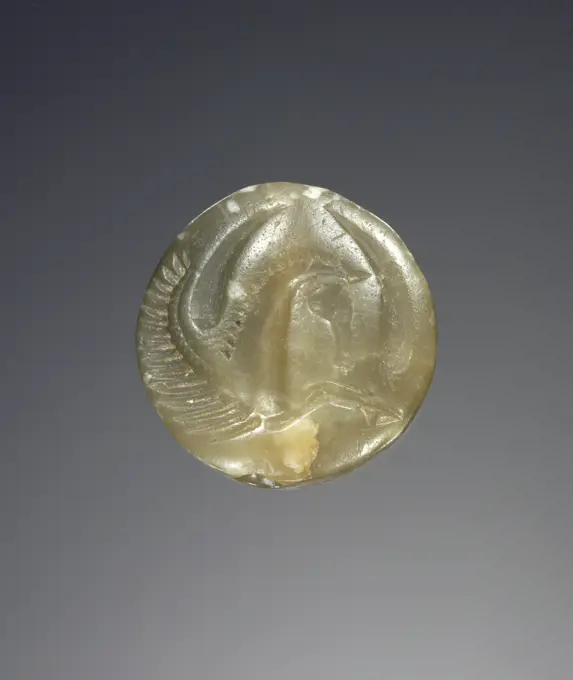
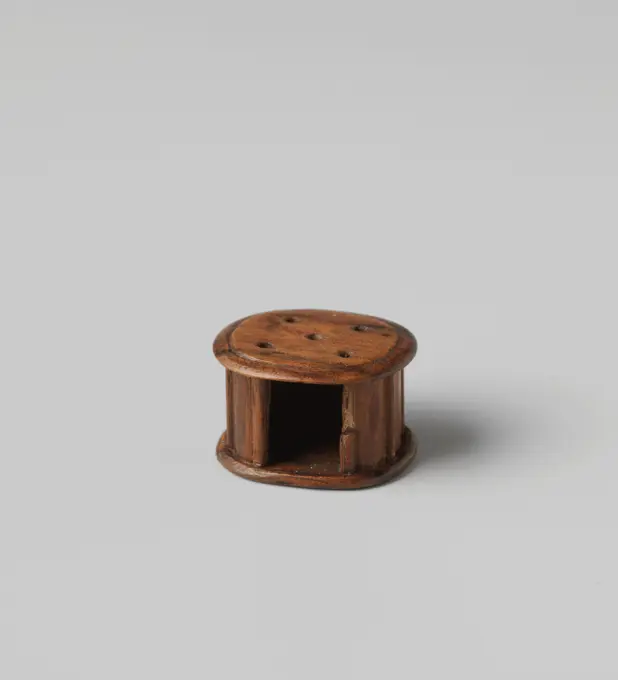
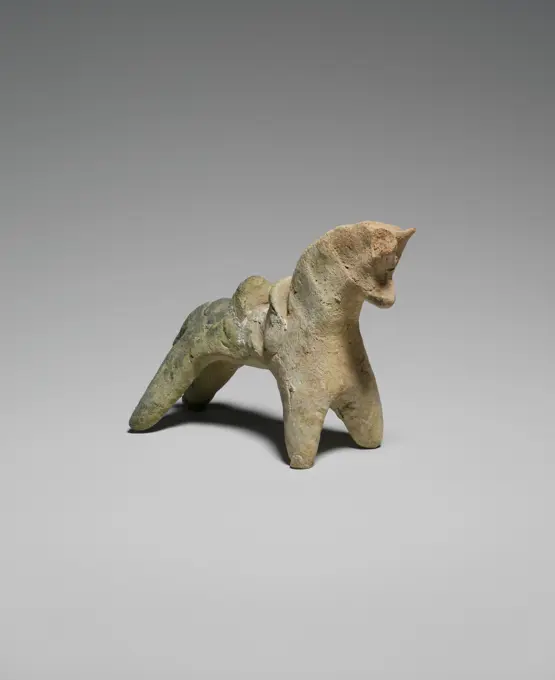
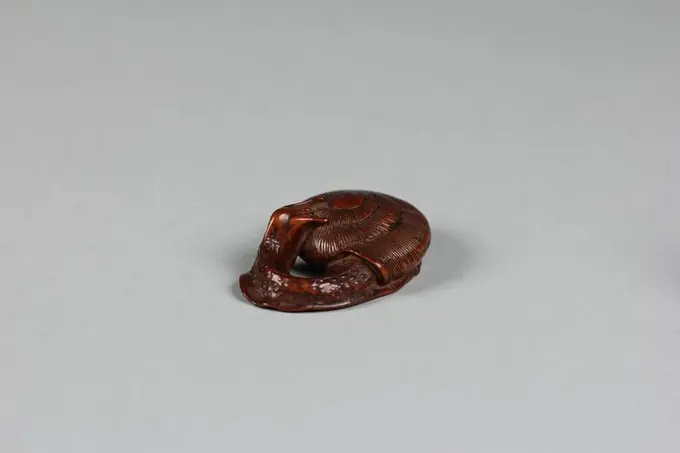
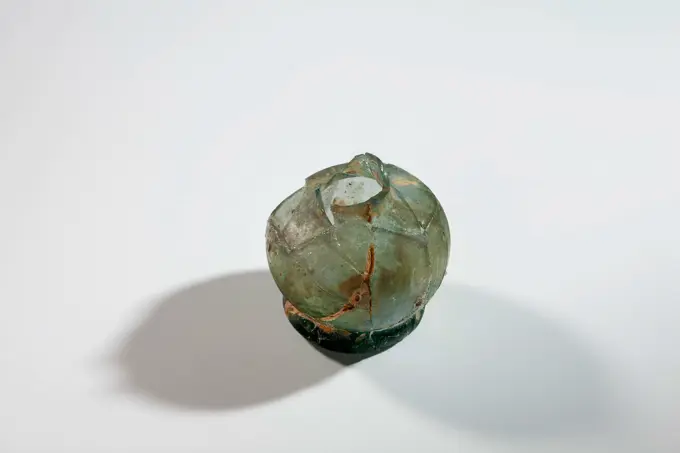
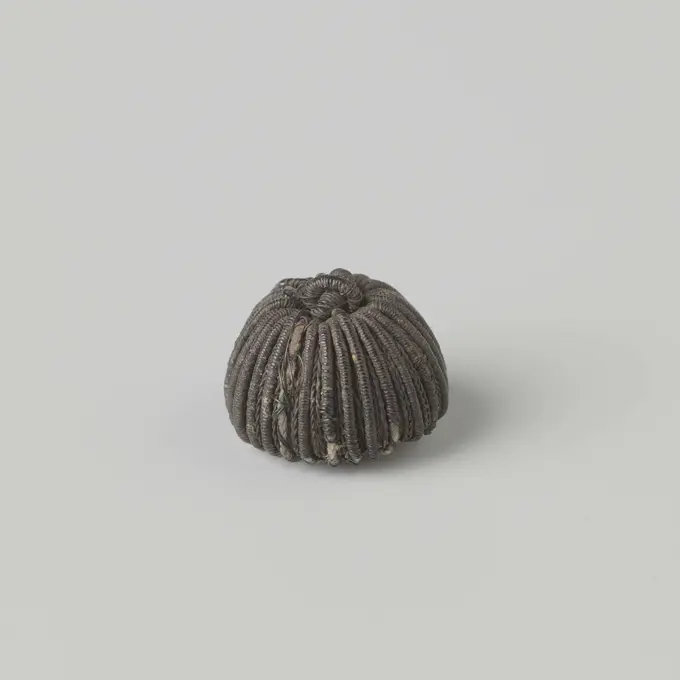
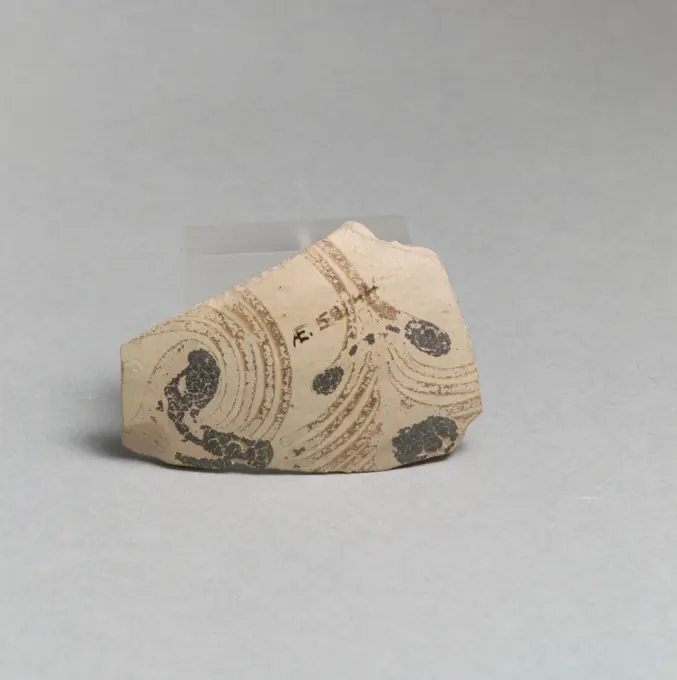
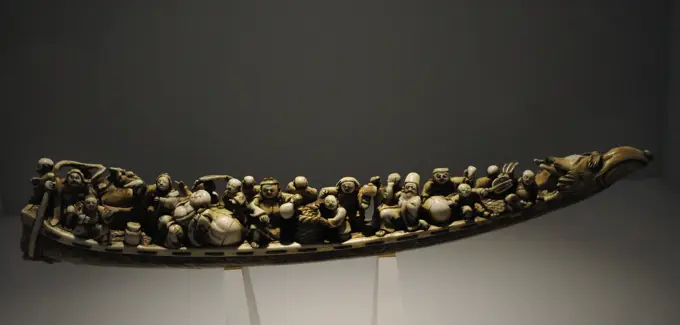
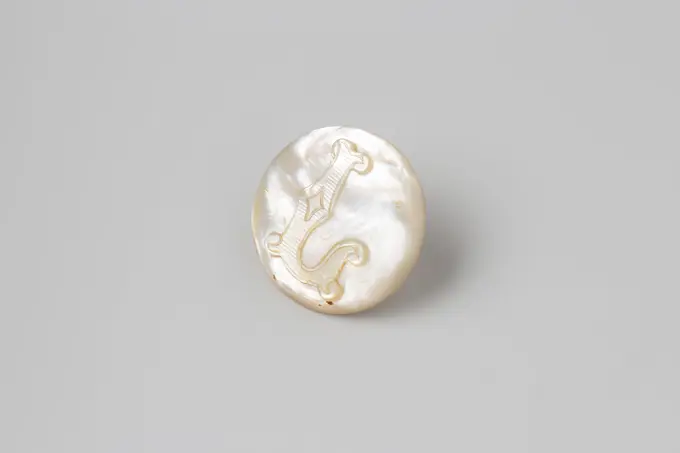
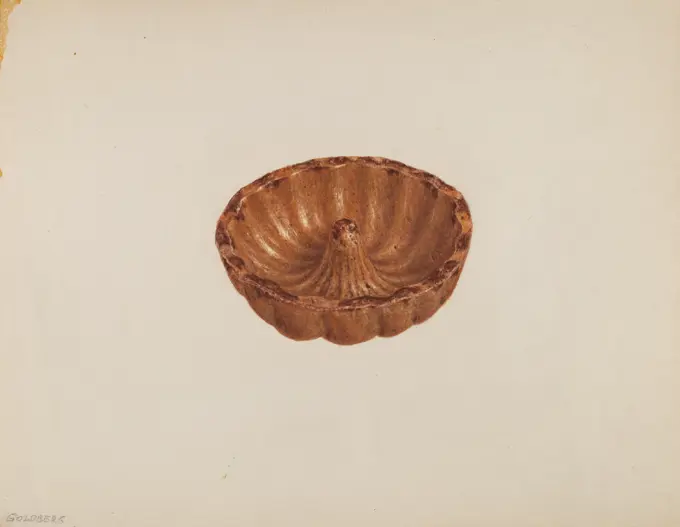
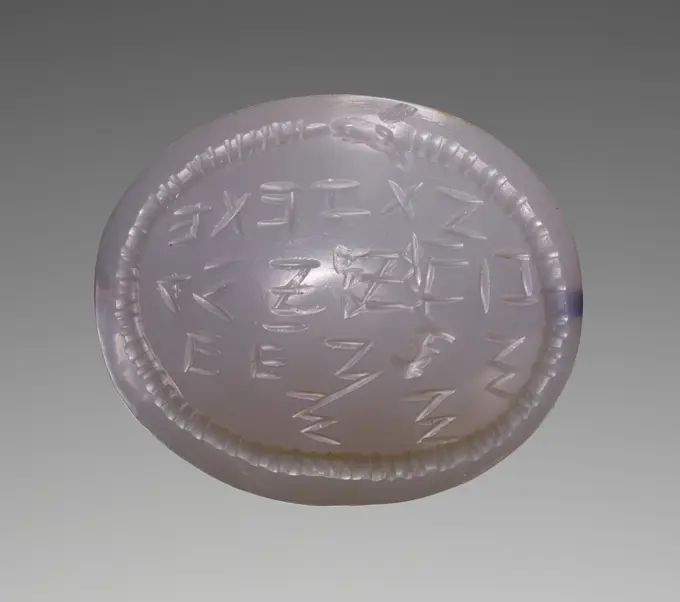
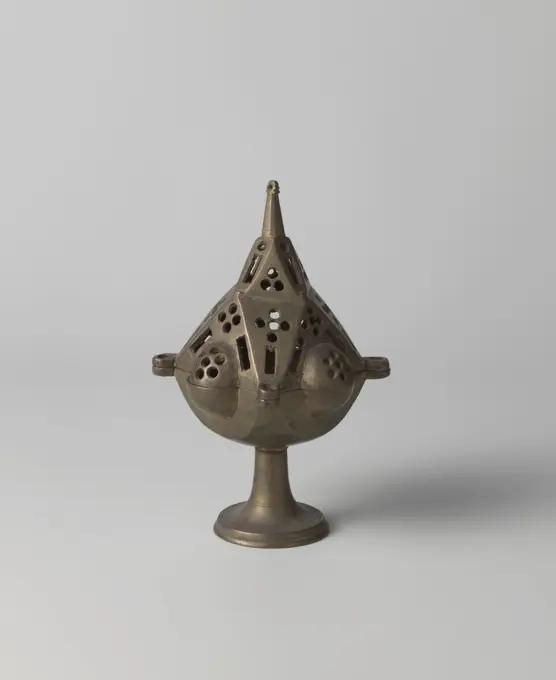
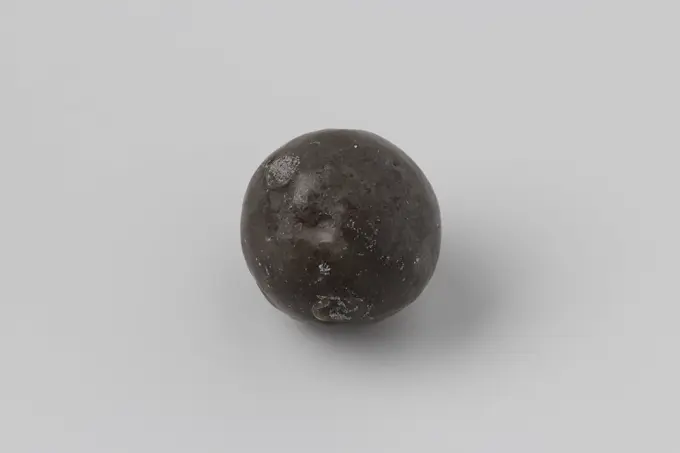
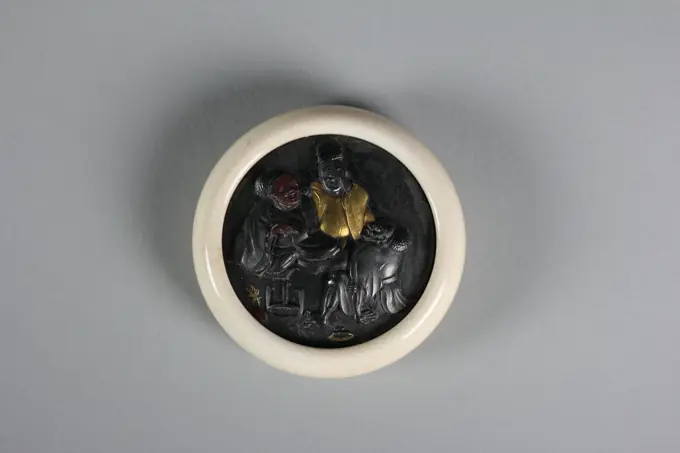
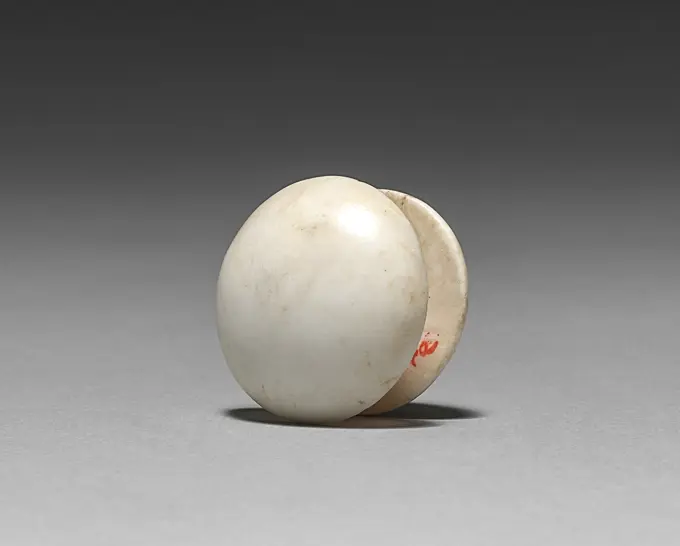
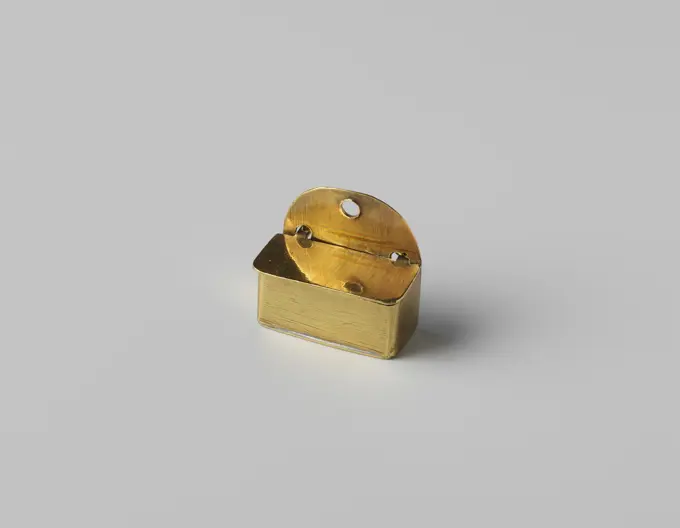
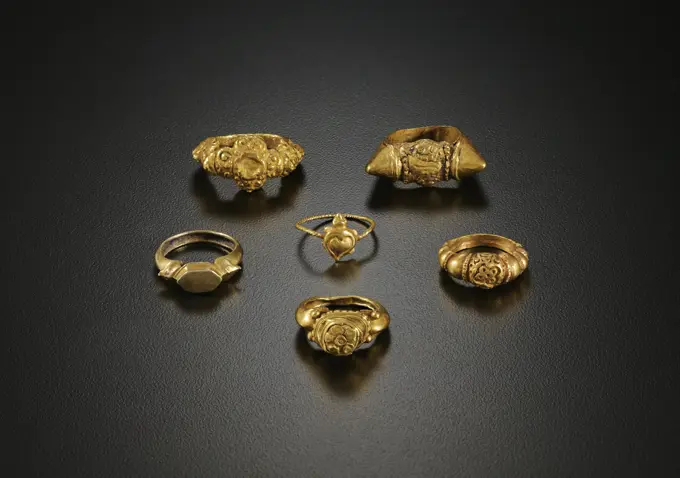
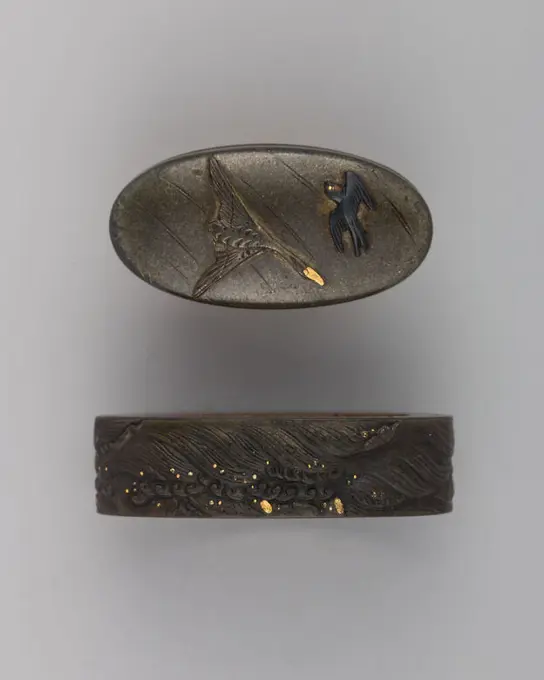
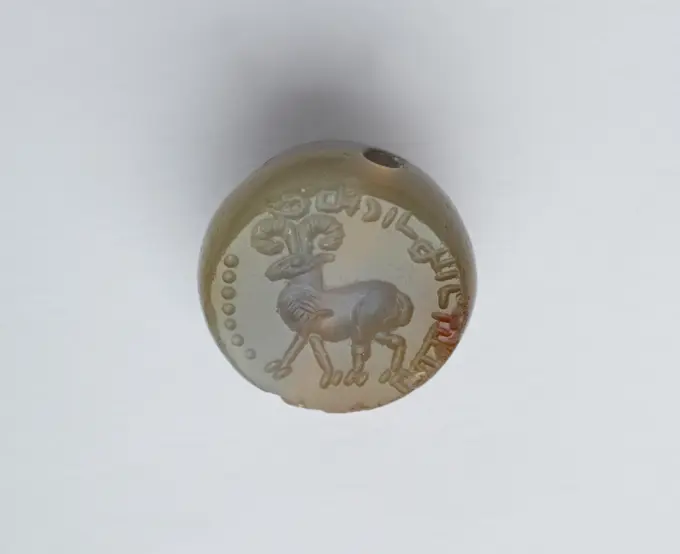
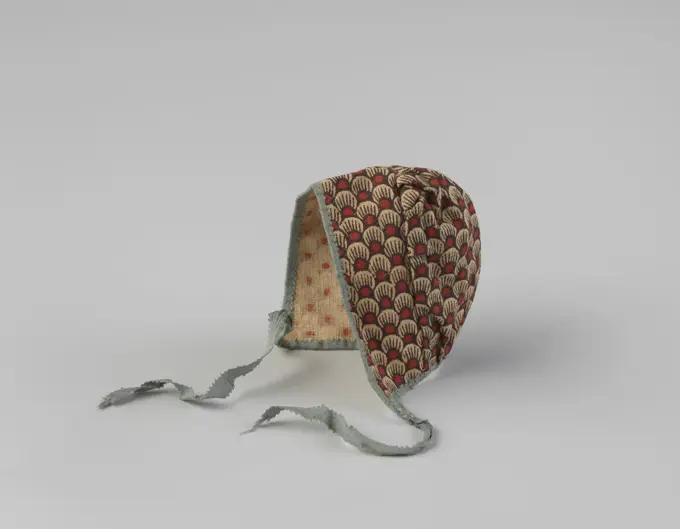
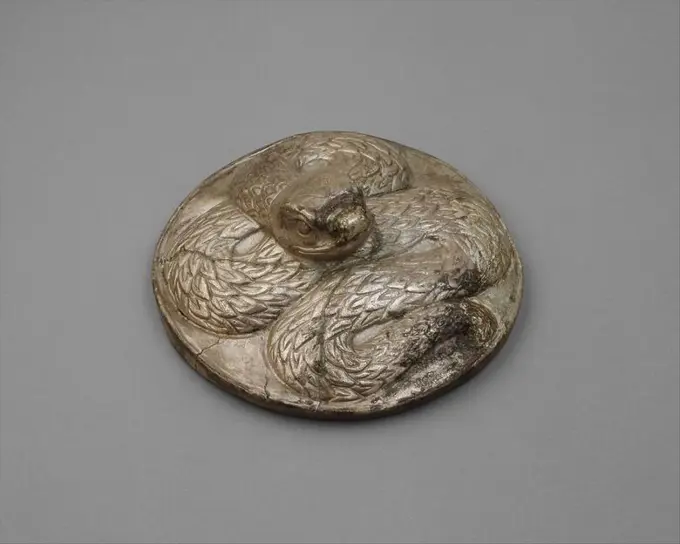
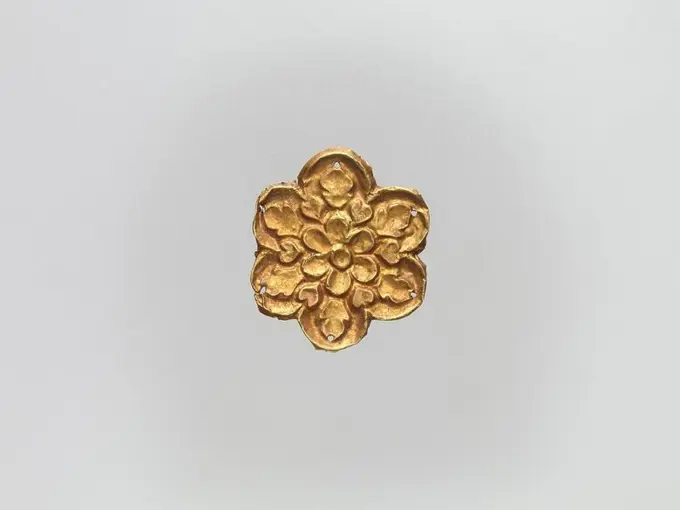
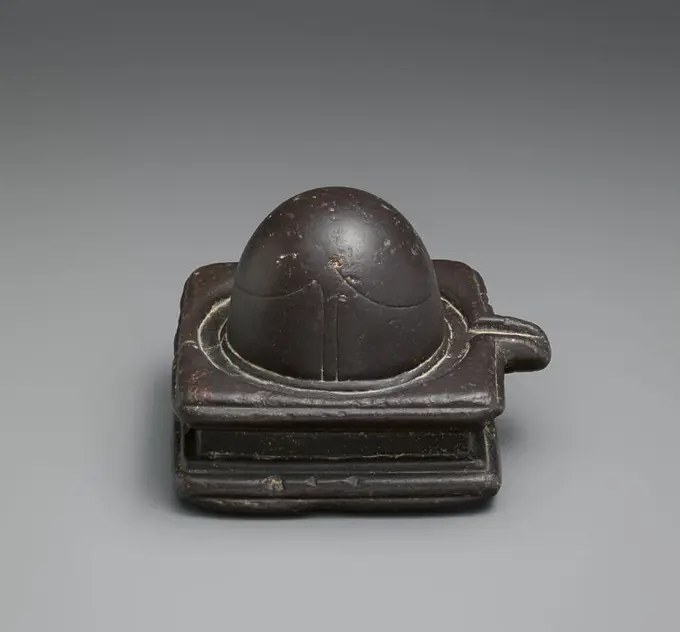
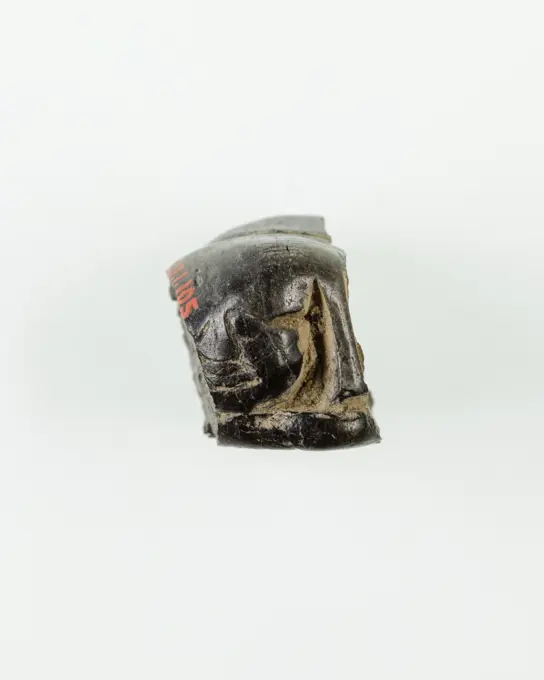
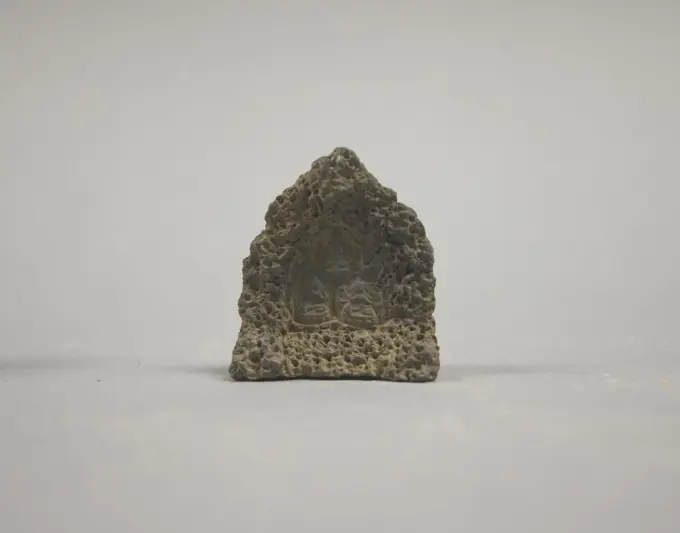
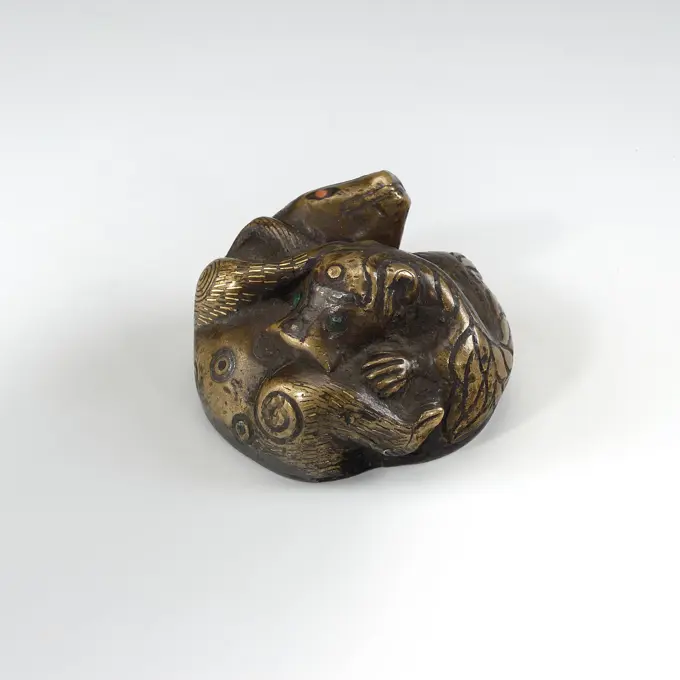
Terracotta saucer-shaped lamp 4th century B.C. Cypriot Wheel-made with edge folded in to form a narrow wick rest; flaring rim, with tapering lip; sloping, open body; raised base ring, and rough, slightly concave base.Intact.. Terracotta saucer-shaped lamp. Cypriot. 4th century B.C.. Terracotta. TerracottasPaper button in the shape of two fighting animals;  19th century (1801-00-00-1900-00-00);Paderewski, Ignacy Jan (1860-1941), Paderewski, Ignacy Jan (1860-1941)-collection, Chinese (culture), gift (provenance), bears, stem features steppe karakale, Chinese art, animal imagesRag fragment from the wreck of the East Indians Hollandia, Anonymous, 1700 - in Or Before 1743 lid Parts, various, lid; flat, circular, threaded underneath. Netherlands bone (material)   SecondBox at Penning van Admiraal de Ruyter, Joachim Oudaan, 1676 medal box Wooden round treasure box. Both on the inside of the box and in the lid, a fourteen -line poem written on paper.  wood (plant material). paper  Battle of Etna SyracuseTerracotta amphora handle with stamp ca. 220-180 B.C. Greek, Rhodian The stamp bears the name of the potter Herakleitos.. Terracotta amphora handle with stamp 241976Planets-manager. Cornalet Collection Sites 2013-2016. Numismatic.Spheroconic utensil. unknown, craftsmanStone spindle whorl. Culture: Minoan. Dimensions: Diameter 7/8 in. (2.1 cm); H. 9/16 in. (1.4 cm). Date: ca. 2400-1900 B.C..No decoration. Museum: Metropolitan Museum of Art, New York, USA.Gold ring with elliptical bezel probably 5th century B.C. Etruscan. Gold ring with elliptical bezel. Etruscan. probably 5th century B.C.. Gold. Classical. Gold and SilverTerracotta conical-hemispherical spindle-whorl with rounded base. Culture: Cypriot. Dimensions: H. 1 5/16 in. (3.4 cm). Date: ca. 2000-1800 B.C..Spindle whorls aided in the making of cloth for garments and bedding. They were placed in tombs, perhaps so that the deceased could continue to spin wool in the afterlife. Museum: Metropolitan Museum of Art, New York, USA.Single block from the Dutch East Indiaman ''t Vliegend Hart', anonymous, 1729 - 1735 block Wooden block with bronze turning feat that revolves around a wooden axle. The block is an oval disk that is partly open on the sides, inside the bronze disc is. This is held in place by a wooden pin. Including on the wide front and rear, notches have been applied for the rope. A small piece of the rope has been preserved that was still around the bronze disc when the block was surfaced from the Westerschelde (NG-1983-48-2). Probably a 'bram cube' based on the dimensions. Middelburg wood (plant material). bronze (metal)Pitcher. unknown, craftsmanFragment tumbler from the wreck of the East Indieschief Hollandia. BASE, Circular, Flat, Slightly Everted Sides. Tumbler.Scarab. UnknownIncense Box (Kg) with Interlinked Circles (Shipp) Pattern early 17th century Japan. Incense Box (Kg) with Interlinked Circles (Shipp) Pattern. Japan. early 17th century. Carved wood with red and black lacquer layers (carved Negoro ware). Momoyama period (1573-1615). LacquerMusketkogel from the wreck of the East Indians' t Vliegend Hart ,, 1700 - 1735  Lead spherical bullet that could be fired from a musket. The bullet is dark gray in color, damaged and slightly distorted. For conservation in beeswax immersed. NB: smaller than NG-1984-41-1 and 2. Musket Caliber. Middelburg lead (metal)Shell Inscribed with the Cartouche of Senwosret I. Dimensions: L. 10.7 × W. 10.5 cm (4 3/16 × 4 1/8 in.). Dynasty: Dynasty 12-18. Reign: reign of Senwosret I or later. Date: ca. 1981-1550 B.C..Polished down to its inner layer of nacre (mother of pearl), this iridescent oyster shell has been pierced with two holes so that it could be strung and hung around the neck. The royal name Senwosret has been incised into the surface. It is one of about fifty such shells known, most inscribed, like this example, with the nomen (birth name) Senwosret, or with the prenomen (throne name) Kheperkare. Since Kheperkare is the throne name of Senwosret I, it is generally assumed that it is this king (rather than another of the monarchs with the same name) who is meant here.Although few of these shells have archaeological contexts, several of those that do are connected with military personnel, and therefore may have been worn primarily by soldiers. Museum: Metropolitan Museum of Art, New York, USA.Contract -Epaulet Van de Garde Nationale ,, 1810 - 1813  Silver contra-epicet with broths and knots on the surface of Laeken. On the button image of grenade and the inscription: Garde Nationale. The silver is braided and has leaf -shaped decorations. Blue sheet and metal hook on the downside. The epaulette is rectangular with sloping corners transfers to a semicircular shape. Netherlands silver (metal). cloth. cotton (textile) braiding / sewingGlass ring Roman ca. 3rd century CE Translucent pale yellowBroad, irregular hoop, made by folding, with ends pressed together under bezel; flat, irregular, oval bezel, to which a second layer of glass has been added.On bezel, second layer with portrait head in high relief: male head facing right, wearing wreath, tied at back, with short wavy hair; around head, clockwise inscription reading Divo Claudio Imperato(ri).Intact, but weathered chip on bezel below man's chin; dulling, slight pitting, and iridescent weathering.The inscription identifies the portrait as that of the deified emperor Claudius (r. A.D. 41-54) but the ring may have been made much later, perhaps in the short reign of the emperor Claudius Gothicus (r. A.D. 268-270), who was also deified by the Senate on his death. View more. Glass ring. Roman. ca. 3rd century CE. Glass, yellow; drawn, tooled, and stamped. Late Imperial. GemsShield boss. Shield boss 244541Bowl 4th-7th century Coptic. Bowl 478501Messenlift ring from the wreck of the East Indians Hollandia, Anonymous, 1700 - in Or Before 1743  Knife-handle, ferrule; id. NG 1980-27H426. Netherlands copper (metal)   SecondXiao Luo (). Culture: Chinese. Dimensions: Diam: 22.9 cm (9 in.). Date: 19th century. Museum: Metropolitan Museum of Art, New York, USA.Box of Horend with Honor of the State Company Der PTT, awarded in 1942 to Marinus W. Bos, Leendert Bolle, 1940 - 1942 box A (like a radio) Stylized wooden box, with open -hinged valve, with closure. Netherlands penning: silver (metal). doos: wood (plant material) striking (metalworking)Bone disk or button ca. 1st century A.D. Roman Concentric circles.. Bone disk or button 246452Vase. Culture: China. Dimensions: Gr. H. 11 3/8 in. (28.9 cm); Gr. W. 4 9/16 in. (11.6 cm). Date: 19th century. Museum: Metropolitan Museum of Art, New York, USA.Spoon without a handle or scales from v.o.c.-ship the 'Witte Leeuw', Before 1613 spoon Spoon without a handle or scales from V.O.C. ship the 'Witte Leeuw'. Spherical metal object with short stalk (broken down). There is a hole on the left. The object is light gray colored and has lumps. The bottom is sand -colored and gray.  brass (alloy)   Sint-HelenaDish with scalloped edge. Dish of tin with scalloped, profiled edge.Small Jar. Dimensions: H. 2 1/16 (5.2 cm)Diam. of body: 1 3/4 in. (4.4 cm)Diam. of rim: 1 3/8 in. (3.5 cm). Date: 9th-10th century.The molded decoration of this greenish-blue glass jar includes pairs of simple palmettes arranged one above the other in eight narrow vertical compartments. Together, these suggest both a ninth-to-tenth century dating and an Iraq provenance for this small jar. The impression of an eagle with spread wings under the base, which is not usually visible, may be a factory stamp. Museum: Metropolitan Museum of Art, New York, USA.Legged Box with Design of Bush Clover along a Stream. Culture: Japan. Dimensions: H. 3 1/2 in. (8.9 cm); W. 4 3/4 in. (12.1 cm); L. 5 3/4 in. (14.6 cm). Date: 18th century. Museum: Metropolitan Museum of Art, New York, USA.Fragment Pijpenkop from the wreck of the East Indians Hollandia, Anonymous, 1700 - in Or Before 1743  Pipe, bowl, heelmark; fragm, 1hsm1, inside burned (used). Netherlands pipe clay   SecondMusketkogel from the wreck of the East Indians' t Vliegend Hart, 1700 - 1735  The musket ball is brown-black in color, small and round.  lead (metal) castingCover for a Chocolate Pot, c. 1830. Sixte-Simon Rion (French). Silver, wooden handle; overall: 13.7 x 9.6 cm (5 3/8 x 3 3/4 in.).CrouchingRabbitTray with lotus petal rim 14th century China. Tray with lotus petal rim. China. 14th century. Lacquer. Yuan dynasty (1271-1368). LacquerCarnavalet museum, tokens collectionNetsuke of the Sage, Kinko Carrying a Scroll and Seated on a Carp. Culture: Japan. Dimensions: H. 1 1/2 in. (3.8 cm); W. 15/16 in. (2.4 cm); L. 1 1/2 in. (3.8 cm). Date: 18th century. Museum: Metropolitan Museum of Art, New York, USA.Sealing piston;  18th century (1701-00-00-1800-00-00);Miss with proenen, anonymous, 1200 - 1899  Italy earthenware  Italy earthenwareSword-Hilt Collar and Pommel (Fuchigashira). Culture: Japanese. Dimensions: Fuchi (a); H. 1 5/8 in. (4.1 cm); Wt. 1 oz. (28.3 g); kashira (b); H. 1 1/2 in. (3.8 cm); Wt. 0.8 oz. (22.7 g). Date: ca. 1615-1868. Museum: Metropolitan Museum of Art, New York, USA.Lamp. Lamp 251442 Lamp, Bronze, H.: 1 x 3 x 4 1/8 in. (2.5 x 7.6 x 10.5 cm). The Metropolitan Museum of Art, New York. Rogers Fund, 1923 (23.160.108)Carnavalet museum, tokens collectionFragment of a miniature vase. Culture: Greek, Laconian. Dimensions: H. 13/16 in. (2 cm).Fragment of a miniature vase. Museum: Metropolitan Museum of Art, New York, USA.Astragal Kozi;  Hellenistic period (-323-00-00--30-00-00);Hand grenade from the wreck of the East Indians Princesse Maria, Anonymous, 1682 - 1686 hand grenade Cast iron hand grenade, round hollow bulb that was filled with powder and a round opening in which a tube had been stuck with slightly unfamiliar material. The (wooden) tube of this copy is missing. The grenade was tied up. Middelburg iron (metal)   Scilly IslandsOrnamental Capital, 1775-1799. France, late 18th century. Gilt bronze; overall: 2.3 x 2.3 cm (7/8 x 7/8 in.).CigarCutterGlobe. Globe. Later Addition at the image of a Bacchant (BK-2015-2-1). The globe (or sky vault) made the image to Atlas or Hercules. The sphere shows fantasized continents.BumpTaweret amulet 664-332 B.C. Late Period. Taweret amulet 545817Fragment Baluster-shaped handle from a flute glass from the wreck of the East India Hollandia. Glass, voice glass, stem, baluster-shaped; Fragment or button, Spherical, eroded, Both ends broken off.Fragment of a stop from the wreck of the East Indians Hollandia, Anonymous, 1700 - in Or Before 1743  Containers, parts, various, stop; eroded; circular, flat top with eroded finial, wrapped up with cloth and string. Netherlands wood (plant material)   SecondCup plate. American; Philadelphia, Pennsylvania. Date: 1830-1835. Dimensions: diam. 8.6 cm (3 3/8 in.). Pressed glass. Origin: Philadelphia. Museum: The Chicago Art Institute, Chicago, USA.Hands of a Soldier with a Piece of Rope, from Christ Carrying the Cross, from the Soest Altarpiece, c. 1475 - c. 1499   wood (plant material)   wood (plant material)Banded agate scaraboid. Culture: Etruscan, Vetulonia. Dimensions: Other: 5/8 in. (1.6 cm). Date: ca. 480 B.C..Crouching satyr holding a lyre. Museum: Metropolitan Museum of Art, New York, USA.Engraved Seal; Attributed to the Serpent Master; Melos (), Greece; about 600 B.C; Steatite; 1.6 cm (5,8 in.)Fragment of a tobacco pipe .. a fragment of a small white tobacco pipe. Signature: HS. Note: Fired.Fragment of a pipe head from the wreck of the East Indies' t Vliegend Hart ,, 1714 - 1735  Part of a head without a stem of an earthen Goudse Pijp, with brownish sake -ups. Hm perhaps weapon of Friesland: two lions one above the other. Fragments of Bowls and Stems. Gouda pipe clayStew, oval, with five holes in the top, anonymous, c. 1740 - c. 1760 Stew of nuthout, oval; leaf with profile edge and five holes; Decorated all around with vertical ridges; Originally with extendable pre -line in the opening for the fire test. Amsterdam (possibly) walnut (hardwood) Stew of nuthout, oval; leaf with profile edge and five holes; Decorated all around with vertical ridges; Originally with extendable pre -line in the opening for the fire test. Amsterdam (possibly) walnut (hardwood)Horse Figurine 9th century This small horse, which once had a rider perched on its back, may have been a child's toy.. Horse Figurine 449314Netsuke of Snail. Culture: Japan. Dimensions: H. 3/4 in. (1.9 cm); W. 2 1/8 in. (5.4 cm); D. 1 1/2 in. (3.8 cm). Date: 19th century. Museum: Metropolitan Museum of Art, New York, USA.Small bottle. unknown, craftsmanCarnavalet Museum, Medals CollectionButton. Button which is welded with silk.MountPart of a balcony fence with mirror monogram, in or before 1879 An iron part of a forged iron balcony balustrade with a search monogram.  iron (metal) forging An iron part of a forged iron balcony balustrade with a search monogram.  iron (metal) forgingTerracotta vessel fragment with floral design ca. 1400-1200 B.C. Minoan From Phylakopi, MelosFragment with spiral and floral () design.. Terracotta vessel fragment with floral design 248557Takarabune. Mid 19th century. From Japan. Ivory carving depicting the legend of the Seven Lucky Gods that, at the beginning of the New Year, take to the skies in the Takarabune (treasure ship) to bring fortune to mortals. Naval Museum. Madrid. Spain.Snuff Bottle China. Snuff Bottle 41577Cufflink of mother-of-pearl with letter L in relief. Cufflinks from mother-of-pearl with the letter "L" in relief and metal clamp.Isadore Goldberg, Turk's Head Mold, c 1940 Turk's Head MoldEngraved Gem with Magical Inscription. UnknownCachet with weapon. Vase-shaped cachet (breloque) of gold. The stamp stone of red agate has a weapon with griffins as shield racks. Above the weapon a helmet with helmet signs. The weapon itself has a cross that is divided into courses, with horizontal lines behind it. The holder is symmetrical and consists of leaf rights.Badge (probably Mounting from Horse Harness). Culture: Spanish. Dimensions: Diam. 1 15/16 in. (4.9 cm); Wt. 1 oz. (28.3 g). Date: 14th century. Museum: Metropolitan Museum of Art, New York, USA.Fragment of a small bowl without a foot; Unknown Nubian workshop; 2. PO. IX-1. after. 10th century (851-00-00-950-00-00);Faras (Sudan), Nubian ceramics, geometric decorations, stamp decorations, crosses, medallions, fans without foot, nubian vessels, Polish excavations in Faras (Sudan)Incense tink with multi -surface and peaked lid, anonymous, c. 1300 - c. 1500 The parts have been cast and quoted. The tub is sounded on the round with fine rings decorated. De Kuip has a convex shape, which has been chamfered by four vertical surfaces and is once again potted by four ball segments, so that the edge of the tub has the shape of a four -pass. Kuip and lid have four pairs of eyes. The openwork lid, the edge of which connects to that of De Kuip, is multiple and awarded. The foot dates from the fifteenth century. Ring carrier and chain are missing. Germany (possibly) brass (alloy) casting The parts have been cast and quoted. The tub is sounded on the round with fine rings decorated. De Kuip has a convex shape, which has been chamfered by four vertical surfaces and is once again potted by four ball segments, so that the edge of the tub has the shape of a four -pass. Kuip and lid have four pairs of eyes. The openwork lid, the edge of which connects to that of De Kuip, is multMusketball from the wreck of the East India. The flying heart. Lead spherical bullet that was fired from a musket. The bullet is dark gray in color. The bullet has been immersed in beeswax for conservation. Musket Calibre.Netsuke of Three Boon Companions 19th century Japan. Netsuke of Three Boon Companions 59215Octagonal dish ca. 1650, with later ornamentation Unidentified Master P.M. Some of the earliest surviving polygonal gold and silver objects are Medieval ten- and six-sided beakers from Germany. Saxon immigrants may have brought the form to Hungary and Transylvania in the twelfth and thirteenth centuries, and hexagonal plates and presentation dishes became the pride of Hungarian and Transylvanian treasuries. Their extravagant shape and ornamentation are unique to this region during the Renaissance and Baroque periods. In most cases, these dishes were displayed as part of an ostentatious buffet, or on cupboards, as a testimony to the wealth, social standing, and taste of their owners.Traditionally, these dishes were made in sets, with the patrons arms in the domed center and chased decoration on the rim. This example is different. The engraved KK and 10 on the reverse indicate that it may have been a part of an ensemble of ten or twelve plates. The stylized Medusa head at the center of Pair of Ear Studs, 1540-1296 BC. Egypt, New Kingdom, Dynasty 18. Travertine; diameter: 3.2 cm (1 1/4 in.).DishTool (Mexico); stone, carvedSulfur sticker, with semicircular back plate and hinged lid. Sulfur stick of Geelchoper, with a higher semicircular back plate with suspension hole and hinged lid.Hexagonal BezelRingPendant late 6th-5th century B.C. Greek. Pendant. Greek. late 6th-5th century B.C.. Gold. Archaic. Gold and SilverSword-Hilt Collar and Pommel (Fuchigashira). Culture: Japanese. Dimensions: Fuchi (a); H. 1 1/2 in. (3.8 cm); Wt. 0.7 oz. (19.8 g); kashira (b); H. 1 5/16 in. (3.3 cm); Wt. 0.3 oz. (8.5 g). Date: ca. 1615-1868. Museum: Metropolitan Museum of Art, New York, USA.Conical Game Piece ca. 1504-1447 B.C. New Kingdom The first room that the Museum's excavators cleared in the family tomb of Neferkhawet was the east chamber. In the northwest corner of this room they found a mismatched partial set of gaming pieces. The two types, conical and spool-shaped, are common components of the board games senet and 20-squares which were usually combined in a single game box with the game boards on opposite sides, and a drawer for the gaming pieces and the throw sticks or knuckle bones that were used like dice to determine how the pieces were moved on the boards. The eight gaming pieces, five conical and three spool-shaped, were lying on their sides next to the outlined remains of an insect-eaten game box.. Conical Game Piece. ca. 1504-1447 B.C.. Faience. New Kingdom. From Egypt, Upper Egypt, Thebes, Asasif, Tomb of Neferkhawet (MMA 729), east chamber, northwest corner, MMA excavations, 1934-35. Dynasty 18, earlyPlanets-manager. Cornalet Collection Sites 2013-2016. Numismatic.StampSealing piston;  19th century (1801-00-00-1900-00-00);Hat of printed textile with two gray -green ribbons, anonymous, c. 1850 - c. 1940  Europe textile materials printing  Europe textile materials printingLid () with a serpent. Culture: Bactria-Margiana Archaeological Complex. Dimensions: Diam. 5 in. (12.8 cm). Date: ca. late 3rd-early 2nd millennium B.C.. Museum: Metropolitan Museum of Art, New York, USA.Flower-Shaped Clothing Plaque. Culture: China (Xinjiang Autonomous Region, Central Asia). Dimensions: Diam. 1 1/4 in. (3.2 cm). Date: 7th-9th century.The nomadic communities of Central Asia used such plaques to embellish clothing and horse trappings. As these nomadic cultures herded animals and were constantly moving, their artistic production was expressed in portable objects that marked the wearer's status and wealth. The outstanding preservation of these fragile ornaments suggests they were used in conjunction with burials, where the body was aggrandized with valuable textiles and augmented with gold. Although it is difficult to date and place these objects geographically, their presence in Central Asia and has a long, established history. Museum: Metropolitan Museum of Art, New York, USA.Linga, Shiva's Aniconic Symbol. Culture: India (Jammu and Kashmir, ancient kingdom of Kashmir). Dimensions: H. 2 1/2 in. (6.4 cm); W. (incl. base) 3 7/8 in. (9.7 cm). Date: 8th century or earlier. Museum: Metropolitan Museum of Art, New York, USA.Study Models of Parts of the Body, Johan Gregor van der Schardt, after Michelangelo, c. 1560 - c. 1570  Florence terracotta (clay material)  Florence terracotta (clay material)Brick from the wreck of the East India Hollandia. Construction Elements, Brick; SIM. NG 1980-27H1009.Seal-Amulet in the Shape of Heads ca. 2100-2030 B.C. First Intermediate Period. Seal-Amulet in the Shape of Heads. ca. 2100-2030 B.C.. Steatite. First Intermediate Period. From Egypt, Memphite Region, Lisht North, Cemetery, MMA excavations. Dynasty 9-early Dnyasty 11Horned Rattle ca. 300 B.C.-A.D. 200 Thailand (Ban Chiang). Horned Rattle. Thailand (Ban Chiang). ca. 300 B.C.-A.D. 200. Bronze. Late period. MetalworkVotive Plaque ca. 8th century or later Tibet. Votive Plaque 38869Steeltje of the Diamant Workers Foundation Stelen Stelen Fonds, the Diamondworkers Foundation Stelen Stelen Fonds, 1905 - 1960  Jerk, the stalk made of red copper, the cap of yellow copper, the glans itself of a rough lump of lead. The Diamondworkers Foundation Koperen Stelen Fonds (founded in 1905) aimed to make nursing and restoring organized diamond workers possible in repair resorts and Santoria. Copper stalks served as a tool for diamond grinding. Broken stalks could be made to be made. Amsterdam lead (metal). copper (metal) forging