Ancient Artifacts and Tools

A collection of ancient items such as terracotta lamps and unique buttons, reflecting historical craftsmanship and cultural significance.
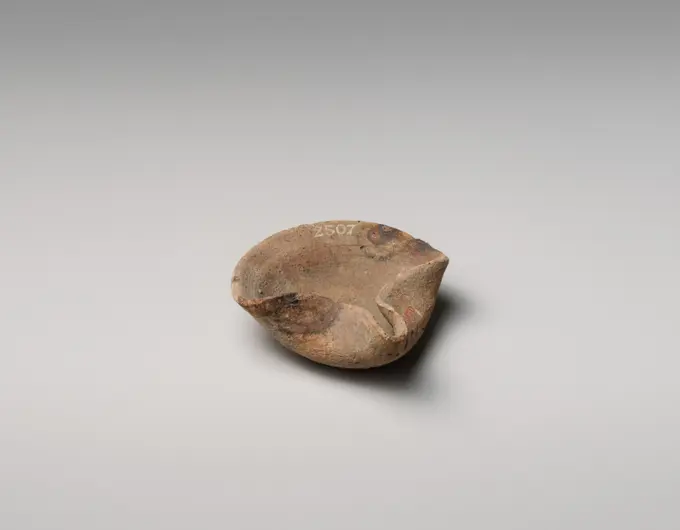
Terracotta saucer-shaped lamp 4th century B.C. Cypriot Wheel-made with edge folded in to form a narrow wick rest; flaring rim, with tapering lip; sloping, open body; raised base ring, and rough, slightly concave base.Intact.. Terracotta saucer-shaped lamp. Cypriot. 4th century B.C.. Terracotta. Terracottas
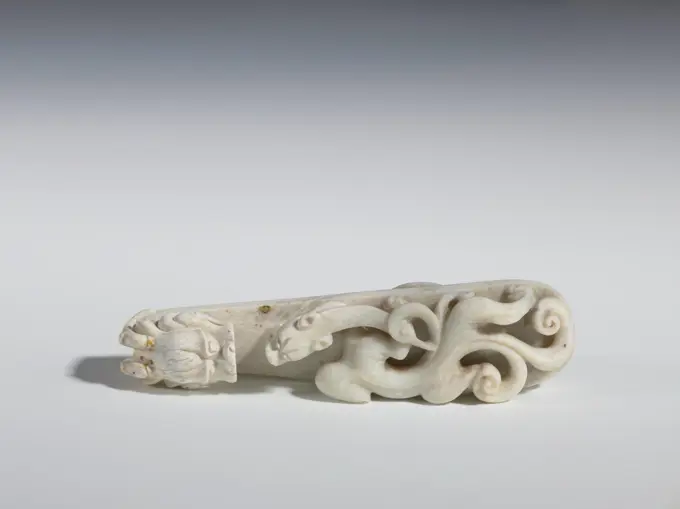
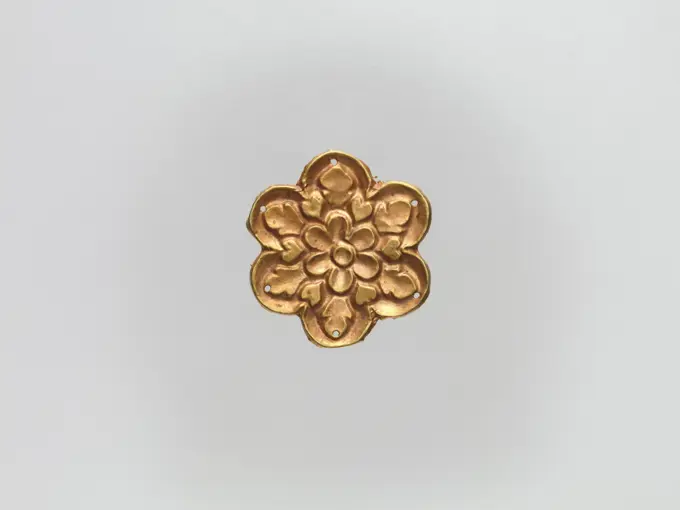
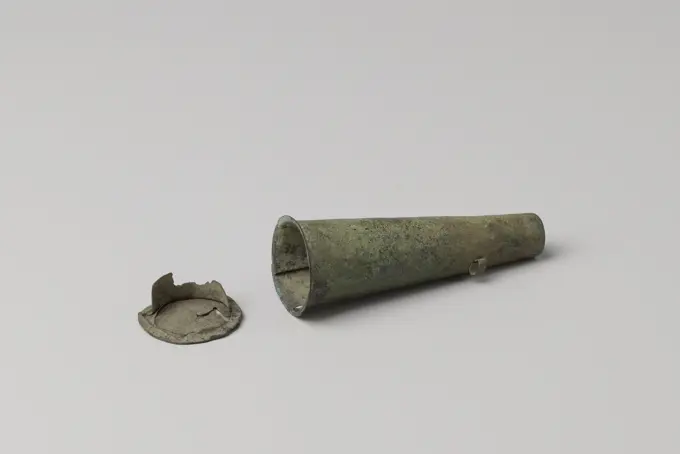
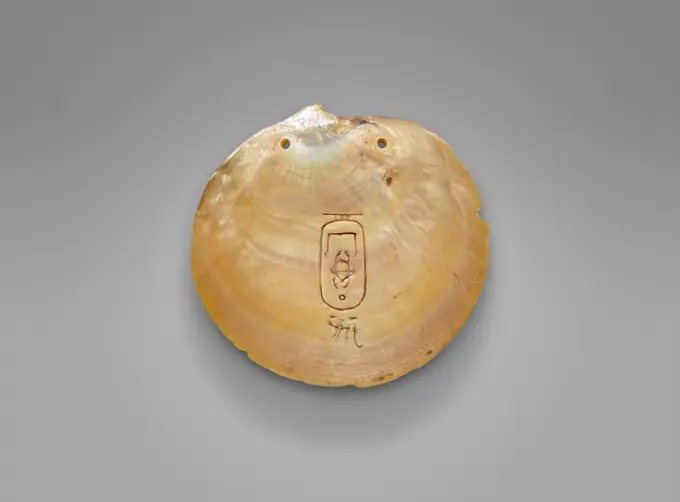
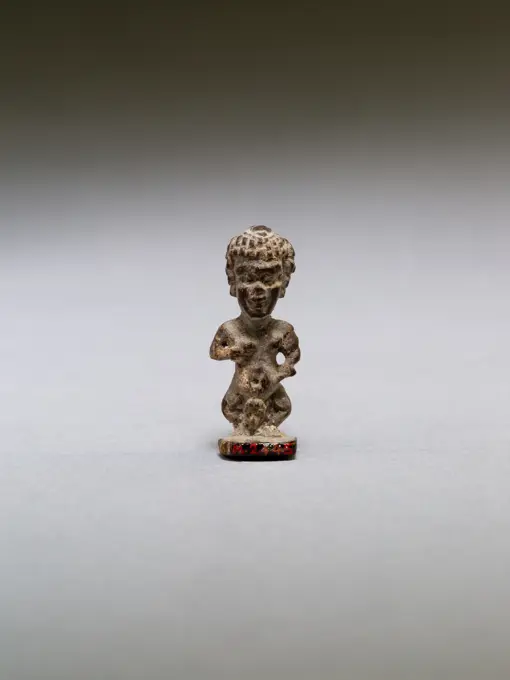
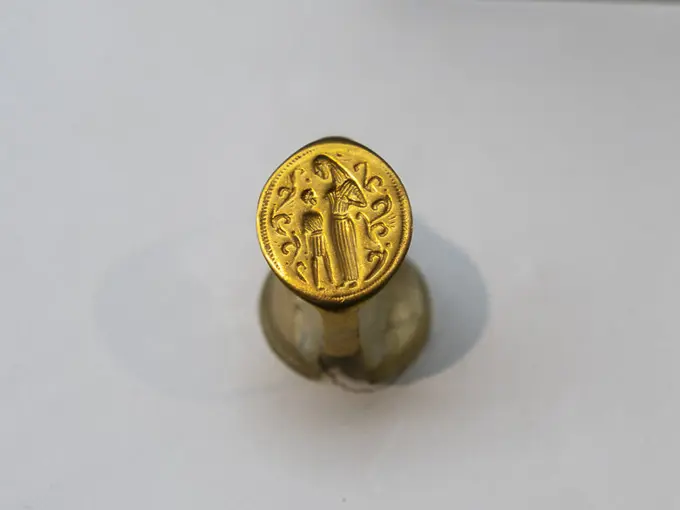
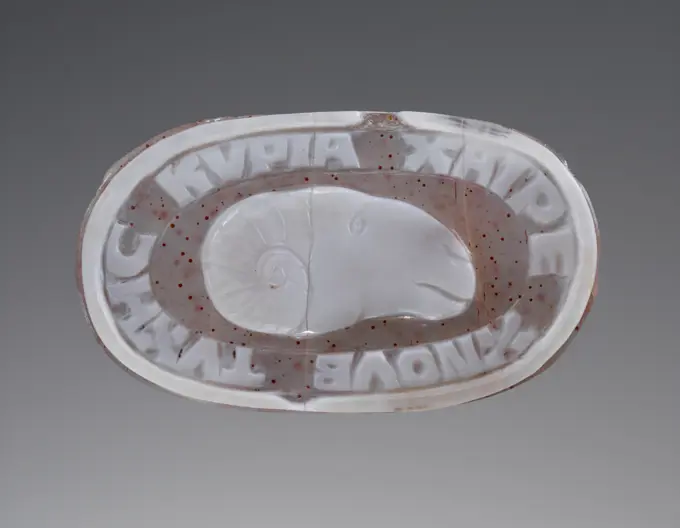
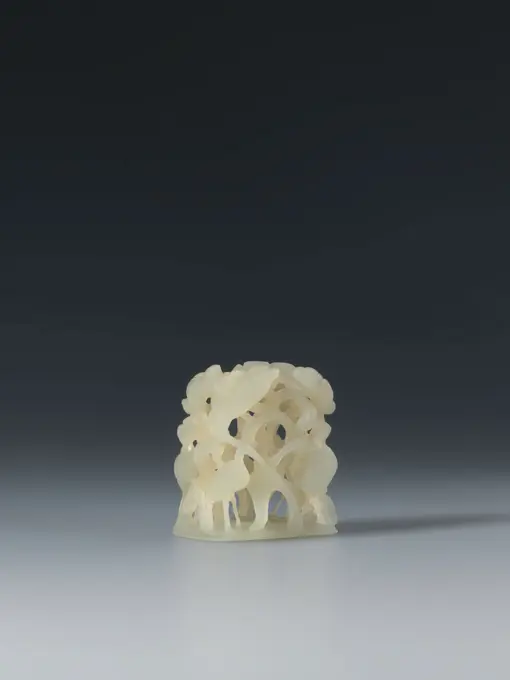
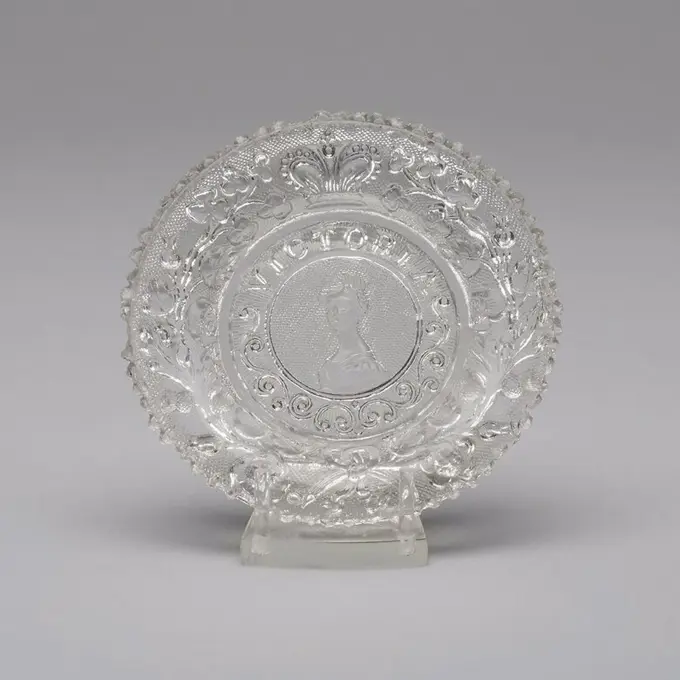
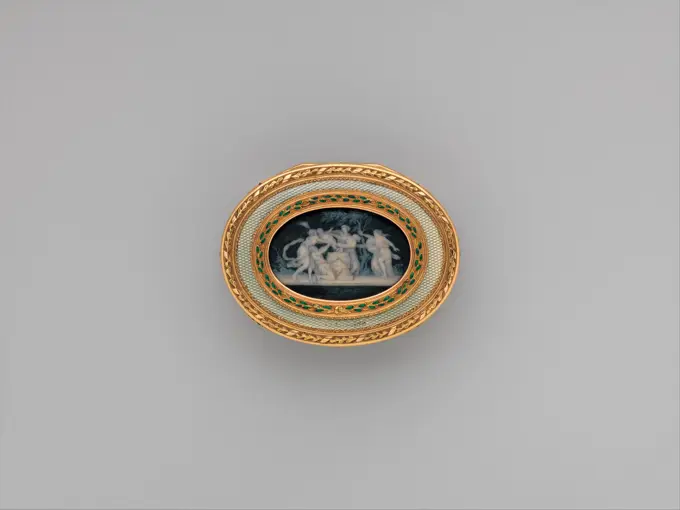
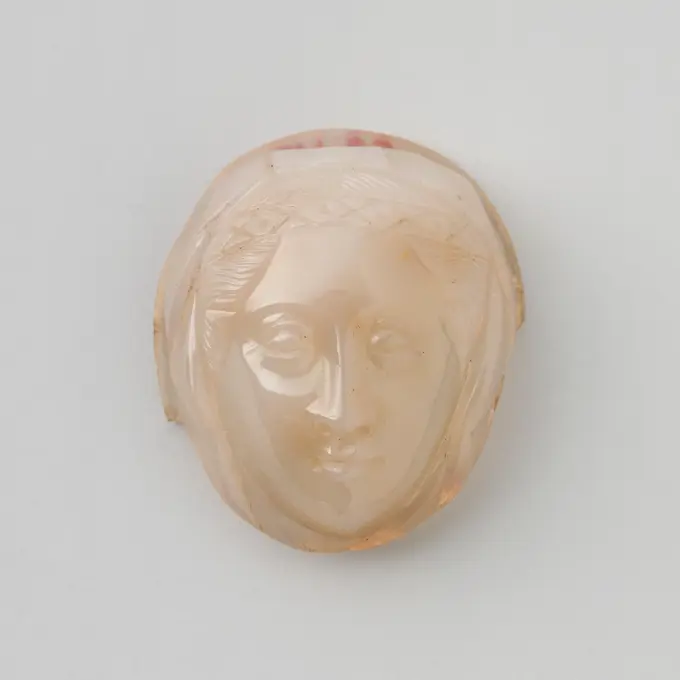
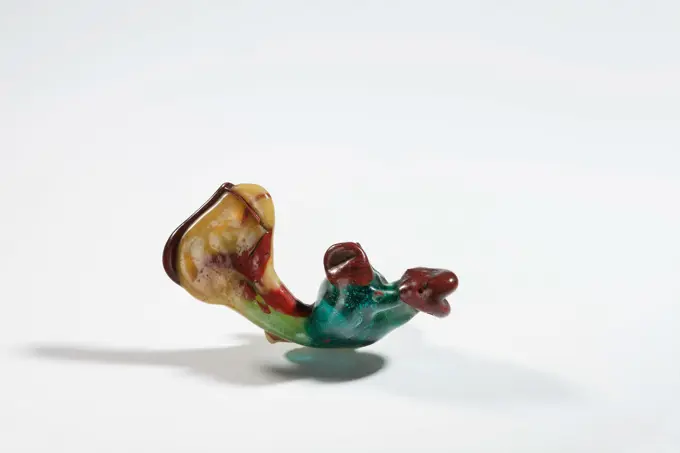
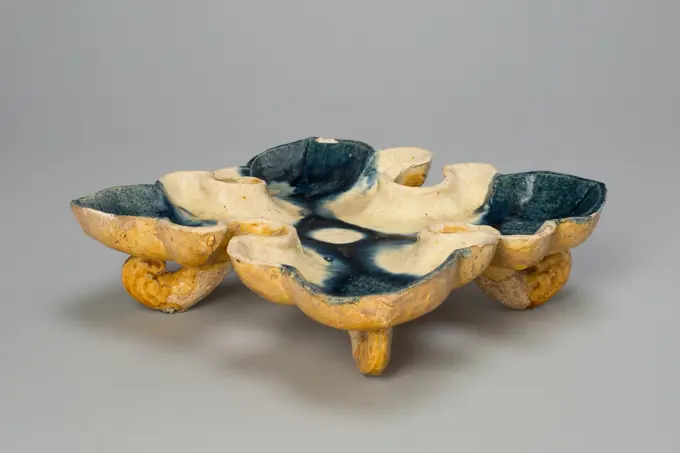
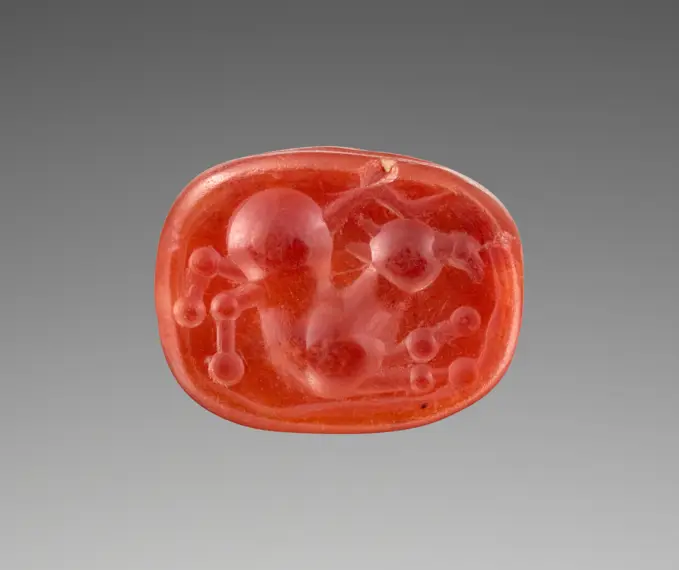
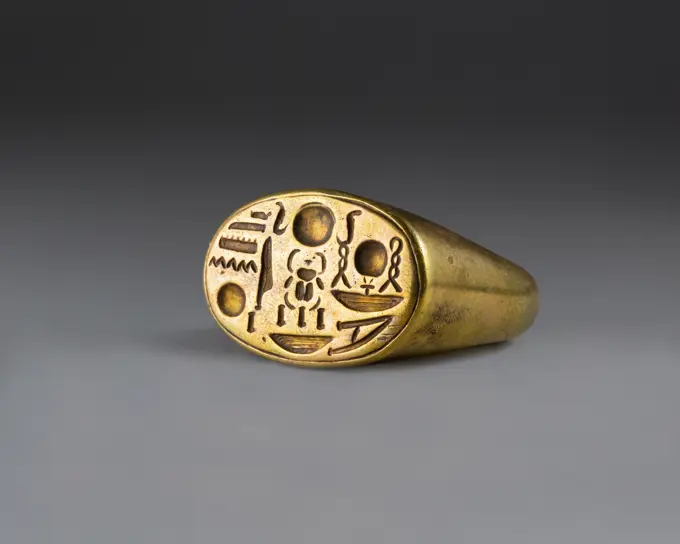
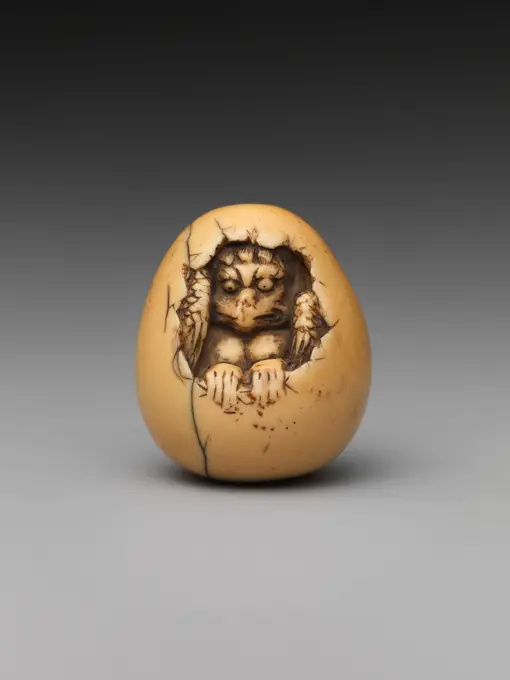
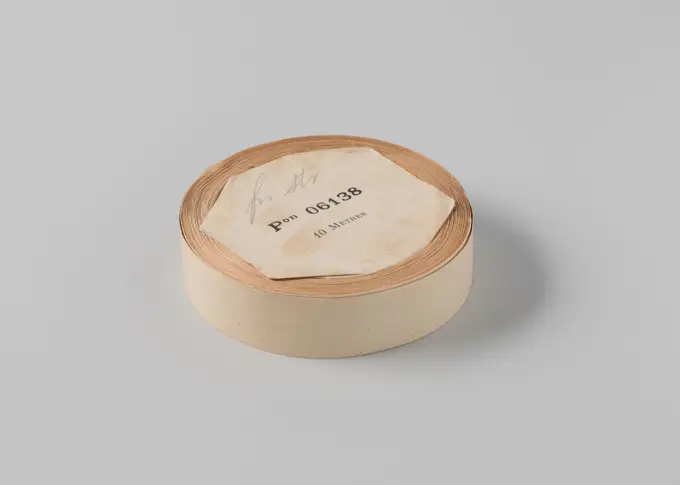
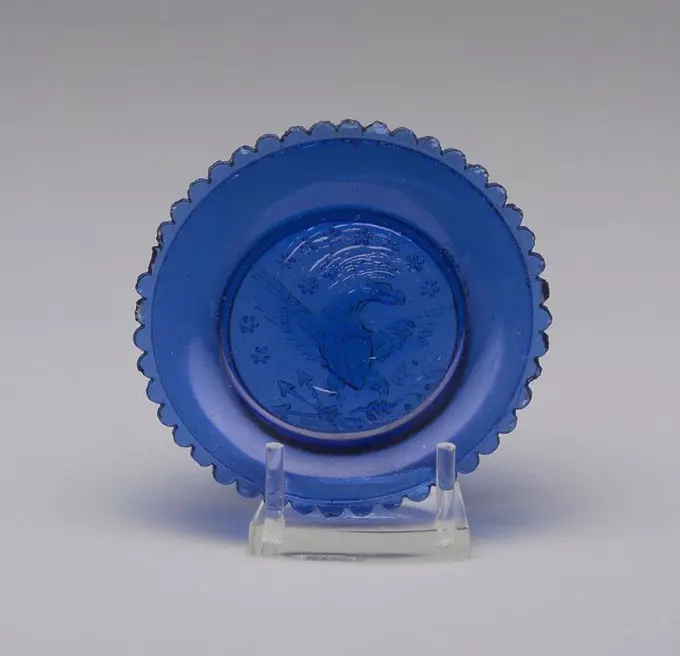
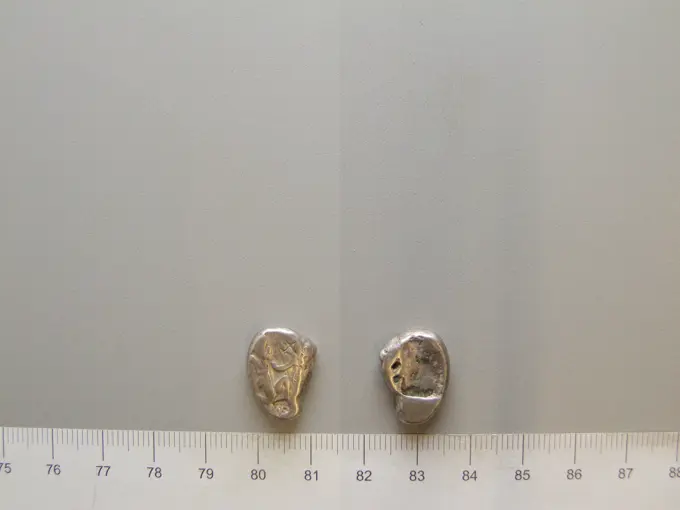
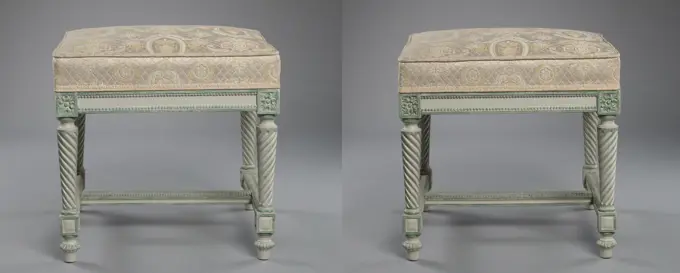
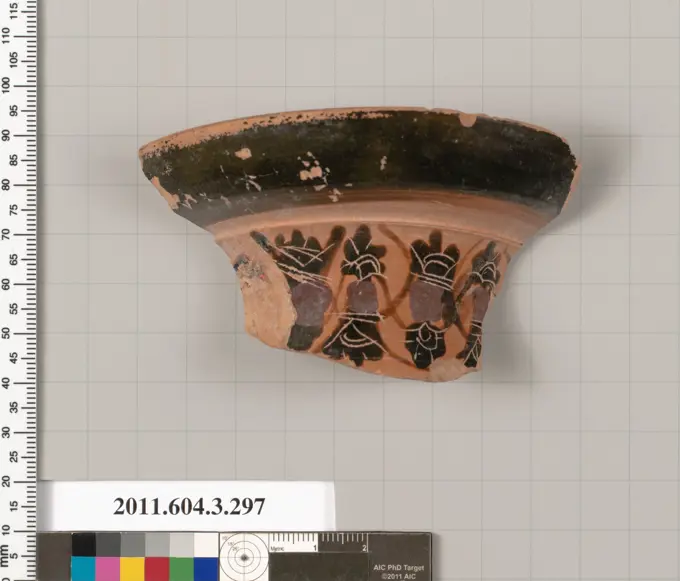
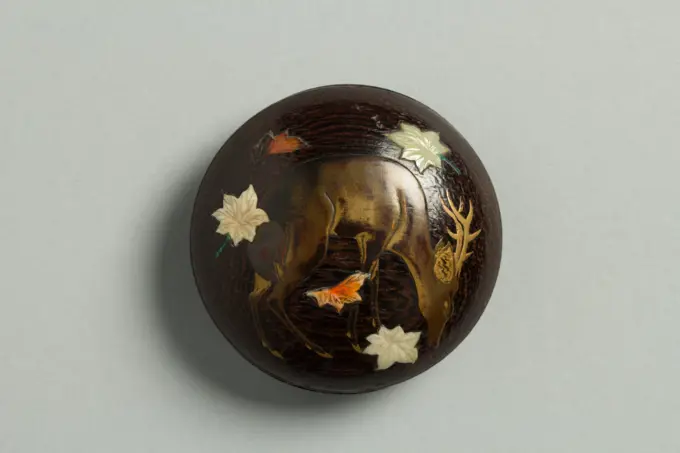
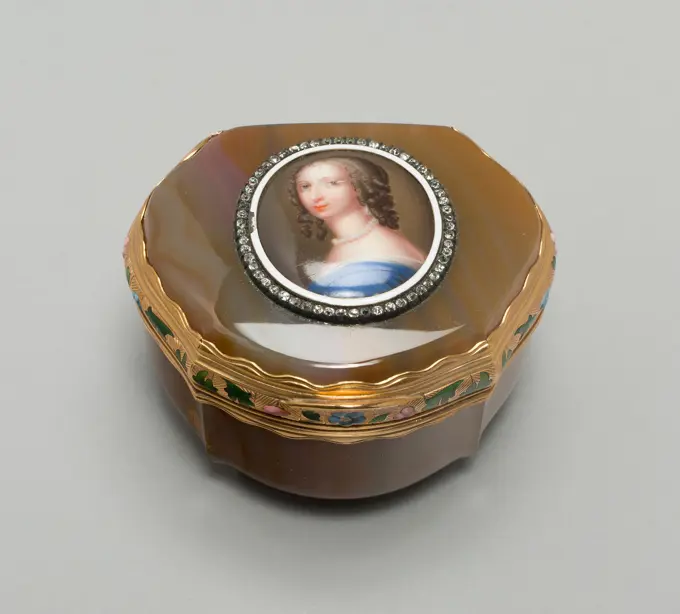
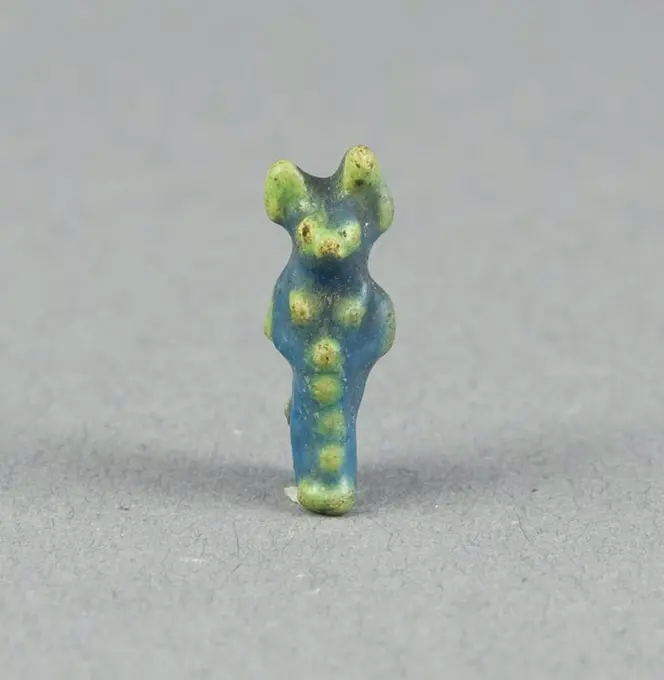
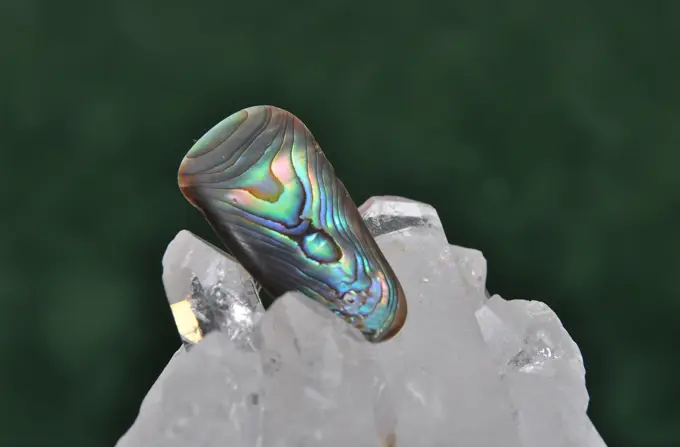
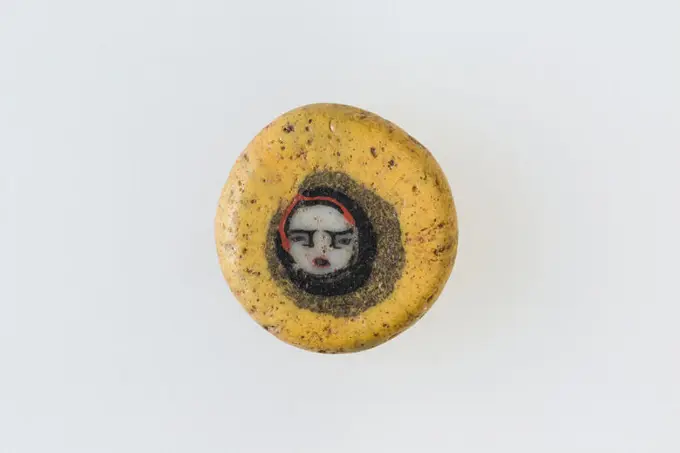
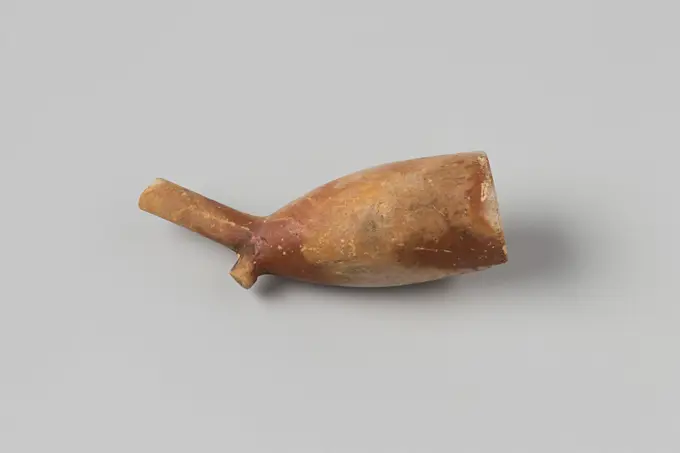
Fragment Pijpenkop with piece of stem from the wreck of the East India Hollandia.Pipe, Bowl, Healmar: Crowned 47; Fragment, 2HSM3.Hammer-shaped fragment of iron .. Hammer-shaped fragment of iron. It is very likely to be part of the closing mechanism of a coffin.Waist clamp;  XVIII-XIX century (1701-00-00-1900-00-00);Door handle, anonymous, c. 1700 - c. 1800 Pokhout door handle. Netherlands hackia Pokhout door handle. Netherlands hackiaRock crystal scaraboid seal ca. 450-400 B.C. Greek Quail walking.. Rock crystal scaraboid seal. Greek. ca. 450-400 B.C.. Rock crystal. Classical. GemsBascunes, , museo Numantino de Soria, Soria, Comunidad Autónoma de Castilla, Spain, Europe.Model of an inflammatory mechanism for round grenades, Anonymous, 1850 - 1900 scale model Half wooden ball that represents the top of a grenade with an inflammatory mechanism attached to it, possibly a so -called Bourbon tube, but larger and grooves executed than known inflammatory mechanisms of this design. unknown wood (plant material). brass (alloy)Vogel, anonymous, -206 - 220 Bird (pigeon). China jade (rock) Bird (pigeon). China jade (rock)Flower-Shaped Clothing Plaque 7th-9th century China (Xinjiang Autonomous Region, Central Asia) The nomadic communities of Central Asia used such plaques to embellish clothing and horse trappings. As these nomadic cultures herded animals and were constantly moving, their artistic production was expressed in portable objects that marked the wearers status and wealth. The outstanding preservation of these fragile ornaments suggests they were used in conjunction with burials, where the body was aggrandized with valuable textiles and augmented with gold. Although it is difficult to date and place these objects geographically, their presence in Central Asia and has a long, established history.. Flower-Shaped Clothing Plaque 65220Carnavalet museum, tokens collectionSoil of musket size for musketbandelier, anonymous, c. 1590 - c. 1596  Soil of a musket size for musketbandelier.  brass (alloy) striking (metalworking)  Nova Zembla. Saving HuysPaperweight, 19th century, 1 1/2 x 2 3/4 x 2 3/4 in. (3.81 x 6.99 x 6.99 cm), Glass, France, 19th centuryInscribedshellPataikos or other dwarf god, with curly hair 664-30 B.C. Late Period-Ptolemaic Period The small, finely detailed mulets 10.130.2439-.2445 are all made of wood. Wooden amulets are often gilded, but the only remaining gilding is on the goddess's sun disk.. Pataikos or other dwarf god, with curly hair. 664-30 B.C.. wood. Late Period-Ptolemaic Period. From EgyptBead, one of six, 15th century, 2 1/8 x 1 1/8 in. (5.4 x 2.86 cm) (varies (largest)), Jade, Mexico, 15th centurySconce (USA); tiin, glassFragment faceted handle from a flute glass from the wreck of the East Indieschief Hollandia. Glass, voice glass, stem, faceted; Fragment, SIM. NG 1980-27H1495, eroded.Ornament, Christmas (USA); white sugarGold ring with seal, -Annulus Aureus De Ilipla-, 5th-4th centuries BC. Turdetan era, Niebla, Huelva Museum, Huelva, Andalusia, Spain.Gem. UnknownOzdoba - guz do czapki. unknown, craftsmanPhial;  IX-X century (801-00-00-1000-00-00);Semerau-Siemianowski, Władysław (1849-1938), Semerau-Siemianowski, Władysław (1849-1938)-collection, gift (provenance), Islam (culture), Persian (culture), Islamic artCup plate. American. Date: 1833-1843. Dimensions: Diam. 9.5 cm (3 3/4 in.). Pressed glass. Origin: United States. Museum: The Chicago Art Institute, Chicago, USA.Scarab. UnknownFaaience butter fleet lid in the form of an artichoke, anonymous, c. 1740 - c. 1775 Lid of butter fleet made of green -colored faience in the form of an artichoke. Delft earthenware. tin glaze. Lid of butter fleet made of green -colored faience in the form of an artichoke. Delft earthenware. tin glaze.Strong Box And Key (possibly Spain); steel, engravedPine cone in hand on a brown backgroundClose-up of Planet Earth glass ice bucketTriton, Sèvres Porcelain Manufactory, French, established 1756 to the present, biscuit, France, 19th century, ceramics, Decorative Arts, figure, figureNetsuke of Luohan 19th century Japan. Netsuke of Luohan. Japan. 19th century. Ivory with metal disc. Edo (1615-1868) or Meiji period (1868-1912). Netsukepesos para balanza,museo monografico de Conimbriga, ciudad del Conventus Scallabitanus, provincia romana de Lusitania, cerca de Condeixa-a-Nova, distrito de Coimbra, Portugal, europa.Snuffbox with six allegories of love Miniatures by Jacques Joseph de Gault French 1775-76 In eighteenth-century Europe, Paris led the production of high-quality luxury goods. Parisian goldsmiths made a wide range of small, personal articles such as snuffboxes; étuis to hold sealing wax, tweezers, or utensils for sewing; souvenirs, which contained thin ivory tablets for note taking; and shuttles for knotting lace. Gold snuffboxes and boxes decorated with portrait miniatures were prized and frequently given as royal gifts, often to ambassadors or members of the court in lieu of cash payments for their services. Coveted and admired, these boxes were produced from a variety of materials. The best were skillfully made of gold and embellished with diamonds, enameled decoration, lacquer, and other luxurious materials. By the middle of the century, the taking of snuff had become an entrenched social ritual, and the snuffbox, too, had become an important social prop. Snuffboxes were considered old shabby book on a black background. ancient handwritten book. book on black backgroundTabakspijp..Tobacco pipe.Cameo with Head of Female Saint Wearing Wimple late 13th century French The cutting of semiprecious stones in the tradition of antique cameos was relatively rare in the Middle Ages. Because there is little comparative material, it is difficult to determine when the surviving examples were made. The style of this female face suggests a French origin.. Cameo with Head of Female Saint Wearing Wimple. French. late 13th century. Chalcedony. Lapidary Work-ChalcedonyBrooch van Zilveren coins and Carneool of Willem III, c. 1930 - c. 1940 Brooch in flower shape of eleven silver coins of 5 cents with Willem III and centrally a rounded carneool, with a hook closure. Netherlands silver (metal). carnelian faceting Brooch in flower shape of eleven silver coins of 5 cents with Willem III and centrally a rounded carneool, with a hook closure. Netherlands silver (metal). carnelian facetingFish-shaped figurine. unknown, craftsmanRing, 1700s. France , 18th century. Gold band, silver ornamental basket with garnet and diamond chips; diameter: 1.8 cm (11/16 in.).Rectangular and curved shoe buckle of black lacquered metal, with an engraved decoration consisting of a diamond pattern with dots. Rectangular and curved shoe buckle of black lacquered metal, with an engraved decoration consisting of a diamond pattern with dots.Quatrefoil Footed Dish 700 CE-750 CE China. The sharply lobed silhouette of this vessel was likely inspired by luxurious forms in Indian and Near Eastern metalwork. Its outwardly curved cabriole legs are common to several forms of offering trays crafted in Chinese silver and depicted in painting. In Chinese ceramics, however, this foliate form is known only in wares made exclusively for burial.. Earthenware with cobalt blue and lead amber glazes .Megaryjska" Czarek; Monogramist's workshop, unknown John's workshop, Kipbei workshop; 2. PO. II century BC (-150-00-00--101-00-00), End of II-Pocz (-110-00-00--90-00-00);Bytom, recovery, collection of ancient art, scenes. Gal. ClassGaming Piece , c.1700. Martin Brunner (German, 1659-1725). Wood; diameter: 6.1 cm (2 3/8 in.); overall: 1.3 cm (1/2 in.).Pin cushion or birth cushion, from above with white satin, with two embroidered coats of arms on a branch and the name Johanna Vriese; from below with red velvet, garnish of silver wire, anonymous, c. 1700 Pin cushion or birth cushion, from above with white satin, with two embroidered coats of arms on a branch and the name Johanna Vriese; From below with red velvet, garnish from silver wire. Netherlands silk. satin. velvet (fabric weave). silver thread embroidering Pin cushion or birth cushion, from above with white satin, with two embroidered coats of arms on a branch and the name Johanna Vriese; From below with red velvet, garnish from silver wire. Netherlands silk. satin. velvet (fabric weave). silver thread embroideringScarab. UnknownSignet Ring with Tutankhamun's Throne Name ca. 1336-1327 B.C. New Kingdom This horizontal signet ring shows signs of wear from frequent use as a seal. It is inscribed down the center with Tutankhamun's prenomen, Neb-kheperu-re; on either side the king is referred to as "beloved of Amun, lord of eternity." The sun disk in the word for "eternity" appears with the pendant sign for "life," which was a common writing of the sign during Akhenaten's reign.. Signet Ring with Tutankhamun's Throne Name. ca. 1336-1327 B.C.. Gold. New Kingdom. From Egypt. Dynasty 18Pot Stand ca. 1479-1458 B.C. New Kingdom. Pot Stand. ca. 1479-1458 B.C.. Straw and palm leaf. New Kingdom. From Egypt, Upper Egypt, Thebes, Deir el-Bahri, Tomb of Senenmut (TT 353), Foundation deposit 2, 5a, scattered, MMA excavations, 1926-27. Dynasty 18NephelineNetsuke of Bird in an Egg 19th century Japan. Netsuke of Bird in an Egg. Japan. 19th century. Ivory. Edo (1615-1868) or Meiji period (1868-1912). NetsukeRoll with purple ribbon with one frayed side and three white horizontal stripes, c. 1935 Roll with purple ribbon with one frayed side and three white horizontal stripes. Nijmegenfrance textile materials. paper. cardboard Roll with purple ribbon with one frayed side and three white horizontal stripes. Nijmegenfrance textile materials. paper. cardboardModel of a Life Buoy, anonymous, 1870 - 1885 scale model Wooden model of a life buoy, light red painted, and two details in full size, a NAP (NG-MC-1589-1) and a lead weight (NG-MC-1389-2). The buoy is a semicircular tire, very thick. Two curved sliders have been applied to the top and bottom, which closed the tire into a full circle. Four naps with handles are applied on the outside of the tire, which are fixed with a bayonet closure. One of these naps has been added in full size. It has a handle and a hollow dome -shaped part with a hole on the flat side, which is closed with leather from the inside. The cylindrical lead weight has a hole through and through with a dash clamp for cables or the like. Netherlands wood (plant material). brass (alloy). copper (metal). lead (metal). leatherCarnavalet museum, tokens collection. Brush with oval back of silver. In the midfield an engraved, crowned monogram of L a B (), The year 1756 and a sailing ship.Cup plate. American; Midwest. Date: 1830-1835. Dimensions: diam. (3 in.). Pressed glass. Origin: Midwest. Museum: The Chicago Art Institute, Chicago, USA.Ojime 19th century Japan. Ojime. Japan. 19th century. Edo period (1615-1868). OjimeDouble Melon-Shaped Box. China. Date: 960 AD-1127. Dimensions: 5.5 × 8.5 × 4.5 cm (2 3/16 × 3 3/8 × 1 3/4 in.). Yaozhou ware; stoneware with underglaze carved and molded decoration. Origin: China. Museum: The Chicago Art Institute, Chicago, USA.Goldweight Stool, 19th-20th century, 1 5/8 x 2 x 1 1/4 in. (4.13 x 5.08 x 3.18 cm), Brass, Ghana, 19th-20th century2 Siglos fromPersia.  Mint: Persia Artist: UnknownSpa Stones. shiny zen stones with water drops Spa Stones. shiny zen stones with water drops Copyright: xZoonar.com/EugenxWaisx 3134344Amulet of a Sow 1070 BCE-656 BCE Egypt. Ceramic . Ancient EgyptianModel or a bowsprit cap. Rectangular shield with brackets for the sender; On the back, eyes are arranged for the running stages and other stains and a block. Against the sides, two ears are with holes for walking because of the clef.Sword Guard, 1615-1868. Japan, Edo period (1615-1868). Iron; diameter: 7.5 cm (2 15/16 in.).Teenage ring with a square button with a circle in it, c. 1960 - c. 1970 Teenage ring with a square button with a circle in it. The square has rounded corners and a rough candy texture. The circle inside is smooth. Netherlands silver (metal) Teenage ring with a square button with a circle in it. The square has rounded corners and a rough candy texture. The circle inside is smooth. Netherlands silver (metal)Amulet in the Shape of Two Ducks. Egyptian. Date: 1550 BC-1186 BC. Dimensions: 1 x 2.9 x 1.3 cm (3/8 x 1 1/8 x 1/2 in.). Glass. Origin: Egypt. Museum: The Chicago Art Institute, Chicago, USA. Author: Ancient Egyptian.Stools, 1805-1813. François-Honoré-Georges Jacob (French, 1770-1841), Georges Jacob (French, 1739-1814). Painted walnut; overall: 47.3 x 48.4 cm (18 5/8 x 19 1/16 in.).Seated Figurine, 1200-1519. Mexico, Oaxaca, Xoxo, Mixtec. Jade; overall: 1.3 cm (1/2 in.).Incense box China. Incense box. China. Lacquer. Qing dynasty (1644-1911), Qianlong period (1736-95). LacquerTerracotta fragment of a neck-amphora (jar) second quarter of the 6th century B.C. Greek, Attic Part of the echinus mouth of a neck-amphora; below, on the neck, a palmette-lotus festoon; the top of the mouth is unglazed. Terracotta fragment of a neck-amphora (jar). Greek, Attic. second quarter of the 6th century B.C.. Terracotta; black-figure. Archaic. VasesGoldweight Cluster of Three Nuts, 19th-20th century, 1 x 1 5/16 x 1 5/16 in. (2.54 x 3.33 x 3.33 cm), Brass, Ghana, 19th-20th centuryClose up still life blueberry on purple backgroundOrnament. Ornament. Glass. GlassOrnament, Christmas Tree (USA); doughNetsuke with a Deer and Leaves 19th century Japan. Netsuke with a Deer and Leaves. Japan. 19th century. Wood decorated with gold lacquer and inlaid ivory. Edo (1615-1868) or Meiji period (1868-1912). NetsukeTerrine in the form of a grapes, Blankenburg, After Arie Blankers, c. 1756 - c. 1764 Terrine of multi -colored painted faience and attached to a blue painted dish. The Terrine has the shape of a blue grapes. Leaves and flowers are attached to the dish around the bunch. The dish has a scalloped edge. The terrine is marked. Amsterdam earthenware. tin glaze. Terrine of multi -colored painted faience and attached to a blue painted dish. The Terrine has the shape of a blue grapes. Leaves and flowers are attached to the dish around the bunch. The dish has a scalloped edge. The terrine is marked. Amsterdam earthenware. tin glaze.Brush Rest in the Form of a Trifoil. Culture: China. Dimensions: H. 4 in. (10.2 cm). Date: 19th century. Museum: Metropolitan Museum of Art, New York, USA.Rare Huge Wishing Stone with Beautiful Quartzite Line,  CavaleiroSeashell on WhiteArrowhead. Culture: Japan. Dimensions: W. 7/8 in. (2.2 cm); L. 1 1/8 in. (2.9 cm). Museum: Metropolitan Museum of Art, New York, USA.Grahal-Manzara. Carnavalet 2013-2016 collection sites. Numismatics.Container in the shape of fish from the cover;  19th century (1801-00-00-1900-00-00);Zwei Zimbeln, Nahaufnahme Zwei Zimbeln, Nahaufnahme Two cymbals, close-up Copyright: xZoonar.com/MartinaxI.xMeyerx 530015Snuff Box Portrait of Henrietta, Duchesse d'Orleans 1700-1799 France. Agate, diamonds, enamel on copper .Eye of Horus (Wedjat) Finger Ring 1325 BCE Egypt. Faience . Ancient EgyptianAmulet of the Mummiform God Anubis. Egyptian. Date: 664 BC-332 BC. Dimensions: 1.6 × 0.5 × 0.5 cm (5/8 × 3/16 × 3/16 in.). Faience. Origin: Egypt. Museum: The Chicago Art Institute, Chicago, USA. Author: Ancient Egyptian.Ring. Mask of an Apendemon (Saru-Beshimi).Ui stone texture game button frame cartoon vector set. Medieval interface board element kit for mobile app menu with play, pause, plus, cross, arrow and check isolated item template collection. Ui stone texture game button frame cartoon vectorPerlmutt auf Bergkristall - Nacre on rock crystal Perlmutt auf Bergkristall - Nacre on rock crystal Copyright: xZoonar.com/lantapixx 7204124Inlay / bead blank with face. Dimensions: Diam. 1.6 cm (5/8 in.). Date: 100 BC-100 AD.A mosaic glass technique allowed multiples of an image to be created: a figural or design composition was made by bundling colored glass canes, which were then drawn out into a long bar. The bar was then sectioned at right angles, probably by striking the bar with appropriate tools, to produce small inlay tiles. The tile would then be smoothed and polished on the face intended to appear outwards. Museum: Metropolitan Museum of Art, New York, USA.Tennis Players Matchsafe; Manufactured by John Millward Banks; England; silver, enamel; 5.1 x 3.4 x 1 cm (2 x 1 5/16 x 3/8 in. )