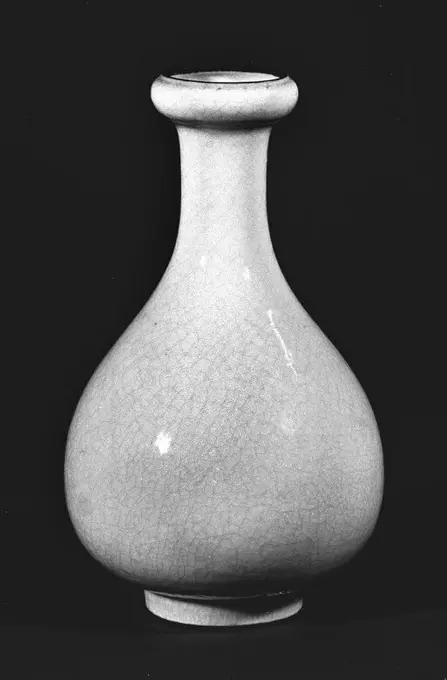
Ancient Artifacts and Vases

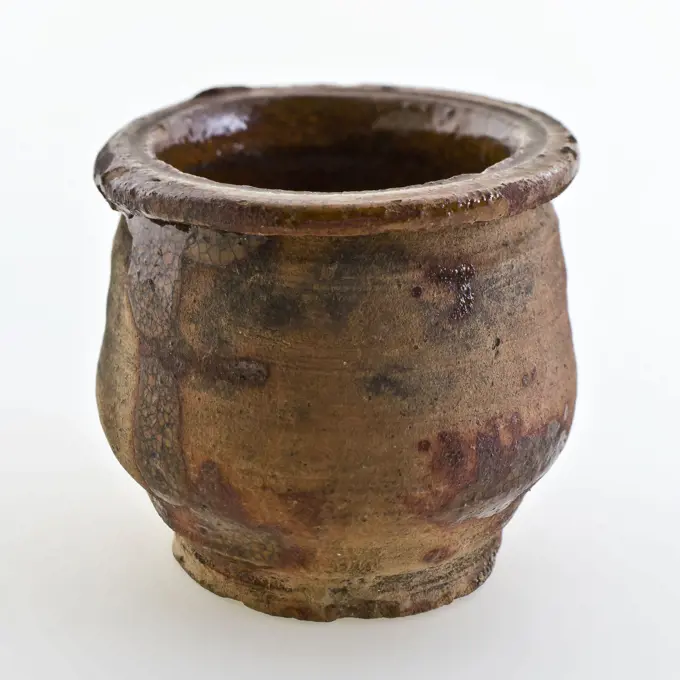
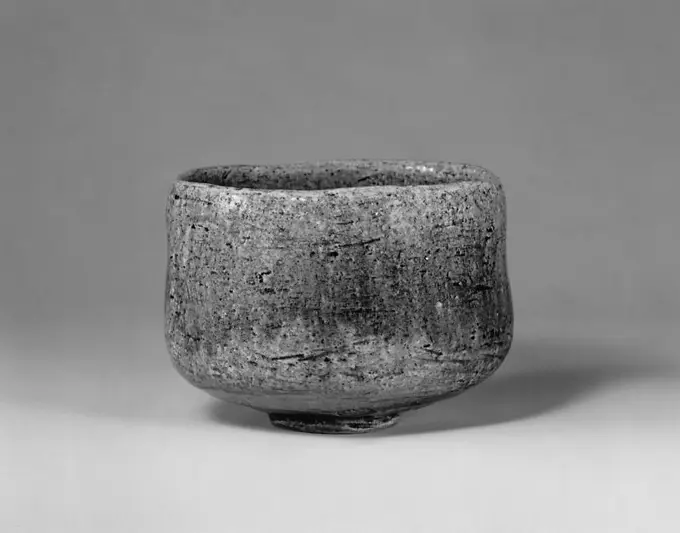
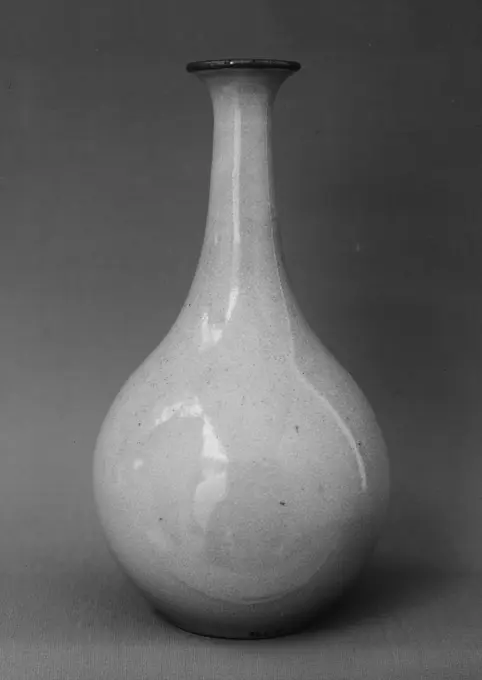
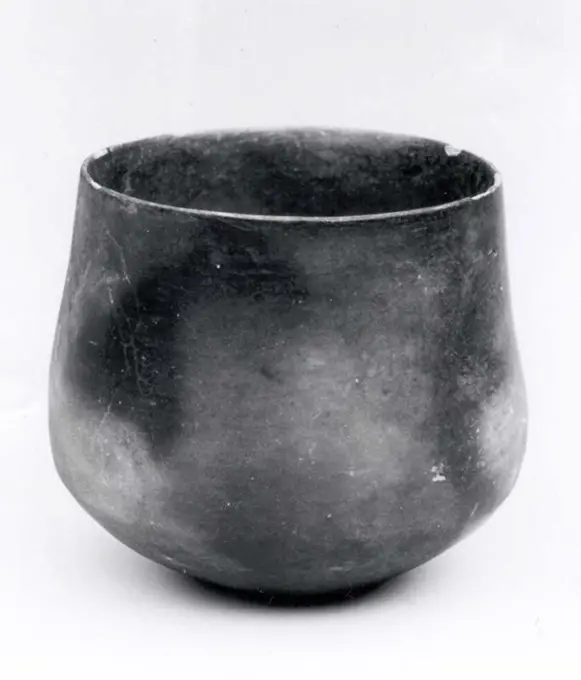
A collection of ancient and miniature vases and jars in various shapes and materials, showcasing historical pottery and ceramics from different cultures.
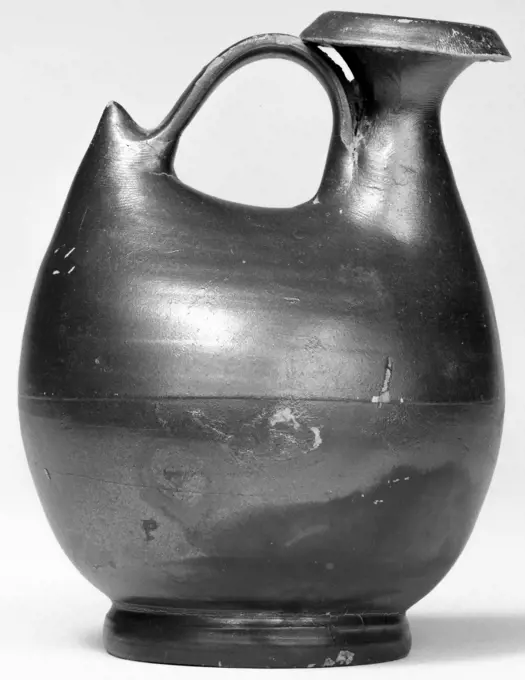
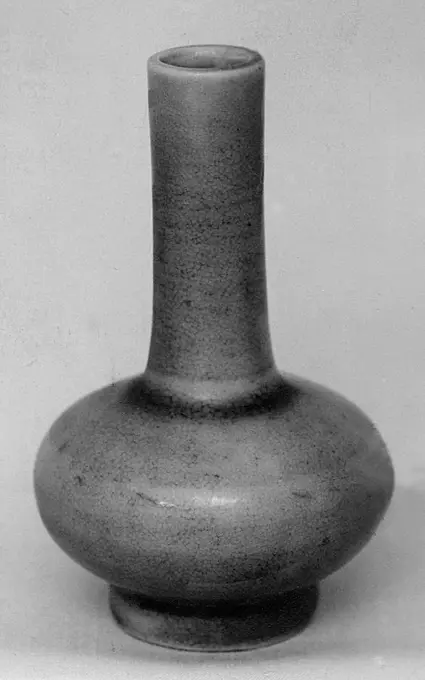
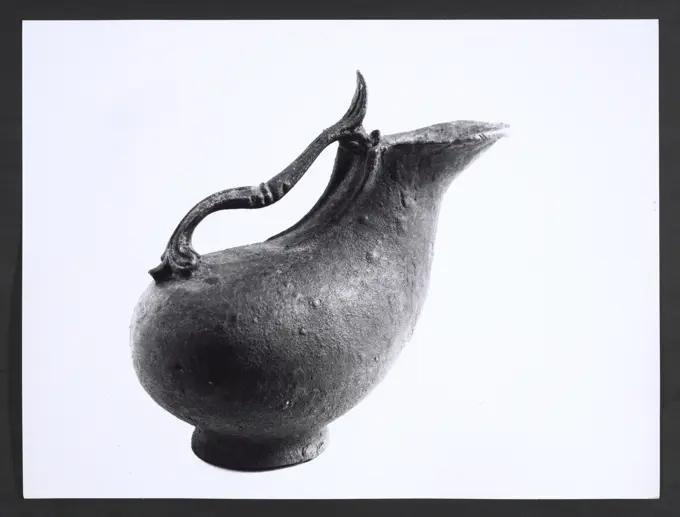
Campanian Black Duck Askos (medium-sized); Campania, South Italy, Europe; 323 - 31 B.C; Terracotta; 11.5 cm (4 1,2 in.)
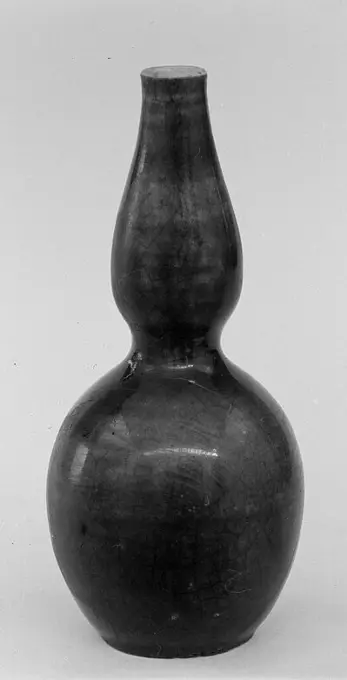
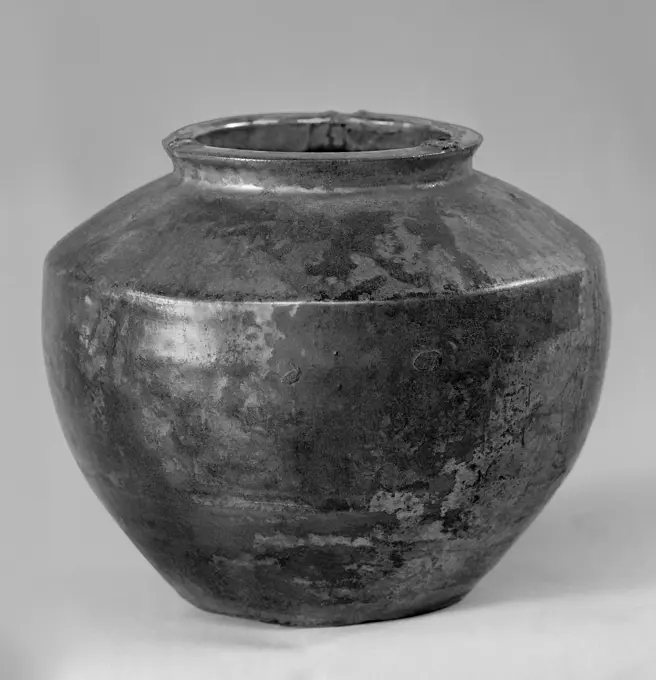
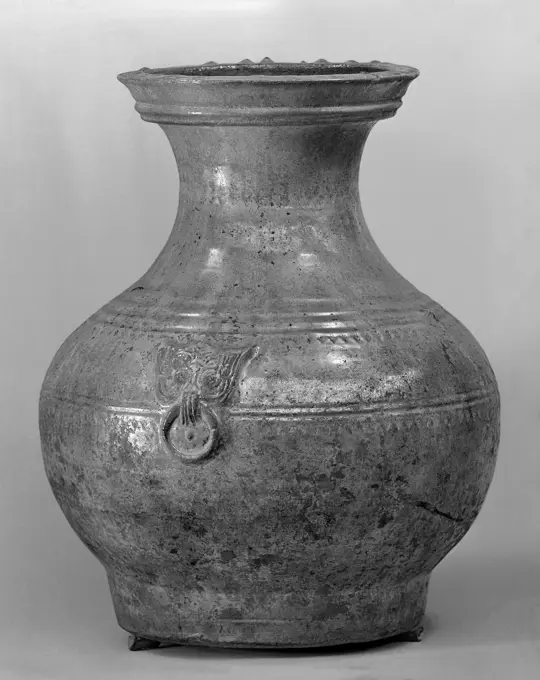
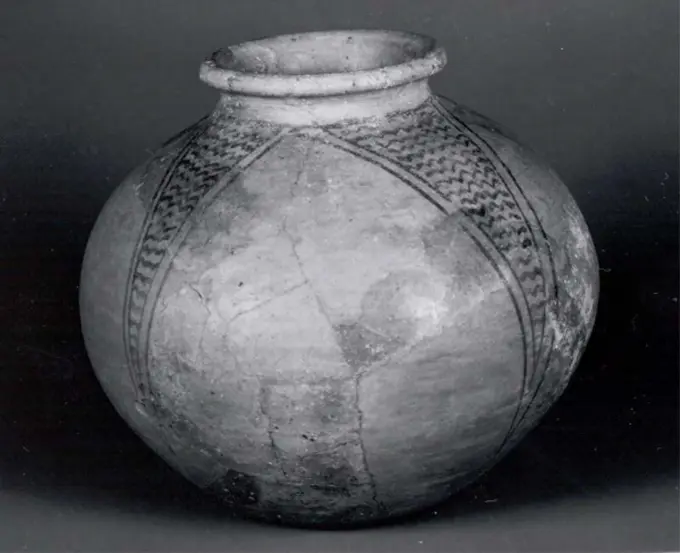
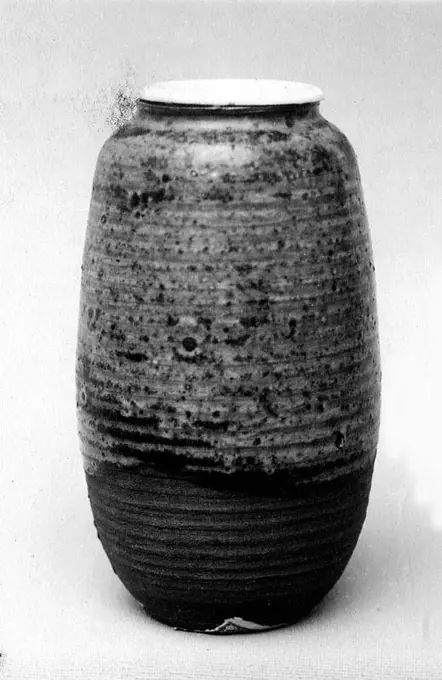
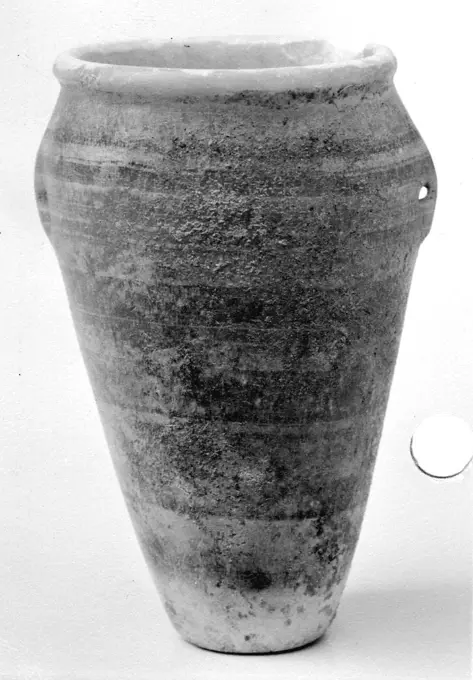
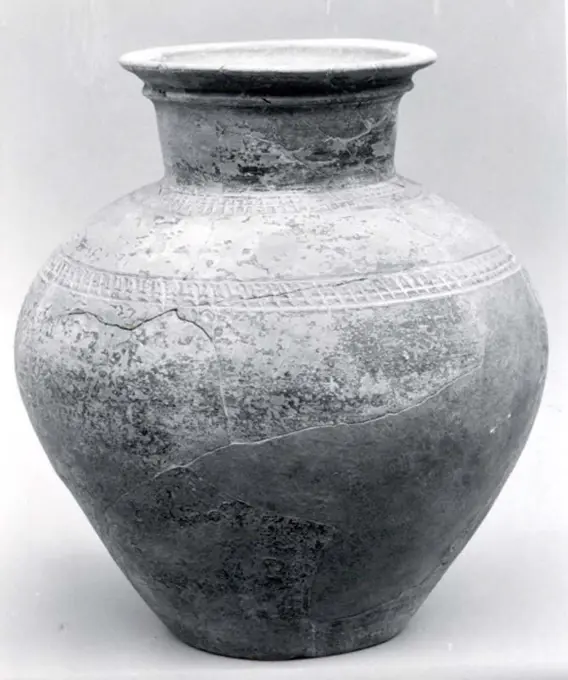
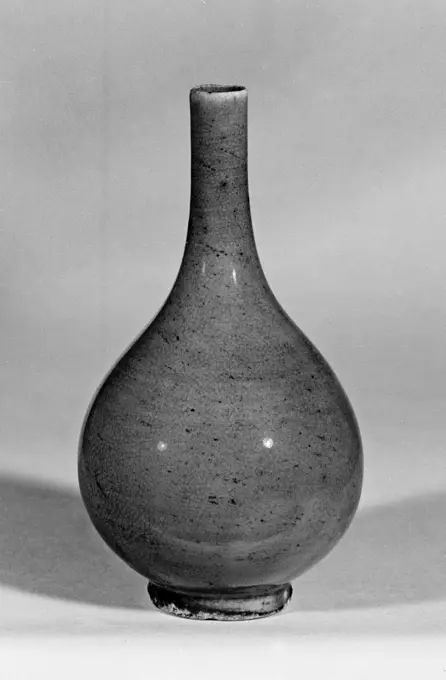
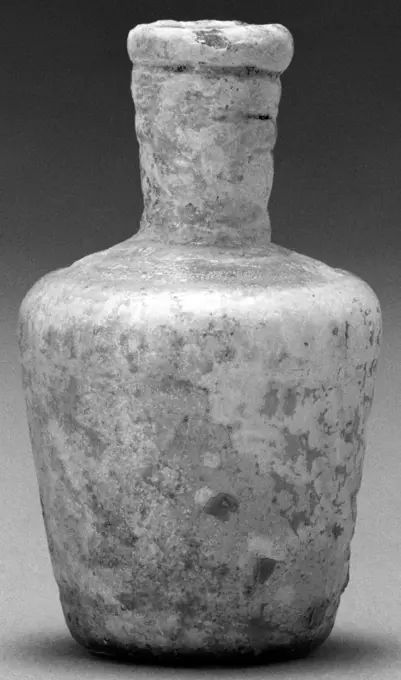
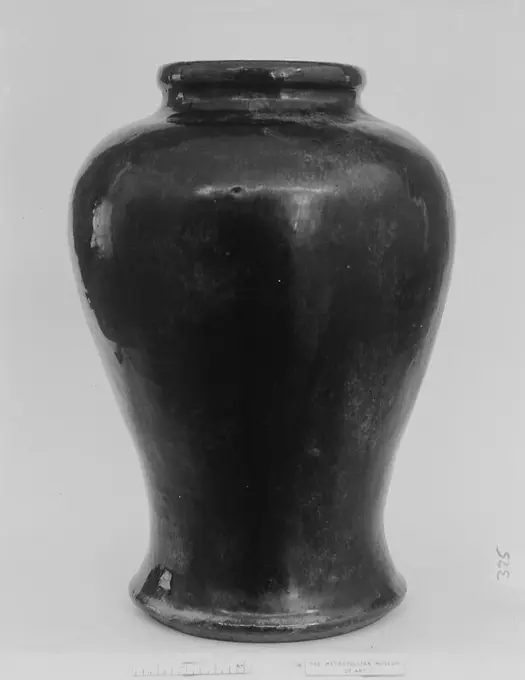
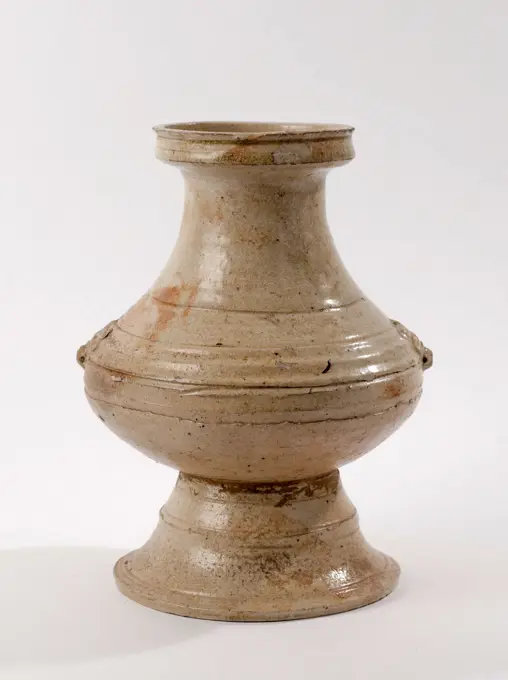
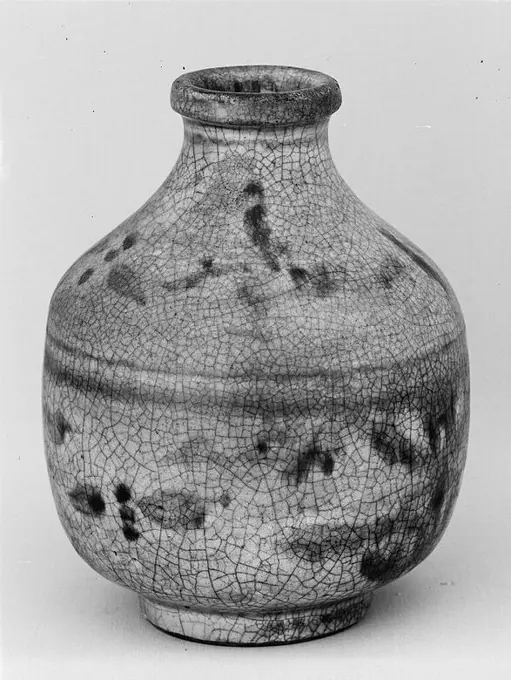
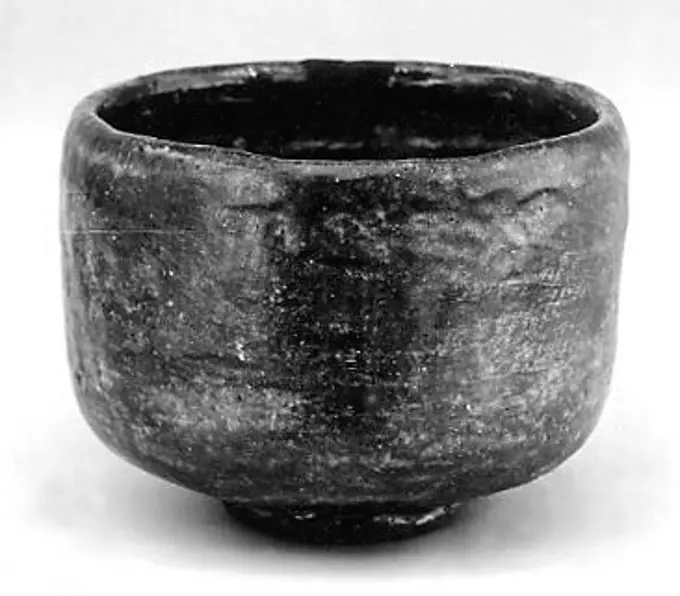
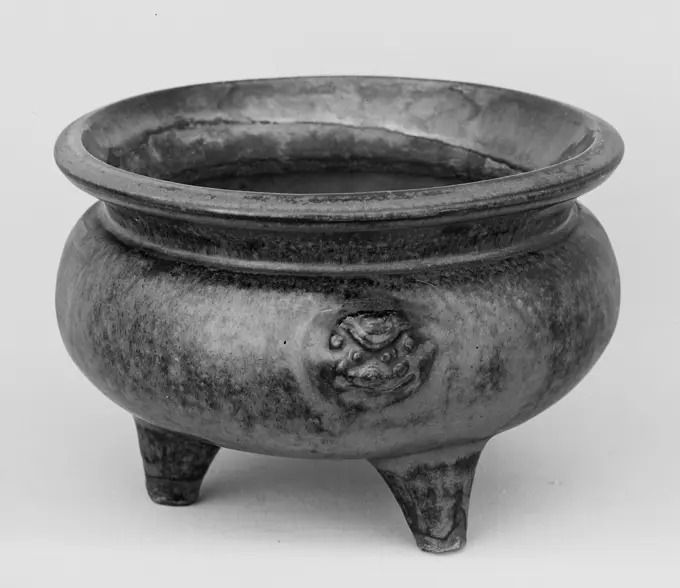
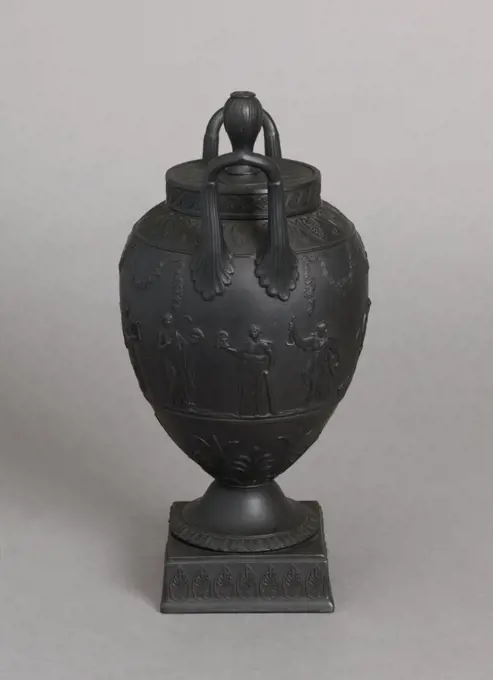
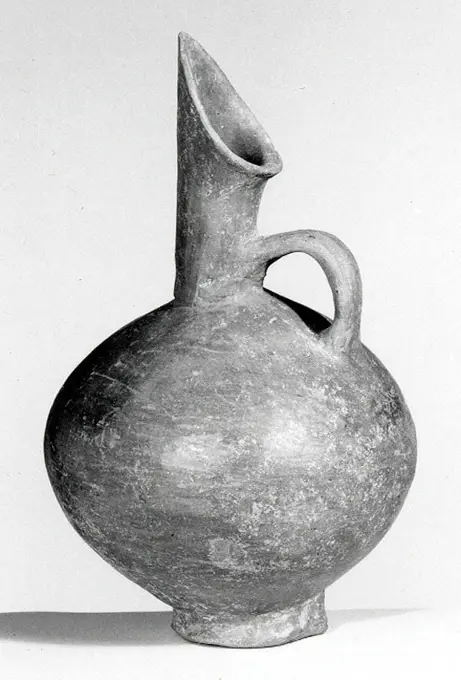
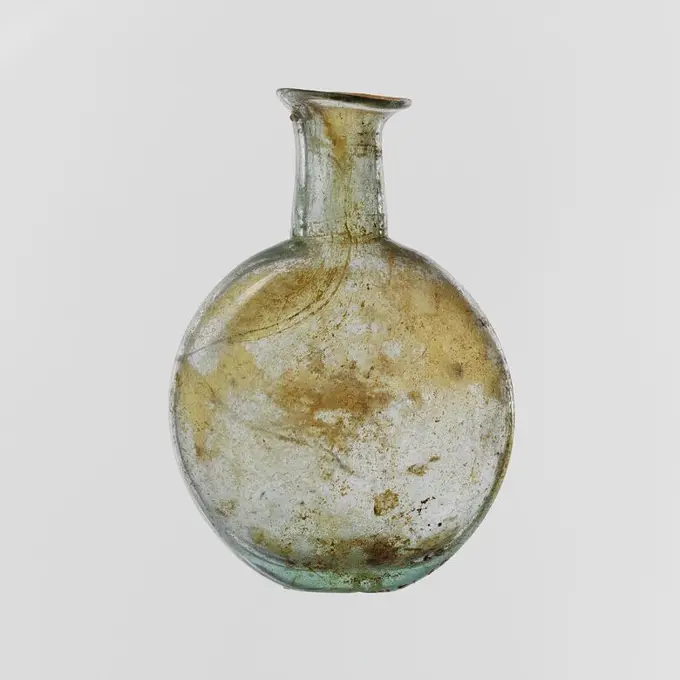
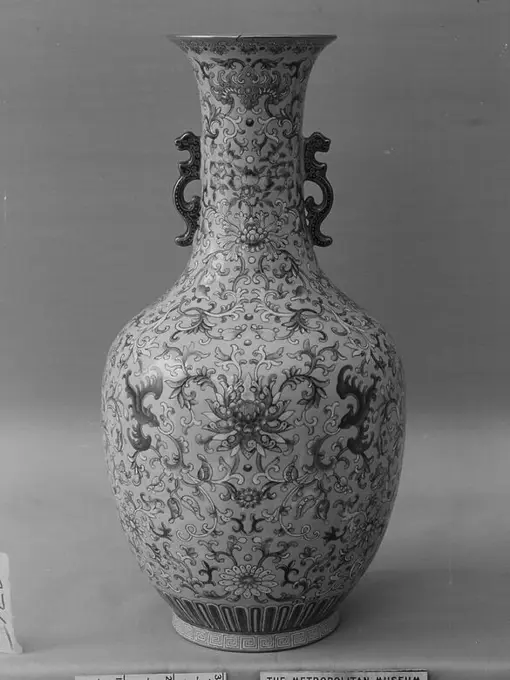
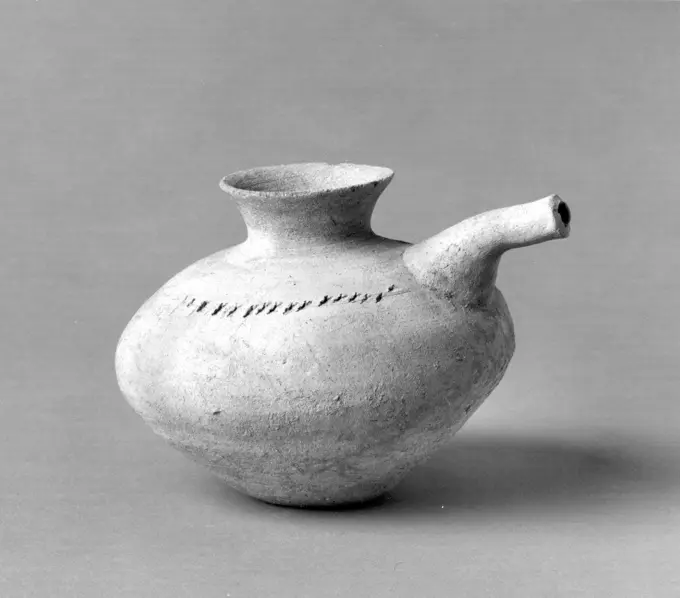
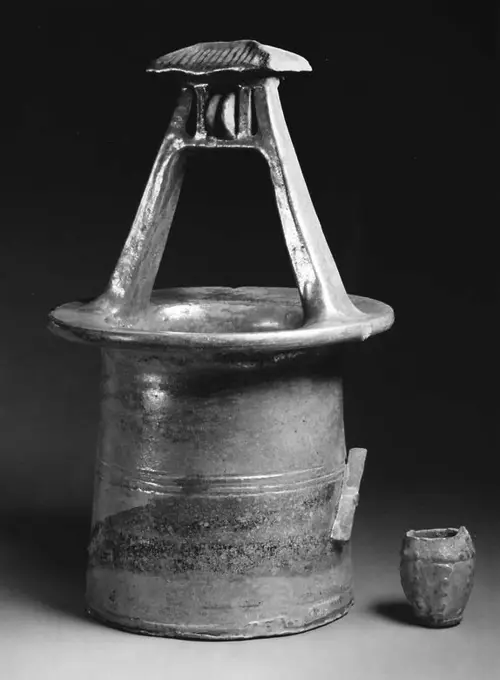
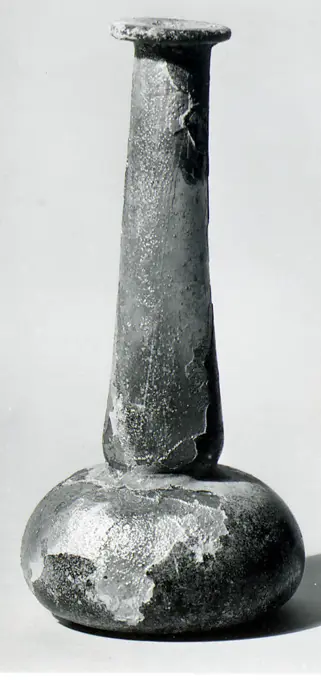
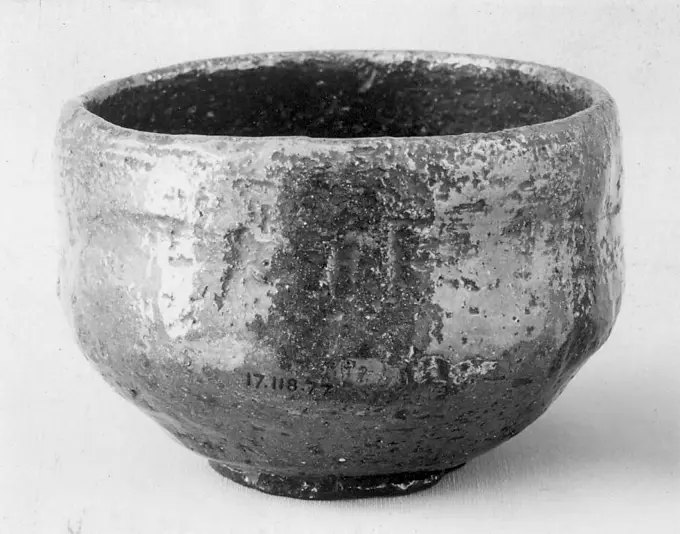
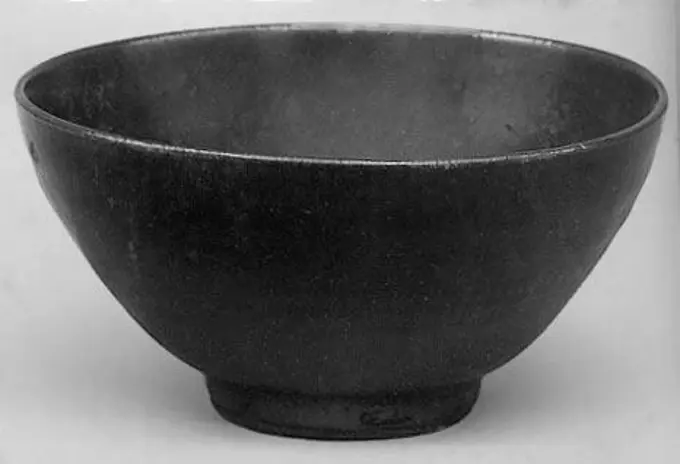
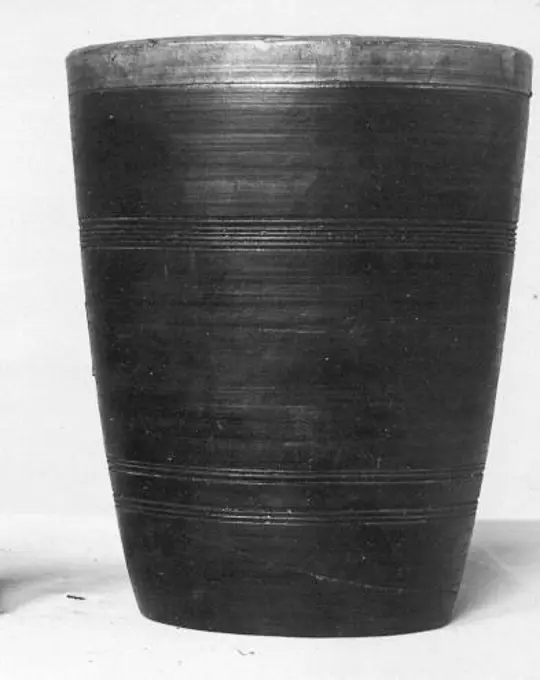
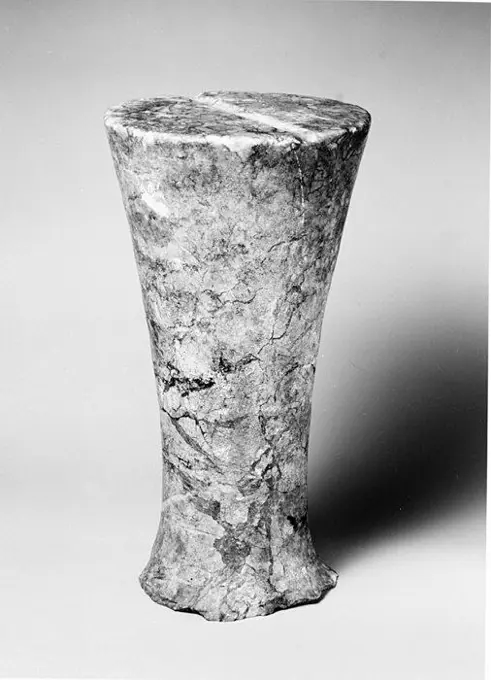
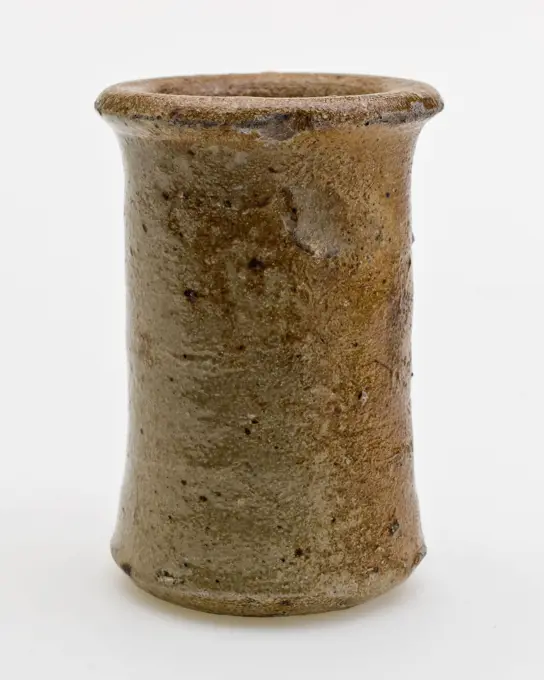
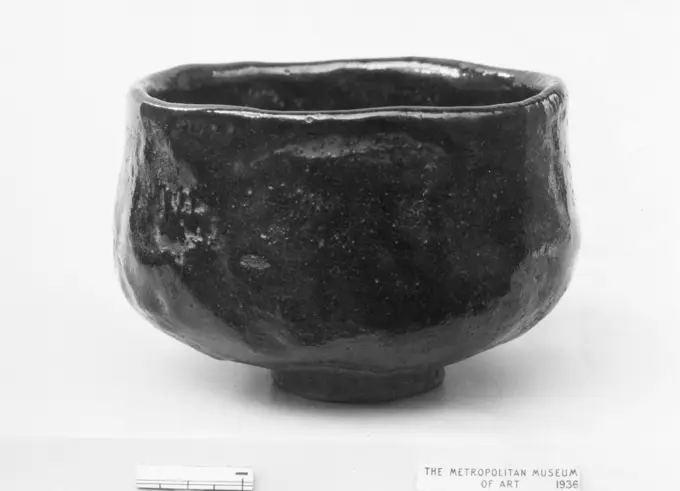
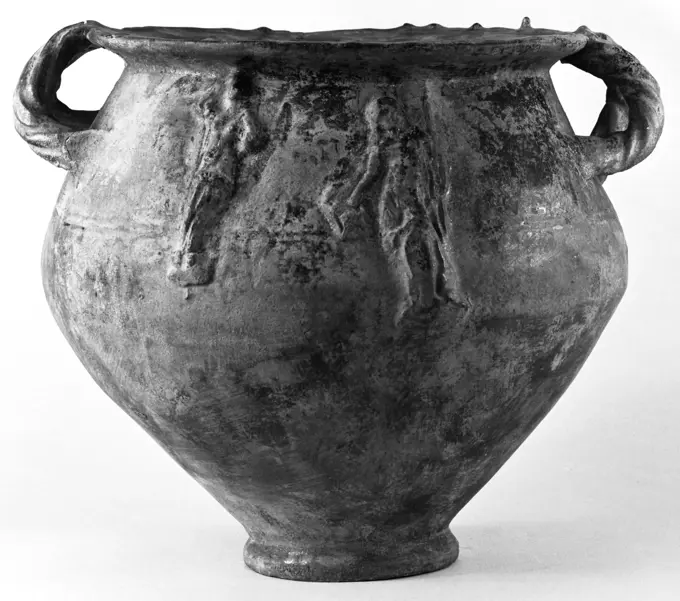
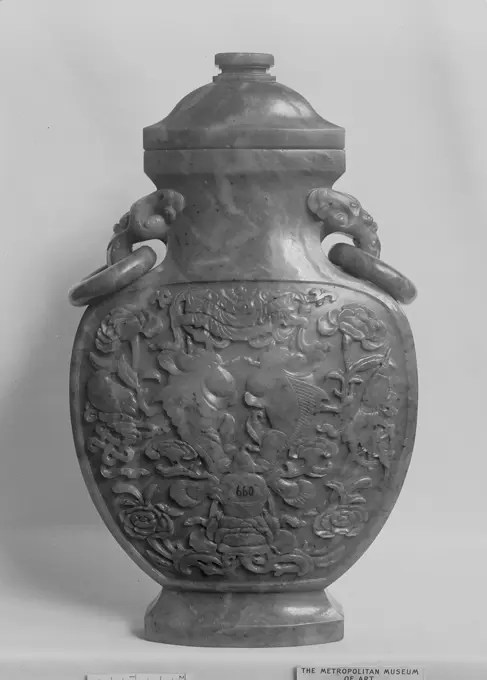
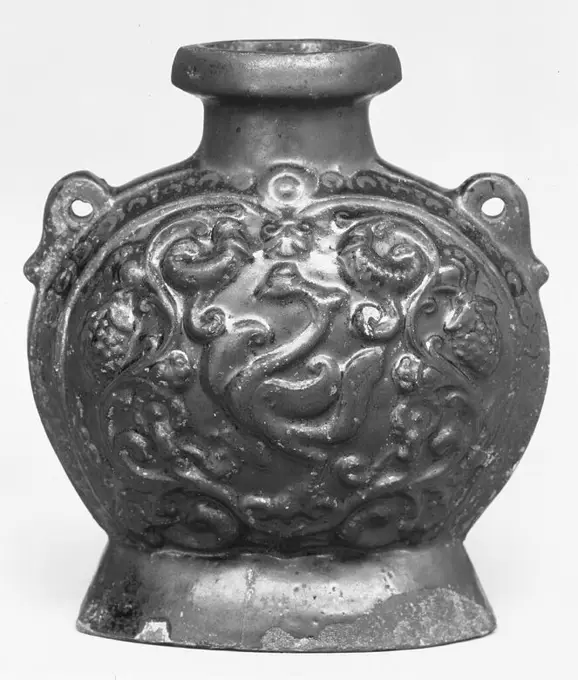
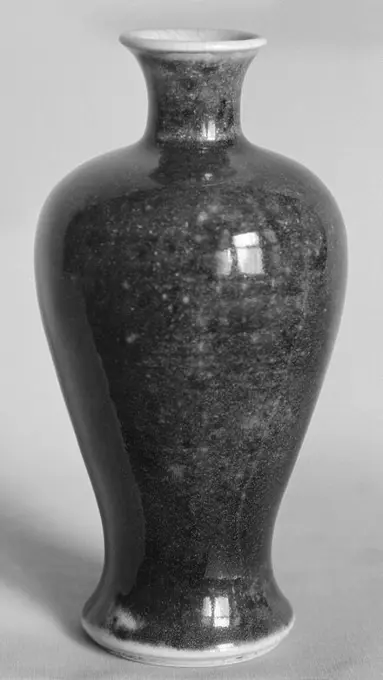
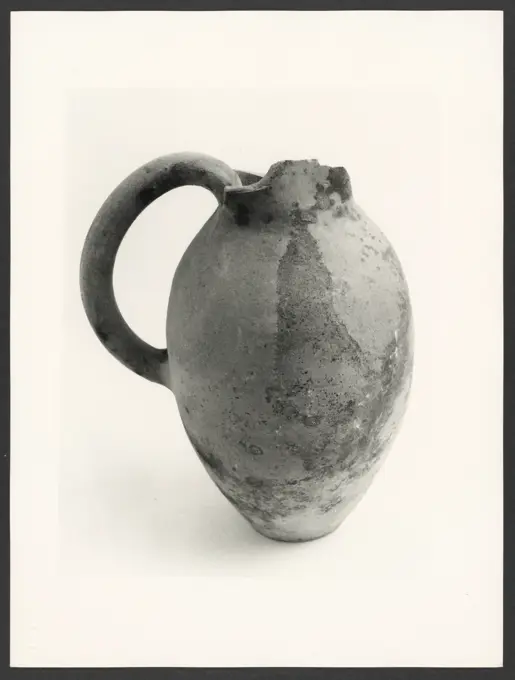
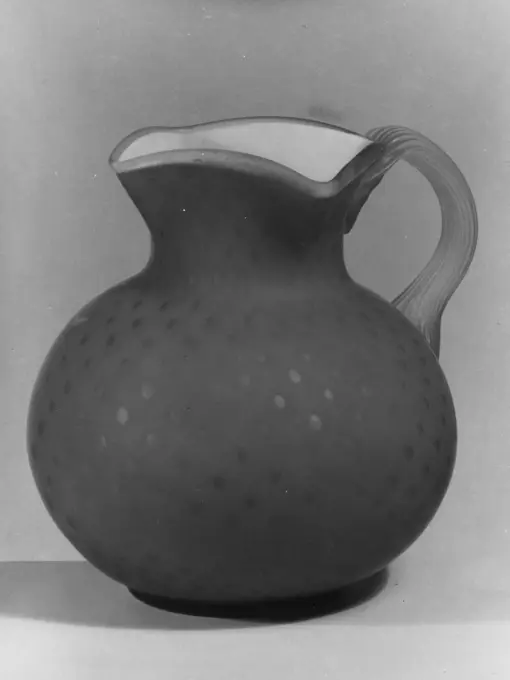
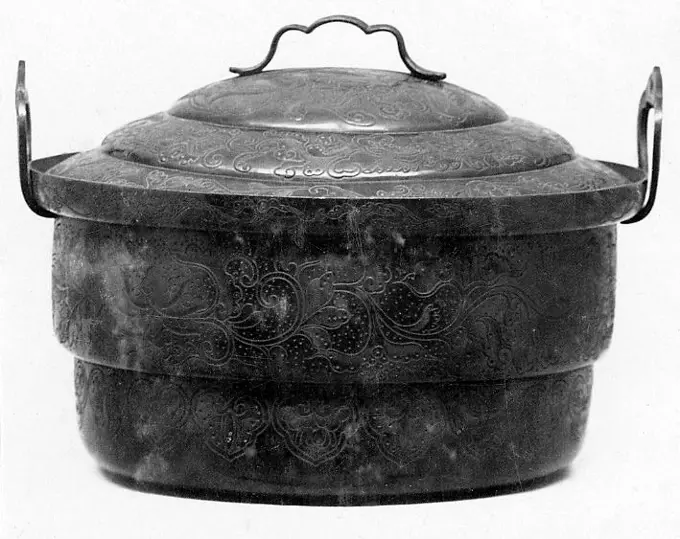
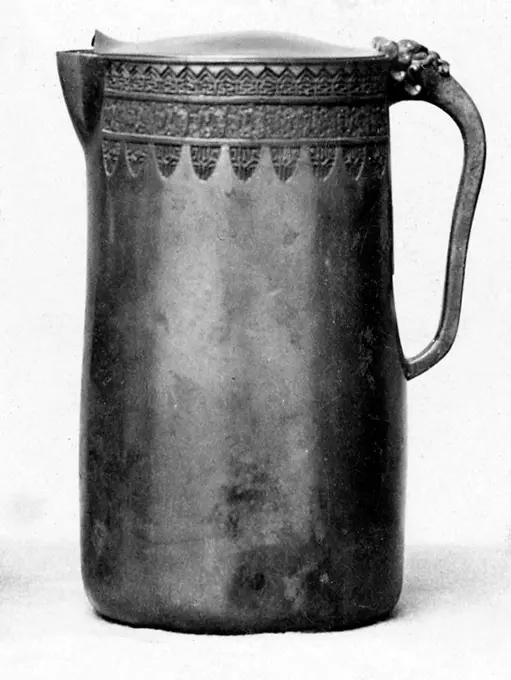
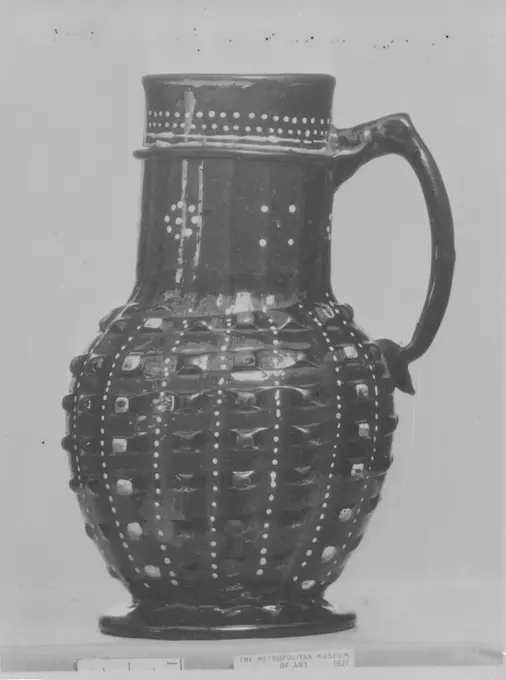
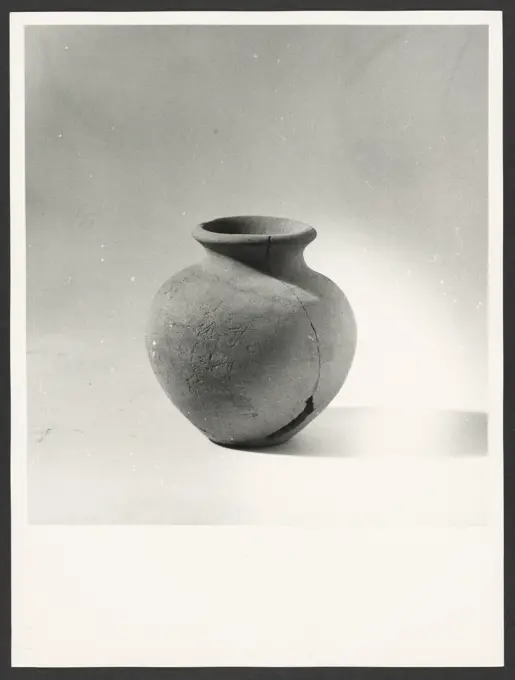
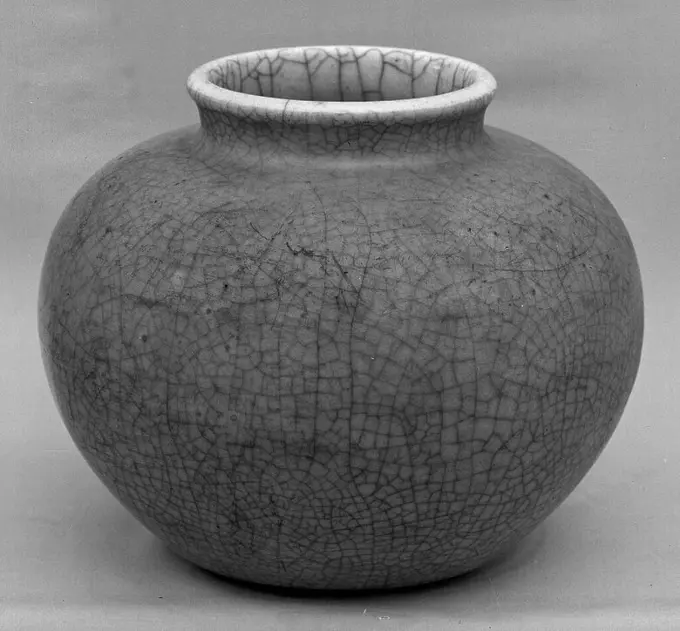
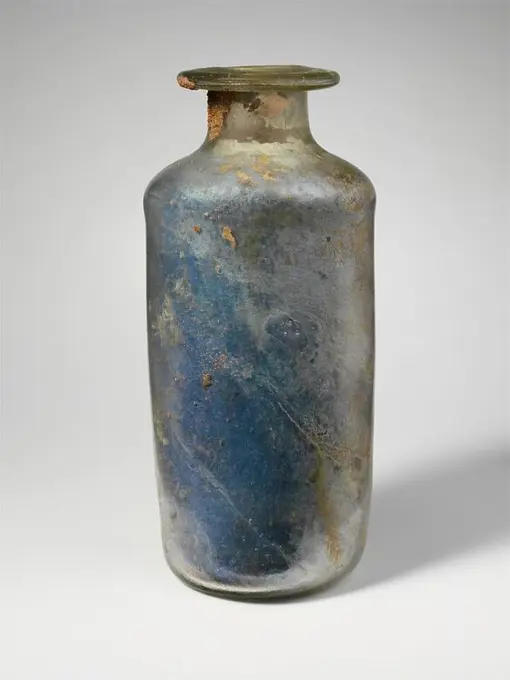
Campanian Black Duck Askos (medium-sized); Campania, South Italy, Europe; 323 - 31 B.C; Terracotta; 11.5 cm (4 1,2 in.)Miniature Vase 19th century China. Miniature Vase 41272Miniature tripod incense burner China. Miniature tripod incense burner 52670Tea Jar 18th-19th century Japan. Tea Jar. Japan. 18th-19th century. Pottery partially covered with glaze (Seto ware). Edo period (1615-1868). CeramicsVase. Culture: China. Dimensions: H. 4 3/4 in. (12.1 cm). Date: 19th century. Museum: Metropolitan Museum of Art, New York, USA.Jar China. Jar. China. Pottery. Han dynasty (206 B.C.-A.D. 220). CeramicsWine container (hu) 1st-2nd century China. Wine container (hu). China. 1st-2nd century. Eartheware with lead green glaze. Eastern Han dynasty (25-220). CeramicsJar ca. 1900-1700 B.C. Iran. Jar 325311Tea Jar 1750 Japan. Tea Jar 62765Jar with Cover China. Jar with Cover 46690Jug ca. 800 B.C. Iran This ceramic jug has been reconstructed from several sherds. It has a globular body, a flat base, a high neck and straight rim, with one handle connecting the shoulder to the rim. It is made of a red clay. It was excavated at Yarim Tepe in northeastern Iran, six miles south of the modern town of Gonbad-e Kavus. Yarim Tepe was a small settlement, inhabited from the Neolithic to the Parthian period, with many interruptions. This jug probably dates to the late Iron Age.. Jug 325589Jar ca. 2030-1640 B.C. Middle Kingdom. Jar. ca. 2030-1640 B.C.. Aragonite. Middle Kingdom. From Egypt, Memphite Region, Lisht North, MMA excavations, 1933-34. Dynasty 12Tea jar 18th century Japan. Tea jar. Japan. 18th century. Clay, almost black glaze with brown overglaze (Takatori ware). Edo period (1615-1868). CeramicsJar 18th century Japan. Jar 47844Jar ca. 6th-8th century A.D. Sasanian or Islamic. Jar 322995Minature bottle vase 18th century China. Minature bottle vase. China. 18th century. Porcelain with turqoise glaze (Jingdezhen ware). Qing dynasty (1644-1911). CeramicsPottery pot on stand, baluster shape, used in the sugar industry, sugar bowl pot holder soil find ceramic earthenware glaze lead glaze, opening 8.0 hand turned glazed baked Pottery pot on stand. Baluster shape with round shoulder and narrow neck opening. Thick and round, outstanding neck edge Made of relatively dry clay. Red shard internally glazed on the outside, many glaze stains. Here sugar cones were made archeology indigenous earthenware sugar confectionery sugar industryVessel Stem Bowl ca. 1500-1000 B.C. Thailand. Vessel Stem Bowl. Thailand. ca. 1500-1000 B.C.. Pottery. CeramicsSingle Spout Bottle with Strap Handle and Face 14th-mid-15th century Chimú. Single Spout Bottle with Strap Handle and Face 309303Lazio Viterbo Viterbo Museo Civico04. Hutzel, Max 1960-1990 Views of paintings (Middle Ages through 18th c.), frescoes, a tabernacle, coffin, sculpture reliefs, portal fragments, busts, sculpture, tapestry found in the Pinacoteca, Second floor gallery and Second floor cloister sequences. Antiquities: Many views of Etruscan and Roman fragments, sculpture, sarcophagi, pottery, masks, jewelry and other objects found in the Storeroom sequence (inventory numbers on back of prints), and the Cloister, Second floor Cloister, Valle Giulia, Sala Romana and Sala Etrusca sequences. General Notes: There are eight separate numerical sequences for this location. The cloister as an architectural structure, rather than museum site, is documented in the record and file for S. Maria della Verita, Cloister, all views of which are stored in Medieval core collection. Five views from the Museo Civico Second floor cloister sequence are stored in Medieval. German-born photographer and scholar Max Hutzel (1911-Flask. UnknownConical cup 13th century Korea This is an unusual example of a celadon cup of this shape; its entire surface is painted in iron under the celadon glaze (hence the black color).. Conical cup 57420Vase. Culture: Japan. Dimensions: H. 10 in. (25.4 cm). Date: 18th century. Museum: Metropolitan Museum of Art, New York, USA.Vase Hou, Thanh-Hoa. Terre cuite. Vietnam. Paris, Muse Cernuschi. Vase hou, bar-hoa Asian art, art of extreme orient, art of Vietnam, Vietnamese art, terracotta, dishesBottle. Culture: Japan. Dimensions: H. 6 1/2 in. (16.5 cm). Date: 18th century. Museum: Metropolitan Museum of Art, New York, USA.Jar 19th century China. Jar 46711Vessel decorated with four rows of pine cones ca. 1st century B.C-1st century A.D. Roman. Vessel decorated with four rows of pine cones 323740Teabowl 19th century Japan. Teabowl. Japan. 19th century. Pottery (Raku ware). Edo (1615-1868) or Meiji period (1868-1912). CeramicsPitcher 18th century French. Pitcher 201832Vessel ca. 1st century A.D. Nabataean. Vessel 325918Storage jar ca. 3rd-7th century A.D. Sasanian. Storage jar 322976Jardiniere 18th century Japan. Jardiniere. Japan. 18th century. Pottery with moulded designs, covered with glaze (Takatori ware). Edo period (1615-1868). CeramicsBlack Basalt Covered Urn, Wedgwood, English, established 1759, stoneware ('black basalt'), Ovoid, with high looped handles and small cylindrical neck. On square plinth (b) with relief palmette decoration, and ogee foot (d) with leaf-molded edge. Flat cylindrical cover (c) with relief palmette and guilloche decoration, and vase finial., Etruria, Staffordshire, England, 1780-1800, ceramics, Decorative Arts, urn, urnBottle 7th-8th century. Bottle 448715Lazio Viterbo Viterbo Museo Civico82. Hutzel, Max 1960-1990 Views of paintings (Middle Ages through 18th c.), frescoes, a tabernacle, coffin, sculpture reliefs, portal fragments, busts, sculpture, tapestry found in the Pinacoteca, Second floor gallery and Second floor cloister sequences. Antiquities: Many views of Etruscan and Roman fragments, sculpture, sarcophagi, pottery, masks, jewelry and other objects found in the Storeroom sequence (inventory numbers on back of prints), and the Cloister, Second floor Cloister, Valle Giulia, Sala Romana and Sala Etrusca sequences. General Notes: There are eight separate numerical sequences for this location. The cloister as an architectural structure, rather than museum site, is documented in the record and file for S. Maria della Verita, Cloister, all views of which are stored in Medieval core collection. Five views from the Museo Civico Second floor cloister sequence are stored in Medieval. German-born photographer and scholar Max Hutzel (1911-Spouted jug with a mottled surface ca. 2700-2400 B.C.. Spouted jug with a mottled surface 325378Water Pot 18th century Japan. Water Pot. Japan. 18th century. Clay covered with a transparent glaze (Takatori ware). Edo period (1615-1868). CeramicsBottle ca. 8th-7th century B.C. Assyrian. Bottle 324397Glass lentoid bottle. Culture: Roman. Dimensions: 3 in. (7.6 cm)Diam. of rim: 13/16 in. (2.1 cm)Width: 2 1/16 in. (5.2 cm). Date: 2nd-3rd century A.D..Translucent pale blue green.Uneven, rounded rim; small, flaring mouth; cylindrical neck, tooled in around base; globular, flattened body; small, flattened pad with pontil marks on bottom.Intact, except for cracked and chipped rim; some bubbles; dulling and faint iridescence on one side; patches of pitting and iridescent weathering on the other. Museum: Metropolitan Museum of Art, New York, USA.Piriform jar ca. 3000-2250 B.C. Iran This piriform (meaning pear-shaped’) ceramic jar has a small base and an elongated, narrow neck with a collar and a flaring rim. It is made of grey clay using a potter’s wheel, and decorated with several horizontal registers of hatching.This vessel was excavated at Tureng Tepe in what is today northeastern Iran, near the modern city of Gorgan. During the Bronze Age Tureng Tepe was a large settlement, possibly even with a mudbrick palace at the center of town. In this period the dead were buried under the floors of houses, indicating perhaps a belief that they continued to play an important role in family affairs. Pottery vessels such as this one were placed in these graves. The shape of this vessel suggests that it was used as a decanter, but this cannot be proven and there is no indication of what sort of liquid was poured from it. It also unclear whether these vessels were used on a daily basis or specifically for funerary rites, as most of the pVase. Culture: China. Dimensions: H. 12 1/2 in. (31.8 cm). Museum: Metropolitan Museum of Art, New York, USA.Spouted jar ca. 3500-3100 B.C.. Spouted jar 327488Model of Wellhead with Bucket. Culture: China. Dimensions: H. 14 7/8 in. (37.8 cm); W. 8 3/4 in. (22.2 cm). Museum: Metropolitan Museum of Art, New York, USA.Glass perfume bottle late 1st-3rd century A.D. Roman Colorless with blue-green tinge.Rim folded out, down, round, and in, with flattened upper surface and lip inside mouth; tall cylindrical neck expanding downward, with deep horizontal tooling indent around base; squat globular body; flat bottom but slightly pushed-in at center.Complete, except for one hole in neck, repaired and filled; many pinprick bubbles; heavily pitted, brilliant iridescence, and patches of thick enamel-like weathering, and some soil encrustation under rim.. Glass perfume bottle 254683 Roman, Glass perfume bottle, late 1st3rd century A.D., Glass, H.: 5 7/8 in. (14.9 cm). The Metropolitan Museum of Art, New York. Gift of Miss Ida H. Ogilvie, 1951 (51.80.2)Teabowl ca. 1650 Raku Donyu Japanese. Teabowl. Raku Donyu (Japanese, died 1656). Japan. ca. 1650. Clay covered with a dull red glaze (Raku ware). Edo period (1615-1868). CeramicsTeabowl 19th century Japan. Teabowl. Japan. 19th century. Clay covered with a streaked glaze (Seto ware). Edo (1615-1868) or Meiji period (1868-1912). CeramicsTea Jar 18th century Japan. Tea Jar. Japan. 18th century. Clay covered with a mottled glaze; left-handed itogiri (Seto ware). Edo period (1615-1868). CeramicsLazio Viterbo Viterbo Museo Civico8. Hutzel, Max 1960-1990 Views of paintings (Middle Ages through 18th c.), frescoes, a tabernacle, coffin, sculpture reliefs, portal fragments, busts, sculpture, tapestry found in the Pinacoteca, Second floor gallery and Second floor cloister sequences. Antiquities: Many views of Etruscan and Roman fragments, sculpture, sarcophagi, pottery, masks, jewelry and other objects found in the Storeroom sequence (inventory numbers on back of prints), and the Cloister, Second floor Cloister, Valle Giulia, Sala Romana and Sala Etrusca sequences. General Notes: There are eight separate numerical sequences for this location. The cloister as an architectural structure, rather than museum site, is documented in the record and file for S. Maria della Verita, Cloister, all views of which are stored in Medieval core collection. Five views from the Museo Civico Second floor cloister sequence are stored in Medieval. German-born photographer and scholar Max Hutzel (1911-1Ānandalaharī late 19th century Indian (Bengal) Although built like a drum, this is a chordophone (or stringed instrument). The body of the instrument (with the head pointing back) is tucked under a players left arm. A string that is attached I the center of the skin head passes through the wooden body and is longer than the open shell. The player grasps a knob tied to the end of this string with their left hand. Sound is created by plucking the string with a small plectrum made of bone, plastic, or another material. The player can change the pitch by how much tension is applied to the knob (and thereby the string). Adept players can change the pitch quickly and achieve many different effects. The instrument can be used for rhythmic accompaniment or melodious. It is one of a handful of similar types of stringed instruments used in the Indian subcontinent. This type was used by religious sinters of the Baul faith in Bengal. Description: turned wood cylinder tube with skin glued to widerACEITERA - S XX ARTE POPULAR. Location: ALFARERIA. LA BISBAL. GERONA. SPAIN.Lead-Glazed Bowl with Relief Decoration; Roman Empire; 1st - 2nd century; Terracotta; 26.8 × 24.4 cm (10 9,16 × 9 5,8 in.)Ovoid Jar (Hu) 2300-2000 B.C. China. Ovoid Jar (Hu) 44424Covered Bowl 668 CE-935 CE Korea. Stoneware with natural ash glaze and incised decoration .Pottery belly model ointment jar, red shard, internally glazed, ointment jar pot holder soil find ceramic earthenware glaze lead glaze, hand turned glazed baked Pottery ointment red shard internally glazed. Abdomen model Narrowing over the foot. Flat outstanding top edge. Heavy. Stand archaeology Rotterdam Oude Plantage health care indigenous pottery import pharmacy store sell craft Soil discovery: Oude Plantage Rotterdam.Elliptical bowl ca. 7th century A.D. Sasanian. Elliptical bowl 327481Teabowl 19th century Mitsutada Ohi Japanese. Teabowl 63937Bottle 1700 Japan. Bottle. Japan. 1700. Clay covered with a finely crackled glaze of Satsuma type (Kyoto ware, Mizoro type). Edo period (1615-1868). CeramicsBelly bottle, hammer bottle, bottle holder soil found glass, raised bottom Body with straight inward bending ascending wall to flat shoulders and rejuvenated neck with imposed thin glass wire (chip) and unrolling irregularly flattened (dm 3.2 cm) lip (chip) archeology packagingBeaker ca. 2400-2170 B.C. Iran This cup has a narrow base, thin walls, and straight sides. It is made of a dark gray clay which has been burnished. Wheel lines on the inside indicate that it was made on a potters wheel.This cup was excavated at Tepe Hissar, near the modern city of Damghan in northern Iran. Tepe Hissar was primarily an agricultural settlement, with buildings made of mudbrick or simply mud walls. Archaeobotanical remains from the site indicate that the people living there grew wheat, barley, olives, grapes, lentils and other legumes. This cup probably belongs to the Hissar IIIB period, dating to ca. 2400-2170 B.C. on the basis of radiocarbon dating. During this period there was a technically proficient ceramic industry at the site, producing well-formed vessels with thin walls. Although they featured no painted decoration like the earlier vessels from the site, they were burnished to create a glossy, almost shiny surface. But it is not known what these vessels were usedIncense stand () ca. late 3rd-early 2nd millennium B.C. Bactria-Margiana Archaeological Complex. Incense stand () 327479Stoneware ointment jar, elongated, conical model, ointment jar pot holder soil find ceramic stoneware glaze salt glaze, hand-turned glazed High conical pot with binding edge and slightly broader bottom Gray shard Partial content of hardened ointment. Gray-beige Narrowing of the boiler just above the stand archeology health care indigenous pottery import pharmacy packaging medicine preserve medicine sellTeabowl ca. 1820 Japan. Teabowl 63192Lead-Glazed Bowl with Relief Decoration. UnknownFluted Bottle with Stopper early 19th century China. Fluted Bottle with Stopper. China. early 19th century. Opaque swirled green glass. Qing dynasty (1644-1911). GlassEmilia-Romagna Ferrara Ferrara Museo Civico di Schifanoia92. Hutzel, Max 1960-1990 General Notes: INCOMPLETE RECORD--NEGATIVES PROCESSED, PRINTS FILED German-born photographer and scholar Max Hutzel (1911-1988) photographed in Italy from the early 1960s until his death. The result of this project, referred to by Hutzel as Foto Arte Minore, is thorough documentation of art historical development in Italy up to the 18th century, including objects of the Etruscans and the Romans, as well as early Medieval, Romanesque, Gothic, Renaissance and Baroque monuments. Images are organized by geographic region in Italy, then by province, city, site complex and monument.Snuff Bottle China. Snuff Bottle 41282Lagynos with Inscription. UnknownLazio Viterbo Viterbo Museo Civico49. Hutzel, Max 1960-1990 Views of paintings (Middle Ages through 18th c.), frescoes, a tabernacle, coffin, sculpture reliefs, portal fragments, busts, sculpture, tapestry found in the Pinacoteca, Second floor gallery and Second floor cloister sequences. Antiquities: Many views of Etruscan and Roman fragments, sculpture, sarcophagi, pottery, masks, jewelry and other objects found in the Storeroom sequence (inventory numbers on back of prints), and the Cloister, Second floor Cloister, Valle Giulia, Sala Romana and Sala Etrusca sequences. General Notes: There are eight separate numerical sequences for this location. The cloister as an architectural structure, rather than museum site, is documented in the record and file for S. Maria della Verita, Cloister, all views of which are stored in Medieval core collection. Five views from the Museo Civico Second floor cloister sequence are stored in Medieval. German-born photographer and scholar Max Hutzel (1911-Vase with cover China. Vase with cover. China. Nephrite, a mottling of spinach-green and gray, with stainings of brown. Qing dynasty (1644-1911), Qianlong period (1736-95). JadeFlattened Jar. Culture: China. Dimensions: H. 8 5/8 in. (21.9 cm); W. 7 1/4 in. (18.4 cm). Date: ca. late 6th-7th century.The mold-impressed design on either side of these two jars is suggestive of classic Greek ornament. The scrolling grapevine decorative motif has an ultimate Hellenistic prototype; it can be traced from the West through Central Asia to China. This design became part of the Chinese decorative repertoire in several kinds of art in the Six Dynasties (220-589) period. (According to tradition, the domesticated grape itself was introduced into China from the West in the second century B.C.). Museum: Metropolitan Museum of Art, New York, USA.Vase in Shape of a Bamboo Joint 19th century Japan. Vase in Shape of a Bamboo Joint. Japan. 19th century. Clay covered with a variegated glaze. Edo (1615-1868) or Meiji period (1868-1912). CeramicsCricket cage 18th-19th century China. Cricket cage 61986Lazio Viterbo Viterbo Museo Civico17. Hutzel, Max 1960-1990 Views of paintings (Middle Ages through 18th c.), frescoes, a tabernacle, coffin, sculpture reliefs, portal fragments, busts, sculpture, tapestry found in the Pinacoteca, Second floor gallery and Second floor cloister sequences. Antiquities: Many views of Etruscan and Roman fragments, sculpture, sarcophagi, pottery, masks, jewelry and other objects found in the Storeroom sequence (inventory numbers on back of prints), and the Cloister, Second floor Cloister, Valle Giulia, Sala Romana and Sala Etrusca sequences. General Notes: There are eight separate numerical sequences for this location. The cloister as an architectural structure, rather than museum site, is documented in the record and file for S. Maria della Verita, Cloister, all views of which are stored in Medieval core collection. Five views from the Museo Civico Second floor cloister sequence are stored in Medieval. German-born photographer and scholar Max Hutzel (1911-Lazio Roma Subiaco Monastery of S. Scolastica Archaeological Museum1. Hutzel, Max 1960-1990 Antiquities: Views of antiquities in museum, including sarcophagi, plates, vases, coins. General Notes: Hutzel guide says we have negatives, but we cannot find them. German-born photographer and scholar Max Hutzel (1911-1988) photographed in Italy from the early 1960s until his death. The result of this project, referred to by Hutzel as Foto Arte Minore, is thorough documentation of art historical development in Italy up to the 18th century, including objects of the Etruscans and the Romans, as well as early Medieval, Romanesque, Gothic, Renaissance and Baroque monuments. Images are organized by geographic region in Italy, then by province, city, site complex and monument.Vase. Culture: China. Dimensions: H. 7 1/4 in. (18.4 cm). Museum: Metropolitan Museum of Art, New York, USA.Jar with small loop handles ca. 3rd-4th century Korea This storage jar is one of the distinctive types of early pottery produced by the Silla kingdom in the Gimhae region, near the southeastern coast of the Korean peninsula.. Jar with small loop handles 57522Lazio Viterbo Viterbo Museo Civico58. Hutzel, Max 1960-1990 Views of paintings (Middle Ages through 18th c.), frescoes, a tabernacle, coffin, sculpture reliefs, portal fragments, busts, sculpture, tapestry found in the Pinacoteca, Second floor gallery and Second floor cloister sequences. Antiquities: Many views of Etruscan and Roman fragments, sculpture, sarcophagi, pottery, masks, jewelry and other objects found in the Storeroom sequence (inventory numbers on back of prints), and the Cloister, Second floor Cloister, Valle Giulia, Sala Romana and Sala Etrusca sequences. General Notes: There are eight separate numerical sequences for this location. The cloister as an architectural structure, rather than museum site, is documented in the record and file for S. Maria della Verita, Cloister, all views of which are stored in Medieval core collection. Five views from the Museo Civico Second floor cloister sequence are stored in Medieval. German-born photographer and scholar Max Hutzel (1911-Jar early 20th century Korea. Jar 57403Lazio Viterbo Viterbo Museo Civico16. Hutzel, Max 1960-1990 Views of paintings (Middle Ages through 18th c.), frescoes, a tabernacle, coffin, sculpture reliefs, portal fragments, busts, sculpture, tapestry found in the Pinacoteca, Second floor gallery and Second floor cloister sequences. Antiquities: Many views of Etruscan and Roman fragments, sculpture, sarcophagi, pottery, masks, jewelry and other objects found in the Storeroom sequence (inventory numbers on back of prints), and the Cloister, Second floor Cloister, Valle Giulia, Sala Romana and Sala Etrusca sequences. General Notes: There are eight separate numerical sequences for this location. The cloister as an architectural structure, rather than museum site, is documented in the record and file for S. Maria della Verita, Cloister, all views of which are stored in Medieval core collection. Five views from the Museo Civico Second floor cloister sequence are stored in Medieval. German-born photographer and scholar Max Hutzel (1911-Pitcher after 1885 American. Pitcher 5882Covered Pan 18th century Japan. Covered Pan 59846Pot with Cover 19th century Japan. Pot with Cover 59826Bowl 19th century China. Bowl. China. 19th century. Stoneware with celadon glaze. Qing dynasty (1644-1911). CeramicsRibbed juglet ca. 1st century A.D. Nabataean. Ribbed juglet 325885Lazio Viterbo Viterbo Museo Civico57. Hutzel, Max 1960-1990 Views of paintings (Middle Ages through 18th c.), frescoes, a tabernacle, coffin, sculpture reliefs, portal fragments, busts, sculpture, tapestry found in the Pinacoteca, Second floor gallery and Second floor cloister sequences. Antiquities: Many views of Etruscan and Roman fragments, sculpture, sarcophagi, pottery, masks, jewelry and other objects found in the Storeroom sequence (inventory numbers on back of prints), and the Cloister, Second floor Cloister, Valle Giulia, Sala Romana and Sala Etrusca sequences. General Notes: There are eight separate numerical sequences for this location. The cloister as an architectural structure, rather than museum site, is documented in the record and file for S. Maria della Verita, Cloister, all views of which are stored in Medieval core collection. Five views from the Museo Civico Second floor cloister sequence are stored in Medieval. German-born photographer and scholar Max Hutzel (1911-Covered Jar late 18th century China. Covered Jar. China. late 18th century. Porcelain. Qing dynasty (1644-1911). CeramicsVase early 20th century Korea. Vase 57365Vessel ca. 8th-7th century B.C. Assyrian. Vessel 324396Vessel. Culture: China. Dimensions: H. 6 3/8 in. (16.2 cm); Diam. 3 3/4 in. (9.5 cm). Museum: Metropolitan Museum of Art, New York, USA.Two-piece mold for bowl, cast molding tool tools base metal bronze, cast twisted riveted Two-piece bronze mold for casting bowl with round bottom Rotterdam tin foundry tin stain tin Meeuws Druy craft Forms originate from the 18th century Rotterdam tinnegieter J Druy. The large molds that were not signed or dated were the property of the tinker guild and were rented to the small tin caster.Vase. Dated: c. 1939. Dimensions: overall: 50.8 x 39.2 cm (20 x 15 7/16 in.) Original IAD Object: 11 1/2" High. Medium: watercolor, graphite, and colored pencil on paperboard. Museum: National Gallery of Art, Washington DC. Author: Isadore Goldberg.Holder for Magic Straws. Culture: Japan. Dimensions: H. 8 1/2 in. (21.6 cm); W. 4 1/8 in. square (10.5 cm). Date: 19th century. Museum: Metropolitan Museum of Art, New York, USA.Bell-Shaped Jar 5th-7th century Korea. Bell-Shaped Jar. Korea. 5th-7th century. High-fired pottery (proto-porcelain). Three Kingdoms period (57 B.C.-A.D. 676). CeramicsTankard late 16th-early 17th century Bohemian. Tankard. Bohemian. late 16th-early 17th century. Glass. GlassLazio Viterbo Viterbo Museo Civico15. Hutzel, Max 1960-1990 Views of paintings (Middle Ages through 18th c.), frescoes, a tabernacle, coffin, sculpture reliefs, portal fragments, busts, sculpture, tapestry found in the Pinacoteca, Second floor gallery and Second floor cloister sequences. Antiquities: Many views of Etruscan and Roman fragments, sculpture, sarcophagi, pottery, masks, jewelry and other objects found in the Storeroom sequence (inventory numbers on back of prints), and the Cloister, Second floor Cloister, Valle Giulia, Sala Romana and Sala Etrusca sequences. General Notes: There are eight separate numerical sequences for this location. The cloister as an architectural structure, rather than museum site, is documented in the record and file for S. Maria della Verita, Cloister, all views of which are stored in Medieval core collection. Five views from the Museo Civico Second floor cloister sequence are stored in Medieval. German-born photographer and scholar Max Hutzel (1911-Jar. Culture: China. Dimensions: H. 6 3/4 in. (17.1 cm). Museum: Metropolitan Museum of Art, New York, USA.Terracotta vasebrTerracotta vase One Big Old Terracotta Vase Pottery Isolated One Big Old Terracotta Vase Pottery Isolated Copyright: xZoonar.com/MarkoxBericx 14235515Glass cylindrical bottle. Culture: Roman. Dimensions: H.: 5 1/2 in. (14 cm). Date: late 1st-2nd century A.D..Colorless with greenish tinge.Tubular rim, folded out, slightly down, round, and in, forming uneven oval mouth; short cylindrical neck; sloping shoulder; cylindrical body with vertical sides; concave bottom.Intact; pinprick and a few later bubbles; patch of reddish soil encrustation on neck and underside of rim on exterior, most of interior covered with soil encrustation, weathering, and brilliant iridescence. Museum: Metropolitan Museum of Art, New York, USA.Gallipot. Culture: China. Dimensions: H. 5 9/16 in. (14.1 cm); Diam. 3 1/4 in. (8.3 cm). Museum: Metropolitan Museum of Art, New York, USA.