Ancient Artifacts Collection

A selection of ornate ancient artifacts including ceremonial handles, figures, and vessels from different cultures, showcasing intricate designs and materials.

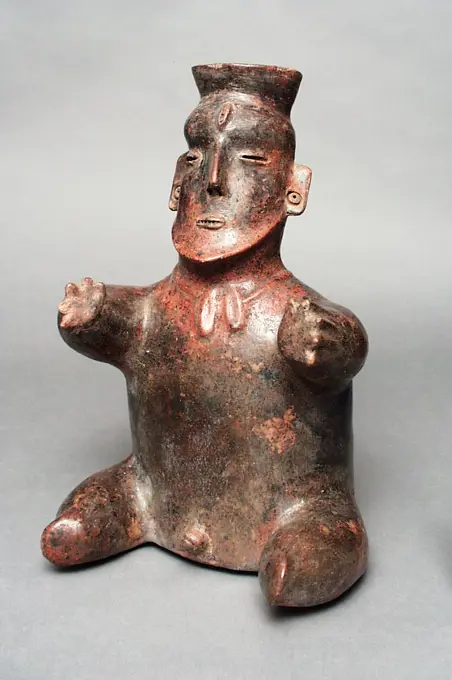
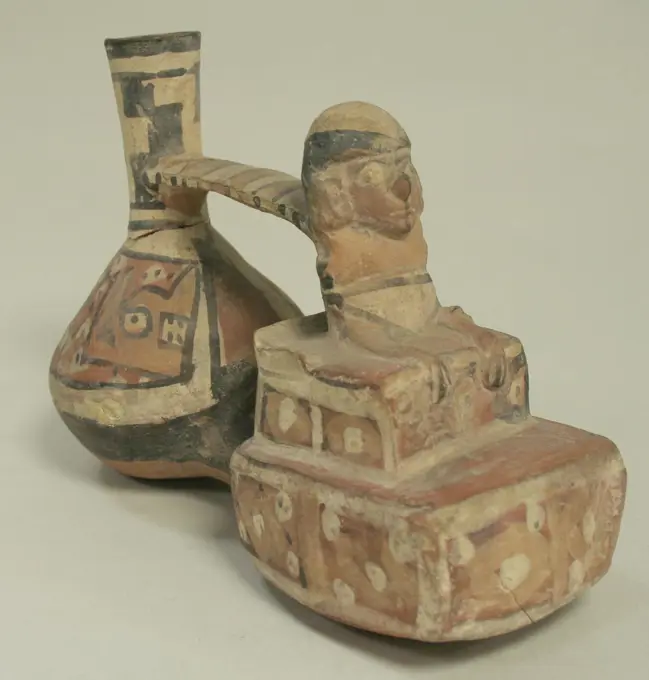
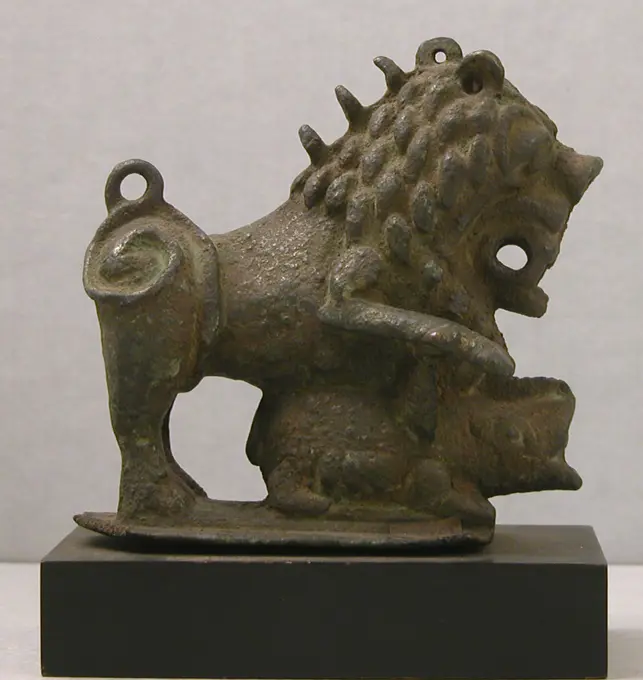
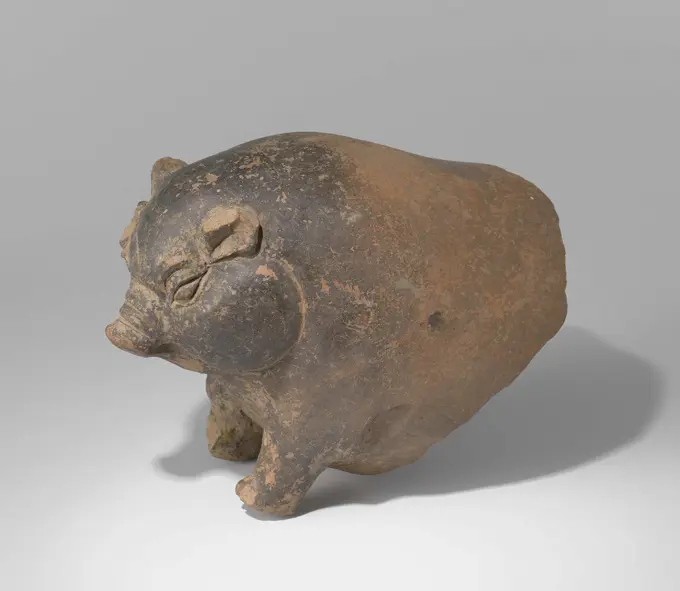
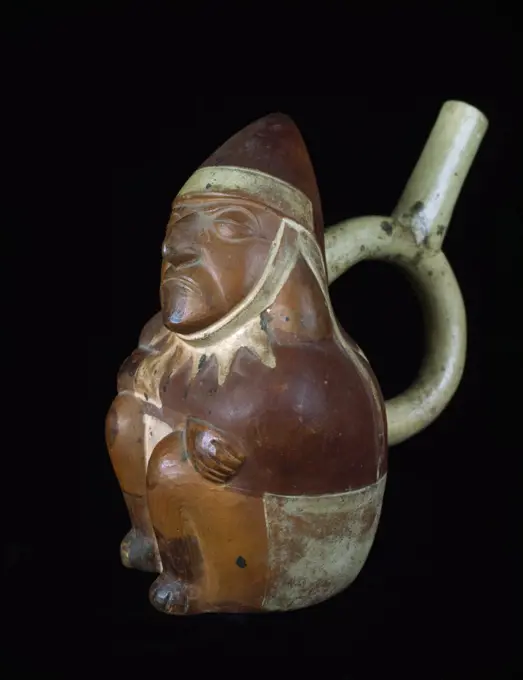
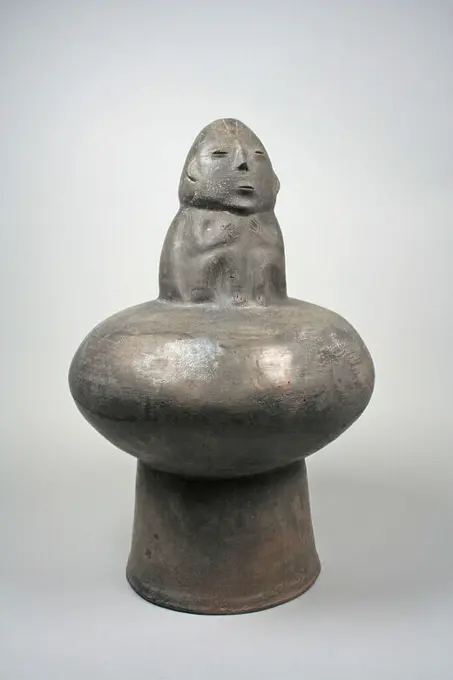
Vessel, c. 500, 17 x 8 1/2 x 9 in. (43.18 x 21.59 x 22.86 cm), Ceramic, Costa Rica, 5th-6th century
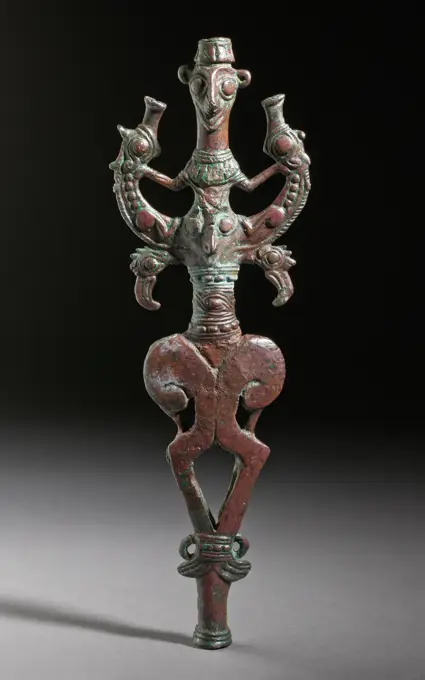
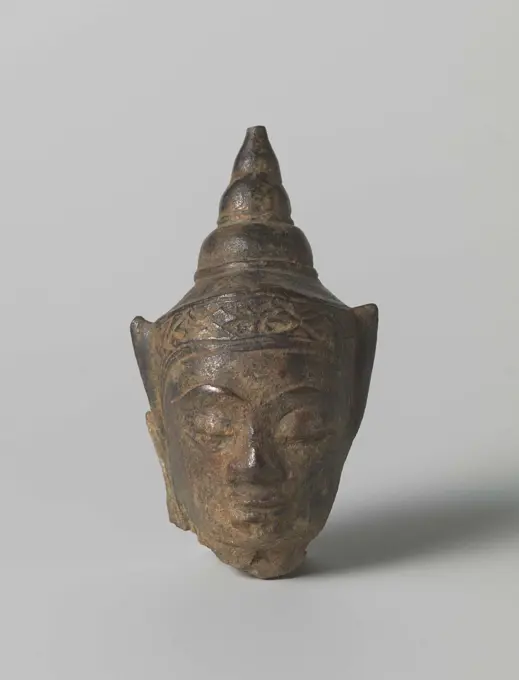
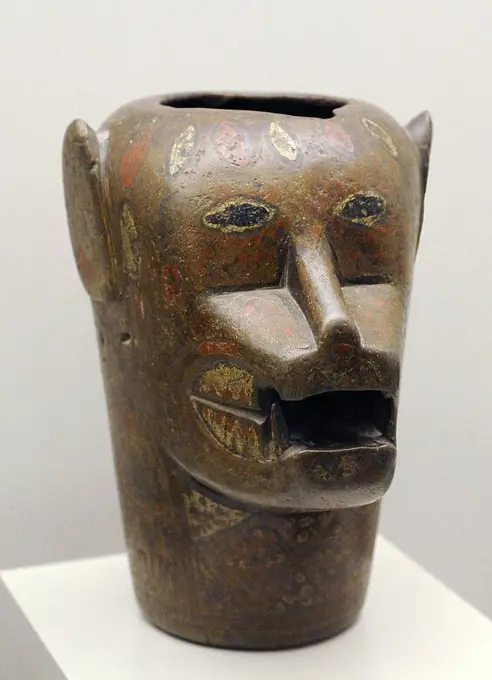
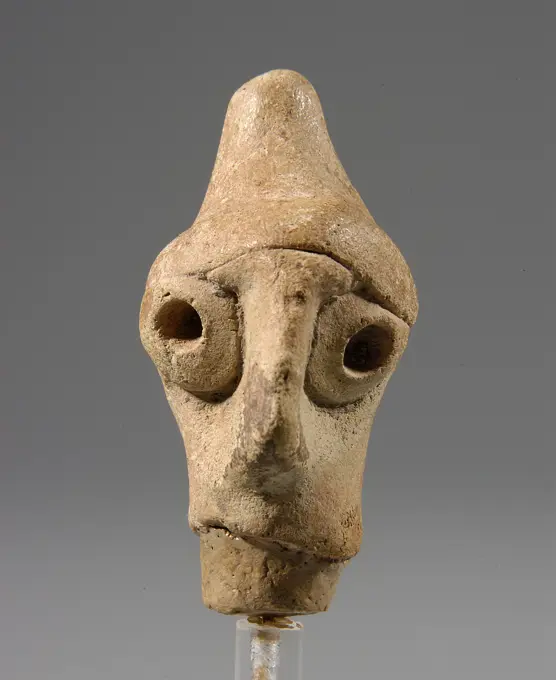
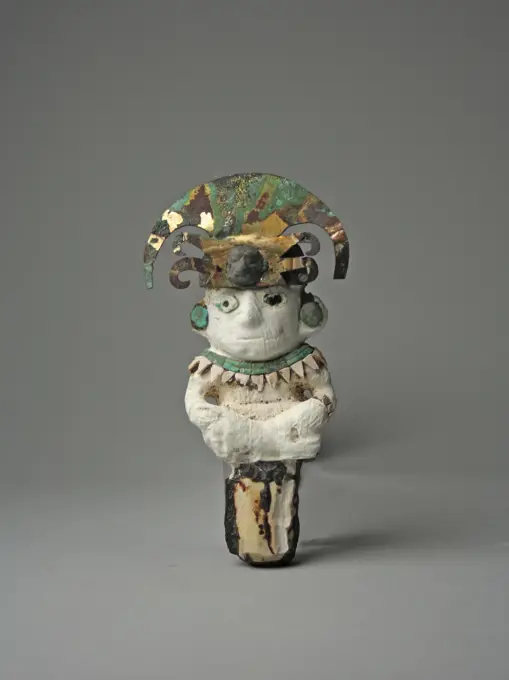
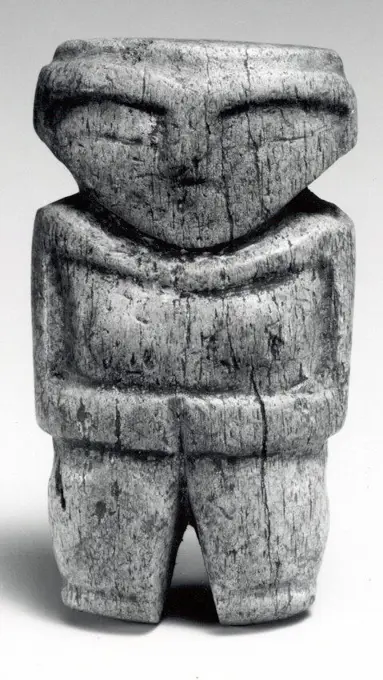
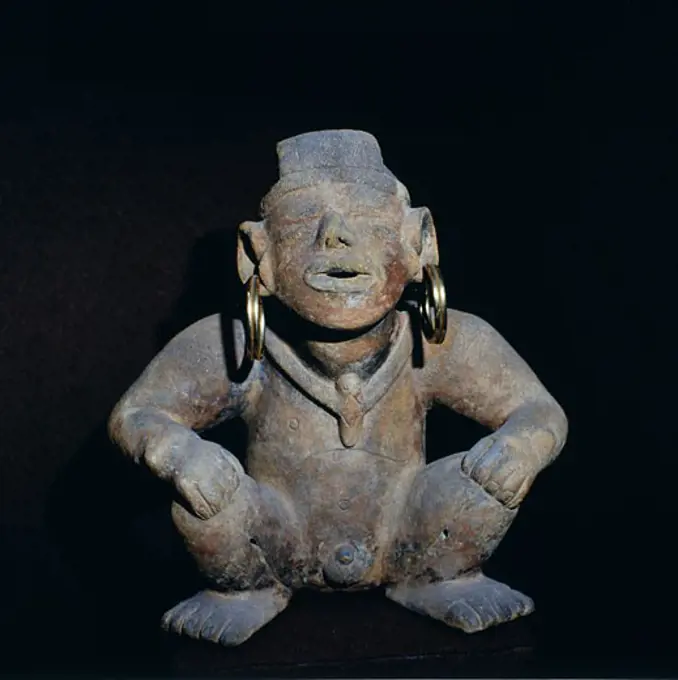
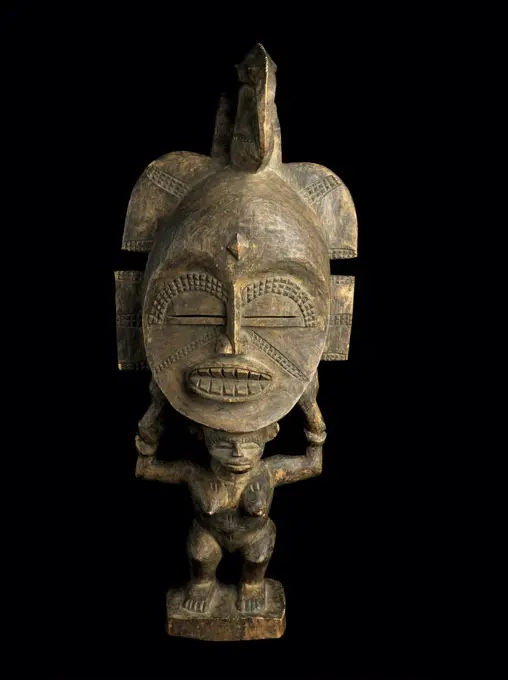
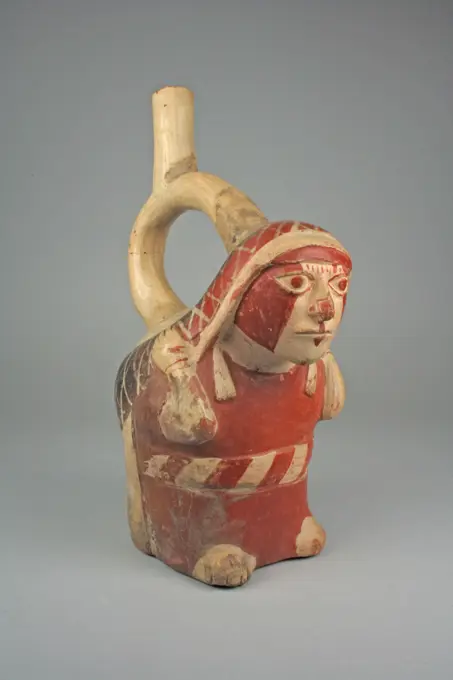
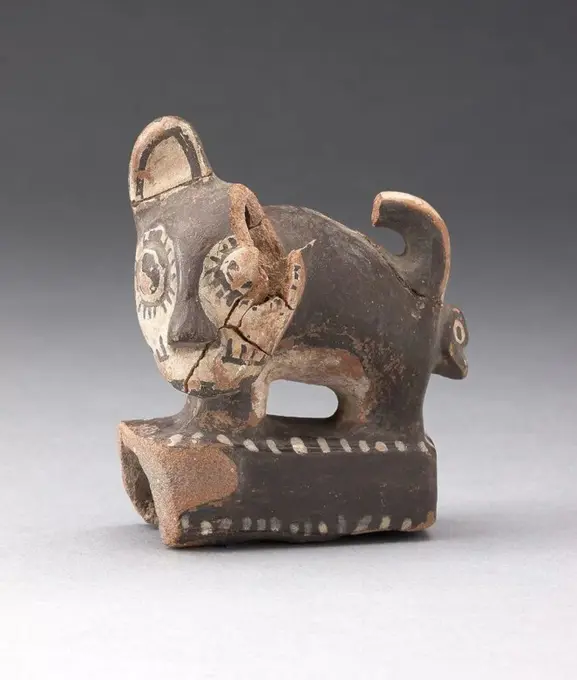
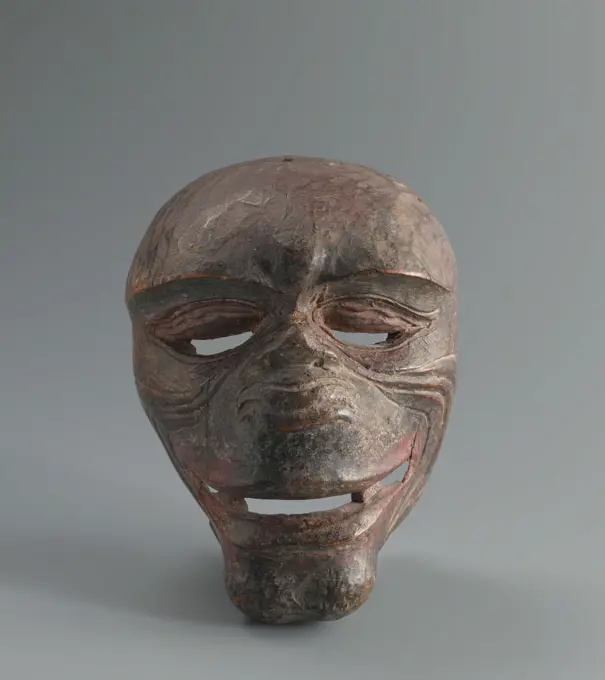
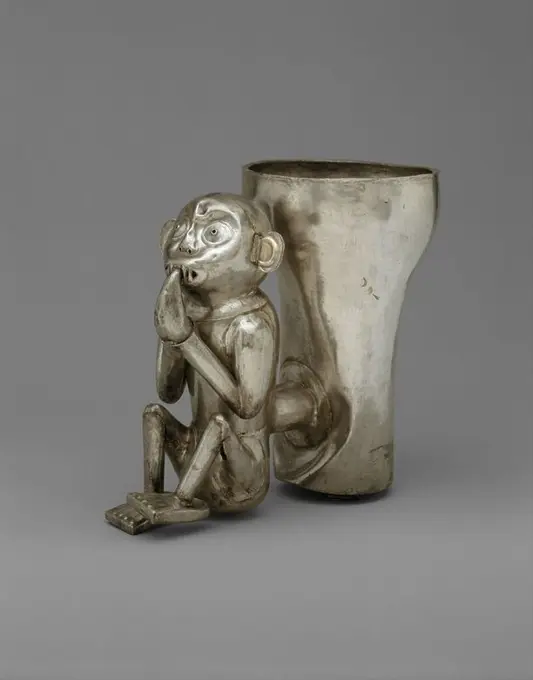
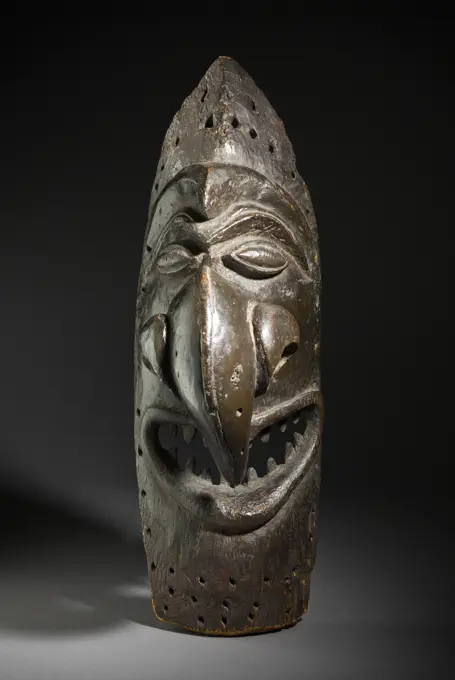
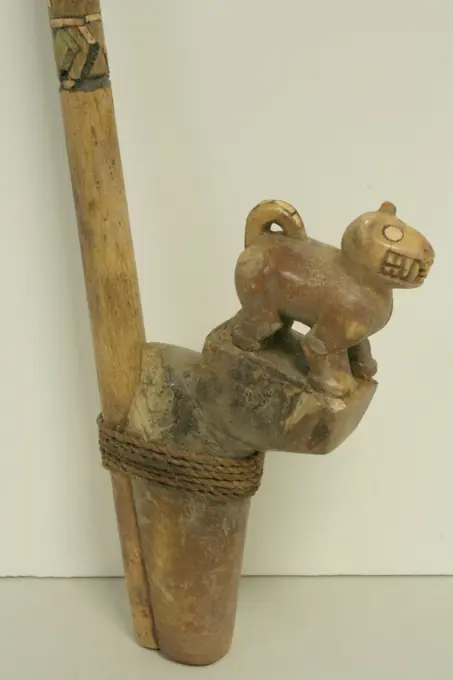
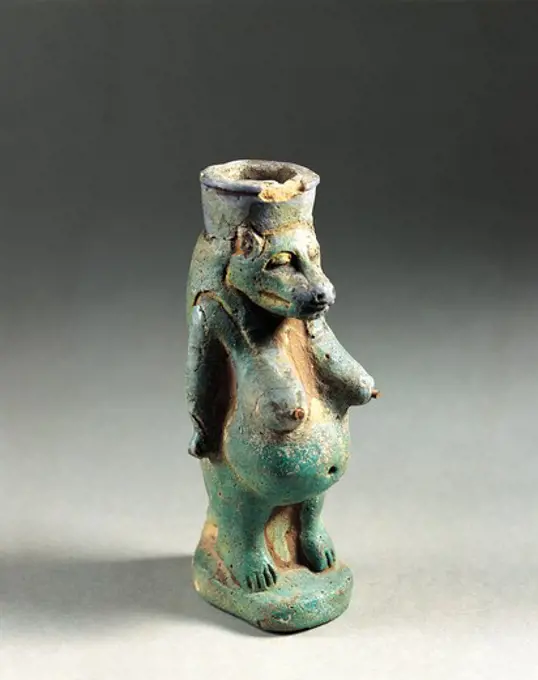
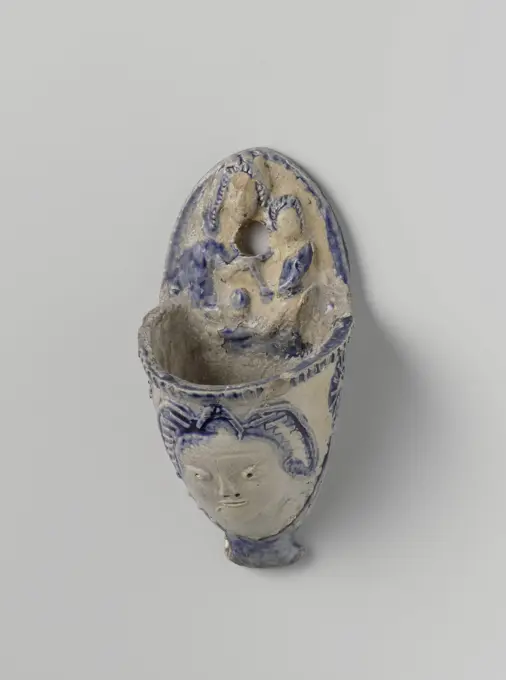
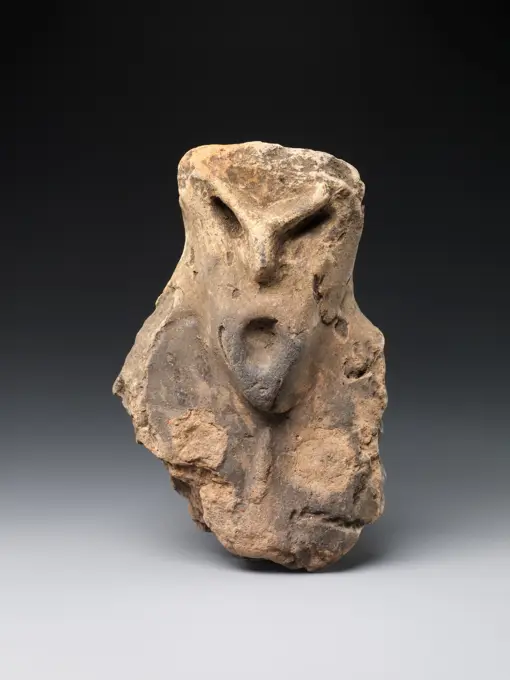
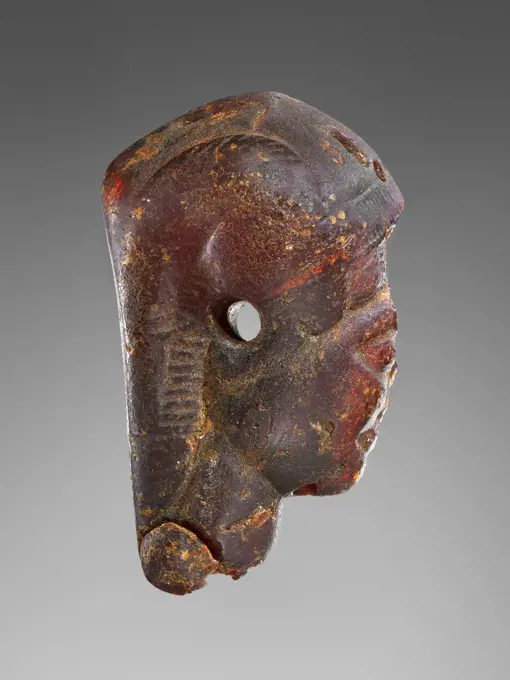
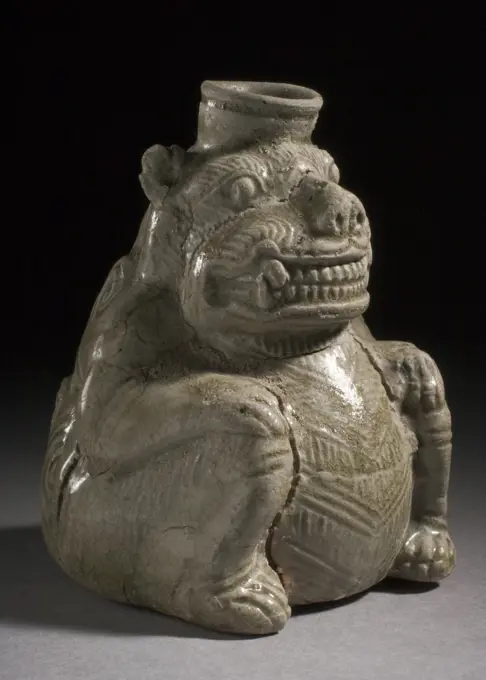
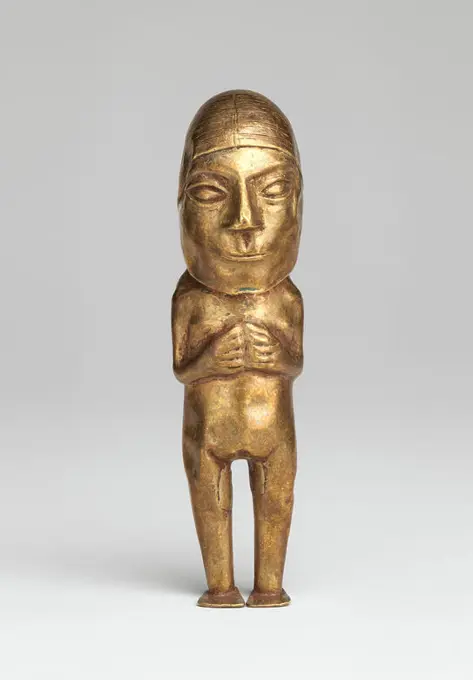
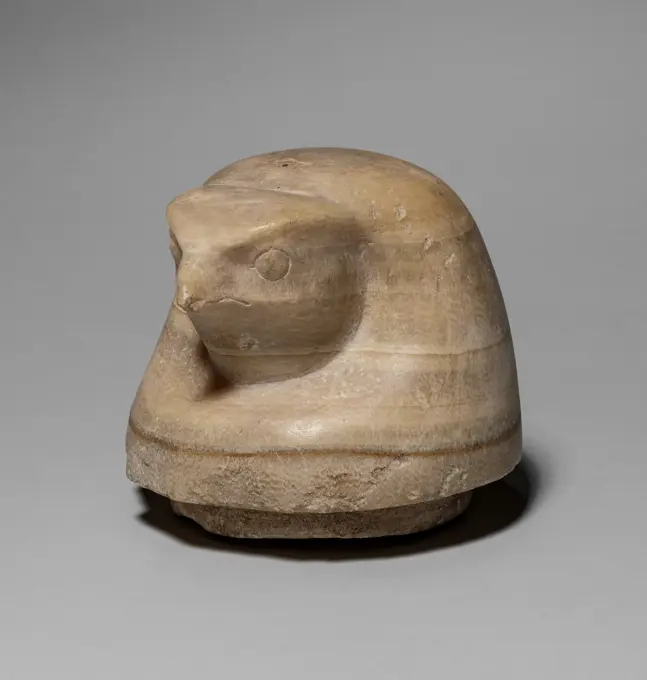
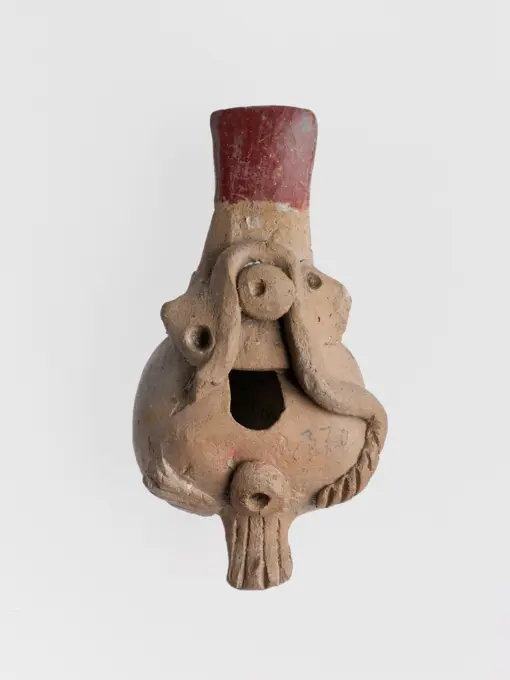
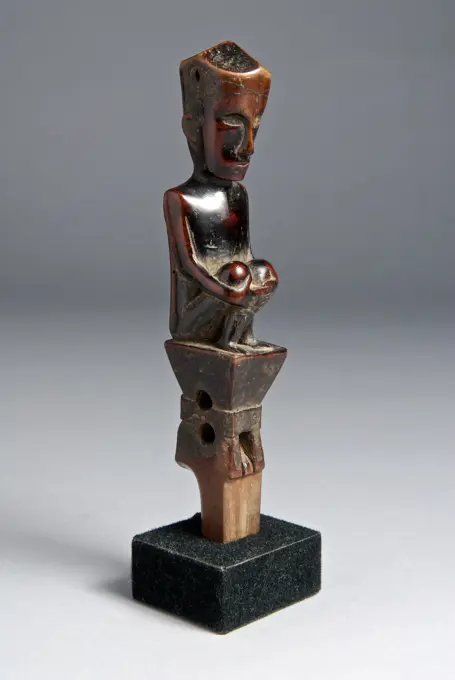
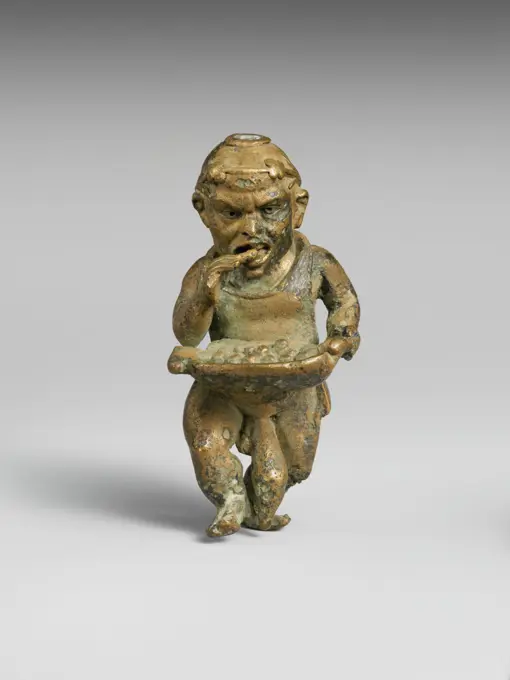
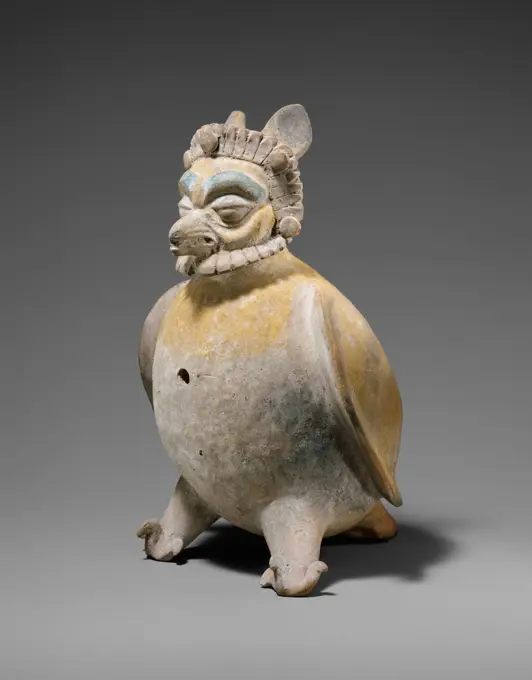
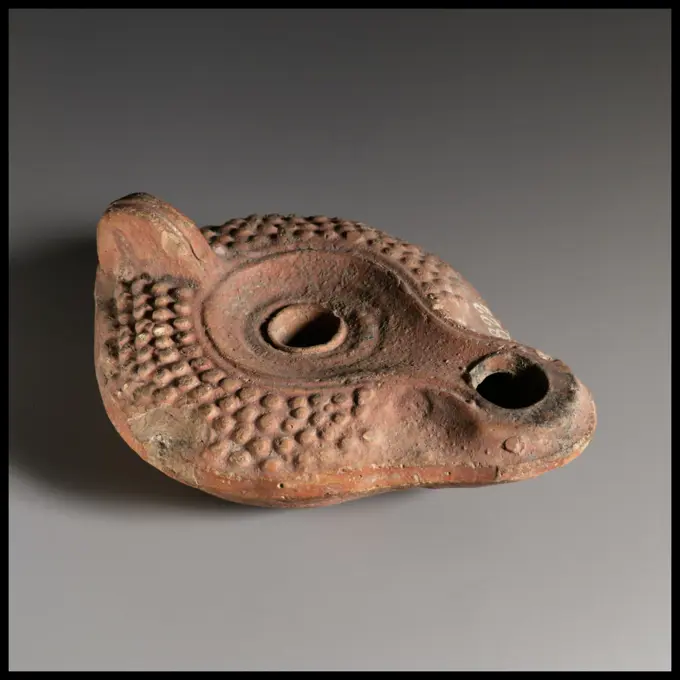
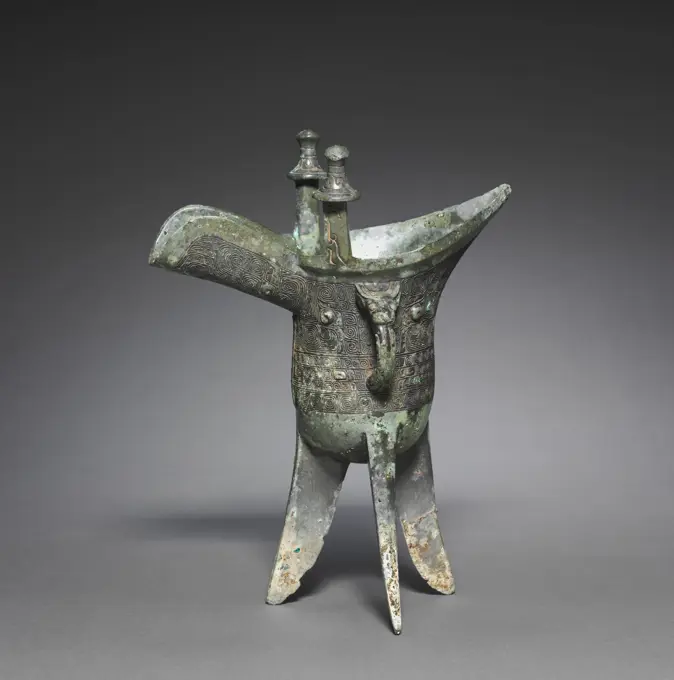
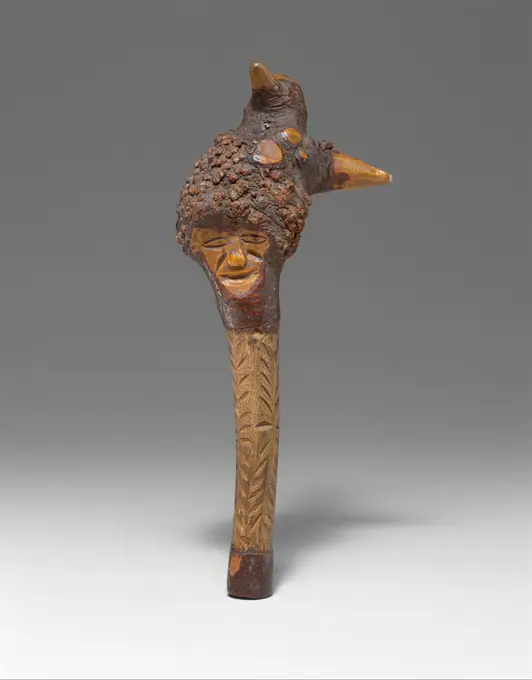
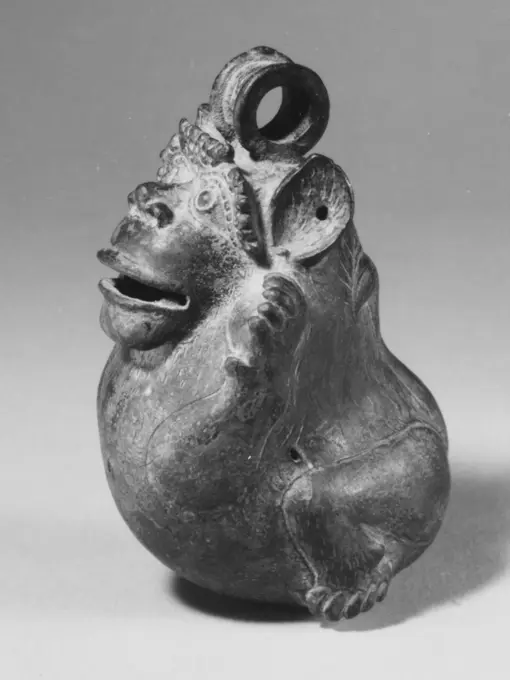
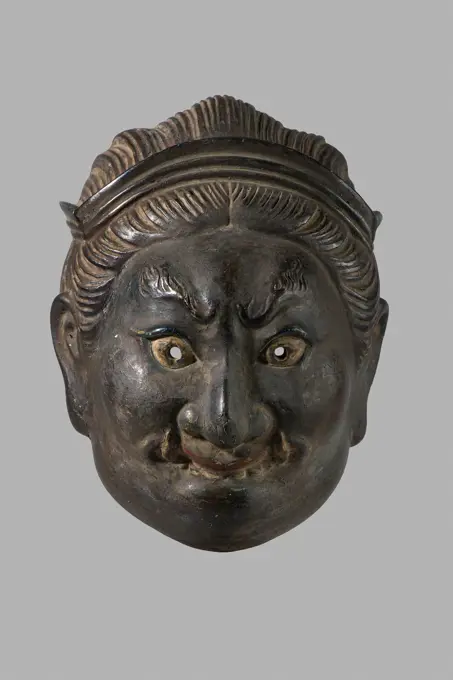
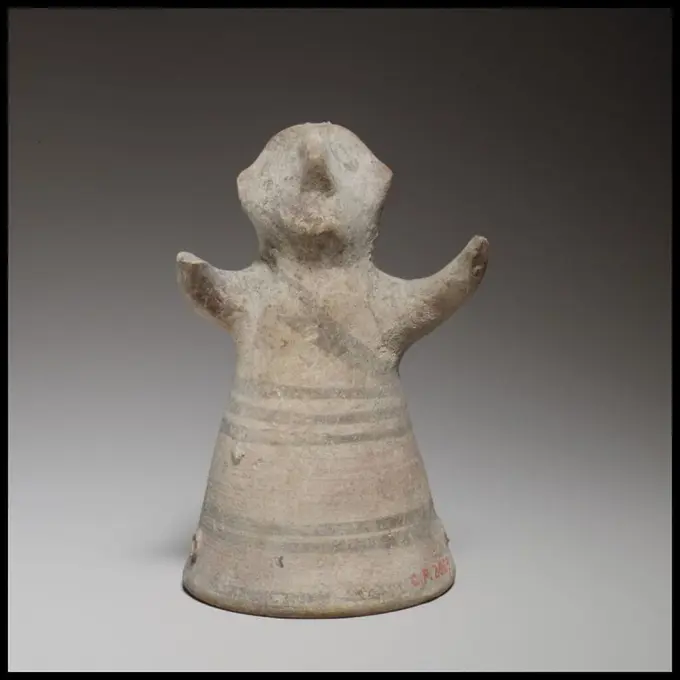
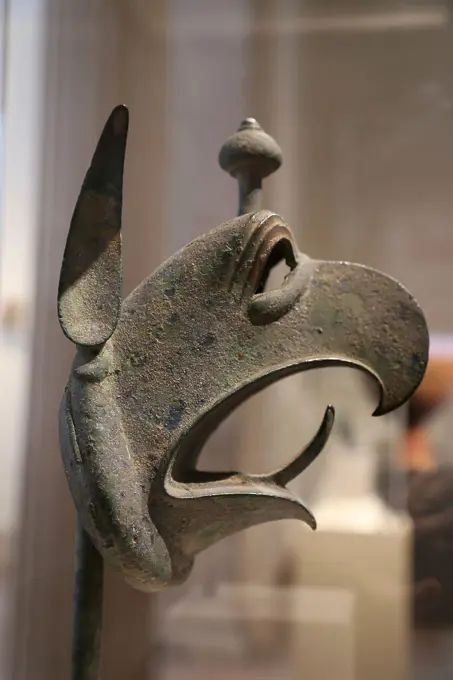
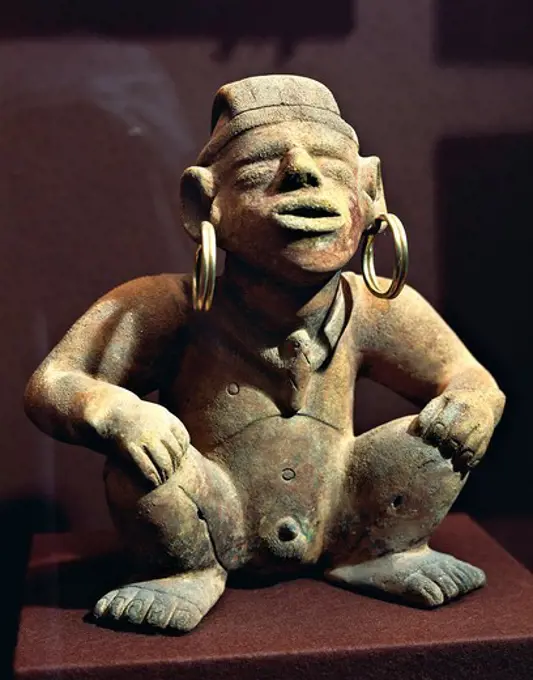
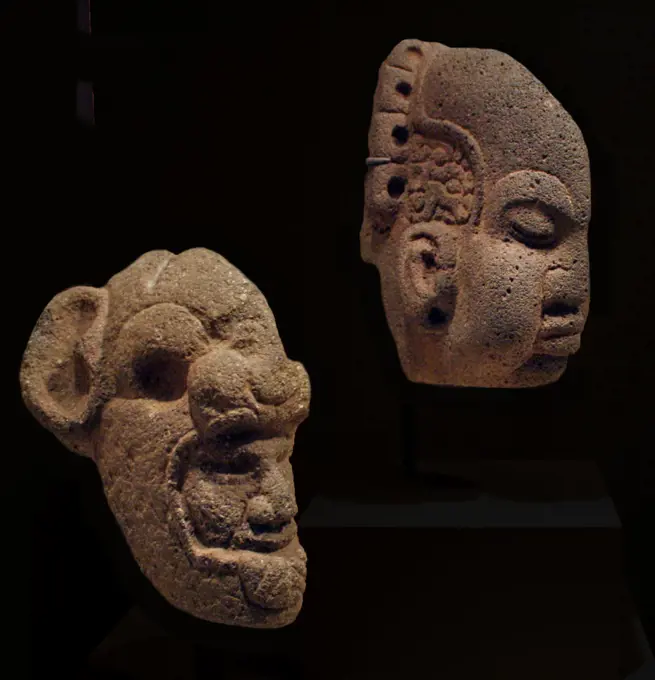
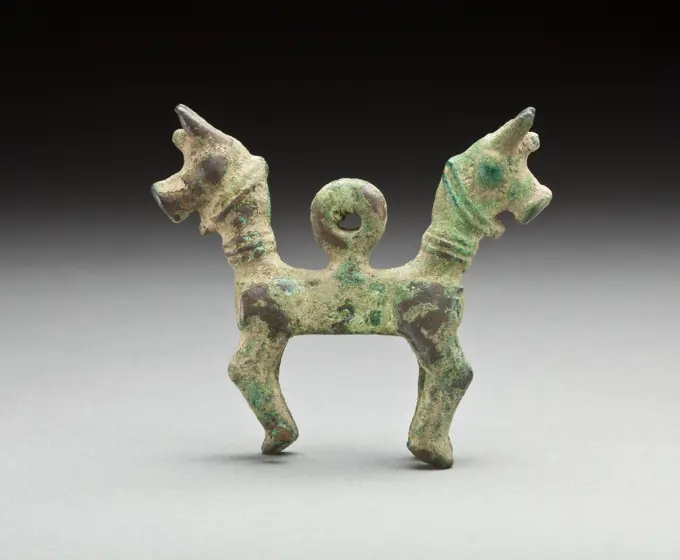
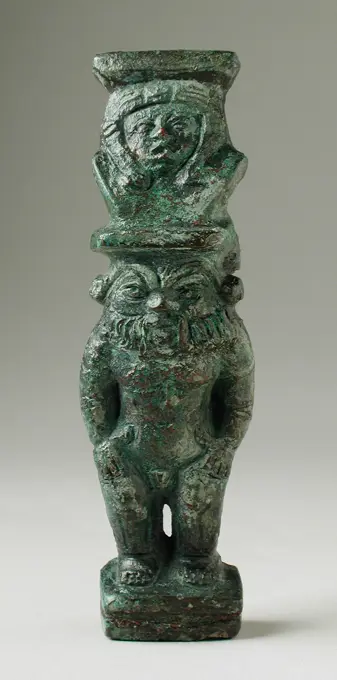
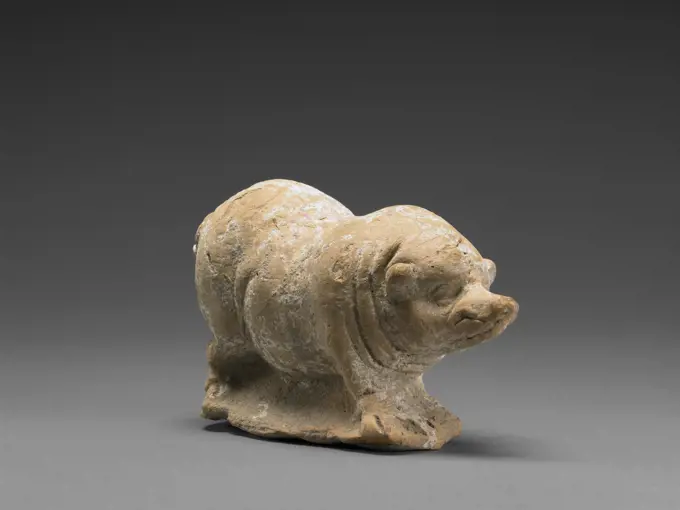
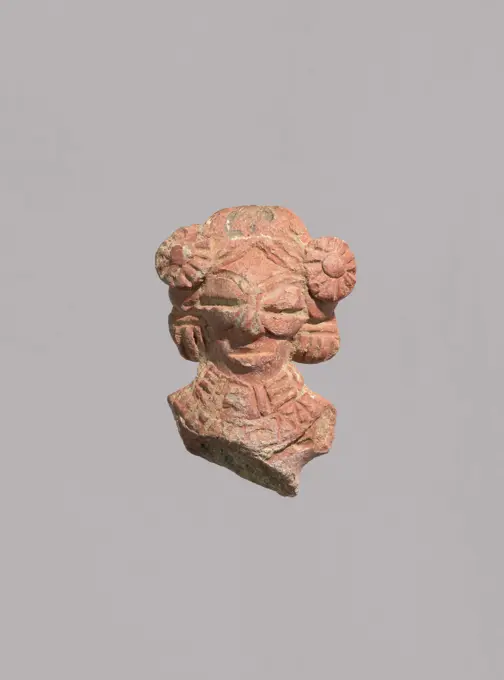
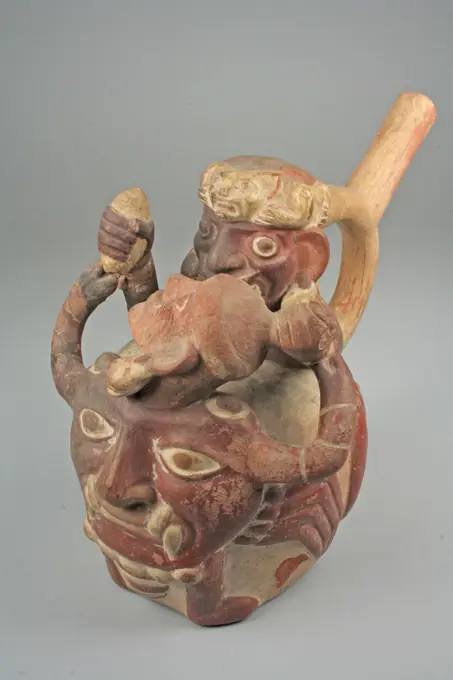
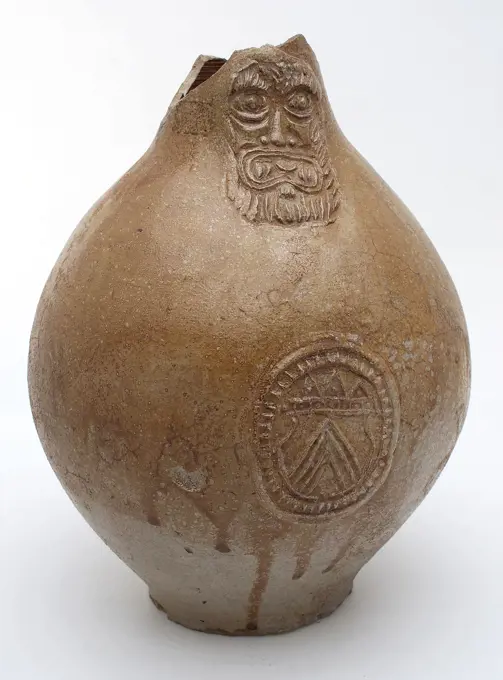
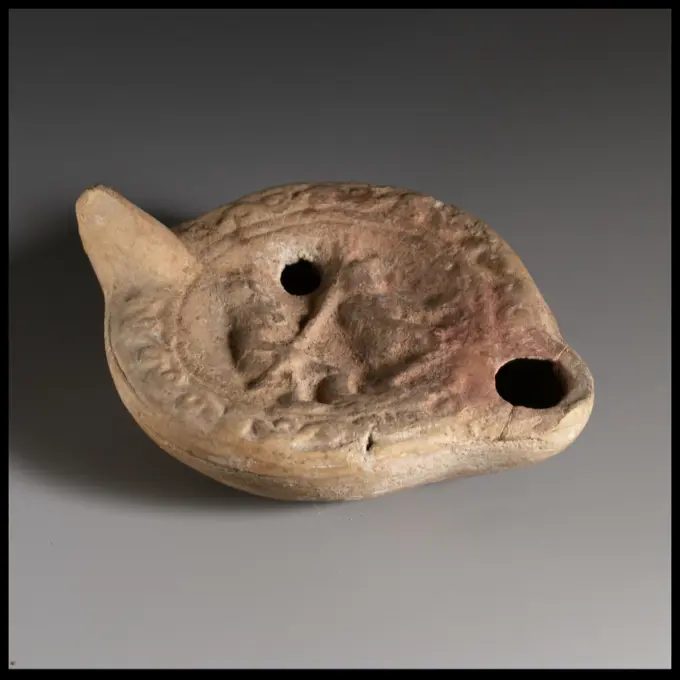
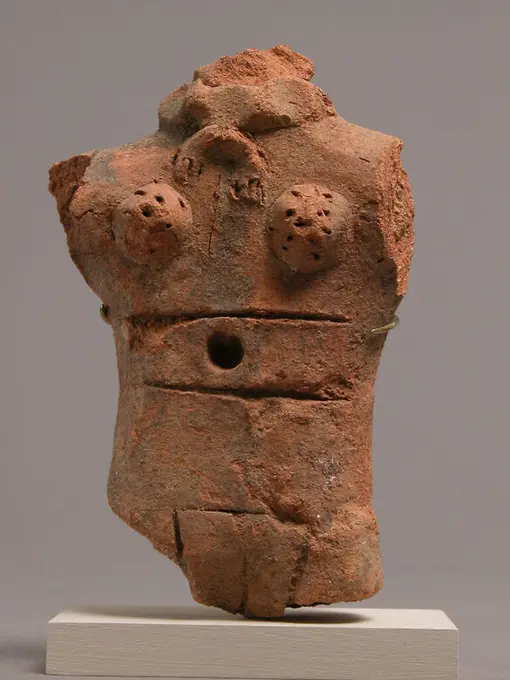
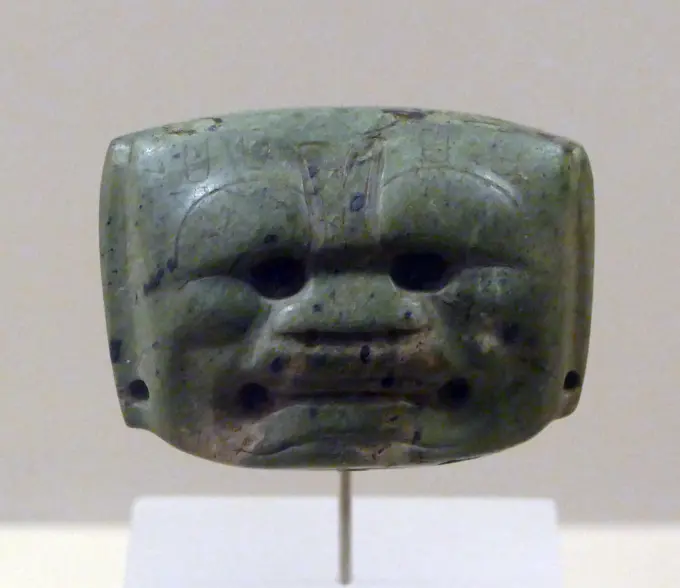
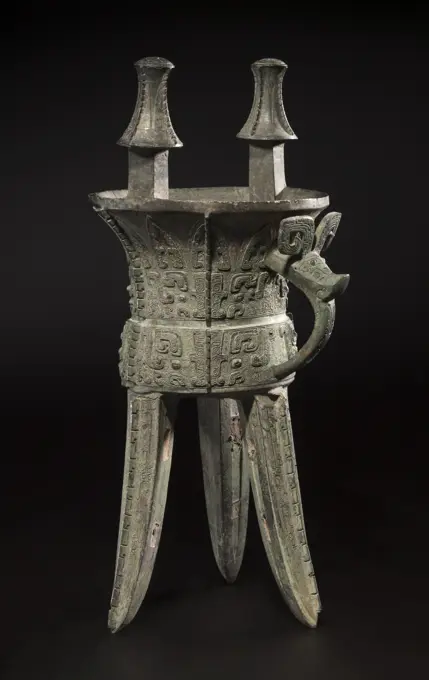
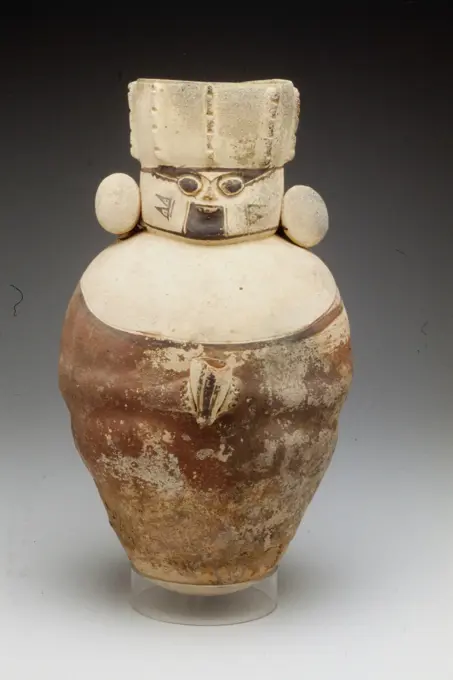
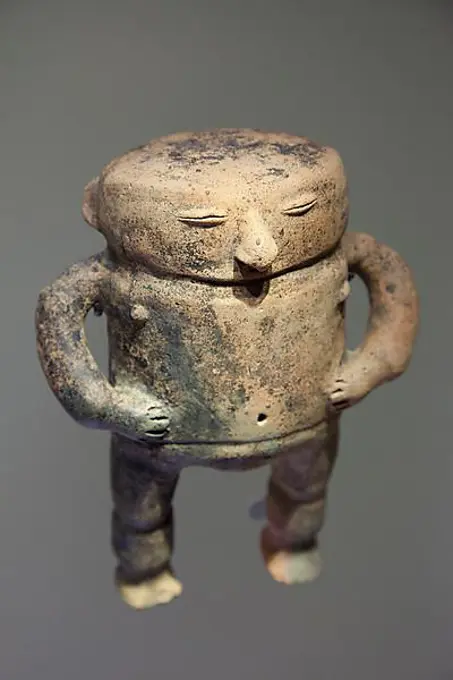
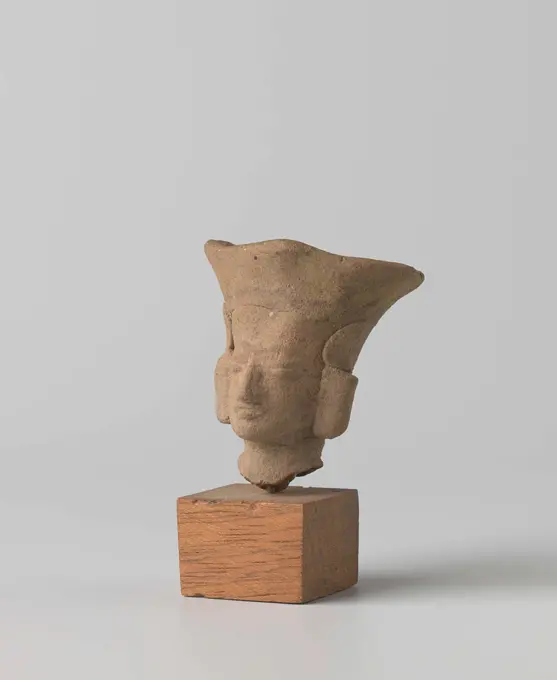
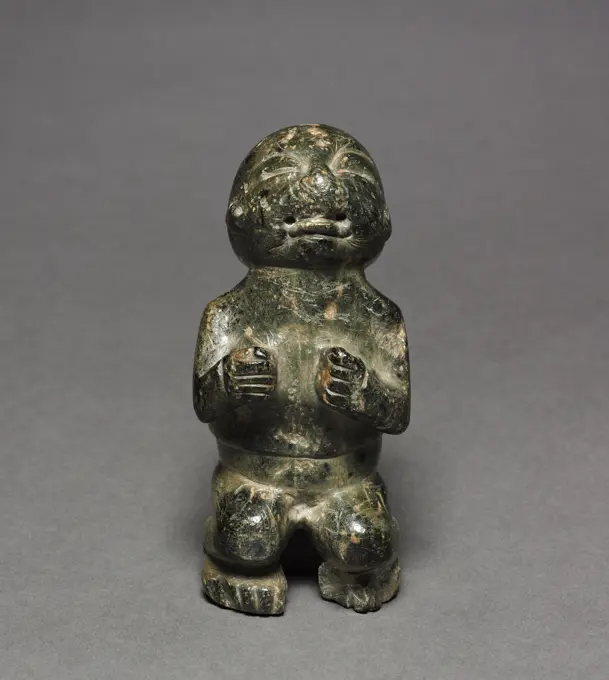
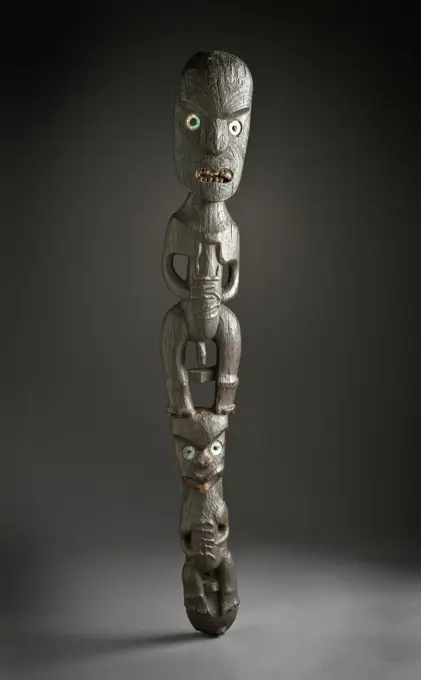
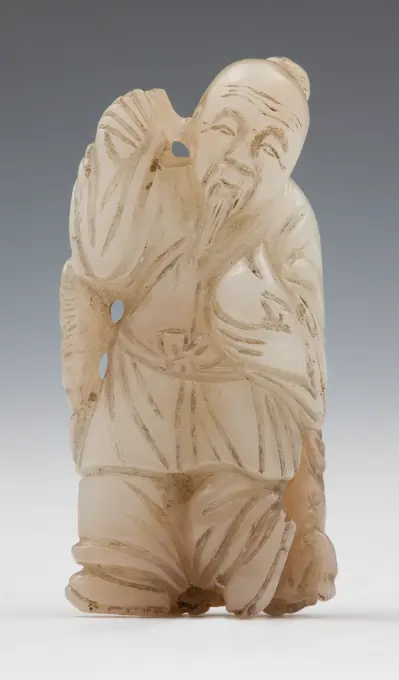
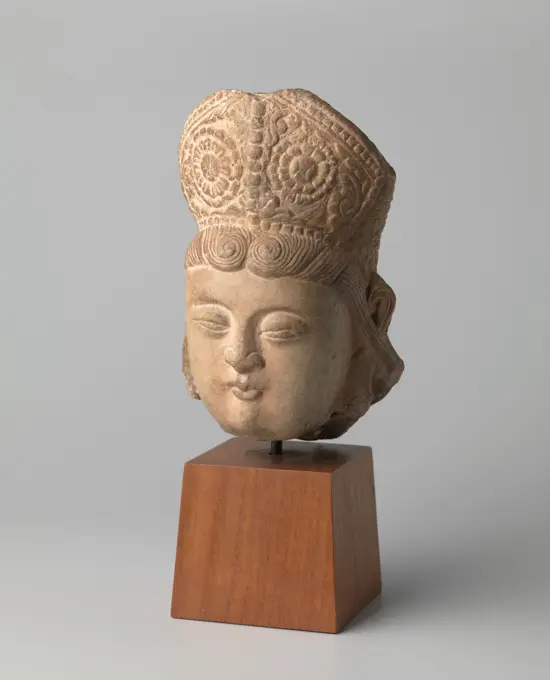
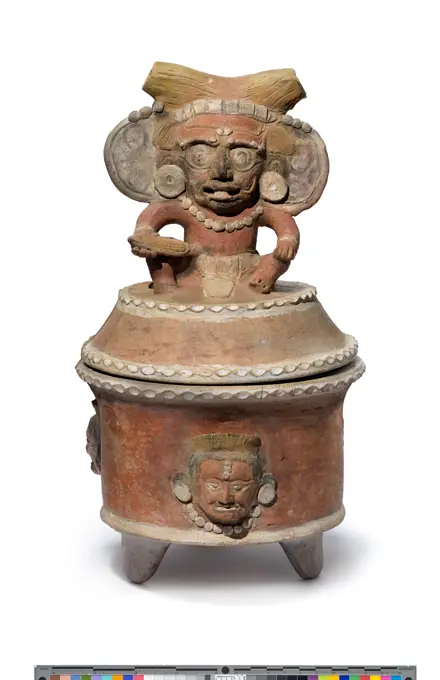
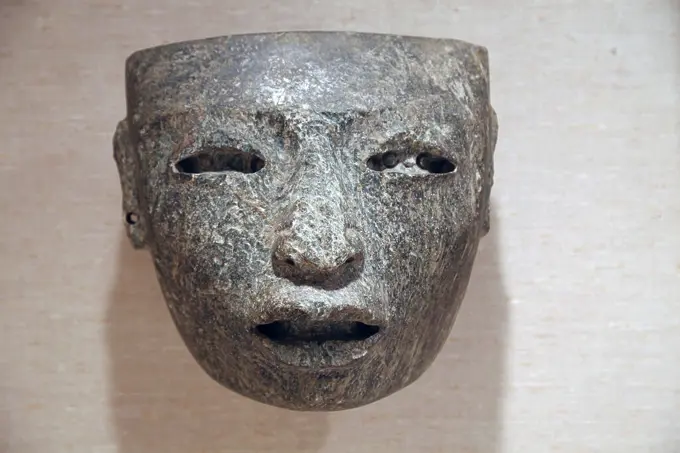
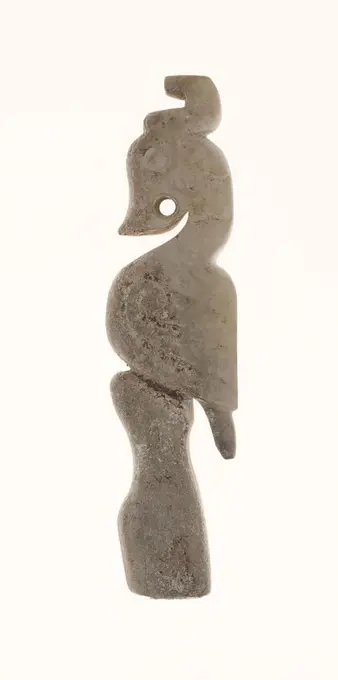
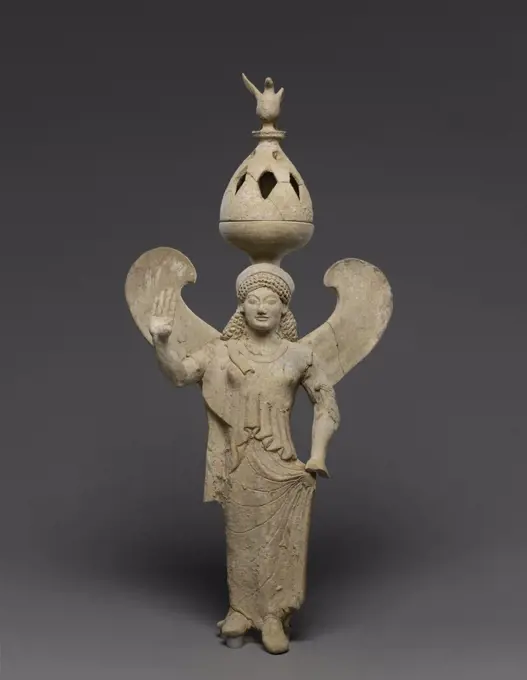
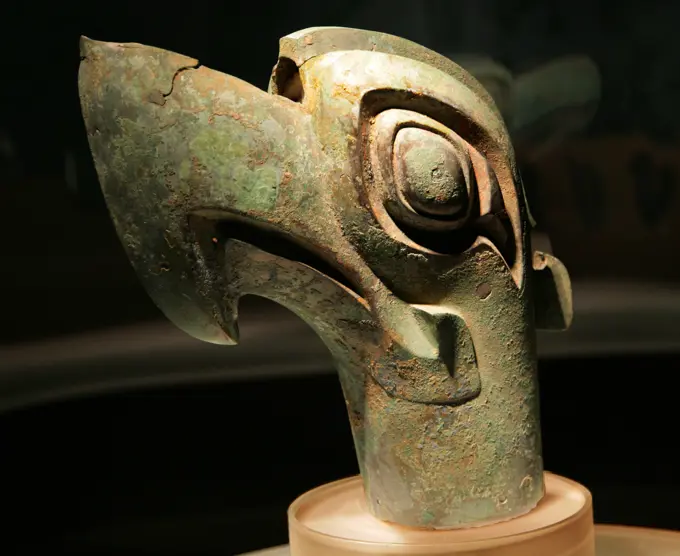
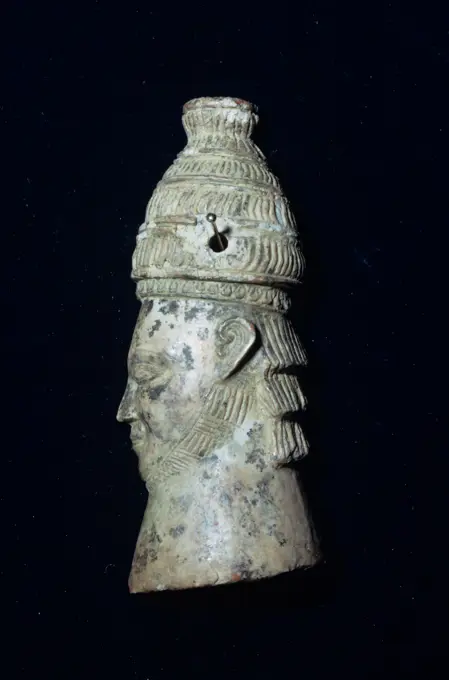
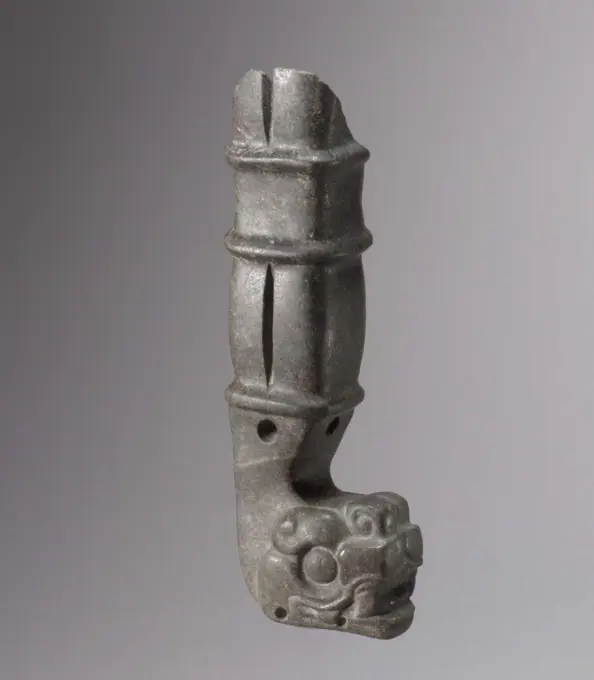
Ceremonial Handle () 7th-9th century Maya This is a fragment representing the handle of a Classic Maya (ca. AD 250-900) scepter. Scepters are some of the most important objects shown in royal portraits and found in royal burials. Analysis of the stone classified it as the hard mineral omphacitic jadeitite (composed of the elements silicon, aluminum, calcium, iron, and magnesium). The sculptor subtly created a fleshiness out of the jade by slightly bowing out the vertical lines that connotes a constriction by the horizontal bands lined with a ridge. The scepter terminates in the head of a serpent with round eyeballs, an open mouth with fangs, an upturned snout, and distinct eyebrows. Tiny biconical drill holes along the serpent’s bottom jaw would have allowed for beads or other danglers to be attached and perhaps make a lot of sound as the ruler employed the scepter in motion. The fragment probably represents the lower portion of an image of K’awiil, the god of lightning. Classic perioSeated Male Figure VesselVessel, c. 500, 17 x 8 1/2 x 9 in. (43.18 x 21.59 x 22.86 cm), Ceramic, Costa Rica, 5th-6th centuryStandard Finial. Iran, Luristan, Luristan bronzes, circa 1000-650 B.C.. Architecture; Architectural Elements. Bronze, castFragment of a Buddha image. Cup of Buddha with crown.Vaso ceremonial representando una cabeza de jaguar. Madera policromada. Cultura Inca, Horizonte Tardío (1400-1533 d. C.). Cuzco, Perú. Museo de América. Madrid. España.Idol's game; Unknown Syrian workshop; 1. PO. 2 thousand BC (-2000-00-00--1501-00-00);North-West Syria, gift (provenance), idols, terracottaChalk Figure Ornament 6th-7th century Moche (Loma Negra). Chalk Figure Ornament 315116Figure Pendant 1st millennium B.C. Valdivia. Figure Pendant 317706Artifact from Calima Culture Pre-Columbian Gold Museo del Oro, Bogota, ColombiaStanding Female Ancestor Figure with Kpelie Mask Senufu Culture African Art Collection of The Museum of Contemporary Art, Jacksonville, FloridaStirrup Spout Bottle with Woman Carrying Burden 3rd-6th century Moche. Stirrup Spout Bottle with Woman Carrying Burden 308546Seated Male Deity 15th-16th century Aztec. Seated Male Deity 307658Stirrup Spout Bottle with Couple. Culture: Moche. Dimensions: H. 8 1/2 x W. 3 7/8 in. (21.6 x 9.8 cm). Date: 4th-7th century. Museum: Metropolitan Museum of Art, New York, USA.Sculpture Fragment of Feline Standing on Rectangular Form. Possibly Inca or Chancay; South or central coast, or southern Highlands, Peru. Date: 1000-1470. Dimensions: 8.3 x 7 x 4 cm (3 1/4 x 2 3/4 x 1 9/16 in.). Ceramic and pigment. Origin: Peru. Museum: The Chicago Art Institute, Chicago, USA.. Polychromed wooden mask of the Ponokawan Semar.Double Vessel, Monkey. Culture: Chim. Dimensions: H. 5 1/4 x W. 3 5/8 x D. 5 1/2 in. (13.3 x 9.3 x 14 cm). Date: 14th-15th century.Elaborate and refined vessels of gold and silver were produced in the last centuries before the rise of the Inca Empire by metalsmiths in the kingdoms of Peru's north coast. Most likely made to hold chichi, a maize beer, drinking such beverages was at the heart of ceremonial activities in the ancient Andes. This example is composed of two parts: a plain, round-shouldered beaker connected by a cylindrical tube to a figure in the shape of a seated monkey with legs drawn up and holding a fruit to its mouth. Created from twenty-four pieces of silver sheet of uniform thickness joined together both mechanically and with solder, the vessel is hollow throughout (see x-ray image below). This meant that when liquid was poured in and out of it, air would be forced out through a sphere inside the head, creating a whistle. The sound would emanate from holes pieMask. New Caledonia, circa 1820. Jewelry and Adornments; masks. WoodSpear Thrower with Feline 1st century B.C.-A.D. 7th century Moche. Spear Thrower with Feline 310646Bottle for mother's milk shaped with appearance of Taweret (hippopotamus goddess), Egyptian civilizationHoly water stoup with an angel's head and Madonna and Child, anonymous, c. 1750 - c. 1799 Singwater tray of stoneware with a semi -circular pelvis. Decorated in cobalt blue. On the pelvis in relief a printed and imposed image of an angel's head; The back plate with a performance by Maria with child. Westerwald. Westerwald stoneware. glaze. cobalt (mineral) vitrification Singwater tray of stoneware with a semi -circular pelvis. Decorated in cobalt blue. On the pelvis in relief a printed and imposed image of an angel's head; The back plate with a performance by Maria with child. Westerwald. Westerwald stoneware. glaze. cobalt (mineral) vitrificationHead of a Clay Figure (Dogū) Japan. Head of a Clay Figure (Dogū) 45519Fishing Float in the Shape of aBirdPendant: Winged Female Head in Profile; Italy; 525 - 480 B.C; Amber; 79 × 49 × 25 mm (3 1,8 × 1 15,16 × 1 in.)Lion figure ca. 1750 B.C. Middle Kingdom. Lion figure. ca. 1750 B.C.. Faience. Middle Kingdom. From Egypt, Memphite Region, Lisht North, cemetery south of pyramid below House A1:1, Pit 885, MMA excavations, 1920-21. Dynasty 13, midVessel in the Form of a BearDrum player, c. 500, 4 3/4 in. (12.1 cm), Earthenware, Mexico, 5th-6th centuryFemale figurine. Culture: Inca. Dimensions: H. 2 3/8 x W. 5/8 x D. 7/8 in. (6 x 1.6 x 2.2 cm). Date: 1400-1533.This female figurine is made of hammered metal sheet and is analogous to other Inca miniature figurines often ritually deposited and considered sacred entities, or huacas, a Quechua and Aymara term. This figurine shows a woman standing with arms and hands pulled toward the chest. Her eyes are almond-shaped and her mouth is closed. As with other figurines in this corpus, the head appears larger than the expected proportion relative to the rest of the body. Of the three height groups (5-7 cm, 13-15 cm, 22-24 cm) evident among this corpus of Inca human figurines in metal, this figurine is in the smallest height group. This figurine is similar in morphology and fabrication as ones often associated with assemblages from sites of capac hucha, or 'royal obligation,' described (Cieza de Len 1959, 190-193; Diez de Betanzos 1996, 132) as an Inca state-sanctioned performCanopic Jar with Falcon's Head (lid), 664-525 BC. Egypt, Late Period, Dynasty 26. Travertine; In the process of mummification, the liver, lungs, stomach, and intestines were removed, separately embalmed, and stored in specialized jars known as canopic jars (after a sailor in Greek mythology, who died at the town of Canopus in the Nile Delta and was worshipped there in the form of a human-headed jar). Each organ was identified with one of four funerary deities collectively known as the Sons of Horus: the liver with Imsety (man's head), the lungs with Hapy (baboon's head), the stomach with Duamutef (jackal's head), and the intestines with Qebehsenuef (falcon's head). It was their duty to protect the deceased and restore to him his body parts in the hereafter.Head of a comic figurine Late 4th-3rd century B.C. Greek, Attic  The masked head is mold-made and solid. The back is flattened.. Head of a comic figurine 241055Pottery Whistle ca. 900-1521 Mexican. Pottery Whistle. Mexican. ca. 900-1521. Clay. Pre-Columbian. Mexico. Aerophone-Whistle Flute-whistleLute Finial(Hasapi)Bronze statuette of a dwarf with silver eyes 1st century B.C.-1st century A.D. Greek or Roman The dwarf wears a wreath and carries a large tray of eatables from which he is helping himself. He may be a caricature of a street hawker at a festival. He has an apron tied at the back of his neck, and a bag hangs at his side. The type is Hellenistic, but the execution is probably Roman.. Bronze statuette of a dwarf with silver eyes 246687Double Whistle 7th-9th century Mayan This pottery whistle is in the form of a bird standing on two legs and a tail. It is a double whistle, with two internal and separate sounding chambers. The lower chamber, located in the body of the bird, is sounded through a mouthpiece located in the tail. This chamber has a single finger hole on the front of the bird's belly allowing for two pitches to be produced. A second, smaller, chamber is found in the head of the bird and is activated through a mouthpiece protruding from behind the ears.. Double Whistle. Mayan. 7th-9th century. Pottery, paint. Pre-Columbian. Mexico. Aerophone-Whistle FluteBronze statuette. The Ingot God. Standing on an ingot of copper. 1200-1100 BC. Enkomi.Bronze figurine of MarsTerracotta oil lamp 3rd century A.D. Roman Vessberg Type 18. Mold-made, with unpierced handle. Discus: undecorated circle, with central filling hole and bordered by a raised line and groove that extend forward, enclosing the wick hole. Convex-curving shoulder: pattern of raised globules. Raised base ring, flanked by circular grooves, and small, pushed-in base, possibly impressed with a footprint stamp. V-shaped pattern of lines and grooves between base and back of handle; two bands of two parallel grooves flanking underside of nozzle, and a row of three impressed dots on spine of nozzle.Intact.. Terracotta oil lamp 241594Wine vessel (Jue), c. 1200 BC. China, late Shang dynasty (c.1600-c.1046 BC). Bronze; overall: 22.7 x 17.2 cm (8 15/16 x 6 3/4 in.).Head of Buddha. Culture: Pakistan (ancient region of Gandhara). Dimensions: H. 2 9/16 in. (6.5 cm); W. 1 5/8 in. (4.1 cm); D. 1 5/8 in. (4.1 cm). Date: 4th century. Museum: Metropolitan Museum of Art, New York, USA.Portrait Head Vessel, 200-550. Peru, North Coast, Moche style (50-800). Earthenware with colored slips; overall: 30.5 x 28.9 x 25 cm (12 x 11 3/8 x 9 13/16 in.).Head of a woman 3rd century B.C. Greek. Head of a woman 255775Miniature club ca. 1860 Penobscot. Miniature club 319116Tomb guardian beasts with dog 7th-8th century China. Tomb guardian beasts with dog. China. 7th-8th century. Earthenware with pale green glaze. Tang dynasty (618-907). Tomb PotteryPellet Bell in the Form of a Monkey Indonesia (Java) ca. 13th-14th centuryFudô-myôô; miniature of the mask for gigaku. unknown, craftsmanStanding male figurine with uplifted arms. Culture: Cypriot. Dimensions: H. 3 3/4 in. (9.5 cm). Date: ca. 750-600 B.C..The conical body is wheel-made and hollow, with added handmade arms stretched upward and outward. Museum: Metropolitan Museum of Art, New York, USA.Kyogen Mask: Whistler, 1600s. Japan, Edo period (1615-1868). Wood with color; overall: 16 x 12.7 cm (6 5/16 x 5 in.).Bronze head of a griffin. Greek, 7th century BD. From Olympia. Greece. The Met. NY, USA.Mask 6th-7th century Moche (Loma Negra). Mask 313446IdolFoundation peg and Figurine from a temple. Dated to the Early Dynastic III period.Colombia, Pre-Columbian civilization, Terracotta male statuette with golden earrings, From CalimaHacha, Head in feline mask. Mexico, Veracruz. 7th-10th century. Andesite.Pendant. Western Iran, about 150 B.C.-A.D. 225. Jewelry and Adornments; pendants. Bronze, castStanding Bes Figurine with Hathor Headdress. Egypt, probably Late Period - Ptolemaic Period (380 - 30 BCE). Sculpture. BronzeRattle in the Shape of a Pig; Centuripe, Sicily, Italy; 3rd century B.C; Terracotta with traces of Polychromy; 8.3 x 5.4 x 13.5 cm (3 1,4 x 2 1,8 x 5 5,16 in.)Womans head - figurine fragment. unknown, craftsmanPinhead. Northwestern Iran, modern. Jewelry and Adornments; pins. Bronze, castHintha duck weight, 10 Tical. unknown, craftsmanBaboon figurine. Dimensions: H. 6.3 cm (2 1/2 in). Date: ca. 2030-1640 B.C.. Museum: Metropolitan Museum of Art, New York, USA.Bottle, Crab Demon 4th-7th century Moche. Bottle, Crab Demon. Moche. 4th-7th century. Ceramic, slip. Peru. Ceramics-ContainersLight brown Bartmann jug, also called Bellarmine jug, under mask oval in which coat of arms, Bartmann jug jug crockery holder soil find ceramic stoneware clay engobe glaze salt glaze, hand turned stamped glazed glazed baked stoneware jug gray shard light brown salt glaze short tail archeology heraldry import pottery drink transport packingTerracotta oil lamp 2nd century A.D. Roman Loeschcke Type 8. Unpierced handle. Mold-made. Discus: two gladiators; on left, standing retiarius, facing right and holding long trident aslant, and, on right, kneeling opponent, also facing right. Relief scroll pattern on shoulder. On base, in Greek letters: XAP (). Red-buff clay.. Terracotta oil lamp 241812Netsuke Gamma Sennin, 19th century, Unknown Japanese, 2 3/4 x 1 x 1in. (7 x 2.5 x 2.5cm), Stag horn, Japan, 19th centuryFragment of a Figure. Culture: Coptic. Dimensions: Overall: 4 5/16 x 2 13/16 x 1 7/16 in. (10.9 x 7.2 x 3.7 cm). Date: 4th-7th century. Museum: Metropolitan Museum of Art, New York, USA.Jade pectoral, Olmec civilisation, Mexico 1200-400 BCChina: Jia wine vessel, late Shang Dynasty (c. 1600 BCE - c. 1045 BCE). A jia is a type of container used to hold wine and also heat wine. It is also used ceremonially to pour wine in to the ground.Round-bottomed pitcher, 11th-15th century, 18 1/2 x 5 1/4 x 5 1/4 in. (47 x 13.3 x 13.3 cm), Polychome earthenware, Peru, 11th-15th centuryExhibit from the Gold Museum, Museo del Oro, Bogota, Columbia, South AmericaSculpture. Cup with high hollow hair or headgear, upwards widespread. On either side of face two ornaments above each other; A half moon shape and an elongated form over the ears. On base.Stone vessel with ritual figure, Isla de Sacrificios, Mexico. 900 - 1521 AD . Translucent white stone tecalli (travertine) was quarried in the Mexican highlands, and reserved for special ritual objects. The fan shaped headdress on this figure resembles those on the Huaxtec stone sculptures (on the pyramid plinth).Double Chambered Bottle 7th-8th century Wari. Double Chambered Bottle 308554Crouching Figure, 900-300 BC. Mexico, Guerrero, Olmec, 1200-300 BC. Serpentine; overall: 11.6 x 5.3 x 5.4 cm (4 9/16 x 2 1/16 x 2 1/8 in.).Gable Peak Figure (teko teko). New Zealand (Aotearoa), Maori, circa 1800. Sculpture. Wood, shell, human teeth, and traces of pigmentZhuizhi skirt in the shape of a shouxing figurine with peach, jelone and bat unknownStag-Shaped Seal. Japan, 19th century. Costumes; Accessories. Stag antlerTupilak from Qaqortoq, Greenland. Made from reindeer antler.Face Mask Ornament 6th-7th century Moche (Loma Negra). Face Mask Ornament. Moche (Loma Negra). 6th-7th century. Copper, gilded copper, silvered copper. Peru. Metal-OrnamentsSnuff Bottle, 1875-1925, 3 3/16 x 1in. (8.1 x 2.5cm), Coral, ChinaLid of a Censer 7th century. Lid of a Censer. 7th century. Bronze; cast. Made in Egypt. MetalPuppet (Wayang Klitik) of aKayonTwo-headed figure rattle 13th-early 16th century Aztec. Two-headed figure rattle 317884. Contrary to popular belief, the piggy bank is not a European invention. Many terracotta piggy banks have been found on Java. Most are in the form of a pig, as the fat animal evoked associations with wealth. The slot for coins is still visible on the back of this example.Skull Pendant 13th-early 16th century Aztec (). Skull Pendant 307664Seated Chieftain Ai Apec,  from Moche IV,  Peru,  USA,  Florida,  Jacksonville,  The Museum of Contemporary Art,  Pre-Columbia Ceramic Collection,  circa 200-500 A.D.CDK unknownHead of a Bodhisattva, Anonymous, 618 - 907 Fragment (head) of a bodhisattva. On a pedestal. China marble (rock). sokkel: wood (plant material) Fragment (head) of a bodhisattva. On a pedestal. China marble (rock). sokkel: wood (plant material)Lidded Tripod Vessel with Maize Deity. Guatemala, El Quiché, Maya, 650-850 CE. Ceramics. Slip-painted ceramic with post-fire pigmentTerracotta model of a Nile boat ca. 2nd century A.D. Roman, Egyptian It may have been a toy with detachable wooden mast and cloth sails.. Terracotta model of a Nile boat. Roman, Egyptian. ca. 2nd century A.D.. Terracotta. Imperial. TerracottasDrum with Head. Culture: Paracas. Dimensions: Overall: 16 in. (40.64 cm)Other: 10 1/2 in. (26.67 cm). Date: 3rd century B.C.. Museum: Metropolitan Museum of Art, New York, USA.Owl Vessel 6th-14th century Diquís (). Owl Vessel 312487America. Mexico. Teothihuacan. Mask. 3rd-7th century. Greenstone. Metropolitan Museum of Art. Ny. Usa.Bird Pendant. China. Date: 1300 BC-900 BC. Dimensions: 7.7 × 2.5 × 0.5 cm (3 × 1 × 3/16 in.). Jade. Origin: China. Museum: The Chicago Art Institute, Chicago, USA.Thymiaterion Supported by a Statuette of Nike; Unknown; Sicily, Europe; 500 - 480 B.C.; Terracotta with polychromy; Object: H:  44.6 x Diam. (incense cup): 7 cm (17 9/16 x 2 3/4 in.)Prehistory, Bulgaria, Eneolithic. Small marble idol. From Karanovo.Tall, Three Thousand Year Old Bronze Bird Statue Sanxingdui Three Star Mound Museum Guanghan, Chengdu, Sichuan, China. The statues have been carbon dated to the 11th-12th Century BCECoast Salish ceremonial mask of a human face carved from cedar wood, Tulalip Tribes, WashingtonFigurine of an ActorStatuette of a Cat 1069 BCE-664 BCE Egypt. Bronze . Ancient EgyptianMycenean ivory head of a warrior, Greece.