Ancient Artifacts Collection

A selection of ornate ancient artifacts including ceremonial handles, figures, and vessels from different cultures, showcasing intricate designs and materials.

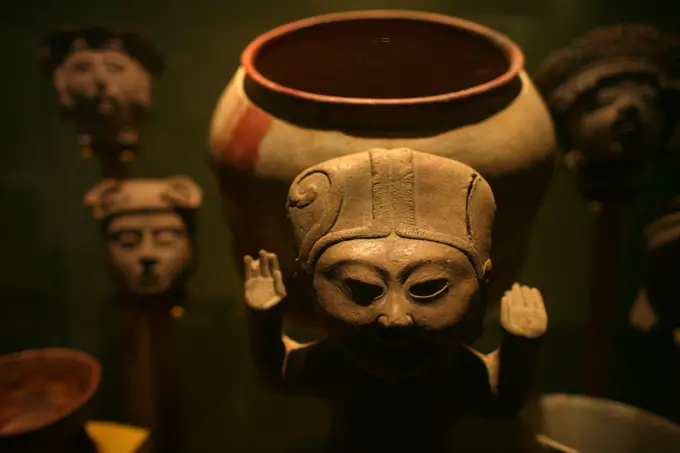
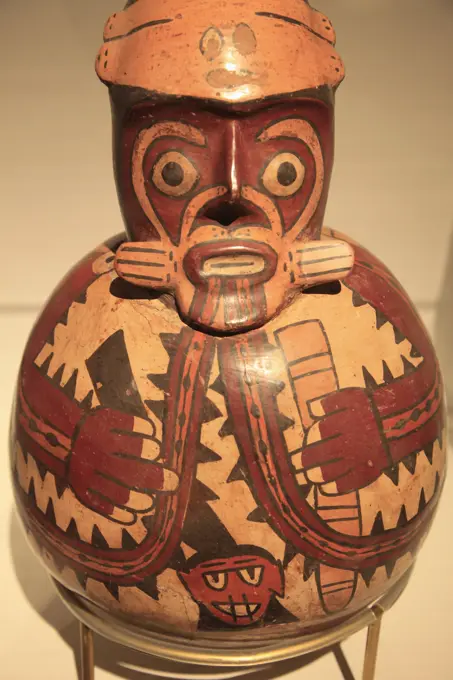
Vessel, c. 500, 17 x 8 1/2 x 9 in. (43.18 x 21.59 x 22.86 cm), Ceramic, Costa Rica, 5th-6th century
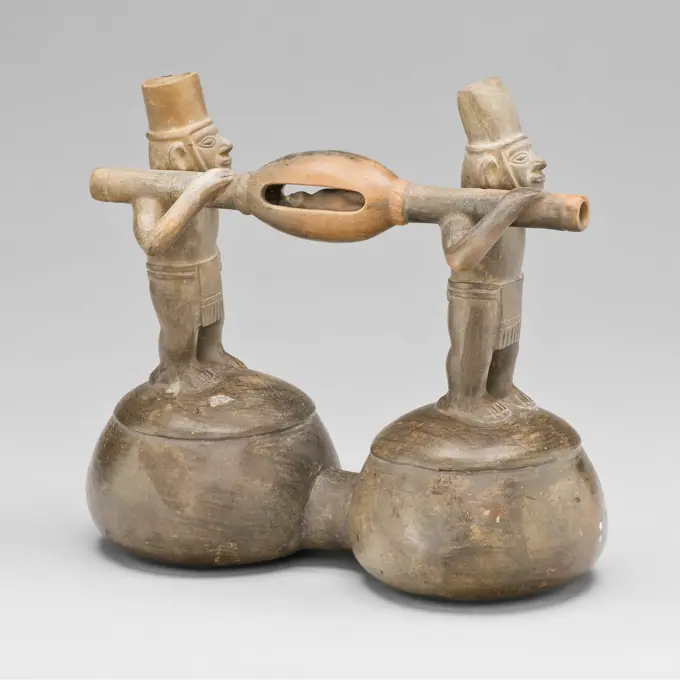
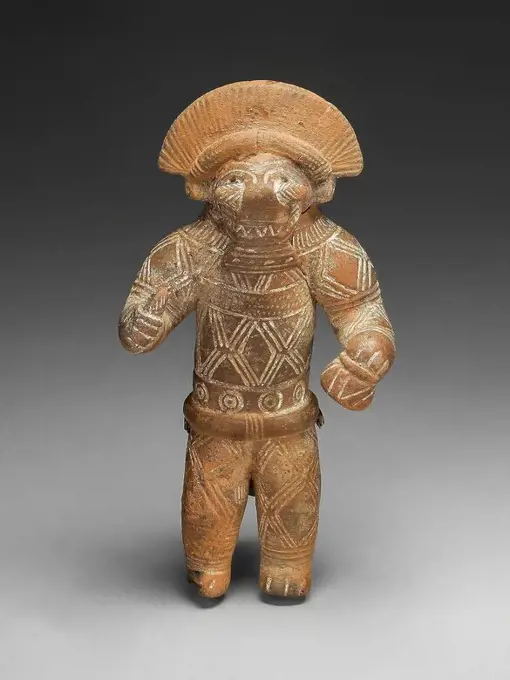
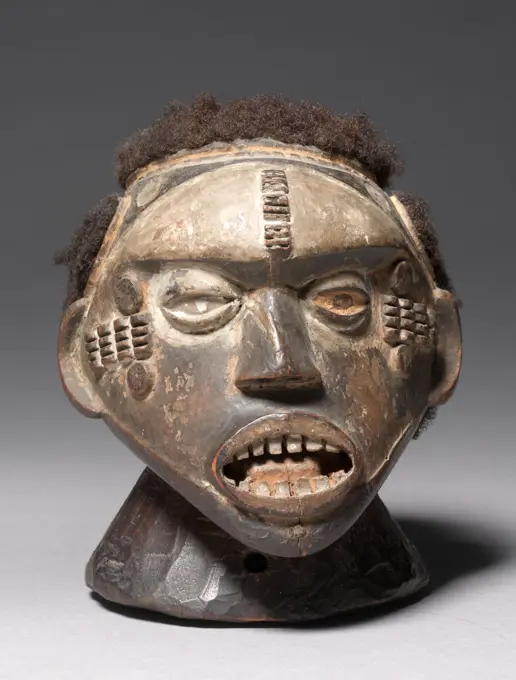
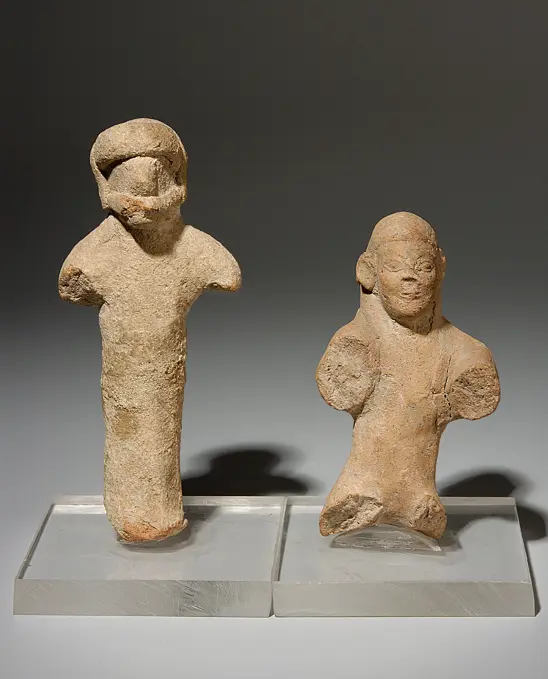
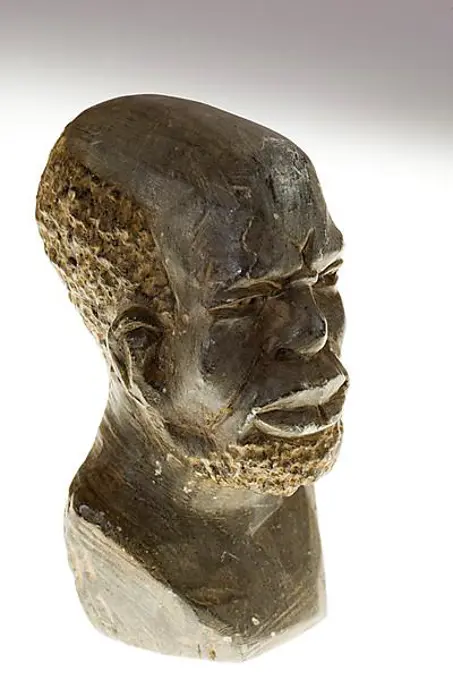
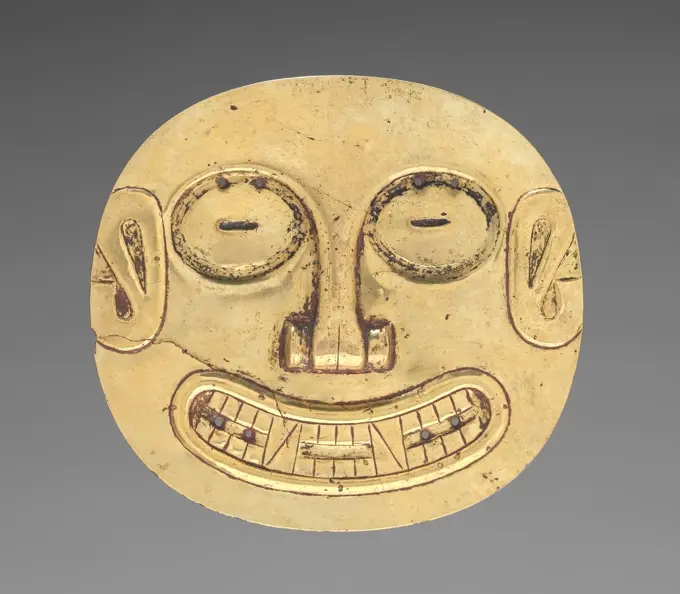
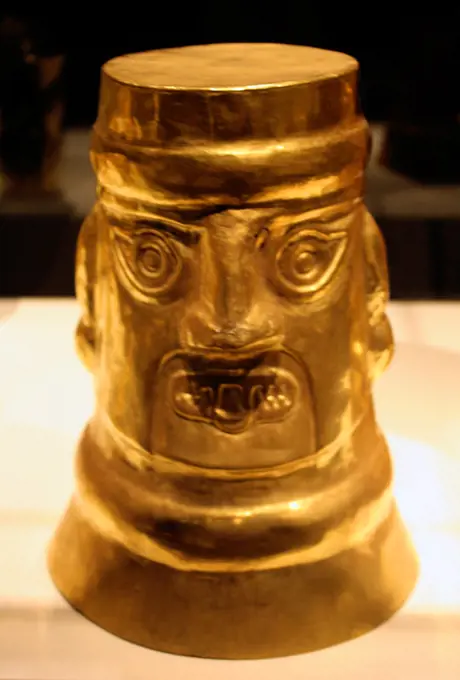
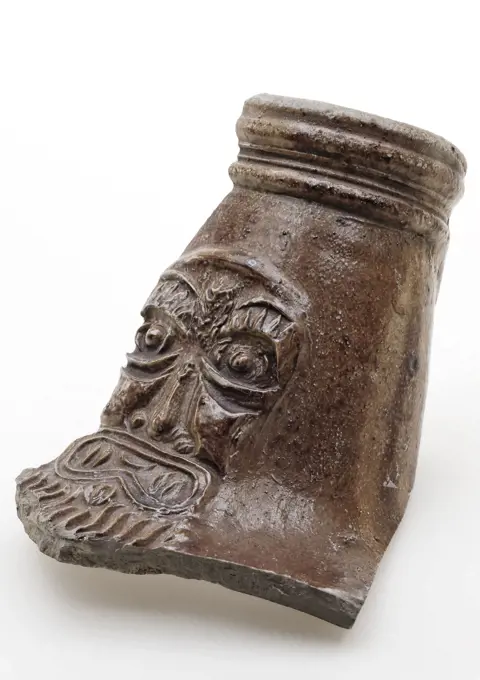
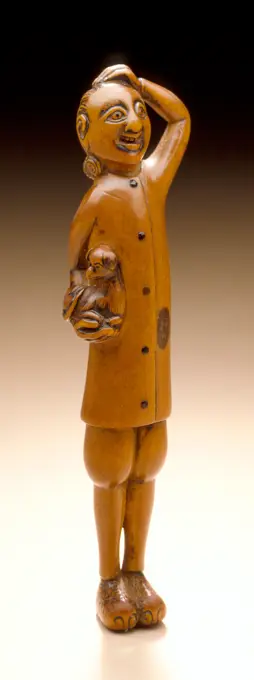
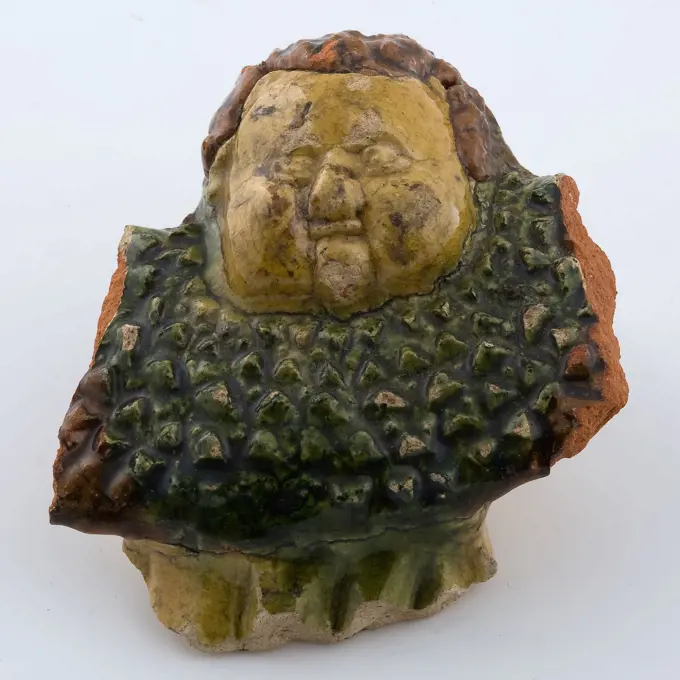
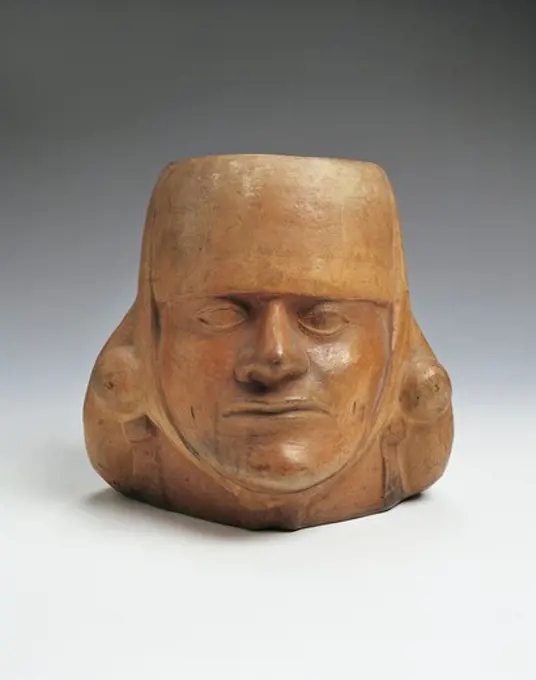
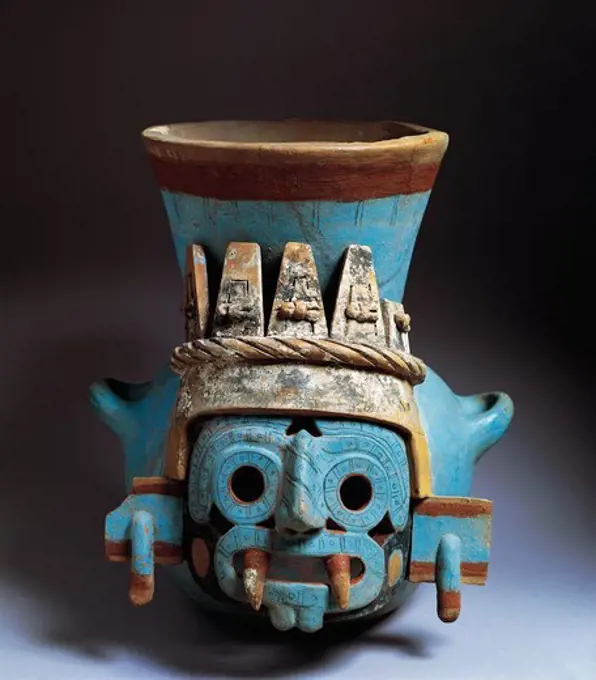
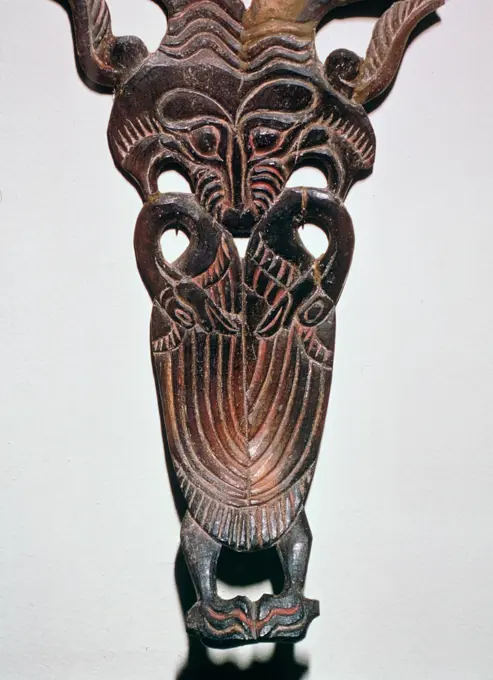
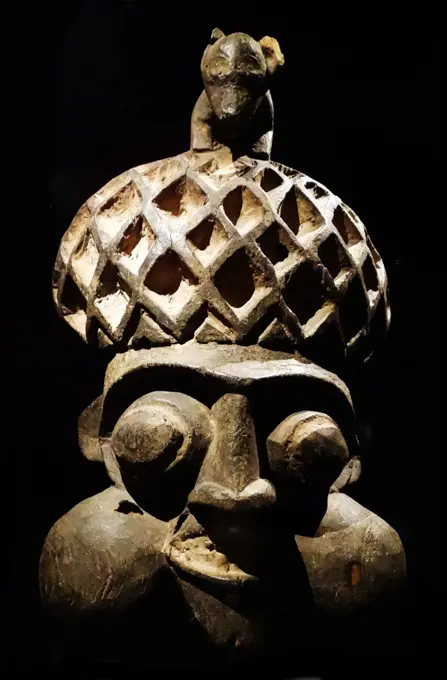
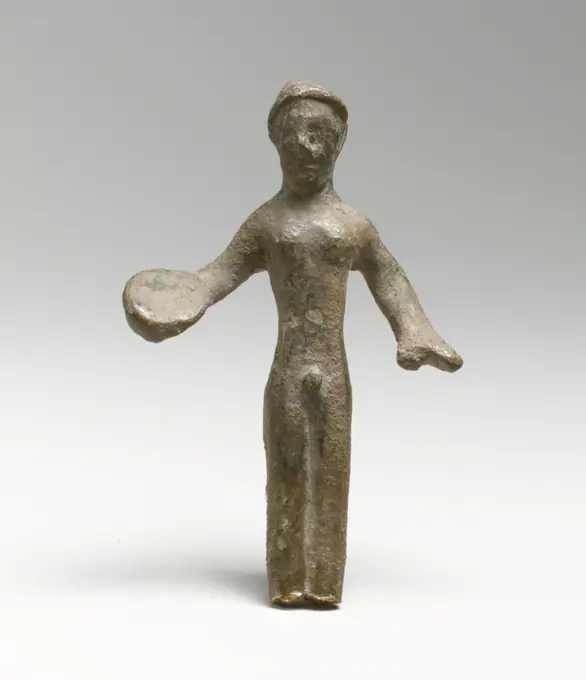
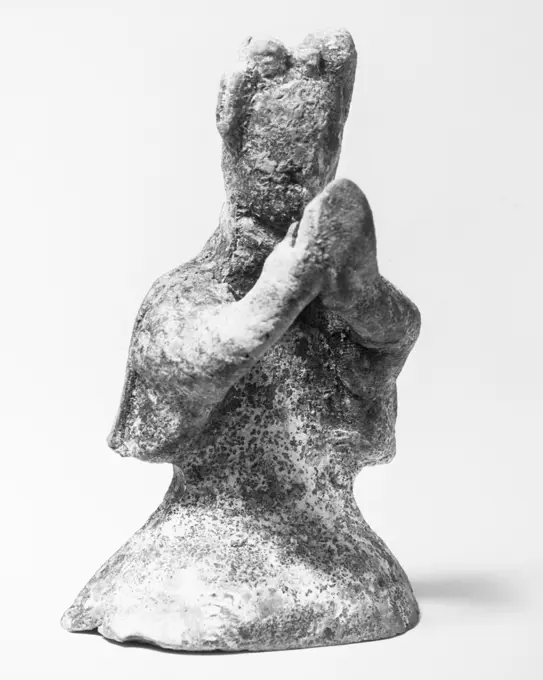
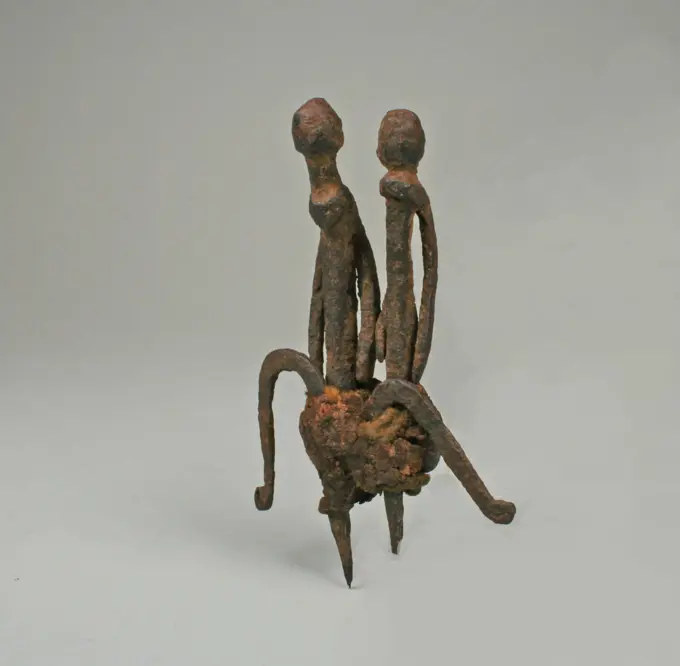
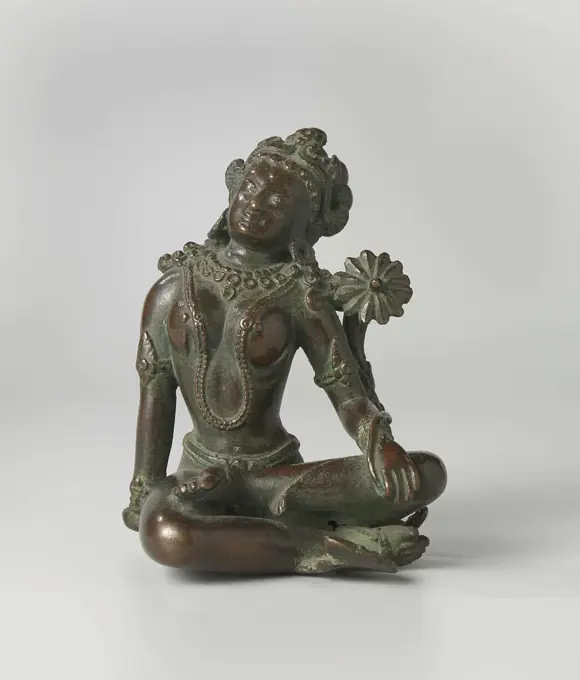
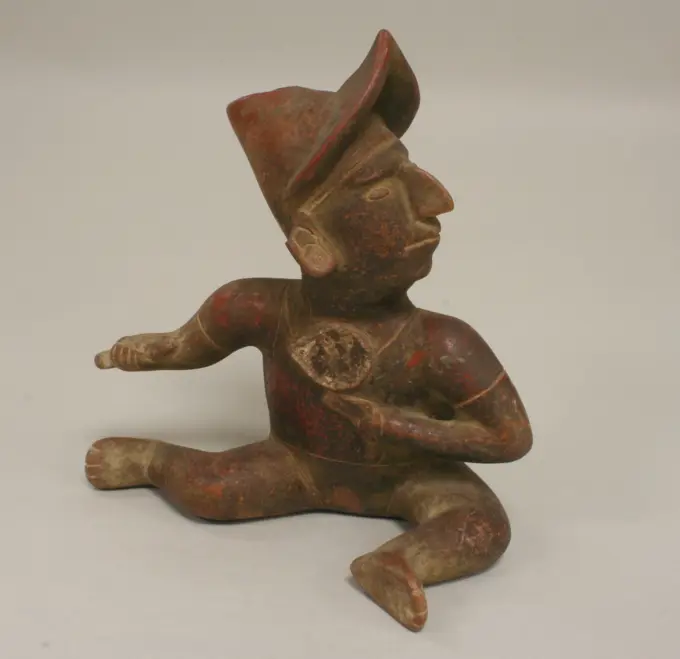
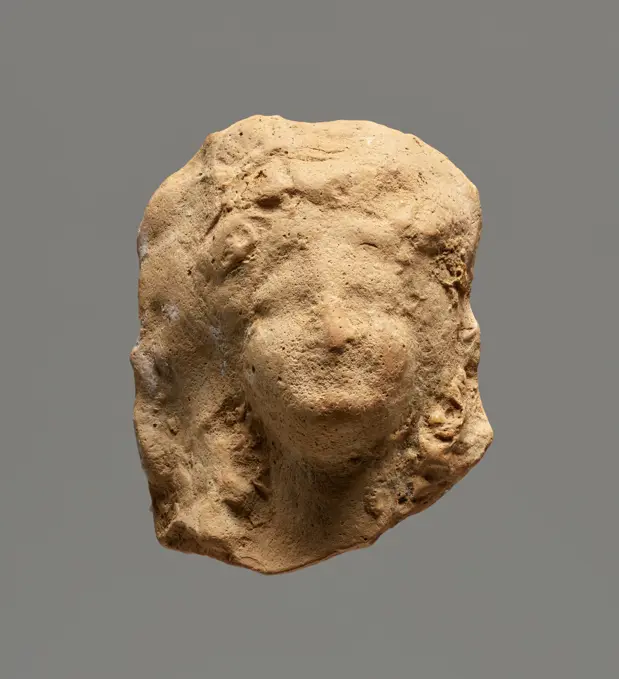
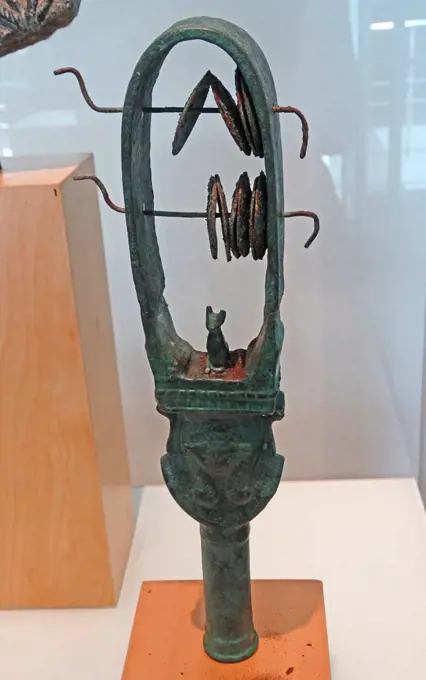
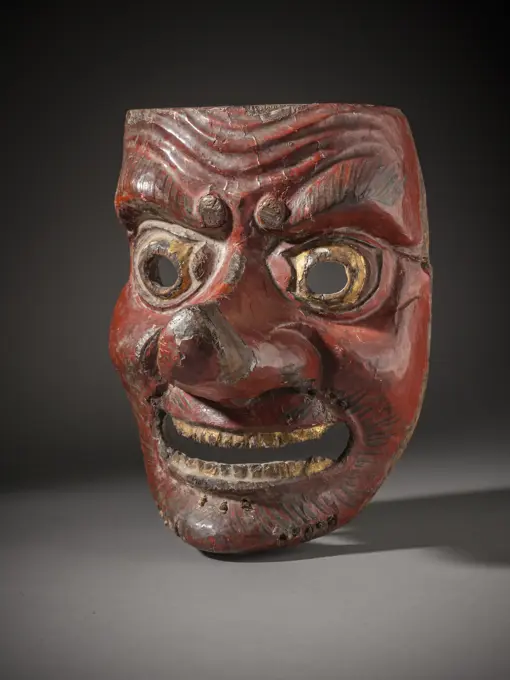
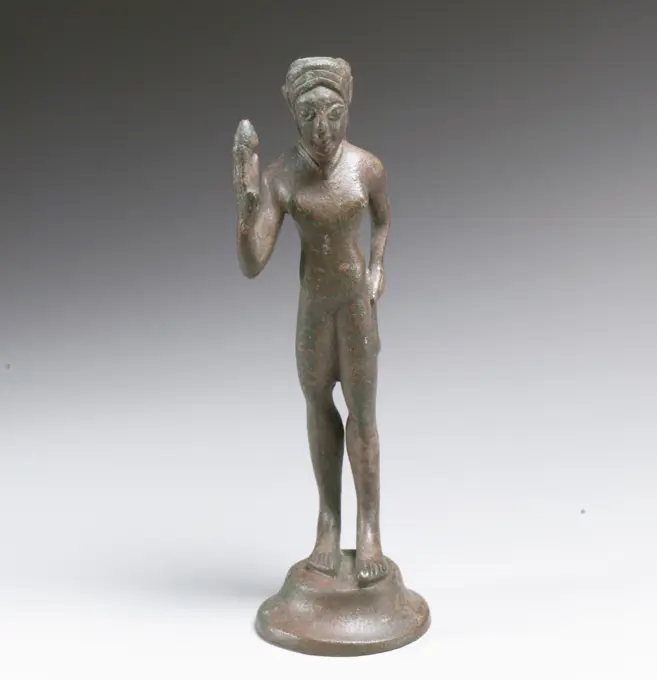
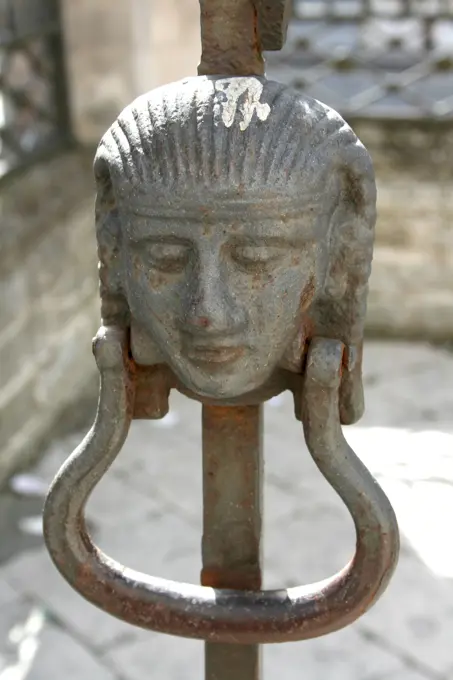
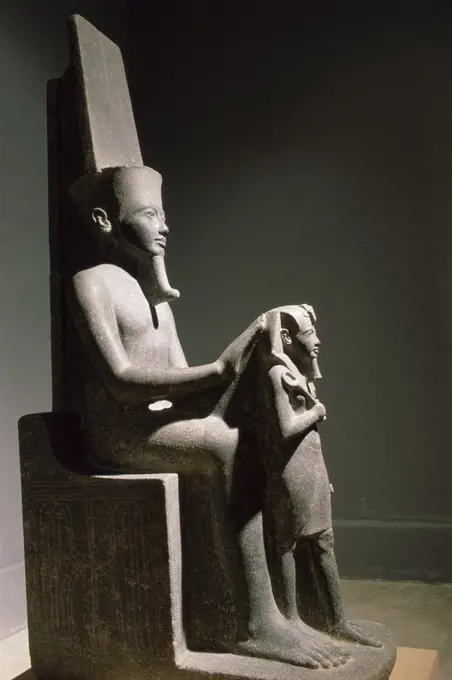
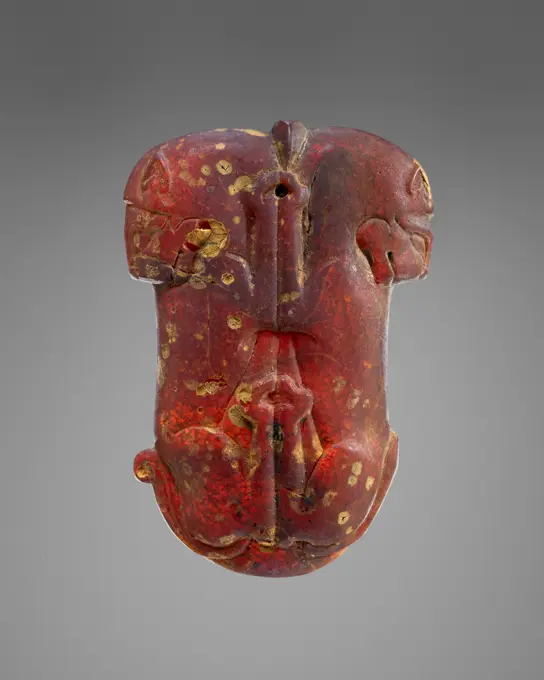
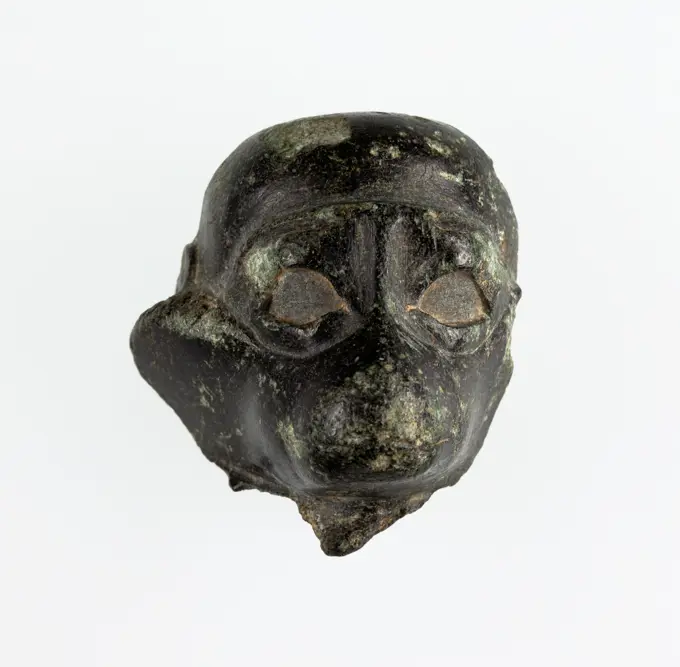
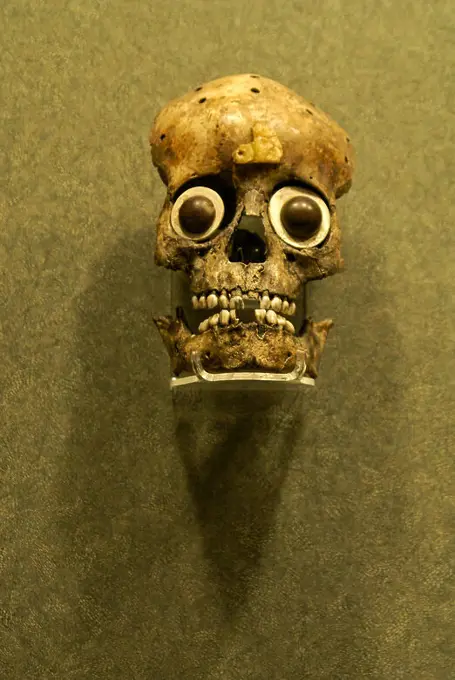
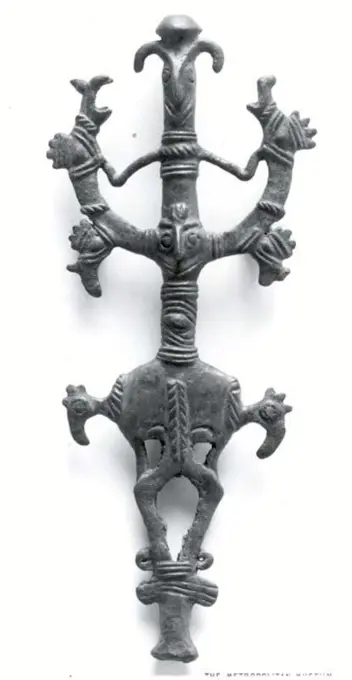
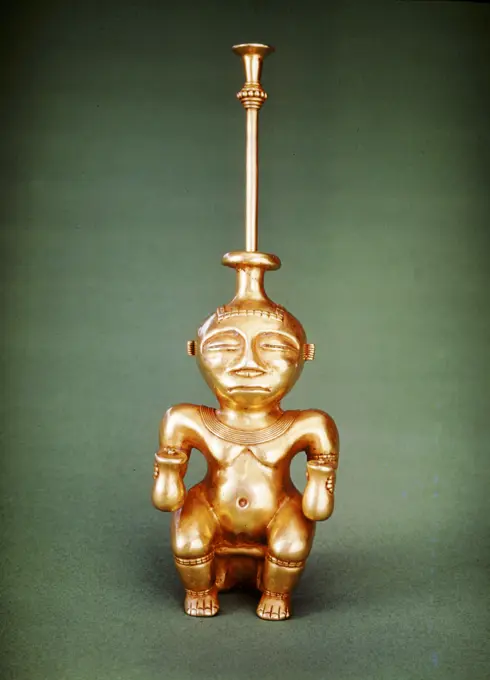
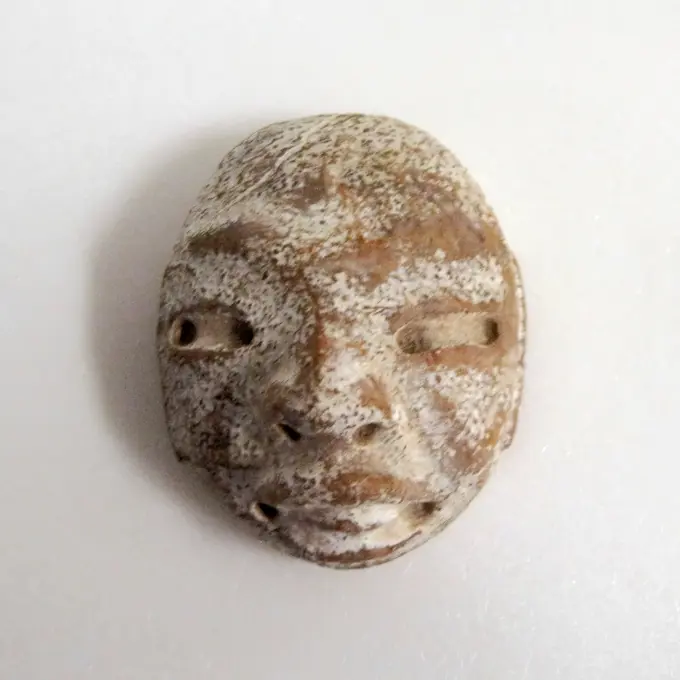
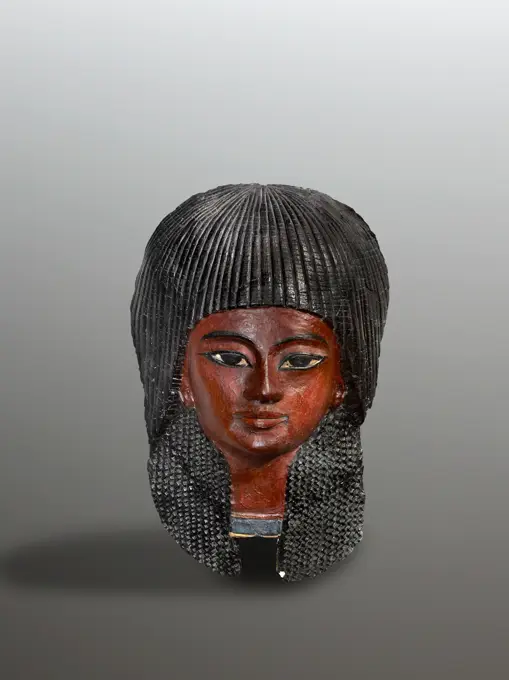
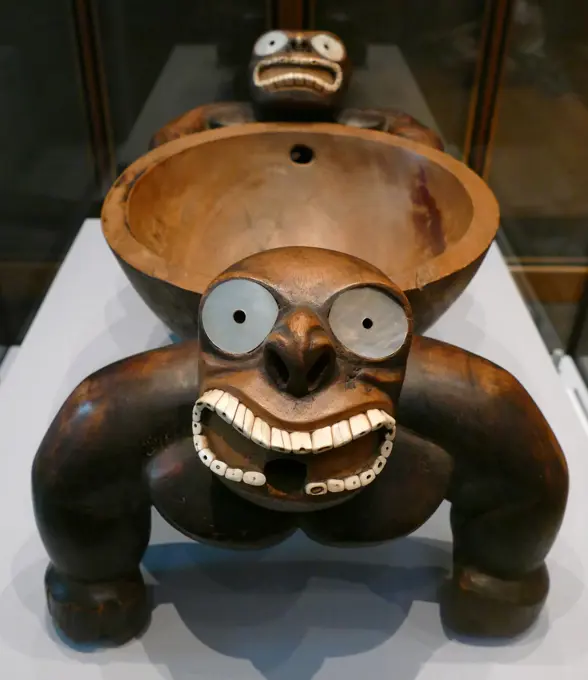
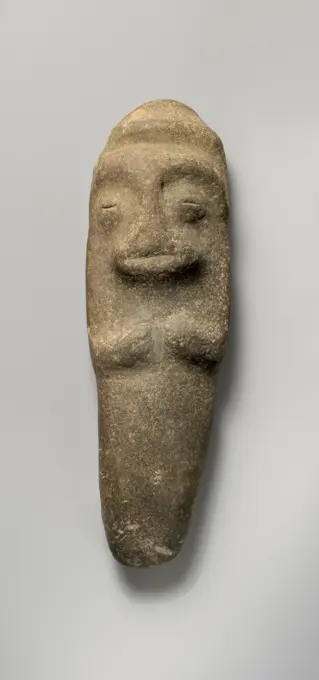
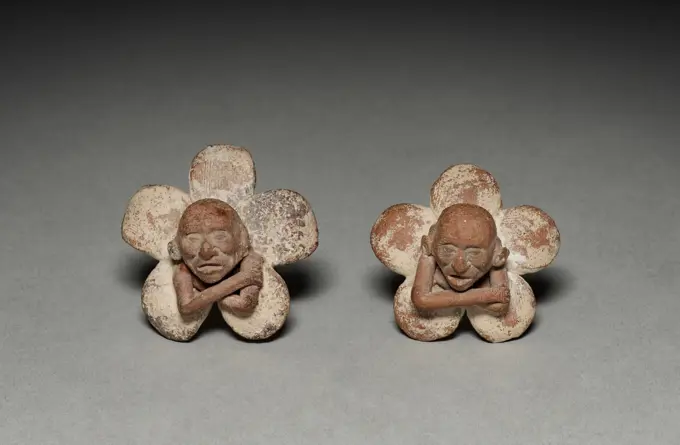
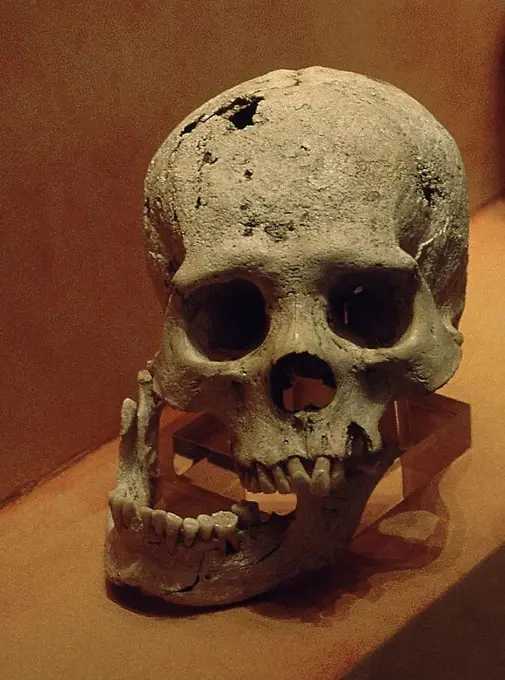
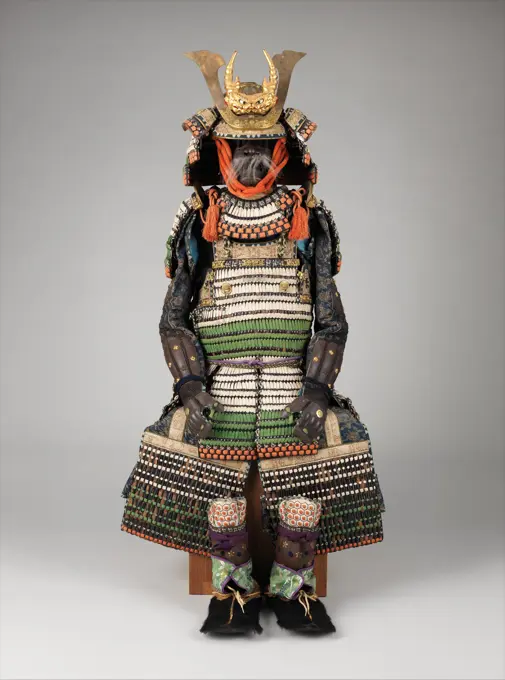
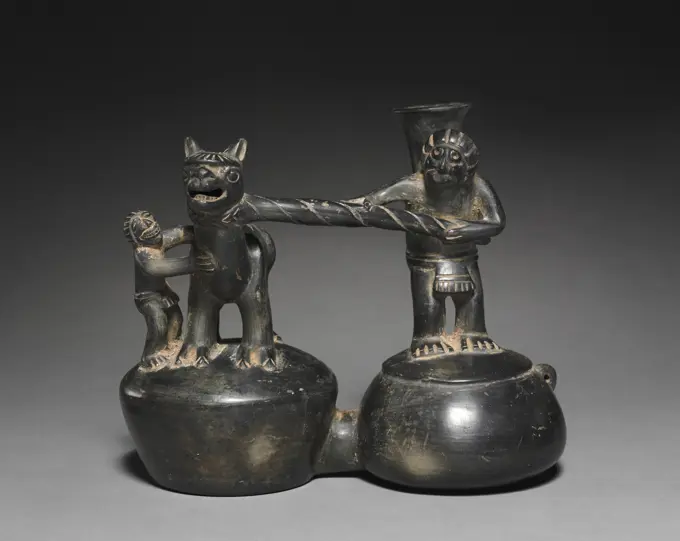
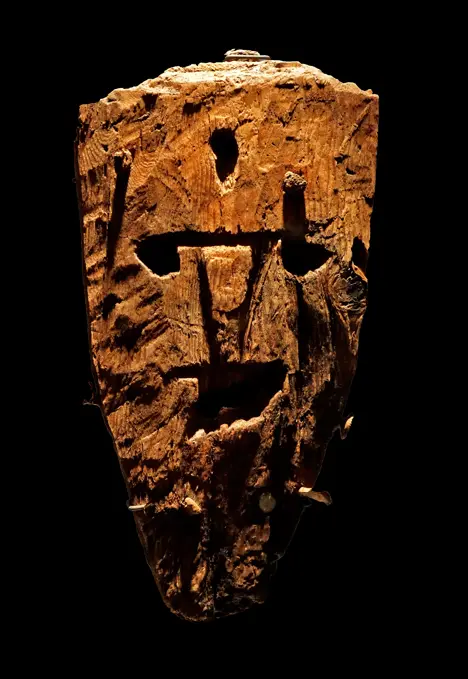
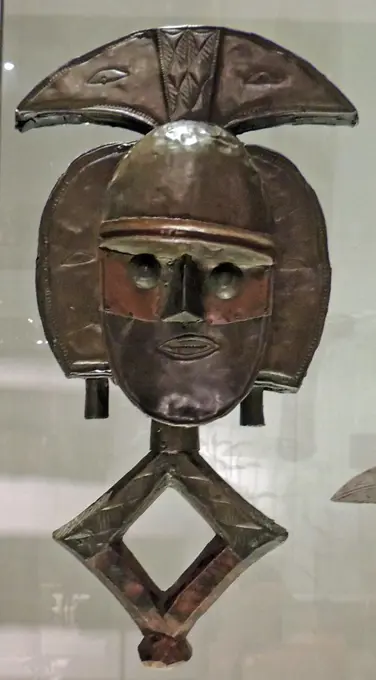
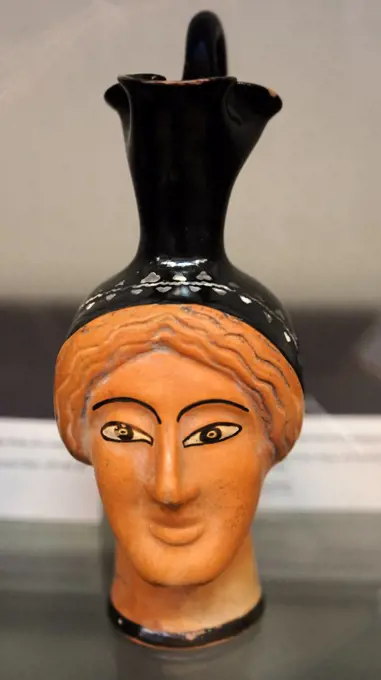
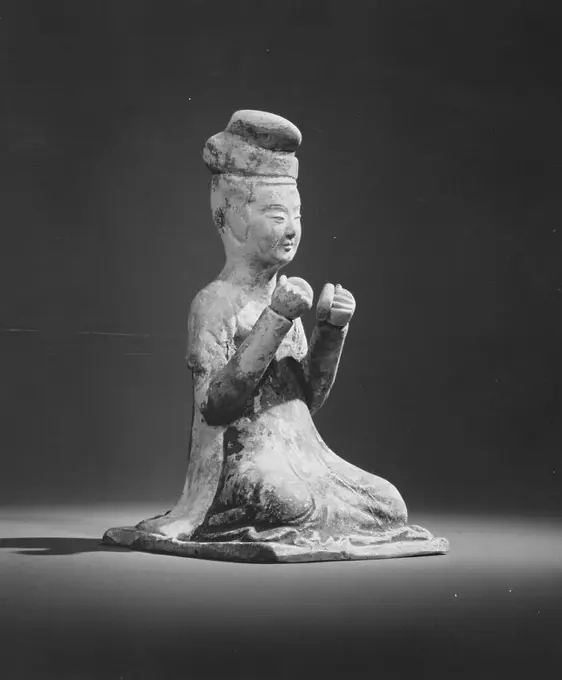
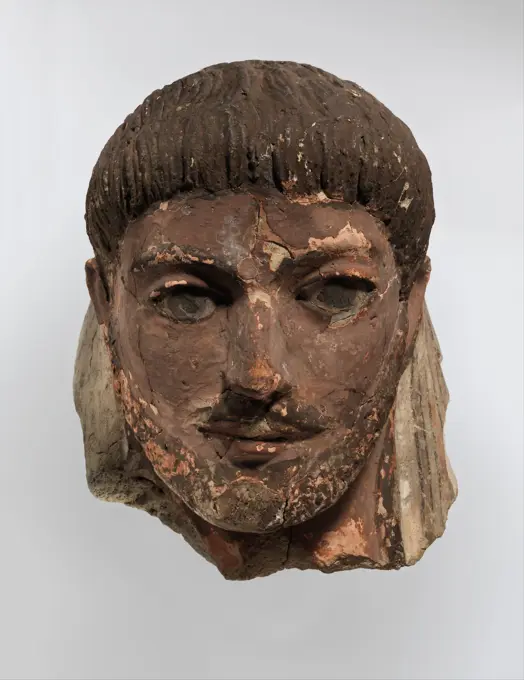
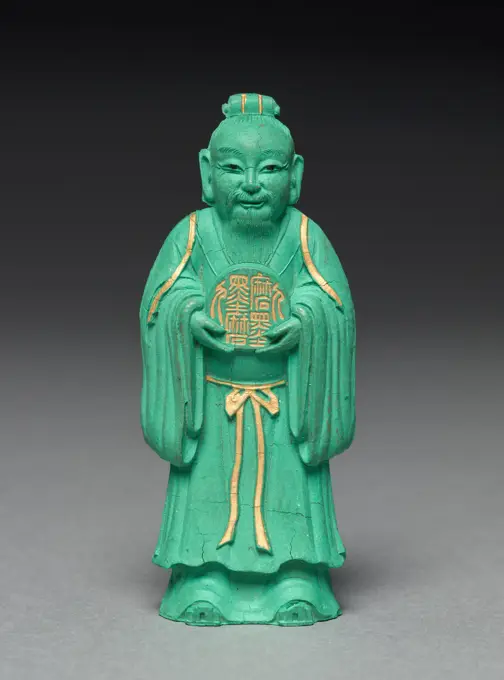
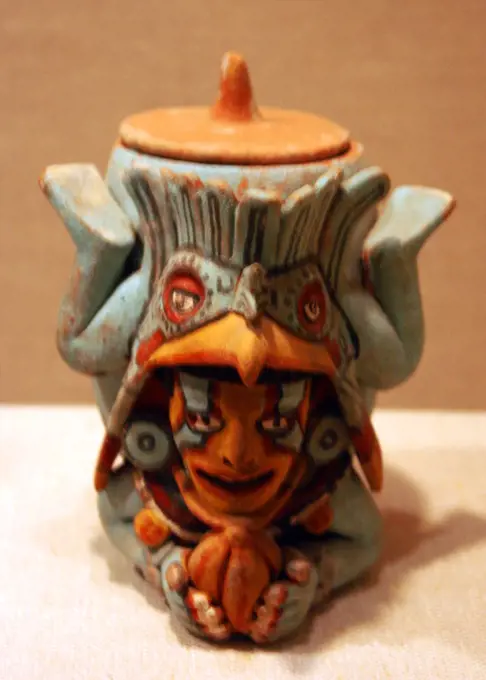
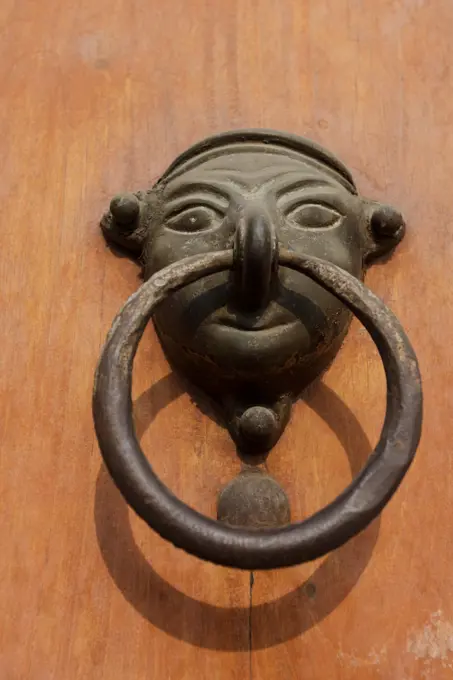
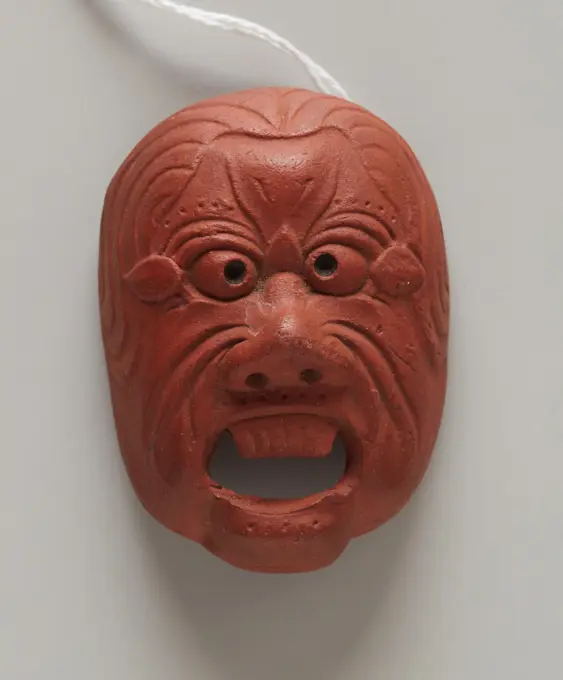
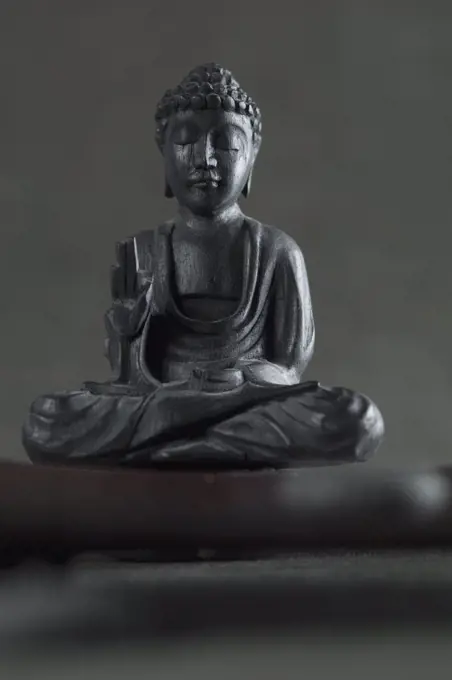
Mask 2nd-3rd century Moche. Mask. Moche. 2nd-3rd century. Copper, shell inlays. Peru. Metal-OrnamentsBronze statuette of a dwarf with silver eyes. Culture: Greek or Roman. Dimensions: H. 3 1/8 in. (7.9 cm). Date: 1st century B.C.-1st century A.D..The dwarf wears a wreath and carries a large tray of eatables from which he is helping himself. He may be a caricature of a street hawker at a festival. He has an apron tied at the back of his neck, and a bag hangs at his side. The type is Hellenistic, but the execution is probably Roman. Museum: Metropolitan Museum of Art, New York, USA.TALISMAN APOTROPAICO GINESE ESQUELETO MANO ALZADA. Location: MUSEO DEL HOMBRE. France.Double Vessel Representing a Funeral Procession 1200-1450 North Coast. Ceramic . Chimú-IncaCopper Seated Male Figure 2nd-7th century Moche. Copper Seated Male Figure 315629Mask. Dance mask in the form of a karasu-togu, belonging to the group of kagura masks. Perhaps a kyogen mask.Masked Figurine with Boar Headdress, Possibly a Ocarina (Whistle). Tairona; Sierra Nevada de Santa Marta, Colombia. Date: 1200-1400. Dimensions: H. 12.1 cm (4 3/4 in.). Ceramic and pigment. Origin: Colombia. Museum: The Chicago Art Institute, Chicago, USA.PendantEffigy vessel, 100 BCE - 600 CE, 8 in. (20.32 cm), Clay, pigments, Peru, 1st century BCE - 7th century CEFragment of a Buddhahoofd, Anonymous, 700 - 800 Fragment of a Buddha head of black limestone; Only the right face half has been retained. Dvaravati limestone Fragment of a Buddha head of black limestone; Only the right face half has been retained. Dvaravati limestoneHeaddress, early 1900s. Africa, West Africa, Nigeria, Idoma-style carver. Wood, human hair, paint, and possibly kaolin; overall: 20.4 x 17.8 x 16.2 cm (8 1/16 x 7 x 6 3/8 in.).Handle base from asitulaFigurine of the Major;  VII/VI century BC (-610-00-00--590-00-00), Kon. VI century BC (-600-00-00--590-00-00);Cyprus, Cyprus, PartageAn African head sculpted from soapstone, South Africa, AfricaOrnament from Sitio Conte: Small Plaque, c. 400-500. Panama, Conte style, 5th - 10th century. Hammered gold; overall: 10.5 x 11.3 cm (4 1/8 x 4 7/16 in.). Harvard archaeologists excavated this and seven other ornaments from several burials at Sitio Conte, a cemetery famous for its lavish graves of powerful chieftains. The young man buried in Grave 26 was such a chief. His status was stunningly memorialized by 21 human companions and 475 objects, many of them personal ornaments made of gold, including this large chest plaque and a rod-shaped ear ornament. The creature on the chest plaque, found close to the chiefs body, has reptile claws and perhaps the head crest of an iguana. Its meaning is unknown but perhaps, as in later periods, reptilian imagery and the warm gleam of gold linked rulers with the suns creative force.Mold for Face 500-1500 Mexican. Mold for Face 307739Apotropaic pendant in the thin of the main;  IV-III century BC (-400-00-00--201-00-00);Priapa figurine; Unknown Roman workshop; 1st century (1-00-00-100-00-00);Ityphallic figurines, naked men figurinesMiniature mask, 1500 BCE, Earthenware, Mexico, Pre-ClassicInverse-Face Beaker. Peru Sican (Lambayeque) 9th-11th century. Hammered gold. The large gold Sican beakers are astonighing not only because of their great size but also because of their numbers. Many dozens of them have been found in single tombs.Figure with Removable Head China. Figure with Removable Head 62985Neck fragment stoneware Bartmann jug, also called Bellarmine jug, with part Bartmann jug, also called Bellarmine jug, Bartmann juggejug tableware holder fragment soil find ceramic stoneware glaze salt glaze, w 7.2 handdrawn stamped molded glazed fried Neck fragment of stoneware Bartmann jug jug Profiled and conical neck. Implained Bartmann jug mask Gray shard archeology Rotterdam City Triangle Kralingen-Crooswijk Struisenburg Boerengat Admiralty quay for indigenous earthenware import store transport save store Soil discovery: Boerengat Admiraliteitskade Rotterdam 1983.Dutchman Holding Puppy. Jobun (Japan, active late 18th-early 19th century). Japan, late 18th century. Costumes; Accessories. Boxwood with inlaysEarthenware face with green collar, decoration of fire dome, fire dome soil find ceramic earthenware glaze lead glaze, stamped molded glazed baked Ornament of fire dome. Bulb face or mascaron with red hair and large green collar Red shard Appliqué of white clay or pipe earth Fully covered with lead glaze archeology Rotterdam City triangle underground pit Blaak earthenware extinguish fire prevention Soil discovery metro works location Blaakstation Rotterdam Finds from the bottom of the chamber.Head of a Buddha, Anonymous, 1400 - 1500 Fragment (head) of a Buddha with a stylized face and a finely decorated crown. On a pedestal. Ayuthia bronze (metal) Fragment (head) of a Buddha with a stylized face and a finely decorated crown. On a pedestal. Ayuthia bronze (metal)Terracotta jug in the shape of a head of a Black African 3rd century A.D. Roman Red-glazed jug in the form of a Black African's head.. Terracotta jug in the shape of a head of a Black African 250085Vessel in the shape of a head, Mochica culture, terracottaStone Vessel 900 A.D. Carved ritual figureMexico, Tenochtitlan, Templo Mayor (Main Temple), polychrome ceramic vase depicting Tlaloc, god of rainStirrup Spout Bottle with Couple 4th-7th century Moche. Stirrup Spout Bottle with Couple 309366Bridle decoration representing a horned tiger and two swans, 5th century BC Artist: UnknownWood and Kaolinite Royal mask from Qaasuitsup municipality in north-western Greenland. Dated 19th CenturyStatuette of a man 6th century B.C. Italic Standing figure with feet close together and both arms extended sidewise. Holding a patera or disk in right hand.. Statuette of a man 246303Musee National d'Athènes, 718, vase funeraire Attique , Urns, Antiquities. Nicholas Catsimpoolas CollectionMayan sculptures are exhibited at the Archaeology and History Museum in Merida on Mexico's Yucatan peninsulaAmulet of the God Osiris Made 1070 BCE-332 BCE Egypt. Silver . Ancient EgyptianSeated FigureBronze statuette of Herakles ca. 3rd-1st century B.C. Italic Statuettes of Herekles in an advancing stance.. Bronze statuette of Herakles 246423Drinking Vessel in the Form of a Head 1450-1532 Peru. Ceramic and pigment . IncaFigure of Entertainer China The musical instruments depicted among this group of pottery figures (36.12.1, .2, .10-.13, .16) are typical of those used in popular music of the Han period (206 B.C.-A.D. 220). The instruments all had long histories, having existed for centuries, in the case of the zither, or millennia, in the case of the flute (now missing from the figure of the flutist).. Figure of Entertainer 62965Face Mask Ornament 6th-7th century Moche (Loma Negra). Face Mask Ornament 315162Figures Ornament 18th-19th century Dogon peoples. Figures Ornament 312394Tara. Tara. Vouchers.Two Headed God Figure with Wings. Egypt, Late Period - Roman Period (664 BCE - 150 CE). Jewelry and Adornments. BronzeThracian funerary mask of gold, necropolis of Trebenishte, 6th century BCBulgarian National Archaeological Museum, Sofia, Republic of Bulgaria, Europe.Spain, Madrid, Nazca culture exhibition, potteryWarrior Figure 2nd century B.C.-A.D. 3rd century Colima. Warrior Figure 312691Female Head. UnknownAncient Egyptian, handle of a sistrum. Bronze. Late Period (715-332 BC). a Sistrum was a musical instrument of the percussion family, chiefly associated with ancient Iraq and Egypt.Long-nosed Mask. Japan, Early Edo period (17th century). Jewelry and Adornments; masks. Wood, lacquer, pigmentStatuette of a girl with lotus. Statuette of a girl with lotus 247522ESC DE GINEBRA. DETALLE. CELTA. (DEPOSITO: MUSEO ARQUEOLOGICO NACIONAL).Terracotta mask of a German Roman, probably made in Italy in the 2nd century AD. The knot of blonde hair above the figure's right ear identifies the subject as a member of a German tribe. British Museum.Mask, 19th-20th century, 13 3/4 x 17 1/4 in. (34.9 x 43.8 cm), Wood, feathers, pigment, United States, 19th-20th century, Yup'ik people have long maintained an annual cycle of ceremonies and festivals, passing Arctic nights in storytelling, singing, and dramatic masked performances. The purpose of these events is to enlist spiritual aid for survival in the harsh climate. They also build community feeling and a sense of cooperation. Many songs and dances are about success in hunting, an important concern. Shamans organize ceremonial dances and the carving of dance masks, which are made by men. Past Yup'ik artists had only a few materials, like driftwood, bone, fur, and feathers, but they used them skillfully, developing the spare, expressive style seen in this work. This mask, with its delicately carved features, probably represents a woman.Gnadenring sancuary knocker in italy Copyright: xZoonar.com/J.O.Photodesignx 2033561Womans head - figurine fragment. unknown, craftsmanPharaoh Horemheb  Eyptian Art  Luxor MuseumPendant: Paired Lions. UnknownHead of a monkey from an ointment vessel ca. 2323-2150 B.C. Old Kingdom. Head of a monkey from an ointment vessel. ca. 2323-2150 B.C.. Serpentinite. Old Kingdom. Probably from Levant; Said to be from Byblos. Dynasty 6Mask on a childs skull, coming from an offering in the main temple of Mexico. National Museum of anthropology. State of Mexico D.F. Mexico.Teotihuacan-style Incense BurnerTop for standard ca. 8th-7th century B.C. Iran. Top for standard. Iran. ca. 8th-7th century B.C.. Bronze. Iron Age III. Iran, probably from LuristanGold lime flask. Quimbaya region. COLOMBIA.Maskette, 10th-13th century, 2 5/8 x 2 1/8 x 1 1/2 in. (6.7 x 5.4 x 3.8 cm), Earthenware, Mexico, Late ClassicBoy's mummy;  around 1350-ok. 1295 BC ; New state, 2nd half 18 dynasty (-1355-00-00--1290-00-00);Scene.gal., masks, necklace (iconogr.), Peruka (iconogr.), FacesTatanua Tribal mask; New Ireland, Papua New Guinea 19th century; 1890. made from feathers fibres and natural pigmentsBowl from the Hawaiian Islands, 1700. Used to serve 'awa, an intoxicating drink. The bowl is decorated with pearl shell, and sections of boars' tusk. A Hawaiian chief presented it to Captain Charles Clerke, during James Cook's third Pacific Voyage.Axe, Human Form 10th-15th century Taíno The most numerous category of polished stone sculpture emerging from the Taíno world of the ancestral Caribbean islands are ceremonial axes and blades, which take many forms and may have been an important medium of exchange. Axes feature abstract zoomorphic forms in stone, and may have been ceremonial scepters. Ceremonial blades made of different types of greenstone, both local and imported, have been recovered in large numbers. These axes, known as petaloid celts for their resemblance to flower petals, could have served as dedicatory offerings, which have a long history on the Caribbean mainland in Mesoamerica.. Axe, Human Form. Taíno. 10th-15th century. Stone. Dominican Republic, Caribbean. Stone-ImplementsMen's head in Stein men's head in SteinShikami. Kimura Ryūmin (Japan, active mid- to late 19th century). Japan, mid- to late 19th century. Costumes; Accessories. WoodPair of Figure in Flower Ornaments, 500-900. Mexico, Yucatán, Jaina Island region, Campeche, Maya style (250-900). Earthenware with slip; diameter: 3 cm (1 3/16 in.). Figures within flowers are one of the most enchanting themes of the Maya ceramic art of Jaina, an island off the western Yucatán coast. The figures, usually males who cross their arms over their bodies, are either radiantly youthful or aged (as here), suggesting a relationship to the life cycle.INTERIOR-CRANEOS EXPUESTOS CON SIGNOS DE TREPANACION. Location: MUSEO ESTADO-CONV STO DOMINGO. Oaxaca. CIUDAD DE MEXICO.Armor (Haramaki) late 18th-19th century Japanese. Armor (Haramaki) 24011Double-chambered Vessel with Figures and Camelid, 1470-1532 (Thermoluminescence date, 1310-1610). Andes, Chimú-Inka, late 15th - mid 16th century. Ceramic; overall: 20.4 x 22.9 cm (8 1/16 x 9 in.).Roughly carved wooden mask from Iceland. Dated 17th CenturyReliquary guardian figures Kota-Obamba people, Gabon, Early 20th century.Goat's Head ca. 1760-80 French This is a fragment of a model for a decorative object, such as a large vase.. Goat's Head. French. ca. 1760-80. Terracotta. SculptureOinochoe (wine-jug) in the form of a woman's head. From Nola. Dated 440 BCSong, "little king", running and staring long; Netsuke mounted in wooden stand;  2 after. 19th century (1851-00-00-1900-00-00);Stall, Masks, Souvenirs, Venice, Veneto, Italy, EuropeTreasure of Tanis, incomplete gold mask of King Sheshong IIImoldes y estampillas de alfarero, 425-100 b.C., Ibiza and Formentera Archeological Museum, Patrimonio de la Humanidad «Ibiza, biodiversidad y cultura»...Female Musician. Culture: China. Dimensions: H. 5 3/4 in. (14.6 cm); W. 3 1/2 in. (8.9 cm); D. 3 1/8 in. (8.6 cm). Date: late 7th century.Ensembles featuring female musicians often served as a musical bridge between elite and popular culture. As expert musicians, they were often musical innovators. Here, a small ensemble is shown (23.180.4-.7), clapping and playing the pipa, tongbo (small copper cymbals), and konghou (harp). The pipa is played in its original position, like an Arabic lute; its silk strings are plucked with a triangular plectrum. The construction and playing style resemble those of the biwa, a Japanese lute derived from the pipa. Today, the biwa maintains the use of a triangular plectrum, the West Asian plectrum guard, and the C-shaped sound holes seen on the instrument played by the musician here as well as on the jade belt featured in this case. The Chinese playing style changed during the chaotic Later Tang period (921-36), when the plectrum was discarded. The angulLamp. UnknownFunerary Mask ca.125 Roman Period. Funerary Mask 547853Ink Cake, late 19th Century. China, Qing dynasty (1644-1911). Ink cake; overall: 4.2 cm (1 5/8 in.).Pharonic Head  1984  Harold Stevenson (b.1929/American)  Mixed Media  Chisholm Gallery, West Palm Beach, FloridaAmulet with a bearded face, Monographic Museum of Conimbriga, city of the Conventus Scallabitanus, district of Coimbra, Portugal.Container, Diving Figure. Mexico; Maya 13th-15th century. Ceramic.Antigua, GuatemalaGreenland, Nuuk, Greenland National Museum, bust of Inuit personGARGOLA DE BACO. Location: EXTERIOR. MERIDA. Badajoz. SPANIEN.Venus of Willendorf 25,000-30,000 BCE Prehistoric Art Limestone Kunsthistorisches Museum, Vienna, AustriaCiabatta Bread in Paper BagCeramic vessel Tiwanaku culture 1500 BC-1200 BC Perú.Netsuke (mask), 19th century, Unknown Japanese, 1 7/8 × 13/16 × 1 3/8 in. (4.76 × 2.06 × 3.49 cm), Stoneware, Japan, 19th centuryStilleben, still, stills, Stillleben,Close-up, close-ups, close up, close ups,niemand,Innenaufnahme,Studioaufnahme,Hochformat,Farbaufnahme,  Farbe,Fotografie,Europa,Westeuropa,Mitteleuropa,Deutschland,Fokus,Tiefenschärfe,Entspannung,asiatisch,Gegenstand,Figur,Statue,Buddhastatue,Religion,Weltreligion,Buddhismus,Buddha (c) F1online www.f1online.de, Tel. 069/80069-0, E-Mail:agency@f1online.de Ancient Egyptian headdress and earrings, 18th Dynasty, 16th-13th century BC. Artist: UnknownChinesischer Soldat - Chinese Soldier Statuette eines chinesischen Soldaten - freigestellt auf weißem Hintergrund Sculpture of a chinese soldier - isolated on white background Copyright: xZoonar.com/Teamarbeitx 416798Glass head shaped bead. Yellow Blue and Green. Barcelona. Spain 2013