Ancient Artifacts Collection

A selection of ornate ancient artifacts including ceremonial handles, figures, and vessels from different cultures, showcasing intricate designs and materials.

Vessel, c. 500, 17 x 8 1/2 x 9 in. (43.18 x 21.59 x 22.86 cm), Ceramic, Costa Rica, 5th-6th century
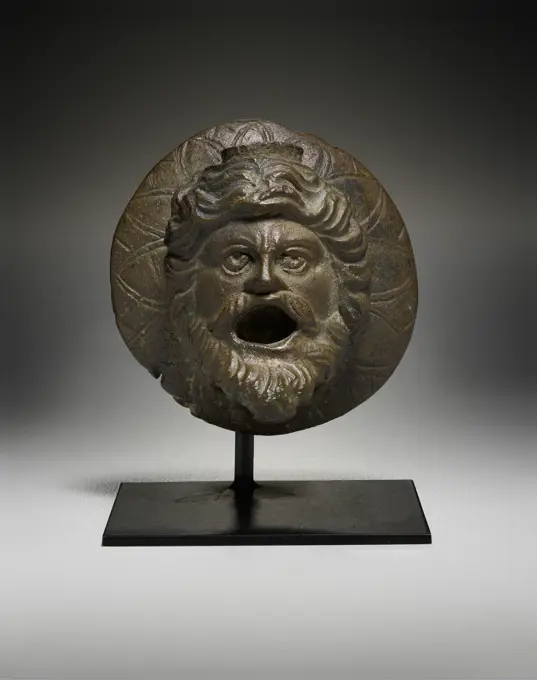
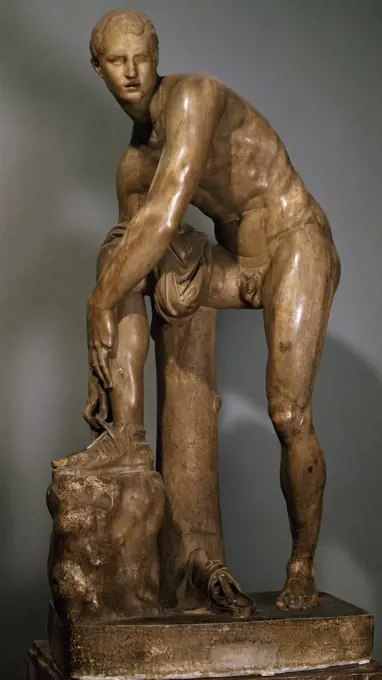
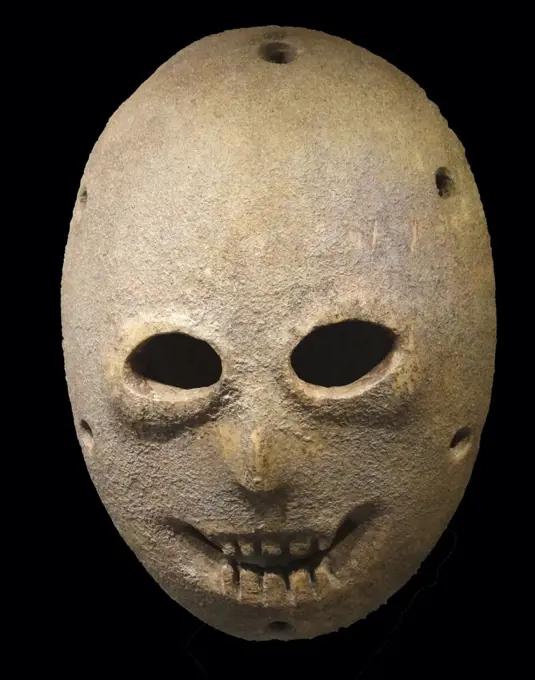
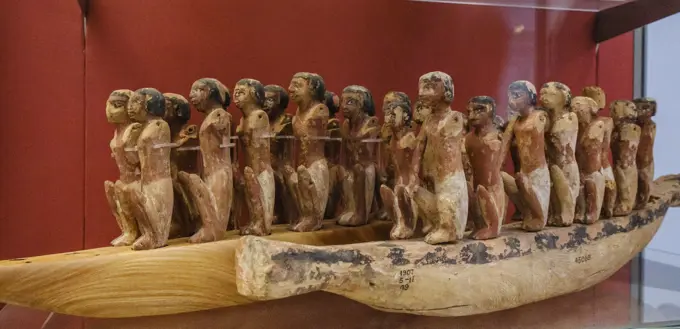
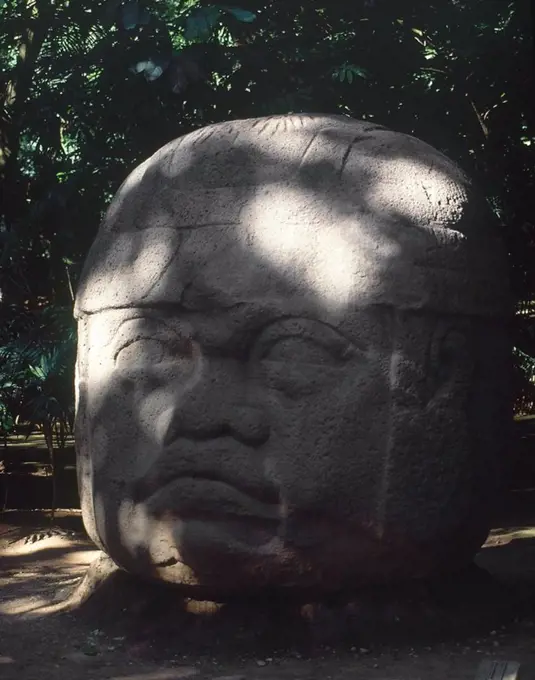
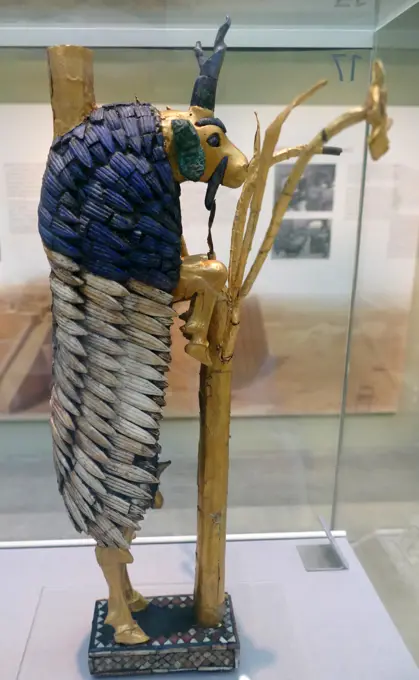
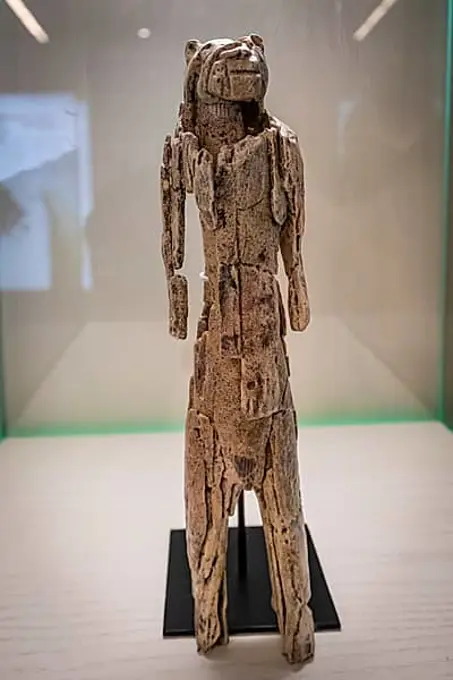
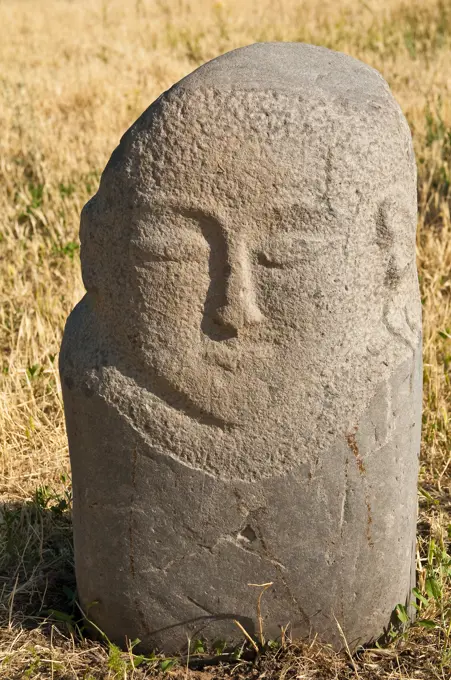
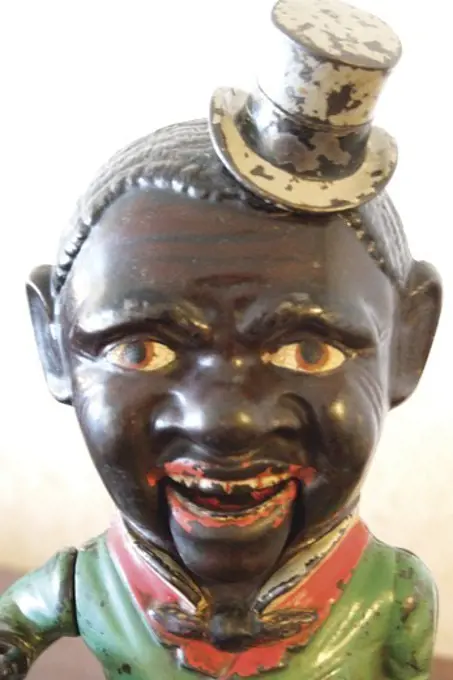
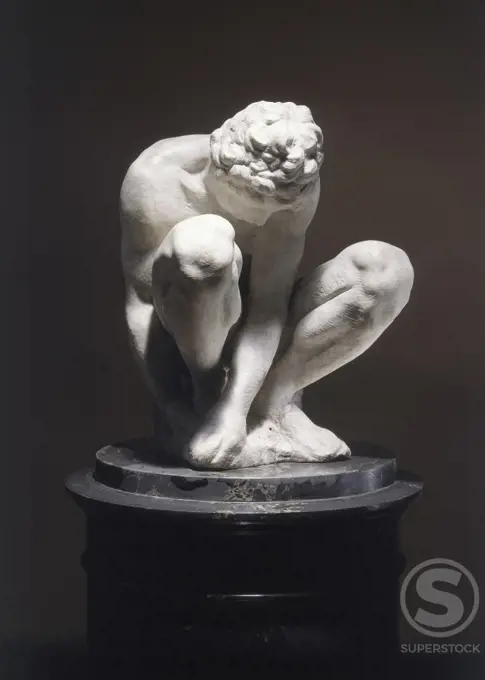
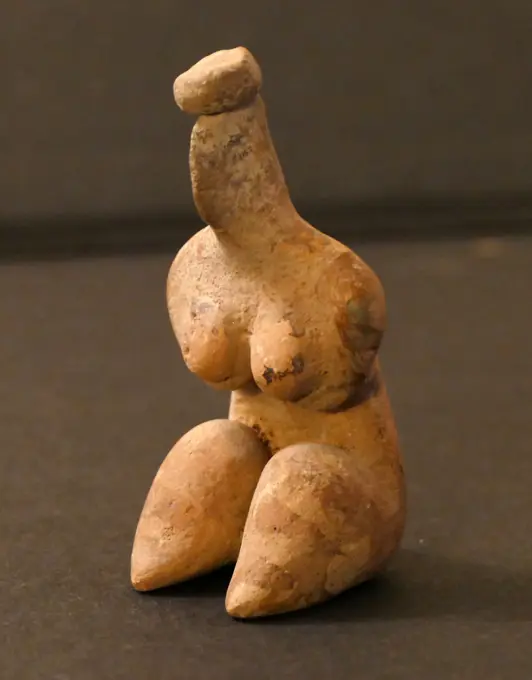
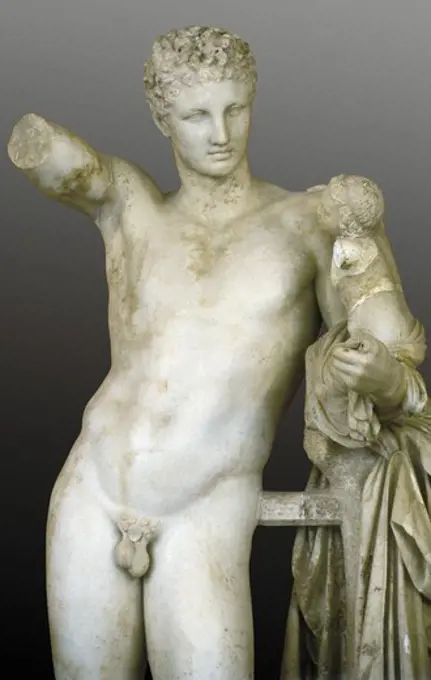
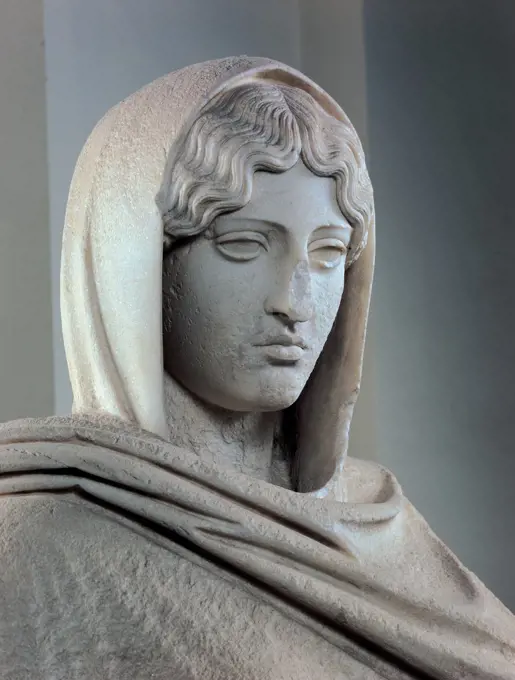
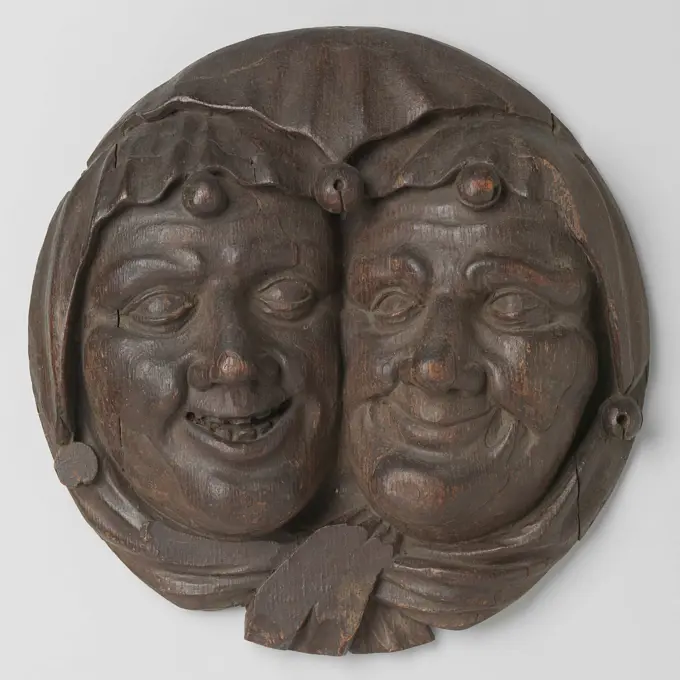
Close piece with two narrows. Two smiling narrenches. Both have calling their hat.Necklace Figurine Bead, 1-700. Colombia, 1st-8th century. Cast gold; overall: 3.4 cm (1 5/16 in.).Faucet or Spigot in the Form of a Bearded MaleHeadHermes Fastening his Sandal, statue, France, Paris, Musee du LouvreFinal piece with two fool heads, anonymous, c. 1600 - c. 1699 Two smiling fool heads. Both have calling their hat. Low Countries (possibly) oak (wood) cutting Two smiling fool heads. Both have calling their hat. Low Countries (possibly) oak (wood) cuttingMask from Horvat Duma, El-Hadeb, southern Judean Hills. Crystalline limestone. At over 9,000 years old it is considered to be one of the most ancient human portraits.painted wooden figures of a boat s crew painted wooden figures of a boat s crew, British museum, London, England, Great Britain Copyright: xZoonar.com/Tolox 21633064Funerary Mask. Dimensions: h. 15.5 cm (6 1/8 in); w. 9 cm (3 9/16 in). Date: 250-300. Museum: Metropolitan Museum of Art, New York, USA.CABEZA COLOSAL OLMECA - 1000-400 AC. Location: MUSEO DE LA VENTA. VILLAHERMOSA. CIUDAD DE MEXICO.The Ram in the Thicket; Statuette of a goat. Early Dynastic III period; 2600BC; found at Ur, IraqModel Boat. Dimensions: l. 98 cm (38 9/16 in). Dynasty: Dynasty 12-13. Date: ca. 1981-1640 B.C.. Museum: Metropolitan Museum of Art, New York, USA.Lion man from Stadel, upper paleolithic mammoth ivory sculpture, replica, Museo de la evolucion humana, MEH, Burgos, Spain, EuropeAtlas  Sculpture  Palazzo Farnese  Farnese Gallery, Rome   Central Asia, Kyrgyzstan, Chuy province, Burana Tower (11th), archeological site, grave marks ("balbal") from the 7th and 11th century representing worthy Turkish soldiersStump Speaker, Modern PhotographyThe Boy  Michelangelo Buonarroti (1475-1564/Italian) Marble  Hermitage Museum, St. Petersburg Tell Halaf, Clay Fertility Idol, circa 5,000 BC. Ancient Near East, Anatolia (central Turkey) and Northern Syria, Tell Halaf. The Halaf culture of Anatolia and ancient Syria came about in approximately 5000 BCE and created female figurines with particular fertility attributes that are displayed in this example. Note how the figure sits with upraised knees and legs extended, with both of her arms cradling and supporting her protruding breasts.Copy of the Head of Aphrodite by Praxiteles, (the Kaufmann head); 150 BC;  Louvre Museum. considered to be the most accurate. Discovered at Tralles in western Asia Minor late in the nineteenth century, it was purchased by the Louvre in 1951.Bottle, Deity Face 6th-9th century Wari. Bottle, Deity Face 310568Broken doll headPRAXITELES (flourished 370, -330 BC). Hermes bearing the infant Dionysus. ca.  330 BC. Hermes carrying the child Dionysus to the nymphs who were charged with his rearing. Classical Greek art. Sculpture on marble. GREECE. WESTERN GREECE. ELIS. Olympia. Archaeological Museum of Olympia. Proc: GREECE. WESTERN GREECE. ELIS. Olympia.Aphrodite Sosandra, by Unknown artist, 2nd Century, white marble, full relief. Italy: Campania: Naples: National Archaeological Museum. Detail. Statue goddess love Aphrodite Venus face young woman mantle/cloak