Ancient Artifacts Collection

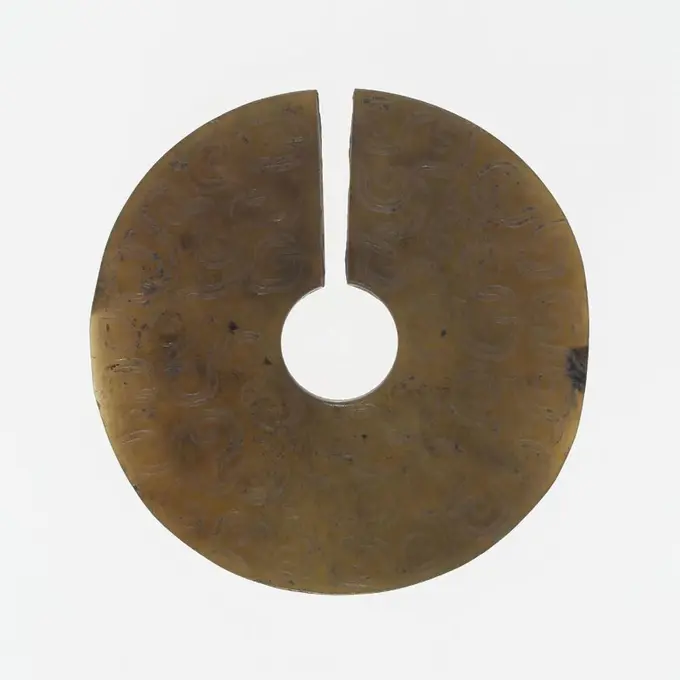
A display of various historical artifacts including a jade slit disc, brass sundial, and ornate sword guards, showcasing intricate designs and cultural significance.

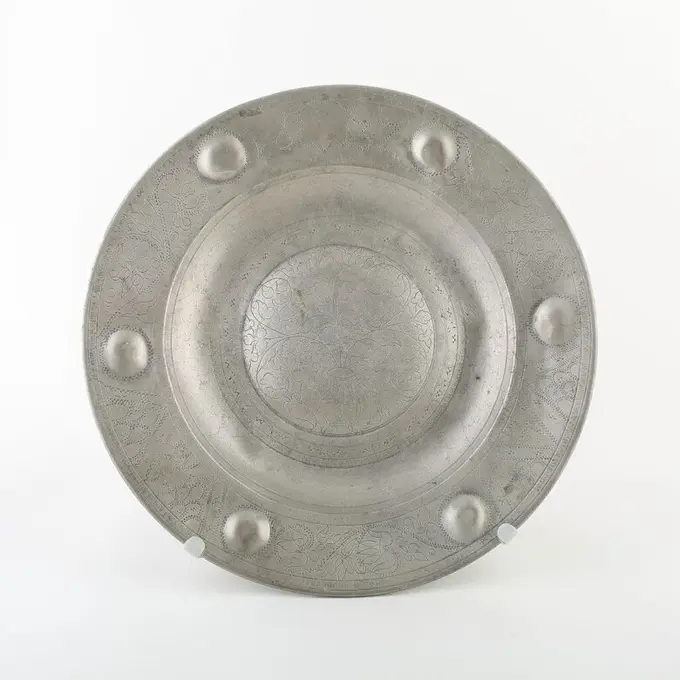
Cardinal's sign of tin decorated with engraved weapon, anonymous, c. 1675 - c. 1725 Plate of Tin, a so -called cardinal sign. The wide edge is decorated with an engraved weapon with, among other things, a rose decorated and surrounded by lauwert branches. Netherlands tin (metal) casting / engraving Plate of Tin, a so -called cardinal sign. The wide edge is decorated with an engraved weapon with, among other things, a rose decorated and surrounded by lauwert branches. Netherlands tin (metal) casting / engraving
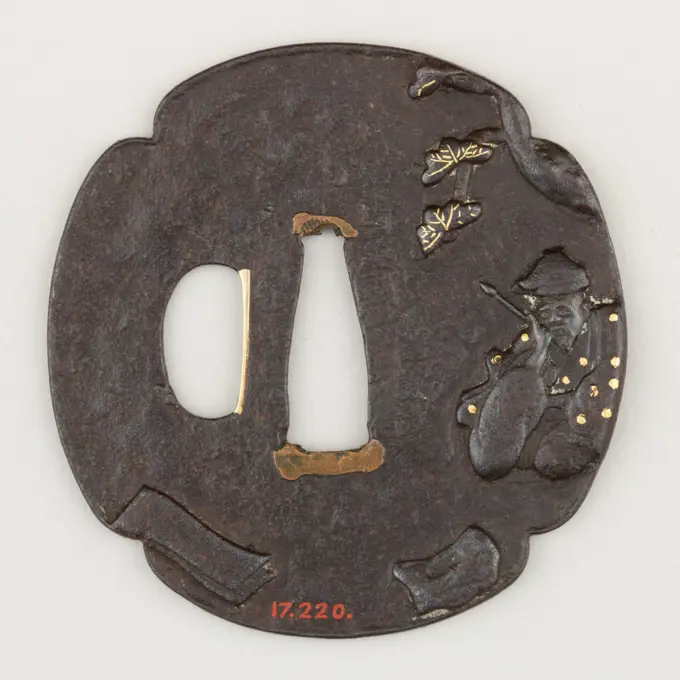
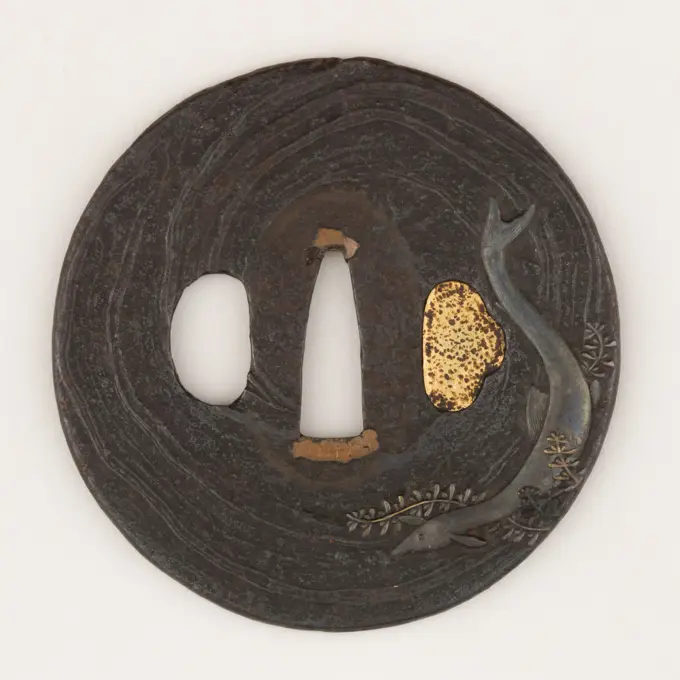
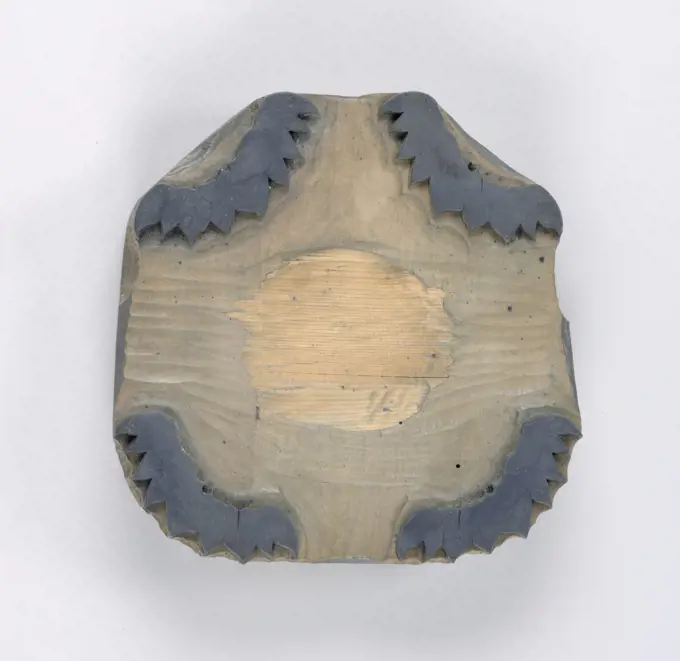
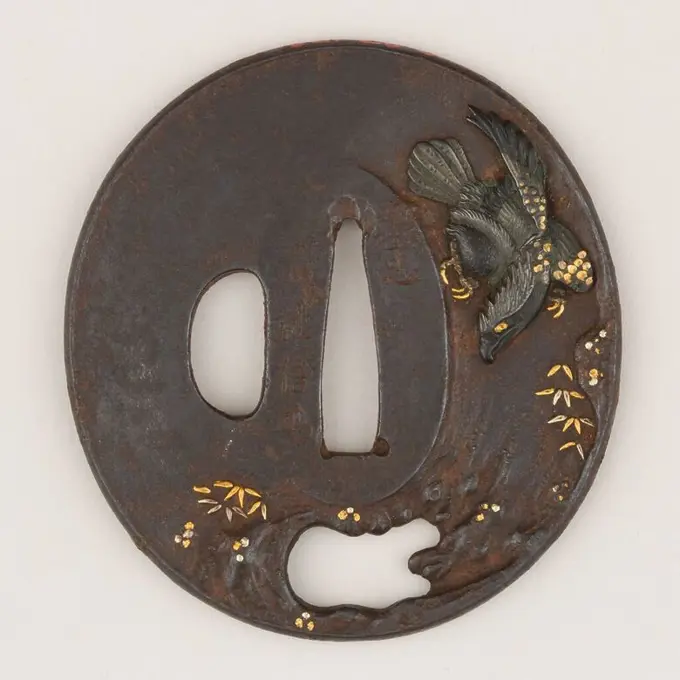
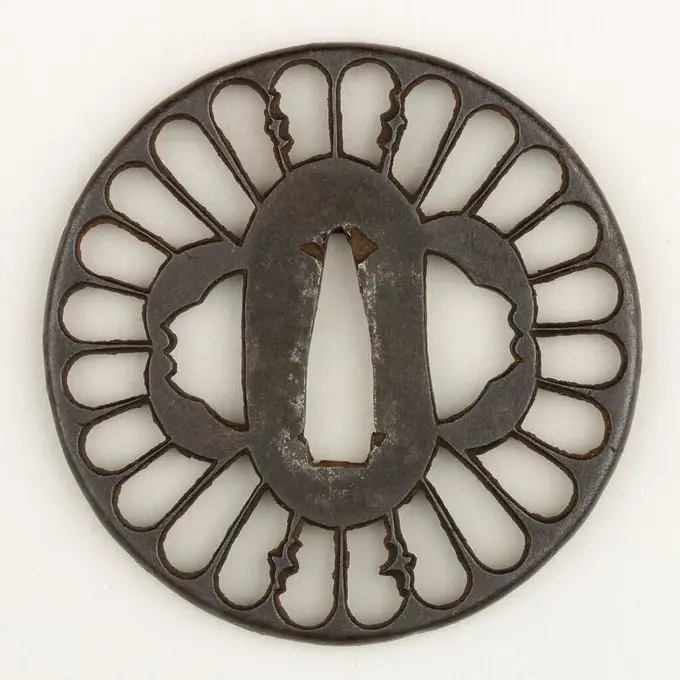
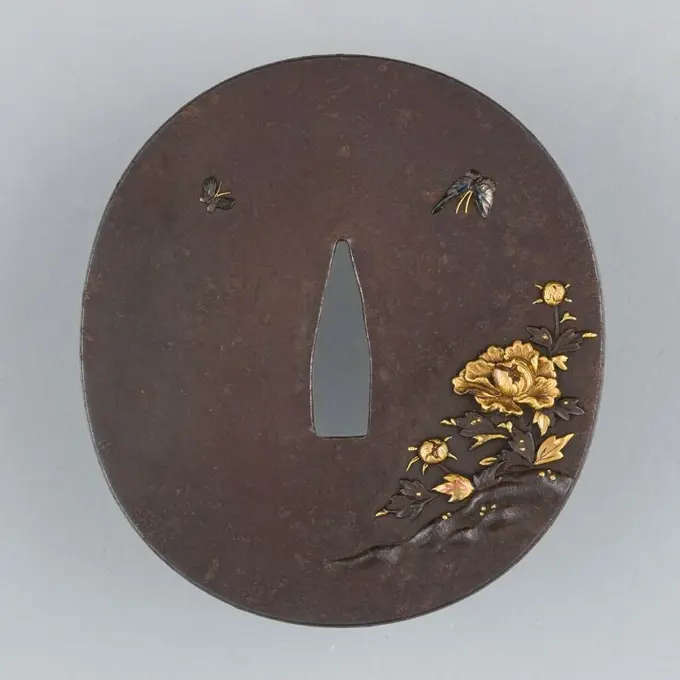
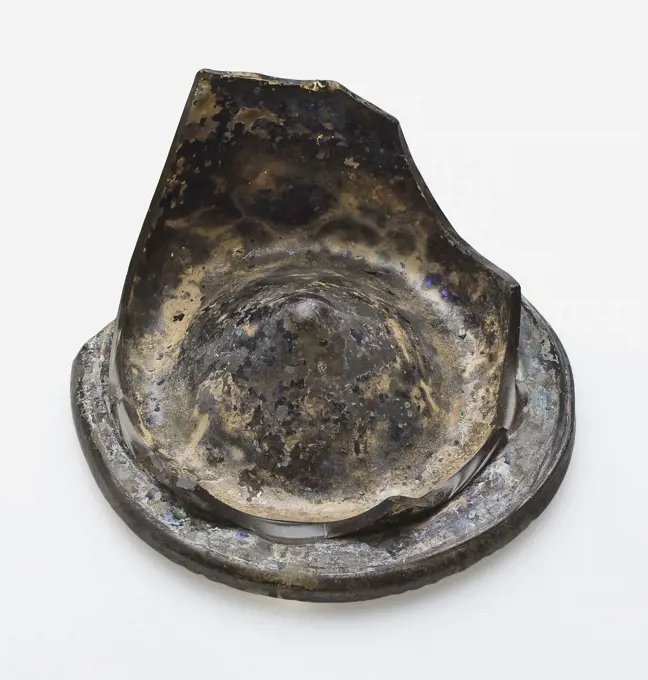
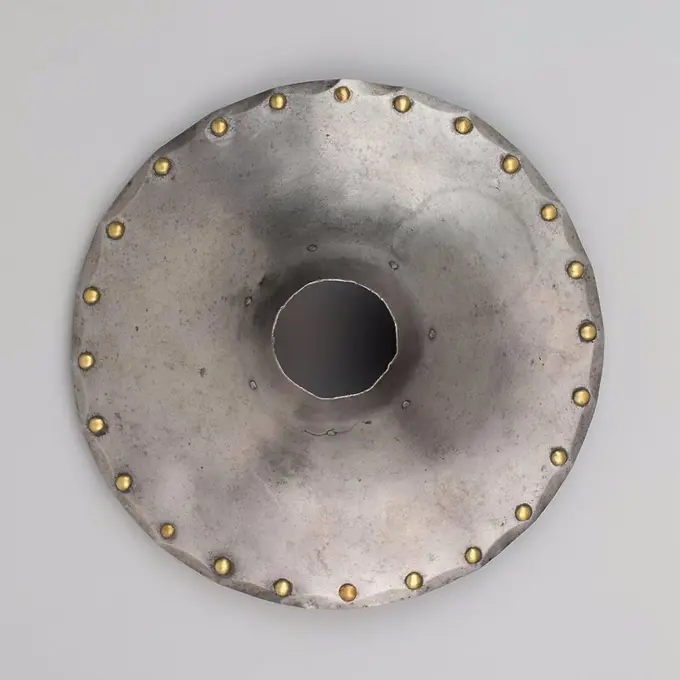
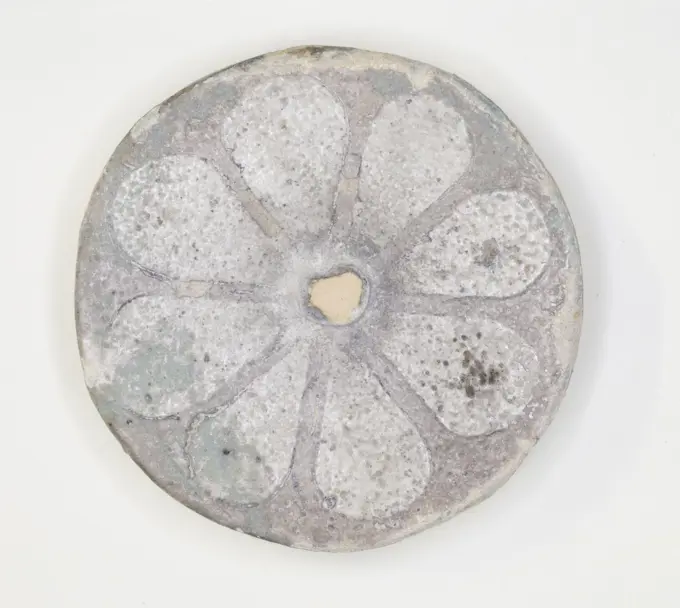
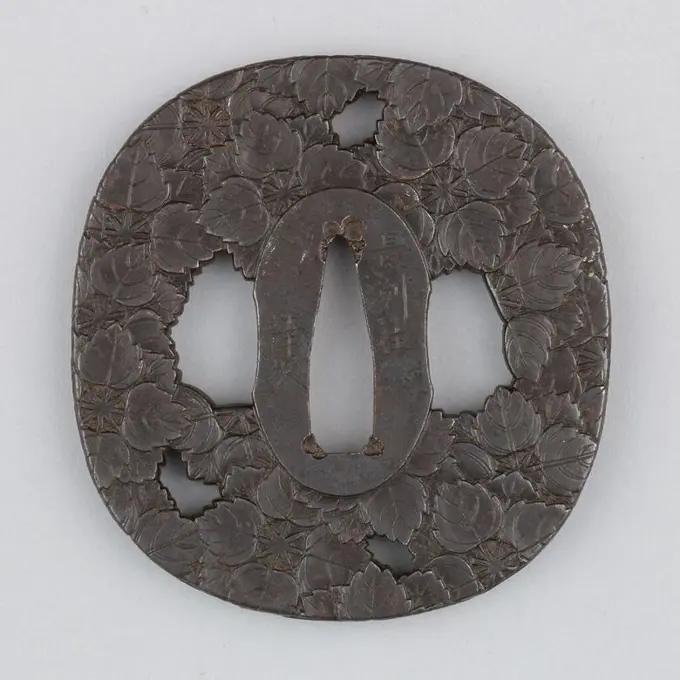
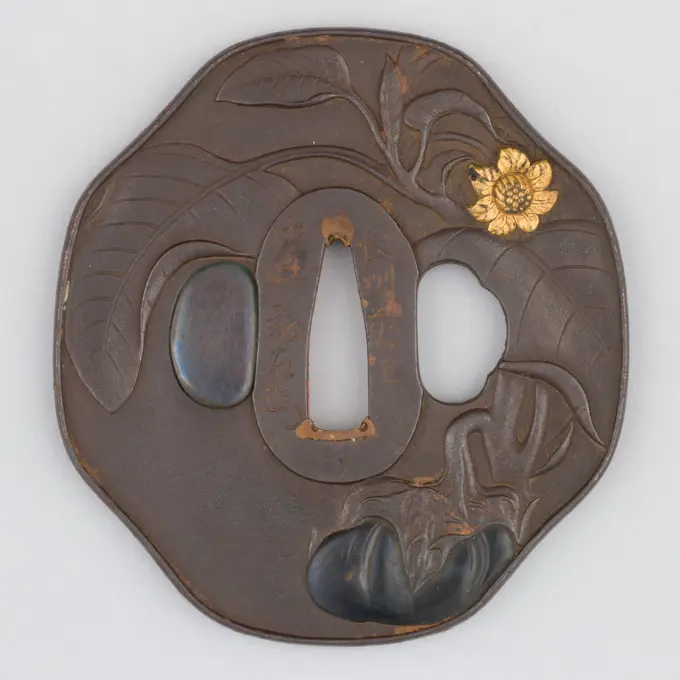
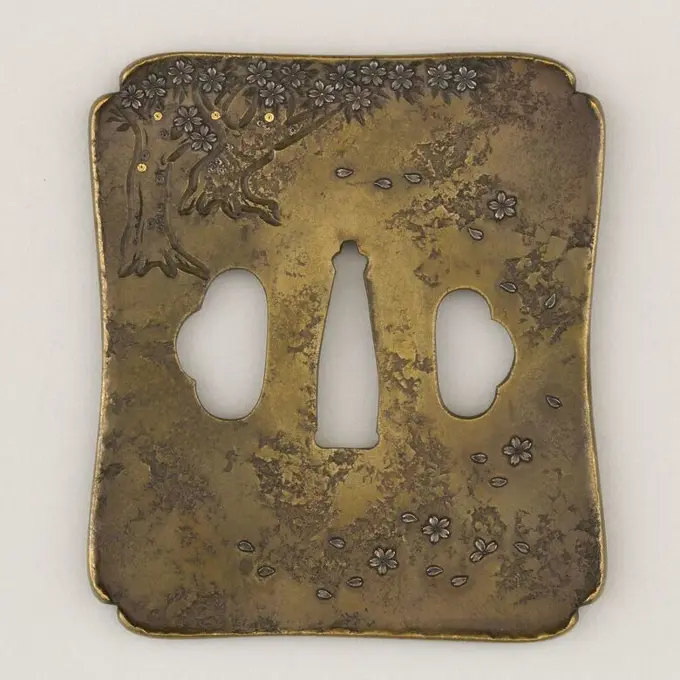
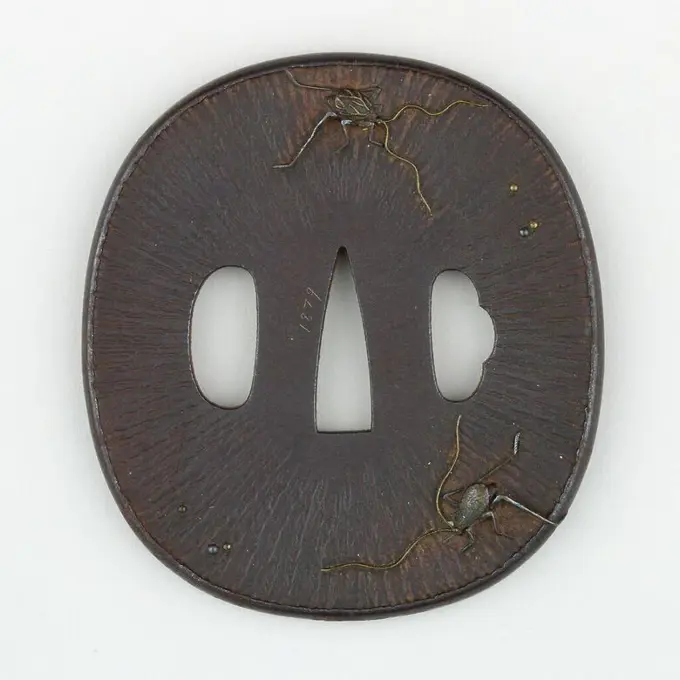
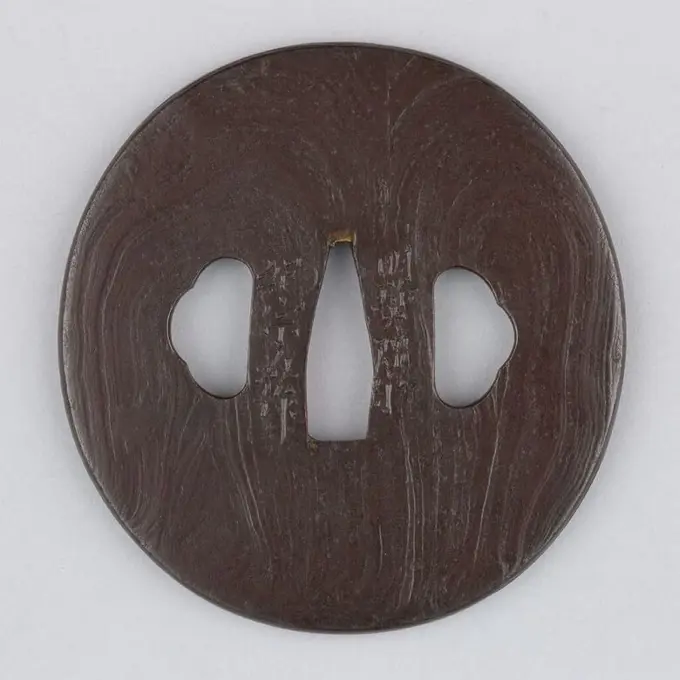
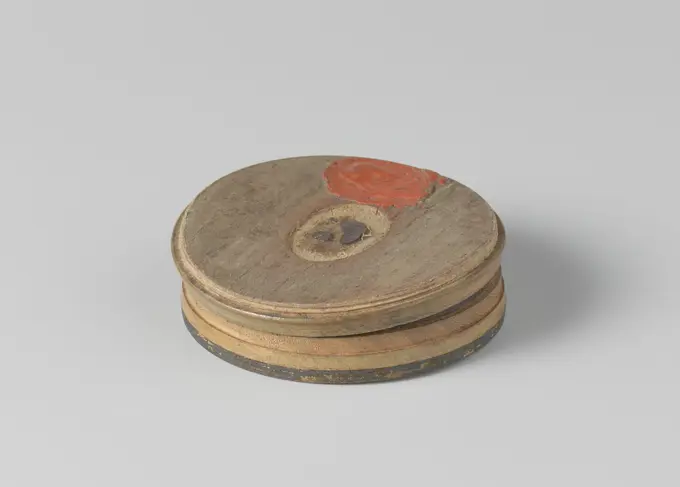
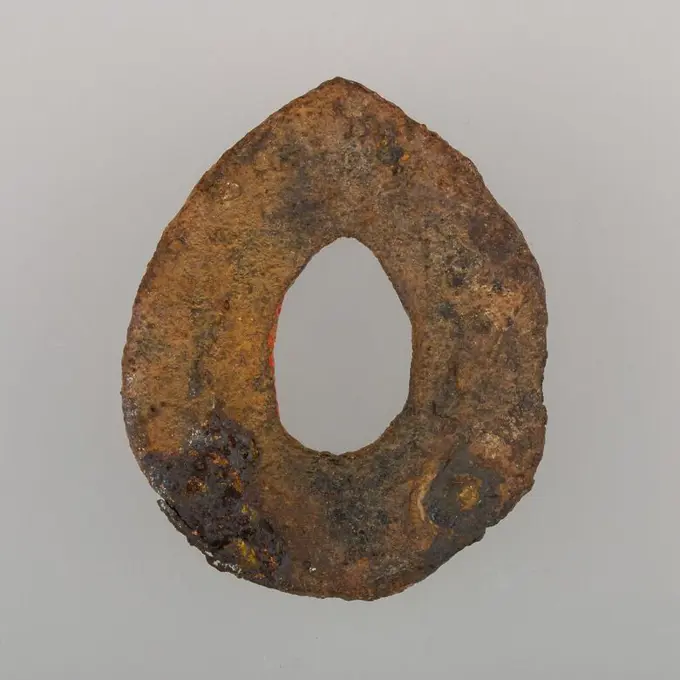
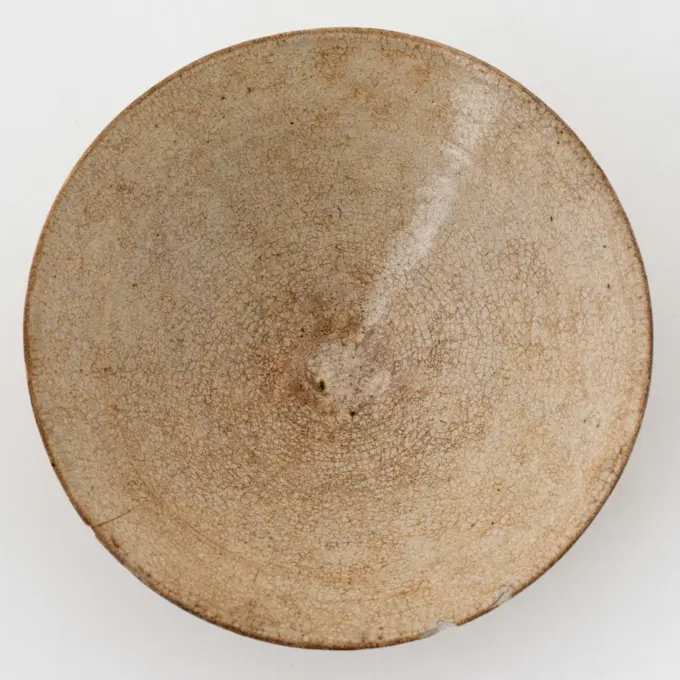
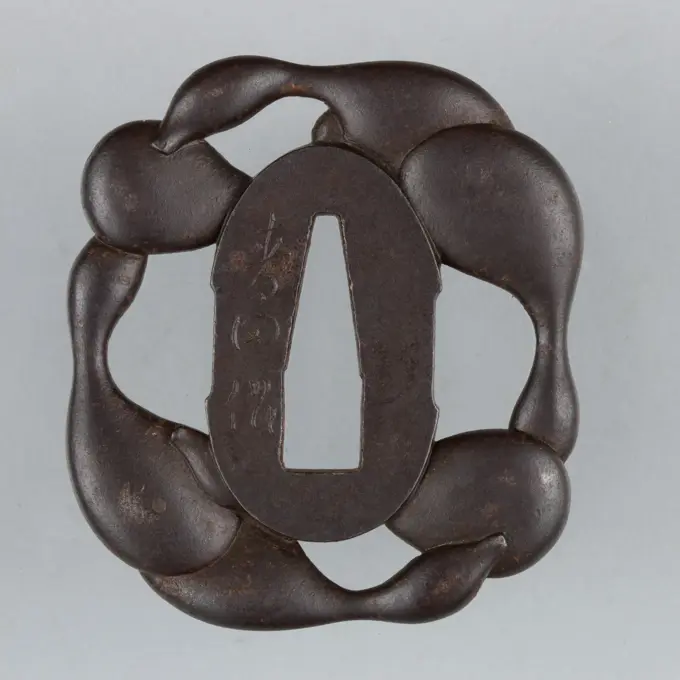
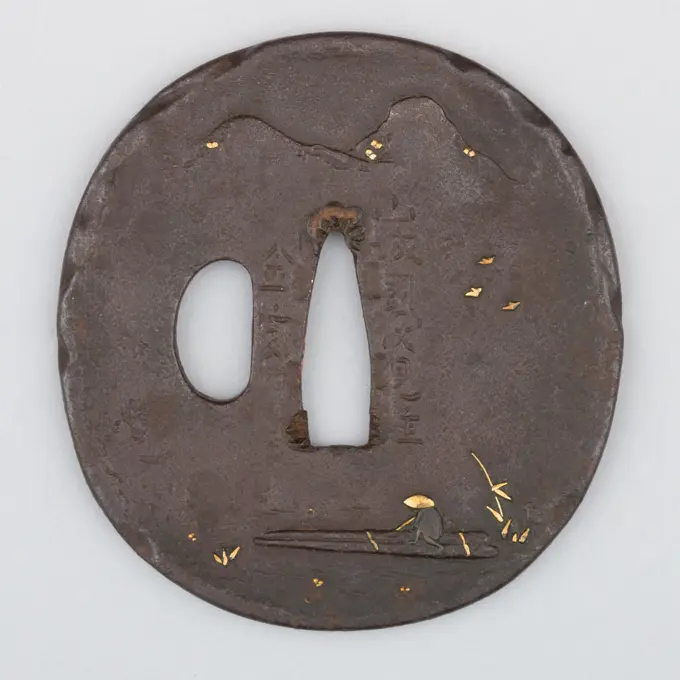
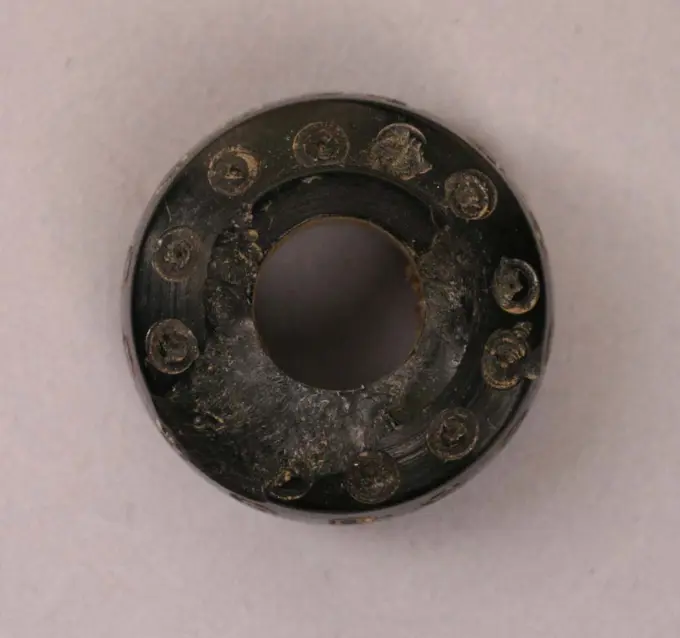
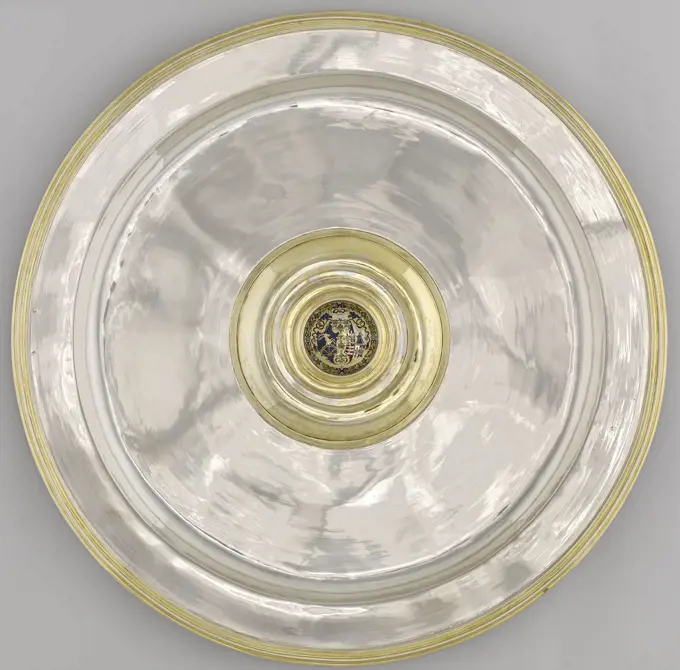
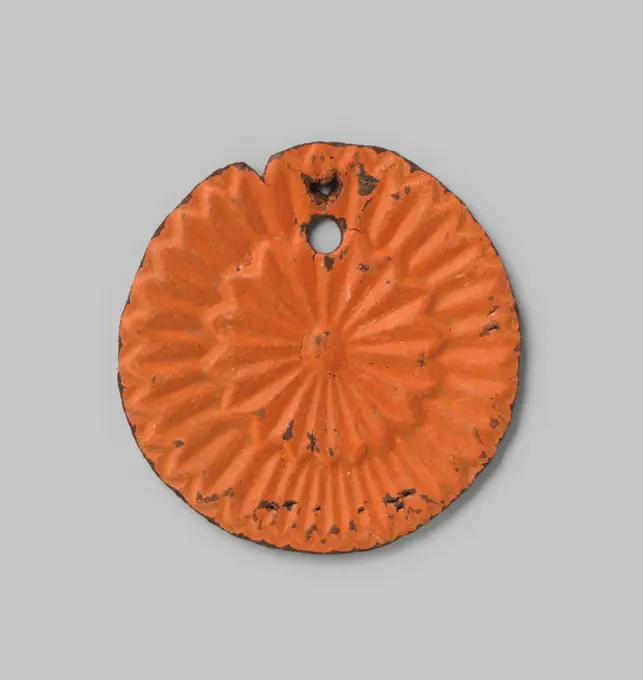
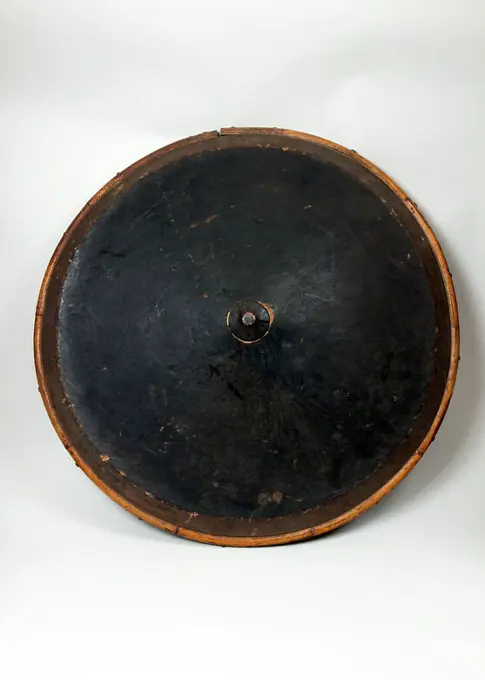
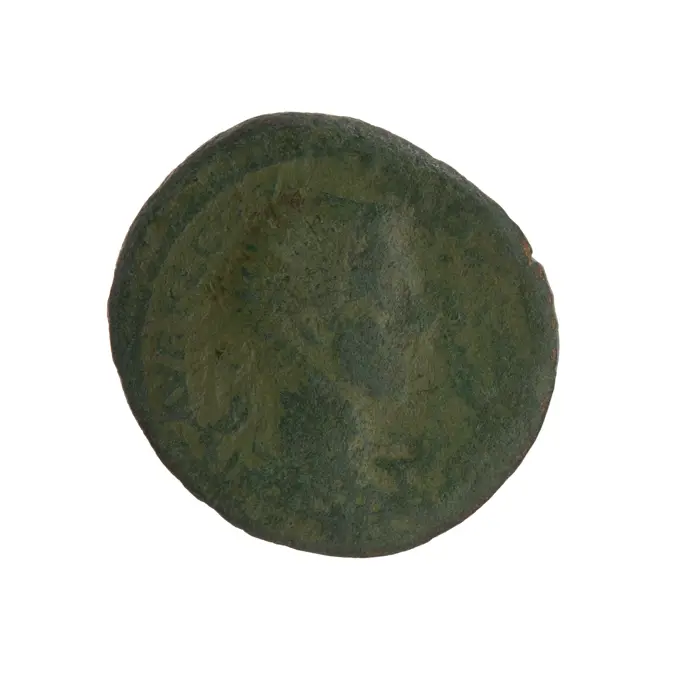
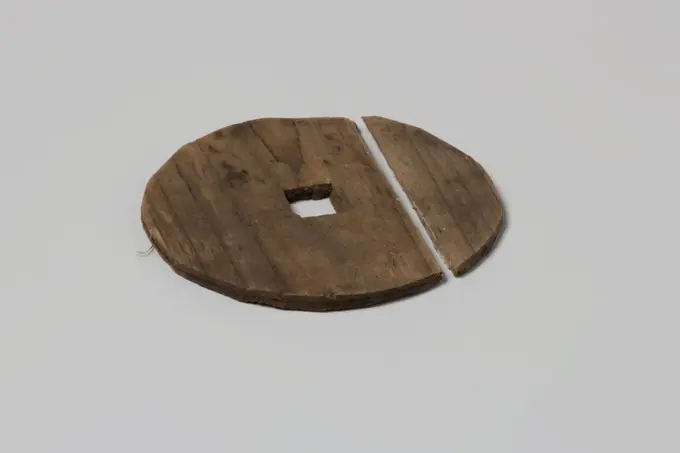
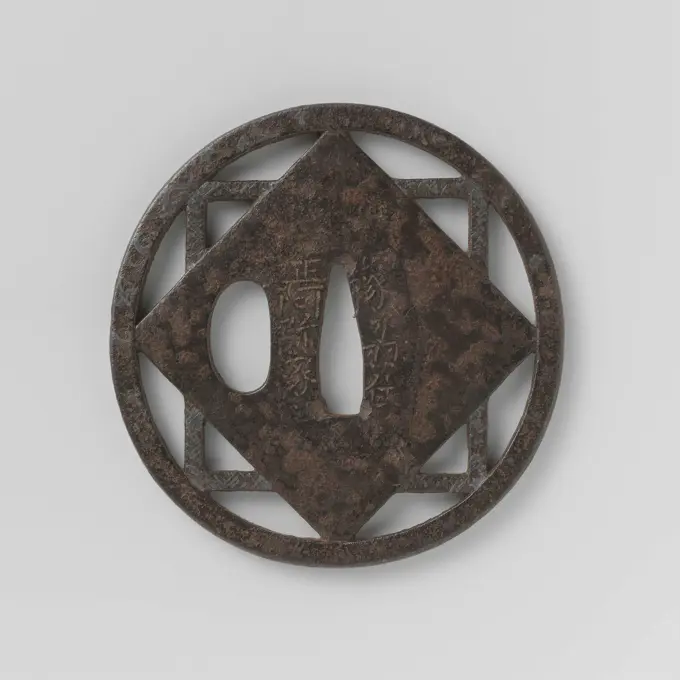
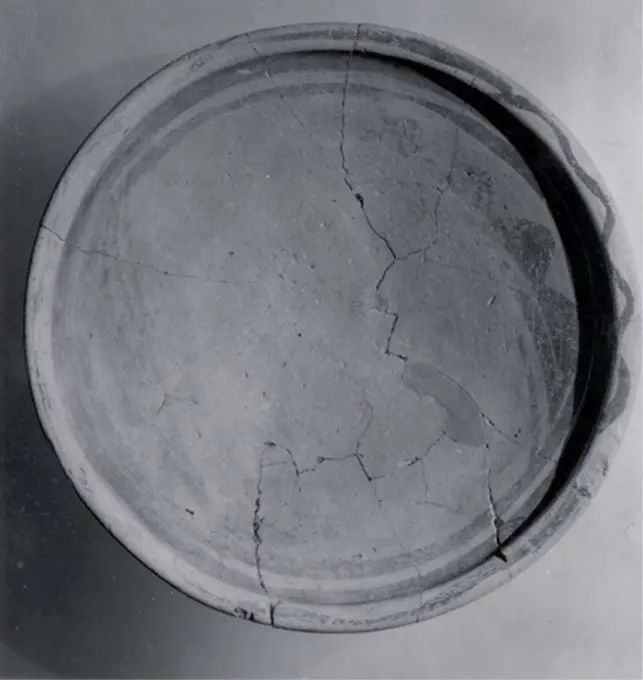
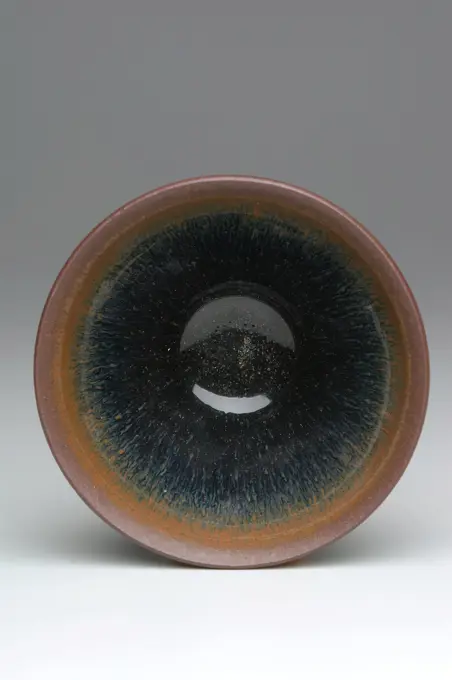
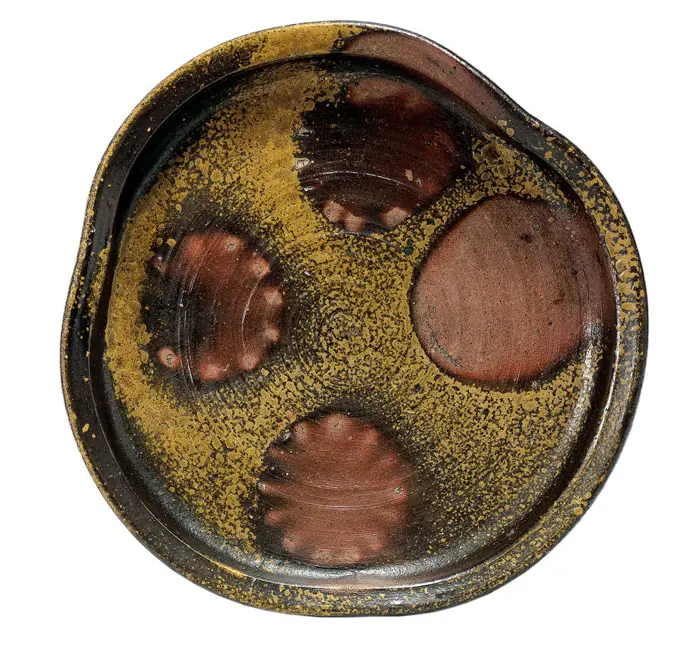
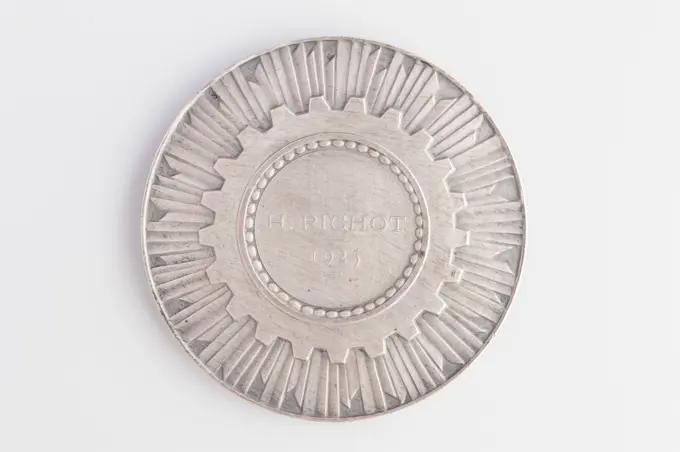
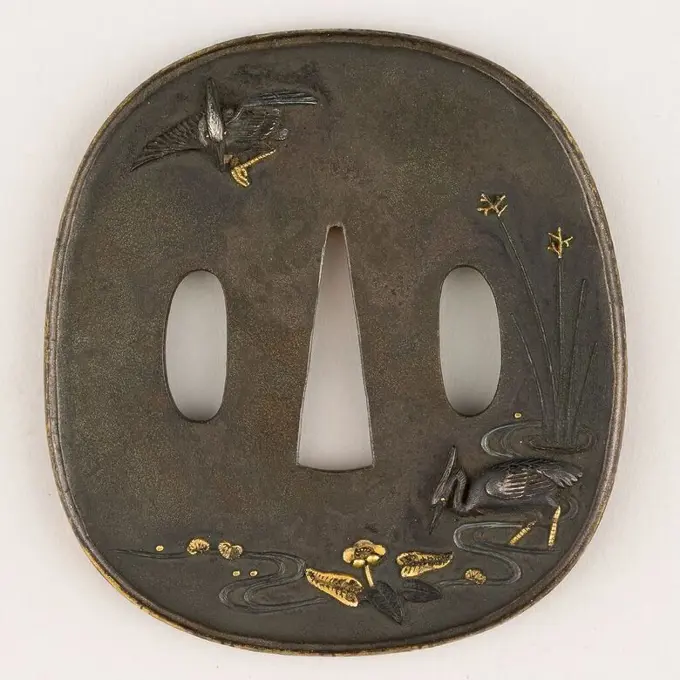
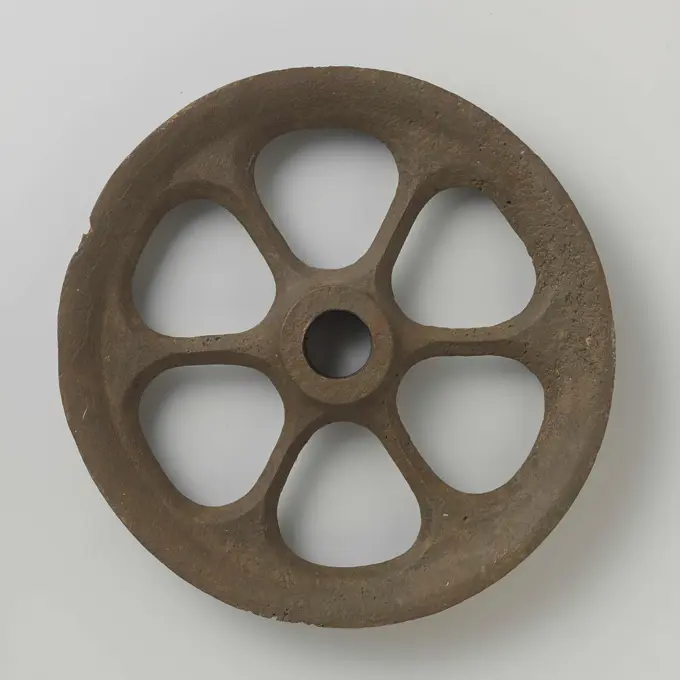
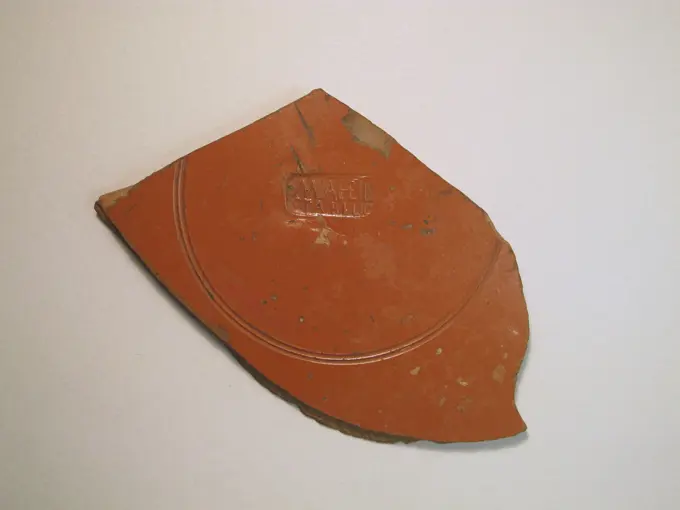
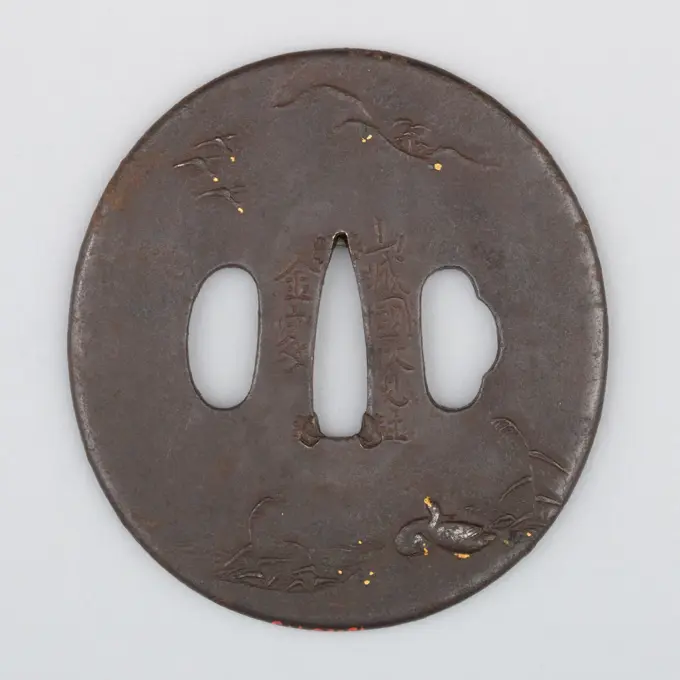
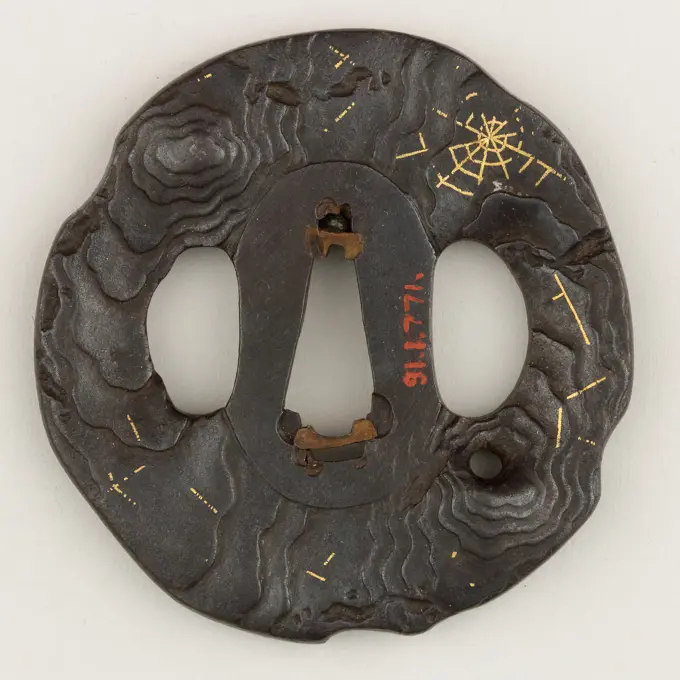
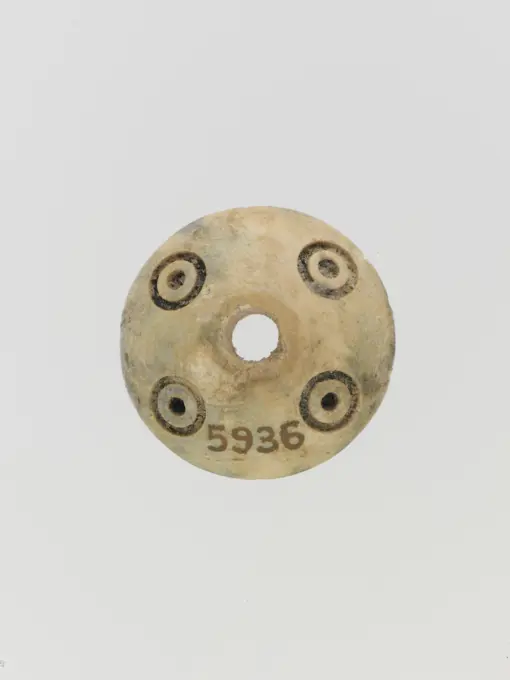
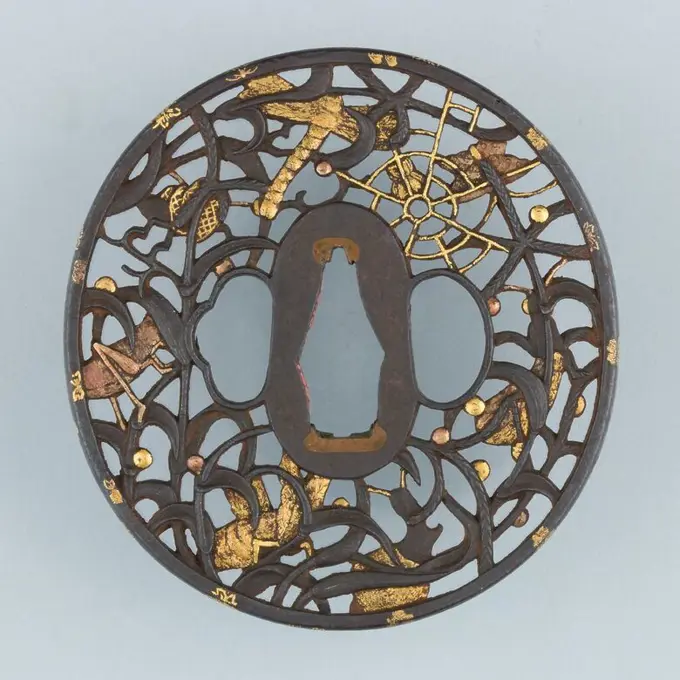
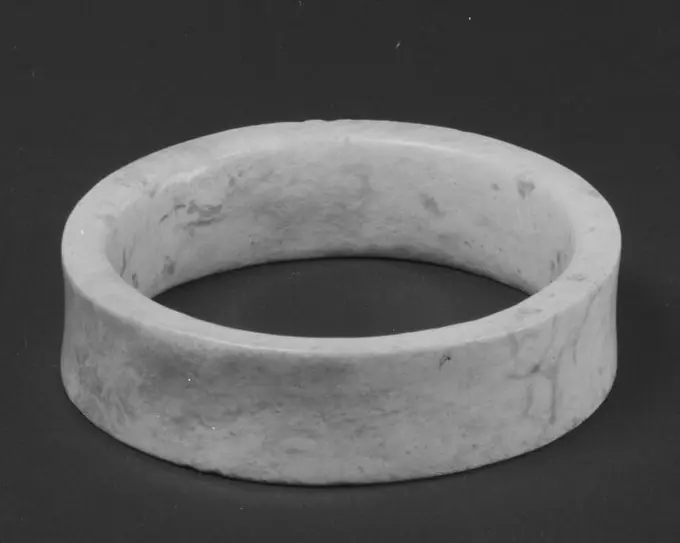
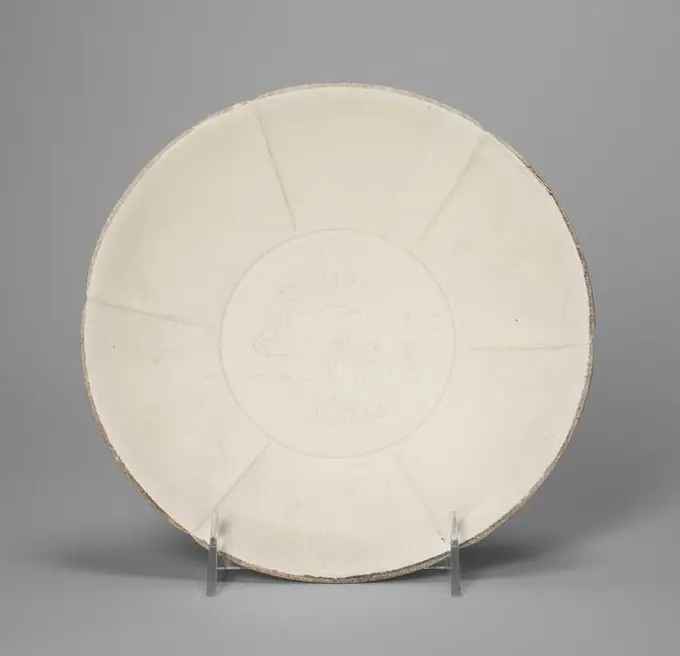
Slit Disc (jue). China. Date: 700 BC-600 BC. Dimensions: Diam. 4.4 cm (1 3/4 in.); Thickness: 0.2 cm (1/16 in.). Jade. Origin: China. Museum: The Chicago Art Institute, Chicago, USA.Portable Sundial. France. Date: 1700-1725. Dimensions: 3.8 × 7.6 × 6.7 cm (1 1/2 × 3 × 2 5/8 in.). Brass. Origin: France. Museum: The Chicago Art Institute, Chicago, USA.Sword Guard (Tsuba) late 17th century Japanese A tsuba is a sword guard and part of a sword mounting. It is mounted between the swords blade and grip to protect the users hands.. Sword Guard (Tsuba) 35115Plate of Tin with hunting scene on the edge, Imanuel Gottlob Petzold (attributed to), in or after 1725 - c. 1750 Plate of tin with scalloped edge. On the flat there is a performance with a musician woman, a man and a dog in a medallion. Around tires with rank motifs. The flat edge shows a hunting scene with hunters, dogs, deer and boar. Freiburg tin (metal) casting / engraving Plate of tin with scalloped edge. On the flat there is a performance with a musician woman, a man and a dog in a medallion. Around tires with rank motifs. The flat edge shows a hunting scene with hunters, dogs, deer and boar. Freiburg tin (metal) casting / engravingCardinal's sign of tin decorated with engraved weapon, anonymous, c. 1675 - c. 1725 Plate of Tin, a so -called cardinal sign. The wide edge is decorated with an engraved weapon with, among other things, a rose decorated and surrounded by lauwert branches. Netherlands tin (metal) casting / engraving Plate of Tin, a so -called cardinal sign. The wide edge is decorated with an engraved weapon with, among other things, a rose decorated and surrounded by lauwert branches. Netherlands tin (metal) casting / engravingSword guard (Tsuba) Depicting Icefish Between Seaweed (に白魚図鐔) ca. 1615-1868 Japanese The plate of this tsuba shows a coarse spiral forging structure which represents running water. On the bottom right of the obverse, a shibuichi icefish (Japanese: shirauo, 白魚) and seaweed is inlaid, and apart from two small branches of seaweed, the reverse is left undecorated. In Japan, the icefish stands for spring. The popular kabuki play Sannin Kichisa Kuruwa no Hatsugai (三人吉三廓初買), "Three Kichisaburōs Go Shipping at the New Year in the Pleasure Quarters," for example, which premeried in 1860, features the related poem: Tsuki mo oboro ni shirauo no kagari mo kasumu haru no sora (月も朧に白魚の篝もかすむ春の空), "Spring sky, where both the moon and the bonfire of the icefish fishers is surrounded by a diffuse halo.". Sword guard (Tsuba) Depicting Icefish Between Seaweed (に白魚図鐔) 25742Carnavalet Museum, Medals CollectionPrinting block, Medium: wood, One from a set of five blocks for printing textiles. This would presumably have been the last in the series to be printed on the theory that the lightest color was printed first and the darkest last., Crayford, England, late 19th century, appliances & tools, Printing blockGlass spindle whorl. Culture: Roman. Dimensions: Overall: 7/16 x 1 1/8in. (1.1 x 2.9 cm). Date: ca. 1st-2nd century A.D..Translucent cobalt blue.Tall, domed body; flat bottom but with circular groove; vertical hole larger on bottom.Intact; some dulling and creamy iridescent weathering.Made by winding trail in a spiral around rod.Blue domed spindle-whorl. Museum: Metropolitan Museum of Art, New York, USA.Plate.   Maker: John Mood, American, 1792-1864Bowl ca. 18th century B.C. Old Assyrian Trading Colony. Bowl. Old Assyrian Trading Colony. ca. 18th century B.C.. Ivory (hippopotamus). Middle Bronze Age-Old Assyrian Trading Colony. Anatolia, probably from AcemhöyükSword Guard (Tsuba). Culture: Japanese. Dimensions: H. 2 3/4 in. (7 cm); W. 2 9/16 in. (6.5 cm); thickness 3/16 in. (0.5 cm); Wt. 3.1 oz. (87.9 g). Date: ca. 1800. Museum: Metropolitan Museum of Art, New York, USA.Charger. Balthasar Dauman; German, active 1623-1632; Glatz, Germany (now Klodzko, Poland). Date: 1632. Dimensions: 36.8 x 4.5 cm (14 1/2 x 1 3/4 in.). Pewter. Origin: Klodzko. Museum: The Chicago Art Institute, Chicago, USA.Sword Guard (Tsuba) 16th-19th century Japanese A tsuba is a sword guard and part of a sword mounting. It is mounted between the swords blade and grip to protect the users hands.. Sword Guard (Tsuba) 34917Sword Guard (Tsuba). Culture: Japanese. Dimensions: Diam. 2 3/4 in. (7 cm).. Date: 18th century. Museum: Metropolitan Museum of Art, New York, USA.Bead Roman. Bead. Roman. Glass. GlassSword Guard (Tsuba). Culture: Japanese. Dimensions: H. 3 1/4 in. (8.3 cm); W. 3 in. (7.6 cm); thickness 5/16 in. (0.8 cm); Wt. 6.4 oz. (181.4 g). Date: mid-19th century. Museum: Metropolitan Museum of Art, New York, USA.Button or Bead 9th-11th century. Button or Bead 455225Fragment of soil, part of stand ring and wall of smooth drinking cup, drinking cup drinking utensils holder soil find glass, handblown glass application Fragment of bottom part of stand and part of wall of drinking cup in clear colorless glass Under raised (1.7 cm) bottom pontilemark As stand ring along underside of bottom of flat pressed glass wire of which 34 parts remain. Parts of almost vertically ascending wall archeology Rotterdam Stadscentrum Stadsdriehoek Oudehaven archaeological find in the soil Oude Haven 1979 - 1980.Jousting Lance with Vamplate. German. Date: 1500-1600. Dimensions: Vamplate Wt. 2 lb. 7 oz. Steel, leather, and wood. Origin: Germany. Museum: The Chicago Art Institute, Chicago, USA.Sword Guard (Tsuba) ca. 1615-1868 Japanese A tsuba is a sword guard and part of a sword mounting. It is mounted between the swords blade and grip to protect the users hands.. Sword Guard (Tsuba). Japanese. ca. 1615-1868. Iron, gold, copper. Sword Furniture-TsubaRosette 1186 BCE-1069 BCE Egypt. Faience . Ancient EgyptianGrahal-Manzara. Carnavalet 2013-2016 collection sites. Numismatics.Sword Guard (Tsuba). Culture: Japanese. Dimensions: H. 2 7/8 in. (7.3 cm); W. 2 3/4 in. (7 cm); thickness 1/4 in. (0.6 cm); Wt. 6 oz. (170.1 g). Date: 18th century. Museum: Metropolitan Museum of Art, New York, USA.White faience plate on stand, plate crockery holder soil find ceramic earthenware glaze tin glaze, hand turned baked glazed fried Faience plate Fully covered with tin glaze. Yellow shard. Stand surface Only at the top shallow shoulder on the transition from mirror to flag Thickened plate edge Many pits in glaze on the underside. Cooked archeology Valckensteyn Poortugaal Albrandswaard native earthenware serving serve archaeological find in the soil Poortugaal castle Valckensteyn.Cymbal. Dimensions: h. 1.3 cm (1/2 in); diam: 5.8 cm (2 5/16 in). Date: 30 B.C.-A.D. 364. Museum: Metropolitan Museum of Art, New York, USA.Sword Guard (Tsuba) ca. 1830 Japanese A tsuba is a sword guard and part of a sword mounting. It is mounted between the swords blade and grip to protect the users hands.. Sword Guard (Tsuba) 30028Campanian Black Bowl. UnknownRound Plaque. Culture: Vicús. Dimensions: Diameter 1-11/16 in. (4.3 cm). Date: 3rd century B.C.-A.D. 2nd century. Museum: Metropolitan Museum of Art, New York, USA.Disc (bi) 3000 BCE-2000 BCE China. Jade .Mold for big ring ornaments ca. 1390-1353 B.C. New Kingdom. Mold for big ring ornaments. ca. 1390-1353 B.C.. Pottery. New Kingdom. From Egypt, Upper Egypt, Thebes, Malqata, Palace of Amenhotep III, MMA excavations, 1910-11. Dynasty 18Sword Guard (Tsuba) 17th-18th century Japanese A tsuba is a sword guard and part of a sword mounting. It is mounted between the swords blade and grip to protect the users hands.. Sword Guard (Tsuba) 642490Grahal-Manzara. Carnavalet 2013-2016 collection sites. Numismatics.Sword Guard (Tsuba) ca. 1615-1868 Japanese A tsuba is a sword guard and part of a sword mounting. It is mounted between the swords blade and grip to protect the users hands.. Sword Guard (Tsuba) 34443Mirror with scalloped edge and rosettes, anonymous, -500 - -200 Four rosettes in midfield; scalloped edge. The patina is bright green and brown. China bronze (metal) Four rosettes in midfield; scalloped edge. The patina is bright green and brown. China bronze (metal)Wilhelmina and Wellington, Adrianus Johannes Bik, c. 1814  Porcelain dish. The dish has a wide golden piping along the edge and in the middle a kind of gold field, in which a trophy has been inserted. European porcelain. Amsterdam porcelainSword Guard (Tsuba). Culture: Japanese. Dimensions: H. 3 in. (7.6 cm); W. 2 5/8 in. (6.7 cm); thickness 3/16 in. (0.5 cm); Wt. 4.7 oz. (133.2 g). Date: 18th century. Museum: Metropolitan Museum of Art, New York, USA.Sword Guard (Tsuba). Culture: Japanese. Dimensions: H. 2 15/16 in. (7.5 cm); W. 2 11/16 in. (6.8 cm); thickness 5/16 in. (0.8 cm); Wt. 3.9 oz. (110.6 g). Date: ca. 1615-1868. Museum: Metropolitan Museum of Art, New York, USA.(Inlaid celadon bowl), 13th century, Unknown Korean, 2 7/8 x 7 3/8 in. (7.3 x 18.73 cm), Ceramic, Korea, 13th centuryDisc (bi) 300 BCE-100 BCE China. Jade .Sword Guard (Tsuba). Culture: Japanese. Dimensions: H. 2 7/8 in. (7.3 cm); W. 3 in. (7.6 cm); thickness 3/16 in. (0.5 cm); Wt. 5.6 oz. (158.8 g). Date: 18th century. Museum: Metropolitan Museum of Art, New York, USA.Sword Guard (Tsuba) early 19th century Japanese A tsuba is a sword guard and part of a sword mounting. It is mounted between the swords blade and grip to protect the users hands.. Sword Guard (Tsuba) 29946Bowl with Leaf Calyx Medallion. UnknownSnuif box made from the wood of the ship of Van Speijk, Anonymous, 1825 - 1831  Turned wooden round box with red and black edge and on the inside red/black/brown turtle (). Snuif box made from the wood of the ship of Van Speijk (red & black edge). Netherlands wood (plant material)Sword Guard (Tsuba). Culture: Japanese. Dimensions: H. 2 1/2 in. (6.4 cm); W. 2 1/8 in. (5.4 cm). Date: ca. 3rd century-538. Museum: Metropolitan Museum of Art, New York, USA.Conical cut ". GRS covered ivory. Paris, Muse Cernuschi. Conical cut Asian art, extreme-East art, Vietnamese art, ceramic, cut, gres, dishesSword Guard (Tsuba) 18th century Japanese A tsuba is a sword guard and part of a sword mounting. It is mounted between the swords blade and grip to protect the users hands.. Sword Guard (Tsuba) 29510Pair of Elbow Defenses (Couters) late 15th century Spanish This is part of a large find of medieval armor discovered in 1840 in the ruins of the fortress of Chalcis, on the Greek island of Euboea (then a Venetian colony called Negroponte). The fortress had been captured and destroyed by the Turks in 1470. Now divided largely between the Ethnological Museum, Athens, and The Metropolitan Museum of Art, the Chalcis hoard contains many rare and unusual elements of fourteenth- and fifteenth-century armor. Of particular importance are the variety of headpieces and the many fragments of brigandines (armor for the torso constructed of small plates riveted to layers of fabric), some of which retain portions of their original velvet covering. The Chalcis armor provides a unique picture of the armament used in the Aegean, one of the easternmost military outposts of the Venetian empire.. Pair of Elbow Defenses (Couters) 24895Canton of Mont-L'Egality (Faremoutiers), District of Rozay (Seine-et-Marne), First Republic Canton of Mont-L'Egality (Faremoutiers), District of Rozay (Seine-et-Marne), the first republic . Brass, Revers.Sword Guard (Tsuba) 17th century Japanese A tsuba is a sword guard and part of a sword mounting. It is mounted between the swords blade and grip to protect the users hands.. Sword Guard (Tsuba) 33391Plate: shield with the arms of Bonaiuti, Italian majolica of Gubbio, around 1530 (reverse) ". Museum of Fine Arts of the city of Paris, small palace. 27009-16 Gubbio, Italian majolica, various objects, reverse, plateJar with Wooden Cover (lid), 1700s-1800s. Japan, Edo period (1615-1868). Pottery; overall: 14.3 cm (5 5/8 in.).Button 8th-10th century The dot-in-circle motif recalls designs presumed to be of magical significance, most likely an abstract eye to ward off the evil-eye, which serves an apotropaic function. Easily reproduced with a tool and visible in many cultures and times, this symbol may have lost its meaning, and become simply a decorative pattern, or may have one that we have not yet discovered.. Button. 8th-10th century. Jet; carved. Excavated in Iran, Nishapur. StoneDish with Fish and Lotus Scrolls 960 CE-1279 China. Ding ware; porcelain with underglaze mold-impressed decoration; metal rim .Basin; Abraham Pfleger I (German, died 1605, active from 1558); Augsburg, Germany; 1583; Partially gilt silver with enameled plaques and engraving; 50.5 cm (19 7,8 in.)Sword Guard (Tsuba) ca. 3rd century-710 Japanese A tsuba is a sword guard and part of a sword mounting. It is mounted between the swords blade and grip to protect the users hands.. Sword Guard (Tsuba) 35128MUSEO-ATAIFOR CON DECORACION VEGETAL-HISPANO MUSULMAN. Location: MEDINA AZAHARA / MADINAT AL-ZAHRA-MUSEO-CERAMICA. PROVINCIA. CORDOBA. SPAIN.Sword Guard (Tsuba). Culture: Japanese. Dimensions: Diam. 3 5/16 in. (8.4 cm); thickness 3/16 in. (0.5 cm); Wt. 4.6 oz. (130.4 g). Date: ca. 1615-1868. Museum: Metropolitan Museum of Art, New York, USA.Print of the large seal for the Admiralty in Zeeland, Matthijs Hooft Jr., 1660 - 1687 seal One -sided print. Front: Driemaster sailing to the right to the bottom and nine on top deck inside. Reverse: Blanco; In possibly associated wooden box, in which completely crumbled paint print. Middelburg silver leaf. wood (plant material) striking (metalworking)  ZeelandSword Guard (Tsuba) ca. 1600 Japanese A tsuba is a sword guard and part of a sword mounting. It is mounted between the swords blade and grip to protect the users hands.. Sword Guard (Tsuba) 29952Pendant in the form of a Dragon, 480-221 BCE, 1/8 x 3 1/4 in. (0.4 x 8.26 cm), Pale tan jade, China, 5th-3rd century BCECocked of pressed and orange painted leather, from a lesser soldier like a Carabinier 1815 or a marine ca. 1830, Anonymous, c. 1815 - c. 1830  Cocked, round disk of pressed and orange painted leather, in the form of a flower. With a label on which text: Rijksmuseum, Amsterdam. Given the size used on the hat or stitch of a lesser soldier such as Carabinier ca. 1815, or on the black leather hat of a marine around 1830. Officers always wore silk of silk. Two holes. Netherlands leather. paint (coating)   NetherlandsShield. Culture: Philippine, Moro. Dimensions: Diam. 30 in. (76.2 cm); D. 6 3/4 in. (17.1 cm); Wt. 8 lb. 6.4 oz. (3810.2 g). Date: 18th-19th century. Museum: Metropolitan Museum of Art, New York, USA.tin can canned food a tin can for canned food conservation Copyright: xZoonar.com/ClaudioxDiviziax 14976345Lobed Dish. China. Date: 960 AD-1279. Dimensions: H. 2.0 cm (13/16 in.); diam. 12.2 cm (4 13/16 in.). Ding ware; porcelain. Origin: China. Museum: The Chicago Art Institute, Chicago, USA.Bi dish. Jade verte, China, Iv-Iie s. to. J.-C. Par musée musée malée. Asian art, Chinese art, Asian civilization, Chinese civilization, JadeSword guard (Tsuba) Depicting Hanshan and Shide (山拾得図鐔) 18th century Sugiura Joi The obverse of this tsuba shows Hanshan (山, Japanese: Kanzan) and Shide (拾得, Japanese: Jittoku), popular figures in Zen painting. The area around the washer seat (seppa-dai) is slightly thinner than the rest of the plate. The reverse is except for two gold seals undecorated. The upper seal reads "Jōi" (乗意), the lower seal is unidentified. The artist Jōi (乗意), real name Nara Tashichi (奈良太七), later Sugiura Sen’emon (杉浦仙右衛門), was born in Genroku 14 (元禄, 1701) as son of a retainer of the Toda-Matsudaira family (戸田松平) in Mino province. Having arrived in Edo in the early years of the Kyōhō era (享保, 1716-1736), Jōi studied with the Nara School master Toshinaga (寿永). He signed with the name Nagaharu (永春) and the art names Issandō (一蝅堂) and Jōi (乗意) and died in Hōreki eleven (宝暦, 1761).. Sword guard (Tsuba) Depicting Hanshan and Shide (山拾得図鐔) 25743Tsuba; ironDupondius; Kommodus (161-192; Roman emperor 177-192);  (164-00-00-169-00-00);Vessel mid 3rd-mid 2nd century B.C. Seleucid. Vessel 324648Grahal-Manzara. Carnavalet 2013-2016 collection sites. Numismatics.Disc for packaging from V.O.C. ship De 'Witte Leeuw', Before 1613  Disc for packaging from V.O.C. ship the 'Witte Leeuw'. The disc has a square hole in the middle. The disk is split in two.  wood (plant material)   Sint-HelenaSword Guard (Tsuba) 18th century Japanese A tsuba is a sword guard and part of a sword mounting. It is mounted between the swords blade and grip to protect the users hands.. Sword Guard (Tsuba) 26302. Almost round tsuba with opened decoration of two squares; On the outer edge remains of a decoration in silver from Arabesken and on the edge of the square in a zigzag pattern; Signed "Yoshu Ju Shoami Ietake".Dish mid 6th-5th millennium B.C. Ubaid. Dish 324085Vessel sherd ca. 15th-14th century B.C. Mitanni. Vessel sherd 327060Tea Bowl, 12th century, 2 1/4 x 4 1/2 in. (5.72 x 11.43 cm), Glazed stoneware, China, 12th century, Japanese monks who traveled to China returned with many foreign treasures, including temmoku tea bowls. Named after Mount Tianmu (Temmoku in Japanese) in Zhejiang Province where many Japanese monks received Zen training, these bowls were distinguished by their conical shape, small foot, and lustrous black glaze. Highly prized as rare imported objects, temmoku tea bowls were always used in conjunction with a lacquered stand.Serving Dish (Hirabachi) with Circular Patterns (Botan-mochi) early 17th century Japan. Serving Dish (Hirabachi) with Circular Patterns (Botan-mochi). Japan. early 17th century. Stoneware with natural ash glaze (Bizen ware). Momoyama period (1573-1615). CeramicsPlanets-manager. Cornalet Collection Sites 2013-2016. Numismatic.Sword Guard (Tsuba). Culture: Japanese. Dimensions: 2 5/8 x 2 3/8 in. (6.7 x 6.0 cm). Date: ca. 1615-1868. Museum: Metropolitan Museum of Art, New York, USA.Brush Washer. Culture: China. Dimensions: H. 1 1/4 in. (3.2 cm); Diam. 4 1/2 in. (11.4 cm). Date: 17th-18th century. Museum: Metropolitan Museum of Art, New York, USA.Grahal-Manzara. Carnavalet 2013-2016 collection sites. Numismatics.Bronze disc from v.O.c.-ship the 'white lion'. Bronze round disc or wheel with a round hole and 6 spokes in the middle. Probably intended for the large cover case and the part of the East India de Witte Leeuw. With this heavy hoist, the large RA, to which the mainsail was attached, could be lifted or lowered.Sword Guard (Tsuba) 1575-1600 Japanese A tsuba is a sword guard and part of a sword mounting. It is mounted between the swords blade and grip to protect the users hands.. Sword Guard (Tsuba) 25823Vase fragment late 1st century B.C. Roman Fragment of plain Arretine ware, inscribed.. Vase fragment 250304Bowl 12th-13th century China. Bowl 48150Sword Guard (Tsuba) ca. 1615-1868 Japanese A tsuba is a sword guard and part of a sword mounting. It is mounted between the swords blade and grip to protect the users hands.. Sword Guard (Tsuba) 33392Sword Guard (Tsuba) Depicting Spider Web on Dead Tree (木に蜘蛛の巣図鐔) ca. 1615-1868 Japanese The entire plate of the tsuba is carved to resemble a dead tree, with a spider web and threads inlaid in gold nunome-zōgan. A spiderweb on a dead tree combined with an openwork design (as here represented by the small ko-sukashi towards the bottom and the two hitsu-ana) alludes to a famous scene from the Genpei War (1180-1185). In 1181, Taira warrior Kajiwara Kagetoki (梶原景時, 1162-1200) was sent to pursue the fleeing Minamoto no Yoritomo (源頼朝, 1147-1199). Kagetoki discovered Yoritomo hiding in the hollow trunk of a fallen tree but as he was switching sides, he did not reveale Yoritomo’s hideout. A spider had spun its web over the opening in the trunk since Yoritomo had crawled inside and so Kagetoki pointed out to his men that no one could be hiding therein as that spider web was intact.. Sword Guard (Tsuba) Depicting Spider Web on Dead Tree (木に蜘蛛の巣図鐔) 25690Dish 13th century. Dish 447161Template for Carving Jade 20th century China. Template for Carving Jade 62057Bone spindle whorl ca. 1600-1050 B.C. Cypriot With circles.. Bone spindle whorl. Cypriot. ca. 1600-1050 B.C.. Bone. Late Bronze AgeService: plate Ludwig Moser & SonsSword Guard (Tsuba). Culture: Japanese. Dimensions: H. 3 1/4 in. (8.3 cm); W. 3 1/8 in. (7.9 cm); thickness 3/16 in. (0.5 cm); Wt. 3.8 oz. (107.7 g). Date: ca. 1615-1868. Museum: Metropolitan Museum of Art, New York, USA.Carnavalet museum, tokens collectionJade Ring. Culture: China. Dimensions: Diam. 2 7/8 in. (7.3 cm); W. 3/4 in. (1.9 cm). Date: ca. 2400-2000 B.C.. Museum: Metropolitan Museum of Art, New York, USA.Plate, William Ridgway & Co., Staffordshire, England, 1830 - 1848, porcelain or earthenware, vitreous enamel, White plate with central transfer-printed decoration showing a town in a mountainous landscape, titled 'Harper's Ferry from the Potomac Side'., England, ca. 1843, ceramics, Decorative Arts, plate, plateSilver loop 1809-1819. GAL 1990-148-14Sword Guard (Tsuba) ca. 1615-1868 Japanese A tsuba is a sword guard and part of a sword mounting. It is mounted between the swords blade and grip to protect the users hands.. Sword Guard (Tsuba) 34418Jade Ornament with Pendant A.D. 1-1500 Mexican. Jade Ornament with Pendant 310714Shallow Lobed Bowl with Peony Scroll. China. Date: 1000-1127. Dimensions: H. 4.5 cm (1 3/4 in.); diam. 20.9 cm (8 1/4 in.). Ding ware; porcelain with underglaze carved decoration. Origin: China. Museum: The Chicago Art Institute, Chicago, USA.