Ancient Artifacts Collection

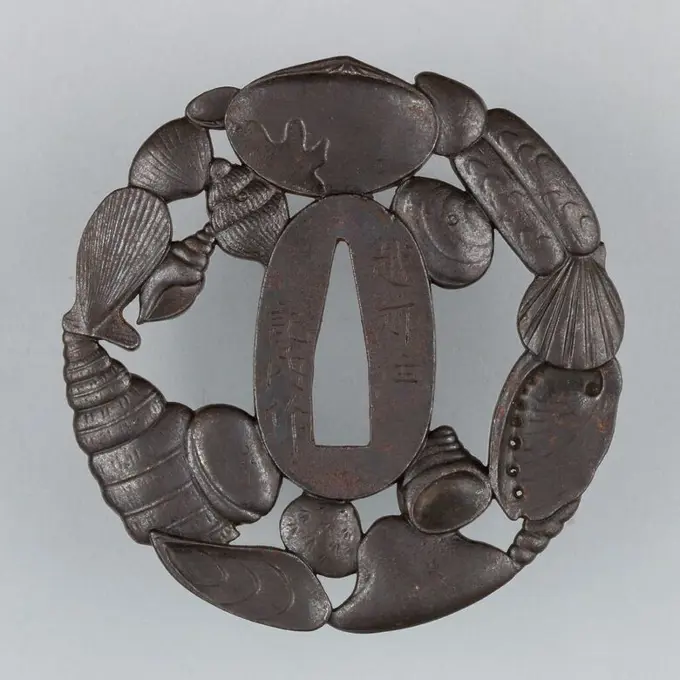
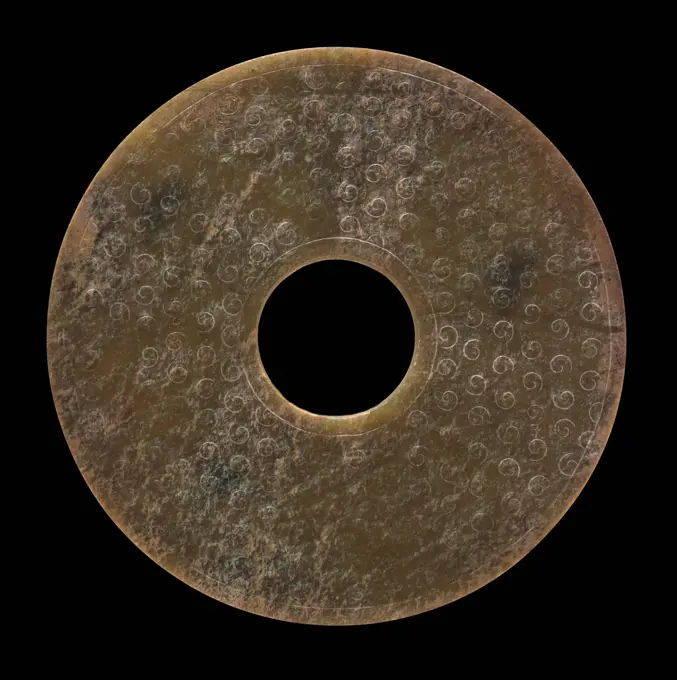
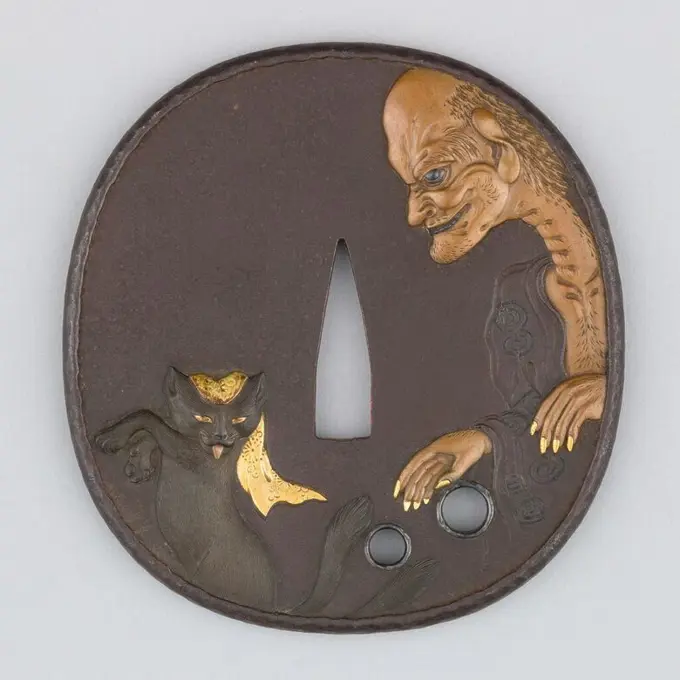
A display of various historical artifacts including a jade slit disc, brass sundial, and ornate sword guards, showcasing intricate designs and cultural significance.

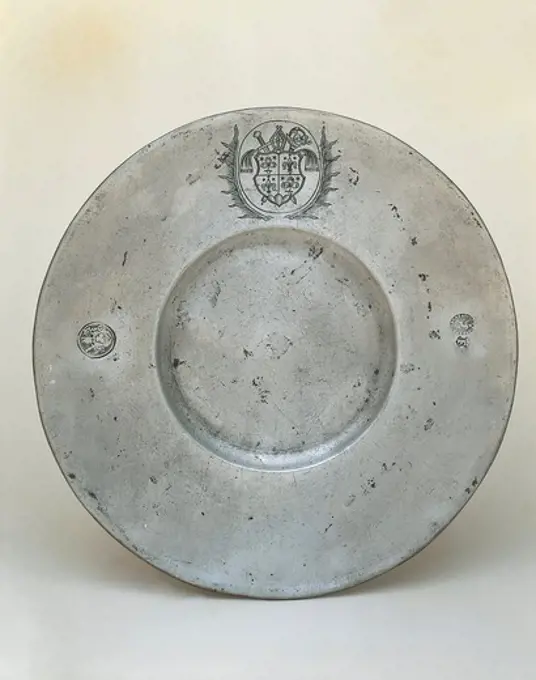
Cardinal's sign of tin decorated with engraved weapon, anonymous, c. 1675 - c. 1725 Plate of Tin, a so -called cardinal sign. The wide edge is decorated with an engraved weapon with, among other things, a rose decorated and surrounded by lauwert branches. Netherlands tin (metal) casting / engraving Plate of Tin, a so -called cardinal sign. The wide edge is decorated with an engraved weapon with, among other things, a rose decorated and surrounded by lauwert branches. Netherlands tin (metal) casting / engraving
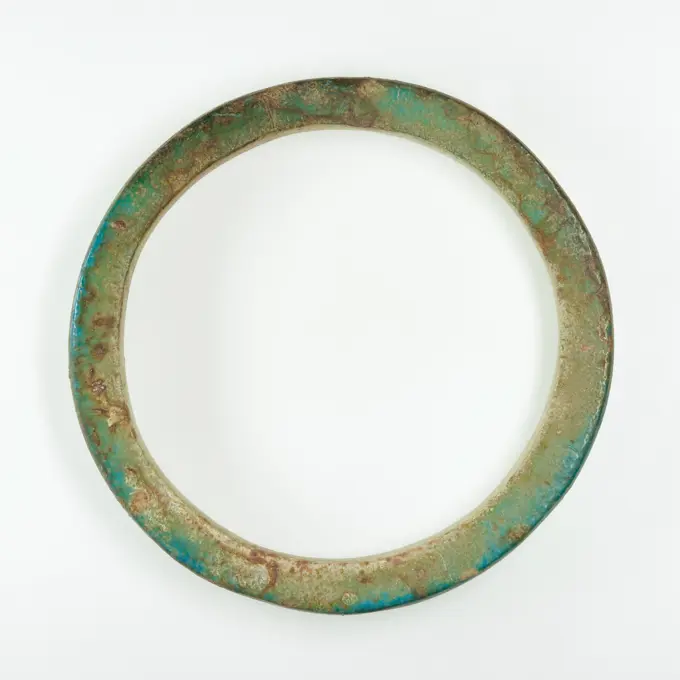
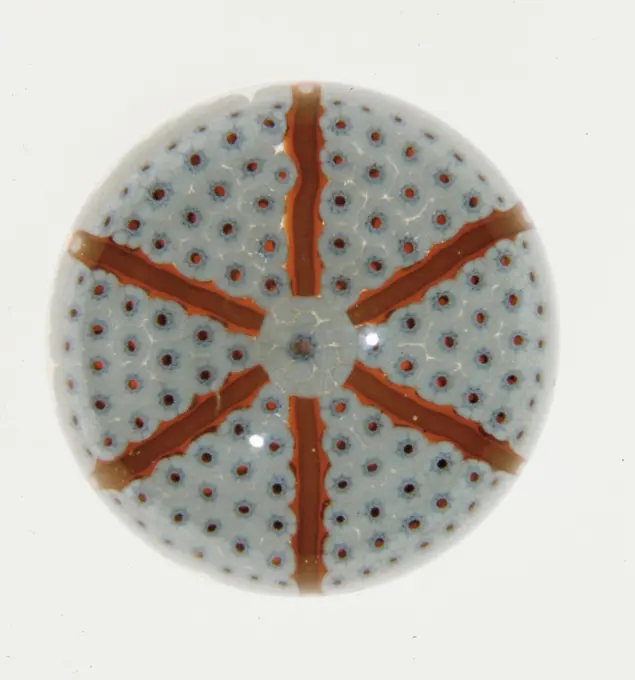
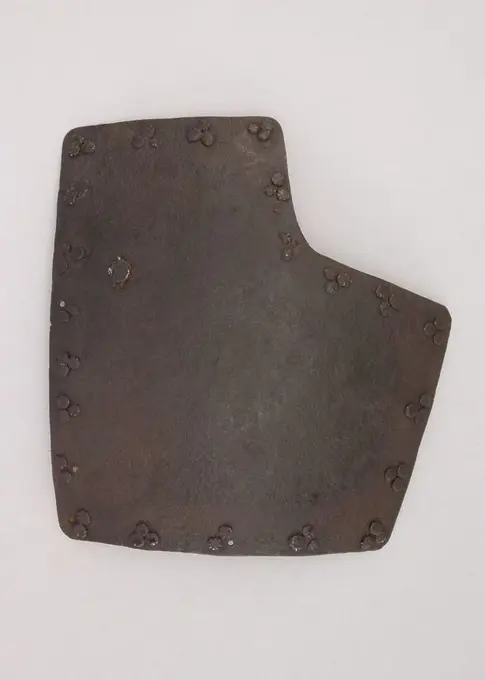
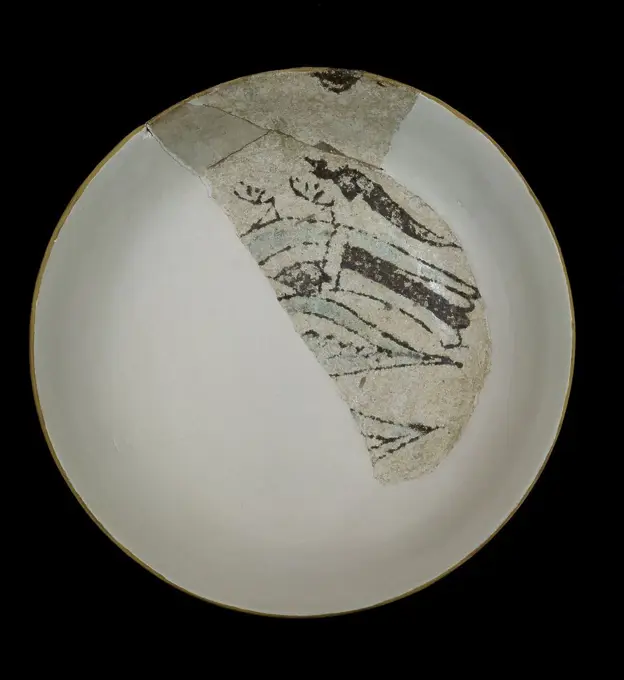
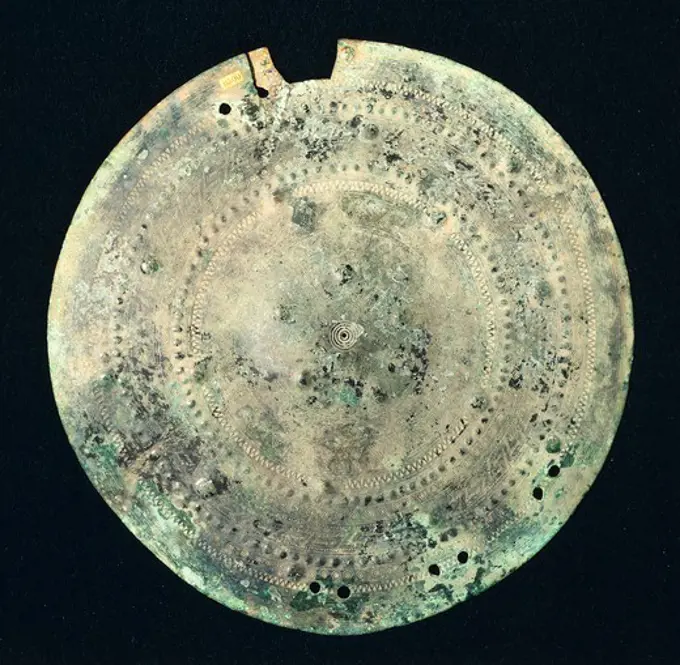
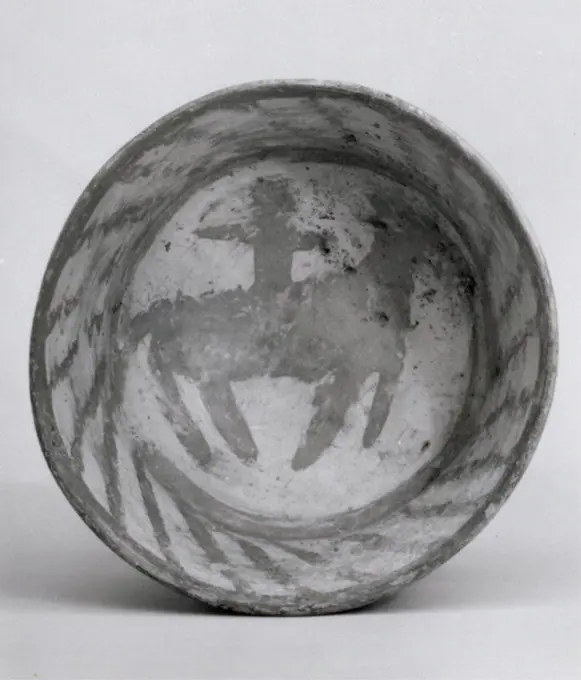
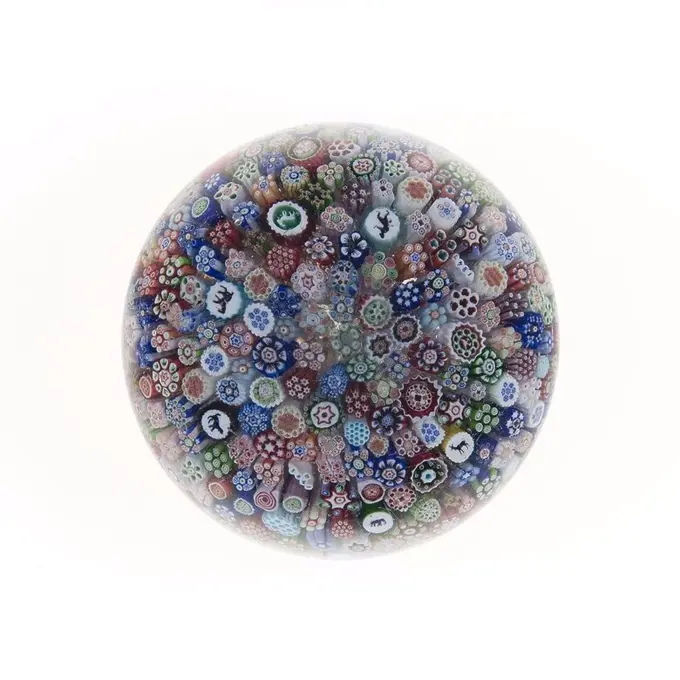
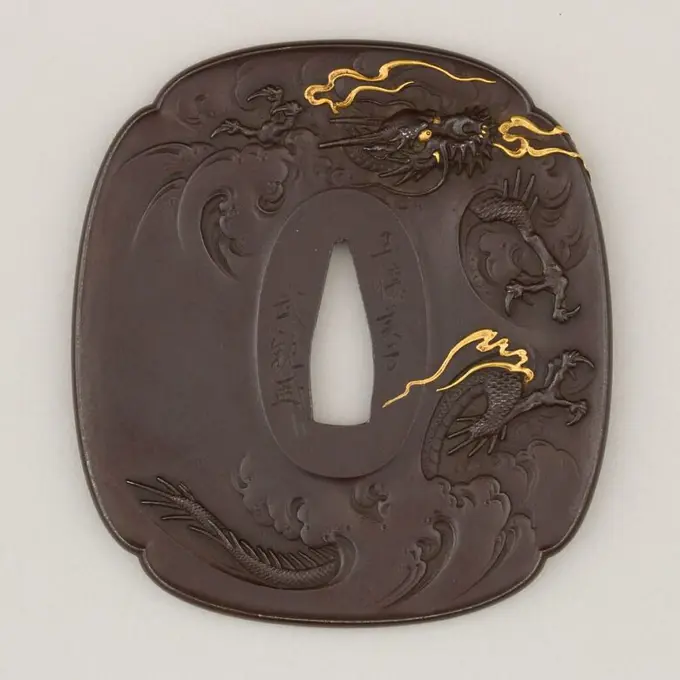
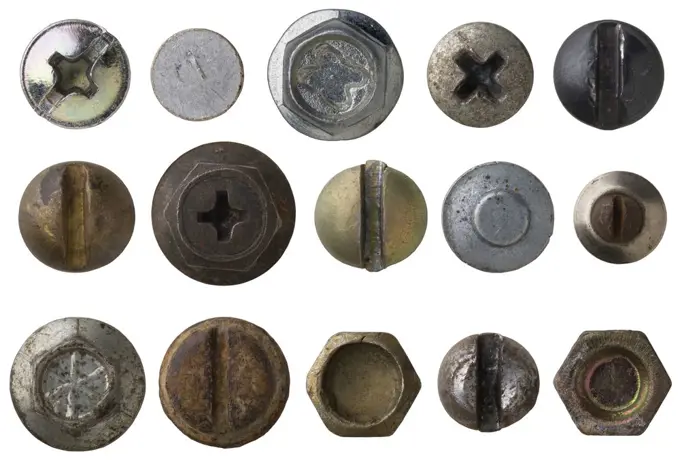
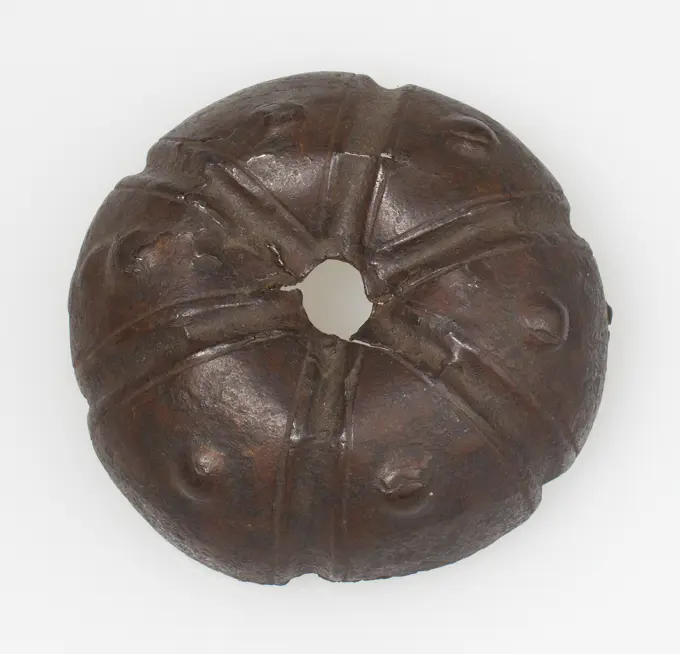
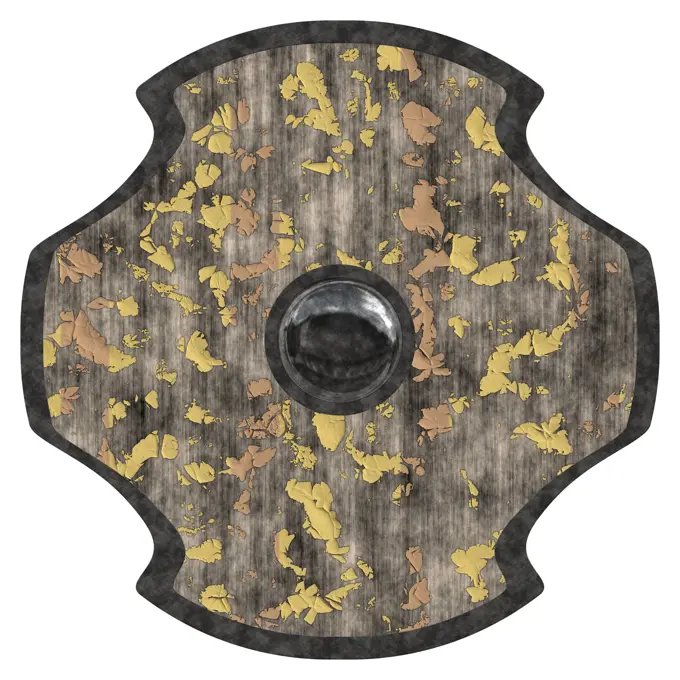
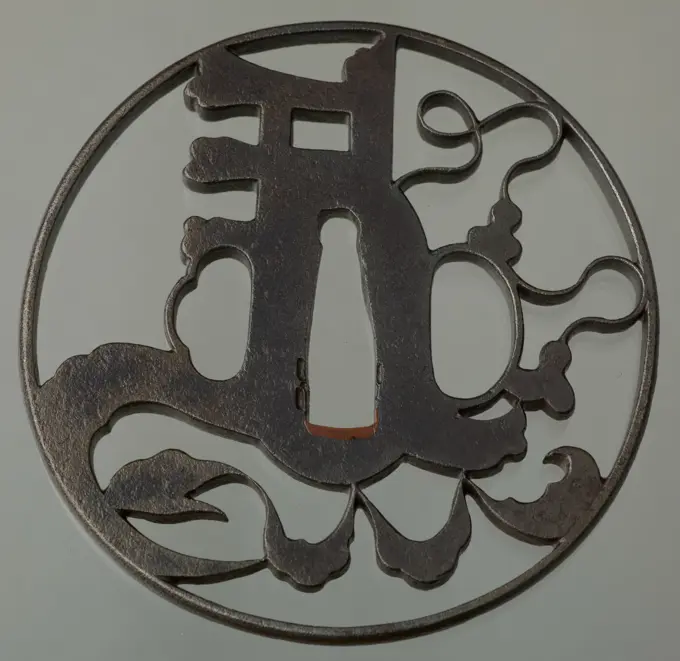
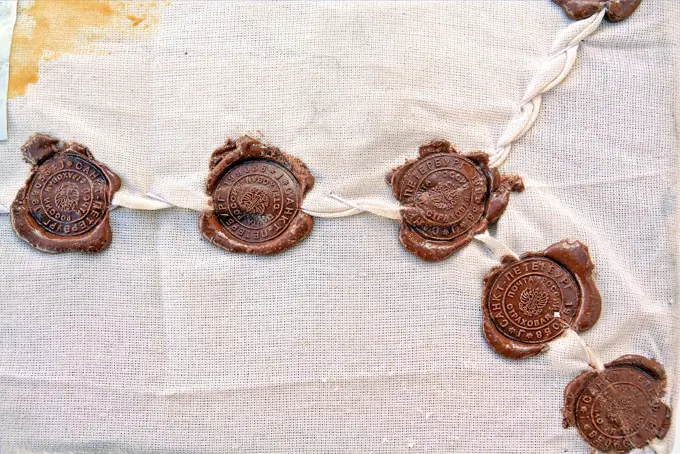
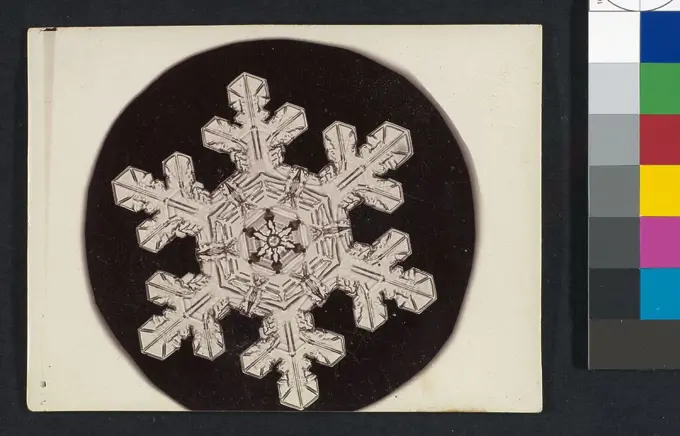
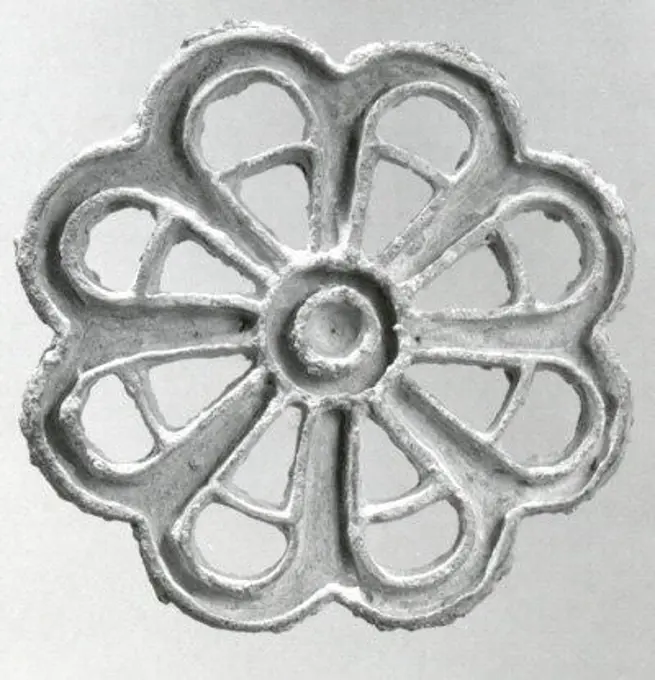
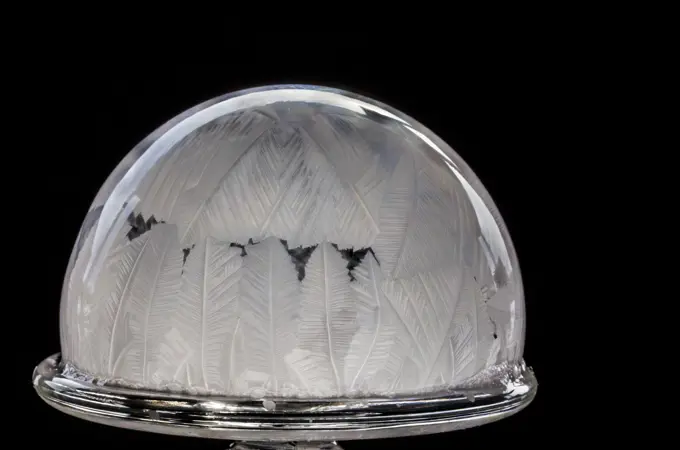
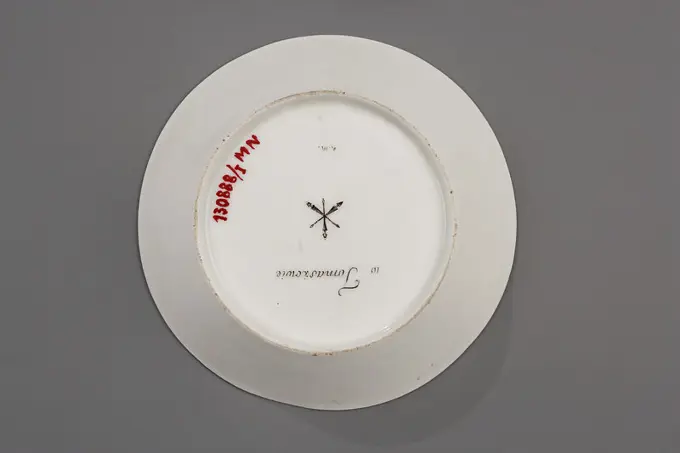
Comb, 7th-10th century, 2 3/8 x 4 7/8 in. (6 x 12.4 cm), Gold, ivory, China, 7th-10th centuryGlass dish mid-1st century A.D. Roman Translucent deep emerald green.Rim folded out and down, forming collar around top of side; shallow side, bulging slightly downwards, and then turned sharply in to pushed-in floor; solid, low outsplayed foot ring; slightly concave bottom.Complete but cracked around side with small chips missing; pinprick and a few larger bubbles; patches of dulling, pitting, and iridescent weathering.Deeply colored monochrome glass was very popular in the early Roman blown-glass industry, and it was only after about A.D. 50 that colorless and naturally colored blue-green glass came into widespread use.. Glass dish. Roman. mid-1st century A.D.. Glass; blown. Early Imperial. GlassFoedraal of the travel watch with rehearsal work with the meeting of Apollo and Amphissa, Johann Georg Strasser, c. 1775 Trail of the travel watch Sint-Petersburg silver (metal). gilding (material). gilding Trail of the travel watch Sint-Petersburg silver (metal). gilding (material). gildingPlate - a decorative epergne. Lubartów (wytwórnia fajansu ; ca 1840-1850), factoryArmlet of Neferkhawet ca. 1504-1447 B.C. New Kingdom. Armlet of Neferkhawet. ca. 1504-1447 B.C.. Faience. New Kingdom. From Egypt, Upper Egypt, Thebes, Asasif, Tomb of Neferkhawet (MMA 729), west chamber B, inside basket in northwest corner, MMA excavations, 1934-35. Dynasty 18, earlyCymbal 30 B.C.-A.D. 364 Roman Period. Cymbal 551061Conical Bowl with Blossoming Plum. China, Jiangxi province. Date: 1127-1279. Dimensions: H. 5.6 cm (2 3/16 in.); diam. 17.8 cm (7 in.). Jizhou ware; glazed light gray stoneware with reserved papercut decoration. Origin: China. Museum: The Chicago Art Institute, Chicago, USA.Paperweight 1850-60 New England Glass Company. Paperweight 5531Left Breastplate from a Brigandine. Culture: Italian. Dimensions: H. 7 11/16 in. (19.5 cm); W. 7 in. (17.8 cm); Wt. 1 lb. 1.1 oz. (484.8 g). Date: ca. 1450. Museum: Metropolitan Museum of Art, New York, USA.Bracelet 11th-16th century Middle Niger civilization. Bracelet 318376Dish from the coffee and tea set 'Saxonia', Meissener Porzellan Manufaktur, c. 1904 Porcelain dish, painted in blue and gray. The dish is part of the coffee and tea set Saxonia. The dish is marked. Float porcelain. uranium oxide Porcelain dish, painted in blue and gray. The dish is part of the coffee and tea set Saxonia. The dish is marked. Float porcelain. uranium oxideA plateMUSEO-ATAIFOR CON DECORACION ZOOMORFA-HISPANO MUSULMAN. Location: MEDINA AZAHARA / MADINAT AL-ZAHRA-MUSEO-CERAMICA. PROVINCIA. CORDOBA. SPAIN.Porringer.   Maker: Marcus Merriman, American, 1762-1850can closeup detailed bottom of metallic can isolated on white Copyright: xZoonar.com/YuryxZapx 12754043Disk China. Disk 42878Sword Guard (Tsuba) ca. 1615-1868 Japanese A tsuba is a sword guard and part of a sword mounting. It is mounted between the swords blade and grip to protect the users hands.. Sword Guard (Tsuba) 33430Shield for the Bodyguard of Wolf Dietrich von Raitenau, Prince-Archbishop of Salzburg Made 1580-1610 Venice. Wood, leather, varnish, silver foil, and polychrome .Brooch -Silversmith: Cornelis Knuijsting, Round silver bottle box, bottle tray coaster holder silver wood, sawn cast Round tray wooden bottom inside bottom underside with felt lined outside edge (debossed) servingSword Guard (Tsuba) possibly 18th century Japanese A tsuba is a sword guard and part of a sword mounting. It is mounted between the swords blade and grip to protect the users hands.. Sword Guard (Tsuba) 33402Prehistory, Italy, Bronze Age. Votive disk. From Colfiorito, province of Perugia.Spindle Whorl, 700s - 900s. Iran, early Islamic period, 8th - 10th century. Bone, incised; overall: 0.7 x 1.4 x 1.4 cm (1/4 x 9/16 x 9/16 in.).Ring. China. Date: 400 BC-200 BC. Dimensions: Diam. 5.2 cm (2 1/16 in.); Thickness: 0.3 cm (1/8 in.). Jade. Origin: China. Museum: The Chicago Art Institute, Chicago, USA.Sword Guard (Tsuba). Culture: Japanese. Dimensions: H. 3 in. (7.6 cm); W. 2 7/8 in. (7.3 cm); thickness 1/4 in. (0.6 cm); Wt. 4.2 oz. (119.1 g). Date: 17th century. Museum: Metropolitan Museum of Art, New York, USA.Perforated Disk (Bi) with Unfinished Relief Spirals. China, Late Eastern Zhou dynasty, Warring States period, or early Western Han dynasty, about 481-100 B.C.. Sculpture. Abraded jadeSword Guard (Tsuba). Culture: Japanese. Dimensions: H. 3 3/8 in. (8.6 cm); W. 3 1/8 in. (7.9 cm); thickness 1/4 in. (0.6 cm); Wt. 5.8 oz. (164.4 g). Date: 18th century. Museum: Metropolitan Museum of Art, New York, USA.PatchBox.   Maker: John Dixwell, American, 1680-1725Dog harness fastener  -Attic Red-Figure Phiale Mesomphalos; Attributed to Berlin Painter (Greek (Attic), active about 500 - about 460 B.C.), and Euphronios (Greek (Attic), active 520 - 480 B.C.); Athens, Greece; about 500 - 490 B.C; Terracotta; 3.5 × 33.2 cm (1 3,8 × 13 1,16 in.)Bowl: Crab 2nd-4th century Nasca. Bowl: Crab. Nasca. 2nd-4th century. Ceramic. Peru. Ceramics-ContainersRod. Medal. Dona Maria Reine from Portugal. Plaster. Nineteenth century. Museum of Fine Arts of the City of Paris, Petit Palais. 58763-14 Medal, inventory number, numismatics, plaster, 19th centuryFragment sign from V.O.C. ship De 'Witte Leeuw', Anonymous, Before 1613 plate (dishes) Fragment sign from V.O.C. ship De 'Witte Leeuw', 85 present. Jingdezhen porcelain   Sint-HelenaBrooch -Finial, 13th-14th century, 5/8 x 3 1/4 in. (1.6 x 8.26 cm), Ivory, China, 13th-14th centuryPewter plate with coat of arms of Bishop Adrian III or IV of RiedmattenBowl 4th-2nd century BC Iranian This bowl has a flat base with a slight indentation, a low carinated shoulder, and a flaring rim. It is made of a pinkish buff clay, slightly burnished, with a pale cream slip. The clay is well-levigated and free of inclusions. The interior of the bowl is decorated, sometimes carelessly, with red paint. Parallel lines run along the rim and the interior of the shoulder, with a row of diagonal lines between them.In the center of the bowl is an image of a rider, also in red paint. The horses legs are straight but pointed inward, suggesting the suspension phase of a gallop. The horses head and tail are indistinct, with both running into the painted decoration at the shoulder. The rider consists of a torso and a large head, with a longer arm extending toward the rear of the horse and a shorter arm toward the front. A thin curve, representing the bow, runs from the head through the longer arm and continues faintly on the other side. The bowl was apparently hHead. Alberto Giacometti; Swiss, 1901-1966. Date: 1934. Dimensions: 25.4 x 20.3 x 17.8 cm (10 x 8 x 7 in.). Bronze, edition number one of six. Origin: Switzerland. Museum: The Chicago Art Institute, Chicago, USA.Mount, Bronze, Furniture mount fragment. Section of model for egg-and-dart moulding., ca. 1800, metalwork, Decorative Arts, MountAnonymous. Flat plate. Porcelain. 18th century. Museum of Fine Arts of the City of Paris, Petit Palais. 122746-15Grahal-Manzara. Carnavalet 2013-2016 collection sites. Numismatics.Pivot and Two Compass Cards, J.M. Kleman & Zoon, after George Stebbing, 1825 compass Compass with ruby point on a wooden pedestal, with rose. The rose has a brass cap in the middle with hole in front of the pen at the bottom: the rotation of the rose was improved by the materials used, while fluctuating by increasing the ruby's friction surface was reduced. The rose, which is badly damaged, can be turned within an outer edge, on which a bowl is applied in degrees per quadrant; This was to compensate for the magnetic variation (the angle between the actual north and the magnetic north). The second rose is of the same type, but the cap is equipped with a gem, presumably agate. With two compass roses. instrument maker: Amsterdamafter design by: Portsmouth wood (plant material). brass (alloy). iron (metal). ruby (mineral). agate (chalcedony). paperPendant disk Cypriot. Pendant disk 242625Perforated Disc (Pi), 3000-2000 BC. China, Neolithic period (3rd-2nd millenium BC). Jade ; diameter: 21.2 cm (8 3/8 in.); inner diameter: 5.7 cm (2 1/4 in.).Gem; Europe; 18th - 19th century; Stone;Cameo. Wedgwood Manufactory; England, founded 1759. Date: 1775-1799. Dimensions: 5.7 × 7 cm (2 1/4 × 2 3/4 in.). Stoneware (jasperware). Origin: Burslem. Museum: The Chicago Art Institute, Chicago, USA.Perforated Medallion China. Perforated Medallion. China. Nephrite, white with light greenish tint.. Song dynasty (960-1279). JadePaperweight. Baccarat; France, founded 1764. Date: 1847. Dimensions: 3 in. Glass. Origin: Lunéville. Museum: The Chicago Art Institute, Chicago, USA. Author: Baccarat Glassworks.Hermanus Boerhaave, scholar in Leiden, Gottfried Eichler, 1687 - 1757 locket One -sided medallion in brass ring rear glass on bearing eye and carrying ring. Front: breastpiece man to the left inside. Reverse: label with inscription. Berlin gypsum. brass (alloy). glass castingOld three-blade bronze boat propeller on whitePlate 1600-1625 Bohemia. Blue glass with enamel decoration .Pair of Earflares 10th-4th century B.C. Olmec. Pair of Earflares 316286bead from green turquoise natural mineral gemstone round bead from green turquoise natural mineral gemstone isolated on white background Copyright: xZoonar.com/ValeryxVoennyyx 8554497Cup plate. American; Midwest, probably Ohio. Date: 1830-1835. Dimensions: diam. 8.9 cm (3 1/2 in.). Pressed glass. Origin: Midwest. Museum: The Chicago Art Institute, Chicago, USA.Three fragments of bandwurmbeker wall, drinking cup drinking vessel holder soil find glass, hand-blown glass application Three fragments of wall of bandwurmbeker in clear colorless glass On wall (from bottom to edge) continuous clockwise rotating colorless convex glass wire. The wall rises almost horizontally and widens at about 1.0 cm from the edge of archeology. Rotterdam rail tunnel drinking beer Soil discovery: rail tunnel Rotterdam.Stamp Seal. Northern Afghanistan, Circa 2500-1500 B.C.. Tools and Equipment; seals. TalcHat 1870s American or European. Hat. American or European. 1870s. straw, silkIsolated green sea urchins on a white backgroundServicePlate.   Maker: David Melville, American, c. 1776-1793Models for Klampen and brackets of books locks, Anonymous, c. 1750 - c. 1775 The objects made from plate consists of models for mold forms for two brackets and for four clamps. Imagine profiled lists have sounded at the ends. In the plates, presentations contained in Rococo ornament of putti with resp. A broken column. A flamb construction and a law table, a scale, books, a burning heart and a wreath. Amsterdam copper (metal) striking (metalworking) The objects made from plate consists of models for mold forms for two brackets and for four clamps. Imagine profiled lists have sounded at the ends. In the plates, presentations contained in Rococo ornament of putti with resp. A broken column. A flamb construction and a law table, a scale, books, a burning heart and a wreath. Amsterdam copper (metal) striking (metalworking)High angle view of a designed cube on a white surface.Coupons SetDesign for a medal with Mansportret, 1800 - 1972 Design of plaster for a medal with male portrait.  gypsum Design of plaster for a medal with male portrait.  gypsumFragment of a Dish 13th-14th century. Fragment of a Dish 446377Barre, Jean-Jacques (n.1793-08-03-D.1855-06-10), Ferdinand Duke of Orleans and his wife Hélène de Mecklembourg (username), 1837. Plaster medallions, under bulging glass , Dark wood frame. Museum of Romantic Life.Sword Guard (Tsuba). Culture: Japanese. Dimensions: H. 3 1/4 in. (8.3 cm); W. 3 in. (7.6 cm); thickness 1/4 in. (0.6 cm); Wt. 5 oz. (141.7 g). Date: mid-19th century. Museum: Metropolitan Museum of Art, New York, USA.Empty wooden cutting board with cracks and scuffs Empty wooden cutting board with cracks and scuffs located on a dark concrete background Copyright: xZoonar.com/TetianaxChernykovax 21413790Paul de Lamerie, Salver, 1731/32, silver.Oval black picture frame with gray cardboard background, isolated on whiteOld rusty gear Old rusty gear, isolated on white background Copyright: xZoonar.com/OleksandrxKostiuchenkox 4032207Europe, Former Yugoslavia. Bronze pendant with gold studs. Jewellery. Serbiablueberry isolated on white backgroundBuckle with two oval eyes, with middle post leather fittings, buckle fastener part soil find copper brass metal, cast Buckle in the shape of an eight with two oval eyes middle pillar to which folded piece of leather furniture fittings archeology Rotterdam rail tunnel attach cling fastening Soil discovery: trajectory rail tunnel Rotterdam.Scale, round, with consequently consequences, fully equipped with fine hammer structure, Frans Zwollo (I), 1921 Round bowl with consequently consequently top edge. The dish is fully equipped with a fine hammer structure. Marked and dated. The Hague silver (metal) hammering Round bowl with consequently consequently top edge. The dish is fully equipped with a fine hammer structure. Marked and dated. The Hague silver (metal) hammeringabstract illustrated glass background object abstract illustrated glass background object Copyright: xZoonar.com/FrankxRohdex 4804137Lid of ginger jar, Chinese porcelain, lid closure ginger jar pot holder soil find ceramic porcelain glaze feldspar glaze, hand turned glazed painted baked Round lid with raised edge at the bottom. Glazed except inside of the upright edge Light gray shard with light blue glaze and dark blue decoration archeology Rotterdam rail tunnel packing transport store ginger China Soil discovery: rail tunnel Rotterdam.Jali work of Jaisalmer fort, Jaisalmer, Rajasthan, India Copyright: xRavixShekhar/DinodiaxPhotoxUnknown, bowl cover (common name). Ceramics, porcelain: blown blue or powdered shailaryou (covered blue scattered) or XueHualan (blue in snowflakes); Gold leaf cut. Petit Palais, Museum of Fine Arts of the City of Paris.screw and bolts heads isolated on white background . screw and bolts headsSaucer WedgwoodBoss 15th-16th century European. Boss. European. 15th-16th century. Iron. Metalwork-IronFragment of a Bowl 13th-14th century. Fragment of a Bowl 446343Viking shield An illustration of a nice viking shield texture Copyright: xZoonar.com/magannx 1157137CDK unknown, school kyozukashiof sealing wax seal on old parcelold center and St Peter Basilica, Rome little planet - urban spherical view of old center and St Peter Basilica, Rome, Italy isolated on white background Copyright: xZoonar.com/VVxVoennyyx 5712795Snow Crystal. Artist: Wilson Alwyn Bentley (American, 1865-1931). Dimensions: Image: 2 7/8 in. × 3 in. (7.3 × 7.6 cm)Sheet: 3 × 4 in. (7.6 × 10.1 cm). Date: 1890s-1920s. Museum: Metropolitan Museum of Art, New York, USA.Six lantern pictures with different film scenes, Anonymous, Meissna Kino, 1910 - 1930 lantern slide (photographic) Six lantern pictures with film scenes, set up in a cardboard disc. Czechoslovakia cardboard. gelatin silver slide on glass actors on the screenCompartmented stamp seal ca. late 3rd-early 2nd millennium B.C. Bactria-Margiana Archaeological Complex. Compartmented stamp seal 326870USA, Indiana, Carmel. Frozen soap bubble with snowflake-like crystals on a wine glass base.Button; pearl shellSaucer. Tomaszów Lubelski (manufaktura fajansu i porcelany ; 1795-1846), factoryShirt buttoncanines of a boar and roundUte Indian painted hand drum and beater on display at museum in Vernal, UtahPlease Ring. Signboard: Please ring, in germanReclining Bovine reverse. Dimensions: overall (diameter): 8.34 cm (3 5/16 in.) gross weight: 167.24 gr (0.369 lb.) axis: 6:00. Medium: bronze. Museum: National Gallery of Art, Washington DC. Author: Martino da Bergamo.