Ancient Artifacts Fragments

A series of ancient stone artifacts and fragments including inscriptions and decorative elements, showcasing historical craftsmanship from various periods.

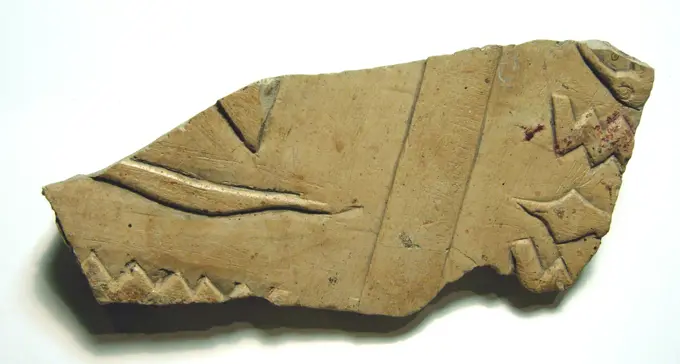
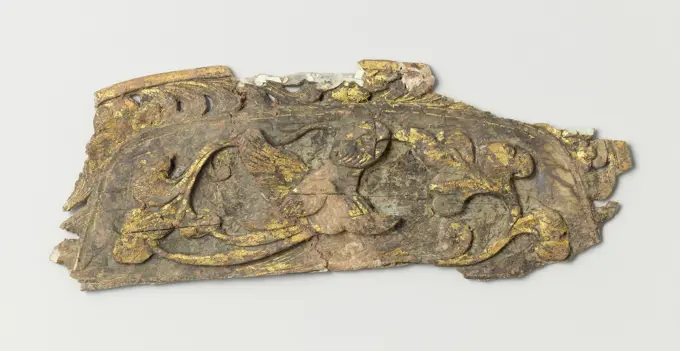
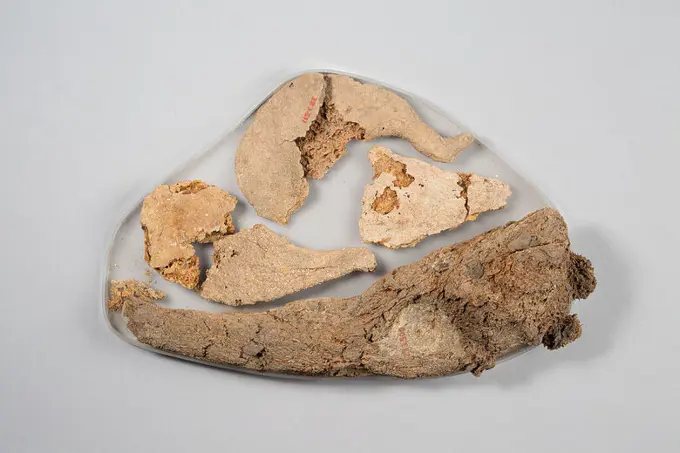
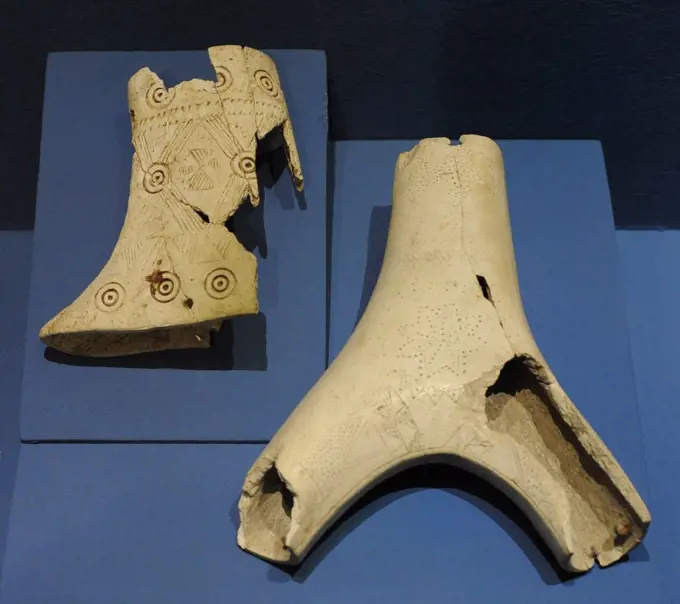
Two fragments of a clay mould, anonymous, c. 1425 - c. 1450 Mal van Pijpaarde for the rear of a Maria with child. Utrecht pipe clay Mal van Pijpaarde for the rear of a Maria with child. Utrecht pipe clay
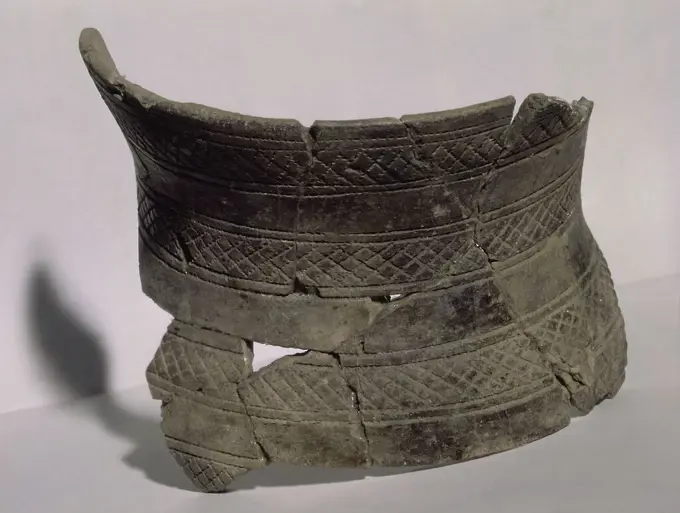
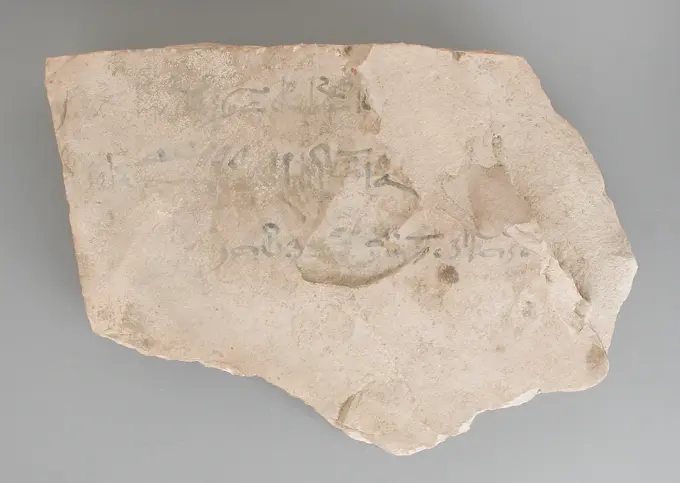
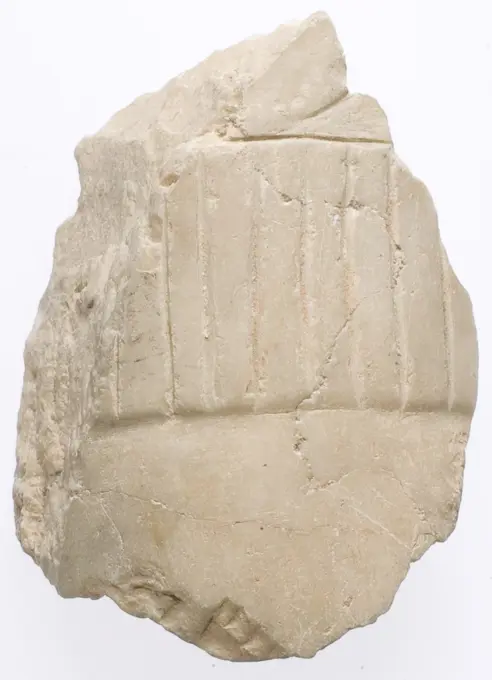
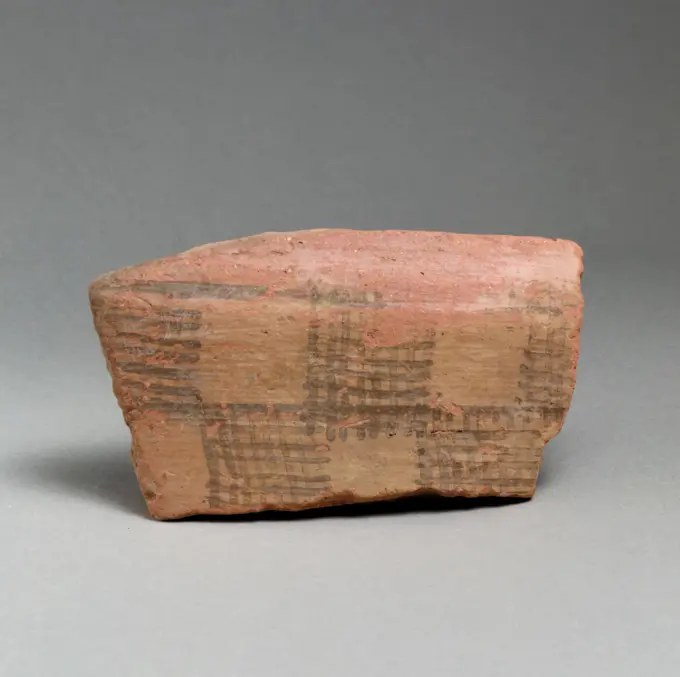
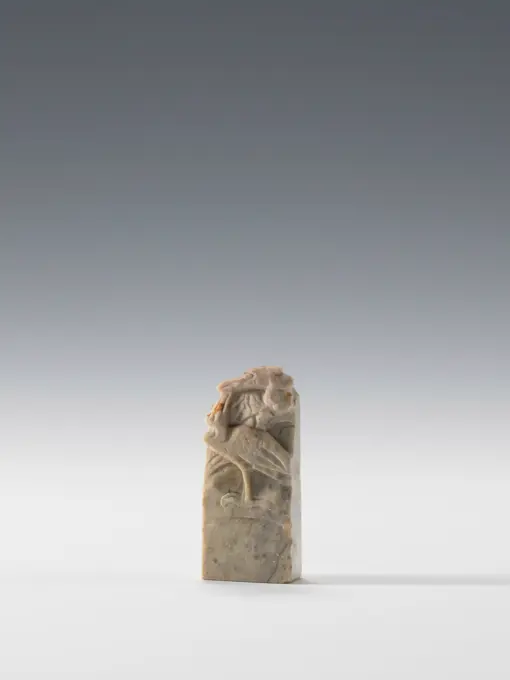
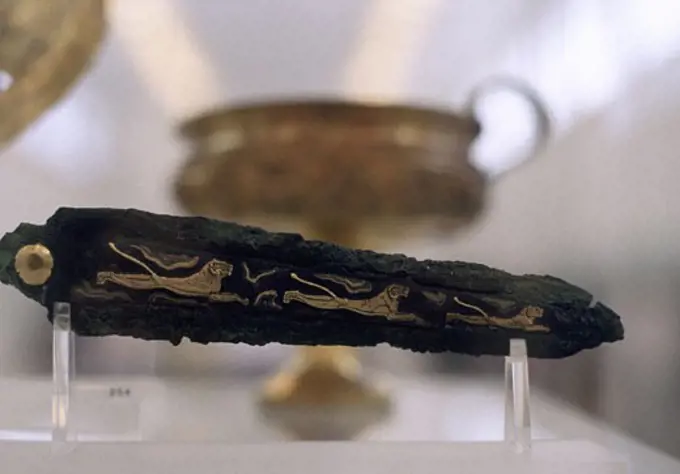
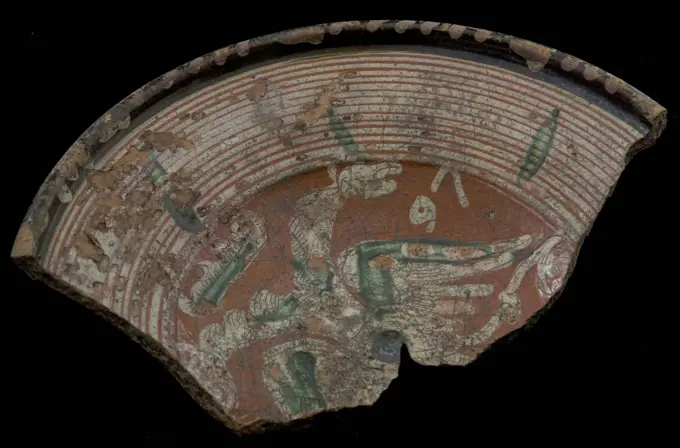
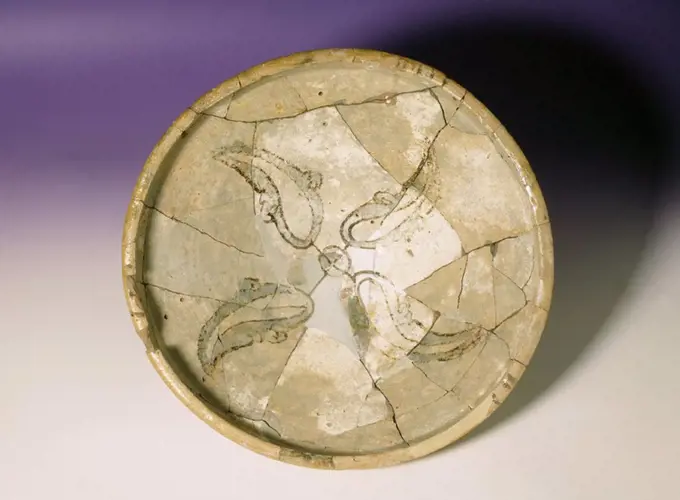
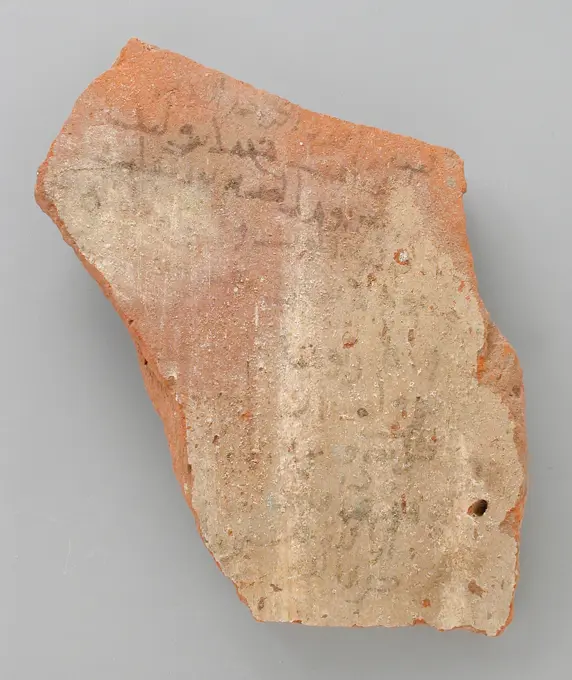
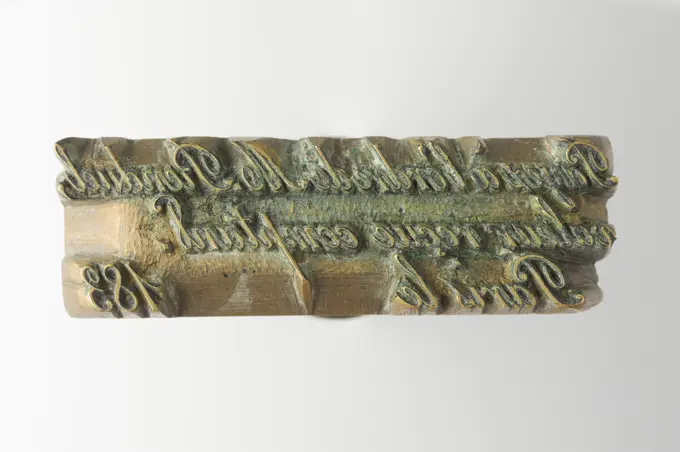
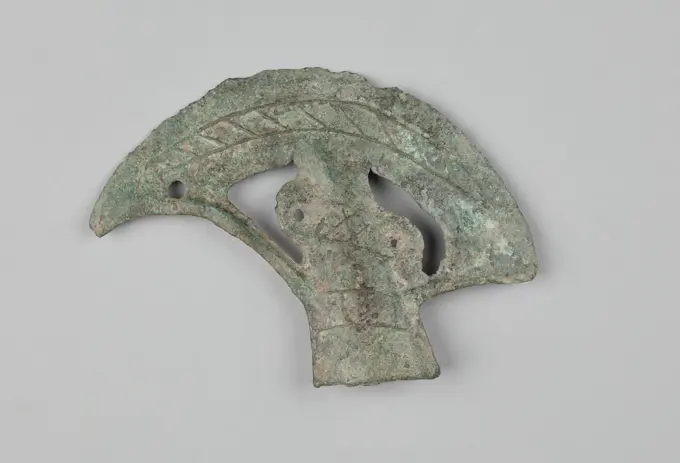
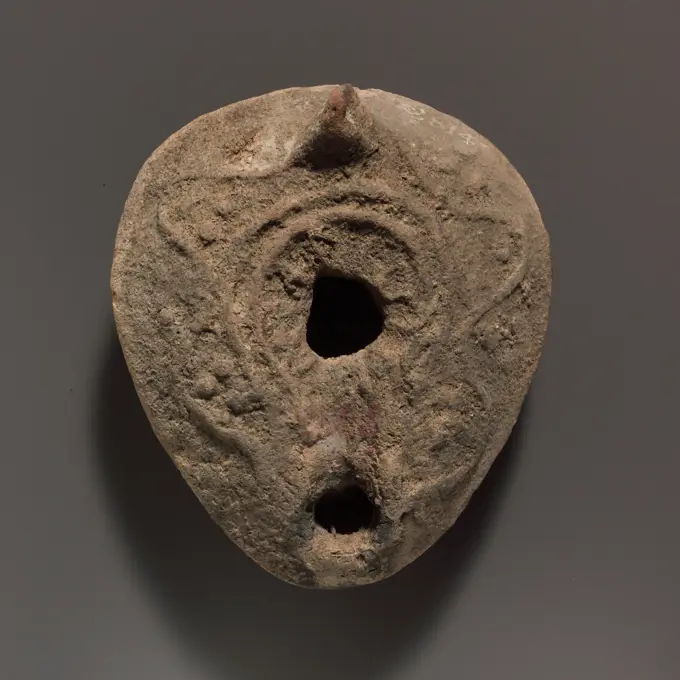
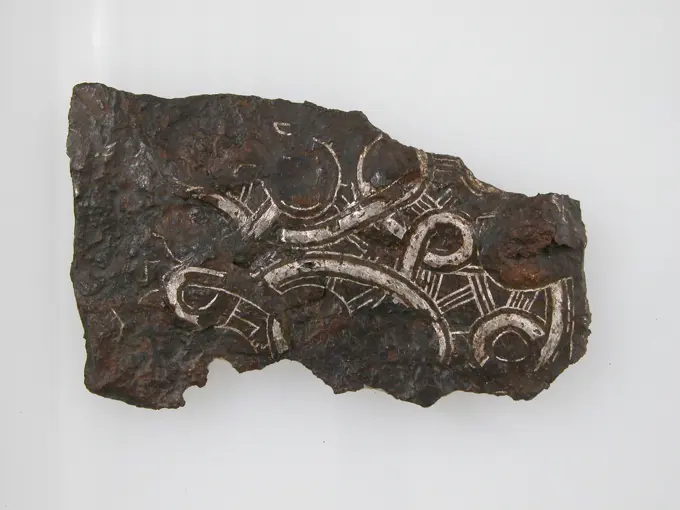
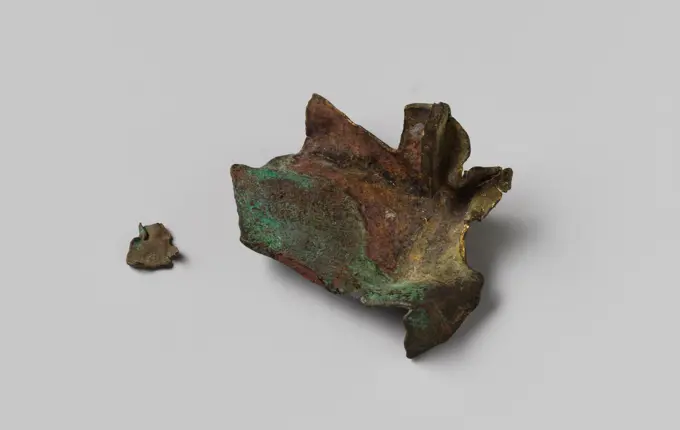
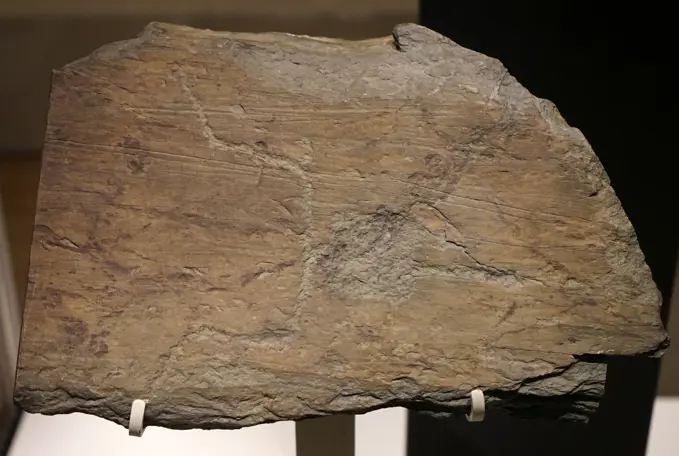
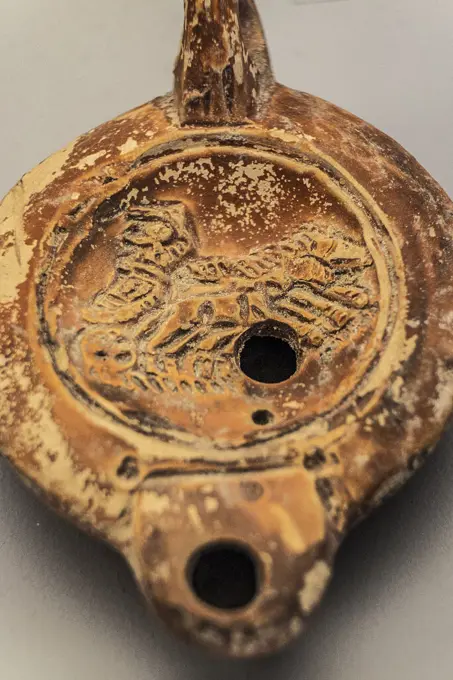
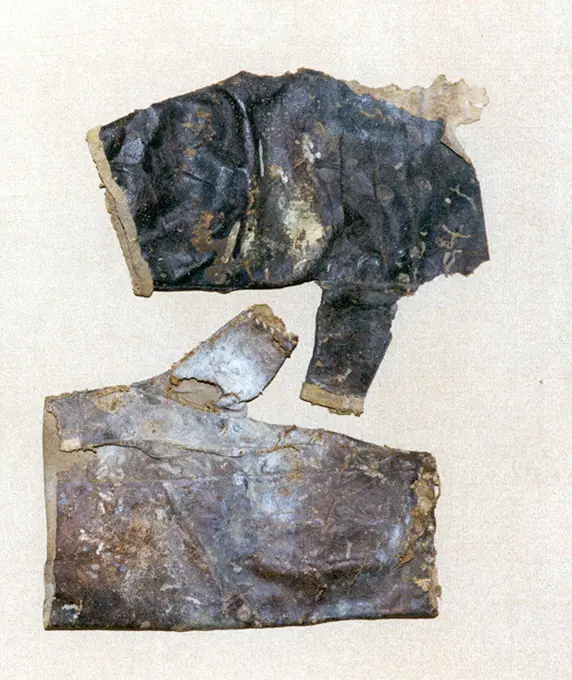
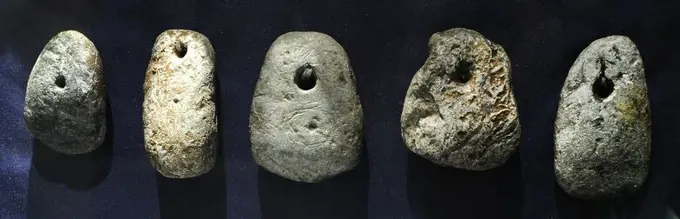
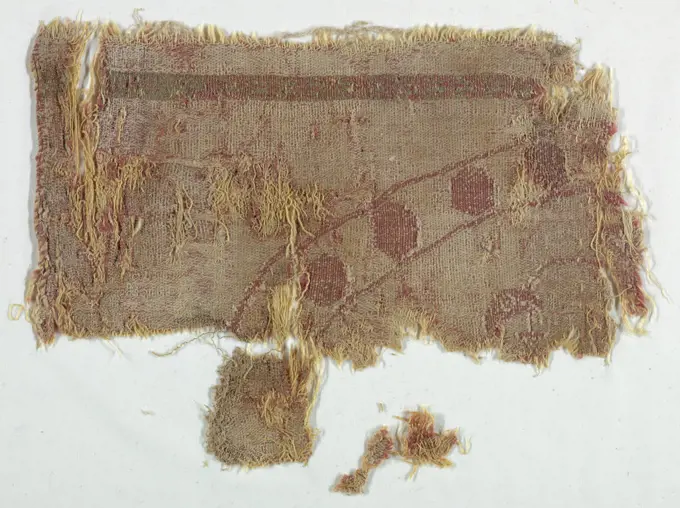
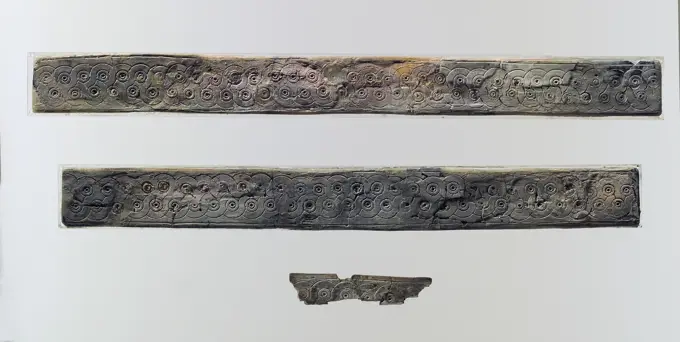
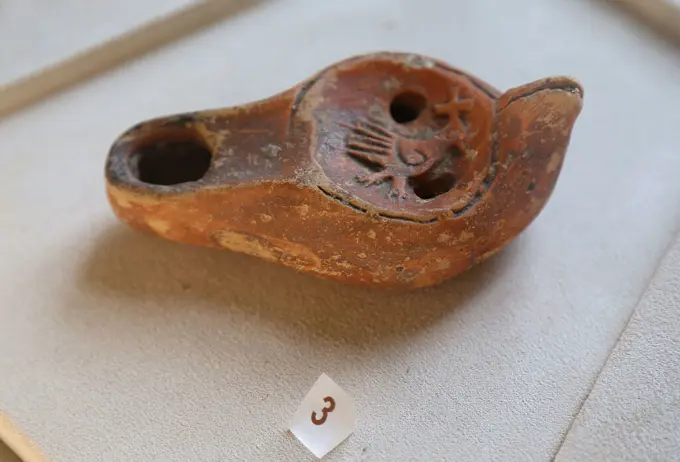
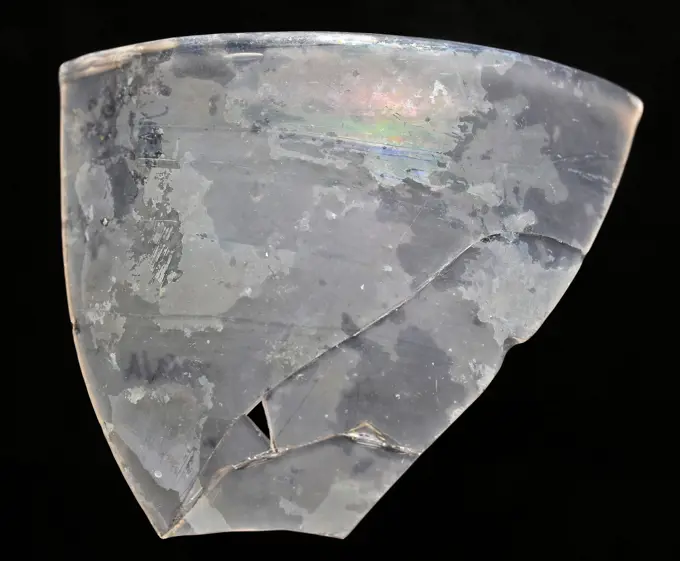
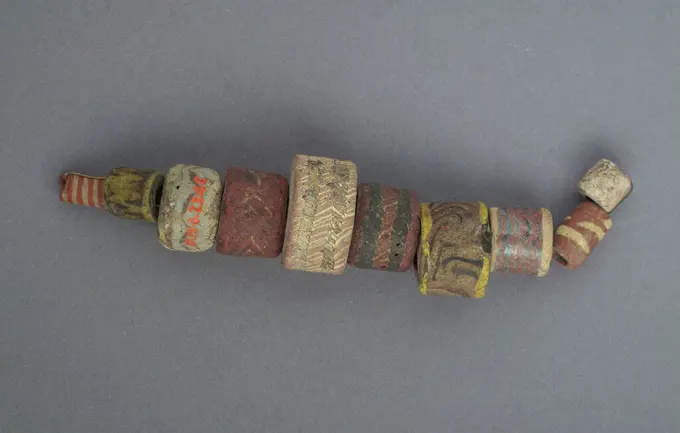
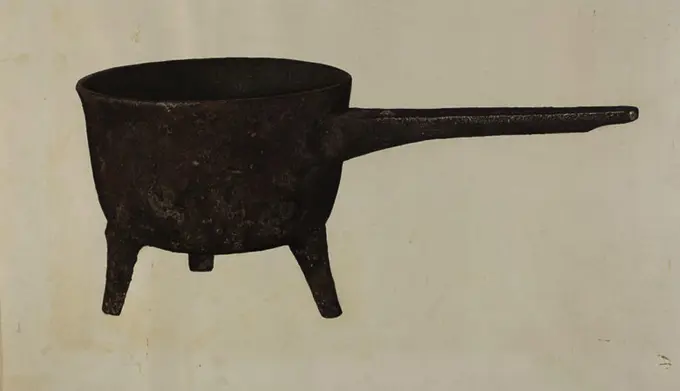
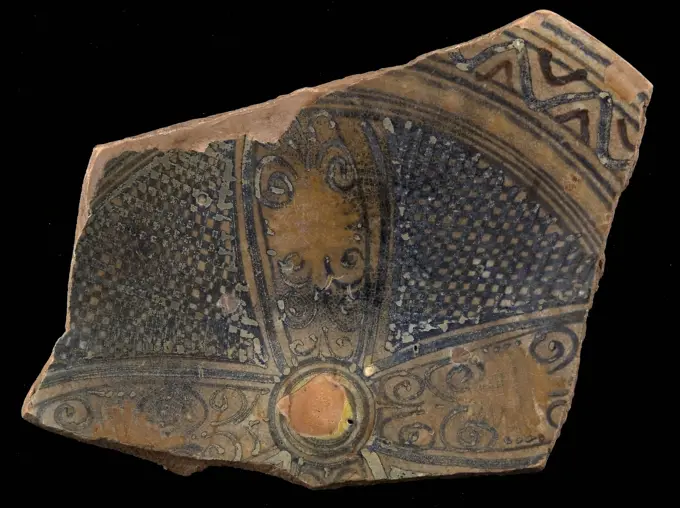
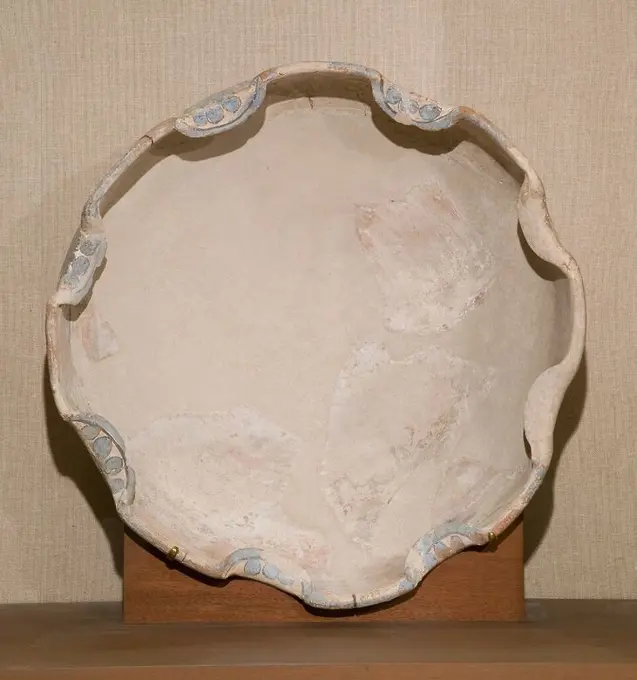
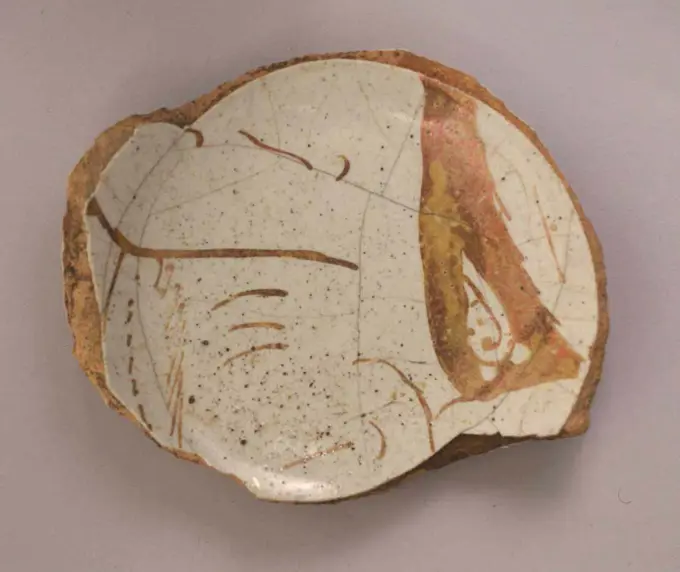
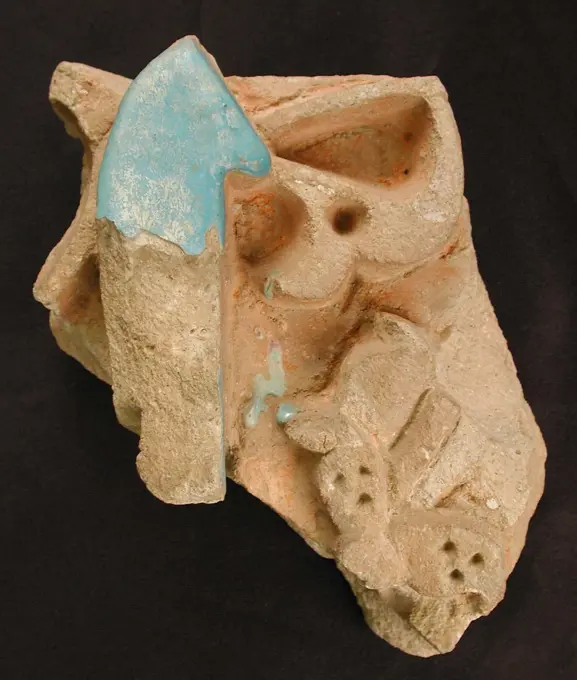
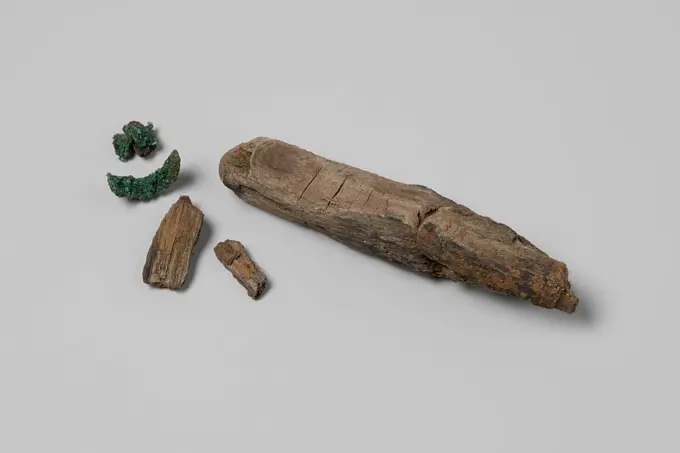
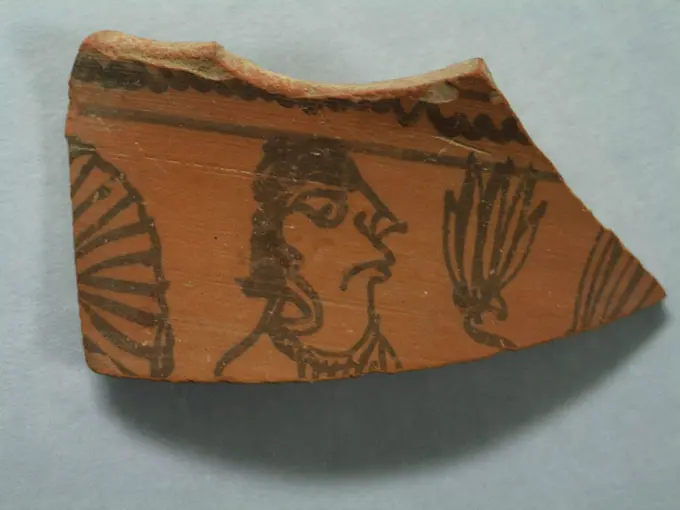
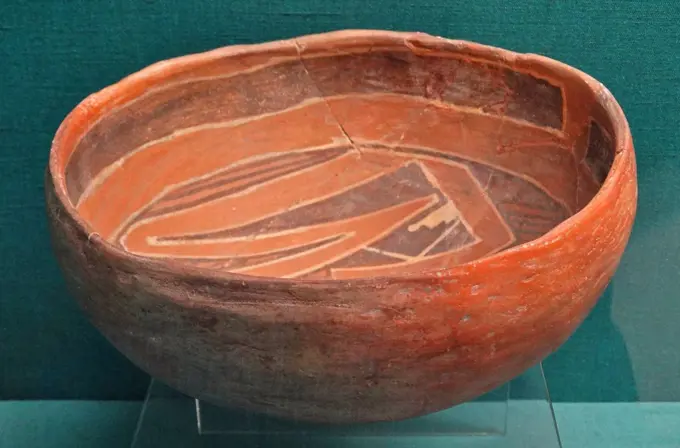
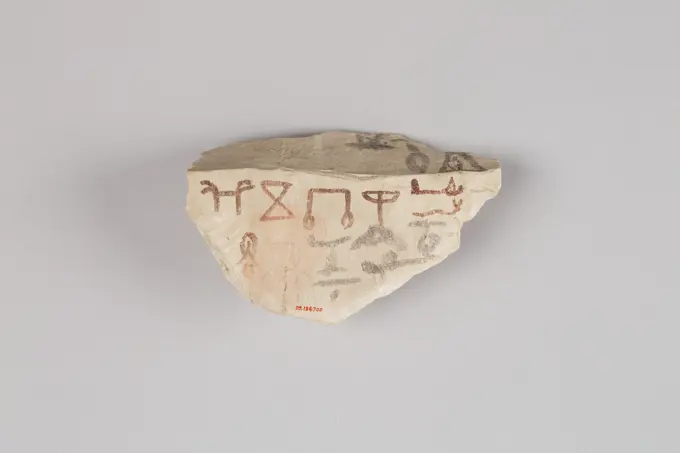
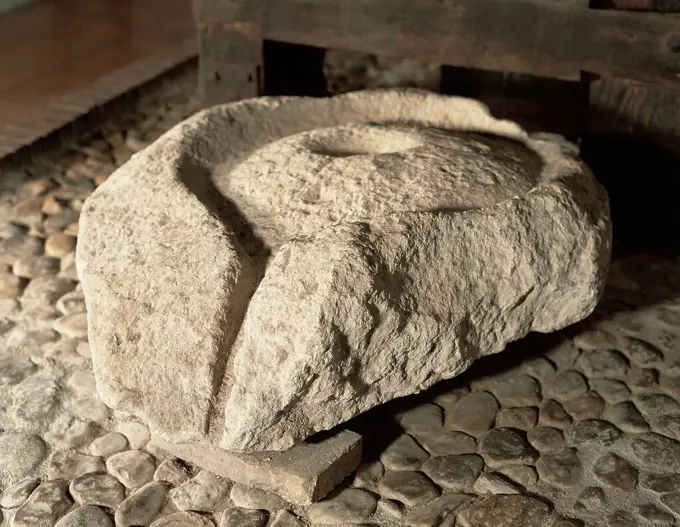
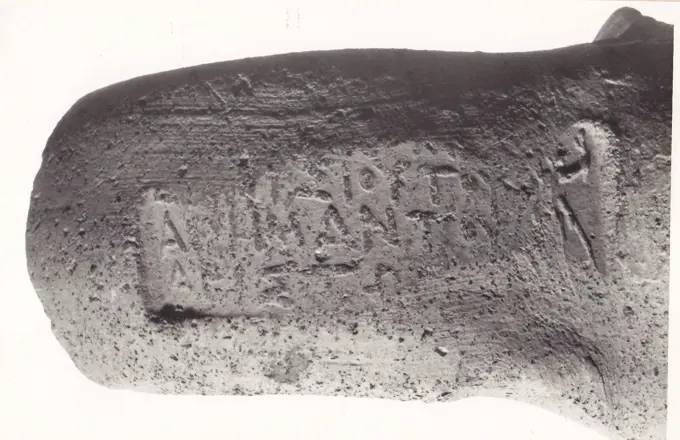
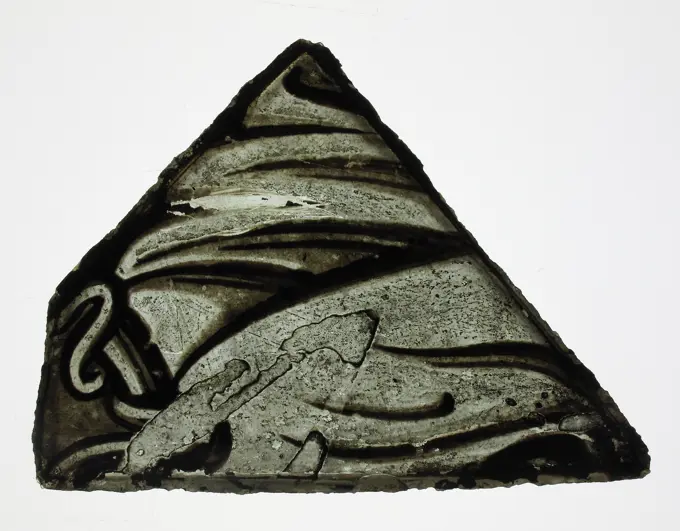
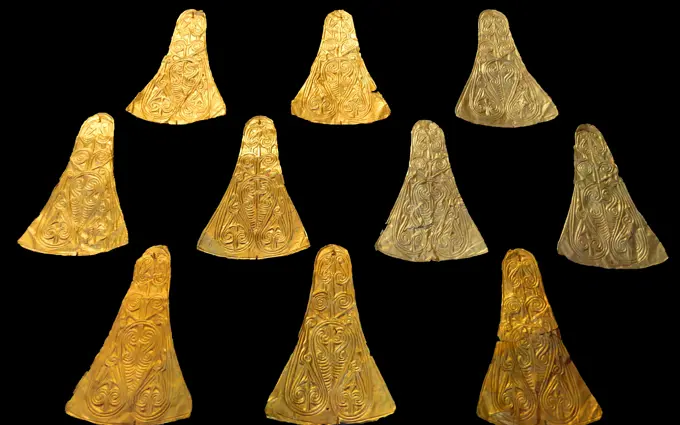
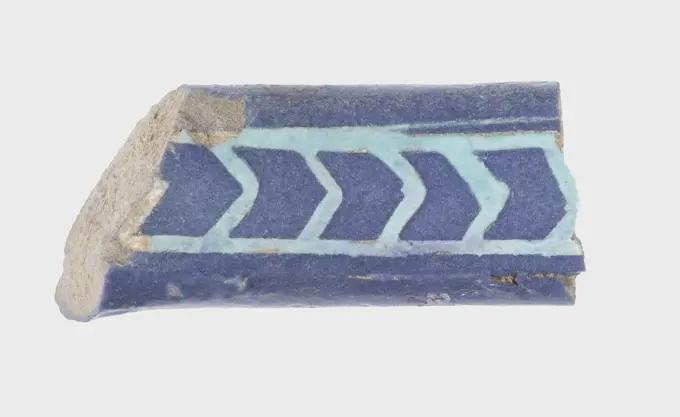
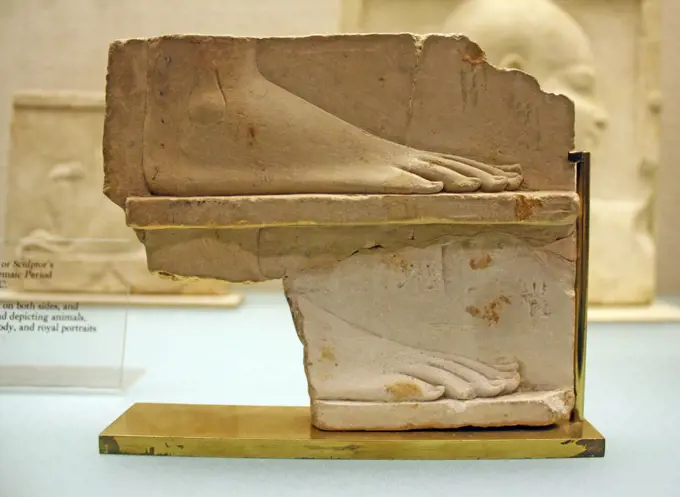
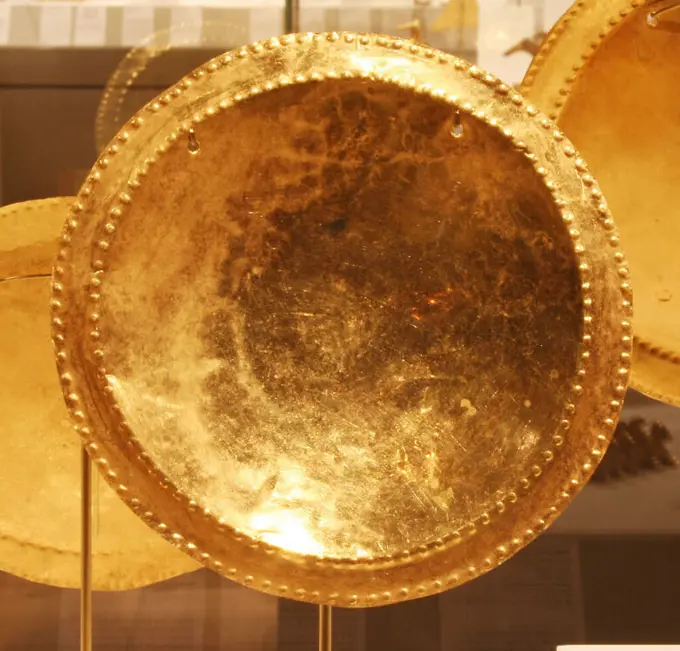
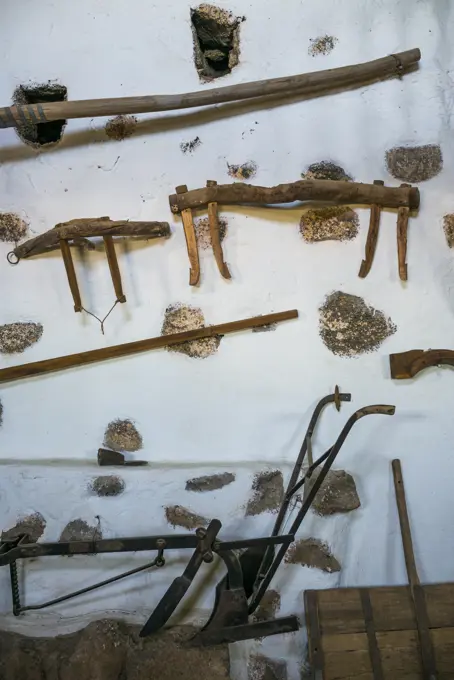
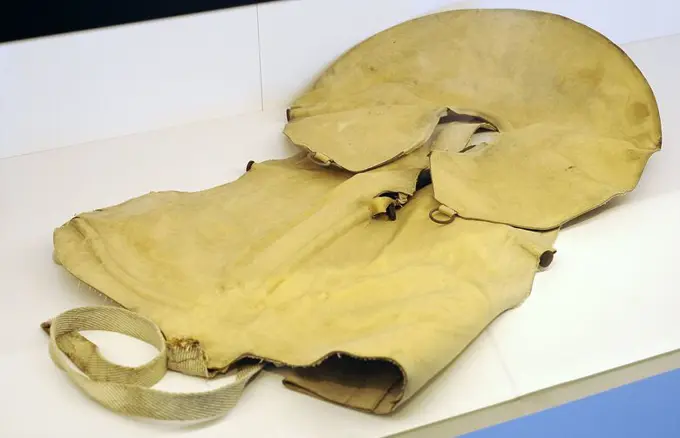
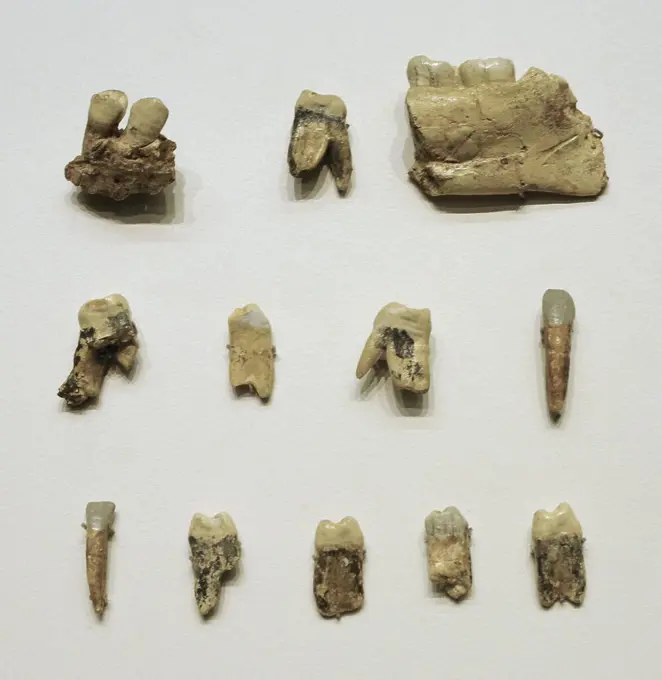
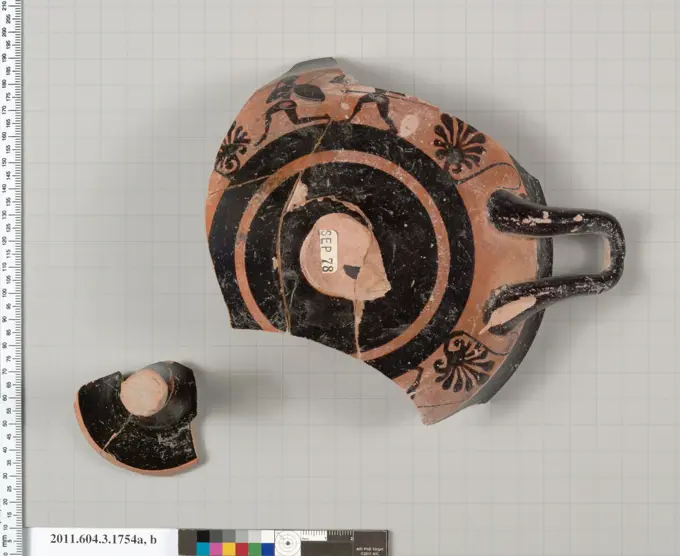
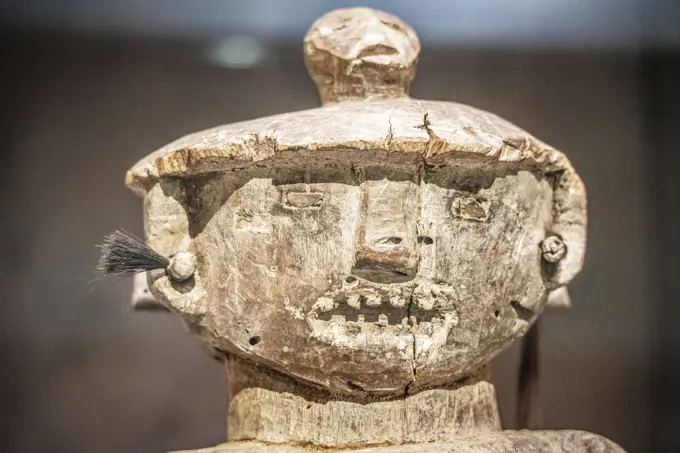
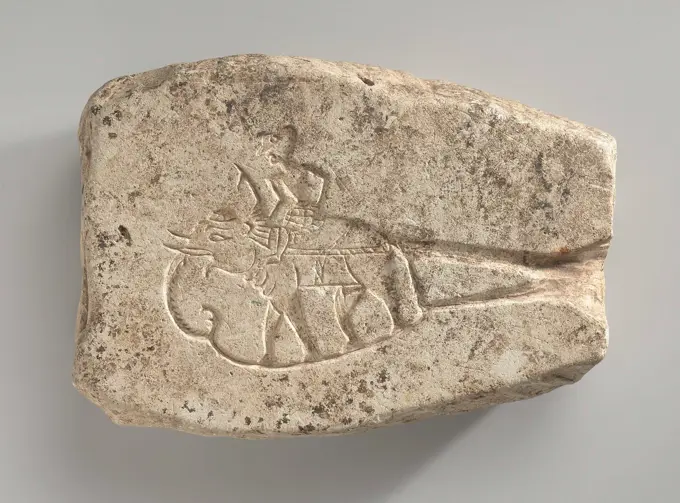
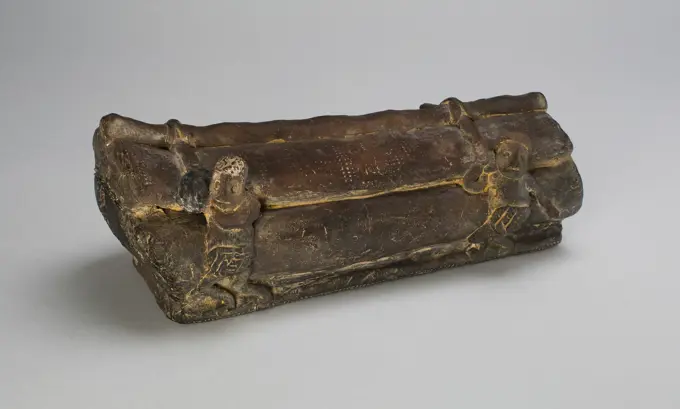
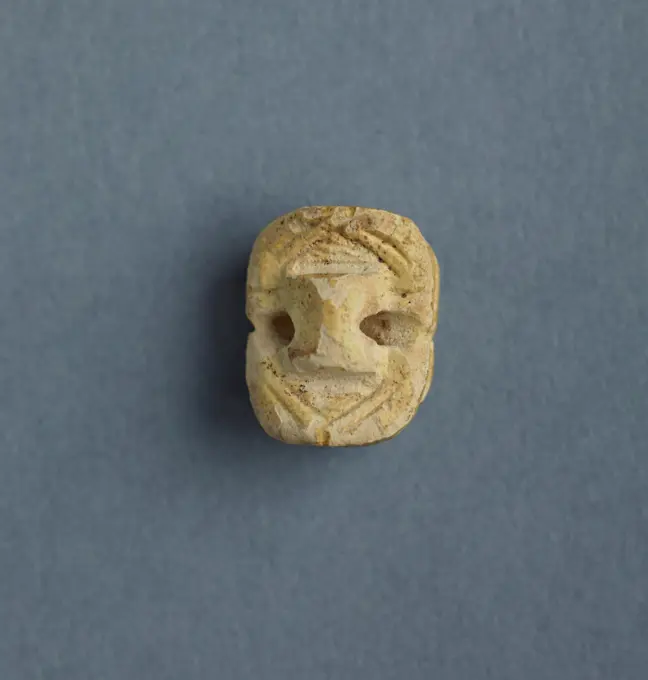
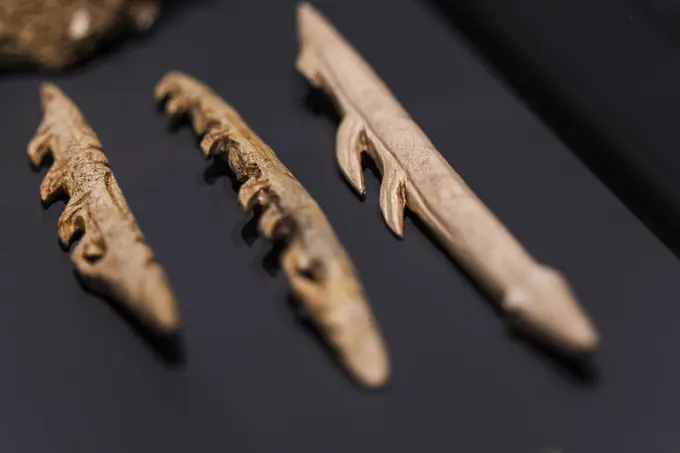
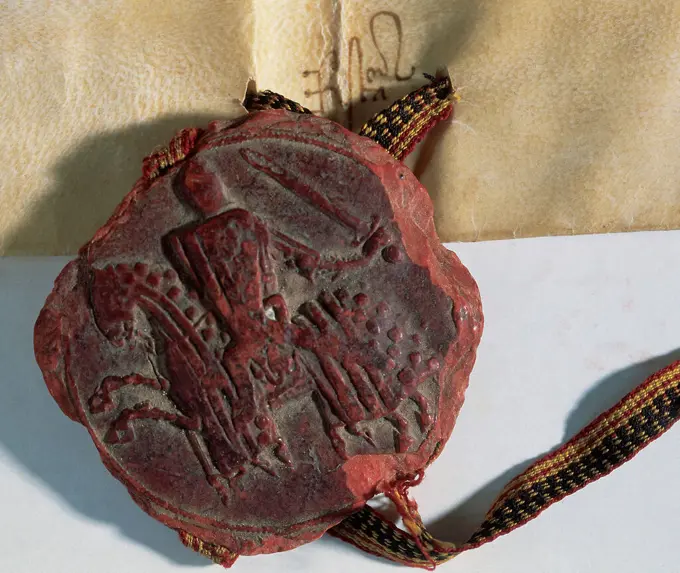
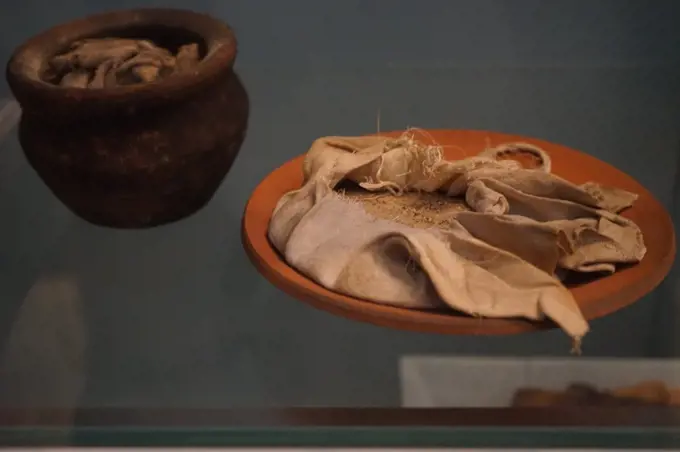
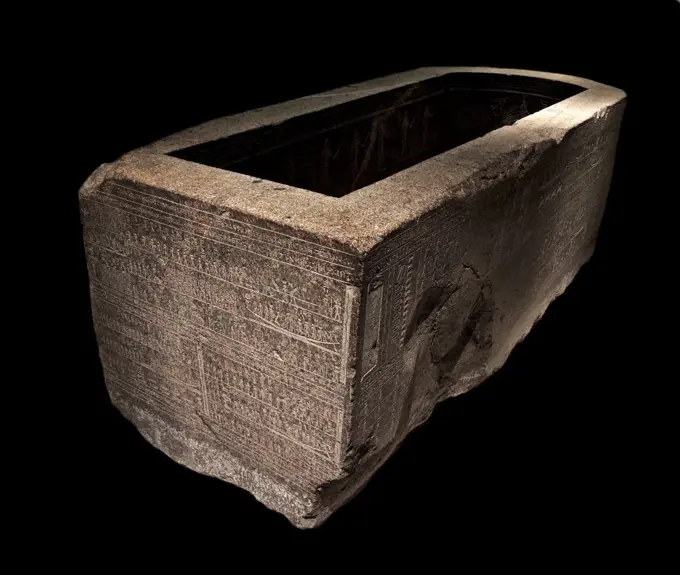
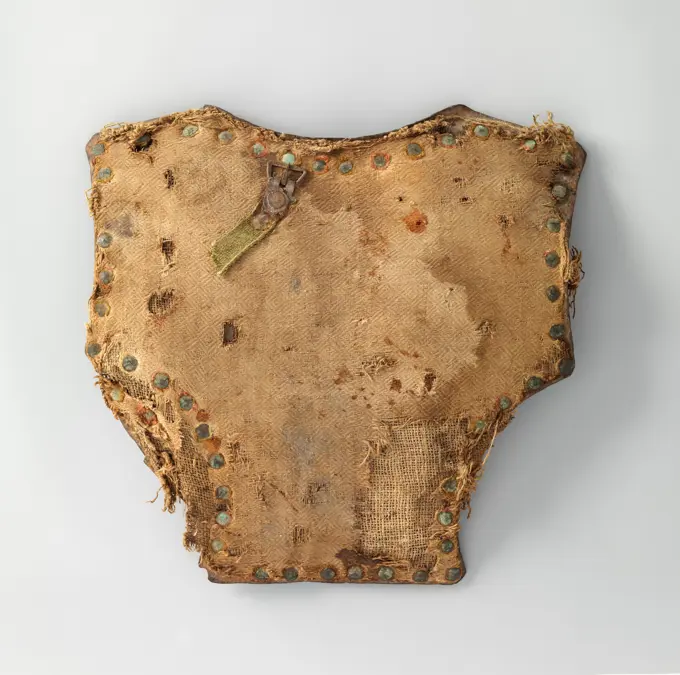
Raised relief fragment 664-610 B.C. Late Period, Saite see 23.3.468. Raised relief fragment 548080Fragmentary marble inscription late 4th-early 3rd century B.C. Greek Part of a honorary decree from Salamis in honor of a certain Chr... granting him money, a gold crown, etc.. Fragmentary marble inscription. Greek. late 4th-early 3rd century B.C.. Marble. Late Classical or Early Hellenistic. Stone SculptureFragment 14th-15th century. Fragment 445404FRAGMENTO CAMPANIFORME CON PUNTILLADO. Location: MUSEO ARQUEOLOGICO-PREHISTORIA. SPAIN.Belt Buckle and Counter Plate 7th century Frankish. Belt Buckle and Counter Plate 465492 Frankish, Belt Buckle and Counter Plate, 7th century, Iron, silver inlay, Overall: 6 1/8 x 1 15/16 x 1 in. (15.5 x 5 x 2.5 cm) a only: 3 3/4 x 1 15/16 x 9/16 in. (9.5 x 5 x 1.5 cm) b only: 2 13/16 x 1 11/16 x 9/16 in. (7.2 x 4.3 x 1.5 cm). The Metropolitan Museum of Art, New York. Gift of J. Pierpont Morgan, 1917 (17.193.177a, b)Handle of a comb, anonymous, 618 - 907 Handle of a comb with sliced decoration of leaf motifs and parrot. China bone (material) Handle of a comb with sliced decoration of leaf motifs and parrot. China bone (material)Fragment of an Epigraphic Frieze 10th century. Fragment of an Epigraphic Frieze 450337Ostracon with Part of the 'Instruction of Amenemhat'. Egypt, New Kingdom, 19th and 20th Dynasty (1315 - 1081 BCE). Tools and Equipment; ostraka. LimestoneTwo fragments of a clay mould, anonymous, c. 1425 - c. 1450 Mal van Pijpaarde for the rear of a Maria with child. Utrecht pipe clay Mal van Pijpaarde for the rear of a Maria with child. Utrecht pipe clayLimb with garment edge () or fringe () ca. 1353-1336 B.C. New Kingdom, Amarna Period. Limb with garment edge () or fringe () 549800Relief fragment from tomb of Meketre ca. 1981-1975 B.C. Middle Kingdom. Relief fragment from tomb of Meketre 668995Vase fragment East Greek/Sardis, Lydian Basket pattern.. Vase fragment 252687 East Greek/Sardis, Lydian, Vase fragment, Terracotta, Overall: 4 9/16 x 2 9/16in. (11.6 x 6.5cm). The Metropolitan Museum of Art, New York. Gift of The American Society for the Excavation of Sardis, 1926 (26.199.119)Tłok pieczętny. unknown, craftsmanFragment 14th-15th century. Fragment 445397Mycenean dagger with lion decoration. c1450-c1100 BCFragment Werra plate, mirror design with crowned two-headed bird, year 1597, pale yellow, brown and green glaze, plate crockery holder earth discovery ceramic earthenware glaze, Red earthenware with drawing in pale yellow and green glaze year glazed only part to see: 97 archeology heraldryPLATO HONDO ANDALUSI O ATAIFOR. Nº INV. CV84/05/125/3008. DIAMETRO MAXIMO 33,1 CM. DIAMETRO MENOR 11 CM. MUSULMAN. (EXPOSICION :ARTE ISLAMICO ESPAÑOL)(DEPOSITO: MUSEO DE CIUDAD REAL ).WadjetBread. Dimensions: L. 12 cm (4 3/4 in). Dynasty: Dynasty 18. Reign: Joint reign of Hatshepsut and Thutmose III. Date: ca. 1479-1458 B.C.. Museum: Metropolitan Museum of Art, New York, USA.Ostracon with Arabic Inscription. Egypt, 641 - 1200 CE. Tools and Equipment; ostraka. TerracottaBird Pendant 1100 BCE-900 BCE China. Jade .Tile with a fragment of a captive from the palace of Ramesses II New Kingdom, Ramesside ca. 1279-1213 B.C. This tile once decorated the palace of Ramesses II in Piramesse, which he made into one of the greatest royal cities of ancient Egypt. Thanks to the royal favor and its strategic location, Piramesse soon became an important international trade center and a cosmopolitan metropolis, boasting a harbor, a military base, and temples dedicated to various gods like Amun-Re-Harakhty-Atum, Seth, Astarte, etc. Poems were written in the city's praise, and its name, which translates as "The House of Ramesses, Beloved of Amun, Great of Victories" when fully written, came to us through the Old Testament as Raamses. The tiles bear the names of Seti I, Ramesses II and later Ramesside kings, who renovated the palace and changed its decoration through the reigns. New tiles were made, and the old tiles may be have been dismantled and buried together. Based on the tiles, we can still reconstruct quitSiekierka, rhomboid palette, later Discount club's heads, rectangular palette;  4. thous. BC ; Predominating period (-4000-00-00--4000-00-00), 1. PO. 4,000 BC ; Predominating period (-4000-00-00--3501-00-00), 1. PO. 4. thous. BC ; Predominating period, Nagada I (0-00-00-0-00-00), 2. PO. 4,000 BC ; Predominating period (-3500-00-00--3001-00-00);Deposit of the University of Warsaw from 1937-1939, scenes.gal.eg., geometric palettes, ceremonial items, toiletries, Polish-French excavations in Edfu (Egypt)Planets-manager. Cornalet Collection Sites 2013-2016. Numismatic.Ceremonial ax (common name). Bronze. Cernuschi Museum, Asia Museum of Asia in the city of Paris.Terracotta oil lamp 7th century A.D. Roman Vessberg type 19 (slipper lamp). Mold-made, with applied conical handle. Broad, sharply carinated body; on the discus, indistinct pattern with central filling hole, surrounded by two raised lines that run forward to the wick hole, forming a channel between the two; on the shoulder, a pattern of wavy tendrils. Undefined base, with raised line extending to front.Intact, but heavily encrusted. The wick hole has been crudely formed in the center of the discus.. Terracotta oil lamp 241685Belt Plate 4th-7th century Frankish. Belt Plate 469820Reconstruction of the temple pediment of the Sulis Minerva. This was the front of the temple and was originally supported by four huge columns. Roman.Shards of Martavanen from V.O.C. ship De 'Witte Leeuw', Before 1613  Shards of Martavanen from V.O.C. ship De 'Witte Leeuw'. southeast Asia porcelain. stoneware   Sint-HelenaMoney- bronze coins in the shape of a hoe and a knife, 3rd cent. BC. CHINA.Excerpt of copper from the wreck of the East Indians Hollandia, 1700 - in or before 1743 fragment Varied parts or fragments, unidentified and miscellaneous parts or fragments; fragm. Netherlands copper (metal)   SecondChariot group. Culture: Cypriot. Dimensions: H. 3 1/2 in. (8.9 cm). Date: ca. 600-480 B.C..Chariot (quadriga) models were common offerings in Cypro-Archaic sanctuaries. This is among the smallest known representations of a quadriga. Museum: Metropolitan Museum of Art, New York, USA.fragment with Arabic epigraphy, Archeological Museum. Úbeda, Jaén province, Andalusia, Spain.Rock carving of an Ox from the Copper Age. Dated 3rd Century BCOstracon 400-30 B.C. Late Period-Ptolemaic Period. Ostracon. 400-30 B.C.. Pottery, ink. Late Period-Ptolemaic Period. From Egypt, Western Desert; Kharga Oasis, Hibis, MMA excavations, 1908-10oil lamp decorated with quadriga, Museum-Interpretation Center of the archaeological park of Segóbriga, Saelices, Cuenca, Castilla-La Mancha, Spain.Ointment vase in the shape of a bolti fish ca. 1800-1550 B.C. Middle Kingdom. Ointment vase in the shape of a bolti fish 544040Fingerless leather gloves ca. 7th-9th century A.D. Alanic. Fingerless leather gloves 327550Scandinavia. Loom weights. Gjelle, Voss K., Hordaland. Viking Age. Norway. Historical Museum. Oslo. Norway.Textile, Medium: wool, cotton Technique: plain compound weft twill, Horizontal rectangular piece showing upper right-hand section of large pearl-bordered roundel curving over one bird head (duck or flamingo) with bunch of grapes suspended from bill (complete roundel probably contained confronted birds on either side of Tree of Life) in undyed cotton on rust-red wool ground., Egypt, 619-29, woven textiles, TextileThree border strips ca. 9th-8th century B.C. Assyrian These narrow strips are decorated with incised rows of connected circles, called a guilloche pattern, set within a border marked by a single line. Carved ivory pieces such as this were widely used in the production of elite furniture during the early first millennium B.C. They were often inlaid into a wooden frame using joinery techniques and glue, and could be overlaid with gold foil or inlaid with colored glass or stone pieces to create a dazzling effect of gleaming surfaces and bright colors. The gray color of these strips suggests that they were damaged by fire during the sack of the Assyrian palace buildings at Nimrud at the time of Assyrias final defeat in 614 and 612 B.C.Built by the Assyrian king Ashurnasirpal II, the palaces and storerooms of Nimrud housed thousands of pieces of carved ivory. Most of the ivories served as furniture inlays or small precious objects such as boxes. While some of them were carved in the same sAnonymous, the right wing of a large Nazi metal eagle (taken at the Rathaus - Ortskommandantur - Erstein siege by the Spahi Roger Marion) (title awarded), 1933, metal (steel/iron/aluminum), museum of The Liberation of Paris - Génér MuseumCoat hook or coat closure with two-headed eagle on front and round eye, closure clothing accessory clothing ground find copper metal, cast archeology Rotterdam Kralingen-Crooswijk Kralingche Bos Kralingse Plas dress close Soil discovery Kralingse Plas.Roman lamp. Early Christian. Symbolism. The Dove with cross. 4th century AD. Vatican Museums. Vatican city.oculated cylinder, limestone, 3000-2500 BC, Moncarapacho, Faro, Portugal, Huelva Museum, Huelva, Andalusia, Spain.Spheroconical Vessel 10th-11th century. Spheroconical Vessel 446878Fragment 14th-15th century. Fragment 445495Vase Fragment 1st century B.C.-1st century A.D. Roman Maenad dancing beside a tree.. Vase Fragment 250297Fragment of a Tunic 5th-6th century. Fragment of a Tunic 443828Fragment 8th-9th century. Fragment 448849Saddle quern with rubbing stone used for grinding grain. From Wales. Dated 6th Century BCTerracotta fragments of a kylix (drinking cup) 460 B.C. Greek, Attic Interior, winged woman to right, with a diadem in her hair, wearing a chiton and himation, holding a lotus tendril; two black glaze rim fragments, three fragments have part of the meander; fragments are burnt. Terracotta fragments of a kylix (drinking cup). Greek, Attic. 460 B.C.. Terracotta; red-figure. Classical. VasesFragment of the carton;  indefinite (0-00-00-0-00-00);Bell Goworek (inscription: Talis o r)  Silver Eagles Tower, Wawel Cathedral, KrakowGreece, Athens. Area of Kerameikos (Ceramicus). Its name derives from "potter's quarter". Northwest of the Acropolis. Old cemetery. Ruins. Agia Triada Church at back. Fourteen fragments of cup or chalice glasses, smooth wall and edge fragments, beaker drinking glass drinking utensils tableware holder fragment soil find glass, w 7.1 free blown Fragments of cup or chalice glasses. Smooth wall fragments without decoration. Some edge fragments total of fourteen copies. Six fragments of clear and colorless glass eight fragments of green tinted glass archeology Valckensteyn Poortugaal Albrandswaard drink wine beer serving serve up Soil discovery: castle Valckensteyn in Poortugaal now Albrandswaard 1961-1962.Beads, 10. Dimensions: Diameter (largest bead): 15/16 in. (2.4 cm)Diameter (smallest bead): 1/4 in. (0.7 cm). Museum: Metropolitan Museum of Art, New York, USA.Iron Kettle. Dated: c. 1939. Dimensions: overall: 42.4 x 38.7 cm (16 11/16 x 15 1/4 in.) Original IAD Object: 4 1/2" high; 5" in diameter. Medium: watercolor, graphite, and pen and ink on paper. Museum: National Gallery of Art, Washington DC. Author: Herndon Hightower.Fragment majolica dish, purple and blue on white, Decor with stylized leaf motifs and shaded surfaces, dish plate crockery holder earth discovery ceramics earthenware glaze, archeology Rotterdam serve adorning archaeological find in the soil Rotterdam 1940.Blue-Painted Dish from Malqata. Dimensions: H. 25 cm (9 13/16 in); diam. 75 cm (29 1/2 in). Dynasty: Dynasty 18. Reign: reign of Amenhotep III. Date: ca. 1390-1353 B.C..This enormous dish is decorated around the rim with the floral motifs found on other pottery from the site of Malqata (see 11.215.460-11.215.477). Museum: Metropolitan Museum of Art, New York, USA.Fragment of a Dish 11th-12th century. Fragment of a Dish 446376Tile Fragment 11th century. Tile Fragment 450322Knife lift from the wreck of the East India Hollandia. Knife, handle deformed: Unclassifiable; Fragm, Sim. NG 1980-27H1678, Ferrule, ID. NG 1980-27H426.Fragment 8th-9th century. Fragment. 8th-9th century. Earthenware; incised. Found/excavated Iraq, Ctesiphon. CeramicsPouch made of fabric unknownShard: Head of Offerer with Plant ca. 4th-5th century Pakistan. Shard: Head of Offerer with Plant 51265Painted bowl, Aztec, Mexico, AD 1400-1520. Aztec bowls were often painted with simple, yet striking, geometric patterns using two different colours.Ostracon with Workmen's Identity Marks ca. 1390-1352 B.C. New Kingdom Ostraca (plural for ostracon) are potsherds used as surfaces on which to write or draw. The term is used, by extension, to refer to chips of limestone, which were employed for similar purposes. Despite their humble appearances, ostraca bear a wide range of images and texts, including administrative documents, literary texts, and depictions of royal and divine figures. The texts were mostly written with reed pen and ink of two colors, red and black, and inscribed in Hieratic, the cursive script of ancient Egypt throughout most of its periods. This ostracon bears identity markers referring to royal necropolis workmen.. Ostracon with Workmen's Identity Marks. ca. 1390-1352 B.C.. Limestone, ink, paint. New Kingdom. From Egypt, Upper Egypt, Thebes, Valley of the Kings. Dynasty 20-21Gold shield from tomb V at MycenaeRoman base of a press, special for wine. 1st century BC. From Mas Cartella, Catalonia. Wine Museum. Spain.Fragment, 1127-1279, H.2-7/8 x W.1-5/8 in, clay pottery, China, 12th-13th centuryFragment stemplowanego imadła amfory. Ariston (ca 280-ca 205 a.C.), potter's workshopSeal, before 1500, 9/16 x 2 x 11/16 in. (1.43 x 5.08 x 1.75 cm), Ivory, United States, 15th centurySlippers ca. 1835 American. Slippers 112729Glass Fragment 14th century European. Glass Fragment. European. 14th century. Colorless glass, traces of leading. Glass-StainedBrown marbled tube for goose feathers, tube holder cardboard paper leather, Cylindrical. Consists of two parts. One part partly shifts over the other. The inside is covered with marbled paper in red; the outside with brown marbled leather Four garlands decorated in gold color adorn the ends of the tube parts store writing quill penGold decorations for a robe or dress, from Circle A, a 16th-century BC royal cemetery, of the Bronze Age citadel of Mycenae in southern Greece. Characteristic of the early phase of the Mycenaean civilizationFragment of Vase Handle ca. 1390-1353 B.C. New Kingdom. Fragment of Vase Handle. ca. 1390-1353 B.C.. Faience. New Kingdom. From Egypt, Upper Egypt, Thebes, Malqata, Green Buildings, MMA excavations, 1910-11. Dynasty 18Limestone Votives or Sculptor's Models of the Ptolemaic Period 4th-1st century BC.Pectoral Disk. Culture: Macaracas. Dimensions: Diam. 5 3/4 in. (14.6 cm). Date: 8th-12th century. Museum: Metropolitan Museum of Art, New York, USA.BronzeaxeLead Role from the wreck of the East Indies' t Vliegend Hart ,, 1700 - 1735 lead Four plates rolled into tubes. Black-gray in color. The cavities are filled with rust. Roll of Lead. Middelburg lead (metal)Spain, Canary Islands, Lanzarote, Tiagua, farm toolsEtruscan gold leaf pectoral, from Cerveteri, Rome Province, Italy, 7th Century B.C.Inflatable lifejacket, 1930's. Canvas and rubber bellows, liquid carbon dioxide cartridges. Norwegian Maritime Museum. Oslo. Norway.Homo antecessor. Teeth and jaw fragments of an adolescent male between 13 and 14 years old (Hominid 1). Lower Paleolithic. 900000-800000 BC. Level TD6, Gran Dolina. Atapuerca, Burgos province. National Archaeological Museum. Madrid. Spain.Terracotta fragments of a kylix: Band cup (drinking cup) third quarter of the 6th century B.C. Greek, Attic Interior, reserved tondo with a black glaze circle in the center, which has a dot in the middle; Obverse, in between two palmettes, two helmeted warriors with shields and spears, fighting; complete handle; Reverse, part of a palmette with a tendril; calf and foot of a warrior to right, with a spear; a second fragment has part of the stem and foot of the kylix; the resting surface of the foot is unglazed. Terracotta fragments of a kylix: Band cup (drinking cup). Greek, Attic. third quarter of the 6th century B.C.. Terracotta; black-figure. Archaic. VasesNaga-Kriegerin Naga warrior , Konyak, Mon district ,Nagaland, India ,19th century ,wood carving, MuEC, Barcelona, Catalonia, Spain LicenseRF Copyright: xZoonar.com/Tolox 23171444. Mold with a representation of a woman on a makara on one side, and a man on an elephant on the other.Model of a Coffin with Figures 500 BCE-220 CE China. Earhtenware with molded decoration .Cylinder seal ca. 15th-12th century B.C. Cypriot. Cylinder seal 321431ScarabDagger-Axe or Halberd Dian. Dagger-Axe or Halberd, 5th century B.C.E.-early 1st century C.E. Bronze, 10 3/4 x 3 1/4in. (27.3 x 8.3cm).   Asian Art 5th century B.C.E.-early 1st century C.E.single-row bone harpoons,magdalenian period, Museum of prehistory and archeology (MUPAC), Santander, Cantabria, Spain.Jaume I of Urgell (1320-1347). Count of Urgell. Red wax seal belonging to a manuscript of 1346 with depiction of his figure. Catalonia. Spain. Arxiu Comarcal de la Noguera, Balaguer, Catalonia, Spain.Linen bags containing embalmers' salt from Deir el-Bahri, Egypt. Dated 1070 BCWinged serpent with the cartouches of Ramesses III New Kingdom, Ramesside ca. 1184-1153 B.C. View more. Winged serpent with the cartouches of Ramesses III. ca. 1184-1153 B.C.. Faience. New Kingdom, Ramesside. From Egypt. Dynasty 20Sarcophagus case of Djehapimu, royal audit officer 746-332 BC granite.Backplate from a Brigandine ca. 1400-1425 Italian This plate is extremely rare for retaining much of its original fabric covering, a red wool velvet. As part of a complete brigandine, it would have protected the area at the base of the neck and between the shoulderblades.. Backplate from a Brigandine. Italian. ca. 1400-1425. Steel, brass, leather, textile (linen, wool). Chalcis. Armor PartsFragment stemplowanego imadła amfory. Das (ca 280-ca 205 a.C.), potter's workshop