Ancient Artifacts Fragments

A series of ancient stone artifacts and fragments including inscriptions and decorative elements, showcasing historical craftsmanship from various periods.

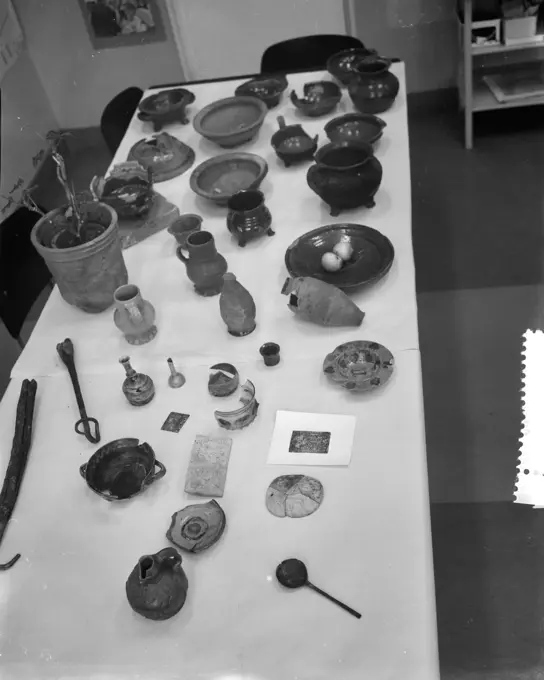
Two fragments of a clay mould, anonymous, c. 1425 - c. 1450 Mal van Pijpaarde for the rear of a Maria with child. Utrecht pipe clay Mal van Pijpaarde for the rear of a Maria with child. Utrecht pipe clay
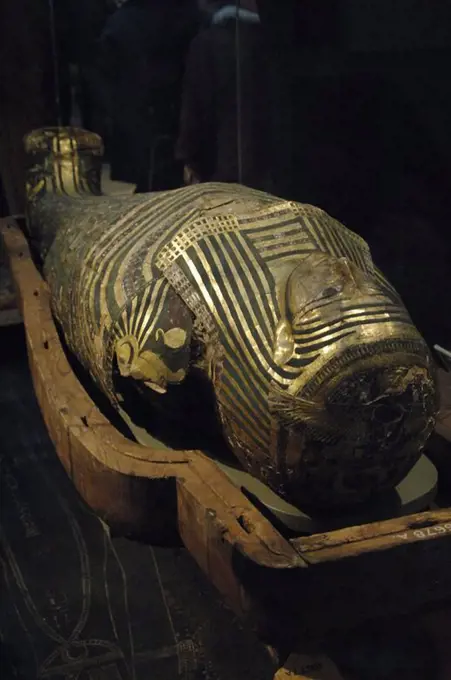
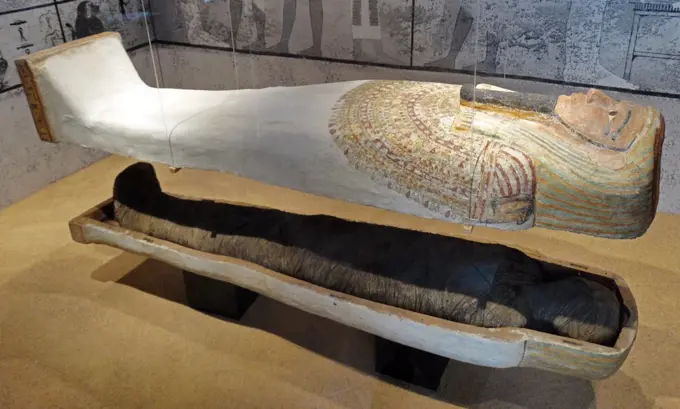
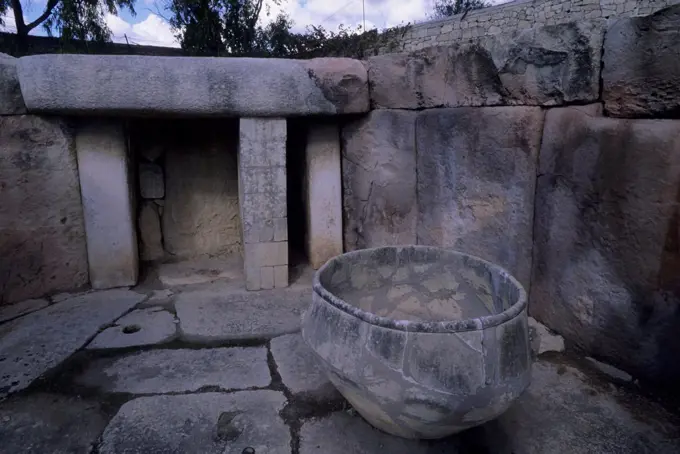
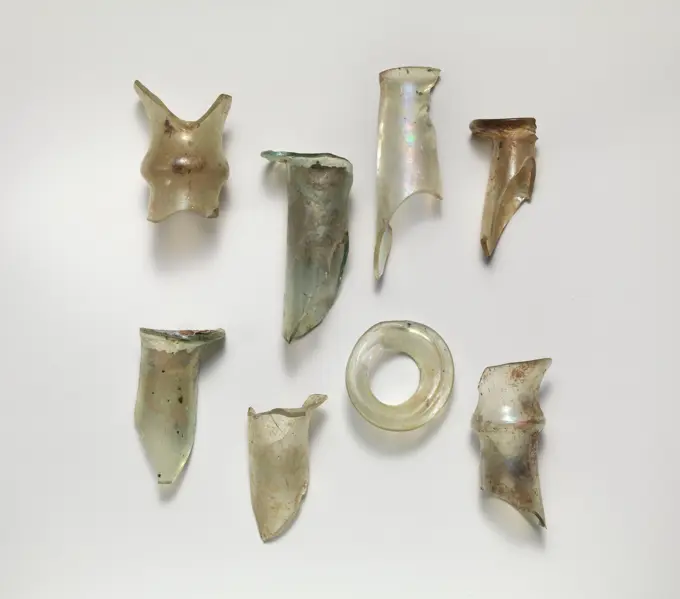
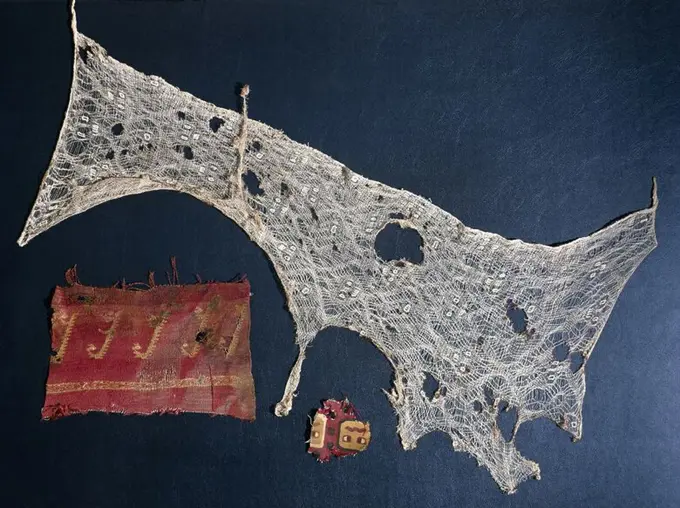
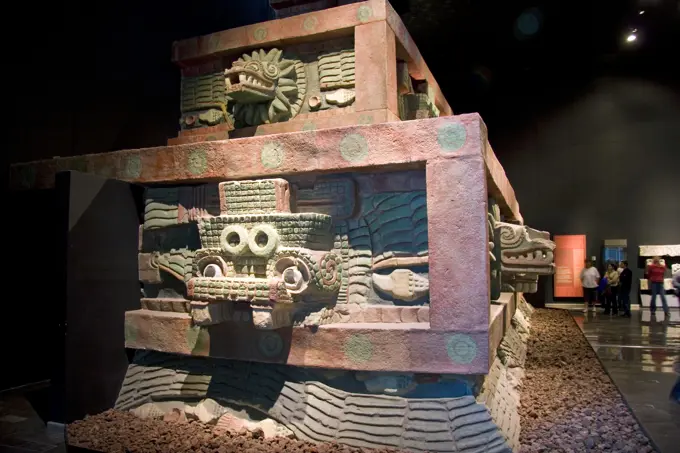
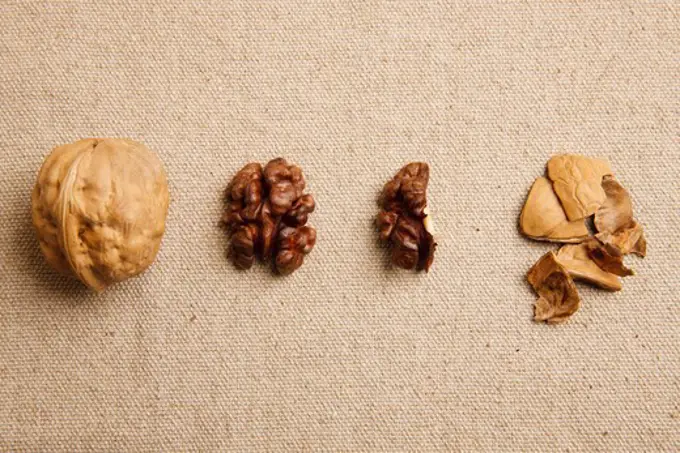
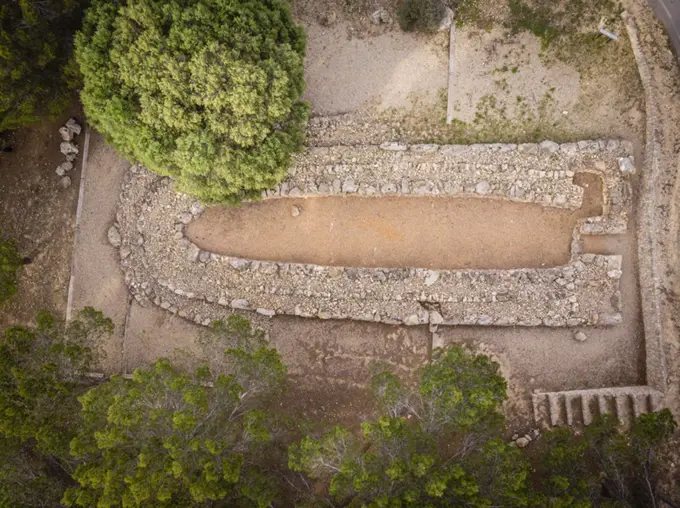
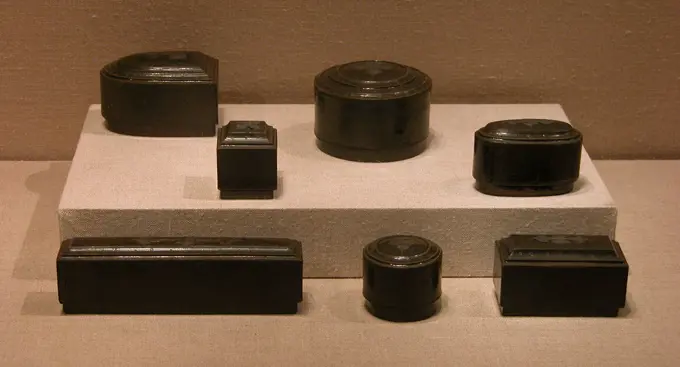
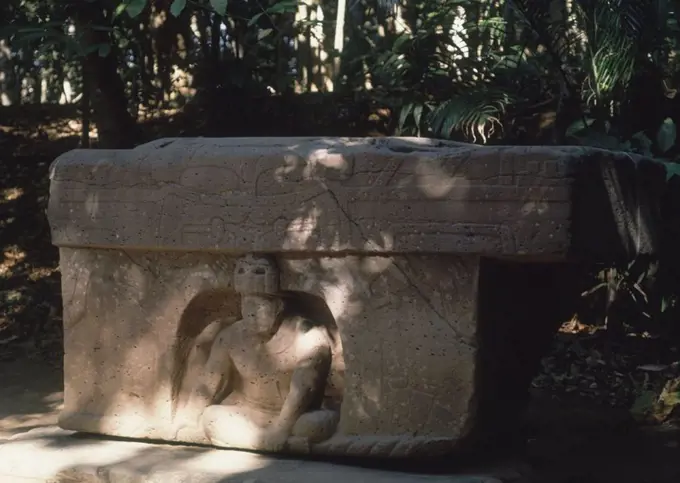
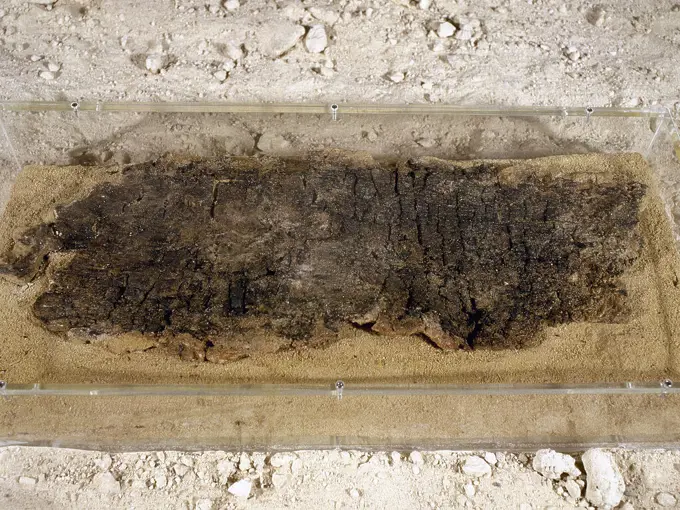
Wooden tray. C. 48000 BC. from rockshelter of Abric Romani. Middle Paleolithic. Capellades. Catalonia. Spain.Mummy-case of the priest Hornedjitef. 246-262 BC. From Asasif, Thebes. Ptolemaic Period. British Museum. London. United Kingdom.Replica of a painted wood coffin from an XXV-XXVI Dynasty Egyptian tomb. 716-525 BCSEP 26, 2013 Neuchatel, Switzerland - Old Ancient building ornamental decorating part found around lake Neuchatel area exhibits in Latenium Archaeological MuseumStucco Fragment probably 8th-12th century. Stucco Fragment 741511boat-shaped mills boat-shaped mills, Eras del Alcázar, Archeological Museum. Úbeda, Jaén province, Andalusia, Spain Copyright: xZoonar.com/BartomeuxBalaguerxRotgerx 21702710laundry shop, in the Roman city, Barcelona, Spain. 2nd Century ADAbruzzo, L'Aquila, S. Giuliano (L'Aquila environs), Museo, Italy, 20th century, photo, photography, EuropeMalta, Tarxien Temples, Second Temple Of Tarxien, 2500 B.C., Vessel (Bowl)Fragment European or Middle Eastern ca. 1150-ca. 1250 View more. Fragment. European or Middle Eastern. ca. 1150-ca. 1250. Glass, ceramic. Glass-VesselsFragment European or Middle Eastern ca. 1150-ca. 1250 View more. Fragment. European or Middle Eastern. ca. 1150-ca. 1250. Glass, ceramic. Glass-VesselsFragment European or Middle Eastern ca. 1150-ca. 1250 View more. Fragment. European or Middle Eastern. ca. 1150-ca. 1250. Glass, ceramic. Glass-VesselsFragments 4th-7th century Coptic. Fragments 479218PIEDRA CIRCULAR CON INSCRIPCIONES - FOTO AÑOS 70. Location: EXTERIOR. MENFIS. EGYPT.Shards of signs from V.O.C. ship De 'Witte Leeuw', Anonymous, Before 1613 plate (dishes) Shards of signs from V.O.C. ship the 'Witte Leeuw' of Kraakporcelain. Jingdezhen bone china (material)   Sint-HelenaAnefo photo collection. Archeology finds in Delft at excavation cartuating monastery. November 17, 1959. Delft, South HollandStucco probably 8th-12th century. Stucco 449696High angle close up of 17th century Vietnamese ewer.FerdinandplatzChancay culture. Peru, ca. 1100-1400 AD. Pre-Columbian textiles fragment. Wool and cotton.Artifacts from Teotihuacan on display at the National Museum of Anthropology in Mexico City, Mexico.Studio shot of walnutsAgriculture, Primitive methods of rubbing and grinding wheat. Three types of 'rubbers' or grinders. Including a present-day stone hand mill. 1920, Middle EastBoulder with written messages on it and surrounding wall in the backgroundnavetiform. Alemany, bronze age, 1650-850 BC, Calvia, Mallorca, Balearic Islands, Spain.Turritella mussel on driftwood with a black background Turritella mussel on driftwood with black backgroundCanada, Nunavut, King William Island, Gjoa Haven. Nattilik Heritage Centre, interior. Traditional sewing tools display. (Editorial Use Only)Set of Seven Boxes 2nd-3rd century China These feather-light boxes have thin cores coated with a fine putty and lacquer. A pattern of small painted spirals and curls and silver quatrefoils decorates the exterior. The set of boxes, each shaped differently, was originally organized inside a large, round cosmetic box and was probably produced in the southeastern coastal region.. Set of Seven Boxes 49524Head of a child Juan Pérez (Vizcaíno), sixteenth century, carved, gilded and polychrome pine wood, Royal monastery of Santa María de Veruela, 12th century Cistercian abbey, Vera de Moncayo, Zaragoza province, Spain.ALTAR DE PIEDRA CON NICHO AL FRENTE-ARTE OLMECA. Location: MUSEO DE LA VENTA. VILLAHERMOSA. CIUDAD DE MEXICO.Quartz. mineralsMinerals - Red JasperThese two Persian instruments show the components of a typical astrolabe. Each has several plates so that it can be used in different latitudes. The wedge which holds the assembly together is known as a horse and has been shaped to emphasise the name.Excavations at Tell Beit Mirsim (Kirjath-Sepher) 1926. Collection of precious potsherds. 1926, Israel, Debir (Extinct city)Case (Inrō) with Design of Mount Fuji seen above Rice Fields (obverse); Pines and Cloud Bands in Autumn (reverse) 19th century Japan. Case (Inrō) with Design of Mount Fuji seen above Rice Fields (obverse); Pines and Cloud Bands in Autumn (reverse) 58378Detail of a dental molding