Ancient Artifacts Gallery

A collection of historical pottery including lamps, amphorae, and jars. These artifacts showcase intricate designs and ancient craftsmanship from various cultures.
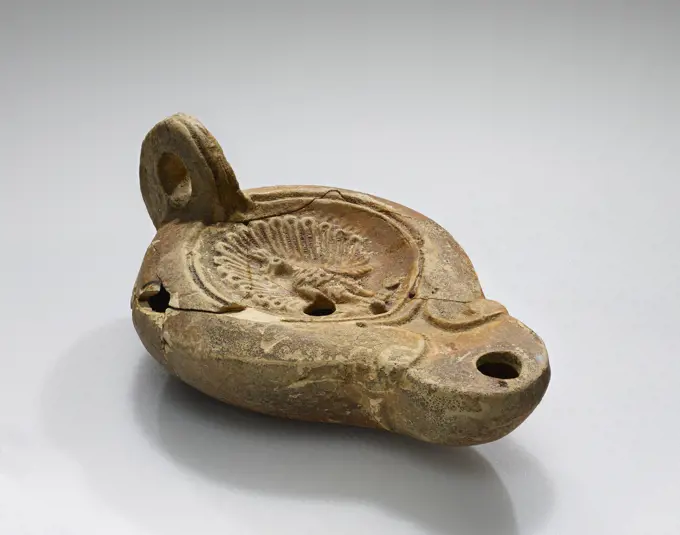
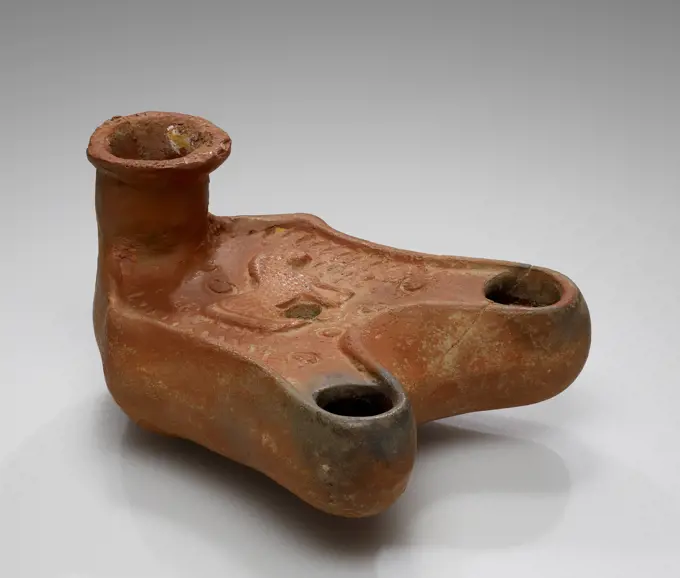
Lamp, Roman Empire; 1st century B.C. - 4th century A.D; Terracotta; 11.2 x 4.4 x 6.8 cm (4 7,16 x 1 3,4 x 2 11,16 in.)
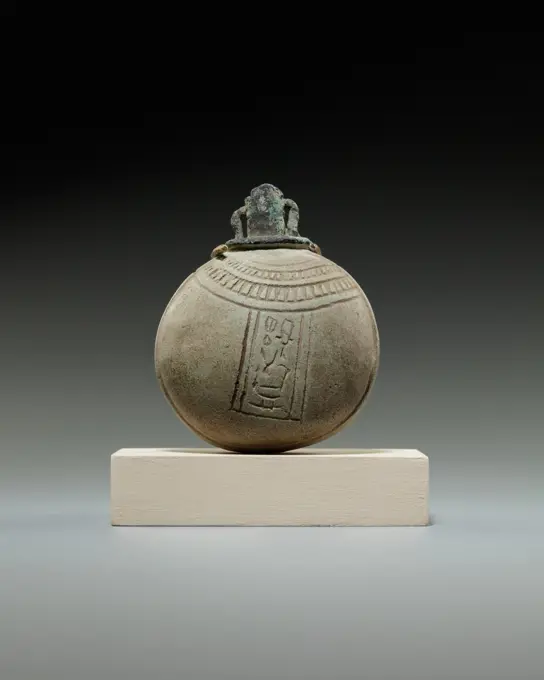
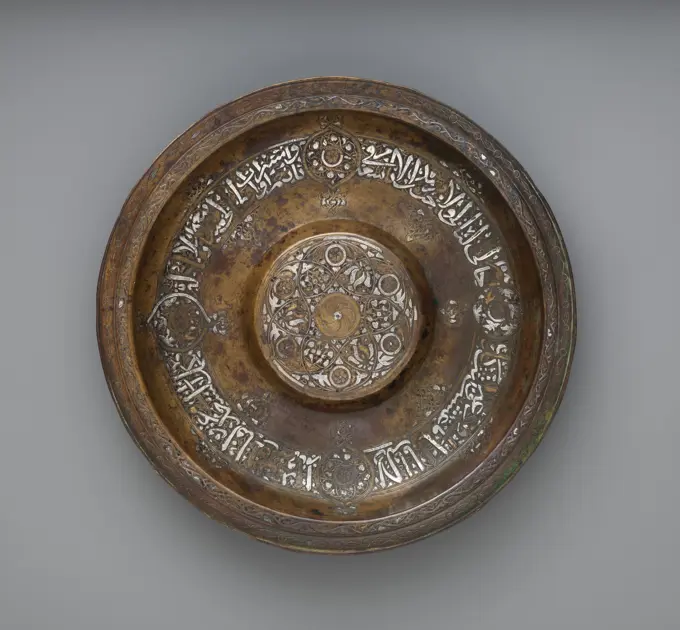
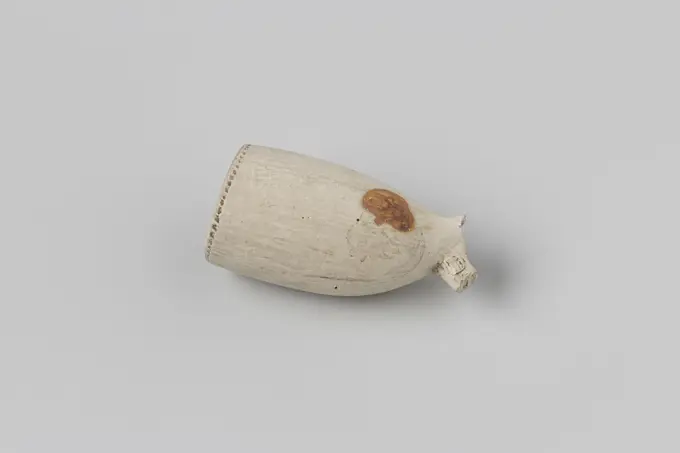
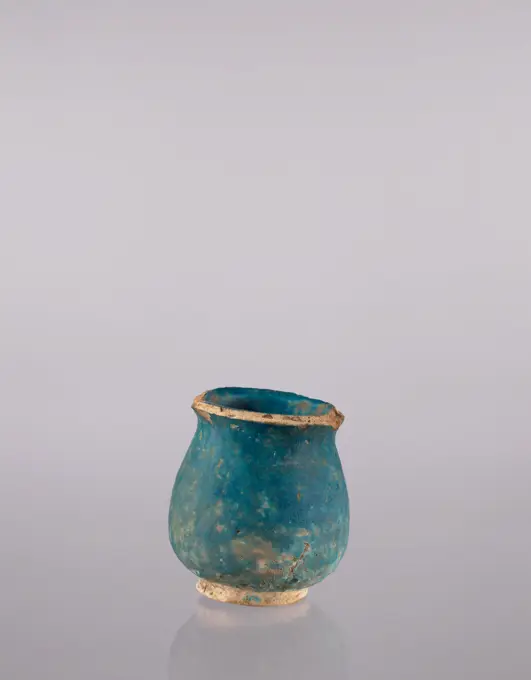
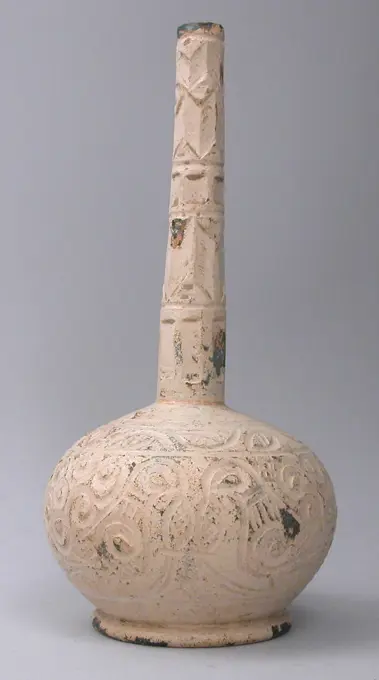
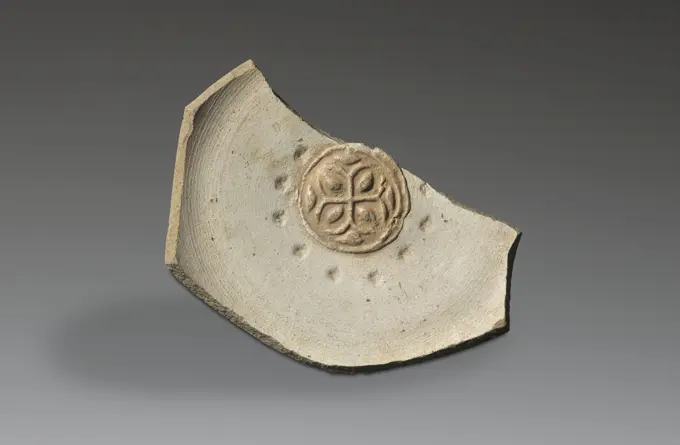
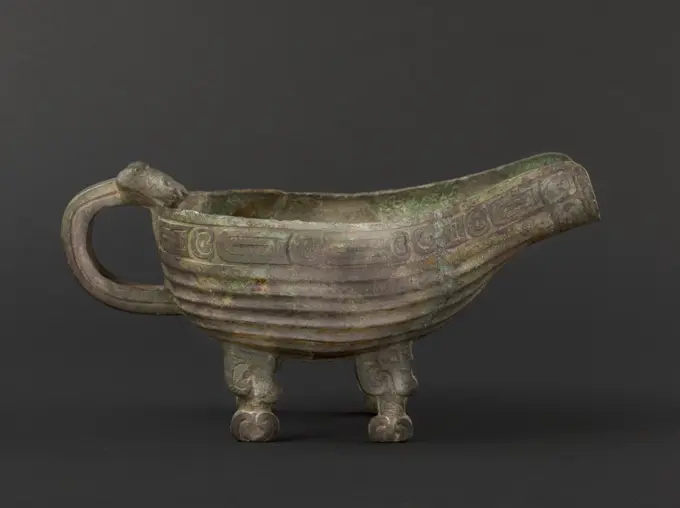
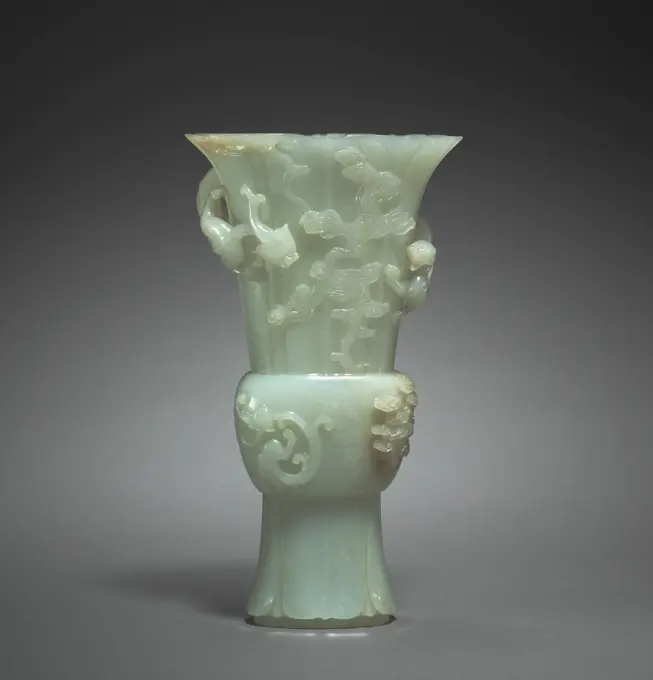
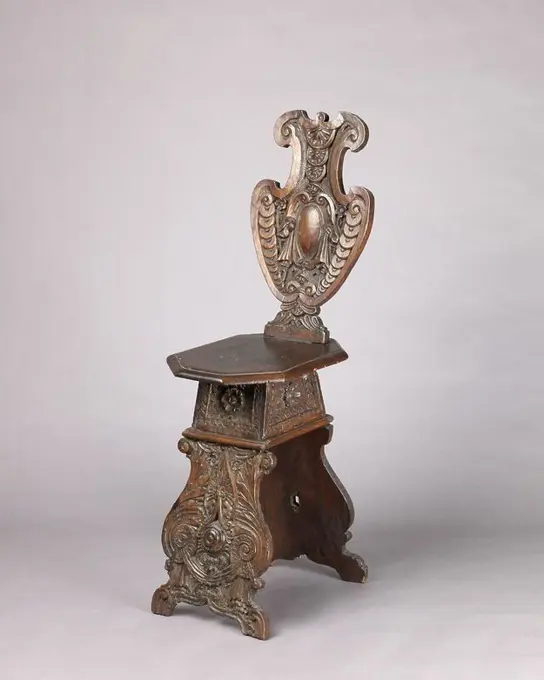
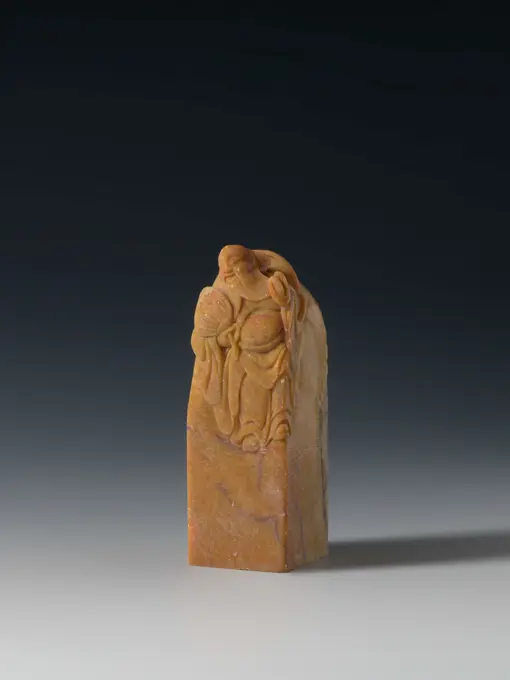
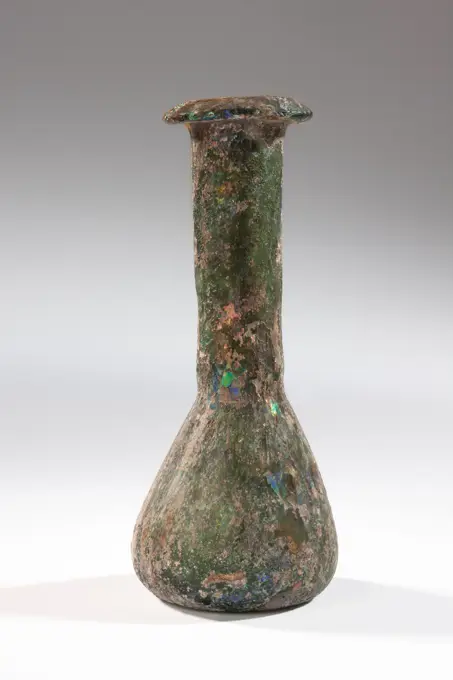
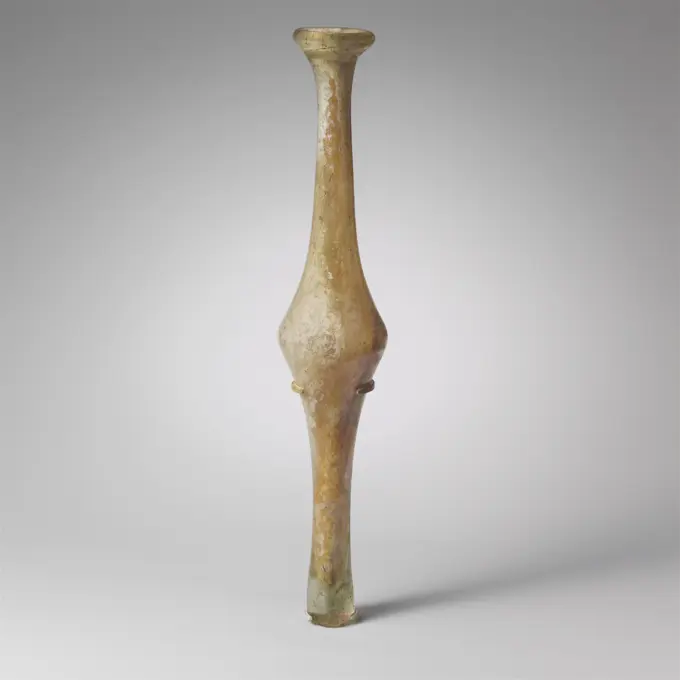
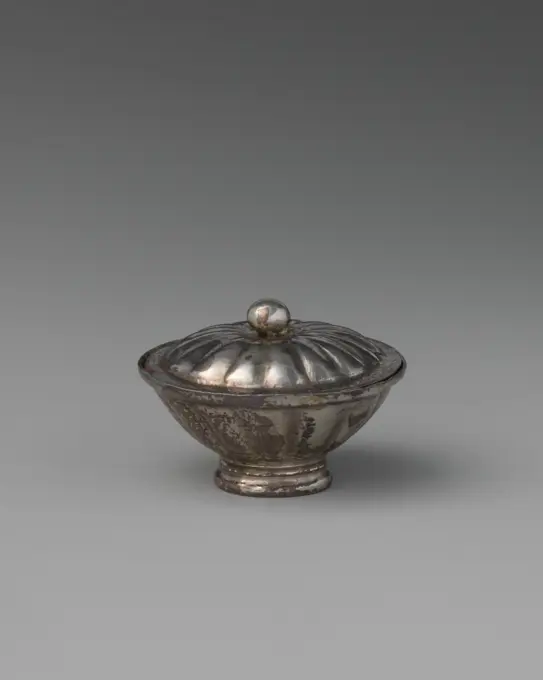
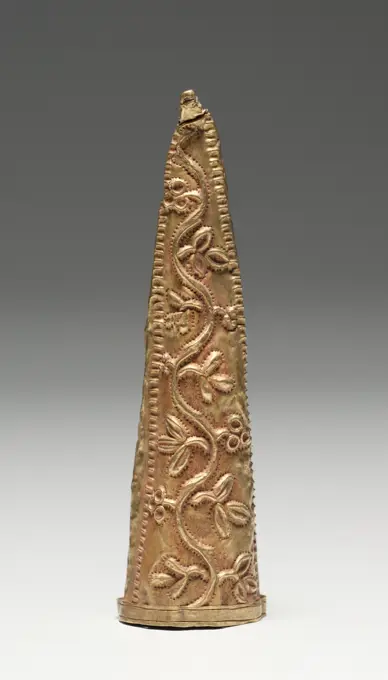
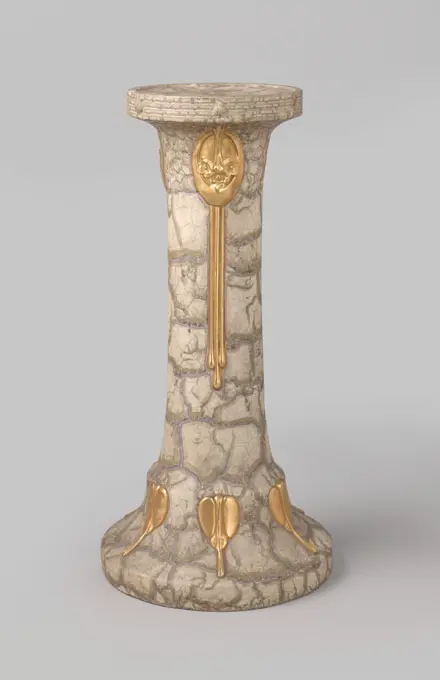
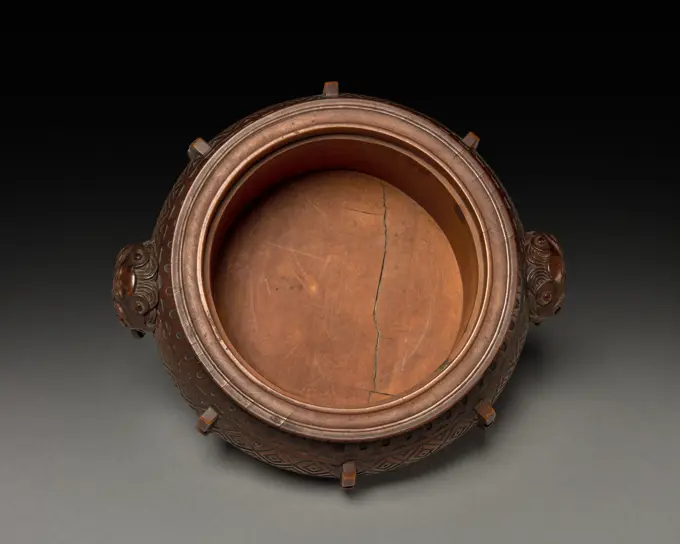
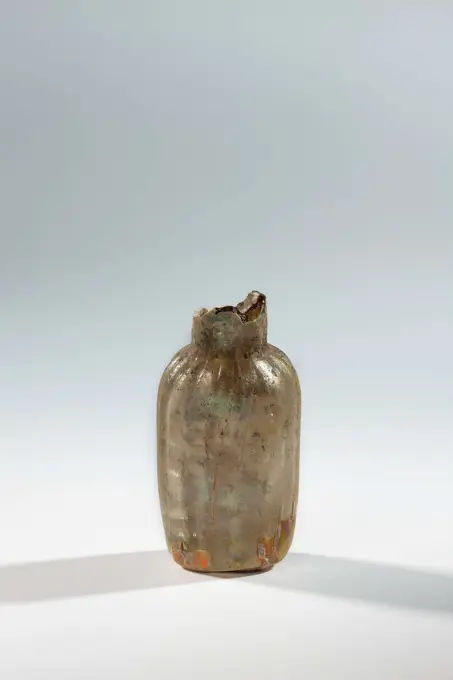
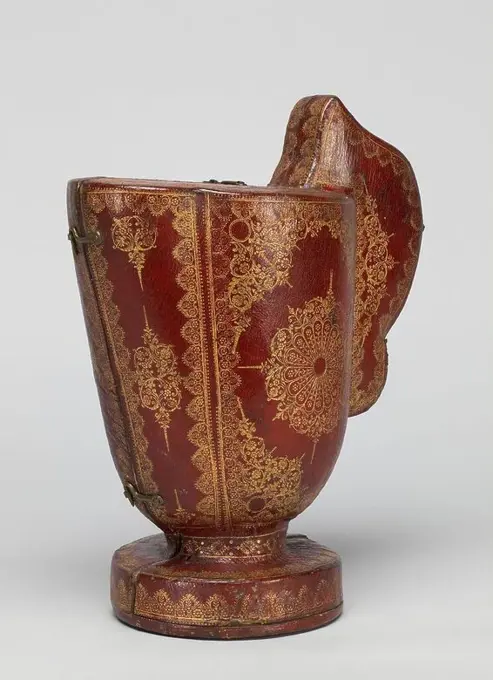
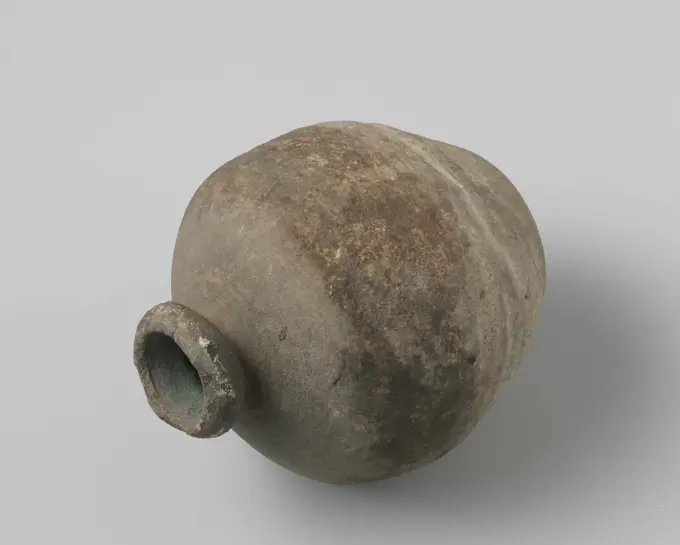
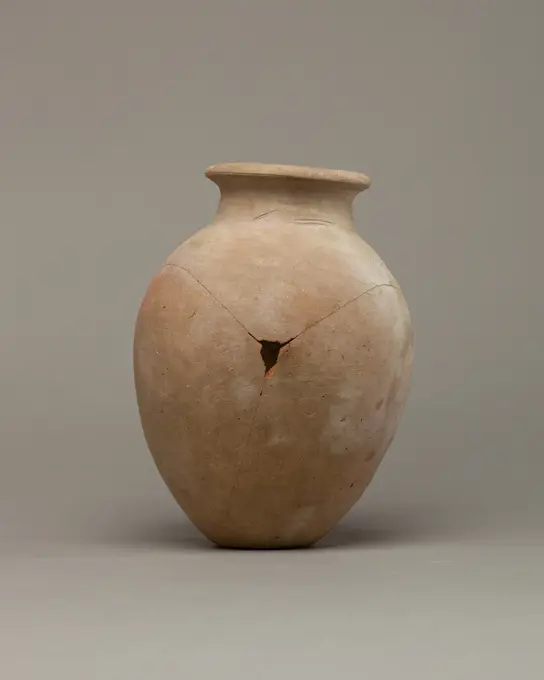
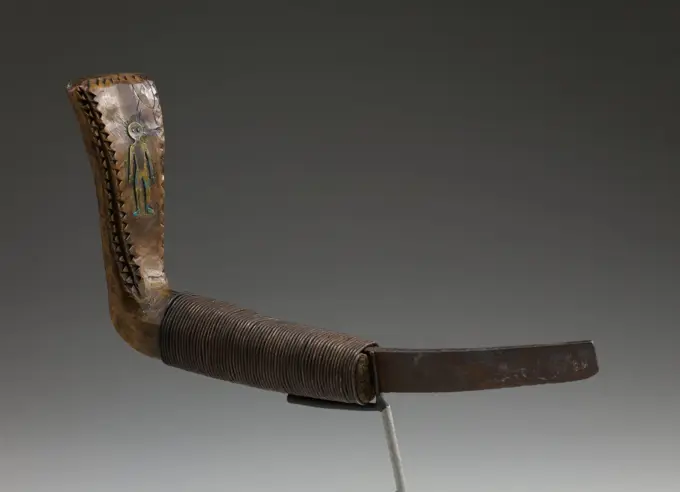
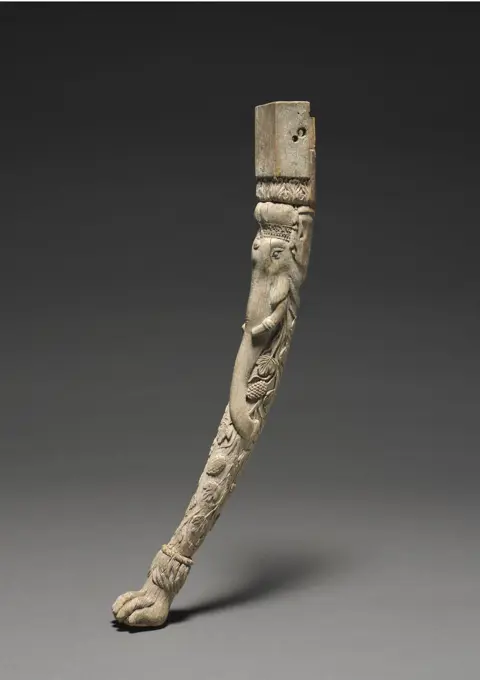
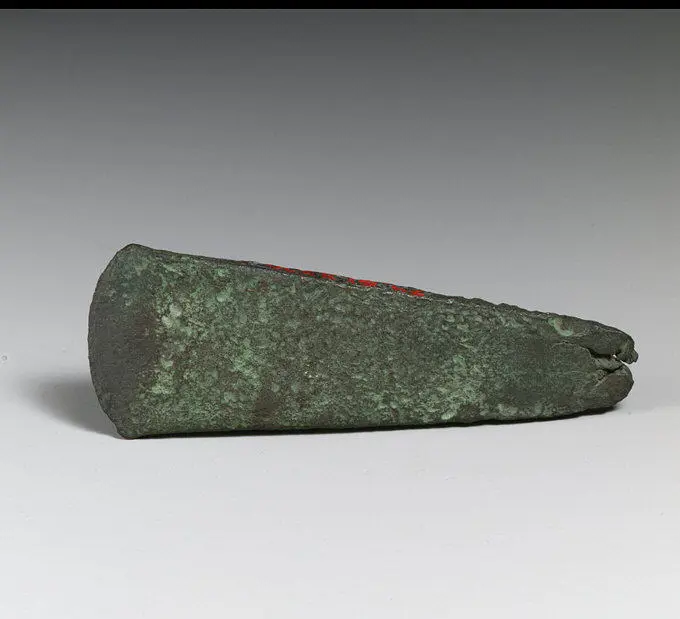
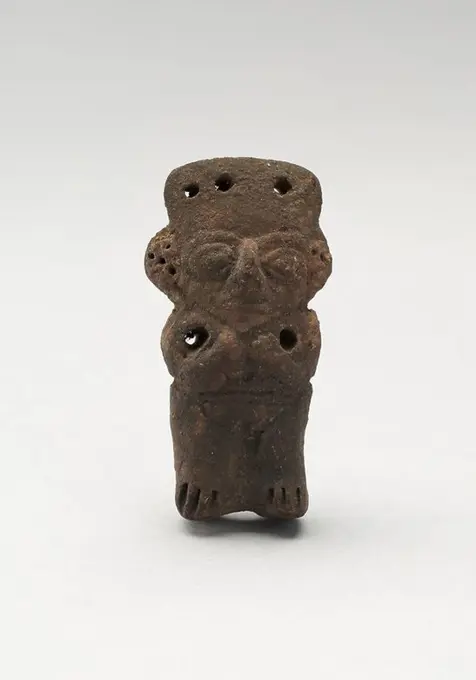
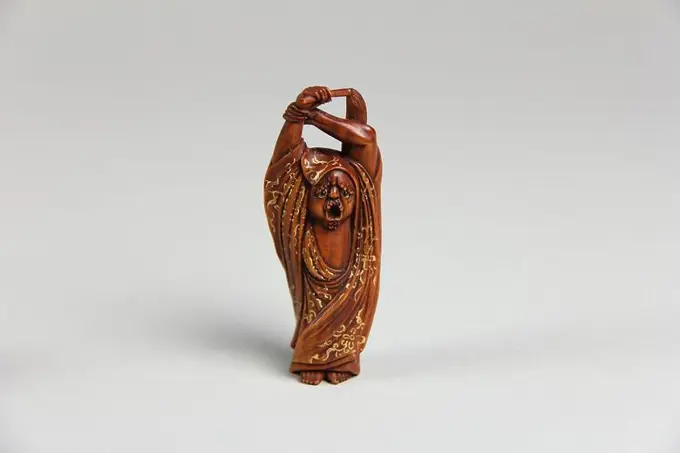
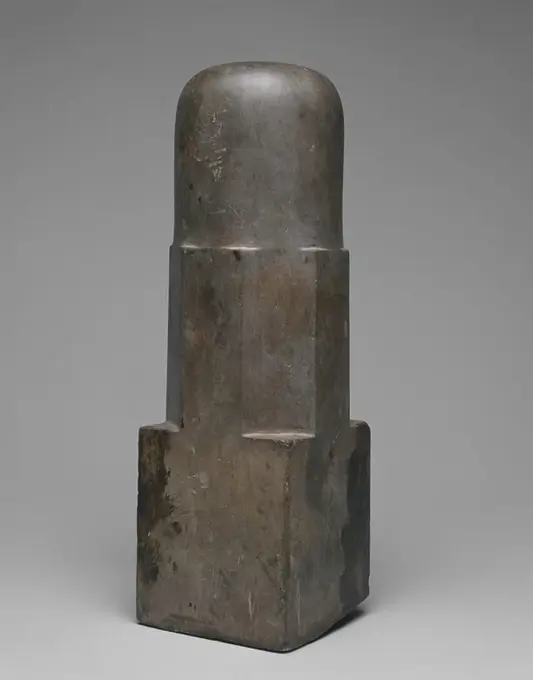
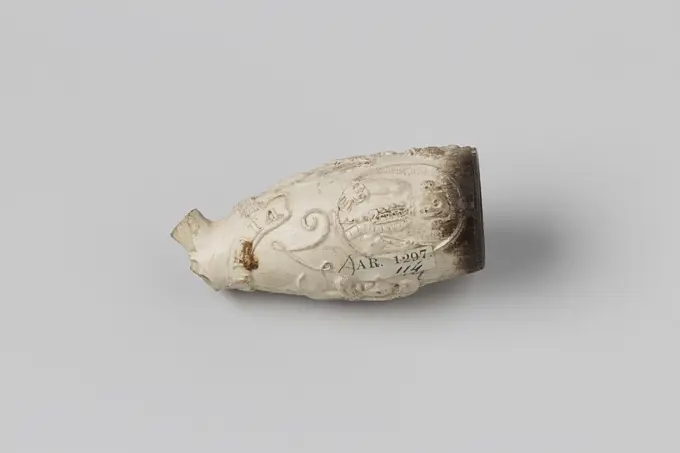
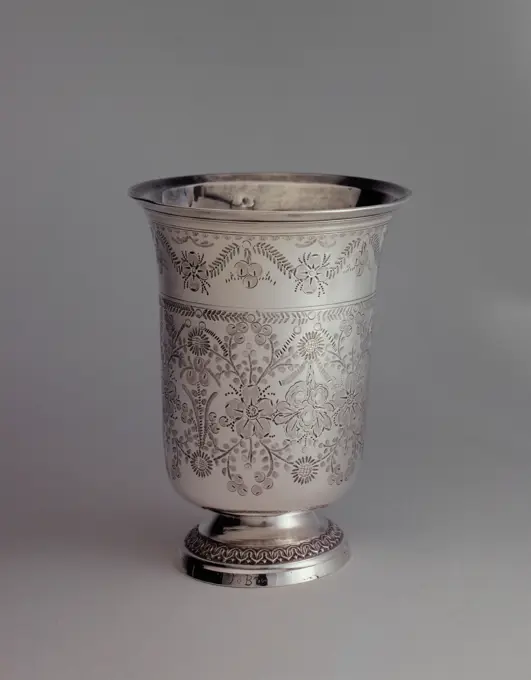
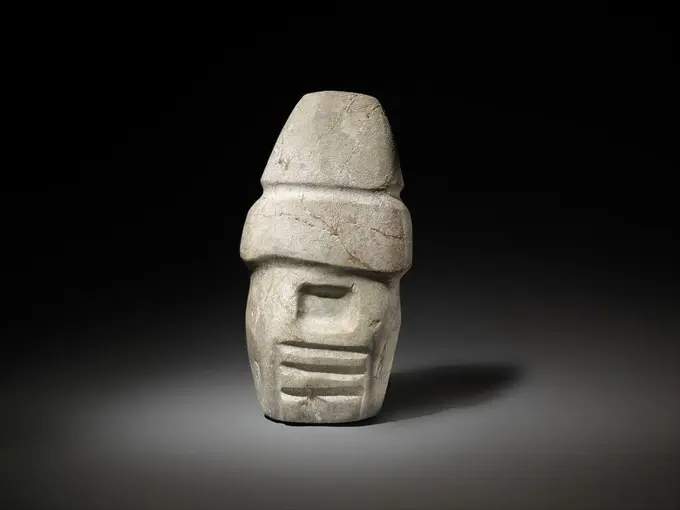
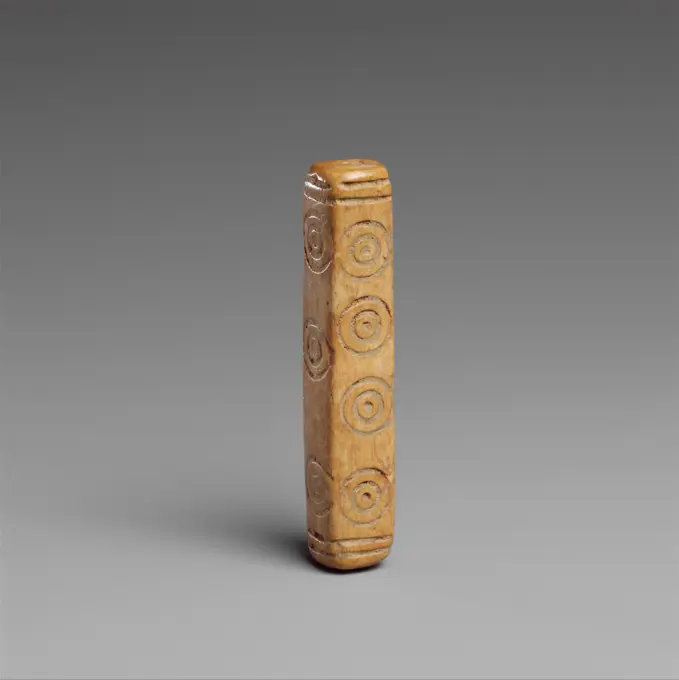
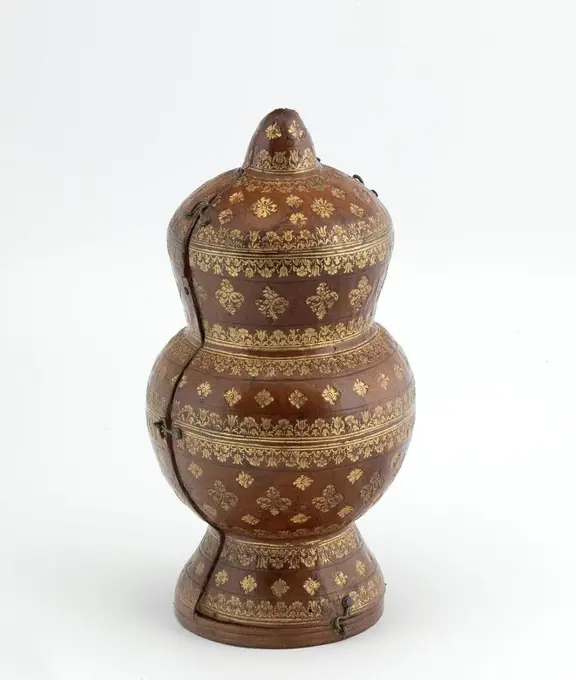
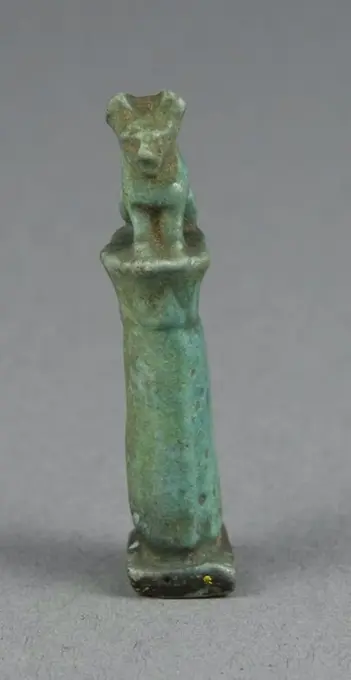
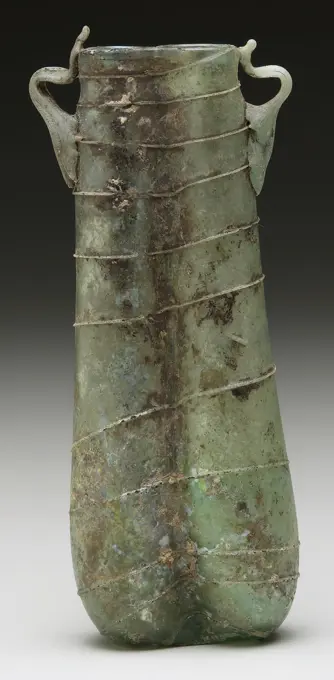
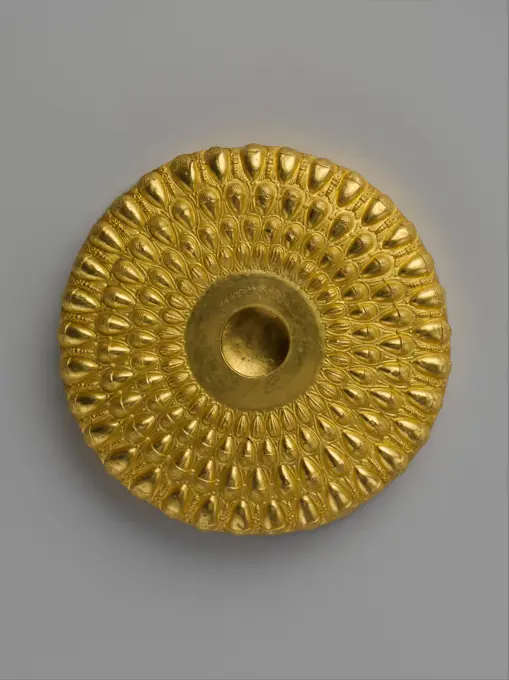
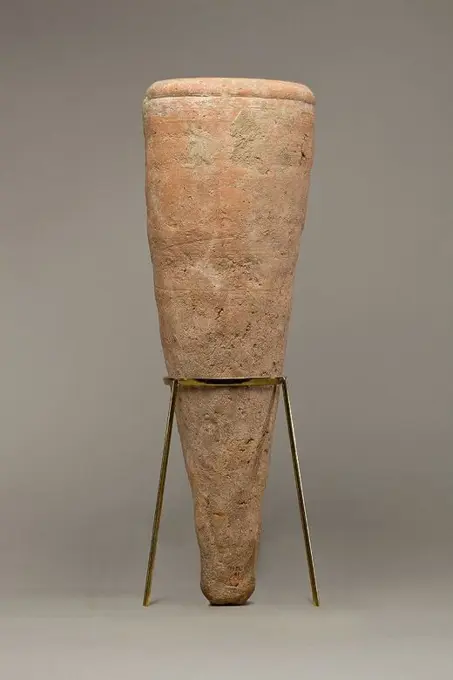
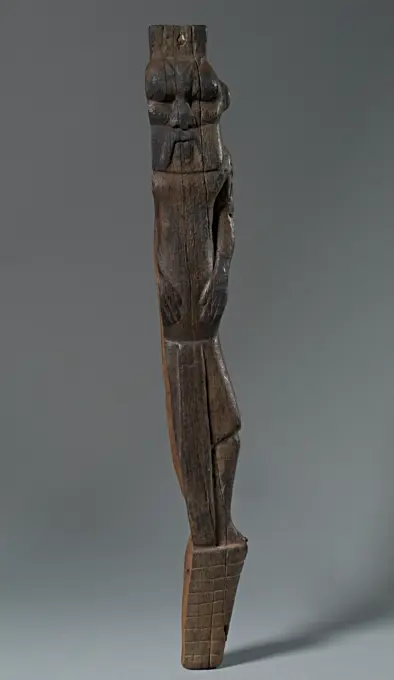
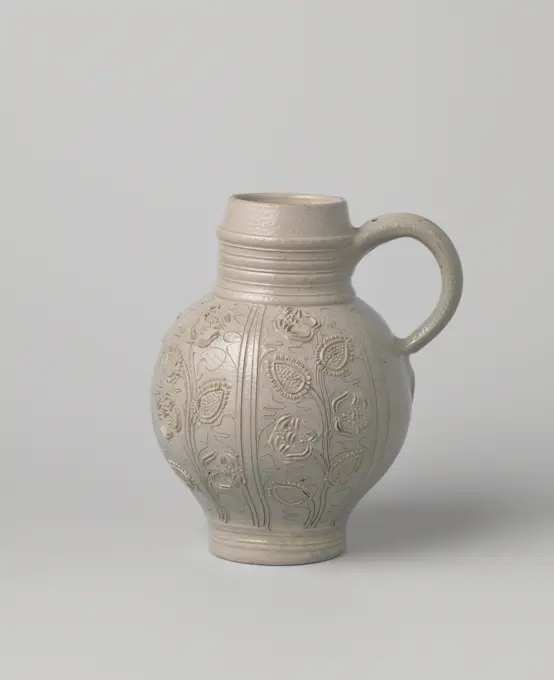
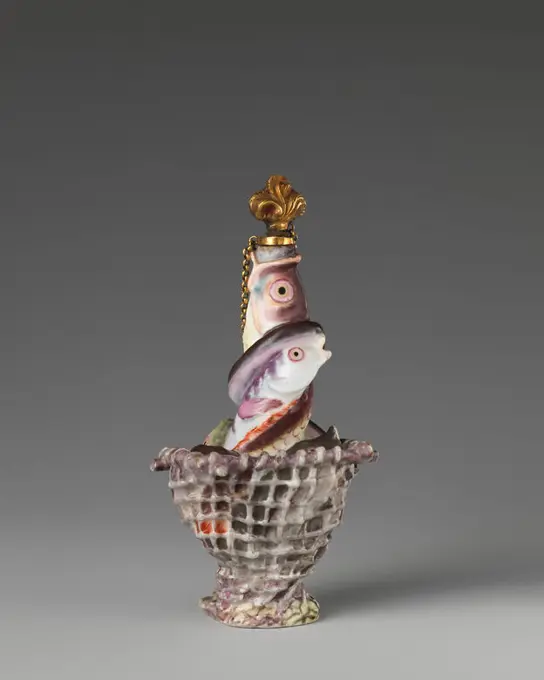
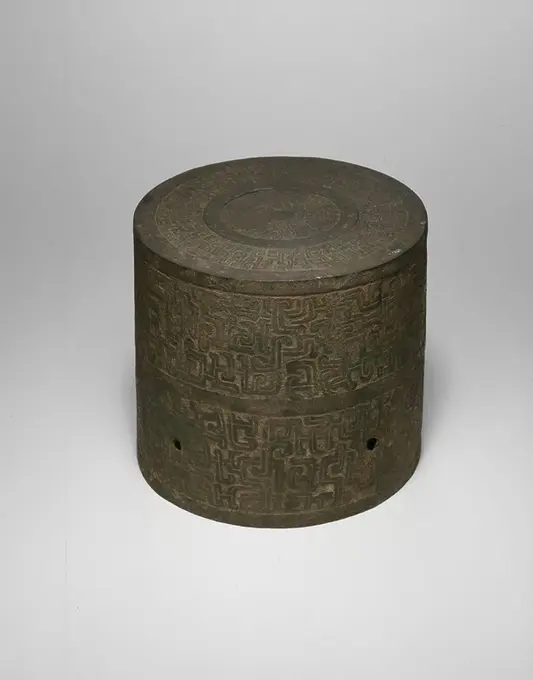
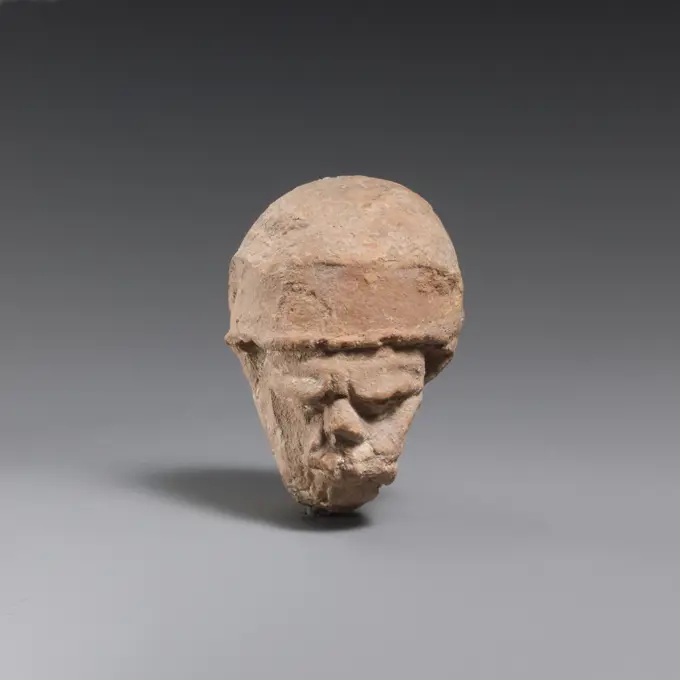
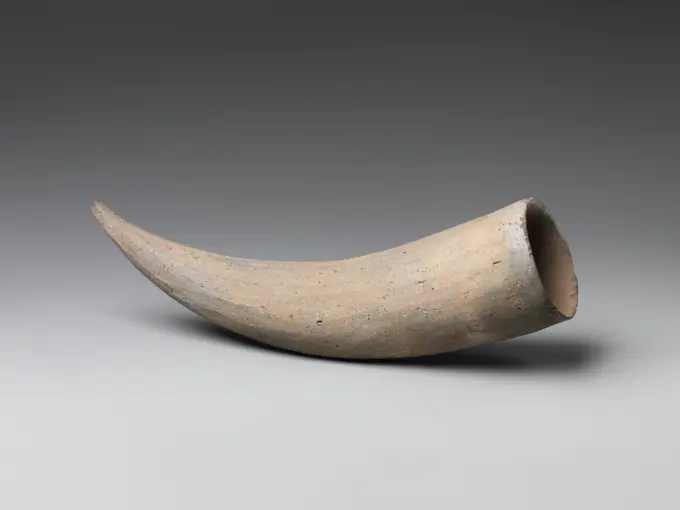
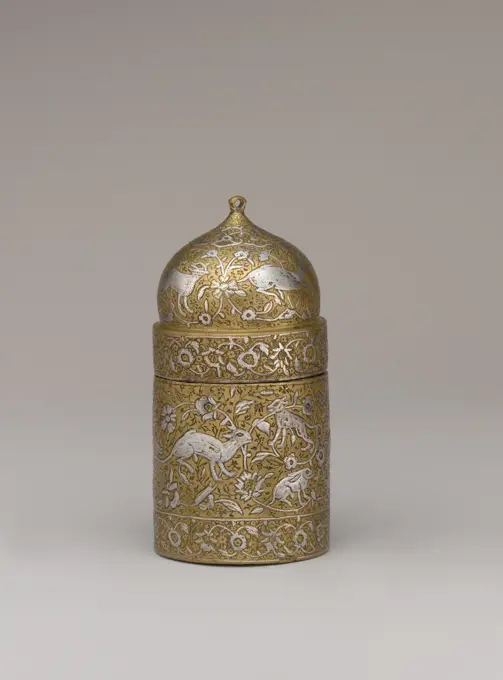
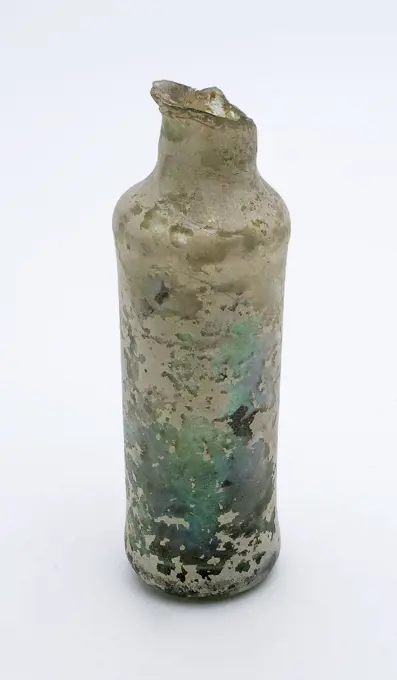
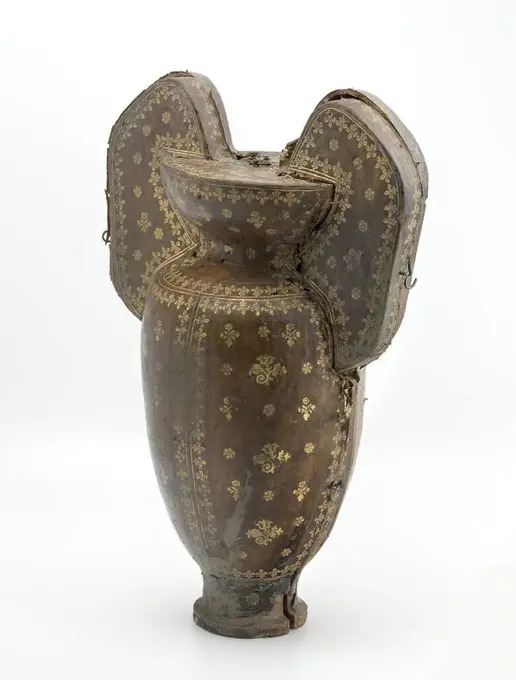
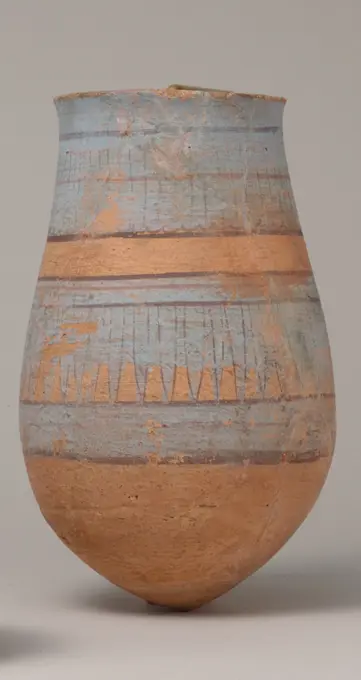
Lamp. UnknownFragment wylewu i imadła amfory ze stemplem. Papes (ca 255-ca 205 a.C.), potter's workshopVessel, amphora; Unknown Egyptian workshop; V-VII century (401-00-00-699-00-00);Kohl Jar and Lid ca. 1635-1458 B.C. Second Intermediate Period-Early New Kingdom. Kohl Jar and Lid 546891Lamp, Roman Empire; 1st century B.C. - 4th century A.D; Terracotta; 11.2 x 4.4 x 6.8 cm (4 7,16 x 1 3,4 x 2 11,16 in.)Fragment Pijpenkop, Anonymous, 1740 - 1780 Fragment piping head with a sitting figure depicted. Of the excavations on the Hofstede Arentsburg 1827-1831 under the supervision of Professor Reuvens. Gouda pipe clay Fragment piping head with a sitting figure depicted. Of the excavations on the Hofstede Arentsburg 1827-1831 under the supervision of Professor Reuvens. Gouda pipe clayJug. NadreniaLentoid Bottle ("New Year's Bottle") 664-332 BC Late Period This flask was purchased with a bronze neck and handles attached that were later determined not to belong to the piece; it would originally have had a short neck, perhaps in the shape of a papyrus or lotus column, with two handles or heraldic animals (see, for example, 10.130.2016). A floral garland is depicted around the shoulder, and a single column of inscription on one side references the New Year's festival. It is of a type known as a "New Year's Bottle," thought to have been filled with water from the Nile and given as a gift.. Lentoid Bottle ("New Year's Bottle"). 664-332 BC. Faience. Late Period. From EgyptMamluk Philae Dish ca. 1345-1360 This kind of shallow dish with a narrow rim and a flattened omphalos (boss) at center is known as a philae. The type dates back to antiquity, but examples from the early and medieval Islamic periods are rare, and their function likely differed from era to era. Here the ogive medallions, rosettes with swirling petals, ducklike birds, and radiating patterns are all typical of Mamluk metalwork. However, the patterns in the central bossan interlaced, six-pointed star formed by three curvilinear panelsdepict large lotus blossoms, reflecting the introduction of Ilkhanid Mongol chinoiserie to Mamluk Syria and Egypt after 1320.This dish compares closely with two others inscribed with the honorific titles of mid-fourteenth-century Mamluk sultans: one in the Freer Gallery of Art, Washington, D.C., made for a Mamluk officer of Sultan Hasan (r. 1347-51, 1354-61), and another in the Keir collection that was made for Sultan Salih (r. 1351-54). On all three examplesFragment pijpenkop.Fragment pipe head. Of the excavations at the Hofstede Arentsburg 1827-1831 under the supervision of professor Reuvens.Small pitcher. unknown, craftsmanPucharek. nieznany warsztat nowoasyryjski, workshopGlass Bottle 10th-11th century Other bottles of this type have been found that are equipped with lids of silver with niello inlay, suggesting they were used as rosewater sprinklers. The globular body and long narrow neck of this bottle are echoed in a number of silver examples from the eleventh century, dating this piece to the same period.. Glass Bottle 451708Fragment małej misy bez stopki. warsztat nubijski, workshopLamp. UnknownKohl Jar and Stick ca. 1635-1458 B.C. Second Intermediate Period-Early New Kingdom. Kohl Jar and Stick 546892Beaker 12th-15th century Chimú. Beaker 310631Verseuse yi. "Bronze. Dynastie des zhou. Paris, museum berne. 144391-25Vase in Form of Archaic Zun with Dragons in Relief, 1736-95. China, Qing dynasty (1644-1911), Qianlong reign (1736-95). White jade; overall: 22.1 x 12.3 x 6.9 cm (8 11/16 x 4 13/16 x 2 11/16 in.).Side chair (sgabello a dorsale). Culture: Italian, Rome or Florence (). Dimensions: H. 100.3 cm, W. 3.8 cm, D. 42 cm. Date: late 16th century. Museum: Metropolitan Museum of Art, New York, USA.JarTłok pieczętny. unknown, craftsmanLimestone arm with pieces of fruit () held in the hand Cypriot The small left arm holds a small dish filled with fruit.. Limestone arm with pieces of fruit () held in the hand 242269Vambrace (Arm Defense) for the Right Arm. Culture: Italian. Dimensions: L. 19 in. (48.3 cm); W. 8 in. (20.3 cm). Date: ca. 1580-90. Museum: Metropolitan Museum of Art, New York, USA.Vial;  IV-IX century () (301-00-00-900-00-00);Semerau-Siemianowski, Władysław (1849-1938)-collection, gift (provenance), Islam (culture), Islamic artPour model for a weight of 25 kg, anonymous, c. 1830 weight Pour model for a cone -shaped weight of 25 kg. Marked and v.z.v. label. Netherlands wood (plant material)   NetherlandsGlass fusiform bottle 4th century A.D. Roman Colorless with pale green tinge.Solid, everted rim with rounded lip, forming cup around small mouth; tall cylindrical neck, concave in profile, joining with bi-conical mid-section of body, then concave side extending downward to thick, solid bottom, with uneven, almost flat lower surface.Complete, except for large hole in lower body and bottom, with weathered edges; many pinprick and larger bubbles; dulling, slight pitting, and faint iridescence on exterior, soil encrustation, creamy weathering, and brilliant iridescence on interior.Long slender vase with bulge in the middle.. Glass fusiform bottle 245210Furniture leg, lion's paw. Culture: Old Assyrian Trading Colony. Dimensions: 2.01 x 3.2 in. (5.11 x 8.13 cm). Date: ca. 18th century B.C.. Museum: Metropolitan Museum of Art, New York, USA.Pitcher; Manises (ceramic family; Ca 1400-); XVII century (1600-00-00-1700-00-00);Miniature bowl with cover late 17th-early 18th century David Clayton British. Miniature bowl with cover. British, London. late 17th-early 18th century. Silver. Metalwork-Silver-MiniatureBaluster with stabbed C and S-Voluten, Anonymous, c. 1740 - c. 1760 S-shaped baluster with stabbed C and S-Voluten with rocaille shells. Northern Netherlands wood (plant material) S-shaped baluster with stabbed C and S-Voluten with rocaille shells. Northern Netherlands wood (plant material)Knife-sheath tip (sika boha), 1800s. Guinea Coast, Ghana, Asante, 19th century. Gold; overall: 8.7 cm (3 7/16 in.).Foot, belonging to a flower box, with marbled matte gray -green glaze and gilded ornaments, anonymous, c. 1900 - c. 1925 Foot of earthenware, cylindrical, belonging to a flower box. Completely covered with a marbled matte gray -green glaze. On the foot, gilded ornaments with flowers and hanging cords have been applied in relief. Marked in the foot with the number 6331 I with above 2 (instrument), further 24 in brown and IV in gold. West-Europa earthenware vitrification Foot of earthenware, cylindrical, belonging to a flower box. Completely covered with a marbled matte gray -green glaze. On the foot, gilded ornaments with flowers and hanging cords have been applied in relief. Marked in the foot with the number 6331 I with above 2 (instrument), further 24 in brown and IV in gold. West-Europa earthenware vitrificationSpoonWater vessel (qulla);  5th century (401-00-00-500-00-00);Tripod with Cover, late 1700s. China, Qing dynasty (1644-1911). Carved wood; diameter: 12 cm (4 3/4 in.); overall: 11 cm (4 5/16 in.). An 18th-century Korean collector Yu Man-joo (1755-1788) wrote that spending money on luxury clothing, dishes, and decorations for the home is a waste, but acquiring fancy writing tools helps to develop elegant taste and high-mindedness.” Inspired by aesthetic discourses on elegance versus vulgarity in late Ming Chinese literature, Korean collectors in the late 1700s and 1800s strove to assemble objects that would display their intellect and sophisticated taste. Stationery objects in particular—printed books, finely crafted brushes, brush holders, ink stones, water droppers, stone wares with grayish-white crackled glazes as well as bronze vessels, and incense burners—were all objects that reflected pure and elegant taste.Discoidal ceramic artifact (pintadera or clay stamp), from MaliqLamp, North Africa; 1st - 4th century; Terracotta; 3.9 x 8.5 x 11 cm (1 9,16 x 3 3,8 x 4 5,16 in.)Mirror Greek, Cypriot. Mirror 244293Bottle. unknown, craftsmanAnonymous / 'Case for rock crystal ewer with large scroll-shaped handle'. 1689 - 1711. Leather, Wood, Metal, Silk. Museum: Museo del Prado, Madrid, España.Pot. Pot of light (whitish) pottery, with a short neck and out of the bottom.Vessel with a hieratic inscription;  around 2686- 2181 BC ; Old PAHigh-shouldered jar of desert clay ca. 3850-2960 B.C. Predynastic Period. High-shouldered jar of desert clay 573275Crooked Knife, 19th century, 7 1/4 x 1 3/4 x 4 7/8 in. (18.42 x 4.45 x 12.38 cm), Wood, metal, United States, 19th centuryChair Legs and Panel, 300s. Afghanistan, Begram (chair legs); India (panel), Kushan Period (1st century-320) (chair legs); Mughal dynasty (1526-1756) (panel). Ivory; overall: 43.8 cm (17 1/4 in.). This ivory carving was made to sheath wooden furniture made in India for trade along the Silk Road, which stretched from Rome to China. Indian ivory-faced furnishings--along with lacquer boxes from China and painted glass from Rome--were found in an extraordinary deposit of luxury goods at a site called Begram. The wood on which the ivory and lacquer were affixed has long disintegrated, and only the small pieces remain.AmuletAxehead ca. 3200-2000 B.C. Cypriot. Axehead 244275Mold-Made Female Figurine with Pierced Holes in Head and Shoulders. Possibly Moche; Possibly north coast, Peru. Date: 100 AD-600 AD. Dimensions: 5.6 x 2.9 cm (2 3/16 x 1 1/8 in.). Ceramic and pigment. Origin: Peru. Museum: The Chicago Art Institute, Chicago, USA.Lamella Case Fragment. UnknownNetsuke of Daruma. Culture: Japan. Dimensions: H. 3 in. (7.6 cm). Date: late 18th century. Museum: Metropolitan Museum of Art, New York, USA.Pipe of earth, fragment. Pipe or Earth, fragment.Triple pan from the wreck of the East Indians Hollandia, Anonymous, 1700 - in Or Before 1743  Tripod; (1) oval, flat bottom, straight sides, outward rolled rim, (2.9l, 22.5w, 11h),3 rivet-holes for each leg, handle was fitted above one of the legs with 4 rivets in semicircular row. Netherlands copper (metal)   SecondExcerpt (foot) with reddish shard, with ear, at the front with floral shapes and jobs in sgraffito technology with brown, green and beige glaze, anonymous, 1200 - 1899  Italy earthenware  Italy earthenwareEmblem of the God Shiva (Linga). Cambodia. Date: 901 AD-1300. Dimensions: 46.7 × 14.6 × 14.6 cm (18 3/8 × 5 3/4 × 5 3/4 in.). Sandstone. Origin: Cambodia. Museum: The Chicago Art Institute, Chicago, USA.Fragment pipe head.Fragment pipe head with a crown, a staffing lion, two portraits with the letters V and P underneath, a men's head and a sash with Vivat Oranie shown in it. Of the excavations at the Hofstede Arentsburg 1827-1831 under the supervision of professor Reuvens.Snuff box of tin decorated with a landscape in cartouche. Circular snuff box from tin. The top is decorated with tendrils and a cartouche within which a landscape is shown with a tree, a rooster and a chicken. In the top there is also an opening, including a brass drive is visible. This disc can turn around the button on top and contains two circular openings for the finger and thumb.AJLC Berger. "Cup". Money. 1811-1819. Museum of Fine Arts of the City of Paris, Petit Palais. 74382-20 Money, silverware, gobletTemple Model. Culture: Mezcala. Dimensions: Height 5-5/8 in.. Date: 200 B.C.-A.D. 500.Stone models in the Mezcala style come largely from the present-day state of Guerrero, in southwest Mexico. A particularly long-lived tradition, these works may have been produced over some one thousand years, from as early as 500 B.C. Little is known about their archaeological contexts, and there are few points of reference with surviving architecture in the region. It is possible that these models emulate buildings with stone columns, such as those from Cuetlajuchitlán; alternatively they could recall above- or below-ground funerary structures, in which case the columns would represent wood supports of a tomb or a funerary pyre. Mezcala models may have served multiple functions over time, in keeping with the Mesoamerican custom of repurposing or recarving stone objects. Oblong models, for example, may have been recarved from celts, ritual tools of great symbolic importance. Several have holes drilCircular salt shaker. Malcz, Karol (1797-1867), goldsmithThe Włocławek Cze WORSK Cooperative Kujawska ArtGaming Die 1st-3rd century Pakistan (ancient region of Gandhara) or Afghanistan. Gaming Die 38716Key 1st-7th century Roman. Key 462951Amphora-ShapedVesselAnonymous / 'Case for small urn in faceted rock crystal'. s XVI - XVII century. Leather, Wood, Metal, Cloth. Museum: Museo del Prado, Madrid, España.Beaker-shaped Vessel, 13th-11th century BCE, 5 in. (12.7 cm), Earthenware with incised and burnished decor, China, 13th-11th century BCE, This handsome wheel-thrown vessel with its raised bosses, taut symmetrical profile and thin walls, suggests a metalware prototype. A Shang innovation was the development of a high-fired clay body that is dense, hard, and impervious to liquid. Near stoneware hardness, these vessels were fired at a relatively high temperature around 1200 degrees C. High-fired ware was a considerable improvement over low-fired earthenware which was porous and permeable and less suitable for prolonged storage.Amulet of a Cat Sitting on a Papyrus Column. Egyptian. Date: 1069 BC-664 BC. Dimensions: 4.1 × 1.3 × 1 cm (1 5/8 × 1/2 × 3/8 in.). Faience. Origin: Egypt. Museum: The Chicago Art Institute, Chicago, USA. Author: Ancient Egyptian.Double Perfume Vessel, 1st-5th century, 5 x 2 x 1 in. (12.7 x 5.08 x 2.54 cm), Glass, Italy, ancient Etruria, 1st-5th centuryTemple 1st-8th century Mezcala. Temple. Mezcala. 1st-8th century. Stone. Mexico, Mesoamerica, Guerrero. Stone-SculptureGold phiale (libation bowl) 4th-3rd century B.C. Greek Inscribed on the base sketchily in Greek, "Pausi ," and more deeply engraved in Punic (Carthaginian) characters, an indication of weightThis libation bowl, decorated with bees, acorns, and beechnuts, is worked in repoussé. Phialai decorated with acorns were being made by the late sixth century B.C. and must have been traditional. Acorns could also be seen on the phialai held by the caryatids of the Erechtheum on the Akropolis in Athens, as we learn from Roman copies found in Hadrian's villa at Tivoli. Listen to experts illuminate this artwork's story Listen Play or pause #1225. Gold phiale (libation bowl) Supported by Bloomberg Philanthropies We're sorry, the transcript for this audio track is not available at this time. We are working to make it available as soon as possible.. Gold phiale (libation bowl) 255122Open mouth jar. Date: ca. 3850-2960 B.C.. Museum: Metropolitan Museum of Art, New York, USA.Chair or Bed Leg with the God Bes, 1540-1296 BC. Egypt, New Kingdom, Dynasty 18. Tamarisk; overall: 44.7 x 5.9 cm (17 5/8 x 2 5/16 in.).Idiophone/Staff (ahianmwẹn-ọrọ), possibly 1800s. Nigeria, Benin Kingdom, Ẹdo peoples, members of the Igun Eronmwon (royal brasscasters) guild. Copper alloy; overall: 36.2 x 9.9 cm (14 1/4 x 3 7/8 in.).Tassel (Italy); linen, metal wire, silkJug with flowering plants, anonymous, c. 1695 - c. 1720 Jug of stoneware on a high base with a spherical body and wide neck. The C-shaped ear is attached to the neck and shoulder. Profiles on the neck and the foot. The abdomen is divided into four entered courses with a flowering plant in each. The stems are grabs and the flowers are printed and imposed in relief. Westerwald. Westerwald stoneware. glaze vitrification Jug of stoneware on a high base with a spherical body and wide neck. The C-shaped ear is attached to the neck and shoulder. Profiles on the neck and the foot. The abdomen is divided into four entered courses with a flowering plant in each. The stems are grabs and the flowers are printed and imposed in relief. Westerwald. Westerwald stoneware. glaze vitrificationFish in net. Culture: British, Chelsea. Dimensions: Overall: 3 3/4 × 1 3/4 in. (9.5 × 4.4 cm). Factory: Chelsea Porcelain Manufactory (British, 1745-1784, Red Anchor Period, ca. 1753-58). Date: ca. 1755. Museum: Metropolitan Museum of Art, New York, USA.Pin. Iran, circa 1000-650 B.C.. Jewelry and Adornments; pins. BronzeShabti of Siptah ca. 1194-1188 B.C. New Kingdom, Ramesside. Shabti of Siptah 559267Architectural Fitting (Gong). China, Qishan county, Shaanxi province. Date: 770 BC-481 BC. Dimensions: . Bronze. Origin: China. Museum: The Chicago Art Institute, Chicago, USA.Bowl with a Monkey Scribe and Kawiil, God of Lightning. Artist: UnknownTerracotta head of a grotesque man 3rd-1st century B.C. Greek With heavy brow and head-covering cap.. Terracotta head of a grotesque man. Greek. 3rd-1st century B.C.. Terracotta. Hellenistic. TerracottasTerracotta aryballos (perfume vase) in the form of a hedgehog mid-6th century B.C. Rhodian Vase in the form of a hedgehog.. Terracotta aryballos (perfume vase) in the form of a hedgehog. Rhodian. mid-6th century B.C.. Terracotta. Archaic. VasesHorn-Shaped Drinking Cup 5th century Korea. Horn-Shaped Drinking Cup. Korea. 5th century. Stoneware. Three Kingdoms period, Silla Kingdom (57 B.C.-A.D. 676) or Gaya Federation (A.D. 42-562). CeramicsInkwell with Floral and Animal Imagery 16th century This cylindrical dawat (inkwell) with a domed lid once fit into a metal penbox, where it was secured by a line of soldering along its seam. Inlaid silver forms the primary decoration of floral vines and animals, and engraved and chased floral patterns occupy the background. A piercing in the lid suggests that a ring may have once eased the opening and closing of the inkwell. Referenced in Persian poetry and histories as early as the tenth century, cylindrical inkwells with domed lids were produced in great numbers in twelfth to sixteenth century Iran.. Inkwell with Floral and Animal Imagery. 16th century. Brass; lid cast, body worked, engraved, and chased, inlaid with silver. Attributed to Iran. MetalKomfoor van brass and wood .. Comphore of brass and wood.Stirrup early 15th century Central European This stirrup, simply decorated with some moldings, belongs to a type documented in Central European regions, from Northern Italy to Germany.. Stirrup. Central European. early 15th century. copper alloy. Equestrian Equipment-StirrupsFinial late 18th century. Finial 444814Candlestick ca. 1750 British, Staffordshire. Candlestick. British, Staffordshire. ca. 1750. Salt-glazed stoneware. Ceramics-PotteryMedicine Bottle, medicine bottle bottle holder soil find glass, free blown and shaped Small (medicine) Bottle in clear light green glass. Pontil mark under raised bottom. Cylindrical body slightly flared at the bottom to round shoulders short neck and dilated irregularly flattened lip for the most part degraded archeologyCosta Rica, San Jose, Gold Museum (Museo Oro), Gold Ornamental FrogAnonymous / 'Case for tall rock crystal vase with handles in the form of beasts'. 1550 - 1600. Leather, Wood, Metal. Museum: Museo del Prado, Madrid, España.Yellow Ruyi-Scepter with Dragons, Bats and a Crane. Ruyi scepter of porcelain, covered with a monochrome yellow glaze. The rough-shaped part of the scepter with embossed a five-year-old dragon between clouds and flames; The handle with a crane on a rock with plants between clouds, five bats around a 'shou' symbol in a landscaped medallion, a pearl rooting vehicle dragon between clouds and flames. Rear undecorated. Monochromes.Hearing stone with image of a men's head from the side, placed in a round medallion., Anonymous, c. 1550 - c. 1575 Hardestteen Met one manports that a medallion. Southern Netherlands earthenware Hardestteen Met one manports that a medallion. Southern Netherlands earthenwareLion-headed goddess Late Period-Ptolemaic Period 664-30 B.C. View more. Lion-headed goddess. 664-30 B.C.. Bronze or cupreous alloy. Late Period-Ptolemaic Period. From EgyptButton from copper and wood, as a challenge, imposed copper trophy, on which a breast kuras. Copper and wood knot. Sagaga, imposed copper trophy, consisting of a breast kuras, hung on a bow, over crossed saber, sweetheart, poniar and revolver. On a smooth generous brown wooden fond, with a raised edge of copper. FANGY KNOOP.Painted Cup from Tutankhamun's Embalming Cache ca. 1336-1327 B.C. New Kingdom. Painted Cup from Tutankhamun's Embalming Cache. ca. 1336-1327 B.C.. Pottery, pigment. New Kingdom. From Egypt, Upper Egypt, Thebes, Valley of the Kings, Embalming Cache of Tutankhamun (KV 54), Davis/Ayrton excavations, 1907-08. Dynasty 18Part of Synagogue (), Eugène Lacomblé, c. 1828 - c. 1905 Head of the figure.  clay Head of the figure.  clayCosta Rica, San Jose, Gold Museum (Museo Oro), Gold Ornamental FrogVessel in the form of a horse's head Achaemenid ca. 5th century BCE View more. Vessel in the form of a horse's head. Achaemenid. ca. 5th century BCE. Silver, gilding. Achaemenid. IranMadrid, M.A.N. Arte Edad Media. Bote de Zamora. Pieza maestra a caballo entre lo importado y lo nativo, forma parte del tesoro de su catedral. De importancia es su materia (marfil de elefante). Con tapa semiesférica y charnela de cierre con inscripción acreditativa. 946 d.c.