Ancient Artifacts Gallery

A collection of historical pottery including lamps, amphorae, and jars. These artifacts showcase intricate designs and ancient craftsmanship from various cultures.
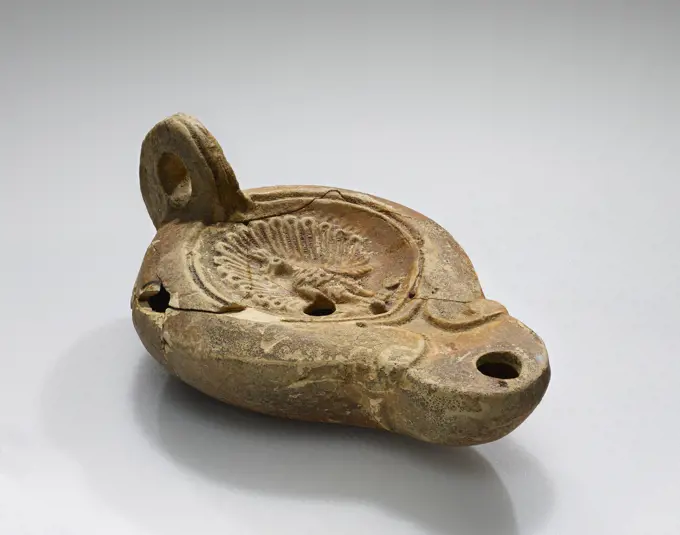
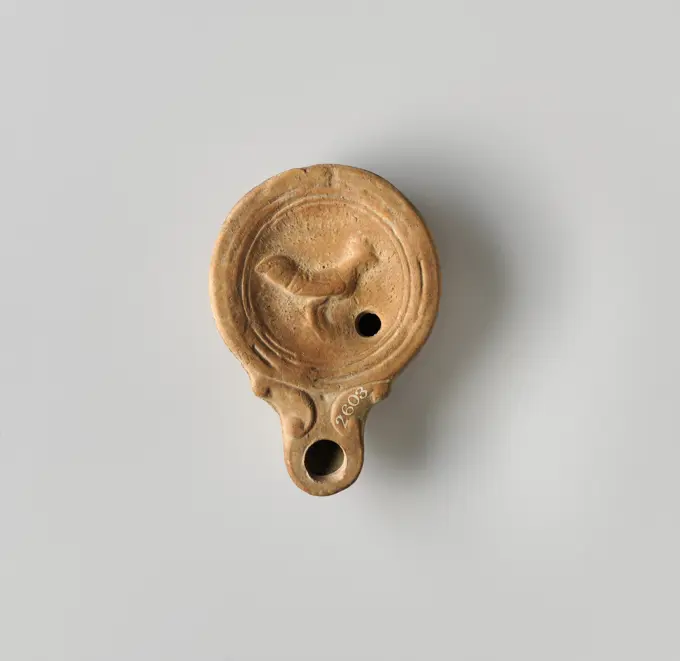
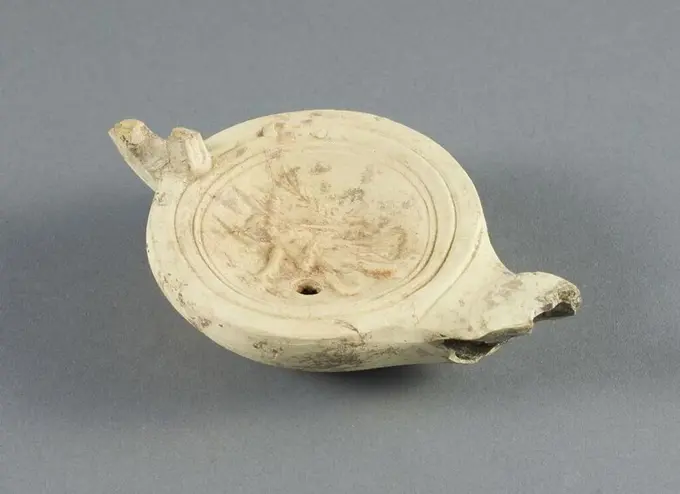
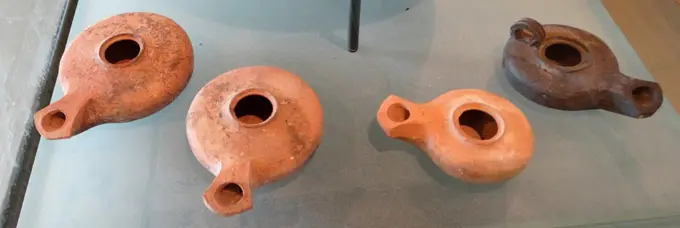
Lamp, Roman Empire; 1st century B.C. - 4th century A.D; Terracotta; 11.2 x 4.4 x 6.8 cm (4 7,16 x 1 3,4 x 2 11,16 in.)
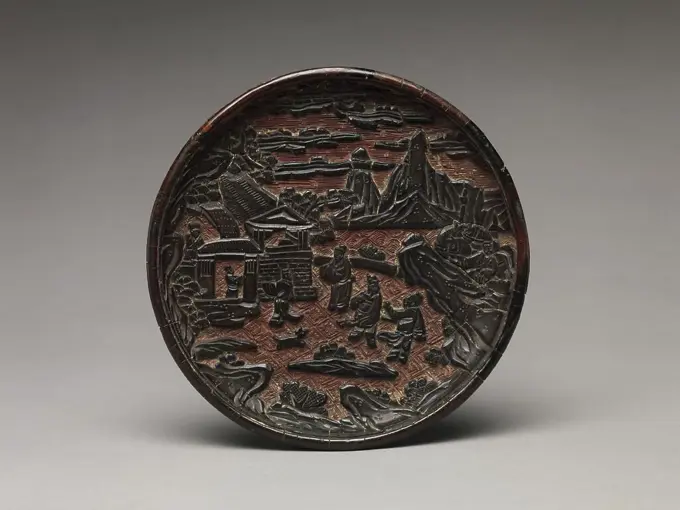
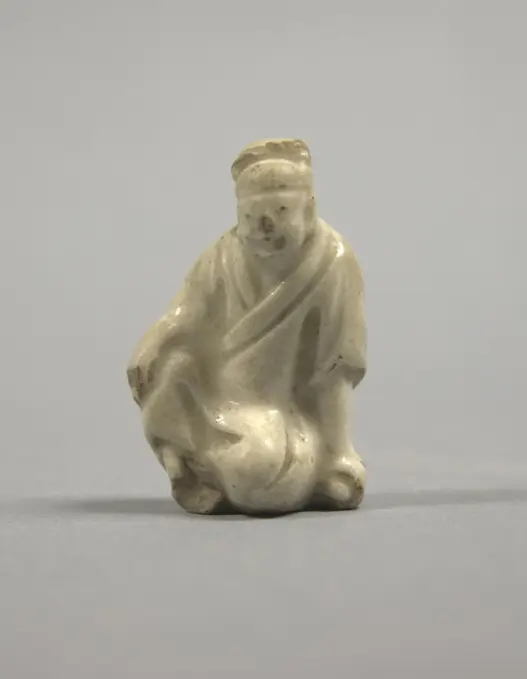
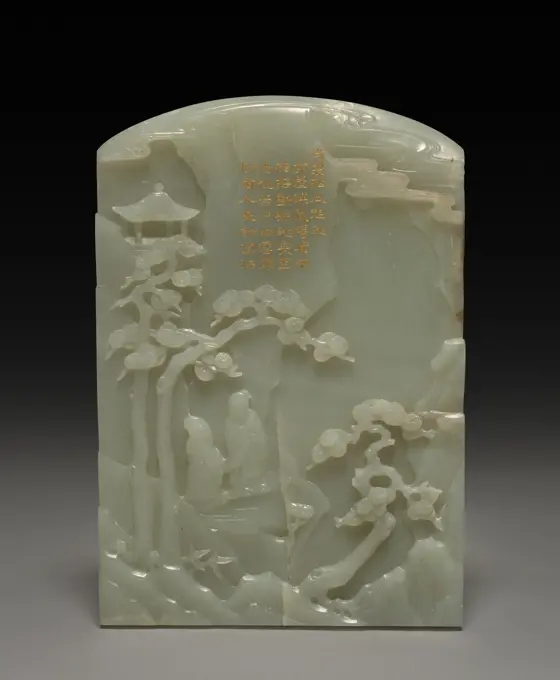
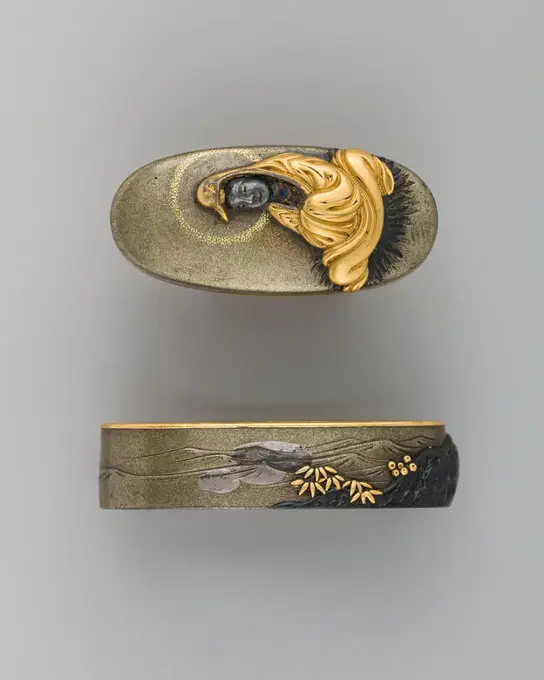
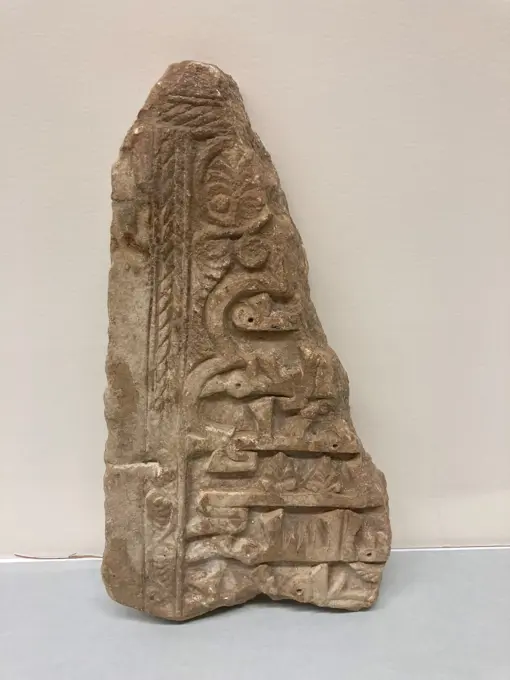
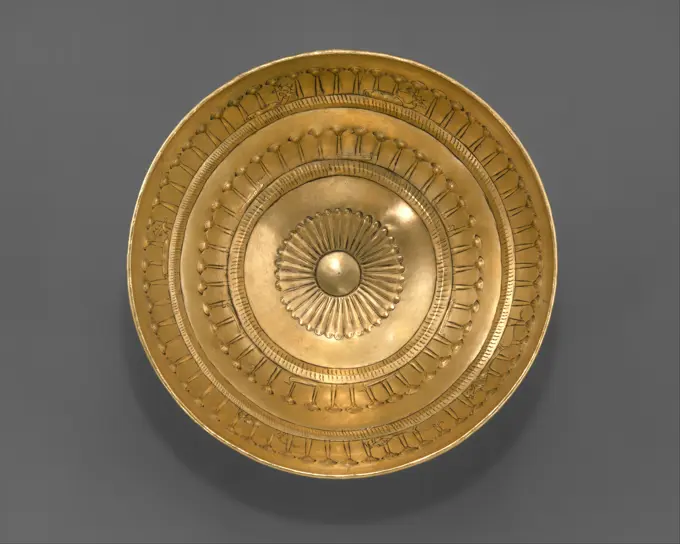
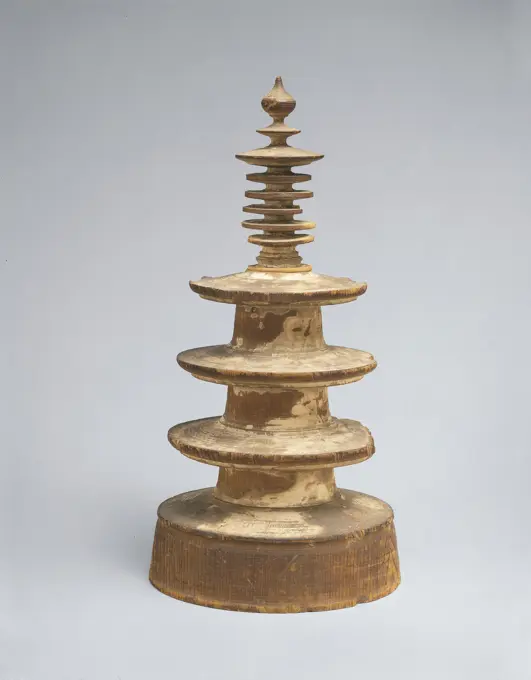
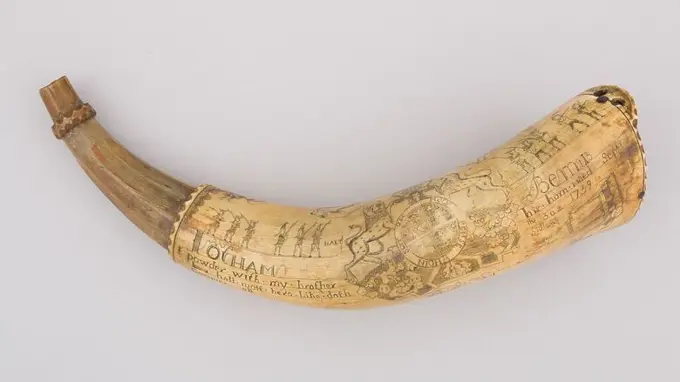
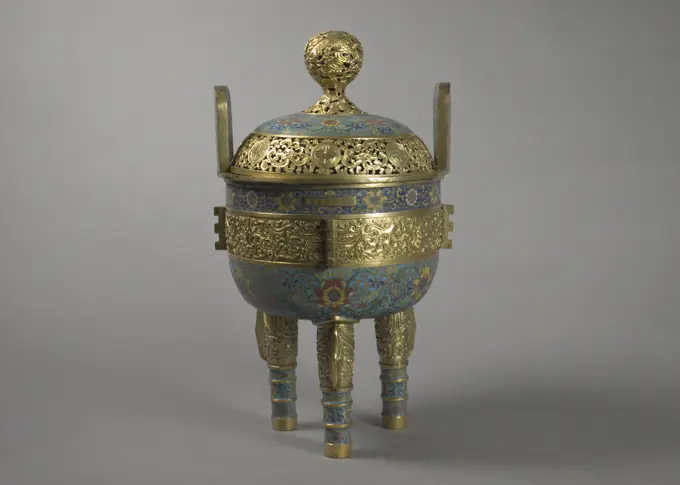
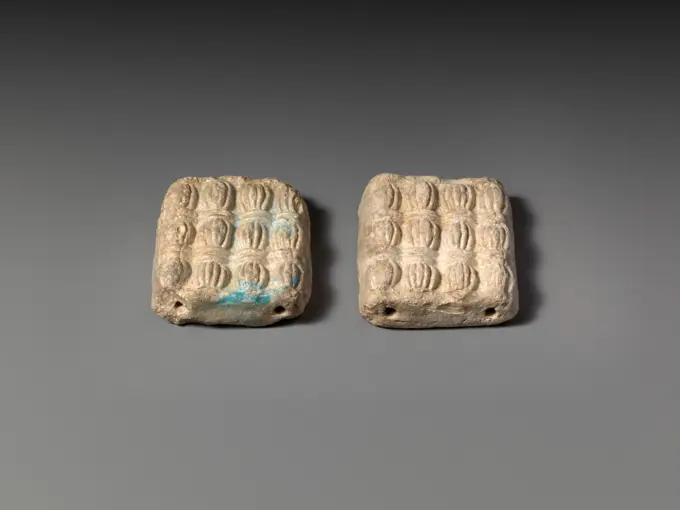
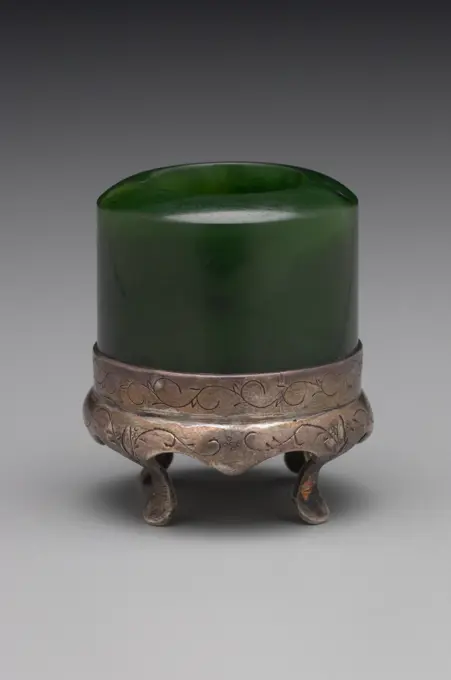
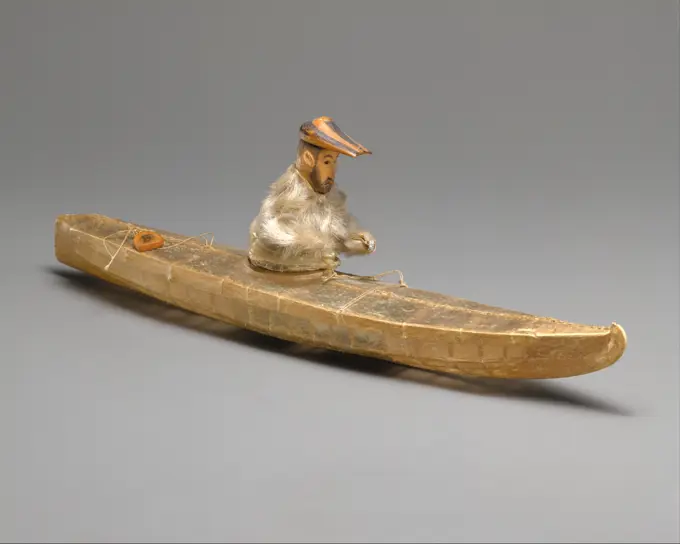
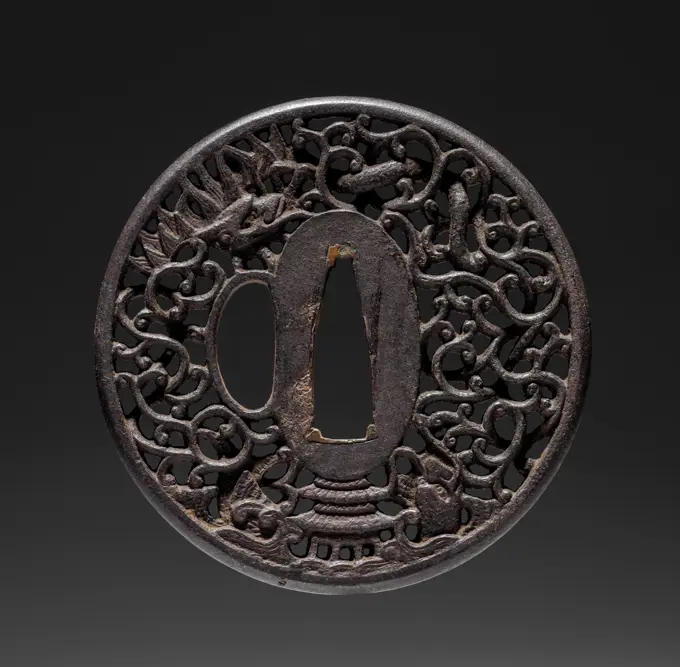
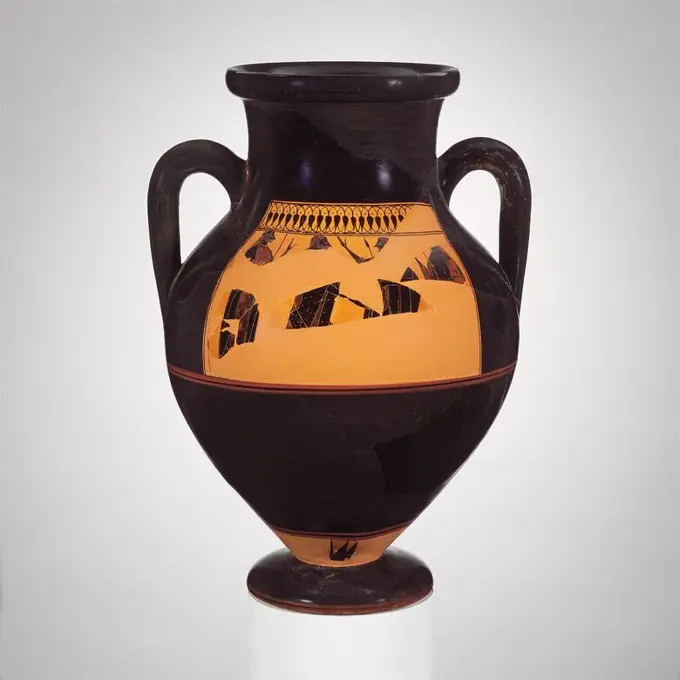
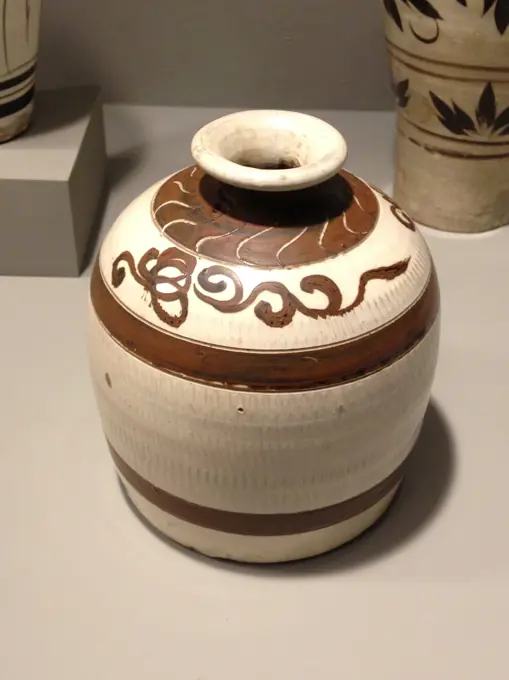
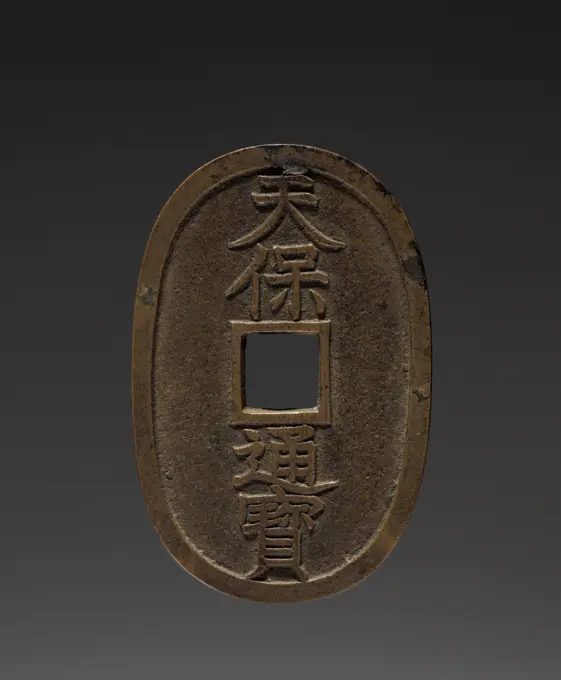
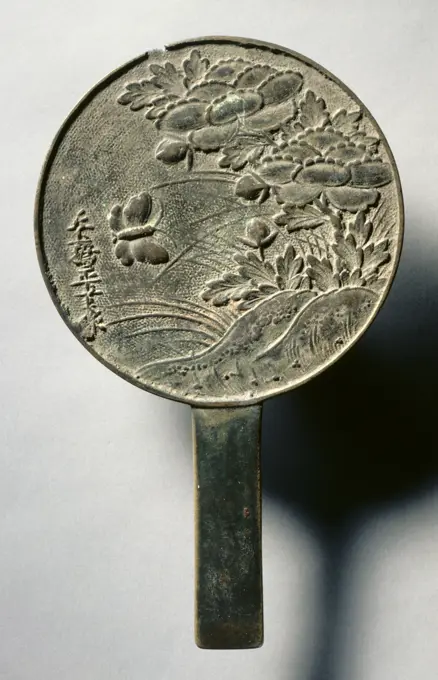
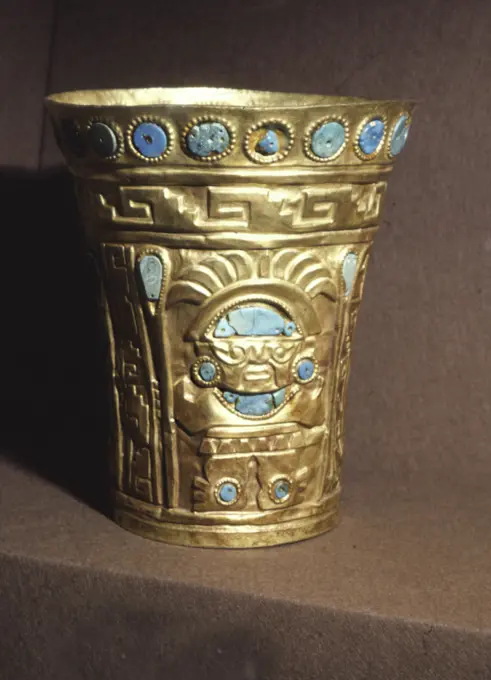
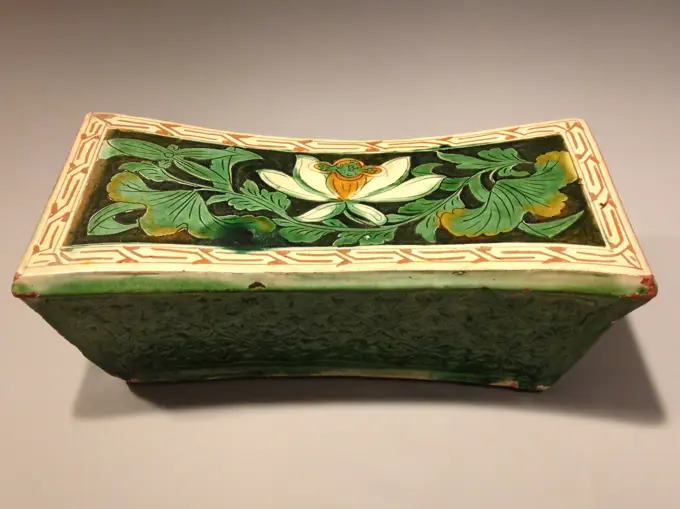
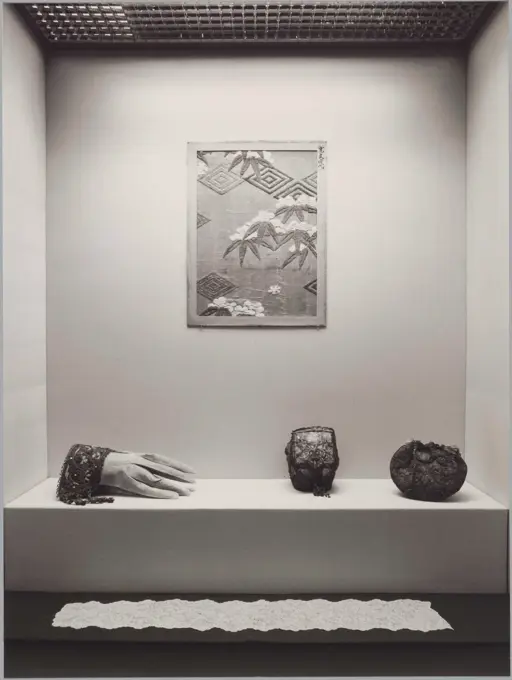
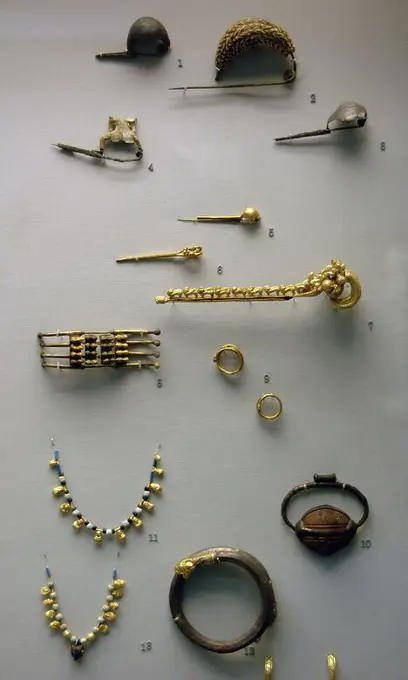
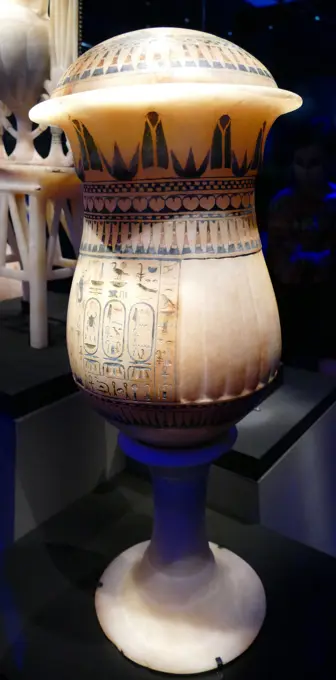
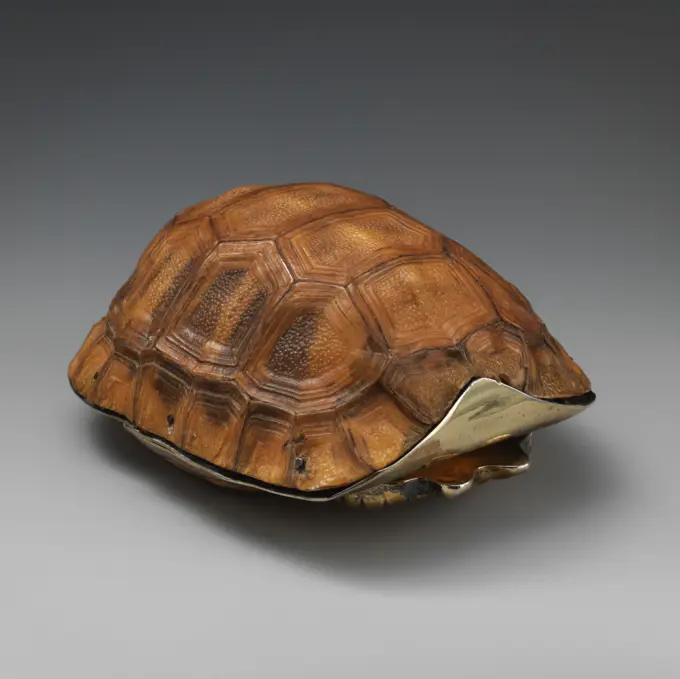
SwordHiltHair Ornament 8th-early 10th century Indonesia (Java). Hair Ornament 40136Terracotta oil lamp 1st century B.C.-1st century A.D. Roman, Cypriot Loeschcke Type 4. Mold-made. Discus: cock standing to right; a single filling hole at lower right; faint band of lines and grooves towards edge. Volutes flanking rounded nozzle. Incised base ring, and pushed-in base; ribs extending from volutes down side to either side of nozzle.Intact.. Terracotta oil lamp. Roman, Cypriot. 1st century B.C.-1st century A.D.. Terracotta. Early Imperial. TerracottasThô miniature vase. Bronze. Cernuschi Museum, Asia Museum of Asia in the city of Paris.Vessel stand naming the scribe Iui ca. 1550-1295 B.C. New Kingdom. Vessel stand naming the scribe Iui. ca. 1550-1295 B.C.. Faience. New Kingdom. From Egypt. Dynasty 18Pair of Dishes with Scenes from the Romance of the Three Kingdoms. Culture: China. Dimensions: Each: Diam. 6 in. (15.2 cm). Date: late 14th century.The narrative scenes on this pair of dishes derive from Chinese history. At the center of one of the dishes, three figures stand before a hut. They are most likely Liu Bei and his two brothers, visiting the learned scholar Zhuge Liang. Liu Bei was the founder of one of the primary polities in China during the Three Kingdoms period (220-65), a tumultuous era that plays a prominent role in Chinese literature. It is likely that the scene was derived from woodblock prints. The scene on the other dish has not yet been identified. Museum: Metropolitan Museum of Art, New York, USA.Powder Horn. French. Date: 1501-1600. Dimensions: L. 25.4 cm (10 in.). Ivory. Origin: France. Museum: The Chicago Art Institute, Chicago, USA.Bracelet, 1800s. Siam. Silver gilt; overall: 17.8 cm (7 in.).Pin cushion, with a pink flower, anonymous, c. 1750 A pin cushion of silk trimmed with silver spare; Bottom light blue, with pin pricks and diamond pattern; Top cream/white on which an embroidered flower in pink, green and silver thread filling (). Amsterdam (possibly) silk. metal thread A pin cushion of silk trimmed with silver spare; Bottom light blue, with pin pricks and diamond pattern; Top cream/white on which an embroidered flower in pink, green and silver thread filling (). Amsterdam (possibly) silk. metal threadAnkletFigure of a Seated Man China. Figure of a Seated Man. China. White glazed porcelaneous ware. Ming dynasty (1368-1644). CeramicsTable Screen, 1736-1795. China, Qing dynasty (1644-1911), Qianlong reign (1736-1795). Jade; overall: 15.9 cm (6 1/4 in.).Sword-Hilt Collar and Pommel (Fuchigashira). Culture: Japanese. Dimensions: Fuchi (a); H. 1 1/2 in. (3.8 cm); Wt. 0.8 oz. (22.7 g); kashira (b); H. 1 3/8 in. (3.5 cm); Wt. 0.6 oz. (17 g). Date: ca. 1615-1868. Museum: Metropolitan Museum of Art, New York, USA.Fragment of Tombstone 9th-10th century This object was excavated at Nishapur.Nishapur was a vital city in the early and middle Islamic periods, located along one of the main trajectories that connected Iran and West Asia Islamic lands with Central Asia and China. These itineraries are often referred to by the term Silk routes’ but were in fact crucial to the movement of constellations of materials and objects, as well as people and ideas. The diverse population of Nishapur and its surroundings, from the better-researched elite groups of merchants, land-owning aristocracy, and literates, to the less-known artisans, farmers, miners, and servants, were instrumental in adapting global cultural trends to create their own distinctive visual languages. This is seen in the material remains of everyday life in medieval Nishapur - from pots and pans to lighting devices, inkwells, textiles and trimmings, jewelry, games and toys, talismanic devices, weapons, coins, and architectural fragments.NisFrakin to the bottle;  2. PO. 19th century (1825-00-00-1850-00-00);Lamp. Roman. Date: 200 AD-300 AD. Dimensions: 3.75 x 8 x 12.5 cm (1 7/16 x 3 1/8 x 4 15/16 in.). Terra-cotta. Origin: Italy. Museum: The Chicago Art Institute, Chicago, USA. Author: ANCIENT ROMAN.Tankard (schnelle) with Jupiter, Venus and Mars, Anno Knütgen (attributed to workshop of), c. 1567 - c. 1580 Jug (schnelle) of stoneware with cylindrical, tapered body and C-shaped ear. Profiles under the edge and above the foot and on the wall rings. On the front of the jug in relief three times a rectangular, printed and imposed course with in the middle Venus with the inscription 'Venvs', flanked by Jupiter (IVPeder) and Mars (Mars). In the performances of Venus and Jupiter the date '1567'. Attached to the ear a pewter frame with lid. An unreadable brand in the lid. Siegburg. Siegburg Stoneware. Glaze. frame: tin (metal) vitrification Jug (schnelle) of stoneware with cylindrical, tapered body and C-shaped ear. Profiles under the edge and above the foot and on the wall rings. On the front of the jug in relief three times a rectangular, printed and imposed course with in the middle Venus with the inscription 'Venvs', flanked by Jupiter (IVPeder) and Mars (Mars). In the performances ofTerracotta fragments of a neck-amphora (jar) second quarter of the 5th century B.C. Greek, Attic Two fragments of the mouth of a neck-amphora with an egg pattern below the rim. Terracotta fragments of a neck-amphora (jar). Greek, Attic. second quarter of the 5th century B.C.. Terracotta; red-figure. Classical. VasesSnuff Bottle, 19th century, 2 5/8 x 1 5/8in. (6.7 x 4.1cm), Agate, coral, China, 19th centuryGold bowl ca. 700 B.C. Cypriot A rosette fills the center. The two concentric zones are presented as papyrus swamps. The inner one is inhabited by ducks, the outer one by three bulls and three fallow deer whose lower extremities are covered by the vegetation. The animals are rendered with considerably greater energy and verisimilitude than the papyrus, suggesting what the artist had and had not actually observed.. Gold bowl 243819Powder Horn 1761 Colonial American, Fort Stanwix, Rome, New York This powder horn is engraved with pictorial maps of portions of New York and Canada, St. Paul's Cathedral in London, and the royal arms of Great Britain.. Powder Horn 29379Emilia-Romagna Ferrara Ferrara Museo Civico di Schifanoia48. Hutzel, Max 1960-1990 General Notes: INCOMPLETE RECORD--NEGATIVES PROCESSED, PRINTS FILED German-born photographer and scholar Max Hutzel (1911-1988) photographed in Italy from the early 1960s until his death. The result of this project, referred to by Hutzel as Foto Arte Minore, is thorough documentation of art historical development in Italy up to the 18th century, including objects of the Etruscans and the Romans, as well as early Medieval, Romanesque, Gothic, Renaissance and Baroque monuments. Images are organized by geographic region in Italy, then by province, city, site complex and monument.Islamic period. Horn. Ivory; carved. Sicily or Southern Italy. 11th century. The State Hermitage Museum. Saint Petersburg. Russia.Womans shoe unknownPagoda with Darani sutra, from a set of 'One Million Pagodas', 767, Unknown Japanese, 8 9/16 × 4 1/4 × 4 3/16 in. (21.75 × 10.8 × 10.64 cm), Japanese cypress (hinoki) and Cleyera ochnacea japonica (sakaki), Japan, 8th century, According to Japans earliest recorded histories, in the mid-760s, the Empress Shōtoku (718-770) commissioned the production of one million miniature scrolls printed with Buddhist incantations, each one enshrined within a small wooden pagoda. When they were completed, the empress donated 100,000 scroll-pagoda combinations to each of the ten major Buddhist temples in Nara, then the capital. One of those temples, Hōryūji, still owns several thousand of Empress Shōtokus miniature pagodas. Traditions holds that the empress commission may have been related to a scandal involving a love affair with a young Buddhist priest and an attempted coup, but whatever the case, the empress no doubt garnered a vast amount of karma through her million-pagoda project.Powder Horn. Culture: Colonial American. Dimensions: L. 13 in. (33 cm); Diam. 3 1/2 in. (8.9 cm); Wt. 14.8 oz. (419.6 g). Engraver: Jacob Gay (American, New York, recorded 1758-87). Date: dated 1759.One of the most prolific horn carvers, Jacob Gay is thought to have relocated from Nova Scotia to New England in about 1755, settling in New Hampshire. This horn is engraved with a map of the Hudson Valley and the forts from Albany to the Great Lakes, the British coat of arms, and the name of the owner, Iotham Bemus. Museum: Metropolitan Museum of Art, New York, USA.musical instrumentElisa Lauth. Tiare, around 1925. Paris, Galliera Museum. 26674-4 Pearls, tiareSeal ring. Copper ring with oval stamp on which and creux a sitting woman with child on her lap, very vague. The ring itself has the shape of a rope but strongly flattened, abstract motifs are engraved on either side of the stamp. Letters AVILamella. UnknownFlask - snuff bottle. unknown, craftsmanHead of Emperor Marcus Aurelius Antoninus (Sextus Varius Avitus Bassianus better known as Elagabalus or Heliogabalus, circa 203 - 222 A.D.), Severan dynasty, imperial age, marbleOne of a Pair of Incense Burners China Vessels from China's ancient Bronze Age cultures, such as the Shang (ca. 1600-ca. 1050 B.C.) and Zhou (ca. 1046-256 B.C.) dynasties, often served as prototypes for later metalwork, particularly those with ritual or ceremonial functions. The shape of this incense burner is based on an archaic tripod vessel known as a ding, which was used for holding or serving food and other offerings. The floral scrolls in the background are embellished by the raised gilt-bronze band at the center, which is decorated with a pattern loosely based on the taotie, a masklike design ubiquitous in the imagery of the Bronze Age.. One of a Pair of Incense Burners 40621Pipe-Bowl with a Wooden Case, Porcelinfabriek aan den Amstel, c. 1784 - c. 1809 Pijpenkop multicolour painted with a landscape. Not marked with wooden partition. Ouder-Amstel porcelain Pijpenkop multicolour painted with a landscape. Not marked with wooden partition. Ouder-Amstel porcelainStanding FiguretraditionFigurine of rakan (Buddhist holy man). unknown, ceramistGlass bead ca. 1500-1350 B.C. Probably western Asiatic or Levantine Opaque turquoise blue.Roughly square; flat back; slightly beveled sides; two holes pierced vertically through bead with openings larger at one end.On front, impressed design comprising twelve vertically ribbed bulbous shapes, arranged in three horizontal rows of four, each divided by two horizontal parallel ribs, and a single horizontal rib running along top and bottom edges.Intact, but with chips on edges, sides, and back; pitting, dulling, and large areas of creamy weathering.Made in the same mold as 74.51.4537.. Glass bead. Probably western Asiatic or Levantine. ca. 1500-1350 B.C.. Glass; mold pressed. Late Bronze Age. GlassBranch with a view of the castle in uje, a saucer with miniatures and "evaluations; Baranówka (Porcelain Manufaktura; 1804-2012); around 1820 (1810-00-00-1820-00-00), around 1820 (1815-00-00-1820-00-00);Scholars Thumb RingKayak Model with Hunter 1840-50 Aleut. Kayak Model with Hunter 319187Sword Guard (Tsuba) with Dragon and Palace, c. 1615-1868. Japan, possibly Edo period (1615-1868). Iron; diameter: 7.1 cm (2 13/16 in.).Capitel bizantino, mármol, siglo VI, procedente de la iglesia de San Polyeuktos de Constantinopla. Museum: Museu d'Arqueologia de Catalunya, Barcelona.Terracotta amphora (jar). Culture: Greek, Attic. Dimensions: H. 14 3/4 in. (37.5 cm). Date: ca. 540 B.C..Obverse and reverse, men and youthsThe Affecter is a particularly recognizable personality among artists of the second half of the sixth century B.C. The decoration of his vases accords so fully with the shapes that potter and painter were most likely the same individual. Noteworthy, however, is the volume of his shapes in contrast to the rigidity of his figures. Museum: Metropolitan Museum of Art, New York, USA.Decoration in South Africa, Tswalu Kalahari ReserveTea caddy with spoon (one of a set of three) 1762-63 John Swift. Tea caddy with spoon (one of a set of three). British, London. 1762-63. Silver. Metalwork-SilverBeehive-shaped Vase, 12th-13th century, 7 3/4 x 6 3/4 in. (19.69 x 17.15 cm), Tz'u-chou type ware Stoneware with incised decor under a white slip with painted iron brown design under a clear glaze, China, 12th-13th century, The short broad shape of this vessel, often described as a truncated bottle (tu lu ping), is also found in celadon wares and brown glaze ceramics of the Song period (960-1280). The various Cizhou kilns of North China evolved an incredible variety of decorative techniques during this era. This bottle displays the brown and white coloration of most Cizhou ware but the combination of an incised pattern overlaid with a white slip which, in turn, is painted with brown floral decor is somewhat unusual. As Cizhou was not a court controlled ware, potters were free to experiment with different designs and techniques.Sauterelle (Grasshopper). Jan Jozeph Jaquet; Belgian, 1822--1898. Date: 1857. Dimensions: H. 23 cm (9 1/16 in.). Bronze, thin brown patina. Origin: Belgium. Museum: The Chicago Art Institute, Chicago, USA.Bells, Probably for a Horse Harness ca. 3rd century Japanese. Bells, Probably for a Horse Harness. Japanese. ca. 3rd century. Bronze, gilding. Miscellaneous-Buckles & OrnamentTenpō Tsūhō Coin, 1835-68. Japan, Edo period (1615-1868). Copper; diameter: 3.2 x 4.8 cm (1 1/4 x 1 7/8 in.).Oil lamps used during the Great Revolt period on Masada. Masada is an ancient fortification in the Southern District of Israel situated on top of an isolated rock plateau on the eastern edge of the Judean Desert, overlooking the Dead Sea Dated 73 BCEgyptian broad collar made of strings of gold pendants in a variety of shapes, some of them originally inlaid. Made in Egypt 1400-1300 BC Found in Tomb in Cyprus.Mirror with Handle, Decorated with a Butterfly and Blooming Peony, early 1600s to mid-1800s. Japan, Edo period (1615-1868). Bronze; diameter: 14.5 cm (5 11/16 in.); overall: 0.5 cm (3/16 in.); rim: 0.5 cm (3/16 in.).Head of a sculpture, anonymous, 1300 - 1500 Fragment (head), freely weathered with flattened hairdressing, jewelry rosette above the head. On a pedestal. Indonesia terracotta (clay material). sokkel: wood (plant material) Fragment (head), freely weathered with flattened hairdressing, jewelry rosette above the head. On a pedestal. Indonesia terracotta (clay material). sokkel: wood (plant material)Gold cup. Ur. 3rd mill. BC. Mesopotamia.Arc Pendant with Human-like Figure, c. 1050-771 BC. China, Western Zhou dynasty (c. 1046-771 BC). Nephrite; overall: 7.1 cm (2 13/16 in.).Iberian Excised Box, Valladolid Museum - Provincial Museum of Antiquities, Autonomous Community of Castile and Leon, Spain.Gold & turquoise vessel. Chimu. Pre-Inca civilisation. PERU.Pillow, 10th-11th century, 4-11/16 x 7-13/16 x 4-1/2 in. (11.9 x 19.8 x 11.4 cm), Cizhou ware Stoneware with impressed décor under a 'three-color' (sancai) glaze, China, 10th-11th century, A variant of the basic box-shaped pillow is the so-called 'ingot shape' which resembles in profile, the general form of a Chinese silver ingot. This work displays a subtle, moulded design under its green and amber san cai glaze that simulates a brocaded textile. It may be that the pillow is actually meant to replicate a type of fabric covered cushion or pillow.VASO DE VAFIO - HACIA 1500 AC - ORFEBRERIA MICENICA. Location: MUSEO ARQUEOLOGICO-ORFEBRERIA. ATHENS. GREECE.Beaker Vase, Meissener porcelain manufactory, c. 1715 Bekervaas of Red Böttger-SteenGoed. The cup has a profiled foot, above which a Frisian of standing Acanthus motifs in relief. The body is decorated on both sides with a women's head between Acanthusvoluten above a lambal. The heads are awarded with a fan -shaped motif consisting of five godrons. Under the profiled mouth edge a frieze of leaf skins in relief. The vase is not marked. Float stoneware Bekervaas of Red Böttger-SteenGoed. The cup has a profiled foot, above which a Frisian of standing Acanthus motifs in relief. The body is decorated on both sides with a women's head between Acanthusvoluten above a lambal. The heads are awarded with a fan -shaped motif consisting of five godrons. Under the profiled mouth edge a frieze of leaf skins in relief. The vase is not marked. Float stonewareVase China. Vase 43762Golden Artifact From Muisca Tribe In The Gold Museum In La Candelaria, The Old Town Of Bogota, ColombiaWrist Rest, c. 1800, Ping Tsun, Chinese, active late 18th-early 19th century, 8 1/2 x 2 7/8 x 13/16 in. (21.59 x 7.3 x 2.06 cm), Carved bamboo, China, 18th-19th century, Used to support a painter's or calligrapher's wrist while doing meticulous brushwork, wrist rests became popular in the 17th century as literati accoutrements. Though often made of bamboo, examples in boxwood, jade and ivory have also survived. The carved decoration here features herons in a lotus pond. The signature and seals at the end of the poem cite Ping Ts'un as the carver. The use of natural materials and the inclusion of a poem complementing the scene clearly reflect literati values.Sarcophagus and Lid; 19th Century Crouching Lion Supports. UnknownFurniture, Anonymous, c. 1800 - c. 1900 Hand press made of oak with three drawers and with a copper clamp. Northern NetherlandsNetherlands wood (plant material). oak (wood). copper (metal) Hand press made of oak with three drawers and with a copper clamp. Northern NetherlandsNetherlands wood (plant material). oak (wood). copper (metal)Statuette of Jupiter; Unknown; Roman Empire; 1st century; Silver; Object: H: 17.5 cm (6 7/8 in.)Textile vitrine with various objects, including a glove (second arrangement); Exhibition Flora at the time. .Column Base. Culture: French. Dimensions: Overall: 5 1/8 x 9 7/8 x 9 7/8 in. (13 x 25.1 x 25.1 cm). Date: late 12th century. Museum: Metropolitan Museum of Art, New York, USA.Etruscan jewellery. 7th century BC. British Museum. London. England. United Kingdom.Painted wooden canoe from Taiwan. Dated 20th CenturyMiniature chair (one of four) (part of a set). Culture: British, London. Dimensions: 3 1/8 × 1 3/4 × 1 in. (7.9 × 4.4 × 2.5 cm). Maker: Probably George Manjoy (British, active 1685-ca. 1720). Date: 1690-91. Museum: Metropolitan Museum of Art, New York, USA.Footstool Brown Leather Footstool With Pillow Copyright: xZoonar.com/MarkoxBericx 8689535Jade itemCalcite vase from the tomb of King Tutankhamen 1336 - 1326 B.C.Tortoise box 18th century possibly British The 18th century box exhibits a great curiosity for the Exotic. Objects made of tortoise shell are relatively common, but a complete shell of a tortoise is exceedingly rare. It is very likely that this was a kunstkammer object as could be found in the courts of Northern Europe or indeed English country houses.. Tortoise box. possibly British. 18th century. Tortoise, gilded silver. Metalwork-SilverAnasazi pottery on display at the Anasazi State Park Museum near Boulder, Utah, United States.Lime Container with Snake Skin Wrapping. Probably Ica; South coast, Peru. Date: 1000-1470. Dimensions: 14 x 4.1 cm (5 1/2 x 1 5/8 in.). Gourd with wood, snake skin, wool. Origin: Peru. Museum: The Chicago Art Institute, Chicago, USA.India, Rajasthan, Shekhawati, Nawalgarh, Grand Haveli, pottery figure,Baptismal font-13th century, Church of San Juan Bautista, Gibraleon, Huelva province, Region of Andalusia, Spain, Europe.Scarab. UnknownVEB MUSEUM, Dresden, Saxony, Germany, Europe